Home Blog Page 89

Ditch the Drive-Thru & Dive Into These High-Protein Meals: How I Transformed My Life and Lost 130 Pounds With Tasty 10-Minute Recipes


High-Protein 10-Minute Meals

Are you tired of feeling trapped in the cycle of mediocre meals that drain both your energy and enthusiasm? Join me on a delicious journey where we’re transforming not just meals but lives—starting with yours. In this blog, we’re diving deep into the art of crafting high-protein, mouth-watering meals that take merely 10 minutes to prepare. These aren’t just recipes; they are the very foundation upon which I pivoted my life, shedding 130 pounds and keeping the weight off for over a decade. Today, I’m unveiling two brilliant culinary creations—a Peach Pie Breakfast Bowl and a Supreme Taco Bowl—that have revolutionized how I approach food. Join me in discovering how these recipes not only satisfy cravings but also keep you on track, allowing you to love what you eat and feel great in your skin. Let’s ditch the drive-thru and dive into flavor-filled, mindful eating habits that inspire a healthier you!

Embracing Flavorful, High-Protein Meals

The journey to sustainable weight loss doesn’t have to be a struggle against bland or uninspiring meals. It’s about finding the balance between flavor, nutrition, and convenience. The recipes I’m sharing today have been my secret weapon in reclaiming my health and have become staples in my daily routine. By focusing on high-protein, easy-to-prepare meals, I’ve stayed energized, satisfied, and vibrant without feeling deprived.

Supreme Taco Bowl

This meal captures all the flavors of a beloved fast-food favorite but in a nourishing way that aligns with a health-conscious lifestyle.

Ingredients:

  • 3 oz of cooked lean ground turkey, simmered with low-sodium taco seasoning
  • 30g shredded TexMex cheese
  • 2 1/4 cups shredded iceberg lettuce
  • 1/4 cup chopped tomatoes
  • 2 tablespoons of low-fat sour cream
  • 1 tablespoon of regular (or spicy) ranch dressing
  • Quest protein chips (loaded taco flavor)

Preparation:

  1. Start by cooking one pound of lean ground turkey. Preheat a pan with cooking spray over medium-high heat and cook until no pink remains. Add half a cup of water and the taco seasoning, then simmer until thickened.
  2. Layer your ingredients in a dish: lettuce, ground turkey, tomatoes, cheese, and strategically place your Quest chips.
  3. Top with your measured sour cream and ranch dressing.

Here’s why this dish works wonders: It’s not only under 500 calories but also packed with 49g of protein. This ratio ensures that you’re not only savoring each bite but also staying full and energized, reducing the likelihood of reaching for unhealthy snacks later on.

Peach Pie Breakfast Bowl

Moving onto breakfast or even dessert, the Peach Pie Breakfast Bowl is a delightful treat. It feels like indulgence, yet it remains a balanced meal.

Ingredients:

  • 1/2 cup of protein pancake mix (Kodiak cakes recommended)
  • 1 teaspoon ground cinnamon
  • 2 teaspoons of low-calorie sweetener
  • 1/3 cup Fairlife milk
  • 15g protein powder (maple cookie flavor recommended)
  • 1/3 cup of plain fat-free Greek yogurt
  • 1/2 cup of frozen peaches, thawed
  • 1 teaspoon of caramel syrup

Preparation:

  1. Combine pancake mix, cinnamon, and sweetener in a microwave-safe bowl. Add milk gradually until you reach a batter consistency.
  2. Microwave for 30-second intervals, stirring in between, until set – approximately 90 seconds total.
  3. Mix protein powder with Greek yogurt to create a rich, creamy topping.
  4. Layer the peaches over the cooked pancake mix. Top with Greek yogurt and a drizzle of caramel syrup.

This breakfast bowl not only satisfies your sweet tooth but delivers 40g of protein, keeping your morning on a steady energy boost.

Sustainable Choices for Lasting Results

The brilliance of these meals lies in their simplicity and adaptability. They’re prepared with ingredients readily available at most grocery stores, like Walmart, ensuring accessibility. More importantly, they are designed to fit seamlessly into a balanced diet, supporting your weight loss or maintenance goals without sacrificing flavor or enjoyment.

The key to long-lasting weight management is making choices that are sustainable. For years, I fell into the trap of complex meal plans or forcing myself to eat foods I didn’t enjoy. The turning point was when I started prioritizing meals that I loved eating, were quick to prepare, and brought a genuine sense of satisfaction.

These meals exemplify that principle. They’re packed with the flavors you crave, structured to nurture your body’s nutritional needs, yet simple enough to be part of your everyday routine. By keeping meals focused on high protein and low calorie but full of rich, satisfying taste, it’s possible to enjoy eating while still working toward your health goals.

If you’re looking to reshape your relationship with food, I encourage you to try these meals. They’ve been pivotal in my journey from a size 24 to a size 4, supporting me in keeping the weight off for over a decade. Remember, losing weight isn’t just a physical journey but also a mental one. Align your meals with your tastes, and watch how it transforms your lifestyle for the better. Let’s embark on this exciting flavor adventure together, and reclaim not just our menus but our well-being.

Running vs. Weightlifting: Are You Putting Your Lower Back at Risk?


Running vs. Weightlifting: Are You Putting Your Lower Back at Risk?

When it comes to maintaining a healthy lifestyle and achieving peak physical fitness, running and weightlifting often take center stage. However, as beneficial as these activities are, they are not without their potential risks — particularly when it comes to the health of your lower back. In this blog, we delve into the complexities of how running and weightlifting, such as exercises involving squats, can impact your lumbar spine and increase the likelihood of injury. Drawing from insights shared by Dr. David Guyer, a renowned orthopedic surgeon and sports medicine expert, we will explore the balance between staying active and protecting your spine. Join us as we unravel the truth behind these popular fitness practices and equip you with knowledge to enhance your workouts while safeguarding your back.

The Anatomy of Your Lower Back

To comprehend the effects of running and weightlifting on your lower back, let’s begin with a brief overview of the lumbar spine. The lower back or lumbar spine consists of five vertebrae, each separated by intervertebral discs that act as cushions, absorbing shock and facilitating motion. With age, these discs can degenerate, reducing their efficiency in cushioning shocks and absorbing impacts. This degeneration can lead to stiffness, reduced flexibility, and in some cases, significant pain.

How Running Affects the Lower Back

Running is a high-impact activity that places repeated stress on your body, particularly on the spine. The pounding your spine endures with each stride can exacerbate any pre-existing wear and tear. While running itself is not inherently detrimental to your back, several factors can increase the risk of injury:

  • Improper Running Form: A poor running technique can amplify the stress on the spine. Practicing proper form by maintaining an upright posture and engaging your core can help reduce unnecessary pressure on the back.
  • Inadequate Footwear: Wearing the wrong type of shoes can result in inadequate cushioning and support, leading to increased spinal stress with each stride. Invest in quality running shoes designed for your foot type and running style.
  • Weak Core Muscles: A strong core supports spinal health by stabilizing your body during movement. Incorporating core strengthening exercises into your routine can mitigate the risk of running-related back injuries.

Weightlifting and the Axial Load

Weightlifting, particularly exercises like squats, introduces downward pressure on the spine. This axial load is a vertical force that can compress the intervertebral discs, thus increasing the risk of injury. However, by taking certain precautions, you can effectively integrate weightlifting into your routine without compromising your back health:

  • Proper Technique: Just like running, weightlifting demands proper form to avoid injury. Ensure that you are squatting correctly: keep your back straight, knees aligned over your feet, and avoid excessively arching your back.
  • Reasonable Weight Selection: Lift a weight appropriate for your strength level to avoid undue strain. Progress gradually to heavier weights to allow your muscles and spine time to adapt.
  • Balanced Exercise Regimen: Diversify your weightlifting routine to strengthen various muscle groups. Focusing on only one exercise area, such as squats, can lead to muscle imbalances and increased spinal stress.

Managing and Modifying Exercise

The key to reaping the benefits of running and weightlifting without jeopardizing your spinal health lies in the balance and moderation of your workout sessions. Here are several strategies to manage and modify your exercise regimen:

  • Consult a Professional: Consider seeking guidance from a physical therapist or a certified trainer to tailor your routines to your specific needs, especially if you’ve had prior back issues.
  • Listen to Your Body: Pay close attention to any signals your body sends during exercise. If you experience discomfort or pain in your back, stop and assess the situation.
  • Incorporate Rest Days: Allowing time for your body to recover is as important as the exercise itself. Give your body the rest it needs to repair and rebuild stronger.
  • Cross-Training: Incorporate different types of low-impact exercises, such as swimming or cycling, into your routine to provide cardiovascular benefits without the high-impact stress associated with running.

Conclusion

Running and weightlifting, when performed with care and consideration for your body’s unique needs, can be integral to a healthy lifestyle without posing significant risks to your lower back. By understanding the dynamics involved, implementing preventative measures, and making informed choices, you can continue to engage in these activities safely and effectively. As Dr. David Guyer emphasizes, it’s not about stopping these exercises completely but rather adapting them to support long-term spinal health and overall well-being. Remember, exercise should enhance your life, not hinder it, so prioritize safety as you pursue your fitness goals.


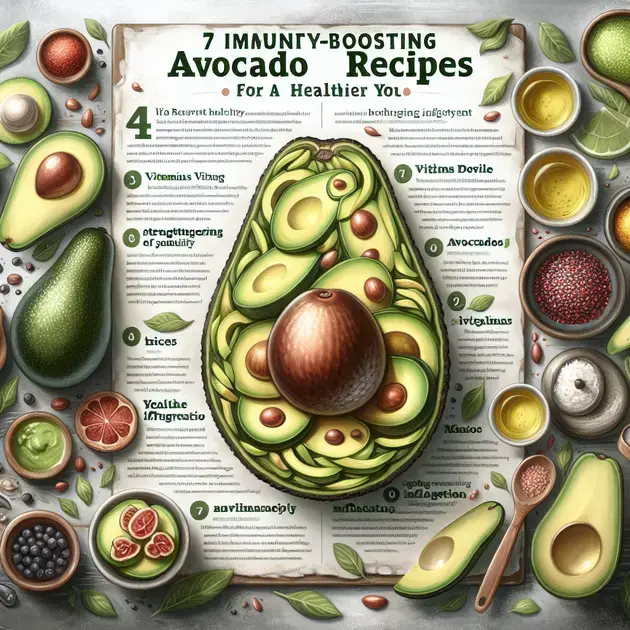
7 immunity-boosting avocado recipes for a healthier you


7 immunity-boosting avocado recipes for a healthier you

7 immunity-boosting avocado recipes for a healthier you

When it comes to building your immunity, maintaining a healthy diet is crucial. Including the right fruits and vegetables in your meals can contribute significantly to boosting your immune system, and one such fruit is the avocado. Avocados are not only delicious but also packed with essential vitamins such as A, C, and E, which play a vital role in strengthening your immune system.

The immune system plays a crucial role in protecting our bodies from various diseases and infections. It acts as a shield, defending us against harmful pathogens and keeping us healthy. However, to keep our immune system functioning optimally, it requires adequate nutrients, vitamins, and minerals. This is where avocados come into play.

Avocados are known for their creamy texture and mild taste, making them a versatile ingredient in various recipes. But their benefits go beyond their culinary appeal. Avocados are a rich source of vitamins A, C, and E, which are powerful antioxidants. These vitamins help reduce inflammation, support cell growth and repair, and enhance the immune system’s overall function.

Vitamin A, found abundantly in avocados, is essential for maintaining the health of our skin and mucous membranes. These act as barriers against harmful pathogens, preventing their entry into our bodies. By consuming avocados, we can strengthen these barriers, making it harder for viruses and bacteria to invade.

Vitamin C, another immune-boosting component in avocados, helps stimulate the production of white blood cells, which are our body’s first line of defense against infections. It also aids in the production of collagen, a protein essential for wound healing and maintaining the integrity of our skin.

Additionally, avocados are a rich source of vitamin E, which is known for its antioxidant properties. Vitamin E helps protect our cells from damage caused by free radicals, which are unstable molecules that can harm our DNA and weaken the immune system. By consuming avocados, we can provide our bodies with an extra dose of vitamin E, enhancing our immune response.

To incorporate avocados into your diet, you can try out various recipes that not only taste great but also provide the immune-boosting benefits of this fruit. From avocado toast to avocado salads and even avocado smoothies, there are countless possibilities to explore. By adding avocados to your meals, you can give your immune system the support it needs to function optimally and keep you healthy.

In conclusion, avocados are a fantastic fruit to include in your diet to boost immunity. Packed with essential vitamins A, C, and E, avocados help strengthen the immune system by reducing inflammation, supporting cell growth and repair, and protecting our cells from damage. Incorporate avocados into your meals through delicious recipes, and you’ll be on your way to a healthier and stronger immune system.

7 immunity-boosting avocado recipes:

1. Avocado Toast: Spread mashed avocado on whole-grain toast and top with a sprinkle of sea salt and black pepper. Add a squeeze of lemon juice for an extra burst of flavor.

2. Avocado Salad: Toss diced avocado with mixed greens, cherry tomatoes, cucumber, and a dressing of your choice. Add grilled chicken or shrimp for a protein-packed meal.

3. Avocado Smoothie: Blend avocado with your favorite fruits like banana, mango, and spinach. Add a splash of almond milk for a creamy and nutritious smoothie.

4. Avocado Salsa: Combine diced avocado, tomatoes, red onion, cilantro, lime juice, and a pinch of salt for a refreshing and flavorful salsa. Serve with tortilla chips or as a topping for grilled fish or chicken.

5. Avocado Pasta: Toss cooked pasta with mashed avocado, garlic, lemon juice, and cherry tomatoes. Top with grated Parmesan cheese for a creamy and satisfying pasta dish.

6. Avocado Omelette: Beat eggs with diced avocado, chopped tomatoes, and shredded cheese. Cook as you would a regular omelette for a hearty and nutritious breakfast.

7. Avocado Smoothie Bowl: Blend avocado with frozen berries, spinach, almond milk, and your choice of sweetener. Pour into a bowl and top with granola, nuts, and fresh fruit for a filling and energizing breakfast or snack.


Effortless & Delicious: High-Protein 10-Minute Meals That Helped Me Drop 130 lbs!


Effortless & Delicious: High-Protein 10-Minute Meals


If you’re eager to whip up quick, tasty, and high-protein meals that not only tantalize your taste buds but also help you achieve your weight loss goals, you’re in the right place. In this blog, I’ll be sharing my journey of shedding 130 pounds and maintaining a size four for over a decade, all thanks to simple yet satisfying meals I prepare every day. We’ll delve into two delectable dishes: the peach pie breakfast bowl and the supreme taco bowl. These meals prove that nutritious eating doesn’t have to be bland or time-consuming. Instead, they offer a flavorful experience that keeps you full and on track with your health journey. Join me as I guide you through making these delightful meals, ensuring you enjoy what you eat while embracing a healthier lifestyle.

Supreme Taco Bowl

The journey to the best version of ourselves is paved with countless choices, especially when it comes to our nutrition. After losing 130 pounds and maintaining that weight loss for a decade, I’ve found that the key to sustainable health is creating meals that are not only nutritious but also enjoyable and easy to prepare. Today, I’m thrilled to share two high-protein 10-minute meals that have transformed my everyday eating: the supreme taco bowl and the peach pie breakfast bowl.

Let’s begin with the supreme taco bowl, an alternative that gives you the satisfaction of a Taco Bell craving without the guilt of high caloric intake. This bowl is made from lean ground turkey as its protein powerhouse. Ground turkey is a fantastic choice for those watching their caloric intake because it is lower in fat and calories compared to other meats. By seasoning it with a low-sodium taco seasoning, you get all that delicious taco flavor without an overload of sodium, which can cause water retention and other health issues if over-consumed.

To assemble this bowl, you’ll need a few simple ingredients:

  • 3 oz cooked lean ground turkey
  • 30 grams of shredded Tex-Mex cheese
  • 2 1/4 cups of shredded iceberg lettuce
  • 1/4 cup of chopped tomato
  • 2 tablespoons of low-fat sour cream
  • 1 tablespoon of spicy ranch dressing
  • One bag of Quest protein chips in loaded taco flavor

The process is straightforward: combine these ingredients in a bowl with lettuce as your base and build your masterpiece. The taco bowl is not just about eating to lose weight, but also about enjoying your meals. When you control portions with high-protein, flavorful ingredients, you can eat in a way that’s satisfying and fulfilling.

The entire taco bowl clocks in at 461 calories, making it a perfect meal option that is hearty yet calorie-conscious. It boasts 49 grams of protein, which is ideal for muscle maintenance and keeps you feeling satiated longer. This way, you can experience the joy of eating without falling into the trap of overeating or making less healthful fast food choices.

Peach Pie Breakfast Bowl

Next on our culinary journey is the peach pie breakfast bowl, a sweet start to your morning that feels indulgent without sabotaging your health goals. The base of this bowl is a protein pancake mix, specifically, the Kodiak Cakes Power Cakes, which are rich in protein and low in sugar, providing a sturdy yet flavorful “crust” for your breakfast treat.

To craft this breakfast bowl, you will gather:

  • 1/2 cup of protein pancake mix
  • 1 teaspoon of ground cinnamon
  • 2 teaspoons of low-calorie sweetener
  • 1/3 cup of Fairlife 0% milk
  • 15 grams of protein powder (Maple Cookie flavor works wonderfully)
  • 1/3 cup of plain fat-free Greek yogurt
  • 1/2 cup of thawed frozen peach slices
  • 1 teaspoon of caramel syrup

First, combine the pancake mix with cinnamon, sweetener, and milk, and microwave until set. This becomes the foundation of your bowl, akin to a pie crust. The real magic happens when you mix Greek yogurt with protein powder to replicate a rich, ice-cream-like topping. Greek yogurt offers a creamy texture and an extra dose of protein, while the protein powder enhances the flavor profile, making it taste like you’ve added a generous scoop of high-end ice cream.

Finally, embellish your crust with the peaches and drizzle with caramel syrup. This peach pie breakfast bowl is nutrient-dense, packing a balance of 413 calories, 40 grams of protein, which helps stabilize blood sugar and keeps hunger at bay, and enough carbs to fuel your morning activities.

The beauty of these meals lies in the balance they strike between health and taste. These are not restrictive, “diet-like” meals that leave you feeling deprived. Rather, they symbolize a journey of discovering foods that fuel your body and satisfy your soul, proving that you can love what you eat and still achieve your fitness goals.

As you embrace these meals, remember that a successful weight loss journey hinges not just on what’s on your plate, but also in your mindset. Make it a mission to delight in every bite, prioritize nutrition, and honor your body with choices that support your health. Here’s to creating meals that help you feel your best, one delicious bowl at a time!


Is Running Or Lifting Weights Wrecking Your Back? Insights From An Expert


Blog Article

Great! If you’ve ever wondered whether your favorite workouts might be doing more harm than good to your back, you’re not alone. Dr. David Guyer, a triple board-certified orthopedic surgeon and sports medicine specialist, delves deep into this concern in his latest video. By addressing questions raised by viewers like you, Dr. Guyer explores the potential risks that everyday exercises, particularly running and weightlifting, pose to the lumbar spine. Whether you’re an avid runner or love squats, understanding the balance between maintaining fitness and safeguarding your back health is crucial. In this blog, we’ll expand on Dr. Guyer’s insights, offering a better understanding of how different activities could impact your spinal health, and what you might do to prevent injuries. Dive in to learn how to keep your body strong and your back safe, no matter your age or fitness level.

Running and Weightlifting: Impact on the Lower Back

Running and weightlifting are two of the most popular forms of exercise, each with its own benefits and challenges. However, for those concerned about back health, the question arises: can these activities be harmful to the lumbar spine?

Understanding the impact of these exercises on the lower back starts with recognizing the mechanics involved. Running is a high-impact activity that sends shock waves through the body with every step. This repetitive jarring can affect the back similarly to the knees, especially in individuals who might already have some degree of wear-and-tear or degeneration in their spinal discs due to age.

Lifting weights, particularly exercises like squats, introduces an axial load on the spine. The compression in a vertical plane, exacerbated by gravity, places additional stress on the vertebral discs and bones. While this can enhance strength and build muscle, it also increases the risk of lumbar spine injuries if not managed properly. The key lies in how these activities are performed and how individuals manage their unique risk factors.

Age-Related Degeneration and Exercise

It’s crucial for individuals, especially those over the age of 50, to be aware of the natural degeneration that occurs over time in the spine. While sudden or acute traumas can cause injuries, the gradual wear-and-tear from years of activities is often the underlying factor. The axial load from repetitive motion in activities like running and weightlifting can potentially accelerate these degenerative changes.

Modifying Your Workout Routine

For individuals already experiencing lumbar spine issues, modifications can make a significant difference. Instead of ceasing activities altogether, consider adjusting your exercise regimen:

  • Choose alternative exercises: Opt for leg presses over squats or incline walking instead of running. These reduce direct stress on the spine while still allowing for strength and endurance training.
  • Focus on form: Proper form during exercises, especially when lifting weights, is crucial. Improper technique can increase the risk of injury.
  • Incorporate flexibility and core strength training: Strengthening abdominal and oblique muscles can support the spine and improve stability, reducing the risk of back injury.
  • Consult a professional: Working with a physical therapist or a certified trainer can guide you in tailoring a fitness program that respects your body’s limitations without sacrificing the benefits of exercise.

The Importance of Rest and Recovery

Moreover, it’s beneficial to balance intense workout routines with adequate rest. Rest days and active recovery sessions reduce the cumulative stress experienced by the spine and other joints, offering much-needed time for recovery and repair.

Listening to Your Body

In summary, while running and weightlifting can pose potential risks to your back, quitting these activities isn’t necessarily the solution. With proper technique, informed modifications, and a proactive approach to back health, it is possible to enjoy these exercises safely. For those who are already experiencing back issues, seeking professional guidance and making strategic adjustments to your routine can lead to a healthier, more sustainable fitness journey.

Remember, every individual’s body responds differently to physical stressors. What works for one person may not work for another. Listening to your body and being willing to adapt your routine to better accommodate your current health status is the key to maintaining a healthy back while continuing to enjoy your workouts.

Finally, stay informed. Follow experts like Dr. Guyer and leverage educational resources to keep up with the latest insights and recommendations on maintaining back health in your fitness journey.


Drop the Tacos and Try This: Delicious, High-Protein Meals That Helped Me Shed 130 Pounds – No Guilt, Only Gains!


High-Protein Meals

Losing weight doesn’t have to mean sacrificing taste or spending hours in the kitchen. In today’s blog post, I’m excited to introduce you to two incredibly delicious, high-protein meals that have been game-changers in my weight loss journey. After losing 130 lbs and maintaining my weight loss for a decade, I’ve learned that enjoying what you eat is key to staying on track. Say goodbye to bland diet foods and hello to meals that not only satisfy your hunger but also keep you looking forward to your next bite. Join me as I walk you through the quick and easy prep for a mouthwatering Supreme Taco Bowl and a delightful Peach Pie Breakfast Bowl. These meals aren’t just quick to prepare; they’re packed with flavors that make healthy eating feel indulgent. Let’s dive in and get cooking!

A Supreme Taco Bowl for Every Craving:

Let’s start with the Supreme Taco Bowl, an inspired twist on fast-food tacos that’s both satisfying and health-conscious. It begins with a pound of lean ground turkey, cooked to perfection with low-sodium taco seasoning. Opting for a lean protein source like turkey is the cornerstone of this dish, providing you with necessary proteins without excess fats.

  • 1 pound lean ground turkey, cooked with taco seasoning
  • 30g shredded TexMex cheese
  • 2 1/4 cups shredded lettuce
  • 1/4 cup chopped tomato
  • 2 tablespoons low-fat or fat-free sour cream
  • 1 tablespoon spicy ranch dressing
  • Quest protein chips (Loaded Taco flavor)

This bowl is a deconstructed taco, layered with fresh ingredients that contribute to its robust flavor profile. The shredded lettuce and chopped tomato add a refreshing crunch, while the melted TexMex cheese offers creamy richness.

As every taco enthusiast knows, the heart of a good taco lies in its toppings. Here, a measured tablespoon of spicy ranch dressing elevates the whole dish. While you won’t find ranch on traditional tacos, this dressing adds a zesty kick that makes every bite exciting. And no taco experience is complete without chips. Quest’s protein chips not only mimic the crunch of a taco shell but significantly boost the protein content of your meal.

Transforming a Dish into an Experience:

The magic of this dish lies in how it beautifully balances flavors and textures, from the coolness of the lettuce and sour cream to the warmth of the seasoned turkey. Each bite is a delightful combination of spices, creaminess, and crunch, making it hard to believe that it’s part of a weight loss plan. At just 461 calories, with 49 grams of protein, this bowl is not just a tasty meal but a strategic one, specifically crafted to keep you full longer.

Sweet Mornings with Peach Pie Breakfast Bowl:

For those with a penchant for sweet breakfasts, the Peach Pie Breakfast Bowl is a revelation. Drawing inspiration from the classic dessert, this bowl provides the joy of a pie minus the guilt. Using the versatile Kodiak Cakes Power Cakes mix forms the base of this dish, offering protein in every hearty bite.

  • 1/2 cup Kodiak Cakes Power Cakes mix
  • 1 teaspoon ground cinnamon
  • 2 teaspoons low-calorie sweetener
  • 1/3 cup Fairlife milk
  • 15g protein powder (Maple Cookie flavor)
  • 1/3 cup plain fat-free Greek yogurt
  • 1/2 cup frozen peaches, thawed
  • 1 teaspoon caramel syrup

The pancake mix serves as the pie crust, while the Greek yogurt and protein powder blend acts as a creamy, ice-cream-like topping. The maple cookie protein powder is a game-changer here, infusing the dish with a rich, caramelized flavor that echoes the decadence of real pie.

A Dessert-Like Delight for Breakfast— Or Any Time:

The thawed peaches are spread over the crust, draped in a luscious blanket of Greek yogurt mixed with maple cookie-flavored protein powder. This combination not only mimics the texture of ice cream but also adds a sweet, nutty depth, reminiscent of cinnamon and maple. Finally, a gentle drizzle of caramel syrup crowns the bowl, adding a final touch of indulgence.

This bowl’s nutritional profile is as impressive as its flavor—413 calories, 40 grams of protein, and a balanced mix of fats and carbs. It’s a breakfast that feels like a treat but fuels you like a meal, perfect for anyone looking to start their day with energy.

A Sustainable Approach to Eating:

Losing 130 pounds wasn’t just about drastic changes but about consistent, sustainable practices. It’s important that your meals are nourishing but equally enjoyable. These recipes demonstrate that weight loss doesn’t have to come at the cost of taste or satisfaction. They are a testament to the possibilities of creative, healthy cooking that fits seamlessly into daily life.

No longer do you need to compromise on flavor or enjoyment to reach your health goals. By embracing meals like the Supreme Taco Bowl and the Peach Pie Breakfast Bowl, you can enjoy every bite while progressing toward a healthier you.

In your journey, remember that what you eat should bring you joy and nourishment. It’s not just about the end goal but enjoying the process every step of the way. Here’s to delicious meals, fulfilled cravings, and the continued success of your health journey!


Running vs. Weightlifting: Are You Putting Your Back at Risk? Here’s What You Need to Know!


Blog Article

When it comes to fitness routines, the age-old debate between running and weightlifting never seems to lose its momentum. While both offer tremendous benefits, they also carry potential risks, particularly when it comes to your back health. In this blog, we delve deeper into the discussion initiated by Dr. David Guyer, a triple board-certified orthopedic surgeon, who sheds light on the impact that activities like running and weightlifting, specifically squats, can have on the lumbar spine. Through insights grounded in sports medicine and anti-aging expertise, we explore whether these exercises might be inadvertently setting you up for back injuries or if they are indeed safe to continue, especially for those in their later years. Whether you’re a seasoned athlete or a recreational gym-goer, understanding how these activities might affect your spinal health is crucial to not just performing at your best, but also ensuring long-term wellness.

Potential Risks to the Lumbar Spine

Running and weightlifting are two cornerstone activities in the fitness world, each offering unique benefits for cardiovascular health, muscle building, and overall physical wellness. However, as Dr. David Guyer explains, they can pose potential risks to your back if not approached with caution, particularly with aging and the natural wear and tear that accompanies it.

To begin with, the lumbar spine, a critical component of your back, can be susceptible to injuries from both running and weightlifting. Running, with its repetitive impact, imposes significant axial load on the spine. This stress, compounded over time, may lead to wear and tear, especially if there’s preexisting degeneration in the spinal discs, a condition prevalent in individuals as they advance in age.

Weightlifting exercises, particularly squats, also present similar risks. The downward pressure exerted during these activities can increase the axial load on the spine, potentially exacerbating degenerative conditions in the lumbar region. While such exercises are designed to build strength and endurance, they must be performed with the correct technique to minimize the risk of injury.

Essential Tips for Safe Running and Weightlifting

  • Listen to Your Body: If you experience sudden pain during any exercise, it’s crucial to stop immediately. Continuing to push through pain can lead to severe injuries.
  • Proper Form and Technique: Whether running or weightlifting, maintaining correct posture is vital. For running, ensure you land mid-foot with each stride to absorb shock effectively. In weightlifting, particularly with exercises like squats, it’s essential to keep your back straight and your core engaged to support your spine.
  • Variety in Training: Alternating between running and resistance training with exercises like leg presses can reduce repetitive stress on the spine. This diversification not only prevents overuse injuries but also contributes to a more balanced fitness regimen.
  • Strengthening Core Muscles: A strong core supports the spine and reduces the strain on the lumbar area. Incorporating core exercises like planks or Pilates can enhance your stability and improve your performance in both running and weightlifting.
  • Professional Guidance: Consulting with a physical therapist or a fitness trainer specializing in biomechanics can offer personalized advice and modify workout routines to suit individual physical conditions.

Understanding the Role of Age

Aging naturally results in changes to the spinal discs, including reduction in their height and elasticity, leading to conditions such as disc herniation or degeneration. However, it’s essential to highlight that age doesn’t have to be a barrier to maintaining an active lifestyle.

Many individuals in their 50s and beyond successfully engage in running and weightlifting without developing serious back problems. The key lies in adjusting exercise intensity, volume, and type to align with the body’s current capabilities.

Balancing Risk with Benefits

Despite the potential risks, the benefits of running and weightlifting are substantial. These activities improve cardiovascular health, boost metabolic rate, enhance muscle tone, and contribute to overall mental well-being. Here are a few ways to safely enjoy these benefits:

  • Gradual Progression: Increase your running distance or weights lifted progressively. Abrupt increases can strain your back and result in injuries.
  • Rest and Recovery: Allow ample time for recovery between high-intensity sessions. Rest days are crucial for muscle repair and reducing the risk of overuse injuries.
  • Customizing Exercise Plans: Tailored exercise plans that take into account personal health history, existing conditions, and fitness goals can be highly effective. This ensures that activities are challenging yet safe for your body.

In conclusion, neither running nor weightlifting is inherently harmful to your back, provided they are performed thoughtfully and with awareness of one’s own physical limitations. Engaging in these activities with an informed approach allows for both enjoyment and longevity in your fitness journey.

If you’re ever in doubt about how to safely incorporate these activities into your routine, consulting a healthcare professional like Dr. David Guyer can provide valuable guidance. Remember, maintaining an active lifestyle is about enhancing quality of life, not compromising it.


Two Delicious High-Protein Meals to Keep You on Track and Satisfied While Losing Weight


Blog Article

Embarking on a weight loss journey often conjures images of tasteless salads and grueling meal preps, but it doesn’t have to be that way. Welcome to a world where losing weight is not about depriving yourself, but about enjoying every bite while fueling your body with the nutrition it needs. In today’s blog, we’re diving into two game-changing 10-minute meals that have helped transform lives by keeping hunger at bay and cravings satisfied, all while being healthy and delicious. Discover the mouth-watering Peach Pie Breakfast Bowl and the flavorful Supreme Taco Bowl, meals that have not only assisted in shedding pounds but also made the journey enjoyable and sustainable. Keep reading to learn how you can whip up these easy, high-protein dishes that promise satisfaction without sacrificing taste, setting you on the path to maintaining a healthy lifestyle.

Supreme Taco Bowl

The Supreme Taco Bowl is a champion in the realm of quick, nutritious, and delightful meals. It’s an homage to the beloved tacos but with a health-conscious twist that doesn’t compromise on flavor.

You start with a foundation of lean ground turkey, seasoned with low-sodium taco seasoning. The turkey is browned to perfection, ensuring there’s no hint of pink, before being simmered with water and seasoning to create a rich, flavorful base. By preparing a pound of this turkey ahead of time, you guarantee several days of meal prep ease.

Here’s how you build your taco bowl:

  • Ground Turkey: 3 oz cooked turkey
  • Cheese: 30 grams of shredded Tex-Mex cheese
  • Lettuce: 2 1/4 cups of shredded iceberg lettuce
  • Tomatoes: 1/4 cup of chopped tomatoes
  • Sour Cream: 2 tablespoons of low-fat or fat-free sour cream
  • Ranch Dressing: 1 tablespoon of spicy ranch dressing
  • Chips: Quest protein chips, loaded taco flavor

Layer these ingredients in your bowl, starting with the lettuce and turkey, and add your toppings in small piles. This visual appeal adds to the enjoyment before the dish even touches your lips. Finish it off with the creamy addition of sour cream and a spicy kick from the ranch dressing. Not only does this meal satisfy cravings, but its macros are stellar at 461 calories, with 49 grams of protein.

Peach Pie Breakfast Bowl

Who said pie can’t be breakfast-friendly? This Peach Pie Breakfast Bowl is not only nutritious but can serve as a breakfast or dessert. It’s all about maximizing flavors with a sweet, indulgent touch, while keeping things light on calories.

Start with your pie crust substitute using protein pancake mix — the Kodiak Cakes Power Cakes are recommended, but feel free to use what’s available. Mix this with ground cinnamon and a low-calorie sweetener, crafting a delightful crust alternative.

The steps are straightforward:

  • Protein Pancake Mix: 1/2 cup
  • Cinnamon and Sweetener: 1 teaspoon of ground cinnamon and 2 teaspoons of sweetener
  • Milk: 1/3 cup of Fairlife milk for added protein
  • Protein Powder: 15 grams of maple cookie flavor protein powder for creamy dessert vibes
  • Greek Yogurt: 1/3 cup of plain fat-free Greek yogurt
  • Peaches: 1/2 cup of thawed frozen peaches
  • Caramel Syrup: 1 teaspoon (measure to ensure calorie control)

Layer the bottom of your bowl with the pancake mix, cinnamon, and sweetener blend, and pop it into the microwave for about 90 seconds. Let it cool before adding the yogurt mixed with protein powder on top, then the juicy peaches. Drizzle the caramel syrup over the top for a finish that’s both sweet and satisfying. This dish offers 413 calories, with a hefty serving of 40 grams of protein.

Key Takeaways for Meal Prep Success

One of the most significant challenges in weight loss is creating sustainable habits. By incorporating meals that are quick to prepare and genuinely enjoyable to eat, you make the process less of a chore and more of a lifestyle. Here are some tips:

  • Plan Ahead: Cooking meat in bulk saves time and ensures you’re never without a quick meal option.
  • Portion Control: Use measuring spoons and scales to maintain portion size, helping control calorie intake.
  • Flexibility: Don’t sweat if you can’t find a specific product—be adaptable and focus on similar nutritional content.
  • Flavor Focused: Make sure to incorporate flavors you love in each meal to stay satisfied.

With a focus on meals like these, you not only work towards your weight goals but also cultivate a healthy relationship with food, one delicious meal at a time.


Running vs. Weightlifting: The Real Impact on Your Spine Health


Running vs. Weightlifting: The Real Impact on Your Spine Health

In the world of fitness, exercise routines often seem to walk a tightrope between promoting health and risking injury, particularly when it comes to the spine. Dr. David Guyer, a triple board-certified orthopedic surgeon and sports medicine expert, delves into the potential impacts of running and weightlifting on the lower back in his enlightening video series. Through the lens of a viewer’s experience with sudden back pain during a training regimen, Dr. Guyer explores how activities like squats and running could contribute to lumbar spine issues, especially in individuals over the age of 50. Join us as we expand on Dr. Guyer’s insights, discussing the complexities of exercise-induced back pain, the role of age-related wear and tear, and practical advice for maintaining spine health while staying active. Whether you’re an avid runner or a dedicated weightlifter, understanding these dynamics can help you make informed decisions about your workout routine, ensuring you continue to feel, look, and perform your best.

Understanding the Risks

Running and weightlifting are both popular forms of exercise that offer numerous health benefits, from improved cardiovascular health to enhanced strength and endurance. However, as with any physical activity, they also pose potential risks, particularly to the spine. Dr. David Guyer addresses these risks, offering insights into how these exercises can affect the lower back, especially for those with pre-existing spine conditions or age-related degeneration.

Impact of Running

Running is a high-impact activity that involves repetitive stress on the body. Each footfall sends a shockwave through the lower extremities, which can lead to cumulative stress on the lumbar spine. This is especially concerning for older individuals, who may experience age-related degeneration of the spinal discs. The axial load, or the vertical compressive force from gravity, experienced during running can exacerbate existing wear and tear, potentially leading to pain or injury.

Impact of Weightlifting

Weightlifting, specifically exercises like squats, also impact the spine due to the axial load they impose. When performing a squat, the weight rests on the shoulders and exerts a downward force on the spine. This can put pressure on the vertebral discs and joints, similar to the impact experienced during running. Military presses and other overhead lifts also share this characteristic, highlighting a common thread in these activities: the compressive force exerted on the spine.

Modifying Exercises for Spine Health

Despite these potential risks, it’s important to note that not all individuals who run or lift weights will experience back issues. Many athletes and fitness enthusiasts engage in these activities without developing significant spine problems. The key lies in understanding one’s personal health status and modifying exercises to reduce strain on the back.

For those who already have lumbar spine issues, or individuals over 50 who may be experiencing natural degeneration, modifying exercise routines can be beneficial. Instead of traditional squats, the use of a leg press machine may offer a safer alternative by providing support to the back. Additionally, incorporating exercises that build core strength can help stabilize the spine and reduce the risk of injury.

Practical Tips for Spine Health

  • Warm-up and Cool-down: Always include a proper warm-up and cool-down routine in your workout sessions to prepare your muscles and joints for the exercise and facilitate recovery afterward.
  • Strengthen Your Core: Engage in exercises that target the core muscles, which support the spine and help distribute the forces exerted during physical activities.
  • Modify Exercises if Needed: If you experience discomfort during certain exercises, consider modifications. Using machines instead of free weights or adjusting the type of running surface can make a significant difference.
  • Pay Attention to Form: Proper form is critical to avoid injury, especially in weightlifting. If you are unsure of your technique, consulting a fitness professional or physical therapist can be beneficial.
  • Rest and Recovery: Allow your body adequate time to rest between workouts. Overtraining can increase the risk of injury, particularly to areas like the back that are under frequent strain.

In conclusion, while running and weightlifting may pose potential risks to the spine, these activities are not inherently harmful if approached with caution and awareness. Understanding the mechanics of how these exercises impact the lumbar spine is essential for adapting routines to suit individual health needs, especially as one ages. With the right approach, these exercises can be part of a healthy lifestyle that enhances overall fitness and well-being. Engaging in a personalized exercise program and staying informed about your body’s responses will ensure you remain active and healthy without compromising your spine health.


Transform Your Weight Loss Journey with These Delicious 10-Minute High-Protein Meals That Helped Me Drop 130 Pounds!


Transform Your Weight Loss Journey

Embarking on a transformative weight loss journey can often feel daunting, especially when tasked with finding meals that satisfy both your taste buds and nutritional needs. But what if I told you that enjoying delicious food doesn’t have to be a luxury? Welcome to a guide that changed my life—a collection of two mouth-watering, high-protein meals that can be whipped up in just ten minutes! Through effortless meal prep with these Peach Pie Breakfast Bowls and Supreme Taco Bowls, I was able to shed 130 pounds, dropping from a size 24 to a size 4, and have maintained my weight for the past decade. Gone are the days of mundane diet foods; these recipes are not only tasty but have encouraged portion control and brought joy to my daily routine. Let’s dive into the recipes and discover how you too can savor every bite while achieving your weight loss goals!

Supreme Taco Bowl

The Supreme Taco Bowl is a delectable creation, perfect for satisfying taco cravings without the hefty calorie count of fast-food versions. Here’s how you can prepare this dish in just a few simple steps:

  1. Prepare Your Protein: Start by cooking one pound of lean ground turkey with a packet of low sodium taco seasoning. To keep things simple, I use the Great Value brand from Walmart. Brown the turkey in a pan lightly sprayed with cooking spray until it’s no longer pink. Add half a cup of water and the seasoning, simmer until the water evaporates, leaving you with perfectly seasoned meat.
  2. Layer the Ingredients: Begin with a base of 2 1/4 cups of shredded lettuce, ideally pre-shredded to save time. Add your 10 oz portion of cooked turkey, 1/4 cup of chopped tomatoes, and 30 grams of shredded TexMex cheese.
  3. Top It Off: For that creamy goodness, add two tablespoons of low-fat or fat-free sour cream and a tablespoon of regular spicy ranch dressing. While traditional tacos don’t usually include these, the ranch adds a flavorful kick that complements the dish beautifully.
  4. The Crunch Factor: No taco bowl is complete without a crunch. I use a bag of Quest protein chips in the loaded taco flavor, which provides that satisfying crunch without the excess calories of traditional tortilla chips.

This meal contains just 461 calories, with a whopping 49 grams of protein, making it a perfect option for lunch or dinner that keeps you full and energized.

Peach Pie Breakfast Bowl

Now, if you’re someone who loves starting their day on a sweet note, the Peach Pie Breakfast Bowl will be your new favorite morning dish. Not just for breakfast, it’s also a delightful dessert option. Here’s how to whip it up:

  1. Pie Crust Base: Mix half a cup of protein pancake mix with a teaspoon of ground cinnamon, two teaspoons of low-calorie sweetener, and 1/3 cup of Fairlife milk. I prefer Kodiak Cakes’ Power Cakes mix, which adds sufficient protein to the dish. Microwave this batter in a safe bowl for about 90 seconds, checking every 30 seconds until it’s set.
  2. Ice Cream Topping: For that creamy topping, mix 15 grams of maple cookie-flavored protein powder with 1/3 cup of plain fat-free Greek yogurt. Stir well until smooth and thick, creating a texture reminiscent of ice cream.
  3. Fruit and Caramel: Dice half a cup of thawed frozen peaches and layer them over your base. Add the yogurt mixture atop the peaches, then drizzle with a teaspoon of caramel syrup for extra flavor.

Although it tastes indulgent, this bowl contains only 413 calories, offering 40 grams of protein to keep you satisfied throughout the morning or as a sweet treat after dinner.

The Journey and the Takeaway

Sticking to a diet can be challenging when it feels like a chore. The key to my success was making these high-protein, low-calorie meals, which I genuinely enjoyed. They’re quick to prepare, cost-effective due to ingredients readily available at local stores like Walmart, and most importantly, they’re delicious. Remember, effective weight loss isn’t just about the number on the scale, but also about maintaining a healthy relationship with food and enjoying the journey.

These meals have made a profound impact on my life, allowing me to revel in the experience of eating without guilt. Incorporate them into your routine, and you might find that shedding pounds and feeling great becomes second nature. With consistent effort and tasty recipes like these in your arsenal, you’ll be well on your way to achieving and maintaining your health goals, just as I have over the past decade.