Home Blog Page 85

A Day of Delicious Costco Finds and High-Protein Meals For Weight Loss Success


Costco High-Protein Meal Plan

Navigating the journey of weight loss can often feel like a daunting task, filled with restrictions and sacrifices. However, through efficient meal planning and a keen eye for high-protein, low-calorie foods, it is entirely possible to enjoy flavorful meals while shedding pounds. In today’s blog, inspired by my recent full day of eating video, we delve into my 1,600-calorie Costco meal plan, which has been pivotal in helping me maintain a lean, fit physique. From breakfast to late-night snacks, each meal is crafted with easy-to-find Costco ingredients, ensuring they are not only nutritious but also effortless to prepare. Whether you’re embarking on your own weight loss journey or simply seeking convenient meal options, join me as I share the secrets behind the dishes that have transformed my relationship with food.

Breakfast Bliss

Breakfast often sets the tone for the rest of the day, and for me, starting with a protein-packed meal is key. My breakfast of choice includes two slices of Kirkland Signature Black Forest ham, which I adore for its high protein content. Just two slices offer a whopping 12 grams of protein. Unlike many deli hams that contain only 9 grams, this option helps fuel my morning activities without piling on unnecessary calories, coming in at just 70 per serving.

Adding to the meal, I incorporate half a cup of fresh blueberries and strawberries. These not only contribute antioxidants and fiber but also add a natural sweetness that satisfies any early morning sugar cravings without overindulging.

To round off my breakfast, I love the Cuisine Adventures roasted red pepper egg and cheese bites. These pre-portioned delights are a dream for anyone who struggles with maintaining portion control. Quick to prepare, they require only about a minute and a half in my microwave, thanks to its power. The entire breakfast totals around 314 calories, packed with 28 grams of protein—perfect to kick-start a day in a balanced manner.

A Walk in the Snow

After breakfast, a brisk winter walk with my partner, Kyle, not only serves as great cardio but provides a mental reset for the day ahead. The snowy landscape offers a picturesque backdrop, making our fitness journey feel less like a chore and more like an adventure.

Lunch Love

Come lunchtime, and it’s time for a classic: a roast beef sandwich complemented by crunchy veggies. I spread a teaspoon of mustard on two slices of Carbonaut bread, which is surprisingly high in fiber and protein—7 grams each per slice. This bread, despite not being in my usual shopping list, has become a staple due to its impressive macros.

The sandwich is assembled with three slices of Kirkland’s roast beef, which impressively retains the aroma and appearance of freshly carved meat. A slice of marble Kirkland cheese adds a creamy texture, and alongside this, I have half a cup of cucumber spears and baby carrots, paired with a small serving of Hidden Valley Ranch dressing. This entire ensemble amounts to 409 calories, with an impressive 34 grams of protein.

Effortless Dinner

Dinner needs to be hassle-free yet satisfying. Enter my creamy dill pickle chicken wrap. Using Mayi Cono wraps, which are only 90 calories with an astonishing 17 grams of fiber, I stuff them with lean protein from precooked chicken strips. These strips are not just convenient but also lean, providing 22 grams of protein per 100 grams serving.

Accompanying the wrap is Taylor Farm’s creamy dill pickle salad. It’s perfect for those who, like me, love pre-packaged salads for their simplicity. Mixing up the entire bag provides multiple meals, saving time and effort in meal prep. This effortless dinner wraps up at 425 calories and 30 grams of protein.

Delectable Dessert

A well-rounded day doesn’t shy away from desserts. My go-to is a blueberry pie bowl made from 3/4 cup of Oikos 2% vanilla Greek yogurt and half a cup of fresh Costco blueberries. The yogurt packs in flavor with low sugar, keeping the overall dessert at 280 calories and providing 16 grams of protein. Crushed Arrowroot cookies give a satisfying crunch, mimicking a pie crust without the extra calories.

Nighttime Snack

As nighttime descends, a satisfying snack comes in the form of Quest protein chips. These crispy delights deliver the taste of nacho cheese without the guilt, offering 18 grams of protein for just 150 calories. Pair these with fresh strawberry slices to end the day on a refreshing note.

Conclusion: Caloric Balance

In total, the day’s meals amount to 1,615 calories, meticulously crafted to maintain a balance of nutrients—67 grams of fat, 151 grams of carbs, and 127 grams of protein. The key takeaway is simple: thoughtful meal selection and portion control can make weight loss not only possible but enjoyable. Whether you are a fellow Costco shopper or simply searching for easy, nutritious meal ideas, embracing smart choices can turn the tide in any wellness journey.


Can Running or Lifting Weights Trigger Lower Back Injuries? Insights from Dr. David Guyer


Running and Weightlifting: Back Health Insights

Great Expectations or Hidden Risks: Running, Weightlifting, and Your Back Health Explained by Dr. David Guyer

Understanding the Impact of Running and Weightlifting on Back Health

When it comes to fitness routines, running and weightlifting are some of the most common forms of exercise adopted by individuals aiming to maintain their health and enhance performance. However, concerns about the potential impact of these activities on the lower back, specifically regarding lumbar spine health, have been raised. Dr. David Guyer, an orthopedic surgeon with extensive expertise in Sports Medicine and anti-aging, provides insights into the possible risks and benefits associated with running and lifting weights, like squats, and their connection to lower back issues.

The Mechanics of Running and Weightlifting

Firstly, understanding the mechanics involved in running and weightlifting can shed light on how these activities influence the back. Running, for instance, involves repetitive impact where each stride creates a force that travels through the body. This is known as axial loading—a compression force along the spine, exacerbated by the force of gravity. While typically manageable in younger, healthier spines, the cumulative effect of running on the spine may become more pronounced as people age, particularly if they already have underlying degenerative spinal issues.

Weightlifting, particularly exercises like squats and military presses, adds increased downward pressure on the spine. This pressure can amplify axial loading, potentially exacerbating pre-existing conditions or contributing to the wear and tear of spinal discs over time. The repetitive nature and the weight involved in these exercises can further stress the lumbar region, especially if the technique is not properly aligned.

Health Benefits vs. Risks

Despite these concerns, it’s crucial to recognize that not all individuals who run or lift weights will experience lower back problems. Many people engage in these activities without ever experiencing discomfort or significant injuries. The likelihood of developing lumbar spine issues is influenced by various factors, including age, pre-existing conditions, and lifestyle choices beyond exercise practices.

In fact, running and weightlifting offer significant health benefits that should not be overlooked. Running can improve cardiovascular health, aid in weight management, and boost mental well-being. Weightlifting, on the other hand, strengthens muscles, enhances joint function, and increases bone density. The key is maintaining a balance and adopting safe practices to mitigate potential risks.

Tips for Maintaining Back Health While Exercising

For individuals concerned about their back health while engaging in these activities, Dr. Guyer emphasizes the importance of modifying exercises according to individual needs and conditions. Here are some tips to consider:

  • Personalized Training: Work with a physical therapist or a qualified fitness professional to design a regimen that accommodates your spine’s health, focusing on exercises that minimize undue stress and impact.
  • Proper Technique: Ensure that exercises, especially weightlifting, are performed with correct form to prevent unnecessary strain on the spine and surrounding muscles.
  • Alternatives and Modifications: Incorporate alternative exercises such as leg presses instead of squats, which reduce pressure on the spine but still effectively engage the lower body muscles.
  • Rest and Recovery: Allow ample time for rest and recovery between workout sessions to enable the spine and muscles to recuperate and strengthen.
  • Listening to Your Body: Pay close attention to any signs of discomfort or pain in the lower back during or after exercise, and adjust your routine accordingly.
  • Regular Health Checks: Periodically consult with healthcare providers to monitor spinal health and ensure that any emerging issues are addressed timely.

Conclusion

For individuals already experiencing lumbar spine discomfort or degeneration, continuing to engage in physical activity remains essential. Rather than avoiding running or weightlifting altogether, the focus should be on adjusting the intensity, duration, and type of exercises to support spinal health.

In summary, while running and lifting weights can pose some risk to the lower back, these activities remain valuable components of a well-rounded fitness regimen. By understanding the potential impacts, implementing proper techniques, and adapting routines to individual needs, individuals can continue to pursue a fit and active lifestyle with minimized risk of lower back injuries. Dr. Guyer’s insights provide a roadmap for safely integrating these exercises into one’s fitness journey, proving that with mindful practices, maintaining both strength and spinal health is indeed achievable.


Master Your Cravings: 6 Essential Steps for Lasting Weight Loss Success


Blog Article


At one point, my life revolved around food. Weighing 275 lbs, I found my eating habits spiraling out of control, and my health suffering because of it. The journey to shedding weight seemed insurmountable as I battled constant cravings and an ever-present hunger. However, I discovered six transformative habits that helped me reclaim my life. These strategies not only empowered me to control my cravings but also placed me on the path to achieving a sustainable calorie deficit, leading to the loss of 50 lbs over the course of just three months. By embracing a diet rich in protein, committing to hydration, and prioritizing balanced meals, I shifted my perspective on food and dieting. In this blog, I will share these revelations in hopes that others who feel overwhelmed by weight and food can find a similar breakthrough. Remember, it’s not about quick fixes but transforming how we approach food and our bodies holistically. Join me as I delve deeper into each of these six vital steps that made my weight loss journey both attainable and maintainable.

Increase Protein Intake

The first step in my journey towards managing cravings was increasing my protein intake. Before this revelation, my diet was severely lacking in protein, which consequently led to constant hunger. Protein plays a crucial role in lowering the hunger hormone ghrelin, which helps in keeping you feeling full for longer periods. By incorporating protein into every meal, I noticed a significant change. I no longer felt the urge to binge at night, and my overall need to snack reduced greatly. Some of my go-to protein sources included tex-mex Armstrong cheese, fair life protein milk, egg whites, fat-free Greek yogurt, lean turkey pepperoni, smoked Black Forest ham, and eggs. Additionally, protein powder became a staple in my pantry, offering a quick and satisfying meal option. The slower-digesting proteins like casein helped me feel satiated for extended periods.

Adopt a Balanced Diet

Another transformative change was adopting a balanced diet. Previously, my meals lacked variety and essential nutrients, resulting in intense cravings and poor energy levels. Restricting carbohydrates further exacerbated these issues by affecting my brain function and energy. By reintroducing a variety of foods, including fruits, vegetables, lean proteins, whole grains, and healthy fats, I addressed nutrient deficiencies and stabilized my energy levels. This balanced approach curbed my cravings significantly, as my body no longer felt deprived. For example, incorporating whole grains like Ancient Grains tortillas and healthy fats such as egg yolk and fish oil, provided the necessary nutrients my body was craving.

Stay Hydrated

Staying hydrated was another crucial step in reducing cravings. For years, I consumed minimal water, unaware that dehydration could mimic hunger signals. Committing to drinking at least eight 8-ounce glasses a day transformed my satiety levels. I found that drinking water with meals not only kept me hydrated but also helped control portion sizes, as it promoted a feeling of fullness. An effective tip that worked for me was starting my day with a bottle of water before anything else, setting a positive tone for the rest of the day.

Don’t Skip Breakfast

Eating breakfast every day played a significant role in stabilizing my metabolism and hunger cues. I used to skip breakfast, thinking it would save calories, but it only led to nighttime binge eating. By making breakfast a non-negotiable part of my routine, I reset my body’s hunger signals and provided it with the energy needed to start the day. This change contributed to a more balanced hunger throughout the day and minimized my food-focused thoughts.

Prioritize Quality Sleep

The importance of quality sleep cannot be overstated in managing cravings. Poor sleep often resulted in increased cravings and suboptimal food choices. A restful night helped me make better dietary decisions and reduced anxiety-driven thoughts about food. Creating a conducive sleep environment with a dark, cool room, and limiting screen exposure at night, significantly improved the quality of my sleep.

Indulge Mindfully

Finally, addressing my cravings with low-calorie alternatives helped maintain my progress without feeling deprived. Instead of entirely eliminating treats, I found satisfaction in healthier versions of my favorite snacks. For instance, Smart Pop popcorn, low-calorie pretzels, smoothie bars, and fiber-rich cookies offered delicious alternatives without derailing my diet. Additionally, incorporating a cheat day once a month allowed me to indulge mindfully in regular versions of my cravings, preventing feelings of restriction and promoting a balanced relationship with food.

These six steps—incorporating more protein, maintaining a balanced diet, hydrating thoroughly, eating breakfast, ensuring quality sleep, and allowing for occasional indulgences—provided the framework for my transformation. They helped me lose 50 lbs in three months and laid the foundation for a sustainable lifestyle change that led to a total loss of 130 lbs over time.

This journey taught me not only about physical wellness but also the importance of mental resilience and mindset. Remember, weight loss is not merely about the scale; it’s about achieving a healthier heart and mindset. By implementing these strategies, you can manage cravings, achieve a calorie deficit, and cultivate lasting change in your life.


Running vs. Weightlifting: Are They Harming Your Back? Insights from an Orthopedic Expert


Blog Article

Are running and weightlifting secretly conspiring to wreak havoc on your back? Whether you’re a seasoned athlete or a fitness enthusiast juggling both activities, concerns about the potential impact on your lumbar spine are not uncommon. In this blog, we dive into the expert insights of Dr. David Guyer, a triple board-certified orthopedic surgeon and sports medicine specialist, who navigates the intricate connections between these popular exercises and back health. Drawing from real-life concerns and questions posed by viewers like you, Dr. Guyer sheds light on how activities such as running and squats might influence your lower back and offers valuable tips on maintaining a healthy spine. Join us as we unravel the complexities of exercise-induced back strain and discover strategies to help you perform your best while safeguarding that all-important lumbar region.

The Impact of Running on the Lower Back

Running and weightlifting are favored by many fitness enthusiasts for their numerous health benefits. Both activities, however, often raise concerns about their impact on the lower back, particularly around the lumbar spine. Understanding the potential risks associated with these activities can help individuals make informed decisions about their workout routines.

One of the primary concerns with running is the repetitive jarring and impact that occurs with every stride. This repetitive motion could potentially exacerbate existing issues or contribute to the wear and tear of the lumbar spine over time, particularly in older individuals. It’s important to note that running can indeed affect the lower back, especially if there is pre-existing degeneration in the discs. These degenerative changes are often associated with aging. However, many runners do not experience significant issues, indicating that the impact of running on the lower back varies widely among individuals.

Weightlifting and Spinal Health

Weightlifting, on the other hand, poses its own set of challenges. Exercises such as squats and military presses place significant axial load on the spine, which can contribute to lumbar spine degeneration over time. The axial load refers to the vertical compression force exerted on the spine, which is intensified when heavy weights are used, especially in exercises that require maximal vertical alignment under load. While this might suggest that weightlifting should be avoided, it’s not necessarily the case for everyone.

For those with pre-existing back conditions or those who begin to notice discomfort, modification of exercise routines might be beneficial. This could include opting for exercises that place less stress on the spine, like leg presses rather than squats, or incorporating lower-impact cardio activities into their routine instead of high-impact running sessions. Consulting with a physical therapist can provide customized exercise modifications and assist in developing a regimen that maintains fitness levels while protecting the spine.

Balancing Benefits and Risks

It’s essential to balance the physical benefits of these activities with the potential risks. Being proactive about spine health can help mitigate the likelihood of injury. Individuals should consider:

  • Proper Technique: Ensuring correct posture and form in both running and weightlifting is crucial. This may involve engaging core muscles to support the lower back and maintaining a neutral spine alignment during exercises.
  • Strengthening Core Muscles: A strong core can support the spine and reduce the risk of injury. Incorporating core-strengthening exercises can provide the additional stability required for both running and weightlifting.
  • Flexibility and Mobility: Regular stretching and mobility exercises can help maintain flexibility in the muscles surrounding the spine, reducing strain and potential injury.
  • Adequate Rest and Recovery: Allowing time for recovery between workouts can help prevent overuse injuries and support spinal health.

It’s also worth noting that not all lower back discomfort is directly related to running or weightlifting. Lifestyle factors, sedentary habits, and improper lifting techniques in daily activities can contribute significantly to back issues.

Achieving a Sustainable Exercise Routine

Those who participate in either running or weightlifting should not be deterred by the potential for back injury, as these activities also deliver substantial health benefits. Cardiovascular health, weight management, and overall strength are enhanced through consistent exercise. It’s about finding the balance and ensuring that exercise routines are adapted to fit individual health needs and risk profiles.

Moreover, many athletes and fitness enthusiasts maintain active lifestyles into later years without significant back problems, illustrating that awareness and modification can go a long way. Understanding potential risks, maintaining proper form, and listening to the body’s signals are vital components of any exercise program.

In the end, whether it’s running, weightlifting, or a combination of both, the key is to engage in these activities mindfully. Regular check-ups with healthcare professionals, staying informed about best practices, and being receptive to body cues are instrumental in achieving not just optimal performance, but also in safeguarding long-term spinal health.

For those looking for additional resources, tools like Dr. Guyer’s eBook on arthritis or consultations for non-surgical orthopedic solutions may offer further guidance on managing back health effectively. Engaging with experts can provide personalized insights into maintaining a robust exercise regimen without compromising spinal integrity. As we continue to pursue fitness goals, let’s ensure the journey is sustainable and safe for our backs.


6 Powerful Tips to Control Cravings and Lose Weight: A Personal Journey


My Weight Loss Journey


Embarking on a weight loss journey can often feel overwhelming, especially when the constant pull of cravings seems to sabotage your best intentions. In my struggle with morbid obesity, the desire to achieve a healthier lifestyle was consistently thwarted by an insatiable longing for food. At 275 lbs, I realized that in order to regain control, I needed a strategy that addressed my physical cravings and mental outlook. Through a personal journey of trial and error, I discovered six key practices that transformed my relationship with food and enabled me to shed 50 lbs in just three months. These strategies not only helped me manage my cravings but also fostered a sustainable and fulfilling approach to weight loss, ultimately leading to a total loss of 130 lbs and maintaining it for over a decade. Join me as I share these transformative tips, providing insight into the methods that made a lasting impact on my health and well-being.

Increase Your Protein Intake

The first step in addressing my out-of-control cravings was to increase my protein intake. Protein plays a crucial role in regulating the hunger hormone ghrelin, helping to reduce hunger levels and promote feelings of fullness. Prior to making this change, my diet severely lacked protein, leaving me perpetually hungry and prone to overeating, especially during the evenings. By consciously incorporating protein into each meal, my appetite became more manageable, and I felt more satiated throughout the day. This adjustment enabled me to make more mindful eating choices, setting a solid foundation for the rest of my weight loss journey.

Some of my favorite sources of protein include cheese, protein milk, egg whites, fat-free Greek yogurt, lean turkey pepperonis, smoked ham, eggs, and protein powder. Having these readily available made it easier to prepare quick and filling meals, eliminating excuses and helping me stay on track.

Adopt a Balanced Diet

Secondly, adopting a balanced diet was essential as it filled the nutritional gaps in my eating habits. Previously, my diet consisted of a limited variety of foods, leading to persistent cravings due to insufficient nutrients. Additionally, my attempts to restrict carbohydrates drastically impacted my mental clarity and energy levels, resulting in poor food decisions. By reintroducing carbs and embracing a diverse range of food groups, including fruits, vegetables, whole grains, lean proteins, and healthy fats, I noticed a significant reduction in cravings. This holistic approach to nutrition was pivotal in sustaining my weight loss efforts.

Stay Hydrated

The third strategy involved increasing my water intake. Dehydration often masks itself as hunger, leading to unnecessary eating. By committing to drinking at least eight 8-ounce glasses of water per day, I felt more hydrated and noticed that I was no longer mistaking thirst for hunger. Drinking water with meals also helped me feel fuller faster, reducing my tendency to overeat. Establishing a routine where I began each day by drinking a bottle of water ensured that I stayed hydrated, supporting my weight loss goals.

Don’t Skip Breakfast

Another crucial change was starting each day with breakfast. For the longest time, I skipped breakfast, mistakenly believing it would help me save calories. This approach was counterproductive, as it often led to excessive hunger later in the day, resulting in binge eating. Training my body to embrace breakfast reset my hunger cues and provided essential fuel for the day, minimizing cravings and supporting a more stable eating pattern.

Prioritize Sleep

Adequate sleep was yet another vital component in my weight loss success. Poor sleep exacerbated my cravings and impaired my ability to make healthy food choices. By prioritizing quality sleep and creating a restful environment, including keeping the bedroom dark and cool and minimizing screens at night, my body was better equipped to regulate hunger hormones, reducing the likelihood of making impulsive eating decisions. Consistent sleep routines complemented my dietary efforts, further enhancing my overall well-being.

Opt for Low-Calorie Versions of Cravings

Finally, allowing myself low-calorie versions of cravings proved to be an effective strategy for managing desires without derailing my progress. Recognizing that occasional cravings are normal, even for those who do not struggle with weight, I developed a flexible approach by incorporating low-calorie alternatives like popcorn, pretzels, smoothie bars, and protein-enhanced desserts. This practice provided a satisfying outlet when cravings struck, reducing the risk of feeling deprived and consequently overindulging later.

Moreover, treating myself to a cheat day once a month where I could enjoy regular versions of my cravings maintained balance in my approach and prevented the buildup of insatiable desires. These planned indulgences, paired with a focus on portion control and nutritional balance, became sustainable habits that continued to support my long-term success in weight management.

Through these six actionable steps, I not only dramatically transformed my physical health but also reshaped my relationship with food. By increasing protein intake, embracing a balanced diet, staying hydrated, starting the day with breakfast, securing quality sleep, and incorporating low-calorie treats, I managed to conquer my cravings and achieve lasting weight loss.

As with any personal journey, it’s important to remember that these strategies are based on my experience and may not universally apply. Nonetheless, they offer a glimpse into actionable changes that can foster a healthier lifestyle and support weight loss endeavors. Ultimately, genuine success in weight management transcends mere numbers on the scale, encompassing both heart and mindset. With determination and an adaptive approach, the journey to healthier living is both achievable and rewarding.


Are Running and Lifting Weights Risky for Your Back? Insights from an Orthopedic Surgeon


Blog Article

Running or lifting weights like squats are popular forms of exercise, praised for their benefits in building strength and enhancing physical performance. However, concerns about the potential risks these activities pose to the back and lumbar spine inevitably arise, especially among individuals in their 50s and older. In this insightful piece, Dr. David Guyer, a triple board-certified orthopedic surgeon and sports medicine specialist, explores the delicate balance between rigorous exercise and spinal health. Drawing on his expertise in anti-aging and regenerative medicine, Dr. Guyer provides a nuanced perspective on whether exercises like running and weightlifting contribute to back injuries, and offers guidance on how to maintain optimal function without compromising your spine. Whether you’re a seasoned athlete, a casual gym-goer, or someone managing existing back issues, this analysis aims to inform your exercise choices and promote long-term wellbeing.

Understanding the Mechanics and Potential Risks

Understanding the relationship between running, weightlifting, and back health necessitates a closer examination of the mechanics involved in these activities and the conditions under which they might contribute to back injuries. Running, for instance, involves repetitive impact and axial loading on the spine. This repeated stress can be problematic, particularly in individuals who might already have underlying disc degeneration due to age or previous wear and tear.

The axial load from running is the result of gravitational forces exerting compression in a vertical direction along the spine. While running, each foot strike generates a force that travels up through the skeletal system, impacting the spine’s discs and joints. For some, especially older adults or those with pre-existing spinal conditions, this repeated impact might escalate wear on the discs, potentially leading to disc degeneration or other lumbar spine issues.

In contrast, weightlifting—particularly exercises like squats—exerts a different kind of stress on the spine. During squats, the weight positioned on the shoulders compresses the spine, further increasing the axial load. The risk of injury derives from both the weight being lifted and the technique employed. Poor form, such as rounding the back during a squat, can exacerbate stress on the lumbar spine, increasing the likelihood of injury.

Individual Risk Factors and Modifications

However, it is crucial to understand that not everyone who runs or lifts weights will experience back issues. Many individuals engage in these activities without ever developing lumbar spine problems. The risk is particular to each person, influenced by factors such as age, existing health conditions, the intensity of activity, and exercise technique.

For those with prior back issues, modifying exercise routines can help manage potential risks. Replacing high-stress exercises with alternatives that reduce spinal load is one option. For instance, substituting squats with leg presses can lessen the axial stress exerted on the lower back. Working with physical therapists can also help individuals tailor their exercise routines to suit their specific needs and conditions, ensuring both safe practice and effective workouts.

Strategies for Spinal Health

It’s also important to incorporate strategies that bolster spinal health overall. These might include:

  • Strengthening Core Muscles: A strong core provides essential support for the spine, reducing stress during physical activities. Exercises like planks, bridges, and pelvic tilts can strengthen the core without excessive spinal load.
  • Flexibility and Mobility Exercises: Engaging in activities like yoga or pilates can improve flexibility and promote spinal health by elongating and aligning the spine and improving posture.
  • Proper Technique and Form: Ensuring correct posture during activities reduces undue stress on the back. This might involve seeking guidance from a fitness professional to refine technique.
  • Progressive Training: Gradually increasing the intensity of workouts allows the body to adapt, minimizing the risk of acute injuries.
  • Adequate Rest and Recovery: Allowing sufficient recovery time between intense activities helps prevent overuse injuries and supports the body’s natural healing processes.

Yet, for those without existing back concerns, there’s no need to forgo running or weightlifting out of fear alone. Both activities offer numerous benefits, including improved cardiovascular health, enhanced muscle strength, and increased bone density, all critical for overall wellbeing.

Ultimately, maintaining a balanced exercise regimen, listening to your body, and making appropriate modifications based on individual conditions are key to preventing injury while reaping the benefits of running and weightlifting. Consulting healthcare professionals when necessary—such as orthopedic surgeons or physical therapists—can provide personalized advice and intervention strategies for those experiencing back pain or looking to prevent future issues.

Conclusion

In summary, while running and weightlifting do pose potential risks to the back, these activities are not inherently detrimental to spinal health if performed with attentiveness to proper form and individual limitations. Embracing a holistic approach that incorporates strength training, flexibility exercises, and responsible practices can enable individuals to maintain an active lifestyle, enhance their physical health, and protect their spine.


Tired of stubborn cough? Try these 5 herbal tea recipes for instant relief


Fed up with a persistent cough? Give these 5 herbal tea recipes a try for immediate relief

Winter comes with its own set of challenges

Winter comes with its own set of challenges, and one of the most common issues people face during this season is a stubborn cough. Dealing with a persistent cough can be extremely uncomfortable and frustrating, especially when it occurs frequently. While there are various over-the-counter medications available to alleviate symptoms, some individuals may prefer a more natural approach.

If you are tired of relying solely on medicines to combat this common winter ailment and are searching for a natural remedy, herbal teas can be a great alternative. These teas not only offer relief from coughs but also provide several other health benefits. Let’s dive into the different herbal tea recipes that can provide instant relief from a stubborn cough.

1. Ginger Tea

Ginger has potent anti-inflammatory properties that can help soothe an irritated throat and reduce coughing. It also aids in clearing congestion and boosting the immune system. To prepare ginger tea, simply peel and slice fresh ginger, and steep it in hot water for about 10 minutes. Add some honey and lemon juice for additional flavor and throat-soothing effects.

2. Chamomile Tea

This herbal tea is renowned for its calming and relaxing properties. It can help relieve coughs caused by stress or anxiety, as well as reduce inflammation in the throat. Steep a chamomile tea bag in hot water for 5-10 minutes and sip on it before bedtime for a peaceful night’s sleep.

3. Peppermint Tea

Peppermint is known for its refreshing and cooling effects, making it an excellent choice for soothing a stubborn cough. It acts as a decongestant and helps clear airways, making breathing easier. Steep fresh peppermint leaves or a peppermint tea bag in hot water for 5-10 minutes, and add honey to enhance the taste and throat-soothing properties.

4. Thyme Tea

Thyme has strong antimicrobial properties that can help fight off infections causing a cough. It also acts as an expectorant, helping to loosen mucus and alleviate congestion. To make thyme tea, steep fresh thyme leaves or dried thyme in hot water for 5-10 minutes. Strain the tea and enjoy its soothing effects.

5. Licorice Root Tea

Licorice root is renowned for its soothing properties and its ability to relieve coughs caused by bronchitis or respiratory infections. It acts as an expectorant and helps to reduce inflammation in the airways. Steep licorice root in hot water for about 10 minutes, and add honey for additional throat-soothing effects.

These herbal tea recipes can provide instant relief from a stubborn cough while offering numerous other health benefits. However, it is important to note that if your cough persists or worsens, it is advisable to consult a healthcare professional for proper diagnosis and treatment.

In conclusion

In conclusion, when faced with a persistent cough during the winter season, opting for natural remedies such as herbal teas can be a viable solution. Incorporating these teas into your daily routine can not only alleviate symptoms but also promote overall wellness. So, the next time you are tired of taking medicines and seeking instant relief, give these herbal tea recipes a try and experience the soothing and comforting effects they provide.


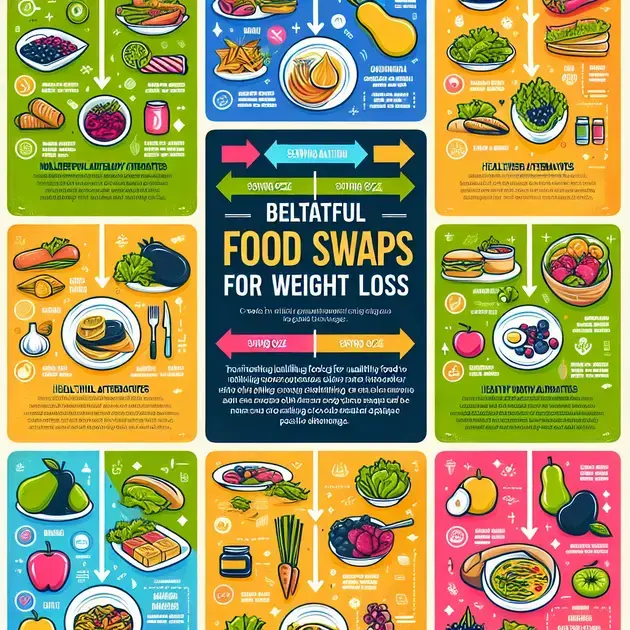
9 tasty and healthy food swaps for weight loss you won’t regret trying

1. Swap white bread for whole grain bread – Whole grain bread is a healthier option that provides more fiber and nutrients than white bread. It helps keep you full for longer and contributes to a balanced diet.

2. Replace sugary drinks with infused water – Instead of reaching for soda or sweetened beverages, try infused water. Adding slices of fruits or herbs to your water enhances the flavor and provides a refreshing and healthier alternative.

3. Trade fried snacks for roasted options – Opt for roasted alternatives like kale chips, roasted chickpeas, or roasted sweet potato fries instead of indulging in fried potato chips or snacks. These options offer a crunchy texture without excess oil and calories.

4. Substitute processed meats with lean protein sources – Processed meats like sausages or bacon can be high in saturated fats and sodium. Choose lean protein sources such as grilled chicken breast, turkey, tofu, or legumes to reduce calorie intake and enhance nutritional value.

5. Swap creamy dressings with homemade vinaigrettes – Creamy dressings often contain unhealthy fats and added sugars. Try making your own vinaigrettes using olive oil, vinegar, herbs, and spices to control the ingredients and reduce unnecessary calorie consumption.

6. Replace refined grains with whole grains – Opt for whole grain counterparts like brown rice or whole wheat pasta instead of refined grains like white rice or pasta. Whole grains provide more fiber, vitamins, and minerals and can help regulate digestion and promote satiety.

7. Trade mayonnaise for healthier spreads – Mayonnaise is high in unhealthy fats and calories. Consider using avocado, hummus, or Greek yogurt as alternatives. These provide similar creamy textures with added nutritional benefits.

8. Swap sugary desserts with fruit-based options – Satisfy your sweet tooth with fruit-based alternatives like fresh berries, sliced melons, or a homemade fruit salad instead of indulging in sugary desserts. These options are delicious and nutritious ways to curb cravings.

9. Replace refined sugar with natural sweeteners – Refined sugar can contribute to weight gain and other health issues. Use natural sweeteners such as honey, maple syrup, or stevia as healthier options when necessary.

Remember, these food swaps are general recommendations and may not align exactly with the details provided in the original article. However, incorporating these alternatives into your diet can support your weight loss journey by making healthier choices. Always consult with a healthcare professional or registered dietitian for personalized guidance and advice tailored to your specific needs and goals.

MuscleBlaze vs Bigmuscles Nutrition: Which brand offers the best whey protein


MuscleBlaze vs Bigmuscles Nutrition: Which Brand Offers the Best Whey Protein?

MuscleBlaze vs Bigmuscles Nutrition: Which Brand Offers the Best Whey Protein?

Introduction:

In the pursuit of achieving fitness goals, regular exercise and a well-balanced diet are crucial. However, supplementing one’s diet with protein can also be beneficial for muscle recovery, overall strength, and maintaining good health. Among various protein sources, whey protein stands out due to its high-quality amino acid profile and fast absorption. This article will compare two popular brands – MuscleBlaze and Bigmuscles Nutrition – to determine which brand offers the best whey protein.

MuscleBlaze Whey Protein:

MuscleBlaze is renowned for its high-quality whey protein supplements. Their products are known to provide quick muscle recovery and growth, making it a popular choice among fitness enthusiasts. MuscleBlaze utilizes advanced filtration techniques, resulting in a whey protein powder that is easily digestible and absorbed by the body. Furthermore, their protein supplements contain essential amino acids, which play a vital role in muscle synthesis and overall health.

Bigmuscles Nutrition Whey Protein:

Bigmuscles Nutrition is another well-known brand in the fitness industry that offers a wide range of whey protein options. Their whey protein products are formulated to provide athletes and fitness enthusiasts with the necessary nutrients for optimal muscle growth and recovery. Bigmuscles Nutrition focuses on delivering high-quality whey protein blended with essential amino acids, ensuring that consumers receive the maximum benefits from their supplements.

Comparing the Brands:

When it comes to choosing between MuscleBlaze and Bigmuscles Nutrition, several factors should be considered. Firstly, it’s essential to evaluate the overall quality and purity of the whey protein. Both brands emphasize the use of high-quality ingredients, ensuring that the protein supplements meet the desired standards. Additionally, it is crucial to consider the taste, mixability, and overall user experience. These aspects can significantly influence a consumer’s preference for a particular brand.

Ultimately, the choice between MuscleBlaze and Bigmuscles Nutrition will depend on individual preferences and specific fitness goals. Some may find MuscleBlaze to be their preferred choice due to its advanced filtration techniques and rapid muscle recovery benefits. On the other hand, others may opt for Bigmuscles Nutrition because of its wide range of product options and emphasis on providing essential amino acids for muscle growth and recovery.

Conclusion:

Choosing the best whey protein brand can be a subjective decision, as individual preferences, fitness goals, and desired outcomes may vary. Both MuscleBlaze and Bigmuscles Nutrition are reputable brands that offer high-quality whey protein supplements. It is essential to consider factors such as quality, taste, mixability, and personal experience when selecting the most suitable brand for one’s fitness journey. Ultimately, engaging in regular exercise, maintaining a well-balanced diet, and incorporating protein supplements will contribute to achieving fitness goals and overall good health.When it comes to reaching your fitness goals, maintaining a consistent exercise routine and following a balanced diet are crucial. In addition to these factors, incorporating protein supplements can provide essential nutrients for muscle recovery, strength, and overall health. Renowned for its rapid absorption and superior amino acid profile, the top whey protein brands, such as MuscleBlaze and Bigmuscles Nutrition, are essential in achieving optimal results.


6 Practical Strategies to Tame Out-of-Control Cravings and Transform Your Weight Loss Journey!


Blog Article


Embarking on a weight loss journey can often feel like an uphill battle, especially when cravings seem to sabotage your every effort. I know this struggle all too well—my own battle with weight began when I was 275 lbs, constantly consumed by thoughts of food and the unrelenting need to eat. But what if I told you that turning the tide on these cravings is entirely possible? Through trial and error, I discovered six transformative strategies that not only helped me manage my cravings but also enabled me to achieve a consistent calorie deficit, leading to a significant weight loss of 50 lbs in just a mere three months. In this blog, I’m eager to share the insights from my personal experience, not as a professional, but as someone who has walked this path, hoping to inspire and assist those who find themselves in a similar position. Let’s delve into these practical, everyday changes that can redefine your relationship with food and set you on the path to lasting weight loss success.

1. Increasing Protein Intake

For a long time, I barely included protein in my diet, resulting in perpetual hunger. Protein plays a crucial role in managing hunger hormones, helping you feel fuller for longer. I began introducing protein into every meal, which helped stabilize my appetite and eliminated the relentless nighttime cravings. Some of my go-to protein sources include:

  • Cheese (both regular and light varieties)
  • Fairlife protein milk
  • Egg whites
  • Plain fat-free Greek yogurt flavored with sugar-free syrup
  • Lean turkey pepperonis and smoked Black Forest ham
  • Eggs
  • Protein powder, especially the HTL Steps chocolate peanut butter flavor

Having a variety of protein sources on hand allowed me to make quick, satisfying meals, which helped me stay on track with my weight loss goals.

2. Eating a Balanced Diet

Previously, my diet was monotonous and nutrient-deficient, leading to constant cravings. I realized the importance of incorporating a variety of food groups to address these deficiencies. I began including fruits, vegetables, lean proteins, whole grains, and healthy fats in my diet. This balanced approach curbed cravings and restored my energy levels, improving my overall decision-making around food.

3. Staying Hydrated

Dehydration often masquerades as hunger, and for years, I drank very little water. Once I made a conscious effort to drink more water, I noticed a significant reduction in cravings. I aimed for 8 glasses a day and incorporated this habit into my morning routine to ensure consistency. Drinking water with meals also made me feel fuller, naturally reducing my overall food intake.

4. Eating Breakfast Daily

Skipping breakfast seemed like a logical way to save calories, but it backfired by driving intense hunger later in the day. Eating breakfast helped regulate my metabolism and hunger cues, enabling me to make healthier choices throughout the day. Introducing a nutritious breakfast became a cornerstone of my routine, jumpstarting my day and fueling my body adequately.

5. Prioritizing Sleep

Quality sleep is essential for weight management, yet my rest was often compromised by stress and anxiety related to food. By creating a conducive sleep environment—keeping the room dark and cool, minimizing electronic distractions—I improved my sleep quality, which in turn reduced fatigue-induced cravings. Adequate rest empowered me to make better food choices and maintain a balanced mood.

6. Allowing Low-Calorie Treats

Cravings are a normal part of life, and completely depriving myself of favored foods wasn’t sustainable. I embraced low-calorie versions of my cravings to maintain a sense of indulgence without derailing my progress. Some of my favorites include:

  • Smart Pop popcorn
  • Roaster Gold tiny twist pretzels
  • Peanut butter fudge smoothie bars
  • Low-calorie cookies like Arrowroot cookies
  • Fiber One brownie bars
  • Chocolate chips and mini marshmallows for a sweet tooth fix

Incorporating these treats, along with occasional planned cheat days, allowed me to satisfy cravings in a controlled manner, preventing the restrictive mindset that often leads to binge eating.

Creating a Sustainable Routine

The success of these strategies lies in their sustainability. By integrating these practices into daily life, I not only lost weight but maintained it for over a decade. It’s crucial to remember that weight loss isn’t solely about the physical change but also about a positive mindset and emotional well-being.

For those struggling with similar challenges, these strategies can provide a roadmap to overcoming cravings and achieving lasting health improvements. By finding a balance that works for you, it’s possible to transform your relationship with food and set the foundation for lifelong wellness. Remember, the journey is unique to each individual, and small, consistent changes can lead to remarkable results.