Home Blog Page 84

Running vs. Weightlifting: Are These Exercises Hurting Your Back? Insights from Dr. David Guyer


Blog Article

Is running or lifting weights, particularly exercises like squats, detrimental to your back health? This is a question many fitness enthusiasts ponder as they strive to balance their exercise routines. In this deep dive inspired by Dr. David Guyer’s insights, we explore the potential risks of these common exercises on your lower back and lumbar spine. As a triple board-certified orthopedic surgeon and Sports Medicine specialist, Dr. Guyer shares his expertise on how activities that involve axial loading might contribute to degenerative spinal conditions over time. Whether you’re a seasoned athlete or a recreational fitness buff, understanding how these exercises impact your spinal health is crucial for maintaining your overall well-being. So, should you reconsider your workout routine or simply tweak it? Let’s dissect the facts and find out.

Running and Its Effects on the Spine

Running, a high-impact activity, involves repetitive foot strikes that send shock waves up the body. This impact can contribute to spinal stress, potentially exacerbating existing issues in the lumbar region. However, it isn’t inherently dangerous for everyone. Many runners maintain spine health by adopting proper techniques and incorporating rest and recovery into their regimens.

It’s also important to note that the risk depends on individual factors such as age, existing spine health, and running form. For many, running may serve as a beneficial cardiovascular exercise that supports weight management and overall fitness, which indirectly supports spinal health by reducing strain-related risks that come with excess body weight.

Weightlifting: Friend or Foe?

Weightlifting, especially exercises that apply direct downward pressure on the spine, like squats and military presses, is known for its dual potential. On one hand, it strengthens muscles and supports joint health, arguably protecting the spine over time. On the other hand, improper technique or excessive weight can compromise spinal integrity, leading to injury.

When performed correctly, weightlifting can enhance core stability and improve posture, both of which are key to maintaining a healthy spine. It’s critical to engage in a balanced routine that includes exercises targeting not just the back, but also the supporting muscles in the abdomen and pelvis.

Understanding Spinal Degeneration

Wear and tear on spinal discs is a natural part of aging. Factors such as genetic predisposition, lifestyle choices, and employment (like those involving manual labor) can influence the rate of degeneration. It’s crucial to recognize signs of degeneration early, such as persistent pain or limited motion, and seek professional guidance.

Mitigation Strategies

  • Technique Mastery: Proper form is paramount in both running and weightlifting. Misalignments in posture or incorrect movement patterns can amplify stress on the spine.
  • Adjusted Regimens: If you have existing spine issues, consider modifying your workouts. Alternatives like the leg press machine can offer similar benefits to squats without pressuring the spine as much.
  • Professional Guidance: A physical therapist can tailor specific exercises to your condition, potentially enabling you to maintain an active lifestyle without exacerbating spinal issues.
  • Cross-Training: Incorporating low-impact exercises such as swimming or cycling can reduce overloading the spine while maintaining fitness levels.

The Role of Age and Existing Conditions

Age-related degeneration of spinal discs doesn’t imply that one must cease all physical activities. Instead, modifying activity intensity and focusing on exercises that promote flexibility and strength can support spinal health as we age.

Individuals over 50 may experience more pronounced spinal wear and tear, making it important to explore exercise routines that help in maintaining joint and muscle strength without compromising spinal health.

Conclusion

While running and weightlifting are not inherently harmful to the back, awareness and adherence to proper techniques are essential in reducing the risk of injury. Not every individual will experience the same degree of impact, making a personalized approach critical.

If you’re experiencing back pain, consult with a healthcare professional to assess your condition and explore suitable workout modifications. Remember, staying active is a key component of overall health, and with the right adjustments, you can continue to run or lift while safeguarding your back health.

Taking charge of your body’s unique needs is the first step in achieving an active, pain-free lifestyle that keeps your spine healthy and supports your fitness journey.


Costco’s Calorie-Crushing Meal Plan: Eat Deliciously and Lose Weight Without Cooking!


Costco Convenience

If you’ve ever wondered how to balance satisfying meals with effective weight loss, you’re in the right place. Welcome to a world where convenience meets health, thanks to our beloved warehouse giant, Costco. In this blog, we’ll explore a full day’s worth of delicious meals that prove you can eat high-protein, low-calorie dishes without spending hours in the kitchen—or breaking the bank. Discover how simple portion control and savvy shopping can help you shed pounds without sacrificing taste or variety. Whether you’re a seasoned meal prepper or just starting your journey to healthier eating, this guide serves up Costco favorites to keep your meals effortless and enjoyable while achieving your fitness goals. Dive into a day where every meal is a delight, and every step towards a leaner you is as easy as a trip down the Costco aisle.

Breakfast Delight

The key to maintaining a healthy lifestyle while juggling a busy schedule lies in finding convenient, delicious meals that don’t require extensive preparation. That’s why Costco, with its impressive array of bulk items and high-quality goods, becomes the go-to supermarket for many health-conscious individuals. Let’s explore how a day filled with Costco delights fits perfectly into a 1600-calorie weight loss meal plan while keeping your taste buds entertained and your body fueled.

Breakfast sets the tone for the day, and with the right choices, you can pack a nutritional punch without heavy cooking. By combining honeyed Black Forest ham, fresh blueberries, strawberries, and pre-portioned roasted red pepper egg bites, you create a breakfast rich in protein and flavor without exceeding 314 calories. The Black Forest ham from Costco stands out with its high protein content, offering 12 grams in just two slices. Such options make it easier to adhere to portion-controlled meals crucial for lasting weight loss.

Lunch Satisfaction

Lunch follows suit with an enticing roast beef sandwich. Using Carbonaut bread, which boasts 7 grams of protein and 7 grams of fiber per slice, transforms a typical sandwich into a powerhouse of nutrition. Piling on three slices of Kirkland’s seasoned roast beef and a slice of marble cheese, paired with a side of cucumber spears and baby carrots with Hidden Valley Ranch, results in a fulfilling 409 calorie meal. This lunch not only satisfies hunger but also encourages the habit of checking nutritional labels. Often, low-carb breads like Carbonaut surprise with their high nutritional value, proving indispensable for those on a calorie-conscious journey.

Dinner Simplicity

Dinner brings simplicity and flavor with a creamy dill pickle chicken wrap. Using Ma Yi Cono wraps, packed with an impressive 17 grams of fiber, wraps your day’s meals in ease and satisfaction. Pre-cooked clean chicken strips make this dish even easier, minimizing time spent cooking without compromising on taste. Adding Taylor Farms creamy dill pickle salad into the mix not only infuses tangy flavors but also keeps the meal balanced and enjoyable. This entire meal clocks in at 425 calories, demonstrating that delightful dinners don’t have to be complex or calorie-laden.

Dessert and Snacks

Desserts and snacks might seem challenging on a limited-calorie plan, but Costco’s offerings allow you to indulge without oversight. A blueberry pie bowl made from Oikos vanilla yogurt, fresh blueberries, and crushed arrowroot cookies replicates the comforting feeling of pie with only 280 calories. The use of Greek yogurt enhances protein intake and can be effortlessly customized for various cravings, making it a versatile option for snacks or breakfast alike.

For the late-night snackers, the solution lies in Quest nacho cheese protein chips and a side of sliced strawberries. Combined, they offer a satisfying crunch and a hint of sweetness while packing 19 grams of protein into just 187 calories. Thanks to Costco’s bulk packaging, such protein chips are not only affordable but also serve as perfect portion-controlled snacks that align with the calorie deficit goal.

Nutritional Summary

To sum up the day’s meals, this Costco-centric plan totals 1615 calories with an impressive nutritional distribution of 67 grams of fat, 151 grams of carbohydrates, and 127 grams of protein. Each meal prioritizes high-protein, high-volume, and flavor-rich foods to ensure satisfaction and satiety throughout the day.

Choosing foods wisely and understanding the nutritional landscape of your supermarket can transform eating habits and promote sustainable weight loss. This Costco meal guide reflects how you can maintain a balanced diet filled with delightful dishes while adhering to calorie restrictions. By focusing on high-protein, low-calorie foods, you create meals that are not only satisfying but also supportive of your weight management goals.

Costco as a Partner in Health

So, embrace the convenience and variety Costco offers, and let these easy, no-cook meals pave the way to your fitness achievements. Reaffirm your commitment to health by experimenting with these combinations and introducing small variations. Remember, successful weight loss is not just about reduction but about enhancing the quality and enjoyment of your meals. Let Costco be your ally in this delicious journey to a healthier you.

Crush calories with Costco’s convenient meal plan! Enjoy delicious, high-protein, no-cook meals as part of a 1600-calorie diet. Stay fit and satisfied effortlessly!


Can Running and Squats Lead to Lower Back Injuries? Dr. Guyer Explains the Risks and Realities


Blog Article

Navigating the world of fitness, especially as we age, is fraught with questions and concerns about injury prevention and safety. Among the most common inquiries is whether running and weightlifting, particularly exercises like squats, can lead to lower back injuries. In this detailed exploration, Dr. David Guyer, a triple board-certified orthopedic surgeon and sports medicine specialist, delves into the nuanced relationship between these exercises and lumbar spine health. Drawing from real-life queries, such as a viewer’s sudden back pain during a training run, Dr. Guyer offers insights into how repetitive impacts and axial loads from activities like running and squatting might contribute to back issues. But fear not; this blog sheds light on modifying workout routines for those with pre-existing conditions and emphasizes that with proper precaution, running and lifting weights can remain integral parts of a healthy lifestyle at any age.

Understanding Lumbar Spine Degeneration

Running and weightlifting, especially exercises like squats, are critical components of a balanced fitness regimen. They not only enhance cardiovascular health and muscle strength but also contribute to overall physical well-being. However, questions often arise regarding their safety, particularly in relation to potential lumbar spine injuries.

Understanding how these activities impact the back is essential, especially for individuals over 50, who may already have some degree of wear and tear due to age. Dr. David Guyer emphasizes that while both running and weightlifting can place stress on the spine, neither activity should be outright avoided. Instead, understanding the risks and modifying routines accordingly can help prevent injuries.

As we age, our bodies naturally experience degenerative changes. For most, this includes the gradual wear and tear of the lumbar discs situated between the vertebrae. Over time, these discs can degrade, leading to potential back issues. This degeneration is often accelerated by repetitive physical activities that place axial loads on the spine. The axial load refers to the compression experienced in the spine due to gravity’s pull, combined with any additional forces from activities such as running and squatting.

  • Axial Load in Running: Running involves repetitive impact with the ground, which can create significant vertical forces on the spine. This jarring impact can potentially exacerbate existing back conditions, especially if underlying degenerative changes are present.
  • Axial Load in Weightlifting: Exercises such as squats increase axial load through vertical pressure applied to the spine. The added weight acts as a downward force, potentially straining the lumbar discs.

Mitigating Risks in Exercise

To continue enjoying the benefits of running and weightlifting without succumbing to back injuries, individuals should prioritize modifications in their workout routines. For those with pre-existing lumbar spine issues, these adjustments can be particularly beneficial:

  • Running Modifications:
    • Opt for softer ground surfaces such as tracks or grass, which reduce the impact on the spine compared to harder surfaces like concrete.
    • Incorporate cross-training activities such as swimming or cycling, which provide cardiovascular benefits without the same level of impact.
  • Weightlifting Modifications:
    • Consider switching from traditional squats to leg presses, which support the back while still engaging the lower body muscles effectively.
    • Maintain proper form and focus on core strength to provide additional spinal support during lifts.

The Role of Professional Guidance

A personalized approach to fitness is crucial, particularly for those with a history of back issues. Consulting with a physical therapist or a sports medicine specialist can provide tailored guidance on modifying workouts based on specific conditions. These professionals can help:

  • Assess individual risk factors and spine health.
  • Develop a conditioning program that emphasizes core strengthening and flexibility.
  • Recommend specific exercises that minimize strain on the lumbar spine.

Maintaining an Active Lifestyle

It’s vital to remember that not everyone who engages in running or weightlifting will experience back problems. Many people enjoy these activities throughout their lives without significant issues. The key is to approach them mindfully, being aware of any signs of discomfort or injury.

Moreover, staying active has numerous benefits that extend beyond physical health, such as improved mental well-being and reduced risk of chronic diseases. The potential for back issues should not deter individuals from pursuing a well-rounded fitness routine.

Final Thoughts

Running and weightlifting are invaluable activities for maintaining health at any age, and with appropriate precautions, they can be safe even for those with some degree of lumbar spine degeneration. Dr. Guyer suggests that by implementing modifications and seeking professional advice, individuals can continue to benefit from these exercises while minimizing the risk of injury.

For those interested in learning more about orthopedic health and injury prevention, Dr. Guyer offers resources such as his eBook “The Arthritis Solution,” which explores non-surgical options for managing joint and spine issues. Engaging with such resources and staying informed can empower individuals to make the best choices for their health and fitness goals.

In conclusion, while it’s important to be aware of the potential risks associated with running and squats, with the right knowledge and adjustments, these activities can continue to be a core part of a healthy and active lifestyle.


Fuel Your Day: A 1600-Calorie Costco Meal Plan for Weight Loss and Satisfaction

“`html

Embarking on a journey toward better health doesn’t have to mean sacrificing the joy of eating. In fact, it can be quite the opposite! As showcased in a delightfully detailed day of meals, finding a balance between calorie counting, portion control, and enjoying your food is entirely possible, all thanks to a thoughtfully planned 1600-calorie Costco meal regimen. This blog will delve into how you can maintain a high-protein, satisfying diet with simple, no-cook meals that keep you lean, fit, and loving every bite. From the savory slices of Black Forest ham to refreshing bowls of yogurt and berries, discover how to make each calorie count while relishing the convenience and cost-effectiveness of Costco shopping. Whether you’re just starting on your weight loss journey or are looking to sustain your weight loss success, this meal plan might be the delicious and practical solution you’ve been seeking.

Breakfast: Starting Your Day with a Protein Punch

Your day begins with a balanced breakfast that is both hearty and nutritious. It includes:

  • Two slices of Kirkland’s Black Forest smoked ham for its high protein content (12 grams from just 70 calories).
  • Half a cup each of fresh blueberries and strawberries, adding natural sweetness and necessary fiber to your meal.
  • Two Cuisine Adventures roasted red pepper egg and cheese bites, which are conveniently portioned for easy microwave preparation. These bites are rich in flavors and protein, making them a perfect morning option.

This meal totals only 314 calories, yet provides a whopping 28 grams of protein, ensuring a satiating start to your day. This high protein intake is instrumental in keeping hunger at bay, aiding you in maintaining the calorie deficit necessary for weight loss.

Lunch: A Satisfying Sandwich Affair

Lunch introduces a delightful roast beef sandwich. Here’s what makes it special:

  • Using Kirkland seasoned roast beef that mimics the taste and freshness of deli-cooked beef.
  • Layering it with a slice of Kirkland marble cheese and a teaspoon of mustard on two slices of Carbonaut multigrain bread. This particular bread is a gem, offering both high fiber (7 grams) and high protein (7 grams) content.

Rounded off with cucumber spears, baby carrots, and a splash of Hidden Valley Ranch dressing, this meal is not only filling but also nutritious. The total comes to 409 calories and 34 grams of protein. It’s a perfectly balanced choice that keeps you full and fuels you until dinner.

Dinner: A Flavorful Wrap with Minimal Effort

Dinner is all about simplicity without sacrificing taste. The main elements include:

  • A creamy dill pickle chicken wrap using Mayi Cono wraps, generously filled with Clean Naturally chicken strips.
  • Complemented by Taylor Farm’s creamy dill pickle chopped salad, providing you with crunch and zest in every bite.

This effortless meal packs in 425 calories and 30 grams of protein. With the Mayi Cono wraps being high in fiber yet low in calories, you’re looking at a dish that prioritizes satiety and digestibility, helping you comfortably stick to your diet plan.

Dessert: A Sweet Note to End Your Day

For dessert, a Blueberry Yogurt Pie Bowl hits the spot:

  • A combination of ¾ cup of low-sugar vanilla yogurt with fresh blueberries.
  • Topped with aero cookies crushed to mimic pie crust, adding texture and a hint of indulgence.

This sweet treat achieves satisfaction without excess calories, totaling just 280 calories with 16 grams of protein. By choosing yogurt as a dessert base, you integrate additional protein and calcium into your diet, promoting muscle health and bone strength—vital when managing a calorie deficit.

Snack Time: Ending with a Crunch

As the day winds down, indulge in Quest nacho cheese protein chips paired with fresh strawberries. This snack is perfect for those moments when you want something crunchy without the guilt. With just 187 calories and 19 grams of protein, this late-night snack ensures you wrap up the day on a balanced note.

Overall Nutritional Overview

The entire day’s meals sum up to approximately 1600 calories, with macronutrient distribution focusing on:

  • High protein content to support muscle preservation and metabolism.
  • Moderate carbs and fat to sustain energy levels without excess.
  • Fiber-rich foods to assist digestion and prolong fullness.

Costco Benefits and Final Thoughts

Shopping at Costco not only provides variety and bulk savings but also allows for nutritional freedom and creativity in meal preparation. By planning meals with a high protein focus and simple preparation, it becomes achievable to sustain a satisfying diet conducive to weight loss. Each meal I’ve shared not only fits a calorie budget but also ensures each bite is enjoyable and nourishing. For those inspired to follow this journey, remember that successful weight management is as much about planning and portion control as it is about savoring the meals you create. Here’s to embarking on a delicious and healthy food journey with Costco by your side!

“`

Are Running and Weightlifting Wrecking Your Back? Here’s What You Need to Know!


Blog Article

In our pursuit of health and fitness, running and weightlifting often stand as pillars of strength and endurance. Yet, as we lace up our shoes for that invigorating run or grip the barbell for a set of squats, a recurring question looms: could these beneficial exercises be quietly sabotaging our spine health? In the latest installment of the Ask Dr. Guyer series, we delve into a query from a concerned viewer—one who’s active in both running and weightlifting and has begun to experience alarming lower back pain. As Dr. David Guyer, a triple board-certified orthopedic surgeon and sports medicine expert, sheds light on the potential risks these workouts might pose to our backs, we explore how certain movements might contribute to lumbar spine injuries and how to mitigate these risks while continuing to enjoy our favorite fitness routines. Whether you’re a seasoned athlete or a casual fitness enthusiast, understanding the balance between activity and spinal health is crucial. Dive in as we unravel what you need to know to keep your back safe while staying active.

Understanding the Body’s Reaction to Physical Activities

Understanding the body’s reaction to physical activities, such as running and weightlifting, is crucial, particularly concerning the impact these exercises may have on the back and lumbar spine. As with any physical activity, the benefits of running and weightlifting are numerous, from improved cardiovascular health and muscle strength to enhanced mental well-being. However, when one experiences sudden lower back pain, like Dr. Guyer’s viewer, it’s essential to consider the potential factors contributing to this discomfort.

The Impact of Running on the Lumbar Spine

Running, for instance, is a high-impact exercise that involves repetitive motions. Each step sends a jarring force through the feet, up the legs, and into the spine. The spine, while resilient, can experience stress over time, particularly affecting the intervertebral discs located between the vertebrae. These discs act as shock absorbers but can wear down as a person ages or with repeated impact activities, leading to conditions such as disc degeneration.

Factors Contributing to Lumbar Spine Stress from Running:

  • Axial Load: This refers to the vertical compression of the spine when engaging in activities under the influence of gravity, such as running. This continuous load, coupled with repeated impact, may exacerbate pre-existing spinal issues.
  • Running Surface: Hard surfaces like concrete can increase the jarring forces transmitted through the body. Softer surfaces, such as grass or treadmills with cushioning, can mitigate some of these forces.

How Weightlifting Affects the Back

Weightlifting, on the other hand, generally focuses on specific muscle groups and can also impact spine health. Exercises such as squats—where weights are often lifted vertically—place a different sort of stress on the lumbar spine. The spine must support both body and additional weight, potentially compounding stress on the intervertebral discs and surrounding musculature.

Here’s How Weightlifting Can Affect the Back:

  • Heavy Loads: Increasing weight can increase the axial load on the spine, particularly during exercises like squats, deadlifts, and overhead presses. Proper form and gradual progression in weight are crucial to mitigate injury risks.
  • Form and Technique: Poor lifting techniques can lead to improper distribution of weight and uneven stress on the spine, increasing injury likelihood. Engaging a coach or trainer to correct form can be invaluable.

Maintaining Physical Activity with Lower Back Issues

For those with existing lower back issues, maintaining physical activity remains crucial. Modifying both running and weightlifting routines can help prevent exacerbating injuries. For instance, runners with back problems might:

  • Select Better Footwear: Cushioned running shoes can absorb more impact, reducing stress on the spine.
  • Incorporate Cross-Training: Low-impact exercises like swimming or cycling can maintain cardiovascular health without excessive strain.

Weightlifters might consider:

  • Using Machines: Substituting free weights for machines can provide more stability and focus on specific muscle groups, reducing unnecessary strain.
  • Engaging Core Muscles: A strong core can support the back and reduce injury risk by ensuring proper posture and stability during lifts.

Moreover, both runners and lifters should prioritize flexibility and strength training tailored for the lower back and core to support the spine’s health.

A Balanced Approach to Exercise and Spine Health

This proactive, balanced approach can reduce injury risks while allowing individuals to benefit from physical activities. Consultation with healthcare professionals, such as orthopedic specialists or physical therapists, can further guide activity modification based on specific conditions.

Continuing an active lifestyle, with appropriate adjustments, is preferable to complete cessation, which might lead to diminished overall health and fitness levels. As echoed in Dr. Guyer’s advice, understanding your body and recognizing when to push forward or pull back can ensure both long-term fitness and spinal health.

It’s vital to approach back pain with patience and diligence while seeking professional insights when needed. The ultimate goal remains the fostering of a lifestyle where physical activities contribute positively to overall health, without compromising spinal integrity. By listening to one’s body and adapting as needed, achieving this goal remains within reach.


Brussels sprouts benefits: 9 reasons to have this cruciferous vegetable


Brussels sprouts benefits: 9 reasons to have this cruciferous vegetable

Brussels sprouts benefits: 9 reasons to have this cruciferous vegetable

Tired of eating cauliflower and cabbage almost every day? Maybe it’s time to consider adding Brussels sprouts to your diet. These small, ball-shaped vegetables are part of the cruciferous family and offer a host of nutritional benefits. Despite their small size, Brussels sprouts are packed with nutrients, particularly vitamin C.

Brussels sprouts are often overlooked and underrated, but they have a lot to offer in terms of health benefits. Here are nine reasons why you should consider incorporating this cruciferous vegetable into your meals:

  1. High in vitamin C: Brussels sprouts are an excellent source of vitamin C, which is essential for immune function, collagen production, and antioxidant protection.
  2. Rich in fiber: These vegetables are a good source of dietary fiber, which aids in digestion, promotes satiety, and helps maintain a healthy weight.
  3. Packed with antioxidants: Brussels sprouts contain potent antioxidants that help protect your cells from damage caused by free radicals, reducing the risk of chronic diseases.
  4. Supports heart health: The fiber and antioxidants found in Brussels sprouts can contribute to a healthy heart by reducing cholesterol levels and improving blood vessel function.
  5. Boosts bone health: Brussels sprouts are a good source of vitamin K, which plays a crucial role in maintaining strong and healthy bones.
  6. Fights inflammation: The high concentration of antioxidants in Brussels sprouts can help reduce inflammation in the body, which is linked to various chronic conditions.
  7. Supports digestion: The fiber content in Brussels sprouts promotes regular bowel movements and a healthy gut, preventing constipation and supporting overall digestive health.
  8. Low in calories: If you’re watching your calorie intake, Brussels sprouts are a great choice. They are low in calories but still provide a satisfying crunch and texture to your meals.
  9. Versatile and delicious: Brussels sprouts can be enjoyed in various ways – roasted, sautéed, steamed, or even added to salads. Experiment with different cooking methods and flavors to find your favorite preparation.

Incorporating Brussels sprouts into your diet can provide a wide range of benefits for your overall health. Whether you’re looking to boost your immune system, improve digestion, or support heart health, these nutrient-dense vegetables are a great addition to any meal. So, if you’re tired of the same old cauliflower and cabbage, give Brussels sprouts a try and enjoy their unique flavor and nutritional benefits.


A Day of Easy, Protein-Packed Meals from Costco for Weight Loss Success!


Blog Article


If you’re looking for a convenient, protein-rich meal plan to support your weight loss journey, you’re in for a treat. Join me as I take you through a full day of eating with delicious, no-cook meals, all sourced from Costco. We’ll explore how choosing the right ingredients can make all the difference, from Kirkland’s Black Forest ham to Cuisine Adventures egg bites, and even discover how to keep your meals filling and effortless. Having lost 130 pounds and maintained it for a decade, I swear by high-protein, high-volume meals that keep me satisfied without endless cooking. So, whether you’re a seasoned meal prepper or someone seeking new ideas, this blog will showcase how to make the most of your Costco grocery haul, enjoying flavorful dishes while staying within your calorie goals. Stay tuned for more meal tips, grocery hacks, and the high-protein lifestyle that keeps me motivated and on track every day!

Breakfast: Power-Packed Start

Starting the day with a protein-rich breakfast is crucial. Consider my favorite morning meal: slices of smoked Black Forest ham, fresh blueberries, strawberries, and roasted red pepper egg and cheese bites. This meal provides a balanced start with a calorie count of 314 and a hefty 28 grams of protein.

  • Costco Favorite: Kirkland’s Black Forest ham stands out with 12 grams of protein per two slices, making it a staple in my diet.
  • Method: The pre-portioned egg bites make breakfast hassle-free. Simply heat them in the microwave (adjust heating time based on your microwave strength) and pair them with your fruits and ham slices.

The combination of sweet fruits, savory ham, and hearty egg bites not only keeps me full but fuels me for a morning walk in the winter wonderland, setting a positive tone for the day.

Lunch: Hearty and Fulfilling

For a satisfying midday meal, it’s roast beef sandwich time. Building a sandwich with smart, nutrient-dense choices can keep your energy levels steady.

  • Ingredients: Use Carbonaut bread, known for its impressive 7 grams of fiber and protein per slice, three slices of roast beef, some mustard, a slice of Kirkland marble cheese, along with fresh veggies like cucumbers and baby carrots coated in a bit of ranch dressing.
  • Total Intake: This meal clocks in at 409 calories and 34 grams of protein, ensuring you stay full till your next meal.

The importance of checking food labels becomes apparent with the Carbonaut bread—a product I initially overlooked but now see as a staple due to its nutritional profile. Always take a moment to review nutrition labels; you may discover hidden dietary gems.

Dinner: Quick and Delightful

Dinner doesn’t have to be elaborate. A creamy dill pickle chicken wrap offers a flavorful, high-fiber meal made from a mix of prepared ingredients:

  • Components: Utilize a 90-calorie wrap with a high fiber content, coupled with pre-cooked chicken strips, and a dill pickle salad mix for a meal that’s both flavorful and satiating.
  • Convenience: The salad mix includes everything you need, from croutons to dressing, simplifying meal prep.
  • Nutritional Value: This dinner option contains 425 calories and delivers 30 grams of protein.

For those on the lookout for fast meals, pre-cooked proteins like the clean, naturally prepared chicken strips are ideal. They go from freezer to plate with minimal effort, leaving more time to enjoy your evening activities, such as a relaxing session of video gaming.

Dessert: Sweet Tooth Satisfaction

Satisfy your cravings without derailing your diet with a blueberry pie bowl, a healthy take on dessert that combines yogurt, blueberries, and cookies:

  • Assemble: Layer ¾ cup of reduced-sugar vanilla yogurt with half a cup of fresh blueberries and crumbled arrowroot cookies.
  • Easy-to-Find Items: Costco bulk packs of yogurt and fruits make this dessert both affordable and abundant.

This dessert dish encapsulates 280 calories and 16 grams of protein. Greek yogurt is particularly versatile and can be adapted to suit different meal types and calorie goals.

Snack Time: Protein-Rich Munchies

Ending the day with a well-portioned snack can help cap off your nutritional needs. Quest protein chips are my go-to for a savory snack that packs a punch:

  • Selection: Grab a bag of nacho cheese chips, which provides 18 grams of protein and 150 calories, akin to indulging in a healthier version of Doritos.
  • Accompaniment: Pair them with fresh strawberries for a refreshing contrast.

The ease of having pre-portioned snacks helps maintain dietary discipline, offering a satisfying crunch that complements your daily nutrient intake.

For a comprehensive and effective weight loss regimen, always focus on consuming foods that are high in protein and low in calories, which allows you to enjoy filling, voluminous meals without compromising on taste and satisfaction. By anchoring your diet in these principles, you can achieve and maintain your weight loss goals efficiently. Remember, each meal is another step on your journey, one that brings you closer to achieving your ideal health and fitness goals. Keep experimenting with new meal combinations, and soon, you’ll find your unique rhythm that makes eating an enjoyable and rewarding part of your day.


Running vs. Weightlifting: Which is Riskier for Your Back? Insights from an Orthopedic Expert


Running vs. Weightlifting: Which is Riskier for Your Back?

In the world of fitness, the debate over whether running or weightlifting poses a greater risk to your back is a perennial one. Enthusiasts of both activities often praise their benefits, yet concerns about back health linger, particularly as we age. In this blog, we delve into the insights shared by Dr. David Guyer, a triple board-certified orthopedic surgeon and sports medicine specialist, to uncover the potential impact of exercises like squats and running on the lumbar spine. Drawing from his extensive expertise in orthopedics and regenerative medicine, Dr. Guyer sheds light on the underlying risks of these activities, helping you make informed choices to optimize your performance while safeguarding your spinal health. Whether you’re an avid runner, a seasoned weightlifter, or simply looking to maintain your fitness routine, understanding these risks and how to mitigate them is crucial in your journey towards a healthier, pain-free life.

Understanding the Potential Risks

When we think about running and weightlifting, we often associate them with maintaining cardiovascular health and building muscle strength respectively. However, as we dive deeper into these physical activities, it’s essential to consider their impact on our spinal health, especially as we age. Dr. David Guyer provides valuable insights into the potential effects of these activities on the lumbar spine and how they might contribute to severe low back injuries.

The Concept of Axial Load

To begin with, it’s important to understand the concept of “axial load” in relation to our spine. Axial load refers to the amount of force that is applied to the spine in a vertical direction, which is increased by both running and weightlifting. When running, the repetitive impact of our feet hitting the ground generates a jarring effect that travels up through the legs to the spine. Similarly, exercises like squats involve a downward pressure that compresses the spine, potentially enhancing the risk of degenerative conditions over time.

Tailoring Your Exercise Routine

However, not all exercises are inherently harmful to the back. It largely depends on our body’s existing condition and how we approach these activities. For individuals in their 50s and above, there might already be an element of wear and tear in the spinal discs due to age-related degeneration. This underlying factor might exacerbate the impact of running or weight training, possibly leading to strain or injury.

Managing Back Health

That said, it’s crucial not to let the fear of potential back issues deter you from pursuing a healthy lifestyle. Running and weightlifting, when done correctly and safely, can be part of a balanced exercise routine that enhances overall well-being. The key lies in moderation and understanding your body’s limits.

Practical Tips for Exercising Safely

  • Listen to Your Body: Pay close attention to any discomfort or unusual sensations in your back while exercising. Sudden or persistent pain should not be ignored, as it may indicate overexertion or improper technique.
  • Modify Your Workouts: If you are experiencing back pain, consider altering your exercise routine. For instance, substituting squats with a leg press can reduce the axial load on your spine. Engaging with a physical therapist can also provide tailored modifications based on your specific needs.
  • Strengthen Core Muscles: A strong core supports the spine and helps distribute the axial load more evenly, reducing the risk of injury. Incorporate core-strengthening exercises into your routine to enhance spinal stability.
  • Focus on Form: Proper form is paramount in weightlifting to prevent unnecessary stress on the back. Ensure your technique is correct, especially with exercises that involve the spine.
  • Allow for Adequate Recovery: Rest days are essential to allow your body, particularly your back, time to recover from the stresses of exercise. Cycling through different types of workouts can also prevent overuse injuries.

A Holistic Approach to Exercise

For those already dealing with lumbar spine issues, a holistic approach is recommended. Consultation with medical professionals can provide insights into non-surgical and non-invasive options, tailored to alleviate pain and improve mobility without compromising your fitness goals.

In conclusion, while running and weightlifting are indeed high-impact activities that can increase the axial load on the lumbar spine, they do not universally spell trouble for our backs. With careful management, these exercises can be part of a sustainable fitness regimen that maintains or even enhances spinal health.

Ultimately, the focus should be on conducting these activities safely, with awareness and understanding of their potential impacts. Continuing to engage in physical activities is important, and by taking the right precautions, you can help ensure that you’re not sidelined by back pain or injuries.

Remember, your journey towards fitness should be as much about protecting your body as it is about strengthening it. Whether you’re preparing for a race or striving to lift heavier weights, make informed choices, listen to your body, and seek expert advice when necessary. By doing so, you can keep your spine healthy while enjoying the numerous benefits these activities offer.

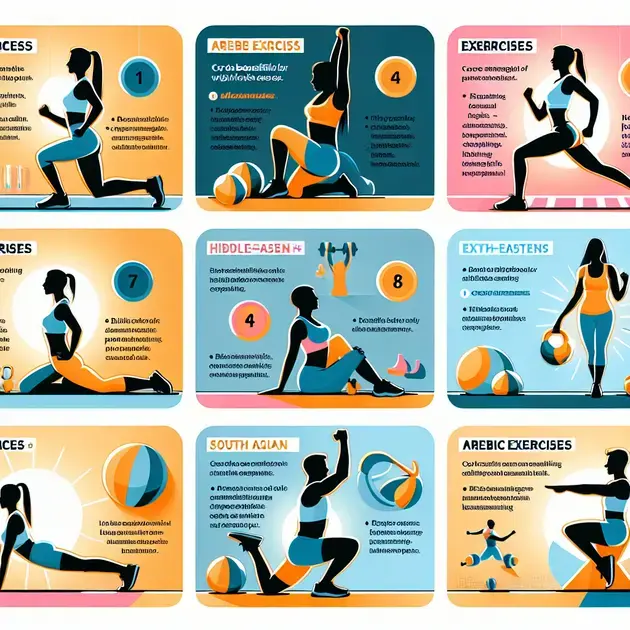
8 must-try aerobic exercises for weight loss and a strong core

Physical Exercise for Weight Loss: 8 Must-Try Aerobic Exercises

Physical exercise is crucial for maintaining a healthy weight and overall well-being. However, with a busy work schedule, finding time to go to the gym every day can be challenging. But don’t lose hope! There are alternative exercises that can still help you achieve weight loss goals, such as aerobic exercises.

Aerobic exercise, also known as cardio workouts, are popular for their effectiveness in burning calories and improving cardiovascular health. These exercises involve continuous movement that elevates your heart rate, making it an excellent choice for weight loss.

Here are 8 must-try aerobic exercises for weight loss and a strong core:

  1. Running: Running is a simple yet effective aerobic exercise that requires no fancy equipment. Lace up your sneakers, hit the pavement, and enjoy the benefits of burning calories while improving endurance.
  2. Cycling: Whether you prefer outdoor cycling or indoor stationary biking, cycling is a great aerobic exercise that targets your lower body muscles and helps burn excess calories.
  3. Swimming: Diving into the pool not only provides a refreshing break but also serves as a full-body workout. Swimming engages various muscle groups and is gentle on the joints, making it an ideal option for weight loss.
  4. Jumping rope: Remember the fun and energetic activity from childhood? Well, jumping rope is not only entertaining but also an effective aerobic exercise. It strengthens your legs, improves coordination, and burns a significant number of calories.
  5. Dancing: Dancing is a fantastic way to shed those extra pounds while having fun. Whether it’s Zumba, hip-hop, or salsa, dancing improves cardiovascular endurance, flexibility, and coordination.
  6. HIIT workouts: High-Intensity Interval Training (HIIT) combines short bursts of intense exercise with brief rest periods. These quick yet intense exercises help you burn calories even after you finish working out, making it an efficient choice for weight loss.
  7. Kickboxing: Kickboxing not only helps you build strength and endurance but also adds an element of self-defense skills to your exercise routine. It combines cardio and strength training, making it a fantastic aerobic workout option.
  8. Circuit training: Circuit training involves performing different exercises in a sequence with minimal rest in between. This high-intensity workout targets multiple muscle groups, raises your heart rate, and effectively burns calories.

In conclusion, if you find it challenging to go to the gym due to your busy work schedule, aerobic exercises can be a great alternative for weight loss. Incorporating these exercises into your routine can help you achieve your fitness goals and maintain a healthy weight. Remember to consult with a healthcare professional before starting any new exercise program.

Brussels sprouts benefits: 9 reasons to have this cruciferous vegetable


Tired of the Same Old Vegetables? Discover the Benefits of Brussels Sprouts

Tired of the Same Old Vegetables? Discover the Benefits of Brussels Sprouts

If you’re tired of eating cauliflower and cabbage every day, it’s time to switch things up and try their close relative – Brussels sprouts. These miniature versions of cabbage, which belong to the cruciferous family, provide a delicious and nutritious alternative. Despite their small size, Brussels sprouts are packed with essential nutrients, making them a valuable addition to your diet.

One of the key benefits of Brussels sprouts is their high vitamin C content. Vitamin C is known for its role in supporting a healthy immune system and promoting collagen production, which contributes to healthy skin, bones, and joints. By including Brussels sprouts in your meals, you can boost your vitamin C intake and enhance your overall well-being.

In addition to vitamin C, Brussels sprouts are rich in other important vitamins and minerals. They are an excellent source of vitamin K, which is essential for blood clotting and bone health. Brussels sprouts also provide significant amounts of folate, a B-vitamin that supports cell growth and is particularly important for pregnant women.

But the benefits don’t stop there. Brussels sprouts are incredibly low in calories and high in fiber, making them ideal for weight management. The fiber content helps to promote digestion, regulate blood sugar levels, and support a healthy cardiovascular system. These vegetables are also packed with antioxidants, which protect your cells from damage caused by harmful free radicals.

To make the most of Brussels sprouts, try roasting them in the oven with a drizzle of olive oil and a sprinkle of your favorite herbs and spices. They can also be steamed, sautéed, or added to stir-fries and salads. By incorporating Brussels sprouts into your meals, you’ll not only enjoy their unique taste but also reap the many health benefits they offer.

In summary, Brussels sprouts are an incredible addition to any diet. They provide a wide range of nutrients, including vitamin C, vitamin K, and folate. With their low calorie and high fiber content, they support weight management and promote digestive health. Additionally, Brussels sprouts offer antioxidant protection and contribute to a healthy immune system. So, why not give this cruciferous vegetable a try and experience all the amazing benefits it has to offer?


Source: “Brussels sprouts benefits: 9 reasons to include this cruciferous vegetable in your diet”.