Home Blog Page 82

Costco Finds: My Secret 1600 Calorie Weight Loss Meal Plan That Keeps Me Lean!


Blog Post

Are you tired of complicated meal plans and time-consuming recipes in your weight loss journey? Welcome to the world of effortless, delicious, and protein-packed meals from Costco, all neatly portioned to help you stay on track without the stress of cooking. In this blog, I’ll walk you through a full day of eating with my tried-and-true 1600-calorie meal plan, crafted from bulk buys and smart choices for maximum flavor and nutrition. Having shed 130 pounds and successfully maintained it for a decade, I know firsthand the importance of loving your meals and keeping them simple. Whether you’re a Costco fan or just curious about efficient weight loss meal prep, this guide will reveal how you can achieve satisfying, high-volume meals that are both tasty and budget-friendly. Say goodbye to meal-prep headaches and embrace this no-cook, protein-rich lifestyle that promises to keep you lean and fulfilled every day.

Effortless Breakfast

The first meal of the day is a breakfast that sets the tone for a high-protein, satisfying without the hassle approach. Two slices of Kirkland Black Forest Ham lead the way, offering a whopping 12 grams of protein for just 70 calories. Pair that with fresh fruits like blueberries and strawberries, and you have a nutrient-rich start that fuels your morning activities. But what makes this meal truly special is the inclusion of Cuisine Adventures roasted red pepper egg and cheese bites. These bite-sized delights come pre-portioned, fitting perfectly into a portion-controlled meal plan that has proven effective in my weight loss journey.

Maintaining the excitement for meals is crucial. This breakfast isn’t just about nutrition; it’s about flavor and ease. It’s a reminder that you don’t have to sacrifice taste when aiming to hit dietary goals. High-volume, low-calorie foods like these allow you to enjoy more food for fewer calories, making the process far more enjoyable.

Satisfying Lunch

After a brisk, invigorating walk in the snow, it’s lunchtime. Lunch centers around a classic roast beef sandwich, balanced with a dash of creativity and nutrition focus. Using Carbonaut bread, which boasts 7 grams of fiber and 7 grams of protein per slice, you’re building meals with smarter choices. It’s a sandwich that packs punch and flavor with Kirkland’s seasoned roast beef and a slice of cheese. A side of fresh cucumber spears and baby carrots with a touch of Hidden Valley Ranch dressing keeps it crunchy and refreshing.

This meal exemplifies a lesson learned through years of experience: always check labels. Labels help you discover unexpected nutritional benefits in foods you’d typically pass over. Moreover, this approach to meal planning keeps lunches interesting and satiating, adhering to the philosophy of high-protein lifestyle choices.

Simple Dinner

Dinnertime sustains the theme of simplicity with a creamy dill pickle chicken wrap. Here you’ll find another brilliant find in the form of Mayi Cono wraps, offering an impressive 17 grams of fiber. This crucial component pairs with clean, naturally cooked chicken strips to deliver a nutritious and effortless meal. Add to this the delightful Taylor Farms creamy dill pickle chopped salad, incorporating everything from dill pickle croutons to feta cheese for a burst of flavor.

The convenience of pre-packaged salads cannot be overstated; they are lifesavers for anyone looking to avoid cooking while still enjoying a healthy meal. The importance of portion control is evident here again, reducing the risk of overeating and aligning perfectly with a sustainable weight loss strategy.

Delightful Dessert

Dessert might seem like the point where diets falter, but not in this plan. A delightful blueberry pie bowl made from vanilla Greek yogurt, fresh blueberries, and crushed arrowroot cookies demonstrates how you can indulge your sweet tooth without guilt. This dessert is low-calorie yet high in satisfaction, offering a healthy twist on traditional pie. Greek yogurt bowls are versatile, customizable for any craving or caloric requirement and proving that dessert doesn’t have to be the downfall of a diet.

Late-Night Snack

As the night draws to a close, a late-night snack of Quest protein chips and fresh strawberries rounds out the day. These chips offer the classic taste of Doritos but with added protein and fewer calories. It’s an ideal snack that satisfies without compromise, proving that healthy eating can include beloved snacks while aligning with dietary goals.

Conclusion

This entire meal plan exemplifies the marriage of taste and convenience in a weight loss journey. The thoughtfulness in choosing high-protein, high-fiber options ensures sustained energy and satiety, critical factors in maintaining a healthy lifestyle. This plan doesn’t just promise weight loss; it delivers a sustainable and enjoyable way to eat, underscoring that losing weight isn’t about deprivation but smart, tasty choices.

By shopping in bulk at Costco and choosing foods that align with this high-protein ethos, maintaining a meal plan like this becomes not just possible but also budget-friendly. Remember, successful weight loss is as much about mindset as it is about physical changes. Embracing foods you love and meals you look forward to is a recipe for long-term success.


Revolutionize Your Self-Care Routine with Pruno’s Red Light Therapy Module: A Doctor’s Insight


Red Light Therapy Insights

Welcome to a transformative journey into the world of red light therapy, guided by an expert in the field of orthopedic surgery, sports medicine, and anti-aging. In this blog post, we’re diving into the innovative realm of Pruno’s Red Light Therapy Module, a powerful tool that promises to enhance your well-being from the comfort of your own home. Dr. David Guyer, a triple board-certified specialist, shares his personal experiences and insights on this non-invasive therapeutic approach renowned for promoting healing, reducing pain, and rejuvenating the skin. Whether you’re a fitness enthusiast looking to improve recovery times or someone exploring holistic ways to manage stress and skin health, red light therapy could be the game-changer in your self-care arsenal. Join us as Dr. Guyer unveils the science behind photobiomodulation and its myriad of benefits, offering a comprehensive look at how you can harness this technology to elevate your health journey.

Exploring Red Light Therapy

Red light therapy, also known as low-level laser therapy or photobiomodulation, has taken the wellness industry by storm. It’s a non-invasive treatment that involves exposure to red and near-infrared light, helping to promote healing and tissue repair. The beauty of this technology lies in its versatility and accessibility, allowing individuals to reap its benefits from the comfort of their own homes.

Benefits of Red Light Therapy

One of the most compelling proposed benefits of red light therapy is its ability to improve skin health. It’s known for stimulating the production of collagen and elastin, the two critical proteins responsible for maintaining youthful, healthy skin. By enhancing the skin’s natural regenerative processes, red light therapy can help reduce the appearance of wrinkles, fine lines, and other signs of aging. While this might not be a primary focus for those in orthopedic fields like Dr. Guyer, it’s certainly a powerful benefit for anyone interested in skincare.

Pain Relief and Athletic Recovery

Pain relief is another significant area where red light therapy shows promise. It has been demonstrated to increase blood flow and reduce inflammation, providing relief for conditions such as arthritis and various joint pains. Athletes, particularly, have found red light therapy beneficial in reducing delayed onset muscle soreness (DOMS) after intense workouts, making it an essential tool for enhancing recovery.

Mental Health Benefits

Mental health also stands to gain from red light exposure. The therapy has been linked to improved mood, reductions in symptoms of depression and anxiety, and alleviation of Seasonal Affective Disorder (SAD), primarily because it mimics natural sunlight. This aspect of red light therapy can be transformative, especially during the darker, colder months when natural light is scarce.

Enhancing Hair Health

Furthermore, red light therapy is emerging as a potential treatment for hair loss. The therapy is thought to stimulate hair follicles and promote increased blood flow to the scalp, leading to improved hair health and potentially facilitating new growth. While more research is needed to fully understand these effects, the preliminary findings are promising.

Wound Healing and Tissue Repair

Another application of red light therapy is in wound healing and tissue repair. It’s shown efficacy in accelerating the healing process and improving cell growth, making it a valuable treatment option for post-surgical recovery or for those dealing with chronic wounds.

Dr. Guyer’s Personal Experience

From Dr. Guyer’s personal experience, using red light therapy has been an integral part of his wellness routine. As part of a wellness spa regimen, he enjoyed the benefits of this therapy for back and shoulder pain, finding meaningful relief. The transition to Pruno’s red light therapy module represents a shift towards self-administered therapies, offering convenience and personalization.

Pruno’s Red Light Therapy Module

The Pruno red light therapy module is designed to be user-friendly and versatile. With its adjustable straps, it can be applied to virtually any part of the body, offering customized care at home. Dr. Guyer mentions using it on his back, neck, and shoulder, demonstrating its adaptability. It features three customized therapy modes, allowing users to tailor their experience to their specific needs, whether they seek pain relief, a workout warm-up, or post-exercise relaxation.

Portability and Ease of Use

Ease of use is a hallmark of Pruno’s module. It’s portable, easy to carry in a compact case, and simple to recharge. This makes it ideal for individuals who wish to incorporate therapy into their everyday routine, whether at home, at the gym, or even at work.

Conclusion

Red light therapy is versatile enough to be applied as either a standalone treatment or in conjunction with other therapeutic approaches, providing a holistic enhancement to your quality of life. It aligns well with the current wellness trends focusing on non-invasive, natural treatments that empower individuals to manage their health proactively.

As with any new health intervention, it’s important to consider consulting with a healthcare professional, especially if you have underlying health conditions or are currently undergoing treatment.

In conclusion, the advent of devices like Pruno’s red light therapy module is democratizing access to therapeutic technologies once confined to professional settings. Whether you’re addressing physical pain, enhancing recovery, or rejuvenating your skin, red light therapy offers a promising path toward holistic well-being. As Dr. Guyer illustrates, integrating such a tool into your routine could be a rewarding investment in your health journey.

If you’ve tried red light therapy or are considering it, sharing your experiences and insights can provide valuable perspectives for others exploring this innovative self-care solution. Let’s continue the conversation on how these emerging technologies can shape our health and wellness futures.


Unboxing My 1600-Calorie Costco Meal Plan: High-Protein, No-Cook Weight Loss Meals!


Blog Article


Introduction to My 1600-Calorie Plan

Embarking on a weight loss journey doesn’t mean sacrificing flavor or satisfaction, and I’ve discovered the perfect formula that works wonders for me: high-protein, no-cook meals that are as easy to prepare as they are delicious. Sourcing my ingredients entirely from Costco, I’ve curated a daily menu that features wholesome, bulk-bought foods, ensuring every meal is both cost-effective and mouth-watering. This blog will delve into my full day of eating, revealing how I maintain a lean and fit physique by embracing smart portion control and maximizing the protein content of each meal without ever turning on the stove. Join me as I share my 1600-calorie weight loss meal plan, filled with tasty options that keep me motivated and thriving on my path to long-term weight maintenance.

Breakfast

The key to successful weight loss and maintenance, at least for me, is to enjoy food that’s both satisfying and easy to prepare. That’s why I’ve created a meal plan that focuses on high-protein, no-cook meals sourced from Costco. Not only are these meals super convenient, but they also help me stick to my 1600-calorie-a-day goal while keeping things interesting and delicious.

For breakfast, I start the day with a hearty, protein-packed meal. This includes two slices of smoked Black Forest ham, which packs an impressive 12 grams of protein for just 70 calories. That’s a great protein-to-calorie ratio, especially compared to most deli meats that typically offer less protein. To add some freshness, I include half a cup each of blueberries and strawberries, alongside two roasted red pepper egg and cheese bites. These bites are a lifesaver because they come pre-portioned, which aligns perfectly with my philosophy of portion control—a crucial part of my weight loss success.

Lunch

After enjoying breakfast, I usually go for a walk to kickstart my day, and then it’s time for lunch. On the menu is a roast beef sandwich, made from ingredients that not only taste great but also surprise me with their nutritional value. I’m using two slices of Carbonaut multigrain bread, which offer a substantial 7 grams of fiber and protein per slice. Topped with three slices of Kirkland seasoned roast beef and a slice of Kirkland marble cheese, this sandwich is both filling and nutritious. On the side, I enjoy some cucumber spears and baby carrots with Hidden Valley Ranch dressing. It’s simple, satisfying, and totals 409 calories and 34 grams of protein.

Dinner

Dinner is another fuss-free affair with a creamy dill pickle chicken wrap. This involves a Mayi Cono wrap, remarkable for its 17 grams of fiber and only 90 calories. Add 100 grams of cooked chicken strips, some Taylor Farms creamy dill pickle chopped salad, and you’ve got yourself a delicious wrap. I accompany it with ginger zero sugar Canada Dry for a refreshing finish. The entire meal comes to 425 calories and 30 grams of protein.

Dessert

My love for sweets is satisfied at dessert time with a blueberry pie bowl. This delightful treat includes 3/4 cup of Oikos 2% vanilla Greek yogurt, half a cup of fresh blueberries, and three Aero root cookies crushed to mimic pie crust. The whole ensemble adds up to 280 calories and 16 grams of protein. Greek yogurt bowls are a staple in my diet because they’re versatile, allowing me to tailor them to my cravings and nutritional needs.

Late-Night Snack

For a late-night snack, I turn to a bag of Quest nacho cheese protein chips, paired with fresh sliced strawberries. Not only do these chips taste remarkably like Doritos, they’re packed with 18 grams of protein for just 150 calories. In fact, buying them in bulk from Costco makes them quite affordable, and having individual serving bags helps manage portion sizes effectively.

Conclusion: Total Calorie and Nutrient Intake

My daily caloric total reaches 1615 calories, which is right on target for my current dietary goals. I manage to consume 127 grams of protein, 67 grams of fat, and 151 grams of carbohydrates throughout the day. All this goes to show that eating well doesn’t have to be complicated or bland. With a bit of planning and smart shopping, I stay on track without sacrificing taste or satisfaction.

Costco has become a favorite go-to for sourcing my meals, not just because of the bulk deals but also the quality and variety of foods available. Whether you’re starting a weight loss journey or just looking to maintain a healthy lifestyle, considering the protein and calorie content of your meals is crucial. It’s all about making informed choices, checking labels, and discovering foods that fit your dietary needs while keeping your taste buds happy.

Keeping meals high in volume but low in calories is a game-changer. You get to enjoy more food, which helps you feel full and satisfied, making it easier to stick to the plan long term. So, embrace the convenience and deliciousness that comes with Costco shopping, and savor the journey to a healthier, happier you.


Red Light Therapy: A Doctor’s Journey to Enhanced Healing and Well-being


Red Light Therapy: A Doctor’s Journey to Enhanced Healing and Well-being

In the realm of cutting-edge health technologies, red light therapy stands out as a non-invasive powerhouse with a myriad of proposed benefits. As a triple board-certified orthopedic surgeon, Sports Medicine specialist, and anti-aging and regenerative medicine expert, I’ve embarked on a personal journey to explore how this intriguing technology can enhance overall wellness. From its potential to improve skin health and alleviate pain, to its role in boosting mental health and promoting hair growth, red light therapy is gaining momentum among health aficionados and medical professionals alike. In this blog, we delve deeper into the science behind this innovative therapy and its practical applications, drawing on both clinical insights and personal experience. Join me as I navigate the world of red light therapy, offering a transparent and authentic perspective on its capabilities and potential impact on your quality of life.

Potential Benefits of Red Light Therapy:

  • Enhanced Skin Health: One of the most celebrated advantages of red light therapy is its ability to promote healthier, more youthful-looking skin. By stimulating collagen and elastin production—key proteins for skin integrity—it helps reduce wrinkles, fine lines, and other markers of aging.
  • Pain Relief: Red light therapy has demonstrated efficacy in mitigating pain and inflammation. It enhances blood flow and reduces inflammation, offering relief for conditions such as arthritis and joint pain. Many athletes also utilize this therapy to hasten recovery and alleviate delayed onset muscle soreness following strenuous workouts.
  • Improved Mental Health: There is an intriguing connection between red light therapy and mental well-being. Studies suggest that red light exposure may uplift mood, diminish symptoms of depression and anxiety, and even counteract seasonal affective disorder by simulating natural sunlight.
  • Hair Growth: Although not extensively known, red light therapy may prove beneficial for those experiencing hair loss or thinning. By stimulating hair follicles and improving scalp blood circulation, it could potentially encourage hair growth and enhance hair health overall.
  • Wound Healing and Tissue Repair: Notably, red light therapy might expedite wound healing and bolster cell growth and tissue repair in injuries. This makes it a valuable intervention for individuals recovering from surgeries, injuries, or chronic wounds.

Red light therapy isn’t just limited to a single area of health improvement; it presents a comprehensive suite of benefits that cater to both physical and mental well-being. This versatility means it can be employed as a standalone treatment or in conjunction with other therapeutic approaches to enrich one’s quality of life.

Personal Experience with Red Light Therapy:

During my time at a wellness spa, I engaged with red light therapy almost daily, employing it extensively to manage back and shoulder pain. The therapy was administered using a device that resembled a handheld unit designed to direct red light precisely to affected areas. This hands-on experience bolstered my appreciation for the method and its benefits.

Introducing the Pruno Red Light Therapy Module:

Pruno has introduced a user-friendly, at-home red light therapy module that makes this beneficial therapy more accessible. No longer restricted to clinic visits, individuals can now harness the power of red light therapy right at home. This module is equipped with six adjustable straps, allowing it to target virtually any body part—from the back and neck to shoulders and knees.

The device offers three customizable therapy modes, providing flexibility for diverse needs. Whether you’re looking for pain relief, pre-workout warmth, post-workout relaxation, or even targeting work fatigue and wound healing, this module caters to all.

Not only is this device user-friendly, but it’s also designed for convenience and portability. It can be neatly packed into a small case, making it simple to carry to the gym or your workplace. Charging the device is a breeze; just place the components into the charging box and let it do its magic.

Broader Implications and Future Possibilities:

The advent of easily accessible red light therapy technology like Pruno’s module heralds a promising future for this therapy. As more individuals and health professionals recognize its benefits, we can anticipate broader adoption and potentially, further innovation in this field.

While there remains much to learn about the precise mechanisms and optimal protocols for red light therapy, its current applications and evidence suggest a valuable role in comprehensive health management. It’s essential, however, to approach this therapy with a degree of critical thinking and consult healthcare professionals to tailor treatments to individual needs.

In conclusion, red light therapy offers a compelling blend of convenience, versatility, and potential health outcomes. My personal journey with the Pruno red light therapy module is but one testament to its transformative capacity. As we continue to explore and refine this modality, it holds the promise of becoming an integrated component of both wellness practices and clinical treatments, enhancing not just how we heal, but how we thrive daily.

Discover Dr. David Guyer’s insights on red light therapy’s potential health benefits. From skin health to pain relief, learn how this innovative treatment can enhance well-being.


1600 Calorie Costco Meal Plan: Effortless Weight Loss with High-Protein, No-Cook Meals

“`html

Embarking on a weight loss journey doesn’t have to mean giving up on delicious, satisfying meals. In this blog, we’ll explore a full day of eating with a 1600 calorie meal plan curated entirely from Costco ingredients. These meals are designed to be high in protein, no-cook, and packed with flavor, making it easier than ever to stay on track with your weight loss goals. Whether you’re a Costco enthusiast or simply looking for convenient meal prep ideas, this guide offers a diverse range of filling and tasty options that will help you enjoy every bite while shedding those extra pounds. Get ready to discover how effortless and enjoyable eating for weight loss can truly be!

When it comes to weight loss, finding meals that strike the perfect balance between taste and nutrition can often feel daunting. That’s why this meal plan focuses on simplicity, convenience, and flavor. With ingredients sourced entirely from Costco, you can enjoy the benefits of bulk buying without compromising on quality or taste.

Breakfast Delight:

Starting your day with a protein-packed breakfast is key to setting the tone for your meal plan. Here’s a satisfying morning meal idea:

  • Smoked Black Forest Ham & Berry Combo: Begin with two slices of Kirkland Smoked Black Forest Ham, which provides 12 grams of protein for just 70 calories. Pair this with a half cup each of fresh blueberries and strawberries to add natural sweetness and fiber to your meal.
  • Egg & Cheese Bites: Add two Cuisine Adventures Roasted Red Pepper Egg and Cheese Bites to complete your breakfast. These bites are portioned perfectly and only require a quick nuke in the microwave, making them a convenient addition to your morning routine.

With just 314 calories and 28 grams of protein, this breakfast not only fuels you but also keeps you full and satisfied, reducing the likelihood of mid-morning cravings.

Lunch: The Classic Sandwich Reimagined:

Lunchtime doesn’t have to mean bland salads or uninspiring meals. A satisfying roast beef sandwich with a twist offers both flavor and nutrition:

  • Roast Beef Sandwich: Use two slices of Carbonaut Bread, which provides 7 grams each of protein and fiber. Layer on three slices of Kirkland’s seasoned roast beef, known for its fresh and savory taste, and a slice of marble cheese to add creaminess.
  • Veggie Sides: Accompany your sandwich with half a cup of cucumber spears and 2 ounces of baby carrots. A dollop of Hidden Valley Ranch enhances the flavor and keeps your veggies exciting.

This meal totals 409 calories and 34 grams of protein. It’s filling, nourishing, and demonstrates the importance of checking food labels to optimize nutritional content while still enjoying hearty portions.

Dinner: Wrap It Up with Flavor:

Dinner couldn’t be easier or more delicious with this creamy dill pickle chicken wrap:

  • Dill Pickle Chicken Wrap: Take one Mayi Cono wrap, renowned for its impressive 17 grams of fiber and only 90 calories. Add 100 grams of clean, naturally pre-cooked chicken strips for a lean protein source.
  • Add a Salad Twist: Incorporate 1.5 cups of Taylor Farm’s Creamy Dill Pickle Chopped Salad split between the wrap and your plate. This component requires no cooking and includes croutons, cheese, and a delicious dill pickle ranch dressing, combining crunchy textures and vibrant flavors.
  • Calorie Efficient Beverage: Pair your wrap with a can of zero-sugar Ginger Canada Dry, the perfect refreshing accompaniment.

In total, this dinner comes to 425 calories and 30 grams of protein, proving that eating a healthy, high-protein dinner can be both simple and scrumptious.

Dessert: Blueberry Pie Bowl:

Who said dessert can’t be health-conscious? This blueberry pie bowl is the perfect way to satisfy your sweet tooth:

  • Blueberry Yogurt Delight: Use three-quarters of a cup of Oikos 2% Vanilla Yogurt (25% less sugar) and top it with half a cup of fresh blueberries. Add three crushed Arrowroot cookies to mimic a pie crust for a dessert-like finish.

With just 280 calories and 16 grams of protein, this dessert bowl nourishes your body while treating your taste buds to something sweet and indulgent.

Snack: Protein-Packed Munchies:

Evening snacks are often the hardest to resist, but with protein chips, it’s a guilt-free experience:

  • Quest Nacho Cheese Protein Chips: These chips pack 18 grams of protein for only 150 calories per bag, allowing you to enjoy a crunchy snack without breaking your calorie bank.
  • Fruit Side: Include three-quarters of a cup of fresh sliced strawberries to add a healthy dose of vitamins and antioxidants.

This snack totals 187 calories and 19 grams of protein, rounding off your day with a perfect approach to mindful snacking.

Conclusion:

Achieving weight loss doesn’t mean you have to endure flavorless meals or laborious cooking. By opting for high-volume, high-protein foods available in bulk from places like Costco, you can craft delightful, nutritious meals that keep you full and aid in weight management. This 1600-calorie plan is not only designed to help you lose weight but also ensures you look forward to every meal throughout the day. Remember to consistently check food labels, prioritize portion control, and indulge in meals that bring joy to your table.

“`

Will Your Shoulder Ever Feel Normal After a Dislocation? Insights from an Orthopedic Expert


Blog Post

Suffering from a shoulder dislocation can be a daunting experience, raising concerns about whether your shoulder will ever feel “normal” again. This question often lingers long after the initial pain subsides. As an orthopedic and sports medicine specialist, I frequently encounter patients eager to understand their path to recovery. The journey to regaining shoulder stability and function can involve different routes, including physical therapy and potential surgical intervention. In this blog, we will explore the intricacies of shoulder dislocation recovery, addressing whether surgery can restore your shoulder to its former glory, and how to approach rehabilitation for optimal outcomes.

Understanding Post-Dislocation Outcomes

The shoulder is an incredibly complex joint, integral to a wide range of movements and activities. When a dislocation occurs, it can severely impact both function and quality of life. Understanding what to expect post-dislocation, and whether your shoulder can indeed return to its pre-injury state, is paramount for crafting a suitable recovery strategy.

Non-Surgical Recovery

First, let’s delve into the potential outcomes following a shoulder dislocation without surgical intervention. For many people, stability becomes a pressing issue. The initial dislocation often leads to a condition known as recurrent instability, where the shoulder is prone to subsequent dislocations or subluxations. Subluxations involve the ball of the shoulder partially slipping out of the socket, causing discomfort and impairing shoulder function.

Key concerns for non-surgical recovery include:

  • Recurrent Instability: Particularly common in adolescents and young adults, recurrent instability can lead to repeated dislocations, each potentially causing further damage.
  • Subluxations: Even if full dislocations don’t occur regularly, subluxations can make the shoulder feel unstable and unreliable, affecting daily activities.
  • Limited Range of Motion and Strength: Without proper rehabilitation, the shoulder may never fully regain its pre-injury strength and flexibility.

For individuals who forego surgery, physical therapy often becomes the cornerstone of recovery. It focuses on strengthening the rotator cuff muscles and stabilizing the shoulder girdle to compensate for any deficiencies caused by the initial injury.

Benefits of physical therapy alone:

  • Improved Muscle Strength: Strengthening the muscles around the shoulder can provide better support to the joint, reducing the likelihood of future dislocations.
  • Enhanced Proprioception: This refers to the body’s ability to sense joint position, which can help mitigate the risk of future injuries.
  • Functional Recovery: While some limitations may persist, many individuals find they can return to functional activities with an appropriately tailored regimen.

Surgical Intervention

However, in cases where non-surgical options fail to provide the desired stability, surgery becomes a viable and often necessary option. Surgical intervention tends to provide a more permanent solution to instability issues, especially for those experiencing recurrent dislocations or who engage in high-demand sports or physical activities.

Key considerations for surgical recovery:

  • Stability Restoration: Surgery typically aims to repair and tighten the structures that maintain shoulder stability, significantly reducing the risk of further dislocations.
  • Potential Motion Limitation: While surgery is effective in restoring stability, it can sometimes lead to a reduced range of motion, particularly in external rotation.
  • Rehabilitation Post-Surgery: Rigorous physical therapy post-surgery is crucial to restoring as much range of motion and strength as possible. Commitment to rehabilitation plays a critical role in successful recovery.
  • Return to Activity Levels: Many individuals can return to previous levels of athletic performance or daily activities after surgery, with professional athletes often achieving a return to full competition.

While surgical outcomes are generally positive, individual experiences can vary. Some may experience ongoing issues despite surgical intervention, often due to complications or pre-existing conditions affecting joint health.

Making the Best Decision

Ultimately, whether to undergo surgery or rely on non-surgical management is a decision best made in conjunction with a medical professional. It often hinges on factors such as the severity of the dislocation, the individual’s age, activity level, and overall lifestyle goals.

In the post-recovery phase, maintaining shoulder health becomes essential. Regular exercise focused on shoulder strengthening and flexibility can help sustain recovery gains and prevent future injuries.

If you’re dealing with a shoulder dislocation, it’s important to consult with a specialist to evaluate your specific condition and decide on the best course of action for your needs. With proper guidance and a commitment to rehabilitation, the prospects for regaining shoulder function and returning to normalcy are promising.

Your path to feeling “normal” again hinges on understanding your body’s cues and navigating the recovery journey with diligence and informed decision-making. Whether through surgery or physical therapy alone, it’s entirely possible to reclaim a functional and pain-free shoulder.


Savor the Flavor: A Day of High-Protein, No-Cook Meals from Costco That Keep Me Lean and Happy!

“`html

Breakfast: A Sweet and Savory Start

Let’s kick things off with breakfast, the most important meal of the day. Today’s breakfast features something sweet and savory: a delightful combination of high-protein deli slices and some fresh, juicy berries. I started with two slices of Costco’s Kirkland smoked Black Forest ham, which stands out for its impressive protein count—12 grams per two slices—making it my go-to choice among deli meats. Add in half a cup each of fresh blueberries and strawberries, which provide natural sweetness and a nutritious punch.

To complement these, I included my new favorite find: Cuisine Adventures roasted red pepper egg and cheese bites, conveniently portioned and microwaveable, perfect for those of us who appreciate simplicity. This wholesome breakfast totaled up to 314 calories and 28 grams of protein—a satisfying and nutritious start to the day.

Lunch: A Protein-Packed Sandwich

With breakfast done, I embarked on a brisk walk, appreciating the snow-kissed scenery. It’s key to move and enjoy some fresh air, especially before diving into lunch, which features another high-protein staple: a roast beef sandwich.

For lunch, I crafted a satisfying sandwich using two slices of Carbonaut multigrain bread. This bread was a serendipitous find—it’s not only high in fiber but also provides 7 grams of protein per slice. Layered with three slices of Kirkland’s seasoned roast beef and a slice of marble cheese, this sandwich was not only filling but nutrient-dense. A perfect companion to the sandwich was a side of fresh veggies: half a cup of cucumber spears, baby carrots, and a dollop of Hidden Valley Ranch dressing. This lunch rounded out to 409 calories and an impressive 34 grams of protein.

Dinner: Effortless and Flavorful

Dinner time took the prize for simplicity and flavor. I prepared a creamy dill pickle chicken wrap, utilizing 100 grams of Kirkland’s pre-cooked chicken strips. These strips, stored conveniently in the freezer, make for a lean, effortless protein solution. Wrapped in a Mayi Cono tortilla—an unexpectedly high-fiber, low-calorie find—this wrap was delightful. The highlight was the Taylor Farm’s creamy dill pickle salad added both inside the wrap and as a side. A deliciously quirky dill pickle ranch dressing tied the whole meal together. Alongside this, a refreshing ginger zero sugar drink capped off dinner at 425 calories and 30 grams of protein.

Dessert: A Sweet Ending

For dessert, I whipped up what I call a blueberry pie bowl. This simple concoction included ¾ cup of Oikos 2% vanilla yogurt and a hearty handful of those lovely Costco-sourced blueberries. The twist here was crumbled arrowroot cookies, acting as a pseudo pie crust, adding texture and a delightful crunch. This dessert was both light and satisfying, clocking in at 280 calories and providing 16 grams of protein.

Snack: Late-Night Indulgence

As the day wound down, it was time for a snack—a quintessential part of any day to fend off late-night cravings. I reached for a bag of Quest nacho cheese protein chips, another Costco bulk favorite. Each bag offers 18 grams of protein, making it an excellent, guilt-free snacking option, along with some fresh strawberries for a sweet touch. This snacking combo totaled 187 calories and 19 grams of protein, a perfect way to round off the day’s calorie intake.

Conclusion

Throughout this day, I’ve underscored the importance of portion control—a practice that has helped me maintain my weight loss—and how shopping smartly at Costco can support a nutritious diet. My journey has taught me that balanced and enjoyable meals are the bedrock of health and happiness. The day’s meals showcased how a 1600-calorie diet, full of variety and taste, can support one’s health goals without feeling deprived.

To those striving to eat well and live well, remember: it’s about finding balance, making informed choices, and never underestimating the power of a satisfying meal. With the right approach and mindset, you too can craft a day filled with delicious, nutrient-rich meals that aid in achieving your health goals. Here’s to happy, healthy eating!

“`

Will Your Shoulder Ever Feel Normal Again After Dislocation and Surgery? Here’s What You Need to Know!


Blog Article

Facing a shoulder dislocation can be a daunting experience, leaving you questioning whether your shoulder will ever feel “normal” again. It’s a common concern for many individuals, especially when considering the path of recovery with or without surgery. As Dr. David Guyer, a triple board-certified orthopedic surgeon and sports medicine specialist, explores in his Ask the Doctor series, there are distinct pathways and outcomes to consider. Whether you’ve undergone surgery or are contemplating it, understanding how each option affects shoulder stability and function is crucial to making informed decisions about your healing journey. Dive into this blog as we unravel the complexities of shoulder dislocation recovery, uncovering insights that could help you regain control and achieve optimal performance.

The Non-Surgical Route

For individuals who decide against surgery, shoulder instability can remain a persistent issue. This instability often manifests as recurrent subluxations or even full dislocations, especially in younger individuals in their teens or twenties. While physical therapy and strengthening exercises can help stabilize the shoulder, these methods may not fully restore that “normal” feeling.

Recurrent instability can alter daily activities, leading to discomfort and apprehension during shoulder movements. In some cases, surgery becomes a necessary course of action to regain a stable and functional shoulder.

The Surgical Pathway

Opting for surgery generally offers a better prognosis for feeling “normal” again. When performed successfully, surgery can significantly reduce the risk of recurrent instability, providing a stable environment for the shoulder joint. This stability allows many individuals, including athletes, to return to their previous levels of activity, sometimes even reaching or surpassing their pre-injury performance levels.

However, it’s important to note that surgery is not without its potential drawbacks. Some patients may experience a loss of range of motion, particularly in external rotation. This is often due to the tightening of the anterior capsule and repairs made to the anterior and inferior labrum during surgery. Physical therapy plays a crucial role in restoring range of motion and strength, which is essential for optimal recovery.

Key Factors Influencing Recovery

  • Age: Younger individuals tend to experience more frequent recurrent dislocations if not surgically treated.
  • Activity Level: Athletes and individuals with physically demanding jobs may have higher expectations for shoulder function, influencing their decision towards surgical intervention.
  • Type of Dislocation: The severity and nature of the dislocation (anterior vs. posterior) can impact the decision for surgery and the recovery process.
  • Commitment to Rehabilitation: Successful recovery often depends on dedication to rehabilitation exercises and physical therapy.

The Role of Physical Therapy

Physical therapy is a cornerstone in both non-surgical and post-surgical recovery. It focuses on:

  • Strengthening the Muscles: Building the rotator cuff and scapular stabilizers to improve shoulder stability.
  • Improving Range of Motion: Techniques to gradually restore movement, particularly in external rotation after surgery.
  • Enhancing Functionality: Custom exercises tailored to the individual’s activities and goals to ensure the shoulder can handle daily and sports-related tasks.

Personal Experiences and Professional Guidance

While medical advice should always be sought from a healthcare professional, personal experiences can offer valuable insights. Sharing recovery stories and challenges can provide support and realistic expectations for others facing similar situations.

Dr. Guyer emphasizes the importance of exploring all options, including non-surgical treatments and alternatives to cortisone shots, for those hesitant about surgery. His eBook, “The Arthritis Solution,” provides further resources and guidance for individuals seeking to explore a holistic approach to their orthopedic health.

Conclusion

In summary, whether your shoulder ever feels completely normal again after a dislocation varies from person to person. Surgical intervention generally offers a higher probability of a stable, functional shoulder, though this comes with its own sets of challenges, such as potential motion limitation. Those who avoid surgery may face ongoing instability issues, but targeted physical therapy can help manage and improve their condition.

The decision regarding surgery should be made with careful consideration of one’s lifestyle, activity goals, and discussions with a qualified orthopedic specialist. Remember, each case is unique, and recovery is a personal journey shaped by multiple factors. Being proactive and informed are key steps in regaining control over your shoulder health and overall well-being.

Curious if your shoulder will ever feel normal after dislocation or surgery? Explore recovery options and outcomes with insights from Dr. David Guyer, orthopedic expert.


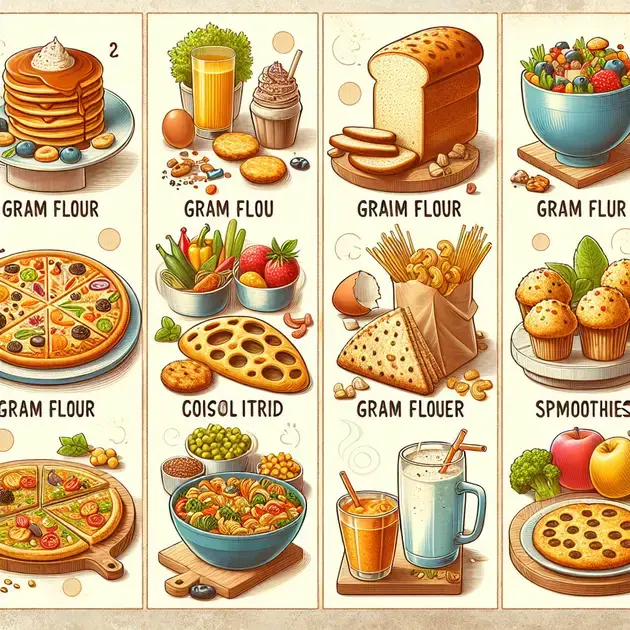
9 guilt-free gram flour recipe to lose weight the delicious way


9 Guilt-Free Gram Flour Recipes to Help You Lose Weight Deliciously

Title: “9 Guilt-Free Gram Flour Recipes to Help You Lose Weight Deliciously”

Introduction:

Losing weight can be a challenging journey, and it requires certain essential components to be successful. One crucial aspect is maintaining a healthy diet, as it not only helps control cravings but also provides the necessary nutrients for weight loss. Gram flour, with its high protein content and low glycemic index, can be an excellent addition to any weight loss plan. In this article, we will explore nine guilt-free gram flour recipes that not only taste delicious but will also support your weight loss goals.

1. Gram Flour Pancakes:

Start your day with a nutritious and satisfying breakfast by making gram flour pancakes. This recipe combines gram flour with vegetables like spinach, bell peppers, and onions, providing a high-fiber and protein-packed meal.

2. Gram Flour Bread:

Replace your regular bread with a healthier alternative by using gram flour. This gluten-free bread option is rich in protein and fiber, making it a great choice for those looking to shed pounds.

3. Gram Flour Pizza Crust:

Craving pizza? Opt for a healthier version by using gram flour as the base for your crust. This recipe allows you to enjoy a guilt-free pizza with fewer carbs and more protein.

4. Gram Flour Salad:

A refreshing and nutritious gram flour salad is an excellent option for a light lunch or dinner. Combine chopped vegetables, such as cucumbers, tomatoes, and onions, with gram flour for a protein-packed and fiber-rich dish.

5. Gram Flour Wraps:

Replace traditional high-calorie tortilla wraps with gram flour wraps. Fill them with your favorite vegetables, grilled chicken, or paneer, and enjoy a satisfying and weight-loss-friendly meal.

6. Gram Flour Cookies:

Yes, you can still enjoy a sweet treat while following a weight loss plan. Gram flour cookies are a healthier alternative to regular cookies. With the addition of nuts and seeds, they provide a boost of protein and healthy fats.

7. Gram Flour Smoothie:

Whip up a nutritious and filling beverage by blending gram flour with fruits, yogurt, and a dash of honey. This smoothie will keep you satiated and help curb cravings throughout the day.

8. Gram Flour Soup:

Warm yourself up with a hearty and nutritious gram flour soup. Combine vegetables, herbs, and spices with gram flour to create a flavorful and fiber-rich soup option.

9. Gram Flour Energy Bars:

When hunger strikes between meals, grab a homemade gram flour energy bar. These bars are packed with protein, fiber, and natural sweeteners, making them a healthy and guilt-free snack option.

Conclusion:

Weight loss doesn’t have to mean sacrificing delicious food. By incorporating gram flour into your diet, you can create a variety of tasty and satisfying dishes that will support your weight loss journey. Try these nine guilt-free gram flour recipes and enjoy the process of shedding those extra kilos while still enjoying your meals.


Coffee loophole diet: Does this 7-second trick for weight loss work?

The Coffee Loophole Diet: Does This 7-Second Trick for Weight Loss Really Work?

Coffee is often hailed as a potential aid to weight loss, and a new diet trend called the “coffee loophole diet” is gaining popularity among netizens. This unique approach to weight loss involves consuming a cup of coffee with various ingredients within a mere seven seconds of feeling hungry. While the concept may sound intriguing, it is important to dig deeper and understand if this 7-second trick for weight loss truly works.

The coffee loophole diet is centered around the idea that consuming a cup of coffee mixed with specific ingredients promptly after experiencing hunger pangs can suppress appetite and lead to weight loss. The key to this trend lies in the speed of consumption, as proponents claim that drinking the coffee within seven seconds is crucial for experiencing the desired effect.

However, it is essential to note that there is limited scientific evidence to support the effectiveness of the coffee loophole diet. While coffee itself has been associated with potential benefits for weight management, such as boosting metabolism and curbing appetite, the specific practice of consuming it within a strict timeframe lacks substantial research.

While anecdotal evidence and personal testimonies may exist, it is always advised to approach such diet trends with caution. Rapid weight loss solutions often come with potential risks and may not be sustainable in the long run. Consulting with a healthcare professional or a registered dietitian before adopting any new diet plan is always a prudent step.

In conclusion, the coffee loophole diet is a weight loss trend that involves consuming a cup of coffee with added ingredients within seven seconds of feeling hungry. While the concept may trigger curiosity, it is important to acknowledge the limited scientific evidence supporting its efficacy. Exploring sustainable and evidence-based approaches to weight loss, such as a balanced diet and regular exercise, is often a more reliable path towards achieving long-term success in weight management.