Home Blog Page 72

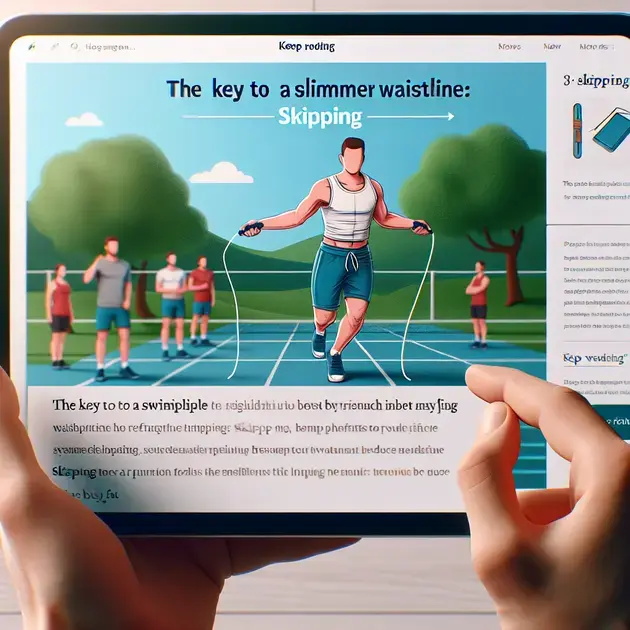
Tried skipping for belly fat reduction? Here’s how it works


Tried Skipping for Belly Fat Reduction? Here’s How It Works


Title: Tried Skipping for Belly Fat Reduction? Here’s How It Works

Introduction:

Losing belly fat can be a challenging task, and many of us often think that intensive workouts are necessary to achieve significant results. However, sometimes the solution lies in simple exercises that we tend to overlook. Skipping, for instance, has proven to be an effective way to shed those extra inches around your abdomen. In this article, we explore the benefits of skipping and how it can help you achieve a slim waist.

Main Body:

Skipping, also known as jump rope, is a straightforward yet powerful exercise that can target belly fat and overall body weight. Here’s how it works:

  1. Increased Caloric Burn: Skipping involves the use of multiple muscle groups, including the core, arms, and legs. This dynamic movement helps you burn more calories compared to other traditional exercises. With regular skipping workouts, you can create a calorie deficit, which is essential for weight loss.
  2. High-Intensity Interval Training (HIIT): One of the reasons skipping is effective for belly fat reduction is because it can be incorporated into a HIIT workout. HIIT involves short bursts of intense exercise followed by periods of rest or low-intensity activity. By adding skipping intervals to your workout routine, you can boost your metabolism and burn fat more efficiently.
  3. Cardiovascular Endurance: Skipping is an excellent cardiovascular exercise that increases your heart rate and improves your endurance. It helps strengthen your heart and lungs, ultimately leading to improved overall fitness. Consistent skipping sessions can enhance your stamina, allowing you to engage in more intense workouts over time.
  4. Engages Core Muscles: The rotational movement involved in skipping engages your abdominal muscles, making it an effective exercise for toning and strengthening your core. Regular skipping can help tighten your abdominal area, resulting in a slimmer waistline.

Tips for Getting Started:

Before you begin skipping, ensure you have a good-quality jump rope that is appropriate for your height. Here are some additional tips to help you get started:

  1. Warm-up: Perform a warm-up routine to prepare your body for the exercise and prevent injuries.
  2. Proper Form: Maintain an upright posture, engage your abdominal muscles, and keep your elbows close to your body while skipping.
  3. Gradual Increase: Start with shorter skipping intervals and gradually increase the duration as your stamina improves.
  4. Rest Days: Allow your body to rest and recover between skipping sessions to avoid overexertion.

Conclusion:

Skipping is a simple yet highly effective exercise for reducing belly fat and achieving a slimmer waistline. By incorporating skipping into your workout routine and adopting a healthy lifestyle, you can reap the benefits of this enjoyable and accessible exercise. So, why not give it a try and start skipping your way to a fitter, healthier you? Belly fat is known to be resistant and many believe that intense workouts are required to eliminate it. Nevertheless, basic exercises like skipping can actually assist in reducing those extra inches around your stomach. Whether you choose to skip in a park or at home, it could be the key to achieving a slimmer waistline. This simple and efficient exercise is… Keep reading to discover how skipping can help you in your journey to reduce belly fat.


Dry fruits for liver: 5 healthy nuts to improve liver function

Dry Fruits for Liver: 5 Healthy Nuts to Improve Liver Function

Eating almonds, dates, raisins, and figs do much more than just making you more energetic. They can actually help your liver become healthy. The liver is a key organ that is responsible for several physical processes, including detoxification, metabolism, and dietary intake absorption. With moderation as the key, consuming dry fruits for the liver can be incredibly beneficial.

1. Almonds:

Almonds are packed with essential nutrients, such as healthy fats, antioxidants, and vitamin E. These nutrients help protect the liver from oxidative stress and inflammation, reducing the risk of liver damage. Additionally, almonds are a great source of fiber, which aids in digestion and prevents fatty liver disease.

2. Dates:

Dates are rich in fiber and contain essential minerals like potassium and magnesium. They are also high in antioxidants, which can help reduce inflammation in the liver. Dates have been found to improve liver function and enhance the body’s ability to eliminate toxins.

3. Raisins:

Raisins are a natural source of iron and can help prevent anemia, which is often associated with liver problems. They also contain antioxidants like polyphenols, which have been shown to have protective effects on the liver. Regular consumption of raisins can help maintain healthy liver function.

4. Figs:

Figs are a good source of dietary fiber and natural sugars. They contain liver-protective compounds like flavonoids and phenolic acids. Figs can help stimulate the liver’s detoxification process and improve liver health overall.

5. Walnuts:

Although not mentioned in the original article, walnuts are another dry fruit that can have significant benefits for liver health. They are rich in antioxidants, omega-3 fatty acids, and amino acids, which support liver function and protect against liver diseases.

It is important to note that while these dry fruits are beneficial for liver health, moderation is key. Excessive consumption can lead to weight gain and other health problems. It is recommended to incorporate these dry fruits into a well-balanced diet and consult with a healthcare professional regarding individual dietary needs and any specific liver conditions.

In conclusion, adding almonds, dates, raisins, figs, and walnuts to your diet can provide numerous benefits for liver health. These dry fruits are rich in essential nutrients and antioxidants, which aid in detoxification and protect against liver damage. Remember to consume them in moderation as part of a balanced diet for optimal results. Eating almonds, dates, raisins, and figs have numerous benefits beyond increasing energy levels. In fact, they can contribute to improving the health of your liver. The liver plays a crucial role in various bodily functions such as detoxification, metabolism, and absorption of nutrients from our diet. By consuming dry fruits in moderation, you can actively support and enhance liver function. Read on to discover the top 5 healthy nuts that can positively impact your liver function.

Quick & Affordable Weight Loss Meal Prep: Cheesy Stuffed Pizza Potatoes Recipe!

“`html

Embarking on a weight loss journey doesn’t have to mean settling for bland meals or breaking the bank. In this blog, we’re unveiling a delicious, budget-friendly meal prep that is sure to become a staple in your weekly routine: Cheesy Stuffed Pizza Potatoes. Perfect for those who are short on time and want to savor every bite, this recipe is proof that you can enjoy mouth-watering flavors while maintaining portion control and staying on track with your weight loss goals. With ingredients easily found at any grocery store and a simple preparation process, these potatoes promise to keep you satisfied, save you money, and make dieting feel less like a chore and more like an exciting culinary adventure. Let’s dive in and explore how you can whip up this nutritious and scrumptious dish that helped one person lose 130 pounds and keep it off for over a decade. Get ready to transform your meal prep game and indulge in a pizza-inspired meal that’s as filling as it is delicious!

Ingredients & Benefits

Each ingredient in this dish has been selected to offer a balance of flavor, nutrition, and cost-effectiveness. Here’s a glimpse into why these components are included:

  • Garden Salad Mix: Utilizing pre-packaged garden salads not only cuts down on preparation time but also ensures you’re getting a diverse range of greens without the hassle of buying them separately. This blend offers fiber and essential vitamins with minimal calories.
  • Low-Calorie Dressing: Using a low-calorie dressing like Greek with feta and oregano provides zest and richness without adding excessive calories. Dressings can often derail healthy intentions if not chosen wisely.
  • Russet Potatoes: Potatoes are a fantastic and often underappreciated source of energy. They are filling, low in calories, and, when prepared properly, serve as a great vehicle for nutrient-dense toppings.
  • Pizza Mozzarella and Cottage Cheese: This cheese combination delivers a dose of calcium and protein. Cottage cheese, in particular, is lower in calories and adds a creamy texture, complementing the mozzarella’s meltiness.
  • Pasta Sauce: Affordable and flavorful, the Great Value garlic and herb pasta sauce is a more economical alternative to pizza sauce, bringing that familiar tomato base to your meal prep.
  • Turkey Pepperoni: Lean turkey pepperoni provides that savory, umami punch without the fat content usually found in traditional pepperoni. It’s a brilliant way to enjoy those beloved pizza flavors while keeping things lean.

The Methodology

Meal prepping is all about efficiency. Here’s how to maximize your efforts and ensure you have tasty meals ready to go throughout the week:

  1. Microwave Cooking: Time is of the essence, especially for busy individuals. Cooking potatoes in the microwave rather than the oven drastically reduces cooking time while delivering similar results. Just ensure they are pierced adequately to let steam escape.
  2. Scooping and Stuffing: After cooking, hollow out the potatoes to create perfect shells ready to be filled with your mixture. Maintaining a thin layer of potato flesh inside the shell ensures structural integrity and keeps the calorie count low.
  3. Flavors Combined: Mix the potato pulp with the cottage cheese, sauce, seasonings, and pepperoni. This combination should be well-mixed to ensure each bite is a blend of all the ingredients, providing a uniform taste throughout the meal.
  4. Final Touches: Top with mozzarella and remaining pepperoni slices for that quintessential pizza appearance and flavor. Baking them afterwards melds the flavors together, creating a cohesive and delightful meal.

Portion Control and Nutritional Awareness

The sheer beauty of this meal prep is the balance it strikes between taste and nutritional value. Here’s how to maintain portion control effectively:

  • Use measuring cups to distribute filling evenly, ensuring each potato is equal in caloric content.
  • Integrate the salad’s fiber to aid digestion and promote a feeling of satiety.
  • Keep dressings in separate containers until serving to prevent sogginess, maintaining freshness.

Maintaining the Results

The success of this meal prep extends beyond the kitchen. Here are some pointers to keep your weight loss journey sustainable:

  • Focus on Enjoyment: If you relish what you eat, sticking to your meal plan is significantly easier. These cheesy stuffed potatoes are designed to excite your taste buds as much as they fulfill your dietary requirements.
  • Stay Budget-Conscious: By selecting items available at any grocery store without breaking the bank, you ensure meal prepping remains accessible and realistic.
  • Mindset and Patience: Remember, weight loss is a journey, not a sprint. Integrate meals that support your goals both physically and mentally, reinforcing positive habits along the way.

In conclusion, the Cheesy Stuffed Pizza Potatoes offer a way to enjoy food while keeping your health goals in mind—proving that delicious doesn’t have to mean indulgent. By incorporating this meal into your routine, you can take a significant step towards redefining what healthy eating looks like on a budget and enjoy the process along the way.

“`

When Can You Start Walking Again After a Fifth Metatarsal Fracture? Dr. David Guyer Weighs In


Blog Article

After experiencing a fifth metatarsal fracture, the journey back to normalcy can be both physically and mentally challenging, as the road to recovery is often riddled with uncertainty. In this illuminating blog, Dr. David Guyer, a triple board-certified orthopedic surgeon and sports medicine specialist, delves into the intricacies of weight-bearing, exercise, and healing timelines associated with this common foot injury. Drawing from his extensive knowledge in regenerative medicine, Dr. Guyer offers invaluable insights on when you might expect to lace up your walking shoes again and resume your daily therapeutic walks. Whether you’re recovering from an injury yourself or are simply curious about the healing process, this comprehensive guide provides expert advice to help you make informed decisions about your recuperation, emphasizing the importance of personalized care and consultation with a medical professional.

Understanding the Fifth Metatarsal Fracture

Understanding a fifth metatarsal fracture and the implications of such an injury begins with a basic overview of the skeletal structure of the foot. The metatarsals are the long bones that connect the ankle to the toes. These bones act as a vital support system for the foot during both movement and rest. A fracture in the fifth metatarsal, which is located on the outer edge of the foot, can be particularly debilitating due to its crucial role in weight-bearing activities.

The location of the fracture significantly impacts the healing process. For instance, fractures closer to the fifth metatarsal shaft, known as Jones fractures, are notorious for their poor blood supply and the structural forces that push the ends of the fracture apart, which often necessitate a more cautious approach. These fractures might require surgical intervention, particularly in young, athletic individuals, to ensure proper healing.

In contrast, fractures at the base of the fifth metatarsal are more common in older individuals and tend to heal similarly to fractures of the second, third, or fourth metatarsals. Such fractures are generally less concerning due to better blood supply and lessening of mechanical stresses. Here, the approach to recovery focuses primarily on pain management and gradual increase in weight-bearing activities.

Pain Management and Initial Care

After sustaining a fracture, the immediate steps involve immobilizing the foot to prevent further injury. This commonly involves using a boot, which helps manage pain while allowing some degree of mobility. For base fractures, you might be able to start placing weight on your foot almost immediately, as the boot serves more to ease discomfort than to strictly immobilize the foot.

Monitoring for Healing

The key to understanding when it’s time to begin walking for exercise lies in observing the healing progress. This involves regular X-rays to check for early callus formation, which is the body’s way of naturally splinting the fracture with new bone growth. Once there is sufficient evidence of bone healing, and as your pain level decreases, medical professionals generally encourage gradual weight-bearing activities.

Exercise and Walking

When resuming exercise, start simple. Walking is often the first activity recommended because of its low impact on the body. Consult with your healthcare provider to assess the healing and determine an appropriate timeline for resuming walking. A rough guideline suggests waiting until there’s visible healing on the X-ray and pain is manageable before embarking on longer walks.

Rehabilitation and Beyond

Rehabilitation after a fifth metatarsal fracture is crucial for restoring full function. Physical therapy can play an integral role in strengthening the surrounding muscles, improving balance, and increasing the range of motion. This not only helps in returning to normal activities but also in preventing future injuries.

Factors Affecting Recovery

  • Location and Type of Fracture: As mentioned, the exact break’s location affects the healing time.
  • Age and Bone Health: Older individuals or those with osteoporosis may experience delayed healing.
  • Compliance with Rehabilitation: Adhering to prescribed physical therapy and avoiding premature stress on the fracture are essential.
  • Overall Health and Lifestyle: Nutrition, lifestyle habits like smoking, and other health conditions can influence recovery timelines.

Dr. Guyer’s insights underscore a critical message: the importance of individualized assessment and treatment in orthopedic recovery. He emphasizes consulting your orthopedic surgeon or healthcare provider to get a clear understanding based on your situation. They can provide a tailored plan that suits your specific needs and ensures your road to recovery is as smooth and swift as possible.

In summary, when considering returning to walking after a fifth metatarsal fracture, the focus should be on the fracture’s healing evidenced by X-ray results, pain management, and personalized medical guidance. As you navigate your recovery, maintaining open communication with orthopedic professionals will be your best asset in regaining mobility and returning to normal activities.


Realistic Weight Loss Meal Prep: Cheesy Stuffed Pizza Potatoes on a Budget


Blog Post

In a world filled with fad diets and complicated meal plans, finding a weight loss solution that is both sustainable and enjoyable can feel like searching for a needle in a haystack. However, what if I told you that I discovered a meal that shattered all those preconceived notions, helping me shed 130 lbs and keep it off for a decade? Welcome to the world of realistic weight loss meal prep—where budget-friendly meets family-friendly, without sacrificing flavor or satisfaction. This week, I’m delving into the creation of cheesy stuffed pizza potatoes with a side of crisp salad, a meal so enticing and easy to prepare that you’ll wonder how it fits into a diet. Not only will this dish keep your taste buds excited, but it’s also portion-controlled and straightforward to whip up with ingredients readily available at any grocery store. So grab your aprons and join me as I reveal how this delightful meal has become a staple in my sustainable weight loss journey.

The Ingredients and Their Benefits

Garden Salad: The pre-packaged garden salad, specifically the Fresh Market Green Blend from Walmart, is a time-saving gem. Not only does it cut down on prep time, but it also ensures you get a mix of greens that are vital for your health. With four bags of this already-prepared salad, you’re set for multiple meals, keeping things both simple and fresh.

Dressings That Delight: A low-calorie dressing like Kraft’s Calorie Wise Greek with Feta and Oregano adds flavor without the guilt. Portion control is key, and this dressing lets you savor every bite of your salad.

Potatoes: Eight medium russet potatoes form the heart of this dish. These humble spuds are not only budget-friendly but also low in calories and fill you up—an essential quality for staying satisfied while in a calorie deficit.

Cheese the Right Way: Using 300g of Armstrong Pizza Mozzarella, divided appropriately, allows you to enjoy the cheesy goodness without overindulging. Cheese is often a feared food in weight loss circles, but in controlled portions, it’s a perfect addition.

Sneaky Cottage Cheese: Incorporating 3/4 cup of 2% cottage cheese from Walmart into your potato stuffing adds creaminess and protein, enhancing the dish’s nutritional profile. Its mild taste means it seamlessly blends in, unnoticed by even the pickiest eaters.

Economical Pasta Sauce: Great Value Garlic and Herb Pasta Sauce serves as a flavorful alternative to pizza sauce, saving money while delivering the desired taste.

Lean Protein with Pepperoni: Utilizing five turkey pepperoni sticks from Costco, you not only cut down on fat but also keep the savory flavor. The Grims turkey sticks freeze well, making them a practical choice for long-term meal planning.

Seasonings for Flavor: A teaspoon each of Italian seasoning and salt, plus a half teaspoon of black pepper, are all you need to bring out the flavor of the dish.

Cooking Process Simplified

  • Potatoes in the Microwave: Microwave cooking cuts time in half without compromising taste. Simply pierce the potatoes, cook for 15 minutes, flip them halfway, and they’re ready to be stuffed.
  • Creating the Filling: After scooping out the potato pulp, mix it with cottage cheese, pasta sauce, seasonings, part of the pepperoni, and half the cheese. This filling becomes the delicious nucleus of your stuffed potatoes.
  • Baking Perfection: Once stuffed, the potatoes are topped with remaining pepperoni and cheese, then baked at 375°F for 10 to 15 minutes. The melted cheese on top gives it that irresistible pizza allure.

Portion and Presentation

Serving this enticing meal involves a balance between presentation and practicality. Use a one-cup measuring cup for your salads. When it comes to serving, keep your salad fresh by adding dressing only when you’re ready to eat. The meal’s total nutritional profile per serving stands impressively at 393 calories, 15g of fat, 46g of carbohydrates, and 21g of protein.

Making the Dish Work for You

Meal Prep Containers: Use meal prep containers to store four meals for yourself and four for another family member. These meals last four days, making them perfect for busy weeknights.

Freezing and Reheating: If needed, freeze the potatoes separately and defrost them the night before. They reheat wonderfully in a microwave or air fryer.

Sustainable Weight Loss

Ultimately, the journey to losing weight and keeping it off is not just about the food you eat but also about creating a lifestyle that you can maintain. By selecting meals that are not only filling and delicious but also realistic and aligned with your living conditions, you pave the way for success.

This cheesy stuffed pizza potato meal isn’t just about satisfying your taste buds; it represents a commitment to smarter choices. It’s about enjoying the journey as much as the destination—knowing that weight loss is as much about nourishing your heart and mind as it is about the number on the scale.

Embrace these principles, and you’ll find that the battle with weight becomes less about restriction and more about empowerment. As you continue to experiment with similar meals, keep in mind that the goal is not perfection but progress—one tasty bite at a time.


When Can You Start Walking After a Fifth Metatarsal Fracture? Dr. David Guyer Offers Essential Insights


Recovery After Fifth Metatarsal Fracture

Essential Insights on Resuming Exercise After a Fifth Metatarsal Fracture: Advice from Dr. David Guyer

Understanding the Recovery Timeline

Understanding when to resume walking and exercise after a fifth metatarsal fracture is crucial for effective recovery and prevention of further injury. Navigating this period can be challenging, but breaking down the healing process helps set realistic expectations and guides patients through their recovery journey.

Firstly, it’s important to recognize what constitutes a fifth metatarsal fracture. The foot comprises five long bones, the metatarsals, which extend from the arch to the toes. The fifth metatarsal is the bone on the outer edge of the foot, connecting to the little toe. Fractures here can result from sudden twists or direct trauma and are relatively common due to the foot’s constant use.

Not all fifth metatarsal fractures are created equal. Some fractures can heal with conservative treatment such as immobilization with a boot, while others, particularly the more complex Jones fractures, might require surgical intervention, especially in young, active individuals.

Key Considerations for Walking After a Fracture

  • Location of the Fracture: The precise location of the fracture heavily influences the recovery timeline. Breaks at the base of the fifth metatarsal tend to be less problematic and often allow for earlier weightbearing compared to fractures closer to the shaft, where healing can take longer due to poorer blood supply.
  • Healing Indicators: Orthopedic professionals focus on the evidence of healing such as callus formation visible on X-rays. This new bone growth indicates the fracture is mending, providing a marker for when it might be safe to increase activity levels.
  • Pain Management: Pain is a key indicator, guiding how much weight can be safely borne on the injured foot. Minimal pain with weightbearing is a good sign that the bone is healing and can potentially handle more stress.

Weightbearing and Exercise Guidelines

To safely resume walking as part of an exercise routine, consider the following general guidelines:

  • Initial Immobilization: Immediately following a fracture, a boot may be used not only to protect the bone but also to control pain. Adhering to immobilization guidelines from your healthcare provider is crucial in the early stages.
  • Gradual Weightbearing: Starting with partial weightbearing as tolerated, and progressing to full weightbearing as healing indicators improve, allows the body to adapt. This gradual increase helps maintain muscle strength without risking re-injury.
  • Progressive Activity: As healing progresses, patients can transition from walking short distances in controlled environments to longer, less restricted environments outdoors. Cross-training with low-impact activities such as swimming or cycling can also aid recovery without putting undue stress on the foot.
  • Listening to the Body: It’s important to monitor pain and swelling during the recovery process. If swelling increases or pain worsens, it may be a signal to reduce activity and consult with a healthcare provider.

The Role of Medical Advice

While general guidelines can assist in understanding the recovery process, individual differences mean personalized medical advice is paramount. Dr. Guyer emphasizes the importance of consulting with an orthopedic surgeon to tailor the recovery plan based on specific fracture details and healing progress.

Rehabilitation and Strengthening

Rehabilitation exercises focus on regaining strength, flexibility, and mobility in the foot. Incorporating exercises that strengthen the muscles surrounding the foot ensures better support for the healing bone and can expedite returning to full activity.

  • Stretching and Range of Motion: Start with gentle stretching to improve flexibility in the foot and ankle.
  • Strength Building: Progressive resistance exercises can aid in rebuilding strength once weightbearing is comfortable.
  • Balance and Proprioception: Improving balance and foot awareness through exercises such as standing on one leg or using a balance board can prevent future injuries.

Conclusion

In summary, recovering from a fifth metatarsal fracture and resuming walking or exercise requires a careful balance of rest, gradual progression, and medical guidance. By understanding the nature of the injury and following structured recovery protocols, individuals can return to their usual activities with a reduced risk of complications or re-injury. Patience, adherence to medical advice, and careful monitoring of symptoms are key components of successful rehabilitation.


Deliciously Easy High-Protein Meals That Keep You Full and Satisfied All Day


Blog Article


In today’s fast-paced world, finding the time and motivation to maintain a healthy lifestyle can often feel overwhelming. However, what if optimizing your nutrient intake didn’t have to be a daunting task? Welcome to our blog, where we explore the art of creating delicious, quick, and protein-packed meals that not only satisfy your taste buds but also support your fitness goals. In this post, we delve into a day of healthy eating, featuring mouth-watering dishes like a bacon egg and cheese burrito and a chicken taco pizza, all under 400 calories, yet rich in protein. Join us as we unravel the secrets to achieving a balanced diet that keeps you feeling full throughout the day while aiding in weight loss and muscle building. Whether you’re an experienced health enthusiast or just starting your wellness journey, you’ll find our easy-to-follow tips and recipes designed to transform your cooking habits and boost your energy levels without spending hours in the kitchen. Dive into a world where simplicity meets nutrition and discover how effortless it can be to nourish your body properly.

Breakfast: Bacon Egg and Cheese Burrito

Starting the day off right sets the tone for everything else. Enter the bacon egg and cheese burrito, your satisfying breakfast companion. Using a Mei Cono 90-calorie thin tortilla, packed with 17 grams of slow-digesting fiber, provides an ideal base. The tortilla not only aids digestion but helps keep you full longer, an essential aspect when consuming fewer calories.

The genius of using turkey bacon, specifically the Butterball Applewood smoked variety, lies in its nutritional benefits. With two slices offering fewer calories and more protein than a single slice of regular bacon, you can indulge in the savory flavors guilt-free. Pair it with 15 grams of Armstrong Tex Mex shredded cheese to enhance the burrito’s richness.

Don’t forget the side of half a cup of strawberries for a refreshing touch and a caffeine-free Coke Zero. This compact meal totals only 394 calories but packs 31 grams of protein, proving that breakfast doesn’t have to be time-consuming to be effective.

Midday Delight: Mini Charcuterie Board for Lunch

By lunchtime, you might crave variety, and a mini charcuterie board is a perfect solution. This meal is not only visually appealing but it’s also a creative way to pack in nutrients. Including two slices of Black Forest ham from Costco provides higher protein content compared to most deli hams, meeting your body’s muscle-building needs.

Supplement the ham with two ounces of baby carrots, half a cup of cucumber spears, and two Laughing Cow herb and garlic cheese wedges for a balance of textures and flavors. A strawberry yogurt protein bar adds a sweet touch while boosting your protein intake further.

With this meal, you’re looking at 311 calories and 28 grams of protein—a brilliant strategy to keep your diet lively and your protein intake high, even while on the go.

Dinner: Chicken Taco Pizza

Dinner can be both fun and nutritious with a chicken taco pizza. Utilizing the same low-calorie tortilla from breakfast, this dish keeps your carb intake lean. Begin with two tablespoons of Great Value garlic and herb pasta sauce—an economical alternative to pizza sauce.

The star ingredient, 100 grams of cooked chicken, ensures that you stay on track with your protein goals, as chicken offers lean, low-calorie protein. Add 30 grams of Armstrong Tex Mex cheese for a creamy finish and sprinkle with tomatoes, black olives, low-fat sour cream, and green onions for a burst of flavor.

This 381-calorie pizza provides a whopping 37 grams of protein, all while keeping the preparation straightforward. The secret to keeping your greens fresh (like those often unpredictable green onions) is simple: create a greenhouse effect with water and a plastic bag for lasting freshness.

Dessert: Chocolate Peanut Butter Fudge Brownie Bowl

After dinner, indulge in a chocolate peanut butter fudge brownie bowl, a sweet treat loaded with nutrition. Blend three-quarters of a cup of plain fat-free Greek yogurt with 20 grams of chocolate peanut butter protein powder. This combination not only satiates dessert cravings but also adds a substantial protein boost.

Top your bowl with a crumbled Fiber One brownie bar, a teaspoon of Smuckers low-fat chocolate syrup, and half a cup of sliced strawberries. The result is a dessert with 312 calories and 33 grams of protein—a decadent yet nutritious way to round off your meals.

Snack Time: Crunchy and Satisfying Options

For an evening snack, opt for a bag of Quest chips in chili lime flavor and three reduced-fat Breton crackers with powdered peanut butter. This combination not only satisfies savory cravings but also reinforces protein intake with 20 grams from the chips alone.

In total, your day’s intake clocks in at approximately 1,615 calories with a remarkable 153 grams of protein. These meals illustrate that with thoughtful ingredient choices and strategic meal planning, you can effortlessly meet your nutritional goals without compromising on taste or convenience.

Conclusion

With these easy-to-prepare, high-protein meals, you can delight in an array of flavors while maintaining a balanced diet that aids in weight management and muscle growth. By focusing on protein-rich foods, you’re more likely to feel satiated, curb unhealthy snacking, and maintain energy levels throughout your day. Remember, achieving your health goals is not only about the numbers but about nourishing your body and enjoying the journey to a healthier, happier you.


When Can You Start Walking Again After a Fifth Metatarsal Fracture? Expert Advice From Dr. David Guyer

“`html

Recovering from a fifth metatarsal fracture can be a daunting journey, but knowing when and how to ease back into walking can make all the difference in speeding up recovery and restoring your active lifestyle. In this enlightening blog post, we delve into expert insights shared by Dr. David Guyer, a renowned orthopedic surgeon and sports medicine specialist, from his popular Ask the Doctor video series. Dr. Guyer addresses the common concern of safely resuming walking post-injury, focusing on the crucial signs of healing and the role of pain management. Whether you’ve experienced a fracture while jogging or are simply curious about the rehabilitation process, this article offers valuable guidance to help you walk confidently on the road to recovery.

Types of Fifth Metatarsal Fractures

The intricacies of metatarsal fractures are crucial, especially when it comes to the fifth metatarsal, often located on the outer edge of the foot. These bones, which are integral to the foot’s structure and function, are susceptible to fractures through various activities or accidents. Depending on the location and severity of the fracture, the healing process and return to weight-bearing activities can vary significantly.

  • Avulsion Fractures: Occur when a small piece of bone is pulled off by a tendon or ligament.
  • Jones Fractures: Located near the base of the fifth metatarsal, these fractures are notorious for their poor blood supply, which can complicate healing.
  • Stress Fractures: These result from repetitive stress or overuse, common in athletes and individuals with high activity levels.

Understanding these variations is the first step in determining the appropriate recovery plan.

Initial Recovery and Weight-Bearing

The initial phase post-fracture typically involves rest and immobilization to allow the bone to begin healing. During this phase, patients are often advised to wear a protective boot. The primary purpose of the boot is to stabilize the foot and provide pain control, allowing for limited movement without risking further injury.

For many, this can be a frustrating period as it restricts mobility and activities. However, adhering to these guidelines is crucial for ensuring proper healing. The timing of when to start weight-bearing is not fixed and should be guided by several factors including:

  • Pain Levels: Minimal to no pain when standing or mildly walking is an indicator that you may start transitioning to more weight-bearing activities.
  • Evidence of Healing on X-ray: Before increasing your activity levels, doctors look for signs of new bone formation or callus around the fracture site on X-rays.
  • Consultation with Your Orthopedic Surgeon: Regular follow-ups with your healthcare provider ensure that you’re on track with your healing process.

Transitioning to Walking Exercise

The transition from immobilization to walking for exercise should be gradual and progressive. Rushing this process can lead to setbacks or further injury. Here are some guidelines to help ease you back into walking:

  1. Start Small: Initiate walking with short, controlled distances. Begin with walking around the house or using a treadmill at a low speed.
  2. Monitor Symptoms: Pay close attention to any pain, swelling, or discomfort. If any of these symptoms return, it may be a sign to reduce your activity and consult with your physician.
  3. Increase Gradually: As your foot starts adjusting to bearing weight, gradually increase the distance and intensity of your walks.
  4. Supplement with Other Exercises: Engage in non-weight-bearing exercises that maintain your fitness level without straining the foot, such as swimming or cycling on a stationary bike.

The Role of Physical Therapy

Incorporating physical therapy into your rehabilitation can expedite the recovery process and improve outcomes. Therapists can tailor specific exercises that enhance flexibility, strength, and stability of the foot, aiding in a smooth transition back to regular physical activity.

Long-term Considerations

After a metatarsal fracture, it’s essential to stay mindful of the potential for future injuries. Here are some long-term considerations to maintain foot health and prevent re-injury:

  • Choose Proper Footwear: Invest in supportive shoes that provide adequate arch support and cushioning.
  • Incorporate Strengthening Exercises: Regularly engage in exercises that strengthen the muscles supporting your foot and ankle.
  • Listen to Your Body: Never ignore signs of pain or discomfort. These signals are your body’s way of protecting you from further harm.

Conclusion

Navigating the recovery from a fifth metatarsal fracture requires patience and careful attention to your body’s signals. While the goal is to resume walking and other activities as soon as possible, the priority should always be on ensuring proper healing. By understanding the nature of your injury and taking a proactive approach under the guidance of healthcare professionals like Dr. David Guyer, you can look forward to a full recovery and a return to your daily routine.

Remember, each person’s healing journey is unique, and while timelines provide a framework, it’s the specific cues from your body that play a crucial role in determining your recovery pace. Stay informed, stay cautious, and you’ll be back on your feet stronger than ever.

Recovering from a metatarsal fracture? Dr. David Guyer shares insights on safe walking resumption, focusing on healing signs and pain management for effective recovery.
“`

Effortlessly Boost Your Protein: A Day of Delicious High-Protein Meals to Shed Pounds and Fuel Your Body


Blog Article


Breakfast: Bacon, Egg, and Cheese Burrito

For the bacon, egg, and cheese burrito, the use of a Meicono tortilla is a game-changer. With only 90 calories and 17 grams of fiber, it not only satisfies hunger but assists in maintaining fullness throughout the morning. The choice of turkey bacon, particularly the Butterball Applewood smoked variant, offers a savory touch with fewer calories and more protein than traditional bacon. This allows for more “bacon” indulgence while sticking to a calorie-conscious plan. A sprinkle of Armstrong Tex-Mex shredded cheese completes the burrito with an extra layer of taste without tipping the calorie scale.

Accompanied by half a cup of fresh strawberries and a caffeine-free Coca-Cola Zero, this breakfast is a great example of balancing enjoyment and nutrition. At just 394 calories with a whopping 31 grams of protein, it sets the tone for a day committed to smart, protein-rich choices.

Morning Activity and Lunch: Charcuterie Board

As the morning progresses into a 50-minute snow-filled walk, the commitment to fitness doesn’t pause. Back from the walk, the appetite for a nutritious and satisfying lunch is met with a charcuterie-style assortment. This mini charcuterie board features two slices of Kirkland Black Forest ham from Costco. Known for delivering one of the highest protein contents among deli hams, Kirkland offers 12 grams of protein per two slices, which is ideal for an everyday high-protein diet.

Paired with ounce-sized servings of baby carrots, cucumber spears, two Baby D pickles, and two Laughing Cow herb and garlic cheese wedges, this lunch is as delightful as it is nutritious. A Great Value strawberry yogurt protein granola bar adds a sweet yet protein-packed element, ensuring the meal totals only 311 calories but includes 28 grams of protein.

Dinner: Chicken Taco Pizza

As evening arrives, it’s time for dinner, and what better way to end the day than with a unique twist on a classic favorite: chicken taco pizza. Utilizing the same Meicono tortilla as the base keeps the calorie count low, making room to pile on nutritious toppings. Spread with two tablespoons of Great Value garlic and herb pasta sauce, it provides a flavorful foundation.

The star of this dish is 100 grams of cooked chicken strips, which pack in protein efficiently while maintaining a lean calorie profile. Add 30 grams of Armstrong Tex-Mex shredded cheese, a couple tablespoons each of chopped tomatoes and sliced black olives, and you have a colorful, vibrant pizza. A finishing touch of two tablespoons of low-fat sour cream and a sprinkle of green onions elevate it into a gourmet experience.

Dessert: Chocolate Peanut Butter Fudge Brownie Bowl

Dessert is no less thoughtful, presenting a chocolate peanut butter fudge brownie bowl. Starting with three-quarters of a cup of plain fat-free Greek yogurt, it’s mixed with 20 grams of chocolate peanut butter protein powder. This mixture creates a creamy, indulgent base that’s a whole lot more than it seems.

Crumbled Fiber One brownies, a drizzle of Smucker’s low-fat chocolate syrup, and half a cup of sliced strawberries turn this dessert into a delicious delight. It provides 312 calories and 33 grams of protein, proving that even treats can fit into a high-protein, low-calorie diet.

Snack: Quest Chips and Crackers with Peanut Butter

The day concludes with a final snack – a bag of Quest chili lime chips paired with three Breton reduced-fat crackers, each smeared with a tablespoon of PB and Me powdered peanut butter. The crunchy, zesty satisfying snack wraps up the protein plan with 217 calories and 24 grams of protein.

Wrapping up the day, the total calorie intake stands at 1,615 with 153 grams of protein. This detailed and disciplined approach not only makes the weight loss journey enjoyable but also sustainable. It’s a showcase of the power of high-protein meals in fostering weight loss, muscle maintenance, and overall well-being. With each bite, there’s a step closer to achieving body goals and embracing a more healthful lifestyle.