Home Blog Page 71

When Can You Start Walking Again After a Fifth Metatarsal Fracture? Expert Insights!


Blog Article

When Is It Safe to Resume Walking After a Fifth Metatarsal Fracture? Dr. Guyer’s Expert Tips

Suffering a fifth metatarsal fracture can be challenging, especially for those who cherish their regular walks or exercise routines. Understanding when it is safe to resume weight-bearing activities and walking can significantly contribute to your recovery journey. Let’s delve into expert suggestions and insights about fifth metatarsal fractures and the healing process.

Understanding the Fracture:

  • First Metatarsal Fractures: These are rare and typically occur due to severe trauma, such as car accidents or foot being run over. These injuries are usually complex and often associated with other types of injuries.
  • Second, Third, and Fourth Metatarsal Fractures: These fractures generally heal without complications, and pain management becomes the primary focus during recovery. Weight-bearing can commence as healing progresses, and X-ray evidence shows callus formation or new bone growth.
  • Fifth Metatarsal Fractures: These are more common and are location-dependent in terms of complexity. A critical factor is where the fracture occurs along the bone.

Types of Fifth Metatarsal Fractures:

  • Jones Fractures: Located near the shaft of the fifth metatarsal, these fractures have poor blood supply, leading to more cautious treatment due to slower healing. Surgery may be required for younger, more active individuals, especially athletes. Healing usually takes between six to twelve weeks.
  • Base Fractures: Commonly seen in older individuals, these resemble injuries to the second, third, and fourth metatarsals. Typically, patients can start weight-bearing almost immediately using a boot for pain management and gradually increase their activity level.

Key Factors in Resuming Walking:

  • Healing on X-rays: The main indicator for when you can start walking for exercise is the evidence of healing, such as new bone formation visible on X-rays, rather than the time elapsed from the injury.
  • Pain Management: Assessing the amount of pain during normal weight-bearing can guide the decision to increase activity levels. It’s crucial to avoid pushing through significant pain as this may hinder the healing process.
  • Location and Severity: The exact location and severity of the fracture play a significant role in determining when to resume walking. These factors will influence the treatment plan developed by your healthcare provider.

Practical Suggestions:

  • Use of a Boot: If recommended by your doctor, using a boot not only aids in pain reduction but also offers support to the foot as you gradually transition back to bearing weight.
  • Gradual Increase in Activity: Begin with short walks or low-impact activities, slowly increasing duration and intensity based on comfort levels and doctor’s advice.
  • Regular Follow-ups: Consistent check-ups with your orthopedic surgeon or healthcare provider ensure that the healing process is on track and appropriate adjustments to activity levels can be made.
  • Individualized Approach: Remember, recovery is individual, and the timelines often seen in media about athletes’ recoveries are averages. Each person heals at a different pace, and your doctor’s guidance tailored to your situation should be the priority.

Recovery from a fifth metatarsal fracture requires patience and careful monitoring of healing progress. Consulting regularly with your healthcare provider is vital for personalized guidance tailored to your specific fracture type and overall health. Remember to prioritize healing over hastening the return to physical activities.

Accompany your journey with self-care and patient adherence to your healthcare provider’s advice. By doing so, you’ll enhance your chances of a full recovery and a successful return to the activities you love.


Effortlessly Shed Pounds with Family-Approved Cheesy Stuffed Pizza Potatoes! 🍕🥔


Blog Article

We all know that maintaining a healthy lifestyle while sticking to a budget can be tough, especially when it comes to meal prepping for weight loss. But what if I told you there’s a way to enjoy your favorite comfort foods, stay on track with your health goals, and save money simultaneously? Enter my ultimate meal prep solution: cheesy stuffed pizza potatoes with a fresh, zesty salad on the side! With a decade of success maintaining a 130-pound weight loss, I’ve perfected this simple, delicious, and family-friendly recipe to satisfy cravings without breaking the calorie bank. Using easy-to-find ingredients from any local grocery store, this dish is sure to become a staple in your weekly meal plan. Get ready to revolutionize your diet routine with this realistic, budget-friendly approach to weight loss without sacrificing flavor.

Ingredients and Preparation:

The cornerstone of manageable, long-term weight loss is creating meals that are both enjoyable and easy to prepare, without feeling like you’re missing out. This recipe for cheesy stuffed pizza potatoes meets all these criteria and has been essential in helping me maintain my weight loss success. This meal is not only simple and financially accessible but also offers a satisfying balance of flavors and textures that make healthy eating feel indulgent.

  • Garden Salad: Go for four bags of a pre-mixed garden salad blend. Pre-packaged salads save time and ensure you’re getting a healthy mix of greens without the hassle.
  • Low-Cal Dressing: The dressing of choice here is Kraft’s Calorie Wise Greek with Feta and Oregano, which adds a tangy twist to the salad without packing on unnecessary calories.
  • Russet Potatoes: Eight medium-sized russet potatoes serve as the base for this meal. These are filling, inexpensive, and a versatile option.
  • Cheese: Opt for 300 grams of Armstrong Pizza Mozzarella. Cheese adds indulgence and richness, perfectly complementing the pizza flavor.
  • Pasta Sauce: Instead of buying specialized pizza sauce, which can be pricey, use half a cup of Great Value Garlic and Herb Pasta Sauce. It offers similar flavors and is budget-friendly.
  • Cottage Cheese: Incorporate three-quarters of a cup of 2% cottage cheese from Walmart. It’s an excellent protein source that adds to the creaminess of the filling.
  • Turkey Pepperoni Sticks: Choose five lean turkey pepperoni sticks – a lighter alternative to traditional pepperoni that still delivers on taste.
  • Seasoning: Round off your ingredient list with Italian seasoning, salt, and black pepper to enhance the dish with a classic pizza flavor profile.

How to Make Cheesy Stuffed Pizza Potatoes:

  1. Cook the Potatoes: Begin by cooking the potatoes in the microwave. This method significantly reduces preparation time without compromising texture. Pierce each potato with a fork and cook for about 15 minutes, flipping them halfway through.
  2. Prepare the Filling: Once the potatoes are cooked, allow them to cool slightly before cutting a slit on top and scooping out the insides, leaving a sturdy shell. Combine the potato pulp with cottage cheese, pasta sauce, pepperoni, half of the mozzarella, and seasonings. The cottage cheese melts into the potatoes, binding the ingredients while adding protein.
  3. Stuff the Potatoes: Fill each potato shell generously with the mixture using a quarter-cup measuring cup for even portions. The goal is to stuff them sufficiently so they maintain their shape and deliver a burst of flavor.
  4. Add Toppings: Top the filled potatoes with the remaining pepperoni slices and cheese. Press gently to secure the toppings.
  5. Bake: Arrange the stuffed potatoes on a foil-lined baking sheet and bake in a preheated oven at 375°F for about 10 to 15 minutes until the cheese is melted and the potatoes are heated through.
  6. Assemble the Meal Prep: For meal prep, divide a cup of garden salad into containers and store the dressing separately. When ready to eat, reheat the potatoes in a microwave or air fryer and drizzle the salad with a tablespoon of dressing.

These stuffed pizza potatoes are a meal prep game-changer. They are ideal whether you’re cooking for yourself or your family, ensuring everyone enjoys the meal without the stigma of “diet food.” They are hearty, delicious, and with the right serving sizes, they support a calorie-controlled diet. One meal comes in at 393 calories, 15 grams of fat, 46 grams of carbohydrates, and 21 grams of protein. It’s a balanced dish that strikes the right note between flavor and nutrition.

Final Thoughts:

The journey to weight loss and management is deeply personal and can be filled with challenges. However, by transforming traditional comfort foods into health-friendly meals, you keep both your taste buds and nutritional needs satisfied. These cheesy stuffed pizza potatoes are a testament to the power of creative cooking and portion control. They prove that with the right approach, weight loss doesn’t just have to be a fleeting goal—it can become a sustainable lifestyle.

So, as you embark on this journey, remember that enjoying the process is just as crucial as the outcome. Make meals that excite you, and you’ll find that staying on track becomes a pleasure rather than a chore.

Discover the ultimate budget-friendly weight loss meal: cheesy stuffed pizza potatoes! Family-friendly, portion-controlled, and deliciously filling. 🍕🥔🍴


When Can You Safely Resume Exercising After a Fifth Metatarsal Fracture? Expert Advice from Dr. David Guyer


Blog Article

The Road to Recovery: Walking Post-Fifth Metatarsal Fracture with Dr. David Guyer’s Guidance

Experiencing a metatarsal fracture, particularly of the fifth metatarsal, can be quite a setback, especially for those who find solace and therapy in physical activities like walking. Dr. David Guyer, a renowned orthopedic surgeon and Sports Medicine specialist, provides valuable insights into the process of returning to exercise after such an injury. Understanding when and how to safely resume walking is crucial to ensuring a smooth and effective recovery.

Firstly, it is important to understand the anatomy of the foot, specifically the metatarsal bones. The foot consists of five metatarsals, long bones that connect the ankle to the toes. The fifth metatarsal is located on the outer edge of the foot and is commonly injured due to its exposure and role in mobility. Fractures in this region can vary based on the location and severity of the break.

Types of Fifth Metatarsal Fractures:

  • Avulsion Fracture: This occurs when a small piece of bone is pulled off the main portion of the fifth metatarsal by a tendon or a ligament. This type of fracture is common and often results from twisting injuries.
  • Jones Fracture: Occurring near the base of the fifth metatarsal, this fracture has a poor blood supply, making healing more complex and sometimes requiring surgical intervention.
  • Stress Fracture: Often resulting from repetitive stress or overuse, this type of fracture can occur in athletes and active individuals.

Recovery time and approach can differ depending on the type of fracture. With avulsion fractures and less severe breaks, weight-bearing activities can often be resumed more quickly than in the case of Jones fractures.

Path to Resuming Walking:

Initial Stage: Rest and Rehabilitation

In the early stages post-fracture, rest is critical. This might involve complete non-weight bearing, using crutches, or wearing a protective boot. Pain and swelling management is a priority, often achieved through elevation, ice, and compression.

Monitoring Healing Progress:

Regular consultations with your orthopedic surgeon are vital. Healing is typically assessed through clinical evaluations and imaging tests like X-rays to monitor callus formation — an indicator of bone healing. The timeline for healing may vary; however, significant improvement is often visible between six to twelve weeks.

Gradual Weight Bearing:

Once signs of healing are evident, and pain is minimal, a gradual return to weight-bearing activities can commence. This might involve transferring from a boot to supportive shoes. Initially, weight-bearing should be limited to short, controlled walks on even surfaces.

Progressive Increase in Activity:

As the foot gains strength and stability, walking distances can be incrementally increased. It’s essential to listen to your body; any pain or swelling should be addressed promptly, potentially indicating the need to slow down.

Return to Exercise:

For those eager to return to more vigorous exercise, it’s crucial to obtain a green light from a healthcare provider. A comprehensive rehabilitation program may incorporate strength training, balance exercises, and, eventually, running or other higher impact activities.

Factors Influencing Recovery:

  • Age and Overall Health: Younger individuals or those in good general health may experience faster recovery times.
  • Type and Location of Fracture: As mentioned earlier, Jones fractures or those requiring surgical intervention typically demand a more cautious approach.
  • Activity Level Prior to Injury: Active individuals may possess stronger musculoskeletal systems, aiding quicker rebound.

Dr. Guyer emphasizes that recovery is not about a set timeline but rather about observing how the foot heals and reacts during rehabilitation. The end goal is not just to return to walking but to resume all previous activities with confidence and without fear of re-injury.

In the journey back to exercise, patience is key. Rushing the process can lead to complications or prolonged recovery, while a diligent and informed approach can restore both function and peace of mind. Always consider individual circumstances and maintain open communication with your healthcare provider to ensure the best outcomes.

For more personalized advice and support, consulting an orthopedic specialist is advisable. Dr. Guyer’s educational resources offer further guidance for those navigating orthopedic injuries.

Dr. David Guyer provides insights on when you can start walking after a fifth metatarsal fracture, highlighting the recovery stages and key factors influencing healing.


When Can You Start Walking After a Metatarsal Fracture? A Guide from Dr. David Guyer


Blog Article

How to Return to Exercise After a Fifth Metatarsal Fracture: Insights from Dr. David Guyer

A metatarsal fracture, particularly one involving the fifth metatarsal, is a common injury among athletes and active individuals. The metatarsals are the long bones in the foot, with the fifth metatarsal located on the outer side. Fractures in this area can vary significantly, depending on the location and severity, and they require careful management to ensure proper healing and prevent future complications.

Understanding Fifth Metatarsal Fractures

The first step in understanding your injury is to distinguish between different types of fifth metatarsal fractures. A Jones fracture, for instance, occurs closer to the shaft of the bone. These fractures are notorious for their poor blood supply, which complicates the healing process and may necessitate surgical intervention in active patients and athletes.

Conversely, fractures at the base of the fifth metatarsal often heal similarly to those of the second, third, and fourth metatarsals. These fractures typically allow for immediate weight-bearing, with many patients able to walk using a boot for pain management. The boot’s primary purpose is to control pain, allowing you to gradually increase your activity level as the fracture heals.

Progressing to Weight-Bearing Exercise

Progressing to weight-bearing exercise after a metatarsal fracture depends significantly on the evidence of bone healing, which is often monitored through X-rays. Orthopedic surgeons look for signs of callus formation, an indication of new bone growth, before advising patients to increase their walking distance. Once sufficient healing is apparent, and you are free of pain during normal weight-bearing, you may begin walking for exercise.

It’s crucial to understand that the timeline for returning to exercise is not universally fixed. While some may suggest a standard timeframe, such as 6 to 12 weeks, the decision is ultimately based on individual healing and recovery metrics. As Dr. Guyer emphasizes, the absolute time duration is less important than the healing evidence and pain level experienced by the patient.

Key Points for Recovery

  • Consultation with a Specialist: Always follow the advice of your orthopedic surgeon or healthcare provider. They will use X-rays and other diagnostic tools to assess the healing progress and guide you on when it’s safe to increase activity.
  • Pain Management: Use a boot or other supports as recommended to manage pain and support the healing process. You can gradually reduce reliance on these supports as healing progresses.
  • Signs of Healing: Look for indications like decreased swelling and visible callus formation on X-rays before resuming more intensive activities like long walks.
  • Personalized Recovery: Remember that each individual’s recovery may differ based on factors such as age, overall health, and the specific nature of the fracture.
  • Patience Is Key: Avoid rushing the recovery process. Prematurely returning to exercise can delay healing or result in further injury.

If you’re passionate about getting back to activities like daily walks, it’s vital to listen to your body and your healthcare provider’s recommendations. Pushing through pain or ignoring warning signs can lead to setbacks, highlighting the importance of a gradual, patient approach to recovery.

Additional Support for Recovery

Aside from following medical guidance, ensuring optimal nutrition and hydration can aid recovery. Consuming adequate calcium and vitamin D, for example, supports bone regeneration and overall health.

If you’re interested in exploring alternatives to surgery or cortisone injections for orthopedic injuries, consider non-surgical treatment options discussed by professionals like Dr. Guyer. His expertise in sports medicine and regenerative medicine provides valuable insights into comprehensive care strategies that promote healing and performance without invasive interventions.

For those dealing with chronic joint issues such as arthritis, Dr. Guyer offers resources like his free eBook, “The Arthritis Solution,” providing holistic approaches to manage these conditions. Exploring these resources can offer additional support during the recovery journey.

Finally, sharing your experiences and questions in forums or comment sections of relevant videos can be beneficial. Engaging with communities of individuals facing similar challenges offers emotional support and practical tips, although it’s important to remember that medical advice should always come from a licensed healthcare provider.

Conclusion

In conclusion, the journey back to exercise after a fifth metatarsal fracture requires a careful balance of medical advice, self-care, and patience. By understanding the nature of your injury and adhering to a personalized recovery plan, you can safely resume the activities you love without compromising your long-term foot health.


Eat Pizza and Still Lose Weight? Try This Budget-Friendly Cheesy Stuffed Potato Meal Prep!


Weight Loss Meal Prep


Are you tired of dieting plans that force you to eat bland meals and break the bank with expensive, hard-to-find ingredients? If your current meal strategies aren’t fitting into your lifestyle smoothly, it’s time to rethink your approach to weight loss. In this blog, I’m excited to share a simple yet delicious meal prep that not only satisfies your craving for comfort food but also stays easy on your wallet. Imagine enjoying cheesy stuffed pizza potatoes paired with a refreshing garden salad—yes, even on a diet! This realistic, portion-controlled meal prep helped me lose 130 pounds and maintain my weight loss for a decade. Get ready to transform your weekly meals with this tasty, filling, and entirely budget-friendly plan that’s as friendly to your family as it is to your waistline. Grab your apron, and let’s get cooking!

Gather Your Ingredients

The first step is to collect what you need for the week. This includes:

  • Four bags of ready-to-serve garden salad mix, which saves time and ensures you’re not letting fresh produce wilt away in the fridge.
  • A bottle of low-calorie dressing, like Greek feta and oregano, to keep your salads both tasty and low-cal.
  • Eight medium russet potatoes for the base of your stuffed pizzas.
  • 300g of pizza mozzarella cheese, divided for the stuffing and topping.
  • 3/4 cup of cottage cheese, an underappreciated protein source to boost the nutrition of your meal.
  • Half a cup of pasta sauce—garlic and herb if you want to infuse more flavor at a great value.
  • Turkey pepperoni sticks, for a lean protein addition that doesn’t skimp on taste.
  • Italian seasoning, salt, and pepper for that quintessential pizza flavor twist.

Prepare the Potatoes

Cooking the potatoes in the microwave cuts down the prep time significantly. After piercing them with a fork, microwave them for about 15 minutes, flipping halfway through, to evenly cook their interiors. This method keeps your kitchen cooler and your meal prep faster.

Once they’re cooked, you’ll want to carefully scoop out the insides, leaving a sturdy shell to stuff with your delicious mixture. This technique creates a delightful base that holds the filling while ensuring each bite includes the comforting fluffiness of mashed potatoes.

Mix Up a Flavorful Filling

In a bowl, combine your potato ‘innards’ with all the filling ingredients: cottage cheese, pasta sauce, your choice of seasonings, diced turkey pepperoni, and half of the mozzarella cheese. Stir them well, making sure every bit of potato is coated in sauce and mixed with cheese and pepperoni.

This combination not only provides richness but also ensures a balanced meal with protein and a touch of healthy fats, all enveloped in that comforting pizza flavor we all love.

Assemble and Bake to Perfection

Form your scooped-out potato shells back into mini vessels of delight by filling them with this mixture. Top each one with the remaining mozzarella cheese and some slices of pepperoni, pressing them slightly so they adhere during baking.

Bake your potato halves in a preheated 375°F oven for 10 to 15 minutes, until the cheese is bubbly and melted. If you prefer a crisp top, broil them for an extra minute or two to achieve that irresistible golden-brown finish.

Portion Control For Success

Once your potatoes are done, prepare meal prep containers with a serving of the cheesy stuffed potato and a generous cup of garden salad. You can store these in the fridge for up to four days. To maintain freshness, consider keeping the salad in its original bag until just before serving.

When it’s time to eat, heat the potato separately and add a tablespoon of dressing to your salad. This keeps your greens crisp and your total calorie count at a manageable 393 calories per meal, making it easy to stay within your personal caloric needs.

Maintain Long-term Weight Loss

Choosing meals that you enjoy and that suit your lifestyle is key to sustainable weight loss. Instead of rigid, flavorless dishes, opt for ones like this that keep you satisfied and financially unburdened. Not only are you building lifelong habits, but you’re also learning to love what’s on your plate—without feeling deprived.

Embrace this practical approach, and watch as your weight loss goals become attainable realities, achieved through consistency, realism, and, most importantly, enjoyment. Let every meal countdown in a mindful, delicious journey towards your health goals. Happy cooking!


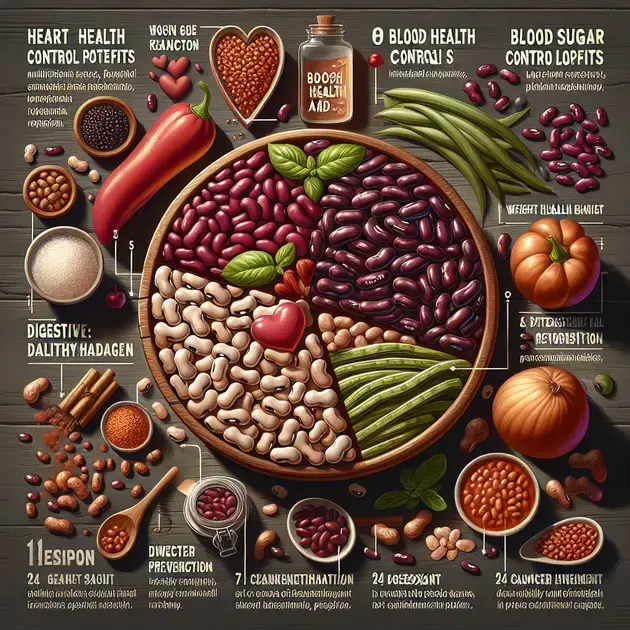
Kidney beans are healthy: 8 reasons to eat them

Kidney beans are frequently associated with stomach discomfort, bloating, and gas. Consuming these bean-shaped legumes can also lead to digestive upset. However, it is important not to completely exclude them from your diet, as these issues typically occur when they are not properly cooked or overeaten. In fact, kidney beans should be included as part of a balanced diet for the following 8 reasons:

1. Nutritional value: Kidney beans are a great source of essential nutrients, including protein, fiber, iron, folate, magnesium, and potassium.

2. Heart-healthy: Their high fiber content helps in reducing cholesterol levels and maintaining cardiovascular health.

3. Blood sugar control: The low glycemic index of kidney beans can assist in regulating blood sugar levels, making them beneficial for individuals with diabetes.

4. Weight management: The combination of protein and fiber in kidney beans can promote feelings of fullness, ultimately aiding in weight loss or weight maintenance.

5. Digestive health: Despite the initial digestive discomfort some may experience, kidney beans can actually improve digestive health due to their fiber content.

6. Antioxidant properties: Kidney beans contain various antioxidants, such as flavonoids and anthocyanins, which help protect the body against oxidative stress and inflammation.

7. Cancer prevention: The antioxidants and dietary fiber found in kidney beans have been linked to a reduced risk of certain cancers, particularly colorectal cancer.

8. Versatile in recipes: Kidney beans can be incorporated into a wide range of dishes, including stews, salads, soups, and even desserts.

Therefore, while kidney beans may cause initial digestive issues if not properly prepared or consumed in excess, they offer numerous health benefits and should be included as part of a varied and well-balanced diet.

Ajwain benefits: 7 reasons why you should add carom seeds to your meal


Title: Ajwain Benefits: 7 Reasons Why You Should Include Carom Seeds in Your Diet

Carom seeds, also known as ajwain, have been an integral part of traditional Indian medicine for centuries and can be found in almost every Indian kitchen. These small, round seeds not only enhance the flavor of your dishes but also offer numerous health benefits. With their potent antioxidants, anti-inflammatory, and antimicrobial properties, carom seeds can greatly contribute to overall well-being. Here are seven compelling reasons why you should consider adding carom seeds to your meals:

1. Digestive Aid

Carom seeds are renowned for their excellent digestive properties. They stimulate the release of digestive enzymes, thus improving digestion and preventing digestive issues like indigestion, bloating, and acidity. Consuming a concoction of carom seeds, water, and a pinch of salt helps alleviate stomach discomfort.

2. Relieves Respiratory Issues

Ajwain is commonly used to get relief from respiratory problems like asthma, bronchitis, and cold. The seeds are rich in thymol, an active compound known for its anti-inflammatory and antibacterial effects on the respiratory tract. Inhaling the steam of carom seeds boiled in water can offer significant relief.

3. Alleviates Pain and Inflammation

The anti-inflammatory properties of carom seeds make them effective in reducing pain and inflammation associated with arthritis, rheumatic conditions, and menstrual cramps. Massaging the affected area with carom seed oil can provide relief from pain and discomfort.

4. Enhances Weight Loss

Including carom seeds in your diet can aid in weight loss. These seeds improve digestion, boost metabolism, and reduce bloating, thus aiding in weight management. Consuming a glass of warm water infused with carom seeds and lemon juice on an empty stomach can help kickstart your metabolism.

5. Boosts Immunity

Ajwain is a rich source of antioxidants like thymol and terpenes, which help boost the immune system. Regular consumption of carom seeds strengthens the body’s natural defense mechanisms, making it more resistant to infections, colds, and flu.

6. Improves Oral Health

Carom seeds have antibacterial properties that can help maintain oral hygiene. Gargling with a solution of carom seeds and warm water can help alleviate bad breath, prevent cavities, and reduce inflammation of the gums.

7. Promotes Skin Health

The antimicrobial properties of ajwain seeds make them beneficial for the skin. Applying a paste made from carom seeds and water on the affected areas can disinfect wounds, reduce inflammation, and promote faster healing.

In conclusion, carom seeds, or ajwain, offer a multitude of health benefits, making them a valuable addition to your diet. From aiding digestion and relieving respiratory issues to enhancing weight loss and promoting oral and skin health, the medicinal properties of these seeds are undeniable. Embrace the centuries-old wisdom of traditional Indian medicine and incorporate carom seeds into your meals to enjoy their incredible health benefits.


When Can You Start Walking After a Fifth Metatarsal Fracture? Dr. David Guyer Weighs In


Recovery from Fifth Metatarsal Fracture

Recovering from a fifth metatarsal fracture involves several stages, each of which should be approached with care and patience. Walking and resuming exercise post-injury can feel like a long-awaited relief, but it is crucial to ensure that the foot is adequately healed and capable of handling weight-bearing activities. Dr. David Guyer offers valuable insights into the process, highlighting key aspects such as signs of healing, the importance of managing pain, and understanding the nuances of your specific fracture.

Initial Healing and Metatarsal Anatomy

Initial healing is a critical phase in recovery, especially for a fifth metatarsal fracture. These fractures, located on the outer part of the foot, are common and vary significantly based on their location on the bone. The fracture’s position largely determines its severity, its impact on mobility, and the subsequent recovery timeline.

When recovering from any fracture, including those of the fifth metatarsal, an understanding of metatarsal anatomy is beneficial. These long bones connect the ankle to the toes, playing a significant role in balance and mobility. A fracture in this area affects everyday movements and necessitates a cautious approach to weight-bearing activity.

  • Metatarsal Overview:
    • The first metatarsal lies under the big toe, while the fifth is on the foot’s outer edge.
    • Fractures in the middle metatarsals usually heal steadily, allowing gradual pain-managed movement.
    • The fifth metatarsal is often less straightforward, with “Jones fractures” being particularly challenging due to poor blood supply and the potential stress forces exerted during movement.

For fractures more commonly seen at the base of the fifth metatarsal, the healing process may resemble that of the second, third, and fourth metatarsals. These fractures often allow for early weight-bearing with an orthopedic boot, primarily used to control pain rather than immobilize the injury. The boot facilitates a gradual increase in walking activities, advancing as pain levels decrease and healing progresses.

Walking and Exercise Resumption

  • Walking for exercise can typically commence once there’s clear evidence of healing, often identified by callus formation on X-rays.
  • Pain levels offer another critical cue—minimal discomfort during movement suggests you may begin resuming regular activities.
  • Rather than focusing solely on a fixed timeline, consider physiological signs of recovery, emphasizing healing evidence over arbitrary temporal milestones.

Dr. Guyer stresses that recovery metrics extend beyond mere temporal measures. The time frames often associated with athletes’ recoveries are averages that may not reflect an individual’s personal healing journey. Instead, indicators such as pain reduction, increased range of motion, and bone healing evidence via X-rays are pivotal in determining readiness for exercise without the boot.

Key Recovery Considerations

For those using walking as a form of therapy or daily exercise, patience and adherence to medical advice are imperative. Prematurely stressing the affected foot could impede healing or exacerbate the injury. Challenges in recovering from fifth metatarsal fractures often arise from mismanaged expectations, emphasizing the importance of guidance from qualified healthcare professionals.

  • Follow up with your orthopedic surgeon for regular evaluations to assess healing progress.
  • Utilize aids like orthopedic boots judiciously, transitioning to more natural walking as discomfort decreases and mobility improves.
  • Gradually increase walking distances, starting with shorter, manageable intervals before attempting more intense exercise.

The psychological aspect of recovery should not be neglected, particularly for those who use walking as a mental health aid. Finding alternative, low-impact exercises that don’t stress the foot can be beneficial during the recovery process. Activities like swimming or cycling may offer interim therapeutic benefits without compromising foot healing.

Dr. Guyer encourages patients to share their recovery experiences, fostering a community of support and real-world insight that can aid others facing similar challenges. Although comments and questions are welcomed, it is important to remember that such platforms should not replace personalized medical consultations.

Ultimately, the journey to recovery after a fifth metatarsal fracture is as much about careful monitoring and patience as it is about physical healing. With informed decision-making and adherence to professional advice, individuals can safely return to their pre-injury levels of activity, feeling stronger and more resilient.


Cheesy Stuffed Pizza Potatoes: A Budget-Friendly Meal Prep That Helped Me Lose 130 lbs!


Blog Article

In a world where weight loss often means restrictive diets and bland meals, I’m excited to share a delicious revelation that defies the norm: cheesy stuffed pizza potatoes. This meal prep is not only easy, budget-friendly, and filling, but it’s also a game-changer for anyone looking to lose weight without sacrificing flavor. Forget about specialty diet foods and time-consuming recipes; this dish is crafted from ingredients readily available at any grocery store and is family-approved. Having lost 130 lbs and kept it off for a decade, I owe much of my success to meals like this, which make me look forward to eating while staying on track. So, get ready to embrace a new, realistic approach to weight loss that’s as enjoyable as it is effective.

A Realistic Approach to Weight Loss Meals

The journey to weight loss doesn’t have to be a battle against blandness or an expedition to specialty stores for expensive, “diet-approved” items. Instead, it can be as enjoyable and straightforward as a comfort meal that fits easily into your lifestyle and respects your budget. Enter: cheesy stuffed pizza potatoes with a side salad—a dish that bridges the gap between indulgence and health, proving that the path to losing weight can be lined with foods you genuinely love.

Ingredients Breakdown

Let’s start by understanding the ingredients that make this meal both delightful and diet-friendly. By choosing simple, everyday items from your local grocery store, you ensure that meal prepping becomes a sustainable practice rather than a burdensome chore. Here’s a breakdown of what you’ll need and why each component plays a key role not just in flavor, but in nutrition and practicality:

  • Garden Salad Bags: Opting for pre-packaged salad mixes saves both time and money, as you’re skipping the hassle and expense of purchasing and preparing individual vegetables. These mixes provide a variety of greens, adding essential nutrients and fiber to your diet without unnecessary calories.
  • Low-Calorie Salad Dressing: Choosing a light dressing like Kraft’s Calorie Wise Greek with feta and oregano enhances the salad’s flavor without overloading it with fats or sugars. This way, you keep the fresh, crisp taste of your greens highlighted and health-conscious.
  • Russet Potatoes: Potatoes are a versatile, low-cost option that are naturally filling. Microwaving them instead of baking offers a time-saving technique that doesn’t compromise taste or texture, making meal prep quick and efficient.
  • Cheese and Cottage Cheese: By combining pizza mozzarella with cottage cheese, you get the indulgent cheese flavor with an added protein boost. This combo is essential for the pizza-like taste while ensuring you stay on track with your dietary needs.
  • Pasta Sauce: Using pasta sauce instead of pizza sauce is a clever hack that cuts costs without sacrificing the tangy, herby flavor that complements the cheesy potato filling perfectly.
  • Turkey Pepperoni: Lean turkey pepperoni is the perfect topping, giving these potatoes the familiarity of pizza while keeping the meal leaner and heart-healthier.
  • Italian Seasoning: A simple mix of herbs that ties all the flavors together, offering a punch of taste with minimal effort.

Preparation Steps

Once you’ve gathered your ingredients, the preparation is a breeze:

  1. Cook the Potatoes: Start by piercing the potatoes with a fork and microwaving them in a single layer for 15 minutes, flipping halfway through. This step is key to reducing overall cooking time and ensuring that the potatoes are perfectly tender and ready to be stuffed.
  2. Prepare the Filling: Scoop out the potato innards, leaving sturdy shells behind. Mix the potato pulp with cottage cheese, pasta sauce, cheese, seasoning, and pepperoni to create a flavorful and filling mix that is reminiscent of your favorite pizza topping.
  3. Stuff the Potatoes: Fill each shell generously with the mixture, then top with remaining cheese and pepperoni slices. The result is a visually appetizing and satisfying meal that is sure to please both the eyes and the palate.
  4. Bake: Place the stuffed potatoes in a preheated oven at 375°F for 10 to 15 minutes, or until the cheese is beautifully melted and slightly golden. This final step ensures that everything is heated through and ready to eat.
  5. Portion and Store: Pair each cheesy potato with a serving of salad in meal prep containers. This setup not only controls portions but also makes lunchtime as easy as grab-and-go.

Nutritional Benefits

The nutritional breakdown of these meals is impressive for their filling nature, with each serving providing about 393 calories, 15 grams of fat, 46 grams of carbohydrates, and a solid 21 grams of protein. This balance ensures you’re satisfied energetically and nutritionally, key factors in maintaining weight loss over time.

Ultimately, meals like these cheesy stuffed pizza potatoes redefine what it means to eat healthy. They demonstrate that with a little creativity, it’s entirely possible to enjoy food that feels indulgent while supporting your health goals. Whether you’re meal prepping for yourself or your family, this dish is a reminder that eating well doesn’t mean settling for less—it means finding joy and satisfaction in every bite.

Quick, easy, and delicious: Learn how cheesy stuffed pizza potatoes with salad helped me lose 130 lbs while staying on budget. Ideal for meal prep and family meals!


Healing A Fifth Metatarsal Fracture: When Can You Lace Up And Hit The Pavement Again?


Healing A Fifth Metatarsal Fracture

Recovering from a fifth metatarsal fracture is a journey that many face with questions and uncertainties. When can you safely return to the daily walks that lift your spirits and calm your mind? In this blog, we expand upon the insights shared by Dr. David Guyer, exploring the timeline and considerations for resuming exercise after such an injury. As a triple board-certified orthopedic surgeon and sports medicine expert, Dr. Guyer’s expertise provides a guiding light through this healing process, offering educational insights into understanding your body’s signals and the importance of proper healing before stepping back into your routine. Whether you’re managing swelling, gauging pain levels, or simply eager to get back on your feet, this post aims to provide clarity and support on your path to recovery.

Understanding the Fifth Metatarsal Fracture

A fifth metatarsal fracture can be a significant disruption in anyone’s life, particularly for those who thrive on physical activity. Understanding when and how to resume exercise, particularly walking, requires careful attention to the healing process. Dr. David Guyer emphasizes that the primary concern following a fifth metatarsal fracture is ensuring proper bone healing before reintroducing weight-bearing activities into your routine.

The fifth metatarsal is one of the bones along the outer edge of the foot. It’s crucial to differentiate between the types of fractures that can occur, as the specific location of the break significantly influences the recovery process.

  • Jones Fracture: This occurs near the base of the fifth metatarsal and is known for its poor blood supply, which can complicate healing. Recovery from a Jones fracture is more prolonged, often requiring surgical intervention, particularly in younger, athletic individuals.
  • Avulsion Fracture: More common in older adults, this occurs when a small piece of bone is pulled off the main portion by a tendon or ligament. These fractures typically have a more predictable healing process, often allowing for quicker weight-bearing as tolerated.

The Healing Timeline

The timeline for healing a fifth metatarsal fracture isn’t standardized. It varies based on the individual’s age, overall health, the specific nature of the fracture, and adherence to treatment protocols. Generally, healing can take anywhere from six to twelve weeks. During this time, the key indicators of healing include:

  • Reduction in Pain: As the fracture begins to heal, pain levels should decrease. It’s a crucial sign that your foot can bear more weight.
  • Swelling Reduction: Persistent swelling can signal incomplete healing or complications. A noticeable reduction in swelling is a positive sign.
  • Evidence of Callus Formation: Orthopedic surgeons often look for this new bone development on x-rays before recommending a return to weight-bearing activities.

Returning to Walking and Exercise

Returning to activity after a fifth metatarsal fracture involves more than just the passage of time. It’s essential to evaluate several factors:

  • Pain Tolerance: Pain is an important indicator of whether or not your foot is ready for exercise. Start with light weight-bearing and gradually increase as tolerated.
  • Activity Level: You should begin with controlled, lower-intensity activities. Walking is usually the first form of exercise to be reintroduced. Starting with short distances before gradually increasing intensity and duration is advised.
  • Footwear and Support: Proper footwear can help in your recovery. Initially, using supportive shoes or orthotic devices can help provide stability and comfort as you regain confidence in your movements.

Monitoring Your Progress

As you transition back to a more active lifestyle, it’s important to continually monitor your body’s response:

  • Pay Attention to Recurring Pain or Swelling: This might suggest that your activity level is too high and your body needs more time to heal.
  • Follow-Up Assessments: Regular check-ins with your healthcare provider can ensure your foot is healing correctly and can adjust treatment if necessary.
  • Adjust Activity Level Accordingly: Increase your walking or exercise only if there’s no increase in pain or swelling. If discomfort arises, scale back activity and rest.

Integrating Healthy Habits

During this recovery phase, integrating holistic habits can aid healing and prevent future injuries:

  • Balanced Nutrition: Ensuring a diet rich in calcium and vitamin D supports bone health.
  • Range of Motion and Strengthening Exercises: Once your doctor gives the green light, exercises focusing on enhancing the strength and flexibility of your foot can prevent recurring injuries.
  • Mindful Movement: Paying close attention to your body’s signals during exercise helps in making timely adjustments and avoiding overexertion.

Seek Professional Guidance

It is crucial to have professional guidance tailored to your specific condition. While general insights can be helpful, nothing replaces the tailored advice of an orthopedic specialist who can assess your injury personally.

In summary, the journey back to walking and exercise after a fifth metatarsal fracture is a process that requires patience and attentiveness. Listening to your body, monitoring progress through pain and swelling reduction, carefully reintroducing weight-bearing activities, and maintaining open communication with your healthcare provider are all critical components of a successful recovery. With the right approach, you’ll be back to your daily walks and exercises safely and effectively.