Home Blog Page 69

3 High-Protein Breakfasts That Taste Like Dessert and Help You Burn Fat


3 High-Protein Breakfasts


Waking up to a decadent breakfast that is both delicious and health-conscious may seem too good to be true, but with these three high-protein recipes, it’s all within reach. If you’ve struggled with skipping breakfast and finding yourself ravenous by the end of the day, these meals could be the game-changer you need. From the flavorful breakfast hash burrito to the indulgent peaches and cream French toast cups, and the mouthwatering brownie batter pancake bowl, each dish is carefully designed to keep you full and fueled for the day. Join us as we explore how making smart, protein-packed breakfast choices not only supports weight loss but also transforms your mornings into something you look forward to.

Breakfast Hash Burrito

This breakfast starts with a low-calorie tortilla as a base. The one used here, found at Costco, is a 90-calorie thin tortilla that packs an impressive 7 grams of fiber. Fiber is crucial because it slows digestion, helping you feel full longer, which is vital for appetite control.

Ingredients:

  • 2 large eggs
  • 1/4 cup of egg whites
  • Salt and pepper
  • 1/2 cup of canned diced potatoes
  • 1 slice of turkey bacon (cooked and chopped)

Instructions:

  1. Spray a pan with cooking spray and cook the diced potatoes on medium-high heat until golden.
  2. In the same pan, cook the turkey bacon, then chop it into small pieces.
  3. Whisk together the eggs, egg whites, salt, and pepper.
  4. Add the potato and bacon mixture, and scramble everything together.
  5. Lay the egg mixture on the tortilla, roll it up tightly, and enjoy!

The burrito comes in at 385 calories, with 16.5 grams of fat, 43 grams of carbs, and an impressive 30 grams of protein. The combination of protein and fiber is designed to keep hunger at bay.

Peaches and Cream French Toast Cups

Next up are the delightful peaches and cream French toast cups. This recipe transforms a classic favorite into a high-protein breakfast option that feels like a treat.

Ingredients for Topping:

  • 1/3 cup plain fat-free Greek yogurt
  • 15 grams of protein powder
  • 1 teaspoon of caramel syrup

Ingredients for French Toast Cups:

  • 2 slices of whole wheat bread, cubed
  • 1/3 cup of egg whites
  • 1/2 cup of frozen peaches, thawed and diced
  • 1 large egg
  • 1/2 teaspoon of ground cinnamon
  • 2 teaspoons of non-caloric sweetener
  • Optional: Sugar-free powdered sugar and low-calorie syrup

Instructions:

  1. Preheat the oven to 350°F. Spray a muffin tin with cooking spray.
  2. Whisk the egg, egg whites, sweetener, and cinnamon.
  3. Add cubed bread into the egg mixture, stir, and let soak.
  4. Fold in the peaches gently.
  5. Spoon the mixture into muffin cups and bake for 10-15 minutes until set.
  6. Mix the Greek yogurt with protein powder and caramel syrup as a topping.

Each serving provides about 438 calories, with 8 grams of fat, 51.5 grams of carbs, and a substantial 40.5 grams of protein. The taste is reminiscent of dessert, but the nutrition keeps it breakfast-worthy.

Brownie Batter Pancake Bowl

Finally, the brownie batter pancake bowl is a revelation for those with a sweet tooth. Using protein pancake mix, this bowl delivers the rich flavors of a brownie in a healthy breakfast format.

Ingredients:

  • 1/2 cup protein pancake mix
  • 2 teaspoons of low-calorie sweetener
  • 2 teaspoons of cocoa powder
  • 1/3 cup Fairlife milk (plus extra if needed)
  • 1/2 cup frozen strawberries, thawed and sliced
  • 1 teaspoon of chocolate syrup
  • 1/2 cup plain fat-free Greek yogurt
  • 15 grams of chocolate peanut butter protein powder

Instructions:

  1. Combine pancake mix, sweetener, and cocoa powder in a microwave-safe bowl.
  2. Stir in milk until a batter forms.
  3. Microwave for 90 seconds, checking every 30 seconds.
  4. Mix the Greek yogurt with chocolate peanut butter protein powder for the topping.
  5. Top the cooked pancake with strawberries, Greek yogurt, and a drizzle of chocolate syrup.

This meal is about 443 calories, with 5 grams of fat, 57 grams of carbs, and 44 grams of protein. It tastes like a rich dessert but offers a balanced start to your day.

By incorporating these high-protein, flavorful breakfasts into your routine, you can shift from skipping meals to enjoying every bite while still adhering to your diet goals. These dishes are more than their nutrition facts; they represent a lifestyle change that prioritizes satiety, taste, and nutrition. With these recipes, losing weight transforms from a chore to a culinary adventure. So go ahead, treat your mornings to these delightful meals and start seeing the results!


Yoga for weight loss: Tadasana helps to shed extra kilos

Its benefits include improving body posture, toning the abdominal muscles, strengthening the thighs and knees, and enhancing overall body balance. Regular practice of Tadasana can yield positive results in your weight loss goals.

To perform Tadasana, follow these steps:

1. Stand tall with your feet together, toes touching, and heels slightly apart.
2. Distribute your weight evenly across the soles of your feet.
3. Keep your spine erect, chest lifted, and shoulders relaxed.
4. Engage your abdominal muscles by drawing your navel towards your spine.
5. Gently tuck your chin in, aligning it parallel to the floor.
6. Relax your facial muscles and breathe deeply.

Tadasana can be practiced by individuals of all fitness levels. In addition to promoting weight loss, it also improves body flexibility and stability. This pose also encourages mindfulness and reduces stress, which can be beneficial for managing emotional eating and maintaining a healthy relationship with food.

While Tadasana alone may not be a miraculous solution for shedding extra kilos, it is an excellent addition to any weight loss routine. By combining it with other yoga poses that target different muscle groups, you can enhance the effectiveness of your workout and reach your weight loss goals more quickly.

Consistency is key when it comes to yoga and weight loss. Set aside a specific time each day to practice Tadasana and any other poses that suit your fitness level and needs. Even just a few minutes of dedicated practice can yield positive long-term results.

In conclusion, Tadasana is a powerful yoga pose that can support your weight loss journey. By incorporating this pose into your daily routine, you can improve your body posture, strengthen key muscle groups, and enhance your overall balance. While it’s important to remember that yoga is not a substitute for a healthy diet and regular exercise, Tadasana can be a valuable tool on your path to achieving and maintaining a healthy weight. So, roll out your yoga mat, strike a pose, and start shedding those extra kilos today!

3 Mouthwatering High-Protein Breakfasts to Fuel Your Day and Help Shed Pounds!


High-Protein Breakfasts


Are you tired of skipping breakfast and feeling ravenous by midday? Are you struggling to get in shape and keep the weight off? Well, you’re in for a treat! In this blog, we’ll dive into the delectable world of high-protein breakfasts that not only tantalize your taste buds but also fuel your day with energy and nutrition. Inspired by a journey of losing 30 pounds and keeping it off for a decade, we’ve got three mouthwatering recipes lined up: a savory breakfast hash burrito, a sweet yet nutritious brownie batter pancake bowl, and delightful peaches and cream French toast cups. These breakfast ideas are not just quick and easy to make but are also rich in protein, helping to curb those pesky hunger pangs while keeping your health goals on track. Read on to kickstart your morning with these delicious high-protein breakfasts and embark on a journey towards a healthier you!

Breakfast Hash Burrito

  • Ingredients:
  • 1 low-calorie tortilla
  • 2 large eggs
  • 1/4 cup of egg whites
  • Salt and pepper to taste
  • 1/2 cup of canned diced potatoes
  • 1 slice of turkey bacon

Instructions:
1. Spray a pan with cooking spray and cook the canned potatoes until golden.
2. Cook the turkey bacon in the same pan, cut it into small pieces, and set aside.
3. Whisk the eggs and egg whites together with salt and pepper.
4. Heat the pan, add the egg mixture, potatoes, and turkey bacon, and scramble until cooked.
5. Fill your tortilla with the mixture and roll it up tightly.
6. Enjoy this hearty meal that keeps you full longer with just 385 calories and a whopping 30g of protein.

Peaches and Cream French Toast Cups

  • Ingredients:
  • 1/3 cup plain fat-free Greek yogurt
  • 15g maple cookie protein powder
  • 2 slices of cubed whole wheat bread
  • 1/3 cup egg whites
  • 1 large egg
  • 1/2 cup thawed peaches
  • 1 tsp caramel syrup
  • 1/2 tsp ground cinnamon
  • 2 tsp low-calorie sweetener
  • Optional: sugar-free powdered sugar and low-calorie syrup

Instructions:
1. Preheat the oven to 350°F and prepare muffin tins with cooking spray.
2. Mix egg whites, egg, sweetener, and cinnamon. Add the bread cubes to soak the mixture.
3. Stir in the peaches and spoon the mixture into the muffin tins.
4. Bake for about 15-19 minutes until golden and eggs are set.
5. Mix yogurt with protein powder for the topping and add caramel syrup.
6. Serve warm with a sprinkle of powdered sugar and syrup. Each serving offers 438 calories and 40.5g of protein.

Brownie Batter Pancake Bowl

  • Ingredients:
  • 1/2 cup protein pancake mix
  • 2 tsp low-calorie sweetener
  • 2 tsp cocoa powder
  • 1/2 cup thawed frozen strawberries
  • 1/3 cup Fairlife milk
  • 1 tsp chocolate syrup
  • 1/2 cup Greek yogurt
  • 15g chocolate peanut butter protein powder

Instructions:
1. Combine pancake mix, sweetener, cocoa powder, and milk in a microwave-safe bowl.
2. Microwave for about 90 seconds, stirring halfway through until fully cooked.
3. Mix Greek yogurt with protein powder for topping.
4. Top your cooked pancakes with strawberries and yogurt mixture.
5. Drizzle with chocolate syrup. Each bowl packs 443 calories and 44g of protein.

Discover three high-protein breakfast recipes that are filling, easy to make, and delicious. Try the Breakfast Hash Burrito, Brownie Batter Pancake Bowl, and Peaches and Cream French Toast Cups.


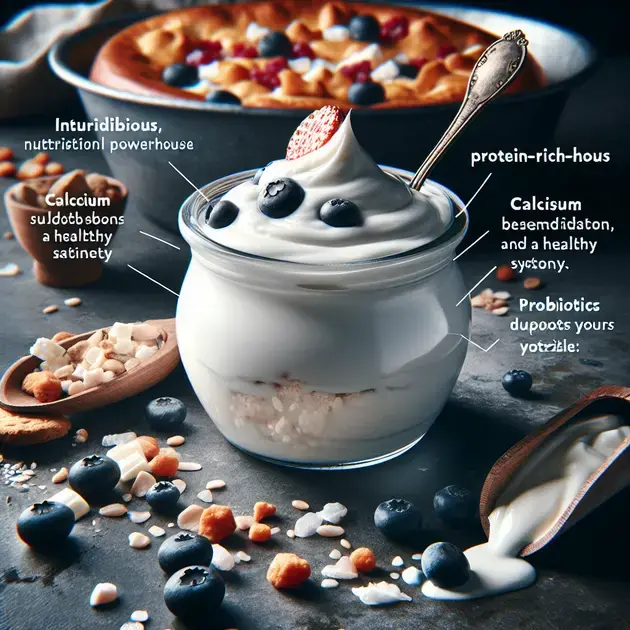
Greek yoghurt: 5 reasons why you should have it every day

Greek yogurt: 5 reasons why you should have it every day

Greek yogurt has become increasingly popular in recent years, and for good reason. Not only is it a delicious and creamy treat, but it also offers numerous health benefits that make it an excellent addition to any diet. If you are looking for a plant-based protein and calcium source, Greek yogurt is a must-have.

1. High protein content

One of the main reasons why Greek yogurt stands out is its high protein content. With approximately 15-20 grams of protein per serving, it is a fantastic option for vegetarians and vegans looking to meet their daily protein needs. Protein is essential for muscle growth, repair, and overall health, making Greek yogurt an excellent choice.

2. Calcium-rich

Greek yogurt is also a great source of calcium, which is crucial for strong bones and teeth. It is especially beneficial for those who are lactose intolerant or have difficulty consuming enough dairy products. Incorporating Greek yogurt into your daily routine can help ensure you get an adequate amount of calcium.

3. Gut-friendly probiotics

Another advantage of Greek yogurt is its probiotic content. Probiotics are beneficial bacteria that promote a healthy gut flora. They can improve digestion, boost the immune system, and even enhance mental health. Choosing Greek yogurt with live and active cultures can provide your body with these beneficial probiotics.

4. Weight management

If you are trying to manage your weight, Greek yogurt can be your ally. Its high protein and low carbohydrate content can help keep you satisfied for longer, reducing your overall calorie intake. Additionally, studies have shown that a diet rich in protein can boost metabolism and facilitate weight loss. Incorporating Greek yogurt into your diet can be a smart choice for those looking to shed some extra pounds.

5. Versatility and taste

Aside from its health benefits, Greek yogurt is incredibly versatile and can be used in a variety of ways. Whether you enjoy it plain, mix it with fruits and nuts for a tasty snack, or use it as a substitute for sour cream or mayonnaise in recipes, the possibilities are endless. Its creamy and tangy taste adds a delicious touch to any dish.

In conclusion, Greek yogurt is more than just a tasty treat. Its high protein content, calcium-rich nature, probiotics, weight management benefits, and versatility make it a must-have in any kitchen. Whether you choose to enjoy it as a standalone snack or incorporate it into your favorite recipes, Greek yogurt is a nutritious powerhouse that can enhance your overall health and well-being. So why not add it to your daily routine and reap the benefits?

Tried eating makhana for weight loss? 4 ways it can keep you in shape

Makhana has gained recognition for its weight loss properties. It is a low-calorie snack that can help curb cravings, making it an excellent alternative to unhealthy snacks like chips or cookies. Furthermore, makhana is rich in fiber, which promotes digestive health and keeps you feeling fuller for longer periods.

Apart from aiding in weight loss, makhana offers several other health benefits. It is packed with essential nutrients like protein, iron, magnesium, and calcium, which support overall wellness. These nutrients contribute to improving bone health, boosting energy levels, and enhancing muscle function.

Makhana is also known for its antioxidant properties. Antioxidants protect the body against harmful free radicals and reduce the risk of chronic diseases, such as heart disease and cancer. Additionally, the consumption of makhana is believed to have anti-inflammatory effects, which can alleviate symptoms of inflammatory conditions.

Incorporating makhana into your diet is simple and versatile. It can be consumed plain or flavored with various seasonings. Roasted makhana with a sprinkle of salt or spices makes for a delicious and healthy snack option. You can also add makhana to curries, salads, or desserts for an extra crunch.

To conclude, makhana is not only an effective snack for weight loss but also provides multiple health benefits. Its low-calorie content, high fiber content, and abundance of essential nutrients make it an ideal choice for those looking to shed some pounds and improve their overall well-being. So, go ahead and incorporate this nutritious and tasty snack into your diet for a healthier and fitter you.

Satisfy Your Morning Cravings with These 3 Delicious Fat-Burning Breakfasts!


Satisfy Your Morning Cravings with These 3 Delicious Fat-Burning Breakfasts!


Breakfast Hash Burrito

Let’s start with the Breakfast Hash Burrito, a perfect example of how a nutritious breakfast can also be incredibly scrumptious. The cornerstone of this meal is a low-calorie tortilla, preferably one rich in fiber, which aids digestion and prolongs satiety. Add to that a mix of eggs and egg whites for a substantial protein boost. The eggs are seasoned with salt and pepper, offering just enough flavor without additional calories.

Next, we incorporate diced potatoes for healthy carbohydrates, ensuring a steady release of energy throughout the morning. Using canned potatoes cuts down on preparation time, allowing you to focus on savoring your meal. A slice of turkey bacon, crisped to perfection, adds a savory depth that’s sure to please.

Once these ingredients are scrambled together, they are wrapped snugly in the tortilla, creating a portable and perfectly balanced breakfast option. With around 385 calories, 16.5 grams of fat, 43 grams of carbs, and 30 grams of protein, this burrito is not only filling but also aligns with your weight loss objectives.

Peaches and Cream French Toast Cups

Moving on to the Peaches and Cream French Toast Cups, this recipe transforms a classic breakfast favorite into a healthier alternative without sacrificing taste. Begin by preheating your oven to 350°F and preparing a muffin tin with cooking spray. For the delicious topping, blend together plain fat-free Greek yogurt with a scoop of protein powder to create a creamy texture reminiscent of a rich, decadent sauce.

The French toast base is crafted from whole wheat bread cubes, enveloped in a mixture of egg whites, egg, cinnamon, and a low-calorie sweetener. Fold in diced peaches for a juicy, naturally sweet addition that complements the bread perfectly. Divided among the muffin tins, these little cups bake to golden perfection, ready to be adorned with your yogurt topping and a drizzle of caramel syrup.

With a nutritional breakdown of 438 calories, 8 grams of fat, 51.5 grams of carbs, and an impressive 40.5 grams of protein, these French Toast Cups redefine what it means to indulge in a “dessert for breakfast.”

Brownie Batter Pancake Bowl

Finally, let’s delve into the Brownie Batter Pancake Bowl. This delightful concoction is based on a protein pancake mix, such as Kodiak Cakes, which deliver the fluffy texture and rich taste of traditional pancakes without the guilt. By adding cocoa powder, a touch of sweetener, and protein-fortified milk, you create a batter that’s both nutritious and indulgent.

Once microwaved, this bowl rises to a wonderfully voluminous pancake base, primed for topping with a blend of Greek yogurt and chocolate peanut butter protein powder. Fresh strawberries add a refreshing contrast, while a little chocolate syrup amps up the decadence.

This pancake bowl comes in at 443 calories, with 5 grams of fat, 57 grams of carbs, and a whopping 44 grams of protein. It’s the perfect example of how you can enjoy something that feels like a treat while staying on track with your dietary goals.

By starting your day with one of these high-protein, nutrient-dense breakfasts, you’ll fuel your body efficiently, keep cravings at bay, and maintain the energy you need to stay active and focused. Not only will these meals satisfy your appetite, but they will also transform your outlook on healthy eating, proving that nutritious food can be both delicious and rewarding.

So go ahead and give these recipes a try, and you’ll soon discover how enjoying tasty, filling breakfasts can be a key component in achieving a healthier, happier you. Remember, weight loss isn’t just about the scale—it’s about fostering a mindset that prioritizes wellness and enjoyment in equal measure.


Is Your Knee Buckling? Discover When It Might Actually Be an ACL Tear!


Knee Instability: Understanding ACL Tears and Other Causes

As we go about our daily activities, our knees play a crucial role in enabling our mobility, balance, and overall function. But what happens when you suddenly feel a buckling or giving out of your knee? Could it be a sign of something more serious, like an ACL tear? In this blog, we expand on the insights shared by Dr. David Guy, a triple board-certified orthopedic surgeon and Sports Medicine specialist, as he delves into the potential causes of knee instability. While the fear of an ACL tear might loom large if you’ve experienced a traumatic knee event, it’s important to understand that not all knee issues stem from such injuries. Join us as we explore the nuances of knee health, discover why your knee might be acting up, and learn about the steps you can take to address this unsettling sensation. Whether you’re an athlete, an active individual, or simply someone who wants to maintain optimal knee health, this blog aims to guide you through understanding and managing your knee concerns.

Knee Instability: An Overview

Knee instability can be an unsettling and sometimes alarming experience. The sensation of your knee buckling or giving out can make you question the integrity of your joint and worry about potential underlying issues. While an ACL tear is a common concern among those experiencing knee instability, it’s crucial to understand that not all cases of knee buckling result from such a traumatic injury.

The anterior cruciate ligament (ACL) is a critical component of knee stability, situated in the center of the knee. This ligament is often injured during high-impact sports or activities that involve sudden changes in direction or awkward landings. When such a traumatic event occurs, it’s not uncommon to hear of a “pop” in the knee, followed by pain and swelling. In these situations, an ACL tear could indeed be the culprit.

However, not every instance of knee instability stems from a traumatic event. Sometimes, you might experience a gradual onset of your knee feeling weak or giving way, particularly after carrying out an activity you haven’t done in a while, like hiking or climbing stairs. Understanding this distinction is essential for properly addressing the issue at hand.

When Might it Be an ACL Tear?

  • Traumatic Event: If you can trace the onset of your knee buckling back to a specific traumatic event, there is a likelihood of an ACL tear. For instance, landing awkwardly after a jump or a sudden directional change during sports can lead to this type of injury.
  • Immediate Symptoms: Following the incident, symptoms such as severe pain, immediate swelling, and the inability to continue with the activity can indicate an ACL tear.
  • Knee Instability: Post-injury, the knee may feel unstable, especially when jumping or changing directions. This instability occurs because the ACL no longer provides the necessary support, and surgical intervention might be required to restore this stability.

When Might it Not Be an ACL Tear?

  • Gradual Onset: If your knee instability developed gradually without a clear traumatic event, an ACL tear is less likely. The causes here are often related to other factors such as muscle fatigue or minor knee issues.
  • Subjective Instability: The feeling of instability might stem from muscle weakness, swelling, or degeneration in the knee joint rather than an ACL problem. This is referred to as subjective instability, as opposed to the objective instability seen with an ACL tear.
  • Activity-Related: After extended periods of activity, particularly if you haven’t been physically active recently, your knee may feel weak or give out. This is usually due to muscle fatigue rather than a ligament tear.

Understanding the underlying cause of your knee instability is key to finding an appropriate solution. Dr. Guy suggests that if you’re repeatedly experiencing knee buckling, even in the absence of a traumatic event, it may be prudent to consult an orthopedic specialist. Diagnostic tools like X-rays or an MRI can help pinpoint the exact cause of instability and guide treatment decisions.

For individuals who prefer to avoid surgical interventions or invasive treatments, Dr. Guy offers an eBook titled “The Arthritis Solution,” which may provide valuable insights into managing knee health. Moreover, he encourages exploring regenerative medicine approaches as potential alternatives to surgery and traditional treatments like cortisone injections.

Beyond addressing physical symptoms, it’s essential to consider lifestyle factors that might influence knee health. Maintaining a balanced exercise routine that strengthens muscles around the knee can help prevent instability. Additionally, staying informed about your body’s responses to different activities and recognizing when to seek professional advice can significantly impact your long-term knee health.

Remember that each individual’s situation is unique. While general information can provide guidance, personalized advice from a healthcare professional tailored to your specific condition is invaluable. Consulting with an orthopedic surgeon or a sports medicine specialist can help you determine the most suitable approach for your knee concerns, ensuring you remain mobile and healthy.

Ultimately, understanding your knee’s needs and responding appropriately to signs of instability can empower you to maintain optimal joint health. Whether it’s by ruling out an ACL tear or addressing muscle fatigue, proactive steps towards knee stability can enhance your overall quality of life. By prioritizing knee health and seeking suitable interventions, you can continue to engage in activities you love with confidence and ease.


When Can You Safely Walk Again After a Fifth Metatarsal Fracture? Dr. David Guyer Shares His Insights


When Can You Safely Walk Again After a Fifth Metatarsal Fracture?

Recovering from a fifth metatarsal fracture can be daunting, especially for those who are eager to resume daily walks or exercise routines. This injury, particularly common among runners and active individuals, involves the long bone on the outside of the foot. Depending on the fracture’s location and severity, your path to recovery may vary. In this blog, we delve into some practical suggestions for weight-bearing and a return to exercise, as shared by Dr. David Guyer, a seasoned orthopedic surgeon and sports medicine specialist.

Understanding Fifth Metatarsal Fractures

The fifth metatarsal is one of the long bones in the foot, running along the outer edge. Fractures in this bone can occur in different locations, which impacts the recovery process. A fracture at the base of the fifth metatarsal is more common as people age and can often be managed by wearing a boot for pain control and gradually increasing weight-bearing activities. In contrast, the Jones fracture, located closer to the shaft, involves poorer blood supply and might require surgery, especially in younger, more active individuals.

When Can You Start Weight-Bearing?

For base fractures, weight-bearing can often begin almost immediately, using a boot to manage pain. Most orthopedic surgeons recommend starting with gradual, increased activity levels once early signs of callus formation, indicating new bone growth, appear on X-rays. This evidence of healing is paramount, rather than strictly adhering to a timeline.

Return to Walking and Exercise

While the desire to return to activities like walking is understandable, it’s essential to focus on signs of healing rather than a set timeframe. Each individual’s recovery journey is unique, and factors such as pain level and X-ray evidence of healing guide the decision to resume exercise. Typically, once you’re out of the boot and there’s visible new bone formation, it’s safe to start incorporating longer walks into your routine slowly.

Conclusion

Patience and close attention to your body’s signals are critical during recovery from a fifth metatarsal fracture. While timelines can provide a general guideline, the decision to resume exercise should be based on concrete healing evidence and pain management. Consulting with an orthopedic surgeon, like Dr. Guyer, ensures personalized advice tailored to your specific injury and recovery progress.

For more insights or if you’re considering non-surgical treatments for orthopedic injuries, Dr. Guyer invites you to explore additional resources or schedule a consultation. Remember, while online advice can be informative, direct consultation with a healthcare provider is invaluable for personal medical guidance.


3 Irresistible High-Protein Breakfasts That Fuel Fat Loss and Keep You Full


High-Protein Breakfasts to Fuel Fat Loss

Are you tired of sacrificing taste for health in your breakfast meals? This blog is here to transform your morning routine with three mouth-watering, high-protein breakfast recipes that promise not only to tantalize your taste buds but also to aid in your journey towards sustained fat loss and better health. Drawing from personal success, having shed significant weight and kept it off for a decade, the recipes presented here focus on nourishing your body while keeping you sated for longer. Whether you’re in the mood for a savory breakfast burrito, a decadent brownie batter pancake bowl, or delightful peaches and cream French toast cups, these meals are designed to power your day without derailing your diet. Let’s dive into these breakfast delights that make losing weight and staying healthy a delicious endeavor.

Breakfast Hash Burrito

Start your morning with a nutrient-packed burrito, designed to keep you full and energized.

  • 1 low-calorie tortilla (90 calories)
  • 2 large eggs
  • 1/4 cup of egg whites
  • Salt and pepper to taste
  • 1/2 cup of canned diced potatoes
  • 1 slice of turkey bacon

Combine the egg whites and eggs, seasoning them with salt and pepper. Cook the potatoes until golden brown and the turkey bacon until crisp. Scramble the eggs, bacon, and potatoes to create the filling. Wrap it all up in the tortilla, and you’ve got yourself a breakfast burrito that’s only 385 calories but packed with 30 grams of protein. The fiber in the tortilla helps slow digestion, keeping hunger at bay longer.

This breakfast hash burrito is ideal for those who have experienced the pitfalls of low-protein breakfasts. As highlighted, skipping breakfast or neglecting protein can lead to ravenous hunger later in the day, making it harder to maintain a calorie deficit. By fueling your body early, you align your nutrition with your weight-loss goals.

Peaches and Cream French Toast Cups

For a sweeter start, indulge in French toast cups that balance decadence with nutritional benefits.

  • 2 slices of whole wheat bread, cubed
  • 1/3 cup of egg whites
  • 1 large egg
  • 1/2 cup of frozen peaches, thawed and diced
  • 1 teaspoon of cinnamon
  • 2 teaspoons of low-calorie sweetener
  • 1/3 cup of plain fat-free Greek yogurt
  • 15 grams of protein powder
  • 1 teaspoon of caramel syrup

Mix together egg whites, a whole egg, sweetener, and cinnamon, then add the bread cubes, ensuring they absorb the mixture. Fold in the peaches and divide the mixture into muffin tins. Bake until golden, then top with a blend of Greek yogurt and protein powder for added protein. Each serving comes in at 438 calories, with a whopping 40.5 grams of protein.

These French toast cups are not just a feast for the taste buds but also a strategic way to incorporate fiber and protein into your diet. By swapping out some whole eggs for egg whites, you significantly increase the protein content while keeping calories in check.

Brownie Batter Pancake Bowl

Finally, satisfy your chocolate cravings with a pancake bowl that mimics the indulgence of brownie batter.

  • 1/2 cup of protein pancake mix
  • 2 teaspoons of low-calorie sweetener
  • 2 teaspoons of cocoa powder
  • 1/2 cup of thawed, sliced frozen strawberries
  • 1/3 cup of Fairlife milk (0% fat)
  • 1 teaspoon of chocolate syrup
  • 15 grams of chocolate peanut butter protein powder mixed with Greek yogurt

Mix pancake mix, sweetener, cocoa, and milk to form a batter, then microwave until cooked through. Top with strawberries and a protein-packed Greek yogurt blend. A serving amounts to 443 calories, with an impressive 44 grams of protein.

This pancake bowl not only offers a hearty breakfast but also caters to those with a sweet tooth, proving that weight loss doesn’t have to mean sacrificing dessert-like flavors.

Conclusion

By reimagining breakfast with these high-protein recipes, you can enjoy meals that are as nutritious as they are delicious. Emphasizing protein early in the day helps regulate hunger hormones, maintaining satiety and making weight management more attainable.

These recipes are rooted in personal success, demonstrating that with the right ingredients and balance, you can stay full, energized, and on track to meet your health goals. Starting your day with these breakfasts means looking forward to each meal while staying committed to your journey of sustained weight loss and optimal health.


Drinking matcha tea every day? 9 ways it can improve your health

Health Benefits of Matcha Tea

Green tea has long been known for its health benefits, and matcha takes it up a notch. Matcha is a vibrant, green-coloured powder that is not only enjoyed as a hot tea but also incorporated into various recipes such as smoothies, cookies, and boba tea. The unique thing about matcha is that it is made from green tea leaves, ground into a fine powder, which means you consume the entire leaf and all its nutrients.

1. Abundance of Antioxidants

One of the reasons why matcha is highly regarded is its abundance of antioxidants. It contains a class of antioxidants called polyphenols, which have been widely studied for their potential health benefits. Polyphenols help in reducing oxidative stress in the body, which can lead to chronic diseases such as heart disease, diabetes, and certain types of cancer.

2. Boosts Immune System

Drinking matcha tea every day can have numerous positive effects on your health. Its high antioxidant content aids in boosting the immune system, protecting the body against harmful pathogens and reducing the risk of infections.

3. Improves Brain Function

Matcha has also been found to improve brain function, enhance concentration, and increase alertness. This is due to the presence of an amino acid called L-theanine, which promotes relaxation and calmness while also providing mental clarity.

4. Aids in Weight Loss

Moreover, matcha has been linked to weight loss and improved metabolism. The combination of caffeine and antioxidants in matcha helps to increase thermogenesis (the process of burning calories) and fat oxidation, assisting in weight management. It also provides a sustainable energy boost without the crashes that are often associated with coffee or energy drinks.

5. Promotes Heart Health

Additionally, matcha promotes good heart health. Studies have shown that regular consumption of matcha can help reduce levels of LDL cholesterol (the “bad” cholesterol) while increasing levels of HDL cholesterol (the “good” cholesterol). It also supports healthy blood pressure levels, reducing the risk of heart disease and stroke.

6. Has Anti-Aging Effects on the Skin

Furthermore, matcha’s rich antioxidant content can have anti-aging effects on the skin. The antioxidants help to reduce inflammation and oxidative stress, which are major contributors to premature aging. Regular consumption of matcha can lead to a more youthful complexion and improved skin health.

In conclusion, matcha tea offers a wide range of health benefits. From its vibrant colour and unique flavour to its abundance of antioxidants and potential disease-fighting properties, matcha is a superfood worth incorporating into your daily routine. Whether enjoyed as a soothing hot tea or added to your favorite recipes, matcha provides a delicious and nutritious way to improve your overall health and well-being.