Home Blog Page 63

10 Life-Changing Frozen Foods That Made Weight Loss Effortless for Me


Blog Article

Embarking on a weight loss journey can often feel like navigating a maze of complex diet plans and overwhelming lifestyle changes. I, too, struggled with this rollercoaster for years, battling a scale that refused to budge. It wasn’t until I decided to simplify my approach that I began to see real results. Embracing my love for frozen foods, I discovered ten low-calorie staples that became my secret weapons, transforming my meals into enjoyable, effortless experiences while helping me shed 50 pounds in just three months. These frozen gems not only made portion control a breeze but also ensured my calorie intake was in check, allowing me to savor my favorite dishes without the guilt. Join me as I share the hacks that forever changed my relationship with food and set me on the path to sustainable weight loss success.

1. Beef Meatballs

The Our Finest Sirloin Beef Meatballs from Walmart became a staple in my diet. With just 120 calories and 10 grams of protein for four meatballs, they are a versatile choice. Whether in a meatball sub with low-calorie toppings or paired with spaghetti, these meatballs allowed me to satisfy my cravings without compromising my calorie goals. Plus, the convenience of portion control on the packaging made managing my intake effortless.

2. Chicken Burgers

The Great Value chicken burgers, with 160 calories and 23 grams of protein per patty, were another game changer. I enjoyed these on a low-calorie bun with light cheese or chopped up in a salad. Their versatility extends to wraps with low-calorie barbecue sauce and lettuce, providing a satisfying protein boost.

3. Low-Calorie Frozen Yogurt and Ice Cream

Choosing low-calorie frozen desserts was critical in my journey. Chapman’s cookies and cream frozen yogurt at 170 calories per 3/4 cup offered a guilt-free treat, while Halo Top’s version added 8 grams of protein per serving. Incorporating these into my nightly dessert routine helped me sustain my dietary changes without feeling deprived.

4. Light Whipped Topping

The Great Value light whipped topping, 40 calories for 3 tablespoons, became a favorite addition to low-calorie pudding and Jello-O cups. This simple addition turned everyday snacks into enjoyable indulgences, proving that even diet-friendly foods can be delicious.

5. Frozen Fruits

Frozen fruits, such as the Great Value for Berry Blend, provided me with low-calorie, high-volume options that kept me full longer. With just 70 calories per cup, these fruits became integral to my meals, adding volume and flavor to Greek yogurt bowls, protein pancakes, and waffles.

6. Yogurt Bars

My ice cream cravings found a healthy outlet with yogurt bars like the Great Value caramel Greek yogurt smoothie bars. At 100 calories with 5 grams of protein, they offered a delicious, portion-controlled snack. Their individually packaged nature helped me practice portion control, a critical skill on my weight loss journey.

7. Frozen French Fries

Unable to give up my love for french fries, I discovered the Cavendish restaurant style drive-thru fries. They taste remarkably similar to McDonald’s fries but fit perfectly into a calorie-conscious diet at 160 calories for 43 pieces. Air frying these provided a healthier yet satisfying option, allowing me to enjoy my favorite food guilt-free.

8. Frozen Entrees

Smart Ones entrées, such as creamy rigatoni with chicken and broccoli or chicken parmesan with spaghetti, offered stress-free meal options. With world cuisines and impressive calorie-to-protein ratios, these entrées made lunch preparation hassle-free, eliminating room for excuses and supporting consistent weight loss.

9. Veggies in Cheese Sauce

The Green Giant cheese sauce veggies, like broccoli and cauliflower, at 50 calories per 3/4 cup, added both nutrition and flavor to my meals. Their convenience and taste ensured I never skipped my greens, keeping me on track while enjoying every bite.

10. Stir Fry Veggies

Green Giant’s Valley selections stir fry vegetables made dinner solutions quick and easy. By pairing them with microwave rice and a protein of choice, I crafted delicious stir-fries that were as satisfying as they were nutritious.

Through these frozen favorites, I transformed my eating habits. The simplicity of these choices made my weight loss journey less of a daunting challenge and more of a sustainable lifestyle change. By focusing on foods I loved while maintaining a calorie deficit, I found a path that was both enjoyable and effective. Remember, successful weight loss isn’t about deprivation but finding joy in nourishing choices.

In conclusion, weight loss is as much a mental journey as it is physical. Simplifying your approach and choosing foods that fit seamlessly into your lifestyle will help sustain long-term success. Whether it’s indulging in lighter ice cream options or savoring veggie-packed meals, the key lies in finding a balance that supports both your nutritional needs and your passions. Keep it simple, keep it enjoyable, and above all, keep it real.


Can Peptide BPC 157 Ease Chronic Knee Pain After Surgery? Here’s What You Need to Know


Chronic Knee Pain and BPC 157

Knee Pain No More: Exploring the Potential of BPC 157 for Healing After Surgery

Understanding the Impact of Knee Injuries

Chronic knee pain following an ACL tear and subsequent surgery is a common issue that plagues many individuals. While surgical intervention can alleviate acute damage, the long-term effects often include persistent discomfort and an increased risk of osteoarthritis. The search for effective treatments to address this lingering pain is ongoing, with peptides like BPC 157 emerging as potential candidates. Let’s delve into what BPC 157 is, how it might work, and whether it could potentially offer relief for those dealing with chronic knee pain years after an injury.

What is BPC 157?

BPC 157, or Body Protection Compound 157, is a peptide that has garnered attention for its purported healing properties. Originally derived from a protein found in human gastric juice, BPC 157 is known for its regenerative capabilities and anti-inflammatory effects. It is thought to promote healing by enhancing the proliferation of fibroblasts, critical cells in the formation of connective tissue, and by improving angiogenesis, the process through which new blood vessels form from pre-existing vessels. This dual action is believed to facilitate tissue repair and reduce inflammation, key factors that contribute to alleviating chronic pain.

Administration and Anecdotal Evidence

Though the peptide is naturally produced in the stomach, synthetic versions have been developed for therapeutic use. These are typically administered via daily subcutaneous injections. Some practitioners and patients have reported noticeable improvements in pain and function following these treatments, although the evidence remains largely anecdotal.

Current Research on BPC 157

Clinical research on BPC 157, particularly in human subjects, is still in its nascent stages. Some studies have suggested that the peptide may offer relief from various musculoskeletal injuries by promoting tissue healing. However, the body of research is limited, and substantial, well-conducted clinical trials are necessary to validate these claims.

Study Findings and Limitations

One small study highlighted in the video involved the injection of BPC 157 into knees of 16 patients experiencing pain. While the study suffered from several methodological weaknesses—such as lack of randomization, absence of a control group, and no standardized pain assessment—it did report significant improvements in pain for a majority of the participants. Despite these promising findings, the study’s design limits our ability to draw firm conclusions about the peptide’s efficacy.

Potential Regenerative Capabilities

The question of whether BPC 157 can regenerate articular cartilage or subchondral bone in cases of osteoarthritis is particularly intriguing. While some animal studies hint at potential regenerative effects, there is a lack of robust evidence demonstrating similar outcomes in humans. The limitations of current research mean that any claims about BPC 157’s ability to regenerate cartilage or bone should be approached with caution.

Consultation and Medical Supervision

For individuals considering BPC 157 as part of their pain management strategy, it is crucial to consult a medical professional. Peptides like BPC 157 are classified as experimental by the FDA, and their use should only occur under medical supervision. A healthcare provider can offer guidance on whether the treatment is suitable, considering the patient’s unique medical history and current health status.

Potential Benefits of BPC 157:

  • May promote healing of muscles, tendons, and ligaments.
  • Could reduce inflammation leading to decreased pain.
  • Might support improved vascularization for faster recovery.

Considerations and Limitations:

  • Lack of large-scale, well-designed clinical trials in humans.
  • Classified as experimental by regulatory bodies.
  • Requires professional medical oversight for administration.

In conclusion, while BPC 157 holds promise for addressing chronic knee pain post-injury, its use remains an area of active exploration rather than an established treatment modality. Patients should engage in informed discussions with their healthcare providers about the risks, benefits, and uncertain nature of this peptide therapy. As research progresses, we can hope to uncover a clearer understanding of BPC 157’s place in regenerative medicine and its potential to transform recovery journeys.


10 Easy Frozen Food Swaps That Helped Me Lose 50 Pounds in 3 Months!

“`html

Embarking on a weight loss journey can often feel like navigating a complex maze filled with diet plans and exercise regimens that promise transformative results. Yet, when everything you try seems overwhelming, the solution might just be simpler than you think. Having struggled with weight issues, I discovered a game-changing approach that transformed my life: stocking my kitchen with delicious low-calorie frozen foods. By choosing convenient options that align with my taste buds, I crafted meals that felt indulgent yet helped me maintain a calorie deficit. These ten frozen food staples not only made my weight loss effortless but also fun and sustainable. Now, I’m excited to share these cherished choices with you, showing how they can seamlessly integrate into your lifestyle and potentially change your life, too.

1. Beef Meatballs

Beef meatballs from Walmart, particularly the Finest Sirloin Beef Meatballs, became a staple for their convenience and flavor. Four of these meatballs carry just 120 calories and pack a protein punch of 10 grams. Their versatility allowed me to enjoy them in various ways, from delicious meatball subs on low-cal sausage buns to the classic spaghetti and meatballs. For a quick meal, I paired them with frozen veggies and microwave rice, making them a frequent weeknight go-to.

2. Chicken Burgers

The Great Value chicken burgers were another favorite, boasting only 160 calories and offering 23 grams of protein per patty. As a versatile ingredient, they became a cornerstone in my meal repertoire. Besides enjoying them on a low-calorie bun, I loved chopping them into salad bowls or incorporating them into a wrap with barbecue sauce for a delightful twist.

3. Low-Calorie Frozen Desserts

Cravings for sweet treats didn’t have to be sacrificed thanks to options like Chapman’s low-calorie frozen yogurt and Halo Top ice cream. Cookies and cream flavors offered a guilt-free dessert experience with reasonable calorie counts and satisfying protein content. Regular indulgence in these treats prevented deprivation, making it easier to stick to my dietary goals.

4. Light Whipped Topping

Great Value Light Whipped Topping significantly transformed our dessert experience. Adding just 40 calories per three tablespoons, it enhanced low-cal pudding cups and opened up possibilities for creating low-calorie delights like cheesecake when mixed with light cream cheese.

5. Frozen Fruit

Frozen fruit, like the Great Value four-berry blend, became a cherished staple in my kitchen. With its high fiber content, it kept hunger at bay and added nutrient-rich volume to dishes. Whether blended into smoothies, layered onto yogurt bowls, or used as toppings for pancakes and waffles, frozen fruit provided essential vitamins and satisfying sweetness.

6. Yogurt Bars

I indulged my love for ice cream with low-calorie yogurt bars. The caramel Greek yogurt smoothie bars, offering 100 calories and 5 grams of protein per bar, fulfilled my sweet tooth while keeping my caloric intake in check. Their individually wrapped servings controlled portion sizes perfectly, contributing to mindful snacking habits.

7. Frozen French Fries

My enduring love affair with French fries didn’t end with my commitment to weight loss. Opting for Cavendish’s restaurant-style frozen fries allowed me to enjoy a beloved treat without derailing my calorie count. An air-fried serving—amounting to 160 calories for 43 pieces—simulated the classic fast-food experience without the regret.

8. Frozen Entrees

Frozen entrees like Smart Ones provided quick, balanced meals when time or energy was limited. Favorites like creamy rigatoni with chicken and broccoli not only managed portion sizes effectively but also eliminated decision fatigue. These meals ensured I stayed on track without sacrificing the satisfaction of a hearty, fulfilling dish.

9. Cheesy Veggies

Adding the Green Giant’s Simply Steam broccoli and cauliflower in cheese sauce to meals was an effortless way to include vegetables with an appetizing twist. At just 50 calories per 3/4 cup serving, it brought taste and nutrition to my plate, encouraging consistent vegetable intake.

10. Stir Fry Veggies

Green Giant Valley selections of stir fry veggies simplified meal prep and broadened my culinary horizons. Combining these vegetables with microwave rice and a lean protein created quick, nourishing dinners that required minimal thought and effort—key in establishing a lasting routine.

Throughout this journey, I learned that successful weight loss does not demand drastic lifestyle changes or deprivation. Instead, it requires a realistic and enjoyable approach that fits seamlessly into your everyday life. By ensuring that my freezer was stocked with these convenient, low-calorie options, I removed the complexity and made adhering to a calorie deficit a breeze.

The key takeaway from my experience is that weight loss can—and should—fit within your current lifestyle. With these modifications, I was able to enjoy the foods I loved, never feeling restricted, and that made all the difference. Remember, the scale is just a number, and real success stems from feeling healthier, happier, and more in tune with your body—a mindset as empowering as any diet could be.

“`

Exploring the Potential of BPC 157 for Chronic Knee Pain After ACL Injury & Surgery


Blog Article


If you’ve been grappling with chronic knee pain long after an ACL injury and surgery, you’re not alone. The search for effective treatments that provide relief without additional surgery or heavy medication is ongoing. One emerging topic in this arena is the potential use of peptides like BPC 157. Dr. David Guyer, a renowned orthopedic surgeon specializing in sports medicine, anti-aging, and regenerative medicine, delves into this complex issue. While BPC 157 is recognized for its capacity to aid in the healing of muscles, tendons, and ligaments, could it also offer relief for joint-related issues like arthritis that often accompany ACL injuries? In this blog, we expand on the ideas discussed in Dr. Guyer’s video, exploring the promising yet experimental world of peptide therapy for long-term knee pain management.

The Role of BPC 157 in Injury Recovery

Peptides, particularly BPC 157, are gaining attention for their potential to assist with injuries and chronic pain. Primarily sourced from the stomach lining, BPC 157 is a peptide that has shown promise in healing musculoskeletal injuries. The question at hand is whether this peptide can extend its benefits to chronic knee pain following an ACL injury and surgery.

Understanding ACL Injuries and Arthritis

ACL injuries are notorious for leading to osteoarthritis over time. This can occur even after surgical intervention, which only slightly reduces the risk of developing arthritis. Chronic knee pain, which can persist years after an ACL tear, is often due to the degeneration of joint structures, including articular cartilage and subchondral bone. While BPC 157 has not been conclusively proven to regenerate cartilage or bone in human studies, it does hold potential due to its regenerative properties noted in muscle, tendon, and ligament healing.

Examining the Research

One study, albeit with a limited and flawed design, hinted at the possibility of BPC 157 offering pain relief. In this study, 16 patients with knee pain were injected with BPC 157. While specific diagnoses of knee conditions weren’t detailed, a high percentage of participants reported significant pain improvement. However, this study lacked critical scientific rigor—it wasn’t randomized, it had no control group, and details on participants’ knee conditions were sparse.

Considering BPC 157 for Pain Management

Despite these limitations, this case series raises the question: could BPC 157 assist individuals suffering from chronic knee pain due to past ACL injuries? Theoretical application suggests that subcutaneous injections of BPC 157 near the site of pain could potentially provide relief, offering a non-surgical, non-pharmaceutical option for those seeking alternatives.

Consulting Healthcare Professionals

For individuals considering BPC 157, it’s crucial to consult with a healthcare professional. Peptides, including BPC 157, are regarded as experimental by the FDA, and any decision to use them should be made with professional guidance. Potential users should also discuss the method of administration, as the peptide has been traditionally administered via subcutaneous injection for muscle and tendon healing, with the proximity of the injection site to the injury potentially impacting efficacy.

Benefits and Considerations

  • Benefits of BPC 157:
    • May aid in healing musculoskeletal injuries.
    • Possesses anti-inflammatory properties.
    • Potential to alleviate chronic pain.
  • Considerations:
    • Experimental status by the FDA.
    • Requires professional prescription and supervision.
    • More research needed, particularly in the context of cartilage and bone regeneration.

Conclusion

Ultimately, chronic knee pain management is a multi-faceted approach that should be tailored to each individual’s needs and medical history. For those dealing with long-term consequences of an ACL injury, it’s vital to explore all treatment avenues in consultation with medical professionals. Peptide therapy like BPC 157, although not a silver bullet, represents an exciting frontier in orthopedic medicine and pain management.

Explore the potential of BPC 157 for chronic knee pain relief post-ACL surgery. Delve into its healing properties, current research, and considerations for use.


10 Low-Calorie Frozen Foods That Made Weight Loss Simple and Enjoyable


Weight Loss Journey with Frozen Foods

Losing weight can often feel like navigating a complex maze of diets and meal plans, but what if it didn’t have to be that way? What if simplifying your approach could yield the results you’ve been striving for? That’s exactly what happened when I decided to streamline my weight loss strategy by incorporating low-calorie frozen foods into my daily routine. These convenient, delicious options not only made meal preparation a breeze but also transformed my weight loss journey, helping me shed 50 pounds in just three months. In this blog, I’m excited to share the top ten game-changing frozen foods that became essential staples in my kitchen, making weight loss feel effortless and enjoyable. From tasty meatballs to satisfying yogurt bars, these foods transformed my lifestyle, allowing me to indulge in flavors I loved while staying on track with my goals. Join me as I take you through the frozen foods that made all the difference and discover how simplicity can lead to lasting success.

Beef Meatballs: A Versatile Delight

The first frozen staple that revolutionized my weight loss journey was frozen beef meatballs. Specifically, the sirloin beef meatballs from Walmart became a go-to choice. Packed with protein and low on calories, these meatballs were perfect for creating a variety of meals. One of my favorite go-to meals was meatball subs. Pairing these meatballs with a low-calorie sausage bun and topping them with various low-calorie condiments turned out to be a delight. Spaghetti and meatballs was another dish I refused to give up, and these meatballs made that possible. With some frozen mixed veggies and microwave rice, they made up a well-rounded and satiating meal.

Great Value Chicken Burgers: Protein-Packed Versatility

Another frozen gem was chicken burgers. The Great Value chicken burgers are not only low in calories but also brimming with protein. The beauty of these burgers lies in their versatility. Whether sandwiched in a bun with light cheese and toppings, chopped into a salad, or mixed with barbecue sauce in a wrap, these burgers kept meals interesting and varied. No matter what form they took, they were always quick, easy, and delicious.

Low-Calorie Frozen Yogurt and Ice Cream: Dessert Without the Guilt

Realizing that dessert was a crucial part of maintaining my weight loss journey, I switched to low-calorie frozen yogurt and ice cream. Chapman’s cookies and cream flavor and Halo Top’s offerings became my late-night indulgences. These alternatives allowed me to enjoy a sweet treat every evening without derailing my calorie goals. The key was to choose the low-calorie versions and portion them appropriately, indulging without guilt.

Light Whipped Topping: Elevate Your Desserts

Whipped toppings made their way into my daily routine, adding flair to low-calorie pudding and Jell-O cups. The Great Value light whipped topping became a game changer. Just a few tablespoons could transform a simple snack into something special. I even experimented by mixing it with light cream cheese to create a low-calorie cheesecake. This was a simple yet delightful indulgence that kept me satisfied between meals.

Frozen Fruit: High Volume, Low Calorie

Frozen fruit became a staple that allowed me to enjoy large portions while keeping calorie counts low. The Great Value four-berry blend, with its high fiber content, was perfect for enhancing meals. Whether making protein ice cream, topping pancakes and waffles, or enhancing Greek yogurt bowls, frozen fruit added a burst of flavor and volume, helping me feel fuller for longer.

Yogurt Bars: Guilt-Free Satisfaction

For an ice cream lover like me, yogurt bars were a revelation. The caramel Greek yogurt smoothie bars and mixed berry smoothie bars, both at just 100 calories per bar, offered a guilt-free treat. Individually packaged, they were perfect for portion control. Whether for a snack or a dessert, they provided satisfaction in every bite.

Frozen French Fries: A Classic Reinvented

French fries were my guilty pleasure, and I found a way to incorporate them into my weight loss plan. The Cavendish restaurant-style drive-thru fries, especially when air-fried, offered the reminiscent taste of fast-food fries but with a fraction of the calories. This low-calorie alternative allowed me to enjoy my favorite food regularly without compromising on my goals.

Smart Ones Frozen Entrees: Convenience in a Box

For lunches, Smart Ones frozen entrees were lifesavers. With a plethora of flavors like creamy rigatoni with chicken and broccoli or chicken parmesan, these meals were convenient and satisfying. Each entree was thoughtfully portioned, making it easy to hit my protein targets and stay within calorie limits during busy workdays. They eliminated the stress of meal prep, allowing me to stay committed to my plan.

Green Giant Simply Steam Veggies: Tasty Veggie Sides

Getting my daily veggie intake was easy with Green Giant’s broccoli and cauliflower in cheese sauce. At only 50 calories per serving, these steam-in-a-box veggies were a delicious, convenient side. The cheese sauce added flavor, making it easier to incorporate vegetables into every meal without feeling like a chore.

Stir Fry Veggies: Endless Possibilities

Finally, stir fry veggies from Green Giant Valley were essential for quick dinners. Paired with microwave rice and a protein source, they provided endless meal possibilities. The ease of creating a stir fry meant I could enjoy diverse and flavorful meals without investing excessive time or effort in the kitchen.

These ten frozen staples transformed my approach to weight loss. By simplifying my meals, focusing on portion control, and incorporating foods I genuinely enjoyed, I achieved sustainable results. The key was keeping meals exciting yet effortless, ensuring I could maintain these habits for life. Through the lens of these frozen foods, I discovered that weight loss doesn’t have to feel like a burden. It can be about enjoying the journey, one delicious, convenient meal at a time.


Could BPC 157 Be the Answer to Chronic Knee Pain After ACL Surgery?


Blog Article

Navigating the world of chronic knee pain can be daunting, especially when it stems from an injury or surgery like a torn ACL. Years can pass, and the persistence of pain can overshadow the progress one hopes to see post-surgery. Enter BPC 157, a peptide emerging in discussions for its potential to aid in healing and pain relief. This blog aims to explore the scientific discussions surrounding BPC 157, its applications, and why some consider it an option for managing chronic knee pain. As a peptide naturally occurring in the stomach lining, and available in synthetic forms, BPC 157 has sparked intrigue, particularly in the realm of sports medicine and orthopedics. While its FDA status remains experimental, and caution is advised, we’ll delve into what current research suggests about its benefits and limitations, helping you understand whether this could be a viable path in your journey toward comfort and mobility.

Understanding Chronic Knee Pain Post-ACL Surgery

Chronic knee pain after an ACL injury and subsequent surgery is not uncommon and poses a significant challenge to many individuals striving for an active lifestyle. The longer-term effects can include a susceptibility to osteoarthritis, which is indeed a common concern following ACL injuries. While surgical intervention can mitigate this risk to some degree, it does not eradicate the potential for joint issues down the line.

The Promise of BPC 157

This is where BPC 157 enters the conversation. Known scientifically as Body Protection Compound 157, this peptide is naturally present in gastric juice. The synthetic versions, however, are designed to leverage its reputed healing properties, particularly in musculoskeletal injuries.

Research into BPC 157 has suggested that it may promote healing in muscles, ligaments, and tendons. This point is essential for those dealing with persistent musculoskeletal pain. While the peptide is not specifically proven to regenerate cartilage or subchondral bone in knee joints, anecdotal evidence and some preliminary studies suggest it might offer some benefits.

Research and Implications

One pivotal study involved 16 patients with undefined knee pain, where BPC 157 was injected directly into the knee. Although the study had several methodological limitations—such as the lack of a control group and the absence of blinding—it reported that a significant majority of patients experienced a notable reduction in pain. However, these findings should be interpreted cautiously due to the study’s design flaws and small sample size.

Despite these promising indications, BPC 157 does not yet hold a stamp of approval from the FDA for such uses. It remains within the experimental realm, with ongoing discussions about its potential broader application and implications.

Method of Administration and Considerations

When considering BPC 157 for chronic knee pain, the method of administration becomes a focal point. Most users administer the peptide subcutaneously, typically in the abdominal region. However, there is debate regarding whether the injection site should be closer to the problem area, in this case, the knee, to optimize the therapeutic effect.

Moreover, the potential synergistic effects when paired with other peptides like Thymosin Beta-4 (TB4) are another area of interest. While these combinations might enhance outcomes, they also demand careful consideration and meticulous oversight by a healthcare professional due to the complexities involved.

Exploring Alternatives and Future Directions

Before embarking on a treatment journey involving BPC 157, individuals should engage in thorough discussions with their healthcare providers. Given its experimental status, a doctor’s guidance is vital to navigate the considerations, including the balance of potential benefits against unknown risks.

In broader contexts, BPC 157 is often contrasted with other emerging therapies for joint pain, like stem cell or exosome therapy. These alternatives might offer more direct actions on cartilage regeneration and thus could be more suitable for those where knee osteoarthritis is a primary concern.

Conclusion

Ultimately, the exploration of BPC 157 as a management strategy for chronic knee pain is a microcosm of the evolving landscape of regenerative medicine. The discourse not only challenges traditional approaches but also opens avenues for future exploration and personalized treatment strategies.

In conclusion, the potential of BPC 157 to provide relief from chronic knee pain post-ACL surgery bears promising yet cautious optimism. Continued research, vigilant oversight, and informed decision-making will be key to unlocking the full spectrum of possibilities in musculoskeletal healing.

As this field evolves, open dialogue and collaboration between patients, healthcare providers, and researchers will remain crucial. Expanding on these medical frontiers, like BPC 157, could ultimately redefine how we approach and manage the long-term consequences of orthopedic injuries, offering hope for those seeking solutions beyond conventional pathways.

Explore the potential of BPC 157 for managing chronic knee pain post-ACL surgery. Learn about its role in musculoskeletal healing, research findings, and future possibilities.


10 Life-Changing Low-Calorie Frozen Foods That Effortlessly Turbocharged My Weight Loss Journey


Blog Article

For years, I grappled with the overwhelming complexity of weight loss, lost in a never-ending cycle of diets and disappointment as I struggled to shed the pounds from my 275 lb frame. Every attempt seemed doomed by the intricate details and demanding nature of traditional dieting methods—until I had a revelation. The key to successful and sustainable weight loss lay not in complicating my life further, but in simplifying it. By focusing on convenient, low-calorie frozen foods readily available in my freezer, I found a way to create quick, delicious meals that fit seamlessly into my lifestyle. This approach revolutionized my journey: it took the guesswork out of portion control and transformed my meals into something I eagerly anticipated each day. Within three months, I lost an incredible 50 lbs without sacrificing my love for food. In this blog, I unveil the 10 life-changing frozen staples that transformed my life, sharing how they can help you achieve effortless weight loss while indulging in flavors that satisfy your taste buds. Join me as I share my transformational story—one frozen meal at a time.

1. Sirloin Beef Meatballs

These aren’t just any meatballs; the sirloin beef meatballs from Walmart are a game-changer at only 120 calories for four and packed with 10 grams of protein. The beauty of these meatballs lies in their versatility. Whether you’re making a meatball sub on a low-calorie bun or pairing them with pasta, these meatballs bring flavor with fewer calories. You can also top them with a low-calorie sauce or pair them with mixed vegetables and microwave rice for a hearty meal.

2. Chicken Burgers

At 160 calories per burger and boasting 23 grams of protein, the Great Value chicken burgers offer endless possibilities. Beyond the traditional burger on a bun topped with light cheese and veggies, these can be chopped and mixed into a salad or wrapped with your favorite low-calorie sauces. Their adaptability means they never get boring.

3. Low-Calorie Frozen Yogurt and Ice Cream

Finding a dessert that doesn’t derail your diet is like finding a gem. Chapman’s low-cal cookies and cream frozen yogurt at 170 calories per serving and Halo Top’s ice cream at 140 calories not only satisfy cravings but keep you from feeling deprived. The key is in enjoying these in moderation as part of your routine, making sweets sustainable.

4. Light Whipped Topping

Enhancing desserts with Great Value’s light whipped topping offers a mere 40 calories for three tablespoons. With this, you can elevate low-calorie pudding cups or jello into a delightful, guilt-free treat. It even helps in making lighter versions of cheesecake when mixed with light cream cheese.

5. Frozen Fruit

Frozen fruits, such as the Great Value four-berry blend, are 70 calories per cup. They are not only budget-friendly and long-lasting but also rich in fiber, aiding in fullness and digestion. Use them to add volume to meals or create delicious smoothies, fruit-topped protein pancakes, and more.

6. Yogurt Bars

For ice cream enthusiasts, yogurt bars are a fantastic alternative. Favoring the Great Value Greek yogurt smoothie bars at 100 calories each, these treats offer flavors like caramel and mixed berry. They are conveniently portioned and perfect for satiating ice cream desires without overindulging.

7. Frozen French Fries

Depriving oneself of favorites, like french fries, often leads to lapses. Instead, opting for Cavendish restaurant-style drive-thru fries at 160 calories for a decent serving allows you to indulge without guilt. Their air-fryer-friendly nature results in a satisfying crunch reminiscent of fast-food flavors.

8. Frozen Entrees

Sometimes, simplicity is paramount, and pre-prepared meals like Smart Ones entrees step in. Options like creamy rigatoni with chicken and broccoli or chicken parmesan each offer under 300 calories and a hearty protein serving. They are lifesavers when meal prep seems daunting, requiring only a microwave.

9. Simply Steam Vegetables with Cheese Sauce

Veggies can be more appealing when dressed up a bit. Green Giant’s broccoli and cauliflower with cheese sauce offer nutritious sides without added preparation stress. At 50 calories per serving, they are easy to integrate into meals while enhancing flavor.

10. Stir Fry Vegetables

The Green Giant Valley selections stir-fry veggies are the essential building block for a quick meal. By adding microwave rice and your protein of choice, you’re minutes away from a delicious stir-fry. Low-calorie sauces complete the meal, ensuring it’s as flavorful as it is nutritious.

The overarching lesson from my experience is about sustainability. It’s crucial to create a weight loss plan that doesn’t feel like a burden. By choosing foods that fit naturally into my life, I bypassed the usual pitfalls of dieting, making healthy choices a default rather than a chore. If the approach doesn’t require a massive lifestyle overhaul, it’s more likely to stick.

Remember, weight loss isn’t just about the number on the scale; it’s about feeling good in body and mind. By simplifying the process and embracing foods that brought joy without the extra calories, I not only changed my physique but also my relationship with food. If you’re on a similar journey, consider these frozen options—they could very well be the missing piece to your puzzle. Keep pushing forward, friend; the change you seek is within reach, one delicious bite at a time.


A cup of ghee coffee a day can keep constipation at bay

Tired of trying various laxatives and stool softeners to treat your constipation?

Here is a rather delicious and natural approach that is sure to give you a digestive boost–ghee coffee. Made simply by adding ghee to coffee, this concoction offers several benefits for people who suffer from constipation. While coffee itself is often linked to providing relief from constipation, the addition of ghee enhances its effectiveness.

Ghee, which is clarified butter, has been used for centuries in Ayurvedic medicine for its healing properties. It is known to lubricate the intestines and promote smooth bowel movements. When combined with coffee, ghee works as a natural laxative and stool softener.

The benefits of ghee coffee extend beyond just relieving constipation. Ghee is rich in butyric acid, which has anti-inflammatory effects on the digestive system. It can help soothe and heal the gut lining, making it beneficial for individuals with digestive issues such as leaky gut syndrome or irritable bowel syndrome.

Additionally, ghee is a source of healthy fats and fat-soluble vitamins. When consumed with coffee, it can enhance the absorption of these nutrients and provide a longer-lasting energy boost. This makes ghee coffee a great alternative to traditional coffee creamers or additives that may contain artificial ingredients or excessive sugar.

To make ghee coffee, simply brew your favorite cup of coffee and add a small amount of ghee (around 1 teaspoon) to it. Stir well until the ghee is fully incorporated. You can also add a dash of cinnamon or nutmeg for extra flavor.

However, it is important to note that ghee coffee may not be suitable for everyone. Individuals with lactose intolerance or dairy allergies should avoid consuming ghee. It is recommended to consult with a healthcare professional before incorporating ghee coffee into your diet, especially if you have any underlying health conditions or are taking medications.

In conclusion, ghee coffee offers a natural and delicious solution for constipation relief. By combining the benefits of coffee and ghee, this beverage can promote smooth bowel movements and provide additional health benefits for the digestive system. Give it a try and see if it helps keep constipation at bay!

Are you tired of experimenting with different laxatives and stool softeners to alleviate your constipation?

Well, we have an alternative solution that not only tastes delicious but also provides a natural remedy for your digestive issues – ghee coffee. By simply incorporating ghee into your coffee, this concoction offers numerous benefits for individuals dealing with constipation.

Although coffee is often associated with certain negative effects on digestion, combining it with ghee helps counteract those concerns. Ghee coffee has gained popularity for its ability to stimulate bowel movements and promote regularity, bringing relief to those struggling with chronic constipation.

Give this innovative approach a try and say goodbye to your constipation worries.

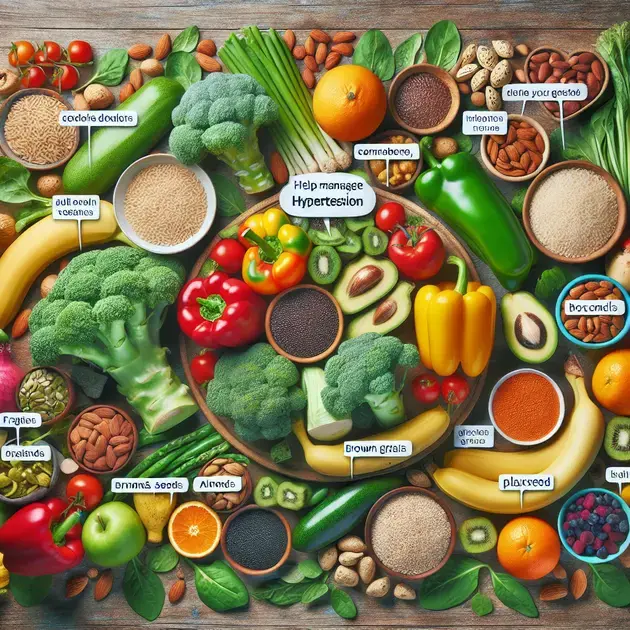
Does eating seeds lower blood pressure levels?

According to a Healthshots article titled “Does eating seeds lower blood pressure levels?”, incorporating seeds into your diet can also be beneficial for maintaining healthy blood pressure levels. Seeds are a great source of various nutrients and can be easily included in your meals.

One popular seed known for its blood pressure-lowering properties is flaxseed. It is rich in omega-3 fatty acids and fiber, which both contribute to reducing blood pressure. Flaxseed can be added to smoothies, yogurts, or used as a topping for salads or cereals.

Chia seeds are another excellent option. They are packed with essential minerals like potassium, magnesium, and calcium, which are known to support cardiovascular health. Chia seeds can be soaked in water or milk to create a gel-like consistency, making them a great addition to puddings or as a binding agent in baked goods.

Sesame seeds are also worth mentioning when it comes to managing blood pressure. They contain potent antioxidants and are a good source of magnesium and calcium. These seeds can be added to stir-fries, sprinkled on top of roasted vegetables, or used as a seasoning for salads.

Pumpkin seeds are a rich source of magnesium, a mineral that plays a crucial role in maintaining healthy blood pressure levels. They can be consumed as a standalone snack, added to homemade granola bars, or used as a topping for soups or stews.

Sunflower seeds are another nutritious option to consider. They contain phytosterols, which have been found to have blood pressure-lowering effects. These seeds can be enjoyed on their own, added to trail mixes, or used as a garnish for salads.

Incorporating these seeds into your daily diet can be a simple and effective way to help manage your blood pressure levels. However, it’s important to remember that maintaining a balanced diet overall is essential for overall cardiovascular health. It is always recommended to consult with a healthcare professional or a nutritionist before making any significant changes to your diet.

Can BPC 157 Peptide Ease Chronic Knee Pain Post-ACL Surgery?


Blog Article

Knee pain has become all too familiar for many individuals, especially those who have undergone ACL surgery and continue to battle discomfort long after recovery is supposedly complete. Enter BPC 157, a peptide gaining attention for its potential healing properties in musculoskeletal injuries. In this blog, we delve into whether BPC 157 could be a game-changer for those suffering from chronic knee pain years after their ACL surgery. Dr. David Guyer, an orthopedic surgeon and Sports Medicine specialist, provides insights into the peptide’s potential benefits, its experimental nature, and what the scientific community currently understands about its impact on joint health. Join us as we explore the possibilities and limitations of this intriguing peptide therapy.

Understanding BPC 157 and Its Potential

As we explore the potential of BPC 157 for addressing chronic knee pain, it is crucial to understand the nature of the peptide and what makes it a topic of interest within the orthopedic and sports medicine fields. BPC 157 is a peptide that naturally occurs in the gastric juices of the human body. Its synthetic version can be manufactured by compounding pharmacies and is typically administered as a subcutaneous injection. It’s important to recognize that while BPC 157 has shown promise in some studies, it remains experimental and is not yet FDA-approved for any specific medical condition.

Peptide’s Role in Healing

The primary focus of BPC 157 research has been on its ability to heal musculoskeletal injuries. While the peptide is largely associated with the repair of muscles, tendons, and ligaments, its effect on articular cartilage and subchondral bone, particularly within the knee joint, is less clear. For individuals grappling with chronic knee pain after ACL surgery, it’s essential to understand that while BPC 157 could help with soft tissue damage, its role in addressing joint ailments such as cartilage degeneration or osteoarthritis is yet to be conclusively determined.

Clinical Insights and Observations

One of the most compelling aspects of BPC 157 is its potential for improving pain, as highlighted by an intriguing study involving knee pain patients. In this particular study, 16 subjects were injected directly with BPC 157, and the majority experienced a significant reduction in pain levels. However, several limitations of the study, such as the absence of a control group, lack of blind testing, and unspecified causes of knee pain, make it challenging to rely solely on these results for conclusive evidence.

The Administration Debate

Despite these limitations, the study’s positive outcomes provide a glimmer of hope for BPC 157 as a possible aid for chronic knee pain sufferers. However, understanding the complexities of knee pain is vital—it can be driven by various factors, including arthritis, meniscus tears, or ligament injuries. Therefore, a thorough medical evaluation is crucial before considering BPC 157 as a treatment option.

While some anecdotal reports suggest subcutaneous injections may offer some relief, the method of administration can impact the efficacy of the peptide. The debate continues over whether injecting closer to the knee or opting for abdominal injections yields better results. The possibility of direct joint injections by a medical professional—while not commonplace—is an area that would benefit from future research to maximize BPC 157’s therapeutic potential.

Comparing with Other Emerging Therapies

Comparing BPC 157 to other emerging therapies such as stem cells and exosomes, it remains uncertain where it stands in terms of efficacy. While BPC 157 may offer some level of pain relief and tissue healing, interventions like stem cells and exosomes might be more effective for severe conditions such as arthritis, providing a more holistic approach to joint regeneration.

Consulting Healthcare Professionals

Given that BPC 157 is still categorized as an experimental treatment, discussing its use with a healthcare provider is imperative. Each individual’s medical history, extent of knee damage, and treatment goals should influence whether BPC 157 is pursued. Moreover, patients should be made aware of potential side effects and the lack of long-term data due to its experimental status.

Individuals interested in exploring BPC 157 as an option should consult with a physician specializing in sports medicine or regenerative healthcare to tailor the approach to their specific needs. If prescribed, the peptide should ideally be obtained through medical guidance to ensure safety and compliance with legal and ethical standards.

Conclusion: Hope and Caution

In conclusion, while BPC 157 holds promise for those battling knee pain post-ACL surgery, it should not be considered a panacea. Further studies are required to validate its effectiveness and unravel its full potential within orthopedic applications. Until then, ongoing dialogue between researchers, healthcare providers, and patients is necessary to navigate the evolving landscape of peptide therapy and its role in musculoskeletal health. As always, individual healthcare decisions should be made based on thorough research and professional medical advice, ensuring that the treatment plan aligns with personal health goals and medical needs.