Home Blog Page 59

10 Essential Fat Loss Foods I Never Leave Costco Without: My Secret to a Lasting 130 lb Weight Loss!


Blog Article

Embarking on a weight loss journey often comes with its fair share of challenges and discoveries. For me, shedding 130 pounds and maintaining it for over a decade was not a fleeting moment, but rather a transformation fueled by strategic food choices. In this blog, I am excited to share the 10 essential fat loss foods I never leave Costco without. These staple low-calorie options have become my unwavering allies in crafting quick and enjoyable meals that support my health goals. While I am not sponsored by Costco, their extensive selection allows me to buy in bulk, ensuring that I am always well-stocked with my favorite foods. These items not only tantalize my taste buds but also make my weight loss journey feel almost effortless. Let’s delve into these foods and explore how they can make a significant difference in achieving and sustaining weight loss success!

Mixed Pack of Bubbly Sparkling Water

Firstly, let’s talk about the refreshing mixed pack of Bubbly sparkling water. Available in delicious flavors like mango, cherry, and blackberry, Bubbly zero-calorie water provides a crisp and tasty alternative to regular water. The carbonation assists in making you feel fuller, which is particularly useful between meals. Switching out one bottle of water for a Bubbly each day helps satisfy cravings without adding calories, keeping you aligned with your weight-loss objectives.

Menno Thin Tortillas

Another go-to on my list is the Menno thin tortillas. Each tortilla only contains 90 calories, but boasts an impressive 17 grams of fiber. Fiber is crucial for anyone focusing on weight loss as it aids digestion and keeps you feeling full longer. These versatile tortillas can be made into everything from pizzas to hand pies, allowing you to indulge your cravings without derailing your goals. Having versatile ingredients on hand helps you satisfy cravings with low-calorie alternatives, preventing feelings of deprivation.

English Cucumbers

English cucumbers are another staple to always keep in your pantry. With only eight calories in a half-cup, they are high in volume and perfect for any meal. High-volume foods like cucumbers assist in creating the sensation of eating a lot while staying within calorie limits. Adding them to meals not only increases your food volume but also prolongs the feeling of fullness, which is critical when you’re in a calorie deficit.

Grimm’s Lean Turkey Pepperoni

For a protein-packed snack, I go for Grimm’s lean turkey pepperoni. Each stick contains 50 calories and six grams of protein. Their portability makes them perfect for those on the go. Whether sliced up for low-calorie pizza or thrown into a lunch box for a quick snack, lean turkey pepperoni is incredibly convenient.

Kirkland Smoked Black Forest Ham

Another protein-rich option is Kirkland Smoked Black Forest Ham. Two slices have just 70 calories and 12 grams of protein. This makes it a fantastic addition to sandwiches or snack plates. I love freezing one package for later and using the other for meal prep. Having ready-to-eat protein available makes meal planning and snacking simpler and more straightforward.

Dempster’s 100% Whole Wheat Bread

Dempster’s 100% whole wheat bread holds a permanent spot in my pantry. With protein and fiber, whole grains help you stay full longer and provide the necessary energy for physical activity. Each slice has 7 grams of protein, making it a component for a versatile meal, from sandwiches to French toast.

Frozen Fruit

When it comes to adding a fruity touch, frozen fruit is a must-have. By purchasing Kirkland’s frozen whole blueberries, strawberries, and mixed berries, I always have access to high-volume, low-calorie meal additions. Whether topping yogurt or blending into smoothies, these fruits are an excellent way to add flavor without excessive calories.

Silk Unsweetened Vanilla Almond Milk

Silk’s unsweetened vanilla almond milk is another key ingredient. With just 30 calories per cup, it’s perfect for protein shakes and ice creams and lasts a long time on the shelf. It’s an excellent milk substitute for anyone trying to minimize calorie intake without sacrificing flavor.

Kirkland 0% Plain Fat-Free Greek Yogurt

Greek yogurt, particularly the Kirkland 0% plain fat-free variant, is my go-to for satisfying creamy cravings. With each serving packing 17 grams of protein and only 100 calories, it’s a healthful base for breakfast bowls, snacks, or salad dressings.

Kirkland Egg Whites

Lastly, Kirkland egg whites come in a three-pack and are a low-calorie, high-protein addition to any dish, from baked goods to scrambled eggs. They help you feel satisfied and contribute significantly to meeting daily protein requirements.

While these foods keep my meals delicious and my calorie count in check, they’re not the only factors in successful weight management. Consistency in healthy eating patterns, paired with a positive mindset, is crucial. Finding foods that you genuinely enjoy while staying within your dietary goals can make the journey feel less like a chore and more like a lifestyle you love.

Remember, weight loss isn’t just about the scale. It’s also about the heart and mind. Keeping this balanced approach keeps me on my path of lasting weight loss and might help you too.


Could BPC 157 Be the Answer to Alleviating Chronic Knee Pain?


BPC 157 and Chronic Knee Pain

Knee pain can be a frustrating and limiting condition, particularly for those who’ve experienced an injury or undergone surgery in the past. In the search for relief, many turn to a myriad of treatments, from physical therapy to surgery, yet the discomfort persists for some. Enter BPC 157, a peptide garnering attention for its potential in alleviating chronic pain and promoting healing in musculoskeletal injuries. In this blog, we delve into the intriguing possibilities of BPC 157, exploring its potential benefits, the science behind it, and whether it might offer hope for individuals with longstanding knee pain. As we navigate the complexities of this experimental treatment, remember that any decision regarding its use should be made in consultation with a healthcare professional.

Understanding BPC 157

Chronic knee pain is a challenge that many individuals face, particularly after an injury like a torn ACL, even long after surgery. This leaves many in search of solutions beyond traditional means, leading to interest in alternative treatments like peptides. One such peptide, BPC 157, is at the forefront of this exploration. Originally derived from gastric juices, BPC 157 is touted for its healing properties across various tissue types. However, the science is still emerging, and it’s critical to approach its use with both interest and caution.

BPC 157 is a synthetic peptide known for its regenerative capabilities, primarily studied for its effects on muscles, tendons, and ligaments. It is thought to potentially aid in the healing process of these tissues, which are integral to the structural support and function of the knee. Enthusiasts suggest that it accelerates healing and reduces inflammation, a critical aspect of managing chronic pain in post-injury scenarios.

The peptide is typically administered via subcutaneous injection, a method believed to enhance its effectiveness for orthopedic issues compared to oral ingestion. Despite anecdotal reports of its benefits, BPC 157 remains classified as an experimental compound by the FDA, underscoring the importance of professional guidance when considering its use.

Existing Research

The body of research on BPC 157, particularly concerning knee pain, is relatively limited. One study of note, albeit with significant methodological limitations, involved injecting BPC 157 directly into the knees of several patients. These individuals reported a marked improvement in pain, suggesting the peptide’s potential efficacy. However, the study lacked a control group, randomization, and thorough diagnostic criteria, casting doubt on its findings.

It is important to note that while some animal studies suggest regenerative potential, especially regarding cartilage repair, human studies are scarce. Thus, while the initial results are promising, further research is necessary to confirm these benefits definitively.

Potential Benefits and Considerations

  • Improvement in Pain: Anecdotal evidence and preliminary studies suggest significant pain relief following BPC 157 administration, likely due to its anti-inflammatory properties.
  • Tissue Regeneration: The peptide may stimulate the repair of musculoskeletal tissue, offering hope for those with ligament or tendon damage.
  • Injury Recovery: By potentially speeding up the healing process and reducing pain, BPC 157 could mitigate some long-term consequences of knee injuries.

Despite its potential, BPC 157 should not replace conventional medicine, especially in managing osteoarthritis—a common sequel of ACL injuries. Consulting with a physician experienced in peptide therapy is crucial, as they can provide tailored advice and ongoing monitoring.

Comparisons to Other Treatments

While BPC 157 shows potential, it is essential to compare it with other treatments available for chronic knee pain:

  • Stem Cell Therapy: Often used for cartilage repair, it has a growing body of supporting evidence. However, it is also expensive and considered experimental.
  • Exosomes: These cell-derived vesicles can aid in reducing inflammation and promoting healing but are also still under research, much like BPC 157.
  • Conventional Treatments: Physical therapy, NSAIDs, and cortisone injections remain mainstays in managing chronic knee pain. Their effectiveness varies from patient to patient, sometimes necessitating exploration beyond these measures.

Considerations for Use

  • Medical Supervision: Any decision to use BPC 157 should be made with a healthcare provider’s guidance to ensure safety and effectiveness.
  • Legal and Safety Concerns: As a compound not approved by the FDA, it’s crucial to procure it through legitimate channels, ensuring that it’s prescribed and supervised by a medical professional.
  • Individual Variation: The effectiveness can vary significantly among individuals, depending on the nature and extent of the knee injury, the presence of arthritis, and other personal health factors.

Conclusion

While BPC 157 may offer a novel approach to managing chronic knee pain, particularly where conventional therapies have fallen short, its status as an experimental therapy necessitates caution. The potential benefits are encouraging, placing this peptide on the radar for those desperate for relief from debilitating knee pain. However, further research is indispensable to untangle its effects fully and determine the best practices for its use.

For those living with persistent knee pain from past injuries, BPC 157 might represent a glimmer of hope—a possible component of a broader, integrative treatment strategy developed in consultation with healthcare professionals. As scientific understanding evolves, perhaps this peptide could become a standard tool in the orthopedic clinician’s toolkit. Until then, staying informed and cautious is key.


Could BPC 157 Be The Answer To Chronic Knee Pain After ACL Surgery? Here’s What You Need To Know!


Blog Article

When it comes to the persistent ache of chronic knee pain following an ACL injury and surgery years down the line, those afflicted are often in search of new, effective solutions. Enter BPC 157, a peptide derived from our stomach linings, capturing attention for its potential to aid in healing musculoskeletal injuries. In this blog, we unravel the mysteries surrounding BPC 157—whether it can indeed be a game-changer for those battling knee pain after surgery. Guided by insights from Dr. David Guyer, a board-certified orthopedic surgeon, we delve into the science behind BPC 157, its experimental nature, and what current studies suggest about its efficacy. While not a substitute for professional medical advice, this exploration intends to illuminate the possibilities and limitations of BPC 157, offering a glimpse into its potential role in managing chronic orthopedic discomfort.

Understanding BPC 157

BPC 157 is renowned for its origin in the gastric juices of the human stomach, where it plays a role in protecting and healing the gastrointestinal tract. Its synthetic form, often administered through subcutaneous injections, is being studied for its potential benefits in promoting the healing of musculoskeletal tissues, including muscles, tendons, and ligaments. However, its capability to regenerate articular cartilage or bone within joints, such as the knee, remains less definitive.

Potential Benefits for Knee Pain

Chronic knee pain after an ACL injury could stem from lingering issues such as tendon or ligament damage, cartilage deterioration, or even the onset of osteoarthritis. BPC 157 has been recognized for its potential to foster repair in soft tissues, which could theoretically help with some of these underlying causes of knee pain.

  • Soft Tissue Healing: The peptide’s ability to enhance the healing of tendons and ligaments might offer relief by addressing damage that contributes to chronic pain.
  • Inflammation Reduction: By potentially reducing inflammation, BPC 157 could decrease pain and improve joint function.

Scientific Evidence and Studies

While there are anecdotes and preliminary findings suggesting BPC 157’s efficacy in pain relief, robust scientific evidence is sparse. The few studies conducted, like the one involving 16 patients with knee pain, indicated an improvement in symptoms for a significant majority. However, the study’s limitations, such as lack of randomization and control groups, make it unreliable for drawing concrete conclusions.

Despite these studies, uncertainties remain regarding:

  • Exact Mechanisms: How BPC 157 precisely works at the cellular level in joint tissues is not comprehensively understood.
  • Long-term Effects: There is a lack of data on the long-term effects of BPC 157, posing a challenge in assessing its safety for chronic conditions.

Considerations and Cautions

Patients considering BPC 157 should proceed with caution due to its experimental status. It’s crucial to have informed discussions with a healthcare provider, ideally a specialist in regenerative medicine, to understand the potential risks and benefits. Some considerations include:

  • FDA Status: As an experimental treatment, BPC 157 is not FDA-approved for musculoskeletal issues, which means its use should be carefully considered and monitored.
  • Administration Method: Correct administration is essential, as effectiveness may vary based on whether it’s delivered as a local injection versus a general subcutaneous shot.
  • Alternative Treatments: Exploring other proven therapies, like physical therapy, NSAIDs, or even regenerative treatments such as PRP (platelet-rich plasma) or stem cell therapy, might provide additional or comparable relief, possibly with more substantial evidence backing their use.

Conclusion

While BPC 157 holds potential as a novel treatment avenue for chronic knee pain post-ACL surgery, its experimental nature requires a cautious approach. The peptide offers a glimpse of hope but underscores the necessity of scientific rigor and comprehensive clinical trials to validate its efficacy and safety. For those suffering, staying informed and seeking professional medical guidance is paramount. As research progresses, BPC 157 may indeed carve out a role in the repertoire of treatments for knee pain, but until then, it remains a subject of intrigue and investigation in the field of regenerative medicine.


The Ultimate PB&J French Toast for a High-Protein, Low-Calorie Breakfast!


The Ultimate PB&J French Toast for a High-Protein, Low-Calorie Breakfast!

There’s something magical about starting your day with a breakfast that not only satisfies your sweet tooth but also aligns with your fitness goals. Welcome to the world of PB&J French Toast – a delicious, high-protein, low-calorie twist on a breakfast classic that’s ideal for those cutting calories and aiming to build muscle. This blog will guide you through the process of creating this delightful dish, showcasing how it fits perfectly into a 1,500-calorie fat loss meal plan. With just the right blend of flavors from whole wheat bread, low-calorie jam, powdered peanut butter, and a crafty egg white mix, you can enjoy a fulfilling breakfast without straying from your dietary goals. Join us as we explore this and other healthy, satisfying meals that not only help shed pounds but also support a lean, muscular physique.

Ingredients for Success

To create this PB&J French Toast, you will need:

  • Two slices of whole wheat bread: It’s essential to start with a good base. Whole wheat bread not only provides fiber but also aligns with calorie-conscious choices. I’ve gone for Dempster’s 100% whole wheat, which is an excellent choice for those seeking optimal nutrition without excess calories.
  • Low-calorie jam: Smuckers Double Fruit Strawberry Jam is perfect as it has only 20 calories per tablespoon. It provides the fruity sweetness we all cherish in a PB&J without packing on the calories.
  • Fresh strawberries: A half cup of sliced fresh strawberries adds freshness and natural sweetness, complementing the jam effortlessly.
  • Low-calorie syrup: Steve’s Maples Low Cal Syrup, available at Walmart, is my go-to. It’s perfect for adding that necessary sweetness while keeping calories in check.
  • Low-calorie sweetener: I use two teaspoons of Great Value sweetener from Walmart to ensure the French toast is flavorful without sugar overkill.
  • Truvia sugar-free powdered sugar: A light dusting of this sugar adds a gourmet touch without the traditional calorie load.
  • Vanilla extract and cinnamon: One teaspoon of vanilla extract and half a teaspoon of ground cinnamon create that comforting French toast aroma and taste.
  • Egg whites and a large egg: Incorporating 1/3 cup of egg whites allows you to increase protein while lowering calorie intake, making this an excellent choice for those watching their weight.
  • Powdered peanut butter: For the peanut butter essence, one tablespoon of PB&Me mixed with a tablespoon of water provides the perfect drizzle. This option is innovative as it cuts fat and calories while preserving the rich taste.

Step-by-Step Preparation

  1. Mixing the Batter: Begin by blending the egg whites and the large egg together in a bowl. Incorporate vanilla extract, cinnamon, and the sweetener. This mixture will be the custard your bread soaks in, infusing each slice with flavor.
  2. Soaking the Bread: Place one slice of bread into the mixture, ensuring it’s thoroughly soaked by flipping it. This ensures it absorbs the mixture fully, providing flavor in every bite. Repeat with the second slice.
  3. Prepping the Pan: As the bread soaks, preheat a non-stick skillet on medium heat and spray it with cooking spray to prevent sticking without adding extra calories.
  4. Cooking to Perfection: Cook the first side for about 3–4 minutes or until golden brown; flip and cook the other side for 2–3 minutes. The key is ensuring the eggs set without burning the bread.
  5. Artful Assembly: Once cooked, transfer the French toast to a plate. Drizzle the mixed powdered peanut butter over the top, followed by a generous tablespoon of strawberry jam. Add sliced strawberries for an aesthetic and nutritional boost.
  6. Finishing Touches: Dust with the Truvia powdered sugar for a guilt-free dessert-like finish. Enjoy this delightful concoction every morning without guilt, knowing it supports your calorie goals.

A Day of Balanced Meals

This PB&J French Toast is just the start. Your entire day can consist of tasty, satisfying, and calorie-conscious meals. Complement your breakfast with a snack plate for lunch, featuring low-calorie, high-protein snacks like celery with Laughing Cow cheese, protein chips, and turkey pepperoni. These not only keep hunger at bay but ensure you’re maintaining muscle mass while losing fat.

For dinner, indulge in a homemade low-calorie deluxe pizza using a thin tortilla base. Top it with calorie-smart choices like turkey pepperoni, vegetables, and a moderate amount of cheese. This dish combines flavors and textures, making dieting feel less like a chore.

Conclusion

This PB&J French Toast isn’t just a recipe; it’s a testament to the idea that delicious food and fitness goals can coexist harmoniously. Incorporating smart, lower-calorie options allows for indulgence without the guilt. Through thoughtful ingredient choices and creative cooking methods, you can enjoy flavorful meals while still adhering to a calorie-restricted diet. Whether you’re on a fat loss journey or merely looking to maintain your weight while savoring your meals, this breakfast and daily meal structure is a fantastic way to keep your wellness goals on track without sacrificing satisfaction. Enjoy each bite, revel in the flavors, and take pride in your healthy lifestyle choices.


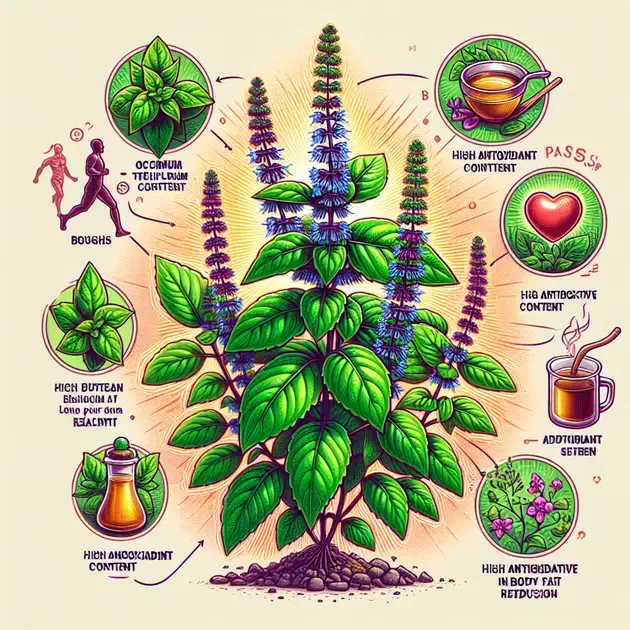
Tulsi for weight loss: A natural way to reduce body fat


Tulsi for Weight Loss: A Natural Way to Reduce Body Fat

You may not be familiar with the term ‘ocimum tenuiflorum,’ but this aromatic plant is widely known as Holy basil or tulsi. Not only is it used to manage health issues, but it can also be an effective home remedy for cough. Tulsi is rich in antioxidants, which can play a significant role in boosting immunity. However, did you know that tulsi can also aid in weight loss?

Obesity and excess body fat are common concerns that affect people’s overall health and well-being. While there are various weight loss solutions available, many individuals prefer natural remedies. Tulsi offers a natural and holistic approach to reducing body fat.

So, how does tulsi help with weight loss? Firstly, it is important to note that tulsi is believed to have a thermogenic effect on the body. This means that it can increase metabolic rate and boost fat burning processes. By promoting efficient digestion and metabolism, tulsi can aid in weight loss efforts.

Additionally, tulsi can help regulate blood sugar levels, which is essential for managing cravings and maintaining balanced energy levels. By stabilizing blood sugar, tulsi can reduce the likelihood of overeating and excessive snacking, thus contributing to weight loss.

Moreover, tulsi possesses adaptogenic properties, which can help alleviate stress and anxiety. Emotional eating and stress-induced cravings are significant contributors to weight gain. By reducing stress levels, tulsi can assist in weight management by preventing unhealthy eating habits.

Incorporating tulsi into your weight loss journey is easy. You can consume it as herbal tea, add it to your meals, or even take it in supplement form. Tulsi leaves can be steeped to make a refreshing and aromatic tea, which can be enjoyed throughout the day. It is recommended to consult with a healthcare professional or nutritionist to determine the optimal dosage and form of tulsi for your weight loss goals.

In conclusion, tulsi, or Holy basil, is a versatile and beneficial plant that offers numerous health benefits, including weight loss support. Its thermogenic properties, regulation of blood sugar levels, and stress reduction qualities make it a natural and effective aid in reducing body fat. By incorporating tulsi into your daily routine, you can harness its potential and strive towards a healthier and fitter body.


Master the Art of PB&J French Toast: Low-Calorie Breakfast Delight for Your Perfect Cut!

“`html

If you’re on the hunt for a breakfast option that’s both deliciously satisfying and waistline-friendly, look no further than the PB&J French Toast! This delightful twist on a classic dish promises to transform your morning meal into a culinary adventure, all while keeping your calorie count in check. Whether you’re embarking on a 10-week cut or simply seeking to maintain a balanced lifestyle, this recipe delivers on taste without compromising your health goals. Packed with protein and full of flavor, it’s a perfect addition to any meal plan. Join us as we guide you through the simple steps to creating this mouthwatering breakfast treat that will leave you feeling lean, satisfied, and ready to conquer your day!

Ingredients You’ll Need:

  • Two slices of whole wheat bread, preferably 100% whole wheat.
  • Low-calorie strawberry jam (Smuckers Double Fruit is a good choice at 20 calories per tablespoon).
  • Half a cup of sliced fresh strawberries.
  • Low-calorie syrup (Steve’s Maple from Walmart is recommended).
  • Two teaspoons of low-calorie sweetener (Great Value kind from Walmart).
  • A little Truvia sugar-free powdered sugar for dusting.
  • One teaspoon of vanilla extract and half a teaspoon of ground cinnamon for flavor.
  • A third cup of egg whites to boost protein content.
  • One large egg for richness.
  • Powdered peanut butter mixed with water for a drizzle.

Preparing Your French Toast:

  1. Mixing the Essentials: Begin by whisking together 1/3 cup of egg whites, the large egg, vanilla extract, ground cinnamon, and low-calorie sweetener. This mixture is your base for soaking the bread.
  2. Soaking the Bread: Soak both slices of whole wheat bread in the egg mixture. Flip the slices a few times to ensure they’re well-coated. This step is crucial for achieving that signature French toast texture.
  3. Cooking to Perfection: Preheat a nonstick pan over medium heat and spray it with cooking spray. Once heated, place the soaked bread in the pan. Cook each side for 3-4 minutes, ensuring they turn golden brown. This will give your French toast a crispy exterior and a soft, flavorful interior.
  4. The Delicious Assembly: Lay the cooked toast on a plate, then drizzle it with your powdered peanut butter mixture. Spread a tablespoon of the low-calorie strawberry jam over the toast for that classic PB&J flavor.
  5. Adding Final Touches: Dust with Truvia sugar-free powdered sugar and top with fresh strawberry slices. These additions not only enhance the visual appeal but also add a refreshing taste.

Caloric and Nutritional Benefits:

This delightful PB&J French toast isn’t just about indulgence—it’s meticulously crafted for those mindful of their calorie intake. At just 380 calories per serving with a hefty 24 grams of protein, it’s a satisfying and nutritious way to start your day. It’s particularly advantageous if you’re preparing to engage in a cardio workout post-breakfast, providing the necessary energy without overload.

Complementary Meals and Snacks:

In keeping with a balanced diet, it’s important to look at complementary meals that support your goals. A snack plate of celery with Laughing Cow cheese and protein chips makes for a low-calorie, high-protein lunch option. A homemade deluxe pizza with a high-fiber, low-calorie tortilla, topped with lean protein and vegetables, can be a flavorful, satisfying dinner.

Indulging the Sweet Tooth:

For dessert, you might enjoy a protein-rich cheesecake yogurt bowl. This dessert cleverly combines Greek yogurt with protein powder, adding some low-calorie pudding mix for flavor and texture. It’s topped with strawberries and a sprinkle of caramel syrup for that extra sweetness. It’s a dessert that satisfies with 324 calories and 33 grams of protein, perfect for maintaining energy levels and curbing late-night cravings.

Late-Night Healthy Snack:

Opt for a bowl of smart popcorn seasoned with your favorite low-calorie flavors. It’s a crunchy, satisfying way to end your day without derailing your calorie goals.

Effective Weight Loss through Planning:

The PB&J French Toast serves as a testament to how creative planning can make dieting enjoyable. This approach helps you remain in a calorie deficit while still enjoying a variety of foods. By adjusting your meals’ calorie density and keeping high-protein foods at the forefront, you can effectively work towards your weight loss goals.

Pairing flavorful meals with a structured exercise routine enhances this process. Whether you’re engaging in daily cardio or strength training, keeping meals rich in protein and balanced in carbohydrates fuels your body and aids in muscle preservation while losing fat.

At its heart, this approach underlines the success found in sustainable, enjoyable, and flexible nutrition. So go ahead—indulge in that PB&J French Toast and delight in knowing that your path to a healthier you is deliciously paved.

“`

Could BPC 157 Peptide Provide Relief for Chronic Knee Pain After an ACL Injury?


Blog Article

In the world of sports injuries and orthopedic challenges, the quest for effective treatments is ever-evolving. Among these is the exploration of peptides like BPC 157, which have garnered attention for their potential healing properties. In this blog, we delve deeper into whether BPC 157 can truly aid those struggling with persistent knee pain years after an ACL tear and subsequent surgery. Inspired by the insights of Dr. David Guyer, a triple board-certified orthopedic surgeon, we discuss the potential benefits and limitations of this peptide, the importance of consulting healthcare professionals, and how such innovative treatments might fit into the broader landscape of regenerative medicine. Whether you’re an athlete, a patient, or simply intrigued by advancements in medical science, join us as we explore the possibilities and nuances of BPC 157 in addressing chronic knee pain.

Understanding BPC 157

BPC 157 is a peptide naturally found in the human stomach, known for its potential to promote the healing of muscles, tendons, and ligaments. Synthetic versions are crafted by compounding pharmacies, allowing them to be prescribed by physicians. Typically, patients administer BPC 157 through daily subcutaneous injections, although there are capsule forms available—though their efficacy in dealing with orthopedic issues remains debatable compared to injections.

Potential Benefits of BPC 157

  1. Healing Support:
    • BPC 157 is primarily noted for supporting the healing of soft tissues, such as muscles and tendons.
    • Some studies hint at its capability in promoting repair and regeneration in joint areas like the knee, though evidence for this remains limited, particularly in human studies.
  2. Pain Relief:
    • A notable study identified that a significant percentage of participants experienced marked pain improvement after BPC 157 injections, though the study’s design was not robust enough to draw definitive conclusions.
  3. Osteoarthritis Aid:
    • Given the prevalent connection between ACL injury and osteoarthritis, BPC 157’s potential for promoting joint health might offer some respite for individuals grappling with arthritis post-injury.

Limitations and Considerations

  • Experimental Status: The FDA classifies peptides like BPC 157 as experimental, warranting a cautious approach.
  • Limited Research: Current studies, particularly on humans, are insufficiently conclusive. More data, especially placebo-controlled and randomized trials, are necessary to establish definitive efficacy.
  • Route of Administration: There’s debate about whether injecting closer to the knee yields better results compared to typical abdominal injections.
  • Complementary Treatments: BPC 157 might be viewed as a potential component of a broader treatment plan, alongside options like stem cell therapy or exosomes, especially tailored towards treating arthritis.

Patient Considerations

If you’re considering BPC 157 as a treatment option, it’s crucial to engage in thorough discussions with your healthcare provider. Some key considerations include:

  • Personal Medical History: Understanding your specific condition and history of knee injuries can influence treatment appropriateness.
  • Exploring Alternatives: Discuss other possible treatments, including those beyond peptides, to ensure a comprehensive approach to managing chronic knee pain.
  • Risks and Benefits: Weighing the potential benefits against the experimental nature and associated uncertainties is essential for informed decision-making.

Looking Forward

Ongoing research and innovation are vital in the field of regenerative medicine. As studies on BPC 157 and similar peptides advance, we may gain a clearer understanding of their role in treating musculoskeletal injuries and chronic conditions like osteoarthritis. For now, individuals must navigate these waters carefully, informed by professional guidance and clear communication with their healthcare providers.

In conclusion, while BPC 157 presents intriguing possibilities for alleviating chronic knee pain post-ACL injury, it remains within the experimental realm. Patients considering this peptide must prioritize their health and safety by consulting with qualified medical professionals. With further research and development, BPC 157 might one day become a cornerstone in the management of orthopedic injuries, providing new hope for those seeking relief from persistent pain.


Fat-Loss Fuel: Delicious PB&J French Toast and More No-Guilt Meals!


Blog Article

Are you on a quest to maintain a calorie deficit while still indulging in delicious meals? Look no further! Welcome to a culinary journey where delight meets discipline—our star attraction being the lip-smacking PB&J French Toast. This blog will guide you through a flavorful, high-protein meal plan that’s under 1500 calories, designed specifically for those aiming to shed body fat without sacrificing taste. From breakfast to dinner, and even the much-needed dessert, every meal is crafted to be low in calories yet high in satisfaction. Stay tuned as we share not just recipes, but personal insights and tips from a transformative body journey, proving that with the right mindset and a sprinkle of creativity, weight loss can be as rewarding as it is challenging. Get ready to embrace a delicious path to becoming your fittest self!

Ingredients Matter

Embarking on a weight loss journey doesn’t mean you have to bid farewell to your favorite flavors. In fact, with a little creativity and thoughtful ingredient swaps, you can enjoy all the comfort foods you love without derailing your diet. The PB&J French Toast is a perfect example of this balance—rich in flavor yet diligently low in calories. This breakfast delight marries the nostalgic taste of peanut butter and jelly with the satisfying texture of French toast, all while keeping you within your calorie goals.

To craft this delicious breakfast, the choice of ingredients is essential. Opting for whole wheat bread provides a healthier, fiber-rich base. Instead of full-fat peanut butter, using powdered peanut butter mixed with water cuts down the calories significantly. This substitute is brilliant for maintaining the creamy texture and nutty flavor you crave. As for the jelly, a low-calorie jam like Smuckers Double Fruit Strawberry spreads sweetness without going overboard on sugar and calories.

Adding fresh strawberries not only elevates the taste but also enhances the nutritional profile with vitamins and antioxidants. Using egg whites in place of whole eggs allows you to increase protein intake while keeping the calorie count low. The result is a wholesome, satisfying, and protein-packed breakfast ready to fuel your day.

The French Toast Technique

Preparing this dish is as much about technique as it is about ingredients. The bread needs to soak in the egg mixture just enough to absorb the flavors without becoming too fragile. Preheating the pan to medium heat ensures that each piece of toast cooks evenly to a golden brown and retains a delicate texture. The key is patience; allowing each side to cook thoroughly before flipping is critical for the perfect French toast. Once done, a gentle drizzle of powdered peanut butter and a sprinkle of sugar-free powdered sugar will complete the dish beautifully.

Sustainable Weight Loss

What’s truly inspiring about this meal plan is its foundation in sustainable weight loss principles. For breakfast, keeping the total around 380 calories with 24 grams of protein ensures that you’re starting your day right, satiated and energized. The strategy here is to consume meals that are volumetrically satisfying, low in calories, and high in nutritional value. This approach helps in maintaining a calorie deficit while feeling full and satisfied.

A Day of Smart Eating

The journey doesn’t stop at breakfast. The entire day’s menu is crafted with care to keep you under 1500 calories without feeling deprived. This involves smart meal planning, like a light snack plate for lunch that includes lean proteins and plenty of veggies. By making use of low-calorie, nutrient-dense foods such as celery, Laughing Cow cheese wedges, pickles, and turkey pepperoni, you can enjoy a variety of textures and flavors at only 166 calories and 19 grams of protein.

Dinner brings a satisfying Deluxe pizza made with a 90-calorie tortilla wrap. Topped with Black Forest ham, turkey pepperoni, and vegetables, this pizza is deliciously low in calories while being high in protein and fiber—again underscoring the importance of ingredient choices. This attention to detail in meal preparation allows you to indulge in what feels like a ‘cheat meal’ while sticking to your nutritional goals.

Dessert and the Importance of Protein

Finally, dessert. A Cinnamon Bun Cheesecake Yogurt Bowl satisfies the sweet tooth while contributing 33 grams of protein to your daily intake. This not only curbs cravings but also supports muscle maintenance as you work towards your fitness goals. The protein slows digestion, helping you feel fuller for longer, and stabilizes blood sugar levels, making it an integral part of maintaining a healthy diet.

Mindset and Motivation

What makes this journey even more compelling is the mindset behind it. Treating yourself to guilt-free versions of your favorites can keep you motivated. Weight loss is a mix of proper nutrition, consistent exercise, and a positive mindset. It’s about progress, not perfection. Remember, the little victories like making a lower-calorie version of a classic dish can be just as rewarding as the larger milestones.

Ultimately, the key takeaway here is transformation through balance. By making small, sustainable changes to your diet, you can successfully lose weight without sacrificing the joys of comforting, delicious meals. With dedication, creativity, and a strategic approach, you are not just reshaping your body, but also your relationship with food.


Exploring BPC 157: Could This Peptide Relieve Your Post-Surgery Knee Pain?


Exploring BPC 157

Living with chronic knee pain after an injury or surgery can be incredibly frustrating, especially when traditional treatments offer limited relief. Enter peptides like BPC 157, a potential game-changer that has piqued the interest of many seeking alternatives to conventional medicine. In this blog, we delve into the promising world of BPC 157—an experimental peptide with potential regenerative capabilities for musculoskeletal injuries. While scientific evidence remains limited and the treatment is not FDA-approved, preliminary reports suggest it could offer hope for those struggling with persistent knee pain. Whether you’re curious about how BPC 157 works, its possible benefits, or the current research landscape, join us as we explore what this peptide could mean for your recovery journey.

Understanding BPC 157

  • Source and Composition: BPC 157 is a pentadecapeptide, meaning it is composed of 15 amino acids. It is naturally derived from a protective compound in the gastric juices, which plays a role in gut health. Its synthesis is complex, requiring precise chemical processes to replicate the compound in lab settings for study and potential therapeutic use.
  • Mechanism of Action: The exact mechanism by which BPC 157 exerts its effects is still under investigation. However, it is thought to enhance the healing processes by promoting angiogenesis (the formation of new blood vessels), modulating inflammatory responses, and enhancing cellular repair. These effects theoretically aid in the recovery of tissues such as muscles, tendons, and ligaments that have sustained damage.

Potential Benefits for Knee Pain

For individuals suffering from chronic knee pain following injury or surgery, BPC 157 offers a ray of hope, albeit an experimental one. Its potential benefits include:

  • Pain Reduction: Anecdotal evidence and some preliminary studies suggest that BPC 157 can significantly reduce pain levels, even in cases where traditional pain management strategies have failed.
  • Enhanced Healing Rates: By promoting angiogenesis and cellular repair, BPC 157 may facilitate faster recovery from injuries, potentially expediting the rehabilitation process.
  • Joint Protection: Although direct effects on cartilage and subchondral bone regeneration are not conclusively supported by current studies, BPC 157’s role in reducing inflammation and promoting healing might indirectly benefit these structures in cases of joint injuries.

Current Research and Evidence

Research on BPC 157 is still in the nascent stages, with much of the current knowledge coming from animal studies and limited human trials. A notable study, albeit flawed in design, involved the injection of BPC 157 into 16 patients with knee pain, resulting in significant pain improvement for a substantial percentage of participants. However, this study lacked controls and blinding, making its findings unreliable.

  • Animal Studies: In animal models, BPC 157 has shown promising results in healing ligament and tendon injuries. However, the translation of these findings to human applications requires more robust clinical trials.
  • Human Studies: Existing human studies are limited and often criticized for methodological weaknesses. Without randomized controlled trials, it is challenging to draw firm conclusions about the efficacy of BPC 157 in humans.

Safety and Regulatory Status

BPC 157 is classified as experimental by the FDA, meaning it has not received official approval for therapeutic use. Its safety profile in humans is not fully established, and potential risks or side effects have not been comprehensively documented.

  • Consulting Healthcare Providers: Before considering BPC 157, it is crucial to consult with a healthcare provider who is knowledgeable about peptides and can offer guidance based on individual health needs and conditions.
  • Legal and Ethical Considerations: The use of experimental treatments should always be aligned with legal regulations and ethical standards, ensuring patient safety and informed decision-making.

Conclusion

While BPC 157 appears promising as an adjunct treatment for chronic knee pain, particularly for those with a history of ACL injuries or surgeries, scientific validation is still required. Current evidence is anecdotal or preliminary at best, leaving much to be discovered about its long-term effects and true efficacy for human use.

Despite the excitement surrounding peptides like BPC 157, it is crucial to approach this subject with caution. Patients interested in exploring this treatment should engage in open dialogue with their healthcare providers, weighing the potential benefits and risks. Furthermore, they should stay informed about the latest research findings to make well-informed healthcare decisions.

As research continues, the hope remains that BPC 157, along with other regenerative therapies, will pave the way for new approaches to managing chronic pain and enhancing recovery outcomes in the future. Until then, maintaining an evidence-based perspective and prioritizing patient safety will be key in navigating the complex landscape of peptide therapy.


Brisk walking to lose belly fat: 3 ways it gives you a slimmer waistline

Belly Fat and the Benefits of Brisk Walking for a Slimmer Waistline

Belly fat can be stubborn and often requires intense exercise to reduce. However, it is possible to lose excess weight, particularly around the belly, by incorporating healthy habits into your everyday routine. One simple and accessible practice is walking. Yes, the benefits of walking should not be underestimated as it can be an effective way to shed those unwanted pounds without the need for pricey gym subscriptions.

Walking is not only a convenient form of exercise but also offers numerous benefits for weight loss, specifically targeting belly fat. Here are three ways brisk walking can help you achieve a slimmer waistline:

1. Burns Calories: Walking, especially brisk walking, is an excellent cardiovascular exercise that can help you burn calories and ultimately contribute to weight loss. The physical act of walking engages various muscles in your body, including your core, which aids in toning and reducing belly fat. By walking regularly and maintaining a brisk pace, you can create a calorie deficit, leading to the reduction of overall body fat, including the stubborn belly fat.

2. Boosts Metabolism: Brisk walking increases your metabolic rate, causing your body to burn more calories even after you’ve finished your walk. This effect, known as the afterburn effect or excess post-exercise oxygen consumption (EPOC), helps you continue to burn calories at an elevated rate for hours after completing your physical activity. Thus, incorporating brisk walking into your daily routine can give your metabolism the boost it needs to effectively reduce belly fat.

3. Reduces Stress and Cortisol Levels: Chronic stress and elevated cortisol levels can contribute to weight gain, particularly in the abdominal area. Walking, especially in natural environments, can provide a soothing and stress-relieving effect. Taking time for regular walks allows you to unwind, clear your mind, and reduce cortisol levels, which can aid in reducing belly fat. Additionally, walking in green spaces or parks can elevate your mood, making it easier to adhere to a healthy lifestyle and make better food choices.

Incorporating brisk walking into your daily routine is relatively simple. Aim for at least 30 minutes of brisk walking most days of the week, gradually increasing the intensity or duration as you build stamina. You can walk outdoors, on a treadmill, or even around your neighborhood – the key is to maintain a pace that raises your heart rate slightly and leaves you feeling slightly breathless.

To enhance your walking routine, consider adding intervals of higher intensity or incorporating uphill climbs. This can further challenge your muscles and increase the calorie-burning potential. Investing in a good pair of walking shoes and wearing comfortable clothing can also make your walking experience more enjoyable and reduce the risk of discomfort or injury.

So, if you’re looking to lose belly fat and slim down your waistline, give brisk walking a try. Remember, it’s the consistency and regularity of your walking routine that will bring about the desired results. Embrace this accessible and effective exercise, and start your journey towards a slimmer waistline today.