Home Blog Page 57

10 Must-Have Costco Foods for Effortless Fat Loss and Meal Satisfaction


Blog Article

Costco, with its vast selection and bulk buying options, has been a game-changer in my weight loss journey. Having shed 130 pounds and maintained that loss for a decade, I’ve discovered that success lies in having a pantry stocked with staple low-calorie foods. These essentials not only support my health goals but also make meal preparation quick and enjoyable. While I’m not sponsored by Costco, the store’s variety and affordability have made it my go-to for sourcing the ingredients that keep my diet diverse and satisfying. In this blog, I’ll delve into the top 10 foods I never leave Costco without, and how they’ve transformed what could have been a daunting process into a seamless and sustainable lifestyle. Whether you’re looking to lose weight or simply want to make healthier food choices, these selections promise to keep your palate pleased while your calorie count stays in check.

Mixed Pack of Bubly Sparkling Water

The journey to losing weight and keeping it off is a marathon, not a sprint, and having a reliable selection of food staples can make all the difference. The first item on our Costco list is the mixed pack of Bubly sparkling water. This zero-calorie drink comes in delightful flavors such as mango, cherry, and blackberry, turning regular hydration into an enjoyable experience. The carbonation in Bubly is an excellent tool for making you feel fuller, especially in the gaps between meals. It’s a sensation that not only satisfies your thirst but can also help curb cravings, ensuring you stay on track throughout the day.

Mēano Thin Tortillas

Next up, we have the Mēano Thin Tortillas, which are a versatile and flavorful food option. Each tortilla contains just 90 calories and 17 grams of fiber, making them a fiber-rich choice that promotes fullness and satisfaction. Their versatility allows you to fulfill a variety of cravings by making lighter, healthier versions of pizza, burritos, quesadillas, and even sweet treats like hand pies. When you can create a satisfying version of whatever you’re craving, sticking to your diet plan becomes that much easier.

English Cucumbers

Another must-have Costco staple includes English cucumbers, which come in a convenient three-pack. These cucumbers are incredibly low in calories, with only eight calories per half-cup serving, making them a high-volume food that keeps you feeling full without adding to your calorie intake. Adding them to meals can enhance the volume of your plate, tricking your brain into feeling like you’re eating a lot despite being in a calorie deficit. It’s a tried-and-true method to help keep hunger at bay while maintaining a satisfying meal routine.

Grimm’s Lean Turkey Pepperoni

Grimm’s Lean Turkey Pepperoni is an ideal snack choice. With only 50 calories and 6 grams of protein per stick, this lean pepperoni is perfect for quick lunches or snack plates. Its portability makes it a great option for eating on-the-go. Since hunger often strikes unexpectedly while traveling or running errands, these pepperonis provide a convenient solution that keeps you from grabbing unhealthier options.

Kirkland’s Smoked Black Forest Ham

Kirkland’s Smoked Black Forest Ham is another excellent high-protein, low-calorie choice. Two slices pack 12 grams of protein and only 70 calories. It’s a staple for creating balanced sandwiches, snack boards, and even gracing grilled cheese sandwiches with an extra protein boost. This ham, stored conveniently in the fridge or freezer, ensures you always have a quick, protein-rich option at hand.

Dempster’s 100% Whole Wheat Bread

Dempster’s 100% Whole Wheat Bread is a breakfast staple that offers high fiber and protein. Two slices yield 170 calories and 7 grams of protein. Whole wheat options offer more staying power, helping you to feel full longer while providing the energy needed for an active lifestyle. Bread is not just for toasting; it can be used in imaginative ways from French toast to pizza bread, making sure you get a nutritional start to your day.

Frozen Fruit

Frozen fruit from Costco, including the Kirkland Whole Blueberries, Whole Strawberries, and Three Berry Blend, provide a delicious way to add low-calorie volume and flavor to your meals. A variety of frozen fruits ensures that you can always incorporate natural sweetness and nutrition in your diet, whether you’re topping yogurt, pancakes, or even baking.

Cīnnamin-Sweetened Vanilla Almond Milk

Cīnnamin-sweetened Vanilla Almond Milk offers an alternative to traditional milk with just 30 calories per cup. It’s a low-calorie way to add creaminess to your protein shakes, baking, and daily coffee without loads of added sugar or calories. The long shelf life ensures that you’re never out of this staple, promising a daily dose of creamy goodness that fits seamlessly into a fat loss plan.

Kirkland 0% Plain Fat-Free Greek Yogurt

Kirkland 0% Plain Fat-Free Greek Yogurt is a kitchen star, providing 17 grams of protein and only 100 calories per ¾ cup serving. This yogurt serves as a blank canvas for endless culinary possibilities. From creating Greek yogurt bowls flavored with fruits and protein powders to using it as a healthy substitute in baking, its high protein content and versatility make it indispensable.

Kirkland Egg Whites

Lastly, Kirkland Egg Whites come in a pack of three, offering a low-calorie, high-protein option that fits perfectly into breakfast routines or baking recipes. Half a cup delivers 11 grams of protein and a mere 50 calories. Egg whites are another food staple that can be used in many different ways—from omelets to protein ice cream—ensuring you have a protein boost whenever needed.

Your weight loss journey is just as much about consistency as it is about enjoyment. Incorporating these cost-effective, nutritious, and satisfying foods from Costco into your diet can help sustain your efforts for the long haul. These staples not only help you achieve your caloric goals but also ensure your meals remain satisfying and delicious. Remember, successful weight management is as much about what’s in your heart and mind as it is about what’s on your plate.


Is Leg Numbness Post-Arthroscopic Knee Surgery Normal? Insights From a Triple-Board Certified Orthopedic Surgeon


Understanding Leg Numbness Post-Arthroscopic Knee Surgery

Introduction

In the realm of surgical recovery, few experiences can be as concerning as unexpected symptoms that arise post-procedure. Within this context, one of the questions that surfaces frequently is whether leg numbness following arthroscopic knee surgery, such as a meniscus repair, is a typical occurrence. As a triple board-certified orthopedic surgeon specializing in sports medicine and regenerative treatment, Dr. David Guyer provides his expert insights on this topic. In his latest video, Dr. Guyer explores the potential causes of this symptom, drawing from his extensive experience and the questions posed by his viewers. Importantly, he emphasizes that his content is meant for informational and educational purposes, not as direct medical advice. Join us as we delve into Dr. Guyer’s analysis of this condition and what it might mean for you.

Understanding Post-Surgical Numbness

Post-surgical recovery can be a time filled with questions and concerns, especially when unexpected symptoms like numbness arise. In the case of arthroscopic knee surgery, it’s crucial to understand what’s within the range of normal recovery and what might signal a cause for concern. Dr. David Guyer, a seasoned orthopedic surgeon, explains that while some degree of numbness post-surgery can occur, the extent and location of the numbness play a key role in determining its normalcy.

The Norms for Numbness in Arthroscopic Knee Surgery

Arthroscopic surgery for the knee involves minimal invasiveness, which is one of its primary advantages. The surgeon makes small, portal-sized incisions, just large enough to insert small instruments and a camera. This procedure typically results in minimal numbness, if any, and it is usually localized to the area immediately around where the arthroscopic portals were made.

  • Minimal Numbness: This might be present around the incision points where the portals were placed.
  • Localized Numbness: In some cases, if there were longer incisions, such as in ACL surgeries where a graft is harvested, you might experience a slightly larger area of numbness, about the size of a quarter or half dollar, around the incision site.

Potential Causes of Extended Postoperative Numbness

However, when numbness extends beyond these localized regions down the leg, it’s atypical for arthroscopic knee surgery procedures such as a meniscus repair. Dr. Guyer highlights two potential sources of postoperative numbness extending beyond these areas:

  1. Nerve Block Anesthesia: During surgery, a nerve block might be employed to help manage pain. Although it’s designed to provide temporary relief, on rare occasions, it can result in more persistent numbness. Typically, this numbness isn’t permanent and often resolves over a few months. However, if numbness persists, consulting with the anesthesiologist who administered the nerve block could provide insights into whether this is a temporary side effect or requires further investigation.
  2. Nerve Damage: While rare, it’s possible for surgery to inadvertently affect nerves, particularly if there are complications or unexpected challenges during the procedure. Persistent numbness outside the typical localized areas could warrant further examination by the operating surgeon to rule out nerve injury as a cause.

Steps to Take if Experiencing Unexpected Numbness

Dr. Guyer also recommends that patients keep track of their symptoms and communicate with their healthcare providers. Here are steps you can take if experiencing unexpected numbness after surgery:

  • Monitor the Symptoms: Keep a record of when the numbness started, its intensity, and whether there has been any improvement or change over time.
  • Consult the Professionals: Speak with both your surgeon and anesthesiologist to get their perspective based on your specific surgery details and whether follow-up examinations or additional diagnostics are needed.
  • Seek a Second Opinion: If numbness persists or causes significant concern, seeking a second opinion from another orthopedic specialist could provide additional insights or alternative treatment options.

Resources and Patient Engagement in Recovery

Beyond surgical care, Dr. Guyer also provides resources for patients dealing with chronic joint issues, like his ebook, “The Arthritis Solution.” This resource can offer guidance for those managing arthritis and looking for solutions beyond surgical interventions.

Dr. Guyer emphasizes the importance of patient engagement throughout the recovery process. Staying informed, asking questions, and being proactive about your recovery can significantly impact your outcomes. He also appreciates the value of shared experiences and encourages viewers to leave comments about their surgical experiences to foster communal learning and support.

Conclusion

In conclusion, while numbness following arthroscopic knee surgery isn’t typical, understanding the likely causes, monitoring your symptoms, and maintaining open communication with your healthcare providers can ensure you receive the most effective care. Remember, while Dr. Guyer provides valuable general insights, personalized medical advice should always be sought from your healthcare professionals.


10 Essential Fat Loss Foods from Costco: Tried-and-True Picks for Keeping the Weight Off


Essential Fat Loss Foods


Embarking on a weight loss journey can often feel daunting, especially when it comes to choosing the right foods that are sustainable and satisfying. As someone who has experienced the triumph of losing 130 pounds and maintaining that success for over a decade, I’ve discovered the indispensable role that staple low-calorie foods play in keeping me on track. In this blog, I’ll unveil the ten essential fat loss foods I never leave Costco without—each one a crucial part of my routine for crafting quick, tasty, and healthy meals. While I might not be sponsored by Costco, it’s no secret that their bulk options make staying stocked up on these favorites a breeze. So, let’s dive into how these foods have transformed my weight loss journey into an effortless and enjoyable lifestyle.

1. Mixed Pack of Bubbly

One of my all-time favorites is the mixed pack of Bubbly sparkling water, which comes in delightful flavors such as mango, cherry, and blackberry. While water is a crucial part of any healthy diet, sometimes you just need a little more excitement. That’s where Bubbly comes in—providing a zero-calorie, flavorful alternative that keeps things interesting. The carbonation is more than just a fun extra: it helps me feel fuller, especially between meals, thereby reducing the urge to snack on unhealthy foods.

2. Meano Thin Tortillas

Versatility is key when it comes to maintaining a balanced diet, and Meano Thin Tortillas are a prime example of a food that offers this flexibility. With only 90 calories per tortilla and an impressive 17 grams of fiber, these tortillas are a staple in my kitchen. Whether I’m in the mood for pizza, burritos, or even low-calorie desserts like hand pies, these tortillas let me indulge my cravings in a healthier way. By satisfying my cravings without sacrificing my dietary goals, I avoid the feeling of deprivation that often derails weight loss efforts.

3. English Cucumbers

High-volume foods like English cucumbers are also essential for staying satisfied while in a calorie deficit. At only 8 calories per half-cup of sliced cucumbers, they offer the volume I need to fill up without going over my calorie limit. They’re incredibly versatile, adding crunch and freshness to everything from salads to sandwiches. They’re so inexpensive and nutritious that I eat them daily, ensuring that I always feel like I’m eating a lot, even when I’m not.

4. Grims Lean Turkey Pepperoni

Protein is a cornerstone of any weight loss diet, and Grims Lean Turkey Pepperoni fits seamlessly into this framework. Each stick contains just 50 calories and 6 grams of protein, making it an ideal snack or addition to salads and low-calorie pizzas. It’s also highly portable, making it perfect for on-the-go snacking when I’m running errands or traveling.

5. Kirkland Smoked Black Forest Ham

For a quick, protein-packed meal, Kirkland Smoked Black Forest Ham is another go-to option. Two slices provide 70 calories and 12 grams of protein. This deli ham shines in a variety of dishes, from sandwiches to charcuterie boards. Stocking up by freezing one of the dual packages ensures I always have quick protein options ready, which is crucial for maintaining my diet while adhering to a budget.

6. Dempster 100% Whole Wheat Bread

Bread gets a bad rap, but Dempster’s 100% Whole Wheat Bread is packed with fiber and protein, making it a great choice for meals and snacks. Two slices provide 170 calories and 7 grams of protein, fueling my active lifestyle. Whether it’s toast for breakfast, a sandwich for lunch, or creative uses like pizza bread, whole wheat bread forms the base of many meals without the guilt.

7. Frozen Fruit

Frozen fruits such as blueberries, strawberries, and a three-berry blend offer high volume and flavor while keeping calories low. They last longer than fresh fruit, making them a budget-friendly choice. I love adding them to Greek yogurt, French toast, and protein pancakes—not just for the flavor but also for an extra nutritional punch.

8. Kirkland Unsweetened Vanilla Almond Milk

A staple in my routine is Kirkland’s Unsweetened Vanilla Almond Milk. At just 30 calories per cup, it’s perfect for adding volume to my meals without extra calories. I use it in everything from protein shakes to baking, ensuring I can enjoy creamy textures without compromising my dietary goals.

9. Kirkland 0% Plain Fat-Free Greek Yogurt

Kirkland’s Greek yogurt, a powerhouse of protein and versatility, is indispensable in my diet. It provides a whopping 17 grams of protein per 100 calories. Whether I flavor it with protein powder for a rich yogurt bowl or use it as a substitute for butter in baked goods, Greek yogurt is a nutritional asset that enhances many dishes.

10. Kirkland Egg Whites

Finally, Kirkland Egg Whites are another must-have. Half a cup has 50 calories and 11 grams of protein, making them perfect for elevating the protein content of my dishes without adding unnecessary fats or calories. Whether it’s French toast, scrambled eggs, or even protein shakes, egg whites are always in play.

Incorporating these foods into my daily regimen, I focus on volume and versatility, ensuring I have a well-rounded diet without feeling deprived. This approach has been a pillar in maintaining my weight loss and living a healthy lifestyle. By keeping these essentials in stock, I’m always prepared to build delicious, low-calorie meals that support my journey.


Is Leg Numbness After Arthroscopic Knee Surgery Normal? Dr. Guyer Breaks It Down!


Is Leg Numbness After Arthroscopic Knee Surgery Normal? Dr. Guyer Breaks It Down!

After undergoing arthroscopic knee surgery, such as meniscus repair, some patients report experiencing unexpected numbness in their legs. While minor numbness around the incision sites is common, numbness extending further down the leg can be concerning, prompting questions about nerve damage or anesthetic effects. In this blog, Dr. David Guyer, a triple board-certified orthopedic surgeon and expert in sports medicine and regenerative medicine, delves into this issue. Drawing on questions from his popular “Ask the Doctor” video series, Dr. Guyer brings clarity to why numbness occurs, when it’s typical, and what steps to take if it persists. Join us as we explore the complexities of post-surgical sensations and seek answers from the expert’s perspective.

Understanding Post-Surgical Numbness

Undergoing arthroscopic knee surgery is a routine procedure aimed at repairing meniscus tears or other minor cartilage issues within the knee. This minimally invasive technique involves making small incisions to allow surgical tools and a camera to enter the joint. While the recovery process is generally less daunting than more invasive surgeries, some patients report experiencing unusual sensations, such as numbness extending beyond the immediate area of the incisions. Understanding the cause and normalcy of these sensations is crucial for patient peace of mind and recovery.

Expected vs. Unexpected Numbness

Firstly, it’s important to differentiate between expected and unexpected numbness. It is normal to experience some numbness around the incision sites where the arthroscopic portals were made. These areas, often the size of a small coin, might feel slightly numb due to the disruption of local nerve endings during the procedure. This numbness is usually temporary and resolves as the healing process progresses.

However, when numbness extends down the leg, it becomes more concerning. This type of sensation isn’t typically associated with the small incisions made during arthroscopic surgery. The nerves responsible for sensation further down the leg are not generally impacted by these procedures. In cases where numbness is felt down the leg, it might raise questions about other potential causes, such as nerve blocks or anesthesia-related issues.

The Role of Nerve Blocks

Let’s consider nerve blocks, a common practice in surgery to manage pain. A nerve block is an anesthetic technique where medication is used to block nerve signals and provide pain relief during and after surgery. While these are generally safe and effective at reducing the pain, there is a rare risk of lingering numbness. Most medical studies indicate that this numbness is temporary and likely to resolve over time, yet the timeline can vary from a few weeks to several months. If numbness persists, it is advisable to consult the anesthesiologist or surgeon to discuss potential solutions and explore whether additional assessments are needed.

General Anesthesia Considerations

Another aspect to consider is the role of general anesthesia. While the numbness is less likely due to anesthesia compared to nerve blocks, it is still worth discussing with healthcare professionals, especially if the numbness does not subside within the expected timeframe. Understanding that each patient’s reaction to anesthesia can differ is key, and ongoing symptoms should always be evaluated by the medical team involved.

Steps if You Experience Unusual Numbness

The journey to recovery varies for each individual, and while numbness can be alarming, understanding its causes and timelines can provide much-needed reassurance. Patients should monitor their symptoms diligently. Here are some steps you can take if you experience unusual numbness after surgery:

  • Document Symptom Changes: Keep a journal of the numbness, including its exact location, intensity, and any changes over time. This record will be helpful for medical professionals in assessing your condition.
  • Communication with Healthcare Providers: Open and ongoing communication with your surgeon and anesthesiologist is crucial. Don’t hesitate to bring up any concerns during follow-up appointments.
  • Explore Rehabilitation Options: Engage in rehabilitation exercises as recommended by your healthcare team. Physical therapy may help alleviate numbness and improve mobility.
  • Consider a Second Opinion: If numbness persists or worsens, seeking a second opinion from another specialist may provide additional insights.

Additional Resources

For patients dealing with orthopedic conditions, resources such as Dr. Guyer’s ebook, “The Arthritis Solution,” can provide valuable insights into managing and understanding joint health. Seeking expert advice and staying informed through reputable sources will ensure you make the best decisions for your health.

Conclusion

In summary, while experiencing leg numbness after arthroscopic knee surgery, such as a meniscus repair, can be disconcerting, it is often a temporary side effect of nerve blocks or response to surgery. However, when symptoms extend beyond the expected areas, it is essential to consult with healthcare professionals to ensure there are no underlying complications. By staying informed, communicating openly with your medical team, and following post-surgical care instructions, you can navigate your recovery with greater confidence and ease.

Leg numbness after arthroscopic knee surgery isn’t typical. Dr. Guyer explains potential causes, like nerve blocks, and advises consulting your surgeon for persisting symptoms.


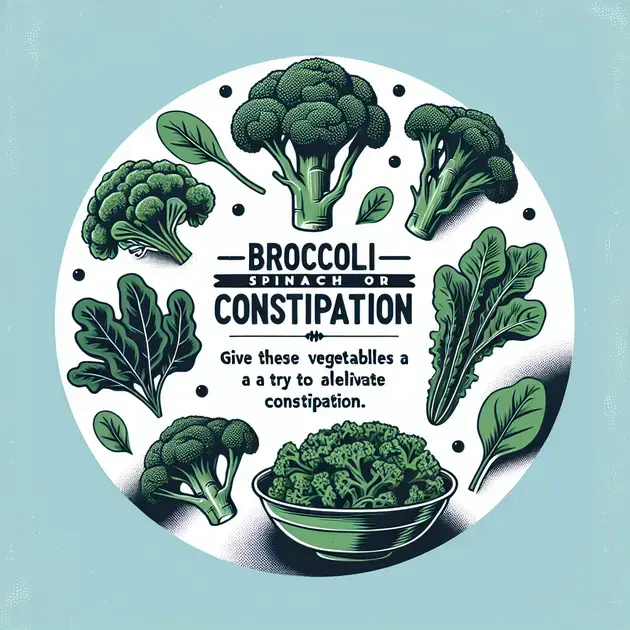
Broccoli, spinach, or kale: Try these 10 such vegetables to relieve constipation


Broccoli, Spinach, or Kale: Try These 10 Vegetables to Relieve Constipation

Title: Broccoli, Spinach, or Kale: Try These 10 Vegetables to Relieve Constipation

Introduction:

Do you frequently experience constipation? If so, you are well aware of the discomfort it brings. The struggle to pass stool, coupled with bloating, cramping, and discomfort, can make even the simplest daily activities seem like a challenge. While there are numerous foods known to improve gut health, one might overlook the potential benefits of including vegetables in the diet to alleviate constipation. In this article, we will explore ten vegetables that can be effective in relieving constipation and promoting overall digestive health.

1. Broccoli:

Broccoli is not only a great source of fiber but also contains a compound called sulforaphane, which helps stimulate the gut and promote regular bowel movements. Adding broccoli to your meals can aid in relieving constipation.

2. Spinach:

Prized for its high fiber content and rich nutrient profile, spinach is known to promote healthy digestion. Its natural laxative properties can provide relief from constipation, making it an excellent addition to salads, smoothies, or cooked dishes.

3. Kale:

Another leafy green that packs a fiber punch is kale. This nutrient-dense vegetable can aid in softening stools and improving bowel movements. Incorporating kale into your diet, such as in salads, stir-fries, or soups, can help alleviate constipation.

4. Brussels Sprouts:

Full of fiber and rich in vitamins, Brussels sprouts are an excellent choice for relieving constipation. Their high fiber content promotes regularity and can help prevent and alleviate constipation symptoms.

5. Carrots:

Carrots are not only crunchy and delicious but are also beneficial for alleviating constipation. Their high fiber content aids in promoting regular bowel movements and improving overall digestive health.

6. Sweet Potatoes:

Loaded with fiber and essential vitamins, sweet potatoes can be a great addition to your diet to combat constipation. Their natural sweetness and versatility make them an enjoyable vegetable to incorporate into various dishes.

7. Beetroot:

Beetroots are not only vibrant in color but also highly beneficial for digestion. With their high fiber content and natural laxative properties, beetroot can help alleviate constipation and promote healthy bowel function.

8. Cabbage:

Cabbage, whether consumed raw or cooked, is a great vegetable for relieving constipation. Its high fiber content and water content contribute to improved digestion and regular bowel movements.

9. Peas:

Peas are not just a tasty addition to meals but can also aid in relieving constipation. Their fiber content helps soften stools and promote regular bowel movements, making them a valuable vegetable to include in your diet.

10. Asparagus:

Asparagus possesses natural diuretic properties, making it an effective vegetable for relieving constipation. Its high fiber content aids in maintaining regularity and promoting overall gut health.

Conclusion:

While constipation can be uncomfortable and disruptive, incorporating these ten vegetables into your diet can potentially help alleviate symptoms and promote healthy digestion. Remember to consume them as part of a balanced diet, along with other recommended lifestyle changes, such as regular exercise and adequate hydration. Prioritizing gut health through the inclusion of vegetables can ultimately improve overall well-being and digestive comfort.


10 Costco Staples I Swear By For Effortless Fat Loss and Tasty Meals


10 Essential Fat Loss Foods from Costco


Embarking on a weight loss journey can sometimes feel like an uphill battle, especially when it comes to maintaining a healthy and satisfying diet. However, having a readily available stash of staple low-calorie foods can make the process a breeze. As someone who has successfully lost 130 pounds and kept it off for over a decade, I have discovered the power of stocking up on essential fat loss foods from Costco. Not only do these items help me whip up quick, delicious meals, but they also ensure I stay on track without feeling deprived. In this blog post, I’ll delve into my top 10 must-have Costco staples that have transformed my weight loss journey, making it not just sustainable, but truly enjoyable.

Mixed Pack of Bubbly: A Refreshing Zero-Calorie Beverage

One of the easiest ways to cut calories from your diet is by switching out sugary drinks for zero-calorie alternatives. The mixed pack of Bubbly offers a delightful selection of flavors, including mango, cherry, and blackberry. These sparkling waters are not only delicious but are also a fantastic way to keep your hydration in check while satisfying your taste buds.

Meano Thin Tortillas: Versatility Meets Fiber

When you’re on a weight loss journey, fiber is your friend. Meano Thin Tortillas are a game-changer, providing a perfect blend of low calories and high fiber content. Each tortilla has 90 calories and packs a substantial 17 grams of fiber. This combination helps you feel satisfied longer, alleviating the urge to snack excessively.

English Cucumbers: A High-Volume Snack for Minimal Calories

Eating in a calorie deficit can often leave you feeling hungry. This is where high-volume, low-calorie foods like English cucumbers come into play. With only 8 calories per half cup, cucumbers provide the satiety you need without adding extra calories to your diet.

Grims Lean Turkey Pepperoni: A Portable Protein Packed Snack

Lean proteins are essential in any weight loss diet, and the Grims Lean Turkey Pepperoni offers just that. With only 50 calories per stick and 6 grams of protein, these pepperonis make for a convenient and low-calorie snack option.

Kirkland Smoked Black Forest Ham: A Protein-Rich Deli Delight

For a protein-packed option that’s both flavorful and low in calories, Kirkland’s Smoked Black Forest Ham is a staple in my kitchen. Offering 70 calories and 12 grams of protein for two slices, it fits seamlessly into a variety of meal options.

Dempster 100% Whole Wheat Bread: A Fiber-Filled Foundation

Whole grains are an essential component of a balanced diet, providing both satiety and nutrients. Dempster’s 100% Whole Wheat Bread offers a fiber-rich alternative to regular bread, with 170 calories and 7 grams of protein per two slices.

Frozen Fruit: A Sweet and Satisfying Staple

Frozen fruit is an ideal way to satisfy your sweet tooth while sticking to a low-calorie diet. Kirkland offers a range of frozen fruits, such as blueberries, strawberries, and a three-berry blend, all of which are perfect for adding flavor and volume to your meals without a hefty calorie count.

CIN Unsweetened Vanilla Almond Milk: A Low-Calorie Dairy Alternative

When you’re looking to lower your calorie intake without sacrificing flavor, CIN Unsweetened Vanilla Almond Milk is an excellent choice. With only 30 calories per cup, this milk alternative is perfect for adding creaminess to your recipes without the added calories.

Kirkland 0% Plain Fat-Free Greek Yogurt: A Protein Powerhouse

Greek yogurt is renowned for its high protein content and creamy texture, making it a staple in my kitchen. Kirkland’s 0% Plain Fat-Free Greek Yogurt offers an impressive 17 grams of protein per 100-calorie serving, maintaining a satisfying balance between nutrition and flavor.

Kirkland Egg Whites: A Lean Protein Source

Egg whites are a lean and versatile protein source that can be used in a variety of dishes. Kirkland Egg Whites provide 11 grams of protein per 50-calorie, half-cup serving, making them an indispensable part of a weight loss-friendly diet.


Can BPC-157 Peptide Ease Chronic Knee Pain Post-ACL Surgery? Here’s What You Need to Know


Blog: BPC-157 and Chronic Knee Pain

Chronic knee pain is a persistent issue many face long after an ACL injury and subsequent surgery. As sufferers search for relief beyond traditional methods like cortisone shots and invasive surgeries, interest in alternative treatments, such as peptides, is surging. In particular, BPC-157, a peptide naturally found in our stomach linings, is garnering attention for its potential healing properties. Dr. David Guyer, a triple board-certified surgeon and regenerative medicine specialist, delves into the efficacy and safety of BPC-157 in treating chronic knee pain. While not officially endorsed by the FDA and still considered experimental, could this peptide offer a viable path to alleviating discomfort and enhancing joint health? Join us as we explore how BPC-157 might hold promise for those striving to reclaim their mobility and comfort.

Understanding BPC-157’s Potential Benefits

The concept of using BPC-157 for chronic knee pain, especially post-ACL surgery, piques significant interest among patients and healthcare professionals. This peptide, ultimately a product of synthetic compounding that mimics the body’s natural production in stomach linings, is increasingly scrutinized for its potential to facilitate musculoskeletal healing.

Potential Benefits of BPC-157:

  • Enhanced Healing: BPC-157 might promote healing by enhancing blood flow to injured sites, thereby accelerating tissue repair and recovery. While this is more established in muscular, tendon, and ligament injuries, its capacity to repair articular cartilage remains under investigation.
  • Pain Reduction: Anecdotal evidence and initial studies, albeit with design limitations, suggest a substantial reduction in pain levels among a significant percentage of users. Though not definitive, such findings offer a glimmer of hope for those plagued with persistent discomfort.
  • Regenerative Effects: There’s speculation that BPC-157 might contribute to regenerative processes within the joint, possibly countering the degenerative trajectory seen in chronic conditions like osteoarthritis.

Application and Considerations

The peptide is mostly administered via subcutaneous injections. The debate persists around whether injections near the affected area or those delivered more systemically (e.g., abdominal tissue) provide superior outcomes. Injecting directly into the knee wasn’t part of the typical protocol, but rather a physician-administered procedure in some studies, suggesting professional guidance might optimize results.

Considerations and Limitations:

  • Lack of Robust Clinical Trials: The absence of robust, randomized, and controlled clinical trials makes it challenging to conclusively endorse BPC-157 for knee pain. The available studies often lack the scientific rigor needed to establish a strong clinical recommendation.
  • Experimental Status: As an experimental agent, BPC-157’s efficacy and safety profile are not fully established. The lack of FDA approval further necessitates informed dialogue with healthcare providers before considering its use.
  • Comparison with Other Options: Compared to other regenerative therapies such as stem cells or exosomes, BPC-157’s potential benefits might not be as profound. However, it could serve as a supplementary treatment or an alternative for those not eligible or willing to undergo more invasive procedures.

The Patient Experience

Patients exploring BPC-157 should actively collaborate with their physicians, particularly those knowledgeable in integrative or regenerative medicine. Detailed discussions regarding treatment goals, expectations, and monitoring are crucial to ensure safety and maximize the potential benefits of this peptide.

Ultimately, while BPC-157 presents a promising frontier for knee pain relief, especially post-ACL injuries, it is not a panacea and must be approached with caution. Keeping abreast of new research findings and maintaining transparency with healthcare providers ensures that experimental treatments like BPC-157 can be integrated safely and effectively into broader pain management strategies.

For patients seeking to explore beyond traditional treatments, resources such as Dr. Guyer’s “The Arthritis Solution” ebook can offer additional insights into managing conditions like arthritis with alternative therapies. As always, any new treatment regimen should be pursued with professional oversight to tailor decisions that align with the individual’s health needs and medical history.

The journey to pain relief and enhanced mobility is complex, often requiring a multifaceted approach that combines lifestyle modifications, medical treatments, and emerging therapies like BPC-157. By staying informed and engaged with evolving treatment landscapes, patients can better navigate their options in pursuit of improved health outcomes.


Is BPC 157 the Answer to Chronic Knee Pain After ACL Injuries? Dr. David Guyer Weighs In


BPC 157 for Chronic Knee Pain

In the realm of injury recovery and pain management, peptides like BPC 157 have sparked considerable interest, particularly for those suffering from chronic knee pain following an ACL injury. Dr. David Guyer, an esteemed orthopedic surgeon and expert in sports medicine and regenerative therapies, dives into the potential benefits and limitations of this intriguing compound. Despite its reputation as a promising solution for musculoskeletal injuries, BPC 157 remains classified as experimental by the FDA. In this blog, we delve into the science behind BPC 157, explore anecdotal evidence of its effectiveness, and discuss its place in the wider landscape of knee pain treatments. Whether you’re considering new approaches to managing knee pain or simply curious about the potential of peptides, Dr. Guyer offers insights to help guide your decisions.

The Role of BPC 157 in Recovery

When it comes to addressing chronic knee pain that persists years after an ACL injury and surgery, it is crucial to consider every possible avenue that might provide relief and improve quality of life. Peptides like BPC 157 have emerged in discussions as potential therapeutic agents due to their ability to promote healing and regeneration within the body. However, it’s essential to understand both the scientific basis and experimental status of such treatments before making informed decisions.

BPC 157 is a synthetic peptide that mimics a compound found naturally in the body, specifically in the stomach lining. Its primary allure comes from its reported ability to facilitate the healing of muscles, tendons, and ligaments—an enticing prospect for those suffering from musculoskeletal injuries. The peptide is commonly administered through daily subcutaneous injections, although some forms are available in capsules, albeit possibly less effective for orthopedic purposes.

Addressing Long-Term Effects of ACL Injury

The chronic knee pain that often follows an ACL tear, despite surgical intervention, is frequently exacerbated by the development of osteoarthritis—a known consequence of such injuries. Although surgery can mitigate some risk, it does not entirely prevent the long-term degeneration associated with the injury. In this context, the potential regenerative effects of BPC 157 hold significant interest.

Research and Efficacy

One study that sought to evaluate this potential involved 16 patients with knee pain who received BPC 157 injections. While some patients were also administered TB4 (Thymosin Beta-4), the study had notable limitations, including the absence of a control group and lack of blinding. No diagnostic imaging was conducted prior to treatment, so the exact nature of the participants’ knee issues—whether arthritis, meniscus damage, or another condition—remains unclear. Despite these methodological issues, a significant number of participants reported pain improvement, suggesting that BPC 157 may offer some benefit to those with chronic knee pain.

Mechanisms of Action

The question of how BPC 157 works continues to intrigue researchers. It is believed that the peptide can enhance blood vessel growth, reduce inflammation, and protect tissues from damage—all of which are crucial for recovery and repair processes in the body. There is some evidence, albeit limited, that BPC 157 might also play a role in regenerating joint cartilage and subchondral bone. However, these conclusions are primarily drawn from animal studies, and more rigorous human trials are needed to substantiate these claims definitively.

Considerations for Treatment

For those considering BPC 157 as a treatment option, it’s important to weigh the benefits against the inherent uncertainties. The peptide is deemed experimental by the FDA, meaning it has not yet undergone the extensive clinical testing required for full approval. Therefore, discussions with a healthcare provider are essential to determine if this treatment aligns with your specific needs and medical history.

There are several factors to consider before proceeding with BPC 157 treatment:

  • Type and Severity of Injury: Consult with a healthcare provider to determine whether your chronic knee pain is primarily due to ligament damage, arthritis, or another condition.
  • Administration Method: The efficacy of BPC 157 may differ based on whether it is injected versus taken orally.
  • Combination Therapy: Consider whether BPC 157 might be more effective when used alongside other treatments, such as physical therapy or other regenerative therapies like stem cell injections.
  • Availability of Providers: Ensure that any treatment with BPC 157 is administered by a qualified healthcare professional, and discuss the potential risks and benefits thoroughly.

While BPC 157 holds promise, it is crucial to remain informed about other treatment options available for chronic knee pain. These may include conventional approaches such as physical therapy, pain management strategies, or surgical interventions, as well as emerging therapies like stem cells or exosomes, which may offer more substantial effects for conditions like osteoarthritis.

Conclusion

In conclusion, the potential of BPC 157 as a treatment for chronic knee pain following ACL injuries remains an area ripe for exploration. As researchers continue to investigate its effects, patients are encouraged to maintain open dialogues with their healthcare providers to explore all available options and make decisions grounded in the best available evidence. Peptides may offer a hopeful path forward, but like all treatments, they come with their own set of complexities and considerations.


10 Fat Loss Foods I Can’t Leave Costco Without: Secrets to Effortless Weight Loss

“`html

Embarking on a weight loss journey can feel overwhelming, but having a reliable selection of low-calorie, versatile foods on hand can make all the difference. With a personal success story of losing 130 pounds and maintaining it for a decade, I’ve discovered the power of staple fat loss foods from Costco that keep my meals both exciting and satisfying. This blog will delve into the ten essential items that have been instrumental in my journey, from the refreshing mixed pack of Bubbly to the protein-packed Kirkland egg whites. These must-haves help me whip up quick, nutritious meals that make sustaining a healthy lifestyle feel effortless. Whether it’s the volume-boosting English cucumbers or the satisfying lean turkey pepperoni, each of these foods caters to both my cravings and nutritional needs, ensuring I stay on track without the sense of deprivation. Join me as I reveal how these 10 Costco staples can transform your weight loss experience, making it both effective and enjoyable!

Bubbly Sparkling Water

Sparkling water has been a game-changer in my journey. Bubbly’s mixed pack offers flavors like mango, cherry, and blackberry, which make staying hydrated intriguing and flavorful. This zero-calorie treat satisfies any soda cravings and the carbonation helps me feel fuller between meals. This is vital for preventing the kind of hunger that leads to poor meal choices.

Meano Thin Tortillas

Each tortilla is just 90 calories and loaded with 17 grams of fiber. Fiber is your ally in weight loss, offering satiety that lasts longer. These tortillas are a versatile staple; I’ve made everything from pizza and quesadillas to low-calorie nachos with them. Their adaptability means I can fulfill my cravings without deviating from my weight goals, key to avoiding feelings of deprivation.

English Cucumbers

Available in a three-pack, these cucumbers are an essential high-volume food. A half-cup of slices contains only 8 calories, making them perfect for increasing meal volume without adding significant calories. They pair well with any dish, helping me feel fuller and more satisfied despite eating in a calorie deficit.

Grimm’s Lean Turkey Pepperoni

These protein-rich pepperoni sticks are essential for on-the-go snacking. With 6 grams of protein per 50-calorie stick, they make great additions to snack plates or low-calorie pizzas. They are portable and convenient for travel, ensuring I always have a nutritious snack to keep hunger at bay.

Kirkland Smoked Black Forest Ham

Two slices provide 12 grams of protein for only 70 calories, making this deli ham a fantastic low-calorie, high-protein option. Whether on sandwiches or charcuterie boards, this ham keeps protein intake high without excess calories.

Dempster’s 100% Whole Wheat Bread

Whole grains are a staple in my household due to their higher fiber content, which helps sustain fullness. We get this bread in a three-pack, freezing it to preserve it longer. Each slice has protein and fiber, fueling our active lifestyle and making delicious french toast or sandwiches.

Frozen Fruit

We stock up on a variety of frozen fruit from Costco, like whole blueberries, strawberries, and a berry blend. Frozen fruit is cost-effective and excellent for adding high-volume, low-calorie flavor to meals like yogurt bowls and protein pancakes.

Cin Unsweetened Vanilla Almond Milk

At just 30 calories per cup, this almond milk is a staple for keeping recipes low-calorie and still delightful. It also has a long shelf life, making it perfect for use in protein ice cream and other low-calorie desserts.

Kirkland 0% Plain Fat-Free Greek Yogurt

This yogurt is a nutritional powerhouse with 100 calories and 17 grams of protein per ¾ cup. It’s incredibly versatile, from making Greek yogurt bowls to using it in baking to cut calories and increase protein. It’s a daily must-have for both its nutritional benefits and its flexibility to fit into nearly any meal or snack.

Kirkland Egg Whites

Eggs without the yolk, egg whites are perfect for adding volume and protein to dishes like breakfast scrambles or protein ice cream. They are pasteurized, meaning they can be used safely in raw recipes and can boost protein intake while keeping calories in check.

Each of these staples underscores the importance of volume and versatility when it comes to dieting. By having these foods on hand, I can meet my nutritional needs without feeling restricted. It’s about creating flavorsome meals that fill you up and satisfy your cravings, ensuring sustainability in your weight loss journey.

Remember, successful weight loss isn’t just measured by numbers on the scale but by how you feel mentally and emotionally along the way. These Costco staples have been essential tools in my toolbox, helping me maintain a balanced lifestyle that’s aligned with both my health goals and my taste buds.

“`

Could Peptide BPC 157 Be the Answer to Chronic Knee Pain After ACL Surgery?


Could Peptide BPC 157 Be the Answer to Chronic Knee Pain After ACL Surgery?

In the realm of regenerative medicine, peptides like BPC 157 have sparked interest for their potential healing properties, particularly in individuals grappling with chronic pain post-surgery. Dr. David Guyer, a revered orthopedic surgeon and expert in anti-aging medicine, delves into the possibilities and limitations of BPC 157 in his video series, exploring whether this peptide could be a game-changer for those living with persistent knee pain following an ACL injury and surgery. Although deemed experimental by the FDA, the conversation around these peptides presents an intriguing dimension to pain management and recovery strategies. In this blog, we’ll expand on Dr. Guyer’s insights and address the broader implications of peptide therapy in orthopedic and regenerative medicine.

Understanding BPC 157

When it comes to recovering from an ACL tear, the journey can be long and daunting. Many individuals find themselves dealing with persistent pain and discomfort long after undergoing surgery. This reality often leads them to explore alternative means of pain management and tissue repair. One such option that has been gaining attention in recent years is the peptide BPC 157. Although still considered experimental by the FDA, BPC 157 is being touted for its potential benefits in healing musculoskeletal injuries and possibly improving chronic knee pain after surgery.

Origin and Formulation:

  • BPC 157 is derived from a naturally occurring compound in the stomach lining.
  • It is available in synthetic form, typically as an injectable peptide, though oral forms exist.

Potential Benefits in Knee Rehabilitation

The primary focus when evaluating BPC 157 for chronic knee pain is its purported ability to heal and regenerate injured tissues. According to Dr. Guyer, while BPC 157 is mainly known for its effects on muscles, tendons, and ligaments, there remains some speculation about its capacity to facilitate the healing of articular cartilage, which is often damaged in ACL injuries.

Tissue Repair:

  • BPC 157 could potentially expedite the healing of damaged ligaments and tendons around the knee.
  • There is ongoing exploration into whether it can aid in cartilage regeneration, though clear evidence is lacking.

Pain Management:

  • Some studies, albeit with methodological limitations, suggest a significant improvement in pain symptoms among users of BPC 157.

Scientific Studies and Observations

Dr. Guyer refers to a study involving 16 patients who received BPC 157 injections for knee pain. While the study was not rigorously controlled, with no randomization or blinding and no prior imaging to ascertain the precise cause of the knee pain, it reported that 87% of participants experienced noticeable pain relief. These results, however, should be interpreted with caution due to the study’s design limitations.

Lack of Rigorous Evidence:

  • The study highlighted lacked a control group, which raises questions about the reliability of its findings.
  • The precise mechanisms by which BPC 157 could alleviate pain or contribute to tissue regeneration remain under investigation.

Administration and Application

Injection Method:

  • BPC 157 is most commonly administered via subcutaneous injections.
  • There is debate about whether localized injections near the affected knee are more effective than systemic administration.

Comparative Treatments:

  • Dr. Guyer notes that other treatments, like stem cells or exosomes, might offer more pronounced benefits for arthritic or extensive joint damage compared to BPC 157.

Proceed with Caution:

It is crucial to emphasize that while BPC 157 holds promise, it remains an experimental treatment. The FDA has not approved it for medical use, and individuals considering it should do so under the guidance of a healthcare professional. This peptide may be part of a broader strategy involving physical therapy, lifestyle modifications, and other medical treatments.

Exploring Beyond Peptides:

For those dealing with chronic knee pain, exploring all available options is key. This might include:

Physical Therapy:

  • Tailored exercises to strengthen the muscles supporting the knee and improve flexibility.

Nutritional Support:

  • Dietary adjustments to support joint health and reduce inflammation.

Non-Invasive Treatments:

  • Techniques like acupuncture, massage, or newer modalities like PRP (Platelet-Rich Plasma) therapy.

In Conclusion:

While BPC 157 presents an intriguing possibility for those battling chronic knee discomfort post-ACL surgery, it is essential to approach it with a balanced view. More rigorous studies are needed to solidify its efficacy and safety profile. Until then, individuals should engage in a comprehensive dialogue with their healthcare providers before incorporating such treatments into their pain management and recovery protocols.

If you’re considering BPC 157 or other regenerative therapies, seeking a consultation with a specialist like Dr. Guyer, who can provide tailored advice and explore various treatment avenues, might be a beneficial step forward. Ultimately, understanding the full landscape of options can empower patients to make informed decisions about their health and wellbeing.