Home Blog Page 56

Is Leg Numbness After Arthroscopic Knee Surgery Normal? Dr. David Guyer Explains


Is Leg Numbness After Arthroscopic Knee Surgery Normal?

In the world of orthopedic surgery, patients often have pressing concerns about their recovery, particularly when unexpected symptoms arise. A common question that emerges is whether leg numbness is a normal side effect following arthroscopic knee procedures like meniscus repair. In this blog, we delve into this topic through the expert insights of Dr. David Guyer, a triple board-certified orthopedic surgeon and sports medicine specialist. Dr. Guyer addresses the various factors that might contribute to numbness after such surgeries, from anesthesia effects to potential nerve involvement, while emphasizing the importance of consulting with medical professionals for personalized advice. Join us as we explore the nuances behind postoperative sensations and what they could indicate in the context of knee arthroscopy.

Understanding Arthroscopic Knee Surgery

Firstly, it’s essential to comprehend what arthroscopic knee surgery entails. This minimally invasive surgery uses small incisions, typically about the size of a pencil tip, to allow instruments to access the knee joint. The procedure is commonly used for repairing a meniscus tear, which involves trimming out or sewing the damaged parts of the meniscus. The goal is to alleviate pain and improve knee function.

  • Scope and Instruments: Through the small incisions, a surgeon employs a camera and other tools such as shavers or scissors. The precision required in these surgeries means that any incisions made are minimal, reducing the potential for complications such as nerve damage when compared to open surgeries.

Common Side Effects vs. Uncommon Symptoms

Typically, after arthroscopic knee surgery, you might experience a few normal post-operative symptoms, including:

  • Local Swelling: Some swelling is expected as your body heals, which generally subsides over the weeks following the surgery.
  • Soreness Around Incisions: Given the small size of the incisions, discomfort should be minimal and localized.

However, extensive numbness down the leg is not a common result of arthroscopic knee surgeries such as meniscus repair. Let’s explore the potential reasons for numbness:

Possible Reasons for Numbness

  1. Nerve Block Anesthesia: During your procedure, a nerve block might be administered to manage pain. While it’s largely effective, there are instances where the effects linger longer than expected.
    • Temporary Numbness: Usually, any numbness from a nerve block should resolve within a couple of days. If it persists, it could indicate a specific, albeit rare, response to the anesthesia.
  2. Nerve Involvement: The major nerves that run down the leg are generally not in the area operated on during a meniscus surgery. However, if numbness occurs, it could suggest:
    • Nerve Irritation: The body may respond to the operation or anesthesia with nerve irritation.
    • Swelling or Inflammation: Post-operative swelling could temporarily affect nearby nerve paths.
  3. Individual Healing Process: Every patient heals differently, and factors such as previous medical conditions or the presence of additional procedures like cartilage repair could affect recovery sensations.

Seeking Professional Advice

If you are experiencing significant numbness following your surgery, it’s critical to consult with both your orthopedic surgeon and the anesthesiologist involved in your procedure.

  • Surgeon’s Input: They can provide insights into whether your symptoms align with your specific surgical procedure and healing expectations.
  • Anesthesiologist’s Perspective: They can assess whether your symptoms may stem from the anesthetic techniques used.

Recovery Expectations and Tips

  • Monitor Symptoms: Keep a detailed log of your symptoms to assist in medical consultations.
  • Physical Therapy: Engaging in guided rehabilitation exercises can promote nerve recovery and enhance overall knee function.
  • Hydration and Nutrition: Ensure you’re supporting your recovery with adequate hydration and a balanced diet to facilitate tissue healing.

When to Seek Immediate Attention

If you experience associated symptoms like severe pain, increased swelling, or changes in skin color or temperature, it is crucial to seek immediate medical evaluation to rule out complications such as deep vein thrombosis or infection.

In conclusion, while numbness beyond the immediate surgical site is not a typical outcome of arthroscopic knee surgery, individual cases can vary based on the type of anesthesia used and other personal health factors. Continuous communication with your healthcare providers ensures the best pathway to recovery, helping you return to your normal activities with restored mobility and function. Always trust your instincts and seek clarification when something doesn’t seem right in your healing process.

5 Toxic Traits That Sabotage Your Weight Loss Goals and How to Fix Them


Weight Loss Journey

Losing weight is often a challenging journey, fraught with obstacles and setbacks that can make success feel elusive. While many focus on diet and exercise as the primary means of shedding pounds, it’s essential to recognize the subtle, yet potent, habits that can sabotage progress. The truth is, achieving lasting weight loss is as much about overcoming internal barriers as it is about physical transformation. In this blog, we delve into five toxic traits that may be hindering your weight loss efforts. From heading to the grocery store without a plan to obsessively chasing shortcuts, these hidden pitfalls can quietly derail your progress. But fear not, as we also provide practical solutions to help you identify and rectify these habits, empowering you to take control of your weight loss journey once and for all. Whether you’re just starting out or have been on this path for some time, understanding these traits and implementing changes can be the key to unlocking your full potential. Join us as we explore the impact of these habits and guide you towards a healthier, more sustainable lifestyle.

1. Grocery Shopping Without a List

The first toxic trait that can stealthily undermine your weight loss efforts is grocery shopping without a list. This seemingly innocent oversight can wreak havoc on your carefully planned diet. Walking into a store sans a list invites impulse purchases and a cart full of items that don’t align with your weight loss goals. To combat this, make compiling a grocery list a non-negotiable task. Before stepping out for your shopping trip, take stock of your pantry and fridge. List down items that need replenishing and make sure to include not just your staple foods but also some healthy treats, so you don’t feel deprived. Bring a pen to cross off items as you shop, ensuring nothing essential is overlooked. This simple habit keeps your diet plan on track and eliminates the excuse of not having the right ingredients, which can otherwise derail your weight loss commitment.

2. No Meal Plan

The second trait is having no meal plan. Making a decision to change your life and lose weight is monumental, but without a meal plan, it becomes an uphill battle. Planning your meals isn’t just about the food—it’s about setting yourself up for success. Take a dedicated time every week to plan your meals—perhaps the night before your grocery run. Doing so not only prepares you for the week ahead but also allows you to check that your grocery list has all the necessary components. In the beginning, you might want a variety of meals, and that’s okay; as you progress, you might find comfort and simplicity in sticking to staple meals. Yet, always leave room for flexibility by checking in mid-week or when cravings suggest a switch-up.

3. Eyeballing Meals Instead of Measuring Portions

Another downfall is eyeballing meals instead of measuring portions. Even when consuming healthy foods, portion control is crucial for establishing a calorie deficit, the cornerstone of weight loss. The human tendency is to underestimate the amount of food we consume. Investing in a food scale and measuring cups can transform your eating habits. For every meal, take the time to measure and be mindful of serving sizes. This practice not only ensures you aren’t overeating but also educates you about proper portion sizes, which is invaluable for long-term maintenance of weight loss.

4. Searching for Shortcuts or Quick Fixes

A fourth toxic trait is searching for shortcuts or quick fixes. The allure of diet pills and quick weight loss schemes is tempting but often results in disappointment and could potentially harm your health. The harsh truth is that there’s no magic pill for weight loss. The fundamentals of diet and exercise are irreplaceable. While the concept of a calorie deficit may seem mundane compared to flashy diet trends, it is the most reliable path to sustainable weight loss. By focusing on and refining the basics like portion control and consistent meal planning, you create a foundation that supports long-term wellness.

5. Delaying Action

The fifth and perhaps most overlooked barrier is delaying action. Too often, we get caught in the cycle of wanting change without initiating it. We wait for a perfect moment or ideal start date that might never come. The momentum of starting is powerful. Once you take that first step—even if it’s setting a small, manageable goal like a daily walk or substituting one unhealthy snack for a healthy one—you are breaking the inertia. The key is consistency and gradual integration of healthy habits into your lifestyle. Over time, these small steps accumulate into significant results.

So, remember, weight loss is not just about the scale—it’s about creating habits that fit into your life, making a meal plan that you enjoy, and taking action now rather than later. By identifying and addressing these toxic traits, you empower yourself to take control of your weight loss journey, fostering a sustainable and healthier lifestyle.

Discover five toxic traits that hinder your weight loss journey and learn how to overcome them for lasting success, featuring practical tips for sustainable lifestyle changes.


5 Toxic Traits That Sabotaged My Weight Loss Journey And How I Finally Lost 50 Pounds In 3 Months

“`html

Embarking on a weight loss journey can often feel like an uphill battle, plagued with obstacles that seem insurmountable. For many, the frustration of not seeing results despite earnest efforts can be disheartening. I was once there, struggling to understand why my weight wouldn’t budge, failing repeatedly, despite a burning desire to change. It wasn’t until I identified and confronted the five toxic habits that were undermining my progress that I was able to break free from this cycle and achieve a remarkable 50-pound weight loss in just three months. In this blog, I will share these insights with you, hoping to illuminate a path for those who find themselves stuck in a similar struggle. Join me as I detail the pivotal changes that transformed my journey from a series of setbacks to a success story.

1. Grocery Shopping Without a List

One of the most significant obstacles to my weight loss was grocery shopping without a plan. Going to the store without a list was like entering a labyrinth with no map. I’d aimlessly wander through aisles, picking up whatever caught my eye and often forgetting crucial ingredients for planned meals. This lack of organization inevitably led to impulsive purchases and a pantry full of items that didn’t align with my dietary goals.

To counteract this, I made creating a detailed grocery list a non-negotiable part of my routine. I ensured my list comprised staple items that supported healthy eating, incorporating both necessity and variety. Every week, I would check this list and add items as they depleted from my pantry. Having this structured approach prevented those “forget it” moments and ensured I remained steadfast in my dietary commitments.

2. Lack of Meal Planning

Initially, my attempts at meal preparation were haphazard. Without a set meal plan, I frequently found myself scrambling to decide what to eat, often when hunger had reached its peak. This led to poor choices and overeating, undermining my weight loss efforts.

The breakthrough came when I instituted a weekly meal planning session, usually coinciding with my grocery list creation. This not only streamlined my shopping but also ensured that I had all the necessary ingredients at hand. The meal plans initially featured a wide array of recipes for variety’s sake; however, as time progressed, I zeroed in on staple meals that I enjoyed and could prepare effortlessly.

3. Eyeballing Portions

In weight loss, the importance of portion control cannot be overstated. My earlier attempts at estimating serving sizes often led me astray. What seemed like a healthy meal was actually laden with excess calories simply because I wasn’t measuring my food accurately.

Investing in a food scale and a set of measuring cups was transformative. By adhering strictly to serving sizes detailed on packaging, I was able to maintain a consistent calorie deficit. Measuring each ingredient ensured accountability, and I quickly discovered the power of precision in my dietary efforts.

4. Searching for Quick Fixes

I was once guilty of yearning for a swift, magical solution to my weight struggles. This led me down a path of fad diets, gimmicks, and an array of supplements that promised rapid results but delivered little more than fleeting hope. Such shortcuts proved ineffective and often accompanied by unpleasant side effects.

Ultimately, I realized there is no substitute for the foundational principles of weight loss: a calorie deficit achieved through portion control and consistency. By abandoning the pursuit of quick fixes, I embraced sustainable lifestyle changes, progressing steadily towards my goals.

5. Inaction Due to Overthinking

Procrastination was perhaps my most insidious adversary. Consumed by thoughts of losing weight, I would constantly plan and aspire, yet rarely take action. The inertia stemmed from fear and a cycle of indecision fueled by the overwhelming nature of the task ahead.

What changed was my resolve to simply start. By focusing on small, manageable steps rather than the monumental end goal, I was able to break the cycle of inaction. Instead of overhauling my life overnight, I integrated feasible changes — walking a little more each day, adjusting portion sizes gradually, and sticking to my meal plans. Action bred momentum, and soon, healthier habits became second nature.

The core of successful weight loss lies in simplicity. It’s about making choices that align with your lifestyle and are sustainable in the long run. Creating a grocery list, planning meals, measuring portions, eschewing quick fixes, and taking definitive action were the keys to my transformation. Each step was a brick laid on the path to lasting change.

If you find yourself caught in the frustration of stalled progress, consider evaluating your habits through these lenses. Weight loss is not merely about a smaller number on the scale; it’s a holistic journey that encompasses heart and mindset. With determination and strategic changes, you too can break free and reach your goals. Remember, the journey is just as important as the destination.

“`

Is Leg Numbness Normal After Arthroscopic Knee Surgery? Dr. David Guyer Shares Insights


Blog Article

Numbness After Meniscus Repair: What Patients Need to Know

When recovering from arthroscopic knee surgery, such as meniscus repair, patients often wonder if experiencing numbness is normal. Dr. David Guyer, a triple board-certified orthopedic surgeon, sheds light on this subject by exploring the potential causes of numbness and offering reassurance to those experiencing this common post-operative concern.

Minimal Numbness Around Incisions

Arthroscopic surgery involves making small incisions to insert a camera and surgical instruments into the joint. These incisions are generally small, similar in size to a pinhole, and are designed to minimize trauma to the surrounding tissues. When it comes to the possibility of numbness, patients typically might experience a minimal loss of sensation around these incision sites.

For surgeries like anterior cruciate ligament (ACL) reconstruction, where a graft is harvested, the incisions can be more extensive, sometimes resulting in a larger area of numbness. However, with procedures like meniscus repair or partial meniscectomy, significant numbness down the leg is not typically expected. This is because the nerves responsible for sensation in the leg are not located near the incision points made during arthroscopic knee surgery.

Nerve Block Effects

The role of anesthesia in surgical procedures also comes into question, especially considering the use of nerve blocks. Nerve blocks are a common pain management strategy in orthopedic surgeries and are generally safe and effective. However, in rare cases, they can cause extended numbness in the affected area.

While nerve blocks are designed to provide pain relief during and immediately after surgery, they can sometimes result in temporary numbness. Such numbness is typically non-permanent and tends to resolve over time.

It’s crucial for patients to communicate closely with their surgical team, including the anesthesiologist, to understand the expected post-operative sensations and what is considered within the normal range.

Recovery Timeline

The primary concern for patients experiencing unusual numbness post-surgery is whether this numbness will resolve or is indicative of nerve damage. Dr. Guyer reassures that in most cases, the numbness will gradually improve over time. Full recovery can take several weeks to months, but ongoing communication with the healthcare provider can help monitor progress and address any concerns.

Post-operative numbness often resolves within a few months. However, individual recovery times can vary, and it’s essential for patients to follow their surgeon’s guidelines.

If numbness persists or worsens, patients should seek advice from their surgeon or anesthesiologist. They can provide insight into whether additional treatment or intervention is necessary.

Consultation with Healthcare Provider

It’s important to underscore that every surgical experience is unique, and factors such as the specific surgical technique, the patient’s anatomy, and the type of anesthesia used can influence the outcome. Patients are encouraged to document their post-operative symptoms and maintain open communication with their medical team to ensure a safe and effective recovery.

Dr. Guyer’s insights emphasize that while minimal numbness might occur post-surgery, it is typically limited and transient. For those experiencing leg numbness outside the typical scope, it’s advisable to consult with medical professionals to explore potential causes and solutions.

Finally, staying informed and prepared can significantly enhance the recovery experience. Dr. Guyer offers resources, like his ebook “The Arthritis Solution,” and encourages patients to seek knowledge about other treatment options beyond surgery. Through proper education and consultation, patients can make empowered decisions regarding their health, ensuring they feel, look, and perform their best following surgery.


Is Leg Numbness After Arthroscopic Knee Surgery Normal? Insights From Dr. David Guyer

“`html


Post-Surgery Numbness Insights

In the realm of orthopedic surgery, particularly arthroscopic knee operations such as meniscus repair, patients often have concerns about postoperative experiences. One question that frequently arises is whether leg numbness following such procedures is typical. As a triple board-certified orthopedic surgeon and sports medicine specialist, Dr. David Guyer addresses this common inquiry in his video series, offering expert insights into the possible causes of numbness. While his videos serve solely educational purposes and not as direct medical advice, Dr. Guyer delves into the nuances of knee surgeries and anesthesia effects, providing clarity on what patients might expect and potential steps to take. This blog expands on the themes discussed in his video, exploring in detail the elements that contribute to numbness and how it can be addressed.

Understanding Numbness Post-Surgery

Postoperative numbness can arise from several factors, including the surgical technique used, nerve involvement, or anesthesia effects. It is important to differentiate between typical postoperative numbness, which is usually localized to small areas, and more extensive, unexpected numbness that might indicate other issues.

Localized Numbness

  • Incisions: Small areas around the arthroscopic portals might experience temporary numbness. The incisions are minute, often comparable in size to a pinhole, making their impact on surrounding tissues generally insignificant.
  • Graft Harvesting: In more extensive procedures, such as ACL repair where a graft is taken, a larger incision may result in a numb area akin to the size of a quarter near the incision site.

Anesthesia-Related Numbness

  • Nerve Block: A common anesthesia technique for knee surgeries involves a nerve block, which can occasionally result in longer-term numbness. Although rare, it’s a possible consequence that should be monitored.
  • General Anesthesia: While generally not associated with lingering numbness, anesthesia can temporarily affect sensory nerves.

When Is Numbness a Concern?

In cases of meniscus repair, experiencing numbness extending down the leg is not typically expected. Such occurrences suggest a need for further evaluation by a healthcare provider. Potential concerns include:

  • Nerve Damage: While rare in arthroscopic surgeries, unintended nerve impact can occur. Persistent numbness should be evaluated by your surgeon or an anesthesiologist.
  • Recovery Time: Numbness that does not improve or worsens over several weeks could indicate underlying complications needing medical attention.

Steps to Address Postoperative Numbness

If you experience unexpected numbness following knee surgery, consider the following steps:

  • Communicate with Your Surgeon: Discuss your symptoms openly with your surgeon. They can provide guidance specific to your procedure and reassure you regarding the normal recovery process.
  • Physical Therapy: Engaging in physical therapy can help reduce numbness by promoting circulation and nerve healing. A therapist can tailor exercises to your specific recovery needs.
  • Monitor Progress: Keep track of any changes in your symptoms. Recording the duration and intensity of numbness can help your healthcare provider assess the situation more accurately.

Coping with Post-Surgery Challenges

Facing unexpected postoperative symptoms can be daunting. Here are a few strategies to help manage the emotional and physical challenges of recovery:

  • Educate Yourself: Understanding the surgical process and possible side effects can alleviate anxiety. Resources like Dr. Guyer’s educational materials offer valuable insights.
  • Stay Active Within Limits: Gentle activity, as recommended by a healthcare professional, can aid recovery and improve mental well-being.
  • Join Support Groups: Connecting with others who have undergone similar procedures can provide emotional support and practical advice.

Looking Forward: Prevention and Care

Future patients can minimize the risk of complications by:

  • Selecting an Experienced Surgeon: Surgeons with extensive experience are less likely to encounter complications during and after surgery.
  • Following Preoperative Instructions: Adhering to pre-surgery guidelines can reduce risks and facilitate smoother recovery.
  • Engaging in Prehabilitation: Strengthening the body pre-surgery can improve outcomes and reduce recovery time.

In conclusion, while some numbness around the incision site is normal following arthroscopic knee surgery, extensive numbness is not typical and should be addressed with your surgeon or anesthesiologist. By maintaining open communication with healthcare providers and monitoring symptoms closely, patients can ensure they receive the appropriate care needed for a successful recovery.


“`

10 Essential Fat Loss Foods from Costco That Transformed My Weight Loss Journey


Blog

Embarking on a weight loss journey can often feel like navigating a maze, but having the right tools at your disposal can make the process smoother and more sustainable. As someone who has shed 130 pounds and maintained that loss for a decade, I’ve discovered the power of stocking up on low-calorie, versatile foods that not only support my dietary goals but also keep my meals exciting and satisfying. Costco has become my go-to source for bulk purchases of staple items that help me craft quick and delicious meals, ensuring I stay on track without feeling deprived. In this blog post, I’ll share the ten essential fat loss foods from Costco that have been instrumental in my transformation, offering you a glimpse into how these choices can enhance both your nutrition and enjoyment in your own weight loss journey.

1. Mixed Pack of Bubbly Sparkling Water

Zero-calorie sparkling water, like the mixed pack of Bubbly, can be an enjoyable replacement for a standard bottle of water each day. The flavors such as mango, cherry, and blackberry can satisfy cravings and, importantly, the carbonation helps you feel fuller between meals. Staying hydrated is crucial, and doing so with a fun twist makes the habit more enjoyable and less of a chore.

2. Meano Thin Tortillas

These tortillas, with only 90 calories and 17 grams of fiber each, are a game-changer. Fiber is vital for a weight loss journey because it aids in digestion and prolongs the feeling of fullness. These tortillas are incredibly versatile, perfect for creating low-calorie versions of your favorite dishes like pizzas, burritos, quesadillas, and even hand pies.

3. English Cucumbers

Available in a pack of three, English cucumbers are a high-volume food with just 8 calories per half cup. They’re excellent for increasing the portion size of your meals without a significant calorie increase. Adding cucumbers to meals helps maintain the feeling of fullness which is crucial when eating in a calorie deficit.

4. Grims Lean Turkey Pepperoni

Each stick of Grims turkey pepperoni has 50 calories and 6 grams of protein, making it a fantastic protein snack. These are perfect for quick lunch additions like snack plates or low-calorie pizzas. They’re also portable, making them ideal for on-the-go snacking without compromising your dietary goals.

5. Kirkland Smoked Black Forest Ham

With two slices offering 70 calories and 12 grams of protein, this deli ham is a convenient protein source. It’s great for sandwiches, snack boards, or even as a grilled cheese addition. Its low calorie and high protein content make it an excellent choice for maintaining protein intake while managing calories.

6. Dempster 100% Whole Wheat Bread

This bread is a staple for breakfast, providing essential whole grains that fuel daily activities. With 170 calories and 7 grams of protein for two slices, it’s a fiber-rich choice that supports both satiety and sustained energy levels. Whole wheat options also generally offer more nutrients and longer-lasting fullness compared to their refined counterparts.

7. Frozen Fruit

Costco’s offerings like Kirkland whole blueberries and their three-berry blend provide inexpensive, high-volume, and versatile additions to meals. These fruits are perfect for topping Greek yogurt, blending into smoothies, or enhancing breakfast items like pancakes or waffles. They offer the sweet satisfaction of fruit with fewer calories.

8. Unsweetened Vanilla Almond Milk

With just 30 calories per cup, this almond milk is ideal for low-calorie recipes. Its versatility ranges from use in protein ice cream to baking. The long shelf-life of almond milk allows you to have a consistent stock without frequent shopping trips, facilitating uninterrupted dietary plans.

9. Kirkland Plain Fat-Free Greek Yogurt

This yogurt offers 100 calories and 17 grams of protein per serving, making it a powerful tool for satisfying hunger with significant protein content. It can be flavored in numerous ways, from adding protein powder to fruit or using it in baked recipes. Greek yogurt’s flexibility makes it perfect for savory or sweet applications alike.

10. Kirkland Egg Whites

A must-have for their high protein and low-calorie profile, Kirkland egg whites add valuable nutrients to meals like breakfast scrambles or protein ice cream. They are pasteurized, so they don’t need to be cooked, further enhancing their convenience for quick meal prep.

Incorporating these staples into your routine offers not only nutritional value but also flexibility in meal creation. This approach helps in maintaining a sustainable weight loss journey by preventing dietary monotony and ensuring that your body receives what it needs. Remember, successful weight loss isn’t just about the numbers; it’s about making food choices that feel right both physically and mentally, ensuring that your heart and mindset are aligned with your goals.


Is Leg Numbness Normal After Arthroscopic Knee Surgery? Insights from Dr. David Guyer


Is Leg Numbness Normal After Arthroscopic Knee Surgery? Insights from Dr. David Guyer

In the realm of orthopedic procedures, questions about post-surgical symptoms abound, particularly when it comes to less invasive techniques like arthroscopic knee surgery. In a recent video, Dr. David Guyer, a triple board-certified orthopedic surgeon and expert in sports medicine and anti-aging therapies, delves into the perplexing issue of leg numbness following such surgeries. Addressing a query from a viewer about numbness experienced after a meniscus repair, Dr. Guyer takes a balanced approach to explore potential causes, from the specifics of the surgical procedure to the implications of anesthesia and nerve blocks. While emphasizing that his insights are for educational purposes only, Dr. Guyer provides a nuanced perspective on what is typically expected—and safe—during recovery, underscoring the importance of consulting one’s surgeon and anesthesiologist for personalized guidance. In this blog, we expand upon Dr. Guyer’s discussion, seeking to demystify the recovery journey and empower patients with knowledge.

Numbness Post-Surgery: What to Expect

Dr. Guyer explains that numbness directly around the surgical incisions is not uncommon. This minimal numbness usually correlates with the small arthroscopic portals and dissipates as the healing process progresses. In surgeries such as an ACL reconstruction, where larger incisions might be made for graft harvesting, a larger area of numbness could occur. This typically involves a sensation loss around the incisions but not extending significantly down the limb.

However, numbness extending down the leg is atypical for arthroscopic procedures like meniscus repairs. The nerves that traverse down the leg are generally not affected by the standard incisions made during these surgeries. Therefore, when patients report extensive leg numbness, other factors must be considered.

Potential Causes of Leg Numbness

  1. Nerve Blocks: These are administered by anesthesiologists during surgery to manage pain. While effective, nerve blocks can sometimes lead to temporary numbness in the leg. It’s important to note that this numbness is usually temporary and resolves on its own over weeks or months.
  2. Anesthesia: General anesthesia, used to ensure the patient is unconscious and pain-free during the procedure, can also contribute to post-operative numbness. Although it is less likely to cause prolonged numbness, the interaction of nerve blocks and general anesthesia can increase the incidence of numbness.
  3. Nerve Irritation or Damage: While rare, it is possible for nerves to become irritated or damaged during the surgery, leading to numbness. Such instances are uncommon but warrant a discussion with the surgeon, as they can provide specific insights based on the nuances of the performed procedure.

Monitoring and Addressing Concerns

For many patients, feeling uncertain about unexpected symptoms is entirely normal. However, distinguishing between typical recovery symptoms and when to seek medical advice can be crucial for peace of mind and health.

  • Initial Monitoring: Right after surgery, observe the nature and extent of numbness. Is it localized around the incisions or more widespread down the leg?
  • Consultation with Healthcare Providers: Persisting numbness or any concerning symptoms should be communicated to both the surgeon and anesthesiologist. They are best equipped to determine whether the numbness falls within normal recovery parameters or requires further investigation.
  • Recovery and Patience: Most post-surgical numbness does improve over time. Maintain a timeline of your recovery to note improvements or persistent issues that should be reported at follow-up appointments.

Empowering the Recovery Process

As patients navigate their recovery, knowledge and communication are powerful tools. Knowing what symptoms are to be expected, and how to address them, improves the recovery experience significantly. Dr. Guyer’s insights emphasize the importance of collaboration between patients and their healthcare teams.

By maintaining open lines of communication and adhering to prescribed post-surgical care, patients can typically expect a steady improvement. In situations where symptoms like numbness persist, proactive inquiry into potential underlying causes can facilitate timely interventions when necessary.

In summary, while some numbness can be typical following knee arthroscopy, particularly around incision sites, more extensive leg numbness is not usual and should be addressed with your healthcare team. By staying informed and actively participating in the recovery process, patients can achieve optimal outcomes and return to their daily activities with confidence.


10 Costco Staples That Made My 130-Pound Weight Loss Effortless


Blog Article

Embarking on a weight loss journey can often feel overwhelming, but with the right tools and strategies, it doesn’t have to be. For me, one of the most vital aspects of my 130-pound weight loss success has been understanding the importance of having staple low-calorie foods readily available. With Costco as my go-to treasure trove, I’ve discovered a bounty of flavorful options that make it easy to whip up satisfying and nourishing meals. From sparkling waters that keep me hydrated in a fun, bubbly way to versatile and fiber-rich tortillas that cater to all my culinary cravings, these essentials have been instrumental in keeping me on track without feeling deprived. Join me as I delve deeper into the top ten food items I never leave Costco without—essentials that have transformed my weight loss journey into a seamless and sustainable lifestyle change.

1. Sparkling Water (Bubbly) Variety Pack

Incorporating Bubbly into my routine allows me to enjoy hydration with a twist. It’s zero calories, comes in delightful fruity flavors, and its carbonation helps curb hunger between meals. This has been an essential trick to stay full and avoid impulsive food choices when hunger creeps in before my next meal.

2. Miño Thin Tortillas

The versatility of these 90-calorie tortillas with 17 grams of fiber is unbeatable. Whether I’m in the mood for a low-cal version of pizza, burritos, or nachos, these tortillas facilitate my cravings without hampering my goals. The high fiber content ensures satiety, making them a staple for managing weight loss sustainably.

3. English Cucumbers

Each three-pack from Costco is a high-volume, low-calorie diet savior. At just 8 calories per half-cup, cucumbers are perfect for bulking up meals without the added calories. They satisfy hunger pangs and contribute to portion control by visually increasing the food on my plate.

4. Grimm’s Lean Turkey Pepperoni

These portable 50-calorie snacks offer 6 grams of protein per stick. Perfect for snacking on the go, they ensure I never have to resort to unhealthy options when hunger strikes unexpectedly. Whether added to a snack plate or used as a pizza topping, they are indispensable.

5. Kirkland Smoked Black Forest Ham

With two slices containing 70 calories and 12 grams of protein, this is another protein-packed option that keeps meals tasty yet low in calories. It’s a versatile ingredient for sandwiches, snack plates, and protein-rich grilled cheese, contributing to efficient meal planning.

6. Dempster 100% Whole Wheat Bread

Whole wheat bread has been a game changer, particularly because of its durability and protein content. Used for everything from breakfast toast to sandwiches, it keeps energy levels up with its fiber and whole-grain goodness, making it advantageous for an active lifestyle.

7. Frozen Fruit

Frozen fruit is a year-round delight that adds volume and flavor to numerous dishes like Greek yogurt bowls and protein pancakes. The convenience and cost-effectiveness of buying frozen ensure I always have nutritious options at hand for enhancing my meals.

8. Unsweetened Vanilla Almond Milk

This 30-calorie per cup milk alternative is an excellent addition to my protein ice cream and baking endeavors. It’s shelf-stable, making it a staple in my pantry, and it allows me to enjoy a creamy texture in various recipes without the calorie burden of regular milk.

9. Kirkland Plain Fat-Free Greek Yogurt

A high-protein, low-calorie option that has become a daily treat. With 17 grams of protein per 100-calorie serving, it’s perfect for creating satisfying Greek yogurt bowls or using as a replacement for higher-calorie ingredients in recipes. Its adaptability makes it a favored staple.

10. Kirkland Egg Whites

Lastly, egg whites are indispensable for their ability to boost protein content without significant calorie increases. Whether added to breakfast dishes or used in protein ice cream, they ensure nutrient density and are a versatile ingredient for numerous healthy recipes.

Overall, these Costco staples have not only supported my weight loss but have made maintaining it straightforward and enjoyable. They provide the basis for diverse meals that fuel my body and fit within my calorie goals. By incorporating high-volume, nutrient-dense foods with robust flavors, I have created a balanced approach that eliminates feelings of deprivation.

In conclusion, the journey to better health doesn’t have to be arduous with the right foods. By consciously choosing options that align with your dietary objectives, you can enjoy a fulfilling, delicious, and sustainable weight loss journey. These Costco finds have been my companions on this path, and with them, your journey can also become a seamless and nourishing lifestyle change.


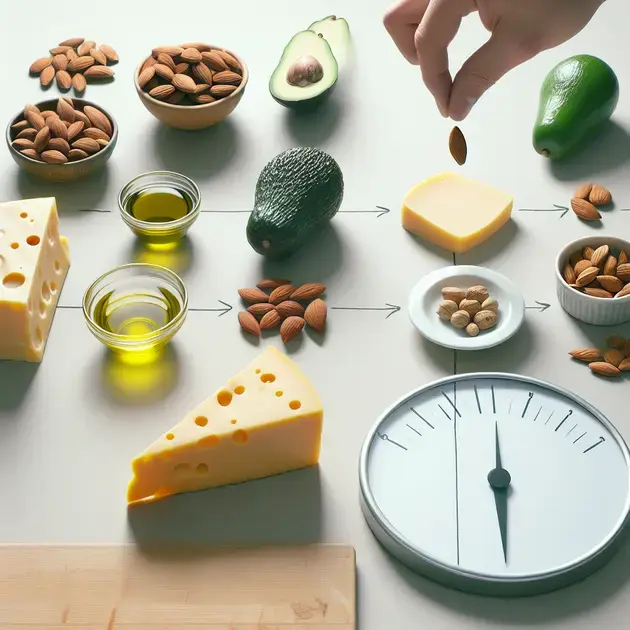
Overeating these 10 high-calorie foods won’t let you lose weight

they can actually hinder your weight loss progress if overeaten. The key is moderation and being mindful of your portion sizes.

So, next time you reach for a handful of almonds or slather peanut butter on your toast, remember to enjoy them in moderation. Don’t let these high-calorie foods sabotage your weight loss goals. With a balanced diet and portion control, you can still enjoy these foods while staying on track towards a healthier you.

Start your day with these healthy vegetable sandwich recipes


Starting your Day with Vegetable Sandwiches

Starting your Day with Vegetable Sandwiches

Starting your day with a healthy meal is essential, and what
could be more nutritious than vegetable sandwiches? This
staple breakfast is not only healthy but also delicious and
easy to prepare. Vegetable sandwiches are made by layering
fresh or cooked vegetables between slices of bread. You have a
variety of options when it comes to choosing vegetables, such
as cucumber, tomato, lettuce, onion, or bell pepper.

These sandwiches are packed with nutrients and offer a
multitude of health benefits. They are a great source of
vitamins, minerals, and fiber, which are essential for a
well-balanced diet. Vegetables like cucumber and tomato
provide hydration and are rich in antioxidants, helping to
boost your immune system and overall health. Lettuce and bell
pepper add crunchiness and additional vitamins to the sandwich.

Preparing a vegetable sandwich is a quick and hassle-free
process. You can start by choosing your favorite bread. Whole
wheat bread is a healthier choice as it contains more fiber
and nutrients compared to white bread. Toast the bread slices
if desired. Next, wash and prepare your chosen vegetables.
Slice them thinly to ensure even and easy layering between the
bread.

To add more flavor and nutrition, you can also include spreads
or condiments in your vegetable sandwich. Hummus, pesto, or
Greek yogurt can be used as creamy and healthy alternatives to
mayonnaise. These spreads not only enhance the taste but also
provide additional nutrients like protein and healthy fats.

Layer the vegetables evenly between the bread slices, ensuring
that each bite contains a variety of flavors and textures. You
can get creative with the sandwich fillings by adding herbs,
spices, or even cheese for added taste.

Apart from being a nutritious option for breakfast, vegetable
sandwiches can also be enjoyed as a healthy snack or lunch.
They are versatile and can be customized according to your
preferences. Feel free to experiment with different
combinations of vegetables and spreads to create your unique
and flavorful sandwich.

In conclusion, starting your day with a healthy meal is
vital, and vegetable sandwiches offer a nutritious and
delicious option. Packed with vitamins, minerals, and fiber,
these sandwiches provide numerous health benefits. They are
easy to prepare, and you can customize them with your favorite
vegetables and spreads. Incorporating vegetable sandwiches
into your daily routine is a great way to fuel your body with
essential nutrients and kickstart your day on a healthy note.