Home Blog Page 52

A Super Tasty Meal Prep That Helped Me Lose 130 lbs and Keep It Off for 10 Years!


Weight Loss Meal Prep


Introduction

Meal prepping has been a game-changer on my weight loss journey, and I’ve found that creating quick, tasty meals makes all the difference in staying consistent with my goals. In today’s blog, I’m excited to share with you a super tasty weight loss meal that I prep regularly, which is not only simple and quick to assemble but also incredibly satisfying. This meal has been pivotal in helping me shed 130 pounds and maintain that loss for over a decade. We’ll be preparing a delicious combination of hot Italian chicken sausage with herb and garlic mashed potatoes, complemented by peas and carrots—ideal for those who are on the lookout for healthier, protein-packed options. This blog will go through the step-by-step process on how to whip up an entire week’s worth of meals in just 20 minutes, ensuring you have nutritious and scrumptious options waiting for you at any time.

Ingredients

To kick things off, let’s dive into the ingredients required for this meal prep. The star of the show is the hot Italian chicken sausage, specifically the Maple Lodge ultimate variety. We’ll need about eight sausages for our meal prep, but cooking ten allows for some flexibility. Any extras can be creatively used as low-cal pizza toppings for another meal. The combination of these sausages with herb and garlic mashed potatoes creates a hearty and satisfying meal.

  • Hot Italian chicken sausages (Maple Lodge ultimate) – about 8 to 10
  • 2 bags of instant mashed potatoes (Betty Crocker home style)
  • 1 cup of Fairlife 0% protein milk
  • 2 wedges Laughing Cow herb and garlic cheese
  • 6 tablespoons Country Croc Original margarine
  • 7 cups frozen peas and carrots

Cooking Process

Start by preparing the sausages. Preheat your air fryer to 390 degrees Fahrenheit. It’s crucial to pierce the sausages with a fork to prevent bursting during cooking. Once prepped, they are placed in the air fryer basket in a single layer and cooked for about 10-12 minutes. Flipping them halfway ensures they cook evenly on all sides.

While the sausages are cooking, go ahead and prepare the vegetables. Place the frozen peas and carrots in a microwave-safe dish with seven tablespoons of water. Cover the dish and microwave on high for about 8-10 minutes, stirring halfway to ensure even cooking.

Meanwhile, bring six cups of water and the margarine to a rolling boil on the stove. Remove from heat and add in the instant mashed potatoes and the protein milk, stirring until smooth and creamy. Mixing in the Laughing Cow wedges at this stage enhances the flavor profile.

Portion Control and Storage

The portion sizes and ingredient choices here are meticulously chosen to provide the ideal balance between satiety and calorie intake. Each container offers about 350 calories, with 18 grams of fat, 28 grams of carbohydrates, and a noteworthy 21 grams of protein.

This meal prep method not only keeps your calorie count in check but also ensures that you have delicious and filling meals ready for the week. Each meal can last up to four days in the refrigerator, making it ideal for those working on maintaining or starting a weight loss journey. For added convenience, any meals that won’t be consumed within this timeframe can be stored in the freezer.

With the ability to simply reheat these meals in either the microwave or on the stove as needed, they offer a solution to the often daunting task of sticking to a healthy eating plan amidst busy schedules.

Conclusion

In essence, this meal prep strategy is designed with sustainability and ease in mind, focusing on simplicity and taste. This ensures that staying on track with weight loss goals does not feel like a chore. By integrating foods you genuinely look forward to eating and ensuring they are as easy to prepare as they are delicious, you create a sustainable eating plan.

Remember, successful long-term weight management is not just about losing weight. It’s about adopting practices that allow you to maintain that loss, keeping both physical health and mental well-being in mind. Embracing meal preps like this one, which prioritize quality, taste, and nutrition, can significantly bolster your efforts in achieving and maintaining a healthier lifestyle.


Are Stem Cell Treatments the Future of Managing Bone-on-Bone Arthritis? Discovering the Pros and Cons with Dr. Guyer


Blog on Arthritis Treatment

When faced with the debilitating pain and limited mobility of bone-on-bone osteoarthritis, many patients find themselves at a crossroads. Traditional treatments like cortisone shots offer temporary relief but may exacerbate long-term joint damage. Meanwhile, regenerative therapies such as stem cells and exosomes are emerging as experimental options that hold promise for delaying surgery and improving quality of life. In this blog, we delve into Dr. David Guyer’s insights on these alternative treatments, exploring their potential benefits and limitations. As a triple board-certified orthopedic surgeon and regenerative medicine expert, Dr. Guyer provides a comprehensive look at how these innovative therapies could redefine the management of osteoarthritis, while also emphasizing the importance of individualized patient care and consultation with healthcare professionals. Join us as we navigate the complex landscape of arthritis treatment and seek out strategies that align with your health goals.

The Role of Cortisone Shots

Cortisone injections have long been a standard treatment for joint pain relief. They are particularly effective in reducing inflammation and providing short-term relief from acute pain. However, cortisone is not without its drawbacks. Repeated use of these injections has been linked to the acceleration of joint cartilage deterioration. In cases of bone-on-bone osteoarthritis, where the cartilage is already severely compromised, the argument often circles back to whether the potential for temporary relief outweighs the risk of further joint degradation. Adding another layer of complexity, in shoulder joints specifically, there is a concern that cortisone injections might weaken the rotator cuff tendons, potentially complicating future surgeries.

Regenerative Treatments: Stem Cells and Exosomes

Regenerative medicine offers a glimmer of hope through treatments like stem cell therapy and exosome treatments, although both are still considered experimental by the FDA. Stem cells have the potential to differentiate into various types of cells, including those that make up cartilage, potentially aiding in tissue regeneration. However, their efficacy in a bone-on-bone scenario is limited. Once osteoarthritis reaches an advanced stage, with minimal cartilage left, the capacity for regeneration diminishes significantly.

Exosomes, on the other hand, are gaining attention for their ability to transfer proteins and genetic material between cells, thereby possibly enhancing cell communication and promoting healing processes. Some experts, like Dr. Guyer, even suggest that exosomes might hold more promise than stem cells, offering potential benefits in terms of pain relief and improved function, albeit temporarily.

The Limitations of Current Regenerative Options

Despite the buzz around regenerative treatments, it is crucial to temper expectations. Neither stem cell therapy nor exosome treatment is likely to restore joints to their ‘teenage’ state. Instead, these therapies might offer a way to manage symptoms and delay the need for surgery. This delay could be crucial for patients not ready to undergo joint replacement or for those looking to explore all avenues before resorting to surgical interventions.

A Personalized Approach is Key

Each patient’s journey with osteoarthritis is unique, necessitating a personalized approach to treatment. While regenerative medicine provides exciting possibilities, it’s important to remember that these treatments are not one-size-fits-all. Consulting with a knowledgeable orthopedic surgeon is essential to navigate the myriad treatment options effectively. For some, a combination of therapies might be the best approach, incorporating both traditional and regenerative strategies to achieve optimal outcomes.

Exploring Further Resources

Dr. Guyer advocates a broad exploration of all available treatment options. He offers additional resources, such as his eBook “The Arthritis Solution,” which can serve as a comprehensive guide for those seeking alternatives to surgery and cortisone shots. Through patient education, individuals can make informed decisions that align with their personal health goals and lifestyle needs.

Community Engagement and Continuous Learning

Dr. Guyer emphasizes the importance of community engagement and knowledge sharing. By subscribing to his channel and participating in discussions, patients can stay informed about the latest developments in arthritis treatment. Although specific medical advice cannot be dispensed through public commentaries, these platforms offer an avenue for questions to be addressed in educational formats.

The Journey Ahead

The field of arthritis management is evolving with each passing day, pivoting towards a more holistic and patient-centered approach. While cortisone shots and surgical options remain on the table, the growing appeal of regenerative medicine suggests a shift towards less invasive, albeit experimental, alternatives. As research progresses, we may eventually witness a paradigm shift in how bone-on-bone arthritis is treated, potentially offering longer-lasting relief without the immediate need for joint replacement.

Ultimately, whether through traditional methods, cutting-edge regenerative therapies, or a combination of both, the core focus remains on enhancing quality of life for those grappling with the challenges of osteoarthritis.


Quick & Delicious Meal Prep: How I Lost 130 Pounds and Kept It Off for a Decade


Blog Post

Introduction

For anyone who has ever struggled with weight loss, the journey can often feel like an uphill battle. But what if I told you that the key to success lies not in complicated diet plans or grueling workout regimens but in the simplicity and satisfaction of your daily meals? Welcome to our latest blog, where we delve into the world of meal prepping—a method that not only transformed my diet but also helped me shed 130 pounds and maintain my weight for over ten years. Join me as I reveal the secrets behind my super tasty, portion-controlled meals that are not only quick to prepare but also keep me excited and motivated to continue on my path to a healthier lifestyle. From choosing the right ingredients to mastering the art of efficiency in the kitchen, we’ll explore how these meals have become the cornerstone of my successful weight loss journey, ensuring that I always have something delicious and nutritious ready for those hectic days. Let’s get cooking and see how a little preparation can make all the difference!

The Ingredients List

To start, you’ll need a few staple ingredients that are both high in protein and low in calories. Here’s what I used for my current meal prep:

  • Instant Mashed Potatoes: Specifically, I opt for the Betty Crocker home style version as it’s the lowest calorie option I’ve found.
  • Fair Life Milk or Protein Milk: This milk is a game-changer with only 80 calories per cup and 14 grams of protein—much higher than traditional milk.
  • Chicken Sausage: I choose Maple Lodge ultimate hot Italian chicken sausages. They’re flavorful and low in calories, perfect for meal prepping.
  • Laughing Cow Cheese Wedges: The garlic and herb variety add a rich taste to the mashed potatoes.
  • Margarine: The Country Croc original margarine boasts a low calorie count.
  • Frozen Peas and Carrots: A simple vegetable side that’s easy to prepare and full of nutrients.

The Preparation Process

  1. Cooking the Sausages: Preheat your air fryer to 390°F and pierce the chicken sausages with a fork to prevent them from bursting. Arrange them in a single layer in a greased basket and cook for about 12 minutes, flipping halfway through.
  2. Microwaving the Vegetables: Combine the frozen peas and carrots with water in a microwave-safe dish. Cover and cook for 8-10 minutes, stirring halfway through.
  3. Preparing the Potatoes: Bring water and margarine to a boil, then remove from heat and stir in the instant potatoes and protein milk until well-combined. Add the Laughing Cow cheese for a deliciously creamy texture.

Assembly and Storage

Once the components are cooked, you simply need to assemble them into meal prep containers. Here’s how I portion them:

  • Begin with a half-cup of mashed potatoes in each container, then add more until the entire batch is evenly divided.
  • Add half a cup of the cooked peas and carrots to each container.
  • Finally, weigh out 90 grams of sausage slices for each meal.

Storing these meals is a breeze. They last up to four days in the fridge. If you want to prepare more than four days’ worth, simply freeze the extra portions and thaw them as needed.

Nutritional Insights

Each meal comes in at just 350 calories, 18 grams of fat, 28 grams of carbohydrates, and 21 grams of protein. This balance makes them filling yet low enough in calories to fit into a weight loss plan. The high protein content plays a crucial role in controlling hunger and maintaining muscle mass, which is essential when you’re eating at a calorie deficit.

The Importance of Enjoyable Meal Prep

Reflecting on my journey, the realization that meal prep should be enjoyable was pivotal. Initially, I crafted elaborate, cumbersome dishes that didn’t appeal to my taste buds. The process became tedious, leading to inconsistency. By shifting focus to meals that excited me and were easy to prepare, I found a sustainable rhythm that I’ve maintained for over a decade.

Practical Tips for Long-Term Success

  • Choose Ingredients Wisely: Opt for items that are not only healthy but also ones you genuinely enjoy.
  • Focus on Simplicity: Keep cooking methods straightforward to avoid burnout.
  • Balance is Key: Ensure a mix of carbohydrates, protein, and fats to keep meals satisfying.
  • Plan for the Week: Having a set plan means you’re less likely to reach for unhealthy options when you’re pressed for time.

Meal prepping has not only been a tool for weight loss but also a lifestyle change that supports my busy schedule. With meals ready to go, I can focus on my other commitments without compromising my health goals. If you’re embarking on your weight loss journey or looking for ways to simplify your routine while eating nutritiously, give these tips a try. You might just find meal prep to be the missing piece in your journey to sustained health and wellness.


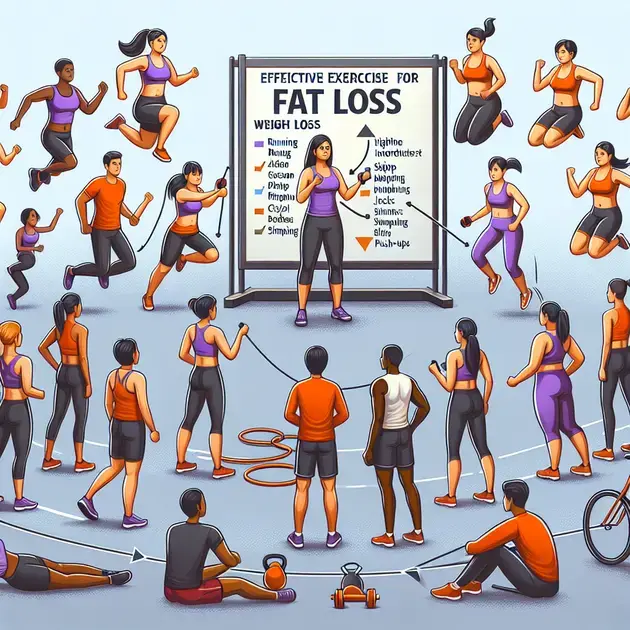
12 exercises for fat loss: Moves to change the number on your weighing scale


12 Exercises for Fat Loss: Moves to Change the Number on Your Weighing Scale

Title: 12 Exercises for Fat Loss: Moves to Change the Number on Your Weighing Scale

Introduction:

Burning fat and calories are crucial aspects of weight loss, but it’s essential to know the right exercises that specifically target fat. Many individuals mistakenly believe that weight loss and fat loss are synonymous when, in reality, there’s a significant distinction. Weight loss encompasses shedding weight from muscle, fat, and water, while fat loss focuses solely on reducing body fat percentage. In this article, we will explore 12 effective exercises designed to promote fat loss and help you achieve your weight loss goals.

1. High-Intensity Interval Training (HIIT):

HIIT workouts involve short, intense bursts of exercise followed by brief recovery periods. They are highly effective in torching fat and boosting your metabolism, thanks to the increased calorie burn both during and after the workout.

2. Burpees:

Burpees combine cardio and strength training, making them an excellent exercise for fat loss. This dynamic move engages multiple muscle groups, elevates heart rate, and burns a significant amount of calories.

3. Jumping Rope:

Skipping rope is a fantastic exercise for fat loss as it engages the entire body, particularly the legs, core, and arms. It not only targets fat but also improves coordination, endurance, and cardiovascular health.

4. Mountain Climbers:

Mountain climbers are a full-body exercise that primarily targets the core, arms, and legs. By engaging multiple muscle groups simultaneously, they stimulate fat burning and help improve overall strength and body composition.

5. Kettlebell Swings:

Kettlebell swings are a popular choice for fat loss due to their ability to engage the hips, glutes, and core muscles. This explosive exercise not only burns calories but also strengthens the posterior chain and improves cardiovascular fitness.

6. Jump Squats:

Jump squats are an intense lower body exercise that can help you shed fat while toning the thighs and glutes. By including plyometric movements, this exercise increases calorie burn and improves explosive power.

7. Rowing:

Rowing is a low-impact, high-intensity exercise that engages the entire body, including the legs, core, arms, and back. It not only burns calories but also improves cardiovascular endurance and strengthens muscles.

8. Cycling:

Whether indoor or outdoor, cycling is a great exercise for fat loss. It targets the lower body’s large muscles, increases heart rate, and burns a significant number of calories. Cycling can also be an enjoyable and convenient way to incorporate exercise into your routine.

9. Swimming:

Swimming is a low-impact exercise that effectively burns calories and targets multiple muscle groups. It is particularly beneficial for individuals with joint issues and offers a refreshing alternative to traditional workouts.

10. Jump Lunges:

Jump lunges are an intense plyometric exercise that targets the legs, glutes, and core. They not only aid in fat loss but also improve lower body strength and stability.

11. Battle Rope Exercises:

Battle rope exercises, such as waves, slams, and side-to-side movements, are highly effective in boosting metabolism and burning body fat. These exercises engage the entire body, providing a total-body workout.

12. Walking:

Walking may not involve high-intensity movements, but it is an accessible and effective exercise for fat loss. It is low-impact, can be done anywhere, and promotes overall well-being while burning calories.

Conclusion:

To achieve fat loss and reach your weight loss goals, it is crucial to incorporate exercises that specifically target fat into your fitness routine. The 12 exercises mentioned above offer a combination of high-intensity, cardio, strength training, and low-impact options, providing a well-rounded approach to fat loss. Always remember to consult a professional before starting any new exercise regimen and listen to your body’s cues to avoid injury. Stay consistent, stay motivated, and witness the positive changes in your body composition and overall health.

We all understand the importance of burning fat and calories for weight loss, but how many of us are actually engaging in the appropriate exercises that specifically target fat? It is common for people to confuse fat loss with overall weight loss, but there is a significant distinction. Weight loss encompasses the reduction of weight from muscle, fat, and water, which may result in a deceiving change on the weighing scale.

To truly focus on losing fat and achieving your desired weight, it is crucial to incorporate exercises that directly target fat. Here are 12 exercises that can help you achieve fat loss and change the number on your weighing scale:

  1. High-Intensity Interval Training (HIIT): This involves alternating between high-intensity exercises with short periods of rest. HIIT workouts effectively burn calories and fat.
  2. Running or Jogging: These cardiovascular exercises engage your entire body, helping to burn fat and improve overall fitness levels.
  3. Skipping Rope: A simple yet effective exercise that works your entire body, including your core, arms, and legs, while burning a significant amount of calories.
  4. Burpees: This full-body exercise combines a squat, push-up, and jump, providing a complete fat-burning workout.
  5. Cycling: Whether outdoors or using a stationary bike, cycling is a low-impact exercise that effectively burns calories and targets fat.
  6. Swimming: This full-body workout engages all major muscle groups while putting minimal stress on joints, making it an excellent option for fat loss.
  7. Jumping Jacks: A classic exercise that combines cardio and strength training, jumping jacks help burn calories and fat while improving cardiovascular fitness.
  8. Mountain Climbers: This exercise primarily targets your core and lower body muscles, helping to burn fat and improve overall strength.
  9. Plank: A static exercise that engages your core muscles, the plank helps strengthen and tone while burning fat.
  10. Squats: A compound exercise that targets your lower body, squats are effective in building muscle and burning fat.
  11. Lunges: Much like squats, lunges target your lower body muscles and are great for fat loss and improving muscle strength.
  12. Push-ups: This classic exercise primarily works your upper body muscles, including your chest, shoulders, and triceps, while burning calories and fat.

Incorporating these exercises into your workout routine can significantly contribute to fat loss and help you achieve your weight loss goals. Remember, it’s important to combine regular exercise with a balanced diet for optimal results.


Is Leg Numbness Normal After Arthroscopic Knee Surgery? Dr. Guyer Weighs In on Causes and Expectations

“`html

Arthroscopic knee surgery is a common procedure for treating meniscus tears, but what happens when post-surgery recovery includes unexpected symptoms like leg numbness? This is a concern frequently raised by patients, and in this blog post, Dr. David Guyer, a triple board-certified orthopedic surgeon and Sports Medicine specialist, breaks down the potential causes behind this perplexing issue. Drawing from his extensive experience in regenerative medicine and patient inquiries, Dr. Guyer explores whether numbness is a normal part of recovery or a sign of something more significant. Join us as we delve into the complexities of post-operative symptoms, highlighting the importance of understanding your body’s response to surgery and when to seek further medical advice.

Numbness and the Scope of Arthroscopic Surgery

Experiencing numbness after arthroscopic knee surgery can be unsettling, especially when it differs from what you expected during your recovery. Generally, arthroscopic surgery involves small incisions that should not impact the larger nerves running down your leg. However, understanding the full scope of possible causes for numbness can demystify this experience and help you comprehend what’s happening in your body.

One of the primary reasons you might experience numbness is due to the small incisions made during arthroscopic surgery. When surgeons perform procedures like meniscus repair or partial meniscectomy, they make only small openings, often the size of a poke, to insert a camera and instruments. Occasionally, these incisions may lead to very minor and localized numbness around the site, but this is usually minimal and not a cause for concern.

In some cases, post-operative numbness could be more pronounced, particularly when a graft is harvested during ACL surgeries. This can result in a larger area of numbness around the incision, commonly about the size of a quarter or half-dollar. However, the numbness is typically restricted to the immediate area surrounding the incision and not much further down the leg.

The Role of Anesthesia in Post-Operative Numbness

Another possible cause of lingering numbness could be related to anesthesia, specifically nerve blocks. Patients undergoing arthroscopic knee surgery may receive a nerve block to manage pain. While nerve blocks are generally safe and effective, studies show that they can sometimes lead to temporary numbness. It’s important to note that this numbness usually resolves on its own over several months as the nerves recover.

When considering the possibility of nerve damage, it’s crucial to consult with your surgeon and anesthesiologist. They can provide insights into whether the numbness is temporary or indicates a more serious concern. Open communication with your healthcare providers is essential for monitoring your recovery and ensuring that any unusual symptoms are addressed promptly.

Exploring Recovery Options and Regenerative Medicine

For those concerned about long-term healing and discomfort after surgery, exploring alternative treatment options beyond traditional surgery can be beneficial. Dr. Guyer, for example, emphasizes the potential of regenerative medicine in managing joint issues. Regenerative therapies and anti-aging strategies could offer avenues to enhance recovery and function beyond what conventional methods provide.

  • Always follow your surgeon’s post-operative care instructions closely to optimize your recovery.
  • Normal numbness after surgery should be localized, minimal, and gradually improve.
  • Report any persistent or worsening numbness to your healthcare provider.

If you’re interested in learning more about managing post-surgical symptoms or exploring alternatives to surgery and cortisone shots, Dr. Guyer’s resources, such as the ebook “The Arthritis Solution,” can offer additional guidance. Engaging with these materials may provide valuable information for managing arthritis, inflammation, and overall joint health.

Ultimately, being informed about what to expect in your recovery and proactively discussing concerns with your medical team can enhance your healing process. Patient experiences can vary, and while some numbness may be normal, understanding the potential causes and ensuring they align with your specific procedures can help ensure a smoother and more confident recovery. Whether through direct conversations with your healthcare provider or educational resources like those offered by Dr. Guyer, staying educated and proactive is key to overcoming post-operative challenges.

If you have undergone a similar procedure, sharing your experience can be beneficial for others. Engaging with communities or forums where individuals discuss their recovery processes can provide support and insight into different recovery journeys. Remember, each patient’s experience is unique, and what might seem like a common issue for one person could be an anomaly for another.

By taking these steps, you can navigate your recovery more effectively, focusing on healing and regaining mobility without unnecessary worry. Understanding your body’s response to surgery empowers you to make informed decisions about your health and well-being in the long run.

“`

Matcha tea for weight loss: Is it effective?


Matcha Tea for Weight Loss: Debunking the Myths and Exploring its Potential Benefits

Title: Matcha Tea for Weight Loss: Debunking the Myths and Exploring its Potential Benefits

Introduction:

For those who are conscious about their weight, green tea has long been hailed as a dietary secret. While regular green tea involves steeping and discarding the leaves, matcha tea offers a unique twist by consuming the entire tea leaf in powdered form. Matcha tea has gained popularity due to its potential benefits for weight loss. In this article, we will delve deeper into the effectiveness of matcha tea for weight loss and explore its various potential benefits.

1. Understanding Matcha Tea:

Matcha tea, a form of powdered green tea, originated in traditional Japanese tea ceremonies. Unlike regular green tea, the whole tea leaves are stone-grounded into a fine powder, resulting in a concentrated and vibrant green beverage. This preparation method allows for the retention of higher amounts of antioxidants and other beneficial compounds.

2. Unveiling the Weight Loss Claims:

Matcha tea is often associated with weight loss due to its unique composition and properties. It contains a high concentration of catechins, which are antioxidants known to enhance metabolism and promote fat oxidation. Additionally, matcha tea provides a natural energy boost without the typical side effects associated with stimulants.

3. Boosting Metabolism and Burning Fat:

Catechins found in matcha tea have shown promising results in boosting metabolism and aiding in weight loss. These antioxidants can potentially increase thermogenesis, the body’s natural process of burning calories, thereby contributing to weight management. While matcha tea alone cannot induce drastic weight loss, it can complement a healthy lifestyle and support weight loss efforts.

4. Enhancing Exercise Performance:

The moderate caffeine content in matcha tea can also provide a natural energy boost, enabling individuals to engage in physical activities with enhanced vigor. Regular consumption of matcha tea before exercise may improve endurance while maximizing calorie burn, resulting in enhanced weight loss when combined with regular physical activity.

5. Mindful Consumption is Key:

While matcha tea offers potential benefits for weight loss, it is important to remember that no single drink can magically melt away excess pounds. Matcha tea should be seen as a supplementary part of a balanced diet and a healthy lifestyle. Pairing matcha tea consumption with a nutrient-rich diet, portion control, regular exercise, and adequate hydration are key components for successful weight management.

Conclusion:

Matcha tea has gained immense popularity among weight-conscious individuals, thanks to its unique composition and potential weight loss benefits. Its high concentration of catechins, along with a moderate caffeine content, may contribute to boosting metabolism, burning fat, and enhancing exercise performance. However, it is crucial to view matcha tea as a complement to a healthy lifestyle rather than as a standalone solution for weight loss. Incorporating matcha tea into a well-rounded routine can support weight management efforts while providing a refreshing and enjoyable beverage option.People who are conscious about their weight often vouch for the effectiveness of green tea. This particular type of tea involves steeping the leaves in hot water and then discarding them. Alternatively, the whole tea leaf can be consumed in powdered form. This powdered green tea is known as matcha tea and can be enjoyed with water or milk. The question arises, is matcha tea really effective for weight loss?


10 delicious bedtime snacks for diabetics to avoid a blood sugar spike


10 Delicious Bedtime Snacks for Diabetics to Avoid a Blood Sugar Spike

Title: 10 Delicious Bedtime Snacks for Diabetics to Avoid a Blood Sugar Spike

Introduction:

People with diabetes are often cautious about their dietary choices, particularly when it comes to avoiding high-sugar, processed, and refined foods. While following a diabetes-friendly diet during the day may be manageable, many individuals struggle with deciding what to eat when hunger strikes at night. This article aims to suggest ten delicious bedtime snacks for diabetics that can be enjoyed without causing a spike in blood sugar levels.

1. Greek Yogurt:

Greek yogurt is an excellent option for a bedtime snack due to its high protein content and low sugar levels. It provides a feeling of fullness and promotes better sleep.

2. Nuts:

A handful of nuts, such as almonds or walnuts, can be a satisfying snack that offers healthy fats, fiber, and protein. They are also low in carbohydrates, which makes them suitable for individuals with diabetes.

3. Cottage Cheese:

Cottage cheese is a great choice for a bedtime snack as it is low in carbohydrates and high in protein. It can be enjoyed plain or paired with some fresh berries for added flavor.

4. Hard-Boiled Eggs:

Hard-boiled eggs are not only convenient but also offer a good source of protein. They can make a filling and nutritious snack before bedtime.

5. Avocado:

Avocado is a low-carb fruit that is packed with healthy fats and fiber. It can be enjoyed on its own or spread on whole grain crackers for a satisfying snack option.

6. Hummus:

Hummus, made from chickpeas, provides a good amount of fiber and protein. Pair it with carrot sticks or cucumber slices for a crunchy and nutritious bedtime snack.

7. Sugar-Free Dark Chocolate:

A small piece of sugar-free dark chocolate can satisfy your sweet tooth without causing a significant rise in blood sugar levels. Look for varieties that contain at least 70% cocoa solids.

8. Cherry Tomatoes:

Cherry tomatoes make a refreshing and low-carb snack option. Enjoy them on their own or add them to a small salad with a drizzle of olive oil for added flavor.

9. Sliced Apples with Peanut Butter:

Apples offer natural sweetness, while peanut butter provides protein and healthy fats. Slice an apple and spread some peanut butter on top, and you have a delicious and nutritious bedtime snack.

10. Mozzarella Cheese Sticks:

Mozzarella cheese sticks offer a good source of protein and calcium. They can be enjoyed on their own or paired with cherry tomatoes for a satisfying snack.

Conclusion:

When hunger strikes at night, it’s essential for individuals with diabetes to make wise snacking choices. These ten delicious bedtime snacks offer a balance of protein, healthy fats, and low carbohydrates, ensuring that blood sugar levels remain stable. Incorporating these options into a diabetes-friendly diet will not only provide satisfaction but also contribute to a good night’s sleep.

Diabetics are frequently encouraged to be cautious about their food choices and steer clear of high-sugar, processed, and refined meals. Despite being able to maintain a diabetes-friendly diet throughout the day, individuals may often find themselves in a predicament when hunger strikes at night. They are left questioning which options are safe to consume during this time…

Continue reading “10 delightful bedtime snacks for diabetics to mitigate blood sugar spikes”.


Deliciously Simple: How to Meal Prep Your Way to Sustainable Weight Loss in 20 Minutes


Weight Loss Meal Prep


Embarking on a weight loss journey can often feel overwhelming, but it doesn’t have to be. Imagine preparing an entire week’s worth of meals in just 20 minutes, meals that are not only delicious but also help you stay on track with your weight loss goals. This blog delves into the art of efficient meal prepping, using simple, protein-packed ingredients like hot Italian chicken sausage, herbed garlic mashed potatoes, and nutritious peas and carrots. By focusing on portion control and maximizing flavor, you’ll discover how you can maintain your weight loss journey without sacrificing taste or convenience. Learn the secrets behind these quick and easy preparations that have helped one person lose 130 pounds and keep it off for over a decade, proving that sustainable weight loss is truly achievable with the right mindset and strategies.

The Ingredients and Their Benefits

  • Betty Crocker Home-Style Instant Mashed Potatoes: These low-calorie instant potatoes are the backbone of the meal. They’re quick to prepare and perfect for those who want to enjoy the comfort of mashed potatoes without spending hours in the kitchen.
  • Fairlife or Protein Milk: A high-protein alternative to regular milk that adds creaminess to the mashed potatoes while bolstering your protein intake, essential for controlling hunger and maintaining energy levels.
  • Maple Lodge Ultimate Hot Italian Chicken Sausages: These sausages pack a flavor punch with fewer calories than traditional pork sausages. They offer a substantial amount of protein, helping to build and repair muscle tissue while aiding in prolonged satiety.
  • Laughing Cow Cheese Wedges: Rich in flavor, these cheese wedges add a unique creamy texture to the potatoes, enhancing their garlic and herb profile without adding a load of calories.
  • Peas and Carrots: These vibrant veggies not only add color to your plate but also pack essential fibers and nutrients, promoting digestive health and a feeling of fullness.

The Cooking Process

Cooking the Sausages:

  1. Preheat your air fryer to 390°F. Pierce the sausages with a fork to prevent them from bursting.
  2. Spray the air fryer basket with cooking spray and lay the sausages in a single layer.
  3. Cook them for 10-12 minutes, flipping them halfway to ensure even cooking. This method keeps the sausages juicy and flavorful.

Preparing the Veggies:

  1. Use a microwave-safe dish to steam the frozen peas and carrots. Add seven tablespoons of water to the veggies, ensuring they remain moist during the cooking process.
  2. Microwave on high for 8-10 minutes, stirring halfway through to distribute heat evenly.

Making the Mashed Potatoes:

  1. Boil six cups of water and six tablespoons of margarine. Once boiling, remove from heat.
  2. Stir in the instant mashed potatoes, milk, and Laughing Cow cheese wedges vigorously until creamy and well-blended.
  3. The addition of protein milk and cheese introduces a layer of richness and helps create a more filling dish.

Portioning and Storing

Once the components are ready, it’s time for portion control. Divide the mashed potatoes and vegetables equally into your meal prep containers. Each container receives a half-cup serving of each initially, with additional servings adjusted as needed. This ensures even distribution and consistent calorie counting across meals.

Slice the cooked sausages and weigh approximately 90 grams per serving for each container. This precise portioning assists in maintaining your dietary goals and provides the right balance of protein, carbs, and fats.

The Nutritional Benefits

Each meal prep container holds approximately 350 calories, with 18 grams of fat, 28 grams of carbohydrates, and 21 grams of protein. These meals aren’t just about counting calories; they’re about providing the nutrients necessary for a full, satisfying meal. Potatoes, often maligned in weight loss circles, are surprisingly low-calorie and filling, making them an excellent choice for those looking to lose weight without sacrificing bulk.

Maintaining the Journey

Consistency in meal prepping can significantly aid in sustaining weight loss. Having ready-made meals prevents the temptation of fast food or unhealthy snacks, particularly after a long day. For busy individuals, these pre-portioned meals save time and energy, transforming the daunting task of cooking into an enjoyable routine.

To ensure longevity in your weight loss and meal prep endeavors, remember these crucial tips:

  • Keep meals simple and enjoyable to prepare.
  • Prioritize protein to manage hunger effectively.
  • Opt for versatile ingredients that can be repurposed in other meals, like using leftover sausage as a pizza topping.

In the end, remember that your weight loss journey is more than just numbers; it’s about how you feel physically and mentally. By integrating strategies like these into your daily routines, you’re setting the stage for sustainable, long-term success without compromising on flavor or satisfaction. Enjoy the process, and happy meal prepping!

Discover a simple, tasty weight loss meal prep method that helped maintain a 130-lb loss for a decade. Quick, portion-controlled meals ready in 20 minutes!


Leg Numbness After Arthroscopic Knee Surgery: What You Need to Know


Blog Article

Numbness After Knee Surgery: Causes and What to Expect

Experiencing numbness in the leg following arthroscopic knee surgery, such as a meniscus repair, is not typically expected. Although it can be concerning, understanding the potential causes and the likelihood of recovery can provide reassurance and guidance on addressing this issue. By exploring the surgical process, anesthesia effects, and potential nerve involvement, patients can better comprehend why numbness might occur and how it can be managed.

Understanding Arthroscopic Knee Surgery

During arthroscopic knee surgery, surgeons make small incisions to access the knee joint with specialized instruments. This minimally invasive approach generally results in minimal numbness, usually limited to a small area around these incisions. However, if a larger procedure, like an ACL surgery requiring a graft harvest, is performed, a more extensive numb area might be experienced near the incision site.

Anesthesia and Nerve Blocks

The use of general anesthesia and nerve blocks in surgery is common, but it can sometimes lead to temporary numbness. While nerve blocks are generally safe, they may occasionally cause lingering numbness. This numbness is often temporary and can resolve over several months, but consulting with the anesthesiologist and surgeon is advised to discuss concerns and expected recovery.

When to Consult Your Surgeon

If you experience significant numbness, especially if it extends down the leg, it is important to consult with your surgeon. While such numbness isn’t typical, sharing your symptoms can help determine if additional evaluation or intervention is necessary.

Looking Forward: Recovery and Support

Most patients find that any numbness experienced after knee surgery resolves with time. Staying informed and in communication with your healthcare providers is key to managing symptoms effectively. Additionally, exploring resources such as Dr. David Guyer’s ebook, “The Arthritis Solution,” can provide further insights into managing knee health and recovery.

Remember to follow up with your healthcare provider and consider all available information to make informed decisions about your postoperative care and recovery journey.