Home Blog Page 39

7 day healthy snack recipes for weight loss


7 Day Healthy Snack Recipes for Weight Loss

7 Day Healthy Snack Recipes for Weight Loss

Introduction:

Snacking between meals has become a common habit for many individuals, often leading to overconsumption of calories and unhealthy weight gain. However, with a well-planned and controlled snacking routine, you can ensure that you stay satiated throughout the day while promoting weight loss. Today, we will discuss some healthy snack recipes that can aid in achieving your weight loss goals.

Day 1: Apple Slices with Nut Butter

Start your snacking journey with some fresh apple slices paired with a tablespoon of your favorite nut butter. This combination provides a good balance of essential nutrients, including fiber, healthy fats, and natural sugars to keep you energized.

Day 2: Greek Yogurt Parfait

Incorporate a delectable Greek yogurt parfait into your snacking routine on Day 2. Layer low-fat Greek yogurt with mixed berries and a sprinkle of granola for a protein-packed and antioxidant-rich snack. The combination of tart yogurt and sweet berries will leave you feeling satisfied and refreshed.

Day 3: Veggie Sticks with Hummus

Ditch the calorie-laden chips and opt for a healthier alternative by enjoying crunchy veggie sticks with a side of homemade hummus. Carrots, celery, and bell peppers make excellent choices for dipping. Hummus is rich in protein and fiber, making it a delightful snack that keeps you full for longer.

Day 4: Hard-Boiled Eggs

On Day 4, keep it simple yet nutritious with hard-boiled eggs. Packed with high-quality protein and essential vitamins, eggs make a great snack when you’re in a hurry. Sprinkle some salt and pepper for added flavor.

Day 5: Almonds and Dried Fruits

Combine a handful of almonds with a small portion of dried fruits for a satisfying and portable snack. The healthy fats from almonds, along with natural sugars found in dried fruits, provide a great mix of nutrients to keep your energy levels stable throughout the day.

Day 6: Whole Grain Crackers with Avocado

Whole grain crackers offer a fiber boost to your snacking routine. Pair them with mashed avocado, which is abundant in heart-healthy monounsaturated fats. This simple yet flavorful combination will keep you feeling full and nourished.

Day 7: Green Smoothie

Wrap up your week of healthy snacking with a nutrient-packed green smoothie. Blend together a mix of leafy greens, a ripe banana, and a splash of low-fat milk or yogurt. This refreshing snack is excellent for providing a fantastic dose of vitamins and minerals.

Conclusion:

Snacking plays a vital role in maintaining energy levels and preventing cravings. By consciously choosing nutritious snacks like the ones mentioned above, you can enjoy satisfying, healthy snacking while still promoting weight loss. Incorporate these snacks into your weekly routine and watch the positive impact they have on your overall well-being. Remember, moderation and mindful choices are key when it comes to achieving your health goals.

Introduction:

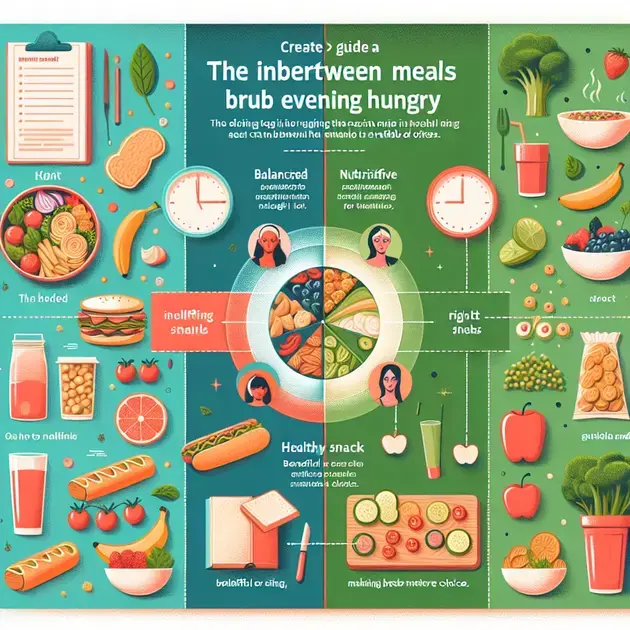
Eating a balanced and nutritious breakfast and lunch can leave you satisfied throughout the day, but it may also result in intense hunger during the evening. The issue lies not in the three main meals, but rather in the snacks people tend to indulge in between lunch and dinner. With a plethora of snack options to choose from, it can be challenging to make the right choice. However, we have compiled a list of 7 healthy snack recipes for weight loss to assist you in making better choices.


When to Start Peptides for Injury Healing: Insights from a Sports Medicine Specialist


Peptide Therapy for Injury Healing

In the realm of orthopedic injuries, where fractures, ligament tears, and muscle strains are all too common, the pursuit of effective healing aids is relentless. Dr. David Guyer, a triple board-certified orthopedic surgeon and Sports Medicine specialist, delves into the promising yet experimental world of peptides, specifically BPC 157, in accelerating recovery. As the complexities of musculoskeletal healing unfold, the question arises: when is the optimal time to incorporate peptides into your recovery regimen? In this blog, we explore Dr. Guyer’s expert insights on the potential benefits of BPC 157, understanding its role in augmenting the body’s natural healing processes and navigating the considerations of its experimental status within the medical community. Whether you’re dealing with a fresh injury or contemplating long-term recovery strategies, this discussion is aimed at shedding light on the nuances of peptide use for those seeking alternative approaches to enhance their healing journey.

Timing of Administration

The journey of recovery from musculoskeletal injuries, such as fractures, ligament tears, and muscle strains, is often long and arduous. In recent years, the potential of peptides, specifically BPC 157, to speed up this process has garnered interest among medical professionals and patients alike. Dr. David Guyer, an expert in orthopedic and sports medicine, discusses the strategic timing of BPC 157 administration to maximize its potential benefits.

BPC 157, a peptide derived from a protein found in gastric juice, is noted for its role in promoting tissue repair and healing. Unlike traditional pain relievers that primarily mask symptoms, BPC 157 is thought to work at a cellular level, supporting the natural healing process of various tissues, including tendon, ligament, muscle, and bone.

The question of when to initiate treatment with BPC 157 after an injury is pivotal. Dr. Guyer suggests that the optimal window for starting peptide therapy is relatively soon after sustaining an injury. The reason behind this timing is that the initial phase of healing involves an inflammatory response, which is a crucial part of tissue repair.

  • Within 24 Hours to One Week: Initiating BPC 157 treatment within this time frame may enhance the body’s natural inflammatory process, potentially accelerating healing. Early administration aligns with findings from animal studies that demonstrated improved tissue repair when peptides were introduced shortly after injury induction.

While human studies are limited, the rationale is that peptides can aid the body’s own repair mechanisms during the critical initial stages of healing. Starting treatment weeks or months later may not provide the same potential benefits, as the body may have already progressed past the most crucial phases of tissue repair.

Mechanism of Action

The role of BPC 157 in the healing process is complex. It is thought to:

  • Enhance Angiogenesis: BPC 157 may promote the formation of new blood vessels, improving blood supply to the injured area and facilitating the delivery of essential nutrients and oxygen necessary for tissue repair.
  • Modulate Growth Factors: The peptide may influence the production and release of growth factors involved in cell proliferation and tissue regeneration.
  • Anti-inflammatory Properties: By potentially reducing inflammation, BPC 157 might help in managing injury-related pain and swelling, although its primary role is not as a pain reliever.

These mechanisms suggest a multi-faceted approach to healing, which could be particularly beneficial when initiated close to the time of injury.

Considerations and Cautions

Although the potential of BPC 157 is promising, it is considered experimental and is not FDA-approved for human use. Patients are encouraged to consult with their healthcare provider to weigh the benefits and risks before considering peptide therapy. Key considerations include:

  • Lack of Human Trials: Most evidence supporting the use of BPC 157 comes from animal studies. Human trials are needed to confirm its efficacy and safety in treating musculoskeletal injuries.
  • Individualized Treatment Plans: The decision to use BPC 157 should be made with a healthcare provider, considering the specific injury and the patient’s overall health.
  • Regulatory Status: As an experimental treatment, BPC 157 is not universally available, and its use should be guided by medical professionals familiar with its properties and potential effects.

Expanding the Horizon of Healing

For those navigating the challenging road to recovery from injury, understanding the potential role of peptides like BPC 157 provides additional options for consideration. By aiding in the natural repair processes of the body, peptides offer a promising avenue for those who seek to enhance their healing journey.

Exploring alternative recovery strategies, such as BPC 157, aligns with the broader goals of regenerative medicine, which aims to harness the body’s innate ability to heal and restore damaged tissues. While more research is needed to fully understand the implications and effectiveness of BPC 157 in humans, it remains a topic of significant interest among both researchers and clinicians.

In conclusion, initiating peptide therapy soon after injury may offer potential benefits, but should be approached with caution and medical advice. Those considering BPC 157 should engage in open discussions with their healthcare providers to ensure safe and informed decision-making in their quest for optimal recovery.


8 Lazy Weight Loss Hacks That Helped Me Shed 130 Lbs and Keep It Off!


Blog Article

When it comes to losing weight, the struggle can often feel endless and overwhelming. Like many, I found myself in this cycle for years, trying countless diets and methods with little to no success. The realization hit me that perhaps I was overcomplicating things, making weight loss seem more daunting than it needed to be. What if simplifying my approach could lead to lasting results? This revelation led me on a quest to find eight lazy weight loss hacks that not only made my journey more manageable but actually helped me lose 130 lbs. and maintain that loss for a decade. These hacks transformed my approach, turning weight loss from a dreaded task into a sustainable lifestyle, and now, I want to share them with you. Whether it’s whipping up a low-calorie cheesecake in minutes or mastering the art of microwave-baked potatoes, these tips are about making weight loss feel effortless and enjoyable. Ready to make your weight loss journey more achievable and less stressful? Let’s dive in!

1. Low-Calorie Lazy Cheesecake

Craving cheesecake doesn’t have to derail your diet. Instead of indulging in high-calorie slices, I whip up a quick and tasty cheesecake in a bowl. The ingredients are simple: 3/4 cup of plain fat-free Greek yogurt, 8 grams of sugar-free, fat-free cheesecake pudding mix, a third cup of light pie filling, and a sheet of crushed graham crackers. With just 270 calories and 18 grams of protein, this dessert satisfies cravings and keeps me full, making it a regular on my menu. Enjoying desserts without guilt is key to sticking to a diet plan.

2. Microwave Potatoes

Potatoes often get a bad rap, but they are a great weight loss food – low in calories, filling, and budget-friendly. Baking potatoes in the oven is time-consuming, so I use the microwave as a shortcut. After piercing them with a fork, I microwave them on a safe plate for about 5 to 20 minutes, depending on the quantity. This method saves time and makes it easy to include potatoes in my diet without hassle.

3. Protein-Packed Breakfasts with Pancake Mix

Protein is essential for weight management, and Kodiak’s power cakes mix is my go-to for a quick protein fix. Whether it’s protein muffins or banana bread, I use this mix to create quick and protein-rich meals. My favorite is the protein pancake bowl: mix half a cup of the mix with a third cup of protein milk, microwave it for 90 seconds, and top with low-cal toppings like fruit or yogurt. This dish is quick to prepare and sustains me through the morning.

4. Bagged Salad Kits

Ready-to-eat bagged salads are a lifesaver for quick meals. These provide a mix of vegetables, toppings, and dressing without the prep work. By adding lean protein, like precooked chicken strips, I create a satisfying meal. My favorites are the Southwest and Caesar salad kits from Your Fresh Market, which are low in calories and high in volume, keeping me full longer.

5. Fat-Free Cheese Slices

Cheese lovers rejoice! With fat-free cheese slices, adding cheesiness to meals doesn’t have to mean adding a ton of calories. At just 30 calories per slice and 4 grams of protein, they’re perfect for sandwiches, burgers, or even a low-calorie grilled cheese. This simple swap helps me keep meals tasty and protein-rich.

6. Protein Chips

Snacking on chips used to be my downfall, but protein chips offer a crunchy alternative that fits in a weight-loss plan. Quest’s protein chips come in a variety of flavors, with around 18-20 grams of protein per bag. These single-serving bags help control portions while satisfying cravings. It’s a practical choice for anyone seeking to maintain a calorie deficit without feeling deprived.

7. Pre-Chopped Frozen Onions

Flavor is important when dieting, but chopping onions is time-consuming and often results in tears. The solution? Pre-chopped frozen onions. These add flavor to dishes effortlessly and are a must-have in my kitchen. Convenient and cost-effective, they enhance meals without added prep time.

8. Instant Potatoes

Mashed potatoes are a comfort food favorite, but traditional preparation is a chore. Instant potatoes from Betty Crocker are a timesaver. By substituting light margarine and protein milk, I create low-calorie, protein-rich mashed potatoes in minutes. These make a fantastic base for a hearty, filling meal when paired with protein and vegetables.

Adopting these lazy hacks not only simplified my meal planning but also made my weight loss journey feel sustainable. Each of these tips focuses on making meals that are quick to prepare, satisfying, and compatible with a healthy lifestyle. Remember, the key to successful weight loss is consistency and ease. If weight loss feels like a natural part of your life rather than an overwhelming task, sticking to it becomes much more feasible.

In weight loss, persistence is as crucial as the number on the scale. It’s about achieving a balance between what you can manage and what gets results. These hacks helped me maintain a healthier lifestyle, turning a daunting task into a manageable and even enjoyable process. If you’re looking for inspiration or a simpler path to weight loss, try incorporating these hacks into your routine. You might find that the path to your goal is more achievable than you ever thought possible.


8 Lazy Weight Loss Hacks That Helped Me Shed 130 lbs and Keep It Off for 10 Years


8 Lazy Weight Loss Hacks

Losing weight doesn’t have to be a daunting task filled with endless gym sessions and complex diet regimens. For years, I struggled to shed my excess pounds, tipping the scales at 275 lbs and facing constant setbacks. It wasn’t until I simplified my approach with what I call “lazy weight loss hacks” that I managed to transform my life. These small, manageable changes made my weight loss journey feel effortless and sustainable, ultimately helping me lose 130 lbs and keep it off for a decade. In this blog, I’ll share the eight lazy hacks that revolutionized my approach to weight loss, from microwave-baked potatoes to instant protein-enriched mashed potatoes. These straightforward strategies not only satisfied my cravings but also kept me in a calorie deficit without feeling deprived. If you’re tired of complicated weight loss plans and ready to embrace a simpler, more enjoyable path to a healthier you, read on.

1. Low-Calorie Lazy Cheesecake

Cravings for dessert can derail even the most determined dieter, but deprivation isn’t the answer. My lazy cheesecake hack satisfies cravings with minimal calories. Simply mix 3/4 cup plain fat-free Greek yogurt with 8 grams of sugar-free, fat-free cheesecake pudding mix. Top it with a third cup of low-sugar cherry pie filling and a crushed graham cracker sheet. Not only does this dessert come in at just 270 calories, but it also packs 18 grams of protein, helping you stay full longer. By incorporating desserts into your diet in a sensible way, weight loss becomes a pleasure, not a punishment.

2. Microwave Potatoes

Potatoes are often mistakenly avoided by dieters, yet they’re a fantastic weight-loss food being low-calorie and filling. Traditional baking takes too long, so I microwave them instead. Simply pierce washed potatoes with a fork, place them in the microwave, and cook for 5-8 minutes for two potatoes, or 20 minutes for five. This hack cuts cooking time by more than half while keeping the nutritional benefits intact.

3. Protein Pancake Mix

A great addition to your weight loss toolkit, protein pancake mix simplifies high-protein meals. My go-to is Kodiak Power Cakes, which can be transformed into various baked goods or a quick protein pancake bowl by mixing it with protein milk. It’s convenient, filling, and lets me enjoy chocolatey flavors without guilt.

4. Bagged Salad

Convenience is king when it comes to eating more vegetables. Bagged salad is a meal in itself, complete with veggies, toppings, and dressing—just add lean protein. It eliminates the need for chopping or peeling, making it a quick, balanced meal option. My favorite is the Your Fresh Market Southwest Salad, which is only 100 calories per cup, making it a high-volume, low-calorie meal.

5. Fat-Free Cheese Slices

A miraculous 30-calorie slice that adds protein and flavor! Fat-free cheese slices are perfect for low-calorie grilled cheese sandwiches, burgers, and breakfast sandwiches. The inclusion of more protein helps keep you full and satisfied, maintaining your weight loss trajectory.

6. Protein Chips

Satisfying a snack craving while losing weight can be tough, but protein chips make it possible. With options like Quest’s chili lime or nacho cheese flavors, you get 18-20 grams of protein per bag for 140-150 calories. They curb cravings and support fullness, allowing you to snack without straying from your plan.

7. Frozen Diced Onions

For those who dread chopping onions, frozen diced onions are a game-changer. They’re affordable, add low-calorie flavor to dishes, and require no prep time. Whether in soups or as a flavor booster, they make healthy cooking quick and tear-free.

8. Instant Potatoes

Instant potatoes have revolutionized my side dishes. The Betty Crocker Homestyle Mashed Potatoes, swapped with protein milk and light margarine, make a high-protein, filling version ready in 5 minutes. Pairing these with lean protein and veggies completes a meal with ease and sustenance.

These hacks highlight how a “lazy” approach can lead to substantial and lasting weight loss results. They focus on simplifying meal preparation without compromising on taste or satisfaction, making it easier to maintain a calorie deficit and achieve weight loss goals.

The key is finding what works for you and sticking with it. If it’s easy, tasty, and fits into your life seamlessly, you’re more likely to sustain your efforts. Remember, weight loss isn’t solely about the number on the scale; it’s also about the heart and mindset. Keep it simple, enjoyable, and sustainable, and you’ll find yourself on a rewarding journey towards health and happiness.


Do jumping jacks help burn belly fat?


Do Jumping Jacks Help Burn Belly Fat?

Title: Do Jumping Jacks Help Burn Belly Fat?

Introduction:

Jumping jacks are a common exercise that is often associated with childhood fun. However, fitness enthusiasts understand that this aerobic exercise offers whole-body engagement instead of targeting specific body parts. This article aims to explore whether jumping jacks can effectively help burn belly fat.

Body:

1. Understanding Belly Fat:

Belly fat, also known as visceral fat, is the excess fat stored around the midsection. It is not only aesthetically undesirable but can also pose health risks such as cardiovascular diseases and diabetes.

2. Role of Exercise in Fat Burning:

Engaging in regular physical activity is crucial to burning calories and reducing overall body fat, including belly fat. However, it is essential to focus on exercises that promote aerobic activity and engage multiple muscle groups to effectively burn fat.

3. Incorporating Jumping Jacks in Your Workout Routine:

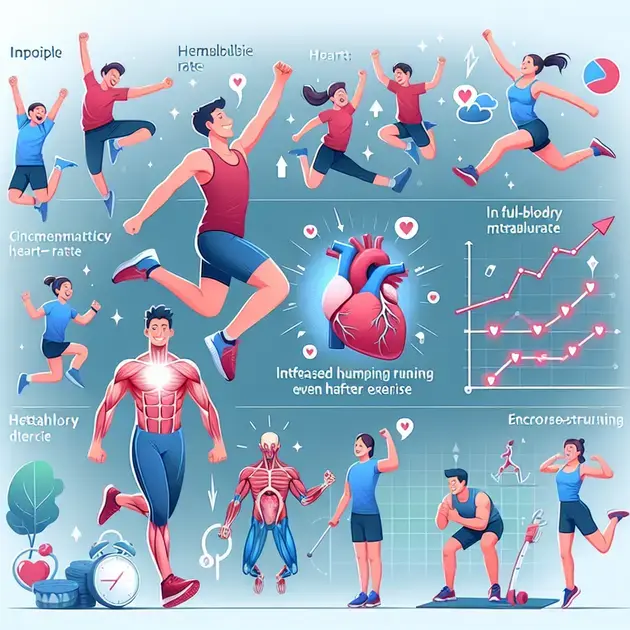
Jumping jacks can be a valuable addition to your fitness routine due to their ability to boost heart rate and engage various muscle groups simultaneously. The rhythmic movement of jumping jacks targets the core muscles, including the abdominal muscles, which can contribute to burning belly fat.

4. Benefits of Jumping Jacks:

Aside from potentially aiding in belly fat reduction, jumping jacks offer several other benefits. These include improved cardiovascular endurance, increased calorie burn, enhanced coordination, improved lymphatic circulation, and strengthened leg and glute muscles.

5. Complementing Exercises and Lifestyle Factors:

While jumping jacks can be an effective exercise to burn belly fat, it is important to incorporate them into a comprehensive fitness plan. Pairing them with strength training exercises, such as squats and lunges, can help build muscle mass and further boost metabolism. Additionally, maintaining a balanced, nutrient-rich diet and managing stress levels are essential factors in achieving overall weight loss and targeting belly fat.

Conclusion:

Jumping jacks can be an enjoyable and effective exercise for burning belly fat and improving overall fitness. However, it is crucial to combine them with a well-rounded fitness routine and healthy lifestyle choices to maximize results. Remember, consistency and dedication are key to achieving sustainable weight loss and maintaining a healthy body composition.


8 Lazy Weight Loss Hacks That Helped Me Shed 130 lbs – And Keep It Off For 10 Years!


Weight Loss Hacks


Embarking on a weight loss journey can often feel like an uphill battle, especially when it seems to demand immense effort, strict discipline, and endless sacrifices. But what if it didn’t have to be so complicated? After years of struggling with the scale and countless failed attempts at losing weight, I discovered the secret to sustainable weight loss lay in simplifying the process. By embracing what I call “lazy” weight loss hacks, I managed to shed an astounding 130 pounds and, more importantly, keep it off for the past decade. In this blog, I’ll share with you my top eight effortless hacks that transformed my eating habits and made weight loss feel not only achievable but enjoyable. Whether you’re a fan of mouthwatering low-calorie desserts or quick and easy meal prep, these tips are designed to integrate seamlessly into your lifestyle, helping you maintain a healthier, happier you—without all the hard work.

Low-Calorie Lazy Cheesecake

One of the most significant realizations I had on my weight loss journey was that complicated meal plans and restrictive diets were simply not sustainable for me. I needed a way to indulge in my favorite foods without the guilt or calories that came with them. This is where my first hack, the low-calorie lazy cheesecake, came into play. By mixing plain fat-free Greek yogurt with sugar-free cheesecake pudding mix and topping it with low-sugar pie filling and crushed graham crackers, I created a dessert that satisfied my cravings without derailing my progress. The addition of protein-packed Greek yogurt helped keep me full longer, which was crucial for staying in a calorie deficit.

Microwave Potatoes

My second hack involved harnessing the power of the humble potato. Don’t let its simplicity fool you; potatoes are wonderfully filling and a great food for weight loss. The traditional method of baking potatoes demands too much time and effort, so I opted for the microwave version. Not only does this process save time, but it delivers the same delicious results without the fuss. With microwave potatoes, you can enjoy a satisfying, low-calorie meal in a fraction of the time.

Protein Pancake Mix

Next up is my love affair with protein pancake mix, particularly the Kodiak Power Cakes. For someone who adores chocolate, their chocolate chip version allowed me to create quick and delicious breakfasts like protein pancake bowls. Simply mixing it with high-protein milk and cooking it in the microwave, this breakfast is not only fast but effectively fuels my body with protein, helping me stay full until my next meal.

Bagged Salad

I also owe a lot to convenience foods like bagged salad. These ready-to-serve meal kits pack all the nutrients of a freshly prepared salad without the time-consuming prep work. Adding lean protein, like cooked chicken strips, can turn these salads into a well-rounded meal. They are filling and nutritious, allowing me to maintain portion control without compromising taste.

Fat-Free Cheese Slices

Fat-free cheese slices became another staple in my kitchen. Surprisingly low in calories but rich in protein, these slices are versatile and can be added to sandwiches, burgers, or used to make a protein-rich grilled cheese. This hack allowed me to enjoy the comforting taste of cheese while sticking to my calorie goals.

Protein Chips

When the craving for snacks hits, protein chips are a game changer. Single-serving bags like Quest Protein Chips offer that satisfying crunch while delivering the protein needed to curb hunger. With different flavors available, they are perfect for anyone trying to cut down on traditional, high-calorie snacks without feeling deprived.

Frozen Diced Onions

I discovered the magic of pre-diced frozen onions and couldn’t have been happier. Onions are fantastic for adding flavor without adding calories, but who has the time for chopping and tears? Frozen diced onions save time and hassle while adding that much-needed flavor to soups, stews, or sautéed dishes.

Instant Potatoes

Lastly, instant potatoes have transformed my love for mashed potatoes into a quick, hassle-free affair. By substituting regular milk with protein milk and using light margarine, I craft protein-rich mashed potatoes in minutes. It’s a delicious side that fills you up, thanks to its richness in protein and nutrients.

The overarching theme in these hacks is simplicity and ease. Weight loss is not about punishing yourself but finding ways to make healthy choices fit naturally into your life. By focusing on meals and snacks that were both easy to make and delicious to eat, I created a lifestyle I could sustain. These hacks not only helped me achieve my weight loss goals but have allowed me to maintain a healthy weigh for over ten years.

The key takeaway? Weight loss isn’t about adhering to restrictive diets that strip away all joy. It’s about being honest with yourself, knowing what works for you, and incorporating fun and easy solutions into your daily routine. By creating meals that are tasty, easy to prepare, and aligned with your nutritional needs, you pave the way for a healthy lifestyle that doesn’t feel like a chore.

If you find joy in what you eat and it becomes a natural part of your daily life, then sticking to a weight loss plan becomes effortless. Remember, it’s about heart and mindset—so don’t give up, and make these hacks your own.


The Ultimate Guide to Using BPC 157 for Rapid Healing After an Injury


BPC 157 and Injury Recovery

When it comes to recovering from injuries such as fractures or ligament, tendon, or muscle tears, the timing and approach are crucial for optimal healing. Among the various options explored by experts in regenerative medicine, peptides like BPC 157 have gained attention for their potential to enhance the body’s natural healing processes. As a triple board-certified orthopedic surgeon and sports medicine specialist, Dr. David Guyer delves into the science and practicalities of using BPC 157, addressing common concerns and providing educational insights into its application for musculoskeletal healing. In this blog, we explore the mechanisms by which BPC 157 might aid in recovery, when to consider starting its use post-injury, and why consulting with a healthcare professional is essential before embarking on this experimental treatment path. Whether you’re dealing with a recent injury or seeking alternatives to traditional recovery methods, this guide aims to equip you with the knowledge to make informed decisions about your healing journey.

Mechanisms of BPC 157

BPC 157, or “Body Protection Compound 157,” is a peptide that has been drawing interest in the world of regenerative medicine, particularly for its potential role in musculoskeletal injuries. Despite its experimental status according to the FDA, it is the subject of several studies focusing on its healing properties. This peptide is believed to enhance the body’s natural healing process at a cellular level. Here’s a closer look at how BPC 157 might work and when it could be most beneficial in the injury recovery timeline.

  • Angiogenesis: BPC 157 may stimulate new blood vessel formation, ensuring a better supply of oxygen and nutrients to the injured area, a crucial factor in recovery.
  • Collagen Production: It potentially enhances collagen synthesis, a protein critical for the repair of muscles and tendons.
  • Inflammatory Modulation: The peptide might regulate the inflammatory response, preventing excessive inflammation that can impede recovery.

Optimal Timing for BPC 157 Administration

Timing is critical when considering BPC 157 for injury recovery. Initiating treatment soon after trauma appears to offer the best results. This is because the peptide can immediately start augmenting the body’s natural healing processes.

  • Immediate Post-Injury Phase: Ideally, BPC 157 should be considered within 24 hours to the first week following an injury. During this period, the inflammatory response is active, and the peptide can help modulate and enhance healing.
  • Early Intervention over Chronic Use: There is limited evidence supporting the effectiveness of BPC 157 in chronic injuries, where the damage occurred weeks or months prior. The focus is on its use during the initial healing phases.

Consultation with Healthcare Professionals

Before commencing any peptide treatment, consulting with an orthopedic specialist or a healthcare provider familiar with experimental treatments is essential. Here’s why:

  • Individualized Assessment: A professional can assess the specific nature of the injury and determine if BPC 157 might be beneficial.
  • Dosing and Monitoring: Proper dosing and monitoring are crucial to avoid adverse effects and maximize potential benefits.
  • Legal and Safety Considerations: Discussing with a doctor ensures adherence to legal guidelines and safety protocols, particularly since peptides like BPC 157 aren’t FDA-approved for medical use.

Potential Benefits Over Traditional Methods

For those exploring alternatives to surgery or cortisone shots, BPC 157 presents an intriguing option. Unlike invasive procedures or medications aimed at relieving pain without addressing underlying damage, BPC 157 focuses on healing. This paradigm shift could be beneficial for:

  • Faster Recovery Times: By potentially reducing healing time, patients may return to normal activity more swiftly.
  • Reduced Need for Pain Medication: Enhancing healing could decrease reliance on pain relief drugs, reducing the risk of side effects and dependency.

Current Research and Future Directions

As of now, most evidence regarding BPC 157 comes from preclinical studies. Human trials are needed to confirm its effectiveness and safety fully. Thus, while it’s a promising approach, further research is imperative.

  • Encouraging Preliminary Results: Animal models show positive results, setting the stage for human clinical trials.
  • Ongoing Studies: Researchers continue exploring how BPC 157 can be effectively integrated into orthopedic care.

Conclusion

BPC 157 represents a promising frontier in the treatment and recovery of musculoskeletal injuries. By potentially enhancing tissue repair and modulating inflammation, it offers an alternative to more traditional treatments. However, given its experimental status, it’s imperative for individuals to engage with healthcare professionals to fully understand the potential risks and benefits.

Whether you’re navigating the healing journey from a recent fracture or exploring options to complement existing treatments, staying informed and consulting with experts will help ensure the best outcomes for your health and wellness. As research evolves, BPC 157 could soon become a more recognized tool in the toolkit of injury recovery strategies. Until then, keep abreast of new findings and consult with medical specialists to guide your choices.


When’s the Right Time to Use BPC 157 for Injury Recovery? A Doctor’s Perspective


BPC 157 for Injury Recovery


Introduction

Great! Now, let’s dive into the intricacies of injury recovery and the potential role of peptides like BPC 157. If you’ve ever found yourself grappling with a fracture, ligament, tendon, or muscle tear, the question of optimal healing strategies has likely crossed your mind. In this blog, we’ll explore the insights shared by Dr. David Guyer, a triple board-certified orthopedic surgeon and sports medicine specialist, who delves into the nuances of using BPC 157—a peptide currently considered experimental by the FDA—to potentially enhance the body’s natural healing processes. While BPC 157’s efficacy in humans is still a subject of ongoing research, Dr. Guyer provides a nuanced perspective based on available studies and expert understanding, emphasizing early intervention in the inflammatory phase post-injury. Join us as we unpack Dr. Guyer’s expertise and how it might guide you in the conversation with your healthcare provider about recovery options beyond conventional treatments.

Understanding BPC 157

  • Role and Mechanism: BPC 157 is thought to work by promoting the healing of muscle, tendon, bone, and ligament tissues. The peptide essentially augments the body’s regulatory processes that control inflammation and tissue repair.
  • Cellular Impact: By interacting with various growth factors and enzymes, BPC 157 might stimulate angiogenesis (the formation of new blood vessels), enhancing nutrient supply to the injured area, thus speeding up recovery.
  • Experimental Status: It is important to note that the FDA currently regards BPC 157 as experimental, meaning its use is not widely endorsed in clinical practice due to a lack of comprehensive human studies.

Timing is Critical

  • Immediate Application: According to available research, starting BPC 157 treatment immediately after the injury—ideally within the first 24 hours—is crucial for maximizing its potential benefits. This coincides with the body’s inflammatory phase, where initial healing processes are activated.
  • Early Intervention Benefits: Early use may help modulate inflammation, reduce pain faster, and accelerate tissue regeneration, possibly minimizing the risk of chronic issues developing over time.
  • Lack of Chronic Injury Evidence: There is a distinct paucity of evidence on the efficacy of BPC 157 for chronic injuries. While it may still offer benefits, the peptide’s potential might be most pronounced when administered promptly post-injury.

Consulting Your Healthcare Provider

It’s vital to engage with a healthcare provider before considering peptides like BPC 157. A medical professional can offer personalized advice based on a thorough examination and diagnostic imaging. Since peptides are still largely experimental, a discussion on this topic should be framed around evidence-based practice and the specific context of the injury.

  • Shared Decision Making: Your orthopedic surgeon or sports medicine expert can guide you through the potential risks and benefits, helping to determine whether BPC 157 is appropriate for your situation.
  • Holistic Treatment Planning: Discuss complementary or alternative strategies to enhance recovery, such as physical therapy, nutritional support, and other regenerative medicine techniques.

Moving Forward

If you or someone you know is navigating the recovery from a musculoskeletal injury, exploring all available options is imperative. While the promise of peptides is intriguing, one must always balance enthusiasm with caution, given the current experimental nature of these treatments.

Furthermore, it’s beneficial to maintain a proactive approach towards recovery, adhering to prescribed rehabilitation protocols, ensuring adequate nutrition, and allowing for proper rest and healing time. The integration of new therapies such as BPC 157 should supplement, and not replace, these foundational components of injury treatment.

As research progresses, the orthopedic community remains keenly interested in the role peptides could play in sports medicine and beyond. The journey of healing is both complex and multifaceted, involving not just treatments but a mindset geared towards recovery and resilience. With expert insights from professionals like Dr. Guyer, patients are better equipped to navigate their options and make informed decisions that align with their health goals and lifestyles.

Conclusion

Dr. David Guyer explores the timing and potential benefits of BPC 157 for injury recovery, emphasizing early administration post-injury for optimal results.


Caught the seasonal flu? Try these 7 delicious soup recipes for relief


Caught the seasonal flu? Try these 7 delicious soup recipes for relief

Article: “Caught the seasonal flu? Try these 7 delicious soup recipes for relief”

As much as we anticipate the change in wardrobe and food choices with the changing weather, the end of a season also brings the increased possibility of catching a cold and cough. The transition between seasons can be particularly uncomfortable due to the heightened allergies and the prevalence of various diseases. Flu, colds, coughs, and other severe illnesses become more common during this time.

When we face the seasonal flu or a nasty cold, finding relief becomes a top priority. While medication and rest are crucial, there is something comforting about a warm bowl of soup that can help soothe our symptoms and make us feel better. So, here are seven delicious soup recipes that can provide relief for those dealing with the seasonal flu:

  1. Chicken Noodle Soup: A classic choice, chicken noodle soup is known for its comforting properties. Packed with nutrients and hydration, it can help alleviate congestion and provide relief to a sore throat.
  2. Tomato Soup: Rich in antioxidants and vitamins, tomato soup can boost our immune system and provide relief from flu symptoms. Add some grilled cheese on the side for added comfort.
  3. Turmeric Ginger Carrot Soup: A powerful combination of anti-inflammatory ingredients, this soup can help reduce congestion and sinus pressure that often accompany the flu.
  4. Chicken and Rice Soup: Similar to chicken noodle soup, this variation provides warmth and nourishment. The rice can be soothing to the digestive system, which is often affected by the flu.
  5. Butternut Squash Soup: Packed with vitamins A and C, butternut squash soup can boost our immune system and help fight off the flu. Its creamy texture can also be soothing for a sore throat.
  6. Lentil Soup: Lentils are a great source of protein and fiber, which can help strengthen our immune system and combat the flu. This hearty soup is not only nutritious but also flavorful.
  7. Spinach and White Bean Soup: Loaded with nutrients and vitamins, spinach and white bean soup can provide relief from flu symptoms. The combination of spinach and beans creates a well-rounded and satisfying soup.

These soup recipes can not only provide comfort during the colder seasons but also offer relief from the seasonal flu and its symptoms. Remember to consult a healthcare professional if your symptoms worsen or persist.

While the transition between seasons may bring about discomfort and increased chances of catching a cold, having these delicious soup recipes at hand can make the experience a bit more bearable. So, the next time you catch the seasonal flu, try one of these comforting soups to help you find relief and get back on your feet. Stay healthy!

As the weather changes, we often look forward to refreshing our wardrobe and trying out new food options. However, the transition between seasons also brings along the risk of catching a cold and developing a cough. This discomfort arises due to heightened allergies and the spread of various diseases. Seasonal flu, common colds, persistent coughs, and other severe illnesses become more prevalent during this time.

If you find yourself caught in the grips of a seasonal flu, there are certain remedies that can provide relief. One effective approach is to incorporate delicious soup recipes into your diet. Not only are these recipes tasty, but they can also help soothe your symptoms and boost your immune system.

  1. Chicken Noodle Soup: A classic favorite, chicken noodle soup is not only comforting but also packed with nutrients that can aid in your recovery. The warm broth, tender chicken, and soft noodles help relieve congestion and provide hydration.
  2. Tomato Soup: Rich in vitamin C and antioxidants, tomato soup is a great choice for combating the flu. Adding some garlic and ginger can further enhance its immune-boosting properties.
  3. Vegetable Soup: Packed with various vegetables, such as carrots, broccoli, and bell peppers, this soup can provide a range of essential vitamins and minerals to support your immune system. It also helps in replenishing lost nutrients and easing flu symptoms.
  4. Mushroom Soup: Mushrooms are known for their immune-boosting properties. A hearty bowl of mushroom soup not only provides comfort but also helps fight off the flu with its antiviral and antibacterial benefits.
  5. Lentil Soup: Lentils are a great source of protein and fiber, making lentil soup a nutritious option during flu season. It can provide sufficient energy to combat fatigue and help your body recover faster.
  6. Ginger Turmeric Soup: Ginger and turmeric possess anti-inflammatory properties that can alleviate flu symptoms. By including them in a flavorful soup, you can help reduce congestion and promote your overall well-being.
  7. Butternut Squash Soup: Loaded with vitamins A and C, butternut squash soup is an excellent choice for boosting your immune system. Its creamy texture and delicious taste make it an ideal comfort food for those suffering from the flu.

In conclusion, while the change in weather brings excitement, it also increases the risk of catching a cold or developing a cough. To find relief from the seasonal flu, incorporating these 7 delicious soup recipes into your diet can help alleviate symptoms and support your immune system. Stay healthy and enjoy the flavors of these nourishing soups during the transition between seasons.


Can ajwain make your heart healthy? 6 ways it regulates blood pressure

Ajwain: A Natural Remedy for Blood Pressure Regulation

Ajwain, also known as carom seeds, is widely recognized for its bold and savory flavor, often used in various culinary delights. However, its exceptional healing properties extend beyond taste and can greatly benefit individuals dealing with blood pressure issues. In this article, we will explore the numerous benefits of ajwain for blood pressure regulation and how it can contribute to a healthier heart.

Lowering Blood Pressure Levels

One of the primary advantages of incorporating ajwain into your diet is its potential to lower blood pressure levels. High blood pressure, or hypertension, is a prevalent condition that greatly increases the risk of heart disease and stroke. Consuming ajwain regularly can assist in reducing blood pressure due to its rich content of essential minerals, such as magnesium, potassium, and calcium. These minerals work together to relax blood vessels and promote better blood flow, ultimately leading to decreased blood pressure.

Promoting Heart Health

Beyond its blood pressure-lowering effects, ajwain also contributes to overall heart health. The seeds contain antioxidants that combat free radicals and prevent the oxidation of cholesterol, which can clog arteries and lead to cardiovascular problems. By incorporating ajwain into your diet, you can help prevent the development of heart diseases and promote a healthier cardiovascular system.

Reducing Cholesterol Levels

Ajwain is known to possess cholesterol-lowering properties, making it an excellent addition to a heart-healthy diet. High cholesterol levels can contribute to the formation of plaque in arteries, leading to restricted blood flow and potential heart-related complications. The active compounds in ajwain help in reducing LDL (bad cholesterol) and increasing HDL (good cholesterol) levels, effectively preventing the risk of cardiovascular diseases.

Supporting Digestive Health

Ajwain has traditionally been used to alleviate gastric issues, and its benefits extend to the digestive system as well. Digestive disorders can have a significant impact on blood pressure levels, and consuming ajwain can aid in maintaining a healthy gastrointestinal tract. It helps in relieving indigestion, bloating, and acidity, ensuring the efficient absorption of nutrients and promoting better overall digestive health.

Enhancing Blood Circulation

Improved blood circulation is vital for maintaining optimal blood pressure levels. Ajwain acts as a natural blood thinner, preventing the formation of clots and facilitating smooth blood flow. By incorporating these seeds into your diet, you can enhance blood circulation, reduce the strain on your heart, and effectively regulate blood pressure.

Conclusion

Ajwain, with its myriad of health benefits, is much more than just a spice. Its incredible properties extend to blood pressure regulation and heart health, making it a valuable addition to any dietary regimen. From lowering blood pressure levels and promoting heart health to reducing cholesterol levels and enhancing blood circulation, ajwain offers a natural remedy for individuals seeking to improve their cardiovascular well-being. Consider incorporating ajwain into your diet today and experience the countless advantages it has to offer.