Home Blog Page 333

Healthy Eating Habits for a Balanced Lifestyle


When it comes to maintaining a balanced lifestyle, one of the key components is adopting healthy eating habits. The food choices we make on a daily basis not only impact our physical health but also play a crucial role in our overall well-being. In today’s fast-paced world, where processed and convenient foods are readily available, it is more important than ever to prioritize nutritious foods that nourish our bodies and support our health goals.

Healthy eating habits encompass a wide range of practices, from choosing whole, unprocessed foods to mindful eating and portion control. With an increasing focus on the link between diet and chronic diseases, such as obesity and heart disease, there is growing awareness of the importance of making informed food choices. By incorporating nutrient-dense foods into our diets and paying attention to how food makes us feel, we can cultivate a sustainable approach to eating that promotes a balanced lifestyle.

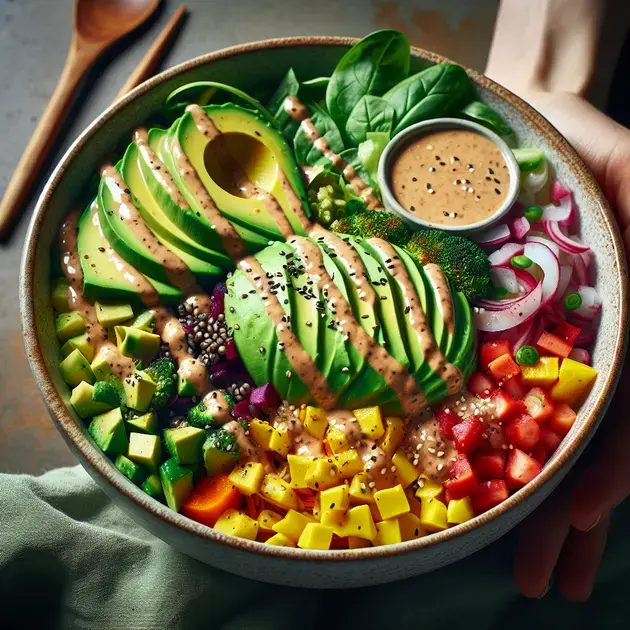
Descrição da Imagem 1


The Benefits of Adopting Healthy Eating Habits

Eating a healthy diet is essential for overall well-being. By adopting healthy eating habits, you can improve your energy levels, mood, and overall health. One way to start is by setting realistic goals for yourself. You can use a food tracking app like MyFitnessPal to monitor your daily intake and make sure you’re getting the right nutrients.

Another benefit of healthy eating is weight management. Prioritizing nutritious whole foods, such as fruits, vegetables, and lean proteins, can help you maintain a healthy weight and reduce the risk of chronic diseases. Meal planning is a great way to ensure you have healthy options available throughout the week. Apps like Mealime can provide you with recipes and grocery lists to make meal prep easier.

Good nutrition also plays a crucial role in supporting your immune system. Foods rich in vitamins and minerals can help boost your immune response and keep you healthy. Consider using a vitamin tracker app like Vitagene to make sure you’re getting all the essential nutrients your body needs.

In addition to physical health benefits, healthy eating habits can also improve your mental health. Consuming a balanced diet can enhance cognitive function and mood. To practice mindful eating for a balanced lifestyle, try apps like Headspace, which offer guided meditations and mindful eating exercises.

Overall, adopting healthy eating habits can have a positive impact on every aspect of your life, from your physical health to your mental well-being. By prioritizing nutritious whole foods and practicing mindful eating, you can achieve a balanced and healthy lifestyle.

Prioritizing Nutritious Whole Foods

When it comes to prioritizing nutritious whole foods, it’s important to focus on incorporating a variety of foods into your diet. Whole foods, such as fruits, vegetables, whole grains, and lean proteins, are packed with essential nutrients that are beneficial for your health. Start by planning your meals around these whole food options to ensure you’re getting the necessary vitamins and minerals.

One way to prioritize whole foods is by meal prepping. Apps like Prepear can help you plan and prepare your meals in advance, making it easier to stick to a healthy eating plan. By having nutritious meals ready to go, you’re less likely to reach for unhealthy convenience foods.

Incorporating whole foods into your diet can also help you maintain a healthy weight. Whole foods are typically lower in calories and higher in fiber, which can keep you feeling full and satisfied. Be sure to include a variety of colors on your plate to ensure you’re getting a range of nutrients.

Another benefit of prioritizing nutritious whole foods is improved digestion. Whole foods contain fiber, which is essential for maintaining a healthy digestive system. Apps like Lifesum can help you track your fiber intake and make sure you’re meeting your daily requirements.

By prioritizing nutritious whole foods, you’ll not only improve your physical health but also support your overall well-being. Make an effort to include whole foods in every meal and snack to reap the benefits of a balanced and nutritious diet.

Mindful Eating for a Balanced Lifestyle

Mindful eating is a practice that involves paying attention to the sensations and emotions associated with eating. By being more mindful of your eating habits, you can develop a healthier relationship with food and achieve a balanced lifestyle. One way to practice mindful eating is by using apps like Eat Right Now, which offer mindfulness exercises and tools to help you become more aware of your eating habits.

When practicing mindful eating, it’s important to slow down and savor each bite. Pay attention to the flavors, textures, and smells of your food to fully experience the meal. Apps like Mindful Eating Tracker can help you incorporate mindfulness into your meals by providing prompts and reminders to stay present while eating.

Another aspect of mindful eating is listening to your body’s hunger and fullness cues. By tuning into your body’s signals, you can prevent overeating and better understand your nutritional needs. Apps like Rise Up can help you track your hunger levels and make more conscious choices about when and what to eat.

Practicing mindful eating can also help you break free from emotional eating habits. By being more aware of your emotions and triggers, you can develop healthier coping mechanisms and improve your overall well-being. Consider using apps like Calm to manage stress and anxiety, which can contribute to emotional eating.

Overall, incorporating mindful eating practices into your daily routine can lead to a more balanced and sustainable approach to nutrition. By being fully present during meals and listening to your body’s cues, you can cultivate a positive relationship with food and promote a healthier lifestyle.

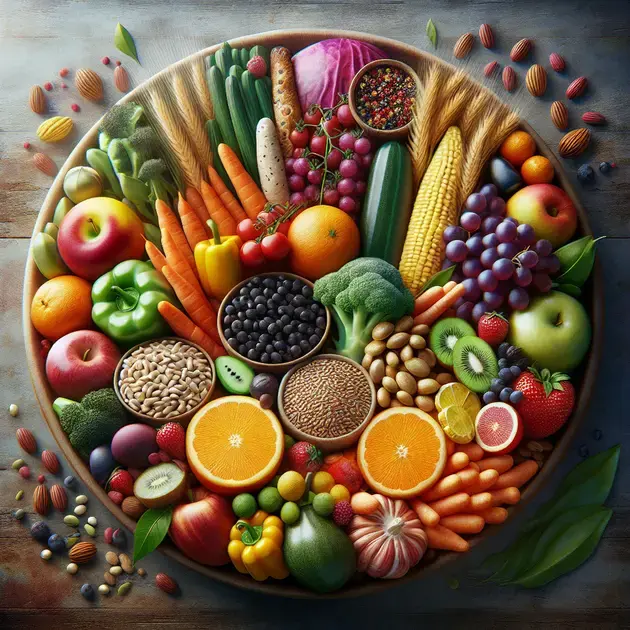
Descrição da Imagem 2


Choosing Quality Ingredients for a Healthier Diet

When it comes to achieving a healthier diet, one of the key factors to consider is the quality of the ingredients you use. Opting for high-quality, fresh ingredients can make a significant difference in the nutritional value and taste of your meals. Whether you are cooking at home or dining out, choosing quality ingredients should be a top priority.

Step-by-step guide:

1. Start by focusing on whole foods such as fruits, vegetables, whole grains, and lean proteins. These ingredients are packed with essential nutrients and are minimally processed, making them excellent choices for a healthier diet.

2. Check the labels when shopping for packaged foods. Look for products with simple, recognizable ingredients and avoid those with added sugars, artificial flavors, and preservatives.

3. Consider buying organic ingredients when possible. Organic produce and meats are free from pesticides, hormones, and antibiotics, making them a safer and more nutritious option for your meals.

4. Support local farmers and producers by shopping at farmers’ markets or joining a community-supported agriculture (CSA) program. Locally sourced ingredients are often fresher and have a smaller environmental footprint.

5. Experiment with different herbs, spices, and seasonings to enhance the flavor of your dishes without relying on excessive salt, sugar, or unhealthy fats. Fresh herbs and spices not only add taste but also provide additional health benefits.

Incorporating Regular Physical Activity into Your Routine

Regular physical activity is essential for maintaining overall health and well-being. From reducing the risk of chronic diseases to improving mood and energy levels, the benefits of staying active are numerous. Finding ways to incorporate exercise into your daily routine can have a significant impact on your physical and mental health.

Step-by-step guide:

1. Find activities that you enjoy and that fit your lifestyle. Whether it’s taking a daily walk, joining a fitness class, or playing a sport, choose activities that make you happy and keep you motivated.

2. Set realistic goals and create a workout schedule. Start with small, achievable targets and gradually increase the intensity and duration of your workouts. Consistency is key to seeing long-term results.

3. Mix up your routine to prevent boredom and plateauing. Try different types of exercises, such as cardio, strength training, yoga, or Pilates, to target different muscle groups and keep your workouts challenging.

4. Stay hydrated before, during, and after exercise. Proper hydration is essential for optimal performance and recovery. Consider investing in a reusable water bottle to ensure you have access to water at all times.

5. Listen to your body and rest when needed. It’s important to prioritize rest and recovery to prevent injury and allow your muscles to repair and grow stronger. Don’t push yourself too hard and always pay attention to any signs of fatigue or pain.

The Importance of Proper Hydration for Overall Wellbeing

Proper hydration is crucial for maintaining overall health and well-being. Our bodies are composed of about 60% water, and staying hydrated is essential for supporting various bodily functions, such as temperature regulation, digestion, and nutrient transport. Dehydration can lead to a host of health issues, so it’s vital to prioritize hydration in your daily routine.

Step-by-step guide:

1. Aim to drink at least 8-10 glasses of water per day. Carry a water bottle with you wherever you go to remind yourself to hydrate regularly. Infuse your water with fruits or herbs for added flavor and nutrients.

2. Monitor your hydration levels by paying attention to the color of your urine. Clear or pale yellow urine is a sign of adequate hydration, while dark yellow urine may indicate dehydration.

3. Stay hydrated before, during, and after exercise. Drink water before a workout to ensure you are well-hydrated, sip on water during physical activity to replace lost fluids, and hydrate post-exercise to aid in recovery.

4. Limit your intake of caffeinated and alcoholic beverages, as they can have a diuretic effect and contribute to dehydration. Opt for water, herbal teas, and fresh juices as hydrating alternatives.

5. Incorporate hydrating foods into your diet, such as water-rich fruits and vegetables (e.g., cucumbers, watermelon, and spinach). These foods not only provide hydration but also essential vitamins and minerals for overall health.

**

Conclusion

**

Choosing quality ingredients for a healthier diet is a crucial step towards improving your overall well-being. By prioritizing high-quality, fresh ingredients such as whole foods, organic produce, and locally sourced items, you can enhance the nutritional value and taste of your meals. By focusing on simple, recognizable ingredients and avoiding processed foods with added sugars and artificial additives, you can create meals that not only nourish your body but also support your health goals.

Regular physical activity

Regular physical activity plays a vital role in maintaining good health and enhancing your quality of life. Incorporating various enjoyable activities into your routine, setting realistic goals, and staying consistent with your workout schedule are key steps towards reaping the numerous benefits of exercise. By mixing up your routine, staying hydrated, and listening to your body’s needs for rest and recovery, you can optimize your physical and mental well-being through regular physical activity.

Proper hydration

Proper hydration is essential for supporting your body’s functions and overall well-being. By ensuring you drink an adequate amount of water daily, monitoring your hydration levels, and choosing hydrating foods, you can maintain optimal health and prevent dehydration-related issues. Limiting caffeinated and alcoholic beverages, staying hydrated during and after exercise, and incorporating fruits and vegetables rich in water content into your diet are effective ways to prioritize proper hydration for your well-being.


Discover the Ultimate Guide to Keyword Research


Are you ready to discover the ultimate guide to keyword research? In today’s digital landscape, understanding how to effectively conduct keyword research is more crucial than ever before. With search engines constantly evolving and user behavior changing rapidly, staying on top of the latest keyword research strategies is essential for any online business looking to succeed.

From long-tail keywords to intent-based search, this comprehensive guide will take you through the ins and outs of keyword research in 2021. Whether you’re a seasoned SEO pro or just starting out, mastering keyword research can make all the difference in driving organic traffic and boosting your online visibility. Let’s dive in and uncover the strategies that will help you stay ahead in the competitive world of search engine optimization.

Descrição da Imagem 1


Unlocking Keyword Research Success

Keyword research is a crucial aspect of any successful SEO strategy. By identifying the right keywords to target, you can attract more organic traffic to your website and improve your search engine rankings. To unlock keyword research success, follow these steps:

1. Use Keyword Research Tools

Platforms like SEMrush, Ahrefs, and Google Keyword Planner can provide valuable insights into search volume, competition, and related keywords. Start by entering your seed keywords into these tools to generate a list of potential keywords to target.

2. Analyze Competitor Keywords

Look at the keywords your competitors are ranking for. Tools like SpyFu and SimilarWeb can help you identify their top-performing keywords. By analyzing competitor keywords, you can uncover new keyword opportunities and stay ahead in the SEO game.

3. Long-Tail Keywords

Long-tail keywords are longer, more specific keyword phrases that have less competition. Focus on incorporating long-tail keywords into your content strategy to attract highly targeted traffic. Tools like AnswerThePublic can help you discover popular long-tail keyword ideas.

4. Monitor Keyword Performance

Regularly track the performance of your target keywords using tools like Google Analytics and Google Search Console. Monitor changes in keyword rankings, organic traffic, and click-through rates to optimize your keyword strategy continuously.

5. Optimize Content Around Keywords

Once you’ve identified your target keywords, optimize your website content accordingly. Include keywords in titles, meta descriptions, headings, and body content to signal to search engines what your pages are about. This on-page optimization can improve your chances of ranking higher in search results.

Maximizing Organic Traffic with Keywords

Keywords play a vital role in driving organic traffic to your website. By strategically incorporating relevant keywords into your content, you can attract more visitors and increase your site’s visibility in search engine results. To maximize organic traffic with keywords, consider the following steps:

1. Conduct Keyword Research

Start by conducting thorough keyword research to identify high-volume and low-competition keywords in your niche. Use tools like Keyword Planner, Moz, and Ubersuggest to discover relevant keywords that your target audience is searching for.

2. Create High-Quality Content

Develop engaging and informative content that incorporates your target keywords naturally. Focus on creating value for your audience and providing solutions to their problems. Search engines value high-quality content, making it more likely to rank well for your chosen keywords.

3. Optimize Meta Tags

Optimize your meta tags, including title tags and meta descriptions, to include relevant keywords. These tags provide search engines with information about your content, helping them understand the context of your pages and improving your visibility in search results.

4. Build Quality Backlinks

Acquire backlinks from reputable websites in your industry to improve your site’s authority and relevance. Focus on obtaining natural backlinks from high-quality sources, as they can positively impact your search engine rankings and drive more organic traffic to your site.

5. Monitor Performance and Adjust

Regularly monitor your keyword rankings, organic traffic, and conversion rates to evaluate the effectiveness of your keyword strategy. Use tools like Google Analytics to track key metrics and make data-driven decisions to optimize your keyword usage continuously.

Staying Ahead in SEO with Strategic Keyword Research

Staying ahead in the ever-evolving landscape of SEO requires strategic keyword research and continuous optimization. By staying updated on industry trends and implementing effective keyword strategies, you can enhance your website’s visibility and attract more organic traffic. Follow these steps to stay ahead in SEO with strategic keyword research:

1. Stay Informed on SEO Trends

Keep yourself updated on the latest SEO trends, algorithm changes, and best practices in keyword research. Follow industry blogs, attend webinars, and participate in SEO forums to stay informed and adapt your strategy accordingly.

2. Utilize Data-Driven Insights

Base your keyword research decisions on data-driven insights rather than assumptions. Use tools like Google Analytics, Search Console, and SEO monitoring platforms to gather valuable data on keyword performance, user behavior, and website traffic patterns.

3. Implement Local SEO Strategies

If your business targets local customers, incorporate local SEO strategies into your keyword research. Use location-based keywords, create Google My Business listings, and solicit reviews from satisfied customers to improve your local search visibility and attract nearby clients.

4. Leverage Voice Search Optimization

With the rise of voice search, optimize your content for voice-enabled devices by including natural language keywords and answering commonly asked questions concisely. Tools like Amazon Alexa Skills Kit and Google Actions can help you develop voice search-friendly content.

5. Test and Iterate

Experiment with different keyword strategies, content formats, and optimization techniques to identify what works best for your website. A/B test landing pages, analyze user engagement metrics, and iterate on your keyword research efforts to stay ahead of the competition and continuously improve your SEO performance.

Descrição da Imagem 2


Unlocking the Power of Long-Tail Keywords

Long-tail keywords are essential for any SEO strategy, as they allow you to target more specific search queries and attract highly interested traffic to your website. When it comes to the wine industry, using long-tail keywords such as “most expensive wines in the world” can help you reach a more niche audience interested in luxury wines. By incorporating these keywords strategically into your content, meta tags, and headings, you can boost your website’s visibility and attract qualified leads.

To unlock the power of long-tail keywords for your wine business, start by conducting thorough keyword research to identify relevant and high-converting long-tail phrases. Utilize keyword research tools to discover the search volume and competition level of these keywords, ensuring you focus on terms that have a good balance of traffic and attainability. Once you’ve identified the most effective long-tail keywords, integrate them naturally into your website’s content, including product descriptions, blog posts, and meta descriptions.

Another effective strategy for leveraging long-tail keywords in the wine industry is to create targeted landing pages that cater to specific long-tail search queries. For example, you could create a landing page dedicated to “rare vintage wines” or “luxury wine gifts,” optimizing the content with relevant long-tail keywords to attract highly qualified traffic. By providing valuable and informative content that aligns with the search intent behind these long-tail keywords, you can increase your website’s visibility and credibility among wine enthusiasts looking for premium products.

Overall, unlocking the power of long-tail keywords in the wine industry requires a strategic approach to keyword research, content optimization, and audience targeting. By incorporating relevant long-tail keywords that resonate with your target audience’s interests and search intent, you can improve your website’s search engine rankings, drive organic traffic, and ultimately increase conversions and sales of the most expensive wines in the world.

Utilizing Keyword Intent for Effective SEO

Understanding keyword intent is crucial for developing an effective SEO strategy that resonates with your target audience and drives organic traffic to your website. In the wine industry, keyword intent plays a significant role in capturing the interest of potential customers searching for specific types of wines, such as the “most expensive wines in the world.” By analyzing the intent behind these keywords, you can tailor your content to meet the needs and preferences of users seeking luxury wine products.

To effectively utilize keyword intent for SEO in the wine industry, conduct thorough research to categorize keywords based on their intent, such as informational, navigational, transactional, or commercial investigation. Identify high-intent keywords related to expensive wines, rare vintages, and luxury wine brands, and optimize your content to align with the specific intent behind these search queries. Craft compelling and valuable content that addresses the user’s search intent, whether they are looking for recommendations, pricing information, or purchasing options.

Another key aspect of utilizing keyword intent for effective SEO in the wine industry is to create a seamless user experience that guides visitors toward conversion. Ensure that your website’s navigation, internal linking structure, and calls-to-action are optimized to cater to the different stages of the customer journey, from initial research to final purchase. By aligning your content with the intent behind high-converting keywords, you can improve your website’s visibility, engagement, and conversion rates for the most expensive wines in the world.

In conclusion, leveraging keyword intent in your SEO strategy for the wine industry is essential for attracting qualified traffic, increasing brand awareness, and driving sales of premium wine products. By understanding the underlying motivations and expectations of users searching for luxury wines, you can create a tailored SEO approach that delivers value, relevance, and a seamless user experience.

Mastering Competitive Analysis in Keyword Research

Conducting thorough competitive analysis is a critical component of effective keyword research in the wine industry, especially when targeting competitive keywords like “most expensive wines in the world.” By analyzing your competitors’ keyword strategies, content tactics, and search engine rankings, you can gain valuable insights to inform your own SEO strategy and outperform the competition.

To master competitive analysis in keyword research for the wine industry, start by identifying your main competitors in the luxury wine market and analyzing their top-performing keywords. Utilize SEO tools and analytics platforms to uncover the keywords driving organic traffic to your competitors’ websites and assess the search volume, competition level, and ranking positions of these keywords. Identify gaps and opportunities in your competitors’ keyword strategies, allowing you to prioritize high-impact keywords that can give you a competitive edge.

Another key aspect of mastering competitive analysis in keyword research is understanding the content tactics employed by your competitors to rank for high-value keywords. Analyze the types of content they produce, the search intent they target, and the engagement metrics of their top-ranking pages. By identifying successful content formats, topics, and optimization techniques, you can enhance your own content strategy to better resonate with your target audience and search engines.

Incorporating competitive analysis insights into your keyword research and content creation processes can help you identify untapped opportunities, optimize your website for relevant long-tail keywords, and differentiate your brand in the competitive wine industry. By continuously monitoring your competitors’ keyword performance and adjusting your SEO strategy accordingly, you can stay ahead of the curve and attract more visibility and traffic for the most expensive wines in the world.

Conclusion

Long-tail keywords are a vital component of any SEO strategy, enabling you to target specific search queries and draw in highly interested traffic within the wine industry. By strategically incorporating long-tail keywords like “most expensive wines in the world” into your content and meta tags, you can enhance your website’s visibility and attract qualified leads, ultimately boosting conversions.

When delving into the realm of long-tail keywords for your wine business, thorough keyword research is key. Identify high-converting phrases, analyze search volume and competition levels, and seamlessly integrate these keywords into your website’s content and descriptions. Crafting targeted landing pages optimized with relevant long-tail keywords can further drive traffic from niche audiences seeking luxury wine products.

Understanding and utilizing keyword intent is essential for a successful SEO strategy in the wine industry. By catering to the needs and preferences of users searching for specific types of wines, such as the most expensive ones, you can create content that resonates with your target audience and guides them seamlessly towards conversion. Creating a user experience that aligns with the search intent behind high-converting keywords can significantly enhance your website’s visibility and engagement.

In conclusion, mastering competitive analysis in keyword research is crucial for staying ahead in the competitive wine market. By analyzing competitors’ strategies, identifying high-impact keywords, and aligning content tactics with successful optimization techniques, you can differentiate your brand and attract visibility and traffic for premium wine products. Incorporating these insights into your SEO strategy ensures that you continuously adapt and outperform the competition, ultimately driving sales and increasing brand recognition in the industry.


Keyword: Healthy Eating Habits Title: The Ultimate Guide to Healthy Eating Habits


In today’s fast-paced world, maintaining healthy eating habits is more important than ever. From increasing energy levels to improving overall well-being, the benefits of a balanced diet are undeniable. By incorporating nutrient-rich foods into your daily meals, you can take a significant step towards achieving a healthier lifestyle.

One of the key aspects of healthy eating habits is understanding the power of whole foods. Fruits, vegetables, whole grains, and lean proteins are essential components of a nutritious diet. These foods not only provide vital vitamins and minerals, but they also support optimal functioning of the body. Including a variety of colors and textures in your meals ensures that you are getting a wide range of nutrients to support your health goals.

Descrição da Imagem 1


Understanding the Importance of Nutrient-Rich Foods

Eating a diet rich in nutrients is essential for maintaining overall health and well-being. Nutrient-rich foods provide the body with the necessary vitamins, minerals, and antioxidants it needs to function properly. One way to ensure you are getting an adequate amount of nutrients is by incorporating a variety of fruits, vegetables, whole grains, and lean protein sources into your meals.

To understand the importance of nutrient-rich foods, you can use apps like MyFitnessPal or Lose It! These apps allow you to track your daily food intake and analyze the nutritional content of your meals. By monitoring your nutrient intake, you can identify any deficiencies and make adjustments to ensure you are meeting your body’s needs.

Another way to boost your nutrient intake is by including superfoods in your diet. Superfoods like quinoa, chia seeds, and kale are packed with vitamins and minerals that can benefit your health. You can find recipes and meal ideas featuring these superfoods on websites like EatingWell or Cooking Light.

By prioritizing the consumption of nutrient-rich foods, you can improve your energy levels, support your immune system, and reduce the risk of chronic diseases. Making informed choices about the foods you eat is a crucial step towards achieving optimal health and longevity.

Exploring the Power of Whole Foods in Your Diet

Whole foods are foods that are minimally processed and free from additives, preservatives, and artificial ingredients. Incorporating whole foods into your diet can have numerous benefits for your health, including improved digestion, better weight management, and enhanced nutrient absorption. To explore the power of whole foods in your diet, consider using meal planning apps like Mealime or Paprika.

These apps provide you with recipes and shopping lists that focus on whole, unprocessed ingredients. By following these recipes, you can introduce more whole foods into your meals and experience the positive effects on your health. Additionally, websites like Whole Foods Market or Thrive Market offer resources on how to shop for and cook with whole foods.

One way to transition to a whole foods diet is by gradually replacing processed foods with whole alternatives. For example, swap out refined grains for whole grains like brown rice or quinoa, and choose fresh fruits and vegetables over canned or frozen options. By making these substitutions, you can increase your intake of essential nutrients and improve your overall well-being.

Embracing the power of whole foods can lead to long-term health benefits and a greater appreciation for the natural flavors and textures of unprocessed ingredients. By making whole foods a central part of your diet, you can nourish your body and support a sustainable approach to eating.

Maximizing Health Benefits Through Variety in Your Meals

Consuming a diverse range of foods is key to maximizing the health benefits of your meals. Different foods provide different nutrients, so incorporating variety into your diet ensures that you are getting a broad spectrum of vitamins, minerals, and antioxidants. To maximize health benefits through variety, consider using meal planning apps like Forks Over Knives or Yummly.

These apps offer meal suggestions based on your dietary preferences and can help you discover new and diverse recipes to try. By experimenting with different cuisines and flavor profiles, you can expand your palate and increase the nutritional value of your meals. Additionally, websites like Food Network or Allrecipes provide a plethora of recipe ideas for creating varied and balanced meals.

To incorporate variety into your meals, aim to include foods of different colors, textures, and tastes on your plate. For example, have a mix of fruits and vegetables in vibrant hues, choose whole grains with different textures like quinoa and oats, and incorporate a variety of herbs and spices for added flavor and health benefits.

By embracing variety in your meals, you can prevent food boredom, improve nutrient intake, and support overall well-being. Exploring new foods and flavors can open up a world of culinary possibilities and enhance your enjoyment of eating while nourishing your body with a diverse array of nutrients.

Descrição da Imagem 2


Developing a Balanced Approach to Nutrition in Your Daily Routine

Creating Healthy Habits

Developing a balanced approach to nutrition in your daily routine starts with creating healthy habits. This includes incorporating a variety of nutrient-dense foods such as fruits, vegetables, whole grains, lean proteins, and healthy fats into your meals. By making conscious choices to prioritize nutrition, you can ensure that your body receives the essential vitamins and minerals it needs to function optimally.

Meal Planning and Preparation

Meal planning and preparation are key components of maintaining a balanced approach to nutrition. By taking the time to plan your meals ahead, you can make healthier choices and avoid impulsive decisions that may not serve your well-being. Utilizing fresh ingredients and preparing meals at home can help you control portion sizes and reduce the consumption of processed foods high in unhealthy fats, sugars, and sodium.

Listening to Your Body

Listening to your body’s hunger and fullness cues is essential in developing a balanced approach to nutrition. Mindful eating involves paying attention to your body’s signals, eating slowly, and savoring each bite. By practicing mindful eating, you can better understand your body’s needs, prevent overeating, and cultivate a healthier relationship with food.

Staying Hydrated

Hydration plays a vital role in overall health and well-being. Incorporating plenty of water into your daily routine can help regulate your appetite, improve digestion, and keep your body functioning at its best. In addition to water, herbal teas and infused waters can provide hydration while adding flavor and nutritional benefits.

Seeking Professional Guidance

For personalized guidance on developing a balanced approach to nutrition, consider consulting a registered dietitian or nutritionist. These professionals can provide tailored recommendations based on your individual needs and goals, helping you create a sustainable and effective plan for long-term wellness.

Incorporating Mindful Eating Practices for Long-Term Wellness

Savoring Each Bite

Incorporating mindful eating practices into your daily routine involves savoring each bite and paying attention to the sensory experience of eating. By engaging all your senses during meals, you can increase your enjoyment of food and promote a greater awareness of your body’s hunger and fullness cues.

Avoiding Distractions

Avoiding distractions such as electronic devices, television, or work while eating can help you focus on your meal and prevent mindless overeating. Creating a peaceful and mindful eating environment allows you to fully appreciate the flavors and textures of your food, enhancing the overall dining experience.

Practicing Gratitude

Cultivating a sense of gratitude for the nourishing foods on your plate can enhance the mindful eating process. Taking a moment to express gratitude for the farmers, producers, and cooks involved in bringing the meal to your table can deepen your connection to the food you consume and foster a more positive relationship with eating.

Being Present

Being present during meals means focusing on the here and now, rather than worrying about the past or future. By practicing mindfulness and staying present in the moment, you can reduce stress, improve digestion, and fully appreciate the nourishment provided by your food.

Listening to Your Body

Listening to your body’s hunger and fullness cues is a fundamental aspect of mindful eating. By tuning in to your body’s signals and eating only when hungry, you can avoid unnecessary snacking and better regulate your food intake based on true physiological needs.

Utilizing Meal Prep and Planning for Sustainable Healthy Eating

Batch Cooking

Utilizing meal prep techniques such as batch cooking can help you save time and energy during the week while ensuring you have healthy meals readily available. By preparing large quantities of staple ingredients or full meals in advance, you can streamline your cooking process and make nutritious choices more convenient.

Creating a Meal Schedule

Creating a meal schedule or weekly menu can aid in planning balanced meals and snacks that meet your nutritional goals. By designating specific days for meal prep, grocery shopping, and cooking, you can establish a routine that supports sustainable healthy eating habits and minimizes last-minute decisions.

Portion Control

Practicing portion control is essential for maintaining a balanced diet and preventing overeating. By portioning out meals and snacks in advance, either for storage or immediate consumption, you can avoid mindless eating and ensure that you are consuming the appropriate amount of food for your individual needs.

Food Storage Solutions

Investing in quality food storage containers and organization systems can help prolong the freshness of ingredients and prepared meals, reducing food waste and promoting sustainability. Properly storing and labeling prepped foods can also make meal planning more efficient and enjoyable, encouraging you to stick to your healthy eating routine.

Flexibility and Adaptability

While meal prep and planning are valuable tools for sustainable healthy eating, it’s important to remain flexible and adaptable to changes in your schedule or preferences. Being open to trying new recipes, ingredients, and meal combinations can keep your meals exciting and prevent boredom, ultimately supporting your long-term commitment to nutritious eating.

Conclusion

Developing a balanced approach to nutrition is crucial for overall well-being and requires the establishment of healthy habits. By incorporating nutrient-dense foods like fruits, vegetables, lean proteins, and whole grains into your meals, you can ensure your body receives essential nutrients for optimal functioning. Meal planning and preparation play a vital role in maintaining this balance, allowing for healthier choices and portion control to avoid consuming processed foods high in unhealthy components.

Mindful eating practices, such as savoring each bite, avoiding distractions, and expressing gratitude for your food, can enhance the eating experience and promote a healthier relationship with eating. Listening to your body’s hunger and fullness cues is essential in mindful eating, helping you regulate food intake based on physiological needs and prevent overeating.

Utilizing meal prep techniques like batch cooking, creating a meal schedule, and practicing portion control are effective strategies for sustainable healthy eating. Investing in food storage solutions can help reduce waste and make meal planning more efficient, while remaining flexible and open to trying new recipes fosters excitement and long-term commitment to nutritious eating habits.


Keyword: Healthy Eating Habits Title: Easy Ways to Improve Your Healthy Eating Habits


Maintaining healthy eating habits is essential for overall well-being and vitality. It’s not just about counting calories, but rather making nutritious choices that fuel your body. With the rise of fast food and processed snacks, it can be challenging to prioritize health in a world filled with convenience foods.

However, there are easy ways to improve your healthy eating habits without feeling overwhelmed. By incorporating more fruits, vegetables, whole grains, and lean proteins into your diet, you can boost your immune system, increase energy levels, and reduce the risk of chronic diseases.

Descrição da Imagem 1


Incorporate Colorful Fruits and Vegetables into Your Diet

Eating a variety of colorful fruits and vegetables is essential for maintaining a balanced and nutritious diet. Here is a step-by-step guide on how to easily incorporate more of these wholesome foods into your daily meals:

1. Plan Your Meals Ahead

One effective way to ensure you consume a variety of colorful fruits and vegetables is by planning your meals in advance. Websites like Eat This Much can help you create customized meal plans based on your dietary preferences and requirements.

2. Try Different Recipes

Experimenting with new recipes is a fun way to incorporate colorful produce into your diet. Platforms like AllRecipes offer a wide range of dishes that feature fruits and vegetables as key ingredients. You can filter recipes based on the ingredients you want to include.

3. Buy Seasonal Produce

Purchasing seasonal fruits and vegetables not only ensures freshness but also adds diversity to your diet. Apps like Farmstand help you locate local farmers’ markets and find in-season produce near you.

4. Incorporate Fruits and Veggies in Every Meal

Make it a habit to include fruits and vegetables in every meal you eat. Websites like Choose MyPlate provide guidelines on portion sizes and food group recommendations to help you create balanced meals.

5. Snack on Fresh Produce

Keep a variety of fresh fruits and vegetables readily available for snacking. Apps like The Green Grocer Manila offer convenient delivery services for organic produce, making it easier to snack healthily throughout the day.

Choose Whole Foods Over Processed Options

Opting for whole foods instead of processed options can have a significant impact on your overall health and well-being. Here’s a guide on how to make this choice a part of your lifestyle:

1. Read Ingredient Labels

When grocery shopping, take the time to read ingredient labels and choose products with minimal processing. Apps like Fooducate allow you to scan barcodes and receive nutritional information and product ratings to make informed decisions.

2. Cook Your Own Meals

Preparing meals at home using whole ingredients gives you control over what you’re consuming. Websites like Skinnytaste offer healthy recipes made with whole foods, making it easier to cook nutritious meals from scratch.

3. Shop the Perimeter of the Grocery Store

Whole foods like fruits, vegetables, lean meats, and whole grains are typically found around the perimeter of grocery stores. By focusing your shopping on these areas, you can avoid the temptation of processed foods in the aisles.

4. Meal Prep in Advance

Preparing meals in advance using whole ingredients can help you avoid reaching for processed convenience foods. Apps like Prepear offer meal planning tools and grocery lists to streamline the meal prep process.

5. Be Mindful of Snack Choices

Instead of reaching for processed snacks, opt for whole food alternatives like nuts, fruits, and veggies. Websites like SnackNation provide recommendations for healthy snack options that are minimally processed and nutritious.

Opt for Lean Proteins and Whole Grains

Choosing lean proteins and whole grains is essential for maintaining a well-rounded and healthy diet. Here’s how you can incorporate these vital food groups into your daily meals:

1. Include Lean Proteins in Every Meal

Make a conscious effort to include sources of lean protein, such as chicken, fish, tofu, and legumes, in each of your meals. Websites like Cooking Light offer recipes and tips for cooking with lean proteins.

2. Experiment with Different Whole Grains

Swap refined grains for nutritious whole grains like quinoa, brown rice, and oats. Apps like Whole Foods Market provide information on different types of whole grains and how to incorporate them into your diet.

3. Prioritize Plant-Based Proteins

Incorporate plant-based protein sources like beans, lentils, and chickpeas into your meals to add variety and nutrients. Websites like Forks Over Knives offer plant-based recipes and resources for incorporating more plant proteins into your diet.

4. Snack on Protein-Rich Foods

Keep protein-rich snacks like Greek yogurt, nuts, and seeds on hand for quick and satisfying snacks. Apps like Matcha curate a selection of protein-rich snacks and products for healthy snacking options.

5. Balance Your Meals

Aim to create balanced meals that include lean proteins, whole grains, and plenty of fruits and vegetables to ensure you’re meeting your nutritional needs. Websites like mindbodygreen provide guidance on building balanced and nutrient-dense meals.

Descrição da Imagem 2


Incorporate Colorful Fruits and Vegetables into Your Diet

Eating a variety of colorful fruits and vegetables is essential for maintaining a balanced and healthy diet. Not only are they rich in essential vitamins, minerals, and antioxidants, but they also add flavor and vibrancy to your meals. Incorporating a rainbow of fruits and vegetables into your daily meals can help to improve your overall health and well-being.

To start incorporating more colorful fruits and vegetables into your diet, begin by planning your meals around these vibrant foods. Include a mix of different colors such as red, green, orange, purple, and yellow to ensure you are getting a wide range of nutrients. Try to include at least one serving of fruits and vegetables with every meal or snack.

One great way to increase your intake of colorful produce is by experimenting with new recipes and cooking methods. Consider adding berries to your morning oatmeal, mixing different vegetables into a stir-fry, or preparing a colorful salad with a variety of fresh ingredients. Get creative with your meals to make eating fruits and vegetables more enjoyable.

Another tip for incorporating colorful fruits and vegetables into your diet is to keep a variety of options readily available. Stock up on fresh produce during your grocery shopping trips and consider freezing or preserving fruits and vegetables to have them on hand when fresh options are not available. Having a colorful assortment of fruits and vegetables in your kitchen will make it easier to reach for them as a snack or meal ingredient.

Remember, the key to a healthy diet is variety, so be sure to switch up the types of fruits and vegetables you eat regularly. By incorporating a rainbow of colorful produce into your meals, you can ensure that you are getting a wide range of nutrients to support your overall health and well-being.

Choose Whole Foods Over Processed Options

Opting for whole foods over processed options is crucial for maintaining a nutritious diet and supporting your overall health. Whole foods, such as fruits, vegetables, whole grains, and lean proteins, are minimally processed and retain their natural nutrients and fiber content. In contrast, processed foods often contain added sugars, unhealthy fats, and preservatives that can have negative effects on your health.

When choosing whole foods, aim to prioritize foods that are as close to their natural state as possible. This means opting for fresh fruits and vegetables, whole grains like quinoa or brown rice, and lean proteins such as chicken, fish, tofu, or legumes. These foods are not only more nutritious but also tend to be more filling and satisfying, which can help prevent overeating and support weight management.

To incorporate more whole foods into your diet, start by focusing on the perimeter of the grocery store where fresh produce, meats, dairy, and whole grains are usually located. Fill your shopping cart with a variety of colorful fruits and vegetables, whole grains, and lean proteins to ensure you have nutritious options available at home. When meal planning, use whole ingredients in your recipes and limit the use of processed foods or convenience items.

By choosing whole foods over processed options, you can significantly improve your nutrient intake, support your overall health, and even enhance the flavor of your meals. Whole foods are packed with essential vitamins, minerals, and antioxidants that are beneficial for your body, making them a superior choice for anyone looking to prioritize their health and well-being.

Opt for Lean Proteins and Whole Grains

Incorporating lean proteins and whole grains into your diet is essential for maintaining muscle mass, supporting energy levels, and promoting overall health. Lean proteins, such as chicken, turkey, fish, tofu, and legumes, are rich in essential amino acids that are necessary for muscle repair and growth. Whole grains, like quinoa, brown rice, oats, and whole-wheat bread, are excellent sources of fiber, vitamins, and minerals that provide sustained energy and support digestive health.

When choosing lean proteins, opt for options that are low in saturated fats and processed additives. Skinless poultry, fish, and plant-based proteins are excellent choices that provide high-quality protein without excess calories or unhealthy fats. Incorporating a variety of lean proteins into your meals can help you meet your daily protein needs and support muscle recovery after exercise.

Similarly, choosing whole grains over refined grains is a simple way to boost your nutrient intake and support overall health. Whole grains are rich in fiber, which aids in digestion, helps control blood sugar levels, and promotes a feeling of fullness. Swapping refined grains like white bread and pasta for whole grain alternatives can have a significant impact on your health and energy levels.

To incorporate more lean proteins and whole grains into your diet, focus on including them in each meal and snack. Try adding grilled chicken to salads, including beans or lentils in soups and stews, or swapping white rice for quinoa or brown rice. Planning balanced meals that include a mix of lean proteins, whole grains, and colorful fruits and vegetables can help you maintain a healthy and well-rounded diet.

By opting for lean proteins and whole grains, you can enhance your nutrient intake, support your energy levels, and improve your overall health. These nutrient-dense foods provide essential nutrients that are vital for various bodily functions, making them key components of a healthy and balanced diet.

Conclusion

Incorporating a variety of colorful fruits and vegetables into your diet is essential for maintaining a balanced and healthy lifestyle. These vibrant foods are rich in essential vitamins, minerals, and antioxidants that not only contribute to overall health but also enhance the flavor and appeal of your meals. By including a rainbow of fruits and vegetables in your daily meals, you can ensure a diverse nutrient intake that supports your overall well-being.

Choosing whole foods over processed options is a fundamental aspect of a nutritionally sound diet. Whole foods, such as fresh fruits, vegetables, whole grains, and lean proteins, retain their natural nutrients and fiber content, providing essential benefits for your health. By prioritizing whole foods in your diet, you can improve your nutrient intake, support weight management, and enjoy more flavorful and satisfying meals.

Opting for lean proteins like chicken, fish, tofu, and incorporating whole grains such as quinoa, brown rice, and oats are crucial for maintaining muscle mass, sustaining energy levels, and promoting overall health. These nutrient-dense foods offer essential amino acids, fiber, vitamins, and minerals that are vital for various bodily functions. By including a variety of lean proteins and whole grains in your meals, you can enhance your nutrient intake, support muscle recovery, and achieve a well-rounded and healthy diet.


Keyword Research: The Ultimate Guide


When it comes to optimizing a website for search engines, keyword research plays a crucial role in determining the success of an SEO strategy. Understanding how to effectively conduct keyword research is essential for boosting organic traffic and improving search engine rankings. In this ultimate guide, we will explore the best practices and techniques for conducting keyword research in 2021.

With the ever-evolving landscape of search engine algorithms, staying updated on the latest trends and tools for keyword research is paramount for digital marketers and website owners. By following the strategies outlined in this guide, you will be equipped with the knowledge and resources to enhance your keyword research process and drive more targeted traffic to your website.

Descrição da Imagem 1


The Importance of Keyword Research in SEO

Keyword research plays a crucial role in the success of any SEO strategy. By identifying the right keywords, you can improve your website’s visibility on search engines and attract more targeted traffic. Here is a step-by-step guide on how to conduct keyword research effectively:

1. Define Your Goals

Before you start your keyword research, it’s essential to define your goals. Determine what you want to achieve with your SEO efforts, whether it’s increasing website traffic, improving conversion rates, or boosting sales.

2. Use Keyword Research Tools

There are various tools available to help you with keyword research, such as Google Keyword Planner, SEMrush, and Ahrefs. These tools provide valuable insights into keyword search volume, competition, and related keywords.

3. Analyze Your Competitors

Take a look at what keywords your competitors are targeting. This can give you ideas for relevant keywords to incorporate into your own strategy. Tools like SpyFu and Moz’s Keyword Explorer can help you analyze your competitors’ keyword tactics.

4. Target Long-Tail Keywords

Long-tail keywords are longer, more specific phrases that usually have lower search volume but higher conversion rates. Targeting long-tail keywords can help you attract highly targeted traffic to your website. Use tools like AnswerThePublic to discover long-tail keyword ideas.

5. Monitor and Adjust

Keyword research is an ongoing process. Monitor the performance of your chosen keywords and be prepared to make adjustments based on the data. Regularly review your keyword strategy to ensure it aligns with your SEO goals.

Effective Strategies for Conducting Keyword Research

When it comes to conducting keyword research, using the right strategies can make a significant difference in the outcome of your SEO efforts. Here are some effective strategies to help you refine your keyword research process:

1. Understand Your Audience

Before you start researching keywords, have a clear understanding of your target audience. Consider their demographics, preferences, and search behavior to identify keywords that resonate with them. Tools like Google Analytics and Facebook Audience Insights can provide valuable audience insights.

2. Group Keywords by Intent

Grouping keywords based on user intent can help you create more targeted content. Identify whether the keywords are informational, navigational, or transactional to tailor your SEO strategy accordingly. Tools like Moz’s Keyword Explorer offer insights into keyword intent.

3. Consider Seasonality and Trends

Take into account seasonal trends and fluctuations in search volume when selecting keywords. Tools like Google Trends can help you identify popular search topics and keywords during specific times of the year. Adjust your keyword strategy to align with current trends.

4. Optimize for Voice Search

With the rise of voice search, optimizing your keywords for voice queries is essential. Focus on using natural language and long-tail keywords that mimic spoken language patterns. Tools like AnswerThePublic and SEMrush can help you discover voice search-friendly keywords.

5. Leverage User Generated Content

User-generated content can provide valuable insights into the language and terminology your audience uses. Monitor reviews, social media comments, and forums to uncover relevant keywords that reflect user-generated content. Incorporate these keywords into your SEO strategy for better alignment with user intent.

Tools and Techniques for Keyword Research in 2021

In the ever-evolving landscape of SEO, staying updated with the latest tools and techniques for keyword research is crucial for maintaining a competitive edge. Here are some cutting-edge tools and techniques to enhance your keyword research efforts in 2021:

1. Natural Language Processing (NLP)

Utilizing NLP technology can help you understand the context and intent behind search queries, allowing you to optimize your content for semantic relevance. Tools like Clearscope and MarketMuse use NLP to provide content optimization recommendations based on user intent.

2. AI-Powered Keyword Research

AI-powered tools can analyze vast amounts of data to uncover valuable keyword insights and trends. Platforms like CanIRank and BrightEdge utilize artificial intelligence to suggest keywords, predict search trends, and recommend content optimization strategies based on competitive analysis.

3. Local SEO Keyword Targeting

For businesses targeting local audiences, focusing on local SEO keywords is essential. Tools like Google My Business, Moz Local, and Yext can help you identify relevant local keywords, optimize your Google My Business listing, and improve your local search visibility.

4. SERP Features Analysis

Understanding the SERP features that appear for specific keywords can guide your SEO strategy. Tools like SEMrush and Ahrefs provide SERP analysis features that show you which keywords trigger featured snippets, knowledge panels, and other enhanced search results.

5. Mobile Keyword Optimization

Given the prevalence of mobile search, optimizing keywords for mobile users is paramount. Ensure your keywords are mobile-friendly and consider factors like voice search and local intent. Tools like MobileMoxie and Mobile-Friendly Test can help you optimize keywords for mobile search performance.

Descrição da Imagem 2


Defining Key Concepts in Keyword Research

Keyword research is a crucial aspect of any SEO strategy. It involves identifying the terms and phrases that people use to search for information online. By understanding the keywords that are relevant to your business, you can optimize your website content to attract more organic traffic. When conducting keyword research, it’s important to consider factors such as search volume, competition, and relevance to your target audience.

One key concept in keyword research is understanding the intent behind the keywords. This means knowing why people are searching for a particular term and what they hope to find. By aligning your content with the intent behind the keywords, you can increase the likelihood of attracting qualified leads to your website.

Another important concept is the use of long-tail keywords. These are longer, more specific phrases that typically have lower search volume but higher conversion rates. By targeting long-tail keywords related to your niche, you can attract visitors who are more likely to convert into customers.

Overall, keyword research is an ongoing process that requires monitoring and adjusting based on changes in search trends and competition. By staying informed and adapting your strategy, you can continue to drive organic traffic to your website and improve your search engine rankings.

Maximizing the Potential of Keyword Analysis

Keyword analysis involves evaluating the performance of your chosen keywords to determine their effectiveness in driving traffic and conversions. By analyzing key metrics such as click-through rates, conversion rates, and keyword ranking, you can gain valuable insights into the performance of your SEO strategy.

One way to maximize the potential of keyword analysis is to identify high-performing keywords and prioritize them in your content strategy. By focusing on the keywords that drive the most traffic and conversions, you can optimize your website for better results.

It’s also important to monitor the performance of your keywords regularly and make adjustments as needed. Trends in search behavior and changes in your industry can impact the effectiveness of certain keywords, so staying proactive is key to maintaining a successful SEO strategy.

By leveraging advanced analytics tools and techniques, you can gain a deeper understanding of how your keywords are performing and make data-driven decisions to improve your SEO efforts. This data-driven approach can help you identify new opportunities for keyword optimization and stay ahead of the competition.

Innovative Approaches to Enhance Keyword Research Strategy

Enhancing your keyword research strategy requires thinking outside the box and exploring new approaches to discover valuable keywords. One innovative approach is to leverage user-generated content and social media to identify emerging trends and popular search terms related to your industry.

Another strategy is to conduct competitor analysis to uncover the keywords that are driving traffic to your competitors’ websites. By identifying gaps in their keyword strategy, you can capitalize on opportunities to target keywords that they may be overlooking.

Additionally, incorporating voice search optimization into your keyword research strategy can help you stay ahead of the curve. As more people use voice assistants like Siri and Alexa to search for information, optimizing your keywords for voice search can improve your chances of appearing in voice search results.

By continuously experimenting with new approaches and staying informed about the latest trends in keyword research, you can enhance your SEO strategy and drive better results for your business.

Conclusion

In conclusion, keyword research is an essential component of any successful SEO strategy. By delving into the terms and phrases that users employ to seek information online, businesses can tailor their website content to attract more organic traffic. Understanding factors such as search volume, competition, and relevance to the target audience is crucial during keyword research, ensuring that the content aligns with user intent and draws in qualified leads.

Moreover, the significance of utilizing long-tail keywords cannot be overstated. While these phrases may have lower search volume, they often possess higher conversion rates, making them invaluable for attracting potential customers within a specific niche. It is imperative that businesses continuously monitor and adapt their keyword research strategies to keep up with evolving search trends and competition, thereby maintaining a steady flow of organic traffic and enhancing search engine rankings.

By maximizing the potential of keyword analysis, businesses can gain valuable insights into the performance of their chosen keywords. Prioritizing high-performing keywords in content strategies can optimize websites for better results, while regular monitoring and adjustment based on trends and industry changes are essential for sustaining a successful SEO strategy. Leveraging advanced analytics tools enables a deeper understanding of keyword performance, facilitating data-driven decisions that can unlock new opportunities for optimization and keep businesses ahead of the competition.


Overcoming Emotional Eating: Real Steps That Helped Me Lose 130 Pounds and Keep It Off for 9 Years

Blog Article

body {
font-family: Arial, sans-serif;
line-height: 1.6;
margin: 20px;
}
h2 {
color: #333;
}
p {
margin-bottom: 20px;
}

Embarking on a weight loss journey is never a straightforward path, especially when emotional eating seems to be a constant companion. In this candid blog post, I am finally ready to share my deeply personal struggle with food, weight, and the long road to self-control. For years, I battled in silence, overwhelmed by shame and hindered by the fear of judgment. But today, I open up about the exact foods and portions that served as my stepping stones from chaos to control. This is not a tale of instant perfection, but rather a messy, honest journey that saw me lose 130 pounds and maintain that success for an incredible nine years. Join me as I explore how embracing imperfections and finding small, manageable steps can lead to significant transformations—not just on the scale, but in the heart and mind as well.

The Reality of a Weight Loss Journey

The reality of a weight loss journey, especially one intertwined with emotional eating, is far from the glamorous transformations often showcased on social media. It’s a deeply personal endeavor that begins with acknowledging and tackling the chaotic relationship one might have with food. For a long time, I felt trapped, unsure of how to navigate this complex terrain, yet aware that change was necessary. Here’s an honest look at how I moved from consuming thousands of calories in secret to achieving and maintaining a weight loss of 130 pounds over nine years.

Small Changes, Big Impact

Initially, I grappled with an overwhelming lack of self-control and used food as an emotional crutch. My early attempts to control my diet by cutting out “bad” foods only pushed me further into a cycle of binging and guilt. It became clear that cold-turkey restrictions were not the solution. Instead, I needed a bridge, a series of incremental steps that would gradually lead me towards healthier habits without inciting panic or rebellion within myself.

I began with small changes—selecting foods that were slightly better choices than my current habits. Instead of diving into pints of high-calorie ice cream, I opted for kids’ fudge bars, allowing myself the treat but with built-in portion control due to their individual packaging. This step was about progress, not perfection, acknowledging that eating any number of these bars was a move in the right direction compared to my previous volume consumption.

Embracing Imperfections

Chocolate posed another challenge. My solution was Hershey’s Kisses. Wrapped individually, they slowed me down, allowing me to savor each one and be more mindful of the quantity I consumed. This concept of “legalizing” foods, or making them a normal part of my diet, helped dismantle the all-or-nothing mindset that had dominated my approach to eating.

For late-night snacking, I swapped fast food combos for bowls of cereal, a switch that offered both comfort and visibility. Sharing meals with family instead of hiding my food intake was a powerful step towards healing my relationship with eating. It allowed me to start associating food with community and nourishment rather than secrecy and shame.

Redefining Relationships with Food

Bread and pastries, once prohibited, found their way back into my life intentionally. By allowing myself a daily croissant, I turned a forbidden treat into a regular, guilt-free indulgence. Similarly, I rebuilt my relationship with pizza. Initially topping it with vegetables I didn’t particularly enjoy, I eventually allowed myself to create versions that were both satisfying and aligned with my nutritional goals.

Throughout this process, the idea was not to eliminate cravings but to satisfy them in a way that wouldn’t sabotage my efforts. This included incorporating single-serving treats like mini candy bars and snack cakes into my meal plan, creating a sense of normalcy around indulgence and reducing the temptation to binge.

Finding a Sustainable Balance

In this reeducation of my eating habits, fast food maintained its place—but in moderation and transparency. I frequented Wendy’s for a baked potato rather than an entire fast food feast, enjoying it openly at work. The practice of building these foods into my meal plan, rather than excluding them outright, facilitated a healthier balance and mindset.

Conclusion: Progress Over Perfection

The path to overcoming emotional eating is inherently messy. It’s fraught with moments of failure and frustration, but each day presents a new opportunity to inch forward. By prioritizing stepping stones over leaps, I cultivated a sustainable lifestyle change that respected both my emotional needs and my physical health.

If you find yourself in a similar struggle, know that transformation doesn’t demand perfection. It asks for patience and a willingness to start, imperfectly. Reflect on your potential stepping stones and how you can incorporate small, manageable changes into your life. This journey of self-discovery and weight loss doesn’t just alter your body—it reshapes your relationship with yourself, fostering growth in both heart and mind.

Thank you for joining me as I continue to navigate this path, and remember: the essence of transformative weight loss isn’t merely what you see on the scale. It’s about embracing each day with a progressive mindset and nurturing the strength found within. You have the power to move forward, one step at a time.

Discover the messy truth behind my 130-pound weight loss journey. Find motivation in my story of transformation through small, manageable steps over perfection.

Keyword: Healthy recipes for kids Title: Nutritious and Delicious Kid-Friendly Recipes


Creating healthy recipes for kids is a crucial aspect of ensuring they receive the necessary nutrients to support their growth and development. With childhood obesity rates on the rise, introducing nutritious and delicious meals early on can set the foundation for a lifetime of healthy eating habits. From colorful smoothie bowls to veggie-packed pasta dishes, there are endless options for creating enticing and wholesome meals that appeal to children of all ages.

One of the key challenges parents face is finding a balance between preparing meals that are both nutritious and appealing to their picky eaters. By incorporating fresh fruits, vegetables, and whole grains into kid-friendly recipes, you can not only enhance the nutritional value of each meal but also introduce new flavors and textures to expand their palate. With the right recipes and a bit of creativity, you can transform mealtime into an opportunity for your child to explore and enjoy a variety of healthy foods.

Descrição da Imagem 1


Creating Nutrient-Rich Recipes Kids Will Love

When it comes to preparing nutrient-rich recipes that kids will love, it’s important to focus on incorporating a variety of colorful fruits and vegetables into their meals. One great way to do this is by engaging your child in the cooking process. Apps like Yummly offer a wide selection of healthy recipes tailored to kids’ tastes, making it easy to find inspiration and step-by-step guidance.

Start by involving your child in meal planning and grocery shopping. Apps like Mealime can help you create a balanced meal plan for the week, ensuring that your recipes are packed with essential nutrients. Encourage your child to choose fruits and vegetables they enjoy to include in the meals.

When cooking, make it a fun and educational experience. Apps like Kitchen Stories provide video tutorials and cooking tips that can help you create delicious and nutrient-rich recipes together with your child. Teach them about the importance of each ingredient and how it contributes to their overall health.

Experiment with different flavors and textures to keep things interesting. Apps like Tasty offer creative recipe ideas that can appeal to picky eaters. Don’t be afraid to try new ingredients and cooking techniques to expand your child’s palate and expose them to a variety of nutrients.

Finally, make mealtime fun by presenting the dishes in a creative and appealing way. Apps like Pinterest can provide inspiration for fun and colorful food presentations that will entice your child to try new dishes and enjoy a nutrient-rich meal.

Fun and Flavorful Meal Ideas for Picky Eaters

When catering to picky eaters, it’s important to get creative with meal ideas that are both fun and flavorful. Apps like SuperCook can help you find recipes based on the ingredients you have on hand, making it easier to come up with meal ideas that your picky eater will enjoy.

One effective strategy is to disguise healthy ingredients in familiar and appealing dishes. Apps like Sneaky Chef offer recipes and tips on how to sneak nutrients into your child’s favorite meals without compromising on taste. Try adding pureed vegetables to sauces or mixing them into meatballs for a nutritious twist.

Another approach is to involve your child in the meal preparation process. Apps like Toca Kitchen encourage creativity and allow kids to explore different foods and flavors in a virtual kitchen setting. This can help picky eaters become more open to trying new foods and flavors in real life.

Make mealtime interactive by creating build-your-own meal stations. Apps like Forks Over Knives provide customizable meal ideas that allow picky eaters to assemble their own plates with a variety of healthy ingredients. This can empower your child to make food choices and discover new flavor combinations.

Don’t forget to make mealtime a positive and stress-free experience. Apps like MyPlate offer tools for tracking your child’s nutrient intake and ensuring they are getting all the essential vitamins and minerals they need, helping you stay on top of their nutritional needs while encouraging them to enjoy fun and flavorful meals.

Transforming Mealtime into a Healthy Adventure

Turning mealtime into a healthy adventure can help make eating nutritious foods more exciting for kids. Start by setting up themed meal nights based on different cuisines or food groups. Apps like Epicurious provide a wide range of recipes that can inspire themed meal ideas for a fun and immersive dining experience.

Explore new ingredients and flavors together with your child. Apps like Food Network Kitchen offer live cooking classes and tutorials that can help you and your child discover new recipes and cooking techniques. Embark on a culinary journey to explore different cultures and cuisines while learning about healthy eating.

Create a scavenger hunt for nutritious foods at the grocery store or farmer’s market. Apps like Green Kitchen provide shopping lists and meal planning tools that can help you gather ingredients for your healthy adventure. Encourage your child to find and choose nutritious foods to include in your meals.

Grow your own herbs and vegetables at home to involve your child in the process of food cultivation. Apps like Garden Plan Pro offer guidance on planning and maintaining a home garden, allowing you to grow fresh and organic produce to use in your nutrient-rich recipes. This hands-on experience can instill a love for healthy eating in your child.

Make mealtime an opportunity for learning and bonding as a family. Apps like Cozi Family Organizer can help you schedule themed meal nights and cooking sessions, allowing you to transform mealtime into a regular healthy adventure that your child will look forward to and enjoy.

Descrição da Imagem 2


Wholesome and Tasty Meal Options for Children

Ensuring that children have access to wholesome and tasty meal options is crucial for their growth and development. It can sometimes be challenging to find a balance between foods that are nutritious and foods that kids enjoy eating. However, with a bit of creativity and planning, parents can provide their children with meals that are both healthy and delicious.

To make mealtime more enjoyable for kids, consider incorporating a variety of colorful fruits and vegetables into their diet. These foods are not only packed with essential vitamins and minerals but also add visual appeal to the plate. For example, create a rainbow salad with cherry tomatoes, carrots, bell peppers, and cucumbers to entice children to eat their veggies.

Another way to make wholesome meals more appealing to kids is by involving them in the cooking process. Encourage children to help with meal preparation, such as washing fruits, stirring ingredients, or arranging food on the plate. When kids have a hand in making their meals, they are more likely to try new foods and develop healthy eating habits.

Additionally, consider offering a variety of protein sources to ensure that children are getting the nutrients they need. Incorporate lean meats, poultry, fish, beans, and lentils into meals to provide a well-rounded diet. For example, try making homemade turkey meatballs with whole wheat pasta or black bean tacos with fresh salsa for a delicious and nutritious meal.

Incorporating whole grains into children’s diets is also essential for their overall health. Opt for whole grain bread, brown rice, quinoa, and oats to provide fiber and energy. Create fun and easy-to-eat meals like whole grain wraps with grilled chicken and veggies or oatmeal topped with fresh fruit and nuts for a wholesome and tasty option that kids will love.

Creative Ways to Make Eating Healthy Fun for Kids

Making eating healthy fun for kids is a great way to encourage them to develop lifelong habits that promote their well-being. By incorporating creativity and innovation into mealtime, parents can make nutritious foods more appealing to children and instill a love for healthy eating.

One creative way to make healthy eating fun for kids is by turning meal preparation into a hands-on activity. Set up a DIY pizza station with whole grain crust, tomato sauce, cheese, and an assortment of colorful toppings like bell peppers, spinach, and mushrooms. Allow children to customize their pizzas and get excited about eating their creations.

Another fun idea is to create themed meals based on a child’s favorite book, movie, or holiday. For example, host a “green eggs and ham” breakfast inspired by Dr. Seuss or a “pirate treasure hunt” lunch with a variety of healthy snacks hidden around the house. By tying healthy foods to playful themes, kids are more likely to engage with their meals and enjoy trying new foods.

Engaging children in grocery shopping and meal planning can also make eating healthy more exciting. Take kids to the farmer’s market or grocery store and let them choose fruits, vegetables, and other ingredients for the week’s meals. Encourage them to pick out new and colorful produce to incorporate into dishes, making the experience interactive and educational.

To make snack time more fun and nutritious, create a “build-your-own” snack board with a variety of healthy options like sliced fruits, veggies, nuts, cheese, and whole grain crackers. Allow children to assemble their snacks and mix and match different ingredients to create delicious and balanced combinations. This interactive approach empowers kids to make healthy choices and explore new flavors.

Exploring Nutritious and Kid-Approved Recipes

Exploring nutritious and kid-approved recipes is a fantastic way to introduce children to a wide range of flavors and ingredients while ensuring they are getting the nutrients they need. By selecting recipes that are both delicious and nutritious, parents can create meals that appeal to kids’ taste buds and support their overall health.

One popular kid-approved recipe is homemade chicken nuggets made with lean chicken breast, whole grain breadcrumbs, and flavorful seasonings. Bake or air-fry the nuggets until crispy and serve them with a side of sweet potato fries and a colorful salad for a balanced and satisfying meal that kids will love.

For a fun and nutritious dessert option, try making fruit kabobs with a variety of fresh fruits like strawberries, pineapple, grapes, and kiwi. Allow children to assemble their kabobs and drizzle them with a yogurt-based dipping sauce for added sweetness and creaminess. This interactive and colorful treat is a great way to encourage kids to enjoy fruits as a fun snack or dessert.

Another nutritious and kid-friendly recipe to explore is vegetable-packed spaghetti sauce with hidden veggies like carrots, zucchini, and bell peppers. Blend the vegetables into a smooth sauce and serve it over whole grain pasta with a sprinkle of cheese for a comforting and nutritious meal that sneaks in extra nutrients. Kids will love the rich flavors of the sauce while unknowingly enjoying a boost of vitamins and minerals.

Incorporating smoothies into children’s diets is another creative way to explore nutritious and kid-approved recipes. Blend together a variety of fruits, leafy greens, yogurt, and a splash of milk or juice to create a delicious and nutrient-dense smoothie. Let kids mix and match ingredients to customize their smoothie flavors and experiment with different combinations. Smoothies are a versatile and convenient option for a quick and refreshing snack or breakfast that kids will enjoy.

Conclusion

In conclusion, providing children with wholesome and tasty meal options is essential for their growth and development. By incorporating colorful fruits, vegetables, lean proteins, and whole grains into their diets, parents can ensure that kids receive the necessary nutrients in a delicious way. Encouraging children to participate in meal preparation not only makes eating healthy fun but also helps them develop healthy eating habits for life.

Moreover, making healthy eating enjoyable by involving creativity, such as creating themed meals or DIY food stations, can foster a love for nutritious foods in children. Engaging kids in grocery shopping and meal planning empowers them to make healthy choices and explore a variety of flavors. By introducing nutritious and kid-approved recipes like homemade chicken nuggets, fruit kabobs, vegetable-packed spaghetti sauce, and customizable smoothies, parents can cater to children’s taste preferences while ensuring they get the vitamins and minerals they need.

Overall, by combining nutrition, taste, creativity, and fun in meal options for children, parents can establish a strong foundation for their well-being and instill a positive relationship with food. Through these wholesome and engaging strategies, kids can not only enjoy their meals but also develop lifelong healthy eating habits that will benefit them in the long run.


Keyword: Healthy recipes for kids Title: Nutritious Kids: Easy and Delicious Healthy Recipes


When it comes to keeping our children healthy and happy, providing them with nutritious meals is essential. Healthy recipes for kids play a vital role in this process, ensuring they receive the necessary nutrients for their growth and development.

In this blog post, we will explore easy and delicious healthy recipes for kids that are not only wholesome but also appealing to even the pickiest eaters. These recipes are perfect for parents looking to introduce more variety and nutrition into their children’s diets.

Descrição da Imagem 1


Nutritious and Delicious Breakfast Ideas

Are you looking for some nutritious and delicious breakfast ideas to start your day off right? Look no further! One great option is to start with a smoothie bowl. You can find various recipes and inspiration for smoothie bowls on websites like ButikHus. Simply blend together your favorite fruits, vegetables, and a protein source like Greek yogurt or protein powder, then top with granola, nuts, and seeds for added crunch and nutrition.

If you prefer a savory option, try making avocado toast with a twist. Mash avocado onto whole grain toast and top with a sprinkle of feta cheese, cherry tomatoes, and a drizzle of balsamic glaze. For detailed recipes and step-by-step instructions, check out cooking apps like Yummly.

Another great breakfast idea is overnight oats. These can be prepped the night before and customized with your favorite flavors and toppings. Visit websites like Minimalist Baker for creative overnight oats recipes that are sure to satisfy your taste buds and keep you full until lunchtime.

For a more traditional breakfast option, consider making a veggie-packed omelet. Use eggs or egg whites as the base and add in diced vegetables like bell peppers, spinach, and mushrooms. Serve with a side of whole grain toast for a balanced meal that will fuel you for the day ahead.

Lastly, don’t forget about the power of a simple yet nutritious yogurt parfait. Layer Greek yogurt with fresh berries, nuts, and a drizzle of honey for a protein-rich and satisfying breakfast. Apps like Tasty have plenty of ideas for jazzing up your yogurt parfait with different flavor combinations.

Kid-Friendly Lunch and Snack Recipes

Struggling to find kid-friendly lunch and snack recipes that are both tasty and nutritious? Look no further! One popular option is to make homemade pizza pockets. You can find easy-to-follow recipes on platforms like Tasty Junior. Simply fill small whole grain pita pockets with marinara sauce, cheese, and your favorite toppings, then bake until crispy and golden.

For a healthy twist on classic chicken nuggets, try making baked quinoa-crusted chicken tenders. Websites like Super Healthy Kids offer recipes that use quinoa as a nutritious and crunchy coating for chicken. Serve these tenders with a side of sweet potato fries for a complete and satisfying meal.

Another fun and easy snack idea for kids is homemade fruit roll-ups. You can make these using fresh fruit puree and a dehydrator. Check out food blogs like Oh She Glows for step-by-step instructions on creating delicious and naturally sweet fruit roll-ups that kids will love.

When it comes to lunchtime, consider making colorful and nutritious bento box lunches. These can be customized with an assortment of fruits, vegetables, whole grains, and protein sources. Websites like EatingWell provide plenty of ideas for bento box lunches that are both visually appealing and packed with essential nutrients.

Don’t forget about the classic peanut butter and jelly sandwich, but with a twist. Use whole grain bread, natural peanut butter, and fruit preserves with no added sugar to create a healthier version of this childhood favorite. Apps like Food Network Kitchen offer creative variations on the PB&J sandwich to keep things interesting.

Creative Ways to Sneak Veggies into Kids’ Meals

Struggling to get your kids to eat their vegetables? Get creative with sneaky ways to incorporate veggies into their meals! One idea is to make zucchini noodles, also known as zoodles, as a low-carb alternative to pasta. Use a spiralizer to create noodles from zucchini and top with their favorite pasta sauce. Check out recipe sites like Allrecipes for zoodle-inspired dishes that kids will enjoy.

Another clever way to sneak veggies into meals is by making cauliflower rice. Simply pulse cauliflower in a food processor until it reaches a rice-like consistency, then use it as a base for stir-fries, fried rice, or even as a pizza crust. Platforms like BBC Good Food offer plenty of recipes and inspiration for using cauliflower rice in creative ways.

If your kids love smoothies, consider adding spinach or kale to their favorite fruit smoothie. The sweetness of the fruit will mask the taste of the greens, providing a hidden source of nutrients. Websites like Green Blender feature kid-friendly smoothie recipes that are both delicious and packed with vitamins and minerals.

For a sneaky twist on mac and cheese, blend cooked carrots or butternut squash into the cheese sauce for a vibrant color and added nutrition. Check out cooking apps like Epicurious for recipes that incorporate hidden veggies into classic dishes that kids love.

Lastly, don’t underestimate the power of a veggie-packed meatloaf. Grate or finely chop vegetables like carrots, zucchini, and bell peppers and mix them into the meatloaf mixture before baking. Websites like Taste of Home offer meatloaf recipes that are loaded with hidden veggies to please even the pickiest of eaters.

Descrição da Imagem 2


**Quick and Healthy Dinner Options for Kids**

Introduction

When it comes to preparing dinner for kids, finding quick and healthy options can be a challenge. However, with a little creativity and planning, you can easily whip up nutritious meals that your kids will love. In this article, we will explore some delicious and wholesome dinner ideas that are perfect for kids.

Step-by-Step Guide

1. Plan Ahead: Before the week starts, take some time to plan out your meals for each day. This will help you ensure that you have all the necessary ingredients on hand and can streamline the cooking process.

2. Get the Kids Involved: Encourage your kids to help out in the kitchen by stirring, mixing, or even chopping (under supervision). This not only makes cooking more fun but also teaches them valuable skills.

3. Choose Nutritious Ingredients: Opt for whole grains, lean proteins, and plenty of fruits and vegetables in your dinner recipes. These ingredients provide essential nutrients for growing kids.

4. Keep it Simple: Stick to simple recipes that can be prepared quickly, such as stir-fries, sheet pan meals, or one-pot dishes. This will save you time and make dinner preparation easier.

5. Serve Balanced Meals: Aim to include a mix of protein, carbohydrates, and vegetables in each dinner to ensure that your kids are getting a well-rounded meal.

Delicious and Nutritious Desserts for Children

Introduction

After a healthy dinner, it’s always nice to treat your kids to a delicious and nutritious dessert. Finding options that are both tasty and good for them can be a bit tricky, but fear not! In this section, we will explore some delectable dessert ideas that your kids will adore.

Step-by-Step Guide

1. Incorporate Fruits: Use fresh fruits like berries, bananas, or apples to create sweet treats that are naturally high in vitamins and minerals. Fruit salads, smoothie bowls, or fruit kebabs are great options.

2. Opt for Healthy Sweeteners: Instead of refined sugars, try using natural sweeteners like honey, maple syrup, or dates in your dessert recipes. These alternatives add sweetness without the empty calories.

3. Make it Colorful: Kids are drawn to vibrant colors, so try to incorporate colorful ingredients like sprinkles, edible flowers, or natural food colorings to make desserts visually appealing.

4. Get Creative: Experiment with different dessert recipes to keep things interesting. From chia pudding and yogurt parfaits to homemade popsicles and fruit sorbets, the options are endless!

5. Practice Moderation: While it’s important to offer healthy desserts, it’s also key to teach kids about moderation. Encourage them to enjoy sweets as a treat rather than an everyday indulgence.

Fun and Interactive Cooking Activities for Kids

Introduction

Getting kids involved in cooking not only helps them develop important life skills but also fosters a love for food and nutrition. In this section, we will explore some fun and interactive cooking activities that are perfect for kids of all ages.

Step-by-Step Guide

1. DIY Pizza Night: Set up a pizza-making station with various toppings like cheese, veggies, and pepperoni. Let each child customize their own pizza before baking them in the oven.

2. Cookie Decorating: Bake a batch of sugar cookies and prepare different colored frostings and sprinkles. Kids can unleash their creativity by decorating the cookies with fun designs.

3. Salad Bar Buffet: Create a DIY salad bar with an assortment of fresh greens, chopped vegetables, proteins, and dressings. Kids can build their own salads and mix and match ingredients.

4. Smoothie Creations: Provide a variety of fruits, yogurt, and juices for kids to make their own smoothie combinations. This activity not only encourages creativity but also promotes healthy eating habits.

5. Baking Adventures: From muffins and cupcakes to brownies and bread, baking is a great way to introduce kids to the world of cooking. Let them measure, mix, and taste-test their creations.

Conclusion

In conclusion, providing quick and healthy dinner options for kids doesn’t have to be a daunting task. By planning ahead, getting the kids involved in cooking, and choosing nutritious ingredients, you can whip up delicious meals that your children will enjoy. Remember to keep it simple with recipes like stir-fries and sheet pan meals while ensuring each meal is balanced with protein, carbohydrates, and vegetables.

Conclusively,

When it comes to desserts, incorporating fruits, opting for healthy sweeteners, and getting creative with colorful ingredients are key to preparing delicious and nutritious treats for children. Encourage moderation in dessert consumption to instill healthy eating habits. Engaging kids in fun cooking activities like DIY pizza nights, cookie decorating, and smoothie creations not only teaches them valuable skills but also fosters a love for food and nutrition from a young age.

Wrapping Up

In summary, making dinner time enjoyable and nutritious for kids is all about creativity, planning, and involvement. By following these steps and exploring a variety of meal and dessert options, you can ensure that your children are not only well-fed but also excited about the food they eat.


Keyword: Healthy Recipes Title: Discover Delicious Healthy Recipes for a Refreshing Meal


Looking for some new healthy recipes to try out? Look no further! In today’s fast-paced world, it’s more important than ever to take care of our health by incorporating nutritious meals into our daily routine.

Eating well doesn’t have to be boring or bland. With the right ingredients and a little creativity, you can whip up delicious and healthy recipes that will leave you feeling satisfied and energized. Whether you’re looking for a quick and easy meal or a show-stopping dish to impress your guests, there are plenty of options to choose from.

Descrição da Imagem 1


Delicious and Nutritious Healthy Recipes for Every Mealtime

When it comes to preparing delicious and nutritious meals for every mealtime, it’s essential to focus on balanced ingredients that provide a variety of nutrients. Start by incorporating fresh fruits and vegetables into your recipes, as they are rich in vitamins, minerals, and antioxidants. Whole grains, lean proteins, and healthy fats should also be included to create well-rounded meals.

To make meal planning easier, you can utilize meal-planning apps such as “Mealime” or “Paprika.” These apps offer personalized recipes based on your dietary preferences and can help you organize your weekly meals effectively. By using these apps, you can ensure that you have a diverse range of healthy recipes to choose from for each mealtime.

Experiment with different cuisines and cooking techniques to keep your meals exciting and flavorful. Websites like “Cooking Light” and “EatingWell” offer a wide selection of healthy recipes that cater to various tastes and dietary needs. Don’t be afraid to get creative in the kitchen and modify recipes to suit your preferences.

Remember to prioritize hydration and include plenty of water-rich foods in your meals, such as soups, stews, and salads. Staying hydrated is key to maintaining overall health and well-being. With careful planning and the right resources, you can enjoy delicious and nutritious meals at every mealtime.

Easy Tips and Tricks for Creating Flavorful Healthy Recipes

Creating flavorful and healthy recipes doesn’t have to be complicated. Start by focusing on enhancing the natural flavors of your ingredients with herbs, spices, and citrus zest. Fresh herbs like basil, cilantro, and mint can add a burst of freshness to your dishes, while spices like cumin, paprika, and turmeric can bring depth and complexity.

Another easy way to boost flavor in your recipes is by using high-quality ingredients. Opt for fresh, seasonal produce and high-grade spices and condiments. Websites like “Thrive Market” offer a wide selection of organic and specialty ingredients that can elevate your dishes.

Don’t underestimate the power of a good marinade or sauce to add flavor to your meals. Websites like “AllRecipes” and “Food Network” provide a plethora of marinade and sauce recipes that can take your dishes to the next level. Experiment with different flavor combinations to discover what works best for your palate.

Additionally, consider incorporating umami-rich ingredients like mushrooms, soy sauce, and nutritional yeast into your recipes to enhance their savory profile. Umami adds a depth of flavor that can make even simple dishes more satisfying and delicious. With these easy tips and tricks, you can create flavorful and healthy recipes that will impress your taste buds.

Impress Your Guests with Elegant and Wholesome Healthy Recipes

When hosting guests, impress them with elegant and wholesome healthy recipes that showcase your culinary skills. Start by choosing recipes that are visually appealing, such as colorful salads, vibrant grain bowls, or beautifully plated main dishes. Presentation plays a significant role in creating a memorable dining experience.

Websites like “Bon Appétit” and “Epicurious” offer a range of elegant and wholesome recipes that are perfect for entertaining. Browse their collections for inspiration and choose dishes that align with your cooking style and preferences. Remember to consider any dietary restrictions or preferences your guests may have.

Invest in high-quality cookware and utensils to ensure that your dishes are cooked to perfection. Properly cooked food not only tastes better but also reflects your attention to detail and commitment to quality. Websites like “Williams Sonoma” and “Sur La Table” offer a selection of premium kitchen tools that can elevate your cooking experience.

Lastly, don’t forget to incorporate a variety of textures and flavors into your menu to create a well-rounded dining experience. Consider serving a mix of crunchy, creamy, and chewy dishes to keep your guests delighted and engaged. With elegant presentation, wholesome ingredients, and attention to detail, you can impress your guests with memorable and delicious meals.

Descrição da Imagem 2


Mouthwatering Options for Balanced Meals

Creating balanced meals that are not only nutritious but also delicious is essential for maintaining a healthy lifestyle. One delightful option to consider is a quinoa salad filled with vibrant vegetables and a tangy vinaigrette dressing. This dish provides a perfect balance of protein, fiber, and vitamins, making it a satisfying and nourishing choice for any meal of the day. Pairing this salad with a grilled chicken breast seasoned with aromatic herbs adds a savory touch to the ensemble.

Another mouthwatering option is a buddha bowl, which combines a variety of nutrient-rich ingredients like mixed greens, roasted sweet potatoes, quinoa, and avocado slices. The colorful assortment of foods not only pleases the eye but also offers a wide range of essential nutrients. Drizzling a tahini dressing over the buddha bowl enhances the flavors and ties all the elements together harmoniously.

For a heartier option, a seafood stir-fry with a medley of shrimp, scallops, and vegetables is a tantalizing choice. The combination of lean protein from the seafood and the goodness of vegetables sautéed in a light sauce provides a well-rounded meal that is both flavorful and satisfying. Serving this dish over a bed of fluffy jasmine rice completes the dining experience.

Experimenting with different flavors and ingredients is key to keeping meals exciting and enjoyable. Incorporating fresh herbs, spices, and citrus zest into your dishes can elevate the taste profile and create a memorable dining experience. For a final touch, garnishing your balanced meals with a sprinkle of toasted nuts or seeds adds a delightful crunch and additional nutrients.

Innovative Ways to Incorporate Nutrient-Rich Ingredients

When seeking to enhance the nutritional value of your meals, incorporating nutrient-rich ingredients is a great way to elevate your cooking. One innovative approach is to create a smoothie bowl using a blend of kale, banana, and berries topped with chia seeds and granola. This colorful and nutrient-dense dish is not only visually appealing but also packed with vitamins, minerals, and antioxidants.

Exploring the world of ancient grains such as farro, bulgur, and amaranth can open up a realm of culinary possibilities. These nutrient-rich grains can be used in salads, soups, or side dishes to add a hearty texture and an extra dose of fiber and protein to your meals. Mixing cooked farro with roasted vegetables and a drizzle of balsamic vinaigrette creates a satisfying and nutritious dish.

For a creative twist, try incorporating seaweed into your recipes for a boost of essential minerals like iodine and calcium. Adding nori strips to a salad, using kombu in soups, or making sushi rolls with wakame can introduce new flavors and textures to your dishes while providing a myriad of health benefits. Seaweed also brings a unique umami taste that enhances the overall dining experience.

Experimenting with plant-based protein sources such as tofu, tempeh, and lentils can add a nutritious punch to your meals. These ingredients are versatile and can be used in a variety of dishes, from stir-fries to salads to grain bowls. Marinating tofu in a flavorful sauce before grilling or baking it creates a savory and protein-packed component for any meal.

Elevate Your Dining Experience with Nourishing Dishes

Transforming your dining experience into a luxurious affair can be achieved by incorporating nourishing dishes that are both indulgent and wholesome. One exquisite option is a grilled salmon fillet topped with a citrus dill sauce served alongside roasted asparagus and quinoa pilaf. The richness of the salmon, combined with the freshness of the sauce and the nuttiness of the quinoa, creates a sublime combination that satisfies both the palate and the body.

Indulge in the elegance of a beet and goat cheese salad drizzled with a balsamic reduction for a sophisticated starter or light meal. The earthy sweetness of the beets, the tanginess of the goat cheese, and the acidity of the balsamic reduction form a harmonious trio of flavors that excite the taste buds. This dish can be enjoyed on its own or paired with a glass of the finest wines from around the world for a truly luxurious dining experience.

For a comforting yet nourishing main course, consider preparing a mushroom risotto infused with truffle oil and Parmesan cheese. The creamy texture of the risotto, the earthy aroma of the mushrooms, and the decadent flavor of the truffle oil elevate this dish to a gourmet level. Pairing the risotto with a crisp green salad dressed with a light vinaigrette completes the meal and leaves a lasting impression on your guests.

By incorporating nutrient-rich ingredients, exploring innovative cooking techniques, and focusing on balance and flavor, you can elevate your dining experience to new heights. Whether you are creating a casual weekday meal or hosting a special celebration, nourishing dishes can enrich both the body and the soul, creating memorable moments with every bite.

Conclusion

In conclusion, creating balanced meals that are both nutritious and delicious is essential in maintaining a healthy lifestyle. From vibrant quinoa salads to mouthwatering buddha bowls and hearty seafood stir-fries, there are a plethora of options to explore. Incorporating fresh herbs, spices, and nutrient-rich ingredients like kale, farro, and seaweed can elevate the nutritional value of your dishes while keeping the flavors exciting and enjoyable.

Furthermore, experimenting with plant-based protein sources such as tofu and lentils offers a creative twist to traditional meals, adding a nutritious punch. Elevating your dining experience with nourishing dishes like grilled salmon fillet with citrus dill sauce or indulgent beet and goat cheese salad drizzled with balsamic reduction can turn any meal into a luxurious affair. By focusing on balance, flavor, and innovative cooking techniques, you can enrich not just your body but also your soul through memorable culinary experiences.

Whether preparing a casual weekday meal or hosting a special celebration, the key lies in incorporating nutrient-rich ingredients and exploring diverse flavors to create moments that leave a lasting impression. Embrace the art of culinary creativity and nourish yourself with dishes that not only fuel your body but also delight your senses, ultimately enhancing your overall well-being in a harmonious dining experience.


Transform Your Blog with These Top SEO Tips


Improving your blog’s visibility in search engine results is crucial for driving organic traffic to your site. By implementing the top SEO tips, you can transform your blog into a powerful marketing tool that reaches a wider audience. With the ever-changing algorithms of search engines like Google, staying updated on the latest SEO techniques is essential to stay ahead of the competition.
One of the most effective ways to enhance your blog’s SEO is by optimizing your content with relevant keywords and phrases. Conducting keyword research and incorporating these terms strategically throughout your blog posts can significantly improve your search engine rankings. Additionally, focusing on creating high-quality, valuable content that resonates with your target audience can help boost your blog’s credibility in the eyes of search engines.

Descrição da Imagem 1


Optimize Your Content with Relevant Keywords

Optimizing your content with relevant keywords is a crucial step in improving your blog’s SEO. One of the best tools to help you with keyword research and optimization is Google’s Keyword Planner. You can access this tool through your Google Ads account and start searching for keywords that are relevant to your blog’s niche. Look for keywords with high search volume and low competition to increase your chances of ranking higher in search engine results.

Once you have identified the relevant keywords, incorporate them naturally into your blog posts. Avoid keyword stuffing, as this can harm your SEO efforts. Instead, focus on creating high-quality content that provides value to your readers while strategically placing keywords throughout the text. Tools like SEMrush can help you analyze your content and ensure that your keywords are effectively integrated.

Regularly monitor your keyword performance using tools like Google Analytics. Keep track of which keywords are driving traffic to your blog and make adjustments as needed. By consistently optimizing your content with relevant keywords, you can improve your blog’s visibility and attract more organic traffic.

Focus on Creating High-Quality, Valuable Content

Creating high-quality, valuable content is essential for engaging your audience and improving your blog’s SEO. Start by identifying your target audience and understanding their interests and needs. Tools like BuzzSumo can help you discover popular topics in your niche and generate ideas for valuable content that resonates with your readers.

When creating content, focus on providing in-depth information, practical tips, and engaging visuals. Use headings, subheadings, and bullet points to make your content easy to read and navigate. Consider incorporating multimedia elements like videos and infographics to enhance the user experience.

Remember to optimize your content for mobile devices, as a growing number of users access blogs from smartphones and tablets. Tools like Google’s Mobile-Friendly Test can help you ensure that your content is responsive and accessible on all devices. By prioritizing quality and value in your content creation process, you can build a loyal readership and improve your blog’s SEO performance.

Stay Updated on the Latest SEO Techniques

Staying informed about the latest SEO techniques is essential for maintaining your blog’s visibility and relevance in search engine results. Follow reputable SEO blogs and websites like Moz, Search Engine Journal, and Search Engine Land to stay updated on industry trends and best practices.

Join online communities and forums like Reddit’s SEO subreddit or inbound.org to connect with other SEO professionals and share insights. Participate in webinars, workshops, and conferences to expand your knowledge and stay ahead of the curve. Consider enrolling in online courses or certifications like Google’s Analytics Academy to deepen your understanding of SEO concepts.

Regularly audit your blog’s SEO performance using tools like Ahrefs or Screaming Frog. Identify areas for improvement, such as broken links, duplicate content, or slow page speed, and take proactive steps to address them. By staying proactive and adaptive to the evolving landscape of SEO, you can ensure that your blog remains competitive and visible to your target audience.

Descrição da Imagem 2


Crafting Engaging Meta Descriptions for Better Click-Through Rates

Meta descriptions are a crucial element for improving click-through rates on search engine results pages. When crafting meta descriptions, it is essential to keep them concise, informative, and engaging. Including the keyword “most expensive wines in the world” in your meta description can attract users interested in this topic.

To create an engaging meta description, start by clearly summarizing the content of the page in a few sentences. Make sure to highlight the unique selling points of the content, such as exclusive information or rare findings about the most expensive wines.

Furthermore, incorporating a call-to-action in the meta description can encourage users to click on your link. Phrases like “Discover the top 10 most expensive wines in the world here” can entice users to learn more by visiting your website.

It’s also important to ensure that the meta description aligns with the actual content on the page. Misleading descriptions can lead to high bounce rates and negatively impact your website’s credibility.

Regularly reviewing and updating your meta descriptions based on performance data and changes in content can help optimize click-through rates over time.

Utilizing Internal and External Links for SEO Success

Internal and external links play a significant role in enhancing SEO success and improving website visibility. By strategically linking relevant content within your website, you can create a cohesive site structure that enhances user experience and helps search engines understand the relevance of your pages.

When linking to external websites, such as references to articles about the most expensive wines in the world, ensure that the sites are reputable and add value to your content. This can help establish your website as a credible source of information for users and search engines alike.

Additionally, incorporating anchor text that includes relevant keywords, such as “most expensive wines in the world,” can further enhance the SEO value of your links. This practice signals to search engines the topic relevance of the linked content.

Regularly monitoring your internal and external links, fixing broken links, and updating outdated links can help maintain a healthy link profile and improve your website’s overall SEO performance.

By implementing a well-thought-out linking strategy that focuses on relevance and quality, you can boost your website’s visibility in search engine results and drive organic traffic to your pages.

Implementing Image Alt Text for Improved Accessibility and SEO

Image alt text, also known as alt attributes or alt descriptions, is text that describes the content of an image on a web page. Including alt text for images related to the topic of the most expensive wines in the world can enhance both accessibility and SEO.

When adding alt text to images, use descriptive keywords that accurately reflect the image content. For example, “bottle of the most expensive wine in the world” provides valuable information to visually impaired users using screen readers.

Alt text also serves as an opportunity to include relevant keywords, such as “most expensive wines in the world.” This helps search engines understand the context of the images and can improve the overall SEO of the page.

It’s essential to keep alt text concise and relevant, avoiding keyword stuffing and overly generic descriptions. Aim to provide meaningful and informative descriptions that enhance the user experience for all site visitors.

By consistently implementing descriptive and keyword-rich alt text for images throughout your website, you can improve accessibility, enhance SEO performance, and provide a better overall user experience for visitors interested in the most expensive wines in the world.

Conclusion

In conclusion, crafting engaging meta descriptions is essential for improving click-through rates and attracting users interested in topics like the most expensive wines in the world. By summarizing content effectively, highlighting unique selling points, and including a compelling call-to-action, websites can enhance their visibility and credibility.

Utilizing internal and external links strategically plays a crucial role in SEO success, helping to establish credibility, enhance relevance, and drive organic traffic. Regular monitoring and maintenance of links ensure a healthy link profile, contributing to improved website performance in search engine results.

Implementing descriptive image alt text not only improves accessibility but also boosts SEO by providing context to search engines. Consistently using relevant keywords in alt text enhances user experience and overall website performance, particularly for visitors interested in exploring the world of the most expensive wines.