Home Blog Page 316

Understanding Neuropathy: What Is Neuropathy Explained


Neuropathy is a common condition that affects millions of individuals worldwide. Understanding Neuropathy is crucial for proper diagnosis and treatment of this condition. In this article, we will delve into What Is Neuropathy Explained and shed light on the causes, symptoms, and management strategies for this disorder.

As research continues to advance, new insights into Neuropathy are continuously being discovered. It is essential for both patients and healthcare providers to stay informed about the latest findings regarding this condition. By gaining a deeper Understanding of Neuropathy, individuals can take proactive steps towards managing their symptoms and improving their quality of life.

Descrição da Imagem 1

The Basics of Neuropathy Explained

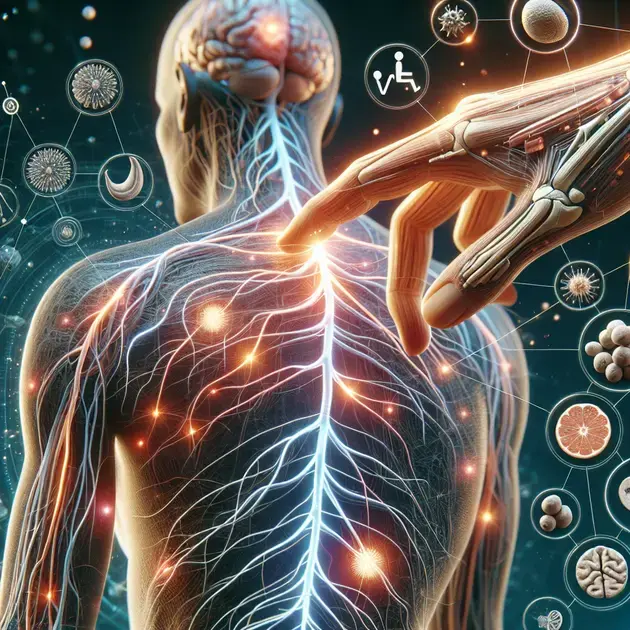
Neuropathy is a condition that affects the nerves in the body, causing numbness, tingling, and pain. To understand neuropathy better, it’s essential to grasp the basics of how the nervous system works. The nervous system is divided into the central nervous system (CNS) and the peripheral nervous system (PNS). The PNS is responsible for transmitting signals between the CNS and the rest of the body, including sensations like touch and pain.

One common way to explain neuropathy is by using the example of a faulty electrical wiring system. Just like faulty wiring can cause lights to flicker or appliances to malfunction, damaged nerves in neuropathy can result in abnormal sensations or pain. The most common type of neuropathy is peripheral neuropathy, which affects the peripheral nerves in the limbs.

To learn more about the basics of neuropathy, you can visit reputable medical websites such as the Mayo Clinic’s website. They provide detailed information on the different types of neuropathy, symptoms, and potential treatments.

Unveiling the Symptoms and Causes of Neuropathy

Neuropathy can manifest with a variety of symptoms, including numbness, tingling, burning sensations, and muscle weakness. These symptoms can vary depending on the type of neuropathy and the nerves affected. Diagnosing neuropathy often involves a combination of physical exams, nerve conduction studies, and blood tests to identify the underlying cause.

There are several potential causes of neuropathy, including diabetes, infections, traumatic injuries, and exposure to toxins. Understanding the underlying cause of neuropathy is crucial for developing an effective treatment plan and managing symptoms. Online resources like WebMD offer comprehensive guides on neuropathy symptoms and causes to help individuals recognize and address potential risk factors.

If you suspect you may have neuropathy based on the symptoms you’re experiencing, it’s important to consult a healthcare professional for proper diagnosis and treatment. Seeking expert medical advice is essential in managing neuropathy effectively and preventing further complications.

Effective Management Strategies for Neuropathy

While neuropathy is a chronic condition, there are various management strategies that can help alleviate symptoms and improve quality of life. One essential aspect of managing neuropathy is controlling underlying conditions like diabetes through medication, diet, and lifestyle changes. Additionally, pain management techniques such as medications, physical therapy, and nerve stimulation can provide relief from neuropathic pain.

Another key component of neuropathy management is practicing good foot care and maintaining overall health to prevent complications like infections or ulcers. Resources like the National Institute of Neurological Disorders and Stroke (NINDS) offer informative guides on neuropathy management strategies and preventive measures.

By adopting a multi-faceted approach that combines medical treatment, lifestyle modifications, and self-care practices, individuals with neuropathy can enhance their overall well-being and effectively manage their symptoms. Consulting with healthcare providers and utilizing reputable online resources can empower individuals to take control of their neuropathy management journey.
Descrição da Imagem 2

**Understanding Neuropathy: What Is Neuropathy Explained**

Understanding Neuropathy: What Is Neuropathy Explained

Neuropathy is a complex and often misunderstood condition that affects the nerves in the body, causing pain, numbness, and weakness. It can be caused by a variety of factors, including diabetes, injury, infection, and exposure to toxins. Understanding neuropathy involves knowing how it affects the nervous system and learning how to manage its symptoms effectively.

One common risk factor for neuropathy is diabetes, particularly when blood sugar levels are not well controlled. High blood sugar can damage the nerves over time, leading to neuropathic symptoms. In addition, certain medications, such as chemotherapy drugs, can also increase the risk of developing neuropathy.

To better understand neuropathy, it is essential to recognize the symptoms associated with the condition. These may include tingling or burning sensations, muscle weakness, and sensitivity to touch. By identifying these symptoms early on, individuals can seek appropriate treatment and prevent further nerve damage.

In conclusion, neuropathy is a condition that affects the nerves and can have a significant impact on an individual’s quality of life. By understanding the causes and symptoms of neuropathy, one can take proactive steps to manage the condition effectively and improve overall well-being.

**Identifying Common Risk Factors for Neuropathy**

Identifying Common Risk Factors for Neuropathy

Neuropathy can be caused by a variety of factors, including diabetes, certain medications, and underlying health conditions. By identifying common risk factors for neuropathy, individuals can take steps to reduce their risk and prevent the development of this painful condition.

One of the primary risk factors for neuropathy is diabetes, especially when blood sugar levels are poorly controlled. High blood sugar can damage the nerves over time, leading to neuropathic symptoms such as pain, numbness, and tingling.

Other common risk factors for neuropathy include a history of alcohol abuse, vitamin deficiencies, and autoimmune diseases. Alcohol abuse can lead to nerve damage, while vitamin deficiencies, particularly of B vitamins, can affect nerve health. Autoimmune diseases, such as lupus or rheumatoid arthritis, can also increase the risk of neuropathy.

By addressing these common risk factors through lifestyle changes, proper nutrition, and medical management, individuals can reduce their risk of developing neuropathy. It is essential to work closely with healthcare providers to identify and address any underlying risk factors to promote nerve health and overall well-being.

In conclusion, by identifying and addressing common risk factors for neuropathy, individuals can take proactive steps to maintain nerve health and reduce the likelihood of developing this debilitating condition.

**Nutritional Tips for Supporting Nervous System Health**

Nutritional Tips for Supporting Nervous System Health

A healthy diet plays a crucial role in supporting nervous system health and reducing the risk of conditions such as neuropathy. By incorporating nutrient-rich foods into one’s daily meals, individuals can provide their nerves with the support they need to function optimally and prevent damage.

One essential nutrient for nervous system health is vitamin B12, which is found in sources such as meat, fish, dairy products, and fortified cereals. Vitamin B12 is crucial for nerve function and can help prevent neuropathy caused by a deficiency of this important vitamin.

In addition to vitamin B12, omega-3 fatty acids, found in foods like fatty fish, flaxseeds, and walnuts, can also support nerve health. These healthy fats help reduce inflammation and protect nerves from damage, reducing the risk of neuropathy.

Antioxidant-rich foods, such as fruits, vegetables, and green tea, can also benefit nervous system health by protecting nerves from oxidative stress. Including a variety of colorful fruits and vegetables in one’s diet can provide a range of antioxidants that support nerve function and overall well-being.

By following a balanced diet rich in essential nutrients and antioxidants, individuals can support nervous system health, reduce the risk of neuropathy, and promote overall wellness. Making informed food choices and prioritizing nutrient-dense foods can have a significant impact on nerve health and quality of life.

**

Conclusion

**

Neuropathy, a complex condition impacting the nerves, can lead to pain, numbness, and weakness, often stemming from causes like diabetes, injury, or exposure to toxins. Understanding neuropathy involves grasping its effects on the nervous system and effectively managing its symptoms. High blood sugar levels, common in diabetes, can gradually harm nerves, resulting in neuropathic symptoms. Additionally, certain medications like chemotherapy drugs heighten the risk of neuropathy.

Recognizing neuropathy symptoms early is crucial for timely treatment and averting further nerve damage. Symptoms such as tingling, muscle weakness, and heightened touch sensitivity signal the presence of neuropathy. This ailment significantly affects one’s quality of life, underscoring the importance of understanding its origins and symptoms. By being proactive in managing neuropathy, individuals can enhance their well-being.

It’s imperative to identify and address common risk factors contributing to neuropathy, such as diabetes, medication use, alcohol abuse, vitamin deficiencies, and autoimmune diseases. Through lifestyle modifications, proper nutrition, and medical guidance, individuals can mitigate their neuropathy risk. Collaborating with healthcare providers to pinpoint and tackle underlying risk factors is crucial in safeguarding nerve health and overall wellness.


Product Description Link
Jointgen
Join the Thousands of U.S. Seniors Enjoying Comfortable, Flexible and Youthful Joints Thanks to Joint Genesis™
Neverfresh
Nerve Fresh promotes healthy nerves by providing 5 vital bio-available fruit, flower and bark extracts with essential vitamin and mineral support
balmorex
“Shortcut to Wellness” is the perfect solution for those who want to ‘hack’ their mind & body with the use of modern technology to improve their quality of life! Biohacking is about optimizing your life & body through the use of biology, research & technology
live pure Do you have deep stubborn fat stores that no diet or exercise seems to remove? Then the answer is yes. Liv Pure has changed the lives of over 234,000 women and men from 18 to 80 and is designed to rapidly dissolve fat in even the worst cases.


Understanding Knuckle Pain: Causes, Symptoms, and Treatment Options


Knuckle pain can be a common complaint with various underlying causes ranging from minor injuries to medical conditions. Understanding Knuckle Pain: Causes, Symptoms, and Treatment Options is crucial for effective management and relief.

From excessive strain to inflammatory conditions such as arthritis, the knuckles are susceptible to pain and discomfort. This post explores the diverse factors contributing to knuckle pain, its associated symptoms, and the available treatment options for individuals seeking guidance on addressing this issue.

Descrição da Imagem 1


Common Causes of Knuckle Pain

When experiencing knuckle pain, it is crucial to understand the common causes that may be contributing to your discomfort. One frequent cause of knuckle pain is arthritis, specifically osteoarthritis and rheumatoid arthritis. Osteoarthritis occurs when the protective cartilage between your joints wears down over time, while rheumatoid arthritis is an autoimmune disease that causes inflammation in the joints, including the knuckles.

Another common cause of knuckle pain is repetitive strain or overuse injuries. This can happen if you engage in activities that put repeated stress on your knuckles, such as typing for long hours or participating in sports like boxing or rock climbing. Additionally, trauma or injury to the knuckles, such as a fracture or dislocation, can result in persistent pain and discomfort.

To identify the exact cause of your knuckle pain, it is recommended to consult with a healthcare professional. They may perform a physical examination, order imaging tests like X-rays or MRIs, and consider your medical history to provide an accurate diagnosis.

Where to Seek Information:

For more information on the common causes of knuckle pain and how to differentiate between them, you can visit reputable medical websites like WebMD or Mayo Clinic. These platforms offer comprehensive resources on various joint conditions and their associated symptoms.

Signs and Symptoms to Watch Out For

Recognizing the signs and symptoms of knuckle pain is essential for early intervention and effective treatment. Some common indicators of knuckle pain include swelling, redness, stiffness, and tenderness around the knuckle joints. You may also experience decreased range of motion and difficulty gripping objects due to the pain.

In addition, if you notice any unusual deformities or changes in the appearance of your knuckles, such as nodules or bony growths, it could be a sign of a more serious underlying condition like arthritis. It is crucial to pay attention to these warning signs and seek medical attention promptly.

Furthermore, accompanying symptoms like fatigue, fever, and weight loss along with knuckle pain may indicate an inflammatory or autoimmune condition that requires specialized treatment from a healthcare provider.

How to Monitor Symptoms:

To track and monitor your knuckle pain symptoms effectively, you can use digital health apps like Symple or Healthie. These apps allow you to input your daily symptoms, pain levels, and activities, providing valuable insights for your healthcare provider during follow-up appointments.

Effective Treatment Options

After identifying the cause and symptoms of your knuckle pain, exploring effective treatment options is crucial to alleviate discomfort and improve joint function. Depending on the underlying condition, treatment may include both conservative measures and medical interventions.

Conservative treatment options for knuckle pain often involve rest, ice therapy, and over-the-counter pain medications to reduce inflammation and relieve pain. Physical therapy exercises and splinting may also be recommended to strengthen the muscles around the knuckles and improve mobility.

In cases where knuckle pain is due to arthritis or chronic conditions, healthcare providers may prescribe anti-inflammatory medications, disease-modifying drugs, or corticosteroid injections to manage symptoms and prevent further joint damage. In severe cases, surgical interventions like joint replacement surgery may be considered.

Where to Find Treatment Options:

For a detailed overview of effective treatment options for knuckle pain, you can explore resources on medical platforms like Healthline or Arthritis Foundation. These websites offer comprehensive guides on managing joint pain and improving overall joint health through various treatment modalities.

Descrição da Imagem 2


Common Causes of Knuckle Pain

Knuckle pain can be caused by various factors, some of which are common and easily treatable. One common cause of knuckle pain is arthritis, specifically osteoarthritis or rheumatoid arthritis. These conditions can lead to inflammation in the joints, including the knuckles, causing pain and stiffness. Another common cause is injury or trauma to the knuckles, such as fractures or dislocations. Repetitive movements or overuse of the hands and fingers can also contribute to knuckle pain, known as repetitive strain injury.

In some cases, knuckle pain may be linked to underlying medical conditions such as gout, lupus, or carpal tunnel syndrome. These conditions can affect the joints and tissues in the hands, including the knuckles, leading to pain and discomfort. Additionally, infections in the fingers or hands can cause swelling and pain in the knuckles.

To determine the exact cause of knuckle pain, it is important to consult with a healthcare professional for an accurate diagnosis. They may recommend imaging tests, such as X-rays or MRIs, and physical examinations to identify the source of the pain. Treatment options may vary depending on the underlying cause of the knuckle pain.

Managing knuckle pain often involves a combination of lifestyle changes, pain relief medications, physical therapy, and in some cases, surgical interventions. By addressing the common causes of knuckle pain, individuals can find relief and improve their hand mobility and function.

Remember to consult with a healthcare provider for personalized advice and treatment options based on your specific condition and needs.

Warning Signs and Symptoms

Persistent Knuckle Pain

One of the warning signs of knuckle pain is persistent discomfort or pain in the knuckles that does not improve with rest or over-the-counter pain medications. This can indicate an underlying issue that requires medical attention. If you experience ongoing knuckle pain that interferes with your daily activities, it is important to seek further evaluation.

Swelling and Redness

Swelling and redness in the knuckles can be a sign of inflammation or injury. If your knuckles appear swollen and feel warm to the touch, it may indicate a problem with the joints or surrounding tissues. Monitoring changes in the appearance of your knuckles can help in identifying potential warning signs of a more serious condition.

Decreased Range of Motion

When knuckle pain is accompanied by a decreased range of motion in the fingers or hands, it can signal an underlying issue affecting joint mobility. Difficulty bending or straightening the fingers, gripping objects, or performing everyday tasks can be warning signs of joint inflammation or damage. Seeking prompt medical attention can help in preventing further complications.

Numbness or Tingling Sensations

Numbness or tingling sensations in the knuckles or fingers can indicate nerve compression or irritation. These symptoms may be accompanied by pain and weakness in the hands, affecting your ability to perform fine motor skills. If you experience persistent numbness or tingling in the knuckles, it is advisable to consult with a healthcare provider for proper evaluation and management.

Localized Heat or Warmth

Feeling localized heat or warmth in the knuckles, along with pain and swelling, can be a warning sign of inflammation or infection. Increased temperature in the affected area may indicate an immune response to an underlying condition. Monitoring changes in skin temperature and seeking medical advice can help in identifying the cause of knuckle pain and determining appropriate treatment.

Top Remedies for Pain Relief

When it comes to managing knuckle pain, there are several effective remedies that can help alleviate discomfort and improve hand function. Here are some top remedies for pain relief:

Rest and Immobilization

Resting the affected hand and avoiding activities that aggravate knuckle pain can help reduce inflammation and promote healing. Immobilizing the hand with a splint or brace can also provide support and stability to the injured knuckles, allowing for proper recovery.

Ice Therapy

Applying ice to the affected knuckles can help reduce swelling and numb pain. Use a cold pack or a bag of frozen peas wrapped in a towel and apply it to the knuckles for about 15-20 minutes at a time. Be sure to give your skin breaks between applications to prevent ice burn.

Over-the-Counter Medications

Nonsteroidal anti-inflammatory drugs (NSAIDs) such as ibuprofen or acetaminophen can help alleviate pain and reduce inflammation in the knuckles. Follow the recommended dosage instructions and consult with your healthcare provider if you have any underlying medical conditions or are taking other medications.

Hand Therapy Exercises

Performing hand therapy exercises can help improve joint mobility, strengthen the muscles in the hands and fingers, and reduce stiffness. A physical therapist or occupational therapist can provide guidance on specific exercises and techniques to enhance hand function and alleviate knuckle pain.

Warm Compress

Using a warm compress or soaking your hands in warm water can help relax the muscles, improve blood circulation, and reduce pain and stiffness in the knuckles. Be cautious with the temperature of the warm compress to avoid burns, and limit the duration of the heat therapy sessions.

By incorporating these top remedies for pain relief into your daily routine and lifestyle, you can effectively manage knuckle pain and enhance the overall health and function of your hands. Remember to consult with a healthcare provider for personalized advice and treatment options based on your specific condition and needs.

**

Conclusion

**

In conclusion, knuckle pain can stem from various causes, including arthritis, injuries, repetitive strain, and underlying medical conditions like gout or carpal tunnel syndrome. Seeking professional medical advice is crucial to accurately diagnose the source of knuckle pain through imaging tests and physical examinations. Treatment approaches ranging from lifestyle adjustments to surgical interventions play a vital role in managing knuckle pain effectively.

Warning signs

Warning signs such as persistent pain, swelling, decreased mobility, numbness, or warmth in the knuckles should not be ignored as they may indicate more serious underlying issues. Monitoring changes in symptoms and seeking timely medical evaluation can help prevent further complications and ensure appropriate treatment.

Top Remedies for Pain Relief

Implementing remedies like rest, ice therapy, over-the-counter medications, hand therapy exercises, and warm compresses can alleviate discomfort, enhance hand function, and reduce inflammation in the knuckles. By incorporating these remedies into daily routines, individuals can effectively manage knuckle pain and improve overall hand health and mobility.


Understanding Joint Inflammation: Causes, Symptoms, and Treatment


When it comes to Understanding Joint Inflammation, it is essential to delve into the causes, symptoms, and treatment options available. Joint inflammation, also known as arthritis, affects millions of people worldwide, leading to pain, stiffness, and decreased mobility.

With advancements in medical research and technology, there is a better understanding of the mechanisms behind joint inflammation. By exploring the root causes and identifying early symptoms, individuals can seek appropriate treatment strategies to manage this condition effectively.

Descrição da Imagem 1


Causes of Joint Inflammation

Joint inflammation can be caused by a variety of factors, including autoimmune conditions such as rheumatoid arthritis, where the body’s immune system mistakenly attacks the joints. Other causes include physical injuries, such as sprains or fractures, which can lead to inflammation in the affected joint. Infections, such as Lyme disease or viral infections, can also trigger joint inflammation. Additionally, conditions like gout, where uric acid crystals accumulate in the joints, can result in inflammation.

A sedentary lifestyle and obesity can contribute to joint inflammation, as excess weight puts increased pressure on the joints, leading to inflammation over time. Genetics can also play a role, as certain individuals may be predisposed to conditions that cause joint inflammation. Environmental factors, such as exposure to pollution or toxins, can further exacerbate inflammation in the joints.

To prevent joint inflammation, it is important to maintain a healthy lifestyle, including regular exercise to keep the joints mobile and strong. Eating a balanced diet rich in anti-inflammatory foods, such as fatty fish, berries, and leafy greens, can also help reduce inflammation in the body. Avoiding smoking and limiting alcohol consumption can contribute to overall joint health and reduce the risk of inflammation.

Consulting with a healthcare provider is crucial for proper diagnosis and treatment of joint inflammation. They can determine the underlying cause of the inflammation and recommend appropriate interventions, such as medications, physical therapy, or lifestyle changes to alleviate symptoms and prevent further joint damage.

Recognizing Symptoms of Joint Inflammation

When it comes to joint inflammation, recognizing the symptoms early on is key to effectively managing the condition. Common symptoms of joint inflammation include pain, swelling, and stiffness in the affected joint. The joint may also feel warm to the touch and may be accompanied by redness or decreased range of motion.

If you notice persistent pain or swelling in a joint, especially after physical activity or upon waking in the morning, it could be a sign of inflammation. Joint inflammation can also cause fatigue, muscle weakness, and overall discomfort that interferes with daily activities.

One way to track and monitor symptoms of joint inflammation is by using a health tracking app, such as My Pain Diary, which allows users to record pain levels, activity levels, and other relevant factors that can help identify patterns and triggers of inflammation. Such apps can be valuable tools for both patients and healthcare providers in managing joint inflammation effectively.

In addition to physical symptoms, joint inflammation can also have a significant impact on mental well-being. Chronic pain and limited mobility can lead to feelings of frustration, anxiety, and depression. It is important to address both the physical and emotional aspects of joint inflammation for holistic management and improved quality of life.

Effective Treatment Options for Joint Inflammation

When it comes to treating joint inflammation, there are several effective options available, depending on the underlying cause and severity of the condition. Nonsteroidal anti-inflammatory drugs (NSAIDs), such as ibuprofen, are commonly used to reduce pain and inflammation in the joints. However, long-term use of NSAIDs may have side effects, so it is important to use them under the guidance of a healthcare provider.

Physical therapy can be beneficial for strengthening the muscles around the affected joint, improving flexibility, and reducing pain. A physical therapist can create a personalized exercise program to target specific areas of weakness or imbalance that contribute to joint inflammation. Regular exercise, such as swimming or gentle yoga, can also help improve joint mobility and reduce inflammation.

In some cases, injections of corticosteroids or hyaluronic acid may be recommended to provide short-term relief from joint inflammation and pain. These injections can help reduce swelling and improve joint function, particularly in individuals with conditions like osteoarthritis. However, they should be used judiciously and as part of a comprehensive treatment plan.

For chronic or severe cases of joint inflammation, surgery may be necessary to repair damaged joints or tissues. Procedures such as joint replacement or arthroscopic surgery can help alleviate pain and improve mobility in the affected joint. Surgery is typically considered when other conservative treatments have not provided sufficient relief or when joint damage is extensive.

Descrição da Imagem 2


Understanding the Impact of Diet on Joint Inflammation

Joint inflammation can be influenced by various factors, and one significant factor is diet. Consuming a diet high in processed foods, sugars, and unhealthy fats can contribute to inflammation in the joints. On the other hand, a diet rich in fruits, vegetables, whole grains, and healthy fats such as omega-3 fatty acids can help reduce inflammation and promote joint health. Studies have shown that certain foods, like green leafy vegetables, berries, and oily fish, contain anti-inflammatory properties that can benefit individuals dealing with joint inflammation.

Additionally, maintaining a healthy weight through proper nutrition can alleviate stress on the joints, reducing the risk of inflammation and associated pain. Obesity is a known risk factor for joint issues, as excess weight puts added pressure on the joints, leading to increased inflammation. By focusing on a balanced diet and incorporating key nutrients known for their anti-inflammatory effects, individuals can positively impact their joint health and potentially reduce symptoms of inflammation.

Incorporating foods rich in antioxidants, such as colorful fruits and vegetables, can also help combat inflammation in the joints. Antioxidants work to neutralize free radicals in the body, which can contribute to inflammation and tissue damage. By including a variety of antioxidant-rich foods in your diet, you can support your body’s natural ability to reduce inflammation and promote overall joint health.

In summary, the impact of diet on joint inflammation is significant, with certain foods promoting inflammation while others offer anti-inflammatory benefits. By making informed choices about your diet and focusing on whole, nutrient-dense foods, you can support your joint health and potentially alleviate symptoms of inflammation.

Preventive Measures to Manage Joint Inflammation

When it comes to managing joint inflammation, prevention is key. By implementing preventive measures, individuals can reduce the likelihood of experiencing inflammation in their joints and maintain optimal joint health. One essential preventive measure is to engage in regular physical activity, as exercise can help strengthen the muscles around the joints, providing added support and reducing the risk of inflammation.

Another preventive measure is to maintain a healthy weight through a balanced diet and portion control. As mentioned earlier, obesity can contribute to joint inflammation due to the increased stress on the joints. By achieving and maintaining a healthy weight, individuals can lessen the burden on their joints and reduce the likelihood of inflammation occurring.

Furthermore, practicing good posture and ergonomics can also play a role in preventing joint inflammation. Proper alignment and body mechanics can help distribute weight evenly across the joints, preventing excess strain and potential inflammation. Additionally, avoiding repetitive movements or overuse of certain joints can help reduce the risk of developing inflammation over time.

Lastly, staying hydrated and consuming an adequate amount of water can support joint health by promoting proper lubrication and cushioning within the joints. Dehydration can lead to joint stiffness and discomfort, so it is important to maintain proper hydration levels to prevent inflammation and support overall joint function.

Holistic Approaches to Alleviate Joint Inflammation

When it comes to alleviating joint inflammation, holistic approaches can offer a comprehensive and natural way to address symptoms and support overall joint health. One holistic approach is the use of herbal remedies and supplements that have anti-inflammatory properties. Turmeric, ginger, and boswellia are examples of herbs known for their ability to reduce inflammation and alleviate joint pain.

Another holistic approach is to incorporate mind-body practices such as yoga and meditation into your routine. These practices can help reduce stress levels, which can contribute to inflammation in the body. By promoting relaxation and mindfulness, individuals can potentially lower their overall inflammation levels and improve joint health.

Acupuncture and massage therapy are additional holistic approaches that can help alleviate joint inflammation by improving circulation, reducing tension, and promoting the body’s natural healing mechanisms. These alternative therapies can provide relief from pain and stiffness in the joints, offering a non-invasive and drug-free option for managing inflammation.

Incorporating stress-reducing techniques, such as deep breathing exercises and relaxation techniques, can also be beneficial for reducing inflammation in the joints. Chronic stress can exacerbate inflammation and contribute to joint issues, so finding healthy ways to manage and reduce stress levels is important for supporting joint health.

Conclusion

Understanding the impact of diet on joint inflammation is crucial for maintaining optimal joint health. Consuming a diet rich in fruits, vegetables, whole grains, and healthy fats can help reduce inflammation in the joints, while avoiding processed foods and unhealthy fats can prevent inflammation. By making informed choices about nutrition, individuals can positively impact their joint health and potentially alleviate symptoms of inflammation.

Preventive measures play a key role in managing joint inflammation. Regular physical activity helps strengthen muscles around the joints, reducing the risk of inflammation. Maintaining a healthy weight through a balanced diet and portion control is essential to prevent excess stress on the joints. Good posture, ergonomics, and avoiding repetitive movements further help in preventing inflammation and maintaining joint health.

Holistic approaches offer natural ways to alleviate joint inflammation. Herbal remedies like turmeric and ginger, mind-body practices such as yoga and meditation, and alternative therapies like acupuncture and massage can help reduce inflammation and joint pain. Incorporating stress-reducing techniques into daily routines can also be beneficial for overall joint health.


Natural Ways to Relieve Headache Pain


Are you tired of reaching for painkillers every time a headache strikes? Fortunately, there are natural ways to relieve headache pain that can provide effective relief without the potential side effects of medication.

From herbal remedies to lifestyle changes, incorporating these natural solutions into your routine can help you find relief from headaches in a safe and sustainable way. Let’s explore some of the latest strategies and techniques for combating headache pain naturally.

Descrição da Imagem 1

Natural Remedies for Headache Relief

Lifestyle Adjustments for Headache Management

When it comes to managing headaches, making lifestyle adjustments can have a significant impact. Here are some steps you can take to help alleviate headache pain:

1. **Stay Hydrated:** Dehydration can be a common trigger for headaches. Make sure to drink an adequate amount of water throughout the day. You can track your daily water intake using apps like WaterMinder or MyWater.

2. **Practice Stress-Relief Techniques:** Stress is a major contributor to headaches. Incorporate stress-relief techniques such as meditation, deep breathing exercises, or yoga into your daily routine. Apps like Headspace or Calm can guide you through mindfulness practices.

3. **Maintain a Consistent Sleep Schedule:** Irregular sleep patterns can trigger migraines. Aim for 7-9 hours of quality sleep each night and establish a bedtime routine. Apps like Sleep Cycle or Calm can help optimize your sleep patterns.

4. **Follow a Balanced Diet:** Certain foods and beverages can trigger headaches. Keep a food journal or use apps like MyFitnessPal to track your diet and identify potential triggers. Consider incorporating magnesium-rich foods like leafy greens, nuts, and seeds.

5. **Stay Active:** Regular physical activity can help reduce the frequency and intensity of headaches. Find an exercise routine that works for you and consider using fitness apps like Nike Training Club or Strava to stay motivated and track your progress.

Incorporating Herbal Solutions for Headache Pain

Herbal remedies have been used for centuries to alleviate headache pain. Here are some herbal solutions you can incorporate into your routine:

1. **Peppermint Oil:** Peppermint oil has natural analgesic properties that can help relieve tension headaches. Mix a few drops of peppermint oil with a carrier oil and apply it to your temples for relief. Look for high-quality essential oils from reputable brands like doTERRA or Young Living.

2. **Feverfew:** Feverfew is an herb that is commonly used to prevent migraines. You can consume feverfew supplements or make a tea using dried feverfew leaves. Consult with a healthcare provider or use reputable sources like WebMD for dosage recommendations.

3. **Butterbur:** Butterbur is another herb that has been shown to reduce the frequency of migraines. Look for butterbur supplements that are certified free of pyrrolizidine alkaloids, which can be harmful to the liver. Websites like Healthline or Mayo Clinic can provide more information on the benefits of butterbur.

4. **Ginger:** Ginger has anti-inflammatory properties that can help alleviate headache pain. You can brew ginger tea or take ginger supplements to reap its benefits. Websites like Medical News Today or Verywell Health can offer insights on the use of ginger for headaches.

5. **Lavender:** Lavender essential oil is known for its calming aroma, which can help reduce stress-related headaches. Diffuse lavender oil in your home or add a few drops to a warm bath for relaxation. Ensure to purchase pure lavender oil from trusted brands like Plant Therapy or Rocky Mountain Oils.

Descrição da Imagem 2

**Exploring Acupressure and Acupuncture for Headache Management**

Acupressure Techniques

Acupressure is an ancient Chinese healing technique that involves applying pressure to specific points on the body to promote relaxation and alleviate pain. When it comes to headache management, acupressure can be a valuable tool in providing relief. By targeting key acupressure points related to headaches, such as LI-4 (Union Valley) on the hand and GB-20 (Gallbladder 20) on the back of the head, individuals can potentially reduce the intensity and frequency of their headaches.

Step-by-Step Guide to Acupressure for Headaches:

1. Find a quiet and comfortable place to sit or lie down.

2. Apply firm but gentle pressure to the LI-4 point located in the webbing between your thumb and index finger for 1-2 minutes.

3. Move on to apply pressure to GB-20, located in the hollows on either side of the base of your skull, for another 1-2 minutes.

4. Repeat these steps as needed throughout the day to help manage your headaches effectively.

Acupuncture Treatment

Acupuncture is another traditional Chinese medicine practice that involves inserting thin needles into specific points on the body to restore the flow of qi (energy) and promote healing. When it comes to headache management, acupuncture can help regulate the body’s natural pain-relief mechanisms and address underlying imbalances that may contribute to headaches.

Step-by-Step Guide to Acupuncture for Headaches:

1. Schedule a consultation with a licensed acupuncturist to discuss your headache symptoms and treatment goals.

2. During the acupuncture session, the acupuncturist will carefully insert thin needles into specific points on your body, including those related to headache relief.

3. Relax and allow the needles to remain in place for about 20-30 minutes to promote the desired therapeutic effects.

4. Regular acupuncture sessions may be recommended to help manage and prevent headaches effectively.

**Discovering Aromatherapy for Headache Pain Relief**

Aromatherapy Essential Oils

Aromatherapy is a holistic healing practice that utilizes the natural scents of essential oils to promote physical and emotional well-being. When it comes to headache pain relief, certain essential oils have demonstrated effectiveness in alleviating symptoms and promoting relaxation. Essential oils such as lavender, peppermint, and eucalyptus are commonly used for their analgesic and calming properties in managing headaches.

Step-by-Step Guide to Aromatherapy for Headaches:

1. Choose a high-quality essential oil known for its headache-relief benefits, such as lavender or peppermint.

2. Dilute a few drops of the essential oil in a carrier oil, such as coconut or almond oil, to create a soothing blend.

3. Apply the diluted oil mixture to your temples, forehead, and neck, and gently massage the areas to promote absorption and relaxation.

4. Breathe deeply and inhale the calming aroma of the essential oil to enhance its therapeutic effects and soothe your headache symptoms.

Aromatherapy Diffusion

In addition to topical application, aromatherapy can also be experienced through diffusion using an essential oil diffuser. Diffusing headache-relief essential oils in your living or work space can create a soothing and calming atmosphere that helps alleviate headache pain and promote a sense of well-being.

Step-by-Step Guide to Aromatherapy Diffusion for Headaches:

1. Fill your essential oil diffuser with water according to the manufacturer’s instructions.

2. Add a few drops of a headache-relief essential oil, such as eucalyptus or chamomile, to the water in the diffuser.

3. Turn on the diffuser and let the aromatic mist fill the room, creating a relaxing environment for headache relief.

4. Sit back, relax, and breathe in the soothing aroma to help alleviate your headache symptoms naturally.

Conclusion

Exploring the realms of acupressure, acupuncture, and aromatherapy unveils a holistic approach to managing headaches effectively. Acupressure, an ancient healing technique, targets specific points on the body to alleviate pain and promote relaxation. By focusing on key acupressure points like LI-4 and GB-20, individuals can potentially reduce the intensity and frequency of headaches, offering a natural and accessible remedy. In parallel, acupuncture, a traditional Chinese medicine practice, aids in restoring the body’s energy flow and natural pain-relief mechanisms to address underlying imbalances contributing to headache symptoms. Regular acupuncture sessions can contribute significantly to preventing and managing headaches, providing a comprehensive approach to holistic healing.

Aromatherapy, with its array of essential oils such as lavender, peppermint, and eucalyptus, presents a fragrant and soothing solution for headache pain relief. The calming and analgesic properties of these essential oils make them valuable allies in managing headaches naturally. Through topical application and diffusion, aromatherapy offers a multi-sensory experience to alleviate headache symptoms and promote a sense of well-being. By incorporating aromatherapy into daily routines, individuals can create a serene environment conducive to relaxation and headache management.

By embracing the power of acupressure, acupuncture, and aromatherapy, individuals can embark on a journey towards holistic headache management. These ancient practices, when integrated into regular self-care routines, offer natural, effective, and accessible alternatives to conventional headache treatments. Whether it’s applying pressure to acupressure points, receiving acupuncture sessions, or immersing in the calming scents of essential oils, exploring these traditional healing modalities can empower individuals to take charge of their headache symptoms and enhance their overall well-being.

Product Description Link
Jointgen
Join the Thousands of U.S. Seniors Enjoying Comfortable, Flexible and Youthful Joints Thanks to Joint Genesis™
Neverfresh
Nerve Fresh promotes healthy nerves by providing 5 vital bio-available fruit, flower and bark extracts with essential vitamin and mineral support
balmorex
“Shortcut to Wellness” is the perfect solution for those who want to ‘hack’ their mind & body with the use of modern technology to improve their quality of life! Biohacking is about optimizing your life & body through the use of biology, research & technology
live pure Do you have deep stubborn fat stores that no diet or exercise seems to remove? Then the answer is yes. Liv Pure has changed the lives of over 234,000 women and men from 18 to 80 and is designed to rapidly dissolve fat in even the worst cases.


Dealing with the Pain in a Joint


Dealing with the pain in a joint can be a challenging and frustrating experience for many individuals. Whether it’s due to an injury, arthritis, or overuse, joint pain can severely impact one’s quality of life and overall well-being.

Fortunately, there are various treatment options available to help manage and alleviate joint pain. From physical therapy and medications to lifestyle modifications and surgical interventions, finding the right approach for dealing with the pain in a joint is crucial for improving mobility and reducing discomfort.

Descrição da Imagem 1


Managing Joint Pain effectively

Living with joint pain can be challenging, but there are several strategies to manage it effectively. One way is through regular exercise, such as low-impact activities like swimming or yoga. Apps like MyFitnessPal can help you track your workouts and stay motivated. Additionally, maintaining a healthy weight and a balanced diet can reduce strain on your joints. Consider using apps like Lose It! to monitor your food intake and make healthier choices.

Another important aspect of managing joint pain is getting enough rest and practicing stress-reducing techniques. Apps like Calm or Headspace offer guided meditation and relaxation exercises to help you unwind and alleviate tension in your joints. It’s also helpful to establish a good sleep routine, ensuring you get enough restorative rest each night. Apps like Sleep Cycle can help you track your sleep patterns and optimize your bedtime habits.

In addition to lifestyle changes, there are various supplements and over-the-counter medications that can provide relief from joint pain. Sites like Healthline or WebMD offer comprehensive information on different treatment options, including glucosamine, turmeric, or NSAIDs. However, it’s essential to consult with a healthcare professional before starting any new supplement or medication to ensure it’s safe and effective for your specific condition.

Furthermore, incorporating alternative therapies like acupuncture or physical therapy into your treatment plan can also help manage joint pain. Websites like ZocDoc or Psychology Today can assist you in finding local practitioners who specialize in these modalities. These therapies can improve flexibility, reduce inflammation, and enhance overall joint function, providing long-term benefits for your joint health.

By combining various strategies, from exercise and diet to supplements and therapies, you can effectively manage joint pain and improve your quality of life. Remember to track your progress using apps or websites, and consult with healthcare professionals regularly to adjust your treatment plan as needed.

Exploring Treatment Options for Joint Pain

When it comes to exploring treatment options for joint pain, it’s essential to consider a holistic approach that addresses the root cause of the discomfort. One effective method is seeking out professional medical advice from platforms like BetterHelp or Amwell, where you can connect with experienced healthcare providers for personalized recommendations and treatment plans tailored to your needs.

Depending on the severity of your joint pain, your healthcare provider may suggest a combination of medical interventions, such as prescription medications or injections. Websites like Drugs.com or RxList offer detailed information on different medications commonly used to manage joint pain, their side effects, and potential interactions. Always follow your healthcare provider’s guidance when taking prescription medications to ensure their safe and effective use.

Additionally, exploring non-invasive treatments like physical therapy or chiropractic care can be beneficial in relieving joint pain and improving mobility. Platforms like PT Genie or ZocDoc can help you find experienced therapists or chiropractors in your area who specialize in treating joint conditions. These professionals can develop personalized exercise plans or spinal adjustments to alleviate pain and restore function in your joints.

For those seeking natural remedies, sites like Healthline or Mayo Clinic provide evidence-based information on supplements or herbs that may help reduce joint inflammation and support joint health. However, it’s crucial to consult with a healthcare provider before trying any new supplement to ensure it’s safe and appropriate for your condition.

Exploring treatment options for joint pain requires patience and open communication with healthcare professionals. By considering a combination of medical interventions, non-invasive therapies, and natural remedies, you can find a comprehensive treatment plan that addresses your joint pain effectively and improves your overall quality of life.

Improving Quality of Life with Joint Pain Relief

Living with joint pain can significantly impact your quality of life, but there are various relief techniques that can help you manage discomfort and enhance your overall well-being. One approach is incorporating mindfulness and relaxation practices into your daily routine. Apps like Calm or Insight Timer offer guided meditation sessions and stress-relief techniques to reduce tension in your body and promote relaxation, which can alleviate joint pain.

Physical activity is another essential element in improving quality of life with joint pain relief. Regular exercise, such as walking or cycling, can strengthen supporting muscles around your joints and reduce stiffness. Websites like Strava or MapMyFitness can help you track your activity levels and set achievable fitness goals to stay motivated and active despite the pain.

In addition to exercise, maintaining a healthy diet rich in anti-inflammatory foods can also contribute to joint pain relief. Platforms like MyPlate or MyFitnessPal provide tools to monitor your nutrition and make healthier food choices that can support joint health. Incorporating foods like fatty fish, nuts, and leafy greens into your diet can help reduce inflammation and ease joint discomfort.

Furthermore, engaging in activities that promote relaxation and social connection, such as yoga classes or support groups, can improve your emotional well-being and provide a sense of community. Websites like Meetup or Eventbrite can help you discover local events or groups focused on mindfulness or joint health, allowing you to connect with others who understand and support your journey to better manage joint pain.

By combining different approaches, from mindfulness practices and physical activity to a balanced diet and social engagement, you can effectively improve your quality of life with joint pain relief. Remember to listen to your body, pace yourself, and seek support from healthcare professionals or online resources as needed to optimize your well-being and manage joint pain more effectively.

Descrição da Imagem 2


Understanding the Root Causes of Joint Pain

Joint pain can stem from a variety of underlying factors. One common cause is inflammation, which can result from conditions such as arthritis, bursitis, or tendinitis. When the body’s immune system triggers inflammation in the joints, it can lead to pain, stiffness, and reduced mobility. Another factor contributing to joint pain is wear and tear on the cartilage that cushions the joints. This can occur with aging, repetitive use, or injuries.

Moreover, genetic predisposition can play a role in joint pain, as certain conditions like osteoarthritis can run in families. Additionally, lifestyle factors such as poor diet, lack of exercise, and being overweight can put extra stress on the joints, exacerbating discomfort. Understanding the root causes of joint pain is essential for effective management and treatment.

To address joint pain at its core, it’s crucial to consult with healthcare professionals who can provide accurate diagnosis and personalized treatment plans. By identifying the specific factors contributing to joint pain, individuals can take targeted steps to alleviate discomfort and improve overall joint health.

Holistic Approaches to Managing Joint Discomfort

When it comes to managing joint discomfort, taking a holistic approach can yield significant benefits. Holistic practices focus on treating the individual as a whole, addressing physical, emotional, and mental well-being. One holistic approach to managing joint discomfort is through integrative therapies such as acupuncture, chiropractic care, or massage therapy.

Incorporating dietary changes and herbal supplements known for their anti-inflammatory properties can also contribute to reducing joint pain and inflammation. Additionally, engaging in regular physical activity, such as yoga or tai chi, can help improve flexibility, strengthen muscles, and enhance joint function.

Mind-body techniques like meditation, deep breathing exercises, and mindfulness practices can play a pivotal role in managing joint discomfort. By cultivating awareness and relaxation, individuals can minimize stress and tension, which are known contributors to exacerbating joint pain. Embracing a holistic approach to joint discomfort not only targets the symptoms but also promotes overall well-being.

Incorporating Mindfulness Techniques for Joint Pain Relief

Mindfulness techniques offer a powerful tool for alleviating joint pain and enhancing overall quality of life. By practicing mindfulness, individuals can develop a heightened awareness of their body, thoughts, and emotions, allowing them to respond to pain more effectively. Mindful meditation, body scans, and gentle movement practices can help individuals cultivate a sense of peace and acceptance towards their joint discomfort.

By focusing on the present moment without judgment, individuals can reduce the emotional distress often associated with chronic pain. Mindfulness techniques can also improve resilience and coping strategies, empowering individuals to face the challenges of joint pain with greater ease and equanimity.

Incorporating mindfulness techniques into daily routines can complement other treatment approaches and enhance the overall management of joint pain. By harnessing the power of mindfulness, individuals can foster a sense of empowerment and agency in their journey towards relief from joint discomfort.

Conclusion

In conclusion, understanding the root causes of joint pain is crucial for effective management and treatment. Factors such as inflammation, wear and tear on cartilage, genetic predisposition, and lifestyle habits all contribute to joint discomfort. By consulting healthcare professionals for accurate diagnosis and personalized treatment plans, individuals can address these factors and improve overall joint health.

Moreover, holistic approaches play a significant role in managing joint discomfort. Integrative therapies like acupuncture, chiropractic care, and massage therapy, along with dietary changes and herbal supplements, can reduce pain and inflammation. Engaging in physical activities such as yoga and tai chi, as well as incorporating mindfulness techniques like meditation and deep breathing exercises, can enhance flexibility, strength, and relaxation, promoting overall well-being.

Additionally, mindfulness techniques offer a powerful tool for joint pain relief. Practicing mindfulness allows individuals to develop awareness of their body and emotions, leading to effective responses to pain. By focusing on the present moment without judgment, individuals can reduce emotional distress and improve resilience in coping with joint pain. Incorporating mindfulness into daily routines can complement other treatment approaches, empowering individuals on their journey towards relief from joint discomfort.


Managing Joint and Pain: Expert Tips for Relief


Are you struggling with managing joint pain and seeking relief? Look no further, as we have gathered expert tips to help you find the much-needed comfort you deserve.

With the latest advancements in pain management techniques, there are various solutions available to assist in alleviating joint pain. Let’s explore some effective strategies recommended by experts in the field.

Descrição da Imagem 1


Expert Tips for Managing Joint Pain

Dealing with joint pain can be challenging, but there are some expert tips that can help you manage it effectively. One key tip is to maintain a healthy weight, as excess weight can put pressure on your joints and worsen the pain. Another important tip is to exercise regularly, focusing on low-impact activities like swimming or biking. Additionally, make sure to eat a balanced diet rich in anti-inflammatory foods like fruits, vegetables, and nuts.

Step-by-step:

1. Consult with a physical therapist to create a customized exercise plan.

2. Use mobile apps like MyFitnessPal to track your diet and exercise progress.

3. Consider mindfulness techniques such as yoga or meditation to reduce stress and improve pain management.

4. Get regular check-ups with your healthcare provider to monitor your joint health.

5. Explore online resources like Arthritis Foundation (www.arthritis.org) for additional tips and support.

Effective Strategies for Relief

When it comes to finding relief from joint pain, there are several effective strategies that you can try. One strategy is to use hot and cold therapy, alternating between ice packs and heating pads to reduce inflammation and soothe your joints. Another helpful strategy is to practice good posture and ergonomics, especially if you have a desk job that requires sitting for long periods.

Step-by-step:

1. Invest in ergonomic furniture such as an adjustable chair or standing desk.

2. Try over-the-counter pain relievers like ibuprofen or acetaminophen for temporary relief.

3. Use topical creams or patches containing menthol or capsaicin for localized pain relief.

4. Consider alternative therapies like acupuncture or massage therapy to alleviate joint pain.

5. Stay hydrated and drink plenty of water to keep your joints lubricated and flexible.

Latest Advancements in Pain Management

With ongoing advancements in pain management, there are new and innovative treatments available for joint pain. One of the latest advancements is the use of regenerative medicine techniques like stem cell therapy or platelet-rich plasma injections to promote healing and reduce inflammation in the joints. Another cutting-edge treatment is the use of wearable technology, such as smart braces or compression sleeves, to provide targeted support and pain relief.

Step-by-step:

1. Consult with a pain management specialist to explore advanced treatment options for joint pain.

2. Stay informed about clinical trials and research studies on emerging pain management technologies.

3. Consider telemedicine platforms like Teladoc for virtual consultations with pain specialists.

4. Explore biofeedback and neurostimulation therapies for non-invasive pain relief solutions.

5. Join online communities and forums like Pain Doctor (www.paindoctor.com) to connect with others managing joint pain and share experiences.

Descrição da Imagem 2


Here are the detailed sections for each of the requested subheadings:

Practical Solutions for Pain Management

When it comes to managing pain effectively, exploring practical solutions is essential for maintaining a good quality of life. One approach that has gained recognition is the use of natural remedies and therapies. These methods can range from herbal supplements to acupuncture, offering individuals alternative ways to alleviate discomfort without relying solely on medication.

Furthermore, incorporating regular exercise into your routine can also play a significant role in managing pain. Physical activity helps improve circulation, strengthens muscles, and promotes overall wellbeing. Whether it’s through yoga, swimming, or walking, finding a form of exercise that suits your needs can be a great step towards reducing pain levels.

In addition to natural remedies and exercise, maintaining a balanced diet is crucial for managing pain effectively. Certain foods, such as anti-inflammatory fruits and vegetables, can help reduce inflammation and alleviate discomfort. Consider consulting with a nutritionist to create a meal plan that supports your pain management goals.

Moreover, mindfulness techniques like meditation and deep breathing exercises can also be powerful tools for managing pain. By focusing on the present moment and cultivating inner peace, individuals can learn to cope with pain in a more positive and constructive manner. These practices not only provide relief from physical discomfort but also promote mental and emotional wellness.

In conclusion, embracing practical solutions for pain management involves a holistic approach that considers various aspects of well-being. By incorporating natural remedies, exercise, a balanced diet, and mindfulness techniques into your daily routine, you can empower yourself to effectively manage pain and improve your overall quality of life.

Holistic Approaches to Joint Wellness

When it comes to promoting joint wellness, adopting holistic approaches can have a profound impact on one’s overall health and mobility. Holistic practices encompass the mind, body, and spirit, aiming to address the root causes of joint discomfort and enhance overall well-being. By integrating complementary therapies and lifestyle changes, individuals can experience improved joint health and mobility.

One key aspect of holistic joint wellness is regular physical activity that supports joint function and strength. Low-impact exercises such as swimming, yoga, and tai chi can help increase flexibility, reduce stiffness, and promote blood flow to the joints. Engaging in these activities regularly can contribute to better joint health and overall well-being.

Furthermore, dietary choices play a significant role in supporting joint wellness. Consuming foods rich in omega-3 fatty acids, antioxidants, and anti-inflammatory properties can help reduce joint inflammation and promote cartilage health. Including foods like fatty fish, nuts, and colorful fruits and vegetables in your diet can have a positive impact on joint wellness.

Incorporating stress-reducing practices such as meditation, acupuncture, or massage therapy can also benefit joint health. Stress and tension can exacerbate joint pain, so finding ways to relax and unwind can help alleviate discomfort and improve overall joint wellness. These holistic approaches focus on nurturing the body and mind to achieve optimal joint health.

In summary, embracing holistic approaches to joint wellness involves a comprehensive strategy that addresses physical, nutritional, and emotional aspects of joint health. By integrating exercise, dietary changes, stress management techniques, and complementary therapies, individuals can support their joints and move towards a healthier, more active lifestyle.

Innovative Techniques for Alleviating Discomfort

When traditional methods fall short in alleviating discomfort, exploring innovative techniques can offer new and effective ways to manage pain and enhance well-being. Innovative approaches often combine modern technology with ancient practices, providing individuals with a diverse range of options to address discomfort and improve quality of life.

One innovative technique that has shown promise in alleviating discomfort is virtual reality therapy. By immersing individuals in immersive environments and experiences, virtual reality can distract the mind from pain signals and promote relaxation. This non-invasive approach offers a unique and engaging way to manage discomfort and enhance overall well-being.

Another emerging technique for alleviating discomfort is biofeedback therapy, which involves using sensors to monitor physiological responses and providing real-time feedback to help individuals learn how to control their bodily functions. By gaining awareness and control over functions like heart rate and muscle tension, individuals can effectively manage pain and stress, leading to improved well-being.

Furthermore, the use of cold laser therapy, also known as low-level laser therapy, has shown promise in alleviating discomfort and promoting healing. This non-invasive treatment involves applying low levels of laser light to the affected area, stimulating cellular repair and reducing pain and inflammation. Cold laser therapy offers a safe and effective way to address discomfort without the need for medication or surgery.

In conclusion, exploring innovative techniques for alleviating discomfort opens up new possibilities for managing pain and enhancing overall well-being. Whether through virtual reality therapy, biofeedback techniques, or cold laser therapy, individuals can discover effective and alternative ways to address discomfort and improve their quality of life.

Conclusion

Embracing practical solutions for pain management involves a holistic approach that considers various aspects of well-being. By incorporating natural remedies, exercise, a balanced diet, and mindfulness techniques into your daily routine, you can empower yourself to effectively manage pain and improve your overall quality of life. These methods offer alternative ways to alleviate discomfort and enhance physical and emotional wellness, providing individuals with a comprehensive approach to pain management.

Similarly, holistic approaches to joint wellness focus on addressing the root causes of joint discomfort and promoting overall health and mobility. By integrating complementary therapies, regular physical activity, and stress-reducing practices into one’s lifestyle, individuals can experience improved joint function and well-being. These holistic strategies encompass physical, nutritional, and emotional aspects of joint health, offering a comprehensive and sustainable approach to supporting joint wellness.

Furthermore, exploring innovative techniques for alleviating discomfort presents new opportunities for managing pain and enhancing overall well-being. From virtual reality therapy to biofeedback techniques and cold laser therapy, individuals can access diverse options to address discomfort effectively. These innovative approaches combine modern technology with ancient practices, providing a unique and engaging way to manage pain and improve quality of life. By considering these innovative techniques, individuals can find alternative and effective methods for addressing discomfort and promoting well-being.


Natural Ways to Relieve Headache Pain


Are you tired of dealing with frequent headaches and looking for natural ways to relieve headache pain? You’re not alone. In today’s fast-paced world, headaches have become a common complaint among people of all ages.

Instead of reaching for over-the-counter pain medications, why not explore alternative methods to alleviate your headache symptoms? From herbal remedies to lifestyle changes, there are plenty of natural approaches that can help you find relief without the side effects of traditional medication.

Descrição da Imagem 1

**Effective Herbal Remedies for Headache Relief**

Implementing Lifestyle Changes to Reduce Headache Pain

Headaches can often be triggered or exacerbated by lifestyle factors, so making changes to your daily routine can significantly reduce the frequency and intensity of headaches. One effective way to reduce headache pain is by maintaining a consistent sleep schedule. Ensuring you get enough rest each night and avoid oversleeping can help prevent headaches. To track your sleep patterns and receive personalized recommendations, you can use the Sleep Cycle app, available for both iOS and Android devices.

In addition to adequate sleep, staying hydrated is crucial for headache prevention. Dehydration is a common headache trigger, so it’s essential to drink enough water throughout the day. To help track your water intake and set hydration goals, you can use the WaterMinder app, which sends reminders to ensure you’re staying hydrated.

Regular physical activity has also been shown to reduce headache frequency and severity. Engaging in activities like yoga, walking, or cycling can help relieve stress and tension that contribute to headaches. The Nike Training Club app offers a variety of workout routines for all fitness levels, making it easy to incorporate regular exercise into your lifestyle.

Managing stress is another key factor in reducing headache pain. Practicing relaxation techniques such as deep breathing, meditation, or mindfulness can help alleviate tension and promote overall well-being. The Calm app provides guided meditation sessions and relaxation exercises to help you unwind and combat stress effectively.

Incorporating these lifestyle changes into your daily routine can make a significant difference in managing headache pain and improving your overall quality of life.

The Benefits of Natural Approaches for Headache Management

Natural remedies offer a holistic approach to managing headache pain without relying on medication. Essential oils, such as peppermint and lavender, have been found to be effective in relieving headache symptoms. You can apply a few drops of essential oil to your temples or use a diffuser to inhale the aroma for quick relief. Websites like doTERRA provide information on essential oils and their benefits for headache management.

Another natural approach to headache relief is acupuncture, an ancient practice that involves stimulating specific points on the body to alleviate pain. Acupuncture has been shown to reduce the frequency and intensity of headaches for many individuals. To find a qualified acupuncturist in your area, you can use the Acufinder website, which allows you to search for practitioners based on your location and specific needs.

Dietary changes can also play a significant role in managing headaches. Certain foods and beverages, such as caffeine, alcohol, and processed foods, can trigger headaches in some individuals. Keeping a food diary using the MyFitnessPal app can help you identify potential triggers and make informed decisions about your diet to prevent headaches.

Regular exercise and physical activity not only help reduce stress but also promote overall health, which can indirectly lead to fewer headaches. Engaging in activities like swimming, running, or weight training can improve blood circulation and release endorphins, natural painkillers that can alleviate headache symptoms. The Strava app allows you to track your workouts, connect with other users, and stay motivated to maintain a consistent exercise routine.

By incorporating natural approaches into your headache management plan, you can address the root causes of your headaches and experience long-lasting relief without relying solely on medication.

Descrição da Imagem 2

Natural Ways to Alleviate Headache Discomfort

When it comes to alleviating headache discomfort, incorporating natural remedies can provide effective relief without the need for medication. Holistic practices offer a gentle and safe approach to managing headaches, addressing the root cause of the pain rather than just masking the symptoms. By exploring alternative methods, individuals can find sustainable ways to reduce headache frequency and intensity.

1. Hydration:

Staying hydrated is essential for overall health and can play a significant role in preventing and alleviating headaches. Dehydration is a common trigger for headaches, so drinking an adequate amount of water throughout the day can help in managing and reducing headache discomfort. Consider carrying a reusable water bottle with you to ensure you stay hydrated wherever you go.

2. Essential Oils:

Essential oils, such as lavender and peppermint, have been used for centuries to relieve headaches. These aromatic oils can be applied topically or diffused in the air to promote relaxation and reduce headache symptoms. Applying a few drops of diluted essential oil to the temples or inhaling the scent can provide soothing relief from headache discomfort.

3. Herbal Teas:

Herbal teas like chamomile and ginger have calming properties that can help in alleviating headache pain. Enjoying a warm cup of herbal tea when experiencing a headache can have a calming effect on the mind and body. The act of sipping on a hot beverage can also promote relaxation, aiding in headache relief.

4. Acupressure:

Acupressure is a traditional Chinese medicine technique that involves applying pressure to specific points on the body to relieve pain. By targeting acupressure points associated with headaches, individuals can experience relief from headache discomfort. Practicing acupressure regularly can help in reducing the frequency and severity of headaches.

5. Mindfulness and Meditation:

Stress and tension are common triggers for headaches, making mindfulness and meditation valuable practices for headache relief. Taking time to focus on deep breathing, meditation, or mindfulness exercises can help in calming the mind and reducing headache symptoms. Incorporating these practices into daily routines can contribute to long-term headache management.

Conclusion

Exploring natural ways to alleviate headache discomfort can offer effective relief without relying on medication. Holistic practices provide a gentle approach by addressing the root cause of the pain rather than just masking symptoms. By embracing alternative methods such as hydration, essential oils, herbal teas, acupressure, mindfulness, and meditation, individuals can discover sustainable ways to reduce both the frequency and intensity of headaches.

Hydration:

Staying hydrated plays a crucial role in preventing and alleviating headaches. Dehydration is a common trigger for headaches, emphasizing the importance of drinking adequate water throughout the day. Carrying a reusable water bottle ensures you stay hydrated wherever you go, contributing to managing and reducing headache discomfort.

Essential Oils:

Centuries-old remedies like lavender and peppermint essential oils have shown effectiveness in relieving headaches. Whether applied topically or diffused, these aromatic oils promote relaxation and reduce headache symptoms. A few drops of diluted essential oil on the temples or inhaling the scent can bring soothing relief from headache discomfort.

Herbal Teas:

Chamomile and ginger herbal teas possess calming properties that aid in alleviating headache pain. Enjoying a warm cup during a headache episode has a calming effect on both the mind and body. The act of sipping a hot beverage not only relaxes but also contributes to headache relief.

Acupressure:

Utilizing traditional Chinese medicine techniques like acupressure can provide relief by targeting specific points on the body associated with headaches. Regular practice of acupressure helps in reducing both the frequency and severity of headaches, offering individuals a natural method for managing discomfort.

Mindfulness and Meditation:

Stress and tension are common headache triggers, making mindfulness and meditation valuable practices for relief. Incorporating activities like deep breathing, meditation, and mindfulness exercises can calm the mind, ultimately reducing headache symptoms. Integrating these practices into daily routines supports long-term headache management.

Product Description Link
Jointgen
Join the Thousands of U.S. Seniors Enjoying Comfortable, Flexible and Youthful Joints Thanks to Joint Genesis™
Neverfresh
Nerve Fresh promotes healthy nerves by providing 5 vital bio-available fruit, flower and bark extracts with essential vitamin and mineral support
balmorex
“Shortcut to Wellness” is the perfect solution for those who want to ‘hack’ their mind & body with the use of modern technology to improve their quality of life! Biohacking is about optimizing your life & body through the use of biology, research & technology
live pure Do you have deep stubborn fat stores that no diet or exercise seems to remove? Then the answer is yes. Liv Pure has changed the lives of over 234,000 women and men from 18 to 80 and is designed to rapidly dissolve fat in even the worst cases.


Ancient immune defense system plays an unexpected role in cancer

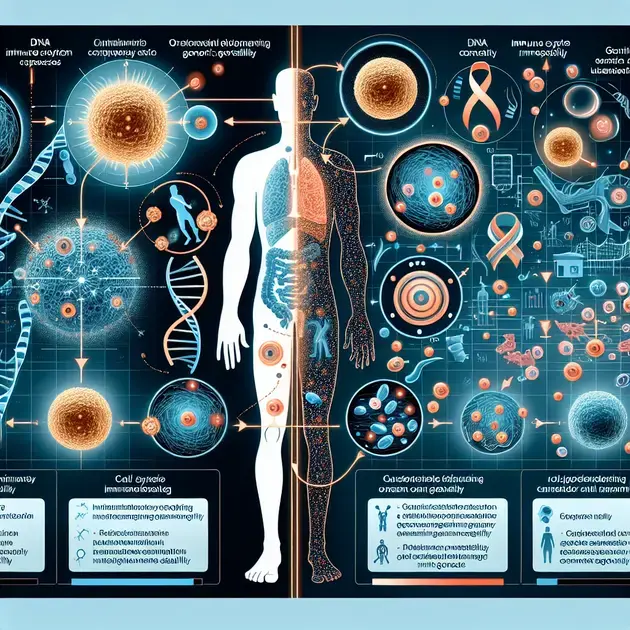
In this blog post, we explore the unexpected role of the innate immune system in safeguarding genetic stability and its potential applications in combating cancer.

Title: Unveiling the Unexpected Role of the Innate Immune System in Safeguarding Genetic Stability

Introduction:
Recent research has shed light on the fascinating and crucial role played by the body’s innate immune system in not only defending against pathogens but also preserving the stability of our genomes. The implications of these discoveries are proving to be invaluable for understanding cancer development. In this article, we delve into the intriguing influence of the innate immune system on genetic stability and its potential applications in combating cancer.

Protecting against Pathogens:
The innate immune system is the first line of defense against invading pathogens such as bacteria, viruses, and parasites. Its primary function is to identify and eliminate these foreign invaders by launching a rapid immune response. This defense mechanism involves various cells, molecules, and pathways that effectively curtail the spread of infectious agents.

Preserving Genomic Integrity:
While the innate immune system’s role in pathogen defense is well-established, recent studies have highlighted its additional function in safeguarding the stability of our genomes. Genomic stability is crucial for preventing harmful mutations and aberrations that can lead to the development of cancer.

DNA Damage Surveillance:
The innate immune system actively monitors the DNA within our cells to detect any abnormalities or damage. It utilizes specialized sensors, known as pattern recognition receptors, to identify specific DNA structures associated with pathogen invasion or genotoxic stress. Upon detecting these irregularities, the immune system triggers a cascade of cellular responses to repair the damaged DNA or eliminate the affected cells.

Inflammatory Response and Cancer Development:
In addition to its role in DNA repair, the innate immune system also influences cancer development through its inflammatory response. When pathogens or damaged cells are detected, the immune system unleashes an inflammatory reaction, recruiting immune cells to the affected site. While inflammation initially acts as a defense mechanism, chronic inflammation can have detrimental effects, often leading to the accumulation of DNA damage and increasing the risk of cancer.

Implications for Cancer Research and Treatment:
Understanding the intricate relationship between the innate immune system and genomic stability holds significant promise for cancer research and treatment strategies. Researchers are now exploring the potential of harnessing these pathways to develop innovative therapies aimed at preserving genetic integrity and preventing cancer development.

One such approach involves enhancing the immune system’s surveillance capabilities to identify and eliminate damaged or cancerous cells. By boosting the innate immune response, researchers hope to selectively target cancer cells while minimizing damage to healthy tissues. Additionally, exploiting the anti-inflammatory properties of the immune system could offer novel ways to modulate chronic inflammation, reducing the risk of cancer initiation and progression.

Conclusion:
Beyond its well-known role in pathogen defense, the innate immune system is emerging as a critical guardian of genetic stability. The discoveries surrounding its involvement in DNA damage surveillance and regulation of inflammatory responses have profound implications for cancer research and treatment. As we continue to unravel the complexities of the immune-genome relationship, new horizons in cancer prevention and therapy are within reach.Researchers are discovering that the body’s innate immune system, in addition to its role in defending against pathogens, also plays a crucial role in maintaining the stability of our genomes. This finding has significant implications for cancer development.

Dealing with the Pain of a Joint


Living with joint pain can be challenging, affecting one’s daily life and overall well-being. From arthritis to injuries, the discomfort and limitations caused by joint pain can be overwhelming. Finding effective ways of dealing with the pain and improving mobility is crucial for maintaining a good quality of life.

Whether you experience joint pain occasionally or on a chronic basis, it’s essential to explore different strategies to alleviate the discomfort. From exercise and physical therapy to medication and dietary changes, there are various approaches that can help manage the pain and enhance joint function. Embracing a holistic approach to joint health can make a significant difference in your pain levels and overall mobility.

Descrição da Imagem 1


Effective Strategies for Managing Joint Pain

Joint pain can significantly affect one’s quality of life, making everyday tasks challenging. However, there are several effective strategies for managing joint pain that can help improve mobility and reduce discomfort. One of the key strategies is regular exercise, focusing on low-impact activities such as swimming, yoga, or walking. These exercises can help strengthen the muscles around the joints and improve flexibility.

Another important strategy is maintaining a healthy weight. Excess weight puts extra pressure on the joints, leading to increased pain and inflammation. Following a balanced diet rich in anti-inflammatory foods such as fruits, vegetables, and omega-3 fatty acids can also help reduce joint pain.

In addition to exercise and diet, proper posture and body mechanics play a crucial role in managing joint pain. Practicing good posture and using ergonomic tools, such as supportive chairs and cushions, can help reduce strain on the joints and alleviate pain.

Furthermore, incorporating relaxation techniques such as meditation, deep breathing exercises, or massage therapy can help decrease stress levels and promote overall well-being, which can have a positive impact on joint pain management. Utilizing apps like Calm or Headspace can guide you through meditation and relaxation exercises.

Lastly, it’s essential to work closely with healthcare professionals to develop a comprehensive treatment plan for managing joint pain. This may include medications, physical therapy, or other interventions tailored to your specific needs and condition.

Holistic Approaches to Enhancing Joint Function

Improving joint function goes beyond just managing pain; it involves promoting overall joint health and mobility. Holistic approaches to enhancing joint function focus on addressing the root causes of joint issues and promoting long-term well-being. One key approach is through chiropractic care, which emphasizes spinal alignment and joint mobilization to improve overall joint function.

Another holistic approach is acupuncture, a traditional Chinese therapy that involves inserting thin needles into specific points on the body to promote healing and alleviate joint pain. Acupuncture can help restore the flow of energy, or qi, in the body, which is believed to be essential for overall health and well-being.

Furthermore, incorporating supplements such as glucosamine, chondroitin, and turmeric can help support joint health and reduce inflammation. These natural remedies can complement other treatment modalities and promote better joint function over time.

Practicing mind-body techniques like tai chi or yoga can also be beneficial for enhancing joint function. These gentle, low-impact exercises focus on improving balance, flexibility, and strength, all of which are crucial for maintaining healthy joints.

Exploring Different Methods to Alleviate Discomfort

When it comes to alleviating discomfort associated with joint pain, it’s essential to explore a variety of methods to find what works best for you. One effective method is heat therapy, which can help relax muscles, improve blood flow, and reduce stiffness in the joints. Using heating pads or warm compresses can provide temporary relief from joint pain.

Another method worth exploring is cold therapy, which can help reduce inflammation and numb the area, providing temporary pain relief. Applying ice packs or cold therapy wraps to the affected joints can help alleviate discomfort and swelling.

Alternative therapies such as acupressure and aromatherapy can also be beneficial for managing joint pain and discomfort. Acupressure involves applying pressure to specific points on the body to relieve pain and promote relaxation, while aromatherapy uses essential oils to reduce inflammation and improve overall well-being.

Additionally, practicing gentle stretching exercises or engaging in water therapy, such as swimming or aquatic aerobics, can help improve joint mobility and reduce pain. These low-impact activities can be particularly beneficial for individuals with joint issues.

It’s important to consult with healthcare professionals or physical therapists to explore different methods and develop a personalized plan for alleviating joint discomfort. By incorporating a combination of strategies, you can effectively manage joint pain and improve your quality of life.

Descrição da Imagem 2


Natural Remedies for Relieving Joint Pain

Dealing with joint pain can be debilitating and affect your daily life. Fortunately, there are natural remedies that can help alleviate the discomfort without relying on medication. One key natural remedy for relieving joint pain is turmeric, a spice known for its anti-inflammatory properties. Incorporating turmeric into your diet or taking supplements can help reduce inflammation in the joints, easing pain and stiffness.

Another effective natural remedy for joint pain is ginger. Ginger has been used for centuries for its medicinal properties, including its ability to reduce inflammation and pain. You can consume ginger in various forms, such as adding it to your meals, drinking ginger tea, or taking ginger supplements. Regular consumption of ginger can help improve joint mobility and reduce discomfort.

Essential oils are also known for their pain-relieving properties. Certain essential oils like lavender, eucalyptus, and peppermint can be applied topically to the affected joints to provide relief. These oils can help reduce inflammation, increase blood flow, and promote relaxation, all of which contribute to easing joint pain.

Additionally, incorporating omega-3 fatty acids into your diet can be beneficial for joint health. Foods rich in omega-3s, such as fatty fish, flaxseeds, and walnuts, have anti-inflammatory effects that can help reduce joint pain. Consider adding these foods to your meals regularly to support joint function and alleviate discomfort.

Lastly, practices like acupuncture and yoga have been shown to be effective in managing joint pain. Acupuncture involves inserting thin needles into specific points on the body to promote healing and relieve pain. Yoga, on the other hand, focuses on gentle stretching and strengthening exercises that can improve flexibility, reduce stiffness, and enhance overall joint health.

Incorporating Exercise Into Your Joint Pain Management

Exercise is an essential component of managing joint pain and promoting overall joint health. When done correctly, exercise can help strengthen the muscles around the joints, improve flexibility, and reduce stiffness. One effective type of exercise for joint pain management is low-impact activities like swimming, cycling, or walking. These exercises are gentle on the joints while still providing significant benefits.

Strength training is another important aspect of incorporating exercise into your joint pain management routine. Building muscle strength can help support the joints and prevent further damage. Focus on exercises that target the muscles surrounding the affected joints, such as leg lifts, bicep curls, and squats. Start with light weights and gradually increase as your strength improves.

Stretching exercises are also crucial for maintaining joint flexibility and reducing pain. Incorporate daily stretching routines that focus on the major muscle groups around the joints. Stretching can help improve range of motion, alleviate tightness, and enhance joint mobility. Remember to warm up before stretching to prevent injury.

Cardiovascular exercises like aerobics or dancing can benefit joint health by promoting circulation, reducing inflammation, and aiding in weight management. Maintaining a healthy weight is important for managing joint pain, as excess weight puts added stress on the joints. Aim for at least 30 minutes of moderate-intensity cardio exercise most days of the week.

It’s essential to listen to your body and consult with a healthcare provider or a fitness professional before starting any new exercise regimen, especially if you have existing joint pain or conditions. They can help create a tailored exercise plan that suits your needs and goals while considering your joint health.

Mindfulness Techniques for Coping With Joint Discomfort

Mindfulness techniques can be powerful tools for managing and coping with joint discomfort. Practicing mindfulness involves being present in the moment, acknowledging your sensations and emotions without judgment. This practice can help reduce stress, improve pain tolerance, and enhance overall well-being, making it beneficial for individuals dealing with joint pain.

One effective mindfulness technique for coping with joint discomfort is deep breathing exercises. Taking slow, deep breaths can help calm the mind, relax the body, and alleviate tension in the muscles surrounding the joints. Practice deep breathing regularly, especially during times of heightened pain or discomfort, to promote relaxation and pain relief.

Another mindfulness practice that can aid in coping with joint discomfort is meditation. Meditation involves focusing the mind on a specific object, thought, or activity to achieve mental clarity and emotional stability. Regular meditation sessions can help improve your ability to cope with pain, reduce stress levels, and enhance your overall quality of life.

Body scans are a mindfulness technique that involves mentally scanning your body from head to toe, focusing on each body part and noticing any sensations or discomfort. This practice can help increase body awareness, identify areas of tension or pain, and promote relaxation. Perform body scans regularly to connect with your body and manage joint discomfort effectively.

Practicing mindfulness in daily activities, such as eating, walking, or engaging in conversations, can also contribute to coping with joint discomfort. By staying present and fully engaging in each activity, you can reduce stress levels, improve mood, and decrease the perception of pain. Mindfulness techniques can be seamlessly integrated into your routine to support your overall well-being and joint health.

Conclusion

In conclusion, natural remedies such as turmeric, ginger, essential oils, and omega-3 fatty acids offer effective solutions for relieving joint pain without the need for medications. These remedies, known for their anti-inflammatory properties, can reduce inflammation, improve joint mobility, and alleviate discomfort. Incorporating these natural ingredients into your diet or daily routine can significantly benefit joint health and overall well-being.

Furthermore, incorporating exercise, including low-impact activities, strength training, stretching exercises, and cardiovascular workouts, plays a crucial role in managing joint pain and promoting joint health. By strengthening muscles, improving flexibility, and maintaining a healthy weight, individuals can support their joints and reduce stiffness, contributing to enhanced overall joint function.

Additionally, mindfulness techniques like deep breathing, meditation, and body scans offer valuable strategies for coping with joint discomfort. By practicing mindfulness, individuals can reduce stress, improve pain tolerance, and enhance their quality of life. Mindfulness in daily activities further promotes well-being and joint health, making it an integral part of managing joint pain effectively.


7 healthiest types of green tea for weight loss and overall health

7 Healthiest Types of Green Tea for Weight Loss and Overall Health

Green tea has long been revered for its numerous health benefits. It is known for its antioxidant properties, which can help fight inflammation and protect against chronic diseases. Additionally, green tea has also been associated with weight loss and improved heart health.

If you’re looking to incorporate green tea into your daily regimen but don’t know where to start, here are seven of the healthiest types of green tea to consider:

1. Matcha Tea: Known for its vibrant green color, matcha tea is made from finely ground green tea leaves. It is rich in antioxidants and contains a higher concentration of catechins compared to other types of green tea. Matcha has been shown to boost metabolism and aid in weight loss.

2. Sencha Tea: Sencha tea is the most popular type of green tea in Japan. It is made from the first and second flush of tea leaves and has a sweet, grassy flavor. Sencha tea is known for its high levels of antioxidants, which can improve overall health and boost the immune system.

3. Gyokuro Tea: Gyokuro tea is considered one of the finest and most expensive types of green tea. It is grown in the shade for several weeks before harvest, which increases its chlorophyll content and gives it a unique, rich flavor. Gyokuro tea is known for its intense umami taste and is often enjoyed as a ceremonial tea.

4. Dragon Well Tea: Also known as Longjing tea, Dragon Well tea is a famous Chinese green tea with a mellow, nutty flavor. It is grown in the West Lake region of China and is known for its high levels of antioxidants. Dragon Well tea has been associated with improved digestion and weight loss.

5. Houjicha Tea: Unlike other types of green tea, houjicha tea is roasted after the leaves are steamed and dried. This roasting process gives houjicha tea a unique smoky flavor and reddish-brown color. It has lower levels of caffeine compared to other green teas, making it a great option for those sensitive to caffeine.

6. Gunpowder Tea: Gunpowder tea gets its name from its tightly rolled leaves, which resemble gunpowder pellets. It has a strong, bold flavor and is often used in Moroccan mint tea. Gunpowder tea is rich in antioxidants and can aid in digestion and weight loss.

7. Jasmine Tea: While technically not a true green tea, jasmine tea is made by scenting green tea leaves with jasmine flowers. It has a delicate floral aroma and a slightly sweet taste. Jasmine tea is known for its calming properties and can help reduce stress and anxiety.

Incorporating different types of green tea into your daily regimen can provide a range of health benefits. Whether you’re looking to boost metabolism, aid in weight loss, or improve overall health, there is a green tea variety for you. So bid adieu to your regular detox teas and explore the world of exotic green teas for a healthier you.