Home Blog Page 314

What Causes Pain in the Joints?


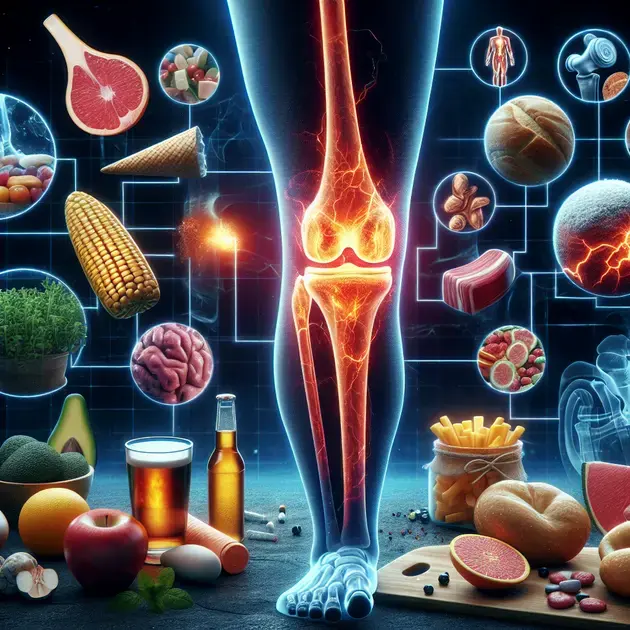
Have you ever wondered what causes pain in the joints? Joint pain can be a common and debilitating issue that affects individuals of all ages. From arthritis to injuries, there are various factors that can contribute to joint pain.

Recent studies have shown that inflammation plays a crucial role in causing pain in the joints. When the body’s immune system responds to damaged tissues, it can lead to swelling and pain in the joints. Understanding the underlying causes of joint pain is essential for effective treatment and management strategies.
Descrição da Imagem 1


Understanding Inflammation and Joint Pain

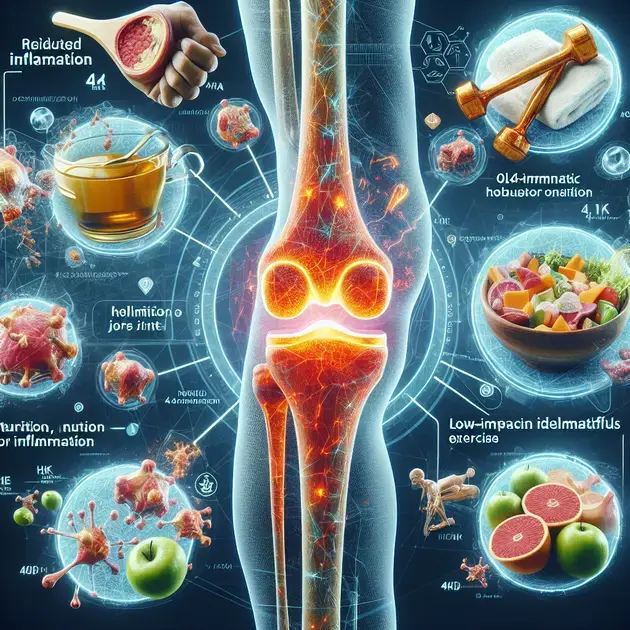
When it comes to understanding inflammation and joint pain, it’s important to recognize that inflammation is the body’s natural response to injury or illness. In the case of joint pain, inflammation can occur due to conditions like arthritis, bursitis, or tendinitis. One effective way to manage inflammation and joint pain is through regular exercise. Apps like MyFitnessPal offer personalized workout plans and tracking tools to help individuals stay active and reduce inflammation.

In addition to exercise, maintaining a healthy diet can also play a crucial role in managing inflammation. Apps like MyPlate Calorie Counter provide guidance on nutritional intake and can help users make healthier food choices to reduce inflammation in the body. It’s important to focus on consuming anti-inflammatory foods such as fatty fish, berries, and leafy greens to support joint health.

Furthermore, staying hydrated is essential for combating inflammation and joint pain. Apps like WaterMinder can help track your daily water intake and remind you to stay hydrated throughout the day. Adequate hydration can help reduce inflammation and improve overall joint function.

Another key aspect of understanding inflammation and joint pain is stress management. High stress levels can exacerbate inflammation in the body, leading to increased joint pain. Mindfulness apps like Headspace offer guided meditation and relaxation techniques to help reduce stress and promote well-being, ultimately aiding in the management of joint pain.

Lastly, seeking professional medical advice and treatment is crucial for effectively managing inflammation and joint pain. Apps like Zocdoc can help individuals find and schedule appointments with rheumatologists or orthopedic specialists who can provide personalized treatment plans for joint pain and inflammation.

Arthritis and Joint Pain: The Connection

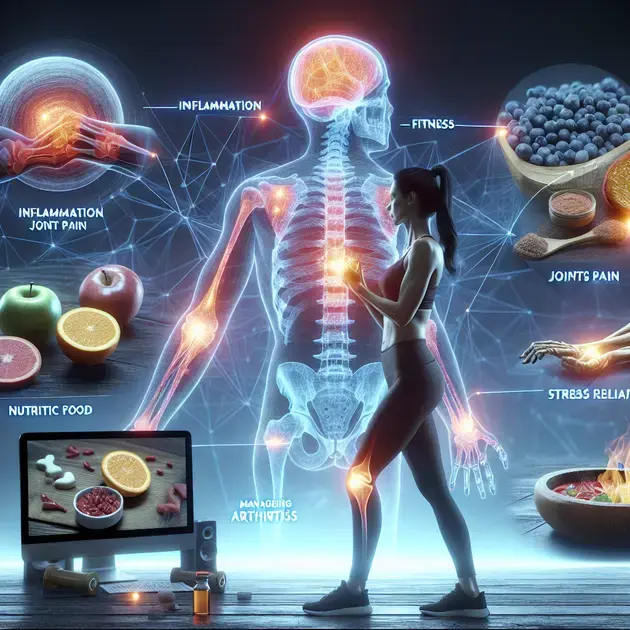
Understanding the connection between arthritis and joint pain is essential for effectively managing these conditions. Arthritis is a common cause of joint pain and is characterized by inflammation in the joints. One strategy for managing arthritis and joint pain is engaging in low-impact exercises. Fitness apps like FitOn offer arthritis-friendly workout routines that can help improve joint flexibility and reduce pain.

In addition to exercise, using heat or cold therapy can provide relief for arthritis-related joint pain. Apps like WebMD offer information on the proper application of heat packs or cold compresses to alleviate joint discomfort. Alternating between heat and cold treatments can help reduce inflammation and manage arthritis symptoms.

Dietary choices also play a significant role in the connection between arthritis and joint pain. Apps like Fooducate can assist individuals in making healthy food choices that can help reduce inflammation in the body. Incorporating anti-inflammatory foods such as turmeric, nuts, and tomatoes into your diet can support joint health and alleviate arthritis pain.

Furthermore, maintaining a healthy weight is crucial for managing arthritis and joint pain. Apps like Lose It! provide tools for tracking caloric intake and setting weight loss goals to achieve a healthy body mass index. Excess weight puts additional stress on the joints, exacerbating arthritis symptoms, so maintaining a healthy weight can help reduce joint pain.

Lastly, joining support groups or online communities can be beneficial for those dealing with arthritis and joint pain. Apps like Arthritis Foundation’s Live Yes! Online Community connect individuals facing similar challenges and provide a platform for sharing experiences and tips for managing arthritis symptoms effectively.
Descrição da Imagem 2


**Exploring Common Causes of Joint Pain**

Physical Inactivity

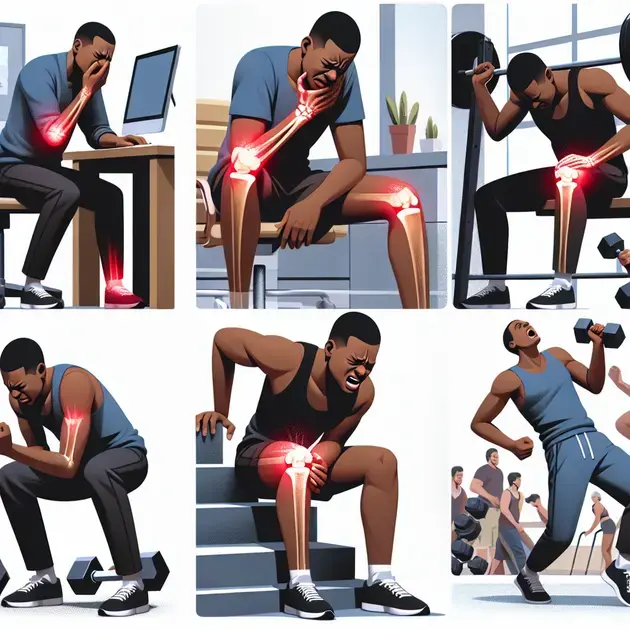
One of the most common causes of joint pain is physical inactivity. When we do not engage in regular exercise or movement, our joints can become stiff and weak. This lack of movement can lead to inflammation and pain in the joints, making it difficult to perform everyday tasks.

How to address Physical Inactivity:

To combat the effects of physical inactivity on joint health, it is essential to incorporate regular exercise into your routine. This can include activities such as walking, swimming, or yoga. By staying active, you can help keep your joints flexible and reduce the risk of pain and inflammation.

Poor Posture

Another common cause of joint pain is poor posture. When we sit or stand in positions that put excessive strain on our joints, it can lead to discomfort and pain over time. Poor posture can especially affect the joints in the back, neck, and knees.

How to address Poor Posture:

Improving your posture can help alleviate joint pain and prevent further discomfort. Focus on sitting and standing up straight, with your shoulders back and your spine aligned. Incorporating exercises to strengthen the muscles that support good posture can also be beneficial.

**Nutrition and Its Impact on Joint Health**

Processed Foods

The consumption of processed foods high in sugar, unhealthy fats, and additives can contribute to inflammation in the body, including the joints. A diet rich in processed foods can exacerbate joint pain and discomfort, making it important to be mindful of your food choices.

How to improve Nutrition:

To support joint health through nutrition, focus on a diet rich in whole foods such as fruits, vegetables, whole grains, and lean proteins. Incorporate anti-inflammatory foods like fatty fish, nuts, and seeds, while reducing your intake of processed and sugary foods.

Vitamin D Deficiency

Vitamin D plays a crucial role in bone health and joint function. A deficiency in this essential nutrient can lead to weakened bones and joint pain. It is important to ensure an adequate intake of vitamin D through sunlight exposure and dietary sources.

How to address Vitamin D Deficiency:

To prevent joint pain associated with vitamin D deficiency, consider incorporating foods like fatty fish, fortified dairy products, and egg yolks into your diet. Additionally, spending time outdoors in the sun can help your body produce vitamin D naturally.

**The Role of Exercise in Alleviating Joint Discomfort**

Low-Impact Exercises

Engaging in low-impact exercises can help alleviate joint discomfort by providing movement without putting excessive stress on the joints. Activities such as swimming, cycling, and yoga can improve flexibility, strength, and overall joint health.

How to incorporate low-Impact Exercises:

To benefit from low-impact exercises, start by gradually incorporating them into your fitness routine. Focus on movements that are gentle on the joints and emphasize form and alignment. Consistency is key to reaping the benefits of these exercises.

Strength Training

Strength training is essential for maintaining joint health and preventing discomfort. By strengthening the muscles that support the joints, you can improve stability and reduce the risk of injury. Incorporating exercises that target the muscles around the joints can alleviate pain and improve overall joint function.

How to include Strength Training:

To enhance joint health through strength training, incorporate exercises such as squats, lunges, and resistance band workouts into your routine. Start with lighter weights and gradually increase the intensity as your strength improves. Remember to listen to your body and seek guidance from a fitness professional if needed.

**

Conclusion

**

In conclusion, joint pain can stem from various factors such as physical inactivity, poor posture, nutrition, and vitamin D deficiency. Physical inactivity can lead to stiff and weak joints, causing inflammation and discomfort. By incorporating regular exercise like walking, swimming, or yoga, individuals can maintain joint flexibility and reduce the risk of pain.

Poor posture is another common culprit behind joint pain, especially in the back, neck, and knees. Improving posture by sitting and standing correctly and strengthening supportive muscles can help alleviate joint discomfort. Additionally, paying attention to nutrition is crucial, as processed foods high in sugar and unhealthy fats can contribute to inflammation. A diet rich in whole foods and anti-inflammatory choices like fatty fish and nuts can support joint health.

Furthermore, addressing vitamin D deficiency is essential for bone and joint function. Ensuring an adequate intake of vitamin D through diet and sunlight exposure can prevent weakened bones and associated joint pain. Engaging in low-impact exercises such as swimming, cycling, and yoga can alleviate joint discomfort by providing movement without excessive stress. Strength training is also key, as it helps strengthen supporting muscles, improve stability, and reduce the risk of injury.



Dealing with Nerve Issues: Tips for Managing Discomfort


Dealing with nerve issues can be a challenging experience, often accompanied by discomfort that can significantly impact daily life. Whether you are dealing with sciatica, neuropathy, or another type of nerve problem, finding effective ways to manage the pain and discomfort is crucial for maintaining a good quality of life.

In this blog post, we will share valuable tips and strategies for managing nerve-related discomfort. From lifestyle changes to alternative therapies, we will explore various approaches to help you find relief and improve your overall well-being. Stay tuned for expert insights and practical advice on navigating the complexities of nerve issues.

Descrição da Imagem 1

Understanding Nerve Pain and Discomfort: A Comprehensive Guide

Nerve pain, also known as neuropathic pain, can be a challenging condition to manage, as it differs from typical pain sensations. Understanding the root causes of nerve pain is crucial in finding effective treatments. One helpful resource is the website PainPhysicianJournal.com, which provides in-depth articles and research on nerve pain.

When experiencing nerve discomfort, it’s essential to consult with a healthcare professional for an accurate diagnosis. Websites like WebMD offer comprehensive guides on nerve pain symptoms and potential underlying conditions. Educating yourself about the specific type of nerve pain you’re experiencing can aid in developing a personalized treatment plan.

Exploring treatment options for nerve pain can include medications, physical therapy, and lifestyle changes. The Mayo Clinic website offers detailed information on various treatment modalities and what to expect from each option. Being well-informed can empower you to make informed decisions about your healthcare.

In addition to conventional treatments, alternative therapies such as acupuncture, yoga, or meditation have shown promising results in managing nerve pain. Websites like SpineUniverse.com provide insights into these alternative approaches and how they can complement traditional treatments for nerve discomfort.

By taking a proactive approach to understanding nerve pain and discomfort, individuals can navigate the complexities of this condition and work towards alleviating their symptoms effectively. Utilizing reputable online resources can serve as valuable tools in this journey towards better nerve health.

Lifestyle Changes for Managing Nerve-Related Discomfort

Implementing lifestyle modifications can play a significant role in managing nerve-related discomfort and improving overall quality of life. Websites like Healthline offer practical tips on lifestyle changes that can help alleviate nerve pain and prevent its recurrence.

Regular exercise, such as walking, swimming, or yoga, can enhance circulation and reduce nerve pain symptoms. Fitness apps like “Strava” or “MyFitnessPal” can assist in creating personalized workout routines tailored to your fitness level. Consistency in physical activity is key to reaping the benefits for nerve health.

Adopting a balanced diet rich in anti-inflammatory foods, such as fruits, vegetables, and omega-3 fatty acids, can aid in reducing nerve inflammation. Apps like “MyPlate” or “MyNetDiary” provide guidance on meal planning and tracking nutritional intake to support nerve health. Making gradual dietary changes can lead to long-lasting improvements in managing nerve-related discomfort.

Stress management techniques like mindfulness meditation, deep breathing exercises, or journaling can lower stress levels that exacerbate nerve pain. Apps like “Calm” or “Headspace” offer guided meditation sessions and relaxation techniques for stress relief. Incorporating these practices into your daily routine can promote emotional well-being and alleviate nerve-related discomfort.

Creating a sleep routine that prioritizes adequate rest and relaxation is essential for nerve health. Sleep tracking apps like “Sleep Cycle” or “Pillow” can help monitor your sleep patterns and optimize your bedtime routine for better quality sleep. Establishing a soothing bedtime ritual can improve sleep quality and contribute to overall nerve pain management.

Exploring Alternative Therapies for Nerve Pain Relief

Alternative therapies can complement traditional treatments in providing relief for nerve pain and discomfort. Websites like ACAToday.org offer insights into chiropractic care and its benefits for nerve-related conditions.

Acupuncture, an ancient Chinese healing technique, has gained popularity in addressing nerve pain. Apps like “Healigo” or “AcuApp” can help locate licensed acupuncturists in your area and schedule appointments for treatment sessions. Exploring acupuncture as a complementary therapy can offer relief from nerve-related symptoms.

Herbal remedies such as turmeric, ginger, or capsaicin creams have anti-inflammatory properties that can alleviate nerve pain. Websites like “TheHerbalAcademy.com” provide information on herbal remedies and their applications for nerve discomfort. Consulting with a healthcare provider before trying herbal supplements is recommended to ensure compatibility with existing treatments.

Physical therapies like massage therapy or hydrotherapy can promote relaxation and improve circulation, which can benefit nerve health. Apps like “Soothe” or “Zeel” allow you to book professional massage therapists who specialize in nerve pain relief techniques. Incorporating regular massages into your wellness routine can offer relief from nerve-related discomfort.

Mind-body practices such as yoga or tai chi focus on mindfulness, movement, and breath work to enhance overall well-being and alleviate nerve pain. Websites like “YogaJournal.com” offer resources on yoga poses for nerve pain relief. Participating in mind-body activities can cultivate a sense of calmness and resilience in managing nerve-related discomfort.

Descrição da Imagem 2

Effective Exercises to Alleviate Nerve Discomfort

When dealing with nerve discomfort, incorporating effective exercises into your daily routine can provide significant relief and help improve your overall nerve health. Regular physical activity not only promotes circulation but also releases endorphins, which are natural painkillers for the body. Here is a step-by-step guide on how to incorporate exercises to alleviate nerve discomfort:

Step 1: Low-Impact Aerobic Exercises

Engage in low-impact aerobic exercises such as walking, swimming, or cycling. These activities help boost blood flow to the nerves, reducing inflammation and promoting healing. Aim for at least 30 minutes of aerobic exercise most days of the week.

Step 2: Stretching and Yoga

Include stretching exercises and yoga poses in your routine to improve flexibility and reduce tension in the muscles surrounding the nerves. Focus on stretches that target areas where you experience nerve discomfort, such as the neck, back, or legs.

Step 3: Strength Training

Incorporate strength training exercises to build muscle mass and support the nerves. Weightlifting, resistance band exercises, and bodyweight workouts can help stabilize the joints and improve overall nerve function.

Step 4: Balance and Stability Exercises

Enhance your balance and stability through exercises like tai chi or Pilates. These techniques can improve coordination and prevent falls, reducing the risk of further nerve damage.

Step 5: Mind-Body Practices

Practice relaxation techniques such as deep breathing, meditation, or progressive muscle relaxation to calm the nervous system and alleviate stress. A holistic approach to exercise can significantly impact nerve discomfort and improve your quality of life.

Nutritional Strategies for Nerve Pain Management

Proper nutrition plays a crucial role in managing nerve pain and promoting nerve health. By including specific nutrients in your diet, you can support nerve function and alleviate discomfort. Here is a guide on incorporating nutritional strategies for nerve pain management:

Step 1: Anti-Inflammatory Foods

Include foods rich in anti-inflammatory properties such as fatty fish, nuts, seeds, and leafy greens. These foods can help reduce inflammation in the nerves and ease pain sensations.

Step 2: Vitamins and Minerals

Ensure you are getting an adequate intake of vitamins B12, B6, and D, as well as minerals like magnesium and calcium. These nutrients are essential for nerve health and can help prevent deficiencies that may exacerbate pain.

Step 3: Omega-3 Fatty Acids

Incorporate sources of omega-3 fatty acids, such as salmon, flaxseeds, and walnuts, into your diet. These healthy fats have anti-inflammatory properties and can support nerve function and reduce pain levels.

Step 4: Hydration and Herbal Teas

Stay hydrated by drinking an adequate amount of water throughout the day. Additionally, consuming herbal teas like chamomile or ginger tea can help reduce nerve pain and promote relaxation.

Step 5: Balanced Diet

Focus on maintaining a balanced diet that includes a variety of fruits, vegetables, whole grains, and lean proteins. By nourishing your body with essential nutrients, you can support overall nerve health and alleviate pain symptoms.

Mindfulness Techniques for Improving Nerve Health

Practicing mindfulness techniques can have a profound impact on improving nerve health and reducing discomfort. By incorporating mindfulness into your daily routine, you can cultivate a sense of awareness and presence that supports your overall well-being. Here are some mindfulness techniques to enhance nerve health:

Step 1: Meditation Practices

Engage in regular meditation practices to calm the mind and reduce stress levels. Mindful meditation can help alleviate tension in the body, including the nerves, and promote relaxation and healing.

Step 2: Deep Breathing Exercises

Practice deep breathing exercises to oxygenate the body and promote relaxation. Deep breathing can stimulate the parasympathetic nervous system, leading to a state of calmness and reducing nerve discomfort.

Step 3: Mindful Movement Activities

Participate in mindful movement activities such as tai chi, qigong, or gentle yoga. These practices can improve circulation, alleviate tension, and enhance the mind-body connection, contributing to improved nerve health.

Step 4: Gratitude and Positivity

Cultivate a sense of gratitude and positivity in your daily life. By focusing on the present moment and acknowledging the blessings in your life, you can reduce stress, enhance emotional well-being, and positively impact nerve health.

Step 5: Mindful Eating Habits

Practice mindful eating by paying attention to the flavors, textures, and sensations of each bite. Mindful eating can help regulate digestion, promote nutrient absorption, and support overall nerve function and health.

Conclusion

Incorporating effective exercises, such as low-impact aerobics, stretching, strength training, balance, and stability activities, along with mind-body practices, can significantly alleviate nerve discomfort and enhance overall nerve health. These activities boost circulation, reduce inflammation, and release endorphins, acting as natural painkillers for the body. By following a step-by-step guide that includes various exercise routines, individuals can experience relief and improvement in their quality of life.

Nutritional strategies are vital for managing nerve pain and promoting nerve health. Including anti-inflammatory foods, essential vitamins and minerals, omega-3 fatty acids, hydration, and maintaining a balanced diet can support nerve function, reduce inflammation, and alleviate pain sensations. By focusing on nutrient-rich foods and proper hydration, individuals can enhance their overall nerve health and well-being.

Mindfulness techniques play a crucial role in enhancing nerve health and reducing discomfort. Practices such as meditation, deep breathing exercises, mindful movement activities, gratitude, and positivity, as well as mindful eating habits, can promote relaxation, reduce stress levels, improve circulation, and enhance the mind-body connection. Cultivating mindfulness in daily routines can lead to improved nerve health, emotional well-being, and overall quality of life.

Product Description Link
Jointgen
Join the Thousands of U.S. Seniors Enjoying Comfortable, Flexible and Youthful Joints Thanks to Joint Genesis™
Neverfresh
Nerve Fresh promotes healthy nerves by providing 5 vital bio-available fruit, flower and bark extracts with essential vitamin and mineral support
balmorex
“Shortcut to Wellness” is the perfect solution for those who want to ‘hack’ their mind & body with the use of modern technology to improve their quality of life! Biohacking is about optimizing your life & body through the use of biology, research & technology
live pure Do you have deep stubborn fat stores that no diet or exercise seems to remove? Then the answer is yes. Liv Pure has changed the lives of over 234,000 women and men from 18 to 80 and is designed to rapidly dissolve fat in even the worst cases.


Understanding the Causes of Joint Soreness


Understanding the Causes of Joint Soreness is crucial in order to address this common health issue effectively. Joint soreness can significantly impact one’s quality of life, making daily activities difficult and painful. By delving into the root causes of joint soreness, it becomes possible to develop targeted treatment strategies that provide relief and promote healing.

Recent studies have shown a strong link between inflammation and joint soreness. Inflammation can be triggered by various factors such as injury, overuse, or underlying conditions like arthritis. Understanding how inflammation contributes to joint soreness is essential for implementing holistic approaches that address not just the symptoms, but also the underlying issues.

Descrição da Imagem 1


Understanding the Role of Inflammation in Joint Soreness

Understanding how inflammation contributes to joint soreness is crucial for managing and treating this common issue. Inflammation is the body’s natural response to injury or infection, but when it becomes chronic, it can lead to persistent joint pain. Inflammation in the joints can result from conditions like arthritis, bursitis, or tendinitis. It can cause swelling, redness, stiffness, and discomfort in the affected area.

To better comprehend the role of inflammation in joint soreness, it’s essential to explore resources such as medical websites like WebMD or Healthline. These platforms offer in-depth articles and studies on inflammatory conditions and their effects on joint health. Additionally, consulting with a healthcare provider or rheumatologist can provide valuable insights into the specific mechanisms of inflammation in your joints.

Monitoring your diet and lifestyle habits can also help you understand the impact of inflammation on joint soreness. Certain foods, such as processed sugars and trans fats, can exacerbate inflammation, while others like fatty fish and leafy greens can help reduce it. Keeping a journal to track your symptoms and potential triggers can aid in identifying patterns of inflammation and joint discomfort.

Engaging in regular physical activity and practicing stress-reducing techniques like meditation or yoga can further enhance your understanding of how inflammation affects your joints. Exercise can help reduce inflammation and improve joint flexibility, while stress management plays a significant role in regulating the body’s inflammatory response.

Identifying Potential Triggers for Joint Soreness

Pinpointing the potential triggers for joint soreness is essential for effectively managing and preventing discomfort in the long term. Various factors can contribute to joint pain, including age, genetics, injuries, and underlying medical conditions. Identifying these triggers requires a comprehensive approach that addresses both internal and external influences on joint health.

One way to identify potential triggers for joint soreness is to undergo a thorough medical evaluation with a healthcare provider or orthopedic specialist. Through a series of tests and assessments, they can determine if specific conditions like osteoarthritis, rheumatoid arthritis, or gout are contributing to your joint pain. This information can guide personalized treatment plans and lifestyle modifications to alleviate discomfort.

Utilizing technology tools like joint pain tracking apps such as ArthritisPower or Jointfully can aid in identifying patterns and triggers for your joint soreness. These apps allow you to document your symptoms, activities, and dietary choices to identify correlations between certain behaviors and worsening joint pain. By consistently inputting relevant data, you can gain valuable insights into the factors that may be exacerbating your symptoms.

Collaborating with a nutritionist or dietitian can also help you identify potential dietary triggers for joint soreness. Certain foods like nightshades, gluten, or dairy products may contribute to inflammation in some individuals. By conducting an elimination diet or food sensitivity testing, you can pinpoint which dietary components may be aggravating your joint pain.

Developing Effective Treatment Strategies

Developing effective treatment strategies for joint soreness involves a multifaceted approach that addresses the underlying causes of inflammation and discomfort. Treatment options may vary depending on the severity and underlying conditions contributing to joint pain. From lifestyle modifications to medical interventions, there are numerous strategies to consider when managing joint soreness.

Exploring non-invasive treatments like physical therapy, acupuncture, or chiropractic care can help alleviate joint pain and improve mobility. These modalities focus on enhancing joint function, reducing inflammation, and strengthening supporting muscles to alleviate discomfort. Seeking guidance from qualified practitioners in these fields can provide personalized treatment plans tailored to your specific needs.

Considering pharmaceutical interventions like nonsteroidal anti-inflammatory drugs (NSAIDs) or corticosteroid injections may be necessary for controlling severe joint pain and inflammation. These medications help reduce swelling, alleviate discomfort, and improve joint function in individuals with conditions like arthritis or bursitis. However, it’s essential to consult with a healthcare provider before initiating any medication regimen to ensure safety and efficacy.

Incorporating complementary approaches such as dietary supplements, herbal remedies, or CBD products can also complement traditional treatment strategies for joint soreness. Supplements like glucosamine, chondroitin, or omega-3 fatty acids have shown potential in reducing inflammation and supporting joint health. Consulting with a healthcare professional or integrative medicine practitioner can help you navigate the vast array of available options and develop a comprehensive treatment plan.

Descrição da Imagem 2


Identifying Common Risk Factors for Joint Soreness

When it comes to joint health, there are several common risk factors that can contribute to joint soreness. One of the primary risk factors is age, as joints tend to deteriorate over time, leading to conditions like osteoarthritis. Additionally, genetics play a significant role in joint health, with certain individuals being more predisposed to joint issues due to their family history. Another crucial factor is weight, as excess weight puts added stress on the joints, especially in weight-bearing areas like the knees and hips.

Lifestyle choices also play a key role in joint soreness. Lack of regular exercise can weaken the muscles around the joints, making them more susceptible to injury and wear. Poor posture and improper body mechanics can also contribute to joint pain, especially in the back and neck. Smoking and excessive alcohol consumption have been linked to joint inflammation and can exacerbate existing joint conditions.

Occupational factors can also contribute to joint soreness. Jobs that involve repetitive motions or heavy lifting can put strain on the joints, leading to discomfort and inflammation. Poor ergonomics in the workplace can also contribute to joint pain, as improper workstation setup can result in joint strain and discomfort.

In conclusion, identifying common risk factors for joint soreness is essential in preventing and managing joint health issues. By addressing age, genetics, weight, lifestyle choices, and occupational factors, individuals can take proactive steps to protect their joints and maintain overall joint health.

Exploring Lifestyle Factors That Impact Joint Health

When exploring lifestyle factors that impact joint health, it is important to consider the role of diet, exercise, and overall habits. Diet plays a significant role in joint health, with certain foods having anti-inflammatory properties that can help reduce joint soreness. Including foods rich in omega-3 fatty acids, like fatty fish, can help reduce joint inflammation and promote overall joint health.

Exercise is another crucial factor in maintaining joint health. Regular physical activity helps strengthen the muscles around the joints, providing support and stability. Activities like swimming, yoga, and low-impact aerobics can help improve joint flexibility and reduce the risk of joint soreness. Maintaining a healthy weight through proper diet and exercise is also important, as excess weight can put added stress on the joints.

Aside from diet and exercise, other lifestyle factors can impact joint health. Stress management techniques like meditation and yoga can help reduce inflammation in the body, including the joints. Getting an adequate amount of sleep is also essential for joint health, as rest allows the body to repair and regenerate damaged tissues.

In summary, exploring lifestyle factors that impact joint health involves considering the role of diet, exercise, stress management, and sleep habits. By making positive lifestyle choices and incorporating healthy habits into daily routines, individuals can support their joint health and reduce the risk of joint soreness.

Analyzing the Connection Between Diet and Joint Soreness

When analyzing the connection between diet and joint soreness, it becomes evident that certain dietary choices can either exacerbate or alleviate joint pain. Consuming a diet high in processed foods, refined sugars, and unhealthy fats can lead to inflammation in the body, including the joints. On the other hand, a diet rich in fruits, vegetables, whole grains, and lean proteins can help reduce inflammation and support joint health.

One specific aspect to consider is the impact of hydration on joint health. Staying properly hydrated is essential for maintaining joint lubrication and cushioning, as dehydration can lead to increased joint pain and stiffness. Drinking an adequate amount of water throughout the day can help keep joints healthy and functioning optimally.

Incorporating foods with anti-inflammatory properties into the diet can also help alleviate joint soreness. Turmeric, ginger, and green tea are examples of foods that have been shown to have anti-inflammatory effects and can help reduce joint pain. Including these foods in a balanced diet can support overall joint health and reduce the risk of joint soreness.

In conclusion, the connection between diet and joint soreness is significant, with certain dietary choices playing a role in either exacerbating or alleviating joint pain. By being mindful of food choices, staying hydrated, and including anti-inflammatory foods in the diet, individuals can support their joint health and reduce the likelihood of experiencing joint soreness.

Conclusion

In conclusion, understanding the common risk factors for joint soreness is crucial for maintaining optimal joint health. Age, genetics, weight, lifestyle choices, and occupational factors all play significant roles in contributing to joint issues. By being aware of these risk factors, individuals can take proactive steps to safeguard their joints and prevent potential complications in the future.

Exploring lifestyle factors that impact joint health reveals the importance of diet, exercise, stress management, and sleep habits. Making informed choices in these areas can significantly influence joint health outcomes. Incorporating anti-inflammatory foods, engaging in regular physical activity, managing stress levels, and ensuring adequate sleep can all contribute to supporting joint health and reducing the risk of joint soreness.

Analyzing the connection between diet and joint soreness highlights the impact of dietary choices on joint pain. By opting for a diet rich in fruits, vegetables, whole grains, and lean proteins, individuals can help alleviate inflammation in the body and support overall joint well-being. Additionally, staying hydrated and including foods with anti-inflammatory properties can further enhance joint health and decrease the likelihood of experiencing joint soreness.


Quick & Easy Lazy Girl Meal Prep Recipes for a Stress-Free Week


Lazy Girl Meal Prep


Feeling overwhelmed after a long week and already dreading the busy one ahead? You’re not alone. We all know the challenge of staying on track with our health goals when life gets hectic. That’s why it’s essential to set ourselves up for success with easy meal prep strategies. In this blog, I’ll be sharing my lazy girl meal prep secrets that have helped me lose 130 lbs and keep it off for over nine years. These quick, delicious meals make healthy eating feel effortless and ensure you always have tasty options ready to go. From a grab-and-go yogurt parfait for breakfast to a crispy chicken wrap meal kit for dinner, and even a lazy girl dessert, I’ve got you covered. Let’s dive in and discover how simple meal prepping can transform your week!

Grab-and-Go Yogurt Parfait

Start your day with a breakfast that’s both delicious and packed with protein. What you’ll need:

  • 3/4 cup of plain fat-free Greek yogurt
  • 16 grams (half a scoop) of your favorite protein powder (I recommend the maple cookie flavor from HTL Supplements)
  • 1/2 cup blueberries
  • 1/2 cup strawberries
  • 1/2 cup of low-calorie granola or cereal (like Special K Vanilla Almond)

Simply mix the protein powder thoroughly into the yogurt until completely blended. Layer the yogurt with the fresh berries and top with granola in a container of your choice. An easy, nutritious start to your day with just 320 calories and 33 grams of protein.

Ham and Cheese Pinwheel Lunchable

This is an ideal mid-day meal that helps avoid last-minute unhealthy choices. Here’s what you’ll need:

  • High-protein wraps (like the beefree brand from Costco)
  • Two slices of smoked Black Forest ham
  • 15 grams of shredded light mozzarella cheese
  • Two wedges of herbed garlic Laughing Cow cheese

Spread the Laughing Cow cheese on the wrap, layer the ham, and sprinkle the shredded cheese, then roll it tightly. Cut into pinwheels and pair with a side of sweet chili puffs and a half-cup of grapes. Total: 370 calories, 31 grams of protein, and 33 grams of carbs. Perfect portion-controlled lunch.

Crispy Chicken Wrap Meal Kit

Satisfying and simple to prepare. You’ll need:

  • Pre-cooked crispy chicken strips (from Costco)
  • 1/4 cup of shredded lettuce
  • 30 grams of light mozzarella cheddar cheese
  • 1/4 cup of diced tomato
  • High-protein wraps

Air fry the chicken strips for 12 minutes, flipping halfway. Assemble with lettuce, cheese, and tomato. Serve with a veggie dip platter of cucumber spears and baby carrots. Total: 487 calories, 32 grams of protein.

Lazy Girl Weight Loss Dessert

A simple fruit platter paired with a protein granola bar. What you’ll need:

  • 1/2 cup strawberries
  • 1/3 cup blueberries
  • 1/3 cup red grapes
  • One Great Value strawberry and yogurt protein bar

This dessert is light and refreshing, with just 237 calories and 12 grams of protein. A perfect treat without the guilt.

The beauty of these lazy girl meal preps lies in their simplicity and efficiency. By dedicating just 20 minutes to meal prep, you set yourself up for an entire day of balanced and delicious meals. Remember, meal prep is not just about weight maintenance; it’s about nurturing your body and mind. As you embark on another busy week, keep these quick and easy recipes in your toolkit for effortless healthy eating.


Understanding Medial Femoral Condyle Fracture: Insights on Surgery and Recovery from Dr. David Guyer


Understanding Medial Femoral Condyle Fracture

Fractures of the medial femoral condyle, while uncommon in adults, can present significant challenges when they do occur. Often seen more frequently in children due to their developing bone structure, these fractures require precise alignment to prevent long-term complications such as arthritis. In this blog, we delve into the nuanced world of medial femoral condyle fractures, guided by the expertise of Dr. David Guyer, a triple board-certified orthopedic surgeon. Drawing from a detailed “Ask the Doctor” video, we explore what this type of fracture entails, the circumstances under which surgery becomes necessary, and the intricate journey of recovery post-operation. Join us as we unpack valuable insights and practical advice to help navigate this complex injury, empowering both patients and caregivers to make informed decisions on the path to healing.

Occurrence and Causes in Children and Adults

The medial femoral condyle is an essential part of the knee structure, constituting the rounded end of the femur (thigh bone) that helps facilitate smooth movement at the knee joint. Specifically, it’s located on the side of the knee closest to the midline of the body. When a fracture occurs in this region, it can significantly disrupt knee function and mobility due to its key role in joint articulation.

While medial femoral condyle fractures are rare in adults, they occur with greater frequency in children because their bones are still developing. In young individuals, bones can be weaker than the tendons and ligaments, making them more susceptible to injuries from sheer forces. Adults, on the other hand, typically experience injuries where the ligaments like the Medial Collateral Ligament (MCL) are more commonly affected due to the denser bone structure. However, when a fracture does occur in adults, it is usually the result of significant trauma, such as a car accident or a fall from a substantial height.

The Importance of Precise Alignment

The alignment of the femoral condyle is crucial for maintaining healthy cartilage and ensuring smooth knee movement. Any misalignment or “step-off” in the articular cartilage resulting from an improperly healed fracture can lead to a rough patch that increases wear and tear over time. This uneven wear can eventually cause arthritis, leading to chronic pain and reduced mobility. Therefore, ensuring that the medial femoral condyle heals correctly with perfect alignment is imperative, which often necessitates surgical intervention.

Surgical Intervention and Techniques

When surgery is required to address a medial femoral condyle fracture, the primary goal is to realign the bone accurately and stabilize it to facilitate proper healing. Most surgical procedures for this type of fracture involve using a plate and screw configuration. This technique helps keep the bone fragments together in their correct position, thus supporting the gradual and natural healing process of the bone.

Recovery Timeline and Rehabilitation

The recovery process following surgery for a medial femoral condyle fracture is extensive and involves multiple stages of healing and rehabilitation. Generally, it takes around three to four months for the bone to heal completely. During this time, managing the recovery process is a critical aspect of returning to a fully functional state:

  • Initial Weeks Post-Surgery: The patient is likely to be restricted from weight-bearing activities for a substantial part of the recovery period, typically lasting 6 to 12 weeks. This is crucial to prevent displacement of the fracture and to promote optimal healing.
  • Gradual Weight-Bearing: As the healing progresses, gradual weight-bearing is introduced. This phased approach helps in strengthening the bone without risking further injury. An orthopedic surgeon will provide guidance on when it’s safe to begin weight-bearing activities based on individual recovery progress.
  • Physical Therapy: Engaging in physical therapy is indispensable for regaining strength, flexibility, and range of motion in the knee. Therapy can start early with non-weight-bearing exercises tailored to improve circulation and prevent joint stiffness.
  • Resuming Daily Activities: When it comes to returning to work, the timeline can vary significantly based on the nature of one’s job. Those in desk jobs may return sooner, while individuals requiring extensive mobility or physical labor might need to wait longer.

Patient Feedback and Ongoing Care

Throughout the recovery process, regular follow-ups with the orthopedic surgeon are essential to monitor healing and make necessary adjustments to the recovery plan. Sharing experiences and concerns with the healthcare team can provide valuable insights into managing the recovery process effectively.

Dr. David Guyer emphasizes that while medial femoral condyle fractures are complex, understanding the surgical and recovery expectations can empower patients to adhere to their care plan and maximize their healing outcomes. By following medical advice rigorously and engaging in structured rehabilitation, patients can look forward to restoring their knee function and enhancing their overall quality of life.


Understanding the Causes of Joint Pain


Understanding the Causes of Joint Pain is crucial for anyone experiencing discomfort in their joints. With a variety of factors contributing to this common issue, it’s essential to delve deeper into the root causes to find effective solutions and relief.

From inflammatory diseases like arthritis to overuse injuries and even stress, Joint Pain can result from various sources. By gaining a better understanding of these causes, individuals can make informed decisions about their health and seek appropriate treatment options.

Descrição da Imagem 1


Common Causes of Joint Pain Explained

Joints are complex structures in the body, consisting of bones, cartilage, ligaments, and fluids that allow for movement and support. Joint pain can be caused by various factors, and understanding these common causes can help in managing and preventing it.

1. Osteoarthritis:

Osteoarthritis is a degenerative joint disease that results from the breakdown of cartilage over time. This can lead to pain, stiffness, and swelling in the joints. To learn more about osteoarthritis and its symptoms, you can visit the Arthritis Foundation website.

2. Rheumatoid Arthritis:

Rheumatoid arthritis is an autoimmune condition where the immune system attacks the joints, leading to inflammation and pain. The Mayo Clinic website provides detailed information on rheumatoid arthritis symptoms and treatment options.

3. Injury or Trauma:

Joint pain can also be caused by injuries or trauma, such as fractures, sprains, or dislocations. If you have experienced a joint injury and want to know how to properly care for it, you can download the MyLife+ app for injury management tips.

4. Overuse or Repetitive Motion:

Overusing certain joints or engaging in repetitive motions can strain the muscles and ligaments around the joint, leading to pain. The CDC website offers guidelines on physical activity to prevent overuse injuries.

5. Inflammatory Foods:

Consuming foods high in refined sugars, saturated fats, and processed ingredients can contribute to inflammation in the body, including the joints. For tips on an anti-inflammatory diet, you can check out the American Heart Association website.

Exploring the Relationship Between Arthritis and Joint Pain

Arthritis is a common condition that causes joint pain and inflammation, affecting millions of people worldwide. Understanding the relationship between arthritis and joint pain is crucial for effective management and treatment.

1. Types of Arthritis:

There are different types of arthritis, such as osteoarthritis, rheumatoid arthritis, and gout, each with its own causes and symptoms. To learn more about the types of arthritis and their impact on joint health, you can read articles on the WebMD website.

2. Joint Health Maintenance:

Maintaining proper joint health through regular exercise, a balanced diet, and weight management can help prevent arthritis and reduce joint pain. The National Institute of Arthritis and Musculoskeletal and Skin Diseases provides resources on joint health maintenance.

3. Arthritis Medications:

There are various medications available to manage arthritis symptoms and reduce joint pain, such as nonsteroidal anti-inflammatory drugs (NSAIDs) and disease-modifying antirheumatic drugs (DMARDs). For information on arthritis medications, you can refer to the Arthritis Society website.

4. Physical Therapy and Exercise:

Physical therapy exercises and low-impact activities can help improve joint flexibility and strengthen muscles, reducing arthritis-related pain. The Physiotherapy Evidence Database (PEDro) offers guidance on exercise programs for arthritis patients.

5. Surgical Options:

In severe cases of arthritis, surgical treatments like joint replacement or arthroscopy may be considered to alleviate pain and improve joint function. The American Academy of Orthopaedic Surgeons website provides detailed information on arthritis surgical options.

Identifying Lifestyle Factors That Contribute to Joint Pain

Several lifestyle factors can contribute to joint pain, either by exacerbating existing conditions like arthritis or causing new issues. Identifying and addressing these factors can help in reducing joint pain and improving overall joint health.

1. Sedentary Lifestyle:

Leading a sedentary lifestyle with minimal physical activity can weaken muscles and joints, leading to stiffness and pain. To combat a sedentary lifestyle, you can use the Fitbit app to track daily steps and set activity goals.

2. Poor Posture:

Incorrect posture while sitting, standing, or sleeping can put strain on the joints and contribute to discomfort. The PostureScreen Mobile app can analyze your posture and provide corrective exercises for better joint alignment.

3. Smoking and Alcohol Consumption:

Smoking and excessive alcohol consumption can increase inflammation in the body, worsening joint pain in arthritis patients. The Centers for Disease Control and Prevention (CDC) website offers resources on quitting smoking and reducing alcohol intake.

4. Stress and Mental Health:

Chronic stress and poor mental health can trigger inflammatory responses in the body, affecting joint health. To manage stress and improve mental well-being, you can try mindfulness meditation using the Headspace app.

5. Inadequate Sleep:

Lack of quality sleep can disrupt the body’s healing processes and increase sensitivity to pain, including joint pain. The Sleep Cycle app can help track your sleep patterns and improve sleep quality for better joint health.

Descrição da Imagem 2


Recognizing the Role of Inflammation in Joint Pain

Joint pain can be a common symptom for many individuals, and understanding the role of inflammation in this discomfort is crucial. Inflammation is the body’s natural response to injury or harmful stimuli, but when it becomes chronic, it can lead to joint pain. Inflammation in the joints can cause swelling, redness, warmth, and pain, making it difficult for individuals to move and perform daily activities.

One key factor in recognizing inflammation in joint pain is understanding the different types of arthritis. Conditions like rheumatoid arthritis and osteoarthritis are characterized by inflammation in the joints, leading to pain and stiffness. By identifying the specific type of arthritis causing the joint pain, healthcare providers can develop targeted treatment plans to help manage inflammation and improve mobility.

There are various ways to address inflammation in joint pain, including medication, physical therapy, and lifestyle changes. Nonsteroidal anti-inflammatory drugs (NSAIDs) can help reduce inflammation and alleviate pain in the joints. Physical therapy exercises can improve flexibility and strengthen the muscles around the joints, reducing the impact of inflammation.

Recognizing the role of inflammation in joint pain is essential for effectively managing symptoms and improving quality of life. By working closely with healthcare providers and following a comprehensive treatment plan, individuals can experience relief from joint pain and regain mobility.

The Impact of Age on Joint Discomfort

As individuals age, they may experience an increased prevalence of joint discomfort due to various factors. The natural wear and tear on the joints over time can lead to conditions like osteoarthritis, which causes pain, stiffness, and reduced mobility. Age-related changes in the cartilage and synovial fluid can contribute to joint discomfort and impact overall joint health.

In addition to age-related changes in the joints, other factors like decreased physical activity and poor nutrition can also play a role in joint discomfort. Maintaining a healthy lifestyle, including regular exercise and a balanced diet, can help reduce the impact of aging on joint health. Strengthening the muscles around the joints can provide additional support and prevent further discomfort.

It is important for individuals to be proactive about managing joint discomfort as they age. Consulting with healthcare providers and exploring treatment options can help alleviate pain and improve mobility. By staying informed about the impact of age on joint health, individuals can take steps to maintain their quality of life and reduce discomfort.

Nutritional Deficiencies and Joint Pain Symptoms

Nutrition plays a crucial role in joint health, and deficiencies in certain nutrients can contribute to joint pain symptoms. Vitamin D, for example, is essential for bone health and can help reduce inflammation in the joints. A deficiency in vitamin D may exacerbate joint pain and lead to decreased mobility.

Omega-3 fatty acids are another important nutrient for joint health, as they have anti-inflammatory properties that can help reduce joint pain. Including sources of omega-3 fatty acids like fish, flaxseeds, and walnuts in the diet can support joint health and alleviate symptoms of pain and stiffness.

In addition to specific nutrients, maintaining a balanced diet rich in fruits, vegetables, whole grains, and lean proteins can provide essential vitamins and minerals that support joint health. Hydration is also important for joint function, as it helps lubricate the joints and maintain flexibility.

By addressing nutritional deficiencies and ensuring a well-rounded diet, individuals can support their joint health and reduce the impact of pain and discomfort. Working with healthcare providers to identify and address any deficiencies can help individuals maintain optimal joint function and mobility.

Conclusão

Understanding the role of inflammation in joint pain is vital for effective management and improved quality of life. Inflammation, when chronic, can lead to swelling, redness, and pain in the joints, hindering daily activities. Differentiating between types of arthritis, like rheumatoid arthritis and osteoarthritis, helps in creating personalized treatment plans to address inflammation and enhance mobility.

Age-related changes, such as natural joint wear and tear, can increase joint discomfort, often leading to conditions like osteoarthritis. Maintaining a healthy lifestyle through regular exercise, balanced nutrition, and muscle strengthening can mitigate the impact of aging on joint health. Proactive management and seeking professional guidance can alleviate pain, enhance mobility, and preserve the overall quality of life.

Nutritional deficiencies play a significant role in joint pain symptoms, emphasizing the importance of a well-rounded diet rich in essential nutrients. Vitamins like D and omega-3 fatty acids can aid in reducing inflammation and supporting joint health. Incorporating sources of these nutrients into daily meals, along with hydration, can help lubricate the joints, maintain flexibility, and alleviate pain and stiffness, contributing to optimal joint function and mobility.


Understanding the Causes of Joint Aches and Pains


Understanding the Causes of Joint Aches and Pains is crucial for managing these common health issues. Joint pain can arise from various factors such as arthritis, injuries, or even underlying medical conditions.

With the rise in sedentary lifestyles and an aging population, the prevalence of joint aches and pains has increased significantly in recent years. It is important to delve into the root causes of these issues to develop effective strategies for prevention and treatment.

Descrição da Imagem 1


Understanding the Impact of Arthritis on Joint Aches and Pains

Arthritis can have a significant impact on joint aches and pains, affecting individuals of all ages and backgrounds. To better understand the influence of arthritis on joint discomfort, it is essential to recognize the different types of arthritis that exist. Osteoarthritis, for example, is the most common form and is often caused by wear and tear on the joints over time. Rheumatoid arthritis, on the other hand, is an autoimmune condition where the immune system attacks the joints.

To manage arthritis-related joint aches and pains effectively, individuals can explore various treatment options, including medication, physical therapy, and lifestyle changes. Applications like “Arthritis Foundation” provide valuable resources and information on arthritis management techniques, exercise routines, and dietary recommendations. By utilizing such resources, individuals can gain insights into how to alleviate joint discomfort and enhance their overall quality of life.

Furthermore, staying informed about the latest research and advancements in arthritis treatment can also help individuals better grasp the impact of arthritis on joint aches and pains. Websites like the “National Institute of Arthritis and Musculoskeletal and Skin Diseases” offer detailed insights into arthritis-related conditions, ongoing clinical trials, and innovative treatment approaches. By exploring these resources, individuals can stay proactive in managing their arthritis symptoms and improving their joint health.

In conclusion, understanding the impact of arthritis on joint aches and pains requires a comprehensive look at the different types of arthritis, treatment options, and available resources for support. By educating oneself and utilizing tools like the “Arthritis Foundation” app and reputable websites, individuals can take proactive steps towards managing their arthritis symptoms and improving their overall joint health.

Exploring the Role of Injuries in Joint Pain

Injuries play a significant role in the development of joint pain, often leading to acute or chronic discomfort in affected areas. When exploring the impact of injuries on joint pain, it is crucial to differentiate between acute injuries, such as sprains or strains, and chronic injuries caused by repetitive movements or overuse. Understanding the underlying cause of the injury is essential in effectively addressing joint pain and promoting recovery.

Individuals experiencing joint pain due to injuries can benefit from seeking medical attention and following a structured rehabilitation program. Apps like “MyFitnessPal” offer exercises and stretching routines specifically designed to aid in injury recovery and strengthen the affected joints. By following these programs consistently, individuals can improve their joint flexibility, mobility, and overall function.

Moreover, preventing future injuries and reducing the risk of recurring joint pain is key to maintaining joint health in the long term. Websites like “Mayo Clinic” provide valuable insights into injury prevention strategies, proper body mechanics, and ergonomic adjustments to minimize the risk of joint-related injuries. By incorporating these tips into daily life, individuals can proactively safeguard their joints and prevent the onset of debilitating pain.

In summary, exploring the role of injuries in joint pain entails understanding the nature of the injury, seeking appropriate treatment, and implementing preventive measures to reduce the likelihood of future joint discomfort. By leveraging resources like the “MyFitnessPal” app and educational platforms like “Mayo Clinic,” individuals can empower themselves to manage injuries effectively and promote optimal joint health.

Uncovering the Connection Between Medical Conditions and Joint Discomfort

The relationship between medical conditions and joint discomfort is intricate, with various health issues potentially contributing to joint pain and inflammation. By uncovering the connection between medical conditions and joint discomfort, individuals can better comprehend the underlying factors influencing their joint health. Conditions such as autoimmune diseases, diabetes, and obesity can exacerbate joint discomfort, emphasizing the importance of holistic health management.

When addressing joint discomfort related to medical conditions, individuals can benefit from seeking guidance from healthcare professionals and specialists who can provide tailored treatment plans. Websites like “WebMD” offer reliable information on different medical conditions that may impact joint health, along with insights into available treatment options and lifestyle modifications. By consulting reputable sources and healthcare providers, individuals can take proactive steps towards managing joint discomfort effectively.

Additionally, adopting a comprehensive approach to managing medical conditions can positively influence joint health and alleviate discomfort. Apps like “Headspace” offer guided meditation and stress management techniques that can help individuals cope with the emotional toll of dealing with chronic medical conditions, which may manifest as joint pain. By incorporating mindfulness practices into their routine, individuals can enhance their overall well-being and potentially reduce the impact of medical conditions on joint discomfort.

In conclusion, uncovering the connection between medical conditions and joint discomfort requires a holistic understanding of how various health issues can affect joint health. By leveraging resources like “WebMD” and wellness apps such as “Headspace,” individuals can gain valuable insights into managing medical conditions, addressing joint discomfort, and promoting overall wellness.

Descrição da Imagem 2


**Examining the Influence of Lifestyle Choices on Joint Pain**

Lifestyle Habits and Joint Pain

When it comes to joint pain, lifestyle choices play a significant role in either alleviating or exacerbating discomfort. Factors such as diet, exercise, smoking, and alcohol consumption can all impact joint health. For instance, a diet high in antioxidants, omega-3 fatty acids, and anti-inflammatory foods like fruits, vegetables, and fish can help reduce inflammation and prevent joint pain. On the other hand, a diet rich in processed foods, sugars, and trans fats can contribute to inflammation and joint discomfort.

Regular exercise is also crucial for maintaining healthy joints. Activities that promote flexibility, strength, and endurance can help support joint function and reduce the risk of pain and stiffness. Conversely, a sedentary lifestyle can lead to weakened muscles, decreased range of motion, and increased joint strain, increasing the likelihood of experiencing joint pain.

Smoking and excessive alcohol consumption have been linked to joint pain as well. Smoking can damage joint tissues and reduce blood flow, impairing the body’s ability to heal and repair damage. Similarly, excessive alcohol intake can lead to inflammation, dehydration, and nutrient deficiencies, all of which can worsen joint pain and discomfort.

By making thoughtful lifestyle choices such as following a balanced diet, staying active, avoiding smoking, and moderating alcohol consumption, individuals can positively impact their joint health and reduce the likelihood of experiencing pain and inflammation in the long run.

Impact of Stress on Joint Pain

Stress is another lifestyle factor that can influence joint pain. Chronic stress can trigger inflammation in the body, including the joints, leading to increased pain and stiffness. High levels of stress hormones like cortisol can exacerbate existing joint conditions and make individuals more susceptible to discomfort.

Moreover, stress often contributes to poor sleep quality, which can further exacerbate joint pain. Inadequate rest and disrupted sleep patterns can interfere with the body’s ability to repair and regenerate tissues, increasing the likelihood of experiencing pain and discomfort in the joints.

Practicing stress-reducing techniques such as mindfulness, meditation, yoga, and deep breathing exercises can help lower cortisol levels, promote relaxation, and improve sleep quality, ultimately benefiting joint health. By addressing stress and implementing strategies to manage it effectively, individuals can reduce the impact of this lifestyle factor on joint pain.

In conclusion, lifestyle choices have a profound influence on joint health and pain management. By adopting healthy habits such as proper nutrition, regular exercise, stress management, and avoiding harmful behaviors like smoking and excessive alcohol consumption, individuals can support their joint health and reduce the risk of experiencing discomfort and inflammation in the joints. Making informed decisions and prioritizing self-care can make a significant difference in managing joint pain and promoting overall well-being.

**Analyzing the Relationship Between Age and Joint Aches**

Age-Related Changes in Joint Health

As individuals age, changes in joint health become more apparent, with many experiencing aches, stiffness, and reduced mobility in their joints. The natural wear and tear that occurs over time can lead to conditions such as osteoarthritis, where the cartilage that cushions the joints deteriorates, causing pain and discomfort.

Age-related joint aches are often the result of accumulated stress on the joints from years of use, injury, or poor lifestyle choices. Over time, the joints may lose their lubrication, leading to increased friction, inflammation, and pain. Degenerative changes in the bones and soft tissues can also contribute to joint aches and limit mobility.

Moreover, as individuals age, muscle mass tends to decrease, which can impact joint stability and function. Weakened muscles may no longer provide adequate support for the joints, leading to increased stress and strain on the joint structures. This can result in heightened pain, reduced range of motion, and difficulty performing daily activities.

It is essential for older adults to prioritize joint health through proper nutrition, regular exercise, and seeking medical guidance for managing age-related joint conditions. Physical therapy, low-impact exercises, and joint-friendly activities can help maintain joint function, strengthen muscles, and alleviate pain associated with aging.

Preventive Strategies for Age-Related Joint Aches

While age-related joint aches are common, there are preventive strategies that individuals can adopt to mitigate discomfort and preserve joint function as they grow older. Engaging in weight-bearing exercises to strengthen bones and muscles, maintaining a healthy weight to reduce joint stress, and incorporating joint-supporting supplements like glucosamine and chondroitin can all contribute to better joint health.

Regular health screenings and check-ups can help identify potential joint issues early on, allowing for prompt intervention and management. By staying proactive about joint health and addressing any concerns promptly, individuals can optimize their quality of life and continue to enjoy mobility and independence as they age.

In summary, the relationship between age and joint aches is multifaceted, encompassing structural changes, lifestyle factors, and preventive measures. By understanding the impact of aging on joint health, implementing proactive strategies, and seeking appropriate care, individuals can better manage age-related joint aches and maintain overall well-being.

**Understanding the Effects of Weather on Joint Discomfort**

Weather Patterns and Joint Pain

Many individuals with joint conditions report that changes in weather patterns can influence the severity of their joint pain and discomfort. While the exact mechanisms behind this phenomenon are not fully understood, fluctuations in temperature, humidity, barometric pressure, and precipitation are believed to play a role in triggering joint symptoms.

Cold weather, in particular, is often associated with increased joint stiffness and discomfort, as the cold can constrict blood vessels, reduce joint lubrication, and make tissues less pliable. Individuals with arthritis or other joint conditions may experience heightened pain and decreased mobility during cold spells, requiring additional measures to manage their symptoms effectively.

On the other hand, warm and humid weather can also impact joint health, causing swelling, inflammation, and discomfort in some individuals. High humidity levels may lead to fluid retention and joint swelling, exacerbating pain and limiting movement. Changes in barometric pressure before a weather front can also trigger joint pain by affecting the expansion and contraction of tissues within the joint.

It is essential for individuals affected by weather-related joint discomfort to track their symptoms, identify patterns, and implement strategies to mitigate the impact of changing weather conditions. This may include using heat or cold therapy, staying active to maintain joint flexibility, and adapting lifestyle habits to better cope with weather-induced joint pain.

Adapting to Weather-Related Joint Discomfort

By staying informed about weather forecasts, planning activities accordingly, and taking proactive measures to protect their joints, individuals can minimize the effects of weather on their joint pain. Wearing appropriate clothing, using assistive devices when needed, and following a personalized treatment plan prescribed by a healthcare provider can all contribute to better symptom management.

Additionally, maintaining a healthy lifestyle, including proper nutrition, regular exercise, and stress management, can help support overall joint health and resilience, making individuals more resilient to weather-related fluctuations in joint discomfort. By adopting a holistic approach to joint care and staying attuned to their body’s signals, individuals can navigate weather-related joint pain more effectively and maintain a higher quality of life.

In conclusion, understanding the effects of weather on joint discomfort is essential for individuals dealing with chronic joint conditions. By recognizing how weather patterns can impact joint pain, implementing coping strategies, and seeking guidance from healthcare professionals, individuals can better manage their symptoms and maintain optimal joint health despite external environmental influences.

Conclusion

In conclusion, lifestyle choices have a significant impact on joint health and pain management. Factors such as diet, exercise, smoking, and alcohol consumption play a crucial role in either alleviating or exacerbating joint discomfort. By adopting a balanced diet rich in antioxidants, omega-3 fatty acids, and anti-inflammatory foods, individuals can reduce inflammation and prevent joint pain. Regular exercise that promotes flexibility, strength, and endurance is essential for supporting joint function and minimizing pain and stiffness.

Moreover, stress is another key lifestyle factor that influences joint pain. Chronic stress can trigger inflammation in the body, leading to increased pain and stiffness in the joints. Practicing stress-reducing techniques like mindfulness, meditation, and yoga can help lower cortisol levels, improve sleep quality, and ultimately benefit joint health. By addressing stress and implementing effective management strategies, individuals can reduce the impact of stress on joint pain.

Additionally, weather patterns can also affect joint discomfort, with changes in temperature, humidity, and barometric pressure playing a role in triggering joint symptoms. Individuals experiencing weather-related joint pain should track their symptoms, adapt their lifestyle habits, and use heat or cold therapy to minimize the effects of changing weather conditions. By maintaining a healthy lifestyle, including proper nutrition, regular exercise, and stress management, individuals can better support their joint health and resilience against weather-induced fluctuations in joint discomfort.


Understanding Nerve Damage: Causes, Symptoms, and Treatment Options


Understanding nerve damage is crucial in order to properly address its causes, symptoms, and available treatment options. Nerve damage can result from various factors such as physical injuries, medical conditions like diabetes, or even environmental toxins. As a leading cause of chronic pain and disability, it is important to explore the complexities surrounding this condition.

Recognizing the early signs of nerve damage is pivotal for early intervention and prevention of further complications. Symptoms may manifest differently depending on the affected nerves, but common indicators include numbness, tingling, muscle weakness, and sharp pains. By understanding the intricacies of nerve damage, individuals can seek appropriate medical guidance and explore the diverse array of treatment choices tailored to their specific needs.

Descrição da Imagem 1

Key Points to Consider when Discussing Nerve Damage

When discussing nerve damage, it’s important to consider several key points to better understand the condition and its implications. One crucial aspect is to acknowledge the various causes of nerve damage, which can range from physical injuries to underlying medical conditions such as diabetes or autoimmune disorders.

Another key point to consider is the potential symptoms associated with nerve damage, which can vary depending on the location and severity of the affected nerves. Understanding these symptoms can help in early detection and prompt treatment.

Furthermore, the impact of nerve damage on daily life and overall well-being should not be overlooked. It can lead to pain, numbness, weakness, and loss of function in the affected areas, affecting mobility and quality of life.

Seeking professional medical advice and diagnosis is essential when discussing nerve damage. Healthcare providers may perform physical examinations, imaging tests, and nerve conduction studies to determine the extent of damage and develop a tailored treatment plan.

Lastly, exploring different treatment options, including medications, physical therapy, and surgical interventions, is crucial in managing nerve damage effectively and improving long-term outcomes for patients.

Identifying Common Symptoms of Nerve Damage

Recognizing the common symptoms of nerve damage is crucial for early intervention and appropriate management. Numbness or tingling sensations, often described as pins and needles, can indicate nerve dysfunction and should not be ignored.

Weakening muscles, muscle cramps, and sharp, shooting pains along the affected nerves are also prevalent symptoms of nerve damage. These symptoms may worsen over time if left untreated, affecting mobility and overall function.

In some cases, individuals may experience heightened sensitivity to touch, temperature changes, or even loss of coordination due to nerve damage. Understanding these symptoms can help in seeking timely medical attention and diagnosis.

Online platforms such as WebMD offer valuable insights into common symptoms of nerve damage, along with self-assessment tools and informational resources. By visiting the WebMD website and accessing their nerve damage section, individuals can educate themselves on the warning signs and seek appropriate medical help.

Consulting with healthcare professionals and undergoing nerve conduction tests can further aid in identifying specific symptoms and formulating an effective treatment plan tailored to individual needs.

Exploring Treatment Options for Nerve Damage

When exploring treatment options for nerve damage, it’s essential to consider a multidisciplinary approach that addresses both the symptoms and underlying causes of the condition. Medications such as pain relievers, anti-seizure drugs, and antidepressants may be prescribed to manage symptoms like pain and discomfort.

Physical therapy plays a significant role in nerve damage treatment by improving muscle strength, flexibility, and overall function. Engaging in targeted exercises and rehabilitation programs can help individuals regain mobility and enhance their quality of life.

Surgical interventions, such as nerve decompression or repair, may be recommended in severe cases of nerve damage to restore proper nerve function and alleviate symptoms. Surgical procedures should be performed by experienced healthcare professionals in specialized medical facilities.

Alternative therapies like acupuncture, massage therapy, and electrical nerve stimulation have also shown promise in managing nerve damage symptoms and promoting nerve regeneration. These complementary treatments can be explored under the guidance of qualified practitioners.

By researching reputable medical websites like Mayo Clinic, individuals can access comprehensive information on various treatment options for nerve damage, including the latest advancements in nerve regeneration techniques and surgical procedures. Consulting with healthcare providers is crucial in determining the most suitable treatment approach based on individual needs and preferences.

Descrição da Imagem 2

The Role of Physical Therapy in Nerve Damage Recovery

Physical therapy plays a crucial role in the recovery process for individuals with nerve damage. Through a combination of targeted exercises, manual therapy, and specialized techniques, physical therapists help patients improve their mobility, strength, and overall function. By customizing treatment plans to address each individual’s specific needs, physical therapy can effectively enhance nerve regeneration and facilitate the healing process.

One key benefit of physical therapy in nerve damage recovery is its focus on improving circulation and promoting blood flow to the affected areas. By increasing circulation, physical therapy can help reduce inflammation, alleviate pain, and enhance the delivery of essential nutrients to damaged nerves. Additionally, physical therapy can help prevent muscle atrophy and promote proper muscle function, which is essential for overall recovery.

Another important aspect of physical therapy in nerve damage recovery is the emphasis on neuroplasticity. Physical therapists work with patients to retrain the nervous system and promote the development of new neural pathways. Through targeted exercises and sensory stimulation, physical therapy can help restore lost function and improve sensory perception in individuals with nerve damage.

In addition to physical exercises, physical therapists may also utilize modalities such as electrical stimulation, ultrasound therapy, or cold therapy to enhance the effectiveness of treatment. These modalities can help reduce pain, improve muscle function, and accelerate the healing process in individuals with nerve damage. Overall, physical therapy serves as a comprehensive and holistic approach to nerve damage recovery, addressing both the physical and neurological aspects of the condition.

To maximize the benefits of physical therapy in nerve damage recovery, it is essential to work closely with a qualified and experienced physical therapist. By following a personalized treatment plan and actively participating in therapy sessions, individuals can significantly improve their outcomes and regain optimal function.

Nutritional Support for Managing Nerve Damage

Nutritional support plays a critical role in managing nerve damage and facilitating the healing process. A well-balanced diet rich in vitamins, minerals, antioxidants, and essential nutrients can help support nerve health, reduce inflammation, and promote nerve regeneration. By incorporating specific foods and supplements into their diet, individuals can enhance their body’s ability to repair and restore damaged nerves.

One key component of nutritional support for managing nerve damage is the inclusion of foods that are rich in omega-3 fatty acids, such as fatty fish, flaxseeds, and walnuts. Omega-3 fatty acids have anti-inflammatory properties and can help reduce nerve inflammation and pain. Additionally, these essential fatty acids support nerve cell structure and function, contributing to overall nerve health.

Antioxidant-rich foods, such as berries, green leafy vegetables, and nuts, are also beneficial for managing nerve damage. Antioxidants help protect nerve cells from oxidative stress and damage, thereby promoting nerve regeneration and function. Vitamins B12, B6, and E are essential for nerve health and can be obtained from sources like poultry, eggs, whole grains, and nuts.

Incorporating herbal supplements like turmeric, ginger, and ginkgo biloba can also provide additional support for managing nerve damage symptoms. These herbs have anti-inflammatory and neuroprotective properties that can help alleviate pain, improve nerve function, and enhance overall well-being. Additionally, maintaining proper hydration, limiting sugar intake, and avoiding processed foods can further support nerve health and recovery.

It is important to consult with a healthcare provider or nutritionist to develop a personalized nutrition plan tailored to individual needs and health goals. By prioritizing nutrient-dense foods, supplements, and herbal remedies, individuals can optimize their nutritional support for managing nerve damage and promote long-term healing and recovery.

Alternative Therapies for Alleviating Nerve Damage Symptoms

In addition to traditional medical treatments, alternative therapies can play a significant role in alleviating symptoms associated with nerve damage. These complementary approaches focus on holistic healing and aim to address the root causes of nerve damage, rather than just treating the symptoms. By incorporating alternative therapies into a comprehensive treatment plan, individuals with nerve damage can experience improved pain management, enhanced nerve function, and overall well-being.

Acupuncture is a popular alternative therapy that has been shown to be effective in relieving neuropathic pain and promoting nerve regeneration. By stimulating specific acupoints along the body’s meridians, acupuncture can help restore the balance of energy flow, reduce pain signals, and improve circulation to damaged nerve tissues. Many individuals with nerve damage have reported significant pain relief and improved sensory function following acupuncture treatments.

Massage therapy is another alternative therapy that can help alleviate nerve damage symptoms by reducing muscle tension, improving circulation, and promoting relaxation. Therapeutic massage techniques, such as deep tissue massage or myofascial release, can target specific areas of nerve pain and help release tension in surrounding muscles. Regular massage therapy sessions can also help improve flexibility, reduce inflammation, and enhance overall well-being in individuals with nerve damage.

Other alternative therapies for alleviating nerve damage symptoms include yoga, mindfulness meditation, and herbal medicine. Yoga and meditation practices can help reduce stress, improve mental clarity, and enhance the body’s natural healing mechanisms. Certain herbs and botanicals, such as St. John’s Wort, feverfew, and lavender, have been used for centuries to alleviate nerve pain, reduce inflammation, and promote relaxation.

It is important to work with a qualified and experienced practitioner when incorporating alternative therapies into a nerve damage treatment plan. By exploring different modalities and finding what works best for their individual needs, individuals can discover effective ways to manage symptoms, improve nerve function, and support their overall recovery journey.

Conclusion

In conclusion, physical therapy, nutritional support, and alternative therapies play crucial roles in the comprehensive recovery journey for individuals with nerve damage. Physical therapy, with its focus on targeted exercises, manual therapy, and specialized techniques, enhances mobility, strength, and overall function. By promoting circulation, reducing inflammation, and addressing neuroplasticity, physical therapy aids in nerve regeneration and sensory improvement.

Moreover, incorporating a well-balanced diet enriched with omega-3 fatty acids, antioxidants, and essential nutrients supports nerve health and regeneration. Foods like fatty fish, flaxseeds, and berries, along with vitamins B12, B6, and E, are beneficial components. Herbal supplements such as turmeric and ginger further alleviate pain, enhance nerve function, and promote overall well-being, complementing the healing process.

Additionally, alternative therapies like acupuncture, massage therapy, and yoga provide holistic approaches to managing nerve damage symptoms. These modalities offer pain relief, improved circulation, and relaxation, addressing the root causes of nerve damage. By integrating these therapies into a personalized treatment plan, individuals can optimize their recovery, improve nerve function, and enhance their overall well-being.

Product Description Link
Jointgen
Join the Thousands of U.S. Seniors Enjoying Comfortable, Flexible and Youthful Joints Thanks to Joint Genesis™
Neverfresh
Nerve Fresh promotes healthy nerves by providing 5 vital bio-available fruit, flower and bark extracts with essential vitamin and mineral support
balmorex
“Shortcut to Wellness” is the perfect solution for those who want to ‘hack’ their mind & body with the use of modern technology to improve their quality of life! Biohacking is about optimizing your life & body through the use of biology, research & technology
live pure Do you have deep stubborn fat stores that no diet or exercise seems to remove? Then the answer is yes. Liv Pure has changed the lives of over 234,000 women and men from 18 to 80 and is designed to rapidly dissolve fat in even the worst cases.


Understanding the Causes of Joint Aches


Do you find yourself experiencing joint aches frequently? Understanding the causes of joint aches is crucial in managing and preventing them. These pains can be debilitating and significantly impact one’s quality of life.

As our lifestyles evolve and become more sedentary, joint aches have become increasingly prevalent. It is essential to delve into the root causes of these aches to implement effective solutions and improve overall well-being.

Descrição da Imagem 1


Common Contributors to Joint Aches

Joint aches can be caused by various factors, and understanding these common contributors can help in alleviating the pain and discomfort. One major contributor is poor posture during prolonged sitting or standing. To address this, it is important to practice proper ergonomics. Utilize ergonomic chairs or standing desks to maintain the correct posture.

Another common contributor to joint aches is repetitive movements or overuse of certain joints. To prevent this, it is recommended to take regular breaks and stretch during activities that involve repetitive movements. Using fitness apps like MyFitnessPal can help remind you to take breaks and perform stretches.

Obesity is also a common contributor to joint aches, as excess weight puts additional stress on the joints. To address this, consider incorporating a healthy diet and exercise routine. Apps like Lose It! can assist in tracking your food intake and exercise, helping you maintain a healthy weight.

Inadequate physical activity and muscle weakness are other factors that can contribute to joint aches. It is essential to engage in regular physical exercise to strengthen the muscles around the joints. Apps like Nike Training Club provide guided workout routines to help improve muscle strength and joint stability.

Poor nutrition and dehydration can also play a role in joint pain. Ensure you are consuming a balanced diet rich in essential nutrients and staying hydrated throughout the day. Apps like MyPlate Calorie Counter can help track your nutrient intake and water consumption to support joint health.

Sedentary Lifestyles and Joint Pain

Sedentary lifestyles, characterized by long periods of sitting and minimal physical activity, can significantly contribute to joint pain and discomfort. To combat the effects of sedentary behavior, it is crucial to incorporate movement breaks into your daily routine. Set reminders on your phone using apps like Stand Up! The Work Break Timer to prompt you to stand and move every hour.

Desk-bound jobs often lead to poor posture and muscle stiffness, contributing to joint pain. Using ergonomic accessories such as laptop stands and keyboard trays can help improve posture and reduce strain on the joints. Websites like ErgoDirect.com offer a variety of ergonomic solutions for office setup.

Joint stiffness and reduced flexibility are common issues associated with sedentary lifestyles. Implementing a daily stretching routine can help improve joint mobility and reduce pain. Follow guided stretching exercises on apps like StretchIt for targeted stretches to alleviate joint stiffness.

Incorporating regular physical activity into your schedule is essential for combating joint pain caused by sedentary lifestyles. Choose activities that you enjoy, such as walking, swimming, or yoga, and aim for at least 30 minutes of exercise most days of the week. Fitness apps like Fitbit Coach provide personalized workout plans to keep you motivated and active.

Supporting overall joint health through proper nutrition is also vital for individuals with sedentary lifestyles. Include anti-inflammatory foods like fatty fish, nuts, and leafy greens in your diet to help reduce joint inflammation. Websites like EatingWell.com offer nutritious recipes and meal ideas to support joint health.

Improving Well-Being by Addressing Joint Ache Causes

Improving overall well-being involves addressing the root causes of joint aches to enhance quality of life. Stress and anxiety can exacerbate joint pain, so incorporating stress-reducing practices such as meditation and deep breathing exercises can help alleviate discomfort. Apps like Headspace offer guided meditations to promote relaxation and reduce stress levels.

Lack of quality sleep can also contribute to joint aches and discomfort. Establishing a bedtime routine and creating a restful sleep environment are essential steps in improving sleep quality. Utilize sleep tracking apps like Sleep Cycle to monitor your sleep patterns and identify areas for improvement.

Mental well-being plays a significant role in managing joint pain, as mood disorders can amplify the perception of pain. Seeking support from a mental health professional or joining online therapy platforms like BetterHelp can provide valuable resources for improving emotional health and coping with chronic pain.

Regular visits to a healthcare provider for joint pain assessment and treatment are crucial for maintaining overall well-being. Consult with a physical therapist or orthopedic specialist to develop a personalized treatment plan that addresses the underlying causes of joint pain. Websites like Zocdoc make it easy to find and schedule appointments with healthcare providers in your area.

Engaging in activities that promote relaxation and enjoyment, such as hobbies or creative pursuits, can also contribute to overall well-being and help manage joint aches. Explore hobbies like painting, gardening, or playing musical instruments to distract from pain and enhance emotional well-being.

Descrição da Imagem 2


Identifying Lifestyle Factors That Impact Joint Health

As we age, it’s essential to pay attention to our lifestyle factors that can impact joint health. One of the most crucial aspects is maintaining a healthy weight. Excess weight puts additional strain on the joints, leading to increased wear and tear over time. Engaging in regular physical activity is also vital for joint health. Exercise helps to strengthen the muscles around the joints, providing better support and stability.

Another lifestyle factor that can significantly impact joint health is smoking. Smoking has been linked to an increased risk of developing rheumatoid arthritis and can worsen symptoms for those already affected by joint issues. Additionally, stress can also play a role in joint health. High levels of stress can lead to inflammation in the body, potentially exacerbating joint pain and discomfort.

Furthermore, the type of footwear we choose can have a direct impact on our joint health. Wearing unsupportive shoes or high heels regularly can put unnecessary strain on the joints, leading to issues such as osteoarthritis. It’s essential to opt for comfortable, supportive footwear to protect our joints.

Incorporating a balanced diet rich in nutrients can also positively affect joint health. Consuming foods high in antioxidants, such as fruits and vegetables, can help reduce inflammation in the body and support overall joint function. Additionally, staying hydrated by drinking an adequate amount of water is crucial for maintaining healthy joints.

By identifying and addressing these lifestyle factors that impact joint health, we can take proactive steps to support our joints and overall well-being.

The Role of Nutrition in Managing Joint Discomfort

Nutrition plays a critical role in managing joint discomfort and promoting joint health. Consuming a diet rich in anti-inflammatory foods can help reduce joint pain and inflammation. Foods like fatty fish, nuts, and seeds contain omega-3 fatty acids, which have been shown to have anti-inflammatory properties and may help alleviate joint discomfort.

Furthermore, maintaining a healthy weight through proper nutrition is essential for managing joint discomfort. Excess weight can put added stress on the joints, leading to increased pain and discomfort. Incorporating a balanced diet that includes a variety of nutrients can support joint health and overall well-being.

Vitamins and minerals such as vitamin D, calcium, and magnesium are crucial for bone health and can help reduce the risk of developing joint issues. Including foods rich in these nutrients, such as dairy products, leafy greens, and fortified foods, can contribute to better joint function and decreased discomfort.

In addition to specific nutrients, hydration is also vital for managing joint discomfort. Drinking an adequate amount of water helps keep the joints lubricated and supports optimal function. Consuming herbal teas and infusions can also provide hydration and potentially offer additional benefits for joint health.

Overall, focusing on a nutritious diet rich in essential nutrients and hydration can play a significant role in managing joint discomfort and promoting overall joint health.

Exploring Holistic Approaches to Alleviate Joint Aches

When dealing with joint aches, exploring holistic approaches can offer alternative methods to alleviate discomfort and promote overall well-being. One holistic approach to consider is acupuncture, a traditional Chinese practice that involves inserting thin needles into specific points on the body to help reduce pain and improve joint function.

Another holistic approach to alleviate joint aches is through yoga and tai chi practices. These gentle forms of exercise focus on improving flexibility, strength, and balance, which can benefit joint health and reduce discomfort. Engaging in regular yoga or tai chi sessions can help alleviate joint aches and promote overall wellness.

Furthermore, herbal remedies such as turmeric and ginger have been shown to have anti-inflammatory properties that can help reduce joint pain and discomfort. Incorporating these herbs into meals or consuming them as supplements may provide additional support for joint health.

Stress management techniques, such as meditation and deep breathing exercises, can also play a role in alleviating joint aches. High levels of stress can exacerbate joint discomfort, so practicing mindfulness and relaxation techniques can help reduce tension in the body and alleviate pain.

By exploring holistic approaches like acupuncture, yoga, herbal remedies, and stress management techniques, individuals can find alternative methods to alleviate joint aches and improve their overall quality of life.

Conclusion

In conclusion, as we age, maintaining a healthy weight and engaging in regular physical activity are crucial lifestyle factors that impact joint health. Excess weight can lead to increased strain on the joints, while exercise helps strengthen muscles for better support and stability. Smoking and stress can also worsen joint issues, emphasizing the need for stress management and quitting smoking for joint health.

Additionally, choosing supportive footwear and incorporating a balanced diet rich in antioxidants and hydration are essential for joint health. Proper nutrition, including anti-inflammatory foods and essential nutrients like vitamin D, calcium, and magnesium, plays a critical role in managing joint discomfort. Hydration and herbal remedies like turmeric and ginger can also help reduce joint pain and inflammation.

Exploring holistic approaches such as acupuncture, yoga, and herbal remedies, along with stress management techniques, provides alternative methods to alleviate joint aches. These practices can improve flexibility, reduce inflammation, and promote overall well-being. By addressing these lifestyle factors and considering holistic approaches, individuals can take proactive steps towards supporting their joints and enhancing their quality of life.


Managing Arthritis Pain: Tips for Relief


Living with arthritis pain can be challenging, but there are ways to manage and find relief. Whether you have osteoarthritis, rheumatoid arthritis, or another form of the disease, implementing effective strategies can help improve your quality of life.

From gentle exercises and physical therapy to medications and lifestyle changes, this blog post will provide you with valuable tips and insights on managing arthritis pain. By taking proactive steps and staying informed, you can take control of your pain and live a more comfortable and fulfilling life.

Descrição da Imagem 1


Effective Pain Management Techniques

Living with arthritis pain can be challenging, but there are effective pain management techniques that can help alleviate discomfort and improve quality of life. One such technique is mindfulness meditation, which has been shown to reduce pain levels and enhance overall well-being. Apps like Headspace and Calm offer guided meditation sessions specifically designed for managing chronic pain.

Another helpful strategy is staying physically active through low-impact exercises like swimming or tai chi. These activities can help strengthen muscles, increase flexibility, and reduce stiffness in joints. Websites like YouTube and fitness apps like MyFitnessPal provide a wealth of exercise routines tailored for individuals with arthritis.

Additionally, maintaining a healthy diet rich in anti-inflammatory foods such as fatty fish, nuts, and leafy greens can play a significant role in managing arthritis pain. Apps like MyPlate and MyFitnessPal can assist in tracking nutritional intake and provide personalized meal plans to support joint health.

Utilizing heat and cold therapy can also provide relief from arthritis pain. Heating pads and warm baths can help relax muscles and ease joint stiffness, while cold packs can reduce inflammation and numb pain. Websites like WebMD offer comprehensive guides on how to safely use heat and cold therapy for pain management.

Lastly, seeking support from a healthcare professional, such as a physical therapist or rheumatologist, can ensure personalized pain management strategies tailored to individual needs. Online platforms like Zocdoc and Healthgrades offer easy access to find and schedule appointments with specialized providers in arthritis care.

Relief Strategies for Arthritis Pain

When arthritis pain flares up, having relief strategies in place can make a significant difference in managing discomfort. One effective relief strategy is to practice deep breathing exercises, which can help reduce stress levels and promote relaxation. Apps like Breathe2Relax and Insight Timer offer breathing techniques specifically designed for pain relief.

Using assistive devices such as ergonomic chairs, splints, or braces can also alleviate pressure on affected joints and provide additional support. Websites like Amazon and Walgreens offer a wide range of assistive devices for arthritis pain relief that can be conveniently purchased online.

Applying topical creams or ointments containing ingredients like menthol or capsaicin can help to temporarily numb pain and reduce inflammation. Brands like Biofreeze and Capzasin offer over-the-counter products that can be easily found in local pharmacies or online stores.

Engaging in activities that promote relaxation and stress reduction, such as yoga or aromatherapy, can also aid in managing arthritis pain. Apps like Daily Yoga and Aromahead provide resources for incorporating these practices into daily routines for pain relief.

Exploring alternative therapies like acupuncture or massage therapy can offer additional relief from arthritis pain. Websites like Acufinder and MassageBook can help locate qualified practitioners in these fields and schedule appointments for personalized treatment sessions.

Descrição da Imagem 2


**

Tips for Managing Arthritis Pain

**

Living with arthritis pain can be challenging, but there are strategies you can implement to help manage your discomfort. Here are some tips to help you navigate your daily life more comfortably:

Stay Active

Regular physical activity can help maintain joint flexibility and reduce stiffness. Consider low-impact exercises such as swimming or walking to keep your body moving. Consult with a physical therapist to develop a personalized exercise plan.

Maintain a Healthy Weight

Excess weight can put additional strain on your joints, exacerbating arthritis pain. Focus on a balanced diet rich in fruits, vegetables, and lean proteins to manage your weight effectively.

Use Assistive Devices

Utilize assistive devices such as ergonomic tools, braces, or splints to support your joints and reduce strain. These tools can help you perform daily tasks with more ease and less pain.

Practice Stress Management

Stress can amplify arthritis symptoms, so incorporating relaxation techniques like deep breathing, meditation, or yoga into your routine can help alleviate discomfort. Prioritize self-care to promote overall well-being.

Stay Consistent with Medication

Follow your prescribed medication regimen consistently to manage arthritis pain effectively. Discuss any concerns or side effects with your healthcare provider to ensure you’re receiving optimal treatment.

**

Natural Remedies for Arthritis Pain Relief

**

Exploring natural remedies can complement your arthritis pain management plan and provide additional relief. Here are some natural approaches to consider:

Hot and Cold Therapy

Alternating between hot and cold packs can help reduce inflammation and alleviate pain. Apply a warm compress to soothe stiffness and a cold pack to reduce swelling in affected joints.

Herbal Supplements

Herbal supplements like turmeric, ginger, or Boswellia serrata may have anti-inflammatory properties that can help manage arthritis pain. Consult with a healthcare provider before incorporating supplements into your routine.

Essential Oils

Essential oils like lavender, peppermint, or eucalyptus can be used topically to relieve arthritis pain. Dilute the oils with a carrier oil and massage them into the affected area for soothing comfort.

Acupuncture

Acupuncture involves the insertion of fine needles into specific points on the body to promote pain relief and improve energy flow. Consider seeking acupuncture from a qualified practitioner to alleviate arthritis discomfort.

Regular Exercise

Engaging in gentle exercises like yoga, tai chi, or Pilates can improve joint flexibility and strengthen muscles to support arthritic joints. Prioritize consistency and listen to your body’s limits during physical activity.

**

Staying Active with Arthritis Pain

**

Although arthritis pain can make physical activity challenging, finding ways to stay active is crucial for maintaining joint health and overall well-being. Here are some tips to help you stay active while managing arthritis pain:

Modify Your Activities

Adapt your favorite activities to accommodate your arthritis pain. Consider low-impact alternatives or modify movements to reduce strain on affected joints. Focus on activities that bring you joy and motivate you to stay active.

Join a Support Group

Connecting with others who understand your struggles can provide motivation and encouragement to stay active. Joining a support group for individuals with arthritis can offer a sense of community and valuable insights for managing your condition.

Set Realistic Goals

Establish realistic goals for your physical activity regimen based on your current abilities and limitations. Gradually increase the intensity and duration of your workouts to avoid overexertion and minimize discomfort.

Stay Hydrated

Proper hydration is essential for joint health and overall vitality. Drink an adequate amount of water throughout the day to support joint lubrication and reduce stiffness associated with arthritis pain.

Listen to Your Body

Pay attention to your body’s signals and adjust your activity level accordingly. Rest when needed, and don’t push through pain. Learning to balance activity and rest is key to staying active with arthritis pain.

Conclusion

In conclusion, managing arthritis pain requires a multifaceted approach that combines lifestyle adjustments, natural remedies, and staying active. By staying active through low-impact exercises, maintaining a healthy weight, and using assistive devices, individuals can better manage their discomfort and improve joint flexibility. Additionally, incorporating stress management techniques and staying consistent with medication can help alleviate symptoms and promote overall well-being.

Natural remedies such as hot and cold therapy, herbal supplements, essential oils, acupuncture, and regular exercise offer complementary relief for arthritis pain. These alternatives can help reduce inflammation, manage pain, and improve joint health. It’s essential to consult with healthcare providers before trying any new natural remedies to ensure safety and effectiveness.

Furthermore, staying active with arthritis pain is crucial for promoting joint health and overall vitality. By modifying activities, joining support groups, setting realistic goals, staying hydrated, and listening to their bodies, individuals can navigate physical activity while managing arthritis pain effectively. It’s important to find a balance between rest and activity to prevent overexertion and minimize discomfort.