Home Blog Page 310

Understanding and Managing Articulation Pain


Understanding and Managing articulation pain is crucial for maintaining overall health and quality of life. Whether you are a professional athlete or someone who enjoys recreational activities, dealing with articulation pain can be debilitating and impact your daily routine.

Recent studies have shown that implementing a comprehensive approach to understanding and managing articulation pain can lead to better outcomes and improved quality of life. By combining proper diagnosis, targeted treatment, and preventative measures, individuals can effectively address articulation pain and enhance their overall well-being.
Descrição da Imagem 1


Key Strategies for Articulation Pain Relief

When experiencing articulation pain, it is essential to have effective strategies for relief. Here are some key strategies to alleviate discomfort:

  1. Apply ice or heat to the affected area: Depending on the type of pain, alternating between ice packs and heating pads can help reduce inflammation and promote healing. Websites like WebMD provide detailed instructions on how to use ice and heat therapy effectively.
  2. Practice gentle stretching exercises: Engaging in gentle stretching routines can improve flexibility and reduce tension in the muscles around the articulation. Apps like StretchIt offer guided stretching sessions tailored to specific pain areas.
  3. Use over-the-counter pain medications: For temporary relief, over-the-counter pain medications such as ibuprofen or acetaminophen can help manage articulation pain. Websites like Healthline offer insights into the best pain relief options.
  4. Try alternative therapies: Techniques like acupuncture or massage therapy can provide relief from articulation pain. Websites like Mayo Clinic offer information on the benefits of alternative therapies for pain relief.
  5. Maintain a healthy posture: Proper posture can alleviate stress on articulations and prevent further pain. Posture-correcting apps like PostureScreen can help you improve your posture over time.

The Importance of Proper Diagnosis

Diagnosing the root cause of articulation pain is crucial for effective treatment and long-term relief. Here’s why proper diagnosis matters:

  • Identifying the underlying issue: Without a proper diagnosis, it is challenging to address the specific cause of articulation pain. Platforms like Medscape provide insights into the diagnostic process for articulation disorders.
  • Creating a tailored treatment plan: Once the cause of the pain is identified, healthcare providers can develop a personalized treatment plan. Websites like Healthgrades offer resources to find healthcare professionals specializing in articulation disorders.
  • Preventing future complications: Proper diagnosis can help prevent recurrent pain or complications associated with untreated articulation issues. The Arthritis Foundation website provides information on the importance of early diagnosis for arthritis-related pain.
  • Improving overall quality of life: By understanding the root cause of articulation pain, individuals can take proactive steps to improve their quality of life. Apps like Symple Symptom Tracker can help track symptoms for better communication with healthcare providers.

Preventative Measures for Long-Term Relief

While addressing articulation pain is essential, taking preventative measures is key to long-term relief. Here are some strategies to prevent articulation pain:

  1. Maintain a healthy weight: Excess weight can put strain on articulations, leading to pain and discomfort. Websites like the CDC offer resources on healthy weight management strategies.
  2. Stay active with low-impact exercises: Regular physical activity can help strengthen muscles around articulations and reduce the risk of pain. Fitness apps like MyFitnessPal provide workout ideas for joint-friendly exercises.
  3. Practice good ergonomics: Whether at work or home, maintaining proper ergonomics can prevent articulation pain. Websites like OSHA provide guidelines for setting up ergonomic workstations.
  4. Eat a balanced diet: Consuming nutrients essential for joint health, such as omega-3 fatty acids and antioxidants, can support articulation function. Nutrition tracking apps like MyPlate can help you monitor your nutrient intake.
  5. Get regular check-ups: Routine medical check-ups can help detect early signs of articulation issues and prevent pain before it worsens. Websites like WebMD offer insights on the importance of regular healthcare visits for joint health.

Descrição da Imagem 2


**Common Causes of Articulation Pain**

Articulation pain, commonly known as joint pain, can be caused by various factors. One common cause is arthritis, a condition characterized by inflammation and stiffness in the joints. Arthritis can result from wear and tear over time, autoimmune disorders, or even genetics. Another common cause of articulation pain is injuries, such as sprains, strains, or fractures. These injuries can lead to pain, swelling, and limited range of motion in the affected joint.

Additionally, articulation pain can be triggered by overuse of the joints, often seen in athletes or individuals with physically demanding jobs. Poor posture and improper body mechanics can also contribute to articulation pain, as they put extra stress on the joints. In some cases, infections, such as septic arthritis, may cause severe articulation pain and require immediate medical attention.

To determine the specific cause of articulation pain, a thorough physical examination and diagnostic tests may be necessary. X-rays, MRIs, or blood tests can help healthcare providers identify the underlying issue and develop an appropriate treatment plan. By addressing the root cause of the pain, individuals can effectively manage and alleviate their articulation discomfort.

**Effective Treatment Options for Articulation Pain**

When it comes to treating articulation pain, various options are available depending on the underlying cause. For individuals experiencing pain due to arthritis, medications such as nonsteroidal anti-inflammatory drugs (NSAIDs) or corticosteroids may be prescribed to reduce inflammation and relieve discomfort. Physical therapy and exercise programs can also help improve joint flexibility and strengthen the surrounding muscles, promoting better articulation function.

In cases of acute injuries causing articulation pain, rest, ice, compression, and elevation (RICE) therapy is often recommended to reduce swelling and pain. In more severe situations, surgical intervention may be necessary to repair damaged tissues and restore joint stability. Alternative treatments like acupuncture, massage therapy, or chiropractic care can also provide relief for some individuals experiencing articulation pain.

It is essential for individuals with articulation pain to work closely with healthcare providers to develop a comprehensive treatment plan tailored to their specific needs. By combining medical interventions with lifestyle modifications and alternative therapies, individuals can effectively manage their articulation pain and improve their quality of life.

**Holistic Approaches to Managing Articulation Pain**

While traditional medical treatments play a crucial role in managing articulation pain, holistic approaches can offer additional benefits and support overall well-being. One holistic approach to managing articulation pain is through nutrition and supplementation. Consuming anti-inflammatory foods like fatty fish, berries, and leafy greens can help reduce joint inflammation and alleviate pain. Additionally, supplements such as omega-3 fatty acids, glucosamine, and chondroitin sulfate may support joint health and function.

Physical activity and mindful movement practices like yoga or tai chi can also help individuals with articulation pain improve flexibility, strength, and posture. These low-impact exercises can promote joint mobility and reduce stiffness, enhancing overall joint function. Stress-reducing techniques such as meditation, deep breathing exercises, or mindfulness practices can further support individuals in managing articulation pain by promoting relaxation and reducing tension in the body.

Furthermore, alternative therapies like herbal remedies, aromatherapy, or heat therapy can offer natural pain relief for individuals with articulation discomfort. By incorporating holistic approaches into their treatment plan, individuals can address the physical, emotional, and spiritual aspects of articulation pain, leading to a more comprehensive and sustainable approach to managing joint discomfort.

Conclusion

Articulation pain, also known as joint pain, can stem from various factors, including arthritis, injuries, overuse, poor posture, and infections. Identifying the root cause through thorough examination and diagnostic tests is crucial for effective management and relief of articulation discomfort.

For individuals experiencing arthritis-related pain, medications like NSAIDs or corticosteroids, along with physical therapy and exercise, can aid in reducing inflammation and enhancing joint function. Acute injuries may necessitate RICE therapy or surgical intervention, while alternative treatments such as acupuncture or massage therapy offer additional relief.

Furthermore, holistic approaches like nutrition, physical activity, and stress-reducing techniques play a vital role in managing articulation pain. Consuming anti-inflammatory foods, engaging in mindful movement practices, and incorporating relaxation techniques can support joint health and overall well-being, providing a comprehensive and sustainable approach to alleviating joint discomfort.



Understanding the Connection Between Pain and Joint Health


Understanding the connection between pain and joint health is crucial for improving overall well-being and quality of life. Joint pain is a common symptom that can have a significant impact on daily activities and mobility. By understanding the relationship between pain and joint health, individuals can take proactive measures to manage and prevent joint-related discomfort.

Recent research has shown that maintaining a healthy weight, staying physically active, and incorporating anti-inflammatory foods into your diet can help support joint health and reduce the risk of pain and inflammation. Additionally, seeking professional guidance from healthcare providers and specialists can provide personalized strategies for addressing joint pain and improving overall joint health.

Descrição da Imagem 1


Exploring the Link Between Pain and Joint Health

Understanding the relationship between pain and joint health is crucial for effectively managing and improving overall well-being. One of the key factors to consider is inflammation, which is often associated with joint pain. Websites such as WebMD offer valuable insights into the different types of joint pain and their underlying causes. By educating yourself on the specific mechanisms that lead to joint pain, you can better address the root of the issue.

Furthermore, exploring the impact of lifestyle choices on joint health is essential. Apps like MyFitnessPal can help you track your diet and exercise routines, providing valuable data on how your habits may be affecting your joints. By identifying any potential triggers or aggravators of joint pain, you can make informed adjustments to your lifestyle to promote better joint health.

Another aspect to delve into is the role of physical activity in managing joint pain. Resources like the Arthritis Foundation’s website offer guidance on safe and effective exercises for improving joint flexibility and strength. By incorporating these exercises into your routine, you can reduce pain and enhance the overall health of your joints.

Exploring alternative therapies and treatments for joint pain is also worth considering. Websites such as Arthritis Research UK provide information on complementary approaches like acupuncture or herbal remedies. By exploring these options in conjunction with traditional medical treatments, you may find a more comprehensive approach to managing joint pain and promoting long-term joint health.

Overall, by delving into the link between pain and joint health through reputable sources and practical strategies, you can empower yourself to take proactive steps towards improving your joint health and overall quality of life.

Strategies for Improving Joint Health and Managing Pain

When it comes to enhancing joint health and managing pain, adopting the right strategies is key to achieving lasting results. One effective strategy is maintaining a healthy weight, as excess weight can put strain on the joints and exacerbate pain. Resources like the Centers for Disease Control and Prevention (CDC) offer guidelines on weight management and healthy eating habits to support joint health.

Incorporating joint-friendly exercises into your daily routine can also significantly impact joint health. Websites like Healthline provide detailed workout plans and demonstrations for exercises that strengthen the muscles around the joints and improve flexibility. By following these exercises regularly, you can reduce pain and enhance the stability of your joints.

Another important strategy is ensuring proper posture and ergonomics in everyday activities. Apps like PostureScreen can help you assess and improve your posture, reducing strain on your joints and preventing pain. By making adjustments to your workstation setup and daily habits, you can protect your joints from unnecessary stress and promote long-term joint health.

Exploring the benefits of dietary supplements and vitamins for joint health is also a valuable strategy. Websites such as Mayo Clinic provide information on supplements like glucosamine and chondroitin, which have shown promise in reducing joint pain and inflammation. By incorporating these supplements into your daily regimen, you may experience improvements in joint health and overall well-being.

By implementing these strategies and incorporating them into your daily routine, you can proactively improve your joint health, manage pain more effectively, and enjoy a higher quality of life.

Professional Guidance for Enhancing Joint Health

Seeking professional guidance is paramount in developing a personalized plan for enhancing joint health and managing pain. Consulting with a healthcare provider or a physical therapist can provide valuable insights into your specific condition and the most effective treatment options. Websites like Healthgrades can help you find qualified healthcare professionals in your area for specialized joint care.

Physical therapy is often recommended as a key component of professional guidance for joint health. Apps like Physitrack offer personalized exercise programs prescribed by physiotherapists, tailored to your specific needs and goals. By following these programs under professional guidance, you can improve joint mobility, reduce pain, and prevent further damage to the joints.

Another aspect of professional guidance is exploring advanced treatment options for severe joint pain. Websites like the American Academy of Orthopaedic Surgeons provide information on surgical interventions such as joint replacement surgery for conditions like osteoarthritis. By consulting with an orthopedic surgeon, you can explore surgical options and determine the most appropriate course of action for your joint health.

Additionally, engaging in regular check-ups and follow-ups with healthcare professionals is essential for monitoring progress and adjusting treatment plans as needed. By staying proactive in seeking professional guidance and adhering to recommended therapies, you can optimize your joint health and effectively manage pain for improved overall well-being.

Descrição da Imagem 2


**How Pain Impacts Joint Functionality**

Pain and Joint Functionality

When experiencing joint pain, the impact on joint functionality can be significant. Pain can limit movement, flexibility, and overall mobility. It can affect daily activities such as walking, standing, or even simple tasks like gripping objects. The discomfort and inflammation caused by pain can lead to stiffness in the joints, making it challenging to perform regular movements smoothly.

Furthermore, chronic pain in the joints can also affect the mental well-being of individuals. Constant discomfort and limited functionality can lead to frustration, stress, and even anxiety. The overall quality of life may be compromised as individuals struggle to cope with the limitations imposed by joint pain.

Understanding how pain impacts joint functionality is crucial in developing effective management strategies to alleviate discomfort and improve overall well-being. By addressing the root causes of joint pain and implementing appropriate treatment, individuals can regain functionality and enhance their quality of life.

It is essential to seek medical advice and explore various pain management techniques to address joint pain effectively. By understanding the impact of pain on joint functionality, individuals can take proactive steps towards achieving better health and mobility.

Managing Joint Pain

Effective pain management is key to maintaining joint health and functionality. There are various techniques and approaches available to help individuals alleviate pain and improve their overall well-being. These may include medication, physical therapy, lifestyle modifications, and alternative therapies.

Medication can help reduce inflammation and alleviate pain in the joints, allowing individuals to move more comfortably and improve their overall functionality. Physical therapy plays a crucial role in strengthening the muscles around the joints, improving flexibility, and enhancing mobility.

Lifestyle modifications such as maintaining a healthy weight, staying active, and practicing proper posture can also contribute to managing joint pain effectively. Additionally, alternative therapies like acupuncture, massage, and yoga have shown promising results in relieving joint discomfort and promoting overall well-being.

By incorporating a comprehensive pain management plan that addresses the physical, emotional, and mental aspects of joint pain, individuals can enhance their joint functionality and experience a better quality of life.

Consulting with healthcare professionals and exploring different pain management techniques can empower individuals to take control of their joint health and well-being.

Effective Pain Management Techniques for Joint Health

Holistic Approaches to Enhancing Joint Well-being

**Conclusion**

In conclusion, the impact of pain on joint functionality is profound and can significantly hinder daily activities and overall well-being. Joint pain can lead to restricted movement, diminished flexibility, and increased discomfort, affecting tasks as simple as walking or gripping objects. Chronic joint pain not only has physical implications but can also take a toll on mental health, causing frustration, stress, and anxiety, ultimately compromising the quality of life.

Understanding the relationship between pain and joint functionality is essential for developing effective management strategies. By identifying and treating the root causes of joint pain, individuals can regain functionality and enhance their quality of life. Seeking medical advice and exploring diverse pain management techniques are crucial steps towards addressing joint pain and improving health and mobility.

Effective pain management plays a vital role in maintaining joint health. Techniques such as medication, physical therapy, lifestyle adjustments, and alternative therapies offer ways to alleviate pain and enhance overall well-being. Medication helps reduce inflammation, enabling smoother movement and improved functionality, while physical therapy strengthens muscles, enhances flexibility, and boosts mobility.

Lifestyle modifications, including weight management, staying active, and maintaining proper posture, contribute significantly to managing joint pain effectively. Alternative therapies like acupuncture, massage, and yoga provide promising results in relieving joint discomfort and promoting overall well-being. By implementing a comprehensive pain management plan that considers physical, emotional, and mental aspects, individuals can optimize joint functionality and experience a better quality of life.

In conclusion, taking a holistic approach to joint well-being involves understanding the intricacies of pain’s impact on joint functionality and utilizing a combination of techniques and therapies to enhance overall health and mobility. Consulting with healthcare professionals and exploring various pain management strategies empower individuals to proactively address joint health issues and improve their well-being.


Understanding Joint Pain: Causes, Symptoms, and Treatments


Joint pain can be a debilitating condition that affects millions of people worldwide.

Understanding Joint Pain: Causes, Symptoms, and Treatments

is crucial for those seeking relief from this common ailment. From arthritis to injuries, there are various factors that can contribute to joint pain, making it essential to identify the root cause to determine the most effective treatment plan.

Common symptoms of joint pain include swelling, stiffness, and reduced range of motion, which can significantly impact an individual’s quality of life. By

Understanding Joint Pain

and its manifestations, individuals can proactively seek appropriate medical care and explore available treatment options to alleviate discomfort and improve overall joint health.

Descrição da Imagem 1


Causes of Joint Pain

Joint pain can be caused by a variety of factors, including injury, overuse, or underlying medical conditions. Common causes of joint pain include arthritis, bursitis, tendonitis, and sprains. It’s important to identify the specific cause of your joint pain in order to effectively manage and treat it.

To determine the cause of your joint pain, it is recommended to consult with a healthcare professional. They may conduct a physical examination, order imaging tests such as X-rays or MRIs, and perform blood tests to rule out certain conditions.

One helpful resource for understanding the causes of joint pain is the website of the Arthritis Foundation. They provide detailed information on different types of arthritis and other conditions that can affect the joints. You can visit their website at arthritis.org to learn more about the possible causes of your joint pain.

Additionally, tracking your symptoms and keeping a journal of when the pain occurs and any triggering activities can also help pinpoint the underlying cause. There are various mobile apps available for pain tracking, such as “CatchMyPain” and “My Pain Diary,” which can assist you in monitoring your joint pain symptoms.

By identifying the specific cause of your joint pain, you can work towards implementing targeted treatment and management strategies to alleviate your symptoms and improve your overall joint health.

Symptoms to Look Out For

Recognizing the symptoms associated with joint pain is crucial for early detection and intervention. Common symptoms of joint pain include discomfort, swelling, stiffness, and decreased range of motion in the affected joint. It’s important to pay attention to these signs and seek medical attention if they persist or worsen.

When monitoring your joint pain symptoms, it can be beneficial to use a reputable healthcare app like “Ada” or “Symple Symptom Tracker.” These apps allow you to input your symptoms, track their progression, and receive personalized insights on possible causes and next steps.

In addition to the physical symptoms, emotional and psychological factors can also impact your experience of joint pain. Stress, anxiety, and depression can exacerbate pain and make it more challenging to cope. Practicing relaxation techniques, mindfulness, and seeking support from mental health professionals can contribute to better pain management.

Joint pain symptoms can vary depending on the underlying cause, so it’s essential to communicate openly with your healthcare provider about what you are experiencing. By accurately describing your symptoms and their intensity, you can work together to develop an effective treatment plan tailored to your specific needs.

Monitoring and recognizing the symptoms of joint pain allows for timely intervention and appropriate management, ultimately improving your quality of life and overall well-being.

Effective Treatments and Management

Effective treatment and management strategies play a vital role in alleviating joint pain and improving joint function. Depending on the cause and severity of your joint pain, various treatment options may be recommended, including medication, physical therapy, lifestyle modifications, and surgical interventions.

One reliable source for information on effective treatments for joint pain is the website of the American Academy of Orthopaedic Surgeons (AAOS). They offer comprehensive guidance on non-surgical and surgical treatment options for different joint conditions. You can explore their resources at aaos.org to educate yourself on the available treatment modalities.

Incorporating regular exercise and physical activity into your routine can also help manage joint pain by strengthening the muscles around the joints and improving flexibility. Fitness apps like “Fitbod” or “MyFitnessPal” can provide tailored workout plans and tracking tools to support your physical activity goals.

Furthermore, non-pharmacological methods such as hot and cold therapy, acupuncture, and massage therapy have shown promising results in relieving joint pain and enhancing overall well-being. These complementary therapies can be accessed through reputable healthcare platforms like “Zocdoc” or “Healthgrades” to find qualified practitioners in your area.

Collaborating with a multidisciplinary healthcare team, including physicians, physical therapists, nutritionists, and mental health professionals, can offer comprehensive care and individualized support for managing your joint pain. By proactively addressing the root cause of your pain and implementing effective treatment strategies, you can experience improved joint function and a better quality of life.

Descrição da Imagem 2


Common Risk Factors Associated with Joint Pain

Joint pain can be caused by various risk factors, and it’s essential to understand them in order to prevent or manage this discomfort effectively. One common risk factor associated with joint pain is age. As we grow older, our joints naturally experience wear and tear, leading to conditions such as osteoarthritis. Additionally, obesity is another significant risk factor for joint pain. The excess weight puts added stress on the joints, particularly those in the knees, hips, and lower back.

Furthermore, certain medical conditions such as rheumatoid arthritis and lupus can also contribute to joint pain. These autoimmune diseases cause inflammation in the joints, resulting in discomfort and reduced mobility. Injuries or trauma to the joints are another common risk factor for joint pain. Sports injuries, accidents, or repetitive motion can all lead to joint issues.

Genetics play a role in joint pain as well. Some individuals may inherit conditions that predispose them to joint issues, increasing their risk of experiencing discomfort. Additionally, a sedentary lifestyle and lack of exercise can weaken the muscles surrounding the joints, making them more prone to pain and injuries.

In conclusion, understanding the various risk factors associated with joint pain is crucial for taking preventive measures and managing this condition effectively. By addressing these underlying causes, individuals can reduce their risk of developing joint discomfort and improve their overall quality of life.

Understanding the Different Types of Joint Pain

Joint pain can manifest in different forms, each requiring a specific approach to treatment and management. One common type of joint pain is acute pain, which occurs suddenly due to an injury or overexertion. This type of pain is typically sharp and intense, making daily activities challenging. Chronic joint pain, on the other hand, persists over a long period of time, often indicating an underlying condition such as arthritis.

Another type of joint pain is referred pain, where the discomfort is felt in a different area from the actual source of the problem. This can make diagnosing the root cause more challenging and may require thorough evaluation by a healthcare provider. Neuropathic joint pain is caused by nerve damage and can result in tingling, burning, or shooting pain in the affected joints.

It’s also essential to consider inflammatory joint pain, which is characterized by swelling, redness, and warmth in the affected joints. Inflammatory conditions such as rheumatoid arthritis and gout fall into this category and require specific treatment approaches to manage the inflammation effectively. Mechanical joint pain, on the other hand, is caused by wear and tear on the joints and is common in conditions like osteoarthritis.

By understanding the different types of joint pain and their unique characteristics, individuals can work with healthcare providers to develop personalized treatment plans that address their specific needs and improve their joint health.

Conclusion

In conclusion, understanding the various risk factors associated with joint pain is crucial for taking preventive measures and managing this condition effectively. Age and obesity are significant contributors to joint pain, while medical conditions like rheumatoid arthritis and lupus, along with injuries and genetics, also play a role in the development of joint discomfort. Maintaining an active lifestyle and prioritizing exercise can help strengthen the muscles around the joints, reducing the risk of pain and injuries. By addressing these underlying causes proactively, individuals can enhance their quality of life and minimize the impact of joint pain.

Moreover, recognizing the diverse types of joint pain is essential for tailoring appropriate treatment approaches. From acute pain resulting from sudden injuries to chronic pain indicating underlying conditions such as arthritis, each type requires a specific strategy for management. Referred pain, neuropathic pain, inflammatory pain, and mechanical pain all present unique challenges that necessitate specialized care and targeted intervention to alleviate discomfort and improve joint health.

By collaborating with healthcare providers and understanding the nuances of joint pain, individuals can develop personalized treatment plans that cater to their specific needs. Through a comprehensive approach that considers risk factors, types of pain, and individual circumstances, individuals can take proactive steps towards better joint health, reduced discomfort, and enhanced overall well-being.


Natural Pain Relief: Effective Strategies for Alleviating Discomfort


Are you looking for natural pain relief solutions to effectively alleviate discomfort? In today’s fast-paced society, many individuals are seeking alternative methods to manage pain without relying on medication. Fortunately, there are several strategies that can help you find relief in a more natural way.

From acupuncture and yoga to dietary changes and herbal remedies, there are various approaches you can explore to address different types of pain. In this post, we will discuss some effective strategies for natural pain relief that can help you improve your quality of life and reduce reliance on traditional pain management methods.

Descrição da Imagem 1

Exploring Alternative Therapies for Pain Relief

Pain relief can be achieved through various alternative therapies that focus on natural healing methods instead of relying solely on medication. One effective alternative therapy is acupuncture, which involves the insertion of thin needles into specific points on the body to help alleviate pain. You can explore this therapy by booking a session with a licensed acupuncturist in your area or through online platforms such as Zeel.

Step-by-step guide:

1. Research and find a reputable acupuncturist near you.

2. Schedule an appointment for an initial consultation to discuss your pain relief goals.

3. During the session, the acupuncturist will identify the specific points to target and insert the needles accordingly.

4. Relax and allow the therapy to take effect, as many individuals experience relief after just a few sessions.

5. Consider incorporating regular acupuncture sessions into your pain management routine for long-term benefits.

Lifestyle Changes for Natural Pain Management

Adopting certain lifestyle changes can significantly contribute to natural pain management and overall well-being. One approach is to practice yoga, a mind-body exercise that combines physical postures, breathing techniques, and meditation. You can start incorporating yoga into your routine using online platforms such as YogaGlo.

Step-by-step guide:

1. Sign up for a membership on YogaGlo to access a wide range of yoga classes.

2. Choose beginner-friendly classes that focus on gentle movements and relaxation.

3. Create a dedicated space at home for your yoga practice, ensuring comfort and tranquility.

4. Follow along with the instructor, paying attention to proper alignment and breathing techniques.

5. Gradually increase the frequency and duration of your yoga sessions to experience the full benefits of natural pain management.

Herbal Remedies for Alleviating Discomfort

Herbal remedies have been used for centuries to help alleviate discomfort and promote healing. One popular herbal remedy is turmeric, known for its anti-inflammatory properties. You can incorporate turmeric into your daily routine by using it in cooking or trying turmeric supplements from reputable brands like NOW Foods.

Step-by-step guide:

1. Purchase organic turmeric powder or supplements from a trusted source like NOW Foods.

2. Experiment with adding turmeric to your meals, such as curries, soups, or smoothies.

3. Follow the recommended dosage guidelines if taking turmeric supplements for pain relief.

4. Monitor your body’s response to turmeric and adjust the intake as needed for optimal results.

5. Combine turmeric usage with other herbal remedies for a holistic approach to alleviating discomfort naturally.

Descrição da Imagem 2

Innovative Approaches to Easing Pain Naturally

Innovative approaches to easing pain naturally involve exploring alternative methods to traditional pain management. Many individuals are seeking natural remedies and techniques to address various types of pain, from chronic conditions to acute discomfort. By incorporating these approaches into their daily routines, individuals can potentially reduce reliance on pharmaceuticals and find relief in a more holistic manner.

Exploring Herbal Remedies

One innovative approach to easing pain naturally is through the use of herbal remedies. Plants such as turmeric, ginger, and CBD have been studied for their potential pain-relieving properties. Incorporating these herbs into teas, supplements, or topical treatments can provide individuals with a natural alternative to over-the-counter medications.

Integrating Acupuncture and Acupressure

Acupuncture and acupressure are ancient Chinese healing techniques that involve stimulating specific points on the body to alleviate pain and promote overall well-being. By working with trained practitioners, individuals can experience relief from conditions such as migraines, back pain, and arthritis through these non-invasive practices.

Practicing Mindfulness and Meditation

Another innovative approach to easing pain naturally is through mindfulness and meditation. By cultivating awareness of the mind-body connection, individuals can learn to manage discomfort and reduce stress levels. Techniques such as deep breathing, body scans, and guided imagery can help individuals cope with pain in a more holistic way.

Engaging in Physical Therapy and Exercise

Physical therapy and exercise can also play a crucial role in managing pain naturally. By strengthening the body, improving flexibility, and promoting circulation, individuals can experience reduced pain levels and increased functionality. Incorporating gentle movement, stretching, and targeted exercises can help alleviate discomfort in a sustainable manner.

Adopting a Whole-Food Diet

The foods we eat can have a significant impact on inflammation and pain levels in the body. Adopting a whole-food, plant-based diet rich in antioxidants, vitamins, and minerals can support overall health and reduce pain. By incorporating foods such as leafy greens, berries, nuts, and seeds, individuals can nourish their bodies and alleviate discomfort naturally.

Mind-Body Techniques for Managing Discomfort

Mind-body techniques for managing discomfort involve addressing the interconnectedness of mental and physical well-being to promote overall health. By incorporating practices that engage both the mind and body, individuals can develop coping strategies to navigate pain and discomfort in a holistic manner.

Utilizing Breathing Exercises

One effective mind-body technique for managing discomfort is through the use of breathing exercises. By focusing on deep, intentional breathing, individuals can promote relaxation, reduce tension, and shift their focus away from pain sensations. Techniques such as diaphragmatic breathing and box breathing can be valuable tools in managing discomfort.

Practicing Yoga and Tai Chi

Yoga and Tai Chi are ancient practices that blend movement, breathwork, and mindfulness to promote balance and harmony within the body. By incorporating these practices into a regular routine, individuals can improve flexibility, strength, and mental clarity, ultimately reducing pain and discomfort. Both Yoga and Tai Chi can be modified to suit individuals of all fitness levels.

Journaling and Expressive Arts

Journaling and engaging in expressive arts can be therapeutic ways to manage discomfort and process emotions related to pain. By documenting thoughts and feelings, individuals can gain insight into their experiences and develop resilience in the face of challenges. Additionally, activities such as painting, music, or dance can provide a creative outlet for self-expression and healing.

Building a Support Network

Connecting with others who understand and empathize with your pain can be a valuable resource in managing discomfort. Building a support network of friends, family, or support groups can provide emotional validation, practical advice, and a sense of community. By sharing experiences and coping strategies, individuals can feel less isolated and more empowered in navigating their pain.

Exploring Guided Imagery and Visualization

Guided imagery and visualization techniques involve using mental imagery to evoke positive sensations and promote relaxation. By envisioning peaceful scenes, engaging all senses, and focusing on healing energy, individuals can create a sense of calm and comfort in the midst of discomfort. Guided imagery sessions can be accessed through online resources, apps, or guided meditation classes.

Holistic Practices to Relieve Pain

Holistic practices to relieve pain encompass a comprehensive approach to addressing physical, emotional, and spiritual aspects of well-being. By considering the interconnectedness of various systems in the body, individuals can adopt holistic practices to manage pain and promote overall health.

Chiropractic Care and Bodywork

Chiropractic care and bodywork therapies such as massage, acupuncture, and Reiki can offer relief from musculoskeletal pain and tension. Through spinal adjustments, soft tissue manipulation, and energy balancing techniques, individuals can experience improved alignment, reduced discomfort, and enhanced relaxation. These holistic modalities can complement traditional medical treatments for pain management.

Essential Oils and Aromatherapy

Essential oils and aromatherapy are natural remedies that can provide relief from pain and promote relaxation. Oils such as lavender, peppermint, and eucalyptus have analgesic and anti-inflammatory properties that can be diffused, applied topically, or incorporated into baths for therapeutic benefits. By harnessing the power of plant essences, individuals can create a calming and healing environment to alleviate pain.

Sound Therapy and Music Healing

Sound therapy and music healing utilize sound vibrations and rhythmic patterns to induce relaxation and reduce pain perception. Listening to soothing music, nature sounds, or frequency-specific tones can shift brainwave states, release tension, and enhance mood. Sound therapy sessions, singingbowl massages, and music therapy programs can be effective in promoting holistic pain relief and emotional well-being.

Energy Healing and Rebalancing

Energy healing modalities such as Reiki, Qigong, and Healing Touch work with the body’s subtle energy fields to promote balance and vitality. By channeling universal life force energy, practitioners can clear blockages, restore flow, and support the body’s natural healing mechanisms. Energy healing sessions can help individuals release physical and emotional pain, fostering a sense of harmony and well-being.

Forest Bathing and Nature Therapy

Forest bathing, also known as Shinrin-Yoku, is a practice that involves immersing oneself in nature to promote relaxation and health. Spending time in natural environments, such as forests, parks, or gardens, can reduce stress, lower blood pressure, and enhance mood. By connecting with the healing power of nature, individuals can experience physical, mental, and emotional benefits that contribute to pain relief and overall well-being.

Conclusion

Exploring innovative approaches to easing pain naturally provides individuals with a wide range of holistic alternatives to traditional pain management. By incorporating methods such as herbal remedies, acupuncture, mindfulness, and physical therapy into daily routines, individuals can reduce their reliance on pharmaceuticals and find relief in a more natural and sustainable way.

These various techniques, from herbal remedies like turmeric and ginger to ancient practices such as acupuncture and acupressure, offer individuals effective options for addressing different types of pain, whether chronic or acute.

By embracing mind-body techniques like mindfulness, meditation, and yoga, individuals can cultivate a deeper awareness of the mind-body connection, enabling them to manage discomfort and stress levels more effectively.

Moreover, holistic practices like chiropractic care, essential oils, sound therapy, and energy healing provide comprehensive approaches to relieving pain by addressing physical, emotional, and spiritual well-being.

By integrating these diverse modalities into their pain management strategies, individuals can experience a more balanced and interconnected approach to alleviating pain while promoting overall health and well-being.

Product Description Link
Jointgen
Join the Thousands of U.S. Seniors Enjoying Comfortable, Flexible and Youthful Joints Thanks to Joint Genesis™
Neverfresh
Nerve Fresh promotes healthy nerves by providing 5 vital bio-available fruit, flower and bark extracts with essential vitamin and mineral support
balmorex
“Shortcut to Wellness” is the perfect solution for those who want to ‘hack’ their mind & body with the use of modern technology to improve their quality of life! Biohacking is about optimizing your life & body through the use of biology, research & technology
live pure Do you have deep stubborn fat stores that no diet or exercise seems to remove? Then the answer is yes. Liv Pure has changed the lives of over 234,000 women and men from 18 to 80 and is designed to rapidly dissolve fat in even the worst cases.


Lazy Girl Meal Prepping: Quick, Tasty, and Effortless Meals to Keep You on Track


Lazy Girl Meal Prepping

We’ve all been there—overwhelmed with a never-ending to-do list, feeling like we’ve run a marathon through an exhaustive week, and the last thing we want to think about is what to cook. The struggle of balancing a busy life while trying to maintain a healthy diet is real and can often feel like an impossible feat. But what if meal prepping didn’t have to be a daunting task? Welcome to the world of lazy girl meal prep, where quick, easy, and delicious meals are ready at your fingertips! In this blog, I’m excited to share my go-to meal prep favorites that not only support weight loss but are also perfect for those foggy-headed, caffeine-less days. From a protein-packed yogurt parfait to crispy chicken wraps, join me in discovering how to set yourself up for success with minimal effort. Let’s dive into these simple yet satisfying meals that have helped me lose 130 lbs and keep it off for over nine years!

Grab-and-Go Parfait

The Lazy Girl Meal Prep approach is all about simplicity without sacrificing flavor or nutrition. By preparing quick and easy meals, you not only save time but also make it effortless to stay on track with healthy eating. This method has been instrumental in my own weight loss journey, helping me shed and maintain a 130 lb weight loss over nine years.

Let’s get started with the grab-and-go parfait, a perfect breakfast option that’s both filling and protein-rich. For this, you’ll need:

  • 3/4 cup of plain fat-free Greek yogurt
  • 1/2 scoop (16g) of maple cookie protein powder (or your favorite flavor)
  • 1/2 cup of blueberries
  • 1/2 cup of strawberries
  • 1/2 cup of low-calorie granola (like Special K vanilla almond)

Simply mix the protein powder into the Greek yogurt until it’s smooth and flavorful. Layer it with fresh fruit and granola in your container for a satisfying breakfast that you can enjoy even on the go. This breakfast is not only delicious but is also low in calories and high in protein, making it a great start to your day.

Ham and Cheese Pinwheel Lunchable

Next up is the Ham and Cheese Pinwheel Lunchable, an effortless lunchtime favorite. Here’s what you need:

  • High-protein wraps (I recommend Beefree from Costco)
  • Two slices of smoked Black Forest ham
  • 15g of shredded light mozzarella cheddar cheese
  • Two wedges of herb and garlic Laughing Cow cheese

Spread the Laughing Cow cheese on the wrap, sprinkle shredded cheese, and layer with ham slices. Roll it up tightly, slice into pinwheels, and pair with some fresh grapes and a handful of sweet chili pop chips. This meal is satisfying and perfectly portioned to keep you full through the afternoon.

Crispy Chicken Wrap Meal Kit

For dinner, a Crispy Chicken Wrap Meal Kit can be easily prepped. You’ll need:

  • Crispy chicken strips (I use Jan’s from Costco, air-fried for a healthier touch)
  • High-protein wraps again
  • 1/4 cup of lettuce shreds
  • 30g of shredded cheese
  • 1/4 cup of diced tomato
  • Light ranch dip

This meal is perfect for when you crave something crunchy and flavorful. Assemble the wrap by adding the cheese, lettuce, tomato, and some light ranch dressing on top of the crispy chicken within the wrap. Accompanied by a small veggie and dip platter, this meal kit is your foolproof plan for an effortless dinner.

Lazy Girl Weight Loss Dessert

And of course, no day is complete without a sweet treat. For dessert, I suggest a simple fruit platter paired with a protein granola bar. Use:

  • 1/2 cup of strawberries
  • 1/3 cup of blueberries
  • 1/3 cup of red grapes
  • A protein bar (like Great Value’s strawberry and yogurt bar)

This dessert is light, nutritious, and provides a delightful end to your day without derailing your dietary goals. The protein bar adds a satisfying element that ensures your sweet cravings are met.

With these lazy girl meal preps, you’ll have a full day’s worth of meals ready in just about 20 minutes. This approach eliminates the guesswork and reduces stress, allowing you to focus on what really matters—living your life with energy and joy.

Remember, meal prepping isn’t just about the meals themselves but about nourishing your body and mind. Properly planning your meals is a form of self-care that pays dividends through a healthier lifestyle and mindset. Weight loss and maintenance are not only about the number on the scale but also about embracing a balanced lifestyle that includes heart and happiness.

So, when life gets hectic, remember these simple meal prep ideas are your go-to solutions for staying on track, even when it feels like you have nothing left to give. Embrace the lazy girl meal prep mind frame, and watch how it transforms both your kitchen and your life.


Understanding Medial Femoral Condyle Fractures: Surgery, Recovery, and Return to Activity


Understanding Medial Femoral Condyle Fractures

In the world of orthopedic injuries, fractures of the medial femoral condyle might not make for common dinner table conversation, but understanding them is crucial, especially if you’re or someone you know is affected. Predominantly seen in children due to their developing bones, these fractures demand precise alignment to avoid long-term complications like arthritis. In this blog, we’ll dive deeper into what exactly this injury entails, when surgical intervention becomes necessary, and the intricacies of the recovery process. We’ll explore how the fracture can impact your day-to-day life, including work and mobility, and discuss the various factors that influence healing time. With insights derived from Dr. David Guyer’s expertise, this blog aims to illuminate the path from injury to recovery, arming you with knowledge that transcends beyond a simple diagnosis. Welcome to your comprehensive guide on medial femoral condyle fractures.

The Anatomy of Injury:

A fracture of the medial femoral condyle demands attention not only because of its nature but also due to its potential long-term implications. This type of fracture occurs at the end of the femur, one of the essential structures within the knee joint. The femur itself is the longest and strongest bone in the human body, playing a vital role in our ability to stand and move.

Causes and Mechanisms:

While this fracture type is more prevalent in children due to their pliable bones, it is not unheard of in adults, albeit rarer. In children, the ligaments and tendons are stronger relative to the bone, usually resulting in bone damage over ligament tears. In contrast, adults may experience medial femoral condyle fractures during high-impact injuries, such as car accidents or significant falls, where the force exceeds the bone’s threshold. In adults, because ligaments and tendons are often weaker relative to bone, ligament injuries like an MCL tear are more common than fractures.

Why Alignment Matters:

One critical aspect of healing a medial femoral condyle fracture is ensuring the fracture lines up perfectly. Any misalignment can lead to a step-off in the cartilage surface, which means that the smooth surface of the knee joint becomes irregular. Over time, this can cause increased wear and tear on the cartilage, leading to osteoarthritis—a degenerative joint disease that can cause pain and stiffness.

Surgical Intervention:

In many cases, surgical intervention is necessary to realign and secure the fracture. Surgeons typically use a combination of plates and screws to hold the bone in the correct position while it heals. This surgical approach ensures that the articular surface is restored as closely as possible to its original anatomy, thereby minimizing the risk of future joint problems.

Recovery Timeline:

The recovery process following surgery for a medial femoral condyle fracture is multifaceted. It involves:

  • Initial Non-Weight Bearing: Typically, patients are advised to avoid bearing weight on the affected leg for a substantial period—often 6-12 weeks. This allows the bone to begin the healing process without risking misalignment.
  • Gradual Weight Bearing: As healing progresses, weight-bearing is gradually reintroduced. This is a critical phase where the bone’s stability and the surgical repair’s integrity are tested.
  • Physical Therapy: Rehabilitation is pivotal, involving exercises to restore strength, flexibility, and range of motion. Physical therapists design personalized programs to help patients regain their pre-injury activity levels.

Work and Daily Life Impact:

The ability to return to work and perform daily activities depends heavily on the nature of the job and lifestyle:

  • Desk Jobs: Individuals with sedentary jobs may return to work sooner than those in physically demanding occupations. As long as mobility aids do not interfere with their work, desk tasks can often be resumed relatively quickly.
  • Active Jobs: If a job requires standing or moving around, returning to work may take longer and might require temporary adjustments or accommodations.

Risk of Complication:

Even with proper care, complications can arise:

  • Arthritis Risk: As mentioned, improper alignment or healing can increase arthritis risk.
  • Reoperation: In some cases, additional surgery might be necessary if the initial healing does not proceed as expected.

Ongoing Care and Monitoring:

Post-recovery, regular monitoring is essential to ensure that the knee functions well and to address any issues early. This often involves periodic medical check-ups and potentially ongoing physiotherapy.

Alternative Treatments:

For those seeking non-traditional approaches or exploring options beyond surgery and cortisone shots, there’s a growing interest in regenerative medicine. Treatments such as PRP (Platelet-Rich Plasma) injections or stem cell therapy could offer innovative solutions, although these should be discussed with a medical professional.

Understanding the nature of a medial femoral condyle fracture, the necessity of surgical alignment, and the complexities of recovery provides a foundation for dealing with this injury. Through informed decisions and adherence to medical guidance, patients can achieve a successful recovery path and work towards a return to regular activities.


Dealing with Pain in a Joint: Effective Ways to Find Relief


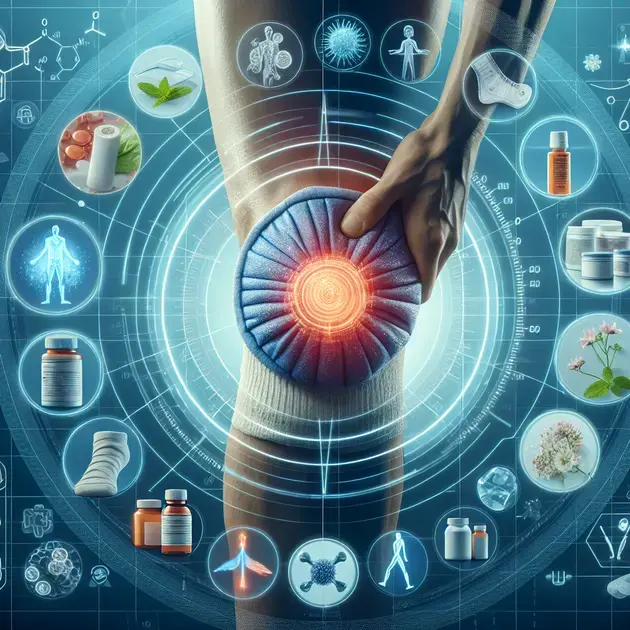
Are you struggling with pain in a joint and seeking effective ways to find relief? This common issue affects many individuals, leading to discomfort and decreased quality of life. Fortunately, there are various strategies that can help alleviate joint pain and improve your overall well-being.

From incorporating gentle exercises and stretches to utilizing hot and cold therapy, addressing joint pain involves a multi-faceted approach. Additionally, advancements in medical technology have provided innovative treatments such as regenerative medicine, offering new hope for those dealing with chronic joint discomfort.

Descrição da Imagem 1


Natural Remedies for Joint Pain Relief

Joints pain can be a common issue for many individuals, impacting their daily activities and quality of life. While there are medications available for pain relief, exploring natural remedies can also be beneficial. One effective natural remedy for joint pain relief is the use of turmeric. Turmeric contains curcumin, which has anti-inflammatory properties that can help reduce joint pain. A popular way to incorporate turmeric into your diet is by adding it to your meals or consuming turmeric supplements.

Another natural remedy for joint pain relief is the use of essential oils. Essential oils like peppermint, eucalyptus, and lavender have analgesic and anti-inflammatory properties that can help alleviate joint pain when applied topically. You can create a DIY essential oil blend by mixing a few drops of these oils with a carrier oil like coconut oil and massaging it onto the affected joints.

Yoga and meditation are gentle yet effective ways to relieve joint pain. Practicing yoga can help improve flexibility and strengthen the muscles around the joints, reducing pain and discomfort. Websites like Yoga Journal offer a variety of online classes and tutorials for all levels, making it accessible for beginners and experienced practitioners alike.

In addition to these remedies, maintaining a healthy diet rich in anti-inflammatory foods like fruits, vegetables, and omega-3 fatty acids can also help reduce joint pain. Websites like Healthline provide informative articles and recipes to guide you in creating a joint-friendly diet plan.

Staying hydrated and maintaining a healthy weight are also crucial factors in managing joint pain. Drinking an adequate amount of water daily and engaging in regular physical activity can help keep your joints healthy and minimize discomfort. Apps like MyFitnessPal can assist you in tracking your water intake and exercise routine for optimal joint health.

The Power of Gentle Exercises and Stretches

Gentle exercises and stretches can play a significant role in relieving joint pain and improving flexibility. One effective exercise for joint pain relief is swimming. The buoyancy of water reduces the impact on your joints while providing a full-body workout. You can find swimming pool locations and schedules using the Swimply app, allowing you to incorporate this low-impact exercise into your routine.

Another beneficial exercise for joint pain is tai chi. This low-impact martial art focuses on slow, deliberate movements that can help improve balance, flexibility, and muscle strength. The Tai Chi app offers guided lessons and tutorials for beginners, making it easy to start incorporating this gentle exercise into your daily regimen.

Stretching exercises like yoga can also help alleviate joint pain by improving flexibility and reducing stiffness. Websites like DoYogaWithMe offer free yoga classes and tutorials for all levels, allowing you to choose sessions that target specific areas of joint discomfort.

Incorporating resistance training with bands or light weights can help strengthen the muscles around the joints, providing better support and stability. The Fitbod app creates personalized workout plans based on your fitness goals and equipment availability, making it convenient to include resistance exercises in your routine.

It’s essential to consult with a healthcare professional or a fitness trainer before starting any new exercise regimen, especially if you have existing joint issues. By gradually incorporating gentle exercises and stretches into your daily routine, you can effectively manage joint pain and improve your overall joint health.

Descrição da Imagem 2


**Managing Joint Pain through Mind-Body Techniques**

Joint pain can significantly impact an individual’s quality of life, making everyday activities challenging and uncomfortable. One effective approach to managing joint pain is through mind-body techniques, which focus on the connection between mental and physical health. These techniques aim to promote relaxation, reduce stress, and improve overall well-being, which can help alleviate joint discomfort.

One popular mind-body technique for managing joint pain is mindfulness meditation. This practice involves focusing on the present moment and increasing awareness of one’s thoughts and sensations. By practicing mindfulness regularly, individuals may experience reduced pain perception and improved pain tolerance, making it a valuable tool in joint pain management.

Another mind-body technique that can be beneficial for managing joint pain is guided imagery. This technique involves visualizing peaceful and calming images to promote relaxation and reduce stress. By incorporating guided imagery into a daily routine, individuals with joint pain may experience a decrease in pain intensity and an overall sense of well-being.

In addition to mindfulness meditation and guided imagery, techniques such as progressive muscle relaxation and deep breathing exercises can also be effective in managing joint pain. These practices help reduce muscle tension, promote relaxation, and improve circulation, which can contribute to pain relief and improved joint function.

Overall, incorporating mind-body techniques into a comprehensive pain management plan can offer significant benefits for individuals dealing with joint discomfort. By prioritizing mental and emotional well-being alongside physical health, individuals can achieve better pain control and enhance their overall quality of life.

**The Role of Nutrition in Joint Pain Management**

Nutrition plays a crucial role in joint pain management, as certain foods and dietary patterns can either worsen or alleviate joint discomfort. By making informed choices about what they eat, individuals can support joint health and potentially reduce inflammation and pain levels.

One key component of a joint-friendly diet is consuming foods rich in omega-3 fatty acids, such as fatty fish, flaxseeds, and walnuts. These healthy fats have anti-inflammatory properties that can help reduce joint inflammation and alleviate pain. Including omega-3s in regular meals can be beneficial for individuals looking to manage their joint pain through nutrition.

In addition to omega-3 fatty acids, incorporating antioxidant-rich foods into the diet can also support joint health. Berries, dark leafy greens, and nuts are excellent sources of antioxidants, which can help combat oxidative stress and reduce inflammation in the joints. By including these foods in meals and snacks, individuals can provide their joints with essential nutrients for optimal function.

Avoiding or limiting foods that are known to trigger inflammation, such as refined sugars, saturated fats, and processed foods, is also important for managing joint pain. These inflammatory foods can exacerbate joint symptoms and contribute to increased pain levels. By being mindful of their dietary choices and opting for whole, nutrient-dense foods, individuals can better support their joint health and reduce discomfort.

Overall, adopting a balanced and nutrient-rich diet can play a significant role in managing joint pain and promoting overall joint health. By prioritizing foods that are anti-inflammatory and rich in essential nutrients, individuals can take proactive steps towards reducing joint discomfort and improving their quality of life.

**Holistic Approaches to Alleviating Joint Discomfort**

When it comes to alleviating joint discomfort, holistic approaches offer a comprehensive and integrative way to address pain and promote overall well-being. By considering the interconnectedness of the mind, body, and spirit, holistic practices aim to treat the root causes of joint pain and support the body’s natural healing processes.

One holistic approach to alleviating joint discomfort is acupuncture, a traditional Chinese medicine technique that involves inserting thin needles into specific points on the body. Acupuncture is believed to help balance the body’s energy flow, reduce inflammation, and alleviate pain. Many individuals find relief from joint discomfort through regular acupuncture sessions, making it a popular holistic treatment option.

Another holistic approach that can be beneficial for joint pain relief is aromatherapy. Essential oils derived from plants are used in aromatherapy to promote relaxation, reduce stress, and relieve pain. Certain essential oils, such as lavender and peppermint, have analgesic and anti-inflammatory properties that can help alleviate joint discomfort when used in diffusers or massage oils.

Incorporating holistic practices like yoga and tai chi into a daily routine can also be beneficial for individuals struggling with joint discomfort. These gentle forms of exercise focus on flexibility, strength, and mindfulness, which can help improve joint function, reduce pain, and enhance overall physical well-being. Regular practice of yoga or tai chi may lead to increased joint mobility and decreased discomfort over time.

By embracing holistic approaches to joint discomfort, individuals can explore natural and non-invasive methods of pain relief that prioritize overall well-being. By combining various holistic practices and integrating them into a comprehensive pain management plan, individuals can take proactive steps towards alleviating joint discomfort and improving their quality of life.

Conclusion

Managing joint pain through mind-body techniques, such as mindfulness meditation, guided imagery, progressive muscle relaxation, and deep breathing exercises, can significantly improve an individual’s quality of life by promoting relaxation, reducing stress, and enhancing overall well-being. By incorporating these techniques into a holistic pain management plan, individuals can experience reduced pain perception, improved pain tolerance, and better control over joint discomfort.

When it comes to nutrition and joint pain management, a diet rich in omega-3 fatty acids, antioxidants, and free from inflammatory foods plays a crucial role in supporting joint health. Foods like fatty fish, flaxseeds, berries, dark leafy greens, and nuts provide essential nutrients that can help reduce inflammation, combat oxidative stress, and alleviate joint pain. Making informed dietary choices and prioritizing nutrient-dense foods can go a long way in managing joint discomfort and promoting overall joint health.

Exploring holistic approaches, such as acupuncture, aromatherapy, yoga, and tai chi, can offer natural and non-invasive methods for alleviating joint discomfort and promoting well-being. These practices focus on treating the root causes of joint pain, balancing energy flow, reducing inflammation, and enhancing joint function through relaxation, stress reduction, and mindfulness. By integrating these holistic practices into a comprehensive pain management plan, individuals can take proactive steps towards improving their quality of life and finding long-term relief from joint discomfort.


Understanding the Connection Between Nerve and Pain


Understanding the connection between nerve and pain is crucial for effectively managing and treating various types of pain conditions. When a nerve is injured or compressed, it can send signals to the brain that are interpreted as pain. This intricate relationship between the nervous system and pain perception is a complex area of study in the field of medicine.

Recent research has shown that chronic pain conditions, such as neuropathic pain, are directly related to abnormal nerve function. By understanding how nerves communicate pain signals to the brain, healthcare professionals can develop targeted treatments to alleviate pain and improve the quality of life for patients suffering from these conditions.

Descrição da Imagem 1

Understanding the Link Between Nerve and Pain

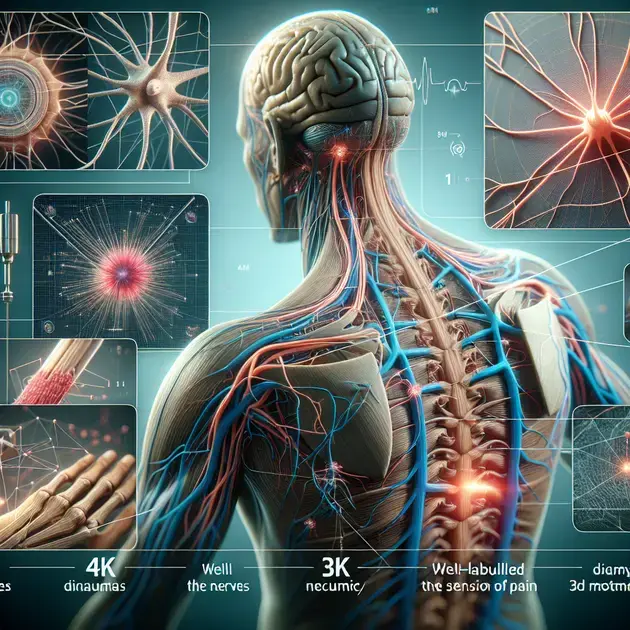
Understanding the connection between nerves and pain is crucial for managing and treating pain effectively. Nerves play a key role in transmitting pain signals from the body to the brain, where pain is perceived. To comprehend this link, it is essential to delve into the basics of the nervous system and its functions in pain perception.

The nervous system is divided into the central nervous system (CNS) and the peripheral nervous system (PNS). The CNS includes the brain and spinal cord, while the PNS comprises the nerves that extend throughout the body. When there is tissue damage or injury, specialized nerve receptors called nociceptors detect these harmful stimuli and send signals to the brain, resulting in the sensation of pain.

To understand the link between nerve and pain, individuals can explore resources such as reputable medical websites like WebMD or Healthline. These websites offer detailed articles and diagrams explaining the process of pain perception and how nerves play a vital role in this mechanism. By educating oneself on the intricacies of the nervous system, individuals can gain insights into how pain manifests and strategies for pain management.

Additionally, educational apps like Complete Anatomy provide interactive 3D models of the human body’s nervous system, allowing users to visualize how nerves transmit pain signals. By examining these visual representations and engaging with the app’s educational content, individuals can enhance their understanding of the intricate connection between nerves and pain.

By grasping the link between nerve function and pain perception, individuals can advocate for personalized pain management strategies that target the underlying causes of pain. Through education and exploration of resources, individuals can empower themselves to make informed decisions about their pain treatment.

The Complex Interaction of Nervous System and Pain Perception

The interaction between the nervous system and pain perception is a multifaceted process that involves various neurotransmitters, receptors, and brain regions. Understanding this complexity is essential for developing effective interventions for pain management. One key aspect of this interaction is the role of neurotransmitters in modulating pain signals within the nervous system.

Neurotransmitters such as serotonin, dopamine, and endorphins play crucial roles in regulating pain perception. These chemicals act on specific receptors in the nervous system to either amplify or inhibit pain signals. For example, endorphins, also known as “feel-good” hormones, can bind to opioid receptors in the brain and spinal cord, reducing the perception of pain.

Exploring scientific journals like Pain and The Journal of Neuroscience can provide valuable insights into the complex interaction between the nervous system and pain perception. These publications feature cutting-edge research on the neurobiology of pain and the latest discoveries in pain management strategies.

Mobile apps like NeuroNation offer brain training exercises that can help individuals improve cognitive functions related to pain perception. By engaging in neuroplasticity-focused activities, users can enhance their brain’s ability to regulate pain signals and mitigate the impact of chronic pain.

By delving into the intricate relationship between the nervous system and pain perception, researchers and healthcare professionals can develop targeted treatments that address the underlying mechanisms of chronic pain. Collaborative efforts in neurology, pain management, and pharmacology are essential for advancing our understanding of this complex interaction and improving patient outcomes.

Targeted Treatments for Chronic Pain: A Focus on Nerve Function

Targeted treatments for chronic pain often involve interventions that specifically address nerve function and transmission of pain signals. By targeting the underlying mechanisms of pain at the nerve level, healthcare providers can offer more personalized and effective pain management strategies for individuals suffering from chronic pain conditions.

One targeted treatment approach for chronic pain is nerve blocks, which involve the injection of local anesthetics or steroids to block nerve signals in specific areas of the body. Nerve blocks can provide temporary relief from pain and help healthcare providers identify the source of pain for further treatment.

Websites like PainDoctor.com offer extensive information on different types of nerve blocks, their applications, and potential benefits for chronic pain conditions. Patients can access articles, videos, and patient testimonials to gain insights into how nerve blocks can be used as targeted treatments for managing chronic pain.

Another targeted treatment option for chronic pain is neurostimulation, which involves the use of implanted devices to deliver electrical impulses to targeted nerves or the spinal cord. Neurostimulation techniques, such as spinal cord stimulation, can modulate pain signals and provide relief for individuals with persistent and treatment-resistant chronic pain.

Healthcare professionals can leverage resources like the International Neuromodulation Society website to stay updated on the latest advancements in neurostimulation technologies and evidence-based practices for chronic pain management. By incorporating targeted treatments that focus on nerve function, healthcare providers can offer comprehensive care plans that address the unique needs of patients with chronic pain.

Descrição da Imagem 2

To develop each subtitle with the corresponding HTML tags, follow these steps:

1. **The Role of Neural Pathways in Pain Management**:

Neural pathways play a crucial role in the perception and transmission of pain signals in the human body. These pathways are a complex network of nerves and structures that carry sensory information from the site of pain to the brain, where it is processed and interpreted. Understanding how neural pathways function is essential for effective pain management strategies.

When an individual experiences pain, specialized nerve receptors called nociceptors send signals through these neural pathways to the brain, alerting it to potential tissue damage or injury. Different types of neural pathways are involved in transmitting various types of pain, such as acute pain from injuries or chronic pain from conditions like arthritis.

By studying and mapping these neural pathways, healthcare professionals can develop targeted interventions to modulate pain signals and provide relief to patients. Techniques like nerve blocks, spinal cord stimulation, or medication targeting specific neurotransmitters can disrupt or modulate pain signals along these pathways, offering pain management solutions.

Overall, the role of neural pathways in pain management is central to understanding how pain is perceived and processed in the body. By targeting these pathways with precise interventions, healthcare providers can offer effective relief and improve the quality of life for individuals experiencing pain.

As research continues to advance in the field of pain management, further insights into the intricacies of neural pathways and their modulation will pave the way for more efficient and personalized treatment strategies for various pain conditions.

2. **Exploring the Role of Neurotransmitters in Pain Signals**:

Neurotransmitters are essential chemical messengers that play a crucial role in transmitting pain signals within the nervous system. These neurotransmitters are released by nerve cells in response to stimuli, facilitating the communication between nerve cells and influencing the perception of pain in the brain.

Specific neurotransmitters, such as serotonin, dopamine, and endorphins, are known to modulate pain signals and regulate pain sensitivity levels. Imbalances in these neurotransmitters can lead to alterations in pain perception, contributing to conditions like chronic pain syndromes or neuropathic pain.

By exploring the role of neurotransmitters in pain signals, researchers can gain valuable insights into the mechanisms underlying different types of pain and develop targeted therapies that address neurotransmitter imbalances. Medications that target specific neurotransmitter pathways, such as serotonin reuptake inhibitors or opioid agonists, can help manage pain and improve the quality of life for individuals experiencing chronic or acute pain.

Understanding how neurotransmitters interact within the neural pathways involved in pain transmission is key to developing novel approaches to pain management. By targeting specific neurotransmitter systems, healthcare providers can tailor treatment strategies to address the unique biochemical profiles of patients and offer more effective pain relief solutions.

As research continues to unravel the complexities of neurotransmitter interactions in pain signaling, new therapeutic opportunities emerge, leading to innovative strategies for pain management and enhanced patient outcomes.

Conclusion

Neural pathways play a pivotal role in how pain signals are perceived and transmitted throughout the human body. These intricate networks of nerves and structures form the foundation for understanding and effectively managing pain. By comprehending the mechanisms of neural pathways, healthcare professionals can implement targeted interventions to modulate pain signals and offer relief to patients. Techniques like nerve blocks and spinal cord stimulation, as well as medications targeting specific neurotransmitters, can disrupt or modulate pain signals, providing tailored solutions for pain management.

Understanding the significance of neurotransmitters in pain signaling is essential for developing innovative approaches to pain management. These chemical messengers play a vital role in transmitting pain signals within the nervous system, influencing the perception of pain in the brain. By exploring the role of neurotransmitters, researchers can better grasp the underlying mechanisms of different pain types and develop therapies that address neurotransmitter imbalances. Medications targeting specific neurotransmitter pathways offer promising avenues for managing chronic and acute pain, thereby enhancing the quality of life for individuals experiencing pain.

In conclusion, the intricate interplay between neural pathways and neurotransmitters underscores the complexity of pain management. By delving deeper into these mechanisms, healthcare providers can tailor treatment strategies to individual patients’ biochemical profiles, offering more effective and personalized pain relief solutions. Continued research in this field will unveil further insights into pain signaling and provide a foundation for developing advanced treatment strategies, ultimately leading to improved patient outcomes and enhanced quality of life.

Product Description Link
Jointgen
Join the Thousands of U.S. Seniors Enjoying Comfortable, Flexible and Youthful Joints Thanks to Joint Genesis™
Neverfresh
Nerve Fresh promotes healthy nerves by providing 5 vital bio-available fruit, flower and bark extracts with essential vitamin and mineral support
balmorex
“Shortcut to Wellness” is the perfect solution for those who want to ‘hack’ their mind & body with the use of modern technology to improve their quality of life! Biohacking is about optimizing your life & body through the use of biology, research & technology
live pure Do you have deep stubborn fat stores that no diet or exercise seems to remove? Then the answer is yes. Liv Pure has changed the lives of over 234,000 women and men from 18 to 80 and is designed to rapidly dissolve fat in even the worst cases.


Understanding the Pain of a Joint


Understanding the Pain of a Joint can be a complex and debilitating experience for many individuals. Whether it’s due to an injury, arthritis, or other underlying conditions, joint pain can significantly impact one’s quality of life.

Recent studies have shown that there is a strong correlation between obesity and joint pain. Excess weight puts added stress on the joints, leading to increased inflammation and pain. This highlights the importance of maintaining a healthy weight to reduce the risk of developing joint pain and related health issues.

Descrição da Imagem 1


Understanding the Impact of Joint Pain on Quality of Life

Joint pain can have a significant impact on an individual’s quality of life, affecting their mobility, independence, and overall well-being. The constant discomfort and limitation in movement caused by joint pain can lead to a decrease in physical activity, which in turn can result in weight gain, muscle weakness, and even depression.

To understand the full extent of how joint pain affects quality of life, it’s essential to consider the daily challenges faced by individuals with this condition. Simple tasks such as walking, climbing stairs, or even getting out of bed can become daunting and painful. This can result in a decreased ability to participate in social activities, work, or hobbies, leading to feelings of frustration and isolation.

One way to assess the impact of joint pain on quality of life is to use health tracking apps like MyFitnessPal or Fitbit. These apps allow individuals to monitor their activity levels, track their symptoms, and make necessary adjustments to their lifestyle. By keeping a record of daily activities and pain levels, individuals can better understand how joint pain influences their overall well-being.

Seeking support from healthcare professionals, such as physical therapists or rheumatologists, is also crucial in managing the impact of joint pain on quality of life. These professionals can provide personalized treatment plans, exercises, and lifestyle advice to help individuals cope with their condition and improve their daily functioning.

In conclusion, understanding the impact of joint pain on quality of life requires a holistic approach that considers the physical, emotional, and social implications of this condition. By using tools like health tracking apps and seeking professional guidance, individuals can take proactive steps towards managing their joint pain and enhancing their overall well-being.

Exploring the Link Between Obesity and Joint Pain

There is a clear link between obesity and joint pain, as excess body weight puts added stress on the joints, particularly in weight-bearing areas such as the knees and hips. The additional pressure can lead to wear and tear of the joint cartilage, inflammation, and ultimately, the development of conditions like osteoarthritis.

To explore the connection between obesity and joint pain, individuals can utilize resources like the National Institute of Health (NIH) website or the Centers for Disease Control and Prevention (CDC) for in-depth information and statistics on this topic. These sources provide valuable insights into how obesity contributes to joint pain and the importance of weight management in alleviating symptoms.

One effective strategy for addressing obesity-related joint pain is through a combination of regular exercise and a balanced diet. Apps like Lose It! or MyPlate can help individuals track their food intake, set fitness goals, and monitor their progress towards weight loss. By incorporating low-impact exercises like swimming or cycling into their routine, individuals can strengthen their muscles, reduce joint strain, and improve overall joint health.

Consulting with a nutritionist or a physical trainer can also provide personalized guidance on creating a sustainable weight loss plan that targets joint pain. These professionals can offer dietary recommendations, exercise modifications, and ongoing support to help individuals achieve their health goals and reduce the impact of obesity on their joints.

In summary, exploring the link between obesity and joint pain underscores the importance of maintaining a healthy weight to prevent and manage joint-related conditions. By combining educational resources with practical lifestyle changes and professional guidance, individuals can take proactive steps towards improving their joint health and overall quality of life.

Strategies for Managing and Preventing Joint Pain

Managing and preventing joint pain require a multifaceted approach that addresses both the underlying causes of the pain and its impact on daily life. From adopting healthy lifestyle habits to seeking medical intervention when necessary, there are several strategies individuals can employ to effectively manage and prevent joint pain.

One of the key strategies for managing joint pain is through regular exercise, which helps improve joint flexibility, strengthen surrounding muscles, and reduce inflammation. Apps like Physitrack or Arthritis Foundation Exercise can provide guided workouts and rehabilitation programs tailored to different levels of mobility and pain severity.

In addition to exercise, incorporating anti-inflammatory foods like fatty fish, nuts, and leafy greens into your diet can help reduce joint pain and stiffness. Websites such as EatingWell or Healthline offer a variety of recipes and nutritional information to support joint health and overall well-being.

When experiencing persistent joint pain, it’s essential to consult with a healthcare provider to determine the underlying cause and explore treatment options. Telemedicine platforms like Doctor on Demand or Amwell allow individuals to schedule virtual appointments with orthopedic specialists or rheumatologists for a comprehensive evaluation and personalized care plan.

Furthermore, practicing stress-reduction techniques such as yoga, mindfulness meditation, or deep breathing exercises can help manage pain perception and improve overall quality of life for individuals with joint pain. Apps like Headspace or Calm offer guided meditation sessions and relaxation techniques to promote mental well-being and physical relaxation.

In conclusion, by implementing a combination of exercise, dietary changes, medical consultation, and stress-management techniques, individuals can effectively manage and prevent joint pain, leading to improved mobility, reduced discomfort, and enhanced overall health and quality of life.

Descrição da Imagem 2


**

The Connection Between Diet and Joint Pain

**

In recent years, research has shown a clear connection between diet and joint pain. Certain foods can contribute to inflammation in the body, which is a common cause of joint discomfort. For example, a diet high in processed foods, sugars, and unhealthy fats can lead to increased levels of inflammation, exacerbating joint pain. On the other hand, a diet rich in anti-inflammatory foods such as fruits, vegetables, whole grains, and healthy fats can help reduce inflammation and alleviate joint pain.

One specific dietary factor that has been linked to joint pain is the consumption of omega-6 fatty acids. These fatty acids are found in many processed and fried foods, and an imbalance between omega-6 and omega-3 fatty acids in the diet can contribute to inflammation and joint pain. By reducing the intake of omega-6 fatty acids and increasing the consumption of omega-3 fatty acids from sources like fish, flaxseeds, and walnuts, individuals may experience a reduction in joint discomfort.

Additionally, maintaining a healthy weight through a balanced diet can help alleviate joint pain. Excess weight puts added stress on the joints, especially the weight-bearing joints like the knees and hips. By eating a diet that supports weight management and includes a variety of nutrients, individuals can help reduce the strain on their joints and potentially lessen discomfort.

Incorporating specific nutrients into the diet can also play a role in joint pain relief. For example, vitamin D is essential for bone health and may help reduce joint pain in individuals with deficiencies. Similarly, antioxidants like vitamin C and E can help protect the joints from damage and decrease inflammation. By ensuring adequate intake of these and other essential nutrients, individuals can support their joint health and potentially reduce pain.

Overall, the connection between diet and joint pain is clear, and making mindful choices about what we eat can have a significant impact on our joint health. By focusing on anti-inflammatory foods, balancing essential fatty acids, maintaining a healthy weight, and incorporating key nutrients, individuals can help alleviate joint discomfort and support overall joint health.

**

Tips for Alleviating Joint Discomfort

**

When experiencing joint discomfort, there are several tips and strategies that can help alleviate pain and improve overall joint health. One effective tip is to incorporate anti-inflammatory foods into your diet. Fruits, vegetables, whole grains, and healthy fats can help reduce inflammation in the body, which may in turn lessen joint pain. Including foods rich in omega-3 fatty acids, such as salmon, chia seeds, and walnuts, can also support joint health and reduce discomfort.

Staying active is another crucial tip for alleviating joint discomfort. Low-impact exercises like swimming, cycling, walking, and yoga can help improve joint mobility, strengthen the muscles around the joints, and reduce pain. Regular physical activity also supports weight management, which can lessen the strain on the joints and decrease discomfort.

Another helpful tip is to pay attention to ergonomics and body mechanics in daily activities. Maintaining proper posture, using ergonomic tools and furniture, and avoiding repetitive movements that strain the joints can help prevent discomfort and reduce the risk of joint pain. Taking breaks, stretching regularly, and using proper lifting techniques can also protect the joints and alleviate pain.

Incorporating joint-friendly supplements like glucosamine, chondroitin, and turmeric can provide additional support for joint health and reduce discomfort. These supplements have been shown to help maintain joint structure, reduce inflammation, and alleviate pain in individuals with joint conditions. Consulting with a healthcare provider before starting any new supplement regimen is recommended to ensure safety and effectiveness.

Lastly, practicing stress management techniques like mindfulness, meditation, and deep breathing can also be beneficial for alleviating joint discomfort. Stress and tension can contribute to muscle tension and joint pain, so finding ways to relax and unwind can help reduce pain and improve overall joint health. By implementing these tips and strategies, individuals can take proactive steps to alleviate joint discomfort and support their joint health.

**

The Role of Exercise in Joint Pain Relief

**

Exercise plays a crucial role in relieving joint pain and improving joint health. Regular physical activity can help strengthen the muscles around the joints, improve flexibility and range of motion, and reduce stiffness and discomfort. Engaging in a variety of exercises that target different muscle groups and movements can help support overall joint function and alleviate pain.

Low-impact exercises like swimming, cycling, and walking are particularly beneficial for individuals with joint pain, as they provide a gentle way to stay active without putting excessive strain on the joints. These types of exercises can help improve cardiovascular health, boost mood, and support weight management, all of which contribute to joint pain relief.

Strength training exercises are also important for joint pain relief, as they help build muscle mass, increase bone density, and improve joint stability. By incorporating exercises that target the major muscle groups, individuals can support their joint health, reduce pain, and prevent future injuries. It is essential to start with light weights and proper form to avoid exacerbating joint pain.

Flexibility and range of motion exercises like yoga and stretching can help reduce stiffness in the joints, improve mobility, and alleviate discomfort. These types of exercises promote lubrication of the joints, enhance circulation, and support overall joint health. Practicing gentle stretching routines daily can help maintain joint function and reduce the risk of pain.

It is important to listen to your body and modify exercises as needed to avoid exacerbating joint pain. Consulting with a physical therapist or fitness professional can help create a safe and effective exercise plan tailored to your specific needs and goals. By incorporating a variety of exercises that promote strength, flexibility, and mobility, individuals can experience relief from joint pain and support long-term joint health.

Conclusion

Understanding the profound impact of diet on joint health is crucial in managing joint pain effectively. Research has highlighted a strong correlation between dietary choices and inflammation, a primary contributor to joint discomfort. While diets rich in processed foods, sugars, and unhealthy fats can exacerbate inflammation and joint pain, incorporating anti-inflammatory foods like fruits, vegetables, whole grains, and healthy fats can significantly alleviate discomfort.

Furthermore, the balance between omega-6 and omega-3 fatty acids plays a pivotal role in joint pain management. Avoiding excessive intake of omega-6 fatty acids from processed and fried foods while increasing omega-3 consumption through sources like fish and walnuts can help reduce inflammation and promote joint health. Maintaining a healthy weight is equally essential, as excess weight strains weight-bearing joints like knees and hips, leading to increased discomfort.

Aside from diet, specific nutrients such as vitamin D, vitamin C, and vitamin E are crucial for joint pain relief. Vitamin D supports bone health, while antioxidants like vitamin C and E protect joints from damage and reduce inflammation. By ensuring adequate intake of these essential nutrients along with a balanced diet, individuals can actively support their joint health and alleviate pain, enhancing overall well-being.

Embracing a holistic approach to joint health involves not only dietary modifications but also incorporating physical activity and lifestyle changes. Low-impact exercises like swimming, cycling, and yoga improve joint mobility and strengthen supporting muscles, reducing pain and enhancing overall joint function. Attention to ergonomics, stress management, and the inclusion of joint-friendly supplements can further contribute to effective joint pain relief and long-term joint health. By adopting these strategies and focusing on a comprehensive well-being approach, individuals can proactively alleviate joint discomfort and nurture optimal joint health.


Managing Joint Aches and Pains: A Comprehensive Guide


Are you struggling with joint aches and pains? Look no further. In this comprehensive guide, we will explore effective strategies and tips to help you manage and alleviate your discomfort.

Dealing with joint pain can be challenging, but with the right approach, you can significantly improve your quality of life. From lifestyle adjustments to innovative treatments, we’ve got you covered in this informative read.

Descrição da Imagem 1


Understanding Joint Pain Causes

Joint pain can be caused by a variety of factors, including age, injury, or underlying medical conditions such as arthritis. Understanding the root cause of your joint pain is essential in order to effectively manage and treat it. One common cause of joint pain is osteoarthritis, which occurs when the protective cartilage between the joints wears down over time.

A step-by-step approach to understanding the causes of joint pain involves consulting with a healthcare professional, who can perform a physical examination and order diagnostic tests such as X-rays or blood tests. Websites like WebMD offer valuable information on joint pain causes, symptoms, and treatment options.

By taking the time to educate yourself on the specific cause of your joint pain, you can work towards finding the most suitable treatment plan that addresses the underlying issue. Remember to always seek guidance from a healthcare provider before starting any treatment regimen.

Effective Strategies for Managing Joint Discomfort

Managing joint discomfort involves a multi-faceted approach that may include lifestyle changes, exercise, and pain management techniques. One effective strategy is to maintain a healthy weight, as excess weight can put added stress on the joints. Regular exercise, such as swimming or yoga, can help improve joint flexibility and strength.

Another important step in managing joint discomfort is to incorporate anti-inflammatory foods into your diet, such as fatty fish, nuts, and leafy greens. Additionally, over-the-counter pain relievers and topical treatments can provide temporary relief from joint pain.

Apps like MyFitnessPal can be useful in tracking your diet and exercise routines, helping you maintain a healthy lifestyle that supports joint health. Consulting with a physical therapist or a nutritionist can also provide personalized strategies for managing joint discomfort.

Exploring Innovative Treatments for Joint Aches

As medical technology advances, there are increasingly innovative treatments available for joint aches. Platelet-rich plasma (PRP) therapy, for example, involves injecting a concentrated form of your own blood into the affected joint to promote healing and reduce pain. This treatment has shown promising results for some individuals with joint discomfort.

Another cutting-edge treatment is stem cell therapy, where stem cells are injected into the joint to regenerate and repair damaged tissue. Clinical trials and research studies on emerging treatments for joint aches can be found on reputable websites such as ClinicalTrials.gov.

Stay informed about the latest advancements in joint pain treatments by subscribing to medical journals or newsletters from organizations like the American Academy of Orthopaedic Surgeons. Discussing these innovative treatments with your healthcare provider can help you make informed decisions about your joint health.

Descrição da Imagem 2


Proactive Steps to Alleviate Joint Stiffness

When it comes to alleviating joint stiffness, taking proactive steps can make a significant difference in improving mobility and reducing discomfort. One effective proactive step is to incorporate daily stretching exercises into your routine. Stretching can help increase flexibility, reduce muscle tension, and improve joint range of motion. It is important to perform a variety of stretches that target different muscle groups to maintain overall joint health.

Another proactive step to alleviate joint stiffness is to maintain a healthy weight. Excess weight can put added stress on the joints, leading to increased stiffness and discomfort. By adopting a balanced diet and engaging in regular exercise, you can work towards achieving a healthy weight and reducing strain on your joints.

Ensuring proper posture is also essential in alleviating joint stiffness. Poor posture can contribute to joint misalignment and increased pressure on certain joints. By practicing good posture habits throughout the day, such as sitting and standing up straight, you can help prevent joint stiffness and promote overall joint health.

Incorporating joint-friendly activities into your routine, such as swimming or biking, can also help alleviate stiffness. These low-impact exercises can strengthen the muscles surrounding the joints and improve overall joint function. Additionally, staying hydrated and maintaining adequate water intake is crucial for joint health, as dehydration can exacerbate stiffness and discomfort.

By taking proactive steps such as incorporating stretching exercises, maintaining a healthy weight, practicing good posture, engaging in joint-friendly activities, and staying hydrated, you can effectively alleviate joint stiffness and improve mobility.

The Role of Nutrition in Joint Pain Management

Nutrition plays a crucial role in managing joint pain and promoting overall joint health. Including anti-inflammatory foods in your diet can help reduce inflammation and alleviate joint pain. Foods rich in omega-3 fatty acids, such as salmon and walnuts, are known for their anti-inflammatory properties and can help support joint function.

Consuming a diet high in antioxidants, such as fruits and vegetables, can also benefit joint health. Antioxidants help combat oxidative stress in the body, which can contribute to joint pain and inflammation. Adding colorful fruits and vegetables to your meals can provide a wide range of antioxidants to support joint health.

Collagen-rich foods, such as bone broth and gelatin, can help support joint structure and reduce pain. Collagen is a key component of cartilage and connective tissue in the joints, and including collagen-rich foods in your diet can aid in maintaining joint health and mobility.

It is important to stay hydrated and drink an adequate amount of water throughout the day to support joint function. Proper hydration helps maintain the elasticity of cartilage and lubricates the joints, reducing friction and alleviating pain.

By incorporating anti-inflammatory foods, antioxidants, collagen-rich foods, and staying hydrated into your diet, you can play a proactive role in managing joint pain and promoting overall joint health through nutrition.

Holistic Approaches to Improving Joint Mobility

When it comes to improving joint mobility, holistic approaches that focus on the overall well-being of the body can be highly effective. One holistic approach is to incorporate mindfulness practices, such as yoga or meditation, into your daily routine. Mindfulness can help reduce stress, which is known to contribute to muscle tension and joint stiffness.

Another holistic approach is to explore alternative therapies, such as acupuncture or chiropractic care, to address joint stiffness and improve mobility. These therapies focus on restoring balance to the body’s energy flow and musculoskeletal alignment, which can positively impact joint function.

Incorporating herbal supplements, such as turmeric or ginger, into your routine can also support joint mobility. These natural remedies have anti-inflammatory properties and can help reduce pain and stiffness in the joints. Consult with a healthcare provider before adding any new supplements to your regimen.

Practicing self-care techniques, such as massage therapy or hot/cold therapy, can help alleviate joint stiffness and improve mobility. Massage therapy can help relax tight muscles surrounding the joints, while hot/cold therapy can reduce inflammation and promote circulation to the affected area.

By embracing holistic approaches like mindfulness practices, alternative therapies, herbal supplements, and self-care techniques, you can take a comprehensive approach to improving joint mobility and promoting overall well-being.

**

Conclusion

**

Alleviating Joint Stiffness:

By incorporating proactive steps like daily stretching exercises, maintaining a healthy weight, ensuring proper posture, engaging in joint-friendly activities, and staying hydrated, individuals can effectively alleviate joint stiffness and improve mobility. Stretching enhances flexibility, reduces muscle tension, and boosts joint range of motion. A balanced diet and regular exercise can help in achieving a healthy weight and reducing strain on the joints. Good posture habits prevent joint misalignment and pressure, promoting overall joint health. Joint-friendly activities such as swimming or biking strengthen muscles and improve joint function. Adequate hydration is crucial for joint health, reducing stiffness and discomfort.

Nutrition for Joint Pain Management:

Nutrition plays a critical role in managing joint pain. Anti-inflammatory foods like omega-3 fatty acids from salmon and walnuts reduce inflammation and alleviate joint pain. Consuming a diet rich in antioxidants from fruits and vegetables combats oxidative stress, benefiting joint health. Collagen-rich foods like bone broth and gelatin support joint structure and reduce pain. Proper hydration maintains cartilage elasticity, lubricating joints to reduce friction and alleviate pain.

Holistic Approaches to Improving Joint Mobility:

Holistic approaches focusing on overall well-being can significantly improve joint mobility. Mindfulness practices such as yoga and meditation reduce stress, known to contribute to muscle tension and joint stiffness. Alternative therapies like acupuncture and chiropractic care restore balance to the body’s energy flow and musculoskeletal alignment, positively impacting joint function. Herbal supplements such as turmeric and ginger with anti-inflammatory properties aid in reducing joint pain and stiffness. Self-care techniques like massage therapy and hot/cold therapy relax muscles, reduce inflammation, and promote circulation, improving joint mobility.