
How hypoxia helps cancer spread
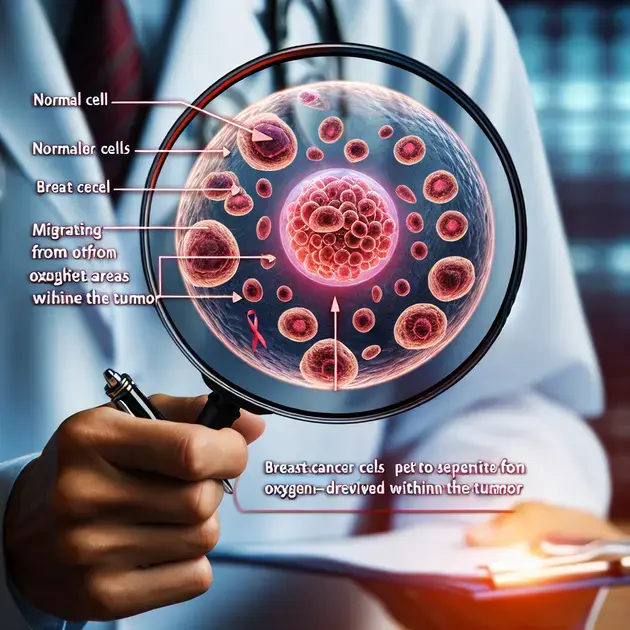
It plays a crucial role in allowing cancer cells to resist the harsh conditions of the bloodstream and successfully colonize distant organs. Targeting MUC1 could disrupt the survival mechanisms of cancer cells and prevent their spread.
The discovery of these 16 genes opens up a range of possibilities for researchers in their quest for effective breast cancer treatments. By understanding the molecular mechanisms that enable cancer cells to survive in the bloodstream, scientists can design drugs that specifically target and inhibit these genes. This would cut off the lifeline of cancer cells, preventing the formation of new tumors or metastasis.
However, it is important to note that this research is still in its early stages and further investigation is necessary to fully understand the complex interactions between these genes and breast cancer cells. The clinical translation of these findings will require extensive research and rigorous testing to ensure their safety and efficacy in human patients.
Nonetheless, the discovery of these 16 genes offers hope and a potential breakthrough in the fight against breast cancer. As scientists delve deeper into the functional roles of these genes and unravel the mechanisms behind their survival in the bloodstream, we come one step closer to developing novel and targeted therapies that could revolutionize breast cancer treatment.
In conclusion, the identification of these 16 genes is a significant advancement in our understanding of breast cancer progression and metastasis. By targeting these genes, scientists can equip clinicians with new tools to combat cancer recurrence and improve the survival rates and quality of life for breast cancer patients. Further research is required, but the potential therapeutic benefits are promising, making these findings an exciting development in breast cancer research. Scientists have recently discovered 16 specific genes that breast cancer cells rely on to survive in the bloodstream once they have migrated from oxygen-deprived areas within a tumor. Unveiling these genes provides a potential breakthrough in the development of targeted therapies to prevent cancer recurrence. One of these genes, known as MUC1, is already under investigation in clinical trials. It plays a crucial role in allowing cancer cells to resist the harsh conditions of the bloodstream and successfully colonize distant organs. Targeting MUC1 could disrupt the survival mechanisms of cancer cells and prevent their spread.
The discovery of these 16 genes opens up a range of possibilities for researchers in their quest for effective breast cancer treatments. By understanding the molecular mechanisms that enable cancer cells to survive in the bloodstream, scientists can design drugs that specifically target and inhibit these genes. This would cut off the lifeline of cancer cells, preventing the formation of new tumors or metastasis.
However, it is important to note that this research is still in its early stages and further investigation is necessary to fully understand the complex interactions between these genes and breast cancer cells. The clinical translation of these findings will require extensive research and rigorous testing to ensure their safety and efficacy in human patients.
Nonetheless, the discovery of these 16 genes offers hope and a potential breakthrough in the fight against breast cancer. As scientists delve deeper into the functional roles of these genes and unravel the mechanisms behind their survival in the bloodstream, we come one step closer to developing novel and targeted therapies that could revolutionize breast cancer treatment.
In conclusion, the identification of these 16 genes is a significant advancement in our understanding of breast cancer progression and metastasis. By targeting these genes, scientists can equip clinicians with new tools to combat cancer recurrence and improve the survival rates and quality of life for breast cancer patients. Further research is required, but the potential therapeutic benefits are promising, making these findings an exciting development in breast cancer research.
Relief for Joint Aches and Pains

Seeking relief for joint aches and pains is a common concern for many individuals, especially as we age or engage in physically demanding activities. Whether it’s due to arthritis, injury, or overuse, finding effective strategies to alleviate discomfort and improve mobility is essential for maintaining a high quality of life.
Fortunately, advancements in medical research and technology have led to a variety of treatment options that can help manage joint pain more effectively. From innovative medications to specialized exercises and therapies, individuals now have access to a range of solutions tailored to their specific needs and condition, offering hope for a more comfortable and active future.

Innovative Solutions for Joint Pain Relief
Dealing with joint pain can be challenging, but there are innovative solutions available to help alleviate the discomfort and improve your quality of life. One effective method is through the use of wearable technology specifically designed for joint pain relief. The Quell Relief app, available for both iOS and Android devices, offers a comprehensive solution for managing chronic pain. By using the app in conjunction with the Quell wearable device, users can experience targeted pain relief through neurotechnology.
In addition to wearable technology, virtual reality (VR) has also emerged as a promising solution for joint pain relief. Apps like the EaseVRx provide immersive experiences that can help distract the brain from the sensation of pain, offering a drug-free alternative for managing discomfort. By incorporating VR therapy into your daily routine, you may find relief from joint aches and pains.
Another innovative approach to joint pain relief is through the use of CBD products. CBD creams and oils have gained popularity for their anti-inflammatory properties, which can help reduce swelling and alleviate pain in the joints. Websites like Leafly offer comprehensive guides on the best CBD products for pain relief, helping you make informed choices for managing your joint discomfort.
Furthermore, exploring alternative therapies such as acupuncture or mindfulness meditation can also provide effective relief for joint pain. Apps like Headspace offer guided meditations specifically tailored for pain management, allowing you to cultivate a sense of inner peace and reduce the perception of discomfort in your joints.
By incorporating these innovative solutions into your daily routine, you can take proactive steps towards managing joint pain and improving your overall well-being.
Effective Treatment Options for Joint Aches and Pains
When dealing with joint aches and pains, it’s essential to explore effective treatment options that can provide relief and enhance your mobility. One proven method is through physical therapy, which aims to strengthen the muscles surrounding the joints and improve flexibility. Websites like Healthline offer comprehensive guides on various physical therapy exercises that target specific areas of joint pain, helping you regain function and mobility.
Another effective treatment option for joint aches and pains is the use of over-the-counter pain medications, such as ibuprofen or acetaminophen. These medications can help reduce inflammation and alleviate discomfort, providing temporary relief from joint pain. Websites like WebMD offer detailed information on the recommended dosage and potential side effects of these medications, ensuring safe and effective pain management.
In addition to traditional treatments, exploring natural remedies like turmeric or ginger supplements can also offer relief for joint aches and pains. Websites like Healthline provide insights into the anti-inflammatory properties of these supplements, which can help reduce swelling and stiffness in the joints. By incorporating these natural remedies into your daily routine, you may experience improved joint function and reduced pain.
Furthermore, considering lifestyle changes such as maintaining a healthy weight and staying active can also play a significant role in managing joint aches and pains. Apps like MyFitnessPal offer tools for tracking your diet and exercise, helping you maintain a healthy lifestyle that supports joint health. By staying proactive in your approach to joint pain management, you can effectively reduce discomfort and enhance your overall quality of life.
Explore these effective treatment options to find the best approach for managing your joint aches and pains, allowing you to enjoy improved mobility and comfort in your daily activities.
Improving Mobility and Comfort for Joint Discomfort
When experiencing joint discomfort, enhancing your mobility and comfort is crucial for maintaining an active lifestyle. One practical step towards improving mobility is through the use of assistive devices such as walking canes or braces. Websites like AgingCare offer guidance on choosing the right assistive devices for your specific needs, ensuring optimal support for your joints.
Furthermore, incorporating gentle exercises like yoga or swimming into your daily routine can help improve flexibility and reduce stiffness in the joints. Apps like Daily Yoga provide guided yoga sessions that cater to different levels and target areas of joint discomfort, promoting relaxation and mobility. By practicing regular exercise, you can strengthen muscles, alleviate pain, and enhance your overall joint function.
In addition to physical activities, considering dietary supplements like glucosamine and chondroitin can also support joint health and reduce discomfort. Websites like Arthritis Foundation offer insights into the benefits of these supplements for managing joint pain, helping you make informed decisions about your joint health regimen. By incorporating these supplements alongside a balanced diet, you may experience improved comfort and mobility in your daily life.
Moreover, prioritizing proper posture and ergonomics in your daily activities can also contribute to improving mobility and reducing joint discomfort. Websites like Mayo Clinic provide guidelines on maintaining good posture and ergonomic practices, preventing strain on your joints and reducing the risk of pain. By making simple adjustments in your daily habits, you can create a more comfortable environment that supports your joint health.
Take proactive steps towards improving your mobility and comfort to effectively manage joint discomfort, allowing you to enjoy a more active and fulfilling lifestyle.
Natural Remedies for Joint Pain Relief
Joint pain can be debilitating, affecting one’s quality of life and daily activities. While there are many medications available to manage joint pain, natural remedies can also be effective. One such natural remedy is turmeric, which contains curcumin, a compound known for its anti-inflammatory properties. Incorporating turmeric into your diet or taking turmeric supplements can help reduce joint pain and inflammation.
Another natural remedy for joint pain relief is ginger. Ginger has been used for centuries for its medicinal properties, including its ability to reduce inflammation and alleviate pain. You can consume ginger by adding it to your meals, drinking ginger tea, or taking ginger supplements.
Regular exercise is also crucial for joint pain relief. Low-impact exercises like swimming, yoga, and walking can help improve joint flexibility and reduce pain. Strengthening the muscles around the joints can also provide added support and help prevent further pain.
Essential oils, such as peppermint oil and lavender oil, can also be used topically to alleviate joint pain. These oils have analgesic and anti-inflammatory properties that can provide temporary relief from pain and discomfort. Massaging the affected joints with essential oils can promote relaxation and reduce stiffness.
Incorporating anti-inflammatory foods like berries, fatty fish, and leafy greens into your diet can also help reduce joint pain. These foods contain antioxidants and omega-3 fatty acids that can help combat inflammation and improve overall joint health.
Holistic Approaches to Alleviate Joint Aches
When dealing with joint aches, holistic approaches that consider the entire body are essential for long-term relief. Acupuncture is a holistic treatment that involves inserting thin needles into specific points on the body to reduce pain and improve energy flow. Many people find acupuncture to be effective in alleviating joint aches and promoting overall well-being.
Chiropractic care is another holistic approach to joint pain management. Chiropractors can perform adjustments to the spine and other joints, which can help alleviate pain and improve joint function. By addressing misalignments in the body, chiropractic care can provide relief from joint aches and improve mobility.
Practicing mindfulness and stress-reducing techniques like meditation and yoga can also help alleviate joint aches. Stress can exacerbate pain and inflammation in the body, so finding ways to relax and unwind can have a positive impact on joint health.
Herbal supplements like devil’s claw and boswellia are also used in holistic medicine to reduce joint inflammation and pain. These supplements have anti-inflammatory properties that can help alleviate discomfort and improve joint mobility. Consulting with a healthcare provider before starting any herbal supplements is recommended.
Lastly, maintaining a healthy weight through proper diet and exercise is crucial for alleviating joint aches. Excess weight puts added pressure on the joints, contributing to pain and discomfort. By adopting a healthy lifestyle, you can reduce the strain on your joints and improve overall joint health.
Enhancing Quality of Life with Joint Pain Management
Living with chronic joint pain can significantly impact one’s quality of life, but effective pain management strategies can help improve daily functioning and overall well-being. Physical therapy is a key component of joint pain management, as it can help improve joint function, reduce pain, and prevent further injury. A physical therapist can create a personalized exercise program to address your specific needs and goals.
Topical pain relievers, such as creams and patches, can provide temporary relief from joint pain when applied directly to the affected area. These products often contain ingredients like menthol or capsaicin, which can help numb the pain and reduce inflammation.
Using supportive devices like braces, splints, or orthotic inserts can also help alleviate joint pain by providing additional support and stability. These devices can help reduce strain on the joints and improve overall function, especially during physical activities.
Alternative therapies like massage therapy and hydrotherapy can also be beneficial for managing joint pain. Massage therapy can help improve circulation, reduce muscle tension, and promote relaxation, which can all contribute to pain relief. Hydrotherapy, which involves exercises in a warm water pool, can help increase joint flexibility and reduce pain.
Lastly, maintaining open communication with your healthcare provider and exploring all treatment options available can help enhance your quality of life with joint pain management. By being proactive in managing your pain and seeking appropriate care, you can improve your overall well-being and continue to engage in the activities you love.
**
Conclusion
**
Joint pain can be a challenging condition that impacts one’s everyday life. While conventional medicines are available, natural remedies offer effective alternatives. Turmeric, with its curcumin compound, is renowned for its anti-inflammatory properties, aiding in reducing joint pain and inflammation. Similarly, ginger, long utilized for its medicinal benefits, can alleviate pain and inflammation when consumed in various forms.
Engaging in regular low-impact exercises like swimming and yoga is crucial for improving joint flexibility and muscle strength, ultimately reducing pain. Incorporating essential oils such as peppermint and lavender can offer temporary relief by reducing stiffness and discomfort. Additionally, including anti-inflammatory foods like berries and fatty fish in your diet can combat inflammation and enhance overall joint health.
Exploring holistic approaches like acupuncture and chiropractic care can address joint aches comprehensively, promoting enhanced well-being through pain reduction and improved energy flow. Stress-reducing techniques like meditation and yoga play a vital role in managing joint aches by alleviating stress-induced pain and inflammation. Herbal supplements like devil’s claw and boswellia can complement these approaches by reducing inflammation and enhancing joint mobility.
Efficient pain management strategies, including physical therapy and supportive devices like braces, can significantly improve daily functioning and overall quality of life. Topical pain relievers and alternative therapies like massage therapy and hydrotherapy offer additional relief by improving circulation, reducing tension, and enhancing relaxation. By maintaining open communication with healthcare providers and exploring a range of treatment options, individuals can proactively manage joint pain, leading to improved well-being and the ability to partake in activities they enjoy.
Effective Ways to Manage Joint Pain

Living with joint pain can be a challenging experience for many individuals. Whether it’s due to arthritis, an injury, or other health conditions, finding effective ways to manage joint pain is crucial for improving quality of life and overall well-being. Fortunately, there are various strategies and treatments available to help alleviate discomfort and enhance mobility.

Strategies for Managing Joint Pain at Home
Managing joint pain at home can be a challenge, but there are several effective strategies that can help alleviate discomfort and improve overall quality of life. Here are some key steps you can take:
1. Stay Active
Regular physical activity is essential for managing joint pain. Low-impact exercises such as swimming, cycling, and walking can help strengthen the muscles around the joints and reduce pain. Apps like MyFitnessPal and Nike Training Club offer a wide range of home workout routines that are gentle on the joints.
2. Maintain a Healthy Weight
Excess weight can put additional strain on your joints, leading to increased pain and discomfort. By following a balanced diet and monitoring your calorie intake, you can help reduce pressure on your joints. Websites like MyPlate and Lose It! can assist you in tracking your food intake and reaching your weight goals.
3. Use Hot and Cold Therapy
Applying heat or cold packs to the affected joints can provide immediate relief from pain and inflammation. Apps like WebMD and Healthline offer guidance on how to use hot and cold therapy effectively at home.
4. Practice Mindfulness and Stress Management
Stress can exacerbate joint pain, so incorporating mindfulness techniques such as meditation and deep breathing exercises into your daily routine can help reduce tension and improve pain management. Apps like Headspace and Calm provide guided meditation sessions for stress relief.
5. Consider Joint-Friendly Supplements
Certain supplements like glucosamine and chondroitin have been shown to support joint health and reduce pain. Websites like Healthline and Verywell Mind offer information on the benefits and proper dosage of these supplements for managing joint pain at home.
Innovative Treatments for Joint Pain Relief
Dealing with chronic joint pain can be challenging, but there are innovative treatments available that can provide significant relief. Here are some modern approaches to consider:
1. Platelet-Rich Plasma (PRP) Therapy
PRP therapy involves injecting a concentration of platelets from your blood into the affected joint to stimulate healing and reduce inflammation. Clinics like Regenexx offer PRP therapy as a non-invasive treatment for joint pain relief.
2. Stem Cell Therapy
Stem cell therapy uses your body’s own stem cells to repair damaged tissue in the joints, promoting regeneration and reducing pain. Providers like the Mayo Clinic and Celltex Therapeutics specialize in stem cell treatments for joint pain.
3. Radiofrequency Ablation
This minimally invasive procedure uses heat to interrupt pain signals from the nerves in the affected joint, providing long-lasting pain relief. Medical websites like Healthgrades and WebMD provide information on the process and benefits of radiofrequency ablation for joint pain relief.
4. Virtual Reality Therapy
Virtual reality technology is being utilized to distract patients from chronic pain and improve their overall well-being. Apps like EaseVRx and Karuna Health offer virtual reality therapy sessions specifically designed for managing joint pain and discomfort.
5. Biofeedback Therapy
Biofeedback therapy teaches patients how to control physiological processes using their mind, such as muscle tension and heart rate, to reduce pain levels. Clinics like Mayo Clinic and Cleveland Clinic provide biofeedback sessions as an innovative approach to managing joint pain.
How Exercise Can Help Alleviate Joint Pain
Exercise plays a crucial role in managing joint pain by improving flexibility, strength, and overall joint function. Here’s how incorporating exercise into your routine can help alleviate joint pain:
1. Strengthening Exercises
Strength training exercises help build muscle mass around the joints, providing added support and reducing the risk of injury. Fitness apps like Fitbod and Strong offer personalized strength training routines tailored to your specific needs and fitness level.
2. Flexibility Exercises
Stretching exercises can enhance joint flexibility and range of motion, easing stiffness and reducing pain. Apps like StretchIt and ROMWOD provide guided stretching routines that target specific joints and muscle groups for improved flexibility.
3. Low-Impact Cardio
Cardiovascular exercises like swimming and elliptical training can improve heart health and circulation without putting excessive stress on the joints. Platforms like Peloton and Aaptiv offer low-impact cardio workouts suitable for individuals with joint pain.
4. Balance and Stability Training
Enhancing balance and stability through exercises like yoga and tai chi can help prevent falls and injuries, particularly for individuals with joint pain. Websites like Yoga International and Tai Chi Productions offer online classes for improving balance and stability.
5. Listen to Your Body
It’s important to listen to your body and understand your limitations when exercising with joint pain. Start slowly, gradually increase intensity, and modify exercises as needed to avoid exacerbating pain. Fitness trackers like Fitbit and Garmin can help monitor your progress and keep you motivated.
Natural Remedies to Reduce Joint Pain
Dealing with joint pain can be a challenging experience for many individuals. While there are various medications available to help manage the pain, natural remedies can also play a key role in reducing joint pain and improving overall joint health.
One natural remedy that has gained popularity in recent years is turmeric. Curcumin, the active ingredient in turmeric, has anti-inflammatory properties that can help reduce joint pain and swelling. Incorporating turmeric into your daily diet or taking supplements can be beneficial for joint health.
Another effective natural remedy is ginger. Ginger has been used for centuries for its medicinal properties, including its ability to reduce inflammation and alleviate joint pain. You can consume ginger in various forms such as tea, supplements, or adding it to your meals.
Omega-3 fatty acids found in fish oil are also known for their anti-inflammatory properties, which can help reduce joint pain. Adding fatty fish like salmon, mackerel, or sardines to your diet or taking fish oil supplements can be beneficial for managing joint pain.
Regular exercise is another important natural remedy for reducing joint pain. Low-impact exercises such as swimming, yoga, or walking can help improve joint flexibility, strengthen the muscles around the joints, and reduce pain.
The Importance of Proper Nutrition in Joint Pain Management
Proper nutrition plays a crucial role in managing joint pain and improving overall joint health. A diet rich in fruits, vegetables, whole grains, and lean proteins can provide essential nutrients that support joint function and reduce inflammation.
One key nutrient for joint health is vitamin C, which has antioxidant properties that can help protect the joints from damage. Foods high in vitamin C include citrus fruits, strawberries, and bell peppers.
Calcium and vitamin D are essential for maintaining strong bones and preventing joint pain. Dairy products, leafy greens, and fortified foods are good sources of calcium, while sunlight is the best source of vitamin D.
Collagen is a protein that plays a vital role in maintaining the structure of joints and connective tissues. Consuming collagen-rich foods such as bone broth or taking collagen supplements can help support joint health and reduce pain.
Avoiding inflammatory foods such as processed sugars, refined carbohydrates, and trans fats is also important for managing joint pain. These foods can trigger inflammation in the body, leading to increased joint pain and stiffness.
Mind-Body Techniques for Managing Joint Pain
In addition to natural remedies and proper nutrition, mind-body techniques can also be effective in managing joint pain. Practices such as meditation, deep breathing exercises, and yoga can help reduce stress, improve relaxation, and alleviate joint pain.
Acupuncture is a traditional Chinese medicine practice that involves inserting thin needles into specific points on the body to help relieve pain and promote healing. Many individuals with joint pain have found acupuncture to be beneficial in reducing their symptoms.
Cognitive-behavioral therapy (CBT) is a type of psychotherapy that can help individuals cope with chronic pain by changing negative thought patterns and behaviors. By addressing the psychological aspects of pain, CBT can help improve overall well-being and reduce joint pain.
Massage therapy is another effective mind-body technique for managing joint pain. Regular massage can help improve circulation, reduce muscle tension, and alleviate pain in the joints. It can also promote relaxation and enhance the body’s natural healing process.
Practicing mindfulness and staying present in the moment can also be beneficial for managing joint pain. By focusing on the present and being aware of your body, you can better manage pain symptoms and improve your overall quality of life.
**
Conclusion
**
Natural Remedies for Joint Pain Relief
Dealing with joint pain can be a challenging experience, but incorporating natural remedies into your lifestyle can significantly help manage the pain and improve joint health. Turmeric, with its anti-inflammatory properties, and ginger, known for reducing inflammation and alleviating pain, are effective remedies. Omega-3 fatty acids from fish oil can also reduce joint pain when added to your diet. Additionally, engaging in regular low-impact exercises like swimming and yoga can enhance joint flexibility and muscle strength.
The Role of Nutrition in Joint Pain Management
Proper nutrition is crucial for managing joint pain. Including vitamin C-rich foods like citrus fruits, and calcium sources such as dairy products, can protect joints and prevent pain. Collagen-rich foods like bone broth support joint health, while avoiding inflammatory foods like processed sugars can prevent increased pain and stiffness. A balanced diet of fruits, vegetables, whole grains, and lean proteins is essential for reducing inflammation and promoting overall joint well-being.
Mind-Body Techniques for Joint Pain Relief
Alongside natural remedies and nutrition, mind-body techniques are effective for managing joint pain. Practices like meditation, acupuncture, and cognitive-behavioral therapy help reduce stress, relieve pain, and improve overall well-being. Massage therapy can enhance circulation, reduce muscle tension, and promote relaxation, aiding in natural healing processes. Practicing mindfulness can also help individuals better manage pain symptoms and enhance their quality of life.
Neuropathy Solution: Discover the Ultimate Cure for Neuropathy

Are you tired of living with the discomfort and pain caused by neuropathy? Look no further, as we have the ultimate solution for you! In this post, we will dive deep into the latest information and research to help you discover the ultimate cure for neuropathy.
Neuropathy can greatly impact your quality of life, but with the right approach and treatment, you can effectively manage and even reverse its effects. Join us on this journey to uncover the most effective neuropathy solution that will bring you relief and improve your well-being.
Discover Effective Neuropathy Solutions
Neuropathy can be a challenging condition to manage, but there are effective solutions that can help alleviate symptoms and improve quality of life. One key solution is to incorporate regular exercise into your routine. Apps like Fitbit or MyFitnessPal can help you track your activity levels and set goals to stay active.
Another important aspect of managing neuropathy is maintaining a healthy diet. Apps like MyPlate or Yazio can assist you in tracking your food intake and ensuring you are getting the necessary nutrients to support nerve health.
In addition to lifestyle changes, there are also medical treatments available for neuropathy. Websites like WebMD or Healthline can provide valuable information on the various medications and therapies that may be recommended by healthcare professionals.
It’s essential to work closely with your healthcare team to find the right combination of treatments for your specific needs. By utilizing these solutions and resources, you can effectively manage neuropathy and improve your overall well-being.
Remember, consistency and patience are key when implementing these solutions. Stay committed to your health goals and don’t hesitate to reach out for support from professionals or online communities dedicated to neuropathy management.
Unlocking the Ultimate Cure for Neuropathy
While neuropathy may not have a one-size-fits-all cure, there are strategies that can significantly help in alleviating symptoms and improving quality of life. One effective method is through mindfulness and meditation. Apps like Calm or Headspace can guide you through relaxation techniques to reduce stress and manage neuropathic pain.
Another crucial aspect of finding relief from neuropathy is exploring alternative therapies. Websites like The Neuropathy Solution offer comprehensive approaches that incorporate natural remedies, dietary supplements, and lifestyle modifications to address neuropathy from a holistic perspective.
Furthermore, staying informed about the latest research and treatment options is essential in unlocking the ultimate cure for neuropathy. Websites like Mayo Clinic or Johns Hopkins Medicine provide up-to-date information on innovative treatments and clinical trials that may offer promising results for neuropathy patients.
It’s important to keep an open mind and be proactive in exploring various modalities to find what works best for you. By combining traditional treatments with alternative approaches and staying informed on the latest advancements, you can maximize your chances of finding relief and improving your neuropathy symptoms.
Remember, patience and perseverance are crucial as you navigate the journey towards unlocking the ultimate cure for neuropathy. Stay motivated and seek guidance from healthcare professionals to create a comprehensive treatment plan tailored to your unique needs.
Transform Your Life with the Best Neuropathy Treatment
Finding the best neuropathy treatment that works for you can truly transform your life and help you regain control over your health. One transformative approach is through physical therapy. Apps like PhysiApp or WebPT can provide guided exercises and stretches to improve mobility, reduce pain, and enhance overall functionality for neuropathy patients.
In addition to physical therapy, integrating acupuncture into your treatment plan can offer significant benefits for neuropathy. Websites like Acufinder or The National Certification Commission for Acupuncture and Oriental Medicine can help you locate licensed acupuncturists in your area who specialize in neuropathic conditions.
Moreover, incorporating a specialized neuropathy diet can play a vital role in transforming your life and managing symptoms effectively. Resources like The Neuropathy Association or The Foundation for Peripheral Neuropathy can offer valuable insights into dietary recommendations and meal plans tailored to support nerve health.
It’s essential to approach neuropathy treatment holistically, addressing physical, emotional, and nutritional aspects to achieve comprehensive care. By embracing a multi-faceted treatment approach and seeking guidance from healthcare professionals, you can transform your life and experience significant improvements in your neuropathy symptoms.
Remember, every individual responds differently to treatments, so it’s important to explore various options and tailor your treatment plan to suit your unique needs and preferences. Stay proactive, stay informed, and stay committed to transforming your life with the best neuropathy treatment for you.

The Power of Natural Remedies for Neuropathy
Neuropathy can be a debilitating condition that causes pain, numbness, and weakness in the extremities. While traditional treatments like medication and physical therapy can be helpful, many people are turning to natural remedies for neuropathy relief. Natural remedies can provide a gentler, holistic approach to managing symptoms and promoting overall wellness.
One powerful natural remedy for neuropathy is alpha-lipoic acid, a potent antioxidant that has been shown to reduce pain and improve nerve function. Another effective remedy is acetyl-L-carnitine, which can help repair nerve damage and reduce symptoms. Additionally, herbal supplements like evening primrose oil and St. John’s wort have been found to have anti-inflammatory and pain-relieving properties.
It’s important to note that natural remedies for neuropathy may not work for everyone, and it’s essential to consult with a healthcare provider before starting any new treatment regimen. However, for many people, the power of natural remedies offers a promising alternative to traditional medications.
By incorporating natural remedies into your daily routine, you can take control of your neuropathy symptoms and work towards achieving lasting relief and wellness.
Revolutionize Your Health with Neuropathy Relief
Living with neuropathy can greatly impact your quality of life, but finding relief through natural remedies can revolutionize your health and well-being. Traditional treatments often come with side effects and limitations, leading many individuals to seek alternative methods for managing their symptoms.
One of the key benefits of natural remedies for neuropathy relief is their ability to target the root cause of the condition, rather than just masking symptoms. By addressing inflammation, improving nerve function, and supporting overall nerve health, natural remedies can provide long-lasting relief and promote healing from within.
From dietary changes and supplements to lifestyle modifications and alternative therapies, there are many ways to revolutionize your health with neuropathy relief. By taking a comprehensive approach to your treatment plan and incorporating natural remedies, you can experience a transformation in your symptoms and overall well-being.
Don’t be afraid to explore different options and work with a healthcare provider to create a personalized plan that works for you. With the power of natural remedies, you can revolutionize your health and take control of your neuropathy symptoms.
Achieve Lasting Wellness with Neuropathy Treatments
While managing neuropathy symptoms can be challenging, achieving lasting wellness is possible with the right treatments and care. Natural remedies play a crucial role in promoting healing, reducing pain, and improving overall nerve health, making them an essential component of any comprehensive treatment plan.
From acupuncture and yoga to dietary changes and stress management techniques, there are many ways to achieve lasting wellness with neuropathy treatments. By addressing both the physical and emotional aspects of the condition, you can work towards long-term relief and improved quality of life.
It’s important to approach treatment holistically and consider all aspects of your health when seeking lasting wellness with neuropathy treatments. By combining natural remedies with traditional therapies and lifestyle modifications, you can create a well-rounded plan that supports your overall well-being.
Remember that everyone’s journey to wellness is unique, and it may take time to find the right combination of treatments that work for you. With patience, perseverance, and a commitment to your health, you can achieve lasting wellness with neuropathy treatments and enjoy a higher quality of life.
Conclusion
In conclusion, natural remedies offer a promising alternative for neuropathy relief, providing a gentler and holistic approach to managing symptoms and promoting overall wellness. Alpha-lipoic acid, acetyl-L-carnitine, evening primrose oil, and St. John’s wort stand out as potent natural remedies that can reduce pain, improve nerve function, repair damage, and alleviate inflammation.
Moreover, the revolutionary aspect of natural remedies lies in their ability to target the root cause of neuropathy, offering long-lasting relief by addressing inflammation, enhancing nerve function, and supporting overall nerve health. By incorporating these remedies into daily routines and treatment plans, individuals can experience a transformation in symptoms and overall well-being.
Achieving lasting wellness with neuropathy treatments involves a comprehensive approach, including dietary changes, supplements, lifestyle modifications, and alternative therapies. By considering both physical and emotional aspects of the condition and combining natural and traditional treatments, individuals can create personalized plans that support their overall well-being and lead to improved quality of life.
Use of ‘genetic scissors’ carries risks
Titulo: Revelando os Riscos Associados à CRISPR: Uma Espada de Dois Gumes na Reparação Genética
Introdução:
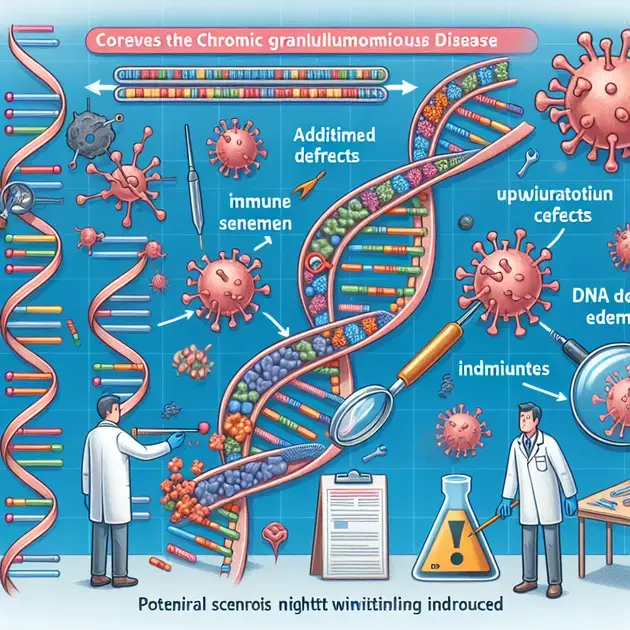
CRISPR, uma ferramenta revolucionária na engenharia genética, tem exibido um potencial imenso na reparação de defeitos genéticos responsáveis por diversas doenças. A doença granulomatosa crônica, uma doença imunológica debilitante, encontra esperança nas capacidades da CRISPR. No entanto, pesquisas recentes têm lançado luz sobre uma consequência não intencional dessa ferramenta de edição genética: a introdução acidental de defeitos adicionais durante o processo de reparação. Este artigo explora os desafios apresentados pela CRISPR, garantindo uma compreensão abrangente de seus riscos potenciais.
Entendendo a CRISPR:
CRISPR (Repetições Palindrômicas Curtas Agrupadas e Regularmente Interespaçadas) é uma técnica de edição genética que permite aos cientistas direcionar e modificar precisamente a sequência de DNA responsável por um defeito genético. Ao aproveitar a enzima Cas9, que age como uma tesoura molecular, a CRISPR pode remover, alterar ou inserir material genético específico. Sua precisão e eficiência notáveis inicialmente o tornaram um avanço promissor na terapia genética.
A Promessa da CRISPR na Cura da Doença Granulomatosa Crônica:
A doença granulomatosa crônica é uma doença imunológica caracterizada pela incapacidade dos glóbulos brancos de destruir certas bactérias e fungos de forma eficaz. O defeito genético responsável por essa condição pode ser direcionado e corrigido usando a CRISPR. Estudos iniciais têm demonstrado a viabilidade de usar essa ferramenta genética para reparar o gene defeituoso, restaurando assim a função imunológica adequada em indivíduos afetados.
As Consequências Inesperadas:
Infelizmente, pesquisas recentes revelaram um aspecto preocupante da CRISPR: o potencial de efeitos adversos fora do alvo. Embora a CRISPR tenha como alvo exclusivamente a edição da sequência de genes desejada, há o risco de introdução acidental de defeitos adicionais durante o processo de reparação. Isso ocorre quando a CRISPR erroneamente direciona sequências de DNA semelhantes em outras partes do genoma, levando a alterações não intencionais. Esses efeitos fora do alvo representam um desafio significativo para garantir a precisão e segurança das reparações genéticas usando a CRISPR.
Enfrentando os Riscos:
Cientistas e pesquisadores em todo o mundo estão plenamente cientes dos perigos potenciais associados à CRISPR. Esforços estão sendo feitos para identificar e mitigar os riscos envolvidos na edição genética. Melhorar a especificidade da ferramenta é um foco principal para minimizar os efeitos fora do alvo. Algoritmos avançados, simulações de computador e extensos testes de laboratório são empregados para aprimorar a precisão da CRISPR.
Além disso, estão sendo exploradas técnicas alternativas para complementar ou substituir a CRISPR em certas aplicações. Essas alternativas, como a edição de base ou a edição principal, oferecem um controle e segurança melhorados, modificando pares de bases de DNA sem quebrar as fitas de DNA.
Conclusão:
O potencial da CRISPR na reparação de defeitos genéticos responsáveis pela doença granulomatosa crônica é, indubitavelmente, promissor. No entanto, a introdução acidental de defeitos fora do alvo durante o processo de edição genética levanta preocupações sobre sua segurança e implicações a longo prazo. Aliviar esses riscos requer pesquisa meticulosa, melhoria contínua e medidas rigorosas de segurança. À medida que o campo da engenharia genética avança, é vital garantir que os benefícios potenciais da CRISPR sejam acompanhados de sua máxima precisão e segurança.
What happens in your brain while you watch a movie

Title: Groundbreaking Functional Brain Mapping Technique Unveils Intricate Neural Responses to Movie Clips
Introduction:
Neuroscientists have recently achieved a significant milestone in understanding the complexities of the human brain. By utilizing functional magnetic resonance imaging (fMRI), researchers have successfully created the most comprehensive functional map of the brain to date. This cutting-edge analysis offers unprecedented insights into the neural networks active during movie viewing, shedding light on how different brain regions respond to various types of stimuli.
The Study:
In a landmark study, participants were subjected to fMRI scans while watching short clips from a diverse range of films, encompassing both independent and Hollywood productions. Notable movies like Inception, The Social Network, and Home Alone were included, offering a broad spectrum of visual stimuli for analysis.
Key Findings:
Findings from the extensive fMRI analysis exhibited distinct brain network activations associated with different aspects of the analyzed movie scenes. The researchers uncovered networks dedicated to processing scenes involving people, inanimate objects, action sequences, and dialogue. These discoveries highlight the specialized nature of neural processing in response to different visual and auditory cues.
Furthermore, the study revealed how executive networks within the brain prioritize resources during the perception of both easy-to-follow and challenging movie scenes. This distinction sheds light on the intricate cognitive processes underlying our perception and understanding of complex audiovisual content.
Implications and Future Prospects:
The creation of a comprehensive and detailed functional map of the brain represents a major leap forward in understanding the complexities of human cognition. By unraveling the precise neural pathways involved in processing specific elements of movie scenes, future research may pave the way for advancements in a wide range of fields.
Application-wise, this groundbreaking study holds significant potential in the development of personalized entertainment experiences. Understanding how different individuals’ brains respond to specific stimuli may lead to the creation of tailored media content, optimizing engagement and immersive experiences.
Additionally, this functional brain mapping technique can be harnessed in the field of clinical neuroscience. By analyzing neural responses to audiovisual stimuli, researchers can gain insights into potential therapeutic interventions for neurological disorders, such as language comprehension deficits or object recognition impairments.
Conclusion:
The revolutionary use of fMRI technology to create an intricate functional map of the brain offers invaluable insights into the neural dynamics underlying movie perception. By illuminating the brain networks engaged during the viewing of diverse film clips, researchers have unraveled new frontiers in the study of human cognition. This groundbreaking study has far-reaching implications, ranging from personalized entertainment experiences to therapeutic approaches for neurological conditions.
A smart ‘insect screen’ for sun protection and cool comfort

A Next-Generation Transparent Cooling Film: Revolutionizing Cooling Technology
A team of researchers has made a significant breakthrough in the field of cooling technology with the development of a next-generation transparent cooling film. This innovative film utilizes the principles of radiative cooling to offer a more efficient and sustainable cooling solution.
The Concept of Radiative Cooling
The concept of radiative cooling involves the ability of certain materials to release heat by radiating thermal energy into the surrounding environment. By harnessing this natural phenomenon, the research team has created a transparent film that can effectively cool objects without the need for traditional refrigeration methods.
Potential Applications
The potential applications for this transparent cooling film are vast. It could be used to cool electronic devices that generate a significant amount of heat, such as computer processors or smartphones. The film could also be applied to windows, reducing the need for air conditioning in buildings and thereby decreasing energy consumption.
A Sustainable Cooling Solution
Traditional cooling methods, such as air conditioning systems, rely heavily on energy consumption and refrigerants that can have adverse effects on the environment. In contrast, the transparent cooling film relies solely on natural radiative cooling, making it a more sustainable and eco-friendly cooling solution.
Ongoing Development
The research team behind this breakthrough is excited about the potential of their discovery but acknowledges that further development is necessary before the film can be commercialized. The film needs to be optimized for various applications, ensuring its durability, compatibility, and efficacy.
A Promising Future
In conclusion, the development of a next-generation transparent cooling film using the principles of radiative cooling represents a significant advancement in cooling technology. This film has the potential to revolutionize several industries by providing an efficient, sustainable, and environmentally friendly cooling solution. With further research and development, we could soon see this innovative film transforming the way we cool our electronics, buildings, and more.
High cost of childbirth and postpartum care causes biggest financial hardship for lower-income families with commercial insurance

The Cost of Childbirth and Postpartum Health Care: A Growing Financial Burden on Lower-Income Families
Childbirth and postpartum health care expenses in the United States have become a significant source of financial hardship, especially for lower-income families with commercial insurance. According to statistics, approximately half of all individuals who give birth in the country are covered by commercial health insurance plans, which often involve cost-sharing measures such as deductibles, copayments, and coinsurance. These financial obligations can create a significant burden for families, leading to ongoing financial challenges.
The expensive nature of childbirth and postpartum health care in the United States is a matter of concern for many families, particularly those with limited financial resources. Even with commercial insurance coverage, the out-of-pocket expenses associated with giving birth can be extensive. Deductibles, for instance, require individuals to pay a certain amount before the insurance coverage takes effect. Copayments and coinsurance also add to the financial burden, as they require individuals to contribute a certain percentage of the expenses for prenatal care, delivery, and postpartum care.
For lower-income families, these costs can be particularly burdensome. The strain of paying for childbirth and postpartum health care in addition to other living expenses can lead to financial instability and even debt accumulation. In some cases, families may even delay or forego necessary medical care due to the high costs involved.
It is worth noting that the financial burden does not end with childbirth. Postpartum health care, which includes follow-up visits and any necessary treatments or medications, also incurs additional costs that families must bear. The combined expenses of pregnancy, childbirth, and postpartum care can thus result in a long-lasting financial burden for lower-income families.
Addressing the issue of high childbirth and postpartum health care costs is crucial to ensure that all families, regardless of their socio-economic status, have access to affordable and quality care. Policymakers and healthcare providers must work together to find solutions that reduce the financial burden on families, particularly those with limited resources. This could involve exploring options such as expanding insurance coverage, implementing caps on out-of-pocket expenses, or providing financial assistance programs specifically tailored to childbirth and postpartum care.
In conclusion, the cost of childbirth and postpartum health care imposes significant financial hardships on lower-income families with commercial insurance in the United States. The current system of cost-sharing through deductibles, copayments, and coinsurance often exacerbates these challenges. To ensure equitable access to quality care, it is crucial for stakeholders to address this issue and devise solutions that alleviate the financial burden on vulnerable families.
Dealing with Joint Hurt: Effective Solutions for Pain Relief

Dealing with joint hurt can be a challenging experience, affecting individuals of all ages and lifestyles. The search for effective solutions for pain relief is a common goal for many people who are looking to improve their quality of life and regain mobility.
In recent studies, researchers have found that a combination of physical therapy, regular exercise, and targeted medication can provide significant relief for individuals dealing with joint pain. Understanding the underlying causes of the pain and implementing a comprehensive treatment plan is key to managing and alleviating joint discomfort.

Effective Solutions for Pain Relief for Dealing with Joint Hurt
Joint pain can be debilitating and severely impact your quality of life. However, there are effective solutions for pain relief that can help you manage and alleviate the discomfort. One key strategy is to incorporate anti-inflammatory foods into your diet. Foods high in omega-3 fatty acids, such as salmon and chia seeds, can help reduce inflammation and ease joint pain. Additionally, incorporating turmeric into your meals or taking turmeric supplements can also provide relief from joint discomfort.
Another effective solution is to practice mindfulness and relaxation techniques. Stress has been linked to increased pain perception, so learning how to manage stress through techniques such as meditation or yoga can help reduce joint pain. In addition, regular massages or acupuncture sessions can also provide relief by loosening tight muscles and promoting blood flow to the affected joints.
To further alleviate joint hurt, consider using topical treatments such as CBD creams or lidocaine patches. These products can target pain at the source and provide localized relief. Furthermore, engaging in physical therapy sessions can help improve joint mobility and strengthen the surrounding muscles, leading to long-term pain relief.
One app that can help you track your food intake and ensure you are consuming anti-inflammatory foods is MyFitnessPal. This app allows you to log your meals and provides nutritional information to help you make informed choices. Additionally, the app Headspace offers guided meditation sessions to help you manage stress and improve your overall well-being.
The Importance of Physical Therapy and Regular Exercise in Joint Pain Relief
Physical therapy and regular exercise play a crucial role in managing joint pain and promoting overall joint health. Physical therapy sessions are designed to help you improve your joint mobility, strengthen the muscles supporting the joints, and reduce pain through targeted exercises and techniques. By working with a physical therapist, you can develop a customized exercise plan that addresses your specific needs and goals.
Incorporating regular exercise into your routine is also important for joint pain relief. Low-impact exercises such as swimming, biking, or walking can help improve joint flexibility and reduce stiffness. Strength training exercises targeting the muscles around the joints can provide added support and stability, reducing the risk of injury and pain.
One key strategy for managing joint discomfort is to set realistic fitness goals and gradually increase the intensity of your workouts over time. This gradual progression helps prevent overuse injuries and allows your joints to adapt to the physical demands. Additionally, incorporating rest days into your exercise routine is essential for allowing your joints to recover and reduce inflammation.
An app that can help you create a personalized exercise plan and track your progress is Fitbit Coach. This app offers guided workouts and personalized recommendations based on your fitness level and goals. For those looking to incorporate physical therapy exercises into their routine, the app Physiotec provides a library of exercises and stretches specifically designed for joint pain relief.
Key Strategies for Managing and Alleviating Joint Discomfort
When it comes to managing and alleviating joint discomfort, there are several key strategies that can help improve your overall quality of life. One important strategy is to maintain a healthy weight, as excess weight puts added stress on the joints and can exacerbate pain. Incorporating a balanced diet and regular exercise into your routine can help you achieve and maintain a healthy weight.
Another key strategy is to stay hydrated and ensure you are drinking an adequate amount of water throughout the day. Proper hydration is essential for joint lubrication and can help reduce stiffness and discomfort. In addition, incorporating joint-friendly foods such as bone broth, leafy greens, and nuts into your diet can provide essential nutrients for joint health.
Regular stretching and flexibility exercises can also help alleviate joint discomfort by improving joint mobility and reducing muscle tension. Practicing yoga or pilates can be particularly beneficial for promoting flexibility and strengthening the muscles supporting the joints. Including these exercises in your daily routine can help prevent stiffness and pain.
An app that can help you track your water intake and remind you to stay hydrated is WaterMinder. This app allows you to set hydration goals and sends notifications to ensure you are drinking enough water throughout the day. For those looking to incorporate yoga into their routine, the app Yoga Studio offers a variety of guided yoga classes for all levels and goals.
**Exploring Alternative Remedies for Joint Pain Relief**
Acupuncture
Acupuncture is a traditional Chinese medicine practice that involves inserting thin needles into specific points on the body to stimulate energy flow and promote healing. Many people have found relief from joint pain through acupuncture sessions. The needles are inserted into strategic points that help reduce inflammation and improve blood circulation, leading to reduced pain and improved joint function.
To incorporate acupuncture into your joint pain relief routine, it is recommended to find a licensed and experienced acupuncturist who can tailor the treatment to your specific needs. Multiple sessions may be needed to experience the full benefits of acupuncture for joint pain relief.
Some studies have shown that acupuncture can help reduce pain and improve mobility in individuals with arthritis and other joint conditions. It is considered a safe and effective alternative remedy for joint pain relief.
Topical Creams and Balms
Topical creams and balms infused with natural ingredients such as arnica, capsaicin, or menthol can provide temporary relief from joint pain when applied directly to the affected area. These creams work by numbing the nerve endings or reducing inflammation in the joints, providing a soothing sensation and reducing discomfort.
When using topical creams for joint pain relief, it is important to follow the instructions on the packaging and apply the product as directed. Some creams may need to be used multiple times a day for optimal results. It is also recommended to do a patch test before widespread application to ensure compatibility with your skin.
While topical creams and balms offer temporary relief from joint pain, they are not a long-term solution. It is best to combine the use of these products with other alternative remedies or treatments for comprehensive joint pain management.
Herbal Supplements
Herbal supplements such as turmeric, ginger, and boswellia have been used for centuries to reduce inflammation and alleviate joint pain. These natural remedies contain anti-inflammatory properties that can help improve joint function and reduce discomfort associated with conditions like arthritis.
When considering herbal supplements for joint pain relief, it is important to consult with a healthcare provider or herbalist to ensure compatibility with any existing medications or health conditions. The dosage and frequency of herbal supplement intake may vary depending on individual needs and health goals.
Studies have shown promising results in the use of herbal supplements for joint pain relief, with many individuals experiencing reduced pain and improved mobility after incorporating these natural remedies into their daily routine.
Conclusion
In conclusion, exploring alternative remedies for joint pain relief provides valuable insights into non-traditional approaches that can effectively alleviate discomfort and enhance joint function. Acupuncture, a centuries-old practice rooted in Chinese medicine, has shown significant promise in reducing joint pain and improving mobility for individuals dealing with arthritis and other joint conditions. By seeking out a licensed acupuncturist and committing to multiple sessions, individuals can tap into the benefits of this safe and effective remedy.
Additionally, topical creams and balms infused with natural ingredients like arnica, capsaicin, and menthol offer temporary relief by targeting inflammation and soothing discomfort when applied directly to the affected area. While these products provide immediate comfort, they should be viewed as part of a comprehensive joint pain management plan that includes other treatments or remedies for long-term relief.
Furthermore, herbal supplements such as turmeric, ginger, and boswellia, known for their anti-inflammatory properties, have demonstrated effectiveness in reducing joint pain and enhancing overall joint health. Consulting with a healthcare provider or herbalist is crucial to determining the right dosage and frequency of intake, ensuring compatibility with existing medications or health conditions.