Home Blog Page 301

Balancing Pain and Relief: Finding Harmony in Healing


Dealing with pain and seeking relief is a complex journey that requires patience and understanding. In the world of healing, finding the perfect balance between addressing the source of pain and allowing space for relief is crucial. The quest for harmony in healing is an ongoing process that involves a combination of physical, emotional, and spiritual elements.

As we navigate through the ups and downs of pain management, it’s important to remember that healing is not just about alleviating physical symptoms. It also involves addressing the mental and emotional toll that pain can take. By embracing a holistic approach that considers all aspects of well-being, we can strive towards finding harmony in our healing journey.

Descrição da Imagem 1


The Importance of Addressing the Source of Pain

When it comes to managing pain, it is crucial to address the root cause rather than just treating the symptoms. By identifying and addressing the source of pain, you can achieve long-lasting relief and prevent future issues. One way to do this is by keeping a pain journal to track when and where the pain occurs, what activities trigger it, and any patterns you notice. Apps like Pain Tracker can help you record and analyze your pain patterns.

Another important step in addressing the source of pain is seeking professional medical advice. Consulting with a healthcare provider, such as a physical therapist or a pain specialist, can help you get to the bottom of your pain issues and create a personalized treatment plan. Telemedicine platforms like Teladoc allow you to connect with healthcare professionals from the comfort of your home.

Additionally, incorporating holistic approaches like acupuncture, yoga, or meditation can help address the underlying causes of pain, such as stress or muscle tension. Apps like Headspace offer guided meditation and mindfulness practices to help manage pain and promote overall well-being.

Lastly, making lifestyle modifications, such as improving your posture, staying active, and maintaining a healthy diet, can play a significant role in addressing the source of pain. Websites like Choose My Plate provide guidelines for a balanced diet that supports overall health and wellness.

By taking a comprehensive approach to addressing the source of your pain, you can not only find relief but also improve your quality of life and prevent future pain issues.

Embracing a Holistic Approach to Healing

Healing goes beyond just alleviating physical symptoms; it involves addressing the mind, body, and spirit as a whole. Embracing a holistic approach to healing means considering all aspects of your well-being and treating the root cause of pain, rather than just the symptoms. One way to start this journey is by exploring alternative therapies such as chiropractic care, massage therapy, or acupuncture. Platforms like Zocdoc can help you find practitioners offering these holistic treatments in your area.

Incorporating practices like mindfulness, meditation, and breathwork can also contribute to holistic healing by reducing stress, promoting relaxation, and enhancing overall well-being. Apps like Calm provide guided meditation sessions and relaxation techniques to support your holistic healing journey.

Connecting with support groups or online communities focused on holistic healing can provide you with a sense of belonging, understanding, and encouragement. Websites like Inspire offer online forums where you can connect with others who share similar healing journeys and exchange insights and experiences.

Furthermore, exploring integrative medicine approaches that combine conventional Western medicine with complementary therapies can offer a more comprehensive treatment plan for holistic healing. Websites like Johns Hopkins Medicine provide information on integrative medicine resources and services.

By embracing a holistic approach to healing, you can address the root cause of pain, promote overall well-being, and restore balance to your mind, body, and spirit.

Finding Balance Between Pain Management and Relief

Finding the right balance between managing pain effectively and seeking relief is key to enhancing your quality of life. It involves understanding when to rely on pain management strategies and when to prioritize finding lasting relief from the source of pain. One step towards finding this balance is maintaining open communication with your healthcare team, including doctors, physical therapists, and specialists. Websites like WebMD offer resources on how to effectively communicate your pain management needs with healthcare providers.

Exploring non-pharmacological pain management techniques, such as physical therapy, acupuncture, or cognitive-behavioral therapy, can help reduce reliance on medications and address the root cause of pain. Apps like Calm offer resources for stress management and relaxation techniques to complement your pain management strategies.

Engaging in regular physical activity and maintaining a healthy lifestyle can also play a significant role in finding balance between pain management and relief. Websites like CDC Physical Activity Guidelines provide recommendations for staying active and improving overall wellness.

Setting realistic goals for pain management and relief, as well as tracking your progress, can help you stay motivated and make informed decisions about your treatment plan. Apps like MyTherappy allow you to set goals, track your symptoms, and monitor your progress towards pain management and relief.

By finding the right balance between pain management strategies and seeking relief from the source of pain, you can improve your overall well-being, enhance your quality of life, and achieve lasting relief.

Descrição da Imagem 2


Navigating the Emotional Journey of Healing

As individuals navigate the emotional journey of healing, it is essential to acknowledge the complex range of emotions that may arise. From the initial shock and disbelief to feelings of vulnerability and uncertainty, the healing process can be a rollercoaster of emotions. It is crucial for individuals to allow themselves to experience these emotions fully and without judgment. By embracing vulnerability and facing difficult emotions head-on, individuals can begin to work towards true healing.

During the emotional journey of healing, it is common for individuals to encounter feelings of fear and anxiety about the future. Uncertainty about what lies ahead can be overwhelming, leading to increased stress and emotional turmoil. It is essential for individuals to practice self-care and seek support from loved ones or mental health professionals during these challenging times. By addressing fears and anxieties directly, individuals can begin to find a sense of peace and acceptance.

One of the key aspects of navigating the emotional journey of healing is practicing self-compassion. It is important for individuals to treat themselves with kindness and understanding, especially during difficult times. By cultivating a sense of self-compassion, individuals can develop resilience and inner strength to overcome obstacles in the healing process. Self-compassion involves offering oneself grace, forgiveness, and patience as they navigate the highs and lows of healing.

Another crucial element of the emotional journey of healing is the importance of setting boundaries. As individuals work through their emotions and experiences, it is essential to establish boundaries that protect their emotional well-being. This may involve setting limits with others, saying no when necessary, and prioritizing self-care. By setting boundaries, individuals can create a safe space for themselves to heal and grow.

In conclusion, navigating the emotional journey of healing requires individuals to embrace vulnerability, address fears and anxieties, practice self-compassion, and set boundaries. By acknowledging and processing complex emotions, individuals can pave the way for true healing and transformation.

Exploring Alternative Methods for Pain Relief

When traditional pain relief methods fall short, exploring alternative methods for pain relief can offer new hope and possibilities. From acupuncture and massage therapy to herbal remedies and meditation, there are various alternative approaches that individuals can explore to manage and alleviate pain. These alternative methods often focus on treating the root cause of pain rather than just masking symptoms, providing a holistic and sustainable approach to pain management.

One popular alternative method for pain relief is acupuncture, a traditional Chinese medicine practice that involves inserting thin needles into specific points on the body. Acupuncture is believed to help restore the flow of energy, or qi, in the body, promoting healing and pain relief. Many individuals have found acupuncture to be effective in reducing chronic pain, inflammation, and stress.

Another alternative method for pain relief is meditation, a mindfulness practice that involves focusing on the present moment and cultivating a sense of inner peace. Meditation can help individuals manage pain by reducing stress, anxiety, and negative emotions that can exacerbate physical discomfort. By incorporating meditation into their daily routine, individuals can learn to cope with pain in a more mindful and empowered way.

Herbal remedies, such as turmeric, ginger, and chamomile, have also been used for centuries to help alleviate pain and inflammation. These natural remedies offer a gentle and holistic approach to pain relief, without the side effects often associated with conventional medications. By exploring the benefits of herbal remedies, individuals can discover gentle and effective ways to manage and reduce pain.

In conclusion, exploring alternative methods for pain relief, such as acupuncture, meditation, and herbal remedies, can offer individuals new pathways to managing and alleviating pain. By embracing these holistic approaches, individuals can empower themselves to take control of their pain management journey and discover new possibilities for healing and well-being.

Overcoming Obstacles in the Healing Process

As individuals navigate the healing process, they may encounter various obstacles and challenges that can impede their progress. From physical limitations and financial constraints to emotional barriers and self-doubt, overcoming obstacles in the healing process requires resilience, determination, and support. It is essential for individuals to identify and address these obstacles proactively, seeking help and resources when needed to overcome challenges and continue on the path to healing.

One common obstacle in the healing process is the fear of change and uncertainty about the future. Moving towards healing often involves stepping outside of one’s comfort zone and embracing new possibilities, which can be daunting and anxiety-inducing. By acknowledging and facing these fears head-on, individuals can begin to cultivate courage and resilience in the face of uncertainty, paving the way for transformation and growth.

Another obstacle in the healing process is the presence of negative self-beliefs and internalized limitations. Individuals may hold deep-seated beliefs about their worthiness, capabilities, or potential for healing, which can hinder their progress and self-esteem. Overcoming these obstacles requires challenging and reframing negative beliefs, seeking support from loved ones or professionals, and cultivating a positive and empowering mindset.

External factors, such as lack of access to resources or social support, can also present obstacles in the healing process. It is essential for individuals to reach out for help and connect with community resources that can provide assistance and guidance. By building a support network and seeking practical solutions to address external obstacles, individuals can create a more conducive environment for healing and growth.

In conclusion, overcoming obstacles in the healing process requires individuals to confront fears, challenge negative beliefs, and seek support and resources to navigate challenges effectively. By approaching obstacles with resilience, determination, and openness to change, individuals can overcome barriers to healing and continue on their journey towards wholeness and well-being.

Conclusion

In conclusion, navigating the emotional journey of healing involves acknowledging and embracing a wide range of emotions, from shock and vulnerability to self-compassion and setting boundaries. By allowing oneself to fully experience these emotions without judgment, individuals can pave the way for true healing and transformation. It is crucial to address fears and anxieties about the future directly, practicing self-care, seeking support, and finding peace and acceptance.

Exploring alternative methods for pain relief, such as acupuncture, meditation, and herbal remedies, offers individuals new pathways to manage and alleviate pain. These holistic approaches focus on treating the root cause of pain and empowering individuals to take control of their pain management journey. By incorporating acupuncture, meditation, or herbal remedies into daily routines, individuals can cope with pain in a mindful and empowered manner.

Overcoming obstacles in the healing process requires resilience, determination, and support. By confronting fears, challenging negative beliefs, and seeking assistance to navigate challenges effectively, individuals can continue on their journey towards wholeness and well-being. Addressing physical limitations, emotional barriers, and external factors like lack of resources or social support is essential in creating a conducive environment for healing and growth.


Effective Strategies for Double Pain Relief


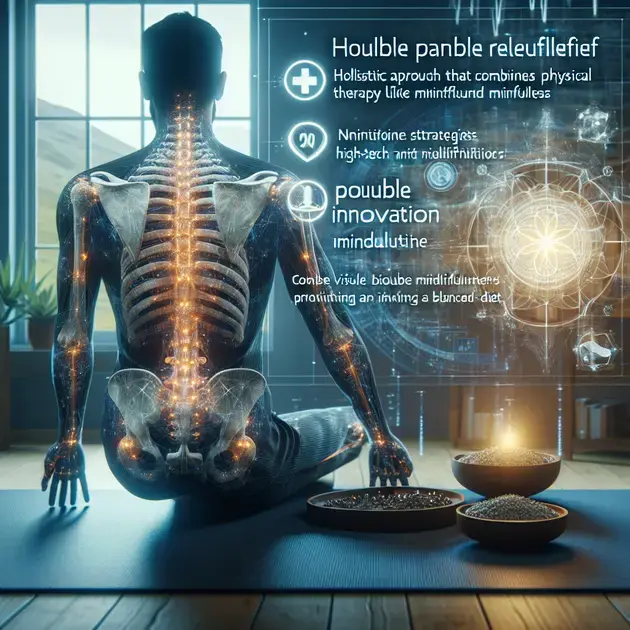
Are you looking for effective strategies for double pain relief? Dealing with pain can be challenging, especially when it affects multiple areas of your body simultaneously. Whether you’re experiencing acute or chronic pain, finding the right approach to manage and reduce your symptoms is crucial for improving your quality of life.

Recent studies have shown that combining both physical therapy and mindfulness techniques can be highly beneficial in achieving double pain relief. This holistic approach not only addresses the physical aspect of pain but also helps manage the emotional and mental impact it can have on individuals. By incorporating these strategies into your daily routine, you can experience significant improvements in your pain levels and overall well-being.

Descrição da Imagem 1


Effective Strategies for Double Pain Relief: A Holistic Approach

Dealing with chronic pain can be challenging, but by adopting a holistic approach to pain relief, you can improve your quality of life. One effective strategy is to combine physical therapy with mindfulness techniques. Here is a step-by-step guide to implementing this holistic approach:

1. Find a Qualified Physical Therapist:

Start by researching and finding a reputable physical therapist in your area. Websites like APTA can help you locate licensed professionals. Schedule an appointment for an initial assessment to discuss your pain and create a customized treatment plan.

2. Incorporate Mindfulness Techniques:

Practice mindfulness by using meditation apps like Headspace or Calm. These apps offer guided meditations and breathing exercises to help you focus on the present moment and alleviate stress. Set aside time each day to practice mindfulness and observe any changes in your pain levels.

3. Combine Physical Therapy with Mindfulness:

During your physical therapy sessions, incorporate mindfulness techniques such as deep breathing or body scans. Focus on relaxing tense muscles and improving your range of motion while being fully present in the moment. Your physical therapist can guide you on how to combine these practices effectively.

4. Establish a Daily Routine:

Consistency is key to experiencing long-term benefits. Create a daily routine that includes physical therapy exercises, mindfulness practices, and other self-care activities. Keep track of your progress and adjust your routine as needed to optimize pain relief.

5. Monitor Your Progress:

Track your pain levels, mood, and overall well-being regularly. Use apps like PainScale or My Pain Diary to record your symptoms and treatments. Reviewing this data can help you identify patterns, triggers, and effective strategies for managing your pain holistically.

Implementing Physical Therapy and Mindfulness Techniques

Integrating physical therapy with mindfulness techniques can significantly improve your quality of life by providing comprehensive pain management. Follow the steps below to effectively implement this dual approach:

1. Consult with a Physiotherapist:

Visit a physiotherapist specializing in pain management, such as those listed on the World Confederation for Physical Therapy website. Discuss your pain concerns and goals to create a tailored treatment plan that combines physical therapy and mindfulness.

2. Explore Mindfulness Resources:

Utilize apps like Insight Timer or Mindbody to access guided mindfulness practices and yoga sessions. These resources can help you enhance your mind-body connection, reduce stress, and promote relaxation alongside your physical therapy sessions.

3. Integrate Mindfulness into Exercises:

Practice mindful movement during physical therapy exercises, focusing on alignment, breathing, and muscle engagement. Incorporate mindfulness techniques like body scans or mindful walking to improve your awareness and enhance the therapeutic benefits of each movement.

4. Stay Committed to Your Routine:

Create a structured schedule that includes regular physical therapy appointments, mindfulness sessions, and self-care practices. Consistent participation is essential for maximizing the synergistic effects of physical therapy and mindfulness on pain relief.

5. Evaluate Your Progress Regularly:

Measure your pain levels and functional improvements periodically to track the impact of this holistic approach. Use tools like Pain Diary or Manage My Pain to log your experiences and communicate effectively with your healthcare team for ongoing adjustments.

Improving Quality of Life through Comprehensive Pain Management

Enhancing your quality of life while managing chronic pain requires a comprehensive approach that addresses both physical and emotional aspects. By integrating various strategies, you can achieve holistic pain relief and overall well-being. Here’s how you can embark on this journey:

1. Seek Multidisciplinary Pain Management:

Consult with a pain management clinic that offers a multidisciplinary approach, involving professionals from different fields such as physiotherapy, psychology, and pain medicine. Websites like American Academy of Pain Medicine can help you locate accredited clinics.

2. Embrace Mind-Body Therapies:

Explore mind-body therapies like acupuncture, yoga, and Tai Chi alongside your conventional pain management strategies. Websites like National Center for Complementary and Integrative Health provide information on these holistic therapies and their benefits.

3. Prioritize Self-Care and Lifestyle Changes:

Develop a self-care routine that includes proper nutrition, adequate sleep, regular exercise, and stress management techniques. Apps like MyFitnessPal or Headspace can assist you in tracking your activities and maintaining a healthy lifestyle.

4. Engage in Supportive Communities:

Join online or local support groups for individuals living with chronic pain to share experiences, gain insights, and receive encouragement. Platforms like PainSupport offer community forums and resources for connecting with others facing similar challenges.

5. Collaborate with Your Healthcare Team:

Stay in regular communication with your healthcare providers, including physicians, therapists, and specialists, to ensure coordinated care and optimal outcomes. Utilize telehealth platforms or patient portals for virtual consultations and updates on your pain management progress.

Descrição da Imagem 2


Non-Invasive Treatments for Long-Term Pain Relief

Chronic pain can significantly impact quality of life, making it essential to explore non-invasive treatments for long-term relief. One promising approach is chiropractic care, which focuses on spinal manipulation to alleviate pain and improve overall function. Studies have shown that chiropractic adjustments can effectively reduce chronic pain in various conditions, such as lower back pain and migraines.

Acupuncture is another non-invasive treatment option that involves inserting thin needles into specific points on the body to stimulate natural pain-relieving mechanisms. This ancient practice has been shown to be effective in managing chronic pain, including arthritis and fibromyalgia. By promoting the flow of energy, or “qi,” acupuncture can help restore balance and reduce discomfort.

Physical therapy is also a valuable non-invasive treatment for long-term pain relief. Through tailored exercises and manual techniques, physical therapists can improve mobility, strength, and flexibility, which are essential for managing chronic pain conditions. Additionally, techniques such as ultrasound and electrical stimulation may be used to reduce pain and inflammation.

Cognitive-behavioral therapy (CBT) is another non-invasive approach that can help individuals develop coping strategies and change negative thought patterns related to pain. By addressing the psychological aspects of chronic pain, CBT can empower patients to better manage their symptoms and improve their overall well-being.

In conclusion, non-invasive treatments offer promising solutions for long-term pain relief by addressing the root causes of chronic pain and promoting holistic healing. By exploring modalities such as chiropractic care, acupuncture, physical therapy, and cognitive-behavioral therapy, individuals can find effective tools for managing their pain and improving their quality of life.

Nutritional Strategies for Combating Chronic Pain

Proper nutrition plays a crucial role in managing chronic pain and promoting overall health. One key aspect of nutritional strategies for combating chronic pain is following an anti-inflammatory diet. Foods rich in omega-3 fatty acids, such as fatty fish, nuts, and seeds, can help reduce inflammation and alleviate pain symptoms.

Increasing the intake of antioxidants, found in colorful fruits and vegetables, can also support the body’s natural ability to fight oxidative stress and reduce pain. Additionally, incorporating turmeric, ginger, and green tea into the diet can provide natural anti-inflammatory benefits that may help alleviate chronic pain.

Maintaining a healthy weight through balanced nutrition is essential for reducing strain on the joints and preventing pain associated with conditions such as osteoarthritis. By focusing on whole foods, such as lean proteins, whole grains, and plenty of fruits and vegetables, individuals can support their overall well-being and manage chronic pain more effectively.

Hydration is another critical aspect of nutritional strategies for combating chronic pain. Staying well-hydrated can help support joint function, improve circulation, and reduce the risk of muscle cramps and spasms. Drinking an adequate amount of water throughout the day is essential for optimal pain management and overall health.

In summary, adopting a nutritious diet that includes anti-inflammatory foods, antioxidants, and essential nutrients is key to combating chronic pain and supporting long-term health. By focusing on proper nutrition and hydration, individuals can play an active role in managing their pain and enhancing their quality of life.

Innovative Technologies for Enhanced Pain Management

Advancements in technology have opened up new possibilities for enhancing pain management and improving the quality of life for individuals with chronic pain conditions. One innovative technology that has shown promise is virtual reality (VR) therapy. By immersing patients in virtual environments that distract the brain from pain signals, VR therapy can help reduce the perception of pain and improve overall well-being.

Another cutting-edge technology for enhanced pain management is transcutaneous electrical nerve stimulation (TENS). This non-invasive treatment involves the use of low-voltage electrical currents to stimulate the nerves and disrupt pain signals to the brain. TENS devices are portable and can be used at home to provide on-demand pain relief.

Telemedicine is also revolutionizing pain management by enabling patients to connect with healthcare providers remotely. Through virtual consultations, patients can receive personalized treatment plans, access support resources, and monitor their progress without the need for in-person visits. This technology offers convenience and accessibility for individuals living with chronic pain.

Biofeedback technology is another valuable tool for enhancing pain management by helping individuals learn to control physiological responses to stress and pain. By providing real-time feedback on factors such as heart rate and muscle tension, biofeedback devices can empower users to develop self-regulation techniques for managing chronic pain more effectively.

In conclusion, innovative technologies such as VR therapy, TENS devices, telemedicine, and biofeedback offer exciting opportunities for enhancing pain management and improving outcomes for individuals with chronic pain. By embracing these advancements, healthcare providers and patients can work together to explore new solutions for long-term relief and better quality of life.

Conclusion

In conclusion, the exploration of non-invasive treatments, such as chiropractic care, acupuncture, physical therapy, and cognitive-behavioral therapy, presents promising avenues for long-term pain relief. These modalities address the root causes of chronic pain and promote holistic healing, offering effective tools for managing pain and enhancing overall quality of life.

Additionally, nutritional strategies, including an anti-inflammatory diet rich in omega-3 fatty acids and antioxidants, play a crucial role in combating chronic pain. Proper nutrition, hydration, and weight management through a balanced diet support overall well-being and contribute to more effective pain management.

Moreover, innovative technologies like virtual reality therapy, transcutaneous electrical nerve stimulation, telemedicine, and biofeedback provide exciting opportunities for enhanced pain management. Embracing these advancements can lead to better outcomes and improved quality of life for individuals struggling with chronic pain conditions.


Top Strategies for Becoming the Best in Practice


In today’s competitive business environment, it’s essential to implement top strategies for becoming the best in practice. Whether you’re a seasoned professional looking to stay ahead or a newcomer trying to establish yourself, having a solid plan is crucial. With the ever-evolving market trends and advancements in technology, staying at the top of your game requires constant evaluation and adaptation.

One key strategy is to prioritize continuous learning and skill development. As industries continue to change and grow, the ability to expand your knowledge base and acquire new skills is invaluable. Engaging in workshops, online courses, and networking events can provide you with fresh insights and perspectives, helping you to navigate the dynamic landscape of your field effectively.

Descrição da Imagem 1

Implementing Agile Practices for Adaptive Growth

Implementing Agile Practices for Adaptive Growth is essential for companies looking to stay competitive in today’s fast-paced business environment. Agile methodologies allow teams to respond quickly to changes, collaborate more effectively, and deliver value to customers faster. Below is a step-by-step guide on how to implement Agile practices using the popular project management tool, Trello.

Step 1: Create a Trello Board

Start by creating a Trello board for your project. You can do this by signing up for a free account on the Trello website or downloading the Trello app from the App Store or Google Play Store.

Step 2: Set Up Lists

Organize your Trello board into lists such as “To Do,” “In Progress,” and “Done.” This visual workflow will help your team members understand the status of each task and prioritize their work accordingly.

Step 3: Add Cards

Create cards for each task or user story that needs to be completed. Assign team members to cards, set due dates, and add relevant details or attachments to ensure clear communication.

Step 4: Conduct Daily Stand-up Meetings

Hold daily stand-up meetings to discuss progress, roadblocks, and priorities. Use the Trello board as a visual aid during the meeting to keep everyone on the same page and address any bottlenecks promptly.

Step 5: Review and Adapt

Regularly review your Agile practices and adjust them based on feedback and performance metrics. Continuously strive to improve your team’s efficiency and effectiveness by embracing change and learning from experience.

Leveraging Technology for Competitive Edge

Leveraging Technology for Competitive Edge involves using the latest tools and innovations to gain a strategic advantage over competitors. In today’s digital age, technology plays a crucial role in driving business growth and enhancing customer experiences. Follow the steps below to leverage technology effectively using the productivity app, Asana.

Step 1: Sign Up for Asana

Create an account on the Asana website or download the Asana app from the App Store or Google Play Store to get started. Asana offers features such as task management, project tracking, and team collaboration.

Step 2: Define Goals and Objectives

Outline your business goals and objectives that can be supported by technology. Break down these goals into actionable tasks and projects within Asana, assigning responsibilities and deadlines to team members.

Step 3: Streamline Workflows

Use Asana to streamline workflows and automate repetitive tasks. Take advantage of integrations with other tools and services to enhance productivity and efficiency within your organization.

Step 4: Foster Collaboration

Encourage collaboration among team members by creating shared projects and setting up communication channels within Asana. Keep all relevant information and discussions centralized to avoid silos and improve teamwork.

Step 5: Monitor Progress and Performance

Regularly monitor the progress of projects and track key performance indicators using Asana’s reporting and analytics features. Identify areas for improvement and make data-driven decisions to stay ahead of the competition.

Mastering Continuous Learning for Professional Development

Mastering Continuous Learning for Professional Development is crucial for staying relevant and advancing in your career. In today’s rapidly changing job market, lifelong learning is a key factor in personal and professional growth. Discover how you can master continuous learning using the online learning platform, Coursera, with the following steps.

Step 1: Create a Coursera Account

Sign up for a Coursera account on their website or download the Coursera app from the App Store or Google Play Store. Coursera offers a wide range of courses from top universities and institutions around the world.

Step 2: Browse Courses

Explore Coursera’s vast library of courses covering various topics and disciplines. Filter courses based on your interests, career goals, or skills you want to develop further to find the most relevant learning opportunities.

Step 3: Enroll in Courses

Select courses that align with your learning objectives and enroll in them to gain access to video lectures, assignments, quizzes, and discussion forums. Follow a structured learning path or choose individual courses based on your preferences.

Step 4: Engage with the Learning Community

Interact with instructors and peers through Coursera’s online community to exchange ideas, ask questions, and receive feedback on your assignments. Networking with like-minded professionals can enhance your learning experience and broaden your perspective.

Step 5: Apply Knowledge in Practice

Put your newfound knowledge and skills into practice in your current role or personal projects. Reflect on your learning journey, seek feedback from mentors or colleagues, and continue to pursue opportunities for growth and development.

Descrição da Imagem 2

**Crafting Effective Communication Strategies for Client Engagement**

Improve Internal Communication:

One of the key aspects of crafting effective communication strategies for client engagement is to improve internal communication within the team. By ensuring that all team members are on the same page and have access to the necessary information, you can streamline the communication process and avoid any misunderstandings that could potentially impact client engagement.

How to do it:

– Schedule regular team meetings to discuss project updates and address any communication issues.
– Utilize communication tools such as Slack or Microsoft Teams to facilitate real-time communication.
– Encourage an open-door policy where team members feel comfortable sharing their thoughts and ideas.
– Provide training on effective communication techniques to enhance team collaboration.

Utilize Clear and Concise Messaging:

Another important aspect of effective communication strategies for client engagement is to utilize clear and concise messaging. Avoid using jargon or complicated language that could confuse clients and instead opt for simple and straightforward communication that conveys your message effectively.

How to do it:

– Tailor your communication style to suit the preferences of each client, whether they prefer email, phone calls, or in-person meetings.
– Use visuals such as charts or graphs to help convey complex information in a more digestible format.
– Always provide context and background information to ensure that clients fully understand the message being communicated.
– Seek feedback from clients to gauge their level of understanding and adjust your communication style accordingly.

Establish Trust and Transparency:

Building trust and transparency with clients is essential for effective communication strategies. By being honest, reliable, and transparent in your communication, you can foster strong relationships with clients and enhance client engagement.

How to do it:

– Be upfront about any challenges or obstacles that may arise during the project to manage client expectations.
– Keep clients informed about project progress, deadlines, and any changes in the scope of work.
– Listen actively to client feedback and address any concerns or issues promptly.
– Follow through on your commitments and deliver on promises to build trust with clients.

**

Conclusion

**

Effective communication strategies are crucial for client engagement in any business setting. Improving internal communication within the team not only ensures smooth operations but also enhances client interactions. By scheduling regular team meetings and utilizing communication tools like Slack or Microsoft Teams, teams can streamline processes and prevent misunderstandings that could affect client relationships. Encouraging open communication and providing training on effective techniques fosters collaboration and cohesion within the team, ultimately leading to better client engagement.

Utilizing clear and concise messaging is another vital component of successful communication strategies. Tailoring communication styles to suit individual client preferences, incorporating visuals for better understanding, and always providing necessary context are key factors in effective client communication. Seeking feedback and adjusting communication styles accordingly ensures that clients are fully engaged and satisfied with the communication process, leading to stronger relationships and improved client retention.

Establishing trust and transparency is fundamental in building lasting client relationships. By maintaining honesty, reliability, and transparency in communication, businesses can cultivate trust with clients and enhance overall engagement. Being upfront about challenges, keeping clients informed on project progress, actively listening to feedback, and delivering on promises are essential steps in building trust and credibility with clients. This foundation of trust and transparency is vital for long-term client satisfaction and successful client engagement.

Product Description Link
Jointgen
Join the Thousands of U.S. Seniors Enjoying Comfortable, Flexible and Youthful Joints Thanks to Joint Genesis™
Neverfresh
Nerve Fresh promotes healthy nerves by providing 5 vital bio-available fruit, flower and bark extracts with essential vitamin and mineral support
balmorex
“Shortcut to Wellness” is the perfect solution for those who want to ‘hack’ their mind & body with the use of modern technology to improve their quality of life! Biohacking is about optimizing your life & body through the use of biology, research & technology
live pure Do you have deep stubborn fat stores that no diet or exercise seems to remove? Then the answer is yes. Liv Pure has changed the lives of over 234,000 women and men from 18 to 80 and is designed to rapidly dissolve fat in even the worst cases.


The Ultimate Lazy Girl Meal Prep: Lose Weight Effortlessly With These Quick & Tasty Meals

Lazy Girl Meal Prep

body {
font-family: Arial, sans-serif;
line-height: 1.6;
margin: 20px;
}
h2 {
color: #2E8B57;
}
p {
margin-bottom: 20px;
}
ul {
margin-bottom: 20px;
list-style: disc;
padding-left: 40px;
}

Introduction

We all have those weeks when the last thing we want to do is spend hours in the kitchen preparing meals, especially when exhaustion is already biting hard at our heels. But staying on track with healthy eating doesn’t have to be a daunting task. Introducing the effortless art of lazy girl meal prep: a collection of foolproof, quick, and delicious meal prep ideas that will not only save you time but will also contribute to your weight loss journey, just as they helped me shed 130 lbs and maintain it for over nine years. This blog takes you through a delightful array of meal prep recipes, from grab-and-go yogurt parfaits to crispy chicken wrap kits and tempting protein-packed desserts, ensuring your coming week is filled with delicious, stress-free eats. So, let’s dive into this lazy girl guide and set ourselves up for success, one delicious meal at a time!

Grab-and-Go Yogurt Parfait

We kick things off with a simple, yet satisfying breakfast option: the yogurt parfait. This version is not only quick to prepare but also packed with protein to keep you full throughout the morning.

  • 3/4 cup of plain fat-free Greek yogurt
  • 16g (half a scoop) of maple cookie-flavored protein powder
  • 1/2 cup of blueberries
  • 1/2 cup of strawberries
  • 1/2 cup of low-calorie granola or cereal (like Special K vanilla almond)

Instructions:

Mix the protein powder into the Greek yogurt until well combined. Layer the yogurt mixture in your container, topping it with the sliced strawberries and blueberries. Add the granola on top, or if you prefer it crunchier, store it separately and add it in the morning.

This parfait offers a nutritious start with 330 calories, 2g of fat, 41g of carbs, and a hefty 33g of protein. It’s a no-brainer breakfast, especially when your brain is still waking up or recovering from caffeine withdrawal.

Ham and Cheese Pinwheel Lunchables

Lunchtime calls for something fun and easy, and these ham and cheese pinwheels fit the bill.

  • High-protein wraps (like those from Costco’s beefree brand)
  • 2 slices of smoked Black Forest ham
  • 15g of light shredded cheese
  • 2 wedges of herbed garlic Laughing Cow cheese
  • Sides: 16g of sweet chili puffs and half a cup of grapes

Instructions:

Spread Laughing Cow cheese over the wrap as a base. Layer it with shredded cheese and ham slices, then roll it tightly. Seal the edges with more cheese, if needed, or use toothpicks. Slice into pinwheels and pack them in your container with the sides.

With 370 calories, 14g of fat, 33g of carbs, and 31g of protein, this lunch is not only tasty but portion-controlled and ready to go. If you’d like more insight into how portion control can aid weight loss, my ebook can offer more guidance.

Crispy Chicken Wrap Meal Kit

Dinner might be the last thing on your exhausted mind, but a crispy chicken wrap meal kit can ease the burden.

  • 2 crispy chicken strips
  • 1 high-protein wrap
  • 1/4 cup each of lettuce shreds and diced tomato
  • 30g of light shredded cheese
  • Sides: veggie sticks (cucumber and carrots) with light ranch dip

Instructions:

Cook chicken strips as per package instructions or air fry for 12 minutes at 390°F. Assemble your meal kit: wrap the chicken strips with lettuce, tomatoes, and cheese. Include veggie sticks with a portion of dip as a side.

When you’re ready to eat, assemble the wrap, add the dressing, and savor each bite. This meal kit offers a balanced 487 calories, 22g of fat, 46g of carbs, and 32g of protein, a satisfying conclusion to your day.

Lazy Girl Dessert

We cap off our lazy meal prep journey with a delectable dessert option that maintains your health goals.

  • 1/2 cup of strawberries
  • 1/3 cup of blueberries
  • 1/3 cup of red grapes
  • 1 strawberry and yogurt protein bar

This fruit and protein bar combo is not only easy to put together but also helps satisfy sweet cravings without guilt. It clocks in at 237 calories, 4g of fat, 41g of carbs, and 12g of protein.

With just 20 minutes of prep time, you’ve set yourself up for a week of balanced, easy, and nourishing meals. Remember, successful weight loss isn’t solely defined by numbers on a scale; it includes nurturing your heart and mindset. With each meal, you’re not just feeding your body, but you’re also investing in your well-being. Here’s to effortless, healthy living the lazy girl way!

Relieve Pain with These Effective Remedies


Are you tired of dealing with persistent pain and searching for effective remedies? Look no further! In this blog post, we will explore various ways to relieve pain with these effective remedies.

From natural remedies to innovative therapies, we will discuss proven methods that can help alleviate pain and improve your quality of life. Keep reading to discover how you can find relief and get back to enjoying your days pain-free.

Descrição da Imagem 1


Natural Pain Relief Solutions

Dealing with pain can be challenging, but there are natural solutions that can help alleviate discomfort without relying on medication. Here are some proven methods to consider:

1. Yoga and Meditation:

Practicing yoga and meditation techniques can help reduce pain by promoting relaxation and reducing stress levels. Apps like “Headspace” and “Calm” offer guided meditation sessions that can be done anywhere, anytime.

Additionally, there are specific yoga poses that target different areas of the body to relieve pain. Websites like “Yoga Journal” provide detailed instructions on how to perform these poses correctly.

By incorporating yoga and meditation into your daily routine, you can experience natural pain relief and improve your overall well-being.

2. Herbal Remedies:

Many herbs have anti-inflammatory and pain-relieving properties that can effectively reduce discomfort. Websites such as “Natural Medicines Comprehensive Database” offer information on various herbs and their uses for pain relief.

Popular herbs like turmeric, ginger, and devil’s claw have been used for centuries to alleviate different types of pain. You can find these herbs in supplement form or incorporate them into your daily cooking.

Before trying any herbal remedy, consult with a healthcare provider to ensure it is safe for you and will not interact with any medications you are taking.

3. Acupuncture:

Acupuncture is a traditional Chinese medicine practice that involves inserting thin needles into specific points on the body to promote pain relief and healing. Websites like “Acufinder” can help you locate certified acupuncturists in your area.

By stimulating the body’s energy flow, acupuncture can help reduce chronic pain conditions such as back pain, arthritis, and migraines. It is important to undergo acupuncture treatments with a qualified practitioner for safe and effective pain relief.

Incorporating these natural pain relief solutions into your routine can help you manage discomfort without relying on medications and their potential side effects.

Innovative Therapies for Pain Relief

With advancements in healthcare and technology, there are innovative therapies available that can provide effective pain relief. Explore these cutting-edge options:

1. Virtual Reality (VR) Therapy:

Virtual reality therapy is a new and promising approach to pain management that uses immersive technology to distract the brain from experiencing pain. Apps like “EASEVRx” provide VR experiences specifically designed for pain relief.

By wearing a VR headset and engaging in virtual environments, individuals can experience reduced pain sensations and improved overall well-being. This therapy is particularly beneficial for chronic pain conditions and during medical procedures.

2. Biofeedback Therapy:

Biofeedback therapy is a non-invasive technique that helps individuals learn how to control physiological processes in the body to reduce pain. Websites like “Association for Applied Psychophysiology and Biofeedback” offer information on certified biofeedback practitioners.

During a biofeedback session, sensors are attached to the body to monitor functions like heart rate and muscle tension. Through visual or auditory feedback, individuals can learn to modify these functions and decrease pain levels naturally.

By exploring these innovative therapies, individuals can discover new and effective ways to manage pain and improve their quality of life.

Descrição da Imagem 2


Effective Pain Relief Options

Pain relief is a crucial aspect of healthcare, especially for individuals suffering from chronic conditions or recovering from injuries. When it comes to effective pain relief options, there are several approaches that can be considered. One of the most common methods is the use of over-the-counter pain medication such as ibuprofen or acetaminophen. These medications are readily available and can help alleviate mild to moderate pain.

Another effective pain relief option is physical therapy. Physical therapists can create personalized exercise programs to help strengthen muscles, improve flexibility, and reduce pain. Additionally, techniques such as massage therapy and acupuncture have been shown to provide relief for some individuals. These holistic approaches focus on treating the underlying causes of pain rather than just masking the symptoms.

For individuals looking for natural pain relief options, herbal remedies and supplements can also be beneficial. Turmeric, ginger, and devil’s claw are some examples of herbs with anti-inflammatory properties that can help reduce pain and inflammation. It’s important to consult with a healthcare provider before starting any new herbal remedy to ensure safety and effectiveness.

In addition to traditional pain relief methods, alternative therapies like yoga and meditation can also play a role in managing pain. These practices promote relaxation, reduce stress, and improve overall well-being, which can have a positive impact on pain levels. By combining different approaches, individuals can find a personalized pain management plan that works best for them.

Overall, effective pain relief options vary depending on the individual and the type of pain they are experiencing. It’s essential to explore different methods and consult with healthcare providers to find the most suitable approach for managing pain and improving quality of life.

Holistic Approaches to Relieving Pain

When it comes to relieving pain holistically, there are various approaches that focus on treating the whole person rather than just the symptoms. Holistic pain relief options often include a combination of physical, emotional, and spiritual techniques to promote overall well-being. One of the key components of holistic pain management is addressing the root cause of the pain, which may involve lifestyle changes, stress reduction, and emotional healing.

Massage therapy is a popular holistic approach to relieving pain, as it helps relax tense muscles, improve circulation, and promote relaxation. Acupuncture, an ancient Chinese practice, involves inserting thin needles into specific points on the body to restore balance and alleviate pain. These alternative therapies can be used alone or in conjunction with traditional treatments to provide comprehensive pain relief.

In addition to body-based therapies, holistic approaches to pain relief often include mind-body techniques such as meditation, mindfulness, and guided imagery. These practices help individuals relax their minds, reduce stress, and enhance their emotional resilience, which can positively impact their experience of pain. By cultivating a state of inner peace and harmony, individuals can better cope with and manage their pain levels.

Diet and nutrition also play a crucial role in holistic pain management. Consuming a balanced diet rich in anti-inflammatory foods such as fruits, vegetables, and omega-3 fatty acids can help reduce inflammation and alleviate pain. Avoiding processed foods, sugar, and caffeine can also contribute to overall pain relief and improved health.

Overall, holistic approaches to relieving pain focus on treating the individual as a whole and addressing the underlying causes of pain. By incorporating a combination of physical, emotional, and spiritual practices, individuals can achieve comprehensive pain relief and improve their quality of life.

Cutting-edge Techniques for Pain Management

Advancements in medical technology have paved the way for cutting-edge techniques in pain management that offer innovative solutions for individuals seeking relief. One such technique is regenerative medicine, which involves using stem cells or platelet-rich plasma to promote tissue repair and reduce inflammation. These therapies can help accelerate healing and provide long-lasting pain relief for conditions such as arthritis and sports injuries.

Another cutting-edge technique for pain management is neurostimulation, which uses implanted devices to deliver electrical impulses to the nerves, blocking pain signals and providing relief. Spinal cord stimulation and peripheral nerve stimulation are examples of neurostimulation therapies that have been effective in managing chronic pain conditions such as neuropathy and back pain.

Virtual reality therapy is a modern approach to pain management that immerses individuals in virtual environments to distract them from pain sensations. By engaging the brain in interactive experiences, virtual reality can help reduce the perception of pain and improve overall comfort levels. This innovative technique is particularly beneficial for individuals undergoing painful medical procedures or recovering from injuries.

Robotic-assisted surgery is another cutting-edge technique that has revolutionized pain management for individuals undergoing surgical procedures. By using robotic technology to enhance precision and control during surgery, healthcare providers can minimize tissue damage, reduce recovery time, and ultimately decrease post-operative pain levels. This advanced approach to surgery offers improved outcomes and enhanced pain relief for patients.

Overall, cutting-edge techniques for pain management continue to evolve and provide new opportunities for individuals to effectively manage their pain and improve their quality of life. By staying informed about the latest advancements in pain relief, individuals can explore innovative options and find a treatment approach that best suits their needs.

Conclusion

Effective pain relief options are essential for individuals dealing with chronic conditions or recovering from injuries. From over-the-counter medications to physical therapy, holistic approaches, and cutting-edge techniques, there is a wide range of methods available. It’s crucial to explore different options and consult healthcare providers to find the most suitable approach for managing pain and enhancing quality of life.

Holistic approaches to relieving pain focus on treating the whole person, addressing the root causes rather than just symptoms. Techniques like massage therapy, acupuncture, and mind-body practices such as meditation and mindfulness can promote overall well-being and help individuals better cope with pain. Additionally, a balanced diet rich in anti-inflammatory foods plays a significant role in holistic pain management, contributing to reduced inflammation and improved health.

Cutting-edge techniques in pain management, such as regenerative medicine, neurostimulation, virtual reality therapy, and robotic-assisted surgery, offer innovative solutions for long-lasting pain relief. These advancements in medical technology provide new opportunities for individuals to effectively manage their pain and enhance their quality of life. By staying informed about these latest developments, individuals can explore modern options and select a treatment approach that best suits their needs, ultimately leading to improved outcomes and increased comfort levels.


Pain Relief: Strategies for Finding Relief from Daily Aches and Pains


In today’s fast-paced world, finding effective strategies for pain relief is essential for many individuals. Dealing with daily aches and pains can significantly impact one’s quality of life. From headaches to muscle soreness, it’s crucial to explore various techniques to alleviate discomfort and improve overall well-being.

Advancements in medical research and technology have provided a wide range of options for managing and treating common sources of pain. Whether through the use of topical creams, physical therapy, or innovative pain relief devices, individuals now have more tools at their disposal to address their daily aches and pains.

Descrição da Imagem 1


Tips for Finding Daily Aches and Pains Relief

Dealing with daily aches and pains can be challenging, but there are several tips and methods you can try to find relief. One effective way is to incorporate gentle exercise into your daily routine. Activities like yoga, swimming, or walking can help increase flexibility and reduce muscle tension. Consider using fitness apps such as MyFitnessPal or Fitbit to track your progress and stay motivated.

Another tip is to practice mindfulness and relaxation techniques. Apps like Headspace or Calm offer guided meditation sessions and breathing exercises that can help alleviate stress and promote relaxation. Additionally, maintaining a healthy diet rich in anti-inflammatory foods such as fruits, vegetables, and fatty fish can also contribute to reducing pain and discomfort.

It’s important to ensure proper posture and ergonomics, especially if you have a desk job. Utilize ergonomic tools like an adjustable chair or standing desk to support your back and neck. You can find helpful tips and resources on ergonomic practices on websites like Ergotron or Humanscale.

Consider incorporating natural remedies into your routine, such as aromatherapy or herbal supplements. Essential oils like lavender or peppermint can be used topically or aromatically to help relax muscles and relieve tension. Websites like Aura Cacia or Plant Therapy offer a wide selection of high-quality essential oils.

Lastly, don’t hesitate to seek professional help if your daily aches and pains persist. Consulting a physical therapist, chiropractor, or acupuncturist can provide personalized treatment options and guidance on managing your discomfort effectively.

Innovative Pain Relief Solutions to Consider

When traditional methods don’t provide adequate relief, exploring innovative pain relief solutions can offer new avenues for managing your discomfort. One option to consider is using wearable technology, such as TENS units or smart compression garments. These devices can deliver targeted pain relief through electrical stimulation or compression therapy.

Virtual reality (VR) therapy has also gained popularity as a non-invasive pain management tool. VR headsets like Oculus Rift or HTC Vive can provide immersive experiences that distract the brain from pain signals and promote relaxation. Many healthcare facilities now offer VR therapy sessions as part of their pain management programs.

Acupuncture, an ancient Chinese healing practice, has been known to provide effective pain relief for various conditions. Finding a licensed acupuncturist through reputable directories like the National Certification Commission for Acupuncture and Oriental Medicine (NCCAOM) can help you explore this alternative treatment option.

Consider exploring regenerative medicine techniques such as platelet-rich plasma (PRP) therapy or stem cell therapy for chronic pain management. These cutting-edge treatments focus on harnessing the body’s natural healing abilities to promote tissue regeneration and reduce inflammation.

Collaborating with a pain management specialist or exploring clinical trials for innovative pain relief treatments can also open up opportunities to access groundbreaking therapies and medications that may help you find long-term relief from daily discomfort.

Effective Strategies for Managing Daily Discomfort

Managing daily discomfort requires a comprehensive approach that addresses both physical and emotional well-being. One effective strategy is to create a daily routine that includes mindfulness practices, physical activity, and relaxation techniques. Apps like Insight Timer or Simple Habit offer guided meditation sessions and stress-relief exercises that can be integrated into your daily schedule.

Explore the benefits of hydrotherapy for pain management by incorporating warm baths or hydrotherapy sessions into your routine. Websites like Greatist or Healthline provide information on the benefits of hydrotherapy and tips on how to incorporate it into your self-care routine.

Engage in regular stretching and strengthening exercises to improve flexibility and support your muscles and joints. Online platforms like Yoga International or Daily Burn offer a variety of yoga and fitness classes that cater to different levels and preferences.

Consider seeking alternative therapies such as massage therapy or chiropractic care to address specific areas of discomfort. Websites like MassageBook or The Joint Chiropractic can help you find certified practitioners in your area and book appointments conveniently.

Stay connected with a supportive community or join online support groups for individuals dealing with chronic pain. Platforms like Chronic Pain Anonymous or Pain Doctor provide resources, forums, and virtual meetings where you can share experiences and gain insights on managing daily discomfort effectively.

Descrição da Imagem 2


**Natural Remedies for Alleviating Daily Aches and Pains**

Natural Remedies for Alleviating Daily Aches and Pains

When it comes to alleviating daily aches and pains, turning to natural remedies can be a gentle yet effective way to find relief. One such remedy is the use of essential oils, known for their soothing properties. By incorporating a few drops of lavender or peppermint oil into a carrier oil and gently massaging it into the affected area, you can experience a sense of relaxation and relief from discomfort.

Another natural remedy to consider is the use of herbal teas and supplements. Ingredients like ginger, turmeric, and boswellia have anti-inflammatory properties that can help reduce pain and inflammation in the body. Brewing a cup of ginger tea or incorporating turmeric supplements into your daily routine may provide long-term relief from daily aches.

Additionally, incorporating regular physical activity, such as yoga or gentle stretching exercises, can help improve circulation and flexibility, reducing the frequency and intensity of daily aches and pains. Mindful movement practices like tai chi or qigong can also help alleviate discomfort and promote overall well-being.

Furthermore, maintaining a balanced diet rich in anti-inflammatory foods like leafy greens, berries, and nuts can support overall health and reduce the prevalence of daily aches and pains. Staying hydrated and getting an adequate amount of sleep are also essential factors in managing discomfort and promoting optimal well-being.

Incorporating these natural remedies into your daily routine can provide a holistic approach to alleviating aches and pains, allowing you to experience greater comfort and improved quality of life.

Mindfulness Techniques to Ease Chronic Discomfort

Mindfulness techniques offer a powerful way to ease chronic discomfort and promote overall well-being. Mindfulness meditation, in particular, has been shown to reduce pain perception and increase pain tolerance by fostering a sense of present-moment awareness and acceptance.

One effective mindfulness technique is body scan meditation, where you systematically focus on each part of your body, noticing any areas of tension or discomfort without judgment. This practice can help you develop a greater awareness of your body and its signals, allowing you to release tension and reduce chronic discomfort.

Deep breathing exercises are another valuable mindfulness technique for easing chronic discomfort. By focusing on your breath and taking slow, deep inhales and exhales, you can activate the body’s relaxation response and soothe the nervous system, leading to a reduction in pain perception and stress levels.

Practicing mindfulness in daily activities, such as mindful eating or walking, can also contribute to easing chronic discomfort. By bringing your full attention to the present moment and engaging all your senses, you can cultivate a sense of calm and reduce the impact of discomfort on your daily life.

Overall, integrating mindfulness techniques into your routine can provide a powerful tool for easing chronic discomfort and promoting a greater sense of well-being and resilience in the face of daily challenges.

Holistic Approaches to Relieving Daily Aches

When seeking relief from daily aches, holistic approaches that address the body, mind, and spirit can offer comprehensive support for overall well-being. One such approach is acupuncture, a traditional Chinese medicine practice that involves the insertion of thin needles into specific points on the body to promote the flow of energy and alleviate pain.

Massage therapy is another holistic approach that can help relieve daily aches by reducing muscle tension, improving circulation, and promoting relaxation. Whether opting for Swedish massage, deep tissue massage, or aromatherapy massage, the healing touch of a skilled therapist can provide significant relief from discomfort.

Chiropractic care is a holistic approach that focuses on the alignment of the spine and musculoskeletal system to alleviate pain and improve overall function. By addressing misalignments and imbalances in the body, chiropractors can help patients find relief from daily aches and promote long-term wellness.

Integrating mind-body practices like yoga, meditation, and tai chi into your daily routine can also support the relief of daily aches by reducing stress, improving flexibility, and promoting relaxation. These practices can help you cultivate a deeper connection between your physical and mental well-being, leading to a reduction in daily discomfort.

By embracing holistic approaches that consider the interconnectedness of the body, mind, and spirit, you can adopt a comprehensive strategy for relieving daily aches and promoting overall health and vitality.

**

Conclusion

**

Overall, natural remedies, mindfulness techniques, and holistic approaches offer a multi-faceted approach to alleviating daily aches and pains. By incorporating essential oils like lavender and peppermint, herbal teas such as ginger and turmeric, and engaging in regular physical activities like yoga, individuals can find relief from discomfort and promote relaxation. Mindfulness practices, including meditation and deep breathing exercises, provide tools to manage chronic discomfort by increasing awareness and reducing stress levels.

Additionally, holistic approaches such as acupuncture, massage therapy, and chiropractic care address the interconnectedness of the body, mind, and spirit to relieve pain and improve overall well-being. These practices focus on aligning the body, reducing muscle tension, and promoting relaxation, leading to significant relief from daily aches. Integrating mind-body practices like yoga and meditation further enhances flexibility, reduces stress, and fosters a deeper connection between physical and mental wellness.

By adopting a comprehensive strategy that combines natural remedies, mindfulness techniques, and holistic approaches, individuals can experience improved quality of life with reduced daily discomfort. Embracing a holistic lifestyle that includes healthy diet choices, regular physical activity, and mindfulness practices can support overall health and vitality, ultimately leading to a greater sense of well-being and resilience in managing daily challenges.


Wellness Wisdom: Exploring the Health Benefits


Explore the latest research on Wellness Wisdom: Exploring the Health Benefits and discover how implementing simple lifestyle changes can have a profound impact on your overall well-being. In today’s fast-paced world, prioritizing self-care and preventive health measures is crucial for maintaining a healthy lifestyle.

From reducing stress levels to boosting immunity, this blog post will delve into the various ways in which incorporating wellness practices can enhance both your physical and mental health. Stay tuned to uncover valuable insights and tips for achieving optimal wellness in your daily routine.

Descrição da Imagem 1

The Power of Wellness Wisdom

Wellness wisdom is the knowledge and understanding of how to take care of your physical, mental, and emotional well-being in order to live a balanced and fulfilling life. By incorporating wellness practices into your daily routine, you can enhance your overall quality of life and achieve optimal wellness. One simple change you can make to start your wellness journey is to prioritize self-care. This can include activities such as meditation, exercise, and healthy eating.

To get started with meditation, you can download the app Headspace, which offers guided meditation sessions for beginners. Simply find a quiet space, sit comfortably, and listen to the guided instructions to help calm your mind and reduce stress. Incorporating meditation into your daily routine can have numerous benefits for your mental and emotional well-being.

Exercise is another crucial aspect of wellness that can easily be incorporated into your daily life. You can use fitness apps like MyFitnessPal to track your daily activity and set goals for yourself. Whether it’s going for a jog, practicing yoga, or lifting weights, regular exercise can improve your physical health and boost your mood.

Healthy eating is also key to achieving optimal wellness. You can use meal planning apps like Mealime to create nutritious and balanced meal plans that align with your dietary preferences and goals. By fueling your body with wholesome foods, you can support your overall well-being and feel energized throughout the day.

Incorporating these simple changes into your routine can have a profound impact on your wellness journey and help you achieve a greater sense of balance and fulfillment in your life.

Descrição da Imagem 2

Boosting Your Health with Mindful Practices

Mindful practices are essential for maintaining a healthy lifestyle and overall well-being. By incorporating mindfulness into your daily routine, you can reduce stress, improve mental clarity, and enhance your physical health. One effective way to boost your health with mindful practices is through meditation. Taking a few minutes each day to sit quietly, focus on your breath, and clear your mind can have profound effects on both your body and mind.

In addition to meditation, practicing mindfulness in everyday activities such as eating, walking, and even driving can have significant benefits. By paying attention to the present moment and fully engaging in each activity, you can reduce distractions, increase your focus, and develop a greater sense of awareness. This can lead to improved digestion, better posture, and a more positive outlook on life.

Another powerful mindful practice for boosting health is gratitude. Taking time each day to reflect on the things you are thankful for can enhance your overall well-being. Gratitude has been linked to lower levels of stress, increased optimism, and even better heart health. By expressing gratitude regularly, you can cultivate a more positive mindset and improve your emotional resilience.

Yoga is another excellent way to incorporate mindful practices into your health routine. By combining movement with breath awareness, yoga can help strengthen your body, increase flexibility, and reduce tension. Practicing yoga regularly can also improve your focus, promote relaxation, and enhance your overall sense of well-being. Whether you are a beginner or an experienced yogi, there are numerous styles and classes to suit your needs.

Lastly, mindful eating is a key component of boosting your health. By paying attention to your food choices, chewing slowly, and savoring each bite, you can improve digestion, enhance nutrient absorption, and cultivate a healthier relationship with food. Mindful eating can also help prevent overeating, reduce cravings, and promote long-term weight management. By being more mindful of what and how you eat, you can nourish your body and support your overall health.

The Importance of Self-care in Wellness

Self-care is crucial for maintaining a balanced and healthy lifestyle. By prioritizing self-care practices, you can improve your overall well-being, reduce stress levels, and increase your resilience. One key aspect of self-care is setting boundaries. Learning to say no to excessive demands and obligations can help prevent burnout and protect your mental and emotional health.

Regular exercise is another important component of self-care. Engaging in physical activity not only benefits your physical health but also has a positive impact on your mental well-being. Exercise releases endorphins, which are known as “feel-good” hormones, and can help boost your mood, reduce anxiety, and improve sleep quality. Whether you prefer running, swimming, or yoga, finding a form of exercise that you enjoy is essential for creating a sustainable self-care routine.

Practicing self-compassion is also vital for overall wellness. Being kind and understanding towards yourself, especially during challenging times, can promote self-esteem and self-acceptance. By treating yourself with the same kindness and care that you would offer to a friend, you can cultivate a deeper sense of self-love and appreciation.

Establishing a relaxation routine is key to managing stress and promoting relaxation. Whether it’s through meditation, deep breathing exercises, or taking a hot bath, dedicating time each day to unwind and de-stress is essential for maintaining your overall well-being. Relaxation techniques can help lower cortisol levels, reduce muscle tension, and improve your sleep quality.

Setting aside time for hobbies and activities that bring you joy is another important aspect of self-care. Engaging in creative pursuits, spending time in nature, or connecting with loved ones can help nourish your soul and rejuvenate your spirit. By prioritizing activities that bring you happiness and fulfillment, you can create a more balanced and fulfilling life.

Conclusion

Embracing mindful practices such as meditation, gratitude, yoga, and mindful eating can significantly enhance your overall health and well-being. By incorporating these practices into your daily routine, you can reduce stress, improve mental clarity, and foster a more positive outlook on life. Mindfulness not only benefits your mind but also has profound effects on your body, from improved digestion to better posture.

Self-care is paramount for maintaining a balanced and healthy lifestyle. Setting boundaries, engaging in regular exercise, practicing self-compassion, and establishing relaxation routines are essential components of self-care. By prioritizing self-care practices, you can reduce stress levels, boost your mood, and increase your resilience to challenges.

Remember, self-care is not selfish; it is a necessary investment in your overall well-being. By taking time for yourself, engaging in activities that bring you joy, and nurturing your body and mind through mindful practices, you can create a life filled with balance, happiness, and fulfillment. Prioritizing self-care and mindfulness is not only beneficial for your health but also for your overall quality of life.

Product Description Link
Jointgen
Join the Thousands of U.S. Seniors Enjoying Comfortable, Flexible and Youthful Joints Thanks to Joint Genesis™
Neverfresh
Nerve Fresh promotes healthy nerves by providing 5 vital bio-available fruit, flower and bark extracts with essential vitamin and mineral support
balmorex
“Shortcut to Wellness” is the perfect solution for those who want to ‘hack’ their mind & body with the use of modern technology to improve their quality of life! Biohacking is about optimizing your life & body through the use of biology, research & technology
live pure Do you have deep stubborn fat stores that no diet or exercise seems to remove? Then the answer is yes. Liv Pure has changed the lives of over 234,000 women and men from 18 to 80 and is designed to rapidly dissolve fat in even the worst cases.


Arthritis Pain Relief: Effective Strategies to Manage Joint Discomfort


Are you struggling with arthritis pain and looking for effective strategies to manage joint discomfort? You’re not alone. Arthritis affects millions of people worldwide, causing pain, stiffness, and inflammation in the joints.

Fortunately, there are various ways to find relief and improve your quality of life. From medical treatments to lifestyle changes and natural remedies, we’ll explore the best approaches to help you alleviate arthritis pain and enhance your overall well-being.

Descrição da Imagem 1


Effective Ways to Relieve Arthritis Pain

Living with arthritis pain can be challenging, but there are several effective ways to help relieve discomfort and improve your quality of life. One excellent method is regular exercise. Low-impact activities like swimming or walking can help strengthen muscles around your joints and reduce stiffness. You can find various exercise routines tailored for arthritis pain relief on the Arthritis Foundation’s website.

In addition to exercise, maintaining a healthy weight can significantly lessen the strain on your joints. You can track your calorie intake and set weight loss goals using the MyFitnessPal app, which provides personalized nutrition and exercise plans to help you reach your targets.

Another helpful way to relieve arthritis pain is through the use of hot and cold therapy. Applying a cold pack to reduce inflammation and following it with a warm compress to relax muscles can provide significant relief. The WebMD app offers detailed guides on how to use hot and cold therapy effectively for arthritis pain.

Furthermore, incorporating foods rich in omega-3 fatty acids, such as salmon and flaxseeds, into your diet can help decrease inflammation in the body and alleviate arthritis symptoms. You can explore delicious recipes and nutritional information on these foods via the Food Network website or app.

Lastly, practicing mindfulness and relaxation techniques, like yoga or meditation, can help manage stress and improve your overall well-being. The Headspace app offers guided meditation sessions specifically designed to reduce pain and promote relaxation for individuals with arthritis.

Improving Your Quality of Life with Joint Discomfort

Coping with joint discomfort from arthritis can significantly impact your quality of life, but there are proactive steps you can take to enhance your overall well-being. One essential aspect is ensuring a good night’s sleep. Creating a bedtime routine and using sleep tracking tools, such as the Sleep Cycle app, can help improve the quality of your rest, allowing your body to better manage pain during the day.

Additionally, investing in ergonomic furniture and tools can ease the strain on your joints. Websites like ErgonomicTrends.com provide reviews and recommendations on ergonomic products, from chairs to keyboards, to improve your comfort and reduce joint discomfort in daily activities.

Another key factor in enhancing your quality of life with joint discomfort is staying socially connected. Joining online arthritis support groups through platforms like Inspire or DailyStrength can provide a sense of community and valuable insights from others facing similar challenges.

Furthermore, incorporating stress-reducing activities like art therapy or gardening into your routine can help distract from pain and improve mental well-being. Apps like Colorfy for coloring or iGarden for gardening tips offer creative outlets for relaxation and enjoyment.

Lastly, consulting with a physical therapist to learn joint-friendly exercises and techniques for managing daily tasks can significantly enhance your mobility and comfort. The Physical Therapy Web app provides resources on finding qualified therapists in your area and accessing exercise programs tailored for individuals with joint discomfort.

Natural Remedies for Managing Arthritis Pain

Exploring natural remedies can be a beneficial approach to managing arthritis pain and promoting overall wellness. Turmeric, a spice known for its anti-inflammatory properties, can be incorporated into your diet to help alleviate joint pain. Recipes and cooking tips featuring turmeric can be found on the Allrecipes website or app.

Another natural remedy for arthritis pain is the use of essential oils. Lavender, peppermint, and eucalyptus oils have soothing properties that can provide relief when applied topically or diffused in the air. The doTERRA app offers information on essential oil blends and usage for arthritis pain relief.

Including herbal supplements like ginger or green tea in your daily routine can also aid in reducing inflammation and managing arthritis symptoms. The Healthline website offers insights on the benefits and appropriate dosages of various herbal supplements for arthritis pain.

Furthermore, practicing acupuncture or acupressure can help alleviate pain by targeting specific pressure points in the body. The Pocket Acupuncture app provides a guide to acupressure techniques for pain relief, including those related to arthritis discomfort.

Lastly, incorporating mindfulness practices such as tai chi or qigong into your routine can promote relaxation, improve flexibility, and reduce stress, contributing to better arthritis management. The Insight Timer app offers guided meditations and classes on tai chi and qigong for individuals seeking natural remedies for arthritis pain.

Descrição da Imagem 2


Relieving Arthritis Pain Through Lifestyle Changes

Living with arthritis can be challenging, but making changes to your lifestyle can help alleviate pain and improve your overall well-being. One of the most important lifestyle changes you can make is to maintain a healthy weight. Excess weight puts added stress on your joints, especially the weight-bearing ones like your knees and hips. By incorporating a balanced diet and regular exercise into your routine, you can not only shed excess pounds but also strengthen your muscles to support your joints.

Another lifestyle change that can relieve arthritis pain is to quit smoking. Smoking has been linked to an increased risk of developing rheumatoid arthritis and can also worsen symptoms in people with the condition. By quitting smoking, you can improve your circulation, reduce inflammation in your body, and experience less pain and stiffness in your joints.

Additionally, managing stress through techniques such as mindfulness meditation or yoga can help reduce arthritis pain. Stress can exacerbate inflammation in the body, leading to increased pain and discomfort in arthritic joints. Practicing relaxation techniques can help calm your mind and body, promoting overall well-being and reducing arthritis symptoms.

Lastly, getting an adequate amount of sleep is crucial for managing arthritis pain. Poor sleep can worsen inflammation and pain levels, making it harder to cope with arthritis symptoms. Creating a bedtime routine, avoiding screens before bed, and ensuring your sleep environment is comfortable can all contribute to better sleep quality and less pain in your joints.

Exploring Alternative Therapies for Joint Discomfort

While traditional treatments for arthritis often involve medication and physical therapy, exploring alternative therapies can provide additional relief for joint discomfort. One such alternative therapy is acupuncture, which involves inserting thin needles into specific points on the body to promote pain relief and relaxation. Many people find acupuncture helpful in reducing arthritis pain and improving their quality of life.

Another alternative therapy to consider is herbal supplements, such as turmeric or ginger, which have anti-inflammatory properties that can help reduce joint pain and stiffness. These supplements can be taken in various forms, including capsules, teas, or as a spice in cooking. Incorporating these natural remedies into your daily routine may complement traditional treatments and alleviate arthritis symptoms.

Furthermore, exploring the benefits of physical therapies like massage or chiropractic care can target specific areas of joint discomfort and promote healing. Massage therapy, in particular, can help improve circulation, reduce muscle tension, and provide relief from arthritis pain. Chiropractic adjustments may also help align the spine and joints, improving mobility and reducing pain.

It is essential to consult with your healthcare provider before trying any alternative therapies to ensure they are safe and appropriate for your specific condition. By exploring these alternative options, you may discover new ways to manage joint discomfort and improve your quality of life with arthritis.

Mind-Body Techniques to Ease Arthritis Symptoms

Engaging in mind-body techniques can be an effective way to ease arthritis symptoms and improve your overall well-being. One such technique is guided imagery, where you visualize peaceful and calming scenes to reduce stress and promote relaxation. By incorporating guided imagery into your daily routine, you can create a sense of calm and positivity that may help reduce arthritis pain.

Another beneficial mind-body technique for easing arthritis symptoms is progressive muscle relaxation. This technique involves tensing and then relaxing each muscle group in your body, promoting a sense of physical and mental relaxation. By practicing progressive muscle relaxation regularly, you can release tension in your muscles, reduce pain, and improve your flexibility.

In addition to guided imagery and progressive muscle relaxation, practicing deep breathing exercises can help alleviate arthritis symptoms. Deep breathing can reduce stress levels, improve oxygen flow to your muscles and joints, and promote a sense of relaxation and well-being. By incorporating deep breathing exercises into your daily routine, you can manage arthritis pain more effectively and improve your overall quality of life.

Overall, incorporating mind-body techniques into your arthritis management plan can provide additional tools for coping with pain and discomfort. By exploring these techniques and finding what works best for you, you can enhance your overall well-being and lead a more fulfilling life despite arthritis.

Conclusion

Living with arthritis presents challenges, but lifestyle changes can make a significant difference. Maintaining a healthy weight through a balanced diet and regular exercise reduces stress on joints and strengthens supporting muscles, easing pain and improving overall well-being. Quitting smoking not only lowers the risk of developing arthritis but also decreases inflammation, leading to less stiffness and discomfort.

Managing stress with mindfulness meditation or yoga is a powerful tool in reducing arthritis pain. By calming the mind and body, these techniques promote well-being and alleviate symptoms. Adequate sleep is equally vital, as poor sleep exacerbates inflammation and pain levels. Establishing a bedtime routine and creating a comfortable sleep environment contribute to better sleep quality and reduced joint pain.

Exploring alternative therapies such as acupuncture, herbal supplements like turmeric or ginger, and physical treatments like massage or chiropractic care provides additional relief for joint discomfort. These therapies complement traditional treatments and enhance overall quality of life for arthritis patients. Mind-body techniques like guided imagery, progressive muscle relaxation, and deep breathing exercises are also effective in easing symptoms and improving flexibility.

By incorporating these lifestyle changes, alternative therapies, and mind-body techniques into an arthritis management plan, individuals can better cope with pain and discomfort, leading to an enhanced sense of well-being and a more fulfilling life despite arthritis.


Wellness Solutions: Achieving Optimal Health for Wellness


Are you looking for effective wellness solutions to achieve optimal health for wellness? In today’s fast-paced world, taking care of our well-being has become more crucial than ever. From physical health to mental well-being, finding the right strategies can make a significant difference in our overall quality of life.

With the growing awareness of holistic approaches to health, more and more people are turning to wellness solutions to address their unique needs. Whether it’s through personalized nutrition plans, stress management techniques, or mindfulness practices, there are a variety of ways to enhance our well-being and achieve optimal health for wellness.

Descrição da Imagem 1

Achieving Optimal Health Through Personalized Nutrition Plans

In order to achieve optimal health through personalized nutrition plans, the first step is to consult with a registered dietitian or nutritionist. These professionals can assess your current dietary habits, lifestyle, and health goals to create a personalized plan that suits your individual needs. One useful app for tracking your food intake and receiving personalized nutrition recommendations is MyFitnessPal.

Once you have received your personalized nutrition plan, it is important to follow it consistently and make any necessary adjustments based on your progress. Meal planning and preparation can also help you stay on track with your nutrition goals. An app like Mealime can assist you in creating personalized meal plans and generating grocery lists.

Tracking your progress is essential in achieving optimal health through personalized nutrition plans. Apps like Cronometer can help you track your daily food intake, nutrient intake, and hydration levels to ensure you are meeting your nutritional needs. Additionally, scheduling regular follow-up appointments with your dietitian or nutritionist can help you stay accountable and make any necessary changes to your plan.

Implementing a personalized nutrition plan is not just about what you eat, but also about how you eat. Mindful eating practices, such as eating slowly and savoring each bite, can help improve digestion and overall satisfaction with your meals. The app Headspace offers guided mindfulness exercises that can help you develop a mindful eating practice.

Remember that achieving optimal health through personalized nutrition plans is a journey, and results may not be immediate. Stay committed to your plan, make adjustments as needed, and celebrate the progress you make towards your health goals.

Exploring Holistic Approaches to Wellness Solutions

Exploring holistic approaches to wellness solutions involves considering the connection between the mind, body, and spirit in achieving overall well-being. One holistic approach is acupuncture, which involves the insertion of thin needles into specific points on the body to promote energy flow and balance. The website Healthline provides information on the benefits of acupuncture and how to find a qualified practitioner near you.

Another holistic approach to wellness is aromatherapy, which uses essential oils to promote physical and emotional health. The app doTERRA Daily Drop offers information on different essential oils and their potential benefits, as well as suggestions on how to incorporate them into your daily routine.

Practicing yoga is another effective holistic approach to improving overall wellness. Yoga combines physical postures, breathing exercises, and meditation to promote relaxation, flexibility, and mental clarity. The app Yoga Studio provides guided yoga classes for all levels, making it easy to incorporate yoga into your daily routine.

In addition to these practices, exploring holistic approaches to wellness solutions may also involve seeking out alternative therapies such as reiki or massage therapy. These therapies can help reduce stress, promote relaxation, and support overall well-being. The website MindBody offers a platform to search for wellness providers offering these services in your area.

By exploring these holistic approaches to wellness solutions, you can discover new ways to support your overall health and well-being, taking a proactive approach to caring for your mind, body, and spirit.

The Importance of Stress Management and Mindfulness Practices

Recognizing the importance of stress management and mindfulness practices is essential for achieving optimal health and well-being in today’s fast-paced world. One effective way to manage stress is through regular exercise, which can help reduce cortisol levels and promote the release of endorphins, the body’s natural mood boosters. The app Calm provides guided meditations, sleep stories, and breathing exercises to help manage stress and promote relaxation.

Practicing mindfulness is another key component of stress management, as it involves focusing on the present moment without judgment. The app Insight Timer offers a variety of guided meditations and mindfulness practices to help cultivate a sense of calm and presence in your daily life.

In addition to exercise and mindfulness practices, finding ways to relax and unwind can also help manage stress levels. Massage therapy, acupuncture, and aromatherapy are all holistic approaches that can promote relaxation and reduce stress. The website Psychology Today offers a directory of licensed therapists and wellness providers where you can search for these services in your area.

Creating a daily self-care routine that includes stress management and mindfulness practices is essential for maintaining optimal health and well-being. By prioritizing these practices in your daily life, you can cultivate resilience, improve your emotional well-being, and enhance your overall quality of life.

Descrição da Imagem 2

Exploring the Benefits of Integrative Medicine for Wellness

When it comes to holistic approaches to healthcare, integrative medicine stands out as a comprehensive and personalized way to address a person’s overall well-being. By combining conventional Western medicine with alternative practices such as acupuncture, herbal remedies, and mindfulness techniques, integrative medicine focuses on treating the whole person, not just the symptoms. This approach can lead to improved physical, mental, and emotional health, ultimately enhancing the individual’s quality of life.

To understand the benefits of integrative medicine, it’s essential to recognize its emphasis on preventive care and patient empowerment. Rather than solely relying on medication to manage health issues, integrative medicine promotes lifestyle modifications, stress reduction strategies, and nutritional guidance to support the body’s natural healing processes. By taking a proactive approach to health and wellness, individuals can experience long-term benefits, reduced healthcare costs, and a strengthened immune system.

Furthermore, integrative medicine fosters a collaborative relationship between healthcare providers and patients, allowing for open communication and shared decision-making. This patient-centered approach ensures that individuals are actively involved in their treatment plans, leading to higher levels of satisfaction and adherence to recommended therapies. By addressing the root causes of health concerns and promoting self-care practices, integrative medicine empowers individuals to take control of their well-being and make informed choices that support their overall wellness.

In conclusion, exploring the benefits of integrative medicine for wellness reveals a holistic and personalized approach to healthcare that prioritizes prevention, patient empowerment, and collaborative partnerships. By incorporating a variety of healing modalities and emphasizing the interconnectedness of mind, body, and spirit, integrative medicine offers individuals a path to optimal health and well-being.

Incorporating Physical Movement for Overall Health and Wellness

Physical movement is essential for maintaining overall health and wellness, as it contributes to improved cardiovascular function, increased strength and flexibility, and enhanced mental well-being. By incorporating regular exercise into daily routines, individuals can experience a wide range of benefits that support their physical, emotional, and cognitive health. Whether through aerobic activities like running or cycling, strength training exercises, or mind-body practices such as yoga and Pilates, physical movement plays a crucial role in promoting a balanced and active lifestyle.

One of the key advantages of incorporating physical movement is its ability to reduce the risk of chronic diseases such as heart disease, diabetes, and obesity. Regular exercise helps control weight, lower blood pressure, and improve blood circulation, leading to a decreased likelihood of developing serious health conditions. Additionally, physical activity releases endorphins, also known as “feel-good” hormones, which can elevate mood, reduce stress, and enhance overall quality of life.

Moreover, engaging in physical movement can boost energy levels, increase focus and concentration, and improve sleep quality. By making exercise a priority and finding activities that are enjoyable and sustainable, individuals can create lasting habits that support their overall well-being. Whether participating in group fitness classes, outdoor sports, or home workouts, the key is to find movements that align with personal preferences and goals, fostering a positive relationship with physical activity.

In summary, incorporating physical movement into daily routines is essential for promoting overall health and wellness, reducing the risk of chronic diseases, and enhancing physical and mental well-being. By embracing a variety of exercise modalities and prioritizing regular movement, individuals can cultivate a healthier lifestyle that supports their long-term vitality and quality of life.

Implementing Self-Care Techniques for a Balanced Lifestyle

Self-care is a vital aspect of maintaining a balanced and healthy lifestyle, as it involves practices that nurture the mind, body, and spirit. By implementing self-care techniques regularly, individuals can reduce stress, improve emotional well-being, and enhance their overall quality of life. From mindfulness meditation and relaxation exercises to skincare routines and hobbies that bring joy, self-care encompasses a wide range of activities that support holistic wellness.

One of the key benefits of implementing self-care techniques is their ability to promote relaxation and reduce the negative effects of chronic stress. Taking time to unwind, practice deep breathing, or engage in activities that bring pleasure can help lower cortisol levels, decrease anxiety, and improve mood regulation. By prioritizing self-care, individuals can build resilience against daily stressors and cultivate a greater sense of calm and inner peace.

Furthermore, self-care practices can enhance self-esteem, boost self-compassion, and improve interpersonal relationships. By engaging in activities that promote self-love and self-acceptance, individuals can develop a positive self-image and foster healthier connections with others. Whether through journaling, spending time in nature, or seeking therapy and counseling, self-care techniques play a crucial role in nurturing mental and emotional well-being.

Incorporating self-care into daily routines also supports physical health by promoting relaxation, restful sleep, and healthy lifestyle choices. By prioritizing adequate rest, nutritious meals, and regular exercise, individuals can create a strong foundation for overall wellness. Additionally, self-care practices such as yoga, massage, and aromatherapy can aid in relaxation, muscle tension relief, and enhanced physical comfort.

In conclusion, implementing self-care techniques is essential for maintaining a balanced lifestyle, nurturing holistic wellness, and fostering resilience against daily stressors. By embracing self-care as a priority and exploring practices that resonate with personal preferences and needs, individuals can enhance their overall quality of life and well-being.

Conclusion

Exploring integrative medicine for wellness provides a holistic approach that blends conventional and alternative practices to treat the whole person, emphasizing prevention, patient empowerment, and collaborative partnerships. By incorporating diverse healing modalities and recognizing the interconnectedness of mind, body, and spirit, integrative medicine offers individuals a personalized path to optimal health and well-being.

Incorporating physical movement is crucial for overall health and wellness, reducing the risk of chronic diseases, enhancing mental well-being, and boosting energy levels. By embracing various exercise modalities and prioritizing regular movement, individuals can cultivate a balanced and active lifestyle that supports long-term vitality and quality of life.

Implementing self-care techniques is key to maintaining a balanced lifestyle, nurturing mental and emotional well-being, and building resilience against daily stressors. By prioritizing self-care activities that resonate with personal preferences and needs, individuals can enhance their overall quality of life and foster a greater sense of well-being.

Product Description Link
Jointgen
Join the Thousands of U.S. Seniors Enjoying Comfortable, Flexible and Youthful Joints Thanks to Joint Genesis™
Neverfresh
Nerve Fresh promotes healthy nerves by providing 5 vital bio-available fruit, flower and bark extracts with essential vitamin and mineral support
balmorex
“Shortcut to Wellness” is the perfect solution for those who want to ‘hack’ their mind & body with the use of modern technology to improve their quality of life! Biohacking is about optimizing your life & body through the use of biology, research & technology
live pure Do you have deep stubborn fat stores that no diet or exercise seems to remove? Then the answer is yes. Liv Pure has changed the lives of over 234,000 women and men from 18 to 80 and is designed to rapidly dissolve fat in even the worst cases.


Managing Arthritis Pain: Tips for Relief


Dealing with arthritis pain can be challenging, but there are effective strategies for managing it. Whether you are newly diagnosed or have been living with arthritis for years, finding relief is possible with the right approach. In this article, we will explore some valuable tips to help you ease arthritis pain and improve your quality of life.

From incorporating gentle exercises into your daily routine to making dietary changes and exploring alternative therapies, there are various options available for managing arthritis pain. By taking a holistic approach and being proactive in your self-care, you can experience significant relief and lead a more comfortable and fulfilling life despite arthritis challenges.

Descrição da Imagem 1


Understanding Arthritis Pain

Arthritis pain can be debilitating for many individuals, impacting their daily activities and quality of life. It is essential to have a clear understanding of arthritis pain to effectively manage and alleviate it. One of the key aspects of understanding arthritis pain is recognizing the different types of arthritis that can cause pain, such as osteoarthritis, rheumatoid arthritis, and psoriatic arthritis.

To gain a better understanding of your arthritis pain, consider keeping a pain journal. Note down the intensity of your pain, the activities that trigger or worsen it, and any factors that provide relief. This can help you and your healthcare provider identify patterns and develop a targeted pain management plan. Apps like Arthritis Power, available on both iOS and Android, can help you track your symptoms and communicate effectively with your healthcare team.

Another crucial aspect of understanding arthritis pain is learning about the impact of lifestyle factors on pain levels. Maintaining a healthy weight, engaging in regular exercise, and following a balanced diet can help reduce inflammation and improve joint function. Websites like Arthritis Foundation provide valuable resources and tips on lifestyle modifications to manage arthritis pain effectively.

Furthermore, educating yourself about the role of inflammation in arthritis pain can be empowering. Nonsteroidal anti-inflammatory drugs (NSAIDs) are commonly used to reduce inflammation and alleviate pain. However, it is essential to use them as prescribed and be aware of potential side effects. Websites like WebMD offer reliable information on the use of NSAIDs for arthritis pain management.

In summary, understanding arthritis pain involves recognizing the different types of arthritis, keeping track of your symptoms, addressing lifestyle factors, and learning about the role of inflammation. By gaining a comprehensive understanding of your arthritis pain, you can take proactive steps towards effective pain management and improved quality of life.

Effective Strategies for Relief

Finding effective strategies for relieving arthritis pain is a top priority for individuals living with this condition. Fortunately, there are various approaches that can help alleviate pain and improve joint function. One effective strategy for pain relief is physical therapy, which focuses on strengthening the muscles around the affected joints and improving flexibility.

To access effective pain relief strategies, consider consulting a physical therapist who can create a personalized exercise plan tailored to your specific needs. Apps like Physitrack provide access to virtual physical therapy sessions and exercises that can be done at home. These exercises can help reduce pain, improve mobility, and enhance overall quality of life.

In addition to physical therapy, incorporating mind-body techniques such as meditation and deep breathing exercises can also be beneficial for managing arthritis pain. These techniques can help reduce stress, which is known to exacerbate pain levels. Apps like Headspace offer guided meditation sessions and stress-relief exercises that can be accessed anytime, anywhere.

Another effective strategy for pain relief is using topical analgesics, such as creams or patches, that can provide localized pain relief. These products work by numbing the nerve endings in the skin, temporarily alleviating pain in the affected area. Websites like Healthline offer reviews and recommendations for various topical analgesics to help you find the right product for your needs.

Overall, incorporating physical therapy, mind-body techniques, and topical analgesics into your pain management routine can help you find effective relief from arthritis pain. By utilizing these strategies in combination with medical treatments, you can enhance your overall well-being and regain control over your pain.

Holistic Approach to Managing Pain

A holistic approach to managing arthritis pain involves addressing not just the physical symptoms but also the emotional and mental aspects of pain. This approach aims to treat the whole person, taking into account their individual needs and preferences. One key aspect of a holistic approach is incorporating complementary therapies such as acupuncture, massage therapy, or chiropractic care to alleviate pain and improve overall well-being.

When seeking a holistic approach to pain management, it is important to consult with healthcare providers who specialize in integrative or functional medicine. These providers can offer personalized treatment plans that may include a combination of conventional and alternative therapies. Websites like Integrative Practitioner provide resources to help you find qualified healthcare professionals in your area.

In addition to complementary therapies, incorporating stress-reduction techniques such as mindfulness-based stress reduction (MBSR) or yoga can help manage arthritis pain more effectively. These practices focus on calming the mind, reducing tension in the body, and promoting relaxation. Apps like Insight Timer offer a wide range of guided meditations and yoga practices for stress relief.

Furthermore, adopting a healthy lifestyle that includes regular exercise, a balanced diet, and sufficient sleep is essential for holistic pain management. Engaging in activities that promote physical well-being can help reduce inflammation, strengthen the immune system, and improve overall pain tolerance. Websites like Mindful provide articles and tips on incorporating mindfulness and healthy habits into your daily routine.

By embracing a holistic approach to managing arthritis pain, you can address the underlying factors contributing to your pain and enhance your overall quality of life. By integrating complementary therapies, stress-reduction techniques, and healthy lifestyle habits, you can achieve lasting relief and empower yourself to take control of your pain management journey.

Descrição da Imagem 2


Nutritional Support for Arthritis Relief

Arthritis is a common condition that can cause pain, stiffness, and inflammation in the joints. Managing arthritis often involves a combination of medical treatments and lifestyle changes, including proper nutrition. Certain foods can help reduce inflammation and support overall joint health, providing relief for arthritis symptoms. Here is a step-by-step guide on how to incorporate nutritional support for arthritis relief:

Step 1: Incorporate Anti-Inflammatory Foods

One of the key aspects of nutritional support for arthritis relief is including anti-inflammatory foods in your diet. These foods, such as fatty fish, nuts, seeds, and berries, can help reduce inflammation in the body and alleviate joint pain. Try to incorporate these foods into your meals on a regular basis to experience the benefits.

Step 2: Ensure an Adequate Intake of Omega-3 Fatty Acids

Omega-3 fatty acids are known for their anti-inflammatory properties and can be particularly beneficial for individuals with arthritis. Include sources of omega-3s, such as salmon, chia seeds, and walnuts, in your diet to help reduce inflammation and support joint health.

Step 3: Maintain a Healthy Weight

Being overweight can put extra stress on the joints, exacerbating arthritis symptoms. By maintaining a healthy weight through a balanced diet and regular exercise, you can reduce the strain on your joints and improve overall arthritis relief. Focus on consuming nutrient-dense foods and avoiding processed foods high in added sugars and unhealthy fats.

Step 4: Stay Hydrated

Drinking an adequate amount of water is essential for joint health and can help alleviate arthritis symptoms. Aim to stay hydrated throughout the day by drinking water and consuming hydrating foods, such as fruits and vegetables. Proper hydration can help maintain the elasticity of cartilage and reduce joint pain.

Step 5: Consult with a Dietitian or Healthcare Provider

For personalized nutrition support for arthritis relief, consider consulting with a dietitian or healthcare provider. They can help create a tailored meal plan that addresses your specific nutritional needs and arthritis symptoms. Working with a professional can ensure that you are receiving the optimal nutritional support for managing arthritis effectively.

Conclusion

In conclusion, proper nutrition plays a vital role in providing relief for arthritis symptoms. By incorporating anti-inflammatory foods like fatty fish, nuts, seeds, and berries into your diet, you can effectively reduce inflammation and alleviate joint pain. Ensuring an adequate intake of omega-3 fatty acids from sources such as salmon, chia seeds, and walnuts can further support joint health and combat inflammation.

Maintaining a healthy weight through a balanced diet and regular exercise is crucial for minimizing stress on the joints and improving overall arthritis relief. By focusing on nutrient-dense foods and avoiding processed foods high in sugars and unhealthy fats, you can better manage your arthritis symptoms. Additionally, staying hydrated by drinking water and consuming hydrating foods like fruits and vegetables is essential for joint health, helping to maintain cartilage elasticity and reduce joint pain.

For personalized nutrition support tailored to your specific needs, consulting with a dietitian or healthcare provider is recommended. They can create a customized meal plan that addresses your individual nutritional requirements and arthritis symptoms, ensuring you receive optimal support for managing arthritis effectively. By following these steps and incorporating nutritional support into your daily routine, you can enhance joint health and experience relief from the discomfort associated with arthritis.