
This approach shows promise in overcoming the natural defenses of glioblastoma cells and improving the effectiveness of immunotherapy. The exact mechanism behind this strategy is still being investigated, but initial findings suggest that molecular pathways and signaling cascades within the cells can be manipulated to achieve this outcome. Further research is needed to validate the effectiveness and safety of this method in preclinical models and human clinical trials. Additionally, exploring the combination of this approach with existing immunotherapeutic agents may lead to even greater outcomes in glioblastoma treatment. Despite the challenges, scientists are optimistic that this strategy represents a significant step forward in the fight against glioblastoma. Through the enhancement of immunotherapy, they hope to improve patient outcomes and ultimately find a cure for this devastating form of brain cancer.
Plastic device aids robot-assisted heart surgery

A team of researchers has successfully developed a groundbreaking plastic surgical field expansion plate that aims to aid surgeons in robot-assisted heart surgeries. This innovative device promises to revolutionize the field of cardiac surgery by enhancing the precision and efficiency of robot-assisted procedures.
In minimally invasive heart surgeries, such as robot-assisted procedures, surgeons face certain limitations due to the limited space inside the chest cavity. This can make it challenging for surgeons to operate effectively and maneuver robotic instruments with the required dexterity. To overcome this hurdle, the team of researchers introduced the plastic surgical field expansion plate.
This specialized plate is designed to be inserted into the chest cavity, creating additional space near the heart during robot-assisted surgeries. By expanding the surgical field, it allows surgeons to have greater visibility and reach, enabling them to perform intricate cardiac procedures with more accuracy and confidence.
The development of this expansion plate involved rigorous testing and collaboration between surgeons and engineers. Extensive simulations and experiments were conducted to ensure the device is safe, reliable, and compatible with existing robotic surgical systems. The team also focused on optimizing the plate’s design to minimize any potential impact on patient recovery and overall surgical outcomes.
Initial trials of the expansion plate have displayed promising results. Surgeons reported improved visualization and ease of maneuverability while operating on delicate cardiac structures using robotic assistance. Additionally, the patients who underwent procedures involving the expansion plate showed faster recovery times and reduced complications compared to traditional robot-assisted surgeries.
Furthermore, the plastic material used in the development of the expansion plate offers several advantages over traditional metal or hard plastic plates. The plastic is lightweight, allowing for easier insertion and removal. It is also more flexible, conforming to the natural contours of the chest cavity and reducing the risk of injury to surrounding tissues. Additionally, the material is compatible with imaging techniques, enabling real-time visualization during surgery.
The potential impact of this plastic surgical field expansion plate is substantial. By enhancing the capabilities of robot-assisted heart surgeries, it can lead to improved patient outcomes, reduced complication rates, and shorter hospital stays. Surgeons can perform complex procedures with greater precision, bringing us closer to achieving the goal of minimally invasive cardiac surgeries.
In conclusion, the development of a plastic surgical field expansion plate marks a significant advancement in the field of robot-assisted heart surgeries. With its ability to create additional space and enhance visualization for surgeons, this innovative device has the potential to revolutionize the way complex cardiac procedures are performed. As further research and trials continue, we can expect to see this expansion plate becoming an integral tool in the realm of minimally invasive cardiac surgery.
A plastic surgical field expansion plate has been created by a team to assist surgeons in robot-assisted heart surgeries.
Could crowdsourcing hold the key to early wildfire detection?

Title: Innovative Crowdsourcing System Revolutionizes Wildfire Mapping
Computer science researchers have introduced an ingenious solution to expedite wildfire mapping by leveraging a novel crowdsourcing system. By harnessing the power of a network of affordable mobile phones installed in high fire hazard regions, this groundbreaking system, known as FireLoc, has demonstrated the ability to significantly reduce the time required for wildfire mapping from hours to mere seconds. In addition, the system’s computer simulations have shown promising results, accurately detecting fires up to 3,000 feet away and precisely mapping wilderness fires with an astounding accuracy of within 180 feet of their origin.
The urgency to enhance wildfire mapping capabilities stems from the devastating impact wildfires have on communities, ecosystems, and human lives. Conventionally, mapping wildfires has been a time-consuming process, relying heavily on human efforts and satellite imagery. However, the cutting-edge FireLoc system has the potential to revolutionize this process entirely, offering rapid and real-time fire detection, saving invaluable time and resources.
The core principle of FireLoc involves employing a network of low-cost mobile phones strategically positioned on properties at high risk of fire outbreaks. By utilizing the processing power and connectivity of these devices, the system can efficiently collect and analyze data related to fire occurrences and dissemination. Through constant monitoring and advanced algorithms, FireLoc is capable of swiftly detecting fire outbreaks occurring as far as 3,000 feet away.
Furthermore, the system boasts an exceptional ability to precisely map the origin of wilderness fires, accurately identifying their starting points within a striking 180 feet radius. This level of accuracy is crucial for firefighting and containment efforts, as it allows emergency responders to swiftly pinpoint the source of the fire and direct their resources effectively.
FireLoc’s success lies in its utilization of crowdsourcing, the collective efforts of a community, to augment traditional mapping techniques. This system taps into the vast network of mobile phones installed in fire-prone areas, transforming them into distributed sensors capable of gathering critical data points related to fires. By aggregating this data, FireLoc not only provides rapid fire detection but also creates detailed fire heatmaps, aiding in identifying high-risk areas and fostering proactive fire prevention strategies.
Though the article’s content was not accessible in its entirety, the title alone showcases the profound impact that this new crowdsourcing system, FireLoc, presents for wildfire mapping. By harnessing the power of low-cost mobile phones, this innovative solution holds immense promise for rapidly detecting and accurately mapping wildfires, significantly improving emergency response and mitigation efforts.
Boost Your Immune System Naturally: 8 Simple Steps
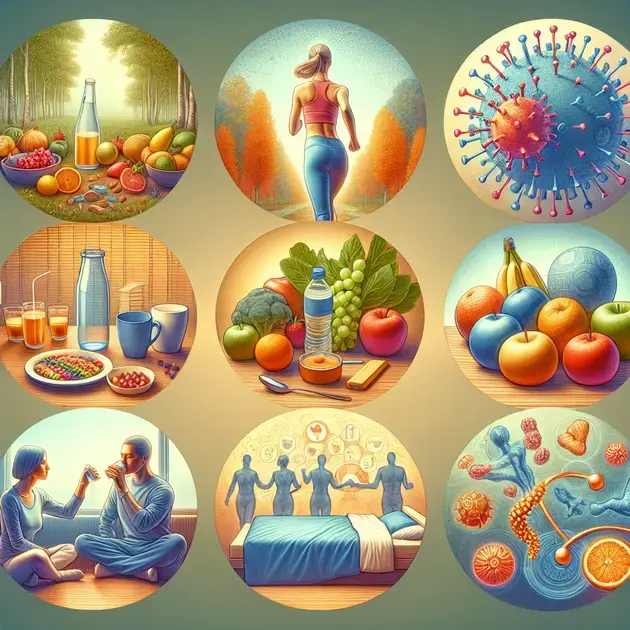
Looking to boost your immune system naturally? In today’s world, where health is a top priority, taking steps to strengthen your body’s defenses is more important than ever. By following 8 simple and effective strategies, you can support your immune system and enhance your overall well-being.
With the ongoing global health challenges, it’s crucial to adopt healthy habits that can help you stay resilient and protected. Discover how small lifestyle changes and natural remedies can make a significant difference in enhancing your immune system’s ability to ward off illnesses and stay strong.
Boost Your Immune System Naturally: 8 Simple Ways to Strengthen Your Body’s Defenses
Boosting your immune system naturally is essential for overall health and well-being. By implementing simple strategies, you can enhance your body’s defenses and reduce your risk of infections and diseases. Here are eight effective ways to strengthen your immune system:
1. Eat a Balanced Diet
A balanced diet rich in fruits, vegetables, whole grains, and lean proteins provides essential nutrients that support immune function. Include immune-boosting foods such as citrus fruits, garlic, ginger, and yogurt in your meals. Apps like MyFitnessPal can help you track your daily nutrition intake and ensure you’re getting the right nutrients.
2. Stay Hydrated
Drinking an adequate amount of water is crucial for maintaining a strong immune system. Aim to drink at least 8-10 glasses of water per day to flush out toxins and keep your body hydrated. Apps like WaterMinder can remind you to stay hydrated throughout the day.
3. Get Sufficient Sleep
Adequate sleep is vital for immune function and overall health. Aim for 7-8 hours of quality sleep each night to allow your body to rest and repair. Try using apps like Sleep Cycle to track your sleep patterns and improve your sleep quality.
4. Exercise Regularly
Regular exercise boosts your immune system by improving circulation and reducing inflammation. Aim for at least 30 minutes of moderate exercise most days of the week. Apps like Nike Training Club offer guided workouts for all fitness levels.
5. Manage Stress
Chronic stress weakens the immune system, making you more susceptible to illnesses. Practice stress-reducing activities such as meditation, yoga, or deep breathing exercises. Apps like Headspace can guide you through mindfulness and meditation practices.
6. Maintain Good Hygiene
Good hygiene practices, such as washing your hands regularly, can prevent the spread of germs and infections. Use soap and water or hand sanitizers to keep your hands clean. Apps like Wash Your Hands Timer can remind you to wash your hands frequently.
7. Supplement Wisely
Consider taking immune-boosting supplements such as vitamin C, vitamin D, and zinc to support your body’s defenses. Consult with a healthcare provider or use apps like HealthifyMe to track your supplement intake and ensure you’re meeting your daily requirements.
8. Stay Connected
Positive social connections and relationships play a vital role in immune health. Stay connected with friends and family, whether in person or through virtual platforms. Apps like Zoom or Skype make it easy to stay in touch with loved ones.
Easy and Effective Strategies to Support Your Immune System
Supporting your immune system doesn’t have to be complicated. By making small lifestyle changes and incorporating healthy habits into your daily routine, you can boost your body’s natural defenses. Here are some easy and effective strategies to enhance your immune system:
1. Prioritize Nutrient-Dense Foods
Focusing on nutrient-dense foods such as fruits, vegetables, nuts, seeds, and whole grains provides your body with the essential vitamins and minerals it needs to function optimally. Apps like MyPlate Calorie Tracker can help you monitor your nutrient intake and make healthy food choices.
2. Engage in Regular Physical Activity
Regular exercise not only improves your physical health but also enhances your immune function. Find activities you enjoy, whether it’s brisk walking, yoga, cycling, or dancing, and aim to be active for at least 30 minutes most days of the week. Apps like Strava or Fitbit can help you track your workouts and set fitness goals.
3. Practice Mindfulness and Relaxation
Reducing stress and promoting relaxation is essential for a healthy immune system. Incorporate mindfulness practices, such as meditation, deep breathing, or progressive muscle relaxation, into your daily routine. Apps like Calm or Headspace offer guided meditation and relaxation exercises.
4. Get Adequate Sleep
Prioritize quality sleep to allow your body to recharge and repair itself. Aim for 7-9 hours of sleep per night and establish a bedtime routine to improve your sleep quality. Apps like Sleep Cycle or Relax Melodies can help you create a sleep-friendly environment and track your sleep patterns.
5. Stay Hydrated Throughout the Day
Drinking enough water is crucial for supporting immune function and overall health. Keep a reusable water bottle with you and sip on water throughout the day to stay hydrated. Apps like Water Reminder or Hydro Coach can send you reminders to drink water and track your daily water intake.
6. Limit Alcohol and Refined Sugar Intake
Excessive consumption of alcohol and refined sugars can weaken your immune system and increase inflammation in the body. Limit your intake of sugary beverages, processed foods, and alcohol to support your immune health. Apps like Sober Time or I Am Sober can help you track your alcohol consumption and stay accountable.
7. Practice Good Hygiene Habits
Good hygiene is essential for preventing the spread of germs and infections. Wash your hands frequently with soap and water, especially before eating and after using the restroom. Use hand sanitizers when soap and water are not available. Apps like Handwashing Heroes can teach you proper handwashing techniques.
8. Stay Positive and Connect with Others
Positive emotions and social connections have a direct impact on immune function. Engage in activities that bring you joy, connect with loved ones, and seek support when needed. Apps like Happify or Talkspace can help you cultivate positive emotions and access virtual therapy sessions.

**Simple Habits to Boost Your Immune Health**
Having a strong immune system is crucial for overall health and well-being. Incorporating simple habits into your daily routine can help boost your immune health and keep you feeling your best. One of the most effective habits to enhance your immune system is maintaining a balanced diet. Consuming a variety of fruits, vegetables, whole grains, and lean proteins provide essential nutrients that support immune function. Additionally, staying hydrated by drinking an adequate amount of water each day helps flush out toxins and keep your immune system functioning optimally.
Regular exercise is another key habit that can boost your immune health. Engaging in physical activity not only helps strengthen your body but also reduces stress levels, which can have a positive impact on your immune system. Aim for at least 30 minutes of moderate exercise most days of the week to reap the immune-boosting benefits.
Getting an adequate amount of sleep is essential for a healthy immune system. During sleep, your body repairs and regenerates cells, helping to strengthen your immune response. Aim for 7-9 hours of quality sleep each night to support your immune health. Managing stress is also important for a strong immune system. High levels of stress can weaken the immune system, making you more susceptible to illness. Incorporating stress-relieving activities such as meditation, yoga, or deep breathing exercises into your daily routine can help keep your immune system strong.
In addition to these habits, practicing good hygiene, such as washing your hands regularly and avoiding close contact with sick individuals, can help prevent the spread of germs and support your immune health. By making these simple habits a part of your daily routine, you can boost your immune health and reduce your risk of illness.
**Key Nutrients to Enhance Your Body’s Immune Function**
Ensuring you consume key nutrients is essential for enhancing your body’s immune function. Vitamins and minerals play a crucial role in supporting the immune system and keeping it strong. One of the most important nutrients for immune health is vitamin C. Found in citrus fruits, strawberries, and bell peppers, vitamin C is known for its immune-boosting properties. Including foods rich in vitamin C in your diet can help enhance your body’s immune function.
Vitamin D is another vital nutrient for immune health. Sunlight is a great natural source of vitamin D, but it can also be found in fatty fish, egg yolks, and fortified foods. Vitamin D helps regulate the immune system and can reduce the risk of respiratory infections. Including vitamin D-rich foods in your diet or taking a supplement can help enhance your body’s immune function.
Zinc is a mineral that plays a key role in immune function and helps support the body’s ability to fight off infections. Foods high in zinc include red meat, poultry, beans, and nuts. Including zinc-rich foods in your diet can help enhance your body’s immune function and keep you healthy.
Probiotics are beneficial bacteria that support gut health, which is closely linked to immune function. Consuming probiotic-rich foods like yogurt, kefir, and sauerkraut can help maintain a healthy balance of gut bacteria and strengthen the immune system. Including probiotics in your diet can enhance your body’s immune function and support overall health.
Omega-3 fatty acids are essential fats that help reduce inflammation in the body and support immune function. Fatty fish like salmon, chia seeds, and walnuts are good sources of omega-3 fatty acids. Including foods rich in omega-3s in your diet can help enhance your body’s immune function and protect against illness.
**The Power of Stress Management for a Stronger Immune System**
Stress management plays a crucial role in maintaining a strong immune system. Chronic stress can have a negative impact on immune function, making you more susceptible to illness. Finding effective ways to manage stress can help support your immune system and keep it functioning optimally. One of the most powerful stress management techniques is mindfulness meditation.
Mindfulness meditation involves focusing on the present moment and cultivating a sense of awareness and acceptance. This practice has been shown to reduce stress levels, lower inflammation in the body, and enhance immune function. Spending just a few minutes each day practicing mindfulness meditation can have a profound impact on your immune health.
Exercise is another effective way to manage stress and boost your immune system. Physical activity releases endorphins, which are chemicals in the brain that act as natural painkillers and mood elevators. Regular exercise can help reduce stress, improve sleep quality, and enhance immune function. Aim for a combination of cardiovascular exercise, strength training, and flexibility exercises to reap the stress-relieving benefits.
In addition to mindfulness meditation and exercise, deep breathing exercises can also help reduce stress and support a stronger immune system. Deep breathing techniques, such as diaphragmatic breathing or box breathing, can help activate the body’s relaxation response and lower stress levels. Incorporating deep breathing exercises into your daily routine can help keep your immune system strong and resilient.
Creating a healthy work-life balance is essential for managing stress and supporting immune health. Prioritizing self-care, setting boundaries, and engaging in activities that bring you joy and relaxation can help reduce stress levels and boost your immune system. By incorporating stress management techniques into your daily routine, you can support a stronger immune system and overall well-being.
Conclusion
Ensuring a strong immune system is essential for overall well-being. By incorporating simple habits into your daily routine, such as maintaining a balanced diet rich in fruits, vegetables, and lean proteins, staying hydrated, engaging in regular exercise, getting adequate sleep, and managing stress effectively, you can boost your immune health significantly. These habits not only support immune function but also contribute to a healthier lifestyle.
Moreover, consuming key nutrients like vitamin C, D, zinc, probiotics, and omega-3 fatty acids plays a crucial role in enhancing your body’s immune function. Including these nutrients in your diet through sources such as citrus fruits, fatty fish, probiotic-rich foods, and nuts can further strengthen your immune system and protect against illnesses. By prioritizing nutrient-rich foods, you can give your immune health a significant boost.
Additionally, stress management is vital for maintaining a strong immune system. Practices like mindfulness meditation, regular exercise, and deep breathing techniques can help reduce stress levels, lower inflammation, and enhance immune function. Creating a healthy work-life balance, engaging in self-care activities, and setting boundaries are also important for managing stress and supporting immune health. By incorporating these stress-relieving techniques into your daily routine, you can fortify your immune system and improve your overall well-being.
Load up on vitamin D foods to boost your energy levels
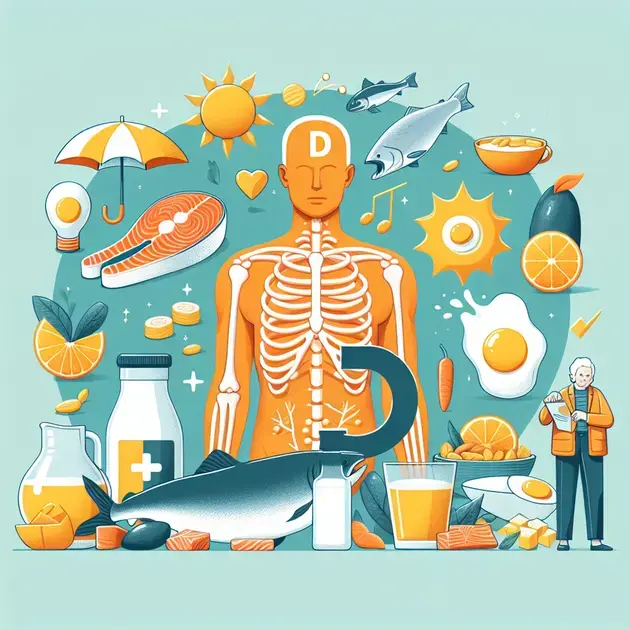
Title: Load up on Vitamin D to Boost Your Energy Levels
Introduction:
Vitamin D, known predominantly for its role in maintaining strong bones, is not solely limited to that function. As one of the essential vitamins, it offers a range of benefits, including the prevention of bone diseases like osteoporosis, muscle function maintenance, and reducing the risk of falls and fractures in older adults. Additionally, vitamin D can also play a significant role in combating fatigue and enhancing energy levels.
The Importance of Vitamin D for Energy:
Fatigue is a common complaint among individuals, often resulting from various factors such as inadequate sleep, stress, and nutrient deficiencies. Vitamin D, although not directly associated with providing energy, influences several physiological processes that contribute to maintaining optimal energy levels.
- Enhancing Muscle Function: Vitamin D receptors are present in skeletal muscle tissue, highlighting its importance in muscle health and function. Adequate levels of vitamin D can promote muscle strength, thereby reducing muscle fatigue and improving overall energy levels.
- Boosting Mood: There is a significant connection between vitamin D levels and mood regulation. Low vitamin D levels have been correlated with an increased risk of depression and mood disorders, which can subsequently lead to feelings of fatigue and lethargy. Ensuring sufficient vitamin D intake can help stabilize mood and promote a sense of well-being, consequently improving energy levels.
- Supporting Brain Health: Maintaining proper brain health is crucial for optimal energy levels. Vitamin D has been shown to play a role in promoting cognitive function, memory, and mental clarity. By supporting brain health, vitamin D indirectly contributes to improved energy and focus.
Sources of Vitamin D:
While sunlight is the primary source of vitamin D, dietary intake also plays a significant role, particularly for individuals with limited sun exposure or specific dietary restrictions. Some food sources of vitamin D include fatty fish like salmon and mackerel, fortified dairy products, eggs, and certain mushrooms. Additionally, vitamin D supplements may be prescribed by healthcare professionals to ensure adequate levels are maintained.
Conclusion:
Beyond its recognized importance in bone health, vitamin D offers various benefits, including the ability to combat fatigue and enhance energy levels. By supporting muscle function, promoting mood stability, and contributing to brain health, vitamin D plays a crucial role in overall wellbeing. Incorporating vitamin D-rich foods or supplements into your lifestyle can help ensure optimal levels and provide the necessary energy boost for a more vibrant and active life. Please note that the original article did not provide any specific information about which vitamin D foods to include in one’s diet.
Unlocking the Benefits of Indian Frankincense

Unlocking the Benefits of Indian Frankincense can bring a plethora of advantages to your health and well-being. Also known as Boswellia serrata, Indian Frankincense has been used for centuries in Ayurvedic medicine for its anti-inflammatory properties.
Recent studies have shown that Indian Frankincense may also have potential anti-cancer properties, making it a versatile and powerful natural remedy worth exploring further for overall health benefits.
Explore the Versatile Health Benefits
Exploring the versatile health benefits of various activities and practices can greatly contribute to overall well-being. One way to do this is by incorporating a balanced diet rich in nutrients, vitamins, and minerals. Utilizing apps such as MyFitnessPal or Lose It! can help users track their daily food intake and ensure they are meeting their nutritional needs. Additionally, engaging in regular physical exercise, whether through at-home workouts with apps like Nike Training Club or attending yoga classes through platforms like Glo, can improve cardiovascular health and boost mood.
Another aspect to consider when exploring health benefits is mental well-being. Practices such as mindfulness meditation, which can be guided through apps like Headspace or Calm, have been shown to reduce stress and anxiety levels. Prioritizing quality sleep is also essential for overall health, and utilizing sleep tracking apps such as Sleep Cycle or Relax Melodies can help individuals improve their sleep hygiene.
By exploring and incorporating these various health-promoting activities and practices, individuals can enhance their physical and mental well-being, leading to a more balanced and fulfilling life.
Discovering the Anti-Inflammatory Effects
Discovering the anti-inflammatory effects of certain foods and lifestyle choices can have significant benefits for overall health. One way to do this is by incorporating anti-inflammatory foods such as fatty fish, nuts, and leafy greens into your diet. Websites like Healthline or Harvard Health provide detailed information on the best foods for reducing inflammation and promoting health.
In addition to diet, regular physical activity has been shown to have anti-inflammatory effects on the body. Utilizing fitness apps such as Strava or Fitbit Coach can help individuals stay motivated and track their exercise routines. Incorporating activities like yoga or Pilates, which can be learned through apps like Daily Yoga or Blogilates, can also help reduce inflammation and improve flexibility.
By exploring and implementing anti-inflammatory foods and activities into your daily routine, you can support your body’s natural healing processes and reduce the risk of chronic inflammation-related conditions.
Unveiling the Potential Anti-Cancer Properties
Unveiling the potential anti-cancer properties of certain foods and lifestyle habits is a crucial aspect of promoting overall health and well-being. One way to do this is by incorporating cancer-fighting foods such as berries, cruciferous vegetables, and green tea into your diet. Websites like the American Cancer Society or Cancer.gov offer comprehensive resources on the link between diet and cancer prevention.
Moreover, regular screenings and early detection play a key role in cancer prevention. Utilizing health apps like Ada or Cancer.net can help individuals stay informed about recommended screenings based on their age and risk factors. Being proactive about regular check-ups and screenings is essential for early detection and treatment of potential cancerous growths.
By exploring the potential anti-cancer properties of foods, staying informed about screenings, and adopting healthy lifestyle habits, individuals can take proactive steps towards reducing their risk of developing cancer and promoting long-term health.

Benefits of Regular Meditation
Meditation offers a wide range of benefits for both the mind and body. Regular meditation practice has been shown to reduce stress, anxiety, and depression levels. By focusing on the present moment and calming the mind, individuals can experience a sense of peace and relaxation. This can lead to improved overall mental well-being and a more positive outlook on life.
Furthermore, meditation can also have physical health benefits. Studies have shown that regular meditation practice can help lower blood pressure, improve immune function, and even reduce inflammation in the body. These effects can contribute to a healthier body and a stronger immune system, reducing the risk of various illnesses and diseases.
Another key benefit of regular meditation is improved focus and concentration. By training the mind to be present and aware, individuals can enhance their ability to concentrate on tasks and stay focused for longer periods of time. This can be particularly beneficial in today’s fast-paced world where distractions are abundant.
Overall, incorporating regular meditation into your routine can have a positive impact on your overall well-being, both mentally and physically. Whether it’s a few minutes of mindfulness each day or longer meditation sessions, the benefits are numerous and can help improve your quality of life.
In conclusion, the benefits of regular meditation are vast and can have a profound impact on your overall health and well-being. By dedicating time to practice mindfulness and meditation, you can experience reduced stress, improved physical health, enhanced focus, and a more positive outlook on life.
The Impact of Mindfulness Practices
Mindfulness practices, such as meditation, have a significant impact on mental health and well-being. By cultivating awareness of the present moment and developing a non-judgmental attitude, individuals can reduce their stress levels and improve their overall mood. This can lead to a greater sense of inner peace and contentment.
Furthermore, mindfulness practices can also help individuals cope with anxiety and depression. By learning to observe their thoughts and emotions without reacting to them, individuals can break free from negative thinking patterns and develop healthier coping mechanisms. This can lead to a more positive mental state and improved emotional resilience.
Physically, mindfulness practices have been shown to have a positive impact on the body. By reducing stress levels and promoting relaxation, mindfulness can help lower blood pressure, improve sleep quality, and boost immune function. These physical benefits can contribute to overall better health and well-being.
Additionally, mindfulness practices can improve relationships and communication skills. By being fully present and attentive in interactions with others, individuals can enhance their connections and deepen their understanding of those around them. This can lead to more meaningful and fulfilling relationships.
In conclusion, the impact of mindfulness practices on mental health, physical well-being, and relationships is substantial. By incorporating mindfulness into your daily routine, you can experience reduced stress, improved emotional health, better physical health, and stronger interpersonal connections.
Understanding the Connection Between Body and Mind
The connection between the body and mind is a complex and intricate relationship that plays a crucial role in overall health and well-being. Research has shown that our thoughts, emotions, and beliefs can influence our physical health, while our physical state can also impact our mental well-being.
When we experience stress, anxiety, or other negative emotions, our bodies often respond with physical symptoms such as muscle tension, headaches, or digestive issues. This demonstrates the direct impact of mental health on our physical well-being. By addressing our mental and emotional health through practices like meditation and mindfulness, we can help alleviate these physical symptoms.
Conversely, taking care of our physical health through proper nutrition, exercise, and sleep can have a positive impact on our mental well-being. Physical activity, for example, has been shown to release endorphins that help improve mood and reduce stress levels. This highlights the important connection between physical activity and mental health.
By understanding and nurturing the connection between our body and mind, we can take a holistic approach to health and well-being. Practices such as meditation, mindfulness, exercise, and proper nutrition can help bridge the gap between the two and promote overall wellness. By caring for both our mental and physical health, we can achieve a balanced and harmonious state of being.
In conclusion, the connection between the body and mind is a vital aspect of overall health and well-being. By recognizing and honoring this connection, we can adopt lifestyle practices that support both our mental and physical health, leading to a more balanced and fulfilling life.
**
Conclusion
**
Regular meditation offers a myriad of benefits for both the mind and body. By reducing stress, anxiety, and depression levels, individuals can experience tranquility and enhanced mental well-being. Moreover, meditation has been shown to lower blood pressure, boost immune function, and reduce inflammation, leading to a healthier body and a strong immune system. The practice also improves focus and concentration, helping individuals navigate through distractions in today’s fast-paced world.
Mindfulness practices, including meditation, significantly impact mental health by reducing stress and enhancing mood. By fostering awareness of the present moment and cultivating a non-judgmental attitude, individuals can achieve inner peace and contentment. Mindfulness aids in coping with anxiety and depression, breaking negative thinking patterns, and developing healthier coping mechanisms for improved emotional resilience.
The intricate connection between the body and mind plays a vital role in overall health and well-being. Addressing mental and emotional health through practices like meditation and mindfulness can alleviate physical symptoms caused by stress and negative emotions. Conversely, taking care of physical health through proper nutrition, exercise, and adequate sleep positively impacts mental well-being, emphasizing the crucial link between physical activity and mental health.
Surviving Cold Turkey: My Brutal 8-Day Journey of Quitting Caffeine After Decades of Dependence

Introduction
Kicking Caffeine to the Curb: My Struggle and Triumph Over Withdrawal Symptoms
The Journey Begins
Quitting caffeine cold turkey after decades of dependency is not for the faint-hearted. It’s a journey riddled with challenges, both physical and mental, that test your resolve and determination at every turn. On this path, I faced the harsh reality of withdrawal symptoms—migraine headaches, a foggy mental state, and body aches that made everyday tasks feel like marathon sessions.
Understanding My Dependency
In my decision to quit caffeine, I didn’t just lose a habitual beverage; I embarked on a deeply introspective journey, uncovering long-hidden layers of my psyche and emotional baggage. My caffeine dependency was more than a mere physical addiction. It had become entwined with my life’s narrative, a numbing agent masking underlying issues that required attention.
The Physical Challenge
The physical withdrawal itself felt like an uphill battle. The headaches were unbearable, almost debilitating, demanding all my strength to push through each day. My thoughts felt disjointed, as if I were living in a dense fog. Concentrating on tasks was immensely challenging; everything appeared blurred, and even simple tasks felt insurmountable.
Despite these overwhelming symptoms, I was determined to maintain my commitments—to my work, to my workouts, to my life. I refused to let caffeine withdrawal drive me off course, choosing to tackle each small task, each moment of the day at a time.
The Psychological Impact
The psychological impact of quitting caffeine was as significant as the physical symptoms. This journey forced me to confront long-buried issues. I recognized that caffeine had become a crutch, something I leaned on to avoid facing deeper emotional pains, similar to the role food had played during my struggle with weight.
Choosing to Go Cold Turkey
My rationale for going cold turkey was straightforward. I am a person who believes in removing the problem swiftly rather than prolonging the agony. While tapering off caffeine could have been an option, it might have extended the discomfort, and I preferred to face the withdrawal symptoms all at once—a testament to my ‘rip the Band-Aid off’ approach.
Embracing Change
As the days marched on, I experienced slow-moving changes. Gradually, my anxiety began to ease, just ever so slightly. It was a hint of the benefits to come, a subtle reminder that the efforts were not in vain.
This journey taught me an invaluable lesson: the importance of facing fears and failures without the safety net of excuses. Without caffeine, I am free to take accountability for my successes and failures, to own my life in its entirety.
Conclusion
If you find yourself in a similar situation, consider this your invitation to examine the role that caffeine (or any habit) plays in your life. It’s not about perfection but progression, about exploring what lies beneath and finding the courage to deal with what emerges.
In choosing to live caffeine-free, I’ve chosen authenticity over numbing, freedom over dependence, and the ability to truly see what I am capable of achieving—undiluted and unmediated by any external substance.
Quitting caffeine cold turkey after decades is brutal. Through migraines, foggy brain, and body aches, I realized the deeper reasons behind my dependency and embraced change.
Understanding Medial Femoral Condyle Fractures: What to Expect in Recovery and Treatment Options

In the realm of orthopedic injuries, a fracture of the medial femoral condyle stands out as an uncommon yet intricate condition that requires careful attention, particularly among adults. While it is more frequently observed in children due to their developing skeletal structure, adults facing this injury must navigate a unique path to recovery. This blog, inspired by Dr. David Guyer’s insightful video, delves into the nuances of medial femoral condyle fractures, shedding light on when surgical intervention is necessary and what the recovery process entails. As a triple board-certified orthopedic surgeon and sports medicine specialist, Dr. Guyer combines his expertise with regenerative medicine to guide individuals toward optimal healing and performance. Join us as we explore the complexities of this injury, drawing from real-life inquiries to provide clarity and education for those facing this challenging journey.
The Nature of Medial Femoral Condyle Fractures
At its core, a fracture of the medial femoral condyle involves the ends of the femur, where the femoral condyles meet the knee joint. These condyles play a crucial role in knee movement and stability, acting as pivotal components of the knee’s intricate structure. The medial femoral condyle is specifically located on the inner side of the knee, closest to the body’s midline. When fractured, it typically presents in a shearing pattern, an injury that occurs more readily in children due to the relative weakness of their bones compared to ligaments and tendons.
In adults, however, it’s a less common occurrence, often requiring a significant traumatic force. The focus in adults tends to be more on ligament injuries, such as medial collateral ligament (MCL) damage, as the bone is generally stronger and more resilient in comparison. Understanding the mechanics of this fracture is crucial, as the alignment during healing is paramount to prevent future complications, such as arthritis.
The Importance of Proper Alignment
The importance of proper alignment cannot be overstated. When the fracture heals, if the bones are not aligned perfectly, there can be a step-off in the articular cartilage. This misalignment creates an uneven surface, potentially causing wear and tear on the cartilage, which leads to degenerative changes and arthritis over time. For this reason, surgical intervention may be necessary to adequately align the bone fragments, restoring the joint surface for optimal function.
Surgical Intervention and Recovery
Surgery for medial femoral condyle fractures usually involves a plate and screw configuration to stabilize the fracture and ensure proper healing. This technique securely holds the bone pieces in place, allowing them the stability needed to heal effectively. The decision to proceed with surgery is dependent on the nature of the injury and its displacement. Minimally displaced fractures may sometimes be managed non-surgically, but consultation with an orthopedic surgeon is essential for determining the best course of action.
Recovery from surgery is a carefully graded process. Patients are often required to limit weight-bearing activities for extended periods, typically ranging from 6 to 12 weeks. This restriction is crucial to prevent displacement of the fracture, which could impair healing or necessitate additional surgical intervention. The healing of a fractured medial femoral condyle generally takes about three to four months. However, this can vary based on the individual’s overall health, the specifics of the fracture, and the surgical outcome.
Return to Daily Activities
The timeline for starting weight-bearing activities also varies among patients, often occurring towards the end of the initial healing phase. Supervised physical therapy is usually recommended to gradually restore mobility, strength, and function in the affected leg. Physical therapy plays an instrumental role in a patient’s recovery, helping improve joint mobility and muscle strength, which facilitates the transition back to regular activities, including work.
Returning to work is another aspect that hinges heavily on the nature of the patient’s occupation. Individuals with desk jobs or roles that require minimal physical demand may resume work relatively quickly, often within weeks of surgery, provided they have access to appropriate mobility aids. Conversely, those whose occupations involve significant physical activity may need more time, as the need to navigate workplace movements with crutches or a walker early in the recovery process can be challenging.
Conclusion
It’s important to note that every recovery journey is unique, and it’s vital for patients to follow the guidance and recommendations of their healthcare provider closely. Through medical consultations, patients can explore alternative treatment options beyond surgery, such as regenerative medicine approaches, which Dr. Guyer specializes in, offering potential avenues for healing without more invasive interventions.
Ultimately, a fracture of the medial femoral condyle is a formidable challenge, but with the appropriate surgical technique, rehabilitation, and possibly alternative treatments, individuals can aim for a successful recovery. Staying informed, adhering to medical advice, and remaining patient throughout the healing process will help individuals achieve the best possible outcome, allowing them to return to their daily activities with renewed strength and vitality.
For those with orthopedic concerns or in need of a personalized approach to their treatment, seeking a consultation with a specialist like Dr. David Guyer could be a beneficial step in their recovery journey. Through his expertise, patients can explore a variety of treatment options tailored to their specific needs, paving the way for enhanced recovery and long-term joint health.
Discover the complexities of medial femoral condyle fractures in Dr. Guyer’s video, from surgery needs to recovery tips, ensuring optimal healing and joint health.
What makes human culture unique?
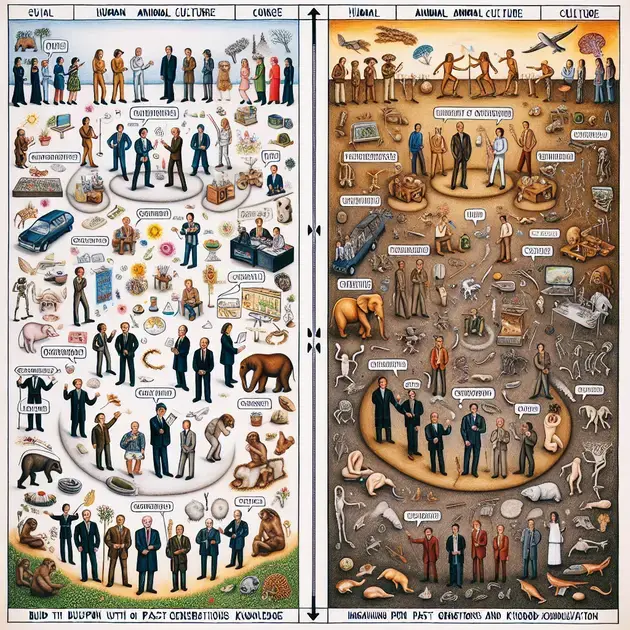
Article Title: Why is Human Culture More Powerful than Animal Cultures?
Introduction:
Human culture refers to the shared knowledge, beliefs, customs, and practices that are passed down from one generation to another. It encompasses various aspects such as language, arts, technology, and social organization. While animals exhibit certain cultural behaviors, human culture stands out for its unparalleled complexity and influence. This article explores the reasons why human culture is overwhelmingly more powerful compared to animal cultures.
1. Cognitive Abilities:
One of the fundamental reasons for the dominance of human culture is the highly developed cognitive abilities possessed by humans. Humans have the unique capacity for abstract thinking, reasoning, and imagination. This intellectual prowess allows humans to conceptualize, create, and transmit knowledge across generations, leading to the rapid advancement of culture.
2. Language and Communication:
Unlike animal communication, human language is highly complex and sophisticated. Language serves as a powerful tool for expression, knowledge transfer, and collective learning. With the ability to convey abstract concepts and share detailed information, humans can accumulate vast amounts of knowledge, build upon the discoveries of previous generations, and transmit cultural practices more effectively.
3. Technology and Innovation:
Human culture is characterized by its continuous evolution and technological advancements. Humans have invented tools, developed agriculture, harnessed the power of fire, and created intricate systems to meet their needs. The ability to innovate and pass on technological knowledge through generations has propelled human culture to new heights, facilitating progress in various domains, including science, medicine, and engineering.
4. Social Organization and Institutions:
Human societies are structured with various institutions and organizations that facilitate the exchange of knowledge, values, and norms. Concepts like education, religion, and governance play significant roles in preserving and transmitting culture. These social structures provide platforms for learning, preserving heritage, and fostering collective identity, strengthening the influence of human culture.
5. Cultural Adaptability and Flexibility:
Human culture demonstrates remarkable adaptability to different environments and circumstances. This adaptability enables humans to develop diverse cultural practices suited to varying contexts. Humans can learn from their experiences, adapt their behaviors and beliefs, and transmit these adaptations to future generations. Animal cultures, on the other hand, exhibit limited adaptability and are often constrained to specific ecological niches.
Conclusion:
Human culture’s immense power stems from the unique combination of cognitive abilities, complex language, technological advancements, social organization, and cultural adaptability. While animal cultures have their own intricacies and significance within their respective species, the sophisticated and dynamic nature of human culture grants it unprecedented influence over the course of human history. With each passing generation, human culture continues to shape and shape our shared knowledge, making it a force to be reckoned with.
Research shows caterpillar fungus can slow down growth of cancer cells

Article Title: New Research Sheds Light on Promising Cancer Treatment derived from Caterpillar Fungus
Introduction
In recent years, scientists have been exploring natural compounds in the quest for developing effective cancer treatments. A recent breakthrough in this area involves a chemical produced by a caterpillar fungus that has demonstrated promising potential in fighting cancer. This article highlights the latest research findings and emphasizes the importance of understanding how the chemical interacts with genes to interrupt cell growth signals, paving the way for the development of novel drugs to combat this devastating disease.
Body
Cancer is a complex disease that arises from the uncontrolled growth of abnormal cells. Traditional treatment options, such as chemotherapy and radiation, often come with severe side effects and limited efficacy, necessitating the need for alternative therapeutic approaches. Excitingly, recent studies have focused on naturally occurring compounds to identify potential anti-cancer agents.
Amongst these natural compounds, a chemical produced by a caterpillar fungus caught the attention of researchers due to its notable anti-cancer properties. Subsequent investigations revealed that this chemical is capable of disrupting crucial cell growth signals, ultimately impeding the proliferation of cancer cells.
The recent research has gone a step further by delving into the mechanism through which this chemical interacts with genes. By studying the molecular pathways affected by the compound, scientists have gained valuable insights into its mode of action. This breakthrough discovery enhances our understanding of the compound’s potential as a cancer treatment.
Understanding how genes function and communicate within cells is key in the development of targeted therapies. By disrupting specific cell growth signals, the caterpillar fungus chemical exhibits great promise for preventing cancer cells from proliferating. It effectively halts their growth, potentially leading to the regression or elimination of tumors.
The significance of this research lies not only in the potential of a new anti-cancer drug but also in the utilization of natural compounds. Often, nature provides novel therapeutic compounds that can be harnessed for medical purposes. This research underscores the importance of exploring these natural sources to discover new cancer treatments.
Conclusion
New research into a chemical produced by a caterpillar fungus reveals its considerable potential as a cancer treatment. By interrupting cell growth signals, this compound shows promise in hindering the proliferation of cancer cells. The latest findings, focused on its interaction with genes, unlock crucial knowledge for the development of targeted cancer drugs. This research signifies a significant step forward in the quest for effective and less harmful treatment options for cancer patients.New findings from a study exploring the potential of a caterpillar fungus’s chemical to treat cancer have shed light on its mechanism of action, highlighting its ability to interfere with gene functions responsible for regulating cell growth signals. This discovery marks a significant advancement in the development of novel drugs for cancer treatment.