Artificial Cilia Revolutionize Monitoring of Mucus Conditions in Human Airways
Title: Artificial Cilia Revolutionize Monitoring of Mucus Conditions in Human Airways
Introduction:
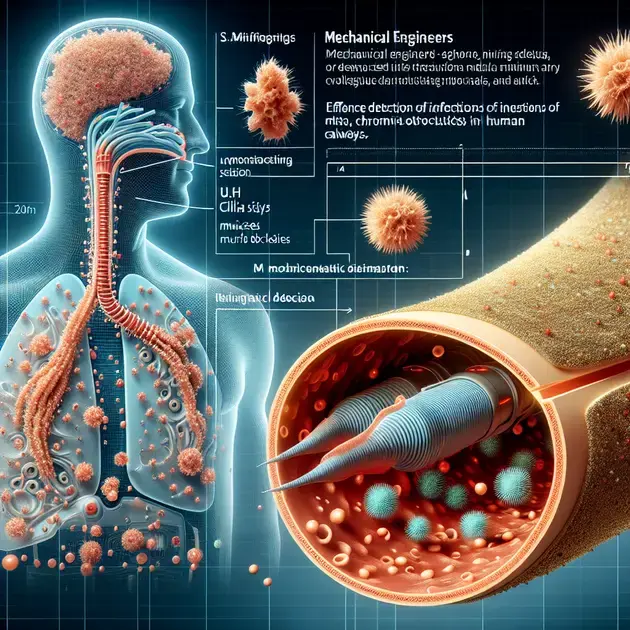
Mechanical engineers have recently made groundbreaking advancements by developing a cutting-edge system of artificial cilia. These microscopic hair-like structures offer a unique solution for monitoring mucus conditions in the human airways. With the potential to greatly enhance the detection of infection, airway obstruction, and assess the severity of diseases such as Cystic Fibrosis (CF), Chronic Obstructive Pulmonary Diseases (COPD), and lung cancer, this innovative technology holds immense promise for the medical field.
The Role of Cilia in the Respiratory System:
Natural cilia are tiny hair-like structures found in the respiratory system and play a crucial role in keeping the airways clear. They constantly beat in coordinated patterns, removing mucus, debris, and pathogens that might otherwise cause respiratory ailments. Dysfunction or damage to cilia can lead to the accumulation of mucus and subsequent respiratory problems.
The Need for Reliable Monitoring:
Accurate monitoring of mucus conditions in the airways is critical for understanding the progression of respiratory diseases, optimizing treatment plans, and avoiding complications. However, existing monitoring methods are often invasive, time-consuming, or lack precision, which has led to a demand for more advanced solutions.
The Revolutionary Artificial Cilia System:
The system developed by mechanical engineers introduces artificial cilia that mimic the functions of natural ones. These synthetic structures are capable of monitoring mucus conditions in real-time while offering several advantages over traditional techniques. Comprised of advanced materials and powered by microactuators, they can imitate the beating motion of natural cilia and provide valuable data regarding mucus viscosity, quantity, and overall airway health.
Potential Applications:
The application of artificial cilia in detecting infection, airway obstruction, and assessing disease severity is vast. For instance, in Cystic Fibrosis, which is characterized by thick and sticky mucus, the artificial cilia system could offer valuable insights into mucus clearance efficiency and help healthcare professionals tailor treatments accordingly. Similarly, in the case of Chronic Obstructive Pulmonary Diseases (COPD) and lung cancer, the system could provide real-time data on mucus conditions, allowing for proactive interventions and improved disease management.
Looking Towards the Future:
The development of artificial cilia for monitoring mucus conditions in human airways marks a significant step forward in respiratory healthcare. With further advancements and refinements, this technology has the potential to transform diagnostics, treatment, and management of respiratory diseases. The continuous integration of engineering and medicine holds promise for creating more innovative solutions that significantly improve patient outcomes.
Conclusion:
Mechanical engineers have successfully engineered a system of artificial cilia for monitoring mucus conditions in human airways. This groundbreaking technology has the potential to revolutionize the detection and management of respiratory diseases like Cystic Fibrosis, COPD, and lung cancer. As researchers continue to refine and optimize this system, we can look forward to a future where early detection, personalized treatments, and improved quality of life become the norm for individuals suffering from respiratory ailments.
Unlocking the Secrets of Memory: New Findings Reveal Unexpected Players
Title: Unlocking the Secrets of Memory: New Findings Reveal Unexpected Players
Introduction:
Understanding the intricate workings of our memory is a pursuit that has intrigued scientists for decades. Traditionally, it was believed that only our brain cells played a crucial role in storing our memories. However, groundbreaking research conducted by a dedicated team of scientists has uncovered astonishing revelations about the involvement of cells from other parts of our body in memory function. This newfound knowledge not only expands our understanding of memory but also offers exciting prospects for improving learning and treating memory-related conditions.
The Research:
In a scientific breakthrough, researchers have demonstrated that memory is not confined to brain cells alone. This revelation challenges the conventional notion that memories are solely formed and stored in the brain. Through meticulous experimentation, the team discovered that cells from various body tissues, apart from the brain, also contribute to memory formation and retrieval.
Implications for Memory Enhancement:
With a deeper understanding of the role played by cells outside the brain, researchers are optimistic about harnessing this knowledge to enhance learning and memory. By targeting these cellular mechanisms, scientists may be able to develop strategies to improve memory retention and recall. Imagine a future where memory-related afflictions, such as Alzheimer’s disease or memory loss due to aging, can be effectively treated by honing in on the memory functions of non-brain cells.
Expanding our Knowledge:
For scientists exploring memory-related research, these findings provide an entirely fresh avenue to understand the complexities of memory. The intricate relationship between the brain and peripheral cells sheds light on the interconnected nature of memory formation. This opens up countless possibilities for further investigations into how different parts of our body contribute to memory in unique ways.
Collaboration and Future Perspectives:
The discovery of memory functions in non-brain cells calls for interdisciplinary collaboration among scientists from various fields, including neurobiologists, immunologists, and physiologists. By leveraging the expertise of each discipline, researchers can unlock the secrets of memory more comprehensively and develop novel interventions to combat memory-related afflictions.
Conclusion:
The revelation that cells outside the brain contribute to memory function is a groundbreaking development in our understanding of how memories are formed and stored. As scientists continue to delve deeper into this newfound territory, exciting possibilities emerge for improving learning, memory enhancement, and treating memory-related conditions. This research highlights the complexity of memory and emphasizes the importance of a holistic approach to unravel its mysteries, ultimately improving the quality of life for individuals affected by memory impairments.
Boost Your Immune System with These Helpful Tips is crucial now more than ever, as we face a global pandemic. Taking care of our immune system can help us stay healthy and strong, ready to fight off any potential threats.
With the right habits and practices, you can give your immune system the boost it needs to function at its best. From eating a balanced diet to getting enough sleep and managing stress effectively, these tips can make a significant difference in your overall well-being.
Boost Your Immune System Naturally
One effective way to boost your immune system naturally is by maintaining a healthy diet. Make sure to include plenty of fruits, vegetables, whole grains, and lean proteins in your meals. Websites like Healthline provide comprehensive guides on immune-boosting foods and recipes that you can easily incorporate into your daily menu.
Another essential aspect of naturally strengthening your immune system is getting an adequate amount of sleep. Aim for 7-9 hours of quality sleep each night to allow your body to repair and regenerate. Apps like Sleep Cycle can help you track your sleep patterns and optimize your rest for improved immunity.
Regular exercise is also crucial for enhancing immune function. Websites like WebMD offer workout plans and resources for at-home exercises that can support your immune system. Consider using fitness apps like MyFitnessPal to set fitness goals and track your progress.
Managing stress effectively is another key factor in boosting your immunity naturally. Mindfulness and meditation apps such as Headspace or Calm can assist you in reducing stress levels and promoting overall well-being. These apps provide guided meditation sessions and relaxation techniques to support your mental and physical health.
Ensuring proper hydration is essential for a robust immune system. Websites like Mayo Clinic offer insights into the significance of hydration for immunity and general health. You can use hydration tracker apps like Hydro Coach to monitor your water intake and stay hydrated throughout the day.
Tips to Strengthen Your Immune System
One practical tip to strengthen your immune system is to wash your hands regularly with soap and water. The Centers for Disease Control and Prevention (CDC) website provides detailed guidelines on proper handwashing techniques to prevent the spread of germs and infections.
Another valuable tip is to incorporate immune-boosting supplements such as vitamin C, vitamin D, and zinc into your daily routine. Websites like Medical News Today offer insights into the benefits of these supplements for immunity. You can consult with healthcare professionals or use supplement tracking apps like MyTherapy to ensure you are taking the right doses.
Engaging in regular outdoor activities and exposing yourself to natural sunlight can also help strengthen your immune system. Websites like Harvard Health Publishing provide information on the importance of sunlight for vitamin D production and immune function. Apps like Sun Tracker can help you monitor safe sun exposure levels for optimal health.
Establishing a consistent routine for meals and sleep can significantly support your immune system. Websites like EatRight provide meal planning tips and resources for maintaining a balanced diet. You can use meal planning apps like Mealime to create nutritious meal plans and grocery lists for immune-boosting foods.
Practicing good hygiene habits, such as covering your mouth and nose when coughing or sneezing, can prevent the spread of illnesses and support your immune health. The World Health Organization (WHO) website offers guidelines on respiratory hygiene practices. You can set reminders for hygiene practices with apps like Habitory to maintain a healthy routine.
Effective Strategies for Boosting Immunity
Implementing probiotics into your diet can be an effective strategy for boosting your immunity. Websites like Healthline provide information on the benefits of probiotics for gut health and immune function. You can track your probiotic intake with apps like Probiotic Guide to ensure you are consuming an adequate amount.
Regularly engaging in moderate-intensity exercise, such as brisk walking or cycling, can enhance your immune response. Websites like Verywell Fit offer workout plans and articles on the immune-boosting effects of exercise. You can use fitness tracking apps like Strava to log your workouts and stay motivated.
Building a strong support network and staying socially connected can have positive effects on your immune system. Websites like Psychology Today discuss the link between social connections and immunity. Stay connected with friends and family using social networking apps like Facebook or WhatsApp to boost your emotional well-being.
Practicing good sleep hygiene and creating a relaxing bedtime routine can improve your immune function. Websites like SleepFoundation.org provide tips for optimizing your sleep environment. Utilize sleep tracking apps like SleepScore to monitor your sleep quality and make necessary adjustments for better immunity.
Engaging in stress-reducing activities, such as yoga or deep breathing exercises, can help lower cortisol levels and enhance your immune response. Websites like Yoga Journal offer online classes and resources for incorporating yoga into your daily routine. You can follow guided yoga sessions through apps like Down Dog to manage stress effectively.
Natural Ways to Enhance Your Immune System
Enhancing your immune system naturally is crucial for maintaining good health and fighting off illnesses. One effective way to support your immune system is through proper nutrition. Consuming a balanced diet rich in vitamins, minerals, and antioxidants can help strengthen your body’s defenses. Additionally, regular exercise, stress management, and adequate sleep are also important factors in boosting your immunity.
When it comes to nutrition, incorporating foods that are known for their immune-boosting properties can make a significant difference. Citrus fruits like oranges and grapefruits are high in vitamin C, which is essential for a healthy immune system. Other superfoods such as garlic, ginger, and turmeric have antimicrobial and anti-inflammatory properties that can help ward off infections.
Hydration is another key aspect of supporting your immune system. Drinking plenty of water helps flush out toxins from your body and keeps your cells hydrated, allowing your immune system to function optimally. Herbal teas like green tea and echinacea tea are also great choices for boosting immunity.
In addition to diet and hydration, managing stress levels is vital for a strong immune system. Chronic stress can weaken your body’s defenses, making you more susceptible to illness. Incorporating stress-relieving activities such as yoga, meditation, or deep breathing exercises into your daily routine can help reduce stress and support your immune health.
Overall, adopting a healthy lifestyle that includes proper nutrition, hydration, regular exercise, stress management, and sufficient sleep is essential for enhancing your immune system naturally. By taking care of your body and mind, you can improve your overall well-being and reduce the risk of falling ill.
Nutrition Tips for a Stronger Immunity
Proper nutrition plays a vital role in supporting a strong immune system. Including immune-boosting foods in your daily diet can help fortify your body’s defenses and keep you healthy. Foods rich in vitamin C, such as citrus fruits, bell peppers, and strawberries, are excellent choices for enhancing immunity. Similarly, incorporating vitamin E-rich foods like nuts, seeds, and spinach can also contribute to a stronger immune system.
Probiotic-rich foods like yogurt, kefir, and sauerkraut can help maintain a healthy gut microbiome, which is closely linked to immune function. Fiber-rich foods such as whole grains, legumes, and fruits and vegetables support gut health and enhance immunity as well. Including a variety of colorful fruits and vegetables in your meals ensures that you get a wide range of nutrients that are essential for optimal immune function.
Herbs and spices like garlic, turmeric, and oregano have antimicrobial and anti-inflammatory properties that can help fend off infections and boost immunity. Incorporating these ingredients into your cooking not only adds flavor but also provides immune-boosting benefits. Additionally, staying hydrated by drinking plenty of water and herbal teas supports overall health and immune function.
Avoiding excessive consumption of processed foods, sugary snacks, and sugary beverages is important for maintaining a strong immune system. These foods can lead to inflammation in the body and compromise immune function. Instead, focus on whole, nutrient-dense foods that nourish your body and support optimal immune health.
By following these nutrition tips and incorporating immune-boosting foods into your daily meals, you can strengthen your immunity and reduce the risk of getting sick. Supporting your body with the right nutrients is a proactive way to stay healthy and resilient against infections.
Simple Steps to Support Your Immune System
Taking simple steps to support your immune system can have a significant impact on your overall health and well-being. One of the easiest ways to boost immunity is by staying hydrated. Drinking an adequate amount of water helps your body flush out toxins and supports the proper functioning of your immune system.
Getting regular exercise is another important aspect of maintaining a strong immune system. Physical activity not only improves circulation and overall health but also helps reduce stress, which can weaken the immune response. Incorporating activities like walking, jogging, or yoga into your routine can help keep your immune system in top shape.
Ensuring you get enough quality sleep is essential for a healthy immune system. During sleep, your body repairs and rejuvenates itself, strengthening its defenses against infections. Aim for 7-9 hours of quality sleep each night to support optimal immune function.
Managing stress levels is also key to supporting your immune system. Chronic stress can lead to inflammation in the body and compromise immune health. Practicing stress-reducing techniques such as meditation, deep breathing exercises, or mindfulness can help lower stress levels and boost immunity.
Finally, maintaining good hygiene practices, such as washing your hands regularly, avoiding close contact with sick individuals, and keeping your living spaces clean, can help prevent the spread of germs and reduce your risk of infections. By incorporating these simple steps into your daily routine, you can support your immune system and stay healthy year-round.
Conclusion
In conclusion, strengthening your immune system naturally is pivotal for overall health and disease prevention. Proper nutrition, regular exercise, stress management, and sufficient sleep play crucial roles in enhancing immunity. Including immune-boosting foods rich in vitamins, minerals, and antioxidants such as citrus fruits, garlic, and turmeric can significantly bolster your body’s defenses against infections.
Moreover, hydration is key to supporting optimal immune function by flushing out toxins and keeping cells hydrated. Herbal teas like green tea and echinacea further aid in boosting immunity. Managing stress levels through activities like yoga and meditation is essential, as chronic stress can weaken immunity and make you more susceptible to illnesses.
Incorporating these natural ways, such as adopting a healthy lifestyle with nutritious foods, proper hydration, regular exercise, stress reduction, and quality sleep, can greatly enhance your immune system. By prioritizing your well-being and incorporating these simple yet effective steps into your daily routine, you can fortify your immune defenses, reduce the risk of falling ill, and promote long-term health and resilience against infections.
Product
Description
Link
Jointgen
Join the Thousands of U.S. Seniors Enjoying Comfortable, Flexible and Youthful Joints Thanks to Joint Genesis™
Neverfresh
Nerve Fresh promotes healthy nerves by providing 5 vital bio-available fruit, flower and bark extracts with essential vitamin and mineral support
balmorex
“Shortcut to Wellness” is the perfect solution for those who want to ‘hack’ their mind & body with the use of modern technology to improve their quality of life! Biohacking is about optimizing your life & body through the use of biology, research & technology
live pure
Do you have deep stubborn fat stores that no diet or exercise seems to remove? Then the answer is yes. Liv Pure has changed the lives of over 234,000 women and men from 18 to 80 and is designed to rapidly dissolve fat in even the worst cases.
Quitting caffeine cold turkey is no small feat, especially when you’ve been reliant on it for decades. As I embarked on this journey alongside Kyle, I braced myself for the inevitable withdrawal symptoms that descended like a storm—massive migraines, an inability to focus, and body aches that made a simple climb up the stairs feel like scaling Everest. Yet, each day stripped away a layer of excuses I had long hidden behind, revealing a raw determination to reclaim control over my life. Through the haze of floaty thoughts and misplaced cars, this challenge has become more than just cutting out coffee; it’s an unearthing of my deepest fears and anxieties. Join me as I navigate the discomfort, unravel the numbing effects of caffeine, and discover the strength that lies beneath the surface, free from reliance on crutches of the past.
The Initial Struggles
Caffeine—the world’s most popular stimulant and a significant part of my daily routine—is now a relic of my past. The decision to quit caffeine cold turkey, despite the daunting prospect of withdrawal symptoms, was not made lightly by me and my partner, Kyle. We were driven by an understanding that caffeine exacerbated our anxiety and sleep disturbances. We also wanted to unearth our natural baselines for energy and emotion, unobscured by stimulants. And so, began our tumultuous journey.
The first few days were a blur of pain and confusion. Migraines struck with a ferocity that made even the most mundane tasks seem insurmountable. My thoughts were scattered, like a squirrel jumping from branch to branch with no clear direction. Climbing the stairs left me breathless and lethargic, as if my legs carried the weight of my caffeine dependence.
A Realization Amidst the Pain
Each day presented new challenges. Day five was particularly difficult, marked by an incident where I parked my car in an unfamiliar lot. My disoriented state led to a near-panic when I couldn’t find where I had left the vehicle. It was a vivid reminder of how intertwined caffeine was with my ability to focus and perform basic tasks.
Day eight—a milestone of resistance and persistence—finally arrived but brought no reprieve. The symptoms still loomed large, yet amidst the chaos was clarity. I realized that caffeine had been masking my anxieties, allowing me to avoid confronting the deeper issues that beset my life. It reminded me of my past struggles with weight and emotional eating, where food was both a comfort and a barrier to facing my emotional pain.
Parallel Journeys
My journey with caffeine mirrored my earlier battles with food. In my heaviest days, I cloaked myself behind the weight, attributing it to emotional eating, while ignoring the root causes—childhood traumas I was not yet ready to face. Similarly, caffeine served as an invisible shield behind which I hid from my anxiety and PCOS symptoms, conveniently blaming them for my struggles with focus and sleep.
The decision to quit caffeine was not just about shedding a habit. It meant removing the last safety net of excuses and confronting the reality that, without these crutches, my failures and successes lay solely on my shoulders. This was terrifying but also liberating. I knew that by enduring this trial, I could prove to myself that I was capable of overcoming any challenge.
Discovering Our True Selves
Kyle and I are not merely enduring; we are actively engaged in discovering who we are without these substances clouding our reality. We are shedding the vestiges of dependency to understand our true selves. Is our anxiety really as severe as it seems without caffeine? Do our natural energy levels suffice without the artificial boost? These are discoveries waiting to be unveiled.
Moreover, freeing ourselves from caffeine is emblematic of our desire to be in control. Being beholden to something as trivial as a morning cup of coffee—worrying about what to do if our coffee maker broke—isn’t how I want to live. It reminds me of when I decided to confront my addiction to food. It was about reclaiming control over my choices, my health, and ultimately, my life.
Moving Forward
For those who find resonance in my journey, consider examining the crutches you might be leaning on. Whether it’s caffeine, food, or any other vice, it’s crucial to understand what lies beneath these habits. Sometimes they are numbing mechanisms, allowing us to avoid confronting difficult truths. But as I’ve discovered, facing these truths, though daunting, is the path to true freedom and self-actualization.
While my symptoms persist, I am committed for the long haul. Kyle and I have locked ourselves in; we’re in this together, fortifying each other’s resolve. Whether the symptoms abate in days, weeks, or months is inconsequential. The essence lies in the commitment to persevering, without faltering, toward a caffeine-free life.
Embracing Challenges and Excuses
Our past failures to quit caffeine were not due to a lack of will but a fear of confronting what lay beneath. Now, without excuses, the only obstacle to achieving my goals is myself. The weight loss, reduced anxiety, and improved sleep are small victories on this journey. Each step forward is a testament to our strength and resilience.
For anyone considering a similar path, know that you are not alone. The battle is tough, but the rewards—in understanding yourself and reclaiming control—are profound. Free yourself from the chains of excuses, face your fears head-on, and trust in the strength that lies within. Remember, it’s not about achieving perfection but embracing progress.
Conclusion
Thank you for joining me on this journey. It’s about finding the balance between heart and mindset and pushing through the hard days. Each step forward, no matter how small, is a victory in itself. You, too, can break free from whatever holds you back, redefine your boundaries, and discover the life that awaits beyond excuses and dependencies.
In the realm of orthopedic injuries, a fracture of the medial femoral condyle stands out as a particularly uncommon affliction, especially among adults. This rare occurrence is typically seen in children and often results from a significant traumatic force. In this blog, we delve into the intricacies of this type of fracture, when surgical intervention becomes necessary, and what the journey to recovery looks like. Drawing insights from Dr. David Guyer, a triple board-certified orthopedic surgeon, sports medicine specialist, and regenerative medicine expert, we aim to equip you with the essential knowledge to understand this condition. Whether you’re dealing with an injury yourself or are simply curious, our discussion promises to shed light on this complex topic, bringing clarity and information to the forefront. As always, this content is for informational purposes only, and any personal medical concerns should be addressed with a healthcare professional.
Understanding the Anatomy
When discussing fractures of the medial femoral condyle, it’s important to first understand the anatomical context. The femoral condyles are the rounded ends of the femur or thigh bone that articulate with the tibia at the knee joint. Imagine them as the knuckles at the end of the thigh bone, connecting seamlessly with the tibia to allow for smooth and flexible movement. The medial femoral condyle, in particular, is located towards the midline of the body and plays a crucial role in the knee’s range of motion and weight-bearing function.
Occurrence and Causes
Interestingly, fractures of the medial femoral condyle are more prevalent in children than in adults. In children, bones tend to be less robust than the associated tendons and ligaments, leading to a higher likelihood of fractures under mechanical stress. In adults, ligaments are typically weaker than the bones, which can make ligament injuries more common. However, when a medial femoral condyle fracture does occur in an adult, it’s usually the result of a high-impact trauma, such as a car accident or a fall from a significant height.
Potential Complications
The nature of these fractures often involves a shearing pattern, which can cause a misalignment of the bone and the overlying cartilage. This misalignment poses a serious threat to the knee’s functionality and integrity. If left untreated, it can result in a “step-off” in the articular cartilage—a disruption that could lead to uneven wear and tear. Over time, this can cause degenerative changes, including the development of osteoarthritis, due to the abrasive nature of the misaligned surfaces.
Surgical Intervention
Due to these potential complications, surgical intervention is often recommended to realign the bone and restore the natural anatomy of the knee joint. The surgical procedure typically involves placing a plate and screws to securely hold the bone fragments in their correct position. This realignment is crucial not only for healing but also for maintaining long-term joint health.
Recovery Process
Once surgery is performed, the path to recovery is careful and measured. Healing time can vary significantly depending on factors such as the patient’s age, general health, and the precise nature of the fracture. Generally, a period of three to four months is required for the bone to heal adequately. During this time, the patient must adhere to specific weight-bearing restrictions to prevent any displacement of the fracture that could hinder recovery or necessitate further surgery.
A key component of the recovery process is the gradual reintroduction of weight-bearing activities. The orthopedic surgeon will typically set a timeline that allows for partial weight-bearing as the bone becomes more stable, usually beginning around six to eight weeks post-surgery. For some patients, weight-bearing restrictions might last up to twelve weeks, and it’s crucial that the patient follows these guidelines closely to promote optimal healing.
Another important consideration in the recovery is the impact on daily activities, including work. The timing of a return to work largely depends on the nature of the patient’s occupation. Those with sedentary jobs may resume work sooner, sometimes within a few weeks of surgery, provided the work environment accommodates the necessary mobility aids like crutches or a walker. Conversely, those whose jobs entail standing, walking, or physical activity may require a longer period of recovery and rehabilitation before they can return to their regular duties.
Rehabilitation
Rehabilitation post-surgery is tailored to each patient’s needs and will often involve physiotherapy to restore strength and flexibility to the knee. Exercises are designed to be progressively challenging and aim to improve the range of motion and muscle strength around the knee joint.
Exploring Alternatives
While surgery is often necessary for ensuring the proper healing of a medial femoral condyle fracture, it is not the only option available. For individuals interested in exploring non-surgical treatments or complementary therapies, consulting with a healthcare professional who specializes in regenerative medicine may provide alternatives such as physical therapy, rehabilitation exercises, or even newer techniques like platelet-rich plasma (PRP) treatments.
Ultimately, understanding the nature of a medial femoral condyle fracture, the surgical procedures involved, and the nuances of a successful recovery process is essential for both patients and practitioners. The recovery process is not merely about healing the bone but ensuring that the knee joint returns to its full functional capability, thereby enhancing the patient’s overall quality of life.
Dr. David Guyer discusses medial femoral condyle fractures, surgery need, and recovery. Learn about this rare injury, often in children, and healing processes.
When it comes to managing pain effectively, medication plays a crucial role in providing relief and improving quality of life for many individuals. From over-the-counter options to prescription medications, there are various choices available to help alleviate different types of pain.
Advancements in the field of medicine have led to the development of innovative pain management medications that target specific pain receptors, providing more targeted relief with fewer side effects. As more research is being conducted in this area, new medications are continuously being introduced to the market, offering promising solutions for managing pain effectively.
Innovative Pain Management Medications for Targeted Relief
Innovative pain management medications are constantly being developed to target specific types of pain and provide relief for patients. These medications utilize advanced pharmaceutical technology to deliver active ingredients in a more targeted and effective manner, minimizing side effects and improving overall pain management outcomes. One such innovative medication is Voltaren Gel, which is a topical NSAID that is applied directly to the site of pain for targeted relief. This gel not only reduces pain and inflammation but also helps improve mobility and function in the affected area.
To access innovative pain management medications for targeted relief, patients can consult with their healthcare provider or pain management specialist. These professionals can recommend the most appropriate medication based on the type and severity of pain, as well as any underlying medical conditions. In addition, patients can also research innovative pain management medications online on reputable websites such as WebMD or Healthline. These platforms provide valuable information on the latest advancements in pain management and offer insights into new medications that may be beneficial for targeted relief.
The Role of Prescription Medications in Alleviating Pain
Prescription medications play a crucial role in alleviating pain for individuals suffering from acute or chronic conditions. These medications are formulated with specific active ingredients that target pain receptors in the body, blocking the transmission of pain signals to the brain and reducing discomfort. Examples of common prescription pain medications include opioids such as OxyContin and Vicodin, as well as non-opioid medications like Celebrex and Lyrica.
To obtain prescription medications for pain relief, patients must first consult with a licensed healthcare provider or pain management specialist. During the consultation, the healthcare provider will assess the patient’s medical history, conduct a physical examination, and determine the most suitable medication based on the individual’s pain level and tolerance. Patients can also access prescription medications through online pharmacies that require a valid prescription from a healthcare provider. Websites such as HealthWarehouse.com and Blink Health offer convenient online platforms for ordering prescription medications and having them delivered directly to your doorstep.
Continuous Advancements in Pain Management Medications
The field of pain management is constantly evolving, with continuous advancements in medications and treatment options to address the diverse needs of patients. Pharmaceutical companies are investing in research and development to create innovative pain management medications that are more effective, safer, and targeted towards specific types of pain. One notable advancement in pain management medication is the use of biologics, which are derived from living organisms and target inflammatory pathways to reduce pain and improve overall function.
To stay informed about the latest advancements in pain management medications, healthcare providers and patients can attend medical conferences and seminars, such as the American Academy of Pain Medicine (AAPM) Annual Meeting or the International Association for the Study of Pain (IASP) World Congress on Pain. These events provide valuable insights into cutting-edge research and emerging treatments in the field of pain management. Additionally, healthcare providers can access educational resources and clinical guidelines on pain management medications through reputable sources such as the National Institutes of Health (NIH) website or the American Pain Society (APS) publications.
Balancing Pain Relief and Medication Risks
When it comes to managing pain, finding the right balance between pain relief and the risks associated with medication is crucial. Many medications commonly used for pain relief, such as opioids, can come with a variety of side effects and potential risks, including addiction and overdose. It’s important to work closely with healthcare professionals to ensure that the pain relief methods being used are effective and safe for long-term use.
One approach to balancing pain relief and medication risks is to explore alternative treatment options. This could include non-pharmacological interventions such as physical therapy, acupuncture, or mindfulness meditation. These complementary therapies can help reduce pain levels and may reduce the need for medication, lowering the overall risk of side effects.
It’s also important to consider lifestyle factors when balancing pain relief and medication risks. Regular exercise, a healthy diet, and stress management techniques can all play a role in reducing pain levels and improving overall well-being. By addressing these factors, individuals may be able to reduce their reliance on medication for pain relief.
Another key aspect of balancing pain relief and medication risks is open communication with healthcare providers. Patients should feel comfortable discussing any concerns or side effects they may be experiencing with their healthcare team. This dialogue can help ensure that the chosen pain relief methods are appropriate and effective for the individual’s needs.
In conclusion, finding the right balance between pain relief and medication risks requires a multifaceted approach that considers alternative treatments, lifestyle factors, and open communication with healthcare providers. By carefully assessing the risks and benefits of different pain relief methods, individuals can work towards effectively managing their pain while minimizing potential medication-related risks.
Natural Approaches to Pain Management
When seeking pain relief, many individuals are turning to natural approaches to manage their symptoms. Natural remedies can offer relief from pain without the potential side effects and risks associated with traditional medications. From herbal supplements to lifestyle changes, there are several natural approaches to pain management that can be effective for various types of pain.
One natural approach to pain management is the use of herbal remedies. Plants like turmeric, ginger, and devil’s claw have been used for centuries for their anti-inflammatory and pain-relieving properties. These natural remedies can be taken in supplement form or incorporated into teas or foods to help alleviate pain symptoms.
Another natural approach to pain management is through physical therapies such as chiropractic care or massage. These hands-on treatments can help reduce muscle tension, improve circulation, and promote relaxation, all of which can contribute to pain relief. Additionally, techniques like acupuncture and acupressure have been found to be effective in managing pain without the use of medication.
In addition to specific treatments, lifestyle changes can also play a significant role in natural pain management. Regular exercise, proper hydration, and stress management techniques like yoga or meditation can all help reduce pain levels and improve overall well-being. By addressing the root causes of pain through lifestyle adjustments, individuals may be able to achieve long-lasting relief without relying on medication.
Overall, natural approaches to pain management offer a holistic and often gentler alternative to traditional medication. By incorporating herbal remedies, physical therapies, and lifestyle changes, individuals can effectively manage their pain while promoting overall health and well-being.
Holistic Pain Management Techniques
Holistic pain management takes into account the whole person, addressing physical, emotional, and spiritual aspects of pain. This comprehensive approach to pain relief considers not only the symptoms of pain but also the underlying causes and contributing factors. By treating the individual as a whole, holistic pain management techniques aim to provide long-term relief and overall wellness.
One key aspect of holistic pain management is the use of mind-body techniques to promote relaxation and reduce pain levels. Practices like meditation, guided imagery, and deep breathing exercises can help individuals manage pain by calming the mind and reducing stress. These techniques can be powerful tools for pain relief, offering a natural and non-invasive way to alleviate symptoms.
Diet and nutrition also play a crucial role in holistic pain management. Certain foods and dietary patterns can either contribute to or help alleviate pain symptoms. Anti-inflammatory foods like fatty fish, nuts, and leafy greens can help reduce inflammation and pain levels, while processed foods and sugars may exacerbate pain. By making mindful choices about diet, individuals can support their overall health and well-being while managing pain.
Physical therapies such as chiropractic care, acupuncture, and massage are commonly used in holistic pain management. These hands-on treatments can help release tension, improve circulation, and target specific areas of pain. By addressing the physical aspects of pain through these therapies, individuals can experience relief and improved mobility without relying solely on medication.
Overall, holistic pain management techniques offer a comprehensive and integrative approach to pain relief. By incorporating mind-body practices, dietary changes, and physical therapies, individuals can address pain from multiple angles and support their overall well-being. This holistic approach aims to provide not just symptom management but long-term relief and improved quality of life.
Conclusion
Managing pain effectively involves striking a delicate balance between alleviating discomfort and mitigating the risks associated with medication usage. It’s crucial to collaborate closely with healthcare professionals to ensure that pain relief methods are both effective and safe for long-term purposes while minimizing potential side effects, including addiction and overdose often linked with opioids.
Exploring alternative treatment options, such as physical therapy, acupuncture, and mindfulness meditation, can offer viable solutions to pain management without the reliance on traditional medications. By integrating non-pharmacological interventions, individuals can reduce pain levels, potentially decreasing the necessity for medication and lowering the overall risk of adverse effects.
Embracing natural approaches to pain management, like incorporating herbal remedies, engaging in physical therapies such as chiropractic care and massage, and making lifestyle changes encompassing regular exercise, adequate hydration, and stress management techniques, provides a holistic and gentler alternative to conventional medication. With a focus on addressing the root causes of pain through lifestyle adjustments, individuals can achieve long-lasting relief while enhancing their overall well-being.
Product
Description
Link
Jointgen
Join the Thousands of U.S. Seniors Enjoying Comfortable, Flexible and Youthful Joints Thanks to Joint Genesis™
Neverfresh
Nerve Fresh promotes healthy nerves by providing 5 vital bio-available fruit, flower and bark extracts with essential vitamin and mineral support
balmorex
“Shortcut to Wellness” is the perfect solution for those who want to ‘hack’ their mind & body with the use of modern technology to improve their quality of life! Biohacking is about optimizing your life & body through the use of biology, research & technology
live pure
Do you have deep stubborn fat stores that no diet or exercise seems to remove? Then the answer is yes. Liv Pure has changed the lives of over 234,000 women and men from 18 to 80 and is designed to rapidly dissolve fat in even the worst cases.
Boosting Your Health: The Connection Between Gut Health and Immune System plays a crucial role in maintaining overall well-being. Research has shown that a healthy gut is closely linked to a robust immune system, as around 70% of the body’s immune cells are located in the gut. This connection emphasizes the importance of gut health in preventing various diseases and infections.
Recent studies have also revealed that an imbalance in gut bacteria, known as dysbiosis, can weaken the immune system and lead to inflammation in the body. By maintaining a balanced and diverse gut microbiome through proper diet and lifestyle choices, individuals can effectively support their immune system and improve their overall health. Understanding the relationship between gut health and the immune system is essential for implementing strategies to boost immunity and prevent illness.
The Impact of Gut Health on Immunity
Our gut health plays a crucial role in supporting a strong immune system. The gut microbiome, which consists of trillions of bacteria and other microorganisms in our digestive tract, plays a significant role in regulating immune responses. When the gut microbiome is imbalanced, it can lead to inflammation and a weakened immune system, making us more susceptible to infections and illnesses.
To improve gut health and boost immunity, start by incorporating probiotic-rich foods into your diet. Foods like yogurt, kefir, sauerkraut, and kimchi are excellent sources of beneficial bacteria that can help restore balance to the gut microbiome. You can also consider taking a high-quality probiotic supplement to further support gut health.
Another important factor in maintaining gut health is fiber. Fiber-rich foods promote the growth of good bacteria in the gut and help maintain a healthy digestive system. Incorporate plenty of fruits, vegetables, whole grains, and legumes into your diet to ensure you’re getting an adequate amount of fiber.
In addition to diet, managing stress levels is essential for gut health and immunity. High levels of stress can negatively impact the gut microbiome and weaken the immune system. Practicing stress-reducing activities such as yoga, meditation, deep breathing exercises, and spending time in nature can help support a healthy gut and immune system.
Furthermore, getting an adequate amount of sleep is crucial for both gut health and immunity. Sleep allows the body to repair and regenerate, including the cells in the gut lining. Aim for 7-9 hours of quality sleep each night to support overall health and well-being.
Strategies for Maintaining a Healthy Gut Microbiome
Maintaining a healthy gut microbiome is essential for overall health and well-being. One key strategy is to diversify your diet and consume a wide range of plant-based foods. Each type of plant food nourishes different types of beneficial bacteria in the gut, promoting a diverse and balanced microbiome.
Regularly consuming fermented foods is another effective way to support a healthy gut microbiome. Foods like kombucha, miso, tempeh, and pickles are rich in probiotics and can help populate the gut with beneficial bacteria. Including these foods in your diet can contribute to a thriving gut ecosystem.
Reducing the intake of processed foods, sugar, and artificial sweeteners can also benefit gut health. These substances can disrupt the balance of bacteria in the gut and lead to inflammation. Opt for whole, nutrient-dense foods to support a healthy gut microbiome.
Stay hydrated by drinking an adequate amount of water throughout the day. Proper hydration is essential for maintaining a healthy gut lining and supporting the growth of beneficial bacteria. Aim to drink at least 8-10 cups of water daily to support optimal gut health.
Regular exercise is another important factor in maintaining a healthy gut microbiome. Physical activity has been shown to promote the diversity of gut bacteria and reduce inflammation in the gut. Aim for at least 30 minutes of moderate exercise each day to support gut health and overall well-being.
Implementing Lifestyle Choices to Support Your Immune System
There are several lifestyle choices you can make to support your immune system and overall health. One of the most important factors is maintaining a balanced diet rich in vitamins, minerals, and antioxidants. Consuming a variety of colorful fruits and vegetables, lean proteins, whole grains, and healthy fats can provide essential nutrients to support immune function.
Staying physically active is also crucial for a healthy immune system. Exercise can help improve circulation, reduce inflammation, and support the production of immune cells. Aim for a combination of cardiovascular, strength training, and flexibility exercises to promote overall health and immunity.
Managing stress levels through relaxation techniques, such as mindfulness meditation, deep breathing exercises, and gentle yoga, can also benefit the immune system. Chronic stress can weaken the immune response, so finding healthy ways to cope with stress is essential for overall well-being.
Getting an adequate amount of quality sleep is vital for immune function. During sleep, the body repairs and regenerates cells, including immune cells. Aim for 7-9 hours of uninterrupted sleep each night to support a strong immune system.
Lastly, maintaining good hygiene practices, such as regular handwashing, proper food handling, and staying up to date with vaccinations, can help prevent infections and support immune health. Incorporating these lifestyle choices into your daily routine can contribute to a robust immune system and overall wellness.
The Role of Nutrition in Enhancing Immune Function
Good nutrition plays a crucial role in enhancing immune function and overall health. Consuming a variety of nutrient-dense foods such as fruits, vegetables, whole grains, lean proteins, and healthy fats can provide the body with essential vitamins and minerals that support the immune system. Key nutrients like vitamin C, vitamin D, zinc, and probiotics have been shown to boost immunity and help the body fight off infections.
It’s important to include immune-boosting foods in your daily diet to strengthen your body’s defense mechanisms. Foods rich in antioxidants, such as berries, leafy greens, and nuts, can help reduce inflammation and support immune function. Additionally, staying hydrated by drinking plenty of water and herbal teas can aid in flushing out toxins and keeping the immune system healthy.
On the other hand, a diet high in processed foods, added sugars, and unhealthy fats can weaken the immune system and make you more susceptible to illnesses. Limiting the intake of these foods and focusing on whole, nutrient-rich options can have a positive impact on your immune health.
Overall, maintaining a balanced and varied diet that includes a wide range of nutrients is key to enhancing immune function. By prioritizing whole foods and minimizing processed items, you can give your body the support it needs to stay healthy and resilient.
Exercise Routines to Boost Gut Health
Regular physical activity is not only beneficial for cardiovascular health and weight management but also plays a significant role in boosting gut health. Engaging in exercise routines such as cardio, strength training, and yoga can help improve digestion, reduce bloating, and enhance the diversity of beneficial gut bacteria.
Cardiovascular exercises like running, cycling, or swimming stimulate intestinal contractions, which can aid in moving food through the digestive system more efficiently. Strength training exercises, on the other hand, can help strengthen core muscles and support better posture, which can contribute to improved gut function.
Practicing yoga and mindfulness-based exercises can also have a positive impact on gut health by reducing stress levels. Chronic stress has been linked to gut disturbances and can negatively affect the balance of gut bacteria. By incorporating stress-reducing activities into your exercise routine, you can help promote a healthy gut environment.
Incorporating a combination of different exercises into your weekly routine can provide comprehensive benefits for gut health. Whether it’s high-intensity workouts or gentle stretching sessions, staying active and prioritizing physical well-being can support a healthy gut microbiome and overall digestive function.
Understanding the Gut-Brain Connection for Overall Wellbeing
The gut-brain connection refers to the bidirectional communication between the gut and the brain, highlighting the influence of gut health on mental well-being and vice versa. A healthy gut is essential for overall wellbeing, as it not only aids in digestion and nutrient absorption but also plays a crucial role in mood regulation and cognitive function.
The gut is home to millions of neurons that communicate with the brain through the vagus nerve, forming what is known as the gut-brain axis. This communication system allows the gut to send signals to the brain, impacting emotions, stress levels, and even behavior. An imbalance in gut bacteria or dysfunction in the gut-brain axis can lead to mental health issues such as anxiety, depression, or cognitive impairments.
Probiotics, which are beneficial bacteria found in fermented foods like yogurt and kimchi, have been shown to have a positive impact on the gut-brain connection. By maintaining a healthy balance of gut bacteria through probiotic-rich foods or supplements, you can support mental clarity, emotional stability, and overall cognitive function.
In addition to consuming probiotic foods, adopting stress-reducing practices like meditation, deep breathing exercises, and regular physical activity can help promote a healthy gut-brain connection. Prioritizing a holistic approach to health that includes both gut-friendly foods and brain-supporting activities can lead to improved overall wellbeing and mental resilience.
**
Conclusion
**
In conclusion, the role of nutrition in enhancing immune function cannot be overstated. By consuming a diverse array of nutrient-dense foods rich in essential vitamins and minerals, individuals can bolster their immune system and improve overall health. Key nutrients like vitamin C, vitamin D, zinc, and probiotics play pivotal roles in fortifying immunity and combating infections, highlighting the significance of a balanced diet in supporting the body’s defense mechanisms.
Furthermore, exercise routines tailored to boost gut health offer multifaceted benefits beyond cardiovascular health and weight management. Engaging in activities such as cardio, strength training, and yoga can enhance digestion, alleviate bloating, and diversify beneficial gut bacteria. The synergy between physical exercise and gut health underscores the importance of maintaining an active lifestyle in fostering a healthy gut microbiome and optimizing digestive function.
Understanding the intricate gut-brain connection reveals the profound impact gut health has on mental well-being and cognitive function. The bidirectional communication between the gut and brain underscores the essential role of a healthy gut in regulating emotions, stress levels, and behavior. Incorporating probiotic-rich foods, stress-reducing practices, and mindful activities can nurture a harmonious gut-brain axis, culminating in improved overall well-being and mental resilience.
Product
Description
Link
Jointgen
Join the Thousands of U.S. Seniors Enjoying Comfortable, Flexible and Youthful Joints Thanks to Joint Genesis™
Neverfresh
Nerve Fresh promotes healthy nerves by providing 5 vital bio-available fruit, flower and bark extracts with essential vitamin and mineral support
balmorex
“Shortcut to Wellness” is the perfect solution for those who want to ‘hack’ their mind & body with the use of modern technology to improve their quality of life! Biohacking is about optimizing your life & body through the use of biology, research & technology
live pure
Do you have deep stubborn fat stores that no diet or exercise seems to remove? Then the answer is yes. Liv Pure has changed the lives of over 234,000 women and men from 18 to 80 and is designed to rapidly dissolve fat in even the worst cases.
Deciding to quit caffeine cold turkey is no small feat, especially when it’s been a staple in your life for decades. The withdrawal symptoms can be relentless, leaving you feeling like you’re navigating through a fog of discomfort and disorientation. Yet, it’s in this haze that profound realizations emerge, and you begin to uncover the layers of your true self, free from the excuses caffeine once provided.
Confronting the Underlying Issues
The journey of quitting caffeine is not just about eliminating a substance; it’s about confronting the reasons we’ve clung to it. For many, caffeine becomes a crutch, something that masks underlying issues such as anxiety, sleep disturbances, and in my case, the lingering effects of PCOS. The realization that caffeine was exacerbating my anxiety and overthinking was a turning point. It wasn’t just about the physical withdrawal; it was a mental awakening to how I had been using caffeine to hide behind my struggles.
Navigating Withdrawal Symptoms
Withdrawal symptoms can hit hard and fast. Migraines, fatigue, lack of focus, and body aches are common challenges, especially for those who have been consuming caffeine for years. These symptoms were brutal for me, making even simple tasks feel like monumental achievements. Climbing the stairs felt like scaling Mount Everest, and my mind was in a constant state of fog. Losing focus and forgetting where I parked my car or where I was sitting in a meeting only added to the stress and anxiety.
Finding Strength in the Struggle
Despite this, I pushed through, determined not to let withdrawal symptoms dictate my day. With each foggy day that passed, I found ways to manage, pacing myself and breaking tasks into smaller, manageable chunks. It was an exercise in patience and discipline, forcing me to live in the moment and tackle one challenge at a time.
Embracing Self-Discovery
Reflecting on my caffeine use, I realized it was more than just a daily habit. It had become a means to cope, to numb the anxiety, and to avoid facing deeper issues. This revelation was reminiscent of my journey with food and emotional eating. Just as I used food as a shield from childhood trauma, caffeine had become a similar crutch. It provided a convenient excuse for why I couldn’t achieve certain goals, allowing me to blame my failures on anxiety or fatigue rather than confronting the real issues.
Facing the Fear of Failure
Acknowledging this was both liberating and terrifying. It meant relinquishing the last of my excuses and standing face to face with my fears. It signified a shift from a victim mentality to one of ownership and accountability. With caffeine no longer masking my emotions, I was forced to confront my true self and the areas of my life that needed attention.
The Journey Continues
This process is akin to shedding an old skin, revealing a new, more authentic version beneath. It’s about embracing the discomfort and understanding that growth often comes from the most challenging experiences. The fear of failing without excuses to fall back on is real, but the potential for self-discovery and empowerment is far greater.
Understanding My True Baseline
In this caffeine-free state, I began to ponder questions about my true baseline, energy levels, and sleep quality. Was caffeine masking deeper issues, or was it contributing to them? The answer, I realized, would come with time and the patience to let my body adjust to its new normal.
Conclusion: Embracing Independence
Deciding to quit caffeine cold turkey wasn’t just about health; it was a declaration of independence from substances that controlled me for too long. It was about taking back control and choosing to live life authentically, without hiding behind excuses.
For anyone considering a similar journey, remember that it’s not about perfection or instant results. It’s about progress, patience, and perseverance. The road to self-discovery is never straight, but it’s always worth it.
Embrace the discomfort, for it’s within these moments that we grow the most. As I continue this caffeine-free journey, I look forward to discovering more about myself and breaking free from the chains of old habits. This decision marks the start of a new chapter, one filled with potential and the promise of a life lived on my terms.
In the realm of orthopedic injuries, fractures of the medial femoral condyle might not be a household term, especially for adults, yet understanding them is crucial for effective recovery. Dr. David Guyer, a triple board-certified orthopedic surgeon and sports medicine expert, sheds light on this relatively rare but significant injury, offering insight into when it requires surgical intervention and what the recovery process entails. Addressing a viewer’s query from his ‘Ask the Doctor’ video series, Dr. Guyer emphasizes the importance of precise alignment during the healing process to avoid complications such as arthritis. Here, we delve into the nuances of medial femoral condyle fractures, exploring Dr. Guyer’s expert perspective on surgery, weight-bearing restrictions, and the pathway to returning to daily activities.
Understanding Medial Femoral Condyle Fractures
A fracture of the medial femoral condyle, while not the most common injury, particularly among adults, presents a significant challenge due to its implications on knee function and potential complications if not addressed properly. The medial femoral condyle is a crucial part of the knee joint, residing at the inner portion of the distal end of the femur, or thigh bone. It articulates with the tibia, forming part of the knee joint’s intricate structure.
Fractures in this area occur more frequently in children than adults, often due to the relatively weaker bones in young individuals compared to their stronger tendons and ligaments. In adults, though less common, such fractures can arise from high-energy impacts or severe trauma, such as those sustained in automobile accidents or significant falls.
One of the key concerns with a medial femoral condyle fracture is the precision required in the alignment of the bone fragments. A misaligned fracture can lead to an uneven articular surface which can accelerate cartilage wear, leading to arthritis over time. This is why surgical intervention often becomes necessary, particularly in cases where there is a displacement or a step-off in the fracture.
Surgical Intervention
Surgical treatment usually involves open reduction and internal fixation (ORIF), where the fracture is realigned, and stability is ensured using plates and screws. This method is chosen to meticulously restore the joint surface and ensure that the femoral condyle is aligned perfectly.
The surgery’s goal is not merely healing the fracture but also restoring the knee’s normal function and biomechanics. Proper alignment prevents the accelerated wear of articular cartilage, which is essential for long-term joint health and preventing secondary complications.
Recovery Process
The pathway to recovery from a medial femoral condyle fracture surgery is not a sprint but a marathon. The healing process is highly individualized, influenced by factors such as the patient’s age, overall health, and the extent of the injury.
Non-weight bearing period: In the initial stages post-surgery, patients are typically required to refrain from placing weight on the affected leg. This period can range from 6 to 12 weeks, depending heavily on the specifics of the fracture and the surgeon’s assessment of the healing process.
Gradual introduction of weight-bearing: As healing progresses, there may be a gradual introduction to partial weight-bearing activities. This phase is crucial as it helps the healing bone adapt to the stresses of weight-bearing in a controlled manner.
Physical therapy: A robust rehabilitation program is vital. Physical therapy exercises focus on restoring range of motion, building strength, and eventually regaining full function of the knee joint.
Return to Daily Activities
When it comes to resuming normal activities, particularly work, the timeline can vary significantly. For those with sedentary jobs, returning to work might be possible much sooner, even while still on crutches or using a walker. However, for individuals whose work involves physical activity or prolonged standing, a more extended recovery period is generally expected.
Desk work: For jobs that allow sitting, work can often be resumed relatively early, provided that pain is managed and mobility aids are in place.
Physically demanding jobs: If the job requires significant physical activity, it may be advisable to wait until full weight-bearing is achieved and the knee has regained strength and stability, which could take several months.
Ongoing Considerations
Even after the fracture has healed and mobility is restored, it is essential to continue monitoring the knee’s condition. Regular follow-up with an orthopedic specialist can help ensure that any late complications like cartilage damage or arthritis are caught early and managed effectively.
Dr. Guyer’s insights emphasize not only the importance of surgical accuracy and a carefully managed recovery process but also the necessity of personalized care and follow-up. Each patient’s journey will differ, and having a knowledgeable and caring medical team is crucial for optimal outcomes.
In conclusion, while a medial femoral condyle fracture may seem daunting, understanding the injury, following a structured rehabilitation program, and maintaining open communication with healthcare providers can lead to a successful recovery and a return to daily activities.
Hip implants are a common solution for individuals who need replacement surgery due to hip problems. With various types of implants available, it can be challenging for hospitals, surgeons, and patients to determine which one is the most suitable option. However, a recent study has shed light on the subject.
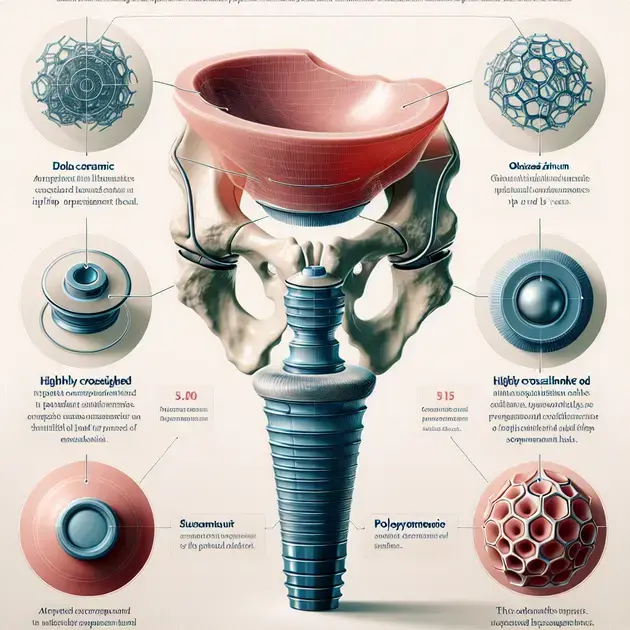
The study analyzed the performance of different hip implants over a 15-year period after surgery. The implants that stood out as the most successful in terms of avoiding revision surgeries were those with a delta ceramic or oxidized zirconium head and a highly crosslinked polyethylene liner or cup.
Hip implants are designed to mimic the natural movement and function of the hip joint. However, over time, wear and tear can lead to the need for revision surgery. The goal is to find an implant that not only provides relief and improved mobility but also minimizes the risk of revision.
The use of delta ceramic or oxidized zirconium heads in hip implants has shown promise in reducing friction and wear, thereby increasing the lifespan of the implant. When combined with a highly crosslinked polyethylene liner or cup, the risk of revision was significantly lower compared to other implant types.
This research brings valuable information to the medical community and patients who are considering hip replacement surgery. By understanding which implants have the lowest risk of revision, hospitals and surgeons can make informed decisions while patients can be confident in their choice of implant.
It should be noted that this article is based on the title and without access to the full study, further details and conclusions may be missed. However, the main takeaway remains that hip implants with a delta ceramic or oxidized zirconium head and highly crosslinked polyethylene liner or cup appear to have the lowest risk of revision during the 15 years following surgery. The findings of this study could potentially revolutionize the way hip replacement surgeries are approached and provide better outcomes for patients in the long term.
Hip implants with a delta ceramic or oxidized zirconium head and a highly crosslinked polyethylene liner or cup were found to have the lowest revision risk over a 15-year period after surgery, according to a recent study. This research has the potential to assist hospitals, surgeons, and patients in making informed decisions when selecting hip implants for replacement surgeries.
To provide the best experiences, we use technologies like cookies to store and/or access device information. Consenting to these technologies will allow us to process data such as browsing behavior or unique IDs on this site. Not consenting or withdrawing consent, may adversely affect certain features and functions.
Functional
Always active
The technical storage or access is strictly necessary for the legitimate purpose of enabling the use of a specific service explicitly requested by the subscriber or user, or for the sole purpose of carrying out the transmission of a communication over an electronic communications network.
Preferences
The technical storage or access is necessary for the legitimate purpose of storing preferences that are not requested by the subscriber or user.
Statistics
The technical storage or access that is used exclusively for statistical purposes.The technical storage or access that is used exclusively for anonymous statistical purposes. Without a subpoena, voluntary compliance on the part of your Internet Service Provider, or additional records from a third party, information stored or retrieved for this purpose alone cannot usually be used to identify you.
Marketing
The technical storage or access is required to create user profiles to send advertising, or to track the user on a website or across several websites for similar marketing purposes.