When it comes to orthopedic injuries, a fractured medial femoral condyle may not be a familiar term to many, especially since it is more prevalent among children rather than adults. However, understanding the nature of this injury, the necessity and intricacies of surgical intervention, and the expected recovery timeline is crucial for anyone encountering this condition. In this blog, we will delve into the details presented by Dr. David Guyer, a triple board-certified orthopedic surgeon and sports medicine specialist, who clarifies what a medial femoral condyle fracture entails and offers insights into the surgical procedure and rehabilitation process. Join us as we explore the complexities of this injury and the road to a successful recovery.
Understanding the Injury
A fracture of the medial femoral condyle involves a break or crack in the end of the femur, located in the knee joint. This part of the femur, along with the tibial plateau, forms the knee joint. The medial condyle is situated towards the inner side of the leg, closest to the midline of the body. Recognizing the importance of this structure is vital, as any misalignment during healing can lead to long-term complications such as arthritis due to the rough spots that develop from improperly healed cartilage.
In children, fractures in this area often occur because their bones are generally weaker than their ligaments and tendons. A significant traumatic force can lead to this injury, making it more common among pediatric patients than adults. However, when adults do experience such an injury, it often results from substantial trauma and differs in mechanism compared to injuries like MCL (medial collateral ligament) tears.
The Necessity of Surgical Intervention
When discussing the necessity of surgery, Dr. Guyer stresses that precise alignment of the bone is imperative. A displacement can cause improper healing and result in a misaligned articular surface, leading to accelerated wear of the knee cartilage and potential future osteoarthritis. Therefore, surgical intervention generally involves using plates and screws to realign and stabilize the fracture.
Recovery Process and Timeline
The timeline for recovery from surgery for a medial femoral condyle fracture can vary depending on several factors, including the severity of the fracture and individual healing rates. Typically, the healing process can extend over three to four months. During much of this period, weight-bearing activity is highly restricted to prevent any displacement of the fracture, which can compromise healing. For the initial 6 to 12 weeks, weight-bearing is either not allowed or is limited to partial weight bearing as healing progresses.
Orthopedic surgeons frequently monitor recovery through follow-ups to ensure proper healing and to adjust weight-bearing restrictions accordingly. The goal is to gradually introduce more activity and stress to the knee as it heals, without jeopardizing the stability of the repair.
Returning to Work and Daily Activities
Returning to work after surgery depends significantly on the demands of your job. For those whose work involves desk duties, it might be possible to return relatively soon after surgery. However, jobs that require being on your feet or physical activity will necessitate a longer recovery period, possibly requiring accommodations like crutches, a walker, or a temporary reassignment of duties. Driving, too, should be considered carefully, as it involves a level of physical ability and reflex that may be compromised in the initial recovery stages.
Exploring Alternatives and Additional Support
For individuals seeking alternative treatments beyond surgery or cortisone shots, consulting with a specialist like Dr. Guyer can provide insights into other available therapies. These options may include regenerative medicine approaches or physical therapy strategies aimed at strengthening and rehabilitating the knee joint.
Understanding the physical and emotional journey of recovering from orthopedic surgery is as important as the technical details. The process can be lengthy and challenging, but with the right information and medical guidance, patients can navigate this journey successfully. Taking time to adequately heal and following medical advice is key to achieving the best possible long-term outcomes.
Empowerment Through Information and Communication
Communicating with your healthcare team, asking questions, and staying informed about your condition are all ways to empower yourself during recovery. Engaging with educational resources, like Dr. Guyer’s videos, can also provide additional support and insight into managing your orthopedic health.
Lastly, remember that while general information can be incredibly helpful, each person’s situation is unique. Personalized medical advice from a healthcare provider is always recommended to ensure your specific health needs are met and to tailor any treatment or recovery plan to your individual circumstances.
Changes in the Gut Microbiome and the Development of Rheumatoid Arthritis
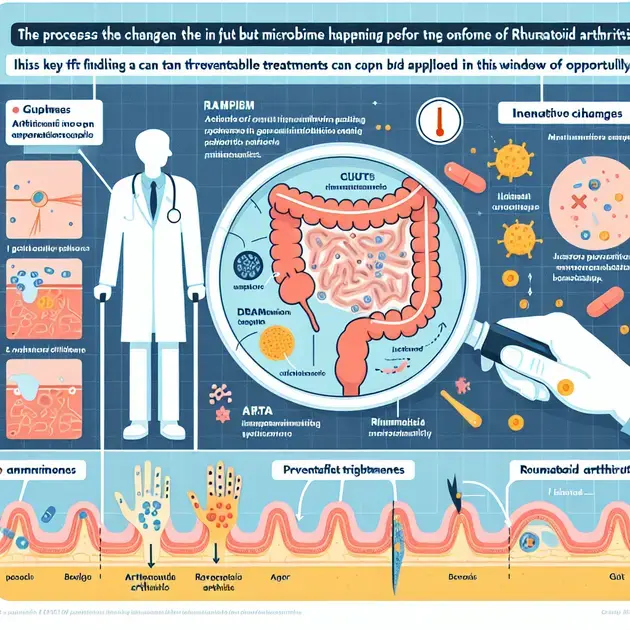
New research suggests that changes in the gut microbiome before the development of rheumatoid arthritis may present a window of opportunity for preventative treatments. Rheumatoid arthritis is a chronic autoimmune disease that affects millions of people worldwide, causing inflammation, pain, and reduced mobility in the joints.
The gut microbiome refers to the community of microorganisms, including bacteria, viruses, and fungi, that reside in our digestive system. These microorganisms play a crucial role in maintaining overall health by aiding in food breakdown, producing essential vitamins, and supporting the immune system. Disruptions in the balance of these microorganisms have been linked to various diseases, including autoimmune conditions like rheumatoid arthritis.
Recent research indicates that changes in the gut microbiome may occur prior to the onset of rheumatoid arthritis. In a study published in a reputable medical journal, scientists analyzed stool samples from individuals who later developed rheumatoid arthritis and compared them to samples from healthy individuals. The study found significant differences in certain microbial species between those who developed the condition and healthy individuals. These changes were detectable several years before the clinical symptoms of rheumatoid arthritis appeared.
This finding has important implications for the prevention and treatment of rheumatoid arthritis. If changes in the gut microbiome can serve as an early indicator of the disease, it presents a promising opportunity for preventative interventions. By monitoring and analyzing the gut microbiome in individuals at high risk for rheumatoid arthritis, healthcare professionals may be able to identify those more likely to develop the condition and implement early interventions to mitigate its progression.
Furthermore, understanding the specific microbial changes associated with rheumatoid arthritis could lead to the development of targeted treatments. By modulating the gut microbiome through interventions like probiotics or prebiotics, it might be possible to alter the disease course or even prevent its onset in at-risk individuals. Microbiome-based therapy, which has shown promise in other autoimmune diseases like inflammatory bowel disease, could be a potential approach.
In conclusion, emerging research suggests that changes in the gut microbiome may precede the development of rheumatoid arthritis. These findings create new possibilities for preventative treatments and interventions. Further research is necessary to fully comprehend the intricate relationship between the gut microbiome and rheumatoid arthritis, but it is an exciting area of study that holds the potential to revolutionize our approach to this chronic autoimmune disease.
When it comes to taking care of our health, having a good understanding of common medical conditions is essential. Being aware of these prevalent health issues can help us identify symptoms early on and seek timely treatment.
With the advancement of medical research and technology, it is now easier than ever to access information about common medical conditions. From heart disease to diabetes, having a basic knowledge of these health issues can empower individuals to make informed decisions about their well-being.
Understanding Common Medical Conditions: Early Recognition and Treatment
Recognizing common medical conditions early on is crucial for prompt treatment and improved outcomes. By being aware of the signs and symptoms, individuals can take proactive steps towards seeking medical help. One way to stay informed is by utilizing healthcare apps such as Ada or WebMD. These apps provide valuable information on a wide range of medical conditions, including their early warning signs.
Step-by-Step Guide:
1. Download the Ada or WebMD app from the App Store or Google Play Store.
2. Create an account and set up your profile to receive personalized health information.
3. Use the search function to look up specific medical conditions or browse through the app’s library.
4. Familiarize yourself with the early symptoms and risk factors associated with common medical conditions.
5. In case you notice any concerning symptoms, consult the app for guidance on when to seek medical attention.
Empowering Individuals Through Knowledge
Empowering individuals with knowledge about their health is essential for making informed decisions and taking control of their well-being. Websites like Mayo Clinic and Healthline offer comprehensive resources on various medical topics, empowering users to educate themselves about common medical conditions. By accessing these trustworthy sources, individuals can enhance their health literacy and make proactive choices regarding their healthcare.
Step-by-Step Guide:
1. Visit the Mayo Clinic or Healthline website on your preferred browser.
2. Explore the different sections dedicated to medical conditions, symptoms, and treatments.
3. Read articles, watch videos, or listen to podcasts to expand your knowledge on common health issues.
4. Utilize the search bar to look up specific questions or topics related to medical conditions.
5. Engage with online community forums or consult with healthcare professionals for further insights and support.
Accessing Information for Informed Decisions
Accessing reliable information plays a vital role in making informed decisions about healthcare. Platforms such as Medscape and CDC provide data-driven insights, research articles, and updates on current health issues. By staying informed through these channels, individuals can gain a deeper understanding of medical conditions and treatment options, enabling them to make educated decisions regarding their health and well-being.
Step-by-Step Guide:
1. Navigate to the Medscape or CDC website using your internet browser.
2. Register for a free account to access premium content and personalized updates.
3. Browse through the latest articles, studies, and reports on common medical conditions.
4. Follow specific topics or medical specialties to receive tailored information based on your interests.
5. Stay updated on health alerts and recommendations provided by leading healthcare organizations for informed decision-making.
**Recognizing Symptoms and Seeking Help**
When it comes to managing your health, it is crucial to be able to recognize symptoms that may indicate a potential issue. Recognizing symptoms early on can help in seeking timely help and intervention, which can prevent the situation from worsening. Some common symptoms to look out for include persistent headaches, unexplained weight loss or gain, fatigue, changes in appetite, and sudden mood swings. If you notice any of these symptoms, it is important not to ignore them and to seek help from a healthcare professional.
One strategy to help in recognizing symptoms is to keep a health journal where you can track any changes or patterns in your symptoms. This can provide valuable information to your healthcare provider and aid in diagnosing any underlying health issues. Additionally, staying informed about common health conditions and their symptoms can help you in recognizing when something may be wrong.
Seeking help for your symptoms is an important step in taking control of your health. Whether it is scheduling an appointment with your primary care physician or seeking out a specialist, reaching out for help can lead to early intervention and better health outcomes. Remember, your health is your most important asset, so don’t hesitate to seek help when you need it.
If you are experiencing severe or sudden symptoms such as chest pain, difficulty breathing, or loss of consciousness, seek emergency medical help immediately. These symptoms could indicate a serious health issue that requires immediate attention.
Overall, recognizing symptoms and seeking help go hand in hand in maintaining good health. By being proactive and attentive to your body’s signals, you can address any health concerns early on and work towards a healthier future.
**Preventive Measures for Better Health**
Preventive measures play a crucial role in maintaining overall health and well-being. By taking proactive steps to prevent health issues, you can reduce the risk of developing chronic conditions and improve your quality of life. One key preventive measure is leading a healthy lifestyle, which includes eating a balanced diet, staying physically active, getting regular exercise, and avoiding harmful habits such as smoking and excessive alcohol consumption.
Regular health screenings and check-ups are also important preventive measures to detect any potential health issues early on. By monitoring your health regularly and addressing any concerns promptly, you can prevent conditions from progressing and ensure timely intervention if needed.
Another preventive measure for better health is practicing good hygiene and sanitation habits. This includes washing your hands regularly, maintaining a clean living environment, and practicing safe food handling to prevent infections and illnesses.
Managing stress levels and prioritizing mental health are also important preventive measures. Chronic stress can have a negative impact on both your physical and mental health, so finding healthy coping mechanisms and relaxation techniques can help in preventing stress-related health issues.
Overall, incorporating preventive measures into your daily routine can help in promoting better health outcomes and reducing the risk of developing serious health conditions. By taking proactive steps to care for your health, you can enjoy a higher quality of life and a greater sense of well-being.
**Holistic Approaches to Managing Health Issues**
When it comes to managing health issues, taking a holistic approach that considers the interconnectedness of the mind, body, and spirit can provide comprehensive care and support. Holistic approaches focus on treating the whole person, rather than just addressing the symptoms of a specific condition. This can involve incorporating a range of complementary therapies and practices alongside traditional medical treatments.
One holistic approach to managing health issues is focusing on prevention through lifestyle modifications. By adopting healthy habits such as eating a nutritious diet, getting regular exercise, and practicing mindfulness, you can support your overall well-being and reduce the risk of developing health issues.
Integrating alternative therapies such as acupuncture, massage therapy, and herbal medicine can also be beneficial in managing health issues holistically. These therapies can help address physical symptoms, reduce pain, and promote relaxation and healing.
Emotional and spiritual well-being are also important components of holistic health. Practices such as meditation, yoga, and mindfulness can help in reducing stress, improving mental clarity, and fostering a sense of inner peace and balance.
Collaborating with a healthcare team that embraces a holistic approach to care can provide you with a more comprehensive and personalized treatment plan. By addressing all aspects of your health and well-being, holistic approaches can help you achieve optimal health and vitality.
Conclusion
In conclusion, recognizing symptoms early on and seeking help promptly are vital steps in maintaining good health. By being attentive to potential warning signs such as persistent headaches, unexplained weight changes, and sudden mood swings, individuals can take control of their well-being and prevent health issues from escalating. Keeping a health journal and staying informed about common symptoms can aid in early detection and diagnosis, facilitating timely intervention.
Moreover, incorporating preventive measures like leading a healthy lifestyle, regular health screenings, and practicing good hygiene can significantly reduce the risk of developing chronic conditions and promote overall well-being. Addressing stress levels and prioritizing mental health are equally important in preventing stress-related health issues and maintaining a balanced lifestyle.
Furthermore, embracing holistic approaches to manage health concerns by considering the interconnectedness of the mind, body, and spirit can provide comprehensive care and support. By focusing on lifestyle modifications, integrating alternative therapies, and prioritizing emotional and spiritual well-being, individuals can achieve optimal health outcomes and vitality. Collaborating with a healthcare team that embraces a holistic approach can further enhance personalized treatment plans and address all facets of an individual’s health.
Product
Description
Link
Jointgen
Join the Thousands of U.S. Seniors Enjoying Comfortable, Flexible and Youthful Joints Thanks to Joint Genesis™
Neverfresh
Nerve Fresh promotes healthy nerves by providing 5 vital bio-available fruit, flower and bark extracts with essential vitamin and mineral support
balmorex
“Shortcut to Wellness” is the perfect solution for those who want to ‘hack’ their mind & body with the use of modern technology to improve their quality of life! Biohacking is about optimizing your life & body through the use of biology, research & technology
live pure
Do you have deep stubborn fat stores that no diet or exercise seems to remove? Then the answer is yes. Liv Pure has changed the lives of over 234,000 women and men from 18 to 80 and is designed to rapidly dissolve fat in even the worst cases.
Scientists believe that the Denisovans, a recently discovered hominin group, played a significant role in shaping early human history through multiple interbreeding events with modern humans. These interbreeding events have resulted in the transfer of Denisovan genes to modern humans, providing them with advantages in various environments.
Based on the evidence, it is suggested that the Denisovans had diverse populations spread across a vast geographical range, spanning from Siberia to Southeast Asia, and from Oceania to South America. This widespread distribution indicates that the Denisovans were well-adapted to distinct environments.
The genetic impact of the Denisovans on modern humans is evident through the discovery of numerous genes of Denisovan origin. These genes have proven to be advantageous for modern humans in their respective environments. They have contributed to traits such as disease resistance, immune system responses, and adaptation to high-altitude environments.
One notable example is the EPAS1 gene, which is believed to have originated from Denisovans and has been found in modern humans living in the Tibetan Plateau. This gene helps in the adaptation to low oxygen levels at high altitudes, allowing individuals to thrive in this challenging environment.
Another gene of Denisovan origin is HLA-B*73, which provides improved defense against certain pathogens. This gene has been found primarily in Papuan populations in Oceania, suggesting that it played a crucial role in protecting them against local diseases.
The discovery of these genes highlights the importance of interbreeding events between different hominin groups in human evolution. It showcases how genetic exchanges between species have shaped our genetic diversity, enabling us to adapt and thrive in various environments.
Furthermore, this research sheds light on the complexity of human history and demonstrates that our evolutionary journey involves a tapestry of intermingling populations rather than a linear progression. The Denisovans, although recently discovered, have already proven to be a key player in this intricate narrative.
In conclusion, scientists believe that the Denisovans, through multiple interbreeding events with modern humans, have passed on their genes, contributing to our genetic diversity and providing advantageous traits for survival in different environments. This discovery emphasizes the importance of studying our ancestral relationships and understanding the intricate web of interactions that have shaped early human history.
The Audience Effect on Performance: Insights from Chimpanzees
Title: The Audience Effect on Performance: Insights from Chimpanzees
Introduction:
The influence of an audience on human performance has long been recognized, whereby individuals may experience changes in their behavior, either improving or deteriorating their performance. Surprisingly, recent research conducted on chimpanzees reveals that similar effects can be observed in these non-human primates. This interesting revelation suggests that the ‘audience effect’ predates the establishment of reputation-based societies in humans. In this article, we will explore the findings of this study and discuss its implications.
Research on Chimpanzee Performance:
In a recent study, researchers set out to investigate the impact of an audience on chimpanzee performance during computer-based tasks. The study involved several chimps who were trained to complete various tasks on computer screens, such as matching shapes or pressing buttons. To simulate an audience, the researchers placed multiple chimpanzees together in the same room, where they could observe each other’s performances.
Findings:
The results of this study showed a clear influence of the audience on the chimpanzees’ performance. In the presence of an audience, the chimps tended to perform better, demonstrating enhanced motivation and focus. Interestingly, this effect was not limited to positive behavior improvement but also extended to negative behaviors. Some chimpanzees exhibited a decline in their performance when they realized they were being watched, suggesting that the audience effect can work in both favorable and unfavorable ways.
Implications and Significance:
The discovery of the ‘audience effect’ in chimpanzees provides valuable insights into the evolution of social behavior and performance within different species. These findings indicate that the influence of an audience on performance is not solely a result of human cultural or societal factors but may have deeper roots in our evolutionary history.
The researchers suggest that the audience effect predates the development of reputation-based societies, as it is observed in chimpanzees, who lack complex social structures similar to humans. Therefore, this effect may have emerged early on in the evolutionary timeline, playing a significant role in shaping individuals’ behaviors across various species.
Understanding the audience effect in non-human primates can also shed light on the subconscious pressures individuals experience when being observed. This knowledge can be useful in fields such as education, training, and even understanding social dynamics within human societies.
Conclusion:
The study on chimpanzee performance under the influence of an audience highlights the universal nature of the audience effect across species. Whether it leads to improved or deteriorated performance, the presence of an audience has a tangible impact on individuals’ behaviors. By recognizing the existence of these influences outside the realm of human society, we gain a deeper appreciation for the fundamental aspects of social behavior that shape our daily interactions.
The study emphasizes the significance of these social media platforms in advocating for wildlife conservation and motivating individuals to take action.
With the growing popularity of social media, conservation organizations now have the opportunity to reach a wider audience. Facebook and Instagram, being platforms with enormous user bases, offer an incredible chance to communicate wildlife conservation messages to millions of people worldwide.
The study highlights how these platforms can contribute to generating public awareness through the dissemination of information via posts, images, and videos. By showcasing the beauty and diversity of wildlife, organizations can capture the interest of users and encourage support for conservation efforts. Visual storytelling has been proven to be highly effective in captivating audiences and driving behavioral change.
Furthermore, the interactive nature of social media platforms promotes user engagement. By allowing individuals to share their own experiences, thoughts, and ideas about wildlife conservation, Facebook and Instagram create a sense of community and encourage further discussion. This engagement can lead to collaborative efforts in preserving wildlife and natural habitats.
The study also highlights the impact of peer influence on social media. By sharing posts related to wildlife conservation, individuals can inspire and influence their network of friends and followers. This ripple effect can significantly expand the reach of conservation messages and have a greater impact on public awareness.
One of the key advantages of utilizing Facebook and Instagram for wildlife conservation is the ability to target specific demographics. This enables organizations to tailor their content and campaigns to effectively reach different age groups, geographical locations, or areas of interest. By personalizing messages, conservation organizations can maximize their impact and encourage active participation from the target audience.
In conclusion, the study emphasizes the immense potential of Facebook and Instagram as tools for wildlife conservation. By utilizing visual storytelling, fostering engagement, harnessing peer influence, and targeting specific demographics, these platforms can play a crucial role in raising public awareness and mobilizing individuals towards wildlife conservation efforts. It is vital for conservation organizations to effectively harness the power of social media and utilize it as a means to inspire action and drive positive change for our planet’s wildlife.
Are you looking for expert insights from a medical professional? Look no further!
In recent studies, it has been found that seeking advice from a qualified healthcare expert can significantly impact the outcome of medical decisions and overall patient care. With the ever-evolving landscape of healthcare, the importance of receiving guidance from a medical professional cannot be understated.
Gain Valuable Perspective from a Medical Expert
Seeking advice from a medical expert can provide valuable insights and guidance on various health concerns. One way to connect with medical professionals is through online platforms such as HealthTap. This innovative app allows users to ask medical questions and receive personalized responses from a network of doctors. To gain valuable perspective, users can input their symptoms or health queries on the app and receive expert advice within minutes.
Step-by-step guide:
1. Download the HealthTap app from the Google Play Store or Apple App Store.
2. Create an account and provide relevant information about your health history.
3. Input your medical question or symptoms in the app’s interface.
4. Wait for responses from medical professionals and review their advice carefully.
5. Consider scheduling a virtual consultation for a more in-depth discussion with a medical expert.
Unlocking the Benefits of Medical Professional Advice
Accessing medical professional advice can unlock numerous benefits for individuals seeking to improve their health and well-being. One platform that offers this service is First Opinion. This app connects users with a personal doctor who can provide medical advice, prescriptions, and referrals. By utilizing this resource, individuals can gain access to expert opinions and recommendations from the convenience of their smartphones.
Step-by-step guide:
1. Install the First Opinion app on your mobile device.
2. Sign up and complete your profile to connect with a personal doctor.
3. Send your medical questions or concerns to your assigned doctor through the app.
4. Receive timely responses and recommendations from your personal doctor.
5. Utilize the app for follow-up discussions and ongoing medical support as needed.
Enhancing Patient Care Through Expert Medical Insights
Expert medical insights play a crucial role in enhancing patient care and treatment outcomes. One platform that focuses on this aspect is Figure 1, a global community where healthcare professionals share and discuss medical cases. By engaging with this platform, healthcare providers can learn from each other’s experiences, gain valuable insights on rare conditions, and enhance their diagnostic skills.
Step-by-step guide:
1. Visit the Figure 1 website or download the app from the App Store or Google Play Store.
2. Create a healthcare professional account and verify your credentials.
3. Explore the platform’s medical case discussions and participate in relevant conversations.
4. Share your own cases or seek advice from other healthcare professionals on challenging diagnoses.
5. Continuously engage with the community to expand your medical knowledge and improve patient care outcomes.
Gain Valuable Perspective from a Medical Expert
When it comes to understanding the complexity of medical conditions and treatments, gaining valuable perspective from a medical expert is essential. Medical professionals have the knowledge and experience to provide insights that can greatly benefit patients in their healthcare journey. By consulting with a medical expert, individuals can access specialized information and advice that can help them make informed decisions about their health.
One area where the expertise of a medical professional is particularly valuable is in the field of rare diseases. Rare diseases often present unique challenges and complexities that require a deep understanding of medical science. A medical expert can provide valuable insights into the latest research, treatment options, and clinical trials available for rare diseases, helping patients navigate the complexities of their condition.
Furthermore, medical professionals can offer valuable perspective on preventive care and wellness strategies. By consulting with a medical expert, individuals can gain insights into lifestyle changes, screenings, and vaccinations that can help prevent illnesses and promote overall well-being. This proactive approach to healthcare can lead to early detection of potential health issues and improved long-term outcomes.
In addition, seeking guidance from a medical expert can be beneficial for individuals facing complex or chronic health conditions. Whether it’s managing a chronic illness, navigating multiple treatment options, or understanding the potential side effects of medications, a medical expert can provide clarity and guidance to help patients make informed decisions about their healthcare.
Overall, gaining valuable perspective from a medical expert is invaluable in empowering individuals to take control of their health and make informed decisions about their well-being. By tapping into the expertise and insights of medical professionals, patients can access the knowledge and support they need to navigate the complexities of the healthcare system and achieve optimal health outcomes.
Unlocking the Benefits of Medical Professional Advice
Medical professional advice holds immense value in guiding individuals towards better health outcomes and improved quality of life. By unlocking the benefits of medical expertise, patients can gain access to personalized guidance and support that is tailored to their unique healthcare needs. Medical professionals bring a wealth of knowledge and experience to the table, allowing them to offer valuable insights and recommendations that can make a significant difference in a patient’s health journey.
One of the key benefits of medical professional advice is the ability to receive personalized treatment recommendations. Medical experts take into account a patient’s medical history, current health status, and individual preferences to develop a treatment plan that is specifically tailored to their needs. This personalized approach can lead to more effective treatment outcomes and a higher level of patient satisfaction.
Moreover, medical professionals can provide valuable guidance on managing chronic conditions and navigating complex healthcare systems. Patients dealing with long-term illnesses or facing challenging treatment decisions can benefit greatly from the expertise of a medical professional. By receiving guidance on treatment options, lifestyle modifications, and coping strategies, patients can better manage their condition and improve their overall quality of life.
Another benefit of medical professional advice is the opportunity to stay informed about the latest advancements in medical research and technology. Medical experts are well-versed in the latest trends and innovations in healthcare, allowing them to offer cutting-edge recommendations and treatment options to their patients. By staying ahead of the curve, patients can access the most up-to-date and effective healthcare solutions available.
In conclusion, unlocking the benefits of medical professional advice is crucial for individuals looking to optimize their health and well-being. By seeking guidance from a medical expert, patients can tap into a wealth of knowledge and experience that can empower them to make informed decisions about their health, leading to improved outcomes and a higher quality of life.
Enhancing Patient Care Through Expert Medical Insights
Expert medical insights play a pivotal role in enhancing patient care and improving healthcare outcomes. Medical professionals offer valuable perspectives and recommendations that can help patients receive the best possible care and treatment. By leveraging the expertise of medical professionals, healthcare providers can enhance the quality of patient care, streamline treatment processes, and improve overall patient satisfaction.
One of the key ways in which expert medical insights enhance patient care is through the development of personalized treatment plans. Medical professionals take a holistic approach to patient care, considering not only the medical condition itself but also the individual’s unique circumstances and preferences. By tailoring treatment plans to each patient’s specific needs, medical experts can optimize treatment outcomes and improve patient adherence to prescribed therapies.
Furthermore, expert medical insights can lead to improved diagnostic accuracy and treatment efficacy. Medical professionals bring a depth of knowledge and experience to the table, allowing them to accurately diagnose conditions, interpret test results, and recommend appropriate treatment strategies. By leveraging their expertise, healthcare providers can ensure that patients receive timely and effective care that is aligned with the latest medical guidelines and best practices.
Medical professionals also play a crucial role in promoting patient education and empowerment. By sharing their insights and recommendations with patients, medical experts can help individuals better understand their health conditions, treatment options, and self-care practices. This increased level of patient knowledge can lead to improved treatment adherence, better health outcomes, and enhanced overall well-being.
In conclusion, enhancing patient care through expert medical insights is essential for delivering high-quality healthcare and improving patient outcomes. By tapping into the expertise of medical professionals, healthcare providers can offer personalized treatment plans, accurate diagnoses, and patient education that empowers individuals to take control of their health and wellness.
Conclusion
Understanding the complexity of medical conditions and treatments requires valuable perspective from medical experts. By consulting with professionals, individuals can access specialized information to make informed decisions about their health. Particularly in the field of rare diseases, medical experts offer insights into the latest research and treatment options, helping patients navigate complexities.
Medical professional advice benefits individuals through personalized treatment recommendations tailored to their needs. Additionally, guidance on managing chronic conditions and staying informed about medical advancements plays a vital role in improving patient outcomes. By unlocking the benefits of medical expertise, individuals can empower themselves to optimize their health and well-being.
Expert medical insights enhance patient care by developing personalized treatment plans, improving diagnostic accuracy, and promoting patient education. Through the expertise of healthcare providers, individuals can take control of their health and wellness, leading to better healthcare outcomes and an enhanced quality of life.
Product
Description
Link
Jointgen
Join the Thousands of U.S. Seniors Enjoying Comfortable, Flexible and Youthful Joints Thanks to Joint Genesis™
Neverfresh
Nerve Fresh promotes healthy nerves by providing 5 vital bio-available fruit, flower and bark extracts with essential vitamin and mineral support
balmorex
“Shortcut to Wellness” is the perfect solution for those who want to ‘hack’ their mind & body with the use of modern technology to improve their quality of life! Biohacking is about optimizing your life & body through the use of biology, research & technology
live pure
Do you have deep stubborn fat stores that no diet or exercise seems to remove? Then the answer is yes. Liv Pure has changed the lives of over 234,000 women and men from 18 to 80 and is designed to rapidly dissolve fat in even the worst cases.
Kicking Caffeine: Embracing Clarity and Confronting the Unmasked Self
The Journey Begins
The decision to quit caffeine cold turkey isn’t just about giving up your morning coffee; it’s a journey through physical, mental, and emotional challenges that often pushes one to reflect deeply on oneself. As an individual who has relied on caffeine since childhood, the past ten days have been a tumultuous ride marked by withdrawal symptoms, unexpected self-discovery, and the realization of how much I’ve allowed substances like caffeine to control aspects of my life…
Facing Physical Symptoms
The idea of quitting caffeine cold turkey was daunting at first. Years of reliance had woven it into the fabric of my everyday life. From childhood days sipping on soda to my adult ritual of strong morning coffees, my caffeine consumption was a constant…
Uncovering Emotional Layers
Physical symptoms aside, quitting caffeine unearthed deeper emotional layers. The constant floaty feeling was not just a physical sensation but a metaphor for the emotional unraveling I was experiencing. Years of suppressed anxieties and excuses, previously muted under the steady hum of caffeine, began to surface…
Shared Experiences and Discoveries
Embarking on this journey with Kyle, who braved the same withdrawal process, strengthened my resolve. Together, we decided to rip the Band-Aid off rather than gradually cut down on caffeine. We knew the symptoms would be bad, but lingering longer in the process felt counterproductive…
Looking Ahead
As the withdrawal symptoms slowly abate, albeit far from gone, I’m left contemplating what my life might look like without caffeine’s influence. It’s both exciting and intimidating to think about discovering my baseline energy levels, sleep patterns, and natural anxieties. What if I have been masking my true self under layers of caffeine-induced personality traits…
Breaking Free from Dependencies
Through this painful process, a revelation has emerged: my addiction was never just about caffeine or food; it was a means to numb and distance myself from facing the deeper, underlying issues. This journey of going caffeine-free is akin to the one I embarked on years ago when I overcame emotional eating and lost 130 lbs…
Embracing Vulnerability and Growth
If this resonates with you, if you’re also battling dependencies or struggling with self-control, know that you’re not alone. Pursue professional guidance if needed, and remember that facing your fears is not synonymous with immediate success…
Conclusion
This journey isn’t over, and I’m not sure when or if the symptoms will completely dissipate. Nonetheless, I’m committed to seeing it through. Through the haze of headaches and disorientation, a new clarity is emerging—one where I am no longer defined by my crutches but rather empowered by my ability to let them go…
Quitting caffeine cold turkey led to intense withdrawal symptoms and self-reflection. Discover how confronting these challenges uncovered my true self beneath the anxiety.
A fracture of the medial femoral condyle is a rare but significant injury, especially in adults. In children, however, it’s more frequent due to the nature of their developing bones. This type of fracture can be quite complex and requires careful consideration for treatment and recovery. Understanding when surgical intervention is necessary, the steps involved in the recovery process, and how to manage weight bearing and return to work can help those affected navigate the challenges that come with this injury.
Anatomy of the Medial Femoral Condyle
Understanding the anatomy of the medial femoral condyle is crucial to grasp the nature of the injury. The femoral condyles are the rounded ends of the femur (thigh bone) that form part of the knee joint. They articulate with the tibial plateau of the shinbone to allow for smooth movement of the knee. The medial femoral condyle is located on the inner side, closer to the body’s midline.
Pattern of Injury
In adults, the strength of bones compared to ligaments changes, making certain types of injuries more prevalent. For example, while children tend to fracture bones due to their higher flexibility and weaker bones relative to ligaments, adults are more prone to ligament injuries. This difference in injury patterns highlights why medial femoral condyle fractures are less common in adults—it takes considerable traumatic force to cause such a fracture.
When is Surgery Necessary?
When it comes to the decision of whether surgery is necessary for this type of fracture, it often revolves around the alignment of the bone. If the fracture causes a displacement of the bone that affects the knee’s articular cartilage, it can lead to future complications such as arthritis. The cartilage needs to remain smooth to avoid excessive wear and tear during joint movement. If there’s a step-off or misalignment, it can create a rough spot, leading to gradual cartilage deterioration.
Surgical intervention typically involves internal fixation, where a plate and screws are used to hold the bone fragments in place, ensuring they heal correctly. This precise alignment is critical to prevent long-term complications and ensure the smooth function of the knee joint post-recovery.
Recovery Process
The recovery from a medial femoral condyle fracture can be a lengthy and rigorous process. Generally, it takes three to four months for the bone to fully heal. During this time, weight bearing is usually restricted to prevent any displacement that could interfere with the bone’s healing. Typically, an orthopedic surgeon will prescribe limited or non-weight bearing for six to twelve weeks, depending on the specifics of the injury and the patient’s overall health.
Toward the end of the recovery period, partial weight bearing may be introduced. This gradual increase helps in strengthening the muscles surrounding the knee, which may have weakened due to disuse. It’s essential to follow the orthopedic surgeon’s guidance closely to ensure a smooth recovery and to avoid setbacks that could prolong the healing process or require additional surgical intervention.
Returning to Work
Returning to work after a medial femoral condyle fracture depends largely on the nature of one’s job. Those with desk jobs can often resume work relatively quickly, as long as they can manage transportation, potentially with restrictions like crutch use. However, jobs that require standing, walking, or strenuous activity may necessitate a longer recovery period before a full return is possible.
Patients may also explore non-surgical treatments or adjuncts to surgery, such as physical therapy, to aid recovery. These treatments focus on restoring range of motion, maintaining muscle strength, and preventing stiffness in the knee joint.
Conclusion
In summary, a fracture of the medial femoral condyle demands a careful treatment strategy that often involves surgery to ensure proper alignment and healing. Recovery is a multi-step process, requiring patience and adherence to medical advice to prevent complications. For any patient experiencing such an injury, it’s crucial to consult with a healthcare provider who can tailor a treatment and recovery plan to their specific needs. This personalized approach can significantly enhance recovery outcomes and minimize the risk of long-term issues.
Looking for ways to boost your body’s defenses and increase your immune system strength? In today’s fast-paced world, taking care of your health has never been more important. With the ongoing global health crisis, finding effective tips to enhance your immune system can make a significant difference in your overall well-being.
From incorporating immune-boosting foods into your diet to adopting healthy lifestyle habits, there are numerous strategies you can implement to strengthen your body’s natural defenses. In this blog post, we will explore some practical and science-backed tips to help you enhance your immune system and stay healthy all year round.
Boost Your Body’s Defenses Naturally
Boosting your body’s defenses naturally is essential for maintaining a strong immune system. One of the most effective ways to do this is by incorporating a variety of immune-boosting foods into your diet. Foods rich in vitamins C, D, and E, as well as zinc and selenium, are particularly beneficial for immune health. You can easily find information on immune-boosting foods and recipes on health and wellness apps such as MyFitnessPal or Lose It.
In addition to a healthy diet, regular exercise is crucial for strengthening your immune system. Physical activity helps to promote good circulation, which allows immune cells to move more freely throughout the body. Apps like Fitbit or Strava can help you track your fitness goals and stay motivated to exercise regularly.
Getting an adequate amount of sleep is another key factor in natural immune defense. Aim for 7-9 hours of quality sleep each night to allow your body to repair and regenerate. Apps like Sleep Cycle or Calm can assist you in improving your sleep quality and developing healthy bedtime routines.
Reducing stress levels is also important for immune function. High levels of stress can weaken the immune system, making you more susceptible to illness. Mindfulness and meditation apps such as Headspace or Insight Timer can help you manage stress and promote relaxation for a stronger immune system.
Lastly, staying hydrated is essential for optimal immune function. Drinking plenty of water helps to flush out toxins and keep your body functioning properly. Apps like WaterMinder or Hydro Coach can help you track your daily water intake and remind you to stay hydrated throughout the day.
Enhancing Your Immune System Through Nutrition
Improving your immune system through nutrition is a proactive way to protect your health. Including a variety of fruits and vegetables in your diet is one of the simplest ways to boost your immunity. Websites like Healthline or EatingWell offer valuable information on immune-boosting foods and recipes to incorporate into your meals.
Probiotics are another essential component for enhancing your immune system. These beneficial bacteria help maintain a healthy gut, which plays a significant role in immune function. You can find probiotics in foods like yogurt, kefir, and fermented vegetables, or consider taking a probiotic supplement. Websites like WebMD or Mayo Clinic provide detailed insights on probiotics and their benefits.
Herbs and spices such as garlic, ginger, and turmeric have been shown to have immune-boosting properties. Incorporating these ingredients into your cooking can add flavor and enhance your immune defense. Websites like Medical News Today or Health.com offer information on the health benefits of various herbs and spices.
Avoiding excessive sugar and processed foods is crucial for maintaining a strong immune system. These foods can suppress immune function and increase inflammation in the body. Websites like Harvard Health Publishing or Nutrition.gov provide recommendations for a balanced diet to support your immune system.
Consider consulting with a registered dietitian or nutritionist for personalized advice on how to enhance your immune system through nutrition. Websites like EatRight.org or Academy of Nutrition and Dietetics can help you find a qualified professional in your area.
Lifestyle Changes to Strengthen Your Immune System
Implementing lifestyle changes can significantly impact the strength of your immune system. Regular physical activity is one of the most effective ways to boost immunity. Aim for at least 150 minutes of moderate exercise per week to enhance your body’s defense mechanisms. Websites like Nerd Fitness or Bodybuilding.com offer workout plans and fitness tips for all levels.
Reducing alcohol consumption and avoiding smoking are crucial for maintaining a healthy immune system. Both alcohol and smoking can weaken the immune response, making you more susceptible to infections. Websites like the Centers for Disease Control and Prevention (CDC) provide resources for quitting smoking and alcohol moderation.
Practicing good hygiene, such as washing your hands regularly and avoiding close contact with sick individuals, is essential for preventing illness and strengthening your immune system. Websites like the World Health Organization (WHO) or the CDC offer guidelines on proper hygiene practices to protect your health.
Managing chronic conditions such as diabetes, obesity, or heart disease is important for supporting your immune system. Work with your healthcare provider to develop a treatment plan that addresses these underlying health issues and promotes overall well-being. Websites like Health.gov or Diabetes.org offer resources for managing chronic conditions and improving immune health.
Incorporating stress-reducing activities like yoga, tai chi, or spending time in nature can help boost your immune system. These practices promote relaxation and reduce the negative effects of stress on immune function. Websites like Yoga Journal or Mindful.org provide information on stress-relieving activities and mindfulness practices.
**Natural Remedies to Support Immune Health**
Natural remedies to support immune health are crucial for maintaining a strong and healthy immune system. Incorporating these remedies into your daily routine can help boost your body’s defenses and keep illnesses at bay. One of the most effective natural remedies for immune health is consuming a diet rich in fruits and vegetables. These foods are packed with essential vitamins, minerals, and antioxidants that help strengthen the immune system.
Another powerful natural remedy for immune health is getting an adequate amount of sleep. Sleep is essential for the body to repair and regenerate, and lack of sleep can weaken the immune system. Additionally, staying hydrated by drinking plenty of water throughout the day can also support immune function by helping to flush out toxins from the body.
Regular exercise is another important natural remedy for immune health. Physical activity helps boost circulation, which allows immune cells to move more freely throughout the body. Exercise also helps reduce inflammation and stress, both of which can suppress the immune system. Incorporating activities like walking, jogging, yoga, or strength training into your routine can help support your overall immune health.
Herbal supplements and teas can also be beneficial for immune health. Ingredients like echinacea, elderberry, and ginger have been shown to have immune-boosting properties. These supplements can help strengthen the immune system and reduce the duration and severity of colds and other illnesses. However, it’s important to consult with a healthcare provider before starting any new supplement regimen.
In addition to these natural remedies, reducing stress and incorporating relaxation techniques like meditation or deep breathing exercises can also support immune health. Chronic stress can weaken the immune system, so finding ways to manage stress levels is crucial for maintaining overall well-being. By incorporating these natural remedies into your daily routine, you can help support your immune system and stay healthy.
**The Importance of Sleep for Immune Function**
The importance of sleep for immune function cannot be overstated. Sleep plays a vital role in the body’s immune response, helping to regulate various immune cells and proteins that protect against infections and illnesses. When we sleep, our bodies produce cytokines, a type of protein that targets infection and inflammation, helping to support immune health. Lack of sleep can disrupt this process and weaken the immune system.
In addition to cytokine production, sleep is also crucial for the body to repair and regenerate. During deep sleep stages, the body can focus on repairing tissues, muscles, and other vital functions. This repair process is essential for maintaining overall health and supporting the immune system’s ability to fight off pathogens.
Research has shown that consistently getting an adequate amount of sleep can help reduce the risk of chronic illnesses and infections. Adults should aim for 7-9 hours of quality sleep each night to support immune function and overall well-being. Creating a bedtime routine, such as avoiding screens before bed, keeping the bedroom dark and cool, and practicing relaxation techniques, can help improve sleep quality and enhance immune function.
Individuals who struggle with sleep issues may benefit from incorporating natural remedies like herbal teas, aromatherapy, or relaxation exercises into their bedtime routine. Establishing a consistent sleep schedule and prioritizing rest can also help improve sleep quality and support immune health. By recognizing the importance of sleep for immune function and making it a priority, individuals can strengthen their body’s defenses and stay healthy.
**Exercise Strategies to Boost Immunity**
Exercise strategies to boost immunity are essential for maintaining a strong and healthy immune system. Regular physical activity can help reduce inflammation, improve circulation, and support the production of immune cells that protect against infections. Incorporating a variety of exercise types, including aerobic, strength training, and flexibility exercises, can help enhance overall immune function.
Cardiovascular exercise, such as running, biking, or swimming, can help improve circulation and oxygen delivery throughout the body. This increased circulation allows immune cells to travel more efficiently and target pathogens more effectively. Additionally, aerobic exercise has been shown to reduce stress levels, which can help support immune health and overall well-being.
Strength training exercises, like weightlifting or bodyweight exercises, can also play a role in boosting immunity. Building muscle mass can help improve metabolic function and support overall health. Additionally, strength training can help reduce inflammation and oxidative stress, both of which can negatively impact immune function.
Incorporating activities like yoga or Pilates into your exercise routine can also help boost immunity. These types of exercises focus on flexibility, balance, and mindfulness, which can help reduce stress levels and support overall immune health. Practicing relaxation techniques like deep breathing or meditation during these activities can further enhance immune function.
It’s important to find a balance between different types of exercise and listen to your body’s needs. Overtraining can actually weaken the immune system, so incorporating rest days into your routine is crucial for supporting overall health. By including a variety of exercise strategies in your routine and prioritizing recovery, you can help boost your immunity and stay healthy.
Conclusion
In conclusion, prioritizing natural remedies to support immune health is key to nurturing a robust and resilient immune system. Integrating practices like consuming a nutrient-rich diet, getting sufficient sleep, staying hydrated, and engaging in regular exercise can significantly enhance the body’s defenses against illnesses. Fruits, vegetables, herbal supplements, and teas enriched with immune-boosting properties like echinacea and ginger play a crucial role in fortifying the immune system.
Moreover, recognizing the indispensable role of sleep in immune function is imperative. Adequate and quality sleep allows the body to produce essential proteins like cytokines, vital for combating infections and maintaining immune health. Establishing a consistent sleep routine, along with incorporating relaxation techniques, can greatly improve sleep quality, thereby supporting overall well-being and strengthening the body’s immune defenses.
Furthermore, incorporating diverse exercise strategies is essential for boosting immunity. From cardiovascular activities enhancing circulation and oxygen delivery to strength training reducing inflammation and oxidative stress, a balanced exercise routine is paramount. Activities such as yoga and Pilates not only promote flexibility and mindfulness but also aid in stress reduction, benefiting immune health. By embracing these natural remedies and lifestyle practices, individuals can optimize their immune system and foster long-term health.
Product
Description
Link
Jointgen
Join the Thousands of U.S. Seniors Enjoying Comfortable, Flexible and Youthful Joints Thanks to Joint Genesis™
Neverfresh
Nerve Fresh promotes healthy nerves by providing 5 vital bio-available fruit, flower and bark extracts with essential vitamin and mineral support
balmorex
“Shortcut to Wellness” is the perfect solution for those who want to ‘hack’ their mind & body with the use of modern technology to improve their quality of life! Biohacking is about optimizing your life & body through the use of biology, research & technology
live pure
Do you have deep stubborn fat stores that no diet or exercise seems to remove? Then the answer is yes. Liv Pure has changed the lives of over 234,000 women and men from 18 to 80 and is designed to rapidly dissolve fat in even the worst cases.
To provide the best experiences, we use technologies like cookies to store and/or access device information. Consenting to these technologies will allow us to process data such as browsing behavior or unique IDs on this site. Not consenting or withdrawing consent, may adversely affect certain features and functions.
Functional
Always active
The technical storage or access is strictly necessary for the legitimate purpose of enabling the use of a specific service explicitly requested by the subscriber or user, or for the sole purpose of carrying out the transmission of a communication over an electronic communications network.
Preferences
The technical storage or access is necessary for the legitimate purpose of storing preferences that are not requested by the subscriber or user.
Statistics
The technical storage or access that is used exclusively for statistical purposes.The technical storage or access that is used exclusively for anonymous statistical purposes. Without a subpoena, voluntary compliance on the part of your Internet Service Provider, or additional records from a third party, information stored or retrieved for this purpose alone cannot usually be used to identify you.
Marketing
The technical storage or access is required to create user profiles to send advertising, or to track the user on a website or across several websites for similar marketing purposes.