During my nine-year weight loss journey, having a nightly snack has been a pivotal strategy. I discovered that skipping this simple pleasure left me feeling deprived, leading to the risk of derailing my progress the following day. So, I embraced a healthier indulgence tactic—enjoying a varied selection of tasty, 215-calorie snacks each evening. These carefully curated options not only quench my cravings but help keep me on track with portion control, ensuring I remain satisfied and committed to my goals. I’ll be sharing my top seven favorite snacks, which strike the perfect balance between enjoyment and nutritional balance, proving once and for all that smart snacking is a powerful ally on the road to lasting weight loss success.
Boom Chicka Pop Puffs: White Cheddar Flavor
The first option on my list is perfect for those who enjoy a savory snack. These puffs offer a cheesy kick reminiscent of cheesies but without the guilt. With a portion sized at 41.3 grams, you get a decent amount to munch on. This snack satisfies your cheese cravings while being light enough to not overstep your calorie budget for the evening.
Special K Vanilla Almond with Fairlife Milk
If you have a sweet tooth, this cereal option might be your go-to. By combining 44 grams of Special K Vanilla Almond cereal with 2/3 cup of Fairlife milk, you enjoy a sweet yet protein-rich snack. It offers 12 grams of protein, aligning with my routine that includes both fun and nutritionally beneficial snacks.
Nature Valley Protein Bar and Grapes
Another satisfying combination includes one Nature Valley Protein Bar (Peanut Almond and Dark Chocolate) paired with 36 grams of red seedless grapes. This mix provides sweetness from the grapes and a nutty chocolate crunch from the bar, delivering 11 grams of protein. It’s a perfect blend of delightful textures and flavors in a single snack.
Frozen Yogurt Bars and Grapes
The fourth spot is occupied by a delightful dessert-like option. Enjoy two 90-calorie frozen yogurt bars, which come enrobed in chocolate, paired with 50 grams of red grapes. The combination of creamy yogurt and the natural sweetness of grapes creates a refreshing end-of-the-day treat.
Chocolate Peanut Butter Greek Yogurt
For those who enjoy a creamy dessert, this homemade snack will hit the spot. It combines 2/3 cup of plain, fat-free Greek yogurt with a teaspoon each of unsweetened cocoa powder and low-calorie sweetener, plus a tablespoon of smooth peanut butter. Topped with a teaspoon of milk chocolate chips, this snack not only indulges your chocolate and peanut butter cravings but also provides 19 grams of protein.
Cottage Cheese and Peanut Butter Delight
Half a cup of 2% cottage cheese mixes beautifully with a teaspoon of cocoa powder and sweetener, plus a tablespoon of peanut butter for another creamy delight. This creation turns cottage cheese into a mousse-like texture and offers 18 grams of protein. It’s a simple yet satisfying way to finish off your daily intake.
PB&J Rollup
The last on the list is for those who reminisce about the classic peanut butter and jelly sandwich. Using a beefree high protein tortilla (11 grams of protein and 100 calories), I add a tablespoon of peanut butter and a tablespoon of a low-calorie strawberry jam. This rollup is simple yet nostalgic, offering a wholesome 15 grams of protein.
These snacks are not only filling and enjoyable but also strategically portioned to fit within a calorie-controlled diet. They satisfy cravings without exceeding the calorie budget, proving that late-night snacking doesn’t have to derail your weight loss goals.
Both my partner and I, having lost significant weight by understanding portion control, find these snacks instrumental in maintaining our achievements. They represent our broader philosophy: a weight loss journey is as much about adjusting your mindset as it is about controlling your calorie intake. It’s about finding balance, consistently making better choices, and understanding that it’s okay to enjoy food—even late at night.
It’s not about what time you eat or the food itself; rather, it’s about the quantity. When planned and portioned correctly, late-night snacks can be a rewarding part of a sustainable diet and lifestyle. As I always say, don’t just focus on the scale numbers. Keep a healthy mind and heart, and persevere through the challenges. You have the strength to succeed!
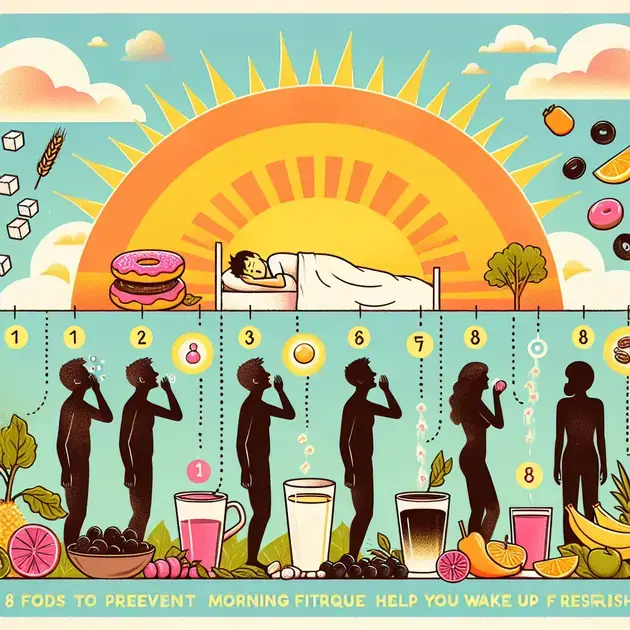
8 Foods to Combat Morning Fatigue and Promote Refreshing Wake-Ups
Title: 8 Foods to Combat Morning Fatigue and Promote Refreshing Wake-Ups
Introduction:
Many people struggle with morning fatigue, feeling exhausted and lethargic when waking up. While factors such as lack of sleep and insufficient exercise contribute to this issue, it is important to recognize that diet plays a significant role as well. In this article, we will discuss a list of eight foods that can help prevent morning fatigue, allowing you to wake up feeling refreshed and energized.
1. Oatmeal:
Starting your day with a bowl of oatmeal can provide a sustained release of energy due to its complex carbohydrates and fiber content. This helps stabilize blood sugar levels and prevents energy crashes throughout the morning.
2. Eggs:
Eggs are rich in high-quality protein and contain essential nutrients like choline, which promote brain function and enhance mental alertness. Including eggs in your breakfast can significantly combat morning fatigue.
3. Greek Yogurt:
Greek yogurt is packed with protein, calcium, and probiotics, making it an excellent choice for a morning meal. These nutrients help maintain steady energy levels and support gut health, preventing feelings of fatigue.
4. Berries:
Berries, such as blueberries and strawberries, are loaded with antioxidants and vitamins that combat oxidative stress and inflammation, both of which can contribute to morning fatigue. Adding a handful of berries to your breakfast or snack can boost your energy levels.
5. Nuts and Seeds:
Nuts and seeds, like almonds and pumpkin seeds, offer a combination of protein, healthy fats, and essential vitamins. These nutrients help regulate blood sugar levels and provide sustained energy, keeping fatigue at bay during the morning.
6. Green Tea:
Instead of excessive caffeine intake, switch to green tea in the morning. Green tea contains a moderate amount of caffeine along with antioxidants that promote wakefulness and mental clarity without the jitters or energy crashes.
7. Whole Grains:
Incorporating whole grains into your breakfast, such as whole wheat bread or quinoa, provides complex carbohydrates that release energy gradually throughout the morning. This helps maintain a steady flow of energy and prevents fatigue.
8. Water:
While not a food, staying hydrated is crucial for combating morning fatigue. Dehydration can lead to feelings of tiredness and lethargy. Ensure you start your day by drinking a glass of water to rehydrate and kick-start your body’s systems.
Conclusion:
By incorporating these eight foods into your diet, you can prevent morning fatigue and experience refreshing wake-ups. Remember, making dietary changes takes time, so be patient and consistent. Alongside a nutritious diet, strive for enough sleep and regular exercise to optimize your energy levels and improve overall well-being.
Do you wake up in the morning feeling tired and find it difficult to get out of bed? It might be worth examining your diet. In addition to lack of sleep and insufficient physical activity, the food you consume throughout the day can contribute to morning fatigue. Consuming excessive amounts of sugar, processed foods, and caffeine can…
Introduction to PRP Injections and Medication Interaction Concerns
Navigating the world of regenerative medicine can be daunting, especially when it comes to understanding the intricacies of treatments like Platelet-Rich Plasma (PRP) injections. If you’re considering PRP for managing osteoarthritis, tendon, ligament, or muscle injuries, you might be pondering the impact of steroids and anti-inflammatory medications on your treatment’s efficacy. Dr. David Guy, a triple board-certified orthopedic surgeon and expert in sports medicine and regenerative practices, addresses this very concern in his ask the doctor video series. While there is no unanimous consensus among medical professionals, Dr. Guy shares his insights on preparing for optimal PRP results by managing steroid and anti-inflammatory use, drawing from years of experience in administering these cutting-edge therapies. Join us as we explore these insights and discuss why timing might just be the key to your recovery journey.
Understanding the Role of Medications in PRP Treatment
When considering Platelet-Rich Plasma (PRP) injections as a treatment for injuries such as osteoarthritis or muscle tears, it’s crucial to weigh the potential effects of certain medications on the procedure’s success. Dr. David Guy, an esteemed orthopedic surgeon and sports medicine specialist, provides insight into one of the most frequently asked questions: Should patients halt the use of steroids and anti-inflammatory medications prior to undergoing PRP injections?
The primary concern lies in whether medications like oral steroids, cortisone shots, and topical hydrocortisone creams could negatively impact the effectiveness of PRP injections. The PRP process involves drawing blood from the patient, processing it to concentrate the platelets, and injecting that platelet-rich plasma back into the affected area. These platelets release growth factors that potentially aid the healing process.
Potential Interference of Steroids and Anti-Inflammatories
One perspective suggests that steroids and anti-inflammatories might undermine the healing benefits of PRP. These medications work by reducing inflammation and suppressing the immune response, actions that could theoretically interfere with the body’s natural regenerative processes that PRP is intended to enhance.
Though there is no definitive research that explicitly states these medications impact PRP outcomes, the concern is significant enough for some practitioners to advise caution. Dr. Guy recommends a cautious approach, suggesting that patients discontinue steroids and recent cortisone shots for a duration of six weeks prior to PRP treatment. As for anti-inflammatories, he advises pausing them for at least a week.
Oral Steroids and Cortisone Shots: Six weeks
Anti-Inflammatory Medications: One week
Variability in Medical Opinions
These recommendations are not universal. The medical community lacks consensus, with some doctors being less stringent about medication restrictions pre-PRP, while others, like Dr. Guy, adopt a more cautious stance. The absence of large-scale, definitive studies leaves this area open for debate and personal judgment by the healthcare providers.
Dr. Guy emphasizes that these guidelines are based on his extensive experience and not on specific clinical studies, which would be challenging to conduct due to ethical and logistical constraints in manipulating patients’ usual medication routines. Moreover, PRP and its related treatments are still considered experimental by regulatory bodies like the FDA, especially newer developments like exosome therapy, derived in a similar manner but involving a different processing technique to enhance regenerative capabilities.
Seeking Alternatives and Informed Decisions
For patients exploring alternatives to surgeries or cortisone injections, treatments like PRP and autologous exosome therapy offer a promising avenue. The decision to undergo these treatments should be informed by a thorough consultation with a qualified healthcare provider, taking into account the specifics of each patient’s health status and therapeutic needs.
Patients are advised to reach out directly to healthcare professionals for personalized advice, as general recommendations may not apply universally. Consulting with a doctor who is knowledgeable in regenerative medicine and familiar with a patient’s medical history is critical to tailoring a treatment plan that best suits their situation.
Conclusion: Navigating the Complex Landscape of Regenerative Medicine
In summary, while the field of regenerative medicine offers exciting possibilities, it also requires navigating a complex landscape of treatment protocols, potential medication interactions, and ongoing research development. Being informed and seeking expert guidance can help patients maximize the potential benefits of treatments like PRP, ensuring they are on the best possible path to recovery and enhanced performance.
Dr. Guy encourages open communication and continued learning, inviting patients to share their experiences and questions, which could be addressed in future educational content. Engaging with reliable medical advice and staying aware of advancements in treatment options can aid anyone looking to explore the frontiers of regenerative medicine as a viable path to recovery.
Embarking on a weight loss journey can be a challenging endeavor, fraught with the constant battle between satiating late-night cravings and maintaining a calorie deficit. For many, the idea of snacking after sundown is synonymous with derailing diet plans. However, in my experience, allowing myself a snack each night has not only been a pivotal strategy in losing 130 lbs but also in keeping it off for over nine years. In this blog, I want to show you how you can indulge in tasty, satisfying snacks without compromising your weight loss goals. I’ll share my top 7 go-to snacks, each delightfully crafted around a 215-calorie allowance, proving that with mindful choices and a bit of creativity, late-night snacking can indeed be a harmonious part of a successful, long-term weight management plan.
1. Boom Chicka Pop Puffs (White Cheddar Flavor)
These puffs are a flavorful treat that mimic the taste of cheesies without the guilt.
The white cheddar flavor is particularly satisfying, providing a substantial portion size that feels indulgent.
Alternating flavors like chili can keep the experience exciting without adding extra calories.
2. Special K Vanilla Almond with Fairlife Milk
A portion of 44g of Special K Vanilla Almond cereal combined with 2/3 cup of Fairlife milk makes for a crunchy, sweet treat.
This snack has the added benefit of providing 12g of protein, which aids in feeling full and nourished.
This choice caters to those who might want a balanced snack offering a touch of sweetness and nutritional value.
3. Grapes and Nature Valley Protein Bar
Balancing 36g of red seedless grapes with a Nature Valley Protein Bar makes for a well-rounded snack.
The peanut, almond, and dark chocolate bar offers 11g of protein, complementing the natural sweetness of grapes.
This combination is perfect for those nights when you crave something both refreshing and rich.
4. Frozen Yogurt Bars with Grapes
Opt for two 90-calorie frozen yogurt bars, embellished with chocolate, paired with 50g of red grapes.
This combo provides a dessert-like experience with its creamy yogurt bars and the refreshing taste of grapes.
Ideal for those nights when you want something cool and indulgent.
5. Chocolate Peanut Butter Greek Yogurt
Start with 2/3 cup of plain, fat-free Greek yogurt. Stir in a teaspoon of unsweetened cocoa powder, a teaspoon of low-calorie sweetener, and a tablespoon of smooth peanut butter. Top with a teaspoon of milk chocolate chips for extra flair.
This 19g protein-packed snack is a personal favorite for its rich, dessert-like quality.
It’s perfect for fulfilling those chocolate cravings while providing a protein boost.
6. Chocolate Peanut Butter Cottage Cheese
Mix half a cup of 2% cottage cheese with a teaspoon each of low-cal sweetener and cocoa powder, plus a tablespoon of peanut butter.
This concoction creates a mousse-like texture, offering a whopping 18g of protein.
It’s a savory and sweet delight that’s both filling and incredibly satisfying.
7. PB&J Rollup
Use a high-protein tortilla and spread with a tablespoon each of peanut butter and 25-calorie strawberry jam.
This rollup delivers 15g of protein and satisfies those classic peanut butter and jam cravings.
A creative, easy-to-make snack that feels nostalgic yet fits perfectly into a calorie-conscious lifestyle.
Finding ways to incorporate a variety of nutritious, flavorful snacks has been key in maintaining weight loss. Each snack meets my calorie goals while providing enough variety to avoid falling into repetitive routines. The aim is harmony—enjoyment in moderation, balance in choice, and mindfulness in preparation.
Being strategic with snack choices has not only helped me lose weight but also taught me the importance of portion control and balance. It’s a reminder that weight loss extends beyond the numbers on a scale, also involving a shift in mindset and heart.
For those sharing this journey, remember that staying on track doesn’t mean deprivation. It means making informed, enjoyable choices that align with your goals. By indulging smartly, you nurture both body and soul, setting the stage for lifelong wellness.
So, embrace the joy of late-night snacking and let it be a conscious part of your path to health. With the right approach, you, too, can enjoy satisfying snacks without going off the rails. Here’s to tasteful evenings and triumphant mornings!
Embarking on a weight loss journey can often feel like navigating a minefield of cravings and deprivation, especially when it comes to late-night snacking. For many, the struggle to resist the lure of evening treats is a familiar battle that often ends in guilt and frustration. However, what if I told you that indulging in a bedtime snack doesn’t have to derail your progress, but rather, it can be a crucial component of sustained weight loss success? Over the course of nine years, I’ve lost 130 pounds, and one of the keys to my success has been embracing nightly snacks that keep me satisfied, satiated, and on track. In this blog, I’ll share with you my top seven 200-calorie snacks that not only delight the taste buds but also ensure I go to bed feeling content and ready to face the new day. Whether you’re seeking protein-packed options or simply a little fun to close out your evening, these snacks are game-changers in the world of healthy eating. Let’s dive in and discover how late-night snacking can be both enjoyable and effective in reaching your weight loss goals.
1. Boom Chicka Pop Puffs – White Cheddar Flavor
These puffs are a delightful discovery for cheese lovers. With the taste reminiscent of classic cheesies, they manage to satisfy the craving for a savory, cheesy snack without the calorie overload. At 215 calories, you get a decent portion that will carry you through your evening without feeling deprived. Plus, they offer a fun dance of flavors that can make this snack feel like a little celebration.
2. Special K Vanilla Almond with Fair Life Milk
If you’re looking for a snack that leans towards a nutritious yet tasty profile, Special K Vanilla Almond cereal with Fair Life milk is an excellent choice. Weighing in at 44 grams for the cereal plus two-thirds of a cup of milk, it provides 12 grams of protein. This snack helps balance the desire for something sweet with the sustaining power of protein, which is often crucial in managing nighttime hunger.
3. Nature Valley Protein Bar with Red Seedless Grapes
For those who enjoy a mix of textures and tastes, pairing a Nature Valley Protein Bar with red seedless grapes is a win. The bar alone packs 11 grams of protein, while the grapes add a refreshing contrast. This duo is perfect when your taste buds crave a little sweetness alongside a protein-rich option.
4. Frozen Yogurt Bars with Red Grapes
Who doesn’t like a dessert-like treat? Two frozen yogurt bars, each with a mere 90 calories, along with 50 grams of red grapes, provide a wonderful way to enjoy a chocolatey taste while keeping calories in check. These bars fulfill the ice cream craving without leaving you feeling guilty or unsatisfied.
5. Chocolate Peanut Butter Greek Yogurt
Lovers of creamy textures and rich flavors will appreciate this homemade chocolate peanut butter Greek yogurt. With a base of two-thirds of a cup of plain, fat-free Greek yogurt, a teaspoon each of unsweetened cocoa powder and low-calorie sweetener, and a tablespoon of peanut butter, this snack is both indulgent and nutritious, providing 19 grams of protein. Topped with a teaspoon of milk chocolate chips, it’s a little piece of heaven in a bowl.
6. Cottage Cheese with Peanut Butter
A somewhat unconventional combination, cottage cheese mixed with a teaspoon of unsweetened cocoa powder, low-calorie sweetener, and peanut butter creates a mousse-like, high-protein treat. Half a cup of 2% cottage cheese yields 18 grams of protein, making it a great choice for holding hunger at bay while enjoying a creamy, chocolate-peanut butter flavor.
7. PB&J Rollup
A classic flavor reimagined, this PB&J rollup brings nostalgia to your nightly snack. Using a beefree high-protein tortilla (11 grams of protein and 100 calories), a tablespoon of peanut butter, and a tablespoon of Dole’s 25-calorie strawberry jam, it scratches that itch for something sweet, salty, and deliciously comforting. At 15 grams of protein, it does more than just satisfy a craving.
These seven snack ideas are not just satisfying; they are strategic in keeping you feeling full while ensuring you’re eating within your calorie limits. The variety they offer means you never have to feel bored or restricted by your snacking options.
Whether you’re a lifelong snacker or new to the idea of an evening treat, remember that a diet shouldn’t feel punitive. Listening to your body’s cues and responding with thoughtful, balanced choices will help you maintain a healthy relationship with food. By aligning your snacks with both dietary needs and personal cravings, you can find a sustainable, enjoyable way to stay on track with your weight loss goals.
Celebrating the little victories, like choosing a 215-calorie snack that satiates and satisfies, is a powerful reminder that weight loss is not just about the numbers but also about nurturing your well-being and happiness. Let these snack ideas inspire you to continue your journey with joy and dedication.
In the world of regenerative medicine, PRP injections have emerged as a promising treatment for osteoarthritis and tendon, ligament, or muscle injuries. But, as with many medical interventions, there is no one-size-fits-all approach, especially when it comes to preparation. Among the debated topics is whether patients should cease using steroids and anti-inflammatory medications prior to treatment. While some experts argue that these medications might compromise the effectiveness of PRP, others maintain that the evidence is inconclusive. In this blog, we will delve into the nuances of this debate, explore the perspectives of leading orthopedic surgeons, and discuss best practices for optimizing your PRP therapy outcomes. Whether you’re a patient considering PRP or a curious medical professional, this discussion aims to provide clarity and guidance in navigating these complex choices.
Understanding PRP and Medication Interactions
When considering PRP injections, one of the central concerns is the interaction with steroids and anti-inflammatory medications. While the regenerative potential of PRP (Platelet-Rich Plasma) injections is undeniable, ensuring their effectiveness can be challenging, especially when factoring in these common medications.
PRP injections involve extracting a small amount of the patient’s blood, processing it to concentrate the platelets, and then injecting this concentrate into the injured area. These platelets release growth factors that theoretically aid in the healing process, reducing pain and improving function. However, the interaction between PRP therapy and medications such as corticosteroids and nonsteroidal anti-inflammatory drugs (NSAIDs) remains a grey area.
The Role of Steroids in PRP Therapy
In the case of steroids—be it in the form of oral prednisone, cortisone injections, or topical hydrocortisone—these medications can potentially suppress the body’s natural inflammatory response, a crucial phase in the healing process. Some medical experts argue that continuing steroids might blunt the effectiveness of PRP, as the inflammatory phase is essential for initiating tissue repair. However, it must be noted that substantial evidence on this topic is scant, leaving much of the guidance up to clinical discretion.
The Impact of Anti-Inflammatory Medications
For anti-inflammatory medications like NSAIDs, the concern is similar. NSAIDs, such as ibuprofen or naproxen, work by inhibiting cyclooxygenase enzymes (COX-1 and COX-2), which play a key role in inflammation and pain. Reducing inflammation might seem beneficial, but it’s counterproductive if the goal is to utilize PRP’s natural healing processes, which depend on a well-orchestrated inflammatory timeline.
Expert Recommendations
Orthopedic experts, including practitioners like Dr. David Guy, offer recommendations based on both experience and theory rather than on conclusive research data. Dr. Guy, for instance, advises patients to discontinue steroid use approximately six weeks prior to PRP treatment and to avoid NSAIDs for at least a week before the injection. This recommendation stems from the understanding that the benefits of PRP might be compromised if these medications are affecting the body’s natural healing processes.
Preparatory Steps Before PRP Injection
Here’s a breakdown of the suggested preparatory steps before a PRP injection:
Oral Steroids (e.g., Prednisone): Discontinue at least six weeks prior to PRP treatment.
Cortisone Injections: Avoid new cortisone shots for six weeks before receiving PRP.
Topical Steroids: Ceasing use is also advised as they might interfere with the healing environment.
Anti-inflammatory Medications (NSAIDs): Ideally stop use one week before the procedure.
Despite these recommendations, other orthopedic surgeons may have different protocols. The lack of concrete, randomized controlled trials examining the effect of these medications on PRP efficacy means that consistency in practice is lacking. It’s important for patients to consult with their medical provider to develop a plan tailored to their unique circumstances and health status.
Additional Considerations for Optimal PRP Outcomes
In addition to avoidance strategies, ensuring an effective PRP therapy could also involve lifestyle modifications prior to treatment. Patients are encouraged to maintain a healthy diet, stay hydrated, and engage in light exercise—actions that might improve overall physiological conditions conducive to healing.
The innovative nature of PRP and other regenerative treatments such as autologous exosomes continues to drive interest in non-surgical solutions. Autologous exosomes, for example, offer an exciting future possibility, although they are currently seen as experimental. These treatments can be an advantageous path forward, particularly for those looking to avoid surgical procedures.
Conclusion
In conclusion, while the definitive effects of steroids and anti-inflammatory medications on PRP outcomes require further investigation, the prevailing clinical wisdom recommends erring on the side of caution. However, the decision to modify or suspend medication should always involve a discussion with a healthcare provider to weigh the benefits and risks. As regenerative medicine evolves, continued research will hopefully provide clearer guidelines, offering patients improved strategies for recovery and health optimization.
When considering Platelet-Rich Plasma (PRP) injections for healing osteoarthritis or a tendon, ligament, or muscle injury, one pressing question arises: should you discontinue steroids and anti-inflammatory medications beforehand, and if so, for how long? Dr. David Guy, a triple board-certified orthopedic surgeon with expertise in sports medicine and regenerative therapy, delves into this topic, highlighting its nuanced nature and the lack of uniform consensus among medical professionals. While the absence of definitive studies leaves a gap in precise recommendations, Dr. Guy shares his approach, advocating a cautious withdrawal period to maximize the effectiveness of these costly regenerative treatments. He suggests being off oral steroids like prednisone, cortisone shots, and ideally anti-inflammatories prior to the procedure. Join us as we explore this complex decision-making process, weighing expert insights and the potential benefits of preparing your body for optimal PRP or autologous exosome therapy results.
The Nature of Steroids and Anti-Inflammatories
When it comes to the realm of regenerative medicine, particularly with treatments like PRP (Platelet-Rich Plasma) injections, preparation can be as critical as the procedure itself. The question of whether to discontinue the use of steroids and anti-inflammatory medications before undergoing these treatments is a common concern among patients and healthcare providers alike. While the lack of definitive studies leaves us with varied expert opinions, understanding the rationale behind suggested withdrawal periods can provide a clearer path for those considering PRP for their injuries.
PRP injections involve concentrating platelets from the patient’s own blood to accelerate the healing of injured tendons, ligaments, muscles, and joints. The practice harnesses the body’s intrinsic healing capabilities by delivering a higher concentration of platelets to the site of injury. Therefore, it stands to reason that maximizing the body’s natural healing response by minimizing external interferences is crucial.
Inflammation is Part of Healing
While inflammation is often viewed negatively due to its association with pain and swelling, it is a critical component of the body’s healing cascade. Inflammation serves as a signal for repair cells to congregate in the area of injury.
Steroids and Healing Suppression
Steroids can dampen the inflammatory response. This suppression means the body’s healing processes, signaled by inflammation, might not function optimally. Therefore, the healing augmentation expected from PRP might be less effective if steroids are present.
The Anti-Inflammatory Conundrum
Non-steroidal anti-inflammatory drugs (NSAIDs) could interfere with the function of platelets. Since PRP depends on the activation of platelets, NSAIDs might compromise the treatment’s efficacy.
The Proposed Withdrawal Period
Given the mechanisms of these medications, Dr. Guy recommends a cautious approach. Based on his extensive experience, here are his suggested timelines for withdrawing from these medications before PRP treatment:
Oral Steroids: Ideally, patients should cease taking oral steroids such as prednisone for approximately six weeks before their PRP procedure.
Cortisone Shots: For similar reasons, a six-week period is also advised for patients who have recently received cortisone injections.
Anti-Inflammatory Medications: A minimum withdrawal period of one week is suggested before undergoing PRP injections.
These guidelines are not definitive and may vary between practitioners. The fundamental idea is to enable the body’s healing mechanisms to function without unnecessary pharmacological hindrances.
The Experimental Horizon: Autologous Exosomes
Beyond PRP, the exploration of autologous exosome therapy is gaining traction. This next-generation treatment involves isolating and multiplying exosomes from the patient’s blood. Exosomes are small vesicles that play crucial roles in cell signaling and regeneration. While this approach is still experimental, its potential requires similar considerations about steroid and anti-inflammatory use as PRP.
Balancing Costs and Benefits
Undoubtedly, regenerative treatments such as PRP and exosome therapy come with a financial burden. Ensuring that these treatments have the highest chance of success is crucial. For patients, this often means weighing the costs of discontinuing medications against the potential benefits of a successful healing process.
The absence of strict guidelines due to a lack of studies doesn’t imply a lack of rationale. It emphasizes the need for individualized treatment plans tailored by professionals familiar with the intricacies of regenerative medicine.
Consultation and Collaboration
It’s vital for patients considering PRP or similar therapies to engage in detailed conversations with their healthcare providers. These discussions should encompass:
Personal medical history with steroids and anti-inflammatories.
The specifics of their injury or condition.
The logistics of safely discontinuing medications, if advised.
Alternative pain management strategies during the withdrawal period.
The evolving field of regenerative medicine invites ongoing research and data collection to provide clearer answers and more standardized practices. Until then, practitioners like Dr. Guy continue to share insights derived from years of clinical experience, guiding patients toward informed decisions on their path to recovery.
Conclusion
In conclusion, preparing for PRP injections is not only about the procedure itself but also about setting the stage for the treatment’s success. By understanding the role of inflammation and the impact of steroids and anti-inflammatories, patients and practitioners can work together to optimize healing outcomes.
Ensure the best PRP results by stopping steroids 6 weeks prior and anti-inflammatories 1 week before. Expert orthopedic insights on optimizing your regenerative treatment.
Navigating a weight loss journey can be a challenging endeavor, especially when it comes to managing hunger and maintaining a balanced diet. Yet, I’ve discovered that the key to my success has been indulging in a nightly snack that keeps me satisfied and on track. Over the past nine years, this simple habit has played a significant role in helping me lose 130 pounds and maintain my weight successfully. In this blog, I am excited to share my top seven 200-calorie snacks, each carefully chosen and varied to ensure that I end the day feeling satiated and happy. Whether it’s a protein-packed treat or a fun, tasty option, these snacks have become a cornerstone of my routine and have made the nights something to look forward to. Join me as I reveal these delicious snacks and explore how a little indulgence can make a big difference in a weight loss journey.
Boom Chicka Pop Puffs (White Cheddar Flavor):
The allure of these crispy, cheesy puffs is undeniable. They taste remarkably similar to traditional cheese snacks but come without the guilt. At 215 calories, they offer a satisfying portion size, allowing for a crunchy treat that feels like a splurge without derailing your diet. The white cheddar variant is my favorite, though there are other flavors, like chili, which also add variety to your snacking repertoire.
Special K Vanilla Almond with Fairlife Milk:
This snack combines 44 grams of Special K Vanilla Almond cereal with 2/3 cup of Fairlife Milk, amounting to around 215 calories. Not only does it provide a comforting bowl of cereal bliss, but it also packs a protein punch with 12 grams per serving. This snack bridges the gap between a protein-rich treat and a sweet indulgence, keeping your taste buds and your diet plan happy.
Red Seedless Grapes with Nature Valley Protein Bar:
A harmonious blend of 36 grams of juicy red seedless grapes with a Nature Valley Peanut Almond and Dark Chocolate Protein Bar provides a delightful mix of refreshing fruit sweetness and nutty, chocolatey satisfaction. This combination yields a snack with 11 grams of protein, helping to curb hunger pangs while still delivering a treat-like quality.
Frozen Yogurt Bars with Red Grapes:
Indulge in nostalgia with two frozen yogurt bars, each cloaked in a rich chocolate layer, paired with 50 grams of red grapes. The bars, which come in vanilla and milk chocolate flavor, provide a treat that feels like dessert while remaining mindful of the calorie count. This snack highlights the importance of portion control, a pivotal factor in my weight loss success.
Chocolate Peanut Butter Greek Yogurt:
For those with a craving for rich, dessert-like snacks, this recipe is a revelation. Mix 2/3 cup of plain fat-free Greek yogurt with a teaspoon of unsweetened cocoa powder and a low-calorie sweetener. Add a tablespoon of smooth peanut butter and top with a teaspoon of milk chocolate chips for a decadent experience. With 19 grams of protein, it’s a perfect balance between creamy indulgence and dietary practicality.
Chocolate Peanut Butter Cottage Cheese:
A half-cup of 2% cottage cheese, combined with a teaspoon of cocoa powder, sweetener, and peanut butter, transforms into a mousse-like treat that satisfies both texture and taste cravings. At 18 grams of protein, this snack reinforces the concept that healthy eating can still be deliciously satisfying.
PB&J Rollup:
Taking a walk down memory lane with a modern twist, this rollup uses a BeFree High Protein Tortilla filled with a tablespoon of peanut butter and a tablespoon of low-calorie strawberry jam. This creation offers 15 grams of protein and seamlessly blends the nostalgia of a classic PB&J with a health-conscious approach.
Implementing these snacks into my nightly routine has been transformative, supporting not just physical goals but mental well-being as well. Kicking the stigma of late-night snacking to the curb, I’ve embraced the flexibility of having a snack that aligns with my remaining calorie count, ensuring that I end each day on a positive, fulfilling note.
These snacks allow for creativity and adaptability, making every night an opportunity for variety and satisfaction. Moreover, the sense of excitement and choice they bring has helped both my partner and I stay consistent, even when the crunch of weight loss becomes taxing.
Ultimately, weight loss and maintenance are personal journeys that extend beyond scales and numbers. They encompass heart and mindset, to fuel perseverance and confidence. By incorporating these snacks into your routine, you may find that a simple treat is all you need to keep moving forward. Fight through the challenges, remain steadfast, and remember that you too can achieve your goals without sacrificing satisfaction.
When it comes to online security, one of the most important aspects to consider is the protection of your personal information, especially your email address. In this digital age, email addresses are not only used for communication but also as a gateway to many online accounts and services.
With cyber threats on the rise, it is crucial to implement strong security measures to keep your email address safe from unauthorized access and potential breaches. In this post, we will discuss effective strategies and best practices on how to keep your email address secure and protected.
Protecting Your Email Address from Cyber Threats
Protecting your email address from cyber threats is crucial in today’s digital age where security breaches are becoming increasingly common. One effective strategy to safeguard your email address is to use a strong and unique password. Avoid using easily guessable passwords such as “123456” or “password.” Instead, opt for a combination of letters, numbers, and special characters.
Another important step to enhance your email address security is to enable two-factor authentication whenever possible. This adds an extra layer of protection by requiring a second form of verification, such as a code sent to your phone, in addition to your password. Popular email services like Gmail and Outlook offer this feature.
Regularly updating your email account’s security settings and keeping your software up to date can also help prevent cyber threats. Be cautious when clicking on links or downloading attachments from unknown sources, as these could be phishing attempts to steal your personal information.
Consider using a reputable antivirus program to scan your emails for potential threats and malware. Services like Avast and McAfee offer email scanning features to detect and remove malicious content. Additionally, be mindful of the emails you receive and avoid sharing sensitive information unless you are certain of the recipient’s identity.
Lastly, educating yourself about common email security risks and staying informed about the latest cybersecurity trends can empower you to proactively protect your email address from cyber threats. Websites like the Electronic Frontier Foundation and the Cybersecurity and Infrastructure Security Agency provide valuable resources and tips on email security best practices.
Effective Strategies for Email Address Security
Implementing effective strategies for email address security is essential to prevent unauthorized access and potential data breaches. One recommended approach is to regularly monitor your email account for any suspicious activity, such as login attempts from unfamiliar locations or devices. Services like Have I Been Pwned can help you check if your email address has been involved in any data breaches.
Encrypting your emails using tools like ProtonMail or Mailfence can add an extra layer of security to your communications. Encryption scrambles the content of your emails, making it unreadable to unauthorized parties. It is particularly useful when sharing sensitive information or confidential documents via email.
Avoid using public Wi-Fi networks to access your email account, as these networks are often insecure and susceptible to potential attacks. If you need to check your email on the go, consider using a virtual private network (VPN) to encrypt your internet connection and protect your data from prying eyes.
Regularly backup your email data to a secure location or cloud storage service to ensure that you can recover your information in case of a security incident or data loss. Services like Google Drive and Dropbox offer convenient options for backing up your emails and attachments.
Lastly, be mindful of the permissions you grant to third-party apps that have access to your email account. Review and revoke unnecessary permissions regularly to minimize the risk of unauthorized access to your data. Services like MyPermissions can help you manage and control app permissions effectively.
Best Practices to Keep Your Email Address Safe and Protected
Adhering to best practices is essential to keep your email address safe and protected from cyber threats. One key practice is to refrain from sharing your email address publicly on websites or social media platforms, as this can increase the risk of receiving spam or phishing emails. Consider creating a separate email address for online registrations and promotions to avoid cluttering your primary inbox.
Regularly review and update your privacy settings in your email account to control who can contact you and access your information. Limit the amount of personal details you share in your email signature or profile, as these can be used by cybercriminals for targeted attacks.
Be cautious when responding to unsolicited emails requesting sensitive information or urgent action. Verify the legitimacy of the sender through official channels or by contacting them directly before sharing any personal or financial details. Remember that reputable organizations will never ask for your password or login credentials via email.
Avoid clicking on suspicious links or downloading attachments from unknown sources, as these can contain malware or ransomware that can compromise your email account. Enable spam filters in your email account settings to automatically detect and move suspicious emails to your spam folder.
Regularly review and delete old emails containing confidential information or sensitive data to minimize the risk of unauthorized access. Consider enabling email encryption for sensitive communications and use secure password management tools like LastPass or Dashlane to generate and store unique passwords for your accounts.
How to Safeguard Your Email Address Against Online Risks
Protecting your email address from online risks is crucial in today’s digital age where cyber threats are becoming increasingly prevalent. To ensure the safety of your personal information, follow these steps:
Keep Your Software Updated
One of the most effective ways to safeguard your email address is by keeping your software and operating system up to date. Regular updates often include security patches that can protect your device from vulnerabilities that hackers may exploit.
Use Strong Passwords
Creating strong, unique passwords for your email accounts is essential in preventing unauthorized access. Avoid using easily guessable passwords and consider using a reputable password manager to securely store and generate complex passwords.
Enable Two-Factor Authentication
Adding an extra layer of security like two-factor authentication can significantly enhance the protection of your email address. This feature typically requires a verification code sent to your mobile device to access your account, even if your password is compromised.
Avoid Phishing Attempts
Be cautious of suspicious emails or links that may lead to phishing websites designed to extract your personal information. Verify the sender’s email address and avoid clicking on unfamiliar links or attachments to reduce the risk of falling victim to phishing scams.
Regularly Monitor Your Account Activity
Stay vigilant by monitoring your email account activity regularly. Check for any unauthorized logins or unusual account behavior and report any suspicious activity to your email provider immediately.
These proactive measures can help you protect your email address from online risks and maintain the privacy of your personal information.
—
Ensuring the Privacy of Your Email Address
Ensuring the privacy of your email address is essential to prevent unwanted spam, phishing attempts, and data breaches. Follow these steps to enhance the privacy of your email:
Limit Sharing Your Email Address
Be cautious about sharing your email address on public platforms or with unknown parties. Avoid posting your email on social media profiles or websites to minimize the risk of receiving unsolicited emails.
Opt-Out of Marketing Emails
Take advantage of the option to unsubscribe from marketing emails to reduce the amount of promotional content in your inbox. This can help in minimizing the exposure of your email address to potential data breaches or spam.
Use Encryption for Sensitive Information
Consider encrypting your emails when sharing sensitive information to ensure that the content remains confidential and secure. Encryption adds an extra layer of protection to your communications and prevents unauthorized access to your email content.
Regularly Clean Your Inbox
Regularly clean out your inbox by deleting old emails and removing any unnecessary data to reduce the risk of privacy breaches. Keeping your inbox organized can also make it easier to identify potential security threats.
Secure Your Wi-Fi Connection
Protect your email address from potential data interception by securing your Wi-Fi connection with a strong password and enabling network encryption. Avoid using public Wi-Fi networks for sensitive email communications to prevent unauthorized access to your emails.
By implementing these strategies, you can enhance the privacy of your email address and mitigate the risks associated with online threats and privacy breaches.
Conclusion
Protecting your email address and ensuring its privacy are essential steps in safeguarding your personal information from online risks. By keeping your software updated, using strong passwords, enabling two-factor authentication, avoiding phishing attempts, and monitoring your account activity, you can enhance the security of your email address.
Additionally, limiting the sharing of your email address, opting out of marketing emails, using encryption for sensitive information, regularly cleaning your inbox, and securing your Wi-Fi connection can further enhance the privacy of your email address and mitigate the risks of spam, phishing attempts, and data breaches.
By implementing these proactive measures and best practices, you can maintain the confidentiality of your email address, reduce the likelihood of falling victim to online threats, and protect your personal data from unauthorized access. Stay vigilant, prioritize security, and follow these guidelines to strengthen the security and privacy of your email communications.
Product
Description
Link
Jointgen
Join the Thousands of U.S. Seniors Enjoying Comfortable, Flexible and Youthful Joints Thanks to Joint Genesis™
Neverfresh
Nerve Fresh promotes healthy nerves by providing 5 vital bio-available fruit, flower and bark extracts with essential vitamin and mineral support
balmorex
“Shortcut to Wellness” is the perfect solution for those who want to ‘hack’ their mind & body with the use of modern technology to improve their quality of life! Biohacking is about optimizing your life & body through the use of biology, research & technology
live pure
Do you have deep stubborn fat stores that no diet or exercise seems to remove? Then the answer is yes. Liv Pure has changed the lives of over 234,000 women and men from 18 to 80 and is designed to rapidly dissolve fat in even the worst cases.
Are you looking for ways to protect your email address and keep it secure from cyber threats? In today’s digital age, safeguarding your email is more important than ever, as hackers are constantly finding new ways to gain unauthorized access to personal information.
From using strong passwords to enabling two-factor authentication, there are several tips and strategies you can implement to enhance the security of your email address. Let’s dive into some effective measures you can take to protect your email and ensure your online communication remains safe and private.
Keep Your Passwords Strong and Unique
One of the most important steps in securing your email address is to create strong and unique passwords. Avoid using easily guessable passwords like “password123” or common phrases. Instead, opt for a combination of letters (both uppercase and lowercase), numbers, and special characters.
To generate strong passwords and keep track of them, you can use password manager applications like LastPass or Dashlane. These tools not only help you create complex passwords but also securely store them for easy access.
Remember to update your passwords regularly and refrain from using the same password for multiple accounts. By keeping your passwords strong and unique, you add an extra layer of protection to your email address and other online accounts.
Additionally, consider enabling two-factor authentication for further security. This feature requires a second form of verification, such as a code sent to your phone, in addition to your password.
By following these steps and utilizing password management tools, you can significantly enhance the security of your email address and reduce the risk of unauthorized access.
Enable Two-Factor Authentication for Added Security
To further secure your email address, consider enabling two-factor authentication (2FA). This additional layer of security helps prevent unauthorized access even if your password is compromised.
Most email providers like Gmail, Outlook, and Yahoo offer 2FA as an option in their security settings. To enable 2FA, you typically need to link your email account to your phone number. When you log in from a new device, you will receive a code on your phone to verify your identity.
For an extra level of security, you can use authenticator apps like Google Authenticator or Authy. These apps generate random codes that refresh periodically and can be used for 2FA across multiple accounts.
By enabling two-factor authentication, you significantly reduce the risk of unauthorized access to your email account, enhancing overall security and peace of mind.
Stay Alert for Suspicious Emails and Phishing Attempts
One common method used by hackers to gain access to email addresses is through phishing attempts. Phishing emails often appear legitimate and may ask you to click on a link, provide personal information, or download an attachment.
To protect yourself from phishing attacks, always scrutinize emails for suspicious elements such as unknown senders, typos, or urgent requests for information. Avoid clicking on links or downloading attachments from unfamiliar sources.
If you receive an email that seems suspicious, verify the sender’s email address independently before taking any action. Most email providers have built-in security features that flag potential phishing emails, so pay attention to any warnings or alerts.
It’s crucial to stay alert and cautious when dealing with emails, especially those requesting sensitive information. By being vigilant and proactive, you can better protect your email address from potential security threats.
Create Strong and Unique Passwords to Enhance Security
Creating strong and unique passwords is crucial in protecting your online accounts from unauthorized access and potential security breaches. To enhance your security measures, follow these steps:
Step 1: Use a Combination of Characters
When creating a password, ensure it includes a combination of letters (both uppercase and lowercase), numbers, and special characters. Avoid using easily guessable information such as birthdays or common words.
Step 2: Opt for Long and Complex Passwords
The longer and more complex your password is, the harder it will be for hackers to crack it. Aim for at least 12 characters or more, and consider using a passphrase that is easy for you to remember but difficult for others to guess.
Step 3: Avoid Reusing Passwords
Refrain from using the same password across multiple accounts. If one account becomes compromised, all your other accounts with the same password could be at risk. Use a unique password for each online account you have.
Step 4: Update Passwords Regularly
Change your passwords periodically to decrease the likelihood of a security breach. Set reminders to update your passwords every few months, and always do so if you suspect any suspicious activity on your accounts.
Step 5: Consider Using a Password Manager
If managing multiple complex passwords becomes challenging, consider using a password manager. These tools can securely store your passwords and automatically fill them in when needed, reducing the risk of passwords being compromised.
Implement Two-Step Verification for Extra Protection
Two-step verification, also known as two-factor authentication, adds an extra layer of security to your online accounts by requiring a second form of verification in addition to your password. Follow these steps to implement two-step verification:
Step 1: Enable Two-Step Verification
Access the security settings of your online accounts and locate the option to enable two-step verification. Follow the prompts to set up this feature, which may involve receiving a verification code via text message, email, or authentication app.
Step 2: Choose a Secure Second Factor
When setting up two-step verification, opt for a secure second factor such as a biometric scan, hardware token, or authentication app. Avoid using SMS as the second factor, as it can be susceptible to SIM-swapping attacks.
Step 3: Keep Backup Codes Handy
Most two-step verification systems provide backup codes that can be used to access your account if you are unable to use the primary verification method. Store these backup codes in a secure location, separate from your devices.
Step 4: Regularly Review Account Activity
After implementing two-step verification, regularly review the activity on your accounts for any signs of unauthorized access. If you notice any suspicious activity, take immediate steps to secure your account and investigate the source of the breach.
Step 5: Educate Yourself on Two-Step Verification Best Practices
Stay informed about the best practices for using two-step verification effectively. Be cautious of phishing attempts that may try to trick you into divulging your verification codes, and always verify the authenticity of any verification requests.
Remain Vigilant Against Fraudulent Emails and Phishing Scams
Fraudulent emails and phishing scams are common methods used by cybercriminals to trick individuals into divulging sensitive information or installing malware on their devices. Protect yourself against these threats with the following steps:
Step 1: Verify the Sender’s Identity
Before clicking on any links or downloading attachments in an email, verify the sender’s identity. Be cautious of emails claiming to be from official organizations or individuals requesting urgent action or personal information.
Step 2: Avoid Providing Personal Information
Legitimate organizations will never ask you to provide sensitive personal information via email. Avoid disclosing passwords, credit card details, or social security numbers in response to unsolicited emails.
Step 3: Check for Suspicious URLs
Inspect the URLs in emails for any misspellings or unusual characters that may indicate a phishing attempt. Hover over links to preview the destination URL before clicking on them, and refrain from clicking on links from unknown sources.
Step 4: Be Wary of Urgent Requests
Cybercriminals often create a sense of urgency to manipulate individuals into acting quickly without thinking. Be skeptical of emails that pressure you to provide information or take immediate action without proper verification.
Step 5: Report Suspected Phishing Attempts
If you receive an email that appears to be a phishing attempt, report it to the appropriate authorities or the organization being impersonated. By reporting phishing scams, you can help prevent others from falling victim to fraudulent activities.
Conclusion
In conclusion, safeguarding your online accounts through strong and unique passwords is paramount to fortifying your digital security. By employing a combination of characters, opting for long and complex passwords, avoiding password reuse, updating passwords regularly, and considering a password manager, you can significantly enhance the protection of your accounts.
Two-step verification serves as an additional layer of defense by requiring a second form of verification beyond passwords. Enabling this feature, selecting a secure second factor, keeping backup codes accessible, reviewing account activity consistently, and educating yourself on best practices for two-step verification are crucial steps to bolstering your online security.
To defend against fraudulent emails and phishing scams, scrutinize sender identities, abstain from sharing personal information via email, inspect URLs for authenticity, be cautious of urgent requests, and promptly report any suspected phishing attempts. Staying vigilant against these deceptive tactics is essential in safeguarding your sensitive information and devices from cyber threats.
Product
Description
Link
Jointgen
Join the Thousands of U.S. Seniors Enjoying Comfortable, Flexible and Youthful Joints Thanks to Joint Genesis™
Neverfresh
Nerve Fresh promotes healthy nerves by providing 5 vital bio-available fruit, flower and bark extracts with essential vitamin and mineral support
balmorex
“Shortcut to Wellness” is the perfect solution for those who want to ‘hack’ their mind & body with the use of modern technology to improve their quality of life! Biohacking is about optimizing your life & body through the use of biology, research & technology
live pure
Do you have deep stubborn fat stores that no diet or exercise seems to remove? Then the answer is yes. Liv Pure has changed the lives of over 234,000 women and men from 18 to 80 and is designed to rapidly dissolve fat in even the worst cases.
To provide the best experiences, we use technologies like cookies to store and/or access device information. Consenting to these technologies will allow us to process data such as browsing behavior or unique IDs on this site. Not consenting or withdrawing consent, may adversely affect certain features and functions.
Functional
Always active
The technical storage or access is strictly necessary for the legitimate purpose of enabling the use of a specific service explicitly requested by the subscriber or user, or for the sole purpose of carrying out the transmission of a communication over an electronic communications network.
Preferences
The technical storage or access is necessary for the legitimate purpose of storing preferences that are not requested by the subscriber or user.
Statistics
The technical storage or access that is used exclusively for statistical purposes.The technical storage or access that is used exclusively for anonymous statistical purposes. Without a subpoena, voluntary compliance on the part of your Internet Service Provider, or additional records from a third party, information stored or retrieved for this purpose alone cannot usually be used to identify you.
Marketing
The technical storage or access is required to create user profiles to send advertising, or to track the user on a website or across several websites for similar marketing purposes.