Home Blog Page 291

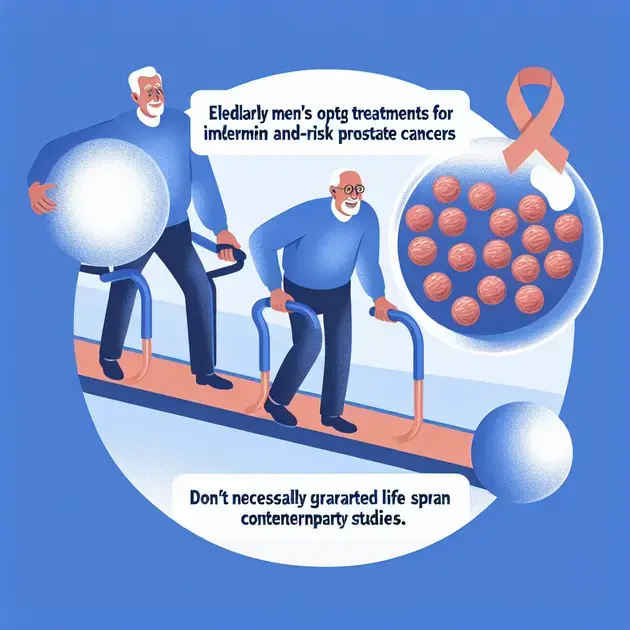
Older adult prostate cancer patients are increasingly being overtreated

Prostate cancer is a prevalent form of cancer among older men, and it is crucial to thoroughly weigh the risks and benefits of treatment options. The study highlights the need for a more discerning approach to prostate cancer treatment decisions, particularly in cases where the potential side effects can greatly affect the patient’s quality of life. Risky treatments, such as radiation therapy or surgery, often result in complications such as erectile dysfunction, incontinence, and diminished overall functioning. For older men with limited life expectancies, these adverse effects may outweigh any potential benefits gained from extending their lifespan.

Healthcare professionals should closely collaborate with patients to ensure treatment decisions are made with consideration for individual circumstances, including age, overall health, and projected life expectancy. Shared decision-making, involving open discussions between doctors and patients about the risks and benefits of different treatment options, should play a central role in determining the most appropriate course of action.

Additionally, the study emphasizes the importance of raising awareness about alternative strategies for managing intermediate-risk and high-risk prostate cancers in older individuals. Active surveillance, for example, involves closely monitoring the progression of the disease and initiating treatment only when necessary. This approach aims to minimize unnecessary interventions and enhance the patient’s quality of life.

In conclusion, the growing number of older men in the United States who choose treatments with potential side effects and limited life extension benefits for intermediate-risk and high-risk prostate cancers is a worrisome trend. Healthcare professionals must prioritize personalized treatment decisions based on the unique circumstances of each patient, considering both the potential risks and benefits. Raising awareness about alternative management approaches, such as active surveillance, is also essential to empower patients to make informed choices. Ultimately, improving quality of life should be a primary consideration in the treatment of prostate cancer in older men.

‘Emotional contagion’ a factor in seniors’ mental health

A new study reveals the link between emotional mirroring and mental health in seniors

A recent study conducted by a team of researchers from a prominent university has provided insights into the emotional well-being of seniors and its connection to their tendency to mirror the feelings of others. The findings of the study suggest that this mirroring tendency is strongly correlated with an increased likelihood of experiencing symptoms of anxiety or depression.

The main objective of the study was to investigate how interpersonal emotional mirroring affects the mental health of older adults. To achieve this, the researchers collected data from a large sample of senior citizens aged between 65 and 85.

The participants were assessed for their inclination to mimic the emotional states of those around them, as well as evaluated for symptoms of anxiety and depression using well-established clinical measures. By comparing these two sets of data, the researchers were able to draw conclusions about the association between emotional mirroring and psychological distress in older adults.

The results of the study revealed a significant link between emotional mirroring and the likelihood of experiencing symptoms of anxiety or depression. The study found that seniors who exhibited higher levels of emotional mirroring were more susceptible to developing their own feelings of anxiousness or sadness. This finding is particularly important as it highlights the potential impact of social interactions on the psychological well-being of older individuals.

These findings have important implications for both seniors and their caregivers. Firstly, they bring attention to the importance of creating positive emotional environments for older adults. Surrounding seniors with individuals who display positive emotions may reduce their tendency to mirror negative feelings and subsequently experience distress.

Furthermore, the study emphasizes the need for increased mental health support and interventions for seniors who exhibit high levels of emotional mirroring. Identifying, addressing, and managing symptoms of anxiety or depression at an earlier stage can significantly improve the overall well-being of older adults.

Although these findings are significant, more research is required to fully understand the mechanisms underlying emotional mirroring and its impact on mental health in seniors. Future studies could explore potential protective factors or develop strategies to mitigate the negative effects of emotional mirroring.

In conclusion, this study sheds light on the association between emotional mirroring and the likelihood of experiencing symptoms of anxiety or depression in seniors. These findings highlight the importance of promoting positive emotional environments and providing adequate mental health support for older adults. By addressing emotional well-being, we can enhance the quality of life for our aging population and promote healthier aging overall.

Robot that watched surgery videos performs with skill of human doctor, researchers report

The robot’s ability to replicate the techniques and movements of the surgeons by studying the videos has opened up new possibilities in the field of surgery. This breakthrough has the potential to alleviate the lack of skilled surgeons in various parts of the world and improve patient outcomes.

To train the robot, researchers provided it with an extensive database of surgical videos along with detailed medical information. The robot’s complex algorithms analyzed and learned from this data, identifying patterns and incorporating them into its programming. The process required significant time and computing power to ensure the robot’s actions would be precise and accurate.

After completing the training, the robot successfully performed a range of surgical procedures, including complex surgeries that demand a high level of precision. Independent experts evaluated the robot’s performance and confirmed its effectiveness was on par with human surgeons.

The implications of this breakthrough are significant, as the robot’s ability to perform surgeries could revolutionize healthcare systems worldwide. With its unmatched precision, the robot could reduce the risks associated with human error and enhance patient safety.

However, it’s important to note that the goal is not to replace human surgeons entirely but rather to complement and enhance their skills. The robot will serve as an additional resource to assist in surgical procedures.

In conclusion, researchers have trained a robot to perform surgical procedures with the same skill level as human doctors by analyzing videos of experienced surgeons. This breakthrough has the potential to transform the field of medicine, improving patient outcomes and addressing the shortage of skilled surgeons globally.

International canine gene research database accelerates biomedical research

The database provides access to a vast collection of data that can significantly advance our understanding of genetic factors influencing disease development in canines and humans. By analyzing information from various tissues, scientists can uncover crucial insights into the underlying mechanisms of hereditary conditions.

Studying hereditary diseases in both humans and animals can yield mutual benefits. Comparing genetic information between dogs and humans enables the identification of shared genetic variations associated with specific ailments. This cross-species approach allows for a more comprehensive understanding of diseases and the development of innovative treatment strategies.

The database’s comprehensive coverage of different canine tissues presents a unique opportunity to explore tissue-specific gene expression patterns. Analyzing gene activity in various tissues helps unravel tissue-specific disease mechanisms, which is essential for devising effective treatments.

Furthermore, the database facilitates the discovery of new biomarkers for diseases. By mining the vast dataset, scientists can potentially identify novel biomarkers for specific hereditary diseases, enabling earlier detection and more precise treatment options.

Moreover, this cutting-edge resource promotes collaboration and data sharing among researchers worldwide. With a centralized database, scientists can easily access and compare data, accelerating scientific advancements. Shared information can lead to collaborative efforts, generate new hypotheses, and drive multidisciplinary research approaches.

In conclusion, the emergence of this new database containing information on over 100 different canine tissues holds immense potential for advancing our understanding of hereditary diseases. Utilizing this resource, researchers can gain valuable insights into disease mechanisms, develop new biomarkers, and foster collaborations that benefit both dogs and humans.

‘Emotional contagion’ a factor in seniors’ mental health


A new study suggests that seniors who often adopt the emotions of those around them are prone to experiencing symptoms of anxiety or depression themselves

This phenomenon, known as emotional contagion, has been found to have significant implications for the mental well-being of older adults.

The study, conducted by researchers from a renowned university, aimed to examine the relationship between emotional contagion and the prevalence of anxiety and depression in seniors. The researchers recruited a diverse sample of older adults from various communities and assessed their emotional responses using validated measures.

The findings of the study revealed a strong correlation between emotional contagion and the manifestation of mental health issues in seniors. Seniors who tended to mirror the feelings of others were more likely to exhibit signs of anxiety or depression. This suggests that the emotional state of those around them can significantly impact their own mental well-being.

One possible explanation for these findings is that seniors who are more emotionally sensitive may absorb and internalize the negative emotions of others, leading to increased levels of anxiety or depression. The study’s authors suggest that this heightened sensitivity to others’ emotions could be due to a combination of biological, psychological, and social factors.

It is essential to recognize the importance of addressing the mental health needs of seniors, especially in light of the findings of this study. By investing in targeted interventions and support systems, healthcare professionals can help identify and address emotional contagion in seniors, thereby reducing the risk of anxiety and depression.

Moreover, fostering a supportive and positive social environment for older adults can also play a crucial role in mitigating the impact of emotional contagion. Encouraging social interactions, promoting meaningful relationships, and providing opportunities for emotional expression and support can have a significant impact on the mental well-being of seniors.

In conclusion, this study highlights the influence of emotional contagion on the mental health of seniors. Understanding the role of emotional mirroring and its potential implications can help inform interventions and strategies aimed at promoting the well-being of older adults. By recognizing and addressing the emotional needs of seniors, healthcare professionals and society as a whole can contribute to a happier and healthier aging population.

A recent research reveals that elderly individuals who tend to reflect other people’s emotions are more prone to displaying symptoms of anxiety or depression themselves.


Why health and price, not sustainability, drive US meat consumption choices


Environmental Sustainability and Meat Consumption Decisions in the United States: An Analysis

Title: Environmental Sustainability and Meat Consumption Decisions in the United States: An Analysis

Introduction:

The issue of environmental sustainability has gained significant attention in recent years, with the climate impacts of red meat production being a subject of particular concern. Despite increasing awareness of these impacts, researchers have found that environmental sustainability is not a predominant factor influencing meat consumption decisions among most Americans. This article aims to explore the underlying factors contributing to this trend and shed light on the complexities surrounding meat consumption and environmental sustainability in the United States.

The Link Between Meat Consumption and Climate Impacts:

Research has consistently highlighted the significant contribution of meat production to greenhouse gas emissions, deforestation, and water pollution. Reducing meat consumption has been positioned as one of the ways individuals can lower their environmental footprint. However, a study conducted by researchers reveals that although Americans are generally aware of the climate impacts associated with meat production, it does not strongly influence their dietary choices.

Factors Influencing Meat Consumption Decisions:

While environmental sustainability is a growing concern, researchers have identified several other factors that continue to play a more significant role in Americans’ meat consumption decisions. These include taste preferences, cultural and social norms, convenience, affordability, and health considerations. The prominence of these factors suggests that to drive significant change in meat consumption patterns, a more comprehensive approach is required.

1. Taste Preferences:

Taste preferences and dietary habits developed over years hold a considerable influence over individuals’ food choices. Red meat, in particular, is often regarded as a staple in many traditional American dishes, making it challenging for individuals to easily adopt a more sustainable diet. The familiar flavors and textures associated with meat can be deeply ingrained, requiring alternative options to gain more recognition and acceptance.

2. Cultural and Social Norms:

Food choices are heavily influenced by cultural and social norms, which can be deeply rooted in traditions and family customs. Understanding and acknowledging the diverse cultural backgrounds of Americans is crucial in addressing meat consumption patterns. Encouraging open conversations and providing information on environmental sustainability within cultural contexts can help bridge the gap between tradition and sustainable choices.

3. Convenience and Affordability:

The convenience and affordability of meat-based products often outweigh the consideration of environmental sustainability. In today’s fast-paced society, where time and money are precious resources, opting for pre-packaged meals, fast food, or budget-friendly meat options may be more appealing to many Americans. Promoting accessible and sustainable alternatives and debunking the notion that sustainable diets are inherently expensive can help reshape consumer attitudes.

4. Health Considerations:

Health concerns, such as protein intake and nutritional value, heavily influence dietary choices. While red meat has been associated with certain health risks, it is also a significant source of essential nutrients. Many Americans prioritize health over environmental sustainability when making food choices, highlighting the need for education and awareness campaigns that emphasize the health benefits of alternative protein sources.

Conclusion:

While increasing awareness of the climate impacts of red meat production is an important step towards promoting environmental sustainability, it appears to have limited influence on meat consumption decisions for most Americans. To make substantial progress in shifting dietary patterns, a more holistic approach encompassing taste preferences, cultural and social norms, convenience, affordability, and health considerations is necessary. By addressing these complex factors, stakeholders can work towards fostering a healthier and more sustainable food system that supports both individuals and the planet.

Environmental sustainability is not a significant consideration for the majority of Americans when it comes to their meat consumption decisions, even though there is a growing awareness of the climate effects linked to the production of red meat, as stated by researchers.


Why health and price, not sustainability, drive US meat consumption choices


Environmental Sustainability and Meat Consumption Decisions: Unraveling the American Perspective

Title: Environmental Sustainability and Meat Consumption Decisions: Unraveling the American Perspective

Introduction:
In recent years, the detrimental environmental impacts of red meat production have gained significant attention worldwide. However, despite increasing awareness of climate change and sustainability concerns, researchers have found that environmental sustainability is not a major factor influencing meat consumption decisions for the majority of Americans. This article aims to delve into this subject and understand why environmental considerations do not prominently feature in Americans’ meat consumption choices.

The Disconnect:
Despite the well-documented evidence linking red meat production to greenhouse gas emissions, deforestation, water pollution, and other sustainability issues, many Americans continue to prioritize taste, convenience, and cultural factors over environmental concerns when choosing their meals. This apparent disconnect raises important questions about the barriers preventing individuals from adopting more sustainable dietary habits.

Cultural Influences:
Food plays a crucial role in shaping cultural identities, traditions, and social interactions. In many American households, meat is deeply ingrained as a staple in traditional diets and family gatherings. The rich history of barbecues, burgers, and steak dinners contributes to a strong cultural attachment to meat consumption, making it challenging for individuals to shift towards more sustainable alternatives.

Lack of Awareness:
While there has been a growing awareness of the environmental impacts caused by the meat industry, the extent of this knowledge remains limited for many Americans. Research suggests that a significant portion of the population may not fully comprehend the scale and urgency of the climate crisis or its connection to meat consumption. Addressing this gap in information is crucial to encouraging a more conscious approach to food choices.

Cost and Accessibility:
Another key factor influencing meat consumption decisions is the affordability and accessibility of alternative protein sources. Plant-based products and sustainably raised meats often come at a higher price point, making them less accessible to lower-income communities. Additionally, rural areas may have limited availability of these alternatives, further inhibiting individuals from making sustainable choices.

Policy and Industry Actions:
To truly address the dissonance between environmental sustainability and meat consumption, it is imperative for policymakers and the meat industry to take proactive measures. Implementing policies that promote sustainable farming practices, incentivize alternative protein production, and increase public awareness are crucial steps. Furthermore, the industry should invest in research and development to make sustainable alternatives more affordable and readily available to all consumers.

Conclusion:
As awareness of the climate impacts of red meat production continues to grow, it remains evident that environmental sustainability is not a leading consideration for most Americans when it comes to their meat consumption decisions. Cultural influences, limited awareness, cost, and accessibility barriers all contribute to this phenomenon. To foster a sustainable future, it is essential to address these challenges collectively, involving individuals, policymakers, and the meat industry to develop solutions that align taste, tradition, and convenience with environmental stewardship. Only through concerted efforts can we hope to bridge the gap between sustainability and meat consumption in the United States.

Environmental sustainability is not a significant driver when it comes to meat consumption decisions for the majority of Americans, despite the growing recognition of the climate consequences associated with the production of red meat, says a group of researchers.


Should You Stop Steroids Before PRP Injections? Dr. Guy Weighs In


Should You Stop Steroids Before PRP Injections? Dr. Guy Weighs In

Navigating the world of regenerative medicine can be a daunting task, especially when it involves cutting-edge treatments like PRP injections. Dr. David Guy, a triple board-certified orthopedic surgeon and sports medicine specialist, delves into the intricacies of preparing for these procedures in his latest video. He tackles the often-debated question of whether patients should cease the use of steroids and anti-inflammatory medications prior to receiving PRP or autologous exosome treatments. Though the medical community remains divided on this issue, Dr. Guy offers his seasoned perspective, drawing on years of experience in regenerative therapies, to help guide you through the decision-making process. Read on to learn more about optimizing your treatment and ensuring the best possible results.

Understanding PRP Injections

Platelet-rich plasma (PRP) injections have become a popular choice for individuals seeking relief and healing from conditions like osteoarthritis or tendon injuries. As Dr. David Guy highlights, a critical question arises about whether patients should discontinue steroids and anti-inflammatory medication before undergoing such treatments.

The Role of Platelets in Healing

The importance of PRP lies in its ability to harness and amplify the body’s natural healing process. During the procedure, blood is drawn and processed to concentrate the platelets, which are then injected into the affected area. These platelets release growth factors that can accelerate tissue repair and regeneration. Yet, the potential influence of medications like oral steroids, cortisone shots, and topical hydrocortisone on the efficacy of PRP remains a topic of debate among orthopedic surgeons.

Arguments for Discontinuing Medication

One side of the discussion is rooted in the understanding that anti-inflammatory medications and steroids work by curbing inflammation. Since the healing process initiated by PRP involves a natural inflammatory response, it stands to reason that minimizing the use of such medications could enhance the treatment’s effectiveness. Here, Dr. Guy suggests that halting steroids and cortisone shots for six weeks and anti-inflammatory drugs for a minimum of one week prior to PRP might optimize results. This recommendation is based less on definitive scientific studies and more on clinical judgment honed through experience in regenerative medicine.

  • Enhanced Healing Response: By avoiding suppression of the inflammatory phase, PRP could more effectively trigger the healing cascade in the damaged tissues.
  • Cost-Effectiveness: Given the typically high cost of regenerative treatments, ensuring optimal conditions for their success could provide more value for money.
  • Reduced Risk of Interaction: Minimizing the chemical interference from medications could allow the body’s natural mechanisms to function more effectively.

Challenges in Medical Literature

On the other hand, the medical literature has yet to categorically support a mandated break from these medications. The variability among patients’ responses to PRP might explain why some physicians do not impose strict discontinuation protocols. The lack of extensive studies could also be due to the complexity of executing such research, considering the multitude of variables at play.

Factors to Consider

Nevertheless, individual cases vary significantly. Some factors to consider include:

  • The Severity of Inflammation: In patients with severe inflammation, the risk of exacerbating symptoms might outweigh the potential benefits of halting medications.
  • Chronic Use of Steroids: Long-term use of steroids could have systemic effects; hence any change in medication should be approached cautiously and under medical supervision.
  • Patient’s Health Status: Conditions like autoimmune disorders or concurrent illnesses can influence the decision regarding medication management.

Dr. Guy’s Perspective

Dr. Guy’s approach leans toward caution. His rationale emphasizes the nuanced understanding that, without substantial evidence against it, reducing interference from anti-inflammatory medications and steroids might enhance PRP’s effectiveness. It is a balancing act between traditional and emerging medical practices, where empirical evidence is continually evolving.

Conclusion

Patients interested in PRP or autologous exosome treatments should engage in detailed discussions with their healthcare providers. This personalized approach ensures that the decision to modify medication usage takes into account the patient’s medical history, current health status, and the specific characteristics of their injury.

Ultimately, Dr. Guy’s insights illustrate the broader dilemma faced in the field of regenerative medicine: the challenge of integrating new treatments into practice while evidence is still being gathered. The strategy of minimizing anti-inflammatory medications before PRP injections could provide a more favorable environment for regenerative therapies to work their best, but it requires careful consideration and professional guidance.

Moving forward, further research and randomized controlled trials will play a critical role in solidifying guidelines around pre-procedure medication protocols. Until then, expert opinions, like that of Dr. Guy, offer valuable perspectives that can inform patient choices and clinical practices. By staying informed and proactive in their healthcare decisions, patients are better equipped to harness the potential of regenerative medicine for their healing and recovery journey.


7 Delicious 200-Calorie Snacks That Helped Me Lose 130 Pounds and Keep It Off


Weight Loss Snacking

In the world of weight loss, the struggle with late-night cravings can often derail the best of intentions. What if the secret to maintaining a successful weight loss journey wasn’t about strict deprivation but about smart, satisfying snacking? Over nine years and 130 pounds lost, this has been my reality. By allowing myself a 215-calorie snack each night, I discovered that the key to sustainability is striking a balance between tasty indulgences and mindful eating. These snacks not only satisfied my evening hunger pangs but also kept me on track without feeling deprived. Join me as I share my top seven 200-calorie snacks, offering a variety of flavors and textures to keep those cravings at bay while maintaining dietary goals. Whether you seek something sweet, savory, or packed with protein, these options will redefine late-night snacking and support your weight loss journey.

1. Boom Chicka Pop Puffs (White Cheddar Flavor)

There’s something incredibly satisfying about the crunch of a well-made cheese puff, and Boom Chicka Pop’s White Cheddar Puffs are no exception. With a flavor that is reminiscent of a beloved cheesy snack, these puffs pack all the taste with fewer calories. Clocking in at around 215 calories for a generous serving size, they make for a perfect nighttime nibble without tipping the calorie scales.

2. Special K Vanilla Almond and Fairlife Milk

This combo brings the classic comfort of cereal and milk into the low-calorie zone. By portioning out 44 grams of Special K’s Vanilla Almond cereal and pairing it with 2/3 cup of Fairlife Milk, you get a total of 215 calories. This snack also includes 12 grams of protein, ensuring not only a satisfying crunch but also a longer-lasting feeling of fullness.

3. Nature Valley Protein Bar and Red Seedless Grapes

Sometimes, you just crave something sweet and nutty. For this, the Nature Valley Protein Bar in Peanut, Almond, and Dark Chocolate flavor does the trick beautifully. By adding a side of 36 grams of red seedless grapes, you achieve a balanced mix of texture and taste, all while staying within your calorie limits. This combination also delivers 11 grams of protein, helping to stabilize blood sugar levels and stave off hunger.

4. Frozen Yogurt Bars and Grapes

Frozen treats often come with calorie regrets, but not with these yogurt bars. The low-calorie, chocolate-coated frozen yogurt bars paired with 50 grams of red grapes offer a refreshing, dessert-like experience without going over 215 calories. These bars come in vanilla and milk chocolate flavors, giving you the indulgence of chocolate while being mindful of your calorie intake.

5. Chocolate Peanut Butter Greek Yogurt

Mixing 2/3 cup of plain, fat-free Greek yogurt with one teaspoon of unsweetened cocoa powder, a teaspoon of low-calorie sweetener, a tablespoon of smooth peanut butter, and garnished with a teaspoon of milk chocolate chips, creates a snack that feels like a decadent dessert. With 19 grams of protein, this snack not only satisfies your chocolate cravings but also supports your dietary goals.

6. Chocolate Peanut Butter Cottage Cheese

For those who enjoy a rich, creamy texture, this chocolate peanut butter cottage cheese treat is a must-try. Combining half a cup of 2% cottage cheese with low-calorie sweetener, cocoa powder, and peanut butter turns this snack into a mousse-like delight. It’s packed with 18 grams of protein, making it a filling and nutritious choice.

7. PB&J Roll-Up

Bearing the classic flavor profile of a peanut butter and jelly sandwich, this PB&J Roll-Up uses a high-protein tortilla, containing 11 grams of protein, smeared with a tablespoon of peanut butter and a tablespoon of strawberry jam. By choosing a low-calorie jam, you keep the entire roll-up within the 215-calorie sweet spot. This snack not only satisfies nostalgic cravings but also supports your health objectives.

These snacks collectively showcase the beauty of portion control and balance. While each one offers a unique taste experience—from savory to sweet, crunchy to creamy—they all adhere to the critical limit of 215 calories per serving, proving that late-night snacking can be both enjoyable and guilt-free.

Remember, the essence of a successful weight loss journey lies not just in the number on the scale, but in the ability to maintain a healthy relationship with food. By incorporating these delicious, guilt-free snacks into your nightly routine, you, too, can ensure you go to bed satiated and wake up ready to take on the day’s dietary goals. So, indulge wisely and enjoy the journey with both your heart and mindset in alignment.


How Long Should You Avoid Steroids Before PRP Injections? Ask Dr. David Guy Explains


Blog Article

In the world of regenerative medicine, there’s an ongoing debate about the role of steroids and anti-inflammatory medications before undergoing Platelet-Rich Plasma (PRP) injections. As a potential patient navigating the realm of osteoarthritis or tendon, ligament, and muscle injuries, it might be challenging to find consistent information regarding this concern. Dr. David Guy, a triple board-certified orthopedic surgeon with a passion for sports and regenerative medicine, provides insights on this intriguing subject. In this blog, we’ll delve deeper into the considerations and recommendations surrounding the cessation of steroids and anti-inflammatory drugs prior to PRP treatments, exploring the varying perspectives within the orthopedic community and offering a glimpse into Dr. Guy’s own professional approach. Whether you’re curious about optimizing your regenerative treatment results or simply want to explore alternatives to surgical interventions, this exploration aims to shed light on a nuanced and critical aspect of the healing process.

Why Consider Ceasing Steroids and Anti-Inflammatories?

When considering PRP (Platelet-Rich Plasma) injections, many patients face the question of whether they should discontinue steroids or anti-inflammatory medications before receiving treatment. This issue is multifaceted and often debated among orthopedic and regenerative medicine specialists. While there isn’t a universally agreed-upon protocol, different practitioners offer varied recommendations based on their personal experience and interpretation of available data.

Dr. David Guy, a seasoned professional in the field, advocates for caution in the use of steroids and anti-inflammatories before undergoing PRP therapy. Although he acknowledges the lack of conclusive studies directly linking these medications to reduced efficacy of PRP injections, he still supports the idea of minimizing their use before treatment. His recommendation, reflective of a cautious approach, is for patients to cease the use of oral steroids and cortisone injections approximately six weeks prior to the procedure. As for anti-inflammatory medications, a one-week halt before treatment is advised.

This perspective is rooted in a principle of maximizing the potential benefits of PRP therapy. The rationale behind this recommendation is that both steroids and anti-inflammatory medications may interfere with the body’s natural healing processes, which PRP therapy aims to enhance. By minimizing the interference of these drugs, the PRP procedure might achieve better outcomes.

Understanding PRP Treatment

Let’s dissect the steps involved in PRP treatment to understand why minimizing interference is deemed important. PRP therapy involves drawing a patient’s blood, processing it to concentrate the platelets, which are rich in growth factors, and then injecting it back into the tissue requiring repair. The growth factors released by the concentrated platelets aim to stimulate a natural healing response, promoting tissue regeneration. The concern is that anti-inflammatory drugs might inhibit some of these key regenerative processes.

Moreover, many patients opting for PRP injections do so to avoid more invasive procedures or long-term reliance on medications. They seek natural healing and regeneration, and therefore, avoiding medications like steroids that could blunt this response is often considered prudent.

However, it’s important to remember that individual responses to treatment can vary significantly, and the decision to cease medications should always be made in consultation with a healthcare provider. Some patients may have underlying conditions that necessitate the continual use of these drugs, and for them, the potential risks of stopping might outweigh the benefits.

Exploring Alternatives and Future Prospects

Additionally, the advent of alternative regenerative treatments like autologous exosomes has added another layer of complexity to treatment decisions. Exosome therapy, considered by some, including Dr. Guy, as the next evolutionary step beyond PRP, involves a more concentrated form of regenerative elements derived from the patient’s own blood. Despite its promising potential, exosome therapy remains experimental in the eyes of regulatory bodies like the FDA.

This experimental status reflects the ongoing need for rigorous clinical trials to solidify the understanding of regenerative treatments. The lack of comprehensive and standardized studies means that much of the guidance patients receive is based on clinical experience and expert opinion rather than hard scientific evidence.

Another aspect to consider is the financial investment involved in PRP and exosome therapies. Given the resources patients spend on these treatments, many practitioners, including Dr. Guy, believe it is prudent to optimize all aspects of preparation, including the potential impact of concurrent medications, to ensure the best possible outcomes.

Conclusion: Personalized Treatment Plans

In summary, while there is not a definitive protocol regarding the cessation of steroids and anti-inflammatories before PRP injections, a prudent approach remains favorable. The variability in practice among orthopedic and sports medicine specialists highlights the need for individualized treatment plans. Patients are encouraged to engage in open dialogue with their healthcare providers, weighing the pros and cons of continuing or discontinuing their medication. Ultimately, the goal is to personalize treatment to each patient’s unique needs and health profile, maximizing the regenerative potential of PRP therapy to heal injuries and improve quality of life. As the field evolves, more standardized guidelines may emerge, shaped by ongoing research and clinical experience.