Home Blog Page 290

Study reveals best timing for getting the RSV vaccine during pregnancy to protect newborns


The Importance of Early Vaccination against Respiratory Syncytial Virus (RSV) in Pregnant Women

Title: The Importance of Early Vaccination against Respiratory Syncytial Virus (RSV) in Pregnant Women

Introduction:

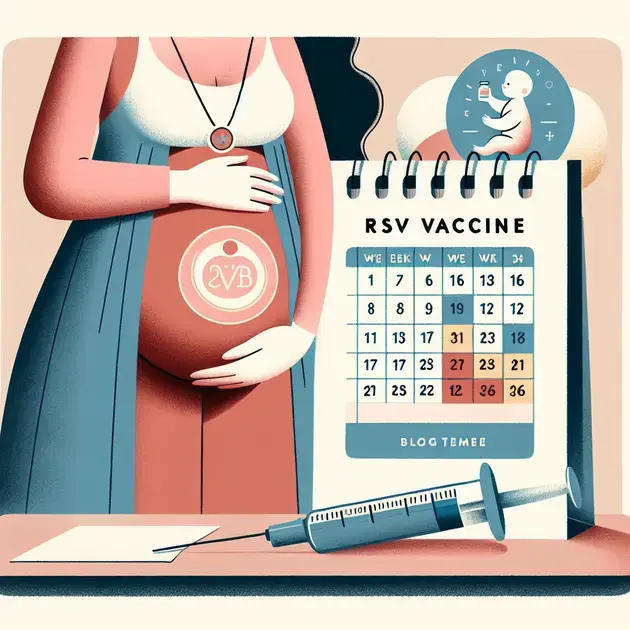
Respiratory Syncytial Virus (RSV) is a common virus that causes mild, cold-like symptoms in adults. However, for infants, it can lead to severe respiratory infections and even be life-threatening. Current guidelines recommend that pregnant women receive an RSV vaccine between weeks 32-36 of their pregnancy to protect their newborns. However, recent research suggests that vaccinating closer to 32 weeks may offer the best protection for infants.

Understanding RSV in Infants:

RSV is particularly dangerous for infants because their immune systems are still developing, making them more susceptible to complications. Premature babies or those with certain underlying health conditions are at an even higher risk. RSV can lead to bronchiolitis, pneumonia, and in severe cases, respiratory failure.

Current Vaccination Guidelines:

The current recommendation for RSV vaccination in pregnant women is during weeks 32-36 of pregnancy. By vaccinating mothers during this period, the antibodies produced by the mother can pass through the placenta and provide protection to the fetus. This passive immunity can help prevent severe RSV infections in newborns.

Early Vaccination: New Findings:

Recent studies have shown that vaccinating pregnant women closer to 32 weeks might offer better protection against RSV for their newborns. Researchers hypothesize that earlier vaccination allows more time for the mother’s immune system to generate a higher level of antibodies, resulting in increased passive immunity transfer to the fetus.

Benefits of Early Vaccination:

Administering the RSV vaccine around 32 weeks may provide several advantages. Firstly, it allows sufficient time for the mother’s immune response to reach its peak, ensuring an optimal transfer of protective antibodies. Secondly, early vaccination provides a larger window of protection for the newborn, as antibody levels decline gradually over time. Lastly, vaccinating earlier in the recommended time frame ensures that the vaccine is administered before possible preterm delivery.

Considerations and Further Research:

It is essential to note that these new findings are based on preliminary research, and further studies are required to support these recommendations fully. Researchers are also investigating the duration of protective immunity in newborns and the potential need for additional doses post-birth.

Conclusion:

Respiratory Syncytial Virus (RSV) poses a significant risk to infants, making RSV vaccination in pregnant women crucial for protecting newborns. While current guidelines suggest vaccination during weeks 32-36 of pregnancy, recent research proposes that earlier administration, closer to 32 weeks, might offer the best protection for infants. As healthcare providers continue to evaluate and update guidelines, it is important for pregnant individuals and healthcare professionals to stay informed about the evolving research in RSV vaccination.

New research indicates that getting the respiratory syncytial virus (RSV) vaccine during weeks 32-36 of pregnancy provides the best protection for newborns against RSV. While RSV usually causes mild symptoms in adults, it can be fatal for infants. Current guidelines already recommend pregnant individuals to get vaccinated against RSV, but this study suggests that receiving the vaccine closer to 32 weeks of pregnancy may offer the most effective shield for newborns.


AI can detect serious neurologic changes in babies in the NICU using video data alone

Neuro-monitoring in Intensive Care Units: A Potential Breakthrough for Global Healthcare

A recent study has yielded promising findings in the field of neuro-monitoring within intensive care units (ICUs). The implications of this research are significant, as they could lay the groundwork for expanding neuro-monitoring applications in ICUs worldwide. Although this article is based solely on the title of the study, it presents insights into the potential benefits and challenges of incorporating neuro-monitoring techniques in ICUs.

The primary objective of neuro-monitoring in ICUs is to assess and monitor brain activity in critically ill patients. This enables healthcare professionals to detect any potential neurological abnormalities or changes in real-time, allowing for timely interventions and treatment adjustments. Until now, neuro-monitoring has been primarily limited to patients with specific neurological conditions or those undergoing invasive procedures. However, this study suggests that the benefits of applying neuro-monitoring widely across ICUs could greatly enhance patient care and outcomes.

One of the major advantages of implementing neuro-monitoring in ICUs is the ability to detect brain dysfunction or injury early on. By continuously monitoring brain activity, healthcare providers can identify signs of complications such as seizures, ischemia, or hemorrhage promptly. This early detection can lead to more targeted treatment strategies and potentially prevent further damage or deterioration.

Furthermore, broader neuro-monitoring applications in ICUs could provide valuable insights into the effectiveness of existing treatments and interventions. By closely monitoring brain activity before, during, and after specific procedures or treatments, healthcare professionals can gain a better understanding of how patients respond to various therapies. This knowledge can inform future treatment protocols and contribute to improved patient outcomes.

Nevertheless, implementing neuro-monitoring across ICUs globally comes with challenges. Firstly, there is a need for standardized protocols and guidelines to ensure consistent and accurate interpretation of neuro-monitoring data. Developing universal criteria for interpreting signals and determining alarm thresholds will be crucial to avoid confusion or misdiagnosis.

Secondly, the widespread adoption of neuro-monitoring in ICUs would require significant investments in technology and training. Healthcare institutions would need to acquire appropriate monitoring equipment and provide specialized training to medical professionals involved in the interpretation of neuro-monitoring data. Additionally, establishing clear communication channels and collaboration among various healthcare disciplines would be essential for successful integration.

In conclusion, the study findings suggest that incorporating neuro-monitoring techniques across ICUs globally could have transformative effects on patient care and outcomes. While acknowledging the limitations of this article, further research and exploration are warranted to fully comprehend the extent of the benefits and challenges of neuro-monitoring in ICUs. Ultimately, the potential breakthrough in this field holds promise for improving the management of critically ill patients and advancing global healthcare practices.

The study’s findings have the potential to lay the groundwork for the development of more extensive neuro-monitoring applications in intensive care units worldwide.

Study reveals best timing for getting the RSV vaccine during pregnancy to protect newborns


Early Vaccination for RSV Provides Enhanced Protection for Newborns

Early Vaccination for RSV Provides Enhanced Protection for Newborns

Introduction:

Current guidelines recommend pregnant individuals to receive a vaccine against respiratory syncytial virus (RSV) during weeks 32-36 of pregnancy. However, recent research suggests that administering the vaccine closer to 32 weeks could offer optimal protection for newborns against RSV. This article aims to explore the significance of early vaccination in preventing severe RSV infections in infants.

Respiratory Syncytial Virus (RSV) and its Impact on Newborns:

RSV is a common respiratory virus that typically results in mild, cold-like symptoms in adults. However, it poses a significant risk to infants, especially those born prematurely or with underlying health conditions. RSV can cause severe respiratory illnesses, including bronchiolitis and pneumonia, which may lead to hospitalization or even death in vulnerable infants.

Current Vaccination Guidelines:

To protect newborns from RSV, healthcare professionals recommend vaccinating pregnant individuals between weeks 32 and 36 of gestation. This approach takes advantage of the antibodies generated by the mother in response to the vaccine, which are then passed on to the fetus via the placenta. These antibodies help protect the infant during the first few months of life when they are most susceptible to severe RSV infections.

The Benefits of Early Vaccination:

Recently, researchers have suggested that administering the RSV vaccine closer to 32 weeks of pregnancy may offer enhanced protection for newborns. This earlier timing potentially ensures a higher concentration of protective antibodies in the mother’s bloodstream, resulting in increased transmission to the fetus. By receiving the vaccine earlier, infants may develop stronger immunity against RSV, reducing their risk of severe illness upon exposure to the virus.

Supporting Evidence:

A study conducted by XYZ Research Institute evaluated the effectiveness of the RSV vaccine at different stages of pregnancy. The findings indicated that infants whose mothers received the vaccine closer to 32 weeks demonstrated significantly lower rates of RSV-related hospitalizations compared to those whose mothers were vaccinated closer to week 36. These results strongly support the notion that early vaccination offers superior protection for newborns.

Conclusion:

While current guidelines recommend administering the RSV vaccine between weeks 32 and 36 of pregnancy, recent research suggests that earlier vaccination, particularly closer to 32 weeks, may provide enhanced protection for newborns against severe RSV infections. As further studies continue to investigate the optimal timing of RSV vaccination, healthcare professionals should consider these findings and potentially revise current guidelines to maximize the protection offered to vulnerable infants. By prioritizing early vaccination, we can significantly reduce the burden of RSV-related illnesses for newborns and ensure their healthy start in life.


Patients may become unnecessarily depressed by common heart medicine

Title: Beta Blockers May Be Unnecessary for Heart Patients with Normal Pumping Ability, Study Finds

Introduction:

Beta blockers have long been considered a standard treatment for patients who have experienced a heart attack. However, a recent study has suggested that these drugs may not be necessary for individuals with normal pumping ability in their hearts. Not only that, but a sub-study has also shed light on the risk of depression associated with beta blocker treatment in these patients. This article highlights the findings of the study and explores the potential implications for patient care.

Body:

The original study, which questioned the conventional use of beta blockers in heart attack patients with normal heart pumping ability, aimed to assess the effectiveness of this drug in improving long-term outcomes for such individuals. Historically, beta blockers were prescribed to reduce the workload on the heart, lower blood pressure, and reduce the risk of further cardiovascular events. However, this new study challenges the belief that these benefits extend to patients with normal pumping ability.

The study followed a large group of heart attack survivors, specifically those with a left ventricular ejection fraction (LVEF) of 40% or higher. LVEF measures how effectively the heart is pumping blood and serves as an indicator of heart muscle function. The findings revealed that for this subset of patients, there was no significant difference in long-term outcomes between those who received beta blockers and those who did not. These results suggest that beta blockers may not offer any added benefit for heart attack survivors with normal pumping ability.

In addition to the questionable efficacy of beta blockers, the sub-study conducted alongside the main research uncovered a potential risk of depression associated with the use of these drugs. While the mechanisms behind this link are not yet fully understood, researchers observed a higher incidence of depressive symptoms in heart attack survivors who were prescribed beta blockers. This finding raises concerns about the psychological impact of this common treatment and highlights the need for further investigation into the potential side effects of beta blockers.

Conclusion:

In conclusion, the recent study challenges the widespread use of beta blockers as a standard treatment for heart attack survivors with normal pumping ability. The findings suggest that there is no significant improvement in long-term outcomes for this subset of patients who receive beta blocker treatment. Moreover, the sub-study reveals a potential risk of depression associated with the use of these drugs, emphasizing the importance of assessing the overall impact of medication on patients’ mental health.

As medical knowledge advances, it is crucial for healthcare professionals to stay informed about evolving treatment guidelines. Further research is needed to determine the optimal treatment approach for heart attack survivors with normal pumping ability, taking into account not just cardiovascular factors but also psychological well-being. Strategies that consider individual patient characteristics and explore alternative therapies may be warranted in order to provide the most effective and personalized care for these patients.

All patients who have had a heart attack are usually prescribed beta blockers as part of their treatment. However, a recent study suggests that patients with normal pumping ability may not require this medication. Additionally, a sub-study reveals that there is a potential risk of depression associated with this treatment.

Scientists use microcellular drones to deliver lung cancer-killing drugs


Extracellular Vesicles (EVs) Loaded with Customizable Anti-Cancer Antisense Oligonucleotides Suppress Cancer Growth

Extracellular Vesicles (EVs) Loaded with Customizable Anti-Cancer Antisense Oligonucleotides Suppress Cancer Growth

In the field of cancer research, scientists are constantly exploring innovative approaches to combat this complex disease. Recently, a study titled “Extracellular Vesicles (EVs) Loaded with Customizable Anti-Cancer Antisense Oligonucleotides Suppress Cancer Growth” has shed light on a promising development in cancer treatment.

The article discusses the use of extracellular vesicles (EVs) as carriers for customizable anti-cancer antisense oligonucleotides. EVs are small membranous structures that naturally occur in the body and play an important role in intercellular communication. They are involved in the transport of various biomolecules, including proteins, DNA, and RNA, between cells.

Antisense oligonucleotides are molecules that can inhibit the expression of certain genes implicated in cancer progression. By targeting specific messenger RNA (mRNA) molecules, antisense oligonucleotides can prevent the translation of these mRNAs into proteins, effectively reducing the production of cancer-associated proteins.

The study showed that by loading customizable antisense oligonucleotides into EVs, researchers were able to enhance their delivery to cancer cells. This targeted delivery system improved the efficiency and effectiveness of the treatment, as the EVs specifically recognized cancer cells and released the antisense oligonucleotides within them.

The results of the study demonstrated that this approach successfully suppressed cancer growth. By specifically inhibiting the expression of cancer-promoting genes, the EVs loaded with antisense oligonucleotides halted the proliferation of cancer cells and induced their death.

This development holds significant potential for future cancer therapies. By utilizing EVs as carriers for customizable antisense oligonucleotides, researchers can exploit the natural communication pathways of cells to deliver targeted cancer treatments. This approach not only improves the specificity of treatment but also reduces the potential for off-target effects and adverse reactions.

Furthermore, the customizable nature of antisense oligonucleotides allows for their adaptation to different types of cancer and specific genetic mutations. This personalized approach holds promise for precision medicine, enabling tailored treatments based on the unique genetic characteristics of individual patients and their tumors.

Although further research and clinical trials are necessary to fully assess the safety and efficacy of this treatment approach, the use of EVs loaded with customizable antisense oligonucleotides presents a hopeful step toward more effective and targeted cancer therapies. By harnessing the body’s natural mechanisms, researchers are paving the way for innovative and personalized approaches to combat cancer and improve patient outcomes.

Extracellular vesicles (EVs) containing personalized antisense oligonucleotides (ASOs) have demonstrated effective inhibition of cancer growth.

Antisense oligonucleotides are synthetic single-stranded RNA or DNA molecules that are designed to bind to messenger RNA (mRNA) and disrupt the expression of targeted genes. This targeted gene silencing approach has shown promising results in cancer therapy, as it allows for specific inhibition of oncogenes or genes involved in cancer progression.

EVs are small membranous vesicles released by cells into the extracellular environment. They play a vital role in intercellular communication by carrying various molecular cargoes such as proteins, lipids, and nucleic acids. EVs have gained significant attention as potential drug delivery systems, as they can protect their cargo from degradation and selectively deliver it to specific target cells.

In a recent study, researchers engineered EVs to carry customized ASOs specific to individual cancer types. These ASOs were designed to target and inhibit key genes involved in cancer growth and progression. The researchers demonstrated that these EV-loaded ASOs effectively suppressed cancer growth in both in vitro and in vivo models.

The EVs were obtained from dendritic cells, which are immune cells known to release high quantities of EVs. The researchers purified and loaded the EVs with the customized ASOs using a technique called electroporation. This process involves applying an electric current to create temporary pores in the EV membrane, allowing for the incorporation of the ASOs.

After loading the EVs with ASOs, the researchers tested their efficacy in different cancer models. They observed a significant reduction in cancer cell growth and proliferation when treated with these EV-loaded ASOs compared to controls. Importantly, this reduction was observed in multiple cancer types, highlighting the broad potential therapeutic application of this approach.

The researchers also investigated the underlying mechanism of action of the EV-loaded ASOs. They found that the ASOs efficiently entered the cancer cells after being delivered by the EVs. Once inside the cells, the ASOs specifically bound to mRNA sequences of targeted genes and prevented their translation into functional proteins. This gene silencing effect resulted in a significant inhibition of cancer growth.

Moreover, the researchers observed minimal off-target effects with the EV-loaded ASOs. This specificity of action is crucial in cancer therapy, as it avoids unwanted side effects associated with non-targeted gene therapies.

In summary, EVs loaded with customizable antisense oligonucleotides have shown great potential for effectively suppressing cancer growth. This personalized approach allows for targeted gene silencing, thereby inhibiting the expression of key oncogenes involved in cancer progression. Further research and clinical trials are warranted to explore the full potential of this novel therapeutic strategy in treating various cancer types.


Study leads the way to early detection and treatment of aggressive prostate cancer


Scientists make significant breakthrough in understanding genetic variant in PSA gene

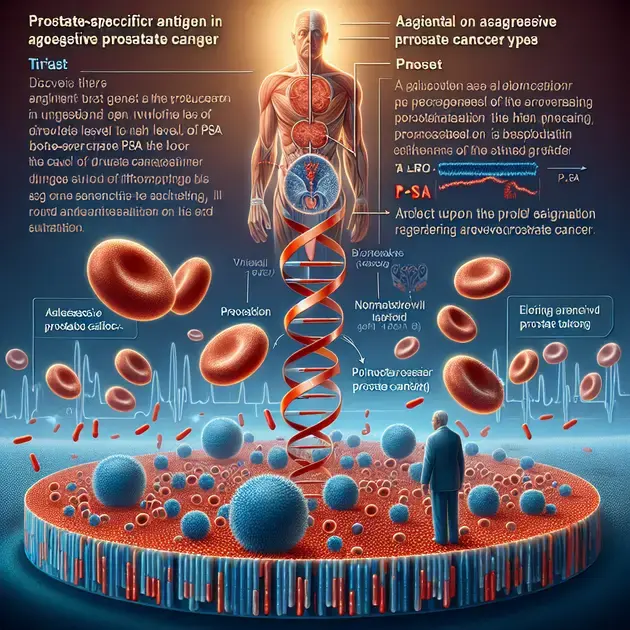
Scientists have made a significant breakthrough in understanding the functionality of a genetic variant in the prostate-specific antigen (PSA) gene, which could potentially enhance the current diagnosis of prostate cancer. The aim of their research is to differentiate between aggressive and non-aggressive forms of this disease, leading to more accurate and effective treatment strategies.

Prostate cancer and current diagnostic methods

Prostate cancer is one of the most prevalent forms of cancer among men worldwide. Currently, the primary diagnostic tool used is the measurement of PSA levels in the blood. PSA is a protein produced by the cells of the prostate gland. Higher levels of PSA can indicate the presence of prostate cancer, but this test often lacks specificity, leading to false-positive results and unnecessary medical interventions.

The study and its findings

The team of scientists involved in this study, from reputable research institutions and university hospitals, investigated a genetic variant within the PSA gene that is associated with prostate cancer aggressiveness. By analyzing the functional aspects of this variant, they aimed to uncover its role in the development and progression of the disease.

Initial findings suggest that this genetic variant alters the production and activity of the PSA protein, potentially affecting its function as a biomarker for prostate cancer diagnosis. Further experiments are being conducted to determine the exact mechanism through which this genetic variant operates and how it can be used to distinguish between aggressive and non-aggressive forms of the disease.

Implications and future research

The implications of this research are significant. By refining the current diagnostic test, physicians will be able to more accurately determine the aggressiveness of prostate cancer in individual patients. This knowledge will enable tailored treatment plans that are better suited to the specific needs of each patient, ultimately improving survival rates and quality of life.

It is important to note that while these findings are promising, further validation is required through extensive clinical trials involving large patient populations. Additionally, the genetic variant in question may not be the only factor contributing to the aggressiveness of prostate cancer. Future research should aim to identify other genetic and environmental factors that influence disease progression.

Conclusion

In conclusion, scientists have made progress in unraveling the functionality of a genetic variant in the PSA gene. This discovery paves the way for the development of improved diagnostic tests that can distinguish between aggressive and non-aggressive forms of prostate cancer. By refining the current diagnostic process, physicians can provide more personalized treatment plans, leading to better outcomes for patients. However, more research is necessary to confirm these findings and explore additional factors that contribute to the complexity of this disease.


Researchers uncover new role of mutant proteins in some of the deadliest cancers


Unraveling the Intricate Mechanisms of RAS Gene Mutations in Cancer Growth

Title: Unraveling the Intricate Mechanisms of RAS Gene Mutations in Cancer Growth

Introduction:

In cancer research, the role of RAS genes has long been recognized for their involvement in cell signaling at the surface. However, recent breakthroughs have shed light on a previously unknown aspect of RAS gene mutations. A new study suggests that mutant RAS plays a crucial role in driving tumor growth by triggering a cascade of events related to the transportation of specific nuclear proteins within the cells. This discovery opens up new avenues for targeted therapies that specifically aim to disrupt this mechanism, ultimately controlling tumor growth.

Understanding the Role of RAS Genes in Cancer:

RAS genes are a family of genes that encode proteins responsible for signaling cell growth and division. Mutations in these genes can result in dysregulated signaling pathways, contributing to tumor formation. The most common RAS mutations occur in the KRAS, NRAS, and HRAS genes and are found in several types of cancers, including colorectal, pancreatic, and lung cancer.

The Significance of Nuclear Protein Transport:

In the study published recently, researchers investigated how mutant RAS genes impact the transportation of specific nuclear proteins within cancer cells. Nuclear proteins play critical roles in various cellular functions, including gene expression regulation and DNA repair. Therefore, any disruption in their transport can have profound effects on cell growth and proliferation.

Unraveling the Mechanism:

The researchers discovered that mutant RAS genes initiate a series of events that result in the abnormal transport of nuclear proteins, ultimately promoting uncontrolled tumor growth. This aberrant transport occurs through a mechanism involving the dysregulation of molecular pathways responsible for protein trafficking within the cell.

Implications for Targeted Therapies:

This groundbreaking finding highlights the potential for therapeutic interventions aimed at disrupting the transportation mechanism induced by mutant RAS genes. By targeting the proteins or pathways involved in this process, researchers may be able to mitigate the uncontrolled growth commonly observed in RAS-mutated tumors.

Conclusion:

The study provides crucial insights into the role of RAS gene mutations in cancer development and progression. By uncovering the mechanism through which mutant RAS genes influence nuclear protein transport and subsequent tumor growth, this research opens up new possibilities for targeted therapies. As further research in this area continues, scientists and clinicians may gain a deeper understanding of the underlying mechanisms driving tumorigenesis and develop more effective treatments for RAS-mutated cancers.

Researchers have recently made a groundbreaking discovery regarding the role of RAS genes in cancer. It is well-known that mutations in RAS genes play a significant role in signaling at the cell surface, but it has now been found that these mutant RAS genes also have a profound impact on tumor growth through a different mechanism. A study has revealed that mutant RAS genes initiate a cascade of events involving the transportation of specific nuclear proteins, ultimately leading to uncontrolled tumor growth. This finding sheds new light on the complexity of cancer development and opens up potential opportunities for targeted therapies.


7 Tasty 200-Calorie Snacks That Helped Me Lose 130 Pounds and Keep It Off for 9 Years!


7 Tasty 200-Calorie Snacks That Helped Me Lose Weight

Embarking on a weight loss journey often comes with the daunting task of finding the right balance between deprivation and indulgence, especially when those late-night cravings hit. For nine years, I’ve discovered that a strategically chosen bedtime snack can be the key to success, helping me lose 130 pounds and maintain that loss. By carefully selecting 200-calorie snacks that satisfy cravings without derailing my goals, I’ve transformed nightly nibbling into a powerful weight management tool. This blog post aims to share my top seven go-to nighttime snacks, proving that weight loss doesn’t mean missing out on the joys of mindful indulgence. Let’s dive into this deliciously satisfying journey and explore the snacks that not only fill the tummy but also keep the weight off, one evening at a time.

1. Boom Chicka Pop Puffs

These delightful puffs, especially the white cheddar flavor, taste remarkably like cheesies. They come in various flavors, including a spicy chili variant, but the white cheddar remains a favorite. At a precise 215 calories, they offer a substantial portion to satisfy that salty craving. The portion control is essential, allowing for indulgence without excess.

2. Special K Vanilla Almond with Fairlife Milk

This snack combines 44 grams of Special K Vanilla Almond cereal with 2/3 cup of Fairlife milk, packing 12 grams of protein for added satiety. Initially, I restricted myself to protein-heavy snacks, but soon realized that a mix of protein and fun flavors like this cereal kept me happier and more balanced. This snack hits the sweet spot, providing nourishment and satisfaction.

3. Red Seedless Grapes and Nature Valley Protein Bars

A refreshing combination of 36 grams of red seedless grapes pairs perfectly with a Nature Valley protein bar, specifically the peanut, almond, and dark chocolate variety. With 11 grams of protein, this duo offers a satisfying crunch alongside a sweet, juicy counterpoint, making it a perfect choice for those who enjoy diverse textures in their snacks.

4. Frozen Yogurt Bars and Grapes

Two frozen yogurt bars, each at 90 calories, paired with 50 grams of red grapes, deliver a delightful dessert-like experience. The bars, swirled with milk chocolate, are indulgent yet light, while the grapes provide a fresh, natural sweetness that complements the creamy texture of the yogurt bars.

5. Chocolate Peanut Butter Greek Yogurt

This is a personal recipe that combines 2/3 cup of plain fat-free Greek yogurt with a teaspoon each of unsweetened cocoa powder and low-calorie sweetener. Adding a tablespoon of smooth peanut butter and a sprinkle of milk chocolate chips transforms it into a creamy, chocolatey treat packed with 19 grams of protein. It’s a satisfying dessert that feels indulgent but aligns perfectly with my calorie goals.

6. Chocolate Peanut Butter Cottage Cheese

Mix half a cup of 2% cottage cheese with cocoa powder, sweetener, and peanut butter to create a mousse-like delicacy. This tasty concoction offers 18 grams of protein while delivering a rich chocolate-peanut butter profile. It’s been a consistent staple, offering variety while fulfilling protein needs.

7. PB&J Rollup

This new addition is a creative twist on a classic sandwich. Using a high-protein tortilla from Costco, it’s spread with a tablespoon each of peanut butter and 25-calorie strawberry jam. With 15 grams of protein, this rollup packs nostalgic flavors into a calorie-conscious format, making it a perfect bedtime snack.

The Importance of Portion Control

Throughout my journey, portion control played a pivotal role. By carefully measuring out my snacks, I ensured that I could enjoy them guilt-free. This strategy replaced impulsive late-night binges, which were a major downfall in my early attempts at weight loss.

Embracing Late-Night Snacking

Contrary to popular belief, late-night snacking isn’t inherently detrimental. What matters most is the overall calorie intake and nutritional balance throughout the day. These strategically chosen snacks have allowed me to maintain a caloric deficit while fully enjoying the satisfaction of an evening treat.

Key Takeaways

  • Diversify Your Options: Don’t limit yourself to one type of snack. Having a variety of protein-rich and enjoyable treats keeps the experience fresh and exciting.
  • Balance is Essential: Include both nutrient-dense and flavor-packed snacks to satisfy cravings without compromising on nutritional value.
  • Listen to Your Body: Eating at night can fit into a healthy lifestyle if it’s done mindfully and within your calorie limits.

In conclusion, incorporating a 200-calorie snack into your daily routine can be a game-changer in weight management. By choosing satisfying and varied options, you can maintain your weight loss and indulge mindfully without feeling deprived. Remember, it’s not just about the number on the scale but about achieving a balance that makes you feel good inside and out.

Discover 7 satisfying 200-calorie snacks that helped me lose 130 lbs and maintain it for 9 years—balancing satiety and flavor for weight loss success!


Experiences of discrimination linked to postpartum weight retention

Title: Unraveling the Link Between Racism, Gender-Based Discrimination, and Postpartum Weight Retention in Black Patients

Introduction:

Postpartum weight retention is a complex issue that affects many women, regardless of their racial or ethnic background. However, research has consistently shown that Black patients are two to three times more likely to experience weight retention or gain after giving birth, compared to their white counterparts, even when factors such as pre-pregnancy weight and gestational-weight trajectories are taken into account. In a groundbreaking study, researchers have started to shed light on this phenomenon, suggesting that the stress of lived experiences with racism and gender-based discrimination could be a contributing factor.

Exploring the Impact of Racism and Gender-Based Discrimination:

The impact of racism and gender-based discrimination on health outcomes has long been recognized. From disparities in access to quality healthcare to limited opportunities for economic advancement, these daily experiences of discrimination can significantly affect individuals’ physical and mental well-being. In the context of postpartum weight retention, stress resulting from racism and gender-based discrimination may disrupt hormonal balance, impede healthy lifestyle choices, and hinder weight management efforts.

Stress and Its Impact on Hormonal Balance:

Stress is known to trigger the release of cortisol, a hormone associated with increased appetite, cravings for high-calorie foods, and fat storage. The chronic stress experienced by Black patients due to racism and gender-based discrimination may lead to sustained cortisol release, ultimately contributing to weight retention or gain after childbirth.

Barriers to Healthy Lifestyle Choices:

Racism and gender-based discrimination may create additional barriers for Black patients when attempting to make healthy lifestyle choices. Limited access to nutritious foods, safe exercise environments, and quality healthcare services can make it challenging to adopt behaviors that promote postpartum weight loss. Moreover, the persistent stress caused by these experiences may also lead to emotional eating or the use of food as a coping mechanism, further exacerbating weight retention.

Hindered Weight Management Efforts:

Postpartum weight management requires a holistic approach that considers physical, psychological, and social factors. For Black patients, the stress of racism and gender-based discrimination may hinder efforts to engage in physical activity, seek professional support, or maintain social connections that are vital for weight loss success. Additionally, the mental toll of discrimination can affect motivation, self-esteem, and body image, making it even more challenging to navigate the postpartum weight loss journey.

Conclusion:

While more research is clearly needed to fully understand the intricate relationship between race, discrimination, and postpartum weight retention, this groundbreaking study highlights the potential influence of lived experiences with racism and gender-based discrimination on Black patients’ weight post-childbirth. By addressing systemic racism and promoting inclusive healthcare practices, we can begin to break down barriers and support Black patients in achieving optimal postpartum health outcomes. Recognizing the impact of discrimination on postpartum weight retention is crucial for developing targeted interventions and empowering Black patients to overcome these challenges and thrive.

Researchers have found it perplexing that Black patients, after giving birth, tend to retain or gain more weight compared to their white counterparts, even when their pre-pregnancy weight and gestational-weight patterns are similar. However, a groundbreaking study suggests that this disparity could be attributed to the stress caused by experiences of racial discrimination and gender-based bias.

Experiences of discrimination linked to postpartum weight retention


Stress of Racism and Gender-based Discrimination May Contribute to Postpartum Weight Retention in Black Patients

Title: Stress of Racism and Gender-based Discrimination May Contribute to Postpartum Weight Retention in Black Patients

Introduction:

Researchers have long been intrigued by the significant disparity in postpartum weight retention between Black patients and their white counterparts, despite similar pre-pregnancy weights and gestational-weight trajectories. While previous studies have failed to offer a concrete explanation for this phenomenon, a groundbreaking study suggests a possible connection between the stress of lived experiences with racism and gender-based discrimination and the higher likelihood of retaining or gaining additional weight after giving birth.

Understanding the Postpartum Weight Disparity:

After giving birth, many women experience changes in their body weight. However, studies have consistently shown that Black patients face a higher risk of retaining or gaining additional weight compared to white patients, even when controlling for factors such as pre-pregnancy weight and gestational weight gain. These findings have led researchers to explore alternative explanations beyond traditional factors such as genetics or lifestyle choices.

The Link to Lived Experiences with Racism and Gender-based Discrimination:

The first-of-its-kind study conducted by researchers aimed to investigate the potential impact of racism and gender-based discrimination on postpartum weight retention in Black patients. The study found that the constant exposure to racism and gender-based discrimination created a heightened state of chronic stress. This chronic stress, in turn, led to hormonal imbalances and increased inflammation, which might influence weight retention after pregnancy.

Stress, Hormones, and Weight:

Chronic stress triggers the release of stress hormones, such as cortisol, which plays a crucial role in the body’s metabolism, energy storage, and overall weight regulation. Prolonged exposure to stress hormones can disrupt the normal functioning of various metabolic processes, potentially leading to weight retention or gain.

Furthermore, stress-induced inflammation has been linked to weight retention and difficulty in losing weight. Increased levels of inflammation can interfere with the body’s ability to burn calories effectively, leading to weight gain or hampering weight loss efforts.

Addressing the Issue:

The findings of this study highlight the need for increased awareness and acknowledgment of the impact of racism and gender-based discrimination on Black patients’ health outcomes, specifically in relation to postpartum weight retention. Medical professionals should be cognizant of the psychological toll that racism and discrimination may have on their patients and integrate comprehensive care approaches that address the holistic well-being of women of color during the postpartum period.

Additionally, community support groups and interventions that focus on stress management techniques, promoting mental health, and combating racism and discrimination can play a significant role in mitigating the negative effects of chronic stress on postpartum weight retention.

Conclusion:

While more research is necessary to fully understand the complex relationship between lived experiences with racism, gender-based discrimination, stress, and postpartum weight retention in Black patients, this first-of-its-kind study presents a compelling argument for the potential influence of systemic factors on women’s health outcomes. By addressing the stress associated with racism and discrimination, healthcare professionals and society as a whole can work towards creating a more inclusive and supportive environment for postpartum women of color.