Embarking on a weight loss journey is often fraught with challenges, and the battle against late-night hunger is one many of us know all too well. For years, late-night snacking was my Achilles’ heel, threatening to derail my efforts and leave me feeling deprived. But what if I told you that a well-chosen evening snack could not only satisfy your cravings but also support your weight loss goals? That’s exactly what I discovered—and it has revolutionized my health journey, helping me shed and keep off 130 pounds for over nine years. In this blog, I’m excited to share my top seven 200-calorie snacks that have become my nightly companions, providing me with variety, satisfaction, and the key to staying on track. Join me as I break down these delectable options that are not only tasty but strategically chosen to fit perfectly into a calorie-conscious lifestyle, ensuring that you, too, can go to bed feeling content and wake up ready to face a new day on your path to wellness.
1. Boom Chicka Pop Puffs: White Cheddar
These puffs are a game-changer. If you’re a fan of cheesy snacks, the white cheddar flavor is perfect for satisfying that craving without going over your calorie limit. The Boom Chicka Pop Puffs taste just like traditional cheese puffs but are much friendlier to your waistline. You can enjoy a decent-sized portion at 215 calories, ensuring you’re feeling full and satisfied before bed.
2. Special K Vanilla Almond with Fairlife Milk
Cereal isn’t just for breakfast anymore. I measure out 44 grams of Special K Vanilla Almond cereal and pair it with 2/3 cup of Fairlife milk. This combination provides 12 grams of protein, helping to keep hunger at bay. It’s a sweet and crunchy snack that feels indulgent but fits perfectly within my calorie budget.
3. Nature Valley Protein Bar with Red Seedless Grapes
This combo combines the satisfying crunch of a Nature Valley Protein Bar with the fresh sweetness of red seedless grapes. The protein bar delivers 11 grams of protein, providing the energy and satisfaction needed to curb late-night hunger. Adding 36 grams of grapes makes for a refreshing accompaniment, keeping the snack diverse and delightful.
4. Frozen Yogurt Bars with Red Grapes
These frozen yogurt bars are a treat! Each bar is only 90 calories and drizzled with chocolate, making it feel like a decadent dessert. Pair two bars with 50 grams of red grapes for a sweet ending to your day that won’t break your calorie bank.
5. Chocolate Peanut Butter Greek Yogurt
This DIY snack is one of my favorites. It combines 2/3 cup of plain fat-free Greek yogurt, a teaspoon of unsweetened cocoa powder, a teaspoon of low-calorie sweetener, and a tablespoon of peanut butter. Topped with a teaspoon of milk chocolate chips, it’s both indulgent and nutritionally dense, providing 19 grams of protein. It’s the perfect creamy treat for any chocolate lover that’s trying to keep their macros in check.
6. Cottage Cheese and Peanut Butter Mousse
For those who crave something creamy and rich, this cottage cheese concoction hits the spot. Mix half a cup of 2% cottage cheese with a teaspoon of cocoa powder and low-calorie sweetener. Stir in a tablespoon of smooth peanut butter to create a dessert-like mousse. It’s packed with 18 grams of protein, making it both delicious and filling.
7. PB&J Roll-Up
This snack is a nostalgic favorite with a twist. Using a BeFree high-protein tortilla (11 grams of protein), I spread one tablespoon each of peanut butter and Dora’s 25-calorie strawberry jam. Packed with 15 grams of protein, this roll-up reinvents a classic comfort food into a protein-rich snack.
Tips for Successful Snacking on a Weight Loss Journey:
Portion Control: Measuring out each snack and adhering to these portions is critical to staying within your calorie limit.
Balance and Variety: Alternate between high-protein and fun, tasty snacks to prevent monotony and feelings of restriction.
Mindfulness: Enjoy each bite and savor the flavors to enhance satisfaction.
Preparation: Keep a stock of your favorite snacks and pre-portion them ahead of time to avoid the temptation of overeating.
Flexibility: Allow yourself the adaptability to switch up snacks as cravings and taste preferences change.
Through strategic snacking, I’ve transformed the way I approach late-night hunger. It’s not about deprivation; it’s about making thoughtful choices that align with your goals and lifestyle. Each of these snacks not only satisfies my cravings but is also carefully selected to support my continued weight maintenance. By focusing on portion control, balance, and mindfulness, you too can incorporate these snacks into your diet and experience the joy of guilt-free indulgence. Remember, consistency is key, and a happy, satisfied you makes for a more successful weight loss journey.
When it comes to innovative treatments like PRP (Platelet-Rich Plasma) injections for osteoarthritis or tendon, ligament, or muscle injuries, there are a lot of questions surrounding the optimal conditions for success. One heavily debated topic among orthopedic surgeons is whether a patient should discontinue steroids and anti-inflammatory medications before undergoing PRP. Dr. David Guy, a triple board-certified orthopedic surgeon and expert in sports medicine and regenerative treatments, addresses this very question in his latest “Ask the Doctor” video series. Although there is no consensus or solid studies that dictate the necessity of pausing such medications, Dr. Guy shares his extensive experience and personal approach, offering insights into how to potentially maximize the effectiveness of these pioneering treatments. In this blog, we delve deeper into what he has to say, examine the nuances of PRP and autologous exosome therapies, and discuss the intricacies of managing pre-injection medication regimens.
Understanding PRP and Autologous Exosome Therapies
When it comes to undergoing PRP (Platelet-Rich Plasma) injections or similar regenerative treatments for musculoskeletal issues, patients and practitioners often ponder the impact of continuing steroid and anti-inflammatory medications. Dr. David Guy, an expert in orthopedic and regenerative medicine, provides valuable input on this subject based on his extensive experience.
The primary goal of PRP injections is to harness the body’s natural healing capabilities. By concentrating platelets and their growth factors from a person’s blood, PRP therapy aims to accelerate the healing of injured tendons, ligaments, muscles, and joints. A more advanced iteration, autologous exosome therapy, uses isolated and replicated exosomes, potentially providing even more profound regenerative benefits.
The Impact of Steroids and Anti-Inflammatories
However, the question arises: Do steroids and anti-inflammatory medications hinder these treatments? Dr. Guy points out that while there is no uniform answer, nor robust clinical studies to definitively support either side of the argument, common sense and experience often guide practice.
Steroids and anti-inflammatory drugs are commonly prescribed for their powerful anti-inflammatory effects, offering relief from pain and swelling. These medications work by suppressing certain immune responses in the body. Meanwhile, PRP therapy relies on triggering some of those very responses to promote healing. Consequently, one might intuit that continuing these medications could dampen the regenerative process.
Dr. Guy’s Recommendations
Dr. Guy suggests that, from his perspective, while there are no specific studies he is aware of showing poorer outcomes in patients who continue these drugs, it could make sense that they might interfere with the healing process. As such, he advises his patients, again emphasizing this is not medical advice but his personal approach, to discontinue these medications prior to treatment:
Oral Steroids: A hiatus of about six weeks is ideal.
Cortisone Shots: Similarly, a break of six weeks is recommended.
Anti-Inflammatory Medications: Discontinuing these at least one week before the procedure is preferred.
Conclusion
This approach stems from Dr. Guy’s belief in maximizing every potential benefit from the treatment, given the time, effort, and financial investment involved. However, he acknowledges that not all practitioners share his views. Some orthopedic surgeons do not prioritize discontinuing these medications, proceeding with treatments regardless of ongoing use.
As regenerative medicine continues to evolve, the hope is that more definitive guidelines and insights will emerge, helping practitioners like Dr. Guy provide even better informed and effective care. Until then, personalized decision-making and ongoing patient education remain at the forefront of successful outcomes in this innovative field.
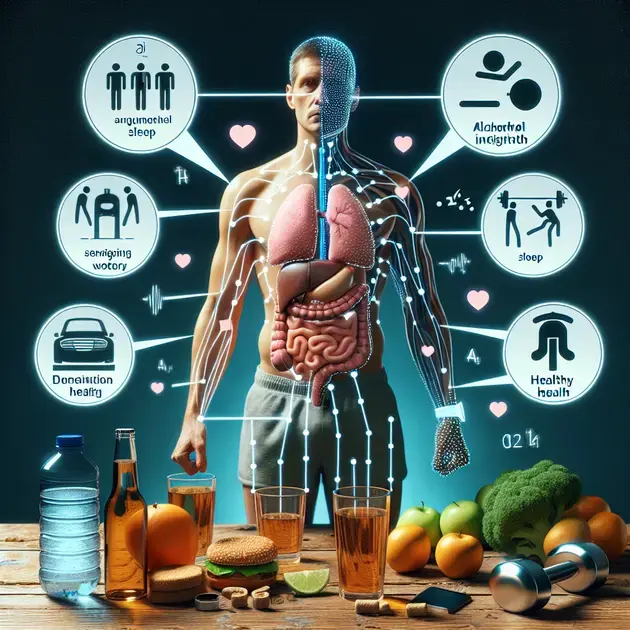
Understanding the effects of alcohol on your body is crucial for making informed decisions about your health. With excessive alcohol consumption being a prevalent issue in today’s society, it’s important to be aware of how alcohol can impact your overall well-being.
From disrupting your sleep patterns to affecting your internal organs, alcohol can have a wide range of negative effects on the body. By understanding these impacts, you can take proactive steps to prioritize your health and well-being.
Understanding How Alcohol Affects Your Sleep Patterns
Alcohol consumption can significantly impact your sleep patterns. Understanding how alcohol affects your sleep is crucial for improving the quality of your rest. To track your sleep patterns and monitor the effects of alcohol, you can use the Sleep Cycle app. This app analyzes your sleep quality, tracks disruptions, and provides insights into factors that may be impacting your rest, such as alcohol consumption.
When you consume alcohol before bed, it can disrupt your sleep cycles, leading to fragmented and shallow sleep. The Sleep Cycle app can help you visualize these disruptions and understand how they correlate with your alcohol intake. By tracking your sleep patterns regularly, you can identify trends and make informed decisions about your alcohol consumption to improve your sleep quality.
In addition, using the SleepScore app can also provide valuable insights into how alcohol affects your sleep. This app uses data from your smartphone or wearable device to analyze your sleep patterns and provide personalized recommendations for optimizing your rest. By monitoring your sleep with this app, you can better understand the impact of alcohol on your sleep quality and make necessary adjustments.
By using apps like Sleep Cycle and SleepScore to track your sleep patterns and monitor the effects of alcohol, you can take proactive steps to improve your sleep quality. These apps provide valuable insights and data that can help you make informed decisions about your alcohol consumption and prioritize your sleep health.
Understanding how alcohol affects your sleep patterns is essential for optimizing your rest and overall well-being. By utilizing sleep tracking apps like Sleep Cycle and SleepScore, you can gain valuable insights into the impact of alcohol on your sleep and make positive changes to enhance your sleep quality.
The Impact of Alcohol on Your Internal Organs
Alcohol consumption not only affects your sleep patterns but also has a significant impact on your internal organs. To understand how alcohol affects your internal organs, you can use the Your.MD app. This app provides information on the effects of alcohol on various organs, including the liver, heart, and brain.
When you consume alcohol, it is absorbed into your bloodstream and can affect multiple organs in your body. The Your.MD app offers detailed insights into how alcohol impacts each organ system, along with tips for mitigating the negative effects. By exploring this information, you can gain a better understanding of the harm that alcohol can cause to your internal organs.
Using the Your.MD app, you can access personalized health information related to alcohol consumption and its effects on your internal organs. By following the app’s guidance and recommendations, you can take proactive steps to protect your organs from the damaging effects of alcohol and prioritize your overall health.
By utilizing resources like the Your.MD app to educate yourself on the impact of alcohol on your internal organs, you can make informed choices about your drinking habits and reduce the risk of organ damage. Understanding how alcohol affects your body internally is key to maintaining good health and well-being.
Considering the detrimental effects of alcohol on your internal organs, it’s essential to be mindful of your drinking habits and take proactive steps to safeguard your health. With the help of the Your.MD app, you can gain valuable insights into the impact of alcohol on your organs and make informed decisions to prioritize your well-being.
Prioritizing Your Health: Taking Proactive Steps Against Alcohol Effects
When it comes to prioritizing your health and taking proactive steps against the effects of alcohol, mindfulness and moderation are key. Using apps like DrinkControl can help you track your alcohol consumption and set limits to avoid negative consequences on your health.
DrinkControl allows you to log and monitor your drinks, providing insights into your consumption patterns and the associated health risks. By setting personalized goals and receiving alerts when approaching your limits, you can stay mindful of your alcohol intake and take proactive steps to protect your health.
In addition to tracking your alcohol consumption with DrinkControl, it’s essential to focus on healthy habits that support your overall well-being. Apps like MyFitnessPal can help you maintain a balanced diet and track your physical activity to offset the effects of alcohol on your health.
By integrating tools like DrinkControl and MyFitnessPal into your daily routine, you can proactively manage the impact of alcohol on your health and make informed choices to prioritize your well-being. Consistency and moderation are key to mitigating the negative effects of alcohol and maintaining a healthy lifestyle.
Prioritizing your health by taking proactive steps against the effects of alcohol is essential for long-term well-being. Using apps like DrinkControl and MyFitnessPal can empower you to make informed decisions about your alcohol consumption, adopt healthier habits, and safeguard your health for the future.
The Link Between Alcohol Consumption and Mental Health
Alcohol consumption can have a significant impact on mental health. Studies have shown that excessive drinking is linked to an increased risk of developing mental health disorders such as depression, anxiety, and even schizophrenia. Individuals who consume alcohol at a moderate or high level may experience changes in mood and behavior, leading to difficulties in managing stress and emotions.
Furthermore, alcohol can disrupt the brain’s neurotransmitters, affecting cognitive functions and decision-making processes. This can result in impaired judgment, memory loss, and a higher susceptibility to mental health issues. It is essential to recognize the correlation between alcohol consumption and mental well-being to promote a healthier lifestyle.
To mitigate the negative effects of alcohol on mental health, individuals should consider consuming alcohol in moderation, seeking professional help if needed, and implementing stress-relief techniques such as mindfulness and exercise. By being mindful of their alcohol intake and mental well-being, individuals can take proactive steps towards improving their overall health.
Remember, it is important to prioritize mental health and well-being when considering alcohol consumption. Seek support and guidance from healthcare professionals or mental health experts if you are experiencing challenges in this area.
Navigating Social Situations While Managing Alcohol Intake
Managing alcohol intake in social situations can be challenging, especially when faced with peer pressure and societal norms. It is crucial to strike a balance between socializing and responsibly consuming alcohol to avoid potential negative consequences on your health and well-being. By being mindful of your limits and setting personal boundaries, you can navigate social gatherings without compromising your values or health.
One strategy for managing alcohol intake in social situations is to alternate between alcoholic and non-alcoholic beverages. This can help pace your drinking and reduce overall alcohol consumption. Additionally, communicating openly with friends and peers about your limits and preferences can create a supportive environment that respects your choices.
Another tip is to have a plan in place before attending social events. Decide ahead of time how many drinks you will have and stick to your decision. Having a support system or designated driver can also help ensure that you maintain control over your alcohol intake and make responsible choices.
Remember, it is okay to decline alcohol or choose not to drink in social situations. Your health and well-being should always come first, and it is important to prioritize self-care and personal values when managing alcohol intake in social settings.
Optimizing Your Fitness Routine to Counteract Alcohol’s Effects
Regular exercise plays a crucial role in counteracting the negative effects of alcohol on the body. Alcohol consumption can lead to dehydration, nutrient deficiencies, and reduced muscle recovery, impacting overall physical health and fitness levels. By incorporating fitness into your routine, you can mitigate these effects and improve your well-being.
One way to optimize your fitness routine to counteract alcohol’s effects is to focus on cardiovascular exercises that promote heart health and circulation. Activities such as running, cycling, or swimming can help improve blood flow and oxygen delivery to the muscles, aiding in recovery and detoxification processes.
In addition, strength training exercises can help build muscle mass and improve metabolic function, counteracting the muscle-damaging effects of alcohol. By incorporating resistance training into your fitness routine, you can enhance your physical strength and endurance, reducing the impact of alcohol on your body.
Lastly, prioritizing hydration and nutrition is essential when countering alcohol’s effects through fitness. Drink plenty of water to stay hydrated, replenish electrolytes lost during alcohol consumption, and fuel your body with nutrient-rich foods to support recovery and overall health.
Remember, combining regular exercise with responsible alcohol consumption can improve your physical and mental well-being. Take proactive steps to optimize your fitness routine and counteract the effects of alcohol on your body for a healthier lifestyle.
**
Conclusion
**
Understanding the profound link between alcohol consumption and mental health is crucial for promoting a healthier lifestyle. Research has shown that excessive drinking can significantly increase the risk of developing mental health disorders such as depression, anxiety, and even schizophrenia. Individuals who consume alcohol at moderate or high levels may experience mood and behavioral changes that can lead to challenges in managing stress and emotions.
Moreover, alcohol’s impact on the brain’s neurotransmitters can disrupt cognitive functions and decision-making processes, resulting in impaired judgment, memory loss, and a heightened vulnerability to mental health issues. It is imperative to recognize this correlation to prioritize mental well-being and take proactive steps towards improving overall health.
To mitigate the adverse effects of alcohol on mental health, individuals should consider consuming alcohol in moderation, seek professional help when necessary, and adopt stress-relief techniques like mindfulness and exercise. By being mindful of their alcohol intake and mental well-being, individuals can make informed choices for a healthier life. Remember, prioritizing mental health and seeking guidance from healthcare professionals are essential steps when navigating the complexities of alcohol consumption and its impact on mental well-being.
Product
Description
Link
Jointgen
Join the Thousands of U.S. Seniors Enjoying Comfortable, Flexible and Youthful Joints Thanks to Joint Genesis™
Neverfresh
Nerve Fresh promotes healthy nerves by providing 5 vital bio-available fruit, flower and bark extracts with essential vitamin and mineral support
balmorex
“Shortcut to Wellness” is the perfect solution for those who want to ‘hack’ their mind & body with the use of modern technology to improve their quality of life! Biohacking is about optimizing your life & body through the use of biology, research & technology
live pure
Do you have deep stubborn fat stores that no diet or exercise seems to remove? Then the answer is yes. Liv Pure has changed the lives of over 234,000 women and men from 18 to 80 and is designed to rapidly dissolve fat in even the worst cases.
The liver is an essential organ for the human body, playing a crucial role in maintaining overall health and well-being. Understanding the Liver: Functions and Importance is key to comprehending the various tasks it performs to support vital bodily functions.
Recent studies have shown the significance of the liver in not only filtering and detoxifying the blood but also in aiding digestion, regulating metabolism, and storing essential nutrients. Its multifaceted role underscores the importance of proper liver function for optimal health.
The Role of the Liver in Detoxification and Blood Filtration
The liver plays a crucial role in detoxifying the body by filtering out toxins and harmful substances from the bloodstream. One way the liver accomplishes this is through a process called biotransformation, where enzymes in the liver convert fat-soluble toxins into water-soluble substances that can be excreted from the body through urine or bile. To support this detoxification process, individuals can incorporate liver-supporting foods such as cruciferous vegetables, turmeric, and garlic into their diet. Apps like MyFitnessPal can help track nutrient intake and ensure a balanced diet that supports liver function.
Moreover, the liver filters the blood to remove bacteria, old red blood cells, and other debris, ensuring that clean blood is circulated throughout the body. Drinking an adequate amount of water and reducing the consumption of processed foods can assist the liver in maintaining proper blood filtration. Apps like WaterMinder can help individuals track their daily water intake and stay hydrated to support optimal liver function.
Regular exercise is also beneficial for the liver’s detoxification and blood filtration processes. Engaging in activities like running, swimming, or yoga can promote blood circulation, which in turn supports the liver in filtering out toxins effectively. Fitness apps like Nike Training Club or Strava can provide workout routines and tracking features to help individuals stay active and maintain a healthy lifestyle.
By understanding the liver’s role in detoxification and blood filtration and taking steps to support its function through diet, hydration, and exercise, individuals can optimize their overall health and well-being.
Exploring the Liver’s Impact on Digestion and Metabolism
The liver plays a significant role in digestion and metabolism by producing bile, a substance that aids in the breakdown and absorption of fats in the small intestine. Bile is stored in the gallbladder and released into the digestive tract when needed to emulsify fats and promote their digestion. To support healthy digestion and metabolism, individuals can include fiber-rich foods like fruits, vegetables, and whole grains in their meals. Apps like Cronometer can help track fiber intake and ensure a well-rounded diet that supports liver function.
In addition to bile production, the liver regulates glucose levels in the body by storing excess glucose as glycogen or converting it into fat for storage. Maintaining stable blood sugar levels through balanced meals and snacks can help support the liver’s metabolic functions. Apps like MyPlate Calorie Counter can assist in monitoring carbohydrate intake and managing blood glucose levels effectively.
Furthermore, the liver plays a vital role in metabolizing nutrients from food, such as proteins, carbohydrates, and fats, to provide energy for the body’s cells. Incorporating lean proteins, complex carbohydrates, and healthy fats into one’s diet can support the liver in its metabolic processes. Apps like Fitbit can track macronutrient intake and offer personalized nutrition recommendations to optimize digestion and metabolism.
By exploring the liver’s impact on digestion and metabolism and making informed dietary choices, individuals can support their liver health and enhance their overall metabolic function for improved wellness.
The Significance of Proper Liver Function for Overall Health
Proper liver function is essential for overall health as the liver performs various vital functions that are crucial for maintaining physiological balance in the body. One of the key roles of the liver is to store essential vitamins, minerals, and nutrients, such as vitamin A, vitamin D, and iron, which are necessary for various bodily processes. Ensuring a nutrient-dense diet rich in these essential nutrients can help support the liver’s function. Apps like Nutrients provide detailed information on the nutritional content of foods and can assist in planning balanced meals to promote overall health.
Moreover, the liver plays a central role in regulating cholesterol levels by producing and excreting bile acids that aid in the digestion and absorption of fats. Consuming foods high in antioxidants, such as berries, nuts, and seeds, can help reduce oxidative stress and support liver health. Apps like Lose It! can track dietary choices and monitor cholesterol intake to promote heart health and overall well-being.
In addition to metabolic functions, the liver is responsible for synthesizing proteins that are essential for blood clotting, immune function, and maintaining fluid balance in the body. Including sources of protein like lean meats, legumes, and dairy products in the diet can support the liver in protein synthesis. Apps like MyMacros+ can help individuals track protein consumption and ensure adequate intake for optimal liver function.
By recognizing the significance of proper liver function for overall health and implementing lifestyle choices that support the liver’s essential roles, individuals can enhance their well-being and reduce the risk of liver-related conditions.
The Importance of Liver Health for Disease Prevention
Ensuring optimal liver health is crucial for preventing various diseases and maintaining overall well-being. The liver plays a vital role in detoxifying the body, metabolizing nutrients, and producing essential proteins. When the liver is not functioning properly, it can lead to a range of health issues, including fatty liver disease, hepatitis, and liver cancer.
One key aspect of liver health is the prevention of liver damage caused by factors such as excessive alcohol consumption, viral infections, and poor dietary choices. By taking proactive steps to support liver function, individuals can reduce their risk of developing serious liver conditions.
Regularly monitoring liver enzymes through blood tests can provide valuable insights into the health of the liver. Elevated levels of certain enzymes, such as ALT and AST, may indicate liver inflammation or damage, prompting further investigation and necessary lifestyle changes to improve liver health.
By prioritizing liver health through a balanced diet, regular exercise, and moderation in alcohol consumption, individuals can significantly reduce their risk of liver-related diseases. Making informed choices about nutrition and lifestyle habits can go a long way in preserving liver function and overall health.
Overall, maintaining a healthy liver is essential for disease prevention and optimal well-being. By understanding the importance of liver health and taking proactive steps to support liver function, individuals can safeguard against potential liver-related diseases and lead a healthier life.
Understanding Liver Enzymes and Their Role in Body Functions
Liver enzymes are essential proteins produced by the liver that play a crucial role in various body functions. These enzymes are involved in processes such as metabolizing nutrients, breaking down toxins, and aiding in digestion. Understanding the functions of liver enzymes is key to assessing liver health and detecting potential issues.
ALT (alanine aminotransferase) and AST (aspartate aminotransferase) are two primary enzymes that are commonly measured in liver function tests. Elevated levels of these enzymes in the blood may indicate liver damage or inflammation, prompting further evaluation to determine the underlying cause.
Other liver enzymes, such as ALP (alkaline phosphatase) and GGT (gamma-glutamyl transferase), also play important roles in liver function and can provide valuable insights into liver health when assessed alongside ALT and AST levels.
Monitoring liver enzyme levels through blood tests is a fundamental aspect of assessing liver health and identifying potential issues early on. By staying informed about liver enzyme levels and addressing any abnormalities promptly, individuals can take proactive steps to support liver function and overall well-being.
Overall, understanding liver enzymes and their role in body functions is essential for maintaining optimal liver health and preventing liver-related diseases. By staying informed about liver enzyme levels and working with healthcare providers to address any concerns, individuals can support liver function and lead a healthier life.
Maintaining a Healthy Liver through Diet and Lifestyle Choices
Adopting a healthy diet and lifestyle choices is paramount for maintaining a healthy liver and supporting overall well-being. A diet rich in fruits, vegetables, whole grains, and lean proteins can provide essential nutrients that support liver function and promote detoxification.
Avoiding excessive consumption of alcohol, processed foods, and sugary beverages is crucial for protecting liver health and reducing the risk of liver damage. Alcohol in particular can have a significant impact on liver function and should be consumed in moderation to prevent liver-related diseases.
Incorporating regular exercise into your routine can also benefit liver health by promoting blood circulation, reducing inflammation, and supporting overall metabolism. Physical activity plays a key role in maintaining a healthy weight and reducing the risk of fatty liver disease.
Staying hydrated, getting an adequate amount of sleep, and managing stress levels are additional lifestyle factors that can positively impact liver health. Proper hydration supports liver function, while adequate sleep and stress management contribute to overall well-being and optimal liver function.
By making informed choices about diet and lifestyle, individuals can take proactive steps to maintain a healthy liver and reduce the risk of liver-related diseases. Prioritizing liver health through positive lifestyle choices is essential for overall well-being and disease prevention.
**
Conclusion
**
Ensuring optimal liver health is crucial for disease prevention and overall well-being. The liver’s role in detoxification, nutrient metabolism, and protein production highlights its importance in maintaining a healthy body. Neglecting liver health can lead to serious conditions such as fatty liver disease, hepatitis, and liver cancer.
Preventing liver damage from factors like excessive alcohol intake, viral infections, and poor diet choices is key to reducing the risk of liver-related diseases. Monitoring liver enzymes through blood tests, including ALT and AST, can provide insights into liver health, prompting necessary lifestyle changes to improve function.
By prioritizing a balanced diet, regular exercise, and moderate alcohol consumption, individuals can significantly lower their chances of developing liver-related illnesses. Conscious decisions about nutrition and lifestyle can help preserve liver function and lead to better overall health.
Product
Description
Link
Jointgen
Join the Thousands of U.S. Seniors Enjoying Comfortable, Flexible and Youthful Joints Thanks to Joint Genesis™
Neverfresh
Nerve Fresh promotes healthy nerves by providing 5 vital bio-available fruit, flower and bark extracts with essential vitamin and mineral support
balmorex
“Shortcut to Wellness” is the perfect solution for those who want to ‘hack’ their mind & body with the use of modern technology to improve their quality of life! Biohacking is about optimizing your life & body through the use of biology, research & technology
live pure
Do you have deep stubborn fat stores that no diet or exercise seems to remove? Then the answer is yes. Liv Pure has changed the lives of over 234,000 women and men from 18 to 80 and is designed to rapidly dissolve fat in even the worst cases.
Snacking often gets a bad rap in the world of weight loss, but what if indulging in a late-night treat was actually the secret to shedding pounds and keeping them off? That’s been the case for many who, like our featured success story here, have transformed their lives and bodies by integrating mindful snacking into their nightly routine. Discover the power of seven carefully curated 215-calorie snacks that not only satisfy cravings but also support long-term weight management. Through strategic portioning and smart choices, these snacks have become a staple in a successful weight loss journey, proving that you can enjoy delicious treats without derailing your diet. Get ready to explore the snacks that make going to bed on a satisfied note entirely possible, and maybe, just maybe, they’ll become a part of your nightly ritual too.
Embracing Consistent Snacking
Consistency in any weight loss journey is crucial, and for many, finding the balance between enjoying food and staying on track can be a delicate dance. The key lies in embracing snacks that not only satisfy cravings but also fit within your daily caloric goals. Here are seven delightful options, each under 215 calories, that can enhance your evening routine while supporting your weight loss journey.
1. Boom Chicka Pop Puffs
These white cheddar-flavored puffs are reminiscent of the classic cheesy snacks but without the extra calories. At only 41.3 grams per serving, they provide the satisfaction of crunch and flavor, making them a perfect alternative for a savory snack craving. The portion size is generous, ensuring you feel full and content.
2. Special K Vanilla Almond with Fairlife Milk
Combining 44 grams of Special K Vanilla Almond cereal with 2/3 cup of Fairlife milk yields a snack that’s not only tasty but also richer in protein. This combination provides a pleasing crunch and a hint of sweetness, and the milk adds an additional 12 grams of protein. It’s a versatile choice for those nights when you’re craving something more substantial than a typical snack.
3. Nature Valley Protein Bar and Grapes
For those who love something sweet with a hint of chocolate, a Nature Valley Protein Bar (peanut almond and dark chocolate) paired with 36 grams of red seedless grapes creates a harmony of flavors. This snack option is ideal for those in need of a quick grab-and-go treat while still packing in 11 grams of protein. The grapes add a fresh and juicy contrast to the rich bar.
4. Frozen Yogurt Bars and Red Grapes
Two frozen yogurt bars drizzled in milk chocolate alongside 50 grams of red grapes make for a delightful dessert-like snack. Each bar is only 90 calories, and together with the grapes, they create a refreshing treat that feels indulgent but stays well within calorie limits. It’s an ideal choice for soothing any ice cream cravings you might have.
5. Chocolate Peanut Butter Greek Yogurt
Mixing 2/3 cup plain fat-free Greek yogurt with a teaspoon each of cocoa powder and low-calorie sweetener, and topped with a tablespoon of smooth peanut butter and some milk chocolate chips, results in a dreamy, high-protein treat. This concoction offers 19 grams of protein and the satisfying combination of chocolate and peanut butter, perfect for those who enjoy a creamy dessert without the guilt.
6. Cottage Cheese and Peanut Butter
By combining half a cup of 2% cottage cheese with cocoa powder, a low-calorie sweetener, and a tablespoon of peanut butter, you create a mousse-like snack that’s surprisingly rich and delicious. With 18 grams of protein, this snack keeps you satiated and supports your dietary goals while indulging your taste buds.
7. PB&J Roll-Up
There’s nothing like a classic PB&J to hit the spot. This version involves a high-protein tortilla smeared with a tablespoon of peanut butter and strawberry jam, each carefully chosen for their calorie-conscious profile. This roll-up not only brings nostalgia but also provides 15 grams of protein, making it a balanced snack that both comforts and fuels.
Mindful Snacking for Weight Loss
These snacks are more than just low-calorie treats; they represent a strategy to combat the otherwise restrictive nature of dieting. Late-night snacking has typically been viewed as a weight loss enemy, but when approached with mindfulness and balance, it can be a loyal ally. By leveraging the right ingredients and portioning them carefully, these snacks allow you to enjoy your evenings without straying from your weight loss path.
The emphasis on having a snack allowance of 215 calories ensures you’re wrapped in a blanket of satisfaction—preventing those midnight snack attacks or the diet derailments that can follow a day of deprivation. Late-night snacking doesn’t have to mean bingeing; instead, it can be a planned, enjoyable part of your evening, adding joy to the process of achieving your health goals.
Remember, it’s never just about what you eat but about how it makes you feel, both physically and mentally. Incorporating these snacks into your diet may help you maintain consistency, preventing the feeling of deprivation that often accompanies strict dieting. This approach can be instrumental in achieving long-term success in weight loss and maintenance, turning what was once a diet into a sustainable lifestyle change.
Adopting a philosophy of indulgence within limits proves that weight loss isn’t just about denying oneself, but rather about finding alternatives that can sustain both the body and soul. As seen through these seven delightful snacks, the journey can indeed be satisfying every step of the way.
In the dynamic world of regenerative medicine, Platelet-Rich Plasma (PRP) therapy stands as a promising option for individuals battling osteoarthritis or recovering from tendon, ligament, or muscle injuries. Yet, as you embark on this treatment journey, you might stumble upon a crucial, albeit controversial, query: Should you pause the use of steroids and anti-inflammatory medications before undergoing PRP injections? In this blog, we delve into the nuances of this debate, unraveling expert opinions and available research to guide you through making informed decisions that could significantly impact the efficacy of your treatment. Based on insights from leading orthopedic surgeon and regenerative medicine expert Dr. David Guy, we explore the intersection of medical protocols and innovative therapies, offering you a comprehensive understanding of what might optimize your recovery path.
The Case for Pausing Medications
The decision to pause steroids and anti-inflammatory medications before receiving PRP injections is deeply interwoven with the evolving landscape of regenerative medicine. It’s a topic that is not only ripe with debate but also lacks a definitive guideline, as practitioners weigh the potential benefits against risks and logistical concerns.
PRP therapy, developed through the centrifugation of blood to concentrate platelets and growth factors, is heralded for its regenerative potential. These components are injected into the site of injury to promote healing and tissue regeneration. However, a pertinent question arises: could the use of steroids and anti-inflammatory medications interfere with the intended healing benefits of PRP?
The Case for Pausing Medications
Dr. David Guy, a notable figure in orthopedic and regenerative medicine, suggests a cautious approach. His recommendation is based on a theoretical framework rather than concrete study findings. The rationale is straightforward: since steroids and anti-inflammatory drugs are designed to reduce inflammation, they might counteract the body’s natural healing processes that PRP aims to enhance.
From his perspective, here are some reasons to consider pausing these medications:
Enhancing PRP Efficacy: By reducing inflammation, these drugs may inhibit the very biological processes that PRP injections seek to stimulate. Therefore, halting their use might optimize the healing environment.
Cost Considerations: Given the considerable investment in PRP therapy, patients often desire the best possible outcomes. Discontinuing these medications could, theoretically, provide the treatment with the highest chance of success.
Practical Guidelines
While this approach isn’t based on extensive research data, Dr. Guy outlines a practical timeline for discontinuing these medications:
Oral Steroids and Cortisone Injections: Suggests a halt for approximately six weeks before the PRP procedure. This period is thought to allow the body to clear these substances, thus potentially maximizing the PRP’s impact.
Anti-inflammatory Medications: Recommends a minimum of one week of discontinuation. This shorter timeline reflects the more transient nature of typical oral anti-inflammatories compared to longer-acting steroids.
The Counter-Argument
However, not all medical professionals align with this viewpoint. Some orthopedic surgeons continue with PRP procedures without any pause in medication. Their practice is based on:
Lack of Empirical Evidence: To date, there is no substantial clinical trial data demonstrating a reduced efficacy of PRP in patients who continued their medication regimen.
Individual Patient Needs: For many patients, steroids and anti-inflammatories are essential for daily function, especially in managing chronic pain or inflammation. For these individuals, the risk of exacerbating their condition by stopping medication might outweigh the potential benefits of optimizing PRP outcomes.
The Call for Further Research
The debate highlights a critical need for well-conducted studies to provide clearer guidance. Specifically, randomized controlled trials comparing PRP outcomes in patients who continue these medications versus those who do not could illuminate best practices.
Such studies face logistical challenges, such as controlling for various types of injuries and differing patient responses to medications, but they are essential for establishing evidence-based recommendations.
Exploring Alternatives
For individuals seeking alternatives to traditional pain and inflammation management, it’s worth discussing other therapies with healthcare providers. Some possible approaches include:
Lifestyle Modifications: Diet, exercise, and stress-reduction techniques can play roles in managing inflammation naturally.
Complementary Therapies: Acupuncture, massage, and herbal supplements may offer additional pain relief and healing support.
Taking Action
For those considering PRP, a personalized discussion with a healthcare provider is crucial. This conversation should encompass:
A review of current medications and their necessity.
An exploration of individual health conditions and their interaction with PRP therapy.
Consideration of alternative strategies for managing inflammation if pausing medications is feasible.
Ultimately, the decision to pause steroids and anti-inflammatory medications around the time of a PRP procedure is deeply personal and should be made in consultation with a healthcare professional who understands your unique medical history and treatment goals.
As regenerative medicine continues to evolve, staying informed and engaged with the latest discussions and research findings will help ensure that you make the best decisions for your health and recovery.
Blindly choosing cooking oils can have a significant impact on your heart health. Many commonly used oils are high in saturated fats or trans fats, both of which can increase bad cholesterol levels and the risk of heart diseases. To protect your heart and maintain a healthy cardiovascular system, it is crucial to select cooking oils that are rich in healthy fats, such as monounsaturated fats.
Monounsaturated fats, found in oils like olive oil, avocado oil, and canola oil, have been shown to have numerous heart-healthy benefits. They can help lower bad cholesterol levels, reduce inflammation, and improve overall heart health. Incorporating these oils into your diet can be a simple yet effective way to support your cardiovascular well-being.
Olive Oil
Olive oil has long been regarded as one of the best cooking oils for heart health. It is rich in monounsaturated fats, which are known to promote a healthy heart. Additionally, olive oil is packed with antioxidants that can help reduce inflammation and protect against oxidative stress, which is a key contributor to heart diseases.
Avocado Oil
Avocado oil is another excellent option for your cardiovascular health. It is not only high in monounsaturated fats but also contains essential fatty acids, including omega-3 fatty acids. These omega-3 fatty acids have been linked to improved heart health by reducing inflammation and lowering triglyceride levels.
Canola Oil
Canola oil is a versatile and heart-healthy oil choice. It is low in saturated fats and contains a good amount of monounsaturated fats. Canola oil also has a high smoke point, making it suitable for various cooking methods, including frying and baking.
Other Heart-Healthy Oils
Other cooking oils that are beneficial for heart health include walnut oil, flaxseed oil, and sesame oil. Walnut oil is rich in omega-3 fatty acids and antioxidants, both of which contribute to heart health. Flaxseed oil is also abundant in omega-3 fatty acids and has been shown to lower blood pressure and reduce inflammation. Sesame oil, in moderation, can provide heart-healthy monounsaturated fats and antioxidants.
In conclusion, the choice of cooking oils can significantly impact your heart health. Opting for oils rich in monounsaturated fats, such as olive oil, avocado oil, and canola oil, can help improve your cardiovascular well-being by reducing bad cholesterol levels and inflammation. Incorporating these oils into your diet and using them in cooking can be a simple yet effective approach to support your heart health. Choosing cooking oils without considering their impact on heart health can have a significant effect on your cardiovascular well-being. Many commonly used oils contain high levels of saturated fats or trans fats, leading to elevated levels of bad cholesterol and an increased risk of heart diseases. Therefore, it is crucial to select cooking oils that are rich in healthy fats, such as monounsaturated fats, to protect your heart. Check out our list of the top 10 cooking oils recommended for maintaining optimal cardiovascular health.
PRP Injection Preparation: Steroids and Anti-Inflammatories
Navigating the complexities of preparing for PRP injections can be daunting, especially when questions arise about the use of steroids and anti-inflammatory medications prior to treatment. In this blog, we delve into the insights shared by Dr. David Guy, a triple board-certified orthopedic surgeon and expert in regenerative medicine, as he addresses a frequently asked question from his “Ask the Doctor” video series. With a focus on enhancing the effectiveness of PRP and autologous exosome therapies, Dr. Guy sheds light on the debate surrounding the discontinuation of certain medications, offering his professional perspective based on years of experience. Whether you’re considering these innovative treatments for osteoarthritis, tendon, ligament, or muscle injuries, this blog will guide you through the nuanced recommendations and considerations to optimize your healing journey.
Understanding PRP Injection Preparation
Understanding the preparation required for PRP (Platelet-Rich Plasma) injections is essential for those seeking to maximize the benefits of this regenerative treatment. Dr. David Guy, an expert in orthopedic surgery and regenerative medicine, provides valuable insights on the potential impact of steroids and anti-inflammatory medications on the efficacy of PRP therapies.
PRP injections involve drawing blood from the patient, then centrifuging it to separate the plasma—the component rich in platelets and growth factors—from the red and white blood cells. This platelet-rich plasma is then injected into the area requiring treatment, aiming to promote healing and regeneration.
Dr. Guy explains that there’s debate within the medical community regarding the impact of pre-injection use of medications like oral steroids, cortisone shots, and topical hydrocortisone creams on PRP outcomes. While no definitive studies conclusively show poorer results when patients are on these medications, there is a consensus that avoiding them could potentially enhance the treatment effectiveness.
Key Considerations for Patients
Steroids and PRP Efficacy: Steroids, both oral and those administered via injection like cortisone shots, are designed to reduce inflammation by suppressing the immune response. Since PRP injections aim to utilize the body’s natural healing mechanisms, suppressing these responses might counteract the intended effects. Dr. Guy suggests that patients should ideally be off oral steroids and avoid cortisone shots for about six weeks before undergoing PRP treatments.
Anti-Inflammatory Medications: These medications, such as ibuprofen or naproxen, could potentially interfere with the inflammatory response needed for PRP treatment effectiveness. Though studies directly linking their use to reduced PRP efficacy are sparse, Dr. Guy recommends avoiding them for at least one week prior to treatment.
Patient Investment and Treatment Success: Given the financial and emotional investment in regenerative therapies, it makes sense to create the most favorable conditions for success. For many patients, even the chance of improved outcomes and enhanced healing capabilities is worth the temporary discontinuation of these medications.
Individualized Treatment Plans: Dr. Guy emphasizes that each patient’s situation is unique. The decision to pause certain medications should involve a discussion with your healthcare provider, who can tailor recommendations based on your overall health, the specifics of your condition, and other treatments you may be undergoing.
Future Perspectives in Regenerative Medicine
For those considering PRP or autologous exosome therapy—an emerging treatment Dr. Guy advocates for due to its advanced regenerative potential—understanding all facets of preparation is vital. Autologous exosomes are derived from the patient’s own blood, further manipulated in a laboratory to produce a concentrated dose of exosomes, which are then used to promote tissue repair and regeneration.
Despite the current lack of FDA approval for exosomes, Dr. Guy sees this field as the next evolution in regenerative therapies. He suggests that, like PRP, these treatments might also necessitate similar preparatory measures to ensure optimal results.
It is important to remember that while Dr. Guy provides insights based on his expertise and experience, these should not replace personalized medical advice from your healthcare provider. Engaging in a thorough discussion about all the treatment options, including the risks and benefits, is crucial in making an informed decision.
In conclusion, while there is no universal guideline on discontinuing steroids and anti-inflammatory medications before PRP injections, Dr. Guy’s approach aligns with maximizing the potential success of regenerative treatments. Patients should engage in open dialogues with their healthcare providers, considering these recommendations as part of a broader strategy to optimize healing and improve outcomes. As research in regenerative medicine continues to evolve, so too will these guidelines, paving the way for more effective and personalized treatment strategies.
Embarking on a weight loss journey can be both challenging and rewarding, and for many, the key to success lies in finding sustainable habits that work for their lifestyle. For me, the transformative path to losing 130 pounds—and keeping it off for over nine years—came with one simple realization: the importance of a satisfying nighttime snack. By allowing myself a variety of delicious, low-calorie snacks before bed, I was able to stave off feelings of deprivation and maintain my momentum. In this blog, I’ll share my top seven 215-calorie snacks that have not only kept me on track but also made the nightly routine something to look forward to. Discover how these tasty treats can help you balance cravings while staying committed to your goals—one snack at a time.
Boom Chicka Pop Puffs – White Cheddar Flavor
Calories: 215 calories for 41.3 grams
Details: These white cheddar puffs are a fabulous low-calorie substitute for traditional cheesy snacks. They are incredibly satisfying, offering a decent-sized portion that makes you feel like you’re not missing out. You can also try their chili flavor for a spicy twist.
Special K Vanilla Almond with Fairlife Milk
Calories: 215 calories for 44 grams of cereal and 2/3 cup of milk
Protein: 12 grams
Details: This combination offers crunch, flavor, and just the right amount of sweetness. Special K Vanilla Almond cereal paired with protein-rich Fairlife milk provides a delightful balance of textures and flavors. The addition of milk ensures you get a boost of protein, helping you feel fuller for longer.
Grapes and Nature Valley Protein Bar
Calories: 215 calories for 36 grams of grapes and one protein bar
Protein: 11 grams
Details: A sweet and crunchy duo that will satisfy your fruit and chocolate cravings. The fresh, juicy grapes complement the peanut, almond, and dark chocolate flavors of the Nature Valley protein bar, offering a balanced snack that’s both refreshing and filling.
Frozen Yogurt Bars with Red Grapes
Calories: 215 calories for two yogurt bars and 50 grams of grapes
Details: These frozen yogurt bars are a real treat, especially with their rich chocolate coating. Paired with red grapes, you get a delicious mix of creamy and fruity textures that feels like a dessert while keeping your calorie intake in check.
Details: Combining the richness of chocolate and the creaminess of peanut butter, this yogurt mix is a heavenly snack that’s packed with protein. Not only does it taste amazing, but it also keeps you satiated, making it a go-to favorite.
Details: This concoction creates a mousse-like texture that’s both sweet and savory. It’s an ideal snack for those who love the cottage cheese flavor combined with peanut butter’s smoothness, delivering a punch of protein.
Peanut Butter & Jelly (PB&J) Roll-Up
Calories: 215 calories
Protein: 15 grams
Ingredients: One BeFree high-protein tortilla, 1 tbsp peanut butter, 1 tbsp Dora 25-calorie strawberry jam.
Details: Bringing a nostalgic favorite into your nightly snack regimen, this PB&J roll-up is both delicious and fulfilling. The high-protein tortilla keeps it healthy, while the peanut butter and jam satisfy your sweet tooth.
These snacks demonstrate that you don’t need to sacrifice taste or satisfaction while managing your weight. By selecting snacks that are low in calories but high in flavor and nutrition, you can enjoy eating without derailing your progress.
It’s important to remember that weight loss is not solely about numbers but also your mental and emotional well-being. Allowing yourself to enjoy snacks that appeal to your taste buds and contribute to your nutritional intake can make a significant difference in your long-term success.
Incorporating these snacks into your routine can help maintain balance, making the journey enjoyable and sustainable. So, embrace the process, savor each bite, and let these snacks support you in achieving your weight loss goals.
The Importance of Prompt CPR in Improving Survival Rates and Brain Protection during Cardiac Arrests
Title: The Importance of Prompt CPR in Improving Survival Rates and Brain Protection during Cardiac Arrests
Introduction:
Cardiac arrest is a life-threatening emergency that requires immediate action to maximize the chances of survival. Recent research conducted in the United States highlights the crucial role that lay rescuers, or bystanders, play in providing cardiopulmonary resuscitation (CPR) to individuals experiencing cardiac arrest. This article aims to shed light on the significance of initiating CPR as early as possible, within 10 minutes of the arrest, for better survival rates and brain protection.
Importance of Early CPR:
The analysis, encompassing a comprehensive dataset of nearly 200,000 out-of-hospital cardiac arrest cases from 2013 to 2022, revealed a significant correlation between the time of CPR initiation and survival outcomes. The study found that the sooner a bystander starts CPR, the better the chances of not only surviving but also preserving brain functioning.
Survival Rates:
Cardiac arrests that occur in the absence of immediate bystander CPR are associated with lower survival rates. Research indicates that after just a few minutes without CPR, a lack of oxygen can lead to significant brain damage and decrease the chances of a successful resuscitation. However, when CPR is administered promptly, the flow of oxygen to the brain is restored, improving the odds of survival and minimizing potential neurological complications.
Brain Protection:
Cardiac arrest disrupts the supply of oxygen and nutrients to the brain, resulting in potentially irreversible damage if not addressed promptly. Early initiation of CPR helps maintain blood circulation, providing the brain with essential oxygen and preventing neurological harm. The analysis demonstrates that every minute without CPR decreases the likelihood of a positive outcome and increases the risk of long-term brain injury.
Community Awareness and Training:
To ensure the prompt and effective delivery of CPR, it is imperative to raise awareness in the community about the importance of bystander intervention during cardiac arrest emergencies. Educating individuals about CPR techniques and providing widespread training programs empowers more people to become confident responders in critical situations. This increased knowledge and preparedness within communities can significantly contribute to saving lives and improving outcomes during cardiac arrest events.
Conclusion:
The analysis of out-of-hospital cardiac arrest cases emphasizes the critical role of bystanders in initiating CPR promptly. The sooner CPR is administered after the arrest, the higher the chances of survival and increased brain protection. It is crucial to emphasize the importance of community awareness, education, and training programs to ensure more individuals are equipped with the knowledge and skills necessary to respond effectively during life-threatening emergencies. Together, we can make a significant difference in improving survival rates and minimizing the long-term impact of cardiac arrest.
To provide the best experiences, we use technologies like cookies to store and/or access device information. Consenting to these technologies will allow us to process data such as browsing behavior or unique IDs on this site. Not consenting or withdrawing consent, may adversely affect certain features and functions.
Functional
Always active
The technical storage or access is strictly necessary for the legitimate purpose of enabling the use of a specific service explicitly requested by the subscriber or user, or for the sole purpose of carrying out the transmission of a communication over an electronic communications network.
Preferences
The technical storage or access is necessary for the legitimate purpose of storing preferences that are not requested by the subscriber or user.
Statistics
The technical storage or access that is used exclusively for statistical purposes.The technical storage or access that is used exclusively for anonymous statistical purposes. Without a subpoena, voluntary compliance on the part of your Internet Service Provider, or additional records from a third party, information stored or retrieved for this purpose alone cannot usually be used to identify you.
Marketing
The technical storage or access is required to create user profiles to send advertising, or to track the user on a website or across several websites for similar marketing purposes.