If you’re considering Platelet-Rich Plasma (PRP) injections to address osteoarthritis or heal tendon, ligament, or muscle injuries, you might be wondering about the use of steroids and anti-inflammatory medications beforehand. In today’s health-focused blog, we’ll delve into the ongoing debate among orthopedic specialists regarding pre-injection medication protocols. While some experts maintain that a six-week period free of steroids and a one-week hiatus from anti-inflammatories may optimize the effectiveness of PRP treatments, others argue there’s no solid research to support such measures. Join us as we explore these varying perspectives and weigh the potential impact of medications on your regenerative treatment journey.
The Science Behind PRP and Exosomes
PRP therapy involves extracting a small amount of the patient’s blood, processing it to concentrate the platelets, and then reinjecting it into the affected area. The high concentration of growth factors in PRP is believed to promote healing by stimulating cell growth and repair. An alternative, potentially more advanced treatment is the use of autologous exosomes. These are nano-sized vesicles derived from a patient’s own blood, which are thought to play a crucial role in cell communication and regeneration.
Both PRP and exosome therapies are considered experimental by governing bodies like the FDA. However, their use is proliferating, driven by promising anecdotal results and the minimal invasiveness of these procedures.
The Role of Steroids and Anti-Inflammatories
Steroids and anti-inflammatory medications are commonly used to manage pain and inflammation in various musculoskeletal conditions. However, their application pre- and post-PRP injections raises questions about their impact on the treatment’s success. Here’s a breakdown of the considerations:
Cortisone Shots: These injections are potent anti-inflammatories administered directly into the joint or soft tissue. Some specialists recommend a six-week window free from cortisone shots before PRP to avoid any potential reduction in the treatment’s efficacy.
Oral Steroids: Similar to cortisone shots, oral steroids can suppress the immune response and inflammation. The hypothesized risk is that they might interfere with the biological processes that PRP aims to enhance.
NSAIDs (Non-Steroidal Anti-Inflammatory Drugs): These are commonly used medications, such as ibuprofen or naproxen, that provide pain relief and reduce inflammation. The recommendation is to stop NSAIDs at least one week before treatment to minimize any potential interaction with platelet activity.
Why a Steroid-Free Period?
The rationale behind abstaining from steroids and anti-inflammatories is rooted in the desire to maximize the natural healing processes that PRP aims to stimulate. Here’s why some experts advocate for this approach:
Enhanced Efficacy: By minimizing interference from external substances, the body might respond more robustly to the PRP, potentially leading to better clinical outcomes.
Cost Considerations: PRP treatments can be a significant financial investment. Patients aiming to achieve optimal results may prefer to eliminate any variable that could potentially compromise the effectiveness of their treatment.
Personalized Medicine: Every patient responds differently to treatments, and some practitioners believe that avoiding these medications might be suitable for certain individuals, particularly those who have had suboptimal responses to past regenerative therapies.
Diverging Opinions Among Specialists
It’s important to highlight the diversity of opinions within the medical community regarding pre-PRP medication protocols. Some clinicians don’t impose restrictions on steroids or NSAID usage, citing a lack of concrete evidence. They may argue that patient comfort and pain management should take precedence, particularly if avoiding these medications increases discomfort.
The variability in practice underscores the need for more robust, high-quality studies to definitively determine the effects of these medications on PRP efficacy. Such research would ideally involve randomized, double-blind, controlled trials that can provide the level of evidence required to establish standardized guidelines.
Guiding Your Treatment Decisions
Ultimately, the decision to cease steroids and anti-inflammatory medications before PRP therapy should be a collaborative effort between you and your healthcare provider. Consider discussing:
Your specific medical history and any previous experiences with regenerative treatments.
The severity and nature of your condition.
Your treatment goals and expectations.
A tailored approach, considering your unique health profile and the expertise of your orthopedic specialist, will ensure that you receive the most appropriate guidance for your situation.
In summary, while there is no one-size-fits-all answer to whether you should avoid steroids and anti-inflammatories before PRP, understanding the potential implications and discussing them with your doctor can help you make informed choices. Whether aiming for optimal regenerative treatment outcomes or prioritizing pain management, your healthcare decisions should align with your personal health journey.
Embarking on a weight loss journey can often feel like an uphill battle, especially when trying to balance health goals with the enjoyment of delicious food. However, the path to achieving a leaner physique doesn’t have to be one of deprivation. In this blog, I’ll share my recent experience of dropping 13.6 pounds over seven weeks while fully embracing my love for tasty food finds. From experimenting with innovative meal ideas like toasting microwave pancakes and savoring creamy dill pickle salads to indulging in protein-packed chicken strips and guilt-free desserts, my journey proves that losing weight can be both effective and enjoyable. Join me as I walk you through my 1,600 calorie-a-day meal plan, complete with detailed calorie counts and protein goals, to show you that with the right mindset and strategy, you too can achieve your health goals without sacrificing the joy of eating.
Embracing a New Approach
The first step in my weight loss journey was to embrace a simple yet transformative concept: allow myself to enjoy what I eat. Instead of succumbing to restrictive diets that often lead to feelings of deprivation and inevitable slip-ups, I made a conscious decision to treat food as a pleasurable part of life. The key was to focus on variety and satisfaction within a set calorie limit, rather than adhering to a monotonous meal plan that felt more like a chore than a choice.
My daily calorie intake was set at 1,600 calories, a number that balanced my energy needs with my weight loss goals. To make the most of these calories, I explored a plethora of foods from Costco, a treasure trove of delicious and innovative finds. The variety not only kept meals exciting but also helped me stay committed to the journey. This was my roadmap: eat delicious meals, enjoy a wide array of foods, and maintain a consistent calorie deficit.
Breakfast: Starting the Day Right
A typical day began with a delightful breakfast, set to fuel my day with energy and satisfaction. One of my favorite Costco discoveries was Premier Protein pancakes. Known for being convenient and tasty, these pancakes come in a package of three and offer a substantial start to the day. Choosing to toast them instead of microwaving provided a crispy texture that I quickly fell in love with.
Accompanying the pancakes was a dollop of 2% Greek yogurt, adding a creamy contrast and a burst of protein. The yogurt I chose is from a specialized two-pack available at Costco, boasting 25% less sugar. To add freshness and natural sweetness, I topped the pancakes and yogurt with a mix of strawberries and blueberries. This combination made for a vibrant and vitamin-rich breakfast, clocking in at 314 calories with 22 grams of protein.
Lunch: A Satisfying Midday Meal
Lunch was another opportunity to explore the culinary offerings from Costco while satisfying cravings. One of my go-to meals was a crispy chicken dill pickle salad. Finding low-calorie chicken strips in Canada can be challenging, but Costco’s Jan’s whole wheat chicken strips came to the rescue. Each strip contains only 100 calories and 5 grams of protein, making them a perfect choice for a lean meal.
The base of the salad was Taylor Farms’ creamy dill pickle chopped salad kit. Filled with crunchy croutons, feta cheese, and a delicious dill seasoning, this salad kit was a taste revelation. Splitting the contents with my partner, Kyle, meant we both enjoyed a flavorful and balanced meal. The dill pickle salad, combined with the chicken strips, offered a hearty lunch at 425 calories and 14 grams of protein.
Dinner: Flavorful and Fulfilling
Dinner continued the theme of delicious yet mindful eating. A standout evening meal included Olympic Southern crunch chicken wings, delicately air-fried to perfection. The wings paired wonderfully with restaurant-style drive-thru fries. These fries are a healthier alternative, providing a generous serving for a relatively low calorie cost. The addition of baby carrots with a touch of ranch dressing rounded out the meal, making it both nutritious and indulgent.
To sprinkle in some fun, I used no-sugar-added Heinz ketchup for dipping and added a bubbly drink for variety. This dinner satisfied my cravings while sticking to my calorie limit, coming in at 432 calories and 18 grams of protein.
Dessert and Snacks: Guilt-Free Indulgences
No day is complete without a touch of sweetness. My dessert of choice was a yogurt bowl jazzed up with strawberries, blueberries, and crushed cookies. The Aero cookies from Costco were the perfect low-calorie treat, allowing me to enjoy every bite without guilt.
For a bedtime snack, I opted for a classic bowl of cereal and milk. Frosted Flakes with unsweetened vanilla almond milk was the perfect comfort food to end the day. This snack complemented my meal plan, keeping me within my calorie budget and ensuring I felt full and happy.
The Importance of Mindset and Activity
Beyond the food itself, maintaining a positive mindset was crucial. I incorporated regular low-intensity cardio sessions, which not only aided in my weight loss but also boosted my mood and energy levels. This balanced approach to diet and exercise created a sustainable pathway to achieving my goals.
In summary, my journey to losing 13.6 pounds was guided by a philosophy of enjoying food in moderation while experimenting with new and exciting options. Through careful planning and an emphasis on variety, I was able to maintain a caloric deficit without feeling deprived. This approach, combined with regular exercise, made the process enjoyable and sustainable. Remember, weight loss is about finding what works for you and your lifestyle, and sometimes, that can start with a simple trip to Costco.
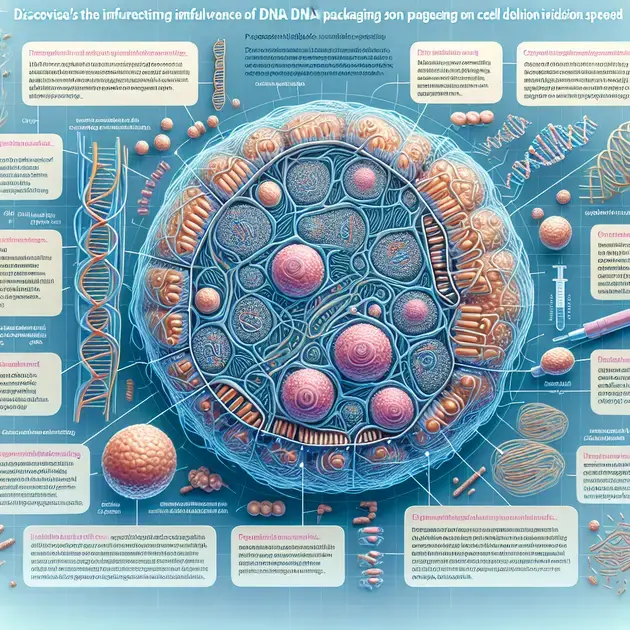
Researchers have recently made a remarkable discovery regarding the impact of DNA packaging on the speed of DNA replication during cell division. This groundbreaking revelation suggests that the way DNA is packaged in cells can have a direct influence on the ability of cells to divide and grow. By sending signals through an unconventional pathway, the packaging of DNA creates a ripple effect that affects the entire cell division process.
This newfound understanding paves the way for further investigations into the intricate connection between DNA packaging and the copying of its genetic material. Scientists can now delve deeper into unraveling the mechanisms that govern DNA replication and packaging, opening up new doors for future studies.
One of the most significant implications of this research lies in the potential it holds for the development of therapies and medicines, particularly in the treatment of diseases such as cancer. As cancer cells exhibit aberrant growth and division, gaining insights into the factors that regulate cell division can be instrumental in finding effective treatments. By understanding how DNA packaging influences the replication process, researchers may be able to devise targeted strategies to inhibit or modify cancer cell proliferation.
Furthermore, these findings shed light on the importance of DNA packaging in various cellular processes beyond replication. The intricate and finely tuned packaging of DNA plays a crucial role in gene expression, DNA repair, and other essential functions. Consequently, better understanding the relationship between DNA packaging and cell division can lead to breakthroughs in various fields of biology and medicine.
Although the complete article might provide more comprehensive insights and details regarding the specific experiments and findings, the title alone highlights the significance of the researchers’ work. By exploring the link between DNA packaging and the speed of DNA replication during cell division, scientists have paved the way for future studies and potential therapeutic advancements. With this newfound knowledge, we are one step closer to understanding how diseases like cancer occur and finding novel treatments to combat them.
This molecule, belonging to the G-protein-coupled receptor (GPCR) family, plays a crucial role in cellular signaling and maintaining overall homeostasis. By analyzing cerebrospinal fluid samples from patients at different stages of the disease, researchers were able to compare the levels of ecto-GPR37 in patients with slow progression and those with more rapid deterioration.
The results showed a significant increase in ecto-GPR37 levels in patients with slow progression, suggesting its potential as a predictive biomarker. This finding has profound implications for Parkinson’s disease research and clinical practice. Firstly, early diagnosis can be improved, allowing for timely interventions that can slow down disease progression. Secondly, individualized treatment plans can be designed based on the predicted rate of progression, optimizing treatment effectiveness and minimizing adverse effects. Additionally, ecto-GPR37 may serve as a target for future therapeutic interventions, as modulating its levels or activity could potentially alter the disease course.
While further research is needed to validate these findings and establish the clinical utility of ecto-GPR37 as a biomarker, this study provides hope for more accurate prediction of disease progression, improved treatment strategies, and ultimately a better quality of life for individuals living with Parkinson’s disease.
A decade of rigorous research and development has culminated in the creation of a groundbreaking genomic test that can rapidly identify various types of pathogens, including viruses, bacteria, fungi, and parasites. This cutting-edge diagnostic tool has demonstrated remarkable success, paving the way for more efficient and accurate identification of infectious agents.
Traditional methods of pathogen detection often require specialized tests tailored to specific pathogens. These tests can be time-consuming, costly, and may not cover the entire spectrum of infectious agents that can cause disease. However, the newly developed genomic test overcomes these limitations by utilizing advanced genetic sequencing technologies.
By analyzing the genetic material of a given sample, the test is capable of detecting and identifying a wide range of pathogens, irrespective of their classification. This breakthrough has significant implications for public health as it enables healthcare professionals to swiftly and accurately pinpoint the cause of infections.
Since its inception, this genomic test has undergone rigorous testing and validation to ensure its reliability and accuracy. The research team behind this innovation has extensively analyzed thousands of samples, encompassing a broad range of pathogens. The results have consistently indicated the test’s efficacy in accurately identifying various infectious agents.
Furthermore, the genomic test’s versatility extends beyond human health applications. It can be used in environmental monitoring, food safety testing, and veterinary diagnostics. Its broad reach highlights the far-reaching impact it could have, not only on human health but also on various industries.
One of the key advantages of this test is its rapid turnaround time, which significantly expedites both diagnosis and treatment. By promptly identifying the specific pathogen causing an infection, healthcare professionals are better equipped to prescribe targeted therapies, improving patient outcomes and reducing the spread of disease.
The widespread implementation of this genomic test could also play a crucial role in outbreak management and surveillance. Detecting and monitoring the presence of pathogens in real-time would enable health authorities to respond swiftly and effectively, curbing the spread of infectious diseases and saving lives.
In conclusion, the development of this groundbreaking genomic test represents a significant milestone in pathogen detection. After a decade of extensive research and validation, this diagnostic tool has demonstrated its capability to rapidly detect and identify various types of pathogens. Its versatility and reliability make it an invaluable asset in healthcare, environmental monitoring, and several other sectors. With its ability to revolutionize disease management and outbreak control, this genomic test has the potential to improve public health outcomes worldwide.
Researchers Make Significant Advancements in Psoriasis Treatment
Researchers have recently made significant advancements in the treatment of psoriasis, a chronic inflammatory skin disease that affects millions of people worldwide. Psoriasis is characterized by red, scaly patches on the skin that can cause discomfort and embarrassment for those who suffer from it.
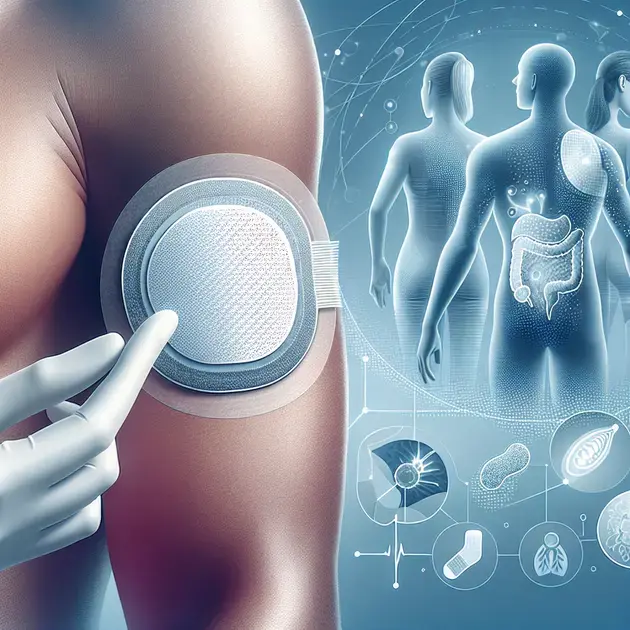
In a groundbreaking development, scientists have developed a patch that offers a more convenient and effective method of treating psoriasis. The patch is applied directly to the affected area and delivers medication directly into the skin, targeting the inflammation and reducing symptoms.
What sets this patch apart from traditional treatment methods is its ability to provide controlled and sustained drug release. This means that patients no longer have to worry about remembering to take medication multiple times a day or applying messy creams or ointments. The patch ensures a consistent dosage over a prolonged period, enhancing the effectiveness of the treatment.
While this patch is specifically designed for psoriasis, researchers believe that the method could also be applied to other inflammatory skin diseases. Conditions such as eczema, dermatitis, and even acne could potentially benefit from this novel approach to treatment.
The advantages of this patch extend beyond convenience and effectiveness. The controlled drug release minimizes the potential side effects often associated with oral medications. Those who have previously experienced adverse reactions to certain drugs can now find relief without the fear of negative repercussions.
Another promising aspect of this patch is its potential to significantly improve patients’ quality of life. Psoriasis can have a profound impact on mental health, causing anxiety, depression, and a loss of self-esteem. By providing a more convenient and effective treatment option, the patch not only addresses the physical symptoms but also alleviates the emotional burden associated with the condition.
In conclusion, the development of this patch marks a significant advancement in the treatment of psoriasis and potentially other inflammatory skin diseases. By offering a convenient and effective method of drug delivery, patients can experience improved symptom relief without the drawbacks of traditional treatment methods. This breakthrough has the potential to greatly enhance the lives of individuals living with psoriasis and other similar conditions, providing them with a renewed sense of confidence and wellbeing.
Combining Two Gene Editing Methods for Efficient Cancer Research
Title: Combining Two Gene Editing Methods for Efficient Cancer Research
Introduction:
Researchers are constantly striving to advance our understanding and treatment of cancer. In an exciting development, a group of researchers has successfully merged two gene editing methods, allowing them to swiftly investigate the implications of numerous genetic mutations associated with cancer’s development and treatment. This innovative approach promises to enhance our knowledge of cancer genetics and open new doors for personalized therapies.
The Study:
In this study, scientists combined two cutting-edge gene editing tools, namely CRISPR-Cas9 and CRISPR activation (CRISPRa), to streamline the exploration of genetic mutations and their impact on cancer. By leveraging the precision and versatility of these techniques, the researchers aimed to expedite the investigation of various genetic alterations linked to cancer progression and response to treatment.
CRISPR-Cas9, known as a genome-editing tool, serves as the foundation for this research. It enables scientists to selectively modify DNA sequences, disrupting or introducing specific gene mutations implicated in cancer. Additionally, the CRISPRa technique enhances the process by activating specific genes, mimicking the natural gene expression mechanisms.
Significance and Applications:
By combining the two gene editing methods, researchers gain a powerful tool that can accurately elucidate the functional consequences of mutated genes within cancer cells. This breakthrough technology enables a faster evaluation of the biological significance of multiple genetic alterations, accelerating the comprehension of underlying mechanisms driving cancer formation, progression, and response to treatments.
The ability to investigate the clinical relevance of various genetic mutations promptly can enhance the development of targeted therapies. With a deeper understanding of how specific gene alterations affect cancer cells, scientists can identify novel therapeutic targets and potentially design personalized treatment strategies for patients based on their unique genetic profiles.
Conclusion:
The merger of CRISPR-Cas9 and CRISPRa technologies has positioned scientists at the forefront of cancer research. This potent combination allows for detailed investigations into the functional consequences of genetic mutations associated with cancer, ultimately helping to unravel the complexities of this disease. As researchers continue to harness the potential of gene editing, we can anticipate significant advancements in both cancer biology and the development of precision medicine approaches.
Researchers Make Intriguing Discovery in Cellular Biology
In the field of cellular biology, researchers have recently made an intriguing discovery. Metabolic enzymes, which are traditionally known for their role in energy production and nucleotide synthesis within cells, are also involved in important functions within the nucleus.
This revelation challenges longstanding beliefs in cellular biology and opens up new possibilities for cancer therapies, specifically targeting aggressive tumors like triple-negative breast cancer (TNBC).
The Nucleus and Its Functions
The nucleus is a vital component of a cell, responsible for storing and protecting the DNA, which carries the genetic blueprint of an organism. It is known to house various proteins and enzymes that regulate DNA replication, repair, and cell division. However, until now, metabolic enzymes were not considered to play a direct role in these processes.
Metabolic Enzymes Found in the Nucleus
Researchers have made the unexpected discovery that metabolic enzymes are not only present in the nucleus but are also actively involved in orchestrating critical functions such as cell division and DNA repair. This finding challenges the traditional understanding of cellular biology and has the potential to revolutionize cancer therapeutics.
Implications for Cancer Treatment
Aggressive tumors, especially TNBC, pose significant challenges in terms of treatment as traditional therapies often fail to effectively target them due to their unique characteristics. However, the newfound understanding of metabolic enzymes’ involvement in critical cellular functions presents a promising opportunity for developing novel cancer therapies.
By targeting and inhibiting these metabolic enzymes within the nucleus, researchers hope to disrupt the processes of cell division and DNA repair in cancer cells, ultimately weakening and eradicating tumors like TNBC. This approach holds tremendous potential for designing more effective and targeted cancer treatments.
Advancing Cellular Biology and Cancer Research
The discovery that metabolic enzymes possess unexpected functions within the nucleus advances our understanding of cellular biology and provides a promising avenue for cancer research. Further investigation into the precise mechanisms and interactions of these enzymes in the nucleus will be crucial in developing novel therapies that can effectively combat aggressive tumors.
This breakthrough brings hope for patients who currently face limited treatment options and offers a greater understanding of the complex processes within our cells.
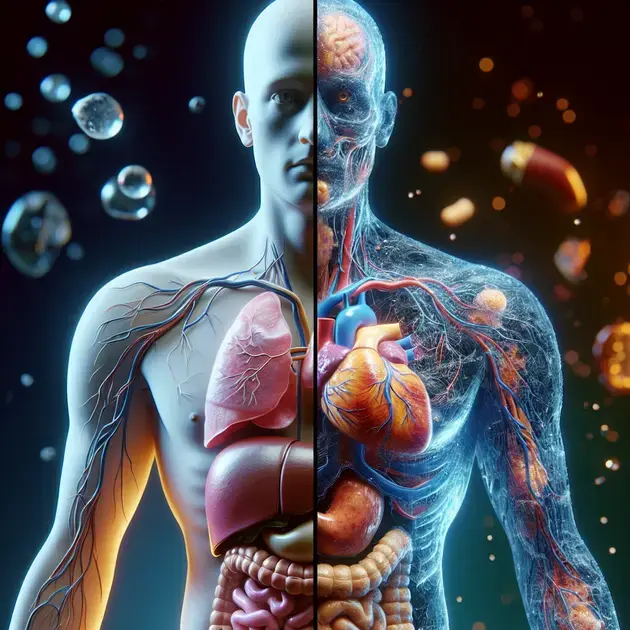
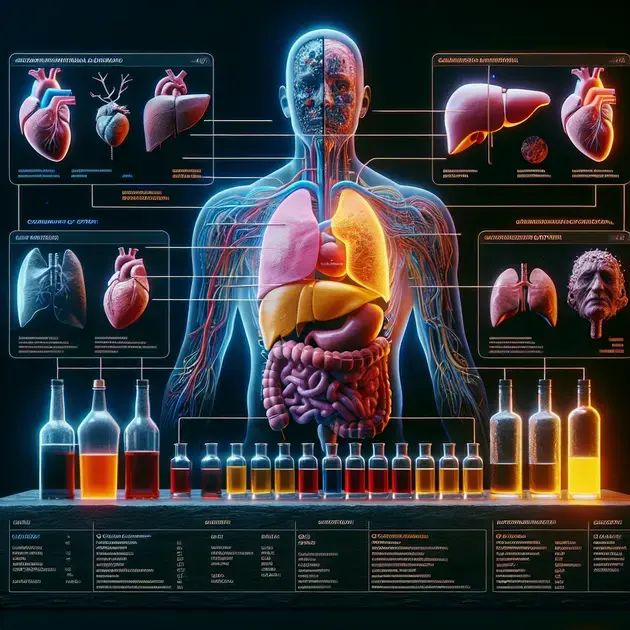
When it comes to understanding the effects of alcohol on the human body, it is essential to consider the impact it has on various bodily systems. From the brain to the liver, alcohol consumption can lead to a range of health consequences that are important to be aware of.
In recent studies, researchers have discovered that even moderate alcohol consumption can have negative effects on heart health, such as increased blood pressure and risk of cardiovascular disease. These findings highlight the importance of being mindful of the amount of alcohol consumed and its potential consequences on our bodies.
The Impact of Alcohol on Brain Function
Alcohol consumption can have a significant impact on brain function, affecting various cognitive abilities and mental processes. One key area affected is memory, as excessive drinking can lead to blackouts and difficulty in forming new memories. To prevent such negative effects, individuals can utilize brain training apps like Lumosity. Lumosity offers a range of games and exercises designed to improve memory, attention, and other cognitive functions.
Furthermore, alcohol can also impair decision-making skills and emotional regulation. To enhance decision-making abilities, individuals can practice mindfulness using apps like Headspace. Headspace provides guided meditations and mindfulness practices to help improve focus and decision-making processes.
In addition, long-term alcohol abuse can lead to structural changes in the brain, affecting overall brain health. To counteract these effects, individuals can engage in regular physical exercise using apps like MyFitnessPal. MyFitnessPal allows users to track their exercise routines and set fitness goals to promote overall brain health and function.
Overall, understanding the impact of alcohol on brain function is crucial for maintaining cognitive abilities and mental well-being. By incorporating brain training exercises, mindfulness practices, and physical activity into their routines, individuals can help mitigate the negative effects of alcohol on the brain.
Alcohol’s Effects on Cardiovascular Health
Consuming alcohol can have both positive and negative effects on cardiovascular health. Moderate alcohol intake, such as a glass of red wine, has been associated with potential heart benefits, including reduced risk of heart disease. To monitor alcohol consumption and its effects on cardiovascular health, individuals can use the DrinkControl app. DrinkControl allows users to track their alcohol intake and provides insights into its impact on their heart health.
However, excessive alcohol consumption can lead to detrimental effects on the cardiovascular system, such as high blood pressure and an increased risk of stroke. To maintain a healthy heart while consuming alcohol, individuals can follow a heart-healthy diet plan using the MyPlate app. MyPlate offers personalized meal plans and nutritional guidance to support cardiovascular well-being.
In addition, regular exercise is essential for promoting cardiovascular health, especially in the presence of alcohol consumption. Individuals can utilize the Couch to 5K app to start a structured running program and improve overall heart health. By combining moderate alcohol intake with a balanced diet, regular exercise, and monitoring tools like DrinkControl, individuals can strive to maintain optimal cardiovascular health.
Understanding the Link Between Alcohol and Liver Damage
Alcohol consumption poses a significant risk to liver health, as excessive drinking can lead to liver damage and diseases such as alcoholic hepatitis and cirrhosis. Understanding the link between alcohol and liver damage is crucial for preventing and addressing these serious health issues. To track alcohol consumption and its impact on liver health, individuals can use the AlcoDroid app. AlcoDroid allows users to log their drinking habits and provides insights into the potential risks to the liver.
Moreover, maintaining a healthy liver requires adopting lifestyle changes that support liver function. Individuals can follow a liver-friendly diet plan using the Liver Resection Diet app. This app offers nutritional guidelines and meal plans tailored to support liver health and minimize alcohol-related damage.
Incorporating liver detoxifying practices can also help mitigate the effects of alcohol on liver function. Individuals can explore detoxification routines and liver cleanse programs using the Detox Me app. Detox Me provides resources and techniques to support the body’s natural detox processes and promote liver health.
By increasing awareness of the link between alcohol consumption and liver damage, individuals can take proactive steps to protect their liver health. Utilizing monitoring tools like AlcoDroid, adopting a liver-friendly diet, and incorporating detox practices can contribute to maintaining a healthy liver despite alcohol consumption.
The Relationship Between Alcohol Consumption and Kidney Function
Alcohol consumption can have a significant impact on kidney function. The kidneys play a crucial role in filtering out waste and excess fluids from the blood to form urine. When alcohol is consumed, it is processed by the liver and metabolized into acetaldehyde, a toxic compound that can damage various organs, including the kidneys. Chronic alcohol consumption can lead to kidney disease, as the kidneys become overwhelmed by the toxins and are unable to function effectively.
Studies have shown that excessive alcohol consumption is linked to an increased risk of developing conditions such as alcoholic nephropathy, where the kidneys lose their ability to filter waste products from the blood. This can result in a buildup of toxins in the body and ultimately lead to kidney failure. It is essential for individuals who consume alcohol to do so in moderation and be mindful of the potential impact on their kidney function.
Moreover, alcohol can also lead to dehydration, which can further strain the kidneys. When the body is dehydrated, the kidneys have to work harder to maintain the proper balance of fluids and electrolytes. This additional stress on the kidneys can exacerbate existing kidney issues and contribute to the development of kidney stones.
In conclusion, the relationship between alcohol consumption and kidney function is complex. While moderate alcohol consumption may not have a significant impact on kidney function, excessive or chronic drinking can damage the kidneys over time. It is important to be mindful of one’s alcohol intake and prioritize kidney health to prevent long-term complications.
Alcohol’s Influence on the Digestive System
Alcohol consumption can have various effects on the digestive system. When alcohol is consumed, it passes through the digestive tract and is absorbed into the bloodstream. From there, it can affect the functioning of the digestive organs, such as the stomach, liver, and pancreas. Chronic alcohol consumption can lead to inflammation of the digestive tract and an increased risk of conditions like gastritis and pancreatitis.
One of the ways that alcohol influences the digestive system is by disrupting the production of digestive enzymes. Enzymes are essential for breaking down food and aiding in the absorption of nutrients. Excessive alcohol consumption can inhibit the production of these enzymes, leading to poor digestion and nutrient malabsorption.
Alcohol can also irritate the lining of the stomach and intestines, leading to symptoms like stomach pain, bloating, and diarrhea. Over time, this irritation can contribute to the development of conditions like ulcers and gastrointestinal bleeding. Additionally, alcohol can weaken the muscles of the digestive tract, potentially leading to issues like acid reflux and indigestion.
Overall, the influence of alcohol on the digestive system highlights the importance of consuming alcohol in moderation. By being mindful of one’s alcohol intake and making healthy choices, individuals can protect their digestive health and reduce the risk of developing digestive disorders.
The Immune System’s Response to Alcohol Consumption
Alcohol consumption can have a significant impact on the immune system. The immune system plays a vital role in protecting the body against infections and diseases. However, excessive alcohol consumption can weaken the immune response, making individuals more susceptible to illnesses.
One way that alcohol affects the immune system is by disrupting the production and function of immune cells. Alcohol can impair the ability of immune cells to effectively identify and destroy pathogens, leaving the body vulnerable to infections. Chronic alcohol consumption can also lead to inflammation throughout the body, further compromising immune function.
Moreover, alcohol can disrupt the balance of gut bacteria, which play a crucial role in supporting immune health. The gut microbiome is home to trillions of beneficial bacteria that help regulate the immune response. Excessive alcohol consumption can disrupt this delicate balance, leading to dysbiosis and an increased risk of immune-related disorders.
Overall, the immune system’s response to alcohol consumption underscores the importance of moderation. By limiting alcohol intake and adopting healthy lifestyle habits, individuals can support their immune function and reduce the risk of immune-related health problems.
Conclusion
Alcohol consumption can have a profound impact on various systems within the body, including the kidneys, digestive system, and immune response. When it comes to kidney function, chronic and excessive alcohol consumption can lead to detrimental effects, such as alcoholic nephropathy and impaired waste filtration. It is crucial for individuals to be aware of the potential risks to kidney health and practice moderation in their alcohol consumption habits.
Moving on to the digestive system, alcohol’s influence can disrupt the production of essential enzymes and irritate the gastrointestinal lining, leading to conditions like gastritis and malabsorption. By consuming alcohol in moderation and making mindful choices, individuals can safeguard their digestive health and reduce the likelihood of developing gastrointestinal disorders.
Additionally, alcohol consumption can weaken the immune system’s response by impairing immune cell function and disrupting the delicate balance of gut bacteria. This can leave individuals more susceptible to infections and immune-related disorders. To support immune function, it is essential to limit alcohol intake and adopt healthy lifestyle habits that promote overall well-being.
Product
Description
Link
Jointgen
Join the Thousands of U.S. Seniors Enjoying Comfortable, Flexible and Youthful Joints Thanks to Joint Genesis™
Neverfresh
Nerve Fresh promotes healthy nerves by providing 5 vital bio-available fruit, flower and bark extracts with essential vitamin and mineral support
balmorex
“Shortcut to Wellness” is the perfect solution for those who want to ‘hack’ their mind & body with the use of modern technology to improve their quality of life! Biohacking is about optimizing your life & body through the use of biology, research & technology
live pure
Do you have deep stubborn fat stores that no diet or exercise seems to remove? Then the answer is yes. Liv Pure has changed the lives of over 234,000 women and men from 18 to 80 and is designed to rapidly dissolve fat in even the worst cases.
Obtaining enough sleep is crucial for overall health and well-being, especially for adolescents. A recent study has shed light on the importance of getting adequate sleep in reducing the risk of hypertension among teenagers.
Hypertension, also known as high blood pressure, is a serious condition that can lead to various health problems, including heart disease and stroke. While it is commonly associated with adults, recent research has shown that it can also affect adolescents.
The study aimed to investigate the relationship between sleep duration and hypertension in adolescents. The findings revealed a strong correlation between the two variables. Adolescents who met the recommended sleep guidelines of nine to 11 hours per day had a significantly lower risk of developing hypertension compared to those who did not.
These findings are particularly significant considering the growing concern over the increasing prevalence of hypertension among adolescents. Sedentary lifestyles, poor dietary choices, and excessive screen time have all been identified as contributing factors to this concerning trend. However, the role of sleep in preventing hypertension has often been overlooked.
Sleep plays a critical role in regulating blood pressure and maintaining cardiovascular health. During sleep, our body undergoes various physiological processes that help maintain healthy blood pressure levels. Insufficient sleep disrupts these processes, leading to imbalances and an increased risk of hypertension.
It is essential for adolescents to prioritize their sleep and establish healthy sleep habits. Adequate sleep not only reduces the risk of hypertension but also promotes overall physical and mental well-being. Here are a few tips to help adolescents achieve better sleep:
1. Set a regular sleep schedule: Going to bed and waking up at the same time every day helps regulate the body’s internal clock and improves sleep quality.
2. Create a sleep-friendly environment: Ensure that the bedroom is cool, quiet, and dark. Remove any distractions, such as electronic devices, from the sleeping area.
3. Limit caffeine intake: Consumption of caffeine, found in coffee, tea, and energy drinks, can interfere with sleep. Adolescents should avoid these beverages, especially in the afternoon and evening.
4. Establish a bedtime routine: Engaging in relaxing activities before bed, such as reading or taking a warm bath, signals the body to prepare for sleep.
5. Avoid excessive screen time: The blue light emitted by electronic devices can disrupt the sleep-wake cycle. Adolescents are advised to limit their screen time, especially in the hours leading up to bedtime.
In conclusion, this study emphasizes the importance of adequate sleep in reducing the risk of hypertension among adolescents. By following the recommended guidelines of nine to 11 hours of sleep per day, teenagers can significantly improve their cardiovascular health and overall well-being. Encouraging healthy sleep habits should be a priority in promoting a healthy lifestyle for young individuals.
To provide the best experiences, we use technologies like cookies to store and/or access device information. Consenting to these technologies will allow us to process data such as browsing behavior or unique IDs on this site. Not consenting or withdrawing consent, may adversely affect certain features and functions.
Functional
Always active
The technical storage or access is strictly necessary for the legitimate purpose of enabling the use of a specific service explicitly requested by the subscriber or user, or for the sole purpose of carrying out the transmission of a communication over an electronic communications network.
Preferences
The technical storage or access is necessary for the legitimate purpose of storing preferences that are not requested by the subscriber or user.
Statistics
The technical storage or access that is used exclusively for statistical purposes.The technical storage or access that is used exclusively for anonymous statistical purposes. Without a subpoena, voluntary compliance on the part of your Internet Service Provider, or additional records from a third party, information stored or retrieved for this purpose alone cannot usually be used to identify you.
Marketing
The technical storage or access is required to create user profiles to send advertising, or to track the user on a website or across several websites for similar marketing purposes.