The calculator takes into account various factors, such as age, gender, and the location of the blood clot, to generate a predictive score for the risk of epilepsy. This score enables healthcare professionals to tailor treatment plans and interventions specific to each patient, providing personalized care and support.
A venous stroke, also known as cerebral venous thrombosis, occurs when a blood clot forms in the veins that drain blood from the brain. This can lead to impaired blood flow and potential damage to surrounding brain tissue. While less common compared to arterial strokes, venous strokes can have significant implications for patients, particularly in terms of long-term neurological health.
Epilepsy is a neurological disorder characterized by recurrent seizures, and it can develop as a result of brain injuries or abnormalities, such as strokes. By accurately assessing the likelihood of epilepsy development following a venous stroke, healthcare professionals can initiate interventions and preventative measures earlier.
The implementation of this practical calculator is a significant step forward in the field of stroke management. Medical professionals can identify patients with a higher probability of developing epilepsy after a venous stroke, allowing for the prescription of appropriate antiepileptic medications, close monitoring of neurological status, and the provision of necessary resources for ongoing epilepsy management.
Although the full details and methodologies of the calculator are currently not available, the importance of this innovation is evident. Accurately predicting the risk of epilepsy post-venous stroke allows healthcare providers to work towards better outcomes and improved quality of life for young adults affected by this condition.
In conclusion, the development of a practical calculator to predict the risk of epilepsy following a venous stroke has the potential to significantly enhance the care provided to predominantly young adult patients. By implementing this tool, healthcare professionals can individualize treatment plans, initiate necessary interventions, and ultimately improve the long-term outcomes for those affected by venous stroke-associated epilepsy. Continued research and advancements in stroke management are crucial to further refine and validate this calculator, benefiting patients and healthcare systems worldwide.
Revolutionary Advances in Artificial Cell Synthesis and Cell-Cell Communication
Title: Revolutionary Advances in Artificial Cell Synthesis and Cell-Cell Communication
Introduction:
In a groundbreaking development, a renowned research team has achieved a significant milestone by successfully
creating environmentally responsive cells engineered with artificial organelles. With an innovative approach
inspired by the photoreceptors found in human eyes, these proto-cells have also demonstrated the ability to
imitate natural cell-cell communication. The implications of this milestone are vast, offering numerous prospects
for fundamental research and medical applications.
Article:
Scientific advancements have always sought to imitate and understand the intricacies of nature. One such remarkable
achievement has been the synthesis of simple cells that possess environmental sensitivity and artificial organelles.
By using advanced bioengineering techniques, a research team has made great strides in this domain.
The team aimed to replicate the natural processes observed in cells, particularly those found in the human eye. The
photoreceptors in the eye are capable of detecting light and transmitting signals to the brain, enabling crucial visual
functions. Inspired by this model, the researchers successfully emulated natural cell-cell communication in their
synthetic cells.
This breakthrough is significant for both basic scientific exploration and medical applications. By replicating
cell-cell communication akin to the intricate systems found in living organisms, researchers can gain valuable insights
into how cells interact and respond to their environment. Such knowledge can revolutionize the field of medicine,
offering new avenues for targeted drug delivery, cell signaling, and tissue regeneration.
The creation of environmentally sensitive synthetic cells with artificial organelles marks a major milestone in
bioengineering. Environmental sensitivity allows these cells to respond to changes in their surroundings, potentially
leading to advanced pollution detection systems or environmental biosensors. These cells could play a pivotal role in
environmental monitoring and remediation efforts, offering a more comprehensive understanding of ecological health.
Moreover, the ability to integrate artificial organelles into synthetic cells brings forth an array of possibilities.
Organelles are specialized structures within cells that perform specific functions, and by engineering artificial
versions, scientists can delve deeper into understanding cellular mechanisms and their role in diseases. This
breakthrough could pave the way for innovative drug delivery systems that target specific organelles within cells,
leading to more effective treatments for a myriad of diseases.
In conclusion, the successful synthesis of environmentally responsive cells with artificial organelles, coupled with
the emulation of natural cell-cell communication, represents a leap forward in scientific exploration. The
possibilities offered by these findings are immense, ranging from better understanding cell behavior in various
environments to enhanced medical applications. With further research, these advancements have the potential to
transform our understanding of cellular biology and provide groundbreaking solutions in medicine and environmental
sciences.
A team of researchers has achieved a breakthrough in creating uncomplicated, environmentally responsive cells equipped
with artificial organelles. In a groundbreaking achievement, the team has further managed to simulate natural
cell-to-cell communication using these proto-cells, taking inspiration from the photoreceptors found in the human
eye. This development presents exciting new avenues for both fundamental scientific exploration and potential medical
applications.
Contrary to popular belief, children are not necessarily better at learning new skills than adults. While it may appear that young children learn quickly, research suggests that young adults actually have the advantage in terms of speed of learning. However, there is a caveat – young adults also tend to forget new information more quickly.
One crucial factor that seems to give children an advantage in the learning process is sleep. Studies have shown that children who get better quality and quantity of sleep tend to perform better in memory and cognitive tasks. This is because sleep plays a vital role in consolidating new information and experiences into long-term memory.
The Benefits of Sleep for Children’s Learning Abilities
So, what is it about sleep that benefits children’s learning abilities? One possibility is that children’s brains are more flexible and adaptable, making it easier for them to establish and strengthen neural connections while they sleep. This ability allows them to process and retain new information more effectively, leading to enhanced learning outcomes.
Additionally, the structure and composition of children’s sleep may contribute to their superior learning capacity. It has been observed that children spend more time in deep sleep stages, called slow-wave sleep, compared to adults. This deep sleep phase is associated with memory consolidation, which may explain why children are often able to acquire new skills more readily.
Adults and Sleep Optimization
However, it is essential to note that adults can also benefit from optimizing their sleep habits. While they might not exhibit the same level of learning speed as children, sufficient and high-quality sleep can still enhance their overall learning abilities. By prioritizing restful sleep, adults can ensure better memory consolidation and retention of newly acquired skills or knowledge.
Conclusion
In conclusion, the popular belief that children are inherently better at learning new skills than adults is not entirely accurate. Young adults may learn faster, but they also have a tendency to forget more quickly. However, children do possess certain advantages in the learning process, such as the ability to benefit from better sleep. Ultimately, both children and adults can optimize their learning potential by prioritizing appropriate sleep habits and understanding the role of sleep in memory consolidation.
This groundbreaking research has provided a glimmer of hope in the fight against glioblastoma.
Understanding glioblastoma has been crucial in developing effective treatments. The tumor’s ability to infiltrate surrounding brain tissue makes complete removal through surgery extremely difficult. Additionally, the genetic heterogeneity of glioblastoma cells makes traditional treatments inadequate.
Immunotherapy has emerged as a potential game-changer in glioblastoma treatment. By utilizing the body’s immune system, researchers have developed strategies to enhance the effectiveness of immune cells like T cells in eliminating tumor cells. This includes innovative approaches like CAR T-cell therapy, which genetically engineers T cells to target and attack glioblastoma cells.
The tumor microenvironment also plays a significant role in glioblastoma’s survival and progression. Recent advancements have focused on reprogramming the tumor microenvironment to fight against the tumor. Techniques like targeted nanomedicine and immune checkpoint inhibitors have shown promise in altering the microenvironment. Targeted nanomedicine delivers therapeutic agents specifically to the tumor, while immune checkpoint inhibitors prevent the tumor from evading immune surveillance.
Despite these breakthroughs, challenges still exist in designing effective treatment regimens due to the tumor’s complexity and the dynamic nature of its microenvironment. Ensuring the safety and durability of immunotherapeutic therapies is also critical.
Nevertheless, the progress made in glioblastoma immunotherapy is a significant step forward in defeating this relentless tumor. Continued research and collaboration are essential to refine and expand the application of immunotherapeutic approaches. With every new discovery, we come closer to unraveling the mysteries of glioblastoma and finding a cure.
Effects of Increased Use of Personal Care Products on Pregnant and Nursing Women
Title: Effects of Increased Use of Personal Care Products on Pregnant and Nursing Women
Introduction:
A recent study has revealed a concerning association between the use of personal care products and higher levels of synthetic chemicals known to have harmful effects on health, particularly for pregnant and nursing women. The study specifically focused on the presence of per- and polyfluoroalkyl substances (PFAS) in blood plasma and breast milk of women who regularly used products such as nail polish, makeup, and hair dye during pregnancy or lactation.
Understanding the Importance of Personal Care Product Usage During Pregnancy and Nursing:
Pregnancy and breastfeeding are crucial phases in a woman’s life, during which the wellness of both the mother and the child is of utmost importance. Maintaining personal hygiene and self-care can significantly contribute to overall well-being. However, this study highlights the potential risks associated with the elevated use of certain personal care products during these stages.
The Role of PFAS in Health Risks:
Per- and polyfluoroalkyl substances, commonly known as PFAS, are synthetic chemicals used in a variety of products, including non-stick cookware, water-repellent fabrics, and even personal care items. Though renowned for their ability to provide resistance to water and staining, PFAS have long been associated with adverse health effects, including hormonal disruption, immune system suppression, and certain types of cancer.
Findings of the Study:
The study observed a strong correlation between the increased use of personal care products and higher detectable levels of PFAS in both blood plasma and breast milk of pregnant and nursing women. This connection suggests that the chemicals present in these products can readily enter a woman’s bloodstream and subsequently be transferred to her child through breastfeeding.
Implications for Pregnant and Nursing Women:
The results of this study emphasize the need for pregnant and nursing women to be vigilant about the personal care products they use on a daily basis. While these products can enhance self-confidence and well-being, it is vital to be aware of the potential risks associated with prolonged exposure to certain synthetic chemicals. Choosing safer alternatives or reducing the frequency of their use can help minimize the accumulation of harmful substances in the body.
Conclusion:
As we prioritize the health and well-being of pregnant and nursing women, it is crucial to acknowledge the potential risks associated with personal care product usage. The findings of this study serve as a reminder that our choices can have long-term impacts on our health and the health of future generations. By making informed decisions and implementing safer practices, we can minimize exposure to synthetic chemicals and promote a healthier environment for everyone.
Obesity has long been recognized as a major health concern, but recent research suggests that its impact may go beyond physical appearance and lead to serious metabolic complications. A new study on the link between obesity and insulin resistance sheds light on the underlying mechanisms that contribute to this harmful association.
The study, which was conducted by a team of researchers, highlights the role of the sympathetic nervous system and the hormone norepinephrine in the development of insulin resistance. Insulin resistance, characterized by reduced responsiveness to the hormone insulin, is a key factor in the development of type 2 diabetes and cardiovascular diseases.
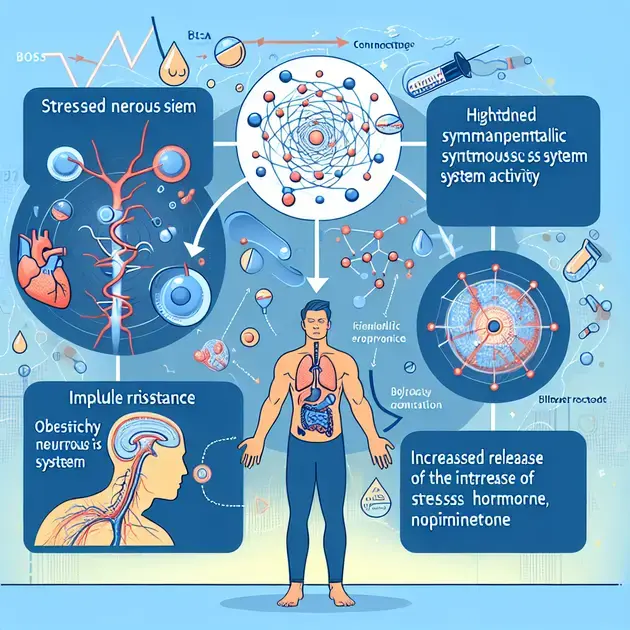
The sympathetic nervous system is responsible for regulating many involuntary bodily functions, including the “fight or flight” response to stress. The release of norepinephrine, a stress hormone, is a well-known consequence of sympathetic nervous system activation. The researchers found that obesity leads to increased sympathetic nervous system activity and higher levels of circulating norepinephrine.
These findings have important implications for understanding the link between obesity and insulin resistance. The researchers propose that the increased activation of the sympathetic nervous system and the subsequent release of norepinephrine contribute to the development of insulin resistance in obese individuals.
Insulin plays a crucial role in regulating blood sugar levels by facilitating the uptake of glucose into cells. In insulin resistance, the body’s cells become less responsive to the action of insulin, leading to elevated blood sugar levels. Over time, this can result in the development of type 2 diabetes and other metabolic disorders.
The study’s findings provide further evidence for the complex relationship between obesity and metabolic health. While the exact mechanisms through which obesity leads to sympathetic nervous system activation and norepinephrine release are still being investigated, the researchers believe that targeting these pathways may hold promise for future therapeutic interventions.
In conclusion, obesity has been identified as a significant risk factor for insulin resistance. This new study suggests that the activation of the sympathetic nervous system and the release of stress hormone norepinephrine may be key contributors to this association. By shedding light on these underlying mechanisms, researchers hope to uncover new avenues for preventing or treating insulin resistance and its associated complications in obese individuals.
Study Reveals: Obesity Leads to Insulin Resistance
A new study reveals that obesity leads to insulin resistance through heightened activation of the sympathetic nervous system and increased release of the stress hormone norepinephrine.
Obesity and its Link to Insulin Resistance: Insights from Recent Study
Obesity and its Link to Insulin Resistance: Insights from Recent Study
Obesity is a prevalent health issue worldwide, particularly in developed countries. It has been well-established that obesity is associated with various health complications, including insulin resistance, which is a key factor in the development of type 2 diabetes. A recent study has shed light on the intricate mechanisms linking obesity to insulin resistance, unveiling the role of the sympathetic nervous system and the stress hormone norepinephrine.
In this groundbreaking research, scientists found that obesity triggers an increased activation of the sympathetic nervous system. This system is responsible for regulating involuntary physiological functions, such as heart rate, blood pressure, and digestion. However, when overactivated, it can also contribute to the development of metabolic disorders. The sympathetic nervous system plays a crucial role in controlling energy expenditure, and studies have shown that its dysregulation can disturb glucose metabolism and lead to insulin resistance.
Furthermore, the study revealed that obesity leads to the release of norepinephrine, commonly known as the stress hormone. Norepinephrine is released by the sympathetic nerves and acts as a neurotransmitter and hormone, regulating various physiological processes. While stress is known to have detrimental effects on health, the release of norepinephrine in obesity appears to exacerbate the development of insulin resistance. This hormone has been shown to impair insulin signaling pathways in cells, hindering glucose uptake and utilization.
The findings of this study provide valuable insights into the underlying mechanisms of insulin resistance in obesity. By identifying the role of the sympathetic nervous system and norepinephrine, researchers are now better equipped to understand the complex relationship between obesity and metabolic disorders. This knowledge opens doors for potential therapeutic interventions that target these specific pathways, aiming to mitigate the development and progression of insulin resistance in obese individuals.
It is important to note that while this article provides a summary of the study’s key findings, further exploration of the complete research paper is necessary for a comprehensive understanding of the subject matter. However, it is clear that this study contributes significantly to the existing body of knowledge surrounding the association between obesity and insulin resistance.
Obesity is responsible for insulin resistance through the heightened activation of the sympathetic nervous system and the release of the stress hormone norepinephrine, as concluded by a recent study.
In today’s fast-paced world, maintaining a healthy liver is crucial for overall well-being. Incorporating liver-friendly foods into your diet can significantly boost your health and vitality. The top 10 liver-friendly foods are not only delicious but also packed with essential nutrients to support your liver function.
These foods include nutrient-rich options such as leafy greens, avocado, and turmeric, all of which are known for their detoxifying properties. By including these foods in your daily meals, you can ensure that your liver stays healthy and functions optimally. Making simple switches in your diet can make a world of difference in your liver health.
Maintain a Healthy Liver with Leafy Greens
Leafy greens are packed with essential nutrients that are beneficial for maintaining a healthy liver. Incorporating a variety of leafy greens such as spinach, kale, and Swiss chard into your diet can provide antioxidants, vitamins, and minerals that support liver function. One way to ensure you are consuming enough leafy greens is to incorporate them into your daily meals. You can easily add spinach to your morning smoothie, have a kale salad for lunch, or sauté Swiss chard as a side dish for dinner.
Another way to maintain a healthy liver with leafy greens is to juice them. Juicing allows you to consume a large quantity of greens in a concentrated form, providing your liver with a nutrient boost. Websites like “JuiceRecipes.com” offer a wide range of liver-cleansing juice recipes that include leafy greens.
In addition to consuming leafy greens, it is important to stay hydrated to support liver function. Drinking plenty of water throughout the day helps flush out toxins and keeps your liver functioning optimally. You can download a hydration tracking app like “Hydro Coach” to remind you to drink water regularly and stay hydrated.
Furthermore, incorporating leafy greens into your diet can also help with weight management, which is essential for liver health. Maintaining a healthy weight reduces the risk of fatty liver disease and other liver-related conditions. Websites like “MyFitnessPal” offer a convenient way to track your daily food intake and ensure you are consuming enough leafy greens for optimal liver health.
Overall, making leafy greens a regular part of your diet can help maintain a healthy liver and support overall well-being. By incorporating leafy greens into your meals, juicing them, staying hydrated, and managing your weight, you can promote liver health and function effectively.
Nourish Your Liver with Avocado and Turmeric
Avocado and turmeric are two powerful ingredients that can nourish and support the health of your liver. Avocados are rich in healthy fats, vitamins, and antioxidants that help protect the liver from damage and aid in detoxification processes. Turmeric contains curcumin, a compound known for its anti-inflammatory and antioxidant properties that benefit liver health.
One way to nourish your liver with avocado and turmeric is to incorporate them into your meals. You can make a delicious avocado salad with turmeric dressing or add slices of avocado to your morning toast sprinkled with turmeric. Websites like “AllRecipes.com” provide a variety of recipes featuring avocado and turmeric that you can try to support your liver health.
Another way to benefit from the nourishing properties of avocado and turmeric is to create liver-cleansing smoothies. Websites like “SmoothieBox.com” offer recipes for detoxifying smoothies that include avocado and turmeric as key ingredients. These smoothies can be a convenient and delicious way to nourish your liver on a regular basis.
Incorporating avocado and turmeric into your diet can also help improve digestion and reduce inflammation in the liver. Both ingredients have been shown to have anti-inflammatory effects and support overall digestive health. Websites like “Healthline.com” provide information on the benefits of avocado and turmeric for liver health and digestion.
By including avocado and turmeric in your meals, smoothies, and snacks, you can nourish your liver and promote its optimal function. These ingredients offer a natural and delicious way to support liver health and overall well-being in your daily diet.
Simple Diet Swaps for Optimal Liver Health
Making simple diet swaps can have a significant impact on your liver health and overall well-being. By replacing unhealthy foods with liver-friendly alternatives, you can support your liver’s detoxification processes and reduce the risk of liver damage. One simple swap is to replace processed foods high in sugar and unhealthy fats with whole foods such as fruits, vegetables, and lean proteins.
One effective diet swap for optimal liver health is to switch from regular coffee to green tea. Green tea contains catechins, antioxidants that help protect the liver from damage and promote liver function. Websites like “TeaSource.com” offer a variety of green tea options and information on the benefits of green tea for liver health.
Another simple diet swap is to choose whole grains over refined grains. Whole grains are rich in fiber, vitamins, and minerals that support liver health and digestion. Swapping white bread for whole grain bread or white rice for brown rice can provide your liver with essential nutrients and promote overall health.
Additionally, replacing sugary beverages with infused water or herbal teas can benefit your liver health. Websites like “InfusedWaters.com” offer recipes for detoxifying infused waters that help hydrate the body and support liver function. These simple swaps can reduce sugar intake and promote hydration, which are crucial for liver health.
By incorporating these simple diet swaps into your daily routine, you can optimize your liver health and support its important functions. Making mindful choices about the foods and beverages you consume can have a positive impact on your liver and overall health in the long run.
**Leafy Greens: The Ultimate Liver-Boosting Superfoods**
Leafy greens are among the most nutrient-dense foods you can eat, and they offer a wide range of health benefits, especially when it comes to liver health. These superfoods are rich in antioxidants, vitamins, and minerals that support the liver’s natural detoxification processes and help protect it from damage. Incorporating leafy greens like spinach, kale, collard greens, and arugula into your diet can go a long way in promoting optimal liver function.
One of the key benefits of leafy greens for liver health is their high content of chlorophyll, a green pigment that has been shown to help remove toxins from the body. Chlorophyll can also aid in the elimination of heavy metals and other harmful substances that can burden the liver. Additionally, leafy greens are a great source of fiber, which can help regulate cholesterol levels and promote overall digestive health, further benefiting the liver.
To make the most of the liver-boosting properties of leafy greens, try incorporating them into your meals on a daily basis. You can add spinach to your morning smoothie, enjoy a kale salad for lunch, or sauté some collard greens as a side dish for dinner. The versatility of leafy greens makes it easy to include them in your diet in delicious and creative ways, providing your liver with the support it needs to function optimally.
In conclusion, leafy greens are truly the ultimate liver-boosting superfoods, thanks to their rich nutrient profile and detoxifying properties. By making leafy greens a regular part of your diet, you can help protect and nourish your liver, promoting overall health and well-being.
**Harness the Power of Berries for Liver Support**
Berries are not only delicious fruits but also powerful allies in supporting liver health. These colorful fruits are packed with antioxidants, particularly flavonoids and anthocyanins, which help protect the liver from oxidative stress and inflammation. By including a variety of berries such as blueberries, strawberries, raspberries, and blackberries in your diet, you can give your liver the support it needs to function optimally.
One of the key benefits of berries for liver health is their ability to reduce liver fat accumulation and improve liver function. Studies have shown that the compounds found in berries can help enhance liver metabolism and promote the breakdown of fats, which is crucial for liver health. Additionally, the anti-inflammatory properties of berries can help reduce liver damage caused by chronic inflammation.
To harness the power of berries for liver support, aim to include a serving of berries in your daily diet. You can enjoy them on their own as a snack, add them to smoothies, oatmeal, or yogurt, or incorporate them into salads for a refreshing twist. By varying the types of berries you consume, you can benefit from a diverse range of nutrients that support liver health and overall well-being.
In summary, berries are an essential component of a liver-friendly diet, thanks to their antioxidant-rich properties and ability to promote liver function. By making berries a regular part of your meal plan, you can proactively support your liver and enjoy the delicious flavors and health benefits these superfoods have to offer.
**Stay Hydrated with Watermelon for Liver Detoxification**
Watermelon is not only a refreshing and hydrating fruit but also a valuable ally in promoting liver detoxification. This juicy fruit is rich in water content, which helps keep the body hydrated and supports overall liver function. Additionally, watermelon contains compounds like citrulline and glutathione, which play crucial roles in detoxifying the liver and eliminating harmful toxins from the body.
One of the key benefits of watermelon for liver health is its ability to promote kidney function, which indirectly benefits the liver. By increasing urine production and supporting kidney function, watermelon helps the body flush out toxins and waste products more effectively, reducing the burden on the liver. Furthermore, the high antioxidant content of watermelon helps protect liver cells from damage and inflammation.
To stay hydrated and support liver detoxification, incorporate watermelon into your diet regularly, especially during the summer months when this fruit is in season. You can enjoy watermelon slices as a snack, blend them into refreshing smoothies, or use them in salads and desserts for a hydrating and detoxifying boost. By staying hydrated with watermelon, you can not only quench your thirst but also promote optimal liver health.
In conclusion, watermelon is a delicious and hydrating fruit that offers valuable support for liver detoxification. By including watermelon in your diet and staying hydrated, you can help your liver function efficiently and promote overall well-being.
Conclusion
Leafy greens stand out as the ultimate liver-boosting superfoods, boasting a nutrient-dense profile that supports liver health. With rich antioxidants, vitamins, and minerals, these greens aid the liver’s natural detox processes and shield it from harm. By integrating spinach, kale, collard greens, and arugula into your meals, you pave the way for optimal liver function.
Berries, on the other hand, emerge as potent allies in liver support, brimming with antioxidants like flavonoids and anthocyanins. These compounds shield the liver from oxidative stress and inflammation, enhancing liver metabolism and fat breakdown. By indulging in blueberries, strawberries, raspberries, and blackberries, you furnish your liver with the essential support it needs to thrive.
Lastly, watermelon proves to be a refreshing and hydrating companion in liver detoxification. With its high water content and essential compounds like citrulline and glutathione, watermelon aids in flushing out toxins and supporting kidney function, indirectly benefiting the liver. By incorporating this juicy fruit into your diet, you not only quench your thirst but also proactively promote optimal liver health and overall well-being.
Product
Description
Link
Jointgen
Join the Thousands of U.S. Seniors Enjoying Comfortable, Flexible and Youthful Joints Thanks to Joint Genesis™
Neverfresh
Nerve Fresh promotes healthy nerves by providing 5 vital bio-available fruit, flower and bark extracts with essential vitamin and mineral support
balmorex
“Shortcut to Wellness” is the perfect solution for those who want to ‘hack’ their mind & body with the use of modern technology to improve their quality of life! Biohacking is about optimizing your life & body through the use of biology, research & technology
live pure
Do you have deep stubborn fat stores that no diet or exercise seems to remove? Then the answer is yes. Liv Pure has changed the lives of over 234,000 women and men from 18 to 80 and is designed to rapidly dissolve fat in even the worst cases.
New Research Reveals Exciting Findings: Non-Hallucinogenic Marijuana Component Enhances Sleep Patterns in Rats
A recent study has shed light on the potential sleep-enhancing effects of a non-hallucinogenic constituent found in marijuana. The research, conducted on rats, demonstrated that this compound not only increased both Rapid Eye Movement (REM) and non-REM sleep in these rodents but also induced improvements in their overall sleep patterns.
Although the study primarily focused on rat subjects, the promising results have paved the way for human trials, which are currently underway. Scientists believe that these trials will offer valuable insights into the potential benefits of this marijuana component for improving sleep in humans.
The research, conducted by a team of scientists at an esteemed research facility, investigated the effects of the non-hallucinogenic marijuana constituent on sleep patterns in rats. The rats were administered with varying doses of the compound, and their sleep patterns were closely monitored.
The results showed a significant increase in both REM and non-REM sleep in rats that received the non-hallucinogenic marijuana component compared to the control group. REM sleep, often associated with dreaming, plays a crucial role in the restorative process for the brain and body. Non-REM sleep, on the other hand, is essential for body repair, growth, and overall physical restoration.
Moreover, the sleep patterns of the rats who received the compound showed improvements in terms of sleep continuity and efficiency. These findings suggest that the non-hallucinogenic marijuana constituent may not only increase the quantity of sleep but also enhance its quality.
Based on these exciting results, researchers have quickly moved on to conducting human trials. By extending the study to human subjects, scientists aim to ascertain whether the sleep-enhancing effects observed in rats can be replicated in humans.
During the human trials, participants will be carefully monitored and evaluated for changes in their sleep duration, sleep architecture, and overall sleep quality. The study aims to provide a comprehensive understanding of the potential benefits and any possible side effects associated with utilizing this non-hallucinogenic marijuana component for improving sleep in humans.
The implications of this research are vast, given the prevalence of sleep disorders and the associated detrimental effects on health and well-being. If the human trials yield positive results, this non-hallucinogenic marijuana component could potentially offer a natural and effective solution for individuals struggling with sleep-related issues.
While the full article is yet to be examined, the title alone provides a glimpse into the promising nature of this research. As scientists delve deeper into the effects of the non-hallucinogenic marijuana constituent on sleep, they continue to contribute to our understanding of the intricate mechanisms behind quality sleep. The outcomes of this study may not only pave the way for alternative treatments for sleep disorders but also offer a deeper appreciation for the potential benefits of various components found in marijuana.
A research study has revealed that a non-hallucinogenic component found in marijuana can improve both REM and non-REM sleep patterns in rats. As a result, human trials are currently being conducted to further investigate its potential benefits.
Are you constantly feeling tired and struggling to stay energized throughout the day? If so, you’re not alone. Many people experience low energy levels, also known as fatigue, due to various factors such as poor sleep, stress, unhealthy diet, and lack of physical activity. In this post, we will explore effective tips to help you combat fatigue and boost your energy levels.
It’s essential to address the root causes of fatigue to truly make a lasting difference in your energy levels. By making simple lifestyle changes and incorporating healthy habits into your daily routine, you can improve your overall well-being and feel more energized. Stay tuned as we uncover practical strategies to fight fatigue and enhance your vitality.
Effective Ways to Combat Fatigue
Fatigue is a common concern for many individuals, affecting productivity and overall well-being. Fortunately, there are effective ways to combat fatigue and boost energy levels throughout the day. Here are some strategies to help you fight fatigue:
1. Maintain a Healthy Diet:
Eating a well-balanced diet rich in nutrients is essential for combating fatigue. Focus on incorporating plenty of fruits, vegetables, whole grains, and lean proteins into your meals. Consider using meal planning apps like ‘Mealime’ to help you create nutritious and energizing meal plans.
2. Stay Hydrated:
Dehydration can contribute to feelings of fatigue, so it’s crucial to stay hydrated throughout the day. Use hydration tracker apps like ‘WaterMinder’ to monitor your daily water intake and ensure you’re drinking enough fluids.
3. Get Sufficient Sleep:
Prioritize quality sleep to combat fatigue effectively. Aim for 7-9 hours of sleep per night and establish a bedtime routine to improve sleep quality. Apps like ‘Sleep Cycle’ can help you track your sleep patterns and wake you up at the optimal time.
4. Exercise Regularly:
Engaging in regular physical activity can increase energy levels and combat fatigue. Incorporate activities like walking, yoga, or strength training into your routine. Fitness apps like ‘Nike Training Club’ offer a variety of workouts to help you stay active and energized.
5. Manage Stress:
Chronic stress can contribute to feelings of fatigue, so it’s essential to incorporate stress-reducing activities into your daily life. Consider practicing mindfulness or meditation using apps like ‘Headspace’ to help reduce stress levels and improve energy levels.
Strategies for Boosting Low Energy
Low energy levels can be a hindrance to daily activities and overall vitality. Implementing strategies to boost energy can help improve your quality of life and productivity. Here are some effective ways to increase low energy:
1. Prioritize Physical Activity:
Regular exercise is key to boosting low energy levels. Aim to incorporate at least 30 minutes of physical activity into your daily routine, whether it’s a brisk walk, jog, or workout session. Use fitness tracking apps like ‘Strava’ to monitor your progress and stay motivated.
2. Incorporate Energizing Foods:
Choose foods that provide sustained energy throughout the day, such as complex carbohydrates, lean proteins, and healthy fats. Consider using nutrition apps like ‘MyFitnessPal’ to track your food intake and ensure you’re fueling your body with the right nutrients.
3. Practice Mindfulness:
Mindfulness practices, such as deep breathing exercises or yoga, can help boost energy levels and reduce feelings of fatigue. Apps like ‘Calm’ offer guided meditation sessions and breathing exercises to help you relax and recharge.
4. Ensure Adequate Vitamin D Levels:
Vitamin D plays a vital role in energy production, so make sure you’re getting enough sunlight exposure or consider taking a vitamin D supplement. Use vitamin tracking apps like ‘MyTherapy’ to monitor your vitamin intake and ensure you’re meeting your daily requirements.
5. Stay Consistent with Sleep Patterns:
Establish a consistent sleep schedule to improve your energy levels and overall well-being. Aim to go to bed and wake up at the same time each day, even on weekends. Apps like ‘Sleep As Android’ can help you track your sleep patterns and ensure you’re getting enough restful sleep.
Simple Lifestyle Changes for Increased Vitality
Incorporating simple lifestyle changes can have a significant impact on your vitality and overall energy levels. By making small adjustments to your daily routine, you can experience increased vitality and improved well-being. Here are some straightforward changes to boost your vitality:
1. Practice Regular Stretching:
Include short stretching sessions throughout your day to improve circulation and energy levels. Consider using stretching apps like ‘StretchIt’ to guide you through various stretching routines that can help relax your muscles and boost vitality.
2. Take Regular Breaks:
Avoid long periods of sitting or screen time by incorporating regular breaks into your day. Use productivity apps like ‘Focus@Will’ to schedule breaks and increase productivity by giving your mind a rest.
3. Spend Time Outdoors:
Connecting with nature can rejuvenate your energy levels and improve overall vitality. Make time to spend outdoors, whether it’s going for a walk in the park or simply sitting in your backyard. Use outdoor activity tracking apps like ‘AllTrails’ to discover new hiking trails and outdoor adventures.
4. Cultivate Healthy Relationships:
Surround yourself with supportive and positive individuals who uplift and energize you. Maintaining healthy relationships can have a profound impact on your energy levels and overall vitality. Use relationship-building apps like ‘Meetup’ to connect with like-minded individuals and cultivate meaningful connections.
5. Practice Gratitude:
Expressing gratitude daily can shift your focus to the positive aspects of your life and increase feelings of vitality. Consider using gratitude journaling apps like ‘Grateful’ to record moments of gratitude and enhance your overall well-being.
Strategies for Overcoming Exhaustion
Feeling exhausted is a common issue in today’s fast-paced world, but there are several strategies that can help you overcome this feeling and boost your energy levels. One effective strategy is to prioritize sleep and ensure you are getting enough rest each night. Establishing a bedtime routine and creating a comfortable sleep environment can help improve the quality of your rest. Additionally, incorporating relaxation techniques such as deep breathing exercises or meditation before bed can help calm your mind and promote better sleep.
Another important strategy for overcoming exhaustion is to maintain a balanced diet and stay hydrated throughout the day. Consuming a variety of nutrient-rich foods, such as fruits, vegetables, and whole grains, can provide your body with the energy it needs to function optimally. It’s also crucial to stay hydrated by drinking plenty of water, as dehydration can contribute to feelings of fatigue and low energy levels.
Regular exercise is also key to combating exhaustion and increasing your energy levels. Physical activity has been shown to boost endorphins, reduce stress, and improve overall mood. Aim to incorporate at least 30 minutes of moderate exercise into your daily routine, whether it’s going for a brisk walk, practicing yoga, or engaging in strength training exercises.
In addition to these strategies, it’s essential to manage stress and prioritize self-care. Chronic stress can contribute to feelings of exhaustion and burnout, so finding healthy outlets to cope with stress, such as journaling, spending time in nature, or engaging in hobbies you enjoy, can help prevent feelings of fatigue. Finally, don’t be afraid to ask for help when needed, whether it’s delegating tasks at work or seeking support from friends and family.
Key Tips for Enhancing Energy Levels
When it comes to boosting energy levels, incorporating key tips into your daily routine can make a significant difference. One essential tip is to start your day with a nutritious breakfast that includes a balance of protein, carbohydrates, and healthy fats. This can provide your body with the fuel it needs to kickstart your metabolism and sustain energy levels throughout the morning.
Another helpful tip for enhancing energy levels is to prioritize regular meals and snacks throughout the day to maintain stable blood sugar levels. Choosing nutrient-dense foods like nuts, seeds, and lean proteins can help prevent energy crashes and keep your energy levels steady. It’s also important to avoid sugary snacks and beverages, as these can lead to fluctuations in blood sugar and energy.
Staying active throughout the day can also help enhance energy levels. Taking short breaks to stretch, walk around, or do quick exercises can help combat feelings of fatigue and boost circulation. If you find yourself feeling tired in the afternoon, consider incorporating a short power nap into your routine to recharge and improve focus.
Additionally, staying hydrated is crucial for maintaining energy levels. Even mild dehydration can lead to feelings of fatigue and sluggishness, so be sure to drink water regularly throughout the day. Limiting caffeine intake, especially later in the day, can also help prevent disruptions to your sleep patterns and ensure you wake up feeling refreshed and energized.
Effective Solutions for Fighting Fatigue
Fatigue can be a challenging issue to combat, but there are effective solutions that can help you overcome feelings of exhaustion and boost your energy levels. One powerful solution is to practice stress management techniques such as mindfulness meditation, yoga, or tai chi. These practices can help reduce stress levels, improve mental clarity, and enhance overall well-being.
Another effective solution for fighting fatigue is to prioritize regular physical activity. Engaging in aerobic exercises like running, cycling, or swimming can help increase cardiovascular fitness, boost energy levels, and improve sleep quality. Strength training exercises can also help build muscle strength and endurance, which can contribute to feeling more energized throughout the day.
Getting outdoors and exposing yourself to natural light can also be a beneficial solution for fighting fatigue. Sunlight exposure helps regulate the body’s internal clock, known as the circadian rhythm, which plays a crucial role in regulating sleep-wake cycles and energy levels. Spending time in nature can also help reduce stress levels and improve mood.
Incorporating relaxation techniques such as progressive muscle relaxation or aromatherapy can also be effective solutions for combating fatigue. These practices can help relax the body and mind, reduce muscle tension, and promote feelings of calm and relaxation. Prioritizing self-care activities like taking a warm bath, reading a book, or listening to soothing music can also help recharge your energy levels and combat feelings of exhaustion.
Conclusion
In conclusion, overcoming exhaustion and enhancing energy levels require a multifaceted approach that encompasses prioritizing sleep, maintaining a balanced diet, regular exercise, stress management, and self-care. By focusing on quality sleep through establishing a bedtime routine and relaxation techniques, individuals can improve rest and promote better energy levels. It’s also crucial to fuel the body with nutrient-rich foods, stay hydrated, and incorporate regular physical activity to combat fatigue and boost overall well-being.
Additionally, enhancing energy levels involves starting the day with a nutritious breakfast, maintaining stable blood sugar levels through regular meals and snacks, staying active throughout the day, and ensuring adequate hydration. Avoiding sugary snacks and beverages, taking short breaks, and incorporating power naps can further help sustain energy levels and combat feelings of fatigue. Limiting caffeine intake and prioritizing relaxation techniques can also play a significant role in fighting fatigue and promoting a sense of calm and relaxation.
Overall, effective solutions for fighting fatigue include stress management practices like mindfulness meditation and physical activities such as aerobic exercises and strength training. Exposing oneself to natural light, engaging in relaxation techniques, and prioritizing self-care activities can further contribute to combating exhaustion and enhancing energy levels. By integrating these strategies into daily routines, individuals can take proactive steps to overcome feelings of exhaustion, boost energy levels, and improve overall quality of life.
Product
Description
Link
Jointgen
Join the Thousands of U.S. Seniors Enjoying Comfortable, Flexible and Youthful Joints Thanks to Joint Genesis™
Neverfresh
Nerve Fresh promotes healthy nerves by providing 5 vital bio-available fruit, flower and bark extracts with essential vitamin and mineral support
balmorex
“Shortcut to Wellness” is the perfect solution for those who want to ‘hack’ their mind & body with the use of modern technology to improve their quality of life! Biohacking is about optimizing your life & body through the use of biology, research & technology
live pure
Do you have deep stubborn fat stores that no diet or exercise seems to remove? Then the answer is yes. Liv Pure has changed the lives of over 234,000 women and men from 18 to 80 and is designed to rapidly dissolve fat in even the worst cases.
To provide the best experiences, we use technologies like cookies to store and/or access device information. Consenting to these technologies will allow us to process data such as browsing behavior or unique IDs on this site. Not consenting or withdrawing consent, may adversely affect certain features and functions.
Functional
Always active
The technical storage or access is strictly necessary for the legitimate purpose of enabling the use of a specific service explicitly requested by the subscriber or user, or for the sole purpose of carrying out the transmission of a communication over an electronic communications network.
Preferences
The technical storage or access is necessary for the legitimate purpose of storing preferences that are not requested by the subscriber or user.
Statistics
The technical storage or access that is used exclusively for statistical purposes.The technical storage or access that is used exclusively for anonymous statistical purposes. Without a subpoena, voluntary compliance on the part of your Internet Service Provider, or additional records from a third party, information stored or retrieved for this purpose alone cannot usually be used to identify you.
Marketing
The technical storage or access is required to create user profiles to send advertising, or to track the user on a website or across several websites for similar marketing purposes.