Home Blog Page 283

Social isolation, loneliness and frailty in older adults have a complex and sometimes mutually reinforcing relationship

Title: The Bidirectional Relationship Between Social Isolation, Loneliness, and Frailty in Aging Individuals

Introduction:

In recent years, the link between social isolation, loneliness, and frailty has garnered significant attention in research focusing on the aging population. A new article delves into this topic, shedding light on how these factors affect each other and their bidirectional relationship, particularly as individuals age. Understanding this complex interplay is crucial to developing comprehensive interventions and support systems for older adults.

The Relationship Between Social Isolation and Frailty:

The article highlights that physical frailty can serve as an indicator of future social isolation over time. As individuals experience declines in physical function and health, they may face limitations in their ability to participate in social activities and maintain interpersonal connections. Consequently, this leads to increased feelings of social isolation.

Loneliness as an Antecedent and Outcome of Frailty:

Loneliness is not just an outcome of social isolation; it can also act as an antecedent to frailty. The study suggests that older adults who experience feelings of loneliness may be more likely to develop physical frailty. This could be attributed to various factors, such as a lack of motivation to engage in physical activities or adhering to a healthy lifestyle due to a diminished social support network.

The Self-Reinforcing Nature of Social Isolation, Loneliness, and Frailty:

The article emphasizes that social isolation, loneliness, and frailty can establish a self-reinforcing cycle among older individuals. Someone who is lonely and socially isolated is prone to becoming frailer over time. The decline in physical health amplifies their sense of isolation and loneliness, creating a feedback loop that exacerbates both their physical and emotional well-being. This process becomes more pronounced as individuals grow older and face additional challenges associated with aging.

Implications for Aging Individuals and Healthcare Professionals:

Recognizing the bidirectional relationship between social isolation, loneliness, and frailty is essential for developing appropriate interventions. Healthcare professionals should incorporate comprehensive assessments that address all three factors to identify at-risk individuals and provide targeted support. Social engagement programs, community networking initiatives, and healthcare interventions directed towards enhancing physical resilience and mental well-being can play vital roles in breaking the cycle of social isolation, loneliness, and frailty.

Conclusion:

The article highlights the intricate relationship between social isolation, loneliness, and frailty in aging individuals. Acknowledging this bidirectional nature is crucial to understanding the multifaceted challenges faced by older adults and developing effective strategies to counteract the negative effects of these factors. By investing in comprehensive interventions and support systems, we can aspire to improve the overall well-being and quality of life for older adults as they navigate the complexities of aging. A new study explores the interplay between social isolation, loneliness, and frailty as individuals age. The research indicates that physical frailty can serve as a predictor of future social isolation, while loneliness can both precede and result from frailty. Furthermore, these three factors can mutually reinforce one another over time. Individuals who experience loneliness and social isolation may become increasingly frail, which in turn deepens their feelings of isolation and loneliness. This phenomenon becomes particularly prominent as individuals grow older.

Four Fat Loss Hacks I Wish I Knew 10 Years Ago: A Journey From 275 lbs to Lasting Success


Blog Article

Whether you’re at the start of your weight loss journey or somewhere in the midst of it, navigating through the world of fitness and diets can feel like a tangled web of confusion and contradictions. As someone who has triumphantly shed 130 lbs over the past decade, I can tell you that the road to transformation is fraught with challenges, trials, and—most importantly—lessons that only experience can teach. If I could turn back the clock, I’d arm my 31-year-old self with a set of powerful insights that would have made the arduous process much more manageable. Today, I want to share these four transformative fat loss hacks with you, so you can sidestep some of the mistakes I made and expedite your path to a healthier, more fulfilling life. From understanding the deceptive nature of feelings to outsmarting fad diets, these practical tips may just be the missing pieces you need in your own health journey. Grab a chair, open your mind, and let’s dive into the strategies that can help you not only lose weight but also keep it off for life.

Don’t Rely on Your Feelings

The first hack I wish I’d known is about managing feelings and the impact they have on our choices, especially when trying to lose weight. Our feelings often act as deceptive guides, persuading us to choose comfort over progress. Your brain, averse to change, may conjure every excuse to make you surrender to instantaneous gratifications like eating ice cream or skipping a workout. These feelings, if not controlled, can render you a victim of circumstance, constantly procrastinating and inventing reasons to delay your fitness goals.

To combat this, it’s crucial to prioritize the tasks that support your goals, regardless of how uninspiring they might seem. Make them a non-negotiable part of your routine. By putting the unpleasant tasks first, like exercising or meal prepping, you’re less likely to skip them due to fatigue or lack of motivation later in the day. It requires setting a routine that begins with these priorities, ensuring they’re completed before moving on to activities you enjoy more.

For instance, my day starts early at 5:20 AM to allow time for a structured routine. Eating a healthy breakfast followed by a cardio session are my first tasks. Later in the day, before indulging in leisure activities like video games, I ensure my fitness and nutrition goals are met. This consistency translates into long-term success, fostering a sense of accomplishment and satisfaction that eventually becomes a part of daily life.

Avoid Fad Diets

The second insight is to steer clear of fad diets, as they often promise quick fixes but fail to deliver sustainable results. Fad diets typically impose strict and unrealistic eating rules, stripping away your favorite foods and leading to feelings of restriction. Consequently, there’s a high likelihood of reverting to old habits, often gaining back the lost weight—and then some. Instead, embracing common sense is key: eat a little less than you did yesterday and move a bit more, consistently.

One method that worked for me was keeping staple, healthy foods on hand, enabling easy meal preparation. Common items in my kitchen include whole wheat bread, Greek yogurt, cottage cheese, and lean proteins. These essentials ensure that quick, nutritious meals are always an option, reducing the temptation to break from your routine due to a lack of healthy alternatives.

Exercise: Less is More

The third hack is understanding that when it comes to exercise, less can actually be more. Many people believe that exercising intensely will compensate for poor dietary choices. However, the reality is that diet plays the most crucial role in weight loss, with cardio being secondary and weight training as an additional bonus. Starting with manageable, low-intensity exercise like daily walks can be more effective and sustainable in the long run. It’s important to choose activities that suit your current fitness level and can be maintained consistently.

When I began my journey, I started with just 15 minutes of walking each day. This simple habit led to significant weight loss, more than sporadic high-intensity workouts ever did. Developing endurance and gradually increasing the intensity and duration of your activities is a more effective strategy than exhausting yourself with exercises you can’t maintain.

Embrace Your Genetics

Lastly, the fourth hack involves acknowledging and accepting genetic predispositions and learning to work with them rather than against them. Many of us have stubborn problem areas—the parts of our body where fat lingers longest. For me, it was my belly. Despite losing weight, my belly fat was reluctant to budge, and I had to come to terms with the fact that I might never achieve a perfectly flat stomach or visible abs. Instead, I focused on building strength and enhancing the parts of my body I could change.

I concentrated on exercises that accentuated my strengths, like training my shoulders and legs, which helped create the appearance of an hourglass figure despite my genetic predispositions. It’s important to tailor your workouts and dietary habits to suit your body type, focusing on high-fiber and high-protein foods that keep you full longer and maintaining a calorie deficit.

These lessons, born out of years of trial and error, served as cornerstones in my weight loss journey. They are not just about physical transformation but also about cultivating a mindset that prioritizes sustainable health over quick fixes. Weight loss is not merely about decreasing numbers on a scale but cherishing both your mental and physical well-being. With determination and the right strategies, anyone can achieve and maintain their desired weight, making nurturing health a lifelong endeavor.


How Long Should You Be Off Steroids Before PRP Injections? Insights from an Orthopedic Expert


PRP Injection Guide


Great Expectations: PRP and Steroid Use – What You Need to Know Before Your Treatment

Preparing for PRP: Key Considerations

When preparing for platelet-rich plasma (PRP) injections, especially in the context of treating osteoarthritis, tendon, ligament, or muscle injuries, many patients find themselves asking about the impact of steroids and anti-inflammatory medications on the effectiveness of the treatment. While there is no unanimously agreed upon protocol, my experience and insights as an orthopedic surgeon are informed by both clinical practice and ongoing debates in the medical community.

Understanding PRP Injections

PRP injections involve drawing blood, spinning it to separate the components, and then injecting the platelet-rich plasma into the affected area. This plasma is rich in growth factors that promote healing. A more advanced variation of this procedure involves using autologous exosomes, which I find even more promising for regenerative treatment, although it remains experimental according to FDA guidelines.

Impact of Medications on PRP

The question of whether to discontinue steroids and anti-inflammatory drugs before PRP treatment hinges on a few considerations. Here are some of the key points and my own practical recommendations:

  • Potential Impact of Medications on PRP: Steroids and anti-inflammatories are known for their ability to reduce inflammation and modulate the immune response. Since PRP works, in part, by triggering a healing response, there is a reasonable hypothesis that these medications could blunt the desired effects of PRP.
  • Consulting Studies and Evidence: As of now, I am not aware of any definitive studies proving that steroids or anti-inflammatory medication lead to poorer PRP outcomes.

Practical Recommendations

In my practice, I generally recommend that patients abstain from oral steroids, recent cortisone shots, and even topical steroid creams several weeks prior to a PRP injection. Specifically, a six-week hiatus from steroids and a minimum of one week off anti-inflammatories is advisable.

Balancing Costs and Benefits

PRP and exosome treatments, while often expensive, offer promising results for individuals seeking alternatives to surgery or more invasive procedures. Given the investment, it is crucial to maximize the potential for success by mitigating any risk factors, including the potential moderating effects of certain medications.

Individualized Approaches

Each patient’s situation is unique. Factors like the type and severity of the injury, overall health status, and concurrent medical conditions must all be taken into account.

Future of Regenerative Medicine

The field is evolving with ongoing innovations that hold promise for improving outcomes. PRP and exosomes represent the cutting edge of regenerative medicine, and as research expands, our understanding of the interaction between these treatments and other medications will become clearer.

Ultimately, the decision to pause steroids or anti-inflammatories before a PRP treatment is a nuanced one. In the absence of concrete evidence, clinical judgment, patient preferences, and an individualized treatment plan remain pivotal.


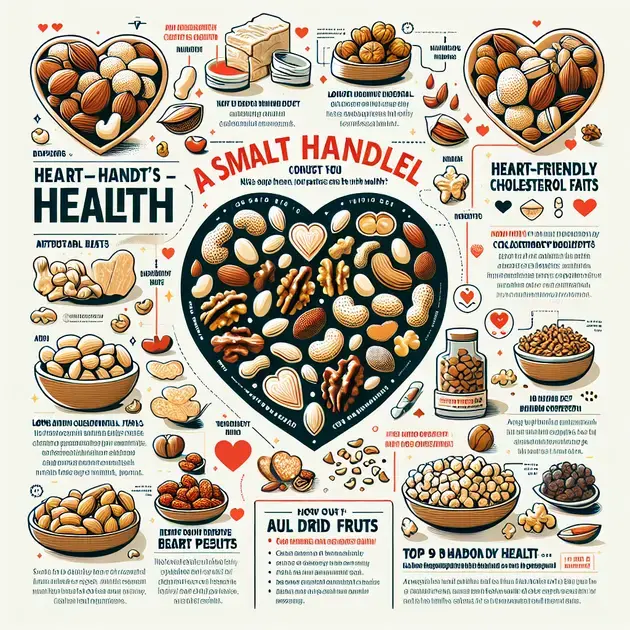
Nuts for heart: 9 best dry fruits to promote cardiovascular health

Did you know that a small handful of nuts could help protect your heart?

It might sound too good to be true, but it is not! Nuts are packed with heart-healthy fats, fiber, and antioxidants that can work wonders for your cardiovascular health.

When it comes to promoting heart health, maintaining healthy cholesterol levels is crucial. High levels of LDL (bad) cholesterol in the blood can increase the risk of heart disease. But fear not, because nuts can come to the rescue! Several types of nuts, such as almonds, walnuts, and pistachios, have been shown to lower LDL cholesterol levels when consumed as part of a healthy diet.

Not only do nuts have the power to reduce bad cholesterol, but they also have anti-inflammatory properties. Chronic inflammation in the body can lead to the development of various diseases, including heart disease. By incorporating nuts into your daily diet, you can help combat inflammation and protect your heart.

Another benefit of nuts for heart health is their ability to improve blood pressure levels. High blood pressure is a major risk factor for heart disease. The potassium content in nuts, along with their healthy fats and fiber, can help regulate blood pressure and maintain a healthy cardiovascular system.

But which nuts are the best for your heart? Here are some of the top contenders:

  1. Almonds: These nutrient-dense nuts are packed with vitamin E, fiber, and monounsaturated fats that can improve your heart health.
  2. Walnuts: Rich in omega-3 fatty acids, walnuts are known to reduce inflammation and promote healthy blood flow.
  3. Pistachios: These delicious nuts are not only tasty but also contain cholesterol-lowering phytosterols and antioxidants.
  4. Brazil nuts: A great source of selenium, brazil nuts can help protect your heart by reducing inflammation and oxidative stress.
  5. Cashews: Although high in calories, cashews are rich in monounsaturated fats that can improve heart health when consumed in moderation.
  6. Pecans: Packed with antioxidants, pecans can help prevent the oxidation of LDL cholesterol and reduce the risk of heart disease.
  7. Macadamia nuts: These creamy nuts are high in monounsaturated fats and low in omega-6 fatty acids, making them a heart-healthy choice.
  8. Hazelnuts: Hazelnuts are a good source of vitamin E, fiber, and healthy fats that can benefit your cardiovascular system.
  9. Chestnuts: Low in fat and calories, chestnuts provide a good amount of fiber, potassium, and antioxidants for heart health.

So, the next time you need a heart-healthy snack, reach for a handful of nuts. Not only will they satisfy your taste buds, but they will also provide numerous benefits for your cardiovascular health. Incorporate a variety of nuts into your diet and enjoy the protective effects they have to offer. Your heart will thank you!

10 delicious and healthy chocolate recipes your kids will love

Dear mommies, are you tired of searching for a healthier alternative to store-bought sugary treats that your kids love? Look no further! We’ve curated a list of nutritious and delicious chocolate recipes that will satisfy your children’s cravings while providing essential nutrients. Chocolate, when made with the right components like fruits and nuts, can be a delightful and healthy addition to your child’s diet.

1. Chocolate Banana Bites:

Combine the goodness of bananas and dark chocolate for this simple yet delectable treat. Slice bananas into bite-sized pieces, dip them in melted dark chocolate, and freeze until firm. These chocolate banana bites are loaded with potassium and antioxidants.

2. Choco-Nut Energy Balls:

Blend dates, almond butter, cocoa powder, and oats together to create a gooey mixture. Roll this mixture into small balls and chill. These energy balls are rich in fiber, protein, and healthy fats from the nuts, making them a perfect snack for active kids.

3. Avocado Chocolate Pudding:

Yes, you read that right! Avocado can make a creamy and nutritious base for chocolate pudding. Blend ripe avocados, cocoa powder, honey, and non-dairy milk until smooth. Serve chilled, and your little ones won’t even notice the avocado.

4. Dark Chocolate Dipped Strawberries:

Dip fresh strawberries into melted dark chocolate and let them set on a parchment-lined tray. Dark chocolate contains antioxidants and is a healthier option compared to milk chocolate. The combination of chocolate and strawberries adds a burst of flavor and essential vitamins.

5. Chocolate Zucchini Muffins:

These muffins are a sneaky way to incorporate vegetables into your child’s diet. Grate zucchini and combine it with whole wheat flour, cocoa powder, honey, and mini chocolate chips. Bake until moist and fluffy, and watch your kids devour these chocolaty delights without realizing they’re consuming vegetables.

6. Chocolate Chia Seed Pudding:

Chia seeds are packed with omega-3 fatty acids, fiber, and antioxidants. Mix chia seeds with cocoa powder, honey, and non-dairy milk, and refrigerate overnight. The result? A thick and chocolaty pudding that will keep your little ones full and energized.

7. Nutty Chocolate Granola Bars:

Skip the store-bought granola bars loaded with sugar and preservatives. Instead, make your own healthier version with rolled oats, nuts, cocoa powder, honey, and dark chocolate chunks. These granola bars provide a good dose of fiber, protein, and healthy fats.

8. Chocolate Covered Frozen Bananas:

Peel bananas and insert popsicle sticks into them. Dip the bananas into melted dark chocolate and sprinkle them with chopped nuts or shredded coconut. Freeze until solid, and your kids will have a fun and nutritious dessert option.

9. Chocolate Raspberry Smoothie:

Blend frozen raspberries, cocoa powder, non-dairy milk, and a sweetener of choice for a refreshing and chocolaty smoothie. Raspberries add a burst of tangy flavor and antioxidants to this nutritious beverage.

10. Dark Chocolate Trail Mix:

Create a homemade trail mix by combining your child’s favorite nuts, dried fruits, and dark chocolate chunks. This versatile snack can be packed in lunchboxes or kept handy for quick energy boosts throughout the day.

Conclusion:

Finding nutritious alternatives to store-bought chocolate treats for your kids doesn’t have to be a daunting task. With these ten delicious and healthy chocolate recipes, you can satisfy their sweet tooth while also providing essential nutrients. So, go ahead and indulge in guilt-free chocolate treats that your kids will love!

Best shilajit in India: 8 top choices to boost your energy and immunity


Feeling Drained? Boost Your Energy and Immunity with Shilajit

Are you feeling exhausted, lacking focus, or constantly fatigued? If you’re struggling with low energy levels, it may be time to consider incorporating shilajit into your routine. Shilajit is an Ayurvedic substance renowned for its rejuvenating properties and has been used for centuries to restore and invigorate the body.

Shilajit is a mineral-rich resin that is formed by the decomposition of plant material trapped in rocks in the Himalayas. It is packed with essential vitamins, minerals, and trace elements that can help replenish your energy levels and revitalize your entire system.

One of the key benefits of shilajit is its ability to improve cognitive function. If you find yourself struggling to concentrate or experiencing brain fog, shilajit may be able to help. Its powerful antioxidant properties can protect brain cells from oxidative stress and promote mental clarity and focus.

Moreover, shilajit has shown promising results in enhancing physical performance. Whether you’re an athlete looking to boost your endurance or simply someone trying to stay active and fit, shilajit can provide valuable support. By increasing oxygenation and energy production within your cells, it can improve your stamina and promote better physical performance.

Aside from its energy-boosting properties, shilajit is also known for its immune-enhancing effects. It can help strengthen your immune system and protect your body against infections and diseases. By boosting your body’s defense mechanisms, shilajit can help you stay healthy and ward off illnesses more effectively.

Now that you’re aware of the potential benefits of incorporating shilajit into your routine, it’s crucial to choose a high-quality product. When you’re unable to access the full article detailing the best shilajit options in India, it’s important to ensure you’re dealing with legitimate and reputable sources. Look for well-established brands with positive customer reviews and certifications to ensure you’re purchasing a reliable and authentic product.

In conclusion, if you’re feeling drained, sluggish, and lacking energy, shilajit may offer the boost you need. This Ayurvedic substance has a long history of use in improving energy levels, cognitive function, and physical performance. Additionally, shilajit can contribute to strengthening your immune system and maintaining overall well-being. To fully experience the potential benefits of shilajit, ensure you choose a high-quality product from a trusted source.

Feeling tired and lacking energy? If you’re experiencing low energy levels, difficulty concentrating, or overall fatigue, incorporating shilajit into your routine could be beneficial. Shilajit, an Ayurvedic substance renowned for its revitalizing properties, could help replenish your energy levels, enhance cognitive abilities, and even improve physical performance. Discover the best shilajit products in India that can boost your energy and immunity.


4 Fat Loss Secrets I Wish My 31-Year-Old Self Knew For A Smoother Weight Loss Journey


4 Fat Loss Secrets

Embarking on a weight loss journey is never easy, and it’s often fraught with trials, errors, and revelations along the way. As a 41-year-old who has successfully shed 130 lbs over the past decade, I find myself wishing I could turn back time to impart some crucial wisdom to my younger self. Hindsight, as they say, is 20/20—yet the lessons I’ve learned are invaluable, not only in achieving weight loss goals but in maintaining those hard-earned results long-term. From learning how to ignore misleading feelings to finding the right balance in diet and exercise, these insights could have saved me immense effort, struggle, and stress. In this blog, I will share four key fat loss hacks that transformed my journey and could potentially make yours smoother and more rewarding. Whether you’re just starting out or somewhere along your path, let these tips guide and inspire you toward a healthier, happier you.

1. Don’t Rely on Feeling Like It

The most poignant lesson I learned is that feelings, particularly in the context of weight loss, can be deceiving. Our brains are hardwired to resist change. They concoct all sorts of stories to deter us from stepping out of our comfort zones.

  • Routine Matters: Set a clear schedule and stick to it. Make your daily “must-dos” non-negotiable activities. For me, that means waking up before sunrise to tackle exercise and meal portions before diving into leisure activities.
  • Consistent Commitment: Establish a rhythm. The sense of accomplishment after completing these ‘uncomfortable’ tasks first makes relaxation far more enjoyable and guilt-free.

2. Beware of Fad Diets

Fad diets promise miracles but deliver disappointments. I jumped from one trend to the next, only to gain back more weight than I lost. These diets are often unsustainable, focusing on drastic changes that deprive you of essential nutrients and amplify cravings.

  • Common Sense Eating: The sustainable approach is eating moderately less and moving a bit more. It’s about consistency and creating a lifestyle rather than a temporary fix.
  • Stock Up on Staples: Keep your pantry filled with healthy staples like whole grains, lean proteins, and fresh produce. Having these on hand prevents the impulse to veer off course when hunger strikes.
  • Portion Control: The secret to my sustained weight loss was mastering portion control. Understanding my body’s needs and responding with balanced meals kept me within my calorie goals without feeling deprived.

3. Exercise Wisely: Less is More

In the beginning, I threw myself into excessive, high-intensity workouts, believing it was the key to accelerating weight loss. Not only was this unsustainable, but it also led to burnout and injury.

  • Low-Intensity Wins: Incorporate moderate activities, like daily walking. It’s more sustainable, less injurious, and over time, it effectively burns calories.
  • Cardio Comes First: While strength training is beneficial, especially for toning and building muscle, prioritize cardio if weight loss is your primary goal. It’s more effective in burning excess calories consistently.
  • Listen to Your Body: It’s important to recognize your limits and adapt your exercise routine accordingly. Allow your body to guide you into a manageable and enjoyable pace.

4. Embrace Your Genetic Make-Up

We all have genetic predispositions, including where our bodies tend to store fat. Accepting this reality is freeing. My struggle with belly fat and wide shoulders felt insurmountable until I changed my perspective.

  • Focus on What You Can Control: Instead of fixating on ab exercises, I embraced comprehensive body workouts that enhanced my natural shape. Training my shoulders and lower body created a balanced silhouette, giving the illusion of a trimmer waist.
  • Satisfaction Without Surplus: I learned to appreciate foods that fill me up without filling me out. Fiber-rich, high-protein meals became my go-to, satiating my hunger and stabilizing my weight.
  • Cultivate Body Acceptance: Understand that perfection is subjective. Celebrate the progress and the health you gain from your efforts. Contour your training to highlight and complement your body’s natural strengths.

These four hacks are not just about losing weight; they’re about forging a healthier relationship with your body and mind. Weight loss isn’t merely the subtraction of numbers on a scale—it’s about developing a sustainable lifestyle and a mindset that embraces resilience over restriction.

If you find yourself at the beginning of your journey or grappling with plateaus, let these insights empower you. Your best self is within reach, devoid of the stranglehold of fleeting diets or overwhelming exercise expectations. Instead, embrace the balance, which is where genuine transformation thrives. Remember that setbacks are part of the process, and each day is an opportunity to pursue your personal health goals with renewed commitment and understanding.


Considering PRP Injections for Injuries? Here’s What You Should Know About Steroids and Anti-Inflammatories


PRP Injections and Medication Use

Great Expectations: Navigating Steroid and Anti-Inflammatory Use Before PRP Injections

Platelet-rich plasma (PRP) and autologous exosome treatments have gained traction as promising alternatives for managing orthopedic injuries. Yet, when it comes to the role of steroids and anti-inflammatory medications in the lead-up to these procedures, opinions among medical professionals can differ. Here’s a deeper dive into how these medications might impact your treatment and how you can optimize the efficacy of your regenerative therapy.

PRP injections involve taking your blood, processing it to concentrate the platelets, and injecting it back into the affected area. These platelets release growth factors, which can promote healing in injured tissues. Similarly, autologous exosome therapy uses tiny extracellular vesicles derived and expanded from your own blood, which may help in cellular communication and tissue repair. Both treatments are at the forefront of regenerative medicine and offer potential benefits for those seeking non-surgical options.

Steroids

The question of whether to cease steroids and anti-inflammatory drugs before undergoing PRP or exosome treatments often arises. While no definitive studies confirm their detrimental effects on these procedures, the rationale behind limiting their use is based on how these medications work. Steroids and non-steroidal anti-inflammatory drugs (NSAIDs) are known for their role in reducing inflammation and modulating the immune response, which is essential in traditional injury treatment. However, they may counteract the inflammatory process that PRP and exosomes rely on to stimulate healing.

These medications are often prescribed for their potent anti-inflammatory effects. Yet, when it comes to regenerative treatments like PRP, the suppression of the inflammatory response may hinder the natural healing cascade that these therapies are designed to amplify. For this reason, a cautious approach might include avoiding oral steroids and cortisone shots about six weeks prior to treatment.

Non-Steroidal Anti-Inflammatory Drugs (NSAIDs)

While not as powerful as steroids, NSAIDs are commonly used for pain relief and to decrease mild inflammation. As with steroids, the use of NSAIDs might disrupt the inflammatory signals necessary for PRP and exosome treatments to work effectively. Thus, even a short-term cessation—at least a week before the procedure—may be beneficial.

The ambiguity surrounding these recommendations largely stems from a lack of comprehensive studies. Rigorous clinical trials comparing the outcomes of patients who follow these guidelines versus those who do not are needed to draw any scientific conclusions. Conducting such studies poses challenges, including ensuring a large enough sample size and controlling variables effectively.

However, many practitioners, including myself, advise erring on the side of caution. The financial investment in regenerative therapies can be significant, and maximizing the potential for a successful outcome is a worthwhile consideration. Hence, patients are often encouraged to halt the use of these medications, aligning with the practice’s experience and anecdotal success.

It is also crucial to recognize that each individual’s medical history and treatment plan should be personalized. Discuss your current medication regimen with your healthcare provider, who can offer personalized guidelines based on your unique needs and circumstances.

Understanding your treatment options is vital if you are considering alternatives to surgery or traditional cortisone injections. Regenerative therapies like PRP and autologous exosomes continue to evolve, and their role in orthopedic care remains a topic of active research and debate. However, for those seeking a non-invasive approach to manage osteoarthritis or tendon, ligament, or muscle injuries, they present an exciting frontier.

In summary, while a definitive answer regarding the cessation of steroids and anti-inflammatories before PRP or exosome injections remains elusive, practical guidance can be offered based on clinical experience and prudence. Striking a balance between medication use and the regenerative potential of these therapies can help ensure the best possible outcomes. As you navigate your treatment options, remain informed and proactive, and seek guidance from professionals well-versed in the latest advancements in regenerative medicine.

Explore how steroids and anti-inflammatories impact PRP injection results, and learn best practices from Dr. Guy on optimizing your treatment for orthopedic injuries.


4 Weight Loss Hacks I Wish My 31-Year-Old Self Knew: A Journey From 275 lbs to Thriving!

“`html

Embarking on a weight loss journey is often a convoluted path, fraught with pitfalls and triumphs. Looking back over the past decade, I realize just how transformative this road has been—shedding 130 lbs and redefining my life. The journey wasn’t without its struggles, mistakes, and moments of introspection that tested my resolve and taught me invaluable lessons. As I stand here today at 41, I can’t help but wish I could impart the wisdom I’ve gained to my younger, 31-year-old self. It would have made the process so much less arduous, sparing me the heartache and stress of trial and error. In this blog, I share four pivotal hacks that revolutionized my weight loss success—insights that might just simplify your own journey, whether you’re struggling to start or striving to maintain a healthy lifestyle.

Do the Hardest Tasks First

The first crucial lesson I learned on my weight loss journey was to stop depending on fleeting feelings. Often, our emotions can betray us. Our brains are wired to avoid discomfort and change, giving us all sorts of justifications to indulge and procrastinate. My brain would constantly coax me into choosing comfort—like ice cream over cardio or resting instead of meal prepping—by insisting tomorrow is a better day to start.

But, to outsmart these emotional traps, I adopted a new mantra: do the hardest tasks first. Each morning, I follow a rigid, non-negotiable routine. I start my day at 5:20 a.m., not out of necessity but to ensure I tackle my breakfast and cardio before anything else. By prioritizing these essential tasks and doing them early, they become an inseparable part of my life. This disciplined approach not only keeps me on track but also allows me to enjoy leisure activities, like playing video games, guilt-free once the essential steps are done.

Fad Diets Are Not the Answer

Next, there’s the trap of fad diets. My past attempts at quick-fix diets only led to temporary weight loss and eventual regaining, plus more. These trendy diets often promise miraculous results but are unsustainable due to their restrictive nature. They involved eliminating entire food groups and enforcing a strict set of rules, which only set me up for failure.

The real secret lies in the simplicity of consistent minor adjustments—eating slightly less and moving a bit more daily. By sticking to a balanced, non-restrictive diet and having staple foods like whole wheat bread, Greek yogurt, and lean proteins always available, I’m able to prepare quick, nutritious meals that keep me full and satisfied. This philosophy of consistency over extremity leads to gradual, sustainable weight loss, unlike the rollercoaster of fad diets.

Exercise Less, Achieve More

Exercise was another aspect where I erred initially. I used to overexert with intense workouts hoping they would counterbalance excessive eating. Reality check: they didn’t. Exercise should enhance, not exhaust. That’s when I embraced the concept that less is more. I started with 15-minute daily walks, which gradually built my stamina and burned calories more effectively than short bursts of extreme exercises.

Incorporating low-intensity workouts, like walking, allowed me to be consistent without the pain and fatigue that used to discourage me. Eventually, I added weight training, not as a primary weight-loss tool, but to complement my lifestyle and improve muscle tone. The key lies in finding a sustainable level of activity that fits your life and grows with you, rather than wearing you out.

Accept Your Genetic Blueprint

Finally, accepting my genetics was a game-changer. I had to come to terms with my natural predisposition to carry weight in certain areas, like my belly. When I stopped obsessing over trying to change things I couldn’t and instead focused on what I could improve, everything shifted. Weight training specific areas to create an illusion of a leaner frame and choosing foods that kept me fuller longer, like high-protein, high-fiber options, enabled me to work with my body, not against it.

By understanding these aspects—emotional resilience, sustainable diet and exercise, and genetic acceptance—I transformed my life and maintained my weight loss. If you’re on a similar journey, remember these guiding principles:

  • Don’t rely on emotions: Attach importance to tasks and tackle them first thing in your day.
  • Stay away from fad diets: Focus on a balanced intake that doesn’t deprive you of life’s culinary pleasures.
  • Exercise wisely: Low-impact, consistent activity outweighs punishing workouts.
  • Accept genetic boundaries: Enhance your body by focusing on the strengths and manage calorie intake smartly.

Your journey is unique, and while the path is personal, the foundational truths transcend individual stories. Embrace these tips, adapt them to your lifestyle, and open the door to a healthier, happier you. Remember, weight loss success is not just in the scale numbers but in nurturing your heart and mindset. Every step forward is an achievement, and with perseverance, you will thrive.

“`

PRP Injections and Steroid Use: What You Need to Know Before Your Treatment


Blog Article

Navigating the world of regenerative medicine can be daunting, especially when faced with decisions about treatments like PRP (Platelet-Rich Plasma) injections for osteoarthritis or tendon, ligament, and muscle injuries. If you’re considering this innovative treatment, there’s a critical question you might be pondering: Should you be off steroids and anti-inflammatory medications before undergoing a PRP injection, and if so, for how long? In this blog post, we’ll expand on the insights shared by Dr. David Guy, a triple board-certified orthopedic surgeon and sports medicine specialist, who tackles this very question in his informative video series. We’ll explore the potential implications of these medications on your treatment, address the varying perspectives within the orthopedic community, and help you make an informed decision about your health journey. Join us as we delve into this topic and empower yourself with the knowledge to feel, look, and perform your best.

The Role of Platelet-Rich Plasma (PRP) Injections

PRP injections involve drawing a patient’s blood, processing it to concentrate the platelets, and injecting the platelet-rich plasma back into the affected area. The growth factors in the platelets are believed to accelerate the healing of injured tissues.

Recently, there’s been a growing interest in autologous exosomes, which also derive from the patient’s blood but involve isolating and replicating exosomes in a lab. While the FDA considers exosomes experimental, their potential to enhance regenerative outcomes is promising.

The Debate on Pre-Injection Medication Use

A key point of debate within the orthopedic community is whether patients should refrain from steroids and anti-inflammatory medications prior to receiving PRP injections.

  • Oral Steroids: Medications like prednisone can suppress inflammation, potentially counteracting the intended effects of PRP therapy, which relies on a natural inflammatory process to promote healing.
  • Cortisone Shots: These are powerful anti-inflammatory treatments. If administered shortly before a PRP injection, they might diminish the regenerative response the PRP seeks to induce.
  • Topical Hydrocortisone Cream: Although less potent than oral or injectable steroids, they are still anti-inflammatory agents that might interfere with PRP efficacy.

Considerations and Recommendations

While there isn’t a robust body of research definitively outlining the impact of these medications on PRP outcomes, clinical experiences and theoretical considerations suggest potential interactions. Dr. David Guy recommends, though not as formal medical advice, that:

  • Patients stop oral steroids and refrain from recent cortisone shots for approximately six weeks prior to a PRP injection.
  • Anti-inflammatory medications should ideally be avoided for at least one week before the procedure.

These recommendations are based on Dr. Guy’s extensive experience and aim to maximize the efficacy of the PRP treatment by allowing the body’s inflammatory response to proceed unimpeded.

Diverse Opinions in the Medical Community

It’s important to acknowledge that opinions differ among orthopedic specialists. Some practitioners may not be as cautious about stopping these medications, relying instead on the lack of definitive studies proving a negative impact. Others, like Dr. Guy, take a more conservative approach, preferring to err on the side of caution and optimize treatment conditions for their patients.

The Need for Further Research

The exploration of PRP and autologous exosomes in regenerating tissues is still evolving. There’s a necessity for more randomized, double-blind, controlled studies to better understand the ideal conditions for these therapies and their long-term benefits. Such studies could help establish standardized guidelines concerning pre-injection medication protocols.

Making Informed Decisions

If you’re considering PRP injections or other regenerative treatments, it’s crucial to discuss your medication regimen and any potential adjustments with your healthcare provider. This ensures that your treatment plan is tailored to your specific needs and circumstances.

For those seeking alternatives to surgery or traditional cortisone injections, exploring regenerative treatments under the guidance of an experienced practitioner can be beneficial. Always consult with your physician or an orthopedic specialist to determine the most appropriate approach for your condition.

Empowerment Through Knowledge

Understanding the interplay between medications and PRP injections empowers you to make informed decisions about your treatment. Whether you choose to follow Dr. Guy’s guidelines or another practitioner’s advice, being proactive and informed can significantly influence your health outcomes.

Ultimately, the goal of regenerative medicine is to enhance your body’s natural healing capabilities, helping you feel, look, and perform at your best. By investigating all avenues and working closely with a trusted healthcare professional, you can take significant steps toward achieving optimal health and wellness.