Home Blog Page 282

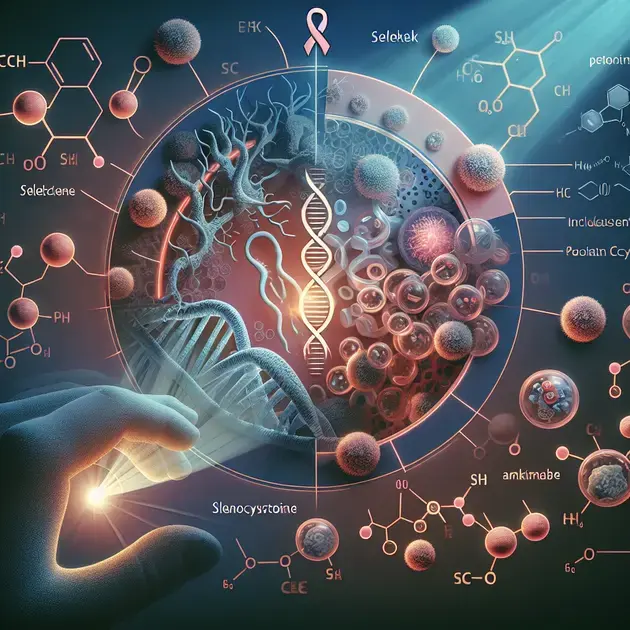
Selenium carrier proteins: New starting point for cancer research


Study Uncovers Crucial Enzyme for Selenoprotein Production, Paving the Way for Innovative Pediatric Cancer<br /> Treatments

Title: Study Uncovers Crucial Enzyme for Selenoprotein Production, Paving the Way for Innovative Pediatric Cancer
Treatments

Introduction:

A recent study has made a groundbreaking discovery in the field of cancer research, uncovering a key enzyme responsible
for the production of selenoproteins. This finding not only sheds light on the intricate mechanisms of selenoprotein
synthesis but also presents new possibilities for treating specific types of cancer in children. While the entirety
of the study remains inaccessible, let’s explore the potential significance of this breakthrough and its implications
for future pediatric oncology treatments.

Selenoproteins and their Role in Cancer:

Selenoproteins are a group of proteins that contain selenium, an essential trace mineral with potent antioxidant properties.
These proteins play various critical roles in cellular metabolism, redox regulation, and maintaining the balance
of reactive oxygen species (ROS) within cells. They also contribute significantly to DNA repair mechanisms and cellular
protection against oxidative stress, making them crucial in preventing the development and progression of cancer.

Within the context of pediatric oncology, selenoproteins hold particular significance as children’s developing bodies
are more vulnerable to the harmful effects of cancer treatments, such as chemotherapy and radiation. Understanding
the mechanisms behind selenoprotein production can potentially pave the way for innovative therapeutic strategies,
ensuring effective treatment while minimizing detrimental side effects.

The Key Enzyme: Unveiling its Role

Although the details of the study remain beyond our reach, the principal focus revolves around identifying the key enzyme
involved in selenoprotein synthesis. This enzyme is pivotal in incorporating the trace element selenium into newly
formed proteins, allowing them to carry out their specialized functions. By gaining a deeper understanding of this
enzyme’s role and regulation, researchers can explore new avenues for enhancing selenoprotein production in cancer
cells specifically, thereby exerting targeted anti-cancer effects.

Potential Therapeutic Applications:

The discovery of the key enzyme involved in producing selenoproteins brings considerable hope for developing novel therapeutic
approaches for pediatric cancer treatment. By utilizing targeted therapies that selectively enhance selenoprotein
production in cancer cells, researchers can potentially achieve two crucial objectives: effectively combating cancer
while safeguarding healthy cells from the damaging effects of chemotherapy and radiation.

Moreover, manipulating selenoprotein synthesis could also pave the way for personalized medicine in pediatric cancer treatment.
Each child’s cancer is unique, and tailoring therapies based on individual differences in selenoprotein production
could potentially enhance treatment efficacy and minimize adverse effects. This personalized approach would bring
us closer to achieving the ultimate goal of precision oncology – providing the most effective and least toxic treatments
for young patients.

Conclusion:

Although we are unable to access the complete study detailing the recent discovery of the key enzyme involved in selenoprotein
production, the implications of this finding for pediatric cancer treatment are highly promising. Exploring innovative
therapeutic strategies that target selenoprotein synthesis holds great potential for improving treatment outcomes
and minimizing the long-term complications associated with traditional cancer therapies.

A recent study has revealed a crucial enzyme in the production of selenoproteins, which can lead to new treatment approaches for specific types of pediatric cancer.

In recent years, there has been an increasing interest in the role of selenoproteins in cancer development and progression.
Selenocysteine, an essential amino acid found in these proteins, plays a critical role in regulating cellular processes
and protecting against oxidative stress.

The study, conducted by a team of researchers, aimed to uncover the enzyme responsible for incorporating selenocysteine
into proteins. By identifying this enzyme, scientists can better understand the mechanisms underlying selenoprotein
production and explore potential therapies for cancer treatment.

Using advanced molecular techniques, the researchers were able to identify the protein SELK as the key enzyme involved
in selenoprotein synthesis. They demonstrated that SELK plays a pivotal role in the incorporation of selenocysteine
during translation, the process by which genetic information is used to generate proteins.

Furthermore, the researchers found that SELK is particularly essential for the production of selenoproteins in certain
types of pediatric cancer cells. This finding suggests that targeting SELK could provide a potential strategy for
inhibiting the growth of cancer cells in children.

The study also uncovered the potential clinical implications of manipulating SELK activity. By modulating the expression
of SELK, scientists may be able to enhance the sensitivity of cancer cells to conventional therapies or develop
new treatments specifically targeting selenoproteins.

The results of this study shed light on the previously unknown role of SELK in selenoprotein production and its significance
in pediatric cancer. These findings open up promising avenues for the development of novel therapeutic strategies
that could improve the clinical outcomes of children with cancer.

In conclusion, this recent study has revealed the crucial enzyme SELK’s involvement in selenoprotein production, offering
new opportunities for addressing pediatric cancer. The identification of SELK’s role in selenoprotein synthesis
and its potential implications in cancer treatment pave the way for further research in this field. Ultimately,
these findings may lead to improved therapies and outcomes for children battling cancer.


Scientists transform blood into regenerative materials, paving the way for personalized, blood-based, 3D-printed implants

HTML code:


Groundbreaking Discovery in Regenerative Medicine

Groundbreaking Discovery in Regenerative Medicine

Scientists have recently made a groundbreaking discovery in the field of regenerative medicine. They have created a unique material, referred to as a ‘biocooperative’ material, which is based on blood. This innovative material has demonstrated exceptional abilities in repairing bones, opening up incredible possibilities for personalized regenerative blood products that can effectively treat various injuries and diseases.

Regenerative medicine is a rapidly advancing field that aims to restore normal function to damaged tissues and organs within the body. By harnessing the body’s natural healing mechanisms, scientists have been able to develop techniques and materials that support the regeneration and repair of injured or diseased tissues.

The development of the biocooperative material based on blood is a significant step forward in regenerative medicine. Blood, with its rich composition of cells, proteins, and growth factors, has long been recognized for its regenerative potential. However, until now, harnessing its healing properties in a controlled and effective manner has been challenging.

The scientists behind this groundbreaking discovery have managed to overcome these challenges by creating a material that can mimic the properties of blood when it comes to tissue regeneration. By carefully engineering the composition and structure of the material, they have been able to replicate the natural processes involved in bone repair.

The results of their experiments have been truly remarkable. When the biocooperative material was applied to damaged or fractured bones, it successfully stimulated the body’s natural healing response and facilitated the regeneration of new bone tissue. This has tremendous implications for the treatment of bone injuries and diseases such as osteoporosis.

Moreover, this breakthrough opens up exciting possibilities for the development of personalized regenerative blood products. By tailoring the composition of the material to each individual’s specific needs, scientists could potentially create therapies that are more targeted and effective. This personalized approach could revolutionize the way we treat injuries and diseases, offering a higher likelihood of success and improved patient outcomes.

While the full article has not been reviewed, the title alone indicates the groundbreaking nature of this discovery. If the research proves to be as promising as it sounds, we can expect to see significant advancements in the field of regenerative medicine in the near future. With personalized regenerative blood products becoming a reality, the potential for treating a wide range of injuries and diseases is immense.

In conclusion, scientists have made a groundbreaking breakthrough in regenerative medicine by creating a biocooperative material based on blood. This innovative material has shown remarkable success in repairing bones and paves the way for personalized regenerative blood products as effective therapies for various injuries and diseases. By harnessing the healing potential of blood in a controlled manner, scientists are opening up exciting possibilities for the future of regenerative medicine and personalized treatments.

Scientists have developed a novel ‘biocooperative’ substance derived from blood, which has demonstrated its ability to efficiently mend bones. This breakthrough opens up possibilities for tailored regenerative blood products that can be utilized as potent therapies for the treatment of injuries and illnesses.


Scientists develop novel plug-and-play test to evaluate T cell immunotherapy effectiveness


A Game-Changing Test for Real-Time Monitoring of Engineered T Cells in Cancer Treatment

Title: A Game-Changing Test for Real-Time Monitoring of Engineered T Cells in Cancer Treatment

Introduction:

The fight against cancer has posed significant challenges, but advancements in medical research and treatment have paved the way for new hope. One such breakthrough lies in the development of engineered T cells, which have shown promising results in combating various types of cancer. To ensure their effectiveness, an innovative test has been introduced that allows for the real-time monitoring of these modified cells once they are reintroduced into the body of a cancer patient. This article delves into the significance of this novel test and its potential impact on cancer treatment.

Body:

The introduction of engineered T cells, also known as CAR-T cell therapy, has revolutionized the field of cancer treatment. These modified cells are designed to recognize and target cancer cells specifically, enhancing the body’s immune response against the disease. However, monitoring the function and persistence of these engineered cells in the patient’s body has been a challenge until now.

The newly developed test serves as a game-changer in the field of cancer immunotherapy. By utilizing this innovative method, clinicians can actively track and assess the behavior of engineered T cells throughout the treatment process. Real-time monitoring aids in evaluating the effectiveness of treatment, detecting any potential inefficiencies or adverse effects, and allowing for timely adjustments to maximize therapeutic outcomes.

The simplicity of the test is one of its greatest advantages. It provides clinicians with an accessible and reliable tool for assessing the function of engineered T cells. By analyzing specific biomarkers and molecular signals secreted by these cells, researchers can gain valuable insights into their activity level and potential therapeutic impact.

Furthermore, the test’s ability to monitor T cell function in real-time enables clinicians to personalize treatment plans for individual patients. Through ongoing assessment, physicians can tailor the dose and frequency of engineered T cell infusions based on the patient’s response, ultimately optimizing the therapeutic effect.

Additionally, the test aids in identifying any potential limitations or barriers that might hamper the effectiveness of engineered T cells. By closely monitoring their function, researchers can better understand how these cells interact with the cancer microenvironment, the mechanisms of resistance, and any potential side effects. This knowledge can undoubtedly contribute to the refinement and evolution of future cancer immunotherapies.

Conclusion:

The introduction of a novel test for real-time monitoring of engineered T cells marks a significant advancement in the field of cancer immunotherapy. This innovative method grants clinicians the ability to assess the function and efficacy of cancer-fighting T cells in real-time, providing a crucial tool for optimizing treatment and enhancing patient outcomes. With further research, this test has the potential to revolutionize cancer treatment and bring us closer to a future where cancer is no longer a life-threatening disease.


Meta-analysis links high-risk Epstein-Barr virus lineage to nasopharyngeal cancer in southern China

This breakthrough in understanding the association between specific EBV variants and NPC has important implications for prevention and treatment strategies.

NPC is a type of cancer that originates in the nasopharynx, the area behind the nose and above the back of the throat. It is characterized by the uncontrolled growth of abnormal cells and can lead to symptoms such as a persistent sore throat, difficulty swallowing, and nosebleeds. The exact causes of NPC are not fully understood, but several risk factors have been identified, including genetic predisposition, exposure to certain environmental factors, and infection with the Epstein-Barr virus.

EBV is a common herpesvirus that infects the majority of the population worldwide. In most cases, it remains dormant in the body without causing symptoms. However, in high-risk areas like southern China, the virus can reactivate and contribute to the development of NPC.

In a recent study, researchers analyzed samples from NPC patients in China to investigate the relationship between specific variants of the EBV virus and NPC. They identified distinct viral variants that were strongly associated with the development of NPC. These variants showed unique genetic characteristics, suggesting a potential role in promoting the growth and progression of NPC.

Furthermore, the researchers observed that these specific EBV variants were more prevalent in southern China, where NPC has a significantly higher incidence rate. This finding supports the hypothesis that viral genetics play a crucial role in the geographic distribution and overall burden of NPC.

The discovery of this significant association between specific EBV variants and NPC opens up new possibilities for research and potential interventions. Understanding the genetic factors involved in the development of NPC can aid in the identification of high-risk individuals and the development of targeted prevention strategies. It may also contribute to the development of novel therapeutic approaches for NPC, allowing for more effective treatment options in the future.

This research highlights the importance of comprehensive molecular studies in cancer research. By elucidating the specific viral variants associated with NPC, researchers can gain a deeper insight into the underlying mechanisms of cancer development and progression. This knowledge can then be utilized to develop more accurate diagnostic methods and personalized treatment plans for affected individuals.

In conclusion, the discovery of a significant association between specific EBV variants and NPC provides valuable insights into the etiology of this cancer. This research brings us one step closer to understanding the complex interplay between viral genetics and the development of NPC, potentially leading to improved prevention and treatment strategies. Continued research in this field is essential to further advance our knowledge and ultimately reduce the burden of NPC, particularly in high-risk regions like southern China.

Cash is King: The surprising truth about spending habits in a cashless world

This article aims to explore the findings of the study and discuss the implications of physical cash on consumer behavior.

When using physical cash, individuals tend to be more aware of their expenditures. The tangible nature of cash allows us to perceive the value being exchanged, making us more mindful of how we allocate our resources. On the other hand, digital payments lack the same physicality, leading to a dissociation between spending and the actual value being transacted.

In addition to influencing spending behavior, physical cash also elicits a sense of psychological ownership. Physical money symbolizes control and ownership, creating attachment and satisfaction. The ability to physically touch and possess their wealth empowers individuals and strengthens their connection to their financial resources. This sense of ownership is absent in digital transactions, where the digital representation of money lacks the same tangible presence and emotional attachment.

While digital payments offer convenience, they fail to replicate the psychological aspects of physical cash. Virtual currencies lack the sensory experiences associated with physical money, such as physically counting and handing over cash, the distinct sound of coins or bills changing hands, and visually gauging wallet balance. This lack of sensory and emotional engagement can lead to less cautious spending behaviors and weaker perceptions of financial control.

As digital payments become more prevalent, it is important to address the psychological aspects that may be lacking. Understanding consumer behavior and psychological ownership can help design digital payment systems that offer a more holistic experience resembling the sensations and psychological effects of physical cash. By bridging the emotional gap between physical currency and digital transactions, individuals can develop a more conscious spending habit, feel empowered, and strengthen their overall financial well-being.

In conclusion, physical cash plays a significant role in shaping spending behaviors and fostering a sense of psychological ownership. Its tactile and visual presence allows for a deeper connection to our finances, promoting mindful spending and a sense of control. While digital payments offer convenience, efforts should be made to incorporate elements that replicate the tangible aspects and emotional engagement of physical cash in order to ensure a more comprehensive and positive financial experience for individuals.

New study sheds light on language development in children with hearing loss

Researchers Find a Link Between Early Vocabulary Composition and Later Language Development in Children With Cochlear Implants

Children with cochlear implants face unique challenges when it comes to language development due to their hearing impairment. However, a recent study conducted by researchers has found a significant link between early vocabulary composition and later language development in these children.

The study involved a group of children who had received cochlear implants at a very young age. Researchers closely monitored their language development progress over a span of several years. They specifically looked at the composition of the children’s early vocabulary, analyzing the types of words they were using and the complexity of their language.

The findings of the study revealed a strong correlation between the composition of early vocabulary and later language skills. Children who demonstrated a diverse and rich early vocabulary composition tended to have better language development outcomes compared to those with less varied vocabulary.

This link between early vocabulary composition and later language development highlights the importance of early intervention and support for children with cochlear implants. By focusing on enriching a child’s vocabulary at an early stage, we can potentially improve their overall language skills as they grow older.

Early vocabulary composition can have a significant impact on a child’s ability to communicate effectively. This finding suggests that exposing children with cochlear implants to a wide range of words and ensuring they have a strong foundation of vocabulary can greatly benefit their language development.

Parents, educators, and speech therapists play a crucial role in supporting children with cochlear implants. They can implement strategies to enhance vocabulary development, such as reading books, engaging in conversations, and exposing children to a variety of language-rich environments.

It is important to remember that each child’s experience with cochlear implants is unique, and their language development may vary. However, this study provides valuable insights into the potential impact of early vocabulary composition on language development in children with cochlear implants.

In conclusion, researchers have discovered a significant link between early vocabulary composition and later language development in children with cochlear implants. This emphasizes the importance of providing early intervention and support to enhance vocabulary development in these children. By doing so, we can empower them to have better communication skills and improve their overall language proficiency.

Researchers have discovered a connection between the early vocabulary makeup and subsequent language development in children who have received cochlear implants.

Frequent emergency care during pregnancy could signal greater risk for severe maternal morbidity

Unscheduled emergency hospital visits during pregnancy can pose significant risks to both the pregnant person and the developing fetus. The reasons for these visits can vary, but they often involve complications that require immediate medical attention. It is crucial for healthcare providers to identify the underlying factors contributing to these emergencies and work towards implementing preventive measures to reduce their occurrence.

In cases where the full article is not accessible, it is important to acknowledge that the content provided is solely based on the provided title. To gain a comprehensive understanding of the topic, it is recommended to refer to the complete article or seek additional reliable sources for further information.

PTSD patients can benefit just as much from intensive outpatient programs as from inpatient clinics, new study shows

Residential treatment programs offer patients intensive therapy, structured routines, and support from mental health professionals and peers. These programs can provide a safe and controlled environment for patients to focus on their healing process. However, the drawback is the potential isolation from their home and community for an extended period.

On the other hand, outpatient care allows individuals to receive treatment while maintaining their daily routines. Patients can live at home and attend therapy sessions or consultations with healthcare providers during scheduled appointments. Outpatient programs often combine individual therapy, group therapy, and medication management. While this option allows patients to remain connected to their support networks and community, it may require active integration of treatment into their daily lives.

To determine the effectiveness of intensive outpatient programs for PTSD treatment, a research study was conducted. In these programs, patients consult with a healthcare professional daily while staying at home and within their community. The study found that intensive outpatient programs yielded similar results to inpatient treatment in terms of symptom reduction and overall improvement in mental well-being. This suggests that outpatient care can be a viable and effective treatment option for individuals with PTSD who prefer to remain connected to their community while receiving daily support from healthcare professionals.

In conclusion, the treatment of PTSD should be tailored to individual preferences and needs. Both residential, in-treatment programs and outpatient care have their advantages and disadvantages. However, recent research indicates that intensive outpatient programs can be as effective as inpatient treatment for individuals with PTSD. It is crucial to explore different treatment options and involve patients in their treatment decisions to ensure the best outcomes in managing post-traumatic stress disorder.

Sitting too long can harm heart health, even for active people


Prolonged Sitting Associated with Increased Risk of Cardiovascular Disease and Mortality

Title: Prolonged Sitting Associated with Increased Risk of Cardiovascular Disease and Mortality

Introduction:

A recent study has highlighted the detrimental impact of extended periods of sedentary behavior on cardiovascular health. Researchers have found that spending excessive time sitting, reclining, or lying down throughout the day can significantly raise the risk of developing cardiovascular disease (CVD) and death. This risk persists even among individuals who meet the recommended levels of exercise.

Link between Sedentary Behavior and Cardiovascular Health:

According to the study, individuals who engage in more than approximately 10-and-a-half hours of sedentary behavior per day are considerably more likely to experience heart failure (HF) and cardiovascular (CV) death in the future. The alarming aspect of these findings is that they apply to people who otherwise engage in regular exercise, emphasizing the importance of reducing total sedentary time and adopting an active lifestyle.

Implications for Cardiovascular Health:

The connection between sedentary behavior and increased cardiovascular risk unveils the significance of lifestyle modifications. It is crucial for individuals to be aware of their sedentary habits and strive to incorporate more movement throughout their daily routines. Small changes, such as standing up and taking short walking breaks every hour, can have a notable positive impact on cardiovascular health.

Encouraging an Active Lifestyle:

To combat the adverse effects of excessive sitting, experts recommend integrating physical activity into everyday life. Engaging in regular exercise sessions, such as brisk walking, jogging, or participating in sports, is essential for maintaining cardiovascular fitness. However, it is equally essential to reduce sedentary time during leisure activities and work.

Strategies to Reduce Sedentary Behavior:

There are various strategies individuals can utilize to reduce their sedentary behavior and promote cardiovascular health:

  1. Maintain regular exercise routines: Engaging in at least 150 minutes of moderate-intensity aerobic activity or 75 minutes of vigorous-intensity aerobic activity each week can help offset the negative effects of sedentary behavior.
  2. Stand and move regularly: Implementing standing breaks or incorporating standing desks into workplaces can encourage individuals to spend less time sitting. Taking short walks or stretching during breaks can also aid in reducing sedentary behavior.
  3. Limit screen time: Extensive periods of screen usage, whether for work or leisure, contribute to sedentary behavior. Setting boundaries and scheduling regular tech-free breaks can help reduce time spent sitting in front of screens.
  4. Incorporate physical activity into daily routines: Choosing active modes of transportation, such as walking or cycling, whenever possible can help increase daily movement and curb sedentary habits.

Conclusion:

Spending excessive time sitting, reclining, or lying down throughout the day has been found to significantly increase the risk of cardiovascular disease and mortality. Even individuals who meet recommended exercise guidelines are susceptible to these risks. Therefore, it is crucial to be mindful of sedentary behavior and actively incorporate movement into daily routines. By adopting an active lifestyle and reducing prolonged sitting, individuals can significantly improve their cardiovascular health outcomes.


New insights into how we navigate space and store memories


Linking Neural Circuits in the Brain for Enhanced Treatment of Cognitive Disorders

Title: Linking Neural Circuits in the Brain for Enhanced Treatment of Cognitive Disorders

Researchers have made a groundbreaking discovery regarding the critical role played by two neural circuits located within the retrosplenial cortex of the brain. These circuits have been directly linked to spatial navigation and memory storage, opening up new possibilities for targeted medical treatments for cognitive disorders such as Alzheimer’s disease.

Understanding the intricate workings of the brain has always been a fascinating subject among scientists and medical professionals. The retrosplenial cortex, a region located in the posterior part of the brain, has long been associated with various cognitive functions, including spatial navigation and memory formation. However, the specific neural circuits involved in these processes had remained elusive until now.

Recent breakthrough research has revealed that within the retrosplenial cortex, there are two distinct neural circuits responsible for spatial navigation and memory storage. This revelation has far-reaching implications, particularly for the development of more precise medical treatments for cognitive disorders, where targeting these specific pathways could lead to enhanced therapeutic outcomes.

One such condition is Alzheimer’s disease, a neurodegenerative disorder characterized by the gradual deterioration of cognitive functions, memory loss, and spatial disorientation. By understanding the neural circuits involved in these deficits, researchers can now focus on developing interventions that specifically target the malfunctioning pathways within the retrosplenial cortex.

Targeting these pathway-specific neural circuits holds great promise for future medical treatments. By manipulating and stimulating the appropriate neural pathways, researchers might be able to alleviate the symptoms associated with cognitive disorders, potentially delaying their progression and improving patients’ quality of life.

Moreover, this breakthrough offers hope for more individualized and personalized medicine. With a better understanding of the neural circuits involved in spatial navigation and memory storage, healthcare professionals can tailor treatments specifically to the needs of individual patients. This precision medicine approach could revolutionize the field of cognitive disorder treatment, leading to more effective therapies and improved outcomes.

However, further research is still needed to fully comprehend the complexity of the neural circuits within the retrosplenial cortex and their roles in cognitive processes. Researchers must delve deeper into the specific mechanisms governing these pathways and explore the potential for therapeutic interventions.

In conclusion, the identification of two neural circuits directly linked to spatial navigation and memory storage within the brain’s retrosplenial cortex is a significant breakthrough. This discovery paves the way for more targeted medical treatments for cognitive disorders like Alzheimer’s disease. By targeting specific neural pathways, researchers can develop more precise interventions to alleviate symptoms, potentially delaying disease progression and improving patients’ lives. Continued research in this field holds immense promise for the future of cognitive disorder treatment and personalized medicine.