Home Blog Page 277

Dieting: Cause of the yo-yo effect deciphered


Researchers Uncover Epigenetic Mechanism Fueling Yo-Yo Effect in Fat Cells

Title: Researchers Uncover Epigenetic Mechanism Fueling Yo-Yo Effect in Fat Cells

Introduction:

The yo-yo effect, a commonly observed phenomenon in weight management, occurs when individuals experience weight regain after initial weight loss. Researchers have recently made a fascinating discovery regarding this perplexing pattern. They have found that fat cells possess a memory, influenced by epigenetics, which plays a significant role in the yo-yo effect. This article sheds light on this groundbreaking study, presenting key insights into the mechanisms underlying the yo-yo effect and the potential implications for weight management strategies.

Body:

The study that revealed the mechanism behind the yo-yo effect was conducted by a team of researchers who aimed to examine the relationship between fat cells and weight regain. They hypothesized that epigenetic modifications, which are alterations in gene expression without any changes in the DNA sequence, could contribute to this phenomenon.

To test their hypothesis, the researchers conducted experiments on mice that had undergone weight loss followed by weight regain. They carefully analyzed the DNA methylation patterns in the fat cells of these mice and compared them to those of a control group of mice that maintained a stable weight.

Surprisingly, the team discovered distinct differences in the DNA methylation patterns of the two groups. Specifically, the mice that experienced weight loss followed by weight regain exhibited specific epigenetic modifications in their fat cells. These alterations resulted in the downregulation of genes responsible for fat utilization and increased expression of genes aiding fat storage.

These findings suggest that when individuals regain weight after weight loss, their fat cells retain certain epigenetic modifications that promote fat storage and hinder fat utilization. This mechanism helps explain why losing weight can be a challenging endeavor and why many individuals struggle with weight regain.

Furthermore, this study provides valuable insights into the biological processes that occur within fat cells. By understanding the epigenetic mechanisms underpinning the yo-yo effect, researchers can develop more targeted interventions to prevent weight regain and promote sustained weight loss.

Implications and Future Directions:

The discovery of a memory mechanism in fat cells opens up new avenues for research and potential interventions. Researchers can now focus on developing strategies to reverse the epigenetic modifications responsible for promoting fat storage and hindering fat utilization. By doing so, they may be able to counteract the yo-yo effect and improve long-term weight management outcomes.

In conclusion, this groundbreaking study on the epigenetic mechanism behind the yo-yo effect in fat cells provides valuable insights into the challenges individuals face when attempting to maintain weight loss. By understanding the molecular processes at play, researchers can work towards developing effective interventions that target the memory of fat cells, ultimately improving long-term weight management strategies. The knowledge gained from this study has the potential to revolutionize the field of weight loss research and enhance our understanding of the complex interactions between genetics, epigenetics, and weight management.



Study explores the pandemic’s impact on breastfeeding practices in historically marginalized communities

The study found that stay-at-home orders created an environment that was conducive to breastfeeding, allowing mothers to establish and maintain breastfeeding routines more easily. The increased proximity between mothers and their infants also led to improved bonding experiences and strengthened the mother-child relationship.

Extended breastfeeding duration has benefits for both infants and mothers, as breast milk provides essential nutrients and antibodies that protect babies from illnesses and promote their cognitive and emotional development. By extending the duration of breastfeeding, mothers can provide these advantages to their infants for a longer period, potentially leading to long-term health benefits.

However, the study also revealed challenges faced by breastfeeding mothers during the pandemic, including limited access to lactation support services. With healthcare facilities being restricted or closed, many mothers struggled to seek professional guidance or access necessary resources, which may have made the breastfeeding journey more difficult.

Furthermore, the pandemic itself added stress to mothers, which could impact their breastfeeding experiences. Uncertainty, fears, and disruptions caused by the crisis heightened maternal stress levels, which research has shown can impact milk supply and hinder successful breastfeeding. Therefore, it is crucial to address and alleviate maternal stress to promote optimal breastfeeding outcomes.

In conclusion, the study highlights the dual impact of stay-at-home orders on breastfeeding during the pandemic. While it facilitated easier breastfeeding at home, strengthened mother-child bonding, and extended breastfeeding duration for many women, it also presented challenges such as limited access to lactation support and heightened maternal stress. Moving forward, it is important to ensure adequate resources and support systems are in place to empower and assist breastfeeding mothers, especially during uncertain times like these.

Dieting: Cause of the yo-yo effect deciphered

This memory allows fat cells to store and accumulate fat more efficiently, making it challenging for individuals to maintain weight loss in the long term. This discovery highlights the importance of addressing the biological factors contributing to weight regain and suggests that interventions targeting fat cell memory could potentially improve long-term weight management.

The yo-yo effect, experienced by individuals who repeatedly lose and regain weight, has long been a subject of interest in the field of diet and obesity. Despite efforts to maintain weight loss, many people struggle to sustain the achieved results. This phenomenon has posed a challenge for scientists and individuals seeking effective weight management strategies.

The researchers in this study aimed to understand why weight regain is common after significant weight loss. Their investigations revealed that fat cells undergo epigenetic changes after weight loss, altering their functioning and ability to store fat more efficiently. When weight is regained, the body’s fat cells have an increased capacity to accumulate fat, making it difficult to maintain a lower weight.

This discovery is significant for several reasons. Firstly, it sheds light on the difficulty of achieving sustainable weight loss. It suggests that there are biological factors at play beyond willpower and discipline. Additionally, it suggests that interventions targeting fat cell memory could potentially help individuals maintain their weight loss in the long term.

However, it is important to note that while this study provides valuable insights, there is still much to be understood about the molecular details of fat cell memory and epigenetic changes. Further research is needed to fully comprehend the complex mechanisms involved and explore potential interventions and treatments.

In summary, researchers have discovered an intriguing mechanism behind the yo-yo effect, linking it to the epigenetic memory of fat cells. Understanding this mechanism is essential for addressing the biological factors contributing to weight regain after significant weight loss. By gaining a deeper understanding of fat cell memory and associated epigenetic modifications, scientists may eventually develop more effective strategies for long-term weight management.

Gaming for the good!


Gaming’s Surprising Benefits: Enhancing Skills in the Workplace

Title: Gaming’s Surprising Benefits: Enhancing Skills in the Workplace

Introduction:

Gaming has long been viewed as a mere form of entertainment and a time-wasting activity. However, recent research has shed new light on the potential benefits of gaming, particularly within the realm of massive multiplayer online games. Contrary to previous beliefs, these games are now being recognized for their ability to enhance players’ learning abilities and significantly improve their skills in the workplace. This article explores the newfound advantages of gaming, highlighting the positive impact it can have on professional development.

Unleashing the Power of Gaming:

Traditionally, gaming was considered a solitary activity, fostering isolation and reducing the opportunities for socialization. However, online multiplayer games have completely transformed this perception. These games offer a platform for virtual communities where players can interact, collaborate, and form friendships based on shared interests. These social interactions within gaming environments can, in turn, lead to the development of essential interpersonal and communication skills.

Enhancing Cognitive Abilities:

Research indicates that gaming can greatly boost cognitive abilities, such as problem-solving, analytical thinking, and strategic planning. In massive multiplayer online games, players often face complex challenges, requiring them to think critically and find innovative solutions. These skills can effortlessly transfer into the workplace, enabling gamers to tackle intricate tasks and make more effective decisions.

Improving Collaboration and Teamwork:

In multiplayer games, teamwork and collaboration are essential for achieving success. Players must cooperate, coordinate their actions, and communicate effectively to accomplish objectives. These experiences instill a sense of teamwork and foster the development of crucial skills like leadership, conflict resolution, and adaptability. Consequently, gamers can seamlessly transfer these skills to the professional setting, enhancing their ability to work effectively in teams.

Virtual Economies and Resource Management:

Certain massive multiplayer online games incorporate complex virtual economies and resource management systems. Players are required to manage their in-game resources, such as currency, assets, and items. This aspect can teach valuable skills in financial management, resource allocation, and long-term planning. The ability to effectively manage virtual resources often translates into proficient financial decision-making in real-world scenarios.

Conclusion:

The perception of gaming as a time-wasting activity has been challenged by recent research, revealing its surprising benefits when it comes to enhancing skills in the workplace. Massive multiplayer online games, in particular, offer an interactive and collaborative environment that fosters the development of crucial abilities like critical thinking, communication, teamwork, and resource management. As individuals increasingly engage with gaming platforms, it has become evident that gaming is not only an enjoyable pastime but also a valuable tool for personal and professional growth.


Gaming for the good!

These skills include problem-solving, strategic thinking, teamwork, and decision-making. They are not only beneficial within the virtual world but also transferable to real-life situations.

The complex nature of MMO games is believed to be a key factor in the development of these skills. Players must navigate intricate virtual worlds, collaborate with other players, and overcome challenges. This requires critical thinking and the ability to adapt to dynamic environments.

Furthermore, MMOs often involve teamwork and cooperation. Gamers must work together to achieve common goals, strategize against opponents, and communicate effectively. These experiences improve teamwork, communication, and leadership skills, which are highly valuable in professional settings.

Gaming can also contribute to the development of social skills and emotional intelligence. MMOs provide platforms for individuals from diverse backgrounds to connect, interact, and build relationships. Through these interactions, gamers gain exposure to different perspectives and cultures, fostering empathy and understanding.

Recognizing the potential of gaming as a tool for learning and skill development is crucial. Educational institutions and employers can tap into the benefits it offers by embracing gaming as a constructive activity.

However, it is important to maintain a healthy balance and avoid excessive gaming. Gaming addiction can have negative consequences, such as neglecting personal responsibilities, social isolation, and adverse physical health effects. It is important to practice moderation and responsible gaming.

In conclusion, new research supports the idea that gaming, particularly MMOs, can have numerous positive effects. The skills acquired through gaming can be applied in real life and enhance professional capabilities. Understanding and embracing the potential of gaming as an educational and skill-building tool is essential.

High-dose IV vitamin C plus chemotherapy doubles survival in advanced pancreatic cancer


Intravenous Vitamin C Doubles Overall Survival in Late-Stage Pancreatic Cancer: A Promising Treatment Approach

Title: Intravenous Vitamin C Doubles Overall Survival in Late-Stage Pancreatic Cancer: A Promising Treatment Approach

Introduction:

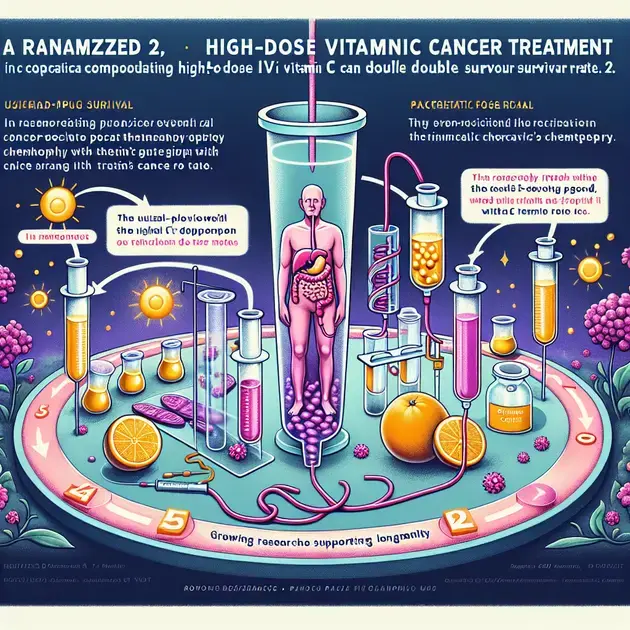
In recent years, the potential benefits of high-dose intravenous (IV) vitamin C have gained significant attention in treating various types of cancer. A randomized, phase 2 clinical trial investigating the use of IV vitamin C in combination with chemotherapy for late-stage metastatic pancreatic cancer has yielded remarkable results. This article delves into the study’s findings, highlighting the impact of IV vitamin C on patients’ overall survival.

The Study and its Findings:

The randomized, phase 2 clinical trial involved a group of patients with late-stage metastatic pancreatic cancer. Half of the participants received standard chemotherapy treatment, while the other group received a combination of chemotherapy and high-dose IV vitamin C. The results were truly astonishing. Patients who received the combination therapy exhibited an overall survival rate of 16 months, double that of patients who solely received chemotherapy, where the average survival was only eight months.

Implications for Cancer Treatment:

The findings of this study underline the potential therapeutic value of high-dose IV vitamin C in combination with traditional cancer treatments. Pancreatic cancer is a highly aggressive and challenging form of cancer that often presents at an advanced stage. Thus, any intervention that can offer a substantial survival benefit is of paramount importance.

Mechanisms Behind the Effectiveness:

IV vitamin C functions as a pro-oxidant, generating hydrogen peroxide that can selectively kill cancer cells while sparing normal cells. It also has immune-enhancing properties, which aid in suppressing tumor growth and metastasis. The combination of IV vitamin C with chemotherapy may create a synergistic effect, targeting cancer cells through different mechanisms and improving treatment efficacy.

Advantages of IV Vitamin C:

IV administration of vitamin C allows for higher doses to be delivered directly into the bloodstream, surpassing the limitations of oral absorption. This route of administration achieves significantly higher intravenous concentrations, maximizing its potential therapeutic effects. Moreover, IV vitamin C has shown minimal side effects, offering a favorable safety profile for patients.

Conclusion:

The discovery that the addition of high-dose IV vitamin C to chemotherapy doubles the overall survival of patients with late-stage metastatic pancreatic cancer is a significant breakthrough in cancer treatment. These findings contribute to the growing body of evidence supporting the potential benefits of IV vitamin C in battling cancer. Further research and clinical trials are warranted to elucidate the optimal dosing regimen, treatment duration, and long-term effects for a broader range of cancer types. As the field of oncology progresses, IV vitamin C holds promise as an adjunctive therapy that can improve outcomes and provide hope for patients fighting against this relentless disease.

A randomized, phase 2 clinical trial has demonstrated that incorporating high-dose intravenous (IV) vitamin C into chemotherapy can effectively double the overall survival rate of patients with advanced metastatic pancreatic cancer. Individuals who received this treatment experienced an extended survival period of 16 months compared to the typical eight-month timeframe. This discovery further strengthens the growing body of research supporting the positive effects of high-dose IV vitamin C in cancer treatment.


Don’t know how to make oat milk? Try this simple recipe


Como fazer leite de aveia

Oat milk, uma alternativa rica em plantas ao leite de vaca

Oat milk, uma alternativa rica em plantas ao leite de vaca, tem feito sucesso no mundo todo. Não só é delicioso, como também altamente adaptável, perfeito para tudo, desde lattes até smoothies. Embora possa ser encontrado nas prateleiras do supermercado, prepará-lo em casa é surpreendentemente fácil e prazeroso. Além de saboroso, o leite de aveia caseiro muitas vezes tem um sabor ainda melhor do que as versões compradas prontas.

Ingredientes necessários para fazer leite de aveia

  • 1 xícara de aveia em flocos
  • 4 xícaras de água
  • Adoçante de sua preferência (como tâmaras, xarope de bordo ou mel)
  • Uma pitada de sal
  • Extrato de baunilha (opcional)
  • Especiarias como canela ou noz-moscada (opcional)

Como fazer leite de aveia

O processo de fazer leite de aveia envolve deixar a aveia de molho na água por cerca de 30 minutos a uma hora. Este passo ajuda a amolecer a aveia e facilita a mistura. Após o tempo de molho, escorra a aveia e transfira para um liquidificador, adicionando água fresca, adoçante, sal e quaisquer sabores adicionais desejados.

Bata os ingredientes em alta velocidade por um ou dois minutos até que a mistura fique cremosa e suave. Neste ponto, você pode coar a mistura usando um saco de leite vegetal, um pano de queijo ou uma peneira fina para remover qualquer resíduo de aveia. No entanto, se preferir uma consistência mais grossa ou não se importar com a textura, pular esta etapa é totalmente opcional.

Depois de coado, seu leite de aveia caseiro está pronto para ser apreciado. Ele pode ser armazenado em recipientes herméticos na geladeira por até cinco dias. Lembre-se de agitar bem antes de usar, pois pode ocorrer separação.

Benefícios do leite de aveia para a saúde

O leite de aveia oferece diversos benefícios à saúde. Ele é naturalmente livre de lactose, tornando-o adequado para pessoas com intolerância à lactose ou alergias a produtos lácteos. Além disso, é uma excelente fonte de vitaminas e minerais, incluindo cálcio, ferro e vitamina D. O leite de aveia também é rico em fibras, o que pode ajudar na digestão e promover a sensação de saciedade.

Impacto ambiental do leite de aveia

Incorporar o leite de aveia em sua dieta pode ser uma excelente maneira de reduzir sua pegada de carbono. A aveia requer consideravelmente menos água e terra para ser produzida em comparação com o leite de vaca, tornando o leite de aveia uma escolha mais sustentável.

Conclusão

Seja comprando o leite de aveia em uma loja ou fazendo-o em casa, essa alternativa à base de plantas oferece uma opção deliciosa e nutritiva para aqueles que buscam alternativas livres de laticínios. Experimente diferentes sabores e aplicações para aproveitar ao máximo a versatilidade do leite de aveia. Então, por que não experimentar e desfrutar da deliciosa cremosidade do leite de aveia caseiro?

Continue lendo “Não sabe como fazer leite de aveia? Experimente esta receita simples”.

Avoid the dark side of black coffee by knowing these side effects


Avoid the Dark Side of Black Coffee by Knowing These Side Effects

Avoid the Dark Side of Black Coffee by Knowing These Side Effects

Black coffee, with its rich aroma and energizing properties, has become a popular beverage in today’s fast-paced world. While it offers numerous benefits, such as increased alertness and improved cognitive function, it is important to be aware of its potential downsides. Excessive consumption of black coffee can lead to a range of difficulties, including sleep disorders and digestive issues.

One of the most common side effects of drinking too much black coffee is sleep disturbances. The high caffeine content in coffee can interfere with the natural sleep cycle, making it difficult to fall asleep and stay asleep. This can lead to insomnia and a decreased quality of sleep overall. It is important to be mindful of your caffeine intake, especially in the evening, to ensure a restful night’s sleep.

Another potential side effect of excessive black coffee consumption is digestive problems. Coffee is a diuretic, meaning it can increase the frequency of urination and even cause dehydration if not supplemented with enough water intake. Additionally, the acidity of black coffee can irritate the stomach lining, leading to indigestion, heartburn, and even stomach ulcers in some cases. To minimize these effects, it is recommended to drink black coffee in moderation and to hydrate adequately throughout the day.

While black coffee can provide an instant energy boost, it is not a sustainable source of energy in the long run. Relying on caffeine for a constant energy boost can lead to dependency and even withdrawal symptoms if abruptly stopped. It is important to maintain a balanced lifestyle that includes a variety of nutrients and sources of energy, rather than relying solely on black coffee.

In conclusion, although black coffee offers several benefits, it is crucial to be aware of its potential side effects. Excessive consumption can lead to sleep disorders, digestive issues, and a reliance on caffeine for energy. To enjoy the positive effects of black coffee while minimizing the negative ones, it is recommended to drink it in moderation and to maintain a balanced lifestyle. By being mindful of your caffeine intake and prioritizing a healthy overall diet, you can avoid the dark side of black coffee.


Banana with milk: Is it safe or harmful to your body

There are individuals who believe that mixing bananas and milk can lead to digestive issues or weight gain. However, there is no scientific evidence to support these claims. In fact, consuming bananas with milk can provide several health benefits.

One of the main advantages of combining bananas and milk is the rich nutrient content. Bananas are a great source of potassium, vitamin C, fiber, and antioxidants. On the other hand, milk contains important nutrients like calcium, vitamin D, and protein. By combining these two ingredients, you can create a powerful mix of nutrients that contribute to overall well-being.

Another benefit is improved digestive health. Bananas are known for their natural probiotic properties, which promote a healthy gut flora. Additionally, milk contains probiotics that support digestive health. Consuming bananas with milk can provide a double dose of gut-friendly probiotics, aiding in digestion and preventing constipation.

Furthermore, bananas and milk are both rich in carbohydrates, which are essential for providing energy to the body. The combination of these two foods can result in sustained energy release, making it an ideal snack before a workout or to fuel your busy day.

Milk is also renowned for its calcium content, vital for strong bones and teeth. While bananas are not as high in calcium, they contain magnesium and potassium, which assist in calcium absorption. Combining bananas with milk can help support bone health and prevent conditions like osteoporosis.

Additionally, milk is an excellent source of protein, crucial for muscle recovery and growth. When combined with bananas, which contain essential amino acids, this duo can aid in post-workout recovery and muscle repair.

It’s important to note that individual dietary preferences and potential allergies should be considered when consuming bananas with milk. Some people may be lactose intolerant or have allergies to bananas or milk. In such cases, alternative options like almond milk or yogurt can be used. It’s also important to be mindful of portion sizes, as excessive consumption of bananas and milk can contribute to weight gain.

In conclusion, bananas with milk can be a safe and nutritious combination, offering numerous health benefits. From supporting digestion and bone health to enhancing energy levels and muscle recovery, this duo can be a delightful addition to a balanced diet. However, it’s essential to consider personal dietary needs and potential allergies before incorporating this combination into your daily routine. Remember to enjoy this classic combination in moderation for optimal health benefits.

How to Defy Life’s Challenges and Achieve Your Goals: Embracing the Struggle and Learning to Succeed


Blog Post

We’ve all experienced those moments when life seems to conspire against our every effort to improve ourselves. Whether it’s embarking on a weight loss journey, healing from emotional eating, managing anxiety, or quitting caffeine, it often feels like an invisible force is determined to pull us back into old patterns and comfort zones. This blog delves into my personal struggles and triumphs in the face of such resistance—how I’ve pushed through the noise in my head and external challenges to continue striving for the life I want. Join me as I share the lessons learned from setbacks and victories alike, and how each step forward, no matter how small, can set the stage for greater transformations. If you’ve ever felt like you’re living in a cycle of setbacks, this is the space to find encouragement, empowerment, and actionable tips to keep fighting for your goals and finally break free from the weight of your past.

Recognizing Patterns of Resistance

One of the most challenging realizations I’ve encountered on my journey is the pattern of resistance that emerges whenever I attempt to make positive changes. It’s a constant companion, lurking in moments of transformation. When I decided to lose weight, address my emotional eating, manage my anxiety, or give up caffeine, it was as if both my mind and the universe conspired to prevent my progress.

The Struggle and the Cycle of Setbacks

The feeling of being trapped in a cycle of seemingly endless setbacks can be suffocating. It often feels like I’m living in a loop, reliving the same frustrations and failures day after day. Each night, I lie in bed questioning whether things will improve, wondering why every attempt feels so insurmountably hard. During these times, I feel disconnected from myself, grappling with a sense of self-doubt and fear.

Confronting Withdrawal and Self-Doubt

This struggle was particularly evident when I quit caffeine. After stopping cold turkey, I faced severe withdrawal symptoms, but I was determined to weather the storm. It became a test of willpower as I resisted the allure of slipping back into old habits. This journey has taught me that the urge to revert to being a victim, to succumb to despair, is strongest when I strive to create positive change. It’s a persistent adversary, yet one I am learning to recognize and confront.

Small Victories and Daily Triumphs

Throughout this process, I’ve seen that setbacks are not unique to one aspect of life. They infiltrate everyday occurrences, from work challenges to what should be routine errands, like getting new glasses. In each instance, there’s a temptation to give up or blame myself for circumstances beyond my control. But every small victory, like resolving an issue with a pair of glasses, reaffirms my ability to face adversity and overcome it.

The Power of Small Actions

These experiences underscore a vital lesson: even the smallest actions can signify profound victories. Whether overcoming anxiety before filming a video or confronting minor frustrations, each decision to act instead of retreat helps stave off feelings of victimhood. Achieving my goals doesn’t always require monumental efforts; sometimes, it’s about taking that one small step forward, such as ordering a new glasses case when dissatisfied with the one provided.

Embracing Persistence and Resilience

The fight for self-improvement requires conscious effort to shift focus from fear and self-doubt toward self-empowerment. This journey isn’t about achieving perfection but rather about persistence and resilience. Each step, each decision made in the face of adversity, builds the momentum needed to forge a path toward personal goals.

Learning from Weight Loss Success

Similarly, Kyle and I have learned through our weight loss journey that small, consistent actions lead to significant outcomes. We have both lost over 130 pounds and maintained that weight loss for over nine years. Our success is a testament to the idea that “everything is everything”—that how you handle small challenges affects how you address larger ones. By tackling one issue at a time, we’ve learned to build resilience and momentum.

Breaking Down Goals

The same logic applies to anyone facing daunting challenges. It’s essential to break down goals into manageable, bite-sized actions. This can start with something as simple as eating one less bite each day or addressing minor daily frustrations. Consistency in these small actions leads to gradual, sustainable change.

Rewarding the Positive

In challenging times, it’s crucial to reward what you want and ignore what you don’t want. This principle, which helped our Boston Terrier, Hank, through his struggles, can serve as a guiding light for anyone facing life’s challenges. By focusing on positive actions and outcomes, while disregarding the negative voices in your head, you pave the way for success.

The Journey, Not the Destination

Remember, the journey is not about the destination alone. It’s about the progress you make and the perseverance you show in the face of challenges. You are stronger than you think, and each small victory is a step toward breaking free from past patterns and achieving your goals.

Conclusion: Persist and Embrace Change

In conclusion, whether you’re navigating the complexities of weight loss, managing anxiety, or confronting other personal demons, the key is to persist. Embrace the challenges, use them as stepping stones, and focus on the small victories. You have the power to redefine your relationship with adversity, and by consistently making positive choices, you’ll eventually arrive at the change you seek. Remember, there is no perfect journey—just one filled with learning, growth, and the triumph of moving forward.