Home Blog Page 276

Cocoa or green tea could protect you from the negative effects of fatty foods during mental stress

New research suggests that consuming a flavanol-rich cocoa drink can provide protective benefits for the body’s blood vessels, even after consuming a high-fat meal.

This finding sheds light on the potential of cocoa as a means to counteract the negative effects of indulging in fatty foods.

The study, conducted by a team of scientists, investigated the impact of cocoa flavanols on vascular health in the context of a high-fat meal.

Previous research has shown that high-fat meals lead to temporary impairments in endothelial function, the lining of blood vessels. This impairment can contribute to the development of cardiovascular diseases.

In the study, participants were divided into two groups. Both groups were given a high-fat meal, but only one group was also provided with a flavanol-rich cocoa drink. The researchers then evaluated the participants’ endothelial function at various time intervals after the meal.

Surprisingly, the group that consumed the cocoa drink exhibited significantly improved endothelial function compared to the group that did not. This implies that cocoa flavanols have the potential to protect the blood vessels from stress induced by high-fat meals.

Cocoa is well-known for its flavanol content, which possesses antioxidant and anti-inflammatory properties. These properties are believed to contribute to the positive effects observed in the study. Flavanols are plant-based compounds that can be found in various foods, such as tea, berries, and cocoa products.

Although this study provides promising results, it is important to note that further research is needed to fully understand the mechanisms behind cocoa’s protective effects on blood vessels. Additionally, the study focused on acute effects after a single high-fat meal, and it is uncertain whether the same benefits can be observed with long-term cocoa consumption.

Nonetheless, these findings highlight the potential of incorporating flavanol-rich cocoa drinks into our diets, particularly after indulging in high-fat foods. This may be particularly beneficial for individuals at risk of cardiovascular diseases or those looking to mitigate the negative effects of occasional unhealthy eating habits.

In conclusion, new research suggests that a flavanol-rich cocoa drink can help protect the body’s blood vessels against stress induced by high-fat meals. These findings offer hope for potential therapeutic interventions and highlight the importance of considering cocoa as a potential dietary addition to improve vascular health. However, more studies are necessary to fully grasp the long-term effects and mechanisms of cocoa in promoting cardiovascular well-being.

New studies have recently discovered that consuming a cocoa drink enriched with flavanols can effectively shield the body’s blood vessels from stress, even in the aftermath of consuming high-fat foods.


Promising daily tablet increases growth in children with dwarfism

A Potential Breakthrough in the Treatment of Achondroplasia

A recently conducted study has revealed that a potentially groundbreaking daily tablet shows promising results in increasing height and promoting proportional limb growth in children diagnosed with achondroplasia, which is the most prevalent form of dwarfism. This development could potentially eliminate the need for children with this condition to undergo regular growth-boosting injections.

Achondroplasia is a genetic disorder affecting bone growth, resulting in shorter stature and disproportionate limbs. Currently, individuals with achondroplasia often rely on daily injections to stimulate growth. However, this new study offers hope for a less invasive alternative treatment method.

The study’s findings suggest that this innovative daily tablet holds the potential to effectively address the growth concerns associated with achondroplasia, sparing children from the need for frequent injections. The tablet is believed to promote both height increase and proportional limb growth, addressing two key aspects of this condition.

The implications of this research are significant, as they offer a potential solution to enhance the lives of children with achondroplasia. By eliminating the need for daily injections, these children can experience improved growth and development in a more convenient and less intrusive manner.

Further research and clinical trials will be necessary to confirm and fine-tune the effectiveness and safety of this promising tablet. As we await more detailed information on this groundbreaking advancement, it is important to acknowledge the potential it holds in positively impacting the lives of individuals with achondroplasia.

Conclusion

In conclusion, a recent study has revealed a potential game-changer in the treatment of achondroplasia, the most common form of dwarfism. This innovative daily tablet shows promise in increasing height and improving proportional limb growth, potentially eliminating the need for regular growth-boosting injections. While further research is needed, this development brings hope and excitement for individuals living with achondroplasia and their families.

Scientists recreate mouse from gene older than animal life


Uncovering the Genetic Origins of Stem Cells: A Milestone in Research

Title: Uncovering the Genetic Origins of Stem Cells: A Milestone in Research

Introduction:

In a groundbreaking achievement, an international team of researchers has made a significant breakthrough in the field of stem cell research. Utilizing genetic tools derived from a unicellular organism that predates animals, the team successfully created mouse stem cells capable of generating a fully developed mouse. This remarkable feat not only broadens our understanding of the origins of stem cells but also provides a fresh perspective on the evolutionary connections between animals and their ancient single-celled ancestors.

Body:

Stem cells, renowned for their ability to differentiate into various specialized cell types, hold immense potential in regenerative medicine and scientific research. While the existence of stem cells in multicellular organisms is well-established, their origins and evolutionary history have remained a mystery.

The recent achievement by the international team of researchers has shed light on this enigma. By harnessing the genetic tools present in a unicellular organism predating animals, scientists have successfully generated mouse stem cells that demonstrate the capacity to give rise to a complete, functional mouse.

This breakthrough in stem cell research is of paramount significance as it challenges conventional notions of the genetic origins of stem cells and alters our understanding of their evolution. The discovery suggests that the genetic pathways leading to the development of stem cells are deeply rooted in our shared ancestry with unicellular organisms. In essence, these findings blur the boundaries between the cellular processes of complex organisms and their ancient, simpler relatives.

The implications of this milestone in stem cell research extend beyond evolutionary biology. The newfound knowledge can revolutionize regenerative medicine, as a deeper understanding of the genetic underpinnings of stem cells enables scientists to enhance their effectiveness in medical applications. Moreover, it opens up new avenues for exploring the potential of stem cells in treating various diseases and disorders.

In conclusion:

The successful creation of mouse stem cells capable of generating a fully developed mouse by utilizing genetic tools from a unicellular organism is a major breakthrough in stem cell research. The milestones achieved in this study challenge our traditional understanding of the origins and evolution of stem cells. Moreover, it has implications for regenerative medicine, offering new possibilities for therapeutic applications. This remarkable accomplishment serves as a testament to the ingenuity and collaboration of the international research team and sets the stage for further advancements in the field of stem cell research.

An international team of scientists has reached a groundbreaking achievement in the field of stem cell research. They have successfully developed mouse stem cells that have the ability to generate a fully developed mouse by utilizing genetic tools from a unicellular organism. This previously unseen milestone not only expands our knowledge of the origins of stem cells but also provides a fresh perspective on the evolutionary connection between animals and their ancient single-celled ancestors.


When hepatitis E viruses attack nerve cells

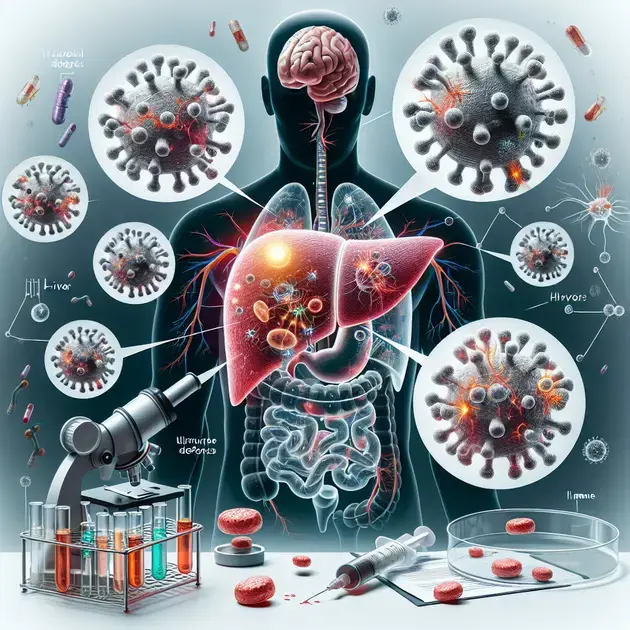
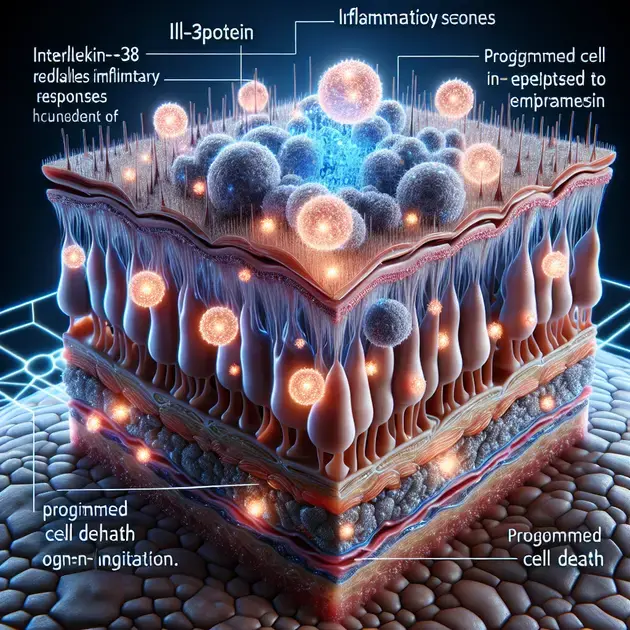
This discovery challenges the conventional belief that HEV only affects liver cells. The development of this cell model provides a foundation for future research to further understand the neuropathogenic effects of HEV and potentially find ways to prevent or treat neurological disorders caused by these viruses.

To summarize, Hepatitis E viruses not only infect liver cells but can also infect nerve cells, leading to neurological disorders. The creation of a cell model has allowed researchers to observe the direct infection of nerve cells by HEV and the lack of an effective immune response. Further research in this area is crucial to uncover the mechanisms of HEV’s neurotropism and develop strategies for prevention and treatment.

Diagnosing knee abnormalities like an experienced radiologist: A novel deep learning model


Enhancing Efficiency and Accuracy in Knee Pathology Diagnosis with Deep Learning

Enhancing Efficiency and Accuracy in Knee Pathology Diagnosis with Deep Learning

Multi-sequence knee magnetic resonance imaging (MRI) has revolutionized the field of diagnostic medicine, providing a non-invasive approach to identify various knee abnormalities. However, this technique’s interpretation has traditionally been time-consuming and heavily reliant on the expertise of radiologists. Fortunately, a groundbreaking study by a dedicated research team brings hope for a more efficient and accurate diagnosis process.

In recent years, deep learning models have emerged as a powerful tool in medical imaging analysis. Leveraging the capabilities of artificial intelligence, these models can learn patterns and features from complex datasets, potentially revolutionizing the field of radiology. This research team employed a novel deep learning model specifically designed to classify 12 common types of knee abnormalities, allowing for an improved diagnostic process.

The conventional MRI interpretation process often requires radiologists to analyze multiple sequences and images. This can be a challenging task, especially when dealing with limited time and extensive workloads. The newly introduced deep learning model aims to address these issues, offering automated classification of knee abnormalities. By utilizing sophisticated algorithms, this model reduces the dependence on manual interpretation and increases both speed and accuracy in diagnosing knee conditions.

The development of this deep learning model involved training it with a vast dataset comprising various knee abnormalities from diverse patient populations. This extensive training allowed the model to grasp the intricacies of each abnormality and develop a robust understanding of the associated patterns and features. The research team then carefully validated the model’s performance against a separate dataset, ensuring its capability to classify knee abnormalities with high accuracy.

By adopting this deep learning model in clinical practice, radiologists can significantly benefit from its assistance. The model’s ability to provide automated classification of knee abnormalities can expedite the interpretation process, providing quicker results. Moreover, as the model continually learns and improves with more data, its accuracy is expected to increase over time, further enhancing diagnostic precision.

In conclusion, the introduction of a novel deep learning model specialized in classifying various knee abnormalities offers a promising solution to address the limitations of MRI interpretation. With its ability to enhance efficiency and accuracy, this model shows great potential in revolutionizing knee pathology diagnosis. As medical technology continues to evolve, the seamless integration of artificial intelligence in the field of radiology holds immense possibilities for improved patient care and outcomes.


New study investigates insecticide contamination in Minnesota’s water


Neonicotinoids: A Potential Threat to Drinking Water Quality

Title: Neonicotinoids: A Potential Threat to Drinking Water Quality

Introduction:

In recent years, there has been growing concern regarding the impact of neonicotinoid insecticides on pollinator populations. These systemic pesticides have been widely used in agriculture to protect crops from pests. However, a new study sheds light on another potential consequence of neonicotinoid use – the contamination of ground and surface water sources, which could ultimately pose a risk to our drinking water.

The Study:

The research, conducted by a team of scientists, aimed to investigate the presence of neonicotinoids in various water sources. They sampled ground and surface water from different regions and analyzed the samples for the presence of these specific insecticides. The findings were cause for concern, as high concentrations of neonicotinoids were detected in several water sources.

Implications for Drinking Water:

The discovery of neonicotinoids in drinking water sources raises alarm bells, as these pesticides have been associated with numerous adverse effects on human health and the environment. The potential risk stems from the fact that these insecticides can accumulate in water, leading to prolonged exposure for those who consume it.

Health Risks:

Studies have shown that exposure to neonicotinoids may have neurotoxic effects on human beings. These neurotoxins have been linked to developmental disorders in children, such as attention deficit hyperactivity disorder (ADHD), and have also been associated with negative impacts on the reproductive system.

Ecological Consequences:

Apart from the direct risks to human health, the presence of neonicotinoids in water sources poses a threat to aquatic organisms and terrestrial ecosystems. Bees and other pollinators, pivotal for crop production, are particularly vulnerable to these insecticides. Their prolonged exposure can disrupt their behavior, navigation, and reproduction, ultimately leading to population decline.

Regulatory Measures:

In response to growing concerns, some countries have taken regulatory action to restrict the use of neonicotinoids. The European Union, for example, has imposed partial bans on certain neonicotinoid pesticides since 2013, recognizing the potential threats they pose to bee populations and the environment. Such restrictions aim to limit the overall level of contamination and protect vital ecosystems.

Conclusion:

The detection of neonicotinoids at high concentrations in ground and surface water sources raises serious concerns over the quality of our drinking water. The potential health risks posed by these insecticides necessitate further research and robust regulation. It is crucial for governments, scientists, and stakeholders to collaborate and develop sustainable alternatives to neonicotinoids, ensuring the protection of human health and ecosystems alike. Safeguarding our drinking water must remain a top priority in the face of emerging environmental challenges.


How Life’s Challenges Can Strengthen Your Path to Weight Loss Achievements


Blog Article


Change is never easy, especially when it involves pulling ourselves out of old patterns and stepping into the unknown. Each attempt to break free from the cycle of emotional eating, anxiety, or unhealthy habits can feel like a relentless battle against both the mind and the world around us. Every step forward seems to trigger an onslaught of obstacles, tempting us to revert back to our comfort zones. But what if we viewed these challenges not as barriers, but as signs that we are on the right path? In this blog, we will explore the recurring patterns that emerge during personal transformation, the resistance we often encounter, and how pushing through these moments of doubt and discomfort can ultimately lead to profound growth and self-discovery. Join me as we delve into the art of persevering through life’s trials, one small victory at a time, and redefining what it means to truly succeed on the journey to a healthier, more fulfilled life.

Understanding Life’s Challenges

When life’s challenges seem insurmountable, it’s crucial to pause and reflect on the bigger picture. The notion of these obstacles as a sign of failure is a common trap. It is easy to misinterpret them as indicators that we should give up on our goals. However, the presence of these challenges often signifies growth and movement in the right direction. They are not meant to deter us but to test our commitment to change.

Consider the common occurrences that happen when we decide to make positive changes in our lives, such as quitting caffeine or setting a weight loss goal. These moments are often accompanied by a series of tests. Withdrawal symptoms, unexplained self-doubt, and a spike in anxiety often follow these decisions. It’s as if the universe is whispering, “Do you really want this change?” and offering us a chance to prove our dedication.

Recognizing the Pattern

  • Each attempt to lose weight or improve health often leads to the same cycle of resistance.
  • It’s a universal experience to feel like everything starts going wrong just when you’re trying to do something right.
  • This resistance can feel like a push back into the comfort of mediocrity, where change is daunting and staying the same feels safer.

Awareness is the first step towards mastering this cycle. By acknowledging the presence of this pattern, you gain the insight needed to overcome it. When you perceive these moments as opportunities to test your resolve, you arm yourself with the ability to push through.

Tools for Perseverance

  • Break larger goals into smaller, more manageable tasks, and celebrate each micro-success.
  • Shift focus from the end result to the process itself, finding satisfaction in each step forward.
  • Practice self-compassion and recognize that setbacks are part of the journey, not the end of it.

Moreover, confronting fears, such as the fear of confrontation over misadjusted glasses, can build confidence. Having once avoided such scenarios due to past experiences, taking proactive steps demonstrates growth. This act solidifies your ability to handle not only everyday nuisances but larger life changes as well.

Strategies for Building Resilience

  • Create and maintain a supportive environment to buffer against self-doubt.
  • Remind yourself that setbacks are temporary and trying again is a sign of strength, not weakness.
  • Use positive affirmations to counter negative self-talk.

Ultimately, life’s relentless little tests are not an indication of weakness but a testament to your strength. They are opportunities to reinforce the belief in oneself, to bolster the courage needed for sustained change. Each step forward, no matter how small or challenging, is a victory.

Remember, progress isn’t always linear. The journey of transformation is filled with peaks and valleys. Staying the course requires patience, persistence, and self-love. By embracing these challenges, you become more resilient, more determined, and increasingly aligned with your true self. As you move forward, these experiences will serve not as roadblocks, but as stepping stones towards a life rich with personal growth and profound fulfillment. So, keep pushing, keep striving, and above all, keep believing in your capability to overcome.


Why Your Joints Might Hurt More After a Cortisone Shot: Expert Insights and Alternatives


Why Your Joints Might Hurt More After a Cortisone Shot: Expert Insights and Alternatives

Cortisone injections are a commonly used treatment for various joint pain and inflammation issues. While these injections can provide temporary relief, some patients report experiencing increased pain after the procedure. Understanding why this happens and exploring alternative treatment options is crucial for anyone considering or currently undergoing cortisone therapy.

Understanding Post-Injection Pain

One of the primary reasons a cortisone shot might result in increased pain is due to the mechanics of the injection itself. Cortisone injections often include a mixture of corticosteroids and an anesthetic, such as lidocaine or marcaine. In some cases, the introduction of fluid into the joint can distend its capsule, causing discomfort. This is particularly true for joints like the hip, where there is limited space inside the joint capsule. When the fluid is injected, it can create pressure and pain, which might explain why some patients experience increased discomfort following the shot.

Additionally, the initial pain relief experienced after a cortisone injection is typically due to the anesthetic component rather than the steroid. The anesthetic provides immediate relief that can last for a few hours to a day, but this is not the same as the anti-inflammatory effects of the cortisone, which can take longer to manifest. As a result, if the anesthetic wears off before the cortisone starts taking effect, patients might feel a return of pain.

Potential Causes of Increased Pain

  • Potential for Misapplication: Another factor to consider is the possibility of an incorrect application of the shot. If the numbing agent is not used appropriately, it might not provide the temporary relief it usually does, leading to a painful experience instead.
  • Underlying Conditions: It is also crucial to understand that cortisone shots are not a solution for structural injuries, such as a labral tear. Cortisone is primarily an anti-inflammatory and does not promote healing of tears or corrective structural issues. For conditions like a torn labrum in the hip or a torn meniscus in the knee, cortisone may not significantly help, as it does not address the tear itself.
  • Long-term Concerns: There are also broader concerns regarding the long-term use of cortisone injections. Research indicates that repeated cortisone shots can hasten the deterioration of the joint’s cartilage and bone, potentially leading to arthritis and an increased likelihood of requiring joint replacement surgery down the line. Additionally, cortisone can weaken tendons and ligaments, making them more prone to rupture.

Regenerative Medicine Options

Given these potential drawbacks, exploring alternative treatments is a wise choice for many patients looking to manage joint pain and inflammation.

  1. Platelet-Rich Plasma (PRP) Therapy: PRP involves using components of your blood to promote healing. Concentrated platelets from your own blood are injected into the joint, potentially enhancing your body’s natural repair processes.
  2. Stem Cell Therapy: This involves using stem cells to encourage the regeneration of damaged tissues. Although still considered experimental and not covered by insurance, stem cell therapy shows promise in addressing underlying problems rather than just alleviating symptoms.
  3. Prolotherapy: This is an injection-based treatment that aims to stimulate the body’s healing mechanisms. It involves injecting a natural solution into the damaged area, which may promote tissue repair.
  4. Physical Therapy and Exercise: Tailored physical therapy programs can strengthen muscles around the joint, increase mobility, and decrease the risk of further injury. Exercise, under professional guidance, can be a powerful tool in managing joint conditions.
  5. Lifestyle Adjustments: Weight management, dietary changes, and supplements focusing on joint health can also have a profound impact on joint pain and inflammation.

Although these regenerative treatments and lifestyle changes may not be suitable for everyone, particularly considering insurance limitations and the experimental nature of some therapies, they offer hope for those seeking alternatives to cortisone injections.

Conclusion

In conclusion, while cortisone shots can provide temporary relief, they are not a one-size-fits-all solution and may not be beneficial for all types of joint issues. It’s essential to have a thorough discussion with a healthcare provider about the potential causes of your pain, the risks associated with repeated cortisone shots, and the available alternatives that focus on long-term healing and functional recovery. With the right guidance and a comprehensive treatment plan, you can make informed decisions that best serve your joint health and overall well-being.


Study explores the pandemic’s impact on breastfeeding practices in historically marginalized communities

Article: The Impact of Stay-at-Home Orders on Breastfeeding during the Pandemic

A new study has shed light on the effects of stay-at-home orders on breastfeeding practices during the COVID-19 pandemic. The research found that 34 percent of mothers reported positive outcomes, such as easier breastfeeding at home, stronger mother-child bonding, and extended breastfeeding duration. However, it also unveiled significant challenges, including limited access to lactation support and heightened maternal stress.

The unprecedented circumstances brought about by the pandemic forced families to adapt their routines and significantly impacted breastfeeding practices. For a substantial proportion of mothers, the stay-at-home orders proved to be beneficial. With more time spent at home, breastfeeding became easier and more convenient, as there was increased privacy and freedom to breastfeed on demand. Mothers reported feeling more relaxed and able to establish a deeper connection with their infants.

Furthermore, the study found that the prolonged periods of uninterrupted proximity between mothers and their babies facilitated an increased duration of breastfeeding. Without the pressures of returning to work or other external commitments, women were able to continue breastfeeding for an extended period, thus reaping the various health benefits associated with it.

Despite these positive outcomes, the study highlighted several challenges faced by breastfeeding mothers. The limited access to lactation support services, such as consultations with lactation specialists or access to breastfeeding support groups, posed a significant barrier. The closure of healthcare facilities, restricted visitor policies, and a shift to remote healthcare consultations limited the guidance and assistance available to breastfeeding mothers.

Moreover, the pandemic introduced heightened levels of stress for mothers, which, in turn, impacted their breastfeeding experience. The uncertainties surrounding the virus, financial instability, and the emotional toll of isolation increased maternal stress levels, potentially affecting milk production, let-down reflex, and overall breastfeeding satisfaction.

In conclusion, the study underscores the dual impact of stay-at-home orders on breastfeeding during the pandemic. On one hand, it facilitated easier breastfeeding at home, strengthened mother-child bonding, and extended breastfeeding duration for a significant number of women. On the other hand, limited access to lactation support and heightened maternal stress posed significant challenges. As we navigate the current crisis and beyond, it is crucial to prioritize lactation support services, both in-person and virtual, to ensure that breastfeeding mothers receive the necessary assistance and guidance that will positively impact their breastfeeding journey.

Alcohol-related deaths in the U.S. more than double from 1999 to 2020


Alcohol-Related Deaths in the United States

Alcohol-Related Deaths in the United States

Alcohol-related deaths in the United States have reached alarming levels and have nearly doubled from 1999 to 2020. This significant increase is particularly concerning for individuals aged 25 to 34, as their alcohol-related deaths have nearly quadrupled during this time period. Surprisingly, it is among those aged 55 to 64 that the highest rates of alcohol-related deaths are observed.

The statistics show that men consistently have higher rates of alcohol-related deaths compared to women. However, it is important to note that women have experienced the largest proportional rise in alcohol-related deaths, with a staggering increase of 2.5 times.

When examining the impact of alcohol-related deaths on different ethnic communities, Asian and Pacific Islander communities have faced the steepest increase. This finding underscores the need for targeted interventions and support for these communities.

Regionally, the Midwest has experienced the greatest rise in alcohol-related deaths, with rates increasing 2.5 times. Following closely behind are the Northeast, West, and South regions.

While the complete article may provide more in-depth analysis and evidence, these key findings highlight the urgent need for effective measures to address the escalating alcohol-related deaths in the United States. It is crucial to implement targeted interventions, educate communities about the risks associated with alcohol consumption, and provide accessible support and resources for those struggling with alcohol addiction.

As the impact of alcohol-related deaths continues to rise, it is imperative that policymakers, healthcare professionals, and communities work together to tackle this public health crisis. By addressing the underlying factors contributing to alcohol-related deaths and promoting healthier behaviors, we can strive towards reducing these alarming statistics and saving lives.