Home Blog Page 272

Why Cortisone Shots Might Cause More Pain: Insights From An Orthopedic Surgeon

“`html

When a patient undergoes a cortisone injection, especially for joint-related issues, there’s an expectation of pain relief. However, there are instances when patients report increased pain post-injection, as highlighted by Dr. David Guyer, a renowned orthopedic surgeon. Let’s explore why this adverse reaction occurs and delve into alternative options.

Firstly, it’s crucial to understand what a cortisone shot entails. Cortisone is a type of steroid used primarily for its anti-inflammatory properties. The goal of the injection is to reduce inflammation and thus alleviate pain in the affected area. Often, the solution also contains a numbing agent, such as lidocaine or bupivacaine (marcaine), which provides immediate, albeit temporary, relief.

Why Increased Pain Might Occur Post-Injection:

  • Delayed Onset: A cortisone shot might not offer immediate pain relief once the numbing agent wears off. It’s not unusual for the inflammation to initially exacerbate before the cortisone begins to take effect, which can take a few days.
  • Volume of Fluid: Joints such as the hip have limited capacity to accommodate additional fluid. If the injection volume is substantial, it can distend the joint capsule, causing discomfort or pain, quite similar to the discomfort experienced during an MR arthrogram, where joint capsule stretching occurs due to injected dye.
  • Absence of a Numbing Agent: In some cases, the accompanying numbing agent might not be included in concentrations sufficient to provide initial relief, leading to discomfort until the cortisone starts working.
  • Existing Joint Conditions: If there is significant cartilage damage or a structural tear, like a labral tear in the hip, cortisone may not address the root problem. Instead, it merely reduces inflammation, and when the numbing wears off, pain from the underlying condition may still be present or even intensified.

Considerations and Concerns with Cortisone Shots:

While cortisone shots can provide temporary relief, they don’t repair structural damage like tears. Their frequent use is also associated with potential adverse effects:

  • Cartilage and Bone Damage: Research indicates that repeated cortisone injections might accelerate cartilage degeneration, potentially leading to quicker onset of arthritis and increased likelihood of requiring joint replacements.
  • Tendons and Ligaments: Cortisone can weaken tendons and ligaments, increasing the risk of rupture and impairing healing.

Because of these risks, many healthcare providers, including Dr. Guyer, caution against over-reliance on cortisone shots.

Exploring Alternative Treatments:

Given the limitations and potential risks associated with cortisone, patients and practitioners alike are exploring alternative, more regenerative treatment options:

  • Platelet-Rich Plasma (PRP) Therapy: This treatment uses components of the patient’s own blood to promote healing. PRP is rich in growth factors that can accelerate tissue repair and regeneration.
  • Stem Cell Therapy: Still considered experimental, stem cell therapy aims to utilize the body’s natural healing mechanisms to repair damaged tissue.
  • Prolotherapy: An injection therapy aimed at stimulating the repair of ligaments and tendons by inducing a mild inflammatory response.
  • Physical Therapy and Rehabilitation: Strengthening surrounding muscles and improving joint mechanics can alleviate pain and improve function without invasive interventions.

While these options may not be covered by insurance and might not be suitable for everyone, they represent a growing field in regenerative medicine that seeks to address the root causes of joint pain rather than merely suppressing symptoms.

Conclusion:

If cortisone injections have caused more harm than good, it’s vital to assess other options for managing joint pain and injuries. Patients should engage in open conversations with healthcare providers, exploring the most suitable approaches tailored to their specific conditions and lifestyle needs.

Monitoring symptoms, understanding the treatment’s limitations, and investing in preventive strategies, such as weight management and regular exercise, can also help manage joint health effectively. As medical science progresses, the hope is that these advancements will offer more targeted and less invasive solutions for joint pain sufferers.

“`

Reduce belly fat with this 5-20-30 weight loss method


Reduce belly fat with this 5-20-30 weight loss method

Reduce belly fat with this 5-20-30 weight loss method

Struggling with persistent belly fat can be frustrating, especially if you have tried various methods to tone your waistline without success. If you’re looking for a new approach to tackle this issue, the 5-20-30 weight loss method might be worth considering. This type of workout specifically targets belly fat and can help you achieve your desired results.

The 5-20-30 weight loss method is a high-intensity interval training (HIIT) workout that combines cardio exercises with strength training. It involves performing three different exercises with varying intensities and durations. Here’s how it works:

  1. Start with a 5-minute warm-up: Begin your workout with light cardio exercises such as jogging or cycling to prepare your body for the upcoming intense intervals.
  2. Perform a 20-second high-intensity exercise: Choose a high-intensity exercise such as burpees, jumping jacks, or mountain climbers, and give it your all for 20 seconds. Push yourself to your maximum effort during this interval.
  3. Take a 10-second rest: After the 20-second high-intensity exercise, take a short 10-second rest to catch your breath and prepare for the next exercise.
  4. Follow with a 30-second moderate-intensity exercise: Move on to a moderate-intensity exercise like lunges, squats, or push-ups. Perform this exercise at a moderate pace for 30 seconds, focusing on proper form and engaging your core muscles.
  5. Repeat the cycle for a total of 5 rounds: Continue alternating between the 20-second high-intensity exercise and the 30-second moderate-intensity exercise for a total of 5 rounds. This will give you a complete workout that targets both your cardiovascular fitness and your core muscles.

The beauty of the 5-20-30 weight loss method is that it can be adapted to various fitness levels. If you’re a beginner, you can start with lower-intensity exercises and gradually increase the intensity and duration as you progress. For more advanced individuals, you can challenge yourself by adding weights or increasing the speed and difficulty of the exercises.

In addition to its effectiveness in reducing belly fat, the 5-20-30 weight loss method offers several other benefits. It can improve your cardiovascular fitness, increase your overall strength and endurance, and boost your metabolism, helping you burn more calories even after the workout is over.

It’s important to note that while this workout method can be effective in reducing belly fat, it should be complemented with a balanced diet and a healthy lifestyle. Incorporating whole foods, reducing refined sugars and processed foods, and staying hydrated are essential for achieving optimal results.

In conclusion, if you have been struggling to get rid of stubborn belly fat, the 5-20-30 weight loss method might be the answer. By incorporating high-intensity interval training into your workout routine, you can target and tone your waistline effectively. Give it a try and start your journey towards a healthier, more toned abdomen.


Weight loss transformation: Meet Renu Mishra who lost 10 kg in 3 months

in terms of her overall health and well-being. She knew that she needed to make a change and embark on a transformational journey towards a healthier lifestyle.

Like many others on a weight loss journey, Renu faced numerous challenges along the way. However, her determination and commitment allowed her to overcome these obstacles and achieve significant results. Over the course of three months, Renu managed to lose 10kg, marking a major milestone in her weight loss journey.

Renu’s transformation involved several key elements. Firstly, she adopted a balanced and nutritious diet, focusing on whole foods like fruits, vegetables, lean proteins, and whole grains. She also prioritized staying hydrated by drinking plenty of water throughout the day.

In addition to dietary changes, Renu incorporated regular exercise into her routine. She engaged in a variety of physical activities, including cardio exercises, strength training, and yoga. These activities not only helped her burn calories and build muscle, but also improved her overall physical and mental well-being.

Moreover, Renu sought support from her friends and family throughout her journey. Their encouragement and motivation played a crucial role in keeping her focused and determined. She also joined support groups and online communities to connect with like-minded individuals and share her experiences.

Renu’s weight loss transformation was not just about the numbers on the scale; it was about reclaiming her self-confidence and finding happiness in her life. As she shed the weight, she noticed significant improvements in her energy levels, sleep patterns, and self-esteem.

Alongside the physical changes, Renu experienced a positive shift in her mindset and perspective. She became more mindful of her eating habits and learned to listen to her body’s signals of hunger and fullness. This newfound self-awareness empowered her to make healthier choices and maintain a sustainable lifestyle beyond her initial weight loss phase.

In conclusion, Renu Mishra’s weight loss transformation showcases the power of determination, commitment, and a strong support system. Despite the challenges she faced, she remained dedicated and focused, achieving remarkable results. Her story serves as an inspiration to others, reminding us that weight loss is not just about the scale, but about embracing a healthier and more fulfilling life overall.

Transform Your Grocery Haul: 14 High-Protein Finds That Keep My Holiday Cut Thriving


Blog Article

As the festive season approaches, many of us are on a mission to shed a few pounds and get in our best shape by Christmas. With only five weeks left in my cut, I’ve discovered that keeping a variety of delicious high-protein foods on hand is key to staying on track and excited about my journey. Recently, a trip to Walmart unveiled 14 new protein-packed finds that have revolutionized my meal plan and made dieting a delectable adventure. From tasty yogurt additions to convenient frozen meals, these high-protein options have transformed my grocery haul and kept me motivated and satisfied. Join me as I share these exciting finds that are helping me thrive during my holiday cut, proving that weight loss can be both delicious and sustainable.

High-Protein Foods to Fuel Your Journey

1. Honey Denan Too Good Vanilla Yogurt

Typically, I steer clear of flavored yogurts due to their higher calorie count. However, this option is a delicious exception. At just 110 calories for 3/4 cup and a whopping 14 grams of protein, it’s perfect for satisfying my cravings for vanilla yogurt. Whether used as a topping for protein pancakes or mixed with protein powder for a nutritious treat, it’s a new favorite.

2. Cleo Greek Yogurt Bars

These delightful bars are covered in chocolate and individually wrapped, making them perfect for portion control. With flavors like chocolate and strawberry, each bar has 150 calories and 7 grams of protein. Paired with some fruit, they make for a perfect snack or dessert.

3. Halo Top Cookies and Cream

While I enjoy making ice cream with my Ninja Creami, sometimes convenience wins. The cookies and cream flavor of Halo Top is a tasty choice, boasting 140 calories and 8 grams of protein per 3/4 cup. It’s an effortless way to enjoy ice cream while staying on track.

4. Silk Protein Unsweetened Almond and Cashew Milk

When our go-to Fairlife protein milk is out of stock, this alternative comes in handy. With 90 calories and 8 grams of protein per cup, it’s not as high in protein as Fairlife, but a solid substitute when needed.

5. Kraft Extra Thick Swiss Cheese Slices

Swiss cheese is surprisingly high in protein, and these extra-thick slices are no exception. Each slice contains 90 calories and 6 grams of protein, making them an excellent choice for sandwiches or grilled cheese.

6. Great Value Thin Crust Pizzas

Easy and delicious, these frozen thin-crust pizzas are ideal for a quick dinner. The extra spicy chicken flavor provides 390 calories and 22 grams of protein for half a pizza. Similarly, the beef taco flavor offers 400 calories and 22 grams of protein for half, making them both high-protein and satisfying options.

7. Yves Breaded Chicken Burger

For those seeking plant-based options, this chicken burger is a delightful find. With 210 calories and 14 grams of protein, it’s a nice change in my protein rotation.

8. Beyond Burger

Another plant-based favorite, the Beyond Burger, boasts 240 calories and 20 grams of protein per patty. It’s ideal for wraps or sandwiches when I’m mixing things up in the kitchen.

9. Bertolli Chicken Alfredo and Penne

A complete meal in a bag, this option is perfect for those nights when cooking feels like a chore. Half the package contains 380 calories and 20 grams of protein, making meal prep straightforward and satisfying.

10. Smart Ones Frozen Meals

Back in Canada with new flavors, these meals are low in calories yet high in protein. The slow-roasted turkey with mashed potatoes and gravy is just 170 calories with 20 grams of protein—great for a quick and nutritious lunch.

11. Marcangelo Turkey Roast

This ready-to-cook turkey roast, stuffed with pork sausage, cranberry, and apple, offers a hearty meal option. At 130 calories and 18 grams of protein per 100 grams, it’s perfect for a cozy dinner with a side of veggies.

12. Barilla Red Lentil Pasta

High in protein and delicious, red lentil pasta is an excellent choice when pasta cravings hit. With 290 calories and 22 grams of protein for 85 grams, it’s a nutritious and satisfying alternative to whole wheat pasta.

13. Pure Protein Popped Crisps

These protein chips are a flavorful alternative to typical snacks. With 150 calories and 12 grams of protein per bag, they come in flavors like sour cream and onion, offering a crunchy protein boost.

14. Grenade Protein Bars

These bars are convenient for on-the-go snacking or a quick meal replacement. With flavors like white chocolate cookie and chocolate chip cookie dough, each provides around 20-22 grams of protein per bar.

These high-protein finds have been crucial in supporting my weight loss journey. They offer variety and taste, ensuring my meals remain delicious and fulfilling. Remember, weight loss is not just about the scale—it’s about finding balance and building a sustainable lifestyle that nurtures body and mind.


When Should You Be Concerned About Pain After A Cortisone Shot? Insights From An Orthopedic Specialist


Blog Article

Great Expectations: Navigating Post-Cortisone Injection Pain and Understanding Its Effects

Cortisone injections are a common treatment for alleviating inflammation and pain in joints, particularly for conditions like arthritis and bursitis. However, these injections can sometimes lead to increased pain, as perplexing as that might sound. Understanding why this happens is essential for managing expectations and taking steps towards effective recovery.

Understanding the Cortisone Flare

One reason a joint might hurt more after a cortisone shot is because of the very mechanism involved in the injection process. The cortisone itself is mixed with a numbing agent such as lidocaine or bupivacaine to provide immediate relief. However, once the numbing effect wears off, which is typically within a few hours, patients can experience what’s known as a cortisone flare. This is a short-lived increase in pain that can occur when the cortisone initially makes contact with the tissues surrounding the joint.

A cortisone flare typically lasts for one or two days and can be managed with over-the-counter anti-inflammatory medications, ice, or rest. It’s important to note that while uncomfortable, this reaction is generally considered normal, and the anti-inflammatory effects of the cortisone should eventually take over, providing relief from the underlying joint inflammation.

Anatomical Considerations

Besides cortisone flare, the anatomical structure of certain joints can also contribute to increased post-injection discomfort. For example, the hip joint is surrounded by a tight capsule. When an injection is given, especially if it includes a large volume of fluid, it might lead to more significant discomfort due to the distension of this joint capsule. This discomfort is akin to what patients experience during an arthrogram, a diagnostic test where fluid is injected into a joint for better imaging results, which is known to be quite uncomfortable.

Limitations of Cortisone for Structural Damage

Now, when addressing conditions such as labral tears — which are tears in the cartilage around the joints — cortisone might not be particularly beneficial. A cortisone shot is excellent at reducing inflammation, but it cannot repair or heal a torn structure, be it a labrum, meniscus, or tendon. As a result, while pain reduction might occur temporarily, the underlying issue remains unresolved.

It’s crucial to understand that cortisone injections are not a cure-all. For conditions that involve structural damage, other interventions might be necessary. It’s also vital to consider the potential long-term effects of cortisone shots. Studies have shown that repeated cortisone injections into a joint can accelerate the breakdown of cartilage, increasing the risk for arthritis and potentially expediting the need for joint replacement surgeries. Additionally, cortisone can weaken tendons and ligaments, making them more susceptible to injury.

Exploring Alternative Treatments

For those concerned about the potential downsides of cortisone injections, or for those who have not found sufficient relief from their symptoms, exploring alternative treatments can be beneficial. Non-surgical interventions that focus on regenerative therapies, although still considered experimental by many standards and not usually covered by insurance, show promise in restoring joint health and function without the risks associated with cortisone.

There are several regenerative treatment options:

  • Platelet-rich plasma (PRP) therapy: Leveraging the patient’s own blood, PRP is concentrated and injected into the joint to promote healing.
  • Stem cell therapy: Utilizing cells that have the potential to develop into different cell types, this therapy aims at regenerating damaged tissue.
  • Prolotherapy: A treatment option that aims to repair joints by injecting a irritant solution to stimulate the body’s healing process.

Despite the excitement surrounding these treatments, it’s vital to have a thorough discussion with a medical professional who specializes in orthopedic and regenerative medicine to weigh the benefits and risks.

The Importance of Personalized Care

When considering cortisone injections or any alternative treatments, a key step is having a detailed conversation with your healthcare provider about your symptoms, treatment goals, and any concerns you may have. Personal stories and experiences of others may provide insights, but they cannot replace personalized medical advice.

Whether you’re managing a joint condition due to sports injury, age, or another cause, knowing your options and understanding the nature of your treatment can empower you to make decisions that will help you continue to feel, look, and perform your best. Engaging in continuous dialogue with skilled healthcare practitioners will ensure that your treatment plan is tailored to your unique needs and lifestyle.


14 High-Protein Discoveries From Walmart That Keep Me Lean And Thriving On My Cutting Journey


Blog Post

Embarking on a fitness journey, especially when focused on cutting body fat, can be both challenging and rewarding. With Christmas as my deadline, I’ve dedicated myself to finding delicious, high-protein foods that not only fuel my body but also keep me motivated and satisfied every day. Recently, I’ve discovered a treasure trove of protein-rich products at Walmart that have added excitement and variety to my meals, making this process enjoyable and sustainable. From creamy yogurts to indulgent protein bars, these finds are not just about counting calories—they’re about nurturing a positive mindset and a healthy relationship with food. Join me as I share these 14 high-protein gems that are helping me thrive and stay on track during this transformative cut.

Honey Denan Too Good Vanilla Yogurt

One of the most exciting finds from Walmart is the Honey Denan Too Good Vanilla Yogurt. Unlike most flavored yogurts that come with extra calories, this one offers a delightful vanilla taste with only 110 calories for 3/4 of a cup and 14 grams of protein. It’s a fantastic alternative to plain Greek yogurt, and it satisfies my craving for a store-bought vanilla flavor without the guilt. The versatility of this yogurt is another reason it’s become a staple in my diet—perfect for topping protein pancakes or mixing with protein powder to create a higher-protein, low-calorie treat.

Cleo Greek Yogurt Bars

Another delightful discovery are the Cleo Greek Yogurt Bars, wrapped individually and coated in chocolate. Available in chocolate and strawberry flavors, each bar provides a sweet treat with only 150 calories and 7 grams of protein, making it a great option for a snack or dessert. The portion control aspect aligns with my weight loss strategy, helping me maintain my progress without overindulging.

Halo Top Cookies and Cream

Speaking of indulgences, Halo Top’s Cookies and Cream flavor caught my eye. With 75% more cookies, this ice cream delivers satisfaction without derailing my diet. At 140 calories and 8 grams of protein per 3/4 cup, it’s the perfect answer to those days when I just want to dig into a tub of ice cream without the wait.

Silk Protein Unsweetened Almond and Cashew Milk

For those times when my go-to Fairlife protein milk is out of stock, Silk’s Protein Unsweetened Almond and Cashew Milk comes to the rescue. Although it has slightly fewer calories and protein (90 calories and 8 grams per cup) compared to Fairlife, it’s a viable alternative that keeps me on track.

Kraft Extra Swiss Cheese Slices

Adding a cheesy twist to my meals are the Kraft Extra Swiss Cheese Slices. With extra thickness and a protein boost, each slice offers 6 grams of protein for 90 calories. Whether it’s for a grilled cheese or a sandwich, these slices enhance my meals with flavorful, protein-rich benefits.

Great Value Thin Crust Pizzas

Pizza lovers would appreciate the Great Value Thin Crust Pizzas, which provide a low-calorie option without compromising on taste. The Extra Spicy Chicken flavor offers 22 grams of protein for just 390 calories per half-pizza, while the Beef Taco variant provides the same protein for 400 calories. These pizzas are game-changers for those Friday nights when a fancy, yet diet-friendly, pizza is a must.

Yves Breaded Chicken Burger

For plant-based seekers, the Yves Breaded Chicken Burger is an excellent option. At 210 calories and 14 grams of protein, it fits well into a plant-based lifestyle without sacrificing protein content. Similarly, the Beyond Burger provides 240 calories and 20 grams of protein, making it a hearty choice for a satisfying meal.

Bertolli Chicken Alfredo and Penne

Convenience meets nutrition in the Bertolli Chicken Alfredo and Penne meal. This all-in-one dinner solution includes chicken, pasta, vegetables, and sauce, simplifying meal prep. Half the package offers 20 grams of protein for 380 calories, providing a quick and tasty dinner option.

Smart Ones Frozen Meals

Revisiting an old favorite, the Smart Ones frozen meals are back with a bang. The Slow Roasted Turkey with Mashed Potatoes and Gravy option boasts only 170 calories with 20 grams of protein. It pairs perfectly with a salad for a wholesome, fulfilling lunch.

Marcangelo Turkey Roast

Another protein-packed meal is the Marcangelo Turkey Roast, stuffed with pork sausage, cranberry, and apple. With 18 grams of protein for 130 calories per 100 grams, this roast serves as an easy meal prep option that lasts for days.

Bori Fus Red Lentil Pasta

For pasta lovers, Bori Fus Red Lentil Pasta offers a higher protein alternative to traditional pasta. With 22 grams of protein per 85 grams, it contains fewer calories than whole grain pasta, making it an excellent choice for those craving a protein-packed pasta dish.

Pure Protein Popped Crisps

Satisfy snack cravings with Pure Protein Popped Crisps. At 150 calories and 12 grams of protein per bag, these crisps are a great side to a sandwich or a stand-alone snack. Available in flavors like sour cream and onion, sweet chili, and barbecue, they provide a crunchy, protein-rich snack option.

Grenade Protein Bars

Finally, the Grenade Protein Bars are a lifesaver during busy days. With flavors like White Chocolate Cookie and Chocolate Chip Cookie Dough offering 21-22 grams of protein for around 220 calories, these bars are perfect for on-the-go snacking or a dessert with fruit.

Incorporating these high-protein foods into my diet not only supports my physical goals but keeps my mindset positive and my heart in the right place. With so many tasty options, staying on track becomes an exciting journey rather than a chore. If you’re on a similar path, these Walmart finds can transform your fitness journey into a delightful, sustainable experience.

Discover 14 high-protein gems from Walmart fueling my cut journey with delicious, satisfying options. From vanilla yogurt to protein bars, explore my tasty finds.


Why Your Joints Hurt More After a Cortisone Shot: Insights from an Orthopedic Surgeon


Blog Article

Cortisone shots are a common treatment option for individuals suffering from joint pain, inflammation, or certain injuries. However, some patients experience increased discomfort shortly after the procedure. In his latest “Ask the Doctor” video, Dr. David Guyer, a triple board-certified orthopedic surgeon and Sports Medicine specialist, addresses a viewer’s question about post-injection pain. Although cortisone injections are designed to alleviate inflammation, they may not always provide the relief expected, especially in cases involving structural tears or pre-existing conditions. Let’s delve deeper into why this happens and explore alternative solutions for managing joint discomfort.

Understanding Cortisone Shots

Cortisone injections are intended to reduce inflammation and pain in the affected joint by delivering steroids directly into the area. Typically, these injections are combined with numbing agents like lidocaine or maraine to provide immediate pain relief. However, the primary purpose of cortisone is to act as an anti-inflammatory, not to heal structural damage such as labral or meniscal tears.

Why Increased Pain May Occur

While cortisone shots generally alleviate discomfort, there are instances where patients report increased pain afterwards. In the case of hip injections, for example, there isn’t much space within the joint capsule. When fluid is injected, it can distend the capsule, leading to temporary discomfort. Lack of adequate numbing agents during the procedure might also contribute to post-injection pain.

Potential Risks and Limitations

Dr. Guyer emphasizes that cortisone injections, while effective in reducing inflammation, do not repair underlying structural issues. Moreover, repeated use of cortisone injections has been linked to accelerating cartilage breakdown and increasing the risk of developing arthritis. There are also concerns about weakening tendons and ligaments, making them more prone to rupture.

Exploring Alternative Treatments

Given the limitations and potential risks associated with cortisone shots, Dr. Guyer suggests considering alternative regenerative treatments. Although some of these options are experimental and not covered by insurance, they may offer more effective relief for joint injuries without the downsides of traditional cortisone therapy.

Final Thoughts

If you’re experiencing orthopedic issues and want to explore non-surgical and cortisone-free options, Dr. Guyer encourages reaching out for a consultation to discuss personalized treatment plans. While leaving comments and questions on his videos is welcomed, remember that medical advice cannot be provided in those forums. However, your queries might be featured in future “Ask the Doctor” videos.


Study identifies potential new drug for Parkinson’s-related cognitive decline, dementia


The Potential Role of PNA5 in Protecting Brain Cells and Treating Cognitive Symptoms of Parkinson’s Disease

Title: The Potential Role of PNA5 in Protecting Brain Cells and Treating Cognitive Symptoms of Parkinson’s Disease

Introduction:

A recently published study has shed light on a promising avenue for treating the cognitive symptoms associated with Parkinson’s disease and related disorders. Researchers have discovered a potential neuroprotective effect of a small protein called PNA5 on brain cells. This finding paves the way for the development of innovative therapies that can enhance the quality of life for individuals affected by these debilitating conditions.

Understanding Parkinson’s Disease:

Parkinson’s disease is a progressive neurological disorder that primarily affects movement. However, cognitive impairments, such as memory loss, attention deficits, and executive dysfunction, often accompany the motor symptoms. These cognitive symptoms significantly contribute to the overall disability experienced by individuals living with Parkinson’s disease.

The Role of PNA5:

The study delved into the characteristics and functions of PNA5, a tiny protein that seems to play a crucial role in protecting brain cells. By studying animal models, researchers found that PNA5 had a remarkable ability to shield neurons from damage caused by oxidative stress, a key contributor to neurodegenerative disorders like Parkinson’s disease.

Potential Therapeutic Applications:

The discovery of PNA5’s protective effect on brain cells has exciting implications for developing novel therapies that target the cognitive symptoms of Parkinson’s disease. By harnessing PNA5’s neuroprotective properties, scientists might be able to develop drugs or treatments that can prevent or even reverse the cognitive decline observed in patients.

Furthermore, as PNA5 appears to be naturally occurring in the body, scientists may explore strategies to enhance its production or administration in the brain to maximize its beneficial effects. This avenue could potentially result in the development of highly targeted therapies that specifically prevent cognitive decline in Parkinson’s disease and similar disorders.

Promising Future Research:

While the study provides intriguing insights into the protective nature of PNA5, further research is needed to fully understand its mechanisms and efficacy in treating cognitive symptoms associated with Parkinson’s disease. Clinical trials involving human subjects are necessary to determine the safety and effectiveness of potential PNA5-based treatments.

Conclusion:

The discovery of PNA5’s protective effect on brain cells brings hope to millions of individuals affected by Parkinson’s disease and related cognitive impairments. This breakthrough suggests that targeting PNA5 in therapeutic interventions may hold the key to slowing down or even halting the cognitive decline observed in these conditions. Ultimately, through continued research efforts, PNA5-based treatments could significantly improve the quality of life for patients and their families.


How cells habituate

Habituation: A Basic Form of Learning Observed in Single-Cell Organisms and Cells Within Our Bodies

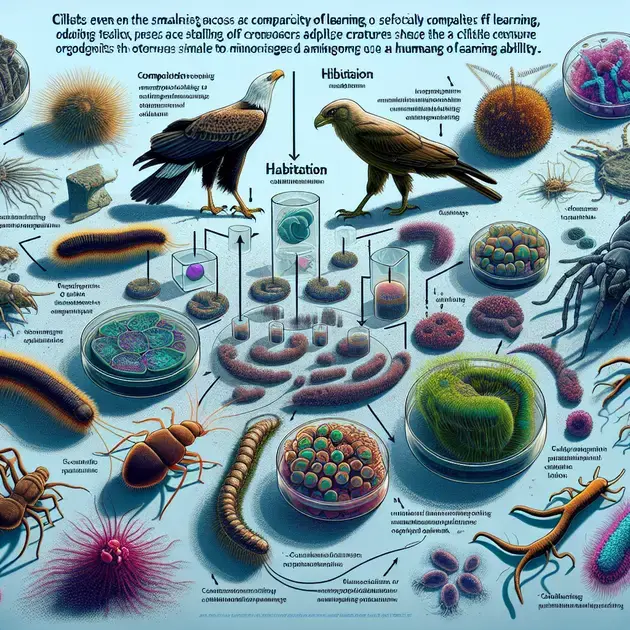
Traditionally, habituation has been recognized as a behavior exclusive to animals with developed nervous systems and brains, as they possess the ability to process and interpret stimuli. However, a groundbreaking study challenges this notion by presenting intriguing evidence suggesting that even single-celled organisms and cells within our bodies can exhibit habituation-like behavior.

Habituation refers to a simple form of learning where an organism decreases its response to repeated or irrelevant stimuli. It allows organisms to filter out unnecessary stimuli and focus on more important information for survival. For example, if a bird continually hears a loud noise that poses no threat, it may eventually stop responding to that particular sound.

In the study, scientists conducted experiments using ciliates and amoebae, both microscopic single-celled organisms. These organisms were exposed to repetitive stimuli, and their responses were observed over time. Surprisingly, the researchers found that these single-celled creatures exhibited a decline in response to the stimuli, indicating a form of habituation.

Furthermore, the researchers investigated whether cells within multicellular organisms also displayed habituation. They focused on sensory cells in our bodies, which are responsible for transmitting and perceiving signals from the environment. To their astonishment, they discovered that these cells also showed habituation-like behavior when exposed to repetitive stimuli.

These findings provide important implications for our understanding of learning and behavior in organisms. They suggest that habituation may be a more fundamental and widespread learning mechanism, not limited to organisms with complex cognitive abilities such as brains and nervous systems.

The presence of habituation in single-cell organisms and cells within our bodies opens up new avenues for research. It prompts further exploration into the underlying mechanisms of this behavior and how it contributes to the overall functioning of an organism.

In conclusion, this study challenges the previously held belief that habituation is exclusive to organisms with brains and nervous systems. It provides compelling evidence suggesting that even tiny single-cell creatures like ciliates and amoebae, as well as cells within our own bodies, can exhibit habituation-like behavior. This discovery expands our understanding of learning mechanisms and highlights the importance of studying various organisms to comprehend the fundamental principles of behavior.

Pregnant people might not be getting the nutrients they need


New research reveals startling shortfalls in dietary nutrition during pregnancy

A recent study has shed light on alarming deficiencies in dietary nutrition that pregnant women are experiencing. The findings of this research raise concerns about the potential impact on the health of both the mother and the developing fetus.

The study, which involved a large sample size of pregnant women across different regions, highlighted a significant lack of essential nutrients in their diets. These nutrients are crucial for the proper growth and development of the baby, as well as the overall well-being of the mother.

One of the main nutrients found to be deficient was folate, also known as vitamin B9. Folate plays a vital role in the formation of the baby’s neural tube, which develops into the brain and spinal cord. Insufficient intake of folate can increase the risk of neural tube defects, such as spina bifida.

In addition to folate, the study also revealed inadequate consumption of other important nutrients like iron and calcium. Iron deficiency during pregnancy can lead to anemia, causing fatigue, weakness, and potentially compromising the baby’s growth. Meanwhile, insufficient calcium intake can impact bone health, both for the mother and the developing baby.

The research further emphasized the need for a well-rounded, balanced diet during pregnancy to ensure the optimal intake of essential nutrients. However, it identified common challenges that pregnant women face in achieving this, including limited access to nutritious foods, lack of awareness about proper nutrition, and cultural and traditional dietary practices.

Addressing these shortfalls in dietary nutrition during pregnancy is crucial for the health and well-being of both mother and baby. Healthcare providers play a vital role in educating and supporting pregnant women in making informed food choices, while public health initiatives and policies should focus on improving access to nutritious foods.

It is important to note that while this article provides a glimpse into the issue based on the headline, it cannot capture the entirety of the original research and its specific findings. For a comprehensive understanding, it is recommended to refer to the complete study.

New research conducted in the field of nutrition has uncovered alarming deficiencies in the dietary intake of pregnant women. The study highlights significant gaps in the essential nutrients that are crucial for the proper development and well-being of both the mother and the unborn child.

The findings of this research point to a prevailing issue where pregnant women are not receiving adequate amounts of key nutrients, including vitamins, minerals, and protein, during this critical period. This deficiency poses a serious threat to the health and development of both the mother and the growing fetus.

One of the key nutrients that was found to be lacking in the diets of pregnant women is iron. Iron plays a crucial role in the formation of red blood cells, which are responsible for carrying oxygen throughout the body. Insufficient iron intake during pregnancy can lead to anemia, a condition characterized by fatigue, weakness, and an increased risk of complications during childbirth.

Another concern identified in this study is the insufficient intake of folic acid, a B vitamin that is essential for the development of the neural tube in the fetus. Inadequate folic acid levels can lead to neural tube defects, such as spina bifida, which can have lifelong consequences for the child’s physical and cognitive development.

Calcium and vitamin D deficiencies were also prevalent among pregnant women in the study. Both nutrients are crucial for the development of the baby’s bones and teeth. Inadequate calcium and vitamin D intake can result in issues such as weak bones and a higher risk of fractures for both the mother and the baby.

The research findings shed light on the absence of proper nutrition education and support for pregnant women. It is crucial for healthcare professionals to communicate the significance of a balanced and nutrient-rich diet during pregnancy, as well as recommend suitable supplementation when necessary.

In conclusion, the study reveals significant gaps in the nutritional intake of pregnant women, highlighting deficiencies in key nutrients such as iron, folic acid, calcium, and vitamin D. These findings emphasize the urgent need for improved nutrition education and support for pregnant women to ensure the health and well-being of both mother and child.