Home Blog Page 270

Climate change and air pollution could risk 30 million lives annually by 2100

Title: Mortality Attributable to Air Pollution and Extreme Temperatures: A Growing Global Concern

Introduction:

Mortality rates associated with air pollution and extreme temperatures have become a major concern worldwide, and experts predict an even higher threat in the future. Recent research conducted by an international team of scientists has shed light on the alarming projections related to pollution and temperature-related deaths. These findings, based on advanced numerical simulations, indicate that mortality rates could reach an estimated 30 million by the end of the century. Such figures highlight the urgent need for immediate action to mitigate the impacts of air pollution and extreme temperatures on public health.

The Rising Threat of Air Pollution:

The research highlights a concerning trend whereby pollution-related deaths are expected to increase five-fold in the coming years. Air pollution, primarily caused by industrial emissions, vehicle exhaust, and biomass burning, has significant detrimental effects on respiratory and cardiovascular health. Fine particulate matter (PM2.5) and nitrogen dioxide (NO2) are two of the most prominent air pollutants that have been linked explicitly to premature mortality. The projected increase in pollution-related deaths underlines the urgent need to curb emissions and implement stringent air quality control measures globally.

The Amplified Dangers of Extreme Temperatures:

In addition to air pollution, extreme temperatures pose a substantial health risk, projected to be even more critical than air pollution for approximately 20% of the global population. Rising global temperatures, largely influenced by climate change, lead to heatwaves and increased frequency of extreme weather events. These conditions are associated with a range of adverse health outcomes, including heat-related illnesses and deaths. Vulnerable groups, such as the elderly and those with pre-existing health conditions, bear the brunt of extreme temperatures, making it imperative for governments to prioritize adaptation and resilience strategies to protect public health.

The Way Forward: Addressing the Dual Threat:

The research findings serve as a wake-up call for society to adopt comprehensive measures to address both air pollution and extreme temperatures. Governments, alongside international organizations, must enforce stricter emission standards and invest in renewable energy sources to reduce pollution levels. Moreover, urban planning should prioritize green spaces, vegetation, and efficient cooling systems to mitigate the urban heat island effect. Public awareness initiatives and education programs can play a pivotal role in promoting sustainable practices and lifestyle changes that contribute to reducing pollution and adapting to extreme temperatures.

Conclusion:

The research underscores the severity of the health risks posed by air pollution and extreme temperatures, with projections indicating a surge in mortality rates by the end of the century. Immediate and concerted efforts are required to curtail air pollution through emission reductions and prioritize climate change adaptation strategies to safeguard public health. The findings serve as a reminder that collective action is indispensable in combating these environmental challenges and ensuring a healthier future for all.
Stopping severe malaria by harnessing natural human antibodies


Scientists Make Significant Breakthrough in Fight Against Malaria

Scientists Make Significant Breakthrough in Fight Against Malaria

Scientists have made a significant breakthrough in the fight against malaria by identifying human antibodies capable of targeting the proteins responsible for severe cases of the disease. This discovery could potentially lead to the development of new vaccines or treatments.

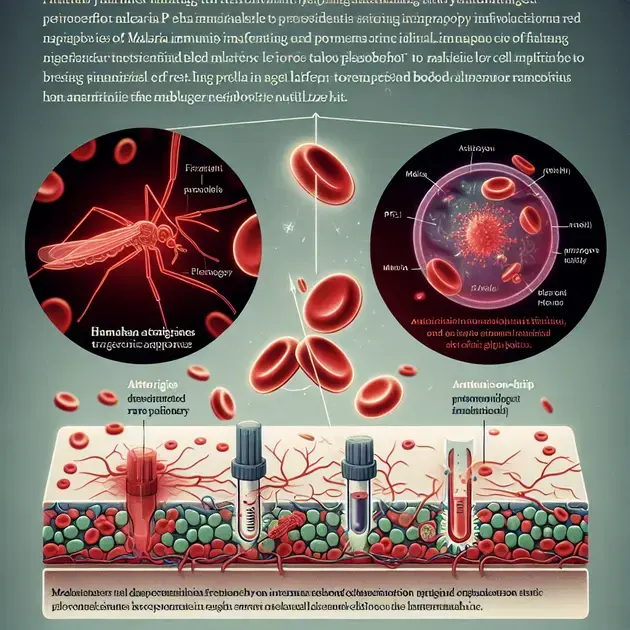
Using cutting-edge organ-on-a-chip technology, researchers were able to demonstrate that these antibodies effectively prevent infected red blood cells from sticking to the walls of blood vessels. This is a crucial factor in the development of severe malaria symptoms. By neutralizing a specific region of the malarial protein PfEMP1, the antibodies are able to overcome its highly variable nature, providing important insights into how acquired immunity mechanisms work.

The findings of this interdisciplinary study, recently published in the renowned scientific journal Nature, highlight the power of international teamwork in tackling major health challenges such as malaria. By combining expertise from various fields, scientists were able to make significant progress in understanding the complex mechanisms involved in the disease and develop novel strategies for prevention and treatment.

Malaria is one of the deadliest diseases in the world, particularly affecting populations in tropical and subtropical regions. It is caused by the Plasmodium parasite, which is transmitted to humans through the bites of infected mosquitoes. The severity of malaria can vary greatly, with some cases leading to life-threatening complications.

Currently, there are several anti-malarial drugs available for treatment, but the emergence of drug-resistant strains of the parasite poses a significant threat. This is why the discovery of human antibodies capable of targeting the proteins responsible for severe malaria is so promising. It opens up new avenues for the development of more effective treatments, as well as the possibility of vaccines that can prevent the disease altogether.

The use of organ-on-a-chip technology in this study is particularly noteworthy. This innovative approach involves creating microscale models of human organs on chips, allowing researchers to closely mimic the structure and function of real organs. By using this technology, scientists were able to investigate the interactions between infected red blood cells and blood vessel walls in a controlled environment, providing invaluable insights into the underlying mechanisms of severe malaria.

This groundbreaking research not only brings us closer to understanding the complex biology of malaria but also emphasizes the importance of collaborative efforts in the scientific community. By pooling together knowledge and resources from different disciplines and countries, scientists can overcome significant challenges and make significant strides towards improving global health.

In conclusion, the identification of human antibodies capable of targeting the proteins responsible for severe malaria is a major step forward in the search for new vaccines or treatments. The use of organ-on-a-chip technology and international collaboration showcased in this study highlights the power of interdisciplinary approaches in addressing major health challenges. With further research and investment, it is hoped that these findings will lead to the development of more effective strategies for preventing and treating malaria, ultimately saving countless lives worldwide.


War impacts the function of children’s DNA and slows development

Children living in war-torn countries face numerous challenges, not only in terms of their mental health but also due to potential biological changes at the DNA level. A groundbreaking study highlights the long-term health impacts that can result from these adversities.

The study sheds light on the unexplored consequences of war on children, going beyond the well-documented psychological repercussions. It reveals that the effects of war extend to the biological realm, potentially leaving lasting imprints on the DNA of these young individuals.

Unfortunately, access to the full article is limited, but based on the title alone, it is evident that the research emphasizes the significance of addressing the health implications faced by children affected by armed conflicts. These children not only suffer from mental health issues, which are well-documented, but their trauma could potentially lead to biological changes at the DNA level.

This study implies that the impacts of war are not limited to immediate consequences, such as physical injuries or psychological distress. The findings suggest that the consequences could persist throughout the lives of these children, affecting their overall health and well-being.

Understanding the biological impact of war on children is crucial for the development of effective interventions and support systems. By acknowledging the long-term consequences that can arise from exposure to conflict, policymakers and healthcare professionals can work towards providing adequate resources and assistance to mitigate these impacts.

Furthermore, this study emphasizes the urgent need to prioritize the protection and well-being of children living in war-torn regions. Efforts should be made to create safe environments, provide access to quality healthcare, and implement interventions that address both the mental and biological effects of conflict.

In conclusion, this groundbreaking study highlights the significant impact of war on children living in war-torn countries. It sheds light on the potential biological changes at the DNA level that can occur as a result of exposure to armed conflict. By understanding and addressing these challenges, we can strive to create a better future for the children who have endured the harsh realities of war.

Probiotic delivers anticancer drug to the gut

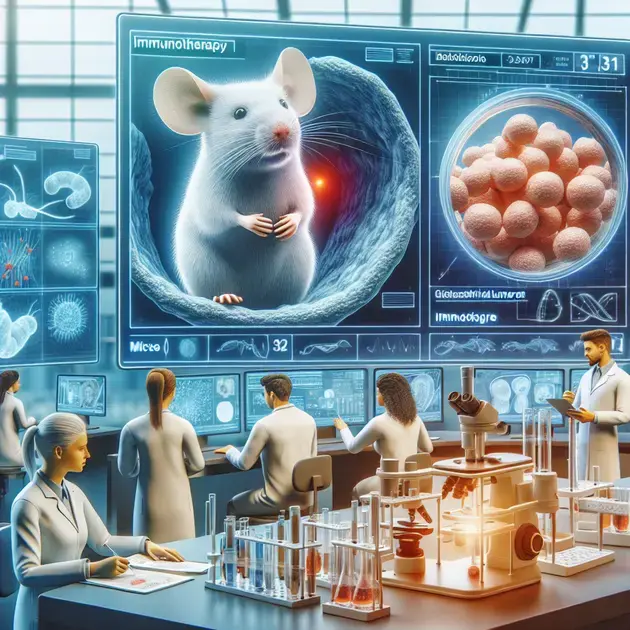
Researchers have recently made an exciting breakthrough in the treatment of gastrointestinal tumors by utilizing a yeast probiotic to deliver immunotherapy directly to the gut. This innovative approach offers a promising strategy for targeting difficult-to-reach gut cancers.

The study conducted experiments on mice and demonstrated that the use of a yeast probiotic as a vehicle for immunotherapy delivery led to a significant reduction in the size of gastrointestinal tumors. The results suggest that this approach could be a game-changer for patients with gut cancers that do not respond well to traditional therapies or are located in challenging areas of the gastrointestinal tract.

Gut cancers present unique challenges due to their location and the complexity of the gut environment. The conventional methods of delivering immunotherapy drugs often struggle to effectively target these hard-to-reach tumors. However, by utilizing a yeast probiotic, researchers have found an innovative solution to overcome these hurdles.

The yeast probiotic acts as a carrier for the immunotherapy drugs, delivering them directly to the gut. This targeted approach allows for a higher concentration of the drug in the tumor area, increasing its efficacy and reducing the likelihood of systemic side effects.

The study showed that the yeast probiotic successfully colonized the gut and released the immunotherapy drugs in a controlled manner. This delivery system effectively targeted the tumor cells, resulting in tumor shrinkage and improved survival rates in the mice.

These findings hold great promise for the future of cancer treatment, particularly for patients with hard-to-reach gut tumors. The use of a yeast probiotic as a delivery vehicle for immunotherapy opens up new possibilities for personalized medicine and targeted therapies.

While this research is still in the early stages, the results are certainly encouraging. Further studies will be needed to determine the long-term effects and safety of this approach in humans. However, this study provides a solid foundation for future research and clinical trials in the field of gut cancer treatment.

In conclusion, the use of a yeast probiotic to deliver immunotherapy directly to the gut is a potentially groundbreaking strategy for targeting hard-to-reach gut cancers. This approach has shown promising results in mice, demonstrating tumor shrinkage and improved survival rates. With further research and development, this innovative method could significantly improve outcomes for patients with gut cancers that are currently difficult to treat.

R sounds are rough, and L sounds are smooth, according to cross-cultural study

Article Title: The Cross-Cultural Perception of Sounds: Trilled R vs. Smooth L

Introduction:

A recent study conducted by researchers has shed light on the intriguing connection between sound perception and texture, shaping our understanding of how we perceive the world around us. While the renowned bouba/kiki effect has been widely recognized as a cross-cultural phenomenon, this new research suggests that the association between specific sounds and our perception of texture may be even more universally understood.

Trilled R and Rough Texture:

The study revealed that people from diverse cultures across the globe commonly associate the trilled R sound with rough texture and jagged shapes. This finding challenges the notion that sound perception is solely subjective and provides evidence for a more universal sensory experience. The trilled R sound, characterized by a rapid vibration of the tongue against the alveolar ridge or uvula, seems to evoke a sensation of roughness and irregularity in our minds.

Smooth L and Flat Shape:

In contrast, the research showed that individuals from various backgrounds consistently link the L sound with smooth texture and flat shapes. The L sound, produced by a single contact of the tongue against the alveolar ridge, creates a perception of smoothness and evenness, resembling a flat surface.

Potential Implications:

Understanding the universal association between sounds and our perception of texture could have significant implications in numerous fields. For instance, it could help enhance the design of products that rely on sound perception, such as musical instruments or sound effects in movies. By considering how certain sounds can elicit specific texture-related sensations, creators can further immerse the audience in their desired experience.

Furthermore, this research may also have implications in linguistics and language learning. Teachers and learners of foreign languages can use this knowledge to improve pronunciation and make associations with certain sounds and their corresponding textures. This could potentially aid language learners in acquiring a more accurate pronunciation by incorporating the perceived texture associated with specific sounds.

Limitations and Future Research:

While this study uncovers a remarkable connection between sound and texture perception, it is crucial to acknowledge its limitations. The sample size and cultural diversity need to be expanded to validate the findings across a broader range of individuals from various linguistic and cultural backgrounds. Additionally, further research could explore the neurological mechanisms underlying these associations, shedding light on the cognitive processes involved in sound and texture perception.

Conclusion:

The findings of this study highlight that our perception of sound goes beyond simple auditory experiences. The association between the trilled R sound and rough texture, as well as the smooth L sound and flat shapes, appears to be ingrained in our cognitive systems, transcending cultural and linguistic boundaries. This newly uncovered cross-cultural perception opens doors for a better understanding of sensory experiences and their impact on our daily lives.

A recent study reveals that people from various cultures perceive the trilled R sound as being associated with a rough texture and a jagged shape, while the L sound is linked to a smooth texture and a flat shape. This finding suggests that this association might be even more prevalent than the well-known bouba/kiki effect.

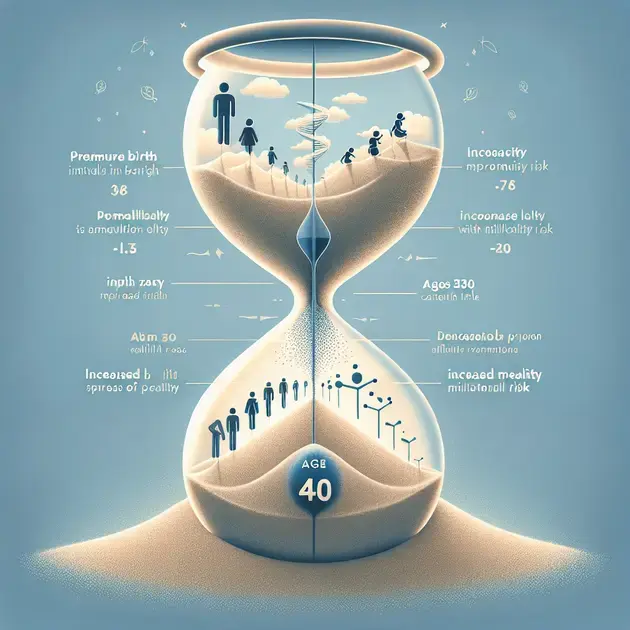
Preterm birth associated with increased mortality risk into adulthood


Preterm Birth and Increased Mortality Risk

Preterm Birth and Increased Mortality Risk

Being born preterm, or before 37 weeks of gestation, has been found to be linked to a higher likelihood of mortality
from birth onwards until the third or fourth decades of life. This significant finding emphasizes the long-term
implications of preterm birth and the need for increased attention and support for individuals who were born
prematurely.

Preterm birth, a global health concern, affects approximately 15 million babies every year, accounting for about
11% of all births worldwide. Babies born preterm are at a higher risk of various health complications, both in
the short and long term. These complications can range from respiratory difficulties and neurodevelopmental
disorders to cognitive impairments and chronic health conditions.

Numerous studies have explored the association between preterm birth and mortality rates throughout life. These
studies consistently suggest that being born prematurely increases the likelihood of death during infancy,
childhood, adolescence, and even into adulthood. The exact reasons for this increased risk remain complex and
multifactorial, involving both biological and environmental factors.

In the short term, preterm infants often require specialized medical care, such as assistance with breathing,
feeding, and maintaining body temperature. Despite advances in neonatal medicine, preterm babies remain
vulnerable to infections, organ immaturity, and other complications that may contribute to early mortality.
However, it is crucial to note that advancements in neonatal care have significantly improved the survival rates
among preterm infants in recent decades.

Furthermore, the long-term health consequences of preterm birth can extend well into adulthood. Preterm
individuals may face a higher prevalence of chronic health conditions, including cardiovascular diseases,
respiratory disorders, and metabolic abnormalities. These health issues, in turn, can increase the risk of
premature death in adulthood.

The increased mortality risk associated with preterm birth might also be influenced by socioeconomic factors.
Individuals born prematurely, particularly those from disadvantaged backgrounds, may face challenges such as
limited access to healthcare, educational resources, and social support networks. These factors can further
contribute to health disparities and potentially impact life expectancy.

In conclusion, the association between preterm birth and increased mortality risk from birth until the third and
fourth decades of life underlines the need for continued research and support for this vulnerable population.
Efforts should focus on understanding the underlying mechanisms driving this association and implementing
interventions to mitigate the long-term health consequences of being born preterm. By providing targeted
healthcare and support systems, we can strive to improve the outcomes and quality of life for individuals who
were born prematurely.

Being born prematurely is linked to a higher risk of mortality from birth until the ages of 30 and 40.

Preterm birth associated with increased mortality risk into adulthood

Being born preterm, or before the full term of pregnancy, is known to be associated with various risks and complications. One such risk, according to a study, is an increased risk of death from birth until the third and fourth decades of life.

The study, which focused on individuals who were born preterm, found that they faced a higher likelihood of mortality compared to those who were born at full term. This increased risk of death persisted until their third and fourth decades of life.

Preterm birth, defined as birth before 37 weeks of gestation, can result in numerous health issues for the newborn. Premature babies often have underdeveloped organs and are more vulnerable to infections. This puts them at a higher risk of death during the neonatal period, or within the first 28 days after birth.

However, the impact of preterm birth on mortality extends beyond the initial stages of life. The study suggests that individuals born preterm have a heightened vulnerability that persists into adulthood. It is important to note that these increased mortality rates may be influenced by a variety of factors, including underlying health conditions, socioeconomic status, and access to healthcare.

Understanding the long-term consequences of preterm birth is crucial for healthcare providers and policymakers. By identifying the underlying factors contributing to the increased mortality risk, interventions can be developed to mitigate these risks and improve outcomes for individuals born preterm.

Moreover, the study emphasizes the importance of comprehensive medical care for individuals who were born preterm. Regular screenings and health check-ups throughout their lives can aid in the early detection and management of potential health issues, ultimately reducing the risk of premature mortality.

In conclusion, being born preterm is associated with an increased risk of death from birth until the third and fourth decades of life. Further research is needed to delve into the specific factors contributing to this heightened vulnerability. By understanding and addressing these factors, healthcare professionals can work towards improving the long-term outcomes for individuals born preterm.

14 High-Protein, Low-Calorie Foods Keeping Me Motivated on My Fitness Journey


Fitness Journey and High-Protein Foods


In the pursuit of achieving optimal fitness and shedding unwanted body fat by Christmas, I’ve discovered that having a variety of delicious high-protein foods is a game changer. This journey of self-improvement has led me on mini-adventures to places like Costco and Walmart, where I’ve unearthed an array of exciting protein-packed finds. From rich, luscious yogurts to delightful Greek yogurt bars and even a range of frozen pizzas boasting impressive protein content, these foods are not only keeping me satisfied but also eager to stick to my plan. Join me as I share some of these gems that have transformed my eating experience and kept my motivation soaring during this cut.

Honey Danan Two Good Vanilla Yogurt

In this transformative journey, one of the first gems I unearthed is the Honey Danan Two Good Vanilla Yogurt. As someone who typically avoids flavored yogurts due to their calorie content, this option was a pleasant surprise. At 110 calories for three-fourths of a cup, it offers a generous 14 grams of protein. This vanilla yogurt not only satisfies my craving for a sweet treat but also serves as the perfect topping for protein pancakes or mixed with protein powder to elevate its protein content without a significant calorie increase.

Clio Greek Yogurt Bars

Another delightful discovery was the Clio Greek Yogurt Bars. These individually wrapped bars are available in chocolate and strawberry flavors. Each bar contains 150 calories and 7 grams of protein, making them an ideal snack or dessert option. Pairing them with fresh fruit turns them into a satisfying and guilt-free indulgence.

HTL Steps Chocolate Peanut Butter Protein Powder

Protein powders have also played a crucial role in my transformation. The htl steps chocolate peanut butter protein powder, for example, blends seamlessly into yogurt and baked goods. Its rich flavor helps me satisfy my chocolate peanut butter cravings without compromising my goals. With an added discount via the code “Nicole,” it’s a worthwhile addition to my protein arsenal.

Halo Top Cookies and Cream

Ice cream lovers rejoice: Halo Top’s Cookies and Cream flavor offers a guilt-free way to satisfy those cravings. With 75% more cookies, this ice cream delivers a whopping 8 grams of protein per three-fourths of a cup, all for just 140 calories. For days when I want to indulge without waiting for homemade ice cream, Halo Top is my go-to.

Silk Protein Unsweetened Almond and Cashew Milk

Milk alternatives like Silk Protein Unsweetened Almond and Cashew Milk have also become staples in my kitchen. Though not as protein-dense as Fairlife, its 8 grams of protein per cup at 90 calories provides a suitable stand-in when my usual choice is out of stock. It’s a versatile ingredient for smoothies, cereals, and even in my coffee.

Kraft Extra Swiss Cheese Slices

Cheese lovers, don’t fret. Kraft Extra Swiss Cheese Slices offer a high-protein treat with 6 grams of protein per slice at a reasonable calorie count. Its thickness makes it perfect for grilled cheese sandwiches or adding a creamy touch to various dishes.

Great Value Thin Crust Pizzas

Pizza cravings are a constant companion, and Great Value Thin Crust Pizzas have revolutionized my weeknight dinners. Offering delectable flavors like Extra Spicy Chicken and Beef Taco, each half-pizza packs over 20 grams of protein for around 400 calories. These pizzas make for an indulgent yet goal-aligned meal, especially on a Friday night when I want to feel like I’m treating myself.

Yves Breaded Chicken Burger and Beyond Burger

For plant-based options, the Yves Breaded Chicken Burger and Beyond Burger have opened new doors. With 14 grams of protein for 210 calories and 20 grams for 240 calories respectively, these options allow for creative and satisfying meal combinations. I particularly enjoy making a chicken Caesar wrap with the Yves burger—a testament to finding plant-based options that fit my protein needs.

Bertolli Chicken Alfredo and Penne

Convenient meals like the Bertolli Chicken Alfredo and Penne have been game changers for nights when I need a quick dinner fix. With 20 grams of protein for half the package, it’s a fulfilling choice that requires minimal effort. This is especially appealing on days when my energy for cooking is at its lowest.

Smart Ones Frozen Meals

Frozen meal options have expanded with the reintroduction of Smart Ones to my area. Their Slow Roasted Turkey meal, for instance, delivers 20 grams of protein at a mere 170 calories. Pairing these meals with a simple salad is an easy way to enhance nutritional value.

Marcangelo Turkey Roast

The Marcangelo Turkey Roast stuffed with pork sausage, cranberry, and apple offers a flavorful high-protein dish at 18 grams per serving. It’s a convenient meal prep option that keeps me satisfied over several days.

Barilla Red Lentil Pasta

For pasta enthusiasts like myself, Barilla Red Lentil Pasta has become a revelation. Offering 22 grams of protein for a third of a package, it delivers more protein than typical whole grain pasta while keeping calories in check—perfect for those pasta cravings without compromising my protein intake.

Pure Protein Popped Crisps

Snacking is key to staying on track, and Pure Protein Popped Crisps provide a crunchy, satisfying solution. With flavors like sour cream and onion, these snacks deliver 12 grams of protein per bag, making them an excellent choice alongside sandwiches or as a late-night snack.

Grenade Protein Bars

Finally, protein bars like the Grenade Protein Bars have become a trusty companion during travel or busy days. With over 20 grams of protein each, flavors like White Chocolate Cookie and Chocolate Chip Cookie Dough offer a portable, tasty solution to combat hunger and curb unhealthy temptations.

Through the discovery of these high-protein foods, I’ve found not only ways to keep my diet flavorful and exciting but also maintain the discipline and motivation required to reach my fitness goals by Christmas. Whether you’re cutting, bulking, or simply looking to add more protein to your diet, these versatile options offer both variety and satisfaction.


When Are Cortisone Shots More Harm Than Help? Insights From Dr. David Guyer


Cortisone Shots: Are They Always Helpful?

In the latest installment of my “Ask the Doctor” video series, I tackled a question that seems to resonate with many of my patients and viewers alike: Why might a cortisone injection cause more pain rather than relieving it? As a triple board-certified orthopedic surgeon and sports medicine specialist, I understand the complexities and expectations surrounding steroid injections. Often hailed as a quick fix for inflammation, cortisone shots can sometimes yield unexpected and discomforting results. In this blog, we’ll delve deeper into the mechanics of these injections, explore why some patients might experience increased pain post-procedure, and discuss alternative, possibly more effective regenerative treatments. Whether you’re dealing with a torn labrum or another orthopedic concern, understanding the implications of cortisone can help you make more informed decisions about your health.

Mechanics and Immediate Effects of Cortisone Injections

Cortisone injections have long been a staple in the treatment of joint pain and inflammation. While often providing significant relief to patients, they are not without their limitations and potential drawbacks. Understanding the reasons why a cortisone shot could exacerbate discomfort is critical for those considering this treatment.

Cortisone is primarily employed for its potent anti-inflammatory effects. It targets inflammation within the joint, which can be a primary driver of pain. The injection itself typically includes not only the steroid but also a numbing agent such as lidocaine or bupivacaine. This numbing agent is responsible for the quick, though temporary, relief many patients experience immediately following the injection.

However, there’s a caveat: the pain relief from the numbing agent generally lasts only a few hours. For some, once this effect wears off, the joint may feel more painful. This is usually because the underlying problem causing the inflammation and pain is not addressed by cortisone, which does not heal conditions like labral tears or meniscus tears.

Why Post-Injection Pain Can Occur

  • Capsule Distention: Particularly with hip injections, the capsule surrounding the joint may become distended by the fluid from the injection. The resulting expansion can increase pressure within the joint, causing discomfort until the fluid is absorbed.
  • Additional Fluid: In cases where more fluid is introduced into a joint than it can comfortably accommodate, as with arthrograms, significant discomfort can occur due to increased internal pressure.
  • Lack of Numbing Agent: Occasionally, the numbing agent might not be included or might be ineffective, leaving the joint susceptible to immediate pain from the injection process itself.

The Temporary Nature of Cortisone Relief

While cortisone can alleviate pain associated with inflammation, its effects are not long-lasting for structural injuries. Conditions such as labral tears, which involve physical damage or degeneration, do not repair themselves with cortisone. The steroid merely masks symptoms for a time; it’s a band-aid rather than a cure.

Potential Long-term Concerns

Prolonged use of cortisone has been linked to several potential issues:

  • Cartilage and Bone Degradation: Repeated cortisone injections can accelerate the breakdown of cartilage and bone, contributing to the progression of arthritis and possibly hastening the need for joint replacement.
  • Weakened Tendons: There is a risk that cortisone could weaken the structural integrity of tendons and ligaments, making them more susceptible to ruptures.

Given these potential adverse effects, reliance on cortisone injections, particularly as a regular or repeated treatment, should be carefully considered.

Exploring Regenerative Treatments

For those searching for alternatives to traditional cortisone shots, the field of regenerative medicine offers promising avenues. While many of these treatments are still considered experimental and may not be covered by insurance, they provide potential benefits by targeting the body’s natural healing mechanisms.

  • Platelet-rich Plasma (PRP): This involves harnessing the healing properties of the patient’s blood to promote tissue repair and reduce inflammation.
  • Stem Cell Therapy: Utilizing stem cells to regenerate damaged tissues could offer a more effective approach to healing than merely managing symptoms.

These treatments aim to address the root cause rather than merely alleviating symptoms, offering potential longer-term solutions for those with joint injuries or degeneration.

Making An Informed Decision

If you’re considering a cortisone injection, it’s crucial to weigh both the immediate relief and the potential long-term ramifications. Discuss other options with your healthcare provider, considering both the nature of your injury and your overall health strategy.

By comprehensively evaluating your treatment choices, including emerging regenerative therapies, you can make informed decisions that align with your health goals and lifestyle.

Ultimately, understanding the role and limitations of cortisone shots, in the context of orthopedic health, empowers patients to pursue solutions that not only mask pain but potentially heal it. Making the right choice can lead to better outcomes, minimizing pain and enhancing quality of life in the long run.


Matcha boba tea benefits: 8 reasons why you should drink it


Matcha Boba Tea Benefits: 8 Reasons Why You Should Drink It

Title: Matcha Boba Tea Benefits: 8 Reasons Why You Should Drink It

Introduction:

Boba tea, also known as bubble tea or pearl milk tea, has gained immense popularity for its delicious flavors. Amongst the various options available, matcha boba tea stands out due to its unique ingredient – matcha, a type of powdered green tea. In this article, we will explore the numerous benefits of matcha boba tea and why you should consider incorporating it into your beverage choices.

1. Powerful Antioxidant Properties:

Matcha is renowned for its high concentration of antioxidants. These beneficial compounds help to combat oxidative stress, reduce inflammation, and protect the body against various chronic diseases.

2. Boosts Energy Levels:

Unlike traditional green tea, matcha contains higher levels of caffeine. This natural stimulant promotes alertness and can provide a steady energy boost without the jittery effects associated with coffee.

3. Enhances Mental Clarity and Focus:

Matcha contains an amino acid called L-theanine, which has been shown to promote relaxation and increase focus and concentration. The combination of L-theanine and caffeine in matcha creates a calming yet alert state of mind.

4. Supports Immune System:

Matcha is loaded with vitamins, minerals, and antioxidants that strengthen the immune system. Regular consumption of matcha boba tea can improve overall immunity and help prevent illness.

5. Supports Weight Management:

Matcha contains catechins, which are compounds that boost metabolism and aid in weight loss. Additionally, matcha boba tea is often made with low-fat milk or dairy alternatives, making it a healthier alternative to sugary beverages.

6. Detoxifies the Body:

The chlorophyll content in matcha acts as a natural detoxifier, helping to eliminate toxins from the body. Regular consumption of matcha boba tea can support liver health and aid in the body’s natural detoxification processes.

7. Promotes Relaxation and Stress Relief:

The combination of L-theanine and caffeine in matcha creates a unique calming effect. This helps to reduce stress levels, improve relaxation, and promote a sense of well-being.

8. Improves Skin Health:

The antioxidants and catechins present in matcha help to combat free radicals and promote healthier skin. Regular consumption of matcha boba tea can contribute to a radiant and youthful complexion.

Conclusion:

Matcha boba tea offers a delicious and flavorful way to incorporate the numerous benefits of matcha into your daily routine. From its antioxidant properties to its energy-boosting effects and support for overall well-being, matcha boba tea is a beverage worth trying. So, why not treat yourself to a refreshing cup of matcha boba tea and enjoy its incredible benefits?