Home Blog Page 267

Scientists find a region of the mouse gut tightly regulated by the immune system


Unlocking the Secrets of the Mouse Intestine: Mapping Gene Expression and Cell States

Title: Unlocking the Secrets of the Mouse Intestine: Mapping Gene Expression and Cell States

Introduction:

In recent research, scientists have embarked on an extensive study of the mouse intestine to gain a deeper understanding of gene expression patterns, cell regulation, and responsiveness to perturbations like inflammation. By comprehensively analyzing different regions of the healthy gut, researchers were able to uncover tight regulation of cell types and states, shedding light on the incredible adaptability and resilience of this vital organ.

Mapping Gene Expression and Cell States in the Mouse Intestine:

To unravel the complex mechanisms at play in the mouse intestine, researchers conducted a detailed analysis of gene expression and cell states across various regions of the gut. By examining the entire intestine, from the duodenum to the colon, valuable insights were gained about how different parts of this organ function and the variations in cellular processes that occur.

Remarkable Adaptability and Resilience:

One of the most remarkable findings of this study was the impressive adaptability and resilience of the intestine to perturbations. Even in the face of inflammation, the gut displayed an extraordinary ability to maintain tight regulation of cell types and states. This finding not only highlights the importance of understanding the regulation of cellular processes but also emphasizes the need to consider variations across different parts of a tissue or organ.

Unique Colon Segment Controlled by Immune Signals:

A particularly intriguing revelation from this study was the identification of a unique segment of the colon that appears to be controlled by immune signals. This suggests that the immune system plays a crucial role in regulating specific regions of the intestine and demonstrates the interconnectedness of different biological processes within the organ.

Implications and Future Directions:

The research conducted on the mouse intestine not only provides valuable insights into the regulation of gene expression and cell states but also highlights the necessity of studying different regions of a tissue or organ to understand its overall functionality. The findings from this study can potentially have significant implications in the field of gastrointestinal health and may help guide future research into developing targeted therapies for gut-related disorders.

Conclusion:

The comprehensive analysis of the mouse intestine has revealed the intricate regulation of gene expression and cell states in different regions of the gut. The surprising adaptability and resilience of this organ under perturbations, as well as the identification of an immune signal-controlled colon segment, offer new avenues for research and further understanding of the complexities of the gut. This study underscores the importance of considering variations across multiple parts of a tissue or organ and how these intricacies contribute to its overall function. Researchers have conducted a comprehensive analysis of the mouse intestine, examining gene expression and cell states and locations in both the healthy gut and in response to inflammation. The study discovered a strong regulation of cell types and states in various regions of the organ, including a distinct section of the colon that is influenced by immune signals. These findings emphasize the remarkable adaptability and resilience of the intestinal system when faced with disruptions. They also underscore the significance of understanding the regulation and variation of cellular processes throughout different regions of tissues or organs.


Snoring linked to behavioral problems in adolescents without declines in cognition


Blog Post: Adolescents and Snoring

Adolescents and Snoring

According to a recent study, teenagers who snore frequently have a higher likelihood of experiencing behavior problems like inattention, rule-breaking, and aggression. However, the study also revealed that their cognitive abilities remain unaffected. This study is the most extensive one to date, observing snoring patterns in children from elementary school to their mid-teen years, providing valuable insights to parents who are searching for effective medical interventions to address snoring in their children.

Snoring is a common problem in children, and it can be a cause of concern for parents. Many parents worry about the potential effects of snoring on their children’s overall health and development. This study brings some relief as it suggests that while snoring may be associated with behavioral problems, it does not appear to harm cognitive function.

The study involved a large sample size and followed children for an extended period, allowing researchers to gain a comprehensive understanding of the effects of snoring on adolescents. The findings provide reassurance that snoring, while it may be disruptive, does not necessarily indicate any long-term cognitive decline in affected individuals.

The behavior problems observed among adolescents who snore frequently may be attributed to the interrupted sleep patterns caused by snoring. Lack of quality sleep can lead to daytime sleepiness, irritability, and difficulty concentrating, which can manifest as behavior issues. It is essential for parents to recognize these potential consequences and seek appropriate medical guidance.

Parents who are concerned about their child’s snoring should consult with a healthcare professional to determine the underlying cause. In some cases, snoring may be a symptom of sleep apnea, a potentially serious sleep disorder. Identifying and addressing the root cause of snoring can help parents and healthcare providers develop a suitable treatment plan.

Nonetheless, it is important to remember that each child is unique, and the impact of snoring on behavior can vary. While this study provides valuable insights, it is crucial to consider individual circumstances when addressing snoring in children. It is always recommended to seek professional advice and support to ensure the best possible outcome for each child.

In conclusion, this study highlights the relationship between frequent snoring in adolescence and behavior problems such as inattention, rule-breaking, and aggression. Although snoring may be disruptive, it does not appear to result in cognitive decline. The findings of this research reassure parents that while snoring can have behavioral effects, there is no evidence of long-term cognitive impairment. By seeking appropriate medical guidance, parents can effectively manage their child’s snoring and improve their overall well-being.


Snoring linked to behavioral problems in adolescents without declines in cognition


Impact of Snoring on Adolescent Behavior

Impact of Snoring on Adolescent Behavior

Adolescents who snore frequently were found to have a higher likelihood of displaying behavioral issues such as inattention, rule-breaking, and aggression, according to the findings of a recent study. This research, which is considered to be the largest study conducted on snoring in children, spans from their elementary school years to their mid-teen years, providing crucial insights for parents grappling with the appropriate medical interventions to address snoring in their children.

The study’s results highlight the importance of addressing snoring in adolescents, as it can have a detrimental impact on their behavioral well-being. Through tracking the snoring patterns of children over a prolonged period, it becomes evident that a significant correlation exists between frequent snoring and problematic behavior.

Parents often wonder whether snoring has implications beyond its potential annoyance during sleep. The findings shed light on the potential consequences of this seemingly harmless habit, revealing its association with behavior-related challenges. Therefore, it is essential for parents to be proactive in managing their children’s snoring to mitigate any lingering behavioral issues.

However, it is worth noting that despite the behavioral problems associated with snoring, the study did not find any decline in cognitive abilities among the adolescents. This suggests that while snoring may have behavioral implications, it does not necessarily affect intellectual development or cognitive function.

Given the growing concerns surrounding adolescent behavior problems, this study contributes valuable insights into understanding the impact of snoring on this population. It provides parents and healthcare professionals with evidence-based information to guide decision-making and intervention strategies for managing snoring in children.

As further research is needed to fully comprehend the mechanisms underlying the relationship between snoring and behavior problems, it is essential for parents to consult healthcare professionals specializing in sleep medicine. By seeking professional advice, parents can gain a better understanding of the potential causes of their children’s snoring and explore appropriate treatment options.

In conclusion, the latest study serves as a significant update for parents struggling with managing snoring in their children. It emphasizes the association between frequent snoring and behavior problems in adolescents while also reassuring that cognitive abilities remain unaffected. By addressing snoring early on and seeking appropriate medical guidance, parents can support their children’s overall well-being and promote healthy development.

Reference: [INSERT STUDY CITATION]


Distractions significantly delay remote drivers’ reaction time

Distractions Impact Reaction Time of Automated Vehicle Remote Drivers

New research has revealed that distractions can significantly slow down the reaction time of remote drivers operating automated vehicles by more than five seconds. This study highlights the importance of minimizing distractions and maintaining focus while remotely controlling autonomous vehicles.

With advancements in technology, the concept of remote driving has gained traction in various industries. Instead of physically being present within the vehicle, drivers can control the vehicle’s movements from a remote location using advanced automated systems. This has proven useful in situations where real-time decision-making and control are required, such as in mining operations or hazardous environments.

However, the recent study conducted by researchers indicates that distractions greatly hamper the effectiveness of remote drivers. Time-sensitive scenarios often necessitate quick reactions to prevent accidents or mitigate potential risks. Yet, distractions can significantly delay a driver’s ability to respond promptly.

The researchers assessed the reaction times of remote drivers under different distraction scenarios. In one set of experiments, drivers were subjected to auditory distractions, such as background noise or conversations. In another test, visual distractions were introduced, involving stimulating images or videos displayed during the driving task. The results consistently showed that distractions led to prolonged reaction times, impeding the drivers’ ability to maintain control of the vehicle and react to emerging situations swiftly.

The delay in reaction time necessitated by distractions is a matter of concern, as it could potentially lead to serious consequences. Autonomous vehicles rely on real-time human interventions to handle unforeseen events or situations that fall outside the scope of their automated systems. Prompt decision-making is crucial in order to ensure the safety of passengers, fellow motorists, and pedestrians.

To address this issue, it is imperative for researchers, developers, and manufacturers to develop strategies to mitigate distractions during remote driving operations. Implementing advanced algorithms capable of filtering out potential distractions, providing drivers with focused environments, or employing artificial intelligence systems to detect and alert drivers to potential distractions are some approaches that can be explored.

Furthermore, education and awareness programs should be developed to train remote drivers on the importance of maintaining concentration during their tasks. This could involve best practices for minimizing distractions, such as turning off irrelevant notifications, creating conducive work environments, or using dedicated distraction-free control rooms.

In conclusion, distractions have been found to significantly slow down the reaction time of remote drivers operating automated vehicles. To ensure the safety and efficiency of remote driving operations, it is crucial to address this issue by developing technological solutions, implementing appropriate measures to reduce distractions, and educating remote drivers on the vital role of concentration. This research serves as a reminder of the importance of prioritizing focus and attentiveness while operating autonomous vehicles from remote locations.

Distractions significantly impair the reaction time of remote drivers operating automated vehicles, as per recent research findings.

The human heart may have a hidden ability to repair itself

Title: The Remarkable Effects of Supportive Heart Pump on Cardiac Repair

Introduction:

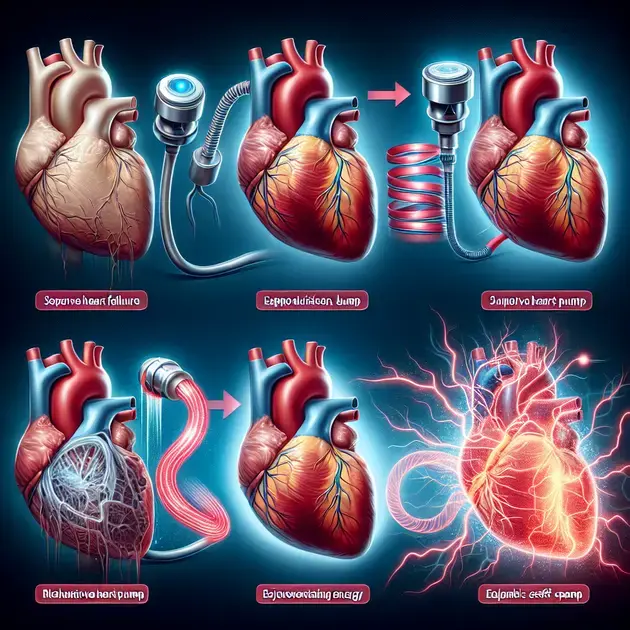
After a severe heart failure, the heart’s ability to regenerate new cells and repair itself diminishes significantly. However, recent studies have shown that with the aid of a supportive heart pump, the damaged heart’s capacity to heal with new muscle cells surpasses even that of a healthy heart. This article explores the transformative impact of using a heart pump as a treatment for cardiac repairs, shedding light on the promising advancements in the field.

Body:

Heart failure is a serious condition that affects millions of people worldwide. Traditionally, the prognosis for patients with severe heart failure was bleak, as the heart’s regenerative capabilities were believed to be limited. However, the advent of supportive heart pumps has revolutionized the treatment options available for such patients.

Researchers have discovered that when a heart pump is used to assist the damaged heart, the organ’s healing potential is dramatically enhanced. These findings challenge the long-held notion that the heart’s regenerative abilities were fixed and irreversible.

The mechanism behind this phenomenon lies in the way a heart pump works. By providing temporary mechanical support to the failing heart, a heart pump assists in maintaining blood flow throughout the body. This support alleviates the workload on the damaged heart, giving it a chance to rest and recover.

As the heart pump ensures adequate blood supply to the body, it also creates an environment that stimulates the growth of new muscle cells. This remarkable effect is attributed to the reduced strain on the heart, allowing it to redirect its energy towards regenerative processes. Consequently, damaged areas of the heart can heal and regenerate, resulting in improved overall cardiac function.

Notably, studies have shown that the regenerative capacity achieved with the assistance of a heart pump can even surpass that of a healthy heart. This surprising finding paves the way for exciting possibilities in treating severe heart failure.

Conclusion:

The utilization of supportive heart pumps in the treatment of severe heart failure has opened up new avenues of hope for patients worldwide. The ability of a damaged heart to repair itself by forming new muscle cells is significantly enhanced with the implementation of a heart pump. This groundbreaking discovery challenges conventional beliefs about the heart’s regenerative capabilities and points towards a brighter future for those suffering from cardiac conditions. Further research and advancements in this field hold immense potential in revolutionizing the way we approach cardiac repairs and significantly improving patients’ quality of life.

Study uncovers potential new target for treatment of chronic, debilitating skin disease

Hidradenitis Suppurativa: A Painful Immune Disease

Hidradenitis Suppurativa (HS) is a chronic immune disease that impacts approximately 4% of the worldwide population. This condition leads to the development of painful and recurrent skin lesions, as well as inflammation, mainly in the skin folds. It particularly affects women of African American descent. HS poses significant challenges for those living with it, impacting their quality of life and requiring ongoing management.

The exact cause of HS remains unknown. However, researchers suggest that it originates from a combination of genetic and environmental factors. It is believed that an abnormal immune response triggers the condition, leading to inflammation and the subsequent formation of painful and often infected nodules or abscesses within the skin folds. These lesions can rupture, causing drainage and scarring, and the continuous cycle of lesion formation and healing can result in the development of sinus tracts, further complicating the condition.

HS primarily affects areas of the body with a high density of apocrine glands, such as the underarms, groin, and buttocks. The symptoms can vary in severity, ranging from mild discomfort to debilitating pain. Some common symptoms include painful nodules or abscesses, redness, swelling, and the formation of tunnels or channels beneath the skin. In severe cases, HS can lead to restricted mobility, psychological distress, and a decreased quality of life.

Management of HS involves a multimodal approach, combining pharmacological treatments, surgical interventions, and lifestyle modifications. The goal of treatment is to control inflammation, promote healing, prevent infection, and alleviate pain. Lifestyle changes, such as weight loss, smoking cessation, and maintaining good hygiene practices, can help improve symptoms and reduce the frequency of flare-ups.

Currently, there is no cure for HS, but various treatment options can help manage the condition. Topical and oral antibiotics, anti-inflammatory medications, and immunosuppressants may be prescribed to control symptoms and prevent infections. In severe cases, surgical intervention may be necessary to remove abscesses or affected tissue. Emerging therapies, such as biologic medications that target specific molecules involved in the inflammatory process, show promising results in clinical trials.

In conclusion, Hidradenitis Suppurativa is a debilitating immune disease that affects a significant portion of the global population, with a higher prevalence among women of African American descent. The painful and recurrent nature of HS lesions, along with its impact on daily life, make it crucial to raise awareness about this condition. Ongoing research and advancements in treatment options hold hope for improving the lives of those living with HS and ultimately finding a cure.

Distractions significantly delay remote drivers’ reaction time

O estudo mostra que essas distrações podem causar atrasos de até cinco segundos, destacando os desafios em garantir a operação segura de veículos autônomos.

À medida que a tecnologia continua avançando, o desenvolvimento de carros autônomos tem ganhado destaque. No entanto, preocupações surgiram em relação à participação de motoristas remotos que monitoram e ocasionalmente assumem o controle desses veículos de uma localização remota.

Neste estudo, pesquisadores buscaram entender como as distrações podem afetar o tempo de reação dos motoristas remotos ao operar veículos automatizados. Os resultados mostraram que distrações, como notificações em dispositivos eletrônicos ou fatores ambientais externos, podem prejudicar a capacidade de resposta rápida dos motoristas a situações críticas.

A pesquisa envolveu uma série de cenários de direção simulados, onde os motoristas remotos foram expostos a várias distrações. Foi observado que até mesmo interrupções menores, como uma notificação de mensagem de texto, aumentaram o tempo de reação médio em mais de cinco segundos. Esses atrasos podem ter implicações significativas para a segurança dos veículos autônomos, especialmente em situações de emergência onde ação rápida e decisiva é necessária.

Esses resultados indicam a importância de implementar estratégias eficazes para minimizar as distrações para os motoristas remotos de veículos automatizados. Isso pode envolver diretrizes para ambientes de direção remota, incluindo a limitação do uso de dispositivos eletrônicos pessoais ou a implementação de recursos de software que desativam temporariamente as notificações.

Além disso, esses resultados enfatizam a necessidade de pesquisa e desenvolvimento contínuos no campo de veículos autônomos. À medida que as tecnologias continuam evoluindo, é crucial explorar maneiras de reduzir distrações e aprimorar as habilidades dos motoristas remotos, garantindo assim a operação segura e eficiente de carros autônomos.

Em conclusão, as distrações foram encontradas para atrasar consideravelmente o tempo de reação dos motoristas remotos de veículos automatizados. Esta pesquisa lança luz sobre os desafios associados ao monitoramento remoto e controle de veículos autônomos. Ao reconhecer o impacto das distrações e abordá-las de forma proativa por meio de diretrizes e soluções tecnológicas, podemos buscar sistemas de direção autônoma mais seguros e confiáveis.

How To Break Through Weight Loss Plateaus With Simple Steps


Blog Article

Hitting A Plateau: My Four-Step Plan to Reshape Success

Experiencing a plateau during a weight-loss journey can be an incredibly frustrating and demotivating moment. However, understanding that it is a natural part of the process and having a strategy in place can help you overcome it successfully. In this blog post, I’m sharing my tried-and-tested four-step approach to breaking through plateaus and continuing on the path to achieving my fitness goals.

Resist the Urge to Panic

First and foremost, it’s imperative to resist the panic that often accompanies a weight-loss plateau. Having embarked on multiple cuts and weight loss journeys, I’ve faced numerous plateaus. The initial urge is usually to drastically cut calories or double up cardio sessions, but I remind myself to remain calm. Plateaus happen because the body adapts to the consistent calorie deficit as a new normal. The challenge lies in making small enough changes that allow for further adjustments down the line, thus ensuring sustained progress without extreme measures.

Implement a Diet Break

The next crucial step is implementing a diet break. A diet boost can recalibrate the body’s metabolism by temporarily increasing calorie intake. By feeding the body a bit more food than usual, it can trick the system into thinking it’s in a surplus, prompting it to respond favorably when reverting back to a calorie deficit. However, it’s essential to allow the body some time to adjust post-boost. I typically maintain this strategy for a week, monitoring any resulting changes on the scale. If this adjustment revives weight loss, I continue without modifications, else I transition to the next phase.

Increase Cardio Strategically

Incorporating a strategic increase in cardio is my third step. At this juncture, I moderately increase the frequency and duration of my cardio sessions. For example, if my initial routine involved 50 minutes of cardio five times a week, I might increase it to six days a week. I observe whether this adjustment helps in shedding weight. If necessary, I further increase the cardio time gradually in 10-minute increments to ensure my efforts are effective.

Reduce Calorie Intake Slightly

Finally, reducing calorie intake slightly is my last resort if other methods don’t suffice. It’s essential to make small, incremental changes to avoid compromising nutritional needs or hitting another plateau. For instance, I may eliminate non-essential calories like margarine on toast, which contributes minimal nutritional value. This allows me to maintain the nutritional integrity of my meals while achieving a slight caloric reduction.

It’s important to recognize that preserving muscle mass is a priority as it contributes significantly to the body’s metabolism. The slow, steady approach not only aids in maintaining muscle but also allows me and my partner, Kyle, to manage our weight effectively post-bulk.

The Transformative Power of Bulking and Cutting

Bulking and cutting phases have been transformative in reshaping our bodies, enhancing muscle definition, and improving overall physique. Despite not being at our lowest scale weight, our body composition, clothing sizes, and muscle endurance have visibly improved.

Maintaining consistency in exercise routines and diet, while embracing the bulk and cut cycle, has enabled us to age gracefully and healthily. Even in our 40s, we find ourselves in better shape than ever, outperforming our younger selves in physical fitness and endurance.

Conclusion

Remember, overcoming a plateau is not just about chasing numbers on the scale; it’s a holistic journey encompassing physical, mental, and emotional wellness. Progress might be slow, but each step counts towards a healthier, more resilient you.

If you find yourself at a weight-loss plateau, don’t give up. Utilize these strategies, tailor them to your needs, and stay committed. With time, patience, and persistence, you’ll move beyond the plateau and continue achieving your goals.

Hitting a weight-loss plateau is normal. Learn a proven four-step approach to overcome it smoothly without drastic measures. Prioritize small changes for lasting progress.


Why Cortisone Shots Might Not Work for Joint Pain Relief: Insights from Dr. David Guyer


Blog Article

Cortisone shots are often administered to reduce inflammation and alleviate pain in joints affected by conditions such as arthritis and tendonitis. However, it might come as a surprise to some patients that their joint pain intensifies following the injection, as was the case for a patient with a torn labrum in their hip.

The expectation is usually immediate relief due to the anesthetics like lidocaine or marcaine that are included in the injection. These numbing agents can quickly reduce discomfort for a short period, often an hour or two, with effects sometimes lasting slightly longer. This temporary relief is linked to the anesthetics, not the cortisone itself.

Why Might a Cortisone Shot Cause More Pain?

  • Capsule Distension: One reason a cortisone shot could exacerbate pain is due to the volume of fluid injected into the joint capsule. If the capsule is distended, this can lead to increased discomfort, especially in joints like the hip where space is limited.
  • Absence of Numbing Agents: It’s possible that for some reason, numbing agents weren’t used during the injection, which can cause the procedure to be more painful.
  • Temporary Increase in Inflammation: Cortisone can sometimes initially cause an increase in inflammation before it starts to work effectively at reducing it. This inflammatory response might be what the patient experiences as increased pain.

Risks Associated with Cortisone Injections

Beyond potential short-term discomfort, repeated cortisone injections have been linked to adverse effects on the joint’s health in the long run. They are known to accelerate the breakdown of cartilage and bone, which can hasten the development of arthritis and lead to the need for joint replacement surgery. Additionally, they might weaken tendons and ligaments, making them more susceptible to tears or ruptures. Consequently, relying on cortisone shots as a frequent remedy is discouraged.

Limitations of Cortisone for Structural Damage

It is essential to understand the limitations of cortisone injections. While they tackle inflammation, they do not address structural damage such as a torn labrum or meniscus tear. These are physical injuries that cortisone cannot heal, which explains why some patients might not experience significant relief from the injection. The cortisone can reduce inflammation and decrease pain, but it won’t repair tears or other mechanical issues.

Exploring Alternative Treatments

Given the potential drawbacks and limitations of cortisone injections, it’s vital to consider alternative treatment options. Advances in regenerative medicine offer promising alternatives, albeit many are still experimental and generally not covered by insurance. Here are a few alternatives:

  • Platelet-Rich Plasma (PRP) Therapy: Involves injecting components derived from your blood to promote healing.
  • Stem Cell Therapy: Uses stem cells to facilitate the regeneration of damaged tissues.
  • Prolotherapy: An injection-based treatment designed to stimulate the body’s healing processes by injecting irritants into the painful area.

These regenerative treatments aim to repair and regenerate tissues rather than merely masking symptoms as with cortisone.

Setting Expectations with Cortisone Injections

For those who are considering cortisone injections, setting realistic expectations is crucial. These injections can be effective for quick, temporary relief of inflammation-related pain, but they are not a cure-all. It’s essential to have a comprehensive conversation with your healthcare provider to understand the full scope of what cortisone can and cannot do and to discuss the risk of potential side effects.

Conclusion

While cortisone shots can be beneficial, they come with their own set of risks and limitations. Patients experiencing increased pain post-injection should consult with a healthcare professional to evaluate the causes and explore other treatment avenues. As medical technology advances, alternatives to cortisone that focus more on the regeneration and healing of tissues offer hope for those who do not find relief with traditional methods. Ultimately, understanding the root cause of your pain and working with knowledgeable specialists can lead to more effective and sustainable treatment outcomes.


Scientists implicate a novel cellular protein in hepatitis A infection

For decades, scientists have dedicated their efforts to unraveling the mysteries surrounding the hepatitis A virus and its impact on the human body. The quest to understand its inner workings and replication mechanisms has been ongoing, driven by the urgent need to develop more effective treatments and preventive measures.

In a groundbreaking discovery, infectious disease researchers have shed new light on the role of an elusive protein known as PDGFA-associated protein 1 (PDAP1) in the replication and infection processes of the hepatitis A virus. Previously little-known, PDAP1 has emerged as a crucial pawn manipulated by the virus to infiltrate and hijack liver cells, leading to the development of hepatitis A.

With advancements in molecular biology techniques and sophisticated research tools, scientists have been able to study the intricate interactions between the hepatitis A virus and PDAP1. Through a series of experiments and observations, they have come to realize that this protein plays a pivotal role in facilitating the virus’s replication, propagation, and spread within the liver.

PDAP1 acts as a key linker between the hepatitis A virus and host liver cells, enabling the virus to gain entry into its target cells. Once inside, the virus utilizes PDAP1 to replicate its genetic material and initiate the production of new viral particles. This replication process eventually overwhelms the liver cells, leading to cell damage, inflammation, and the characteristic symptoms of hepatitis A infection.

Understanding the precise mechanisms by which PDAP1 facilitates hepatitis A replication opens up new avenues for developing targeted antiviral therapies. By disrupting the interactions between PDAP1 and the virus, researchers could potentially hinder viral replication and reduce the severity of hepatitis A infection.

Moreover, the discovery of PDAP1’s role in the hepatitis A virus life cycle highlights the intricate strategies employed by the virus to ensure its survival and replication within the host. This newfound knowledge not only improves our understanding of the virus itself but also provides valuable insights into viral replication mechanisms in general. Such insights into the inner workings of viral infections can aid in the development of broad-spectrum antiviral strategies targeting other viruses with similar replication mechanisms.

In conclusion, the identification of PDAP1 as a critical player in the replication and infection mechanisms of the hepatitis A virus represents a significant breakthrough in our understanding of this infectious disease. By shedding light on the intricate interactions between the virus and host cells, scientists are now one step closer to developing effective treatments and preventive measures against hepatitis A. Moreover, this knowledge has broader implications for advancing our understanding of viral replication and designing strategies to combat various viral infections.