Scientists Unveil Intricate Mechanism of Hormone in Regulating Ant Caste Differentiation
In a recent study, scientists have revealed the detailed workings of a specific hormone in controlling the differentiation of ant castes. Through rigorous analysis of organ-level developmental changes and close examination of relevant transcriptome data, researchers have shed light on the fascinating mechanisms governing ant caste determination.
Ant Colony Social Structure and Caste Development
Ant colonies are known for their highly organized social structures, with various specialized castes playing distinct roles within the community. The precise factors influencing the development of different castes have long intrigued scientists. In this study, scientists aimed to unravel the role of a specific hormone in this intricate process.
Investigating the Influence of the Hormone
To investigate the hormone’s impact on ant caste differentiation, the researchers employed phenotypic measurements of developmental changes at the organ level. By closely observing the distinct morphological alterations occurring during caste development, they were able to gain insight into the hormone’s influence on caste determination.
Additionally, the scientists conducted transcriptome analyses, examining the expression of various genes involved in caste differentiation. By identifying and comparing the activity of specific genes in different castes, the researchers could unravel the molecular intricacies underlying the hormone’s regulatory function.
Key Findings and Implications
The findings of this study offer valuable insights into the complex mechanisms driving ant caste determination. The researchers’ meticulous examination of organ-level developmental changes and comprehensive transcriptome analyses have provided a deeper understanding of the role of this specific hormone in regulating caste differentiation.
Understanding the factors influencing ant caste determination has far-reaching implications. It allows scientists to gain insights into social behavior, evolutionary biology, and ecological dynamics within ant colonies. Additionally, the findings may have broader applications in fields such as agriculture and pest control, as ants play crucial roles in ecosystem functioning.
Conclusion
In conclusion, scientists have made substantial progress in unraveling how a specific hormone regulates ant caste differentiation. Through meticulous examinations of organ-level developmental changes and transcriptome analyses, the researchers have shed light on the intricate molecular mechanisms underpinning caste determination. This research opens up new avenues for further exploration and has important implications for various scientific fields.
Polybrominated diphenyl ethers (PBDEs) and the Potential Benefits of Probiotic Supplementation
Polybrominated diphenyl ethers (PBDEs) are a common group of fire-retardant chemicals that are widely used in various products, ranging from electronics to furniture. These chemicals have become pervasive in the environment, with traces being found in air, water, and soil. PBDEs are known to have detrimental effects on human health, particularly on neurodevelopment, behavior, and metabolism.
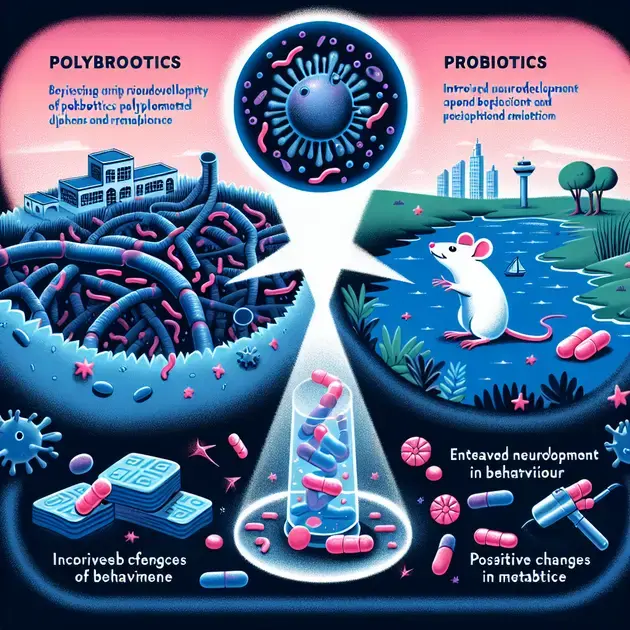
A recent mouse study has shed light on the potential benefits of probiotic supplementation in mitigating the negative impacts of PBDEs. Probiotics are living microorganisms, typically bacteria, that offer a range of health benefits when consumed in adequate amounts. They are commonly found in certain foods, such as yogurt and other fermented products.
In this study, researchers exposed a group of mice to PBDEs and observed the effects of probiotic supplementation on their neurodevelopment, behavior, and metabolism. The results were promising, indicating that probiotics had a protective effect against the harmful effects of PBDEs.
Neurodevelopment refers to the process by which the nervous system develops, including the growth and differentiation of neurons. PBDE exposure has been linked to impairments in neurodevelopment, leading to cognitive and behavioral deficits. However, mice that were supplemented with probiotics alongside PBDE exposure showed improved neurodevelopmental outcomes compared to those without probiotic supplementation.
Behavioral changes have also been observed in individuals exposed to PBDEs. These changes can manifest as hyperactivity, impaired learning and memory, and altered social behavior. The mouse study found that the mice receiving probiotic supplementation exhibited fewer behavioral abnormalities compared to those not receiving probiotics, indicating a potential role for probiotics in promoting normal behavior despite PBDE exposure.
Metabolism refers to the biochemical processes that occur within an organism to maintain life. PBDEs have been shown to disrupt normal metabolic function, leading to metabolic imbalances and obesity. However, the mice supplemented with probiotics demonstrated improved metabolic markers, suggesting that probiotics may help counteract the detrimental effects of PBDEs on metabolism.
While this mouse study provides valuable insights into the potential benefits of probiotic supplementation in mitigating the negative impacts of PBDEs, further research is needed to validate these findings in humans. Nevertheless, the preliminary evidence suggests that probiotics may offer a natural and effective approach to protecting against PBDE-induced neurodevelopmental, behavioral, and metabolic issues.
In conclusion, PBDEs are widespread fire-retardant chemicals that can have harmful effects on neurodevelopment, behavior, and metabolism. However, a mouse study suggests that probiotic supplementation may help mitigate these negative impacts. The potential benefits of probiotics in protecting against PBDE-induced issues offer an exciting avenue for future research and potentially innovative strategies to counteract the harmful effects of these ubiquitous chemicals.
Breakthrough in Treatment of Chronic Abdominal Pain
A Breakthrough in Treatment of Chronic Abdominal Pain
A research team has made a significant breakthrough in the treatment of chronic abdominal pain by developing a new class of oral peptide therapeutic leads. These innovative solutions offer a safe and non-opioid-based approach to addressing conditions like irritable bowel syndrome (IBS) and inflammatory bowel diseases (IBD) that affect a substantial number of individuals globally.
Chronic abdominal pain can greatly diminish the quality of life for those suffering from conditions such as IBS and IBD. Traditionally, opioid-based medications have been prescribed to manage the pain associated with these disorders. However, the adverse side effects and potential for addiction have led to an urgent need for alternative therapies.
By focusing on peptides, the research team has developed an entirely new class of therapeutic leads that can be taken orally. Peptides are short chains of amino acids, the building blocks of proteins, and have shown great promise in various medical applications due to their inherent biocompatibility and low toxicity. This new oral peptide therapy holds incredible potential for alleviating chronic abdominal pain caused by IBS and IBD while avoiding the pitfalls associated with traditional opioid treatments.
Irritable bowel syndrome, a disorder affecting the large intestine, often leads to symptoms like abdominal pain, bloating, and disturbances in bowel movements. Inflammatory bowel diseases, on the other hand, are chronic inflammatory disorders primarily affecting the gastrointestinal tract. Both conditions can significantly impact a person’s daily life and overall well-being.
The development of these oral peptide therapeutic leads represents a significant step forward in the field of pain management. Not only are they expected to provide relief to individuals suffering from chronic abdominal pain, but they also offer a much-needed solution that is not reliant on opioids. This groundbreaking innovation could potentially revolutionize the treatment landscape for IBS and IBD, enhancing the quality of life for millions of people worldwide.
In conclusion, the research team’s development of a new class of oral peptide therapeutic leads for treating chronic abdominal pain is a groundbreaking advancement. This non-opioid-based solution offers hope to individuals with conditions like IBS and IBD, which affect a substantial number of people globally. By harnessing the potential of peptides, the team has achieved an innovative approach that holds great promise in improving the quality of life for those suffering from chronic abdominal pain.
Probiotics: Potential Protection against the Harmful Effects of PBDEs
Polybrominated diphenyl ethers (PBDEs): A Closer Look
Polybrominated diphenyl ethers (PBDEs) have become widely prevalent chemicals used as fire retardants in various products. These compounds can be found nearly everywhere, from household items to electronic devices. However, recent research suggests that these chemicals may have detrimental effects on neurodevelopment, behavior, and metabolism. A study conducted on mice demonstrated that probiotic supplementation can potentially mitigate these negative impacts.
Probiotics: Countering the Harmful Effects of PBDEs
The study, although conducted on mice, sheds light on the potential benefits of probiotics in counteracting the harmful effects of PBDEs. Neurodevelopmental disorders, such as autism and attention deficit hyperactivity disorder (ADHD), have seen a drastic increase in recent years. While the exact causes of these disorders remain unknown, environmental factors, including exposure to chemicals like PBDEs, are believed to play a role.
PBDEs have been shown to disrupt brain development and function in both animal and human studies. These chemicals interfere with neurotransmitter systems, impair cognitive function, and increase the risk of neurodevelopmental disorders. Additionally, PBDE exposure has been linked to adverse behavioral outcomes, including anxiety and hyperactivity.
However, the study on mice revealed promising results regarding the potential benefits of probiotics in mitigating the negative effects of PBDEs. Probiotics, live microorganisms that provide health benefits when consumed, have gained popularity for their positive effects on gut health, digestion, and immune system function. This study explored whether probiotic supplementation could protect against the neurotoxicity induced by PBDE exposure.
The Study and its Findings
The researchers exposed pregnant mice to PBDEs during gestation and lactation periods. One group of mice received a probiotic supplement, while the other did not. The results showed that the mice supplemented with probiotics experienced improved neurodevelopment, exhibited fewer behavioral alterations, and maintained normal metabolic function compared to the non-supplemented group. The probiotics seemed to offer a protective effect against PBDE-induced neurotoxicity.
Although the exact mechanisms underlying this protective effect are yet to be fully understood, previous studies have shown that probiotics can influence the gut-brain axis. The gut-brain axis is a bidirectional communication system between the gut and the brain, which plays a crucial role in regulating various physiological and cognitive processes. Probiotics may modulate this axis, reducing inflammation, oxidative stress, and improving neurotransmitter balance.
The Path Forward
The findings from this mouse study suggest that probiotics hold promise in mitigating the negative effects of PBDEs on neurodevelopment, behavior, and metabolism. However, further research is needed to confirm these effects in humans and determine optimal probiotic strains, dosages, and treatment durations.
In conclusion, PBDEs are pervasive fire-retardant chemicals that have been linked to detrimental effects on neurodevelopment, behavior, and metabolism. The mouse study discussed here indicates that probiotic supplementation may offer protective effects against the neurotoxicity induced by PBDE exposure. Although more research is needed, these findings highlight the potential benefits of probiotics in mitigating the negative impacts of PBDEs. Further studies are necessary to fully understand the underlying mechanisms and translate these findings into potential therapeutic interventions for humans.
Are you tired of dealing with the discomfort of aching joints? Look no further than our comprehensive guide on soothing solutions for aching joints. With numerous options available on the market today, it can be overwhelming to determine the best approach for your specific needs.
From natural remedies to innovative technologies, we’ll explore the most effective strategies to alleviate joint pain and improve your overall quality of life. Stay tuned for expert insights and the latest trends in joint pain relief.
Effective Natural Remedies to Relieve Aching Joints
Dealing with aching joints can be quite challenging, but there are several natural remedies that can help alleviate the discomfort. Here are some effective natural remedies to relieve aching joints:
1. Turmeric
Turmeric, a spice commonly used in Indian cuisine, contains curcumin, known for its anti-inflammatory properties. You can incorporate turmeric into your diet or take turmeric supplements to help reduce joint pain and inflammation. Apps like MyFitnessPal can help you track your turmeric intake and ensure you are getting an adequate amount.
2. Epsom Salt Soaks
Epsom salt baths are known for their ability to soothe sore muscles and joints. Dissolve Epsom salt in warm water and soak the affected joints for 15-20 minutes. Apps like Mindbody can help you locate wellness centers that offer Epsom salt baths or guide you on how to do it at home.
3. Ginger Compress
Ginger has anti-inflammatory properties that can help reduce joint pain. Create a ginger compress by grating fresh ginger, placing it in a cloth, and applying it to the affected joint. Using apps like Doctor On Demand, you can consult with a healthcare professional for guidance on how to make and apply a ginger compress.
4. Omega-3 Fatty Acids
Foods rich in omega-3 fatty acids, such as fatty fish like salmon and mackerel, can help reduce joint pain and stiffness. Consider using apps like Seafood Watch to find sustainable sources of omega-3-rich fish and incorporate them into your diet for joint health.
5. Acupuncture
Acupuncture is a traditional Chinese therapy that involves inserting thin needles into specific points of the body to alleviate pain. You can use platforms like Zocdoc to find licensed acupuncturists in your area and book appointments for joint pain relief through acupuncture sessions.
Innovative Technologies for Aching Joint Relief
Advancements in technology have led to the development of innovative tools and devices that can provide relief for aching joints. Here are some cutting-edge technologies for aching joint relief:
1. Wearable Motion Sensors
Wearable motion sensors, such as those found in smart bands and watches like Fitbit, can help track your movement patterns and provide insights into your joint health. These devices can monitor your physical activity levels and suggest modifications to prevent joint strain.
2. Telemedicine Apps
Telemedicine apps like Teladoc allow you to consult with healthcare providers remotely, making it convenient to seek advice for joint pain management. Through these apps, you can receive expert opinions on the best treatment options and exercises to improve joint health.
3. Virtual Reality Therapy
Virtual reality therapy is being used to distract patients from pain and improve their mobility. Apps like Oculus Rift offer VR experiences that can help individuals with joint pain engage in immersive activities that promote movement and flexibility.
4. Robotic Rehabilitation Devices
Robotic rehabilitation devices, such as the Ekso GT exoskeleton, are designed to assist individuals with joint injuries in regaining mobility and strength. These devices use cutting-edge technology to provide targeted support and feedback during the rehabilitation process.
5. AI-Powered Health Monitoring Systems
AI-powered health monitoring systems, like those integrated into smart scales and blood pressure monitors, can track changes in your health status and provide personalized recommendations for joint care. These systems analyze data to offer tailored advice on managing joint pain and improving overall joint health.
Expert Insights on Improving Joint Health
Seeking expert guidance is essential for improving joint health and preventing future issues. Here are some insights from healthcare professionals on enhancing joint health:
1. Exercise Routine
Physical therapists recommend incorporating low-impact exercises, such as swimming or cycling, into your routine to strengthen muscles around the joints and improve flexibility. Apps like Nike Training Club can provide workout plans tailored to joint health goals.
2. Proper Nutrition
Dietitians emphasize the importance of consuming a balanced diet rich in vitamins and minerals to support joint health. Utilize apps like MyPlate to track your nutrient intake and ensure you are getting essential nutrients for joint function.
3. Weight Management
Rheumatologists advise maintaining a healthy weight to reduce the load on your joints and prevent excess strain. Apps like MyFitnessPal can help you monitor your caloric intake and manage your weight effectively for improved joint health.
4. Regular Check-ups
Orthopedic specialists recommend scheduling regular check-ups to monitor joint health and address any issues early on. Use apps like Zocdoc to find and book appointments with healthcare providers specializing in joint care for comprehensive assessments.
5. Stress Management
Mental health experts suggest practicing stress-reducing techniques, such as meditation or yoga, to alleviate tension that can contribute to joint discomfort. Apps like Headspace offer guided meditation sessions to help you relax and reduce stress levels for better joint health.
**Discover Natural Ways to Relieve Joint Discomfort**
Introduction
Joint discomfort can be a challenging condition that affects many individuals, impacting their daily lives and overall well-being. Discovering natural ways to relieve joint discomfort is essential for promoting quality of life and reducing pain. By incorporating holistic approaches and lifestyle changes, individuals can effectively manage their joint discomfort without the need for harsh medications or invasive procedures.
Healthy Diet
One of the most natural ways to relieve joint discomfort is through maintaining a healthy and balanced diet. Consuming foods rich in anti-inflammatory properties, such as fruits, vegetables, and omega-3 fatty acids, can help reduce joint inflammation and promote overall joint health. Additionally, avoiding processed foods and excessive sugar intake can also play a significant role in managing joint discomfort.
Regular Exercise
Engaging in regular exercise is another natural and effective way to relieve joint discomfort. Low-impact exercises, such as swimming, walking, or yoga, can help improve joint flexibility, strengthen muscles around the joints, and reduce pain. It is essential to consult with a healthcare professional or a physical therapist to determine the most suitable exercise routine based on individual needs and limitations.
Herbal Remedies
Herbal remedies have been used for centuries to alleviate joint discomfort and promote overall joint health. Supplements like turmeric, ginger, and boswellia serrata are known for their anti-inflammatory properties and can help reduce joint pain and stiffness. It is crucial to consult with a healthcare provider before incorporating herbal remedies into your daily routine to ensure safety and effectiveness.
Stress Management
Reducing stress levels is essential for managing joint discomfort, as stress can exacerbate pain and inflammation in the joints. Practicing relaxation techniques such as meditation, deep breathing exercises, or yoga can help lower stress levels and improve overall well-being. Additionally, getting an adequate amount of sleep and maintaining a healthy work-life balance are also crucial factors in managing joint discomfort.
**Revolutionary Approaches for Easing Joint Pain**
Introduction
Joint pain can significantly impact an individual’s quality of life, making daily activities challenging and uncomfortable. Revolutionary approaches for easing joint pain offer innovative solutions that go beyond traditional methods, providing individuals with effective and long-lasting relief. By incorporating cutting-edge technologies and advanced treatment options, individuals can experience significant improvements in joint pain management and mobility.
Regenerative Medicine
Regenerative medicine is a groundbreaking approach for easing joint pain, utilizing stem cells and growth factors to regenerate damaged tissues and promote healing. This innovative method can help repair cartilage, reduce inflammation, and stimulate tissue regeneration, leading to improved joint function and reduced pain. Consult with a healthcare provider to explore the potential benefits of regenerative medicine for your specific joint condition.
Platelet-Rich Plasma Therapy
Platelet-rich plasma (PRP) therapy is another revolutionary approach for easing joint pain, involving the injection of concentrated platelets from the patient’s blood into the affected joint. These growth factors help accelerate the healing process, reduce inflammation, and alleviate pain. Many individuals have reported significant improvements in joint function and mobility following PRP therapy, making it a popular choice for joint pain management.
Minimally Invasive Procedures
Minimally invasive procedures, such as arthroscopy or joint injections, offer innovative solutions for individuals experiencing joint pain. These procedures involve smaller incisions, less tissue damage, and faster recovery times compared to traditional surgeries. By exploring minimally invasive treatment options, individuals can achieve pain relief, improved joint function, and enhanced mobility with minimal discomfort and downtime.
Advanced Rehabilitation Techniques
Advanced rehabilitation techniques, such as physical therapy, hydrotherapy, or occupational therapy, can play a crucial role in easing joint pain and improving mobility. These specialized programs focus on strengthening muscles, improving flexibility, and enhancing overall joint function. By working closely with a team of rehabilitation experts, individuals can develop personalized treatment plans to address their specific joint pain concerns and achieve optimal results.
**Professional Tips for Enhancing Joint Mobility**
Introduction
Enhancing joint mobility is essential for maintaining an active and healthy lifestyle, allowing individuals to move with ease and flexibility. Professional tips for enhancing joint mobility offer expert advice and guidance on improving joint function, reducing stiffness, and preventing injuries. By incorporating these tips into your daily routine, you can optimize your joint health and overall mobility for years to come.
Proper Warm-Up and Stretching
Prior to engaging in any physical activity or exercise, it is essential to perform a proper warm-up and stretching routine to prepare your joints and muscles for movement. Dynamic stretching, such as leg swings or arm circles, helps increase blood flow and flexibility, reducing the risk of joint injuries. Incorporating static stretches after exercise can also help improve joint mobility and prevent muscle tightness.
Maintain a Healthy Weight
Excess weight can put added stress on the joints, leading to pain, inflammation, and reduced mobility. Maintaining a healthy weight through a balanced diet and regular exercise can help alleviate pressure on the joints and improve overall joint function. Consult with a healthcare provider or a nutritionist to develop a personalized weight management plan that aligns with your specific needs and goals.
Joint-Friendly Exercises
Choosing joint-friendly exercises, such as swimming, cycling, or Pilates, can help improve joint mobility while minimizing the risk of injury. These low-impact activities focus on gentle movements that promote joint flexibility, muscle strength, and overall mobility. It is essential to listen to your body, avoid overexertion, and gradually progress in your exercise routine to prevent joint strain and discomfort.
Stay Hydrated and Maintain Proper Nutrition
Hydration plays a crucial role in joint health, as water helps lubricate the joints, reduce friction, and improve flexibility. Additionally, maintaining a diet rich in essential nutrients, such as vitamins C and D, calcium, and omega-3 fatty acids, can support joint function and mobility. By prioritizing hydration and proper nutrition, you can enhance joint health and prevent stiffness and discomfort.
Conclusion
In conclusion, finding natural ways to relieve joint discomfort is crucial for enhancing quality of life and reducing pain for individuals facing this challenging condition. By focusing on maintaining a healthy diet rich in anti-inflammatory foods, engaging in regular low-impact exercises, incorporating herbal remedies with anti-inflammatory properties, and practicing stress management techniques, individuals can effectively manage their joint discomfort without harsh medications or invasive procedures.
On the other hand, revolutionary approaches for easing joint pain offer innovative solutions beyond traditional methods, such as regenerative medicine, platelet-rich plasma therapy, minimally invasive procedures, and advanced rehabilitation techniques. These cutting-edge technologies and treatments can significantly improve joint pain management and mobility, providing individuals with long-lasting relief and enhanced quality of life.
Moreover, following professional tips for enhancing joint mobility, including proper warm-up and stretching routines, maintaining a healthy weight, engaging in joint-friendly exercises, staying hydrated, and ensuring proper nutrition, can optimize joint health and overall mobility for years to come. By incorporating these expert recommendations into daily routines, individuals can improve joint function, reduce stiffness, prevent injuries, and promote long-term joint well-being.
If you’re experiencing aches in your joints, you’re not alone. Joint pain insightsyouneed to know? Let’s dive in.
It’s crucial to decipher if persistent joint discomfort is normal or needs expert attention.
Are Joint Aches Normal as You Age?
As you age, it is common to experience joint aches and pains due to natural wear and tear on your body. However, while some level of discomfort may be considered normal, it is essential to pay attention to any persistent or severe joint pain. One way to manage and reduce joint aches as you age is by incorporating regular exercise into your routine. Apps like MyFitnessPal and Fitbit can help you create workout plans tailored to your needs and abilities.
In addition to staying active, maintaining a healthy diet rich in anti-inflammatory foods can also help alleviate joint pain. Apps like MyPlate and Lose It! can assist you in tracking your nutrition and ensuring you are consuming the right balance of nutrients to support joint health.
Furthermore, practicing good posture and using ergonomic tools and furniture can relieve strain on your joints and reduce the risk of developing chronic pain. Websites like ErgoDirect and UPLIFT Desk offer a range of ergonomic solutions for workspaces and home environments.
It is crucial to listen to your body and seek medical advice if you experience persistent or worsening joint aches. Telehealth platforms like Amwell and MDLive allow you to consult with healthcare providers from the comfort of your home, making it easier to address any concerns about joint pain as you age.
Remember, while some joint aches may be part of the aging process, there are proactive steps you can take to manage discomfort and prioritize your joint health for the long term.
Understanding Chronic Joint Pain
Chronic joint pain refers to persistent discomfort in one or more joints that lasts for an extended period, often beyond normal healing time. It can significantly impact your quality of life and mobility, making it essential to seek effective management strategies. One effective way to understand and manage chronic joint pain is by using pain tracking apps like CatchMyPain and Symple.
These apps allow you to record and monitor your pain levels, triggers, and patterns, providing valuable insights for you and your healthcare provider. Additionally, joining online support communities like Inspire and Arthritis Foundation can connect you with others experiencing similar challenges and offer emotional support and coping strategies.
Exploring alternative therapies such as acupuncture, massage, and physical therapy can also provide relief from chronic joint pain. Websites like MindBody and Zeel help you find certified practitioners in your area and book appointments conveniently online.
It is crucial to work closely with your healthcare team to develop a personalized treatment plan that addresses your specific needs and goals. Chronic joint pain requires a comprehensive approach that may include medication, physical therapy, and lifestyle modifications to improve your overall well-being and reduce pain levels.
By gaining a deeper understanding of your chronic joint pain and exploring diverse treatment options, you can take proactive steps towards managing your symptoms and enjoying a better quality of life.
When to Seek Help for Joint Discomfort
Knowing when to seek help for joint discomfort is crucial in addressing underlying issues and preventing further complications. If you experience sudden and severe joint pain, swelling, or loss of mobility, it is essential to seek immediate medical attention. In case of emergency, apps like First Aid by American Red Cross provide step-by-step guidance on handling urgent medical situations until help arrives.
Persistent joint discomfort that interferes with your daily activities or worsens over time should not be ignored. Virtual physical therapy platforms like Physera and BetterPT offer online consultations and personalized treatment plans to address your joint pain from the comfort of your home.
Consulting with a rheumatologist or orthopedic specialist can help identify the underlying cause of your joint discomfort and recommend appropriate treatment options. Telemedicine services like Teladoc and PlushCare make it convenient to schedule virtual appointments with specialized physicians and receive expert guidance on managing your joint pain.
Remember, early intervention and timely medical care are key to effectively managing joint discomfort and preventing long-term complications. By seeking help promptly and advocating for your joint health, you can take control of your well-being and enjoy an active lifestyle with minimal pain and limitations.
**Are Your Aching Joints Normal?**
Joint pain is a common issue that many people face as they age. However, it’s essential to differentiate between normal aches and more serious conditions that may require medical attention. Aching joints are often a result of wear and tear on the cartilage and bones, leading to conditions like osteoarthritis. If the pain is persistent, severe, or accompanied by other symptoms, it’s important to consult a healthcare professional for a proper diagnosis and treatment plan.
Factors such as genetics, lifestyle, and overall health can play a significant role in the development of joint pain. In some cases, joint pain may be a sign of inflammation or an underlying medical condition. Understanding the root cause of your aching joints is crucial in managing the discomfort and preventing further damage.
Regular exercise, a balanced diet, and proper joint care can help alleviate normal joint pain and improve mobility. Incorporating low-impact activities like swimming or yoga can strengthen the muscles around the joints and reduce strain. Additionally, maintaining a healthy weight can lessen the pressure on the joints and decrease the risk of developing conditions like arthritis.
Simple lifestyle modifications, such as avoiding repetitive movements or lifting heavy objects, can also prevent joint pain. Using proper ergonomics at work and home, staying hydrated, and getting an adequate amount of rest can all contribute to healthier joints. When experiencing occasional aches, applying ice or heat, taking over-the-counter pain relievers, and using support devices like braces can provide temporary relief.
In conclusion, while aching joints are a common occurrence, it’s essential to monitor the severity and frequency of the pain. By incorporating healthy habits and seeking medical advice when necessary, you can manage joint discomfort and maintain an active lifestyle.
**Preventing Joint Pain in Daily Activities**
Joint pain can significantly impact daily activities and quality of life. Whether caused by overuse, injury, or underlying conditions, preventing joint pain is crucial for overall well-being. Making simple adjustments to daily routines and habits can help reduce strain on the joints and minimize the risk of discomfort. Here are some effective strategies for preventing joint pain in daily activities:
1. Maintain a Healthy Weight
Excess weight puts added stress on the joints, especially the knees, hips, and spine. By maintaining a healthy weight through a balanced diet and regular exercise, you can reduce the strain on your joints and lower the risk of developing joint pain.
2. Stay Active
Regular physical activity is essential for joint health and mobility. Engaging in low-impact exercises like walking, swimming, or cycling can strengthen the muscles around the joints and improve flexibility. Incorporating stretching and strengthening exercises into your routine can also help prevent stiffness and discomfort.
3. Practice Proper Body Mechanics
Avoiding excessive strain on the joints by practicing proper body mechanics can prevent joint pain. When lifting heavy objects, bend at the knees and use your legs instead of your back. Maintaining good posture while sitting, standing, and walking can also help reduce stress on the joints.
4. Use Joint-Friendly Tools and Equipment
Using ergonomic tools and equipment at work and home can make daily activities easier on the joints. For example, using a supportive chair with proper lumbar support can reduce back pain, while using assistive devices like jar openers or reachers can minimize strain on the hands and wrists.
5. Take Breaks and Listen to Your Body
It’s important to listen to your body and take breaks when needed to prevent overuse injuries. Avoiding repetitive movements for extended periods and incorporating rest breaks can help prevent joint pain and reduce the risk of strain. Pay attention to any discomfort or swelling in your joints and adjust your activities accordingly.
By implementing these preventive measures in your daily routine, you can significantly reduce the risk of joint pain and maintain optimal joint health. Remember to consult with a healthcare professional if you experience persistent or severe joint pain to determine the best course of action for treatment and management.
**Natural Remedies for Joint Discomfort**
While over-the-counter medications can provide relief for joint discomfort, natural remedies can offer alternative options for managing pain and inflammation. From dietary supplements to lifestyle changes, incorporating natural remedies into your routine can help alleviate joint discomfort and improve overall joint health. Here are some effective natural remedies for joint discomfort:
1. Omega-3 Fatty Acids
Omega-3 fatty acids, found in fish oil and flaxseed, have anti-inflammatory properties that can help reduce joint pain and stiffness. Adding sources of omega-3s to your diet or taking supplements can support joint health and alleviate discomfort associated with conditions like arthritis.
2. Turmeric
Curcumin, the active compound in turmeric, has been shown to have potent anti-inflammatory and antioxidant effects. Incorporating turmeric into your diet or taking supplements can help reduce inflammation in the joints and relieve pain. Mix turmeric powder into warm milk or add it to curries and smoothies for easy consumption.
3. Ginger
Ginger is another natural remedy known for its anti-inflammatory properties. Consuming ginger tea, adding fresh ginger to meals, or taking ginger supplements can help reduce joint pain and improve mobility. Ginger can also aid in digestion and boost the immune system.
4. Epsom Salt Baths
Epsom salt baths can provide relief for sore and achy joints. The magnesium in Epsom salt is absorbed through the skin, helping to reduce inflammation and relax muscles. Soaking in a warm Epsom salt bath for 20-30 minutes can help soothe joint discomfort and promote relaxation.
5. Acupuncture
Acupuncture is a traditional Chinese therapy that involves inserting thin needles into specific points of the body to alleviate pain and promote healing. Many people find relief from joint discomfort through acupuncture treatments, as it can stimulate the body’s natural pain-relieving mechanisms and improve circulation to the affected areas.
By incorporating these natural remedies into your daily routine, you can support joint health, reduce inflammation, and alleviate discomfort without relying solely on medications. However, it’s essential to consult with a healthcare provider before starting any new supplements or treatments to ensure they are safe and effective for your individual needs.
Conclusion
Aching joints are a common issue, but identifying severity is crucial for proper care.
Healthy habits, exercise, and timely medical advice can manage joint discomfort effectively.
Preventive measures and natural remedies offer practical ways to support optimal joint health.
Painful joints can be a debilitating condition that affects individuals of all ages. Understanding the underlying causes of this discomfort is crucial for effective treatment and management.
Recent studies have shed light on various factors that contribute to joint pain, including inflammation, autoimmune disorders, and physical injuries. By gaining insights into these reasons behind the discomfort, individuals can work with healthcare professionals to develop personalized care plans.
Common Causes of Painful Joints
Joint pain can be caused by a variety of factors, with some of the most common being inflammation and autoimmune disorders. It’s important to understand these causes in order to find appropriate treatment and relief. Here, we will explore the common causes of painful joints and how they can affect your overall health.
Inflammation and Joint Pain
Inflammation in the joints can lead to pain, swelling, and stiffness. This can be caused by conditions such as arthritis, bursitis, and tendonitis. To help reduce inflammation and alleviate joint pain, it is important to maintain a healthy diet rich in anti-inflammatory foods like fatty fish, fruits, and vegetables. Regular exercise and weight management can also help reduce inflammation and improve joint function.
One recommended app for tracking your diet and exercise to manage joint pain caused by inflammation is MyFitnessPal. This app allows you to log your meals, track your nutrients, and set fitness goals to help you stay on track with your health journey.
In addition to diet and exercise, incorporating anti-inflammatory supplements like turmeric or omega-3 fatty acids can also help reduce inflammation in the joints. Consult with a healthcare professional before starting any new supplement regimen to ensure safety and effectiveness.
By addressing inflammation through lifestyle changes and incorporating the right supplements, you can effectively manage joint pain and improve your overall quality of life.
Remember, consistency is key when it comes to managing inflammation and joint pain. Stay committed to your healthy habits and consult with healthcare providers for personalized advice and treatment options.
Autoimmune Disorders and Joint Discomfort
Autoimmune disorders, such as rheumatoid arthritis and lupus, can trigger joint discomfort and pain as the immune system mistakenly attacks the joints. Understanding your autoimmune condition and working closely with healthcare providers is crucial in managing joint discomfort effectively.
One useful platform for connecting with healthcare professionals and accessing resources for autoimmune disorders is Healthline. Healthline offers a range of articles, tools, and expert insights on autoimmune conditions and their impact on joint health.
In addition to medical treatment prescribed by healthcare providers, lifestyle modifications such as stress management, regular exercise, and adequate rest can help alleviate joint discomfort associated with autoimmune disorders. Mindfulness and relaxation apps like Calm or Headspace can assist in managing stress and promoting overall well-being.
Educating yourself about your autoimmune disorder and staying proactive in your treatment plan can empower you to take control of your joint health and reduce discomfort. Remember to communicate openly with your healthcare team and seek support from online communities or support groups for additional guidance.
By addressing the underlying autoimmune condition and adopting a holistic approach to managing joint discomfort, you can improve your quality of life and minimize the impact of joint pain on your daily activities.
Understanding Joint Pain Mechanisms
Understanding joint pain mechanisms is crucial for effectively managing and treating this common health issue. Joint pain can be caused by various factors, such as inflammation, injury, or underlying health conditions. Inflammation in the joints can lead to pain, swelling, and decreased mobility. It is important to identify the specific mechanisms triggering joint pain in order to develop an appropriate treatment plan.
One of the primary mechanisms of joint pain is inflammation. When the joints are inflamed, the surrounding tissues can become irritated, leading to pain and discomfort. Inflammatory conditions, such as arthritis, can cause chronic joint pain and stiffness. By targeting the inflammatory response, it is possible to alleviate joint pain and improve overall joint health.
In addition to inflammation, joint pain can also be caused by wear and tear on the joints. Over time, the cartilage that cushions the joints can break down, resulting in pain and stiffness. Understanding the mechanical stressors that contribute to joint pain can help individuals make lifestyle changes to reduce joint strain and improve joint function.
By exploring the various mechanisms of joint pain, healthcare providers can tailor treatment plans to address specific underlying causes. This holistic approach to joint pain management can lead to better outcomes and improved quality of life for individuals dealing with joint discomfort.
Overall, understanding joint pain mechanisms is essential for developing targeted interventions that address the root causes of joint discomfort. By identifying the specific factors contributing to joint pain, individuals can pursue effective treatment options and improve their joint health and function.
Nutritional Deficiencies and Joint Ailments
Nutritional deficiencies can play a significant role in the development and progression of joint ailments. The body’s joint health is closely linked to the nutrients it receives from the diet. Lack of essential vitamins and minerals can lead to weakened bones, cartilage, and tissues, exacerbating joint pain and stiffness.
One of the key nutrients essential for joint health is vitamin D. Vitamin D helps the body absorb calcium, a crucial mineral for bone strength. Deficiency in vitamin D can result in weakened bones and joints, increasing the risk of fractures and joint pain. Ensuring an adequate intake of vitamin D through diet and supplements can support joint health and reduce the risk of joint ailments.
Omega-3 fatty acids are another important nutrient for joint health. These healthy fats have anti-inflammatory properties that can help reduce joint pain and swelling. Including sources of omega-3s, such as fatty fish, flaxseeds, and walnuts, in the diet can support joint function and alleviate discomfort.
Incorporating a balanced and nutrient-rich diet is essential for maintaining optimal joint health and preventing nutritional deficiencies that can contribute to joint ailments. Consulting with a healthcare provider or nutritionist can help individuals identify potential deficiencies and develop a dietary plan to support joint health.
Overall, addressing nutritional deficiencies through a well-rounded diet and supplementation can have a positive impact on joint health and alleviate symptoms of joint ailments. By prioritizing nutrient intake and supporting overall health, individuals can proactively manage joint pain and maintain joint function.
Joint Pain Management Strategies
Effective joint pain management strategies can help individuals reduce discomfort, improve mobility, and enhance their overall quality of life. Managing joint pain involves a comprehensive approach that addresses the underlying causes of pain and incorporates various treatment modalities to promote joint health.
One common management strategy for joint pain is physical therapy. Physical therapy exercises can help strengthen the muscles around the joints, improve flexibility, and reduce pain and stiffness. Working with a physical therapist to develop a tailored exercise program can enhance joint function and mobility.
Another key component of joint pain management is medication. Nonsteroidal anti-inflammatory drugs (NSAIDs) can help alleviate pain and reduce inflammation in the joints. However, it is important to use these medications as directed and under the guidance of a healthcare provider to avoid potential side effects.
In addition to physical therapy and medication, lifestyle modifications can also play a significant role in managing joint pain. Maintaining a healthy weight, engaging in regular exercise, and avoiding activities that put excessive strain on the joints can help reduce pain and improve joint function.
Complementary therapies, such as acupuncture, massage, and herbal remedies, can also offer relief for joint pain. These alternative treatments can help alleviate discomfort, promote relaxation, and support overall joint health. Incorporating a combination of conventional and complementary therapies can provide a holistic approach to joint pain management.
Conclusion
Understanding joint pain mechanisms is crucial for effective management and treatment of this common health issue. Whether it stems from inflammation, wear and tear, or other factors, pinpointing the specific causes lays the foundation for tailored treatment plans that can alleviate pain and enhance overall joint health.
Addressing nutritional deficiencies is essential in the prevention and progression of joint ailments. Ensuring an adequate intake of essential nutrients like vitamin D and omega-3 fatty acids through a balanced diet or supplements can fortify bones, reduce inflammation, and support joint function, ultimately mitigating the risk of fractures and discomfort.
Implementing a comprehensive approach to joint pain management that combines physical therapy, medication, lifestyle adjustments, and complementary therapies can significantly improve quality of life. Strengthening muscles, reducing inflammation, maintaining a healthy weight, and exploring alternative treatments can collectively alleviate pain, enhance mobility, and promote overall joint health.
Are you looking to improve your joint mobility and overall flexibility? Look no further! In this article, we will explore the top recommended joint supplements on the market that can help you achieve greater mobility and ease of movement.
With the latest advancements in nutrition science, these joint supplements are specifically formulated to support joint health, reduce inflammation, and promote cartilage repair. Say goodbye to joint discomfort and hello to improved mobility with these top-notch recommendations.
Boost Your Mobility with These Recommended Supplements
When it comes to improving your mobility, incorporating the right supplements into your routine can make a significant difference. To boost your mobility, consider adding supplements such as glucosamine, chondroitin, and MSM to your daily regimen. These ingredients are known for their ability to support joint health and reduce inflammation, leading to improved mobility.
A great way to find the best supplements for your mobility is by using the app “Supplement Guide.” This app provides detailed information on various supplements, including user reviews and recommendations from health professionals. By using this app, you can easily compare different products and choose the ones that are most suitable for your needs.
In addition to supplements, incorporating regular exercise into your routine can also help improve your mobility. Consider using the “MyFitnessPal” app to track your physical activity and set fitness goals. By staying active and taking the right supplements, you can optimize your mobility and overall well-being.
Remember to consult with a healthcare provider before adding any new supplements to your routine, especially if you have existing health conditions or are taking medication. With the right combination of supplements, exercise, and professional guidance, you can boost your mobility and enjoy a more active lifestyle.
Take the first step towards better mobility today by exploring the world of supplements and making informed choices for your health and well-being.
Enhance Your Joint Health with These Top Picks
Enhancing your joint health is essential for maintaining mobility and preventing discomfort. By choosing the right supplements, you can support your joint health and keep your body functioning optimally. Consider incorporating supplements such as turmeric, fish oil, and collagen into your daily routine to promote joint health and reduce inflammation.
To find the top picks for enhancing your joint health, visit the website “JointHealthMag.” This platform offers comprehensive reviews of various joint health supplements, highlighting their benefits and effectiveness. By exploring this website, you can gain valuable insights into the best products available on the market.
In addition to taking supplements, adopting a balanced diet rich in nutrients that support joint health is crucial. Utilize the “MyPlate” app to track your daily food intake and ensure you are getting essential vitamins and minerals. By nourishing your body with the right nutrients, you can promote joint health and overall well-being.
It is important to maintain a consistent supplement routine and follow the recommended dosage to experience the full benefits for your joint health. Be sure to consult with a healthcare professional before making any significant changes to your supplement regimen, especially if you have specific health concerns.
Enhance your joint health today by exploring the top picks in supplements and taking proactive steps towards supporting your body’s mobility and vitality.
Achieve Greater Flexibility with These Quality Supplements
Improving flexibility is key to enhancing your overall mobility and range of motion. By incorporating quality supplements into your daily routine, you can support your body’s flexibility and joint function. Consider adding supplements such as vitamin D, magnesium, and glucosamine to promote flexibility and alleviate stiffness.
To discover the best supplements for achieving greater flexibility, download the app “FlexiCare.” This app offers personalized recommendations based on your flexibility goals and provides insights into the benefits of each supplement. By using this app, you can create a tailored supplement plan that aligns with your flexibility needs.
In addition to taking supplements, engaging in regular stretching exercises can further enhance your flexibility and joint mobility. Utilize the “StretchIt” app to access guided stretching routines designed to improve flexibility and reduce muscle tension. By combining supplements with targeted stretching, you can achieve greater flexibility and movement capabilities.
Remember to listen to your body’s signals and adjust your supplement and exercise routine accordingly. It is essential to prioritize consistency and patience when working towards improving flexibility, as results may take time to manifest. Consult with a fitness or healthcare professional to ensure you are following a safe and effective approach to enhancing your flexibility.
Unlock your full potential for flexibility by exploring quality supplements and incorporating them into your daily wellness routine. With the right combination of supplements and flexibility-focused activities, you can experience enhanced movement and vitality.
Boost Your Mobility with These Top-Rated Supplements
Are you looking to improve your mobility and feel more agile and flexible in your daily activities? If so, incorporating top-rated supplements into your routine can make a significant difference. These supplements are specially formulated to support joint health and overall mobility, allowing you to move with ease and comfort.
One highly recommended supplement for boosting mobility is the premium choice that contains a blend of powerful ingredients known for their joint-supporting properties. By regularly taking this supplement, you can experience enhanced flexibility and mobility, making it easier to engage in physical activities and maintain an active lifestyle.
When it comes to choosing the right supplement for your mobility needs, it’s essential to look for products that have been tested and proven to be effective. By selecting top-rated supplements from trusted brands, you can ensure that you are getting high-quality ingredients that can truly make a difference in your joint functionality.
Whether you are dealing with occasional stiffness or looking to proactively support your joint health, incorporating top-rated supplements into your daily routine can have a positive impact on your mobility. Say goodbye to discomfort and limited range of motion – with the right supplements, you can boost your mobility and enjoy greater freedom of movement.
Don’t let joint issues hold you back any longer. With the help of these top-rated supplements, you can take control of your mobility and experience the difference firsthand. Say hello to a more flexible and agile you – start incorporating these premium choices into your wellness routine today!
Enhance Your Joint Functionality with These Premium Choices
When it comes to enhancing your joint functionality and promoting overall joint health, choosing premium supplements is key. These top-rated products are designed to provide targeted support to your joints, helping you achieve improved flexibility and mobility in your daily life.
One of the most effective ways to enhance your joint functionality is by incorporating premium choices that have been formulated with powerful ingredients. These supplements are specifically crafted to nourish and support your joints, helping to alleviate discomfort and promote long-term joint health.
By selecting top-rated supplements that prioritize quality and potency, you can feel confident knowing that you are giving your joints the support they need to function optimally. From reducing inflammation to promoting cartilage health, these premium choices can make a significant difference in how your joints feel and move.
Don’t let joint issues limit your mobility and quality of life. With the help of these premium choices, you can enhance your joint functionality and experience newfound freedom of movement. Say goodbye to stiffness and discomfort – say hello to improved flexibility and agility with these effective formulas!
Achieve Improved Flexibility with These Effective Formulas
Improving flexibility is crucial for maintaining overall mobility and preventing joint discomfort. By incorporating effective formulas into your daily routine, you can support your joints and muscles, allowing for greater flexibility and range of motion.
One of the best ways to achieve improved flexibility is by choosing supplements that are specifically formulated to target joint health. These formulas contain a potent blend of ingredients that work together to support joint function, reduce stiffness, and promote flexibility.
When selecting supplements to enhance flexibility, opt for top-rated choices that have been well-researched and recommended by users. These effective formulas can help you achieve your mobility goals and feel more comfortable and agile in your movements.
With consistent use of these top-rated supplements, you can experience a noticeable improvement in your flexibility and overall mobility. Say goodbye to limitations and hello to a more active and flexible lifestyle – start incorporating these effective formulas into your wellness routine today!
Conclusion
Enhancing your mobility and joint functionality is crucial for maintaining a healthy and active lifestyle. By incorporating top-rated supplements into your daily routine, you can experience a significant improvement in your flexibility, agility, and overall joint health. These specially formulated supplements are designed to support joint functionality and reduce discomfort, enabling you to move with ease and comfort in your daily activities.
Whether you are looking to address occasional stiffness or proactively support your joint health, choosing premium supplements can make a remarkable difference. These effective formulas contain powerful ingredients that nourish and support your joints, promoting long-term health and flexibility. By prioritizing quality and potency in your supplement choices, you can ensure that your joints receive the necessary support to function optimally and enhance your overall mobility.
With consistent use of these top-rated supplements, you can say goodbye to limitations imposed by joint issues and hello to a more flexible and agile lifestyle. By selecting supplements that have been well-researched and recommended by users, you can achieve improved flexibility, reduced stiffness, and increased range of motion. Take control of your mobility today by incorporating these effective formulas into your wellness routine and experience the transformative benefits firsthand!
Great Expectations: Understanding Post-Cortisone Shot Pain with Dr. David Guyer
Understanding the Pain After Cortisone Shots
A cortisone shot is often regarded as a quick fix for joint pain, but as many patients have experienced, it can sometimes lead to a paradoxical increase in pain. Dr. David Guyer, a triple board-certified orthopedic surgeon, sports medicine specialist, and expert in anti-aging and regenerative medicine, sheds light on why this might happen and what patients should realistically expect following a cortisone shot.
Injection Process and Joint Discomfort
One of the initial reasons a joint might hurt more after a cortisone injection is due to the nature of the injection process itself. The injection not only contains corticosteroids meant to reduce inflammation but also numbing agents such as lidocaine or marcaine. While these anesthetics provide temporary relief, the actual injection can cause discomfort due to the physical disturbance of the joint capsule. In particular, the hip joint, where the space inside the capsule is limited, can experience distension. This is because the fluid from the injection expands the tight confines of the capsule, leading to increased pressure and subsequent pain, much like what occurs during MRIs or MR arthrograms where dye is injected to visualize the joint more clearly.
Structural Defects and Cortisone Limitations
Another critical factor contributing to post-injection pain is the specific condition being treated. Cortisone shots primarily address inflammation but do not heal structural damage like a labral tear in the hip or meniscus tears in the knee. If the source of pain is a structural defect rather than inflammation, the steroids may not provide significant relief. In these cases, the brief respite provided by the anesthetic can mask the underlying issues only temporarily, leading to frustration and increased discomfort as the numbing effect wears off.
Long-term Risks of Cortisone Injections
Moreover, it is essential to consider the long-term implications of cortisone shots. Although they are widely used for their anti-inflammatory properties, cortisone injections carry risks, particularly with repeated use. Research indicates that frequent cortisone shots can accelerate cartilage and bone degeneration, potentially hastening the onset of arthritis and increasing the likelihood of requiring joint replacement. Tendons and ligaments may also become more prone to rupture and less capable of healing effectively with repeated exposure to cortisone.
Exploring Regenerative Medicine Alternatives
Despite these risks, cortisone injections remain a common treatment for joint pain because they are typically covered by insurance and provide immediate, albeit temporary, relief. However, they are not a cure-all, especially for conditions involving structural damage, and should be used judiciously.
For those seeking alternatives to cortisone shots and surgical interventions, regenerative medicine offers promising options. Though experimental and not yet covered by insurance, treatments such as platelet-rich plasma (PRP) injections, stem cell therapy, and other biologics are gaining traction for their potential to promote healing and repair damaged tissues. These treatments focus on harnessing the body’s natural healing processes, providing a more holistic approach to managing joint pain and inflammation.
Making Informed Treatment Decisions
If you are contemplating a cortisone shot or have experienced increased pain following an injection, it is crucial to have a comprehensive discussion with your healthcare provider. This conversation should cover not only the immediate and long-term effects of cortisone shots but also explore available regenerative treatments suited to your specific diagnosis and overall health goals.
Dr. Guyer encourages patients to share their experiences and seek personalized advice tailored to their unique circumstances. While he cannot provide direct medical advice online, his insightful educational content aims to guide patients in making informed decisions about their treatment options.
Summary
In summary, increased pain following a cortisone shot can result from:
Distension and pressure within the joint capsule due to fluid injection.
The inability of cortisone to heal structural damage like labral or meniscus tears.
Temporary relief masking the underlying issue, leading to a resurgence of pain post-numbing agent wear-off.
Awareness and understanding of these potential outcomes are crucial for managing expectations and exploring viable alternatives. Regenerative treatments may not be universally accessible yet, but they represent a future where joint preservation and improved healing take precedence over temporary fixes. As the field of regenerative medicine evolves, it offers hope for more effective and sustainable management of joint pain.
Dr. David Guyer explores why joints may hurt more after a cortisone shot, addressing injection discomfort and cortisone’s limits on structural damage, while suggesting regenerative alternatives.
Achieving Holiday Fitness Goals: Overcoming Weight Loss Stalls with These Simple Strategies
Step 1: Stay Calm and Steady
Hitting a weight loss plateau is a common occurrence during any body’s transformation journey. While initially frustrating, understanding that this phase is normal can help you approach it with a level-headed mindset. Having lost 130 pounds in total, I’ve experienced several plateaus, and each time, resisting the urge to panic is crucial.
Our bodies are astonishingly adaptable. During a calorie deficit, your body eventually recognizes this as the new normal and adjusts accordingly, which explains the halt in weight loss. This is where small strategic changes come into play. By incorporating these gradual modifications, you’ll be ready to push past your plateau without resorting to drastic measures.
Step 2: Implement a Diet Break
An effective way to jumpstart your metabolism is by introducing a diet break. This involves temporarily increasing your calorie intake to convince your body that it is receiving sufficient food. By doing so, when you return to your usual calorie deficit, your body is prompted to resume losing weight.
For instance, after maintaining 1,619 calories per day, I decided to indulge in some calorie-dense meals over a couple of days. This included a variety of comfort foods like cereal, peanut butter and jam toast, chicken wings, and ice cream. The temporary increase in caloric intake serves as a reset, though it’s important to expect a temporary gain on the scale due to water weight and increased sodium intake. Following the diet break, return to your regular calorie deficit and monitor progress after a week.
Step 3: Adjust Your Cardio Routine
Should the diet break not yield the desired results, it’s time to assess your cardio regimen. At present, I commit to 50 minutes of cardio five days a week. To spur further weight loss, I’m increasing this to five sessions per week. Then, if necessary, amping it up to six sessions of 60 minutes each. This gradual intensification aids in burning additional calories without overwhelming the body.
Step 4: Fine-Tune Your Caloric Intake
In case the plateau persists, lowering your calorie intake slightly may be the key. Focus on reducing calories from elements lacking significant nutritional value. For instance, eliminating margarine from breakfast toast could effectuate a 35-calorie reduction. This step should be approached with caution, ensuring not to cut too many calories at once, which can hinder metabolic function and lead to further stalls.
The Bigger Picture: Muscle Preservation and Body Recomposition
One of the driving factors behind adopting a slow and steady approach to cutting is preserving muscle mass. During my previous bulking phase, the aim was to enhance muscle to counteract loose skin and improve muscle definition. This period required a caloric surplus, inevitably leading to some fat accumulation. However, this cyclical process of bulking and cutting allowed for a remarkable body transformation.
Interestingly, my current weight is higher than when I initially hit my goal weight, yet my clothing size is smaller due to the muscle gain and fat loss. This underscores the importance of not solely focusing on the scale but also appreciating how your body is reshaping through these efforts.
The Power of Patience and Consistency
Remember, reaching your health and fitness goals requires unwavering patience and consistency. Embracing the bulking and cutting cycles as a means of reshaping your body allows for continuous improvement, even as you age.
Both my partner, Kyle, and I are testaments to the effectiveness of these methods. Despite being in our 40s, we’re in superior physical condition than in our youth, thanks to consistent exercise, balanced nutrition, and strategically navigating through plateaus.
In conclusion, if you find yourself stuck, consider these steps and remember to be kind to yourself. Each small change contributes to your ultimate goal, and with perseverance, you’ll overcome the plateau and progress toward your desired weight by Christmas. Stay focused, trust the process, and celebrate the non-scale victories along the way.
Hit a weight loss plateau? Discover four simple steps to jumpstart your progress and reach your fitness goals by Christmas—no drastic measures needed!
To provide the best experiences, we use technologies like cookies to store and/or access device information. Consenting to these technologies will allow us to process data such as browsing behavior or unique IDs on this site. Not consenting or withdrawing consent, may adversely affect certain features and functions.
Functional
Always active
The technical storage or access is strictly necessary for the legitimate purpose of enabling the use of a specific service explicitly requested by the subscriber or user, or for the sole purpose of carrying out the transmission of a communication over an electronic communications network.
Preferences
The technical storage or access is necessary for the legitimate purpose of storing preferences that are not requested by the subscriber or user.
Statistics
The technical storage or access that is used exclusively for statistical purposes.The technical storage or access that is used exclusively for anonymous statistical purposes. Without a subpoena, voluntary compliance on the part of your Internet Service Provider, or additional records from a third party, information stored or retrieved for this purpose alone cannot usually be used to identify you.
Marketing
The technical storage or access is required to create user profiles to send advertising, or to track the user on a website or across several websites for similar marketing purposes.