Home Blog Page 263

Are You Suffering from Aching Joint Pain?


Do you find your daily activities hindered by constant, nagging joint pain? Let’s explore practical solutions to alleviate discomfort and improve your quality of life. With aching joints, simple tasks can become challenging, but there are effective strategies to help you regain control and feel better. Taking proactive steps can make a significant difference in managing joint pain and enhancing your overall well-being.

Descrição da Imagem 1


Effective Tips to Relieve Aching Joint Pain

Living with aching joint pain can be challenging, but there are effective ways to relieve discomfort and improve your quality of life. Here are some tips to help you manage your joint pain:

1. Stay Active

Regular exercise can help strengthen the muscles around your joints and reduce pain. Consider using fitness apps like MyFitnessPal or Fitbit to track your activity levels and set achievable goals.

2. Maintain a Healthy Weight

Excess weight can put added stress on your joints, leading to increased pain. Use nutrition apps like MyPlate or Lose It! to monitor your food intake and make healthier choices.

3. Try Hot and Cold Therapy

Applying heat or cold to the affected joints can provide relief. Use apps like WebMD or Healthline to learn more about the benefits of hot and cold therapy.

4. Consider Physical Therapy

A physical therapist can provide exercises and techniques to improve joint mobility and reduce pain. Look for reputable therapy clinics in your area through websites like Healthgrades or Zocdoc.

5. Use Joint Support Supplements

Supplements like glucosamine and chondroitin can help support joint health. Research reputable brands on websites like ConsumerLab or Labdoor for quality assurance.

Improving Your Quality of Life with Joint Pain Solutions

Dealing with chronic joint pain can impact your quality of life, but there are solutions to help you manage your symptoms effectively. Here are some strategies to improve your overall well-being:

1. Prioritize Self-Care

Make time for relaxation and stress-reducing activities to improve your mental and physical health. Use mindfulness apps like Calm or Headspace to practice meditation and relaxation techniques.

2. Invest in Ergonomic Tools

Using ergonomic tools at work and home can help reduce strain on your joints. Explore ergonomic products on websites like Ergotron or Humanscale for comfortable and supportive solutions.

3. Get Quality Sleep

Adequate sleep is essential for managing pain and promoting overall health. Try using sleep tracking apps like Sleep Cycle or Pillow to monitor your sleep patterns and improve sleep quality.

4. Stay Connected with Support Groups

Connecting with others who are also dealing with joint pain can provide valuable support and resources. Join online support groups on platforms like Inspire or PatientsLikeMe to share experiences and learn from others.

5. Explore Alternative Therapies

Alternative therapies like acupuncture or massage can complement traditional treatments for joint pain. Use directories like The Bodywork Collective or Acufinder to find certified practitioners in your area.

Proactive Strategies for Managing Chronic Joint Pain

Managing chronic joint pain requires a proactive approach to minimize discomfort and optimize your daily life. Here are some strategies to help you take control of your joint pain:

1. Establish a Daily Routine

Create a daily schedule that includes time for exercise, relaxation, and self-care activities. Use productivity apps like Todoist or Trello to organize your tasks and prioritize your well-being.

2. Monitor Your Symptoms

Keep a journal of your pain levels and triggers to identify patterns and make informed decisions about your treatment. Use health tracking apps like Symple or CareZone to log your symptoms and medications.

3. Communicate with Your Healthcare Team

Open communication with your healthcare providers is crucial for effective pain management. Use telemedicine platforms like Amwell or Doctor On Demand for virtual consultations and follow-ups with your doctors.

4. Stay Informed About Treatment Options

Stay up-to-date on the latest treatment options and research in joint pain management. Follow reputable medical websites like Mayo Clinic or Johns Hopkins Medicine for reliable information and resources.

5. Practice Mind-Body Techniques

Mind-body techniques like yoga or tai chi can help improve flexibility and reduce stress, leading to better pain management. Explore classes on apps like Glo or YogaGlo for guided sessions from experienced instructors.

Descrição da Imagem 2


**Understanding the Root Causes of Joint Pain**

Understanding the Root Causes of Joint Pain

Joint pain can be a debilitating condition that affects individuals of all ages, leading to discomfort and reduced mobility. To effectively manage and alleviate joint pain, it is crucial to understand the underlying root causes. One common cause of joint pain is osteoarthritis, a degenerative condition that affects the cartilage within the joints. As the cartilage wears down over time, it can result in pain, stiffness, and swelling in the affected joints.

Another leading cause of joint pain is rheumatoid arthritis, an autoimmune disorder where the body’s immune system mistakenly attacks the joints, leading to inflammation and pain. Other factors such as injuries, overuse, and genetics can also contribute to joint pain. By identifying the specific root cause of joint pain, individuals can take targeted steps towards managing their symptoms and improving their joint health.

It is essential to consult with a healthcare professional for an accurate diagnosis and personalized treatment plan. Through diagnostic tests such as X-rays, MRIs, and blood tests, the root cause of joint pain can be determined. Based on the underlying cause, healthcare providers can recommend appropriate interventions such as medications, physical therapy, lifestyle modifications, and in severe cases, surgical options.

Understanding the root causes of joint pain is the first step towards effective management and improved quality of life. With the right knowledge and guidance, individuals can take proactive measures to address the underlying issues contributing to their joint discomfort and work towards long-term joint health.

Innovative Therapies for Alleviating Joint Discomfort

As advancements in healthcare continue to evolve, innovative therapies for alleviating joint discomfort are emerging as promising options for individuals suffering from chronic joint pain. One such therapy is platelet-rich plasma (PRP) injections, a regenerative treatment that harnesses the healing properties of a patient’s own blood to promote tissue repair and reduce inflammation in the joints.

Another innovative therapy for joint discomfort is stem cell therapy, where stem cells are introduced into the damaged joint to stimulate the body’s natural healing process and regenerate damaged tissue. This cutting-edge treatment holds great potential for improving joint function and reducing pain in individuals with orthopedic conditions.

Additionally, laser therapy has shown promise in alleviating joint discomfort by promoting circulation, reducing inflammation, and accelerating tissue healing. This non-invasive treatment modality can provide relief for individuals with various joint issues, including arthritis, tendonitis, and bursitis.

Alternative therapies such as acupuncture, massage therapy, and chiropractic care can also complement conventional treatments for joint discomfort. These holistic approaches focus on addressing the root cause of pain, restoring balance to the body, and promoting overall well-being.

By exploring innovative therapies for alleviating joint discomfort, individuals can access a diverse range of treatment options tailored to their specific needs. With the guidance of healthcare professionals, it is possible to discover effective solutions that enhance joint function, reduce pain, and improve overall quality of life.

Preventative Measures for Long-Term Joint Health

Maintaining long-term joint health is essential for preserving mobility, preventing pain, and enhancing overall quality of life. By implementing preventative measures, individuals can proactively support their joint health and reduce the risk of developing chronic conditions that lead to discomfort and stiffness.

Regular exercise plays a key role in promoting long-term joint health by strengthening the muscles around the joints, improving flexibility, and supporting overall joint function. Activities such as walking, swimming, and yoga can help maintain joint mobility and prevent stiffness.

A balanced diet rich in essential nutrients such as omega-3 fatty acids, vitamin D, and antioxidants is crucial for supporting joint health and reducing inflammation. Foods like fatty fish, leafy greens, nuts, and berries can provide valuable nutrients that support joint function and reduce the risk of arthritis and other joint-related conditions.

Weight management is another important aspect of long-term joint health, as excess weight puts additional strain on the joints and increases the risk of developing joint pain and degenerative conditions. By maintaining a healthy weight through proper diet and exercise, individuals can alleviate pressure on their joints and reduce the likelihood of joint discomfort.

Incorporating joint-friendly habits into daily routines, such as maintaining good posture, using proper ergonomics, and practicing relaxation techniques to reduce stress, can also contribute to long-term joint health. By prioritizing self-care and implementing preventative measures, individuals can safeguard their joint health and enjoy a lifetime of mobility and comfort.

Conclusion

Understanding the root causes of joint pain is vital for effective management and relief. Osteoarthritis and rheumatoid arthritis are common culprits, often causing pain, stiffness, and swelling. Consulting a healthcare professional for accurate diagnosis is essential, leading to personalized treatment plans.

Innovative therapies like PRP injections and stem cell therapy offer hope for alleviating joint discomfort. Laser therapy and alternative treatments such as acupuncture can complement conventional approaches. Exploring these options with healthcare providers can enhance joint function and overall quality of life.

Implementing preventative measures like regular exercise, a balanced diet, weight management, and joint-friendly habits is key to long-term joint health. By proactively supporting joint health, individuals can prevent chronic conditions, maintain mobility, and enjoy a life free from joint pain.

Standing at work can be detrimental to blood pressure

A Surprising Link Between Standing at Work and Blood Pressure Levels

A new study has discovered a surprising link between the duration of standing at work and the participants’ blood pressure levels throughout the day. Contrarily to what one might expect, prolonged standing was found to have a negative impact on 24-hour blood pressure, while spending more time sitting had the opposite effect.

The findings suggest that the activity behavior individuals engage in during their working hours might be more influential on their blood pressure than any physical exercise they undertake during leisure time. This highlights the importance of considering not only the amount of physical activity one engages in outside of work but also the amount of time spent in sedentary behaviors during working hours.

The Impact of Work-related Activities on Blood Pressure

The study aimed to investigate the impact of work-related activities on blood pressure, recognizing the increasing prevalence of sedentary jobs in today’s society. Many individuals spend long hours standing on their feet, particularly in professions such as retail, healthcare, or hospitality. The researchers sought to understand if this prolonged standing had any effects on blood pressure patterns.

To conduct the study, a group of participants was fitted with 24-hour blood pressure monitors. These devices continuously measured their blood pressure throughout the day and night, providing a comprehensive understanding of their blood pressure fluctuations. The participants also wore activity trackers to monitor their levels of physical activity and sedentary behavior.

The Surprising Results

Surprisingly, the results indicated that those who spent more time standing at work had higher blood pressure levels throughout the day than those who spent more time sitting. This led the researchers to conclude that the duration of standing at work might have a detrimental effect on blood pressure.

While the study has shed light on the potential negative impact of standing at work, it is important to note that the research does not suggest that sitting for long periods of time is an optimal solution for maintaining healthy blood pressure levels. Rather, it underscores the need for a balance between standing and sitting and emphasizes the importance of regular movement breaks throughout the workday.

Conclusion

In conclusion, this study highlights the potential impact of work-related activities on individuals’ blood pressure levels. Prolonged standing at work was found to have negative implications for 24-hour blood pressure, while more time spent sitting appeared to have a positive association. These findings serve as a reminder to not only focus on physical activity outside of work but also to consider sedentary behaviors during working hours. Further research is needed to fully understand the mechanisms behind these associations and to develop strategies for maintaining optimal blood pressure in occupational settings.

Scientists identify key mechanism in development of skin cancer

Skin cancer is a common and potentially deadly form of cancer that affects millions of people worldwide. Understanding how tumors develop and progress is crucial for effective treatment strategies.

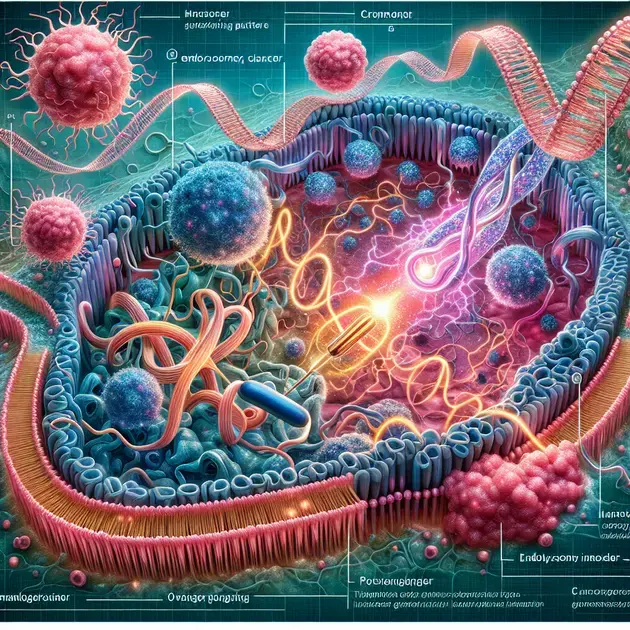
In a recent study, scientists investigated the relationship between a specific protein and an endolysosomal ion channel in the context of skin cancer. They hypothesized that the interaction between these two components plays a significant role in promoting tumor development.

To test their hypothesis, the researchers conducted a series of experiments using cell cultures and animal models. They observed that the protein was highly expressed in tumor cells compared to healthy cells, suggesting its involvement in skin cancer development.

Further experiments aimed to understand the functional significance of the protein-ion channel interaction. By manipulating the levels of each component, the researchers were able to control the growth of tumor cells. Decreasing the protein expression resulted in reduced proliferation rates and impaired invasion of surrounding tissues.

Investigations into the underlying mechanisms revealed that the protein-ion channel interplay influenced critical cellular processes, including cell cycle progression and DNA repair.

Additionally, the researchers discovered that targeting either the protein or the endolysosomal ion channel inhibited tumor growth and reduced the invasiveness of cancer cells. This exciting finding opens up new possibilities for innovative therapeutic strategies for skin cancer.

Overall, this groundbreaking study has identified the role of a key protein and its interaction with an endolysosomal ion channel in promoting tumor development in skin cancer. These findings provide valuable insights into the underlying mechanisms of the disease and offer potential avenues for targeted therapies. With further research, we can hope to improve the prognosis for individuals affected by skin cancer and potentially prevent its progression.

New model of neuronal circuit provides insight on eye movement


Decoding Eye Gaze Control in Zebrafish Larva: Insights into Short-Term Memory and Potential Treatments for Eye Movement Disorders

Title: Decoding Eye Gaze Control in Zebrafish Larva: Insights into Short-Term Memory and Potential Treatments for Eye Movement Disorders

Introduction:

In a groundbreaking study, researchers have successfully deciphered the intricate network of neurons in the brainstem of week-old zebrafish larva, providing valuable insights into how these connections guide the gaze of these aquatic creatures. By developing a simplified artificial circuit that mimics this neuronal system, the scientists were able to accurately predict activity within the network. Not only does this research shed light on the brain’s mechanism for short-term memory, but it also holds promise for the development of innovative therapies to combat eye movement disorders.

Unveiling the Neural Blueprint:

The research team focused on studying the network of neurons in the brainstem of week-old zebrafish larvae, as they possess a simplistic yet highly functional visual system. By analyzing the connections formed by these neurons, they were able to decipher how they work together to control the fishes’ gaze. The findings revealed a remarkable level of sophistication in this neuronal system, with specific circuits responsible for encoding and storing information related to eye movements.

Predicting Network Activity:

To further understand the functioning of this neuronal network, the researchers constructed an artificial circuit that closely resembled the architecture of the zebrafish larva’s brainstem. By analyzing the activity within this simplified circuit, they were able to predict the corresponding activity in the actual neuronal system. This groundbreaking finding demonstrates the potential for modeling complex biological networks using simplified artificial counterparts.

Implications for Short-Term Memory:

The study’s findings provide compelling insights into how the brain handles short-term memory. By unraveling the intricate workings of the neuronal system responsible for eye gaze control, researchers have gained a deeper understanding of the brain’s ability to encode and retrieve information on a temporal scale. This knowledge could have far-reaching implications not only for understanding memory processes but also for addressing cognitive impairments associated with short-term memory deficits.

Potential Therapeutic Applications:

Beyond its contributions to neuroscience, this research holds promise for the development of novel therapeutic strategies for eye movement disorders. By unveiling the neural blueprint underlying efficient eye gaze control, scientists can explore new avenues for interventions targeting conditions such as strabismus, nystagmus, and other disorders affecting ocular movements. These findings could pave the way for non-invasive treatments that alleviate the symptoms and improve the quality of life for individuals afflicted by such conditions.

Conclusion:

The study on decoding the connections formed by the network of neurons in the brainstem of week-old zebrafish larva has provided invaluable insights into the brain’s mechanism for controlling eye gaze. By creating a simplified artificial circuit that mirrors this complex neuronal system, researchers have demonstrated the ability to accurately predict activity within the network. Moreover, these findings have profound implications for understanding short-term memory processing and may open doors to innovative approaches for combating eye movement disorders. Continued research in this area promises to uncover even more about the fascinating workings of the brain and its potential applications in clinical contexts.Researchers have recently made a breakthrough in understanding how zebrafish larva control their gaze through the connections formed by a network of neurons in the brainstem. By studying week-old zebrafish larva, they have decoded the architecture of this neuronal system and discovered that a simplified artificial circuit based on this can accurately predict the activity in the network.

This research not only provides insights into how the brain processes short-term memory but also opens up new possibilities for treating eye movement disorders. By understanding the neural mechanisms involved in controlling gaze, novel approaches could be developed to address issues such as strabismus or nystagmus.

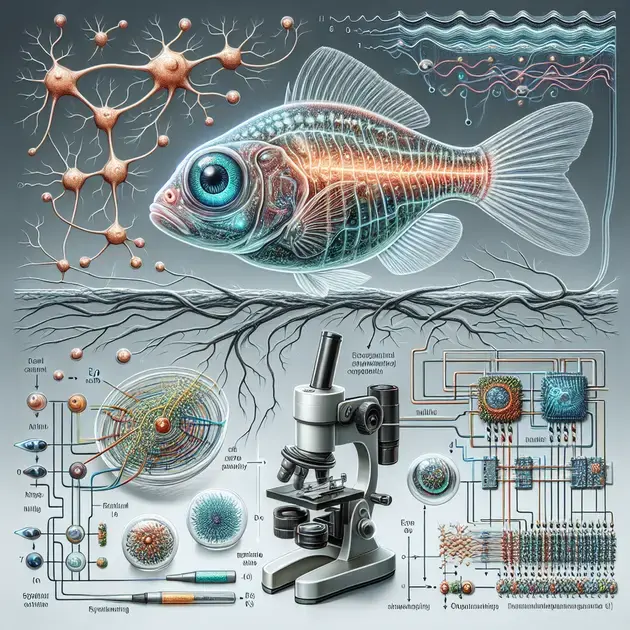
The zebrafish larva serves as an ideal model organism for studying brain function due to its transparent body, which allows for non-invasive imaging and manipulation of neural activity. The researchers used advanced microscopy techniques to observe and measure the activity of specific neurons in the larva’s brainstem.

Through their observations, the researchers traced the neural pathways responsible for controlling eye movements in the larva. They found that these pathways form a dynamic network, with interconnected neurons communicating and coordinating to guide the gaze of the fish.

To further investigate this neural circuitry, the researchers developed a simplified artificial circuit that mirrors the architecture of the larva’s brainstem. This circuit accurately predicted the activity in the actual neural network, demonstrating the accuracy of the model.

Understanding how the brain controls eye movements is not only crucial for our understanding of neural circuitry but also has important implications for clinical applications. Eye movement disorders, such as strabismus (misaligned eyes) or nystagmus (involuntary eye movements), are relatively common and can significantly affect a person’s quality of life.

By studying the underlying mechanisms of gaze control, researchers may be able to develop novel therapies and interventions for these conditions. For example, targeted manipulation of specific neurons within the brainstem network could potentially correct abnormal eye movements and restore normal gaze control.

While this study focused specifically on zebrafish larva, the findings are likely to have broader implications for understanding gaze control mechanisms in other animals, including humans. By deciphering the neural circuits responsible for eye movements, scientists can gain valuable insights into the complex workings of the brain and potentially improve treatments for various eye movement disorders.


Cooking up a breakthrough: Engineers refine lipid nanoparticles for better mRNA therapies

Engineers Develop Innovative Method to Improve mRNA Delivery

Engineers have recently devised a groundbreaking approach to enhancing mRNA delivery, focusing on the composition of ionizable lipids, essential components of lipid nanoparticles (LNPs) utilized in COVID-19 vaccines and other cutting-edge therapies. This inventive technique parallels the iterative process of cooking a culinary dish and holds the potential to revolutionize the safety and efficacy of mRNA vaccines and therapeutics.

The development of mRNA vaccines has paved the way for a new era in medical innovation. However, the delivery of mRNA molecules into cells has posed notable challenges. LNPs, which serve as carriers for mRNA, play a crucial role in facilitating effective delivery. By developing an ideal “recipe” for ionizable lipids, engineers aim to optimize the delivery process and overcome existing limitations.

Scientists have drawn parallels between the engineering process and cooking, likening the creation of ionizable lipid formulations to the preparation of a culinary masterpiece. Just as a chef refines a recipe through numerous iterations, engineers fine-tune the composition of ionizable lipids by adjusting variables like the specific lipid molecule, the molecular structure, and the charge. Through these iterative steps, they aim to achieve an optimal configuration that ensures efficient and safe mRNA delivery.

The success of this approach lies in its ability to improve the stability and structure of LNPs. The lipid compositions chosen greatly influence the behavior, efficacy, and safety of LNPs. By carefully selecting and modifying the ionizable lipids, engineers can enhance the stability and structural integrity of LNPs, thus improving their ability to protect and deliver mRNA molecules.

This innovative method holds tremendous potential for the development of safer and more effective mRNA vaccines and therapeutics. By optimizing the composition of ionizable lipids, researchers can enhance the delivery efficiency and stability of LNPs, ultimately leading to improved clinical outcomes. These advancements could revolutionize not only the field of vaccination but also other areas of medicine, including targeted drug delivery for various diseases.

In conclusion, engineers have introduced a novel technique that mimics the iterative process of cooking to improve the delivery of mRNA. By developing an optimal ‘recipe’ for ionizable lipids, they aim to enhance the efficacy and safety of mRNA vaccines and therapeutics. This groundbreaking approach has the potential to revolutionize medical treatments and contribute to significant advancements in the field of healthcare.

Engineers have devised a novel approach to enhance the delivery of mRNA by creating an ideal formula for ionizable lipids, which are crucial components in lipid nanoparticles (LNPs). These LNPs are responsible for delivering COVID-19 vaccines and other groundbreaking treatments. This method resembles the iterative process involved in developing a culinary masterpiece and has the potential to result in safer and more efficient mRNA vaccines and therapies.

Effective Strategies to Ease Joint Pain


Are you looking for effective strategies to ease joint pain? You’re not alone. Joint pain affects millions of people worldwide, causing discomfort and limiting mobility. Fortunately, there are several proven techniques that can help manage joint pain and improve quality of life.

From exercise and diet to medication and natural remedies, there are various approaches to alleviate joint pain. In this article, we will explore some of the most effective strategies that can help you find relief and get back to enjoying your daily activities without discomfort.

Descrição da Imagem 1


Effective Ways to Exercise for Joint Pain Relief

Exercise is crucial for managing joint pain and improving mobility. One effective way to exercise for joint pain relief is through low-impact activities such as swimming or water aerobics. These exercises help strengthen the muscles surrounding the joints without putting too much strain on them. You can find water aerobics classes at your local gym or community center, or follow online tutorials on websites like SwimOutlet.

Another great option is yoga, which focuses on gentle stretching and strengthening movements that can help reduce joint pain. You can start by using apps like “Yoga Studio: Mind & Body” or “Daily Yoga” to follow guided yoga sessions at home. These apps provide a variety of levels suitable for beginners to advanced practitioners.

It’s also essential to incorporate strength training exercises into your routine to support the joints. Using resistance bands or light weights can help build muscle strength around the joints, leading to better support and stability. You can learn various strength training exercises from fitness apps like “Fitbod” or “MyFitnessPal.”

Additionally, regular walking or brisk walking can be an effective way to improve joint flexibility and reduce pain. You can track your daily steps and set goals using a pedometer app like “Pacer” or “StepBet” to stay motivated and consistent with your walking routine.

Remember to always listen to your body and consult with a healthcare professional or a fitness trainer before starting any new exercise regimen, especially if you have existing joint issues or medical conditions.

Nutrition Tips to Ease Joint Discomfort

Proper nutrition plays a significant role in managing joint discomfort and inflammation. One essential tip is to incorporate anti-inflammatory foods into your diet, such as fatty fish rich in omega-3 fatty acids, colorful fruits and vegetables, nuts, and seeds. Websites like “Epicurious” or “Allrecipes” offer a range of healthy recipes that focus on incorporating these anti-inflammatory foods.

It’s also crucial to stay hydrated by drinking an adequate amount of water throughout the day. Water helps in maintaining joint health and cushioning the joints, reducing discomfort. You can track your water intake and set reminders using hydration tracker apps like “WaterMinder” or “Hydro Coach.”

Another key tip is to avoid or limit processed foods, sugary beverages, and foods high in saturated fats, as they can contribute to increased inflammation and joint pain. Apps like “MyPlate” or “MyFitnessPal” can help you track your daily food intake and make healthier choices.

Incorporating supplements like fish oil, turmeric, or glucosamine and chondroitin can also support joint health and reduce discomfort. However, it’s essential to consult with a healthcare provider before adding any new supplements to your routine to ensure they are safe and effective for you.

Lastly, maintaining a balanced diet rich in vitamins and minerals, including calcium, vitamin D, and magnesium, can help support bone and joint health. You can track your nutrient intake and get personalized nutrition recommendations using apps like “MyNetDiary” or “Cronometer.”

Medication vs. Natural Remedies: What Works Best for Joint Pain

When it comes to managing joint pain, there are various options available, including medications and natural remedies. Before deciding on a treatment plan, it’s essential to consider the potential benefits and risks of each approach.

Medications such as nonsteroidal anti-inflammatory drugs (NSAIDs) or acetaminophen can help reduce pain and inflammation in the joints. Websites like “WebMD” or “Mayo Clinic” provide detailed information on the different types of medications available for joint pain relief.

Natural remedies like hot or cold therapy, acupuncture, or herbal supplements can also be effective in alleviating joint discomfort. You can explore DIY home remedies and treatments on platforms like “Healthline” or “Verywell Health” to learn more about natural approaches to managing joint pain.

It’s important to note that while medications provide quick relief, they may come with side effects, especially with prolonged use. Natural remedies, on the other hand, may take longer to show results but are generally safer and have fewer adverse effects. It’s recommended to combine both approaches under the guidance of a healthcare professional to optimize joint pain management.

Ultimately, the best approach for managing joint pain varies from person to person, depending on individual preferences, medical history, and severity of the condition. Consulting with a healthcare provider or a holistic practitioner can help you determine the most suitable treatment plan tailored to your specific needs.

Descrição da Imagem 2


Holistic Approaches for Managing Joint Pain

When it comes to managing joint pain holistically, it’s important to consider a combination of lifestyle changes, alternative therapies, and natural remedies. One effective approach is to incorporate a healthy diet rich in anti-inflammatory foods such as fruits, vegetables, and omega-3 fatty acids. These foods can help reduce inflammation in the joints and alleviate pain.

Regular exercise is also crucial for managing joint pain holistically. Low-impact activities like yoga, swimming, and tai chi can help improve flexibility, strength, and range of motion in the joints. Additionally, maintaining a healthy weight can reduce the strain on the joints and lessen pain symptoms.

Alternative therapies such as acupuncture, massage therapy, and chiropractic care can provide relief from joint pain by targeting specific pressure points, improving circulation, and realigning the spine. These holistic approaches can help restore balance to the body and alleviate discomfort in the joints.

Incorporating stress-reducing techniques like meditation, deep breathing exercises, and mindfulness practices can also help manage joint pain holistically. Stress can exacerbate pain symptoms, so finding ways to relax and unwind can be beneficial for overall pain management.

Overall, taking a holistic approach to managing joint pain involves addressing the root causes of discomfort through lifestyle changes, alternative therapies, and stress-reducing techniques. By incorporating these practices into your daily routine, you can effectively manage joint pain and improve your quality of life.

Mindfulness Techniques for Alleviating Joint Discomfort

Alleviating joint discomfort through mindfulness techniques involves cultivating awareness of your body, thoughts, and emotions to reduce stress and pain. One effective technique is body scan meditation, where you focus on each part of your body to release tension and promote relaxation in the joints.

Practicing mindful movement, such as yoga or tai chi, can help improve joint flexibility and reduce stiffness. By moving mindfully and paying attention to your body’s sensations, you can alleviate discomfort and improve overall joint health.

Deep breathing exercises are another powerful mindfulness technique for alleviating joint discomfort. By taking slow, deep breaths and focusing on the present moment, you can release tension and stress that may contribute to joint pain.

Using guided imagery to visualize soothing scenes or sensations can also help alleviate joint discomfort. By engaging your mind in positive and calming images, you can distract yourself from pain signals and promote relaxation in the joints.

Overall, incorporating mindfulness techniques into your daily routine can help alleviate joint discomfort by reducing stress, promoting relaxation, and improving overall joint health. By practicing these techniques consistently, you can enhance your quality of life and find relief from joint pain.

Innovative Technologies for Joint Pain Relief

Utilizing innovative technologies for joint pain relief can provide cutting-edge solutions to alleviate discomfort and improve joint function. One such technology is wearable devices that use electromagnetic therapy to target pain and inflammation in specific joints. These devices can help reduce discomfort and promote healing.

Virtual reality therapy is another innovative technology that can help manage joint pain by distracting the mind from discomfort and promoting relaxation. By immersing yourself in virtual environments, you can reduce pain perception and improve overall joint comfort.

Robot-assisted therapy is a groundbreaking technology that can assist individuals in regaining joint mobility and strength through guided exercises and movements. By using robotic devices, individuals can perform targeted exercises to improve joint function and reduce pain.

3D printing technology has also revolutionized joint pain relief by creating customized orthotic devices and implants tailored to individual joint anatomy. These personalized solutions can help restore joint function and alleviate discomfort more effectively than traditional methods.

Overall, incorporating innovative technologies into joint pain relief strategies can provide advanced solutions for managing discomfort, improving function, and enhancing quality of life. By exploring these cutting-edge options, individuals can find effective ways to alleviate joint pain and enhance their overall well-being.

Conclusion

In conclusion, holistic approaches for managing joint pain involve a multi-faceted strategy incorporating lifestyle changes, alternative therapies, and natural remedies. By focusing on a healthy diet rich in anti-inflammatory foods, engaging in regular exercise like yoga and tai chi, and exploring alternative therapies such as acupuncture and massage therapy, individuals can effectively reduce inflammation, improve joint function, and alleviate pain.

Moreover, mindfulness techniques play a vital role in alleviating joint discomfort by promoting awareness of the body and facilitating stress reduction. Practices like body scan meditation, mindful movement, deep breathing exercises, and guided imagery are powerful tools for enhancing joint flexibility, reducing stiffness, and promoting relaxation in the joints, ultimately improving overall joint health.

Additionally, incorporating innovative technologies such as wearable devices with electromagnetic therapy, virtual reality therapy, robot-assisted therapy, and 3D printing technology can offer cutting-edge solutions for joint pain relief. These advancements target pain, enhance joint function, and provide personalized solutions that revolutionize traditional methods, ultimately enhancing quality of life and well-being.


Standing at work can be detrimental to blood pressure


The Impact of Prolonged Standing on Blood Pressure at Work

Title: The Impact of Prolonged Standing on Blood Pressure at Work

Introduction:

A recently conducted study has shed light on the link between prolonged standing at work and its adverse effects on individuals’ 24-hour blood pressure. The findings have uncovered a surprising contrast, suggesting that spending more time sitting at work may actually be associated with better blood pressure levels. This research highlights the potential influence of activity behaviors during working hours on overall blood pressure, emphasizing their significance over recreational physical activities.

1. Methodology:

The study involved a diverse group of participants recruited from various industries, who were monitored using wearable blood pressure monitors over a 24-hour period. Data collection consisted of recording both work-related activities and any recreational physical activities during this period. The participants were categorized into groups based on their predominant work behavior – prolonged standing or sitting.

2. Adverse Effects of Prolonged Standing:

The results revealed a negative impact of prolonged standing at work on participants’ 24-hour blood pressure levels. Those who spent a significant amount of time on their feet experienced higher blood pressure readings compared to their counterparts who were seated for longer durations. Consequently, this highlights the importance of reassessing workplace ergonomics and introducing measures to reduce prolonged periods of standing.

3. Benefits of Sitting at Work:

Surprisingly, the study found that spending more time sitting at work was associated with lower blood pressure levels. This correlation suggests that sedentary work activities might have a positive impact on blood pressure regulation. While this finding contradicts the prevailing notion that prolonged sitting is detrimental to overall health, it underlines the potential benefits of being seated during working hours.

4. The Role of Activity Behavior:

The study’s unique perspective emphasizes that activity behavior during working hours may have a more pronounced effect on 24-hour blood pressure than recreational physical activity. While it is well-established that engaging in regular exercise outside of work hours is beneficial to health, this research sheds light on the importance of monitoring and managing activity levels within the workplace itself.

Conclusion:

This study reinforces the notion that prolonged standing at work has a negative impact on individuals’ 24-hour blood pressure, while spending more time sitting may result in better blood pressure outcomes. These findings challenge traditional assumptions regarding sedentary work behaviors and their effects on health. Consequently, this research urges workplaces to reevaluate their ergonomic practices and strive for a balance between sitting and standing activities to support employees’ well-being and prevent potential health issues associated with prolonged standing.


Understanding Joint Hurt: Causes and Treatment Options


Joint pain is a common issue that can affect people of all ages, from athletes to older adults. Understanding Joint Hurt: Causes and Treatment Options is essential for those seeking relief from this discomfort. With various factors contributing to joint pain, including injuries, arthritis, and overuse, it is important to know the root cause to determine the most effective treatment plan.

Advancements in medical research have provided valuable insights into the causes of joint pain and expanded the treatment options available. From innovative therapies to lifestyle changes, individuals now have a range of choices to manage and alleviate joint discomfort. By exploring the latest developments in this field, we can better understand how to address joint pain and improve our quality of life.

Descrição da Imagem 1


Causes of Joint Pain Explained

Joint pain can be caused by a variety of factors, including arthritis, injuries, overuse, or other medical conditions. Arthritis, such as osteoarthritis or rheumatoid arthritis, is a common cause of joint pain due to inflammation and damage to the joints. Injuries from sports activities or accidents can also lead to joint pain, especially if there is damage to the ligaments or tendons surrounding the joint.

To explore the specific causes of joint pain and learn more about each condition, a reliable source of information is the website of the Arthritis Foundation. They provide detailed explanations of different types of arthritis, including symptoms, risk factors, and treatment options. By visiting their website and reading through the educational resources, you can better understand the underlying causes of your joint pain.

Additionally, consulting with a healthcare professional, such as a rheumatologist or orthopedic specialist, can help to pinpoint the exact cause of your joint pain. Through a thorough physical examination, imaging tests, and blood work, a healthcare provider can diagnose the underlying condition contributing to your joint pain and recommend appropriate treatment.

Understanding the causes of joint pain is crucial in finding effective ways to manage and alleviate discomfort. By educating yourself on the potential reasons behind your joint pain, you can make informed decisions about treatment options and lifestyle changes to improve your joint health.

Exploring Treatment Options

When it comes to treating joint pain, there are various options available depending on the underlying cause and severity of the condition. One common treatment approach is medication, such as nonsteroidal anti-inflammatory drugs (NSAIDs) or pain relievers, to reduce inflammation and alleviate discomfort. Physical therapy is another effective treatment option for joint pain, as it can help improve flexibility, strength, and range of motion in the affected joints.

If you are looking to explore alternative treatments for joint pain, websites like Healthline offer comprehensive guides on natural remedies and complementary therapies. From acupuncture to yoga, these alternative treatments can provide additional relief for joint pain and promote overall well-being.

In addition to traditional and alternative treatments, lifestyle modifications can also play a significant role in managing joint pain. Maintaining a healthy weight, engaging in regular exercise, and following a balanced diet rich in anti-inflammatory foods can help reduce joint pain and improve joint function over time.

By exploring the different treatment options available, you can work with your healthcare provider to develop a personalized treatment plan that addresses your specific needs and goals for managing joint pain effectively.

Latest Developments in Joint Pain Management

Advancements in joint pain management have led to innovative treatment options that aim to improve outcomes and quality of life for individuals with joint pain. One notable development is the use of regenerative medicine techniques, such as platelet-rich plasma (PRP) therapy or stem cell therapy, to promote tissue repair and reduce inflammation in damaged joints.

To stay updated on the latest developments in joint pain management, organizations like the American College of Rheumatology regularly publish research articles and clinical guidelines on new treatment modalities and therapies. By accessing their website and reviewing the latest publications, you can learn about emerging trends in joint pain management and potential breakthrough treatments.

Another exciting advancement in joint pain management is the integration of technology, such as wearable devices and mobile applications, to track symptoms, monitor joint health, and provide personalized recommendations for managing pain. Apps like MyRA by the Arthritis Foundation offer users tools to track their symptoms, medications, and appointments, facilitating better communication with healthcare providers and enhancing self-management of joint pain.

By staying informed about the latest developments in joint pain management and embracing innovative treatment approaches, individuals dealing with joint pain can access new opportunities for improving their quality of life and overall joint health.

Descrição da Imagem 2


Common Symptoms of Joint Problems

Joint problems can manifest in various ways, often causing discomfort and limited mobility for those affected. Common symptoms of joint problems include pain, stiffness, swelling, and decreased range of motion. Individuals may also experience a sensation of grinding or popping in the joints, as well as redness or warmth around the affected area. These symptoms can significantly impact daily activities and quality of life.

To help alleviate joint problems, it is essential to seek medical advice for an accurate diagnosis and appropriate treatment. Depending on the underlying cause, management strategies may include medication, physical therapy, or lifestyle modifications. In some cases, surgery may be recommended to address severe joint issues.

Furthermore, maintaining a healthy weight, staying active, and incorporating joint-friendly exercises into your routine can help prevent and manage joint problems. It is also crucial to prioritize proper nutrition and hydration to support overall joint health and function. By paying attention to these common symptoms and addressing them promptly, individuals can enhance their joint well-being and enjoy improved mobility.

Remember, early detection and proactive management play a key role in minimizing the impact of joint problems on your daily life. Listen to your body, prioritize self-care, and consult with healthcare professionals for personalized guidance on managing joint symptoms effectively.

Nutritional Strategies for Joint Health

Proper nutrition plays a crucial role in maintaining optimal joint health and function. By incorporating specific nutrients and foods into your diet, you can support joint mobility, reduce inflammation, and alleviate discomfort associated with joint issues. Key nutrients for joint health include omega-3 fatty acids, vitamin C, and antioxidants, which help protect joint tissues and promote healing.

When focusing on nutritional strategies for joint health, consider adding foods such as fatty fish, citrus fruits, and leafy greens to your meals. These ingredients are rich in essential vitamins and minerals that support joint function and reduce the risk of inflammation. Additionally, staying hydrated and limiting processed foods and sugary beverages can further benefit joint health.

Incorporating supplements like glucosamine and chondroitin may also aid in maintaining joint health and preventing cartilage deterioration. However, it is essential to consult with a healthcare provider before starting any new supplement regimen to ensure compatibility with your overall health and existing medications.

By prioritizing a balanced diet rich in joint-supportive nutrients, individuals can proactively enhance their joint health and mitigate the risk of developing joint problems. Stay mindful of your dietary choices, focus on whole foods, and consider consulting with a nutritionist for personalized recommendations tailored to your specific needs.

Holistic Approaches to Managing Joint Discomfort

Managing joint discomfort through holistic approaches involves incorporating various techniques that address the physical, emotional, and mental aspects of well-being. Holistic strategies aim to treat the root cause of joint discomfort rather than just the symptoms, promoting overall wellness and improved quality of life. Practices such as acupuncture, yoga, and meditation can be beneficial in reducing pain, enhancing flexibility, and promoting relaxation.

In addition to physical therapies, holistic approaches may involve dietary changes, stress management techniques, and herbal remedies to alleviate joint discomfort. By adopting a holistic perspective, individuals can explore alternative therapies and lifestyle modifications that complement conventional treatments and promote holistic healing.

Massage therapy, aromatherapy, and heat/cold therapy are also commonly used holistic approaches to managing joint discomfort. These techniques can help reduce muscle tension, improve circulation, and enhance overall comfort in individuals experiencing joint issues. By combining various holistic practices, individuals can create a comprehensive approach to managing joint discomfort that addresses their unique needs and preferences.

Remember, holistic approaches to joint discomfort focus on the interconnectedness of mind, body, and spirit, aiming to restore balance and harmony within the individual. By exploring holistic therapies and integrating them into your wellness routine, you can cultivate a holistic approach to managing joint discomfort and promoting overall well-being.

Conclusion

Joint problems can significantly impact daily life, leading to discomfort, limited mobility, and a decrease in quality of life. Symptoms such as pain, stiffness, swelling, and decreased range of motion are common indicators of joint issues. Seeking medical advice for accurate diagnosis and appropriate treatment is crucial, as management strategies may include medication, physical therapy, or surgery for severe cases.

Proper nutrition, incorporating joint-friendly exercises, and maintaining a healthy weight are essential in preventing and managing joint problems. Nutrients like omega-3 fatty acids, vitamin C, and antioxidants play a key role in supporting joint health. Alongside a balanced diet, supplements like glucosamine and chondroitin can help maintain joint function and prevent cartilage deterioration with the guidance of a healthcare provider.

Holistic approaches to managing joint discomfort focus on addressing the root cause of issues by combining physical, emotional, and mental wellness techniques. Practices such as acupuncture, yoga, and meditation, along with dietary changes and herbal remedies, can help alleviate pain and improve flexibility. By incorporating holistic therapies like massage, aromatherapy, and heat/cold therapy, individuals can create a comprehensive approach to managing joint discomfort and promoting overall well-being.


Does Joint Hurt Mean Arthritis?


Joint pain can be a sign of arthritis, but it’s not always the case.

Learn the differences, causes, and treatment options for joint pain and arthritis.

Descrição da Imagem 1


**Understanding Joint Pain and Arthritis**

What is Joint Pain and Arthritis?

Joint pain can be a common issue that affects people of all ages. It can be caused by various factors such as injury, overuse, or underlying medical conditions like arthritis. Arthritis, specifically, is a condition that involves inflammation of the joints, leading to pain, stiffness, and swelling. To better understand and manage joint pain and arthritis, it is essential to educate oneself on the causes and symptoms.

A helpful resource for learning more about joint pain and arthritis is the Arthritis Foundation website. This site offers valuable information on different types of arthritis, their symptoms, and treatment options. By exploring the content provided on the Arthritis Foundation platform, individuals can gain insights into managing their joint pain effectively.

Additionally, apps like MyRA by Arthritis Foundation can be beneficial for tracking symptoms, medications, and overall joint health. By using these apps, individuals can monitor their condition, set reminders for medication, and access educational resources on arthritis management.

By educating oneself through resources like the Arthritis Foundation website and utilizing apps like MyRA, individuals can take proactive steps towards understanding and addressing joint pain and arthritis.

How to Identify Signs and Symptoms of Arthritis in Joints

Recognizing the signs and symptoms of arthritis in joints is crucial for early diagnosis and effective management. Common symptoms of arthritis may include joint pain, stiffness, swelling, and decreased range of motion. Understanding these indicators can help individuals seek appropriate medical attention and treatment.

To identify signs of arthritis in joints, individuals can perform self-assessments and track any persistent symptoms using journaling or arthritis tracking apps like Arthritis Diary. These tools allow users to record their daily experiences with joint pain and share this information with healthcare providers for accurate diagnosis.

Visiting reputable websites such as the Centers for Disease Control and Prevention (CDC) can also provide valuable insights into recognizing arthritis symptoms. By accessing resources on the CDC website, individuals can learn about the various types of arthritis and the warning signs to watch out for.

By familiarizing oneself with the signs and symptoms of arthritis in joints and utilizing tools like Arthritis Diary and reputable online resources, individuals can effectively monitor their joint health and seek timely medical intervention.

Exploring Treatment Options for Arthritis Pain

Managing arthritis pain involves exploring a variety of treatment options that cater to individual needs and preferences. From medication to lifestyle modifications, understanding the available treatments can help individuals find relief and improve their quality of life.

Websites like WebMD offer comprehensive guides on different treatment options for arthritis pain, including medications, physical therapy, and alternative therapies. By browsing through the content on WebMD, individuals can learn about the benefits and potential side effects of each treatment avenue.

Utilizing telemedicine platforms like Teladoc can also provide convenient access to healthcare professionals for discussing treatment options for arthritis pain. Through virtual consultations, individuals can receive personalized recommendations and guidance on managing their condition effectively.

It’s essential for individuals to work closely with healthcare providers to explore and tailor treatment plans that address their specific arthritis pain concerns. By leveraging resources from trusted websites like WebMD and telemedicine services like Teladoc, individuals can embark on a holistic approach to managing arthritis pain.

Descrição da Imagem 2


What Causes Joint Pain Besides Arthritis?

Joint pain can be caused by a variety of factors beyond arthritis. One common cause is injury, such as a sprain or strain, which can lead to inflammation and discomfort in the affected joint. Additionally, overuse of a joint, often seen in athletes or individuals with repetitive work tasks, can contribute to joint pain. Poor posture and biomechanics can also put unnecessary stress on the joints, leading to discomfort over time. Infections, such as Lyme disease, can cause joint pain as well. Furthermore, conditions like fibromyalgia or lupus may present with joint pain as a symptom.

In some cases, joint pain can be a result of metabolic disorders, such as gout, where uric acid crystals accumulate in the joints, causing inflammation and pain. Autoimmune diseases like rheumatoid arthritis can also target the joints, leading to chronic pain and inflammation. Lastly, age-related degeneration, such as osteoarthritis, is a common cause of joint pain in older individuals.

It is essential to consult with a healthcare provider to determine the underlying cause of joint pain, especially if it persists or worsens over time. Treatment options will vary depending on the specific cause of the pain, and early intervention can help prevent further joint damage and improve overall quality of life.

Preventing Joint Damage for Long-Term Health

Preventing joint damage is crucial for maintaining long-term health and mobility. One of the best ways to protect your joints is through regular exercise, which helps strengthen the muscles around the joints and improves flexibility. It is essential to incorporate a mix of cardiovascular exercise, strength training, and flexibility exercises into your routine to support joint health.

Proper body mechanics and ergonomics are also essential in preventing joint damage. Avoiding repetitive motions and maintaining good posture can help reduce the risk of joint strain and injury. Additionally, maintaining a healthy weight is crucial, as excess weight puts added stress on the joints, particularly in weight-bearing joints like the knees and hips.

A balanced diet rich in nutrients is key to supporting joint health and preventing damage. Foods high in antioxidants, such as fruits and vegetables, can help reduce inflammation in the joints. Omega-3 fatty acids found in fish and nuts have anti-inflammatory properties that benefit joint health. Drinking plenty of water to stay hydrated is also important for keeping joints lubricated and functioning properly.

Regular check-ups with a healthcare provider can help monitor joint health and catch any issues early on. Physical therapy or occupational therapy may be recommended to address any existing joint problems and prevent further damage. By taking proactive steps to protect your joints, you can maintain long-term joint health and overall well-being.

The Connection Between Diet and Arthritis Symptoms

Diet plays a significant role in managing arthritis symptoms and overall joint health. Certain foods can contribute to inflammation in the body, exacerbating arthritis symptoms. Processed foods high in refined sugars and saturated fats can increase inflammation, leading to joint pain and stiffness. It is essential to limit the consumption of these foods and opt for healthier alternatives.

On the other hand, a diet rich in fruits, vegetables, whole grains, and lean proteins can help reduce inflammation and support joint health. Antioxidants found in colorful fruits and vegetables can help combat free radicals that contribute to joint damage. Foods high in omega-3 fatty acids, such as salmon and flaxseeds, have anti-inflammatory properties that can benefit individuals with arthritis.

Some individuals may find relief from arthritis symptoms by following a Mediterranean-style diet, which emphasizes whole foods, healthy fats, and lean proteins. This diet has been shown to reduce inflammation and improve joint function in some studies. Staying hydrated by drinking plenty of water is also crucial for joint health, as dehydration can worsen arthritis symptoms.

Incorporating dietary supplements like glucosamine and chondroitin may also benefit joint health and reduce arthritis symptoms for some individuals. It is essential to consult with a healthcare provider or a nutritionist before making any significant changes to your diet to ensure it supports your joint health goals. By making informed dietary choices, you can potentially alleviate arthritis symptoms and improve overall joint function.

Conclusion

In summary, joint pain can result from various factors beyond arthritis, including injury, overuse, poor posture, infections, and metabolic disorders. Seeking early medical advice for persistent joint pain is crucial for appropriate treatment and prevention of further damage.

To maintain long-term joint health, a balanced approach involving regular exercise, proper body mechanics, healthy weight management, nutritious diet, and hydration is essential. Incorporating a diverse range of exercises and nutrient-rich foods while avoiding inflammatory processed foods can support joint function and alleviate arthritis symptoms.

Consulting healthcare providers for personalized guidance, considering dietary supplements under professional supervision, and adopting a joint-friendly Mediterranean-style diet may further enhance joint health. By proactively caring for your joints through lifestyle choices and medical support, you can improve overall well-being, mobility, and quality of life.


Dealing with Joint Soreness: Tips for Relief and Recovery


If you are struggling with joint soreness, you are not alone. Many people experience discomfort in their joints at some point in their lives, whether due to age, injury, or certain medical conditions. Finding relief and promoting recovery are essential for improving your quality of life.

Fortunately, there are various tips and techniques that can help alleviate joint soreness and support the healing process. From incorporating specific exercises and stretches into your routine to adopting a joint-friendly diet, taking proactive steps can make a significant difference in how you feel on a daily basis.

Descrição da Imagem 1


Tips to Alleviate Joint Soreness Naturally

Joint soreness can be a common issue for many individuals, especially as they age or engage in strenuous physical activities. Fortunately, there are natural ways to alleviate joint discomfort without relying on medication. Here are some tips to help you manage joint soreness naturally:

Incorporate Anti-Inflammatory Foods into Your Diet

One effective way to reduce joint inflammation and soreness is by incorporating anti-inflammatory foods into your daily meals. Foods like fatty fish, berries, leafy greens, and nuts are known for their anti-inflammatory properties. Consider using meal planning apps like “MyFitnessPal” to help you track and plan your anti-inflammatory meals.

Stay Hydrated

Proper hydration is essential for maintaining joint health and reducing soreness. Aim to drink at least 8-10 glasses of water per day to keep your joints well-lubricated and functioning smoothly. Apps like “WaterMinder” can help you track your daily water intake and send you reminders to stay hydrated throughout the day.

Practice Low-Impact Exercises

Engaging in low-impact exercises like swimming, yoga, or cycling can help strengthen the muscles around your joints and improve flexibility without putting excess strain on them. Consider using workout apps like “Nike Training Club” or “Daily Yoga” to access joint-friendly exercise routines tailored to your fitness level.

Use Hot and Cold Therapy

Applying hot and cold packs to sore joints can help alleviate pain and reduce inflammation. Use a heating pad or take a warm bath to soothe achy joints, and apply an ice pack wrapped in a towel for 15-20 minutes to reduce swelling. Apps like “WebMD” provide guidance on the proper use of hot and cold therapy for joint soreness.

Get Plenty of Rest

Allowing your body to rest and recover is crucial for managing joint soreness. Aim for 7-9 hours of quality sleep each night to promote healing and reduce inflammation in your joints. Consider using sleep tracking apps like “Sleep Cycle” to monitor your sleep patterns and improve your sleep quality.

Incorporating Joint-Friendly Exercises into Your Routine

Regular exercise is essential for maintaining joint health and mobility, but it’s important to choose activities that are gentle on your joints to prevent pain and injury. Here are some tips for incorporating joint-friendly exercises into your routine:

Start with Stretching and Warm-Up

Before engaging in any physical activity, make sure to warm up your muscles and joints with gentle stretching exercises. Focus on areas that are prone to stiffness, such as your knees, hips, and shoulders. You can find guided stretching routines on fitness apps like “FitOn” or “StretchIt.”

Try Low-Impact Cardio Workouts

Opt for low-impact cardio exercises like walking, elliptical training, or water aerobics to get your heart rate up without putting excess strain on your joints. These activities can help improve cardiovascular health and strengthen the muscles supporting your joints. Apps like “MapMyRun” or “Aaptiv” offer low-impact cardio workout options.

Incorporate Strength Training

Strength training is crucial for supporting joint health and preventing injuries. Focus on exercises that target the major muscle groups around your joints, such as squats, lunges, and resistance band exercises. Fitness apps like “Fitbod” or “StrongLifts 5×5” can provide you with personalized strength training routines.

Listen to Your Body

Pay attention to how your body responds to different exercises and activities. If you experience pain or discomfort in your joints, modify the exercise or choose a gentler alternative. It’s important to prioritize joint health and avoid pushing yourself too hard. Consider using fitness tracking apps like “Fitbit” or “Garmin Connect” to monitor your workouts and assess your progress.

Don’t Skip Recovery Days

Allowing your body time to rest and recover is just as important as staying active. Schedule regular rest days in your workout routine to give your joints a chance to heal and prevent overuse injuries. Use meditation apps like “Calm” or “Headspace” to promote relaxation and reduce stress, which can contribute to joint soreness.

Promoting Recovery through a Healthy Diet

Proper nutrition plays a vital role in supporting joint health and aiding in the recovery process. By fueling your body with the right nutrients, you can help reduce inflammation, promote tissue repair, and alleviate joint soreness. Here are some dietary tips to promote recovery through a healthy diet:

Focus on Whole Foods

Opt for a diet rich in whole, unprocessed foods like fruits, vegetables, whole grains, and lean proteins. These foods provide essential nutrients like vitamins, minerals, and antioxidants that support joint health and reduce inflammation. Use meal planning apps like “Mealime” or “Eat This Much” to create balanced meals using whole ingredients.

Incorporate Omega-3 Fatty Acids

Omega-3 fatty acids have been shown to have anti-inflammatory properties that can help reduce joint pain and swelling. Include sources of omega-3s in your diet, such as salmon, chia seeds, flaxseeds, and walnuts. Consider using nutrition apps like “MyPlate” or “Lifesum” to track your omega-3 intake and ensure you’re meeting your nutritional needs.

Avoid Trigger Foods

Some foods may exacerbate inflammation and joint soreness in certain individuals. Common trigger foods include processed snacks, sugary drinks, and foods high in trans fats. Pay attention to how your body responds to different foods and consider keeping a food diary using apps like “MyNetDiary” or “MyFoodDiary” to identify and avoid trigger foods.

Stay Hydrated

Proper hydration is essential for promoting recovery and reducing soreness in your joints. Aim to drink plenty of water throughout the day to support joint lubrication and tissue repair. Apps like “Drink Water Reminder” or “Aloe Bud” can help you track your water intake and remind you to stay hydrated regularly.

Consider Supplementing Wisely

In some cases, dietary supplements may be beneficial for supporting joint health and recovery. Talk to your healthcare provider about supplement options like glucosamine, chondroitin, or turmeric, which have been studied for their potential benefits in reducing joint pain and inflammation. Use reputable health apps like “WebMD Supplements” to research and understand the benefits of different dietary supplements.

Descrição da Imagem 2


Relieving Joint Discomfort with Mindfulness Practices

Mindfulness practices have been proven to be a helpful tool in managing joint discomfort by focusing on the present moment and promoting relaxation. By incorporating mindfulness techniques such as deep breathing, meditation, and body scans into your daily routine, you can help reduce stress levels that may contribute to joint pain. These practices can also improve your overall well-being and quality of life.

One mindfulness practice that can be particularly beneficial for relieving joint discomfort is progressive muscle relaxation. This technique involves tensing and then relaxing different muscle groups in the body, promoting awareness and release of tension. By regularly practicing progressive muscle relaxation, you may experience reduced muscle stiffness and pain in your joints.

In addition to specific mindfulness exercises, incorporating mindfulness into your daily activities can also help alleviate joint discomfort. Paying attention to your body mechanics and posture, practicing mindful movement such as yoga or tai chi, and being aware of your physical limitations can all contribute to better joint health. Mindful eating habits can also play a role in managing joint pain, as maintaining a healthy weight can help reduce stress on your joints.

Overall, incorporating mindfulness practices into your daily routine can have a positive impact on managing joint discomfort and improving your overall quality of life. By staying present, practicing relaxation techniques, and being mindful of your body, you can cultivate a sense of peace and well-being that may help alleviate joint pain.

The Importance of Adequate Rest for Joint Health

Adequate rest is essential for maintaining joint health and preventing discomfort. During sleep, the body has the opportunity to repair and regenerate tissues, including those in the joints. Lack of quality sleep can lead to increased inflammation and pain in the joints, so prioritizing restful and uninterrupted sleep is crucial for joint health.

In addition to nighttime rest, taking breaks and allowing time for relaxation throughout the day can also support joint health. Overuse of the joints without proper rest can lead to strain and discomfort, so incorporating periods of rest and relaxation into your daily routine is important. Mindful resting practices such as gentle stretching, mediation, or deep breathing can help alleviate tension in the joints and promote overall well-being.

When experiencing joint discomfort, listening to your body and giving it the rest it needs is key. Pushing through pain or ignoring signs of fatigue can exacerbate joint issues and lead to long-term damage. By prioritizing adequate rest and allowing your body time to recover, you can support joint health and reduce the risk of ongoing discomfort.

Remember, rest is not a sign of weakness but a vital component of maintaining overall health and well-being, including the health of your joints. By valuing and prioritizing rest, you can better manage joint discomfort and support long-term joint health.

Utilizing Heat and Cold Therapy for Joint Pain Management

Heat and cold therapy can be effective strategies for managing joint pain and discomfort. Each therapy has unique benefits and can be used in different situations to help alleviate symptoms. Heat therapy, such as using heating pads or warm compresses, can help increase blood flow to the joints, relax muscles, and reduce stiffness.

Cold therapy, on the other hand, can help reduce inflammation and numb the area, providing temporary pain relief. Applying an ice pack or using a cold compress can be especially beneficial after physical activity or in cases of acute joint pain. Alternating between heat and cold therapy, known as contrast therapy, can also be effective in managing chronic joint issues.

When using heat or cold therapy, it is important to protect your skin by using a barrier such as a towel between the heat or cold source and your skin. Avoid applying heat or cold for too long, as this can result in skin damage or other complications. Listen to your body’s response to the therapy and adjust the duration and intensity as needed.

Integrating heat and cold therapy into your joint pain management plan can provide relief and promote healing. By understanding when and how to use each therapy effectively, you can better manage joint discomfort and improve your overall quality of life.

Conclusion

In conclusion, the integration of mindfulness practices into daily routines is a powerful tool for managing joint discomfort and enhancing overall well-being. By engaging in techniques such as deep breathing, meditation, and progressive muscle relaxation, individuals can reduce stress levels that contribute to joint pain. Mindfulness also fosters awareness of body mechanics, posture, and physical limitations, which are vital for maintaining joint health. Additionally, incorporating mindful movement and eating habits can further support joint pain management and overall quality of life.

Moreover, adequate rest plays a crucial role in preserving joint health and preventing discomfort. By prioritizing restful sleep, allowing breaks throughout the day, and engaging in mindful resting practices, individuals can avoid overuse injuries and promote tissue regeneration in the joints. Recognizing the importance of listening to the body’s signals and avoiding pushing through pain is essential for long-term joint health and well-being.

Furthermore, utilizing heat and cold therapy offers effective strategies for managing joint pain. Heat therapy promotes blood flow, muscle relaxation, and stiffness reduction, while cold therapy helps reduce inflammation and provide temporary pain relief. By implementing contrast therapy and ensuring proper application techniques, individuals can effectively manage joint discomfort, promote healing, and enhance their overall quality of life.