Home Blog Page 262

Managing Pain and Joint Issues: A Comprehensive Guide


Are you struggling to find effective ways of managing pain and joint issues? In this comprehensive guide, we will explore various strategies and techniques to help you alleviate discomfort and improve your quality of life.

Recent studies have shown the importance of holistic approaches when it comes to managing chronic pain and joint issues. By incorporating a combination of physical therapy, medication, and lifestyle changes, individuals can experience significant relief and long-term benefits.

Descrição da Imagem 1


Effective Strategies for Pain Management and Joint Care

When it comes to managing pain and taking care of your joints, it is essential to incorporate various effective strategies into your daily routine. One highly recommended approach is to start incorporating regular low-impact exercises into your schedule. Websites like WebMD offer detailed information on exercises that are gentle on your joints and can help improve flexibility and mobility.

In addition to exercise, another important strategy is to maintain a healthy diet that is rich in anti-inflammatory foods. Apps like MyFitnessPal provide useful tools for tracking your daily food intake and ensuring that you are consuming a balanced diet that supports joint health.

Furthermore, stress management techniques such as meditation and yoga can also play a crucial role in pain management. Apps like Calm and Headspace offer guided meditation sessions and relaxation techniques to help reduce stress levels and alleviate pain.

Regular visits to a physical therapist can also be highly beneficial in developing a personalized plan for pain management. Websites like the American Physical Therapy Association (APTA) can help you find a certified physical therapist in your area who can assist you in creating a tailored exercise program.

Lastly, incorporating alternative therapies such as acupuncture and massage therapy can provide additional relief for pain and promote overall joint care. Websites like Healthline offer insights into the benefits of these therapies and where to find reputable practitioners.

Holistic Approaches for Chronic Pain Relief

When dealing with chronic pain, holistic approaches that address the mind, body, and spirit can be incredibly effective in providing relief. One holistic approach that has gained popularity is mindfulness-based stress reduction (MBSR). Websites like Mindful.org offer resources and information on MBSR techniques that can help manage chronic pain.

Another holistic strategy is to explore the benefits of herbal medicine and supplements in managing pain. Websites like The National Center for Complementary and Integrative Health (NCCIH) provide evidence-based information on various herbal remedies and supplements that can aid in chronic pain relief.

Incorporating regular chiropractic care into your pain management routine can also help address underlying issues and promote overall well-being. Websites like the American Chiropractic Association offer insights into the benefits of chiropractic care and how to find a qualified chiropractor in your area.

Practicing techniques such as guided imagery and biofeedback can also be valuable in managing chronic pain. Apps like Insight Timer and Breathe offer guided imagery sessions and biofeedback tools to help enhance relaxation and reduce pain perception.

Lastly, participating in support groups and therapy sessions can provide emotional support and coping strategies for dealing with chronic pain. Websites like PainDoctor.com offer information on virtual support groups and therapy options for individuals living with chronic pain.

Long-Term Benefits of Combining Physical Therapy and Lifestyle Changes

Combining physical therapy with lifestyle changes can lead to long-term benefits in managing pain and promoting overall joint health. One crucial aspect is to adhere to the exercise and stretching routines recommended by your physical therapist. Apps like PhysiApp provide personalized exercise programs and tracking tools to help you stay on track with your therapy.

Overhauling your diet to include more nutrient-dense foods and reduce inflammation can also greatly impact your long-term pain management goals. Websites like ChooseMyPlate.gov offer guidance on creating balanced meal plans that support joint health and overall well-being.

Implementing ergonomic changes in your daily activities and work environment can also contribute to reducing pain and preventing further joint damage. Websites like the Occupational Safety and Health Administration (OSHA) provide resources on ergonomics and how to create a comfortable and supportive workspace.

Developing a consistent sleep routine and prioritizing restorative sleep can have a significant impact on your pain levels and overall quality of life. Apps like Sleep Cycle and Calm offer sleep tracking features and relaxation techniques to help improve your sleep hygiene.

Lastly, staying committed to regular physical therapy sessions and making sustainable lifestyle changes can lead to improved mobility, reduced pain, and enhanced quality of life in the long run. Working closely with your healthcare team and utilizing resources from reputable websites can empower you to take control of your pain management and joint care journey.

Descrição da Imagem 2


Natural Remedies for Alleviating Pain and Improving Joint Health

In today’s fast-paced world, many people are looking for natural remedies to alleviate pain and improve joint health. One of the most effective natural remedies is incorporating anti-inflammatory foods into your diet. Foods such as turmeric, ginger, and green leafy vegetables can help reduce inflammation in the body, which is often a leading cause of joint pain.

Another natural remedy for joint health is regular physical exercise. Exercise helps to strengthen the muscles around the joints, providing added support and reducing the risk of injury. Activities like yoga, swimming, and walking are gentle on the joints while still being effective in improving joint health.

Herbal supplements can also be beneficial for alleviating pain and improving joint function. Supplements like glucosamine and chondroitin have been shown to reduce joint pain and inflammation, leading to increased mobility and comfort. Always consult with a healthcare professional before adding any supplements to your routine.

In addition to dietary changes and supplements, alternative therapies such as acupuncture and massage therapy can provide relief for joint pain. These therapies help to reduce muscle tension, improve circulation, and promote overall relaxation, all of which can contribute to better joint health.

By incorporating these natural remedies into your daily routine, you can experience improved joint health and reduced pain in a safe and holistic way.

Innovative Technologies for Pain Relief and Joint Support

As technology continues to advance, innovative solutions for pain relief and joint support are becoming more readily available. One such technology is wearable devices that use electrical stimulation to target pain receptors and provide relief. These devices can be worn discreetly under clothing and are often controlled via a smartphone app for ease of use.

Another innovative technology for joint support is 3D printing, which allows for the creation of customized orthopedic devices tailored to the individual’s specific needs. These devices can help to correct joint alignment, provide additional support, and reduce pain and discomfort.

Virtual reality (VR) therapy is also being explored as a tool for pain relief and joint support. By immersing the individual in a virtual environment, VR therapy can distract the brain from experiencing pain signals, providing temporary relief and promoting relaxation.

Robot-assisted therapy is another emerging technology that is being used to support joint health. Robots can assist individuals in performing exercises with proper form, providing feedback and encouragement to improve joint function and reduce pain.

By embracing these innovative technologies, individuals can find new and effective ways to manage pain, support their joints, and improve their overall quality of life.

Exploring Mind-Body Techniques for Managing Pain and Enhancing Joint Function

Mind-body techniques have long been recognized for their ability to help manage pain and enhance joint function. One popular technique is mindfulness meditation, which involves focusing on the present moment without judgment. This practice can help reduce stress and promote relaxation, which can in turn alleviate pain and improve joint mobility.

Yoga is another mind-body technique that has been shown to be effective in managing pain and enhancing joint function. The gentle stretching and strengthening exercises in yoga can improve flexibility, reduce stiffness, and increase circulation to the joints, leading to improved overall joint health.

Breathing exercises, such as diaphragmatic breathing, can also be beneficial for managing pain and supporting joint function. Deep breathing techniques help to relax the body, reduce tension in the muscles, and promote a sense of calm, all of which can contribute to decreased pain levels.

Cognitive behavioral therapy (CBT) is another mind-body technique that can be useful for individuals dealing with chronic pain. CBT helps individuals identify and change negative thought patterns and behaviors that may be contributing to their pain, leading to better pain management and improved joint function.

By exploring these mind-body techniques and incorporating them into your daily routine, you can take a holistic approach to managing pain, enhancing joint function, and improving your overall well-being.

Conclusion

Through the exploration of natural remedies, innovative technologies, and mind-body techniques, individuals have a plethora of options to alleviate pain and improve joint health. Incorporating anti-inflammatory foods like turmeric and ginger, engaging in regular exercise such as yoga, and considering herbal supplements can significantly enhance joint function and reduce discomfort. It is essential to consult healthcare professionals before making any significant dietary or supplement changes to ensure safety and efficacy.

Furthermore, embracing advanced technologies like wearable devices with electrical stimulation, 3D printing for customized orthopedic support, virtual reality therapy, and robot-assisted exercises offers new avenues for managing pain and promoting joint health. These innovative solutions provide targeted relief and personalized care, contributing to an improved quality of life for individuals dealing with joint issues.

Lastly, the incorporation of mind-body techniques such as mindfulness meditation, yoga practices, breathing exercises, and cognitive behavioral therapy can be powerful tools in pain management and joint function enhancement. By focusing on relaxation, flexibility, and mental well-being, individuals can take a holistic approach to their health and well-being, addressing both the physical and psychological aspects of joint health improvement.



Overthinking what you said? It’s your ‘lizard brain’ talking to newer, advanced parts of your brain

Scientists Shed Light on the Evolution of Theory of Mind

Scientists have long been intrigued by the ability of humans to think about the thoughts and intentions of others, a cognitive process referred to as theory of mind. Understanding how this skill evolved could provide valuable insights into treating psychiatric conditions such as anxiety and depression.

Recent research has shed light on this fascinating aspect of human cognition. By studying both human and non-human primates, scientists have been able to piece together a possible evolutionary trajectory. It is believed that theory of mind first emerged in our primate ancestors as a crucial adaptation for social living.

One compelling theory is that our ancestors developed a heightened ability to understand and predict the behavior of their fellow group members. This ability not only improved cooperation and social bonding but also allowed individuals to anticipate potential conflicts or threats. Over time, these selective pressures might have favored individuals with a more advanced theory of mind, ultimately leading to the sophisticated social cognition observed in modern humans.

To investigate this hypothesis further, scientists have looked at the neural mechanisms underlying theory of mind. Functional magnetic resonance imaging (fMRI) studies have revealed specific brain regions involved in processing social information, such as the medial prefrontal cortex and the temporo-parietal junction. These areas are thought to play a crucial role in inferring others’ mental states, intentions, and beliefs.

Understanding the neurobiological basis of theory of mind not only enhances our knowledge of human cognition but also has clinical implications. Many psychiatric conditions, including anxiety, depression, and autism spectrum disorders, are characterized by difficulties in understanding and relating to others. By unraveling the neural mechanisms underlying theory of mind, scientists hope to develop more targeted interventions and treatments for these conditions.

Currently, various therapeutic approaches, such as cognitive-behavioral therapy and social skills training, are used to improve individuals’ social cognition and interpersonal functioning. However, a deeper understanding of the underlying biological processes could potentially lead to more effective and personalized treatments.

In conclusion, scientists are making strides in unraveling the mystery of how humans evolved to possess a highly developed theory of mind. By studying both the evolutionary history and the neural mechanisms underlying this cognitive ability, researchers hope to shed light on its clinical implications. Ultimately, improved understanding and treatment of psychiatric conditions such as anxiety and depression could arise from these efforts.

Scientists have been conducting research to gain a deeper understanding of how humans developed their exceptional abilities to understand and interpret the thoughts and intentions of others. This line of inquiry has significant implications for potentially improving the treatment of various psychiatric conditions, including anxiety and depression.

Troubling spike in severe pregnancy-related complications

Troubling Rise in Maternal Health Issues and Birth Complications in Illinois

A recent study conducted in Illinois has shed light on a concerning trend of increased maternal health issues and birth complications from 2016 to 2023. These problems are closely associated with rising rates of chronic health conditions during pregnancy, including high blood pressure, gestational diabetes, mental health disorders, and notably, obesity. In this article, we will explore the findings of the study and discuss the possible implications for the well-being of mothers and newborns in Illinois.

Body

The study reveals a significant escalation in severe maternal health issues and birth complications over the course of seven years. Researchers found a strong link between the rise in chronic health conditions affecting pregnancy and the increasing incidence of these complications. Among the various conditions, obesity emerged as the primary contributor to the overall increase, with the highest annual growth rate observed.

Obesity, a well-known risk factor for pregnancy complications, has shown a disturbing upward trend in Illinois. The study indicates that the annual rates of obesity-related maternal health complications have seen a sharp rise. These complications encompass a range of issues, including gestational diabetes, preeclampsia, preterm birth, and stillbirth. Additionally, obesity can lead to difficulties during labor and delivery, such as prolonged labor and the need for cesarean section.

The implications of this rising trend are concerning. Maternal health issues not only impact the well-being of expectant mothers but also pose risks to the newborns. Babies born to obese mothers are at a higher risk of experiencing various health problems, including low birth weight, birth defects, and an increased likelihood of developing obesity and chronic conditions later in life.

The study also underlines the importance of addressing mental health disorders during pregnancy. Depression, anxiety, and other mental health conditions were found to be contributing factors to the rise in maternal health issues. The psychological well-being of pregnant women is vital for a healthy pregnancy, as mental health conditions can lead to inadequate prenatal care, substance abuse, and poor lifestyle choices, all of which can have adverse effects on both mother and child.

Conclusion

The findings of this study highlight a distressing rise in severe maternal health issues and birth complications in Illinois, primarily linked to increases in chronic health conditions affecting pregnancy. Obesity, in particular, has seen the largest increase in annual rates, contributing significantly to these complications. Efforts to address and combat this rising trend should focus on promoting healthier lifestyles, ensuring appropriate prenatal care, and prioritizing mental health support for expectant mothers. By addressing these challenges, we can strive to protect the well-being of mothers and newborns in Illinois.

Overthinking what you said? It’s your ‘lizard brain’ talking to newer, advanced parts of your brain


Unveiling the Intricacies of Human Mind-Reading Abilities: Implications for Mental Health Care

Title: Unveiling the Intricacies of Human Mind-Reading Abilities: Implications for Mental Health Care

Introduction:

Scientists have embarked on a quest to unravel the mysteries behind the exceptional human ability to comprehend other individuals’ thoughts, paving the way for potential advancements in mental health treatment. Understanding how this intricate skill has evolved holds promise for addressing psychiatric conditions like anxiety and depression. Although the full article could not be accessed, this article will delve into the topic, presenting a comprehensive overview based on the available title.

Mind-Reading: A Unique Human Skillset:

The capability to comprehend and predict the thoughts, beliefs, and intentions of others, commonly referred to as “mind-reading” or “theory of mind,” plays a fundamental role in human social interactions. It allows us to navigate complex social landscapes and establish cooperative relationships based on empathy, deception detection, and mentalizing abilities.

Evolutionary Origins of Mind-Reading:

While the evolutionary origins of mind-reading abilities remain a subject of debate, studies suggest that it potentially emerged as a vital cognitive adaptation for successful social interactions and group cooperation. Through natural selection, humans with a heightened ability to decipher the thoughts and emotions of others gained a reproductive advantage, leading to the propagation of these cognitive traits over generations.

Neuroscientific Investigations:

Researchers have employed various neuroscientific methodologies to explore the neural mechanisms underlying mind-reading abilities. Imaging techniques such as functional magnetic resonance imaging (fMRI) and electroencephalography (EEG) have shed light on brain regions involved in social cognition, including the medial prefrontal cortex, temporoparietal junction, and superior temporal sulcus. These brain regions are responsible for processing social information and attributing mental states to others.

Implications for Mental Health Care:

Understanding the neural underpinnings of mind-reading abilities holds significant potential for psychiatric conditions characterized by social cognition impairments, such as anxiety and depression. Altered mind-reading abilities can contribute to difficulties in accurately perceiving and interpreting the intentions and emotions of others, leading to social withdrawal, increased stress, and the development or exacerbation of psychiatric symptoms.

Future Treatment Approaches:

Insights gained from studying mind-reading abilities and associated neural circuits could pave the way for innovative therapeutic interventions. Targeted neuromodulation techniques, such as transcranial magnetic stimulation (TMS) or optogenetics, may be used to modulate specific brain regions involved in mind-reading processes, ultimately improving social cognition in individuals with mental health disorders. Additionally, cognitive-behavioral therapies tailored to enhance mind-reading skills may prove beneficial in managing symptoms associated with anxiety, depression, and interpersonal difficulties.

Conclusion:

While the complete article was not accessible, this overview sheds light on the importance of understanding the evolutionary roots and neural mechanisms behind the extraordinary human ability to comprehend others’ thoughts. The findings discussed in this article provide a glimpse into the potential implications for mental health care, offering hope for innovative approaches to address psychiatric conditions like anxiety and depression in the future.

Scientists recently conducted a study aiming to delve into the origins of humanity’s exceptional ability to empathize and comprehend the thoughts of others. These findings have the potential to greatly impact the treatment of psychiatric disorders like anxiety and depression in the future.


Managing Joint Pain: Tips for Finding Relief


Dealing with joint pain can be a challenging and frustrating experience, affecting your daily life and overall well-being. In this blog post, we will discuss effective strategies for managing joint pain and finding relief.

From lifestyle changes to incorporating specific exercises and treatments, there are various approaches to help alleviate joint pain and improve mobility. Let’s explore some tips and recommendations to enhance your quality of life and reduce discomfort associated with joint issues.

Descrição da Imagem 1


Effective Ways to Alleviate Joint Pain

Joint pain can be debilitating, but there are effective ways to alleviate the discomfort. One of the most recommended strategies is to engage in low-impact exercises such as swimming or yoga. These activities help strengthen the muscles around the joints, providing better support and reducing pain. You can find beginner yoga classes on websites like DoYogaWithMe or swimming lessons at your local community pool.

In addition to exercise, maintaining a healthy weight is crucial for joint pain relief. Excess weight puts added stress on your joints, exacerbating discomfort. Apps like MyFitnessPal can help you track your food intake and exercise, guiding you towards achieving a healthy weight to alleviate joint pain.

Another effective way to alleviate joint pain is through heat and cold therapy. Applying a warm compress or taking a hot bath can help relax the muscles and ease the pain. On the other hand, using cold packs can reduce inflammation and numb the area. You can find heating pads and ice packs at your local pharmacy or order them online from websites like Butikhus.

Furthermore, incorporating anti-inflammatory foods into your diet can also help reduce joint pain. Foods rich in omega-3 fatty acids, such as salmon and flaxseeds, have been shown to have anti-inflammatory effects. Apps like Epicurious offer recipes and meal plans focused on anti-inflammatory ingredients, making it easier to include them in your diet.

Lastly, practicing mindfulness and stress-reducing techniques like meditation can also alleviate joint pain. High stress levels can worsen inflammation and pain in the body. Apps like Headspace or Calm provide guided meditation sessions to help you relax and reduce stress, ultimately benefiting your joint health.

Incorporating Exercise into Your Routine for Joint Relief

Regular exercise is essential for joint relief and mobility. Start by incorporating low-impact activities like walking or cycling into your daily routine. These exercises help improve circulation and lubricate the joints, reducing stiffness and discomfort. Fitness tracking apps like Fitbit or Strava can help you monitor your activity levels and set achievable fitness goals.

Strength training exercises are also beneficial for joint relief as they help build muscle mass and improve joint stability. Websites like Bodybuilding.com offer a variety of strength training routines suitable for beginners. Following a structured workout plan can help you gradually increase your strength and flexibility, leading to less joint pain.

Yoga is another excellent way to incorporate exercise for joint relief. It combines stretching, strength, and mindfulness, promoting overall joint health. Online platforms like Yoga With Adriene or Glo Yoga offer a wide range of yoga classes suitable for all levels. Practicing yoga regularly can help improve flexibility and reduce joint pain.

When incorporating exercise into your routine for joint relief, it’s essential to listen to your body and avoid overexertion. If you experience increased pain or swelling, take a break and consult a healthcare professional. Remember to stay hydrated and wear appropriate footwear to support your joints during exercise.

Consistency is key when it comes to incorporating exercise for joint relief. Set aside dedicated time each day for physical activity and gradually increase the intensity as your fitness level improves. By making exercise a regular part of your routine, you can experience long-term joint pain relief and improved mobility.

Lifestyle Changes to Improve Mobility and Reduce Discomfort

Making lifestyle changes can significantly improve mobility and reduce discomfort associated with joint pain. One crucial change is to ensure proper ergonomics in your daily activities. Whether you’re sitting at a desk or standing for long periods, maintaining good posture and using ergonomic furniture can alleviate strain on your joints. Websites like Ergonomics Help provide valuable tips on setting up an ergonomic workspace.

Another lifestyle change to consider is adjusting your sleeping habits. Investing in a supportive mattress and pillows can help reduce joint pain during the night. Apps like Sleep Cycle analyze your sleep patterns and provide insights on how to improve the quality of your sleep, leading to better joint health.

Engaging in stress-reducing activities such as hobbies, socializing, or spending time in nature can also improve mobility and reduce discomfort. Stress can exacerbate joint pain, so finding ways to relax and unwind is essential for overall joint health. Apps like Meetup can help you discover local events and groups related to your interests, providing opportunities for socializing and stress relief.

Furthermore, maintaining a balanced diet rich in nutrients that support joint health is crucial for reducing discomfort. Consuming foods high in vitamins C and D, as well as calcium and magnesium, can promote bone and joint strength. Apps like MyPlate offer personalized meal plans based on your nutritional needs, making it easier to ensure you’re getting the right nutrients for joint health.

Lastly, incorporating regular stretching and mobility exercises into your daily routine can help improve joint flexibility and reduce discomfort. Websites like ROMWOD provide guided stretching routines focused on improving range of motion and mobility. By dedicating time each day to stretch and loosen tight muscles, you can enhance joint mobility and alleviate pain.

Descrição da Imagem 2


Dietary Adjustments to Support Joint Health

When it comes to supporting joint health through dietary adjustments, it’s important to focus on consuming foods that can help reduce inflammation and strengthen the joints. Including foods rich in omega-3 fatty acids, such as salmon, chia seeds, and walnuts, can help decrease inflammation in the body and support overall joint function.

Additionally, incorporating antioxidant-rich fruits and vegetables like berries, spinach, and kale can help combat oxidative stress and protect the joints from damage. Foods high in vitamin C, such as oranges, bell peppers, and strawberries, can also aid in collagen formation, which is essential for maintaining joint structure and flexibility.

Moreover, avoiding processed foods, sugary snacks, and excessive amounts of red meat can help prevent inflammation and joint pain. Maintaining a healthy weight through a balanced diet and regular exercise is also crucial for reducing stress on the joints and promoting overall joint health.

By making these dietary adjustments and focusing on a nutrient-dense, anti-inflammatory diet, individuals can support their joint health and potentially reduce the risk of developing chronic joint conditions in the long term.

The Importance of Proper Posture in Managing Joint Pain

Proper posture plays a critical role in managing joint pain and promoting overall joint health. When individuals maintain good posture, it helps distribute weight evenly across the joints, reducing undue stress and strain on specific areas. This can prevent the development of chronic joint pain and discomfort.

When sitting or standing, it’s essential to keep the spine aligned, shoulders back, and head in a neutral position. Avoiding slouching or hunching over can help prevent unnecessary pressure on the spine, hips, and knees, which are common areas for joint pain to occur.

Regularly practicing exercises that focus on strengthening the core muscles and improving flexibility can also contribute to better posture and reduced joint pain. Activities like yoga, Pilates, and tai chi can help individuals become more aware of their body alignment and posture, leading to long-term joint health benefits.

Additionally, investing in ergonomic furniture and tools, such as supportive chairs and standing desks, can further support proper posture and alleviate joint pain associated with prolonged sitting or repetitive movements.

Holistic Approaches for Long-Term Joint Relief

When seeking long-term joint relief, considering holistic approaches can provide comprehensive support for overall joint health and wellness. Practices such as acupuncture, massage therapy, and chiropractic adjustments can help alleviate joint pain and improve mobility through targeted treatments.

Furthermore, incorporating stress-reducing activities like meditation, deep breathing exercises, and mindfulness practices can help manage inflammation and promote relaxation, which are vital for joint health. Stress can exacerbate joint pain and discomfort, so finding effective ways to reduce stress levels is key.

Exploring alternative therapies like herbal supplements, essential oils, and heat/cold therapy can also offer natural relief for joint pain and inflammation. These holistic approaches can complement traditional treatments and support the body’s natural healing processes.

Overall, adopting a holistic approach to joint health that encompasses physical, emotional, and mental well-being can contribute to long-term relief and improved quality of life for individuals dealing with joint issues.

Conclusion

Considering dietary adjustments, focusing on foods rich in omega-3 fatty acids, antioxidants, and vitamin C can help reduce inflammation, strengthen joints, and support overall joint function. By incorporating these nutrient-dense, anti-inflammatory foods while avoiding processed foods and maintaining a healthy weight, individuals can potentially reduce the risk of chronic joint conditions in the long term.

Additionally, proper posture plays a crucial role in managing joint pain. Maintaining good posture helps distribute weight evenly, reducing stress on specific areas and preventing chronic joint discomfort. Practicing exercises that strengthen core muscles, improving flexibility, and investing in ergonomic furniture can further support proper posture, alleviating joint pain associated with prolonged sitting or repetitive movements.

When seeking long-term joint relief, holistic approaches such as acupuncture, massage therapy, and stress-reducing activities like meditation can alleviate joint pain and manage inflammation. Exploring alternative therapies like herbal supplements and heat/cold therapy can offer natural relief and complement traditional treatments, contributing to improved quality of life for individuals dealing with joint issues. By adopting a holistic approach that encompasses physical, emotional, and mental well-being, individuals can achieve long-term relief and enhanced joint health.


Why Cortisone Shots Might Not Relieve Your Joint Pain – What You Need to Know


Understanding Cortisone Shots and Joint Pain


Introduction

In today’s blog post, we dive into a question that has puzzled many patients grappling with joint pain: why might a cortisone shot cause more pain instead of relief? Drawing insights from Dr. David Guyer, a seasoned orthopedic surgeon and regenerative medicine expert, we explore the intricacies of corticosteroid injections, common reactions, and potential reasons they may not always align with patient expectations. Whether you’re dealing with a torn labrum or another joint issue, understanding the nuances of cortisone shots is crucial in making informed decisions for your musculoskeletal health. Join us as we unravel why these injections might not be the ultimate solution for joint pain and what alternative approaches could offer more sustainable benefits.

Understanding Cortisone Shots

Cortisone shots are commonly administered to alleviate inflammation and pain in joints, popularly prescribed by many healthcare professionals. However, there are instances where patients experience increased discomfort post-injection. Understanding the mechanics of these injections and why they might not always provide relief is essential in setting realistic expectations and exploring alternative treatments.

Reasons for Increased Pain

Despite the intended alleviation, there are scenarios where patients experience heightened pain, which can be attributed to several factors:

  • Capsular Distension: Joints, like the hip, have limited space. Injecting fluid into these confined spaces can stretch the joint capsule, leading to temporary discomfort. This is especially true if significant fluid, akin to that used in MR arthrograms, is introduced, providing a feeling of pressure and pain.
  • Absence of Numbing Agents: Sometimes, a cortisone shot might exclude numbing agents, either due to practitioner preference or patient sensitivity. Without these agents, the immediate soothing effect is absent, leading to enduring pain until the steroid takes effect.
  • Complex Joint Conditions: Not all joint issues respond equally to cortisone injections. For example, while they may reduce inflammation, cortisone shots do not heal structural tears, such as labral tears in the hip or meniscal tears in the knee. Hence, relying solely on these injections without addressing the root cause could lead to disappointment.

Potential Risks of Cortisone Shots

Moreover, cortisone shots carry potential risks, which merit consideration:

  • Cartilage Deterioration: Studies have indicated that repeated cortisone injections might hasten cartilage breakdown, accelerating joint degeneration and potentially hastening the onset of arthritis or the need for joint replacement.
  • Tendon and Ligament Weakening: Corticosteroids can make tendons and ligaments more susceptible to rupture, which poses a significant concern, particularly for individuals leading active lifestyles.

Exploring Alternative Treatments

Given these factors, while cortisone shots can offer temporary pain relief, they may not be the panacea for every joint ailment. For those seeking more sustainable solutions, it’s worth exploring regenerative medicine options. Although experimental and often not covered by insurance, regenerative treatments aim to heal and restore rather than merely mask symptoms.

Alternative therapies include:

  • Platelet-Rich Plasma (PRP) Therapy: This treatment leverages the body’s healing mechanisms by concentrating platelets from the patient’s blood and injecting them into the affected joint, potentially enhancing repair and recovery.
  • Stem Cell Therapy: Though in its nascent stages, stem cell therapy shows promise for regenerating damaged tissues in joints and might be an option for those looking to explore cutting-edge treatments.
  • Physical Therapy and Rehabilitation: Combining cortisone shots with structured physical therapy could address muscular imbalances and strengthen supportive tissues around the joint, reducing the reliance on injections.

Conclusion

Making informed decisions about joint pain management necessitates understanding both the benefits and limitations of cortisone shots. They can be an effective component of a broader treatment strategy but are not a standalone solution for complex joint issues.

If you’re considering alternatives or wish to explore options beyond surgery and cortisone shots, consulting with an orthopedic specialist who emphasizes a holistic approach to joint health could be beneficial. Such consultations allow for personalized treatment plans that consider the entirety of one’s health and lifestyle in pursuit of optimal outcomes.

In conclusion, while cortisone injections can provide relief for many, they may not be suitable for everyone or every condition. It’s paramount to consider the full picture of joint health and advocate for treatments that not only address symptoms but also promote long-term joint vitality and function.


Breaking Through the Weight-Loss Plateau: 4 Simple Steps to Keep Your Progress on Track


Breaking Through the Weight-Loss Plateau

Stuck in a weight-loss plateau and unsure how to move forward? You’re not alone. Many of us face this challenge after weeks of steady progress. One minute the scale is steadily moving in the right direction, and the next, it seems to have hit an unmovable wall. But don’t worry—there are effective strategies to overcome these hurdles and continue your journey toward your goal. In this blog, we’ll explore a tried-and-tested approach using four simple steps to reignite your weight-loss momentum just in time for the holidays. Whether you’re aiming to lose those last few pounds or maintaining your hard-earned progress, these tips will help you break through barriers and achieve the results you desire. Buckle up as we dive into practical, real-world solutions for moving past those pesky weight-loss plateaus.

Step 1: Resist the Urge to Panic

Hitting a plateau can be disheartening, but it’s crucial to remain calm and composed. Panicking often leads to drastic measures such as slashing calories excessively or significantly increasing cardio. While it might seem like the right move, it can backfire, leaving you with little room for further adjustments if another plateau occurs.

A measured approach involves making small, incremental changes. This is beneficial not only for your physical health but also for your mental well-being. Understand that plateaus are a natural part of the weight-loss process. Your body adapts to the new calorie intake and begins to stabilize, interpreting your consistent eating habits as the new normal. Avoid rash decisions, keep your composure, and prepare to make slight modifications that allow your body to break free of its frustrating standstill.

Step 2: Introduce a Diet Break

Sometimes, the solution is as simple as eating a bit more—in what’s known as a “boost” or diet break. By temporarily increasing your caloric intake, you can trick your body into thinking that it’s no longer in a deficit. This does not mean a free-for-all binge but a controlled increase in calories over a short period, like a day or two.

For example, enjoy some larger meals or indulge in favorite foods without the usual portion restrictions. The idea is to signal to your metabolism that it’s safe to kickstart again. Yes, you might see a slight increase in weight due to water retention from extra sodium and carbs, but this is only temporary. After the boost, return to your normal caloric deficit and allow your body a week to readjust. If the scale starts moving again, great! If not, proceed to the next strategy.

Step 3: Adjust Your Cardio Routine

If your current cardio routine is comfortable, it might be time to tweak it slightly to reignite your progress. Start by adding an extra session per week or extending your current sessions by an additional 10 minutes. This increases calorie expenditure without causing exhaustion or overtraining.

When faced with a plateau, small shifts in your routine can make a big difference. Monitor your progress after a week or so of increased activity. If the weight begins to drop, maintain the new routine until you hit another plateau. Should the scale remain stagnant, consider further adjustments or move on to the final step.

Step 4: Trim Calories Gradually

The final step involves reducing your caloric intake—but cautiously. Avoid making large cuts all at once; instead, assess your diet to identify non-essential calories for reduction. Opt for changes that won’t sacrifice nutritional value or satiety.

For instance, if you usually add a high-calorie condiment or spread to your meals, consider reducing or eliminating it. A small reduction—say, 35 calories from skipping a spread—can add up over time and contribute to breaking through your plateau. After implementing a small cut, give your body a week to adapt and assess the impact. Repeat this process, reducing by small amounts when necessary, until you achieve your desired results.

The Broader Perspective: Building and Preserving Muscle

While weight loss is the primary goal, remember muscle preservation is just as important. In your weight-loss journey, a slow-and-steady approach can help maintain muscle mass, especially if you have undergone a bulking phase to build muscle.

Muscle not only enhances your physique but also supports overall health and metabolic efficiency. Keep in mind that as you shed fat, maintaining muscle becomes crucial to achieving a lean and defined look. This dual focus on fat loss and muscle retention often leads to physical changes that aren’t immediately reflected on the scale but are evident in how your clothes fit and how you feel.

Consistency is Key

Through these carefully considered steps, breaking a plateau becomes a manageable aspect of the weight-loss journey rather than a frustrating endpoint. Consistency and patience remain your greatest allies. Celebrate small victories and maintain a positive mindset as you work towards your ultimate goal. As you persevere, remember that weight loss is about more than numbers—it’s about feeling strong, healthy, and confident in your own skin.

Final Thoughts

The journey back from a plateau is just another part of a long and rewarding process. This plan is not just about moving the needle on the scale—it’s a comprehensive look at managing the body’s natural responses to weight loss. Each step is designed to address both the physical and mental challenges of hitting a standstill, empowering you to push through with renewed determination. Stay focused, keep adjusting as necessary, and watch your efforts pay off as you inch closer to your goals.

Overcome your weight-loss plateau with 4 simple steps! From resisting panic to adjusting routines, learn how small changes can reignite your progress.


Dealing with Aching Joint Pain: Tips for Relief


Dealing with aching joint pain can be a challenging and debilitating experience for many individuals. Whether it’s due to aging, an injury, or a medical condition, finding relief is crucial for improving quality of life. In this blog post, we will explore some effective tips and strategies to help you manage and alleviate aching joint pain.
One of the most important factors in dealing with aching joint pain is maintaining a healthy lifestyle. Regular exercise, proper nutrition, and weight management can all play a significant role in reducing joint pain and inflammation. Additionally, incorporating specific exercises and stretches targeting the affected areas can help improve flexibility and range of motion, ultimately providing relief from discomfort.

Descrição da Imagem 1


Proper Nutrition and Weight Management for Joint Pain Relief

Proper nutrition and weight management play a crucial role in alleviating joint pain. Maintaining a healthy weight reduces stress on the joints, particularly in weight-bearing areas like the knees and hips. To achieve weight management for joint pain relief, consider using the MyFitnessPal app. This app allows you to track your food intake, set weight loss goals, and monitor your progress. By focusing on a balanced diet rich in fruits, vegetables, lean proteins, and whole grains, you can reduce inflammation in the body and support joint health.

Incorporating anti-inflammatory foods such as fatty fish, nuts, and berries can help reduce joint pain and swelling. Additionally, staying hydrated by drinking plenty of water is essential for joint lubrication and overall health. To further support weight management, engage in regular physical activity such as walking, swimming, or yoga. The Fitbit app is a useful tool for tracking your daily steps, exercise routines, and calorie burn.

Combine a nutritious diet with regular exercise to optimize joint pain relief and weight management. Remember to consult with a healthcare provider or nutritionist for personalized recommendations based on your individual needs and health goals.

Effective Exercises and Stretches to Alleviate Aching Joints

Engaging in effective exercises and stretches can help alleviate aching joints and improve flexibility and range of motion. To target specific joints, consider incorporating exercises from the Joint Academy app. This app offers tailored exercise programs designed to strengthen muscles surrounding the joints and reduce pain.

Low-impact activities such as cycling, swimming, and gentle yoga can help improve joint mobility without placing excessive stress on the joints. Stretching exercises like hamstring stretches, quadriceps stretches, and calf stretches can help reduce stiffness and discomfort in the joints. The Nike Training Club app provides guided stretching routines to enhance flexibility and alleviate joint pain.

Focus on performing a combination of strength-building exercises and stretching routines to support joint health and function. It is important to listen to your body and avoid overexertion, gradually increasing the intensity and duration of your workouts. Consult with a physical therapist or fitness trainer for guidance on the most appropriate exercises for your specific joint concerns.

Lifestyle Changes to Reduce Joint Pain and Inflammation

Implementing lifestyle changes can significantly reduce joint pain and inflammation, promoting overall well-being. To manage joint pain effectively, prioritize stress management techniques such as meditation, deep breathing exercises, or mindfulness practices. The Headspace app offers guided meditation sessions to help alleviate stress and promote relaxation, which can in turn reduce inflammation in the body.

Improving sleep quality is essential for joint health, as rest and recovery are crucial for tissue repair and inflammation reduction. Create a bedtime routine and utilize apps like Sleep Cycle to track your sleep patterns and ensure restful nights. Maintaining good posture and ergonomics throughout the day can also alleviate joint strain and prevent pain. Consider using the Upright Go app to receive posture training and reminders for optimal alignment.

Incorporating anti-inflammatory supplements like omega-3 fatty acids, turmeric, or glucosamine can further support joint health and reduce pain. Stay consistent with healthy habits and lifestyle changes to experience long-term relief from joint pain and inflammation. Remember to consult with a healthcare professional before making significant changes to your routine, especially if you have underlying medical conditions.

Descrição da Imagem 2


**

Tips for Managing Joint Pain During Daily Activities

**

Introduction

Dealing with joint pain during daily activities can be challenging, but with the right strategies, you can alleviate discomfort and improve your quality of life. Whether you suffer from arthritis, injury, or other joint issues, incorporating simple tips into your daily routine can make a significant difference.

Stay Active

Regular physical activity is essential for managing joint pain. Low-impact exercises such as swimming, walking, or yoga can help improve flexibility, strengthen muscles, and reduce stiffness. Make sure to consult with a healthcare provider or physical therapist to create a personalized exercise plan that meets your needs.

Practice Good Posture

Proper posture plays a crucial role in preventing and reducing joint pain. When sitting or standing, maintain a straight back, align your shoulders with your hips, and keep your head level. Using ergonomic furniture and tools can also help support a healthy posture throughout the day.

Use Assistive Devices

If joint pain interferes with daily tasks, consider using assistive devices such as braces, splints, or supportive shoes. These tools can help reduce strain on the joints and promote proper alignment. Discuss your options with a healthcare provider to find the most suitable devices for your needs.

Apply Heat or Cold Therapy

Heat and cold therapy can provide relief from joint pain and inflammation. Applying a heating pad or warm compress can help relax muscles and improve circulation, while ice packs can reduce swelling and numb pain. Alternate between heat and cold treatments based on your symptoms.

**

Natural Remedies for Easing Joint Discomfort

**

Introduction

While there are various medications available to manage joint discomfort, natural remedies can offer additional relief without side effects. Incorporating these remedies into your daily routine can help reduce inflammation, improve mobility, and alleviate pain.

Omega-3 Fatty Acids

Omega-3 fatty acids, found in fish oil, flaxseeds, and walnuts, have anti-inflammatory properties that can benefit joint health. Consider adding these healthy fats to your diet through supplements or by including more fish in your meals.

Turmeric and Ginger

Both turmeric and ginger contain compounds that have been shown to reduce inflammation and alleviate joint pain. Adding these spices to your cooking or taking them in supplement form can provide natural relief for discomfort.

Epsom Salt Baths

Epsom salt baths are known for their muscle-relaxing properties and can also help ease joint pain. The magnesium in Epsom salt is absorbed through the skin, promoting relaxation and reducing inflammation. Enjoy a warm Epsom salt bath regularly to soothe your joints.

Essential Oils

Essential oils such as lavender, eucalyptus, and peppermint can be used topically to relieve joint pain. Mixing a few drops of essential oil with a carrier oil and gently massaging it into the affected area can provide soothing effects and encourage relaxation.

**

The Importance of Proper Posture in Alleviating Joint Pain

**

Introduction

Posture plays a significant role in joint health and can impact the severity of pain and discomfort. Maintaining proper posture throughout the day can reduce stress on the joints, improve alignment, and prevent long-term complications.

Alignment and Balance

Good posture involves aligning the body correctly to distribute weight evenly and reduce strain on the joints. When sitting or standing, keep your spine straight, shoulders relaxed, and feet flat on the floor. Practice balancing exercises to improve stability and prevent joint issues.

Support for the Spine

Proper posture supports the natural curvature of the spine, which is essential for overall spinal health and joint function. Use ergonomic chairs and pillows to maintain the natural alignment of your spine and reduce pressure on the joints. Avoid slouching or hunching over to prevent strain.

Muscle Engagement

Good posture requires engaging the core muscles to support the spine and joints. Strengthening the core through exercises such as planks, bridges, and squats can help improve posture and reduce the risk of joint pain. Focus on building a strong foundation to protect your joints.

Awareness and Correction

Being mindful of your posture throughout the day is crucial for alleviating joint pain. Regularly check your alignment when sitting, standing, or moving, and make adjustments as needed. Take breaks to stretch and reposition your body to prevent stiffness and discomfort.

Conclusion

Managing joint pain during daily activities is crucial for improving quality of life and reducing discomfort. By staying active with low-impact exercises like swimming or yoga, you can enhance flexibility and muscle strength while decreasing stiffness. Good posture is essential in preventing and alleviating joint pain, so remember to sit and stand with a straight back, aligned shoulders, and ergonomic support.

Utilizing assistive devices such as braces and splints can provide extra support and reduce strain on your joints, optimizing alignment for daily tasks. Heat and cold therapy are effective in relieving joint pain and inflammation, allowing for muscle relaxation and improved circulation. Alternating between these treatments can help manage different symptoms effectively.

When looking for natural remedies, consider incorporating Omega-3 fatty acids, turmeric, ginger, Epsom salt baths, and essential oils into your routine. These remedies can help reduce inflammation, alleviate pain, and promote relaxation without side effects. Additionally, maintaining proper posture throughout the day is vital for joint health, as it reduces stress on joints, aligns the spine, and prevents long-term complications.


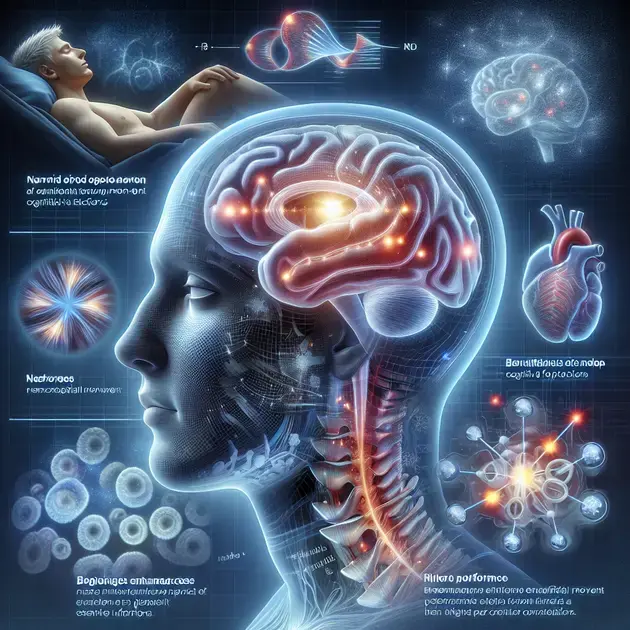
New insights into sleep uncover key mechanisms related to cognitive function

Title: Uncovering the Neural Mechanisms Behind Sleep’s Impact on Cognitive Performance

Introduction:

Sleep has long been recognized as a critical factor in enhancing cognitive performance. However, the specific neural mechanisms, particularly related to nonrapid eye movement (NREM) sleep, have not been extensively studied. A recent study has made significant progress in unraveling these mechanisms, shedding new light on how sleep can impact brainpower and potentially revolutionizing our understanding of this phenomenon.

Body:

The study’s researchers focused on investigating the underlying neural mechanisms that contribute to the enhancement of both neuronal and behavioral performance during sleep. Previous research had established a link between sleep and cognitive improvements, but the specific processes taking place within the brain remained unclear.

By utilizing advanced neuroimaging techniques, the researchers were able to observe and record the activity of the brain during NREM sleep. The study involved monitoring the neuronal firing patterns and overall brain connectivity while participants were asleep. This comprehensive examination provided valuable insights into the specific mechanisms that enhance cognitive performance during sleep.

The findings revealed that during NREM sleep, synaptic connections in the brain undergo critical changes. These changes facilitate the consolidation and integration of new information, leading to the strengthening of memory and overall cognitive function. Furthermore, the study indicated that certain neural circuits responsible for learning and memory processes are selectively activated during sleep, facilitating the encoding and retention of information.

Moreover, the researchers discovered that sleep promotes the clearance of metabolic waste products from the brain. This clearance process, known as the glymphatic system, plays a vital role in maintaining brain health and optimizing cognitive performance. The glymphatic system operates more efficiently during sleep, allowing for the elimination of toxic byproducts that accumulate during waking hours.

Implications and Conclusion:

This groundbreaking study has greatly expanded our understanding of the neural mechanisms involved in sleep’s impact on cognitive performance. By determining how sleep enhances neuronal and behavioral performance, the research opens up new avenues for developing strategies to optimize sleep quality and maximize brainpower.

These findings hold significant implications not only for individuals seeking to improve their cognitive abilities but also for scientific and medical communities. The newfound knowledge can guide future research in the field of sleep medicine and lead to potential interventions for cognitive impairments related to sleep disorders.

Ultimately, this study marks a paradigm shift in our understanding of sleep’s fundamental role in brain functioning and cognitive enhancement. As we continue to uncover more about the intricacies of sleep and its impact on brainpower, we are poised to develop innovative approaches to boost cognitive performance, improve overall well-being, and enhance the quality of life.

How Golgi stress affects T-cells’ tumor-fighting ability


Title: Researchers Discover the Potential of Golgi Apparatus in Enhancing Cancer-Fighting T-cell Activity

Introduction:

In the field of cancer research, scientists are continually exploring new strategies to improve the effectiveness of T-cell therapies. One such approach involves investigating the role of Golgi apparatus in cancer-fighting T-cells and its potential to reduce cellular exhaustion. This article aims to shed light on recent findings and discussions surrounding the use of Golgi apparatus as a marker to enhance T-cell robustness.

Understanding T-cell Exhaustion:

T-cells play a crucial role in the immune system’s defense against cancer cells. However, in the tumor microenvironment, these cells often become functionally impaired due to a state known as exhaustion. This exhaustion results in decreased effectiveness in eliminating cancer cells and limits the success of T-cell therapies.

The Golgi Apparatus: A Hidden Key:

Researchers delving into the mechanisms behind T-cell exhaustion have made an intriguing discovery – the Golgi apparatus. The Golgi apparatus is a cellular organelle responsible for processing and modifying proteins. By analyzing T-cells, researchers found that cells with a higher presence of Golgi apparatus tend to exhibit enhanced robustness and resistance to exhaustion.

Using Golgi Apparatus as a Marker:

The newfound understanding of Golgi apparatus as a determinant of T-cell functionality has opened up possibilities for developing new therapeutic strategies. Researchers are investigating ways to utilize Golgi apparatus as a marker to identify T-cells with higher potential for effectiveness in cancer immunotherapies.

Enhancing T-cell Activity:

Through studies utilizing Golgi apparatus as a marker, researchers aim to identify and select T-cells with enhanced resistance to exhaustion. This approach would allow for the enrichment of T-cell populations that maintain their functionality over an extended period, leading to improved cancer cell elimination.

Future Implications and Challenges:

While preliminary studies have shown promising results, further research is required to fully comprehend the correlation between Golgi apparatus and T-cell exhaustion. Additionally, challenges such as scalability, potential side effects, and practical application in clinical settings need to be addressed before this marker can be integrated into standard cancer treatments.

Conclusion:

The investigation into the role of Golgi apparatus in mitigating T-cell exhaustion presents an exciting avenue in cancer research and immunotherapies. By identifying and utilizing the presence of Golgi apparatus as a marker, scientists are forging novel paths to enhance T-cell activity and improve the efficacy of cancer treatments. As ongoing research unfolds, the potential to minimize T-cell exhaustion and deliver more effective therapies becomes more tangible, providing renewed hope for patients battling cancer.