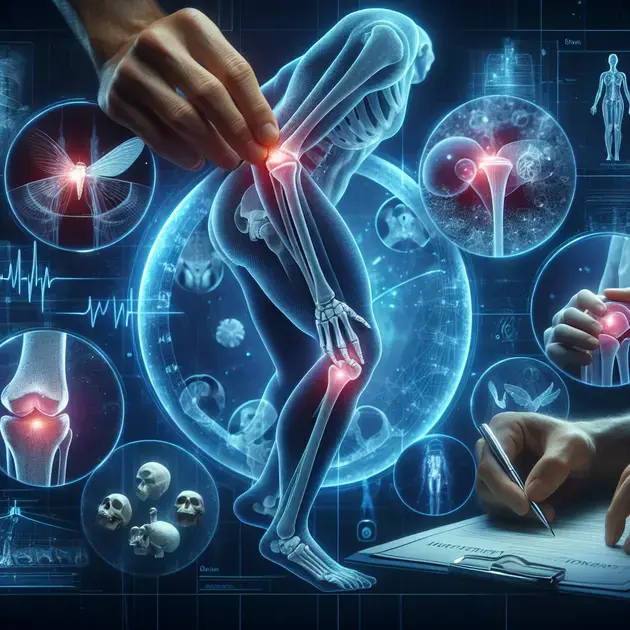
Ever wondered why a joint might feel more painful after a cortisone injection, despite its purpose to alleviate discomfort? In this blog, we delve into the complexities of cortisone shots with insights from Dr. David Guyer, a triple board-certified orthopedic surgeon specializing in sports medicine and regenerative practices. Drawing upon a real-life query from his popular “Ask the Doctor” video series, we explore the reasons behind potential post-injection pain and discuss when cortisone might not be the best choice for treating conditions like a torn labrum. Additionally, Dr. Guyer sheds light on the long-term implications of cortisone use and introduces alternative regenerative treatments that may offer more sustainable relief without compromising joint health. Whether you’re considering a cortisone injection or seeking alternative treatment options for orthopedic injuries, this blog is tailored to provide a deeper understanding of the subject.
Understanding Cortisone Shots and Increased Pain
Cortisone injections are often hailed as a quick fix to alleviate joint pain and inflammation. They’re frequently used to treat various conditions, ranging from arthritis to bursitis and beyond. However, what happens when a treatment intended to ease pain inadvertently exacerbates it? Dr. David Guyer, a respected authority in orthopedic surgery and sports medicine, provides an enlightening perspective on this conundrum.
First, it’s crucial to recognize the therapeutic aim of a cortisone shot. Cortisone, a potent anti-inflammatory, is intended to reduce inflammation and consequently, pain, in joints and other areas of the body. Yet, some patients report increased discomfort following these injections. There are several reasons why this might occur.
One primary cause is the immediate reaction to the injection itself. When cortisone is administered, it’s often combined with a local anesthetic, like lidocaine or marcaine. These numbing agents should offer immediate pain relief, albeit temporary. However, in some cases, the procedure may lead to a phenomenon known as a “cortisone flare,” where the injected site becomes increasingly painful after the anesthesia wears off and before the cortisone takes full effect.
Moreover, the physical act of injecting fluid into a joint can cause a temporary increase in pressure, leading to discomfort. This is particularly relevant in areas with limited space, such as the hip. The increased pressure can stretch the joint capsule, causing pain until the body absorbs the excess fluid.
When Cortisone Isn’t the Best Solution
In the context of a torn labrum in the hip, as mentioned by Dr. Guyer, cortisone might not be the most effective treatment. A labral tear isn’t characterized by inflammation alone — it’s a structural issue that cortisone can’t repair. Here lies a critical misconception: while cortisone can alleviate pain by reducing inflammation, it does not heal the structural damage itself. When treating conditions like a torn labrum, addressing the structural damage is paramount for long-term relief.
Furthermore, repeated cortisone shots, though sometimes practiced, come with significant cautions. Dr. Guyer highlights that prolonged cortisone use can accelerate joint degeneration. This includes the breakdown of cartilage and bone, increasing the risk of arthritis and subsequent joint replacements. Additionally, there’s the risk of weakening tendons and ligaments, leading to potential ruptures and impaired healing.
Exploring Alternative Treatment Options
Given these potential downsides, Dr. Guyer advocates for exploring regenerative medicine options. Though still considered experimental and often not covered by insurance, treatments such as platelet-rich plasma (PRP) injections and stem cell therapy offer promising alternatives. These therapies aim to harness the body’s natural healing mechanisms, providing potentially longer-lasting relief and addressing both pain and the root causes of joint deterioration.
For individuals dealing with orthopedic injuries, it’s vital to have a comprehensive discussion with a healthcare provider about all available treatment options. Dr. Guyer’s insights remind us that while cortisone injections have their place, they are not a panacea and should be integrated thoughtfully into a broader treatment strategy.
Patients should also be encouraged to share their experiences and concerns with medical professionals, ensuring they receive personalized care tailored to their specific needs and conditions. The integration of patient feedback in treatment planning can lead to more effective and satisfactory outcomes.
Lastly, staying informed about the latest advancements in orthopedic and sports medicine is beneficial for both patients and practitioners. Keeping abreast of new studies and treatments can help individuals make better-informed decisions about their health, ultimately enhancing quality of life.
Conclusion
In conclusion, while cortisone injections can be an effective tool in the medical arsenal against pain and inflammation, they are not without their complications and limitations. By understanding these complexities, patients can make more informed choices and explore additional options that may provide both immediate relief and long-term healing. Dr. Guyer’s insights serve as a valuable resource for anyone contemplating or currently receiving cortisone shots, urging them to consider all possible avenues for optimal joint health.
In the pursuit of losing body fat and achieving personal fitness goals by Christmas, many of us encounter a stubborn hurdle—a weight loss plateau. You know the story: You’re making steady progress, shedding pounds week after week, when suddenly, the scale refuses to budge. It’s a common scenario that can easily lead to frustration and doubt. In this blog, we’ll explore the simple yet effective strategies to reignite your weight loss journey and break through that plateau. Drawing from personal experiences and practical steps, we’ll delve into the mindset shifts, dietary tweaks, and exercise adjustments that can help you continue on the path to your desired physique. So, if you’re stuck on the scale and feeling unsure about your next steps, read on to discover how to push through and transform your weight loss journey into a lasting success.
Resist the Urge to Panic
When you hit a weight loss plateau, it can be tempting to panic and drastically alter your diet and exercise plan in frustration. However, it’s essential to remain calm and strategic in your approach. Remember, plateaus are a normal part of the weight loss process, as your body adjusts and becomes accustomed to your new lifestyle. The first step in breaking through a plateau is to resist the urge to panic. Instead, ground yourself with logic and a workable plan. Understand that if you try to make all the changes at once, you’ll be left with nowhere to pivot when the next plateau inevitably arises. Incremental changes allow you to strategically adjust and overcome each obstacle.
Implement a Diet Break
Once you’ve calmed your nerves, consider implementing a diet break. Often, after weeks in a caloric deficit, your body might need a little boost. A diet break involves temporarily increasing your caloric intake, which can help reset your metabolism. It’s crucial that this increase comes from nutritious foods, as your goal is to trick your body into believing that a period of abundance has arrived. This process typically involves enjoying your regular meals with a higher allowance or indulging in a treat or two. Expect a minor weight gain from water retention, which is a normal byproduct of increased sodium, carbohydrate, and sugar intake. After a few days of higher intake, return to your regular caloric deficit, allowing your body to adjust and continue losing weight.
Modify Your Cardio Routine
The third step involves modifying your cardio routine. Increasing the frequency or duration of your cardio sessions can heighten your caloric burn and kickstart weight loss. For instance, if you’ve been doing cardio five times a week, bump it up to six times. Alternatively, you could extend your sessions by ten minutes each. However, be mindful not to overexert yourself as this can lead to burnout. The goal is to find a sustainable increase that your body responds to positively.
Make Small Caloric Reductions
If adjusting your cardio routine doesn’t yield results, you might need to make slight reductions in your calorie intake. It’s imperative to approach this step with caution. A drastic cut can lead to muscle loss and metabolic slowdown, counterproductive outcomes in your fitness journey. Start by cutting calories from non-essential sources, such as condiments or snacks with limited nutritional value. This conservative approach allows you to preserve muscle mass while still encouraging fat loss.
The Role of Bulking and Cutting
The concept of bulking and cutting also plays a significant role in achieving fitness goals. Bulking phases, characterized by controlled caloric surplus, are essential for muscle growth. During bulking, you might gain some fat, but the primary goal is to increase muscle mass, which can drastically alter your physique. Cutting, on the other hand, involves shedding the accumulated fat while maintaining as much muscle as possible. This cycle ultimately reshapes the body, providing a toned and muscular appearance, and it’s a strategy that has enabled sustained weight management for years.
Beyond the Scale: Focus on Overall Well-being
Remember that losing weight and getting in shape is not just about numbers on a scale. It’s about feeling good in your own skin, both physically and mentally. Your heart and mindset are just as crucial as the physical transformations you seek. Celebrate non-scale victories, such as the fit of your clothes or the energy levels you experience. The journey to fitness is as much about self-discovery and perseverance as it is about reaching a numerical goal.
Consistency and Patience are Key
Lastly, keep track of your progress and be patient with yourself. Consistency and dedication are vital. Plateaus can be frustrating, but they are temporary. With the right strategies, you will break through and continue towards your goal. Embrace each challenge as an opportunity to learn more about your body and its needs. And remember, every small victory on this journey is a step towards a healthier, more fulfilled you. Stay committed, and you will see the results you desire. Keep pushing forward, and never underestimate the power of incremental change.
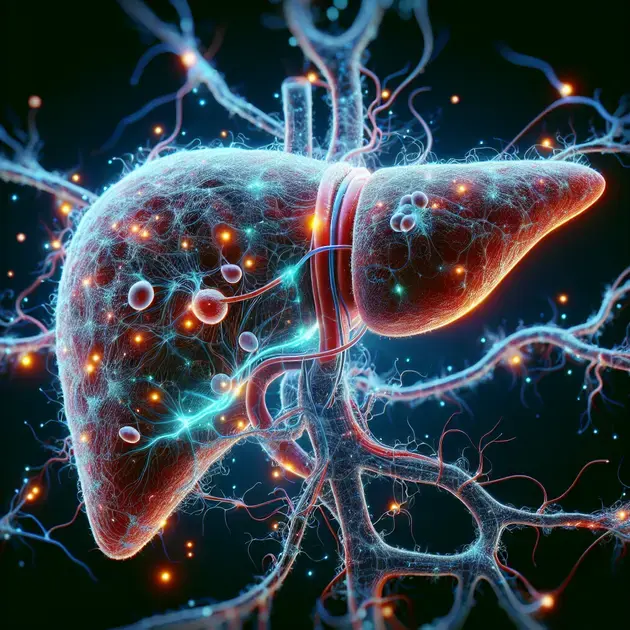
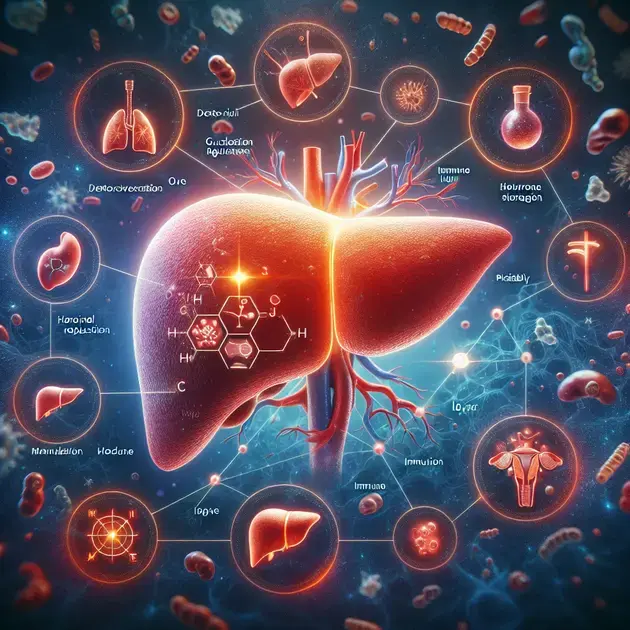
The liver is a vital organ in the human body, responsible for numerous crucial functions that are essential for overall health and well-being. From detoxifying harmful substances to metabolizing nutrients, the liver plays a central role in keeping our bodies functioning properly.
Furthermore, recent studies have revealed even more fascinating functions of the liver, such as its involvement in regulating glucose levels, producing important proteins, and storing vitamins and minerals. Understanding the complexity of the liver’s tasks sheds light on the importance of maintaining liver health and how it impacts our entire body.
The Crucial Role of the Liver in Detoxification
When it comes to detoxification, the liver plays a central and crucial role in the body. This vital organ is responsible for filtering out toxins and harmful substances from the bloodstream, ensuring that our bodies remain healthy and functioning optimally. To support the liver in its detoxification processes, it is essential to maintain a balanced and nutrient-rich diet, including plenty of fruits, vegetables, and whole grains.
One way to enhance the liver’s detoxification ability is by staying hydrated and drinking plenty of water throughout the day. Water helps to flush out toxins and supports the liver in its cleansing functions. Additionally, incorporating liver-supporting herbs and supplements, such as milk thistle or dandelion root, can provide extra support for this hardworking organ.
For those looking to give their liver a boost, meditation and mindful practices can also be beneficial. Stress management is key to liver health, as chronic stress can impair its detoxification function. Taking time to relax, practice deep breathing, or engage in yoga can help reduce stress levels and support overall liver health.
Step-by-step detoxification support:
Start your day with a glass of warm lemon water to kickstart your liver’s detox processes.
Incorporate liver-friendly foods such as garlic, broccoli, and turmeric into your meals.
Try intermittent fasting to give your liver a break and promote detoxification.
Engage in regular exercise to support overall detoxification and liver health.
Consider a liver detox supplement or program under the guidance of a healthcare professional.
Exploring the Liver’s Impact on Glucose Regulation
The liver plays a crucial role in glucose regulation within the body, helping to maintain stable blood sugar levels throughout the day. Through a process known as gluconeogenesis, the liver can produce glucose from non-carbohydrate sources, ensuring that the body has a steady supply of energy. This function is essential, especially during periods of fasting or low carbohydrate intake.
To support the liver in its glucose regulation functions, it is important to focus on a balanced diet that includes complex carbohydrates, protein, and healthy fats. By avoiding excessive sugar and refined carbohydrates, you can help prevent spikes and crashes in blood sugar levels, supporting overall liver and metabolic health.
Regular exercise is another key component in supporting the liver’s impact on glucose regulation. Physical activity helps to improve insulin sensitivity, allowing the body to better utilize glucose for energy and reducing the burden on the liver to regulate blood sugar levels. Aim for a combination of aerobic exercise and strength training for optimal results.
Step-by-step glucose regulation support:
Monitor your blood sugar levels regularly to track fluctuations and adjust your diet and exercise routine accordingly.
Include high-fiber foods such as legumes, whole grains, and vegetables to help stabilize blood sugar levels.
Avoid sugary drinks and processed foods, opting for whole, nutrient-dense options instead.
Consult with a healthcare provider or nutritionist for personalized guidance on managing blood sugar and supporting liver health.
Practice stress-reducing techniques such as meditation or yoga to maintain overall metabolic balance.
Unveiling the Liver’s Role in Storing Essential Nutrients
In addition to its detoxification and glucose regulation functions, the liver also plays a key role in storing essential nutrients for the body’s overall health and well-being. The liver stores important vitamins and minerals, such as vitamin A, iron, and B12, ensuring that the body has a reserve of these nutrients when needed.
To support the liver in its nutrient storage functions, it is crucial to maintain a well-rounded and varied diet that includes a range of micronutrients. Foods rich in antioxidants, such as berries, leafy greens, and nuts, can help protect the liver from oxidative damage and support its nutrient storage capabilities.
Supplementation may also be beneficial for individuals with specific nutrient deficiencies or conditions that impact nutrient absorption. Working with a healthcare provider or registered dietitian can help determine the best supplement regimen to support liver health and nutrient storage.
Regular medical check-ups and blood tests can provide valuable insights into nutrient levels and liver function, allowing for early detection of any issues that may arise. By prioritizing a nutrient-dense diet and lifestyle, you can ensure that your liver remains healthy and efficient in its essential nutrient storage role.
Step-by-step nutrient storage support:
Consume a variety of colorful fruits and vegetables to ensure a broad spectrum of vitamins and minerals for liver health.
Include sources of healthy fats, such as avocados, olive oil, and fatty fish, to support nutrient absorption and storage.
Limit alcohol consumption, as excessive drinking can impair liver function and nutrient storage capabilities.
Consider regular liver detox protocols or cleanses to support optimal nutrient storage and overall liver health.
Work with a healthcare provider to address any underlying nutrient deficiencies or conditions that may impact liver function and nutrient storage.
Understanding the Liver’s Influence on Hormone Production
The liver plays a crucial role in hormone production, as it is responsible for metabolizing and eliminating hormones from the body. Hormones are signaling molecules that regulate various physiological processes, including growth, metabolism, and reproduction. The liver helps maintain hormonal balance by breaking down excess hormones and excreting them through bile or urine.
One example of the liver’s influence on hormone production is its role in regulating insulin levels. Insulin is a hormone produced by the pancreas that helps control blood sugar levels. The liver helps regulate insulin by storing glucose as glycogen and releasing it when blood sugar levels drop. It also helps break down insulin after it has served its purpose, preventing excess insulin from accumulating in the bloodstream.
In addition to insulin, the liver also plays a role in producing hormones such as cortisol, estrogen, and testosterone. Cortisol is a stress hormone that helps regulate metabolism and immune function, while estrogen and testosterone are sex hormones that influence reproductive health and development. The liver helps metabolize these hormones to maintain a delicate hormonal balance in the body.
When the liver is not functioning optimally, it can lead to hormonal imbalances and various health issues. Conditions such as fatty liver disease, hepatitis, or cirrhosis can impact hormone production and metabolism, disrupting the body’s overall hormonal equilibrium. Therefore, maintaining liver health through a balanced diet, regular exercise, and limited alcohol consumption is essential for proper hormone regulation.
Overall, the liver’s influence on hormone production highlights its critical role in maintaining hormonal balance and overall health. By understanding the liver’s contribution to hormone regulation, individuals can make informed choices to support liver function and optimize their hormonal wellbeing.
Examining the Liver’s Contribution to Metabolism Regulation
The liver plays a significant role in regulating metabolism by processing nutrients, storing energy, and producing essential molecules for cellular function. Metabolism is the process by which the body converts food into energy and builds and repairs tissues. The liver is a metabolic powerhouse that helps maintain energy balance and nutrient availability throughout the body.
One key way the liver contributes to metabolism regulation is through the production of bile. Bile is a digestive fluid that emulsifies fats, allowing them to be broken down and absorbed in the intestines. The liver produces bile and stores it in the gallbladder, releasing it into the small intestine to aid in the digestion and absorption of fats.
In addition to bile production, the liver is responsible for processing carbohydrates, proteins, and fats to provide energy for the body’s cells. It stores glucose as glycogen and releases it as needed to maintain blood sugar levels. The liver also converts amino acids into proteins and synthesizes cholesterol and triglycerides for various cellular functions.
Furthermore, the liver plays a crucial role in detoxifying harmful substances and metabolizing medications. It helps remove toxins from the bloodstream and converts them into less harmful compounds for elimination. The liver also metabolizes drugs and medications to make them more easily excreted from the body.
When the liver’s metabolic functions are impaired, it can lead to metabolic disorders such as obesity, diabetes, or dyslipidemia. These conditions can disrupt energy balance, nutrient metabolism, and overall metabolic health. Therefore, supporting liver function through a healthy diet, regular physical activity, and adequate hydration is vital for maintaining metabolic regulation.
Discovering the Liver’s Impact on Immune Function
The liver plays a crucial role in immune function by filtering and neutralizing pathogens, producing immune factors, and regulating immune responses. The immune system is responsible for defending the body against infections, diseases, and foreign invaders. The liver’s immune functions help support overall immune health and protect the body from harmful microorganisms.
One way the liver impacts immune function is by filtering blood from the digestive tract, removing bacteria, toxins, and other harmful substances. The liver contains specialized immune cells called Kupffer cells that phagocytize pathogens and debris, helping prevent infections and inflammation in the body.
In addition to filtering blood, the liver produces immune factors such as acute-phase proteins, complement proteins, and cytokines. These molecules play essential roles in the immune response, including inflammation, immune cell activation, and pathogen recognition. The liver’s production of immune factors helps coordinate immune activities throughout the body.
Furthermore, the liver helps regulate immune responses by balancing pro-inflammatory and anti-inflammatory signals. It plays a role in immune tolerance, preventing overactive immune responses that can lead to autoimmune disorders or chronic inflammation. The liver contributes to immune homeostasis by modulating immune cell function and cytokine production.
When the liver’s immune functions are compromised, it can increase the risk of infections, autoimmune diseases, or inflammatory conditions. Maintaining liver health through a nutritious diet, adequate sleep, and stress management is crucial for supporting immune function and overall immune health.
Conclusion
Understanding the liver’s pivotal role in hormone production sheds light on its significance in maintaining hormonal balance and overall well-being. By metabolizing and eliminating hormones, the liver helps regulate insulin levels, cortisol, estrogen, and testosterone, ensuring a delicate hormonal equilibrium. When the liver falters, it can lead to hormonal imbalances, emphasizing the importance of preserving liver health through a balanced lifestyle.
Examining the liver’s contribution to metabolism regulation reveals its vital function in processing nutrients, storing energy, and detoxifying harmful substances. The production of bile, glucose regulation, and synthesis of essential molecules underscore the liver’s role as a metabolic powerhouse. Impairments in liver metabolism can result in disorders like obesity and diabetes, accentuating the significance of supporting liver function through healthy habits.
Discovering the liver’s impact on immune function showcases its role in filtering blood, producing immune factors, and modulating immune responses. From neutralizing pathogens to balancing inflammatory signals, the liver plays a crucial part in maintaining immune health and preventing infections. Prioritizing liver health through a nutritious diet and adequate rest is key to sustaining immune function and overall well-being.
Product
Description
Link
Jointgen
Join the Thousands of U.S. Seniors Enjoying Comfortable, Flexible and Youthful Joints Thanks to Joint Genesis™
Neverfresh
Nerve Fresh promotes healthy nerves by providing 5 vital bio-available fruit, flower and bark extracts with essential vitamin and mineral support
balmorex
“Shortcut to Wellness” is the perfect solution for those who want to ‘hack’ their mind & body with the use of modern technology to improve their quality of life! Biohacking is about optimizing your life & body through the use of biology, research & technology
live pure
Do you have deep stubborn fat stores that no diet or exercise seems to remove? Then the answer is yes. Liv Pure has changed the lives of over 234,000 women and men from 18 to 80 and is designed to rapidly dissolve fat in even the worst cases.
Looking to improve your joint health? Incorporating free move exercises into your routine could be the solution you’ve been searching for. Not only are these exercises cost-effective, but they also provide a natural and effective way to strengthen your joints and minimize discomfort.
Studies have shown that regular participation in free move exercises can help increase flexibility, reduce stiffness, and enhance overall joint function. By committing to a consistent exercise regimen, you can take proactive steps towards enhancing your joint health and enjoying a better quality of life. So why wait? Start incorporating these beneficial exercises into your daily routine today!
Enhance Joint Flexibility with Free Move Exercises
Joint flexibility is crucial for maintaining overall joint health and mobility. One effective way to enhance joint flexibility is by incorporating free move exercises into your daily routine. These exercises involve natural, fluid movements that help improve flexibility without the need for costly equipment or gym memberships.
An excellent resource for free move exercises is the Nike Training Club app, which offers a wide range of guided workouts targeting different areas of the body, including joints. The app provides step-by-step instructions and video demonstrations to ensure proper form and technique.
To enhance joint flexibility, focus on exercises that involve gentle stretching, such as yoga or Pilates. These low-impact activities can help improve range of motion and reduce stiffness in the joints over time. Additionally, incorporating activities like walking, swimming, or cycling into your routine can also contribute to better joint flexibility.
Make sure to perform these exercises regularly and listen to your body’s signals to avoid overexertion. Consistency is key when it comes to enhancing joint flexibility, so aim to incorporate free move exercises into your daily or weekly schedule for optimal results.
By prioritizing joint flexibility through free move exercises, you can support your overall joint health and mobility, allowing you to move more freely and comfortably in your daily activities.
Reduce Stiffness and Discomfort Naturally
Dealing with stiffness and discomfort in the joints can significantly impact your quality of life. Fortunately, there are natural ways to reduce these symptoms and improve joint health without relying on medication. One effective approach is to prioritize gentle exercises that target the affected joints and promote mobility.
An excellent resource for natural joint pain relief is the Arthritis Foundation website, which offers a variety of exercise programs designed specifically for individuals with joint issues. These programs focus on gentle movements and stretches to reduce stiffness and discomfort while improving flexibility.
In addition to regular exercise, incorporating anti-inflammatory foods into your diet, such as fatty fish, nuts, and leafy greens, can help reduce joint inflammation and alleviate stiffness. Drinking plenty of water and staying hydrated is also essential for maintaining joint health and promoting flexibility.
Another natural method to reduce joint stiffness and discomfort is by incorporating mindfulness practices, such as yoga or meditation, into your daily routine. These practices can help reduce stress and improve overall joint mobility and flexibility.
By taking proactive steps to reduce stiffness and discomfort naturally, you can improve your joint health and enhance your overall quality of life without relying on medication or invasive treatments.
Increase Mobility Through Free Movement Workouts
Improving mobility through free movement workouts is essential for overall health and well-being. By engaging in a variety of exercises that focus on flexibility, strength, and coordination, individuals can enhance their range of motion and prevent injuries. These workouts allow joints to move freely and fluidly, promoting better posture and balance.
Step by Step Guide:
1. Start with a gentle warm-up to prepare your muscles and joints for the upcoming exercises.
2. Incorporate dynamic stretches that target different muscle groups and joints to promote flexibility.
3. Include exercises that emphasize full range of motion, such as lunges, squats, and arm circles.
4. Focus on movements that challenge coordination and balance, such as yoga poses or tai chi sequences.
5. Cool down with static stretches to help relax the muscles and improve flexibility.
Boost Joint Function with Free Range-of-Motion Exercises
Enhancing joint function through free range-of-motion exercises is crucial for maintaining mobility and preventing stiffness. These exercises target specific joints and muscles, allowing for increased flexibility and improved circulation. By regularly performing range-of-motion exercises, individuals can reduce the risk of joint pain and stiffness.
Step by Step Guide:
1. Begin by gently moving the joint through its full range of motion to assess any limitations.
2. Perform exercises that focus on stretching and strengthening the muscles surrounding the joint.
3. Incorporate movements that involve twisting, bending, and reaching to challenge the joint’s flexibility.
4. Gradually increase the intensity and duration of the exercises as your joint function improves.
5. Listen to your body and avoid pushing past your limits to prevent injury.
Achieve Optimal Joint Health with Free Motion Activities
Promoting optimal joint health through free motion activities is key to maintaining a healthy and active lifestyle. These activities involve a combination of movements that engage multiple joints and muscles, offering a holistic approach to joint care. By incorporating free motion activities into your routine, you can improve flexibility, strength, and overall joint function.
Step by Step Guide:
1. Engage in low-impact activities such as swimming, biking, or walking to promote joint mobility.
2. Include exercises that focus on stability and balance, such as Pilates or balance training workouts.
3. Participate in activities that vary in intensity and duration to challenge different joints and muscle groups.
4. Incorporate stretching exercises to improve flexibility and reduce tension in the joints.
5. Stay consistent with your free motion activities to reap the benefits of improved joint health over time.
Conclusion
Improving mobility through free movement workouts is crucial for enhancing overall health and well-being. Engaging in exercises that focus on flexibility, strength, and coordination can significantly improve range of motion and prevent injuries. By allowing joints to move freely, these workouts promote better posture, balance, and overall physical function.
Benefits of Free Range-of-Motion Exercises
Enhancing joint function through free range-of-motion exercises plays a vital role in maintaining mobility and preventing stiffness. By targeting specific joints and muscles, these exercises increase flexibility and circulation, reducing the risk of joint pain and stiffness. Regularly incorporating range-of-motion exercises into your routine can lead to improved joint health and overall well-being over time.
Optimizing Joint Health with Free Motion Activities
Promoting optimal joint health through free motion activities is essential for a healthy and active lifestyle. By engaging in a variety of low-impact exercises that challenge different joints and muscle groups, individuals can improve flexibility, strength, and overall joint function. Consistency in incorporating free motion activities into your routine is key to reaping the long-term benefits of improved joint health.
Dealing with joint pain can be a challenging and frustrating experience for many individuals. Whether it’s caused by arthritis, injury, or other medical conditions, finding relief and prevention strategies is essential for maintaining a high quality of life. Fortunately, there are various tips and techniques that can help manage joint pain effectively.
From incorporating regular exercise and maintaining a healthy weight to exploring alternative therapies such as acupuncture and yoga, there are numerous approaches to address joint pain. By taking a proactive approach and implementing these tips for relief and prevention, individuals can experience improvements in their joint health and overall well-being.
Effective Ways to Manage Joint Pain
Dealing with joint pain can be challenging, but there are effective ways to manage it and improve your quality of life. One important aspect of managing joint pain is incorporating regular exercise and healthy lifestyle habits into your daily routine. By staying active and making smart choices, you can reduce pain and inflammation, increase flexibility, and strengthen the muscles around your joints.
To start incorporating exercise into your routine, consider using the “MyFitnessPal” app. This app allows you to track your physical activity, set goals, and monitor your progress. You can choose from a variety of workouts, including low-impact exercises like yoga or swimming, which are gentle on your joints. By staying consistent with your exercise routine, you can help alleviate joint pain and improve your overall mobility.
In addition to exercise, maintaining a healthy lifestyle is crucial for managing joint pain. Consider using the “Calm” app for guided meditation and stress management techniques. Chronic stress can exacerbate joint pain, so learning how to relax and manage stress effectively can make a significant difference in your pain levels. Additionally, focus on maintaining a balanced diet rich in fruits, vegetables, and lean proteins to support joint health and reduce inflammation.
By combining regular exercise with healthy lifestyle habits, you can effectively manage joint pain and improve your overall well-being. Remember to consult with a healthcare professional before starting any new exercise routine, especially if you have existing joint issues or medical conditions.
Incorporating Exercise and Healthy Lifestyle Habits
When it comes to managing joint pain, incorporating exercise and healthy lifestyle habits is key to finding relief and improving your quality of life. One effective way to incorporate exercise into your routine is by using the “Fitbit” app. This app allows you to track your daily steps, set activity goals, and monitor your progress. By staying active and engaging in regular physical activity, you can help reduce joint pain, increase flexibility, and strengthen the muscles supporting your joints.
Alongside exercise, maintaining healthy lifestyle habits is essential for managing joint pain. Consider using the “Headspace” app for mindfulness and meditation practices. Mindfulness can help you manage pain and stress more effectively, leading to a reduction in joint discomfort. Additionally, focus on maintaining a well-rounded diet and staying hydrated to support joint health and overall well-being.
To further enhance your joint pain management, consider incorporating activities like swimming or cycling into your exercise routine, as these are low-impact exercises that are gentle on the joints. Prioritize getting an adequate amount of rest and practicing good posture to prevent worsening joint pain. By making these lifestyle changes and staying consistent with your exercise routine, you can find relief from joint discomfort and improve your mobility.
Remember to listen to your body and make adjustments to your routine as needed. Consult with a healthcare professional or a personal trainer to create a personalized exercise plan that suits your individual needs and abilities.
Exploring Alternative Therapies for Joint Pain
In addition to traditional treatments, exploring alternative therapies can provide additional relief for joint pain and support your overall well-being. One alternative therapy to consider is acupuncture, which involves the insertion of thin needles into specific points on the body to help alleviate pain and promote healing. If you’re interested in trying acupuncture, look for reputable practitioners in your area through the “Acufinder” website.
Another alternative therapy to explore is massage therapy, which can help reduce muscle tension, improve circulation, and provide relief from joint pain. Consider booking a session with a licensed massage therapist or using the “MassageBook” app to find qualified professionals in your area. By incorporating regular massage sessions into your routine, you can experience decreased pain and increased mobility in your joints.
When exploring alternative therapies for joint pain, it’s essential to communicate openly with your healthcare provider and explore options that complement your existing treatment plan. Keep track of your experiences with alternative therapies and note any improvements in your joint pain symptoms. By being proactive and open-minded about exploring different treatment modalities, you can discover effective ways to manage joint pain and enhance your overall quality of life.
Remember that individual responses to alternative therapies may vary, so it’s important to approach these treatments with an open mind and patience. Consult with qualified practitioners and do thorough research before trying any new alternative therapy for joint pain management.
Natural Remedies for Alleviating Joint Pain
When it comes to alleviating joint pain naturally, there are several remedies that can help provide relief and improve mobility. One of the most effective natural remedies is turmeric, a spice known for its anti-inflammatory properties. Consuming turmeric daily, either in capsule form or by adding it to your meals, can help reduce joint pain and inflammation.
Another natural remedy for joint pain is ginger, which also has anti-inflammatory effects. You can incorporate ginger into your diet by making ginger tea or adding it to dishes for a flavorful kick. Regular consumption of ginger can help manage joint pain and increase flexibility.
Essential oils such as lavender, peppermint, and eucalyptus are also beneficial for alleviating joint pain. These oils can be diluted and applied topically to the affected area for a soothing effect. Additionally, regular massages with essential oils can help improve circulation and reduce inflammation in the joints.
Acupuncture and acupressure are alternative treatments that have been found to be effective in relieving joint pain. By stimulating specific points in the body, these therapies can help reduce pain, improve range of motion, and promote overall well-being.
Lastly, incorporating omega-3 fatty acids into your diet can also help alleviate joint pain. Foods rich in omega-3s, such as fatty fish, flaxseeds, and walnuts, have been shown to reduce inflammation and support joint health.
The Importance of Proper Nutrition for Joint Health
Proper nutrition plays a crucial role in maintaining joint health and preventing pain and discomfort. A diet rich in fruits, vegetables, whole grains, and lean proteins can provide the essential nutrients needed for strong and healthy joints. Consuming a variety of foods that are high in vitamins and minerals, such as calcium, vitamin D, and antioxidants, can help support joint function and reduce the risk of inflammation.
Hydration is also key to joint health, as water helps lubricate the joints and reduce friction between bones. Staying adequately hydrated can prevent stiffness and promote flexibility in the joints.
Incorporating foods that are rich in collagen, such as bone broth, can also benefit joint health. Collagen is a protein that helps maintain the structure of joints and supports cartilage integrity, reducing the risk of joint pain and deterioration.
Avoiding processed foods, excessive sugar, and trans fats is important for joint health, as these can contribute to inflammation and joint damage. Instead, focus on whole, nutrient-dense foods that provide the building blocks for healthy joints.
Supplements such as glucosamine and chondroitin can also be helpful in supporting joint health. These substances can help reduce inflammation, improve joint function, and alleviate pain associated with conditions such as osteoarthritis.
Holistic Approaches to Managing Joint Discomfort
When it comes to managing joint discomfort holistically, there are several approaches that can help improve symptoms and promote overall well-being. One holistic approach is yoga, which combines physical postures, breathing techniques, and meditation to improve flexibility, strength, and relaxation. Regular practice of yoga can help reduce joint stiffness and pain while enhancing mobility.
Mind-body techniques such as meditation and deep breathing exercises can also be beneficial for managing joint discomfort. These practices help reduce stress, which can exacerbate joint pain, and promote a sense of calm and well-being.
Physical therapy is another holistic approach to managing joint discomfort, as it focuses on improving range of motion, strength, and flexibility through targeted exercises and manual therapies. A physical therapist can tailor a treatment plan to address specific joint issues and help reduce pain and improve function.
Dietary changes, such as eliminating inflammatory foods and incorporating anti-inflammatory ingredients, can also help manage joint discomfort holistically. Adding spices like turmeric and ginger, as well as omega-3-rich foods, can help reduce inflammation and support joint health.
Lastly, stress management techniques, such as mindfulness practices and relaxation exercises, can play a significant role in managing joint discomfort. By reducing stress levels and promoting emotional well-being, these holistic approaches can contribute to overall joint health and comfort.
Conclusion
Overall, when it comes to alleviating joint pain naturally, incorporating remedies like turmeric, ginger, essential oils, and omega-3 fatty acids into your routine can significantly reduce inflammation, manage pain, and improve mobility. These natural approaches offer effective alternatives to traditional medications with the added benefits of promoting overall well-being and joint health.
Furthermore, the importance of proper nutrition for joint health cannot be overstated. A well-rounded diet rich in fruits, vegetables, lean proteins, and essential nutrients such as calcium and vitamins plays a vital role in supporting joint function, reducing inflammation, and maintaining joint integrity. Hydration, collagen-rich foods, and the avoidance of processed and inflammatory foods are key components in preserving joint health.
Lastly, holistic approaches like yoga, mind-body techniques, physical therapy, and stress management not only help manage joint discomfort but also enhance flexibility, strength, and emotional well-being. By integrating these holistic practices into your daily life, you can experience significant improvements in joint pain, mobility, and overall quality of life. Remember, taking a comprehensive approach that addresses both physical and emotional aspects is crucial for long-term joint health and comfort.
Is articulation pain bothering you? Get relief with simple exercises and professional guidance today.
Ways to Relieve Articulation Pain Naturally
Articulation pain, whether in the shoulders, elbows, or knees, can be a frustrating experience. Luckily, there are natural ways to alleviate this discomfort without relying on medication. Here are some effective methods to relieve articulation pain naturally:
1. Apply Heat or Cold Therapy
One way to relieve articulation pain is by using heat or cold therapy. For sore joints, applying a heating pad can help relax muscles and increase blood flow to the affected area, reducing pain and stiffness. On the other hand, cold therapy, such as using an ice pack, can help reduce inflammation and numb the area, providing relief from discomfort.
2. Practice Gentle Stretching Exercises
Gentle stretching exercises can help improve flexibility and reduce tension in the joints. Activities like yoga or tai chi are excellent for promoting mobility and relieving articulation pain. You can find guided stretching routines on fitness apps like Daily Yoga or as online videos on websites like YouTube.
3. Maintain a Healthy Diet
Eating a balanced diet rich in anti-inflammatory foods can also help manage articulation discomfort. Foods like fatty fish, nuts, berries, and leafy greens are known to reduce inflammation in the body, potentially easing joint pain. Consider using nutrition tracking apps like MyFitnessPal to ensure you’re getting essential nutrients for joint health.
4. Stay Hydrated
Proper hydration is crucial for joint health and can contribute to reducing articulation pain. Drinking an adequate amount of water throughout the day helps keep the joints lubricated and supports overall joint function. You can set reminders to drink water regularly using hydration tracking apps like Hydro Coach.
5. Practice Relaxation Techniques
Stress and tension can exacerbate articulation pain, so incorporating relaxation techniques into your daily routine can be beneficial. Practices such as deep breathing, meditation, or progressive muscle relaxation can help calm the mind and body, reducing discomfort in the joints. Apps like Headspace or Calm offer guided meditation sessions to aid in relaxation.
Expert Tips for Managing Articulation Discomfort
When dealing with articulation discomfort, it’s essential to have expert tips and strategies in place to effectively manage the pain. Here are some recommendations from healthcare professionals:
1. Consult with a Physical Therapist
Seeking guidance from a physical therapist can provide personalized exercises and techniques to address articulation discomfort. These professionals can assess your specific condition and create a tailored treatment plan to improve joint function and reduce pain. Websites like BetterPT can help you find qualified therapists in your area.
2. Use Ergonomic Aids
Ergonomic aids, such as supportive cushions, braces, or ergonomic tools, can help reduce stress on the joints and improve posture, minimizing articulation pain. Consulting with an occupational therapist can help you determine the best ergonomic aids for your needs and lifestyle. Online retailers like Ergonomic Innovations offer a wide range of ergonomic products.
3. Practice Mindful Movement
Mindful movement practices, like Feldenkrais or Alexander Technique, focus on enhancing body awareness and promoting efficient, pain-free movement. These techniques can help you retrain movement patterns to reduce strain on the articulations. Websites like The Feldenkrais Guild provide information on certified practitioners and workshops.
4. Maintain a Consistent Exercise Routine
Regular exercise is crucial for managing articulation discomfort and improving joint health. Low-impact activities such as swimming, cycling, or Pilates can strengthen the muscles around the joints and enhance flexibility. Fitness apps like Fitbit Coach or Strava can help you track your exercise progress and stay motivated.
5. Prioritize Rest and Recovery
Allowing your articulations time to rest and recover is essential for managing discomfort and preventing overuse injuries. Incorporate rest days into your exercise routine and ensure you’re getting adequate sleep to support joint healing. Apps like Sleep Cycle can help you track your sleep patterns and improve your sleep quality.
Effective Exercises for Alleviating Articulation Pain
Exercise is a key component of managing articulation pain and promoting joint health. Here are some effective exercises specifically targeted at alleviating articulation pain:
1. Quad and Hamstring Stretches
Stretching the quadriceps and hamstrings can help reduce pressure on the knee joint and improve mobility. Perform simple stretches like standing quad stretches or seated hamstring stretches to alleviate knee discomfort. You can find detailed instructions for these stretches on fitness websites like ACE Fitness.
2. Shoulder Rotations
Shoulder rotations are beneficial for easing tension and increasing range of motion in the shoulder joint. Perform gentle circular motions with your shoulders, clockwise and counterclockwise, to help lubricate the joint and reduce stiffness. Apps like Sworkit offer shoulder rotation exercises that you can follow along with.
3. Core Strengthening Exercises
Strengthening the core muscles can provide stability and support for the spine and pelvis, which can alleviate pressure on the joints. Exercises like plank variations, bridges, and bird dogs help engage the core muscles and improve overall posture, reducing articulation discomfort. Fitness apps like 7 Minute Workout provide guided core strengthening routines.
4. Hip Flexor Stretches
Tight hip flexors can contribute to lower back and hip pain, affecting articulation comfort. Incorporate hip flexor stretches like lunges or kneeling hip flexor stretches to release tension in the hip area and improve flexibility. Online platforms like Physiopedia offer detailed instructions on various hip flexor stretches.
5. Ankle Circles
Ankle circles are simple yet effective exercises for maintaining ankle mobility and reducing discomfort in the lower extremities. Sit or stand comfortably and rotate your ankles in circular motions, focusing on both clockwise and counterclockwise rotations. You can find ankle circle exercises on fitness apps like Nike Training Club for guidance.
Key Strategies for Addressing Articulation Pain
When it comes to managing articulation pain, there are several key strategies that can help alleviate discomfort and improve overall joint health. One effective approach is regular exercise, which can help strengthen the muscles surrounding the joints and improve flexibility. Additionally, maintaining a healthy weight is crucial, as excess weight can put added stress on the joints, leading to increased pain and discomfort.
Another important strategy is to incorporate anti-inflammatory foods into your diet, such as berries, fatty fish, and leafy greens. These foods can help reduce inflammation in the body, which is often a major contributor to joint pain. In addition to dietary changes, some individuals find relief from articulation pain through the use of supplements like glucosamine and chondroitin, which can support joint health and reduce discomfort.
It’s also important to listen to your body and avoid activities that exacerbate joint pain. Applying heat or cold packs to the affected area can provide temporary relief, as can practicing relaxation techniques like deep breathing or meditation. Finally, seeking treatment from a healthcare provider, such as a physical therapist or chiropractor, can offer personalized strategies for addressing articulation pain and improving joint function.
Holistic Approaches to Relieving Joint Discomfort
When seeking relief from joint discomfort, holistic approaches can offer a comprehensive and natural way to address the root causes of pain. One key strategy is acupuncture, a traditional Chinese medicine practice that involves inserting thin needles into specific points on the body to promote healing and reduce pain. Many individuals also find relief from joint discomfort through chiropractic care, which focuses on aligning the spine and improving overall musculoskeletal function.
Incorporating mind-body practices like yoga or tai chi can also be beneficial for relieving joint discomfort, as these practices help improve flexibility, strength, and balance. Dietary changes can play a significant role in reducing inflammation and joint pain, with a focus on anti-inflammatory foods like turmeric, ginger, and green tea. Additionally, herbal remedies such as arnica and devil’s claw can offer natural relief from joint discomfort.
Physical therapy and massage therapy are other holistic approaches that can help improve joint function and reduce discomfort. By addressing the body as a whole and considering lifestyle factors like stress and sleep quality, holistic approaches to relieving joint discomfort can provide long-lasting relief and improve overall quality of life.
Natural Remedies for Soothing Articulation Pain
For those seeking natural remedies to soothe articulation pain, there are several options that can offer relief without the use of medications. One popular remedy is turmeric, a spice with anti-inflammatory properties that can help reduce swelling and pain in the joints. Consuming turmeric in the form of golden milk or supplements can provide targeted relief for articulation pain.
Another natural remedy is ginger, which has been shown to have pain-relieving and anti-inflammatory effects. Adding fresh ginger to meals or drinking ginger tea can help reduce joint discomfort and improve mobility. Epsom salt baths are another natural remedy that can help soothe articulation pain, as the magnesium in Epsom salt can relax muscles and reduce inflammation.
Essential oils like peppermint, eucalyptus, and lavender can be used topically to alleviate joint pain and stiffness. Simply dilute the essential oil with a carrier oil and massage it into the affected area for relief. Incorporating these natural remedies into a holistic approach to joint health can provide effective and sustainable relief from articulation pain.
Conclusion
Addressing articulation pain requires a multi-faceted approach. Regular exercise, weight management, and anti-inflammatory foods are key strategies.
Explore holistic methods like acupuncture, chiropractic care, and mind-body practices for lasting relief. Natural remedies such as turmeric, ginger, and Epsom salt baths can soothe joint discomfort.
By integrating these strategies and remedies into your routine, you can effectively manage articulation pain and improve your overall joint health.
Understanding Articulation Pain is crucial for improving quality of life and overall well-being. This type of pain can stem from various causes, such as injuries, overuse, or underlying medical conditions. It can manifest in different ways, including throbbing sensations, stiffness, or limited range of motion.
Recognizing the Symptoms of Articulation Pain is the first step towards finding the most effective treatment options. Common signs may include swelling, redness, warmth around the affected joint, and even difficulty performing daily tasks. Seeking timely medical evaluation and exploring diverse treatment avenues can help manage articulation pain and enhance mobility.
Understanding Articulation Pain: The Root Causes Explained
Articulation pain, commonly known as joint pain, can be caused by various factors. Understanding the root causes of articulation pain is crucial for effective management and treatment. Here are some common reasons behind articulation pain:
1. Injuries:
One of the primary causes of articulation pain is injuries to the joints. These injuries can result from accidents, sports activities, or overuse of the joints. To learn more about how injuries contribute to articulation pain, you can visit reputable medical websites like WebMD or Mayo Clinic.
2. Osteoarthritis:
Osteoarthritis is a degenerative joint disease that affects millions of people worldwide. It is a leading cause of articulation pain, especially in older adults. Understanding how osteoarthritis affects the joints and causes pain can be found on the Arthritis Foundation website.
3. Rheumatoid Arthritis:
Another common cause of articulation pain is rheumatoid arthritis, an autoimmune disorder that primarily affects the joints. Websites like the American College of Rheumatology provide detailed information on how rheumatoid arthritis leads to joint pain.
4. Gout:
Gout is a type of arthritis that occurs when there is too much uric acid in the blood, leading to the formation of crystals in the joints. Learning more about how gout causes articulation pain can be done through resources such as the National Institute of Arthritis and Musculoskeletal and Skin Diseases.
5. Infections:
Sometimes, articulation pain can be caused by infections in the joints, such as septic arthritis. Understanding the role of infections in joint pain can be found on healthcare websites like Healthline.
Signs and Symptoms of Articulation Pain to Watch Out For
Recognizing the signs and symptoms of articulation pain is essential for early diagnosis and prompt treatment. Here are common indicators that you should watch out for:
1. Swelling and Redness:
Inflamed joints often exhibit swelling and redness, indicating underlying articulation pain. Monitoring any changes in the appearance of your joints can help identify potential issues early. Apps like Ada or Symptomate can provide insights into joint swelling and redness.
2. Stiffness and Reduced Range of Motion:
Articulation pain can lead to stiffness in the joints, making it difficult to move them fully. If you experience a reduced range of motion in your joints, it could be a sign of underlying articulation issues. Websites like Healthgrades offer information on joint stiffness and range of motion.
3. Persistent Discomfort or Pain:
Consistent discomfort or pain in the joints, especially during movement or weight-bearing activities, may indicate articulation problems. Keeping track of your pain levels and patterns can help healthcare providers diagnose the issue accurately. The app PainScale is a useful tool for monitoring joint pain.
4. Warmth and Tenderness:
Warmth and tenderness around the joints can be signs of inflammation and articulation pain. Being aware of these sensations can assist in identifying the source of discomfort. The Arthritis Foundation website offers insights into warmth and tenderness related to joint issues.
5. Joint Deformities:
In advanced cases of articulation pain, joint deformities may become apparent. Changes in the shape or alignment of the joints should be promptly addressed by healthcare professionals. Websites like Verywell Health provide information on recognizing joint deformities.
Treatment Options for Managing Articulation Pain
Effective management of articulation pain often requires a combination of medical interventions, lifestyle modifications, and self-care practices. Here are some treatment options to consider:
1. Medications:
Nonsteroidal anti-inflammatory drugs (NSAIDs), corticosteroids, and pain medications are commonly prescribed to alleviate articulation pain and reduce inflammation. Consult with your healthcare provider or use resources like Drugs.com to learn more about medications for joint pain.
2. Physical Therapy:
Physical therapy plays a crucial role in improving joint function, mobility, and strength while reducing articulation pain. Websites like MoveForwardPT.com offer insights into the benefits of physical therapy for joint issues.
3. Lifestyle Changes:
Adopting a healthy lifestyle, including maintaining a balanced diet, exercising regularly, and managing weight, can help prevent and manage articulation pain. Apps like MyFitnessPal or Fitbit can support your journey towards a healthier lifestyle.
4. Joint Injections:
In some cases, healthcare providers may recommend joint injections, such as corticosteroids or hyaluronic acid, to reduce pain and inflammation directly at the affected site. Websites like the American Academy of Orthopaedic Surgeons provide information on joint injections for pain management.
5. Surgical Procedures:
For severe cases of articulation pain that do not respond to conservative treatments, surgical interventions like joint replacement or arthroscopy may be necessary. Understanding the surgical options available can be explored through reputable sources like the American Association of Hip and Knee Surgeons.
Identifying Common Triggers of Joint Pain
Joint pain can be caused by a variety of factors, and identifying the common triggers is essential for effective management. One of the primary culprits of joint pain is inflammation, which can be triggered by conditions like arthritis, bursitis, or tendinitis. Lifestyle factors such as obesity, lack of physical activity, and poor posture can also contribute to joint pain. Additionally, injuries from sports or accidents can lead to chronic joint discomfort.
To identify the specific triggers of your joint pain, it is important to keep a detailed journal of your symptoms and activities. Note any patterns that emerge, such as increased pain after certain movements or foods. Consulting with a healthcare provider or a specialist in joint health can also help pinpoint the underlying causes of your discomfort.
Furthermore, certain medical conditions like autoimmune disorders or infections can manifest as joint pain. By undergoing thorough medical evaluations and tests, you can rule out underlying health issues that may be contributing to your joint discomfort. Overall, awareness of common triggers combined with professional guidance is crucial in effectively managing joint pain.
Effective Strategies for Relieving Joint Discomfort
When it comes to alleviating joint discomfort, there are several effective strategies that can provide relief and improve overall joint health. Regular exercise, especially low-impact activities like swimming or yoga, can help strengthen the muscles supporting the joints and reduce pain. Maintaining a healthy weight through a balanced diet rich in anti-inflammatory foods can also play a significant role in relieving joint discomfort.
Utilizing hot and cold therapy, such as heating pads or ice packs, can help reduce inflammation and ease soreness in the joints. Over-the-counter pain medications or supplements like glucosamine and chondroitin sulfate may offer relief for mild to moderate joint pain. Additionally, physical therapy or occupational therapy can provide targeted exercises to improve joint mobility and function.
For chronic joint conditions, consulting with a healthcare provider to explore advanced treatment options like injections or surgical interventions may be necessary. Integrating these various strategies into your daily routine can help manage joint discomfort and enhance overall quality of life.
Holistic Approaches to Enhancing Joint Mobility
Enhancing joint mobility through holistic approaches involves addressing not only the physical aspects of joint health but also the mental and emotional components. Mind-body practices like meditation, tai chi, or acupuncture can help reduce stress levels and improve overall well-being, which can have a positive impact on joint mobility.
Incorporating anti-inflammatory herbs and supplements like turmeric, ginger, or omega-3 fatty acids into your diet can support joint health and mobility. Massage therapy, chiropractic care, or aromatherapy can also aid in relieving muscle tension and improving flexibility in the joints.
Embracing a holistic approach to joint mobility means considering the interconnectedness of the body and mind. Prioritizing self-care practices, maintaining a healthy lifestyle, and seeking alternative therapies can contribute to long-term joint health and mobility. By focusing on holistic wellness, individuals can achieve sustainable improvements in joint function and overall quality of life.
Conclusion
In conclusion, understanding the common triggers of joint pain is crucial for effective management. Factors such as inflammation, lifestyle choices, and injuries can all contribute to joint discomfort. By keeping a detailed journal of symptoms and seeking professional guidance, individuals can identify specific triggers and take steps towards alleviating their joint pain.
Effective strategies for relieving joint discomfort provide a range of options for improving joint health. From low-impact exercises to hot and cold therapy, there are various approaches to reduce inflammation and enhance mobility. Integrating these strategies into daily routines can lead to better management of joint pain and an improved quality of life for those experiencing discomfort.
Holistic approaches to enhancing joint mobility emphasize the interconnected nature of physical, mental, and emotional well-being. Practices such as meditation, dietary supplements, and alternative therapies like massage and chiropractic care can all play a role in improving joint health. By embracing a holistic mindset and prioritizing self-care, individuals can achieve sustainable improvements in joint function and overall wellness.
Struggling with managing joint and pain can greatly impact one’s quality of life, making everyday tasks challenging and uncomfortable. Whether you’re dealing with arthritis, injuries, or other conditions, finding effective ways to alleviate pain is essential for a pain-free life.
Fortunately, with the right strategies and lifestyle adjustments, it’s possible to reduce joint pain and improve mobility. In this blog post, we’ll explore some valuable tips and techniques to help you manage joint pain effectively and enjoy a more pain-free existence.
Effective Pain Management Techniques
Living with chronic pain can be challenging, but there are effective techniques to help manage and alleviate the discomfort. One useful method is mindfulness meditation, which can help increase pain tolerance and reduce stress levels. You can easily learn and practice mindfulness using the Headspace app, which offers guided meditation sessions specifically aimed at pain management.
Another important technique is regular exercise, which can help strengthen muscles and improve flexibility, leading to better pain control. The FitOn app is a great resource for finding low-impact workouts tailored to individuals with joint pain. By following a consistent exercise routine, you can gradually build up your mobility and endurance.
In addition to meditation and exercise, maintaining a healthy diet is crucial for managing pain. Foods rich in anti-inflammatory properties, such as turmeric and ginger, can help reduce swelling and alleviate discomfort. The MyFitnessPal app provides a convenient way to track your daily food intake and ensure you are getting the necessary nutrients to support your body’s healing process.
Furthermore, incorporating hot and cold therapy into your pain management routine can provide immediate relief for sore muscles and joints. The WebMD app offers valuable information on how to safely use heat packs and cold compresses to soothe pain. Alternating between hot and cold treatments can help reduce inflammation and improve blood circulation in the affected areas.
Lastly, don’t underestimate the power of a good night’s sleep in managing pain. Creating a relaxing bedtime routine and using sleep tracking apps like Sleep Cycle can help you optimize your sleep quality. Adequate rest is essential for allowing your body to heal and recover from daily stressors, ultimately reducing pain intensity and improving overall well-being.
Improving Mobility for a Pain-Free Life
Enhancing mobility is key to maintaining a pain-free lifestyle, especially for individuals experiencing joint issues. One effective way to improve mobility is through regular stretching exercises that target the problem areas. The StretchIt app offers a wide range of guided stretching routines designed to increase flexibility and reduce stiffness in the joints.
Another important aspect of improving mobility is proper ergonomics, both at home and in the workplace. Simple adjustments, such as using an ergonomic chair or standing desk, can significantly reduce strain on your joints and muscles. The Ergonomics app provides detailed guidelines on how to set up your work environment for optimal comfort and mobility.
Utilizing assistive devices, such as walking aids or joint braces, can also help support mobility and reduce the risk of injury. The Walgreens app offers a variety of mobility aids that are designed to enhance stability and balance while minimizing joint stress. Using these devices as needed can facilitate movement without causing further discomfort.
Incorporating low-impact activities, such as swimming or cycling, into your daily routine can also improve mobility and strengthen your muscles. The Strava app allows you to track your workouts and set fitness goals, making it easier to stay motivated and consistent with your exercise regimen. Engaging in regular physical activity can help boost your overall mobility and joint function.
Lastly, practicing good posture is essential for promoting proper alignment and reducing strain on your joints. The PostureScreen Mobile app provides real-time posture analysis and personalized exercises to help you maintain a correct posture throughout the day. By improving your posture, you can prevent unnecessary joint pain and enhance your overall mobility and quality of life.
Valuable Tips for Managing Joint Pain
Dealing with joint pain requires a comprehensive approach that combines various strategies to effectively manage discomfort and improve mobility. One valuable tip is to use topical pain relief creams or gels that contain ingredients like menthol or capsaicin. The Theraworx Relief app offers insights on different types of topical treatments and how to apply them for maximum pain relief.
Staying hydrated and consuming an adequate amount of water throughout the day is crucial for joint health and pain management. The WaterMinder app can help you track your daily water intake and set reminders to ensure you are staying hydrated. Proper hydration supports joint lubrication and reduces friction, leading to decreased pain and stiffness.
Engaging in regular strength training exercises is beneficial for supporting joint function and stability. The Nike Training Club app provides a range of strength workouts that target different muscle groups and promote overall joint health. By building muscle strength, you can alleviate pressure on your joints and improve their range of motion.
Implementing stress-reducing techniques, such as deep breathing exercises or progressive muscle relaxation, can also help alleviate joint pain. The Calm app offers guided relaxation sessions and mindfulness practices to help you unwind and release tension in the body. By managing stress levels, you can prevent muscle tightness and reduce overall discomfort in your joints.
Lastly, it’s essential to listen to your body and practice self-care by incorporating rest and recovery days into your routine. The Recovery Record app allows you to track your self-care activities and monitor your progress in managing joint pain. Taking time to rest and heal is essential for preventing overuse injuries and ensuring long-term joint health.
Effective Pain Management Techniques
Living with chronic pain can greatly impact your quality of life, but there are effective pain management techniques that can help alleviate discomfort and improve your overall well-being. One such technique is mindfulness meditation, which involves focusing on the present moment and accepting your feelings without judgment. This practice has been shown to reduce pain perception and enhance emotional well-being.
Another valuable technique for managing pain is physical therapy. A trained therapist can create a personalized exercise plan to improve strength and flexibility, which can help reduce pain and prevent future injuries. Additionally, techniques such as hot and cold therapy, acupuncture, and massage therapy can also provide relief from pain.
It’s important to work closely with healthcare professionals to develop a comprehensive pain management plan tailored to your specific needs. This may include medication management, cognitive-behavioral therapy, and other holistic approaches to address both the physical and emotional aspects of pain.
By incorporating a combination of these techniques into your daily routine, you can effectively manage pain and regain control of your life. Remember that consistency is key, and don’t hesitate to seek support from your healthcare team whenever needed.
Improving Mobility for a Pain-Free Life
Joint pain can significantly limit your mobility and hinder your ability to perform daily activities. However, there are several strategies you can implement to improve mobility and enjoy a pain-free life. One effective approach is to engage in low-impact exercises that strengthen the muscles surrounding your joints without causing additional strain.
Furthermore, maintaining a healthy weight can help alleviate pressure on your joints and reduce pain. Incorporating anti-inflammatory foods, such as omega-3 fatty acids, turmeric, and green leafy vegetables, into your diet can also help manage joint pain and improve overall mobility.
Stretching exercises, such as yoga or tai chi, can help increase flexibility and range of motion in your joints, leading to improved mobility and reduced pain. Additionally, using assistive devices like braces or walking aids can provide support and stability, enhancing your ability to move comfortably.
It’s essential to listen to your body and avoid activities that exacerbate joint pain. Prioritizing rest and relaxation, practicing good posture, and staying hydrated are simple yet effective ways to promote joint health and enhance mobility in your daily life.
Valuable Tips for Managing Joint Pain
Dealing with joint pain can be challenging, but implementing valuable tips for its management can make a significant difference in your daily comfort and mobility. One essential tip is to establish a regular exercise routine that includes a combination of cardiovascular, strength-training, and flexibility exercises to support joint health.
Another valuable strategy is to incorporate stress-reduction techniques, such as deep breathing exercises or meditation, into your daily routine. Chronic stress can exacerbate pain perception, so managing stress effectively can help alleviate joint discomfort.
Proper posture and body mechanics play a crucial role in preventing and managing joint pain. Ensuring ergonomic workspaces, lifting objects correctly, and maintaining a neutral spine position during activities can reduce strain on your joints and minimize pain.
Using heat or cold therapy, taking over-the-counter pain medications as needed, and considering alternative treatments like acupuncture or chiropractic care can also provide relief from joint pain. Remember to consult with your healthcare provider before trying any new treatment methods.
Conclusion
In conclusion, effective pain management techniques such as mindfulness meditation, physical therapy, and holistic approaches can help individuals alleviate discomfort, reduce pain perception, and enhance emotional well-being. By working closely with healthcare professionals to develop a personalized pain management plan, incorporating a variety of techniques into daily routines, individuals can regain control of their lives and improve overall well-being.
Improving Mobility for a Pain-Free Life
When it comes to enhancing mobility and enjoying a pain-free life, implementing strategies like low-impact exercises, maintaining a healthy weight, and incorporating stretching routines can significantly improve joint health, flexibility, and range of motion. By listening to your body, avoiding activities that worsen joint pain, and prioritizing rest and good posture, individuals can promote joint health and enhance mobility for a more comfortable daily life.
Valuable Tips for Managing Joint Pain
Dealing with joint pain can be challenging, but by establishing a regular exercise routine, incorporating stress-reduction techniques, and focusing on proper posture and body mechanics, individuals can effectively manage joint pain and improve daily comfort and mobility. Additionally, using heat or cold therapy, considering alternative treatments, and consulting healthcare providers can offer relief from joint pain while ensuring safety and efficacy.
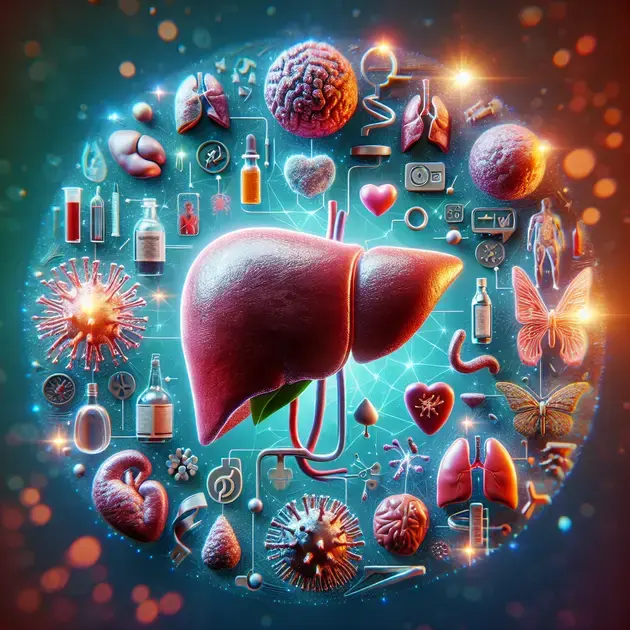
The liver is a vital organ responsible for a wide range of functions in the human body. Understanding the Liver and Its Functions is crucial for maintaining overall health and well-being. This incredible organ plays a key role in processes such as metabolism, detoxification, and nutrient storage.
Recent studies have shown the importance of liver health in relation to overall immune function. A healthy liver is essential for fighting off infections and maintaining a strong immune system. By understanding the Liver and Its Functions, we can take proactive steps to support our liver health and boost our immune system.
The Significance of Liver Health
The liver plays a crucial role in maintaining overall health and well-being. It is responsible for numerous vital functions, including detoxification, metabolism, and immune system support. Ensuring optimal liver health is essential for preventing various diseases and promoting longevity.
Step-by-step guide:
1. Balanced Diet
Consuming a balanced diet rich in fruits, vegetables, whole grains, and lean proteins is essential for liver health. Avoiding processed foods, excessive sugar, and alcohol can help support liver function.
Engaging in regular physical activity not only benefits overall health but also supports liver function. Exercise helps reduce fatty deposits in the liver and promotes better blood circulation.
Staying hydrated is crucial for liver health as it helps flush out toxins from the body. Drinking an adequate amount of water daily can support optimal liver function.
The liver is the body’s primary organ responsible for detoxifying harmful substances and toxins. It processes nutrients, filters blood, and eliminates waste products, playing a crucial role in maintaining overall health and well-being. Understanding how the liver detoxifies the body can help individuals make lifestyle choices that support this essential function.
Step-by-step guide:
1. Liver Detox Diets
Some individuals opt for liver detox diets or cleanses to support the liver’s detoxification function. These diets often involve consuming specific foods or drinks believed to aid in liver cleansing.
You can explore different liver detox diet plans and their effectiveness on the Healthline website.
2. Herbal Supplements
Herbal supplements like milk thistle and dandelion root are believed to support liver detoxification. These supplements contain antioxidants and anti-inflammatory properties that may benefit liver health.
Avoiding exposure to environmental toxins like alcohol, tobacco, and certain chemicals is essential for supporting the liver’s detoxification process. Minimizing toxin intake can reduce the burden on the liver.
The liver plays a vital role in supporting the immune system by producing proteins, storing vitamins, and filtering blood. A healthy liver can help boost immune function and protect the body against infections and diseases. Understanding how to support the liver for enhanced immune function can lead to overall well-being.
Step-by-step guide:
1. Adequate Sleep
Getting enough quality sleep is crucial for liver health and immune function. Sleep helps the body repair and regenerate cells, including those in the liver, which can strengthen the immune system.
Taking vitamin supplements like vitamin D, vitamin C, and zinc can support liver health and enhance immune function. These vitamins play a role in boosting immunity and overall well-being.
Chronic stress can negatively impact liver function and suppress immune responses. Practicing stress-reducing techniques like meditation, yoga, or deep breathing exercises can support liver health and enhance immune function.
The liver plays a crucial role in metabolizing nutrients from the food we consume. As food is digested, the nutrients are absorbed in the small intestine and delivered to the liver via the bloodstream. Once in the liver, these nutrients are processed and either stored for later use or released back into the bloodstream to be utilized by the body’s cells.
One key nutrient that the liver metabolizes is glucose, which is derived from carbohydrates. The liver helps regulate blood sugar levels by storing excess glucose as glycogen or converting it into fat for long-term storage. In times of low blood sugar, the liver can break down glycogen into glucose to help maintain energy levels.
Additionally, the liver plays a vital role in metabolizing proteins and fats. Proteins are broken down into amino acids, which the liver processes and redistributes as needed for various bodily functions. Fats are also metabolized by the liver, where they are broken down into fatty acids and either used for energy production or stored as triglycerides.
Furthermore, the liver is responsible for processing vitamins and minerals, such as vitamins A, D, E, and K, as well as iron and calcium. These nutrients play essential roles in various bodily functions, and the liver ensures they are properly metabolized and utilized by the body.
In conclusion, the liver’s role in nutrient metabolism is indispensable for maintaining overall health and well-being. By understanding how the liver processes and distributes nutrients, we can make informed choices about our diet and lifestyle to support optimal liver function and overall health.
Understanding the Liver’s Impact on Hormone Balance
The liver also plays a significant role in regulating hormone balance within the body. Hormones are chemical messengers that control various bodily functions, such as metabolism, growth, and reproduction. The liver helps metabolize hormones circulating in the bloodstream and ensures they are maintained at optimal levels.
One key aspect of the liver’s impact on hormone balance is its role in thyroid hormone metabolism. The thyroid gland produces hormones that regulate metabolism, growth, and energy levels. The liver helps convert inactive thyroid hormones into their active form, which is crucial for maintaining a healthy metabolism and overall well-being.
Furthermore, the liver plays a role in processing and metabolizing sex hormones, such as estrogen and testosterone. Imbalances in these hormones can lead to various health issues, including reproductive disorders and mood disturbances. The liver helps regulate the levels of sex hormones in the body to ensure optimal functioning.
In addition to thyroid and sex hormones, the liver also plays a role in insulin metabolism. Insulin is a hormone that helps regulate blood sugar levels by promoting the uptake of glucose into cells for energy production. The liver helps maintain insulin sensitivity and ensures proper glucose metabolism to prevent conditions like diabetes.
Overall, the liver’s impact on hormone balance is essential for overall health and well-being. By supporting liver health through a balanced diet, regular exercise, and adequate hydration, we can ensure optimal hormone regulation and maintain a healthy internal balance.
Supporting Liver Health for Optimal Digestive Function
Maintaining liver health is crucial for optimal digestive function and overall well-being. The liver plays a vital role in processing and detoxifying substances that enter the body through food and drink. By supporting liver health, we can ensure the efficient breakdown and absorption of nutrients, as well as the elimination of toxins from the body.
One key way to support liver health is by consuming a balanced diet rich in fruits, vegetables, whole grains, and lean proteins. These foods provide essential nutrients and antioxidants that help protect the liver from damage and promote its proper functioning. Avoiding processed foods, excessive alcohol consumption, and high-fat diets can also help maintain liver health.
Regular exercise is another crucial factor in supporting liver health. Physical activity helps improve blood flow to the liver, aiding in the detoxification process and promoting overall liver function. Exercise also helps maintain a healthy weight, which is important for reducing the risk of liver diseases like fatty liver.
Hydration is essential for supporting liver health as well. Drinking an adequate amount of water helps flush out toxins from the body and supports proper liver function. Herbal teas and lemon water can also help cleanse the liver and promote detoxification.
In conclusion, supporting liver health through a balanced diet, regular exercise, and adequate hydration is essential for optimal digestive function and overall well-being. By adopting healthy lifestyle habits and making conscious choices to support liver health, we can ensure our body’s natural detoxification processes are functioning efficiently and effectively.
Conclusion
The liver’s role in nutrient metabolism is crucial for maintaining overall health. It processes nutrients from food, regulates glucose, metabolizes proteins and fats, and processes essential vitamins and minerals. Understanding how the liver functions can help individuals make informed choices to support optimal liver function and overall well-being.
Furthermore, the liver’s impact on hormone balance is essential for regulating various bodily functions. It helps metabolize thyroid hormones, sex hormones, and insulin, ensuring they are maintained at optimal levels. By supporting liver health through a balanced diet, exercise, and hydration, individuals can ensure proper hormone regulation and maintain a healthy internal balance.
Maintaining liver health is vital for optimal digestive function. By consuming a balanced diet, avoiding harmful substances, engaging in regular exercise, and staying hydrated, individuals can support liver function and promote efficient nutrient absorption and toxin elimination. Adopting healthy lifestyle habits is key to ensuring the body’s natural detoxification processes operate efficiently and effectively.
Product
Description
Link
Jointgen
Join the Thousands of U.S. Seniors Enjoying Comfortable, Flexible and Youthful Joints Thanks to Joint Genesis™
Neverfresh
Nerve Fresh promotes healthy nerves by providing 5 vital bio-available fruit, flower and bark extracts with essential vitamin and mineral support
balmorex
“Shortcut to Wellness” is the perfect solution for those who want to ‘hack’ their mind & body with the use of modern technology to improve their quality of life! Biohacking is about optimizing your life & body through the use of biology, research & technology
live pure
Do you have deep stubborn fat stores that no diet or exercise seems to remove? Then the answer is yes. Liv Pure has changed the lives of over 234,000 women and men from 18 to 80 and is designed to rapidly dissolve fat in even the worst cases.
If you’re experiencing joint pain, you might also notice swelling in the affected area.
This blog explores the correlation between joint pain and swelling for valuable insights.
The Connection Between Joint Pain and Swelling
Joint pain and swelling often go hand in hand, and understanding the relationship between these two symptoms can be crucial for proper management and treatment. When joints become inflamed, they can cause discomfort, stiffness, and limited mobility. This can significantly impact a person’s quality of life and daily activities.
One common underlying cause of joint pain and swelling is arthritis, a condition that affects millions of people worldwide. Arthritis can manifest in different forms, such as osteoarthritis, rheumatoid arthritis, or gout, each with its own unique characteristics and treatment approaches.
To address joint pain and swelling effectively, it’s essential to consult with a healthcare professional for a proper diagnosis. A doctor can perform a physical examination, order imaging tests, and recommend a treatment plan tailored to the individual’s specific condition.
In addition to medical intervention, lifestyle modifications can play a significant role in managing joint pain and swelling. Regular exercise, maintaining a healthy weight, and following an anti-inflammatory diet are all strategies that can help reduce symptoms and improve joint function over time.
For those looking for more information and resources on joint pain and swelling, reputable websites such as WebMD and the Arthritis Foundation offer comprehensive guides and articles on the topic. These platforms can provide valuable insights into the causes, symptoms, and treatment options available for individuals dealing with joint issues.
Understanding the Relationship: Joint Pain and Swelling
When it comes to understanding the complex relationship between joint pain and swelling, it’s essential to consider the underlying mechanisms that contribute to these symptoms. Swelling, also known as inflammation, is the body’s natural response to injury or infection, resulting in increased blood flow to the affected area and the accumulation of fluid in the tissues.
In the case of joint pain, swelling can exacerbate discomfort by putting pressure on surrounding nerves and tissues, leading to heightened sensitivity and pain perception. The interplay between inflammation and pain can create a cycle of discomfort that becomes challenging to break without targeted interventions.
To address the root causes of joint pain and swelling, healthcare providers may recommend a combination of treatments, including medications, physical therapy, and lifestyle modifications. Nonsteroidal anti-inflammatory drugs (NSAIDs) can help reduce inflammation and alleviate pain, while exercises aimed at improving joint flexibility and strength can enhance overall function.
For individuals experiencing chronic joint pain and swelling, seeking support from online communities and forums can offer valuable insights and emotional support. Platforms like HealthUnlocked and PatientsLikeMe provide spaces where individuals can share their experiences, ask questions, and connect with others facing similar challenges.
By taking a proactive approach to understanding the relationship between joint pain and swelling, individuals can empower themselves to make informed decisions about their health and well-being. Education, self-care practices, and open communication with healthcare providers can all contribute to a comprehensive treatment plan that addresses both the physical and emotional aspects of managing joint issues.
Exploring the Link: Joint Pain and Swelling
Exploring the link between joint pain and swelling involves delving into the various factors that can contribute to these symptoms and exploring different treatment options to alleviate discomfort. In some cases, joint pain and swelling may be caused by acute injuries, such as sprains or strains, which can lead to localized inflammation and pain in the affected area.
For individuals dealing with chronic conditions like arthritis, understanding the link between joint pain and swelling requires a multi-faceted approach that addresses both the underlying disease process and the symptomatic relief. Inflammation-reducing medications, such as corticosteroids or disease-modifying antirheumatic drugs (DMARDs), may be prescribed to manage symptoms and slow disease progression.
Exploring alternative therapies, such as acupuncture, massage therapy, or herbal remedies, can also provide relief for some individuals experiencing joint pain and swelling. These complementary approaches focus on promoting relaxation, reducing stress, and improving circulation, which can contribute to overall joint health and comfort.
For those interested in exploring the link between joint pain and swelling further, medical journals and research publications can offer in-depth insights into the latest advancements in treatment options and management strategies. Websites like PubMed and Medscape provide access to a wealth of scientific studies and articles on musculoskeletal conditions, including joint pain and swelling.
By approaching joint pain and swelling with a sense of curiosity and a commitment to exploring different avenues for relief, individuals can find a personalized approach to managing their symptoms and improving their overall quality of life. Each person’s journey with joint health is unique, and by staying informed and open to new possibilities, individuals can take proactive steps towards better joint function and reduced discomfort.
Uncovering the Connection: Joint Pain and Swelling
Joint pain and swelling are common symptoms that often occur together, indicating a possible connection between the two. When experiencing joint pain, individuals may notice swelling around the affected area, leading to discomfort and reduced mobility. This correlation suggests that the underlying cause of joint pain may contribute to the development of swelling, or vice versa. Understanding the relationship between these two symptoms is crucial for proper diagnosis and treatment.
Several conditions can lead to joint pain and swelling, including arthritis, bursitis, tendinitis, and injuries. Inflammatory forms of arthritis, such as rheumatoid arthritis, are known to cause both joint pain and swelling due to the body’s immune response attacking the joints. On the other hand, traumatic injuries can result in immediate joint pain and swelling as a protective mechanism to stabilize the joint and prevent further damage.
Furthermore, certain lifestyle factors can also exacerbate joint pain and swelling. Excessive weight, lack of physical activity, poor nutrition, and repetitive stress on the joints can all contribute to the development of these symptoms. By addressing these factors, individuals can potentially reduce their joint pain and swelling and improve overall joint health.
Seeking medical advice is essential when experiencing persistent joint pain and swelling. A healthcare provider can perform a thorough evaluation, including physical exams, imaging tests, and blood work, to determine the underlying cause of these symptoms. Treatment options may vary depending on the diagnosis, ranging from medication and physical therapy to surgical interventions in severe cases.
In conclusion, the connection between joint pain and swelling is significant and requires attention to identify the root cause of these symptoms. By understanding the relationship between these two issues, individuals can seek appropriate care and management strategies to alleviate discomfort and improve joint function.
Analyzing the Association: Joint Pain and Swelling
When it comes to joint pain and swelling, there is a clear association that cannot be ignored. These two symptoms often go hand in hand, signaling an underlying issue within the joints or surrounding tissues. Understanding the association between joint pain and swelling is crucial for effective management and treatment of these uncomfortable symptoms.
Arthritis, a common condition characterized by joint inflammation, is a leading cause of joint pain and swelling. Osteoarthritis, the most prevalent form of arthritis, causes pain and stiffness in the joints, often accompanied by swelling due to cartilage degeneration and bone changes. Inflammatory arthritis, such as gout or lupus, can also lead to severe joint pain and swelling as a result of the body’s immune response.
In addition to arthritis, other factors can contribute to the association between joint pain and swelling. Overuse injuries, sports-related trauma, infections, and metabolic disorders can all manifest as joint pain and swelling. It is essential to consider these various causes when evaluating and diagnosing patients with these symptoms to ensure appropriate treatment.
Managing joint pain and swelling involves a multidisciplinary approach that may include medication, physical therapy, lifestyle modifications, and in some cases, surgical interventions. By addressing the underlying cause of these symptoms, healthcare providers can help patients alleviate pain, reduce swelling, and improve joint function for better overall quality of life.
Overall, analyzing the association between joint pain and swelling is vital for identifying effective treatment strategies and promoting optimal joint health. By recognizing the interconnected nature of these symptoms, healthcare professionals can provide personalized care to address the unique needs of each patient.
Investigating the Correlation: Joint Pain and Swelling
The correlation between joint pain and swelling is a complex yet crucial aspect of musculoskeletal health that requires in-depth investigation. When individuals experience joint pain, the presence of swelling can provide valuable insights into the underlying conditions affecting their joints. By understanding this correlation, healthcare providers can develop targeted treatment plans to address both symptoms effectively.
Various joint disorders, such as rheumatoid arthritis, osteoarthritis, and psoriatic arthritis, are known to cause joint pain and swelling due to inflammation and tissue damage. Inflammatory responses within the joints lead to pain sensations and fluid accumulation, resulting in visible swelling and discomfort. Identifying the specific type of arthritis is essential for determining the most appropriate management approach.
Injuries, such as sprains, strains, and fractures, can also produce joint pain and swelling as the body’s natural response to tissue damage. Immediate care and proper rehabilitation are essential to minimize pain, reduce swelling, and restore joint function. Ignoring these symptoms or delaying treatment can lead to long-term complications and chronic joint issues.
Lifestyle factors play a significant role in the correlation between joint pain and swelling. Maintaining a healthy weight, engaging in regular physical activity, following a balanced diet, and avoiding activities that place excessive stress on the joints can help prevent or reduce these symptoms. By promoting joint health through lifestyle modifications, individuals can support their overall well-being and reduce the risk of developing joint-related conditions.
Overall, investigating the correlation between joint pain and swelling is essential for providing comprehensive care and improving patient outcomes. By recognizing the interconnected nature of these symptoms and addressing their root causes, healthcare providers can help individuals manage their joint health effectively and enhance their quality of life.
Conclusion
Understanding the link between joint pain and swelling is crucial for effective treatment. Joint pain often coincides with swelling, indicating an underlying issue. Arthritis, injuries, and lifestyle factors can contribute to these symptoms. Seeking medical advice is essential for diagnosis and personalized care.
Analyzing the association between joint pain and swelling reveals their interconnected nature. Arthritis, injuries, and lifestyle habits play a role in these symptoms. A multidisciplinary approach involving medication, therapy, and lifestyle changes is key. Effective management can alleviate pain, reduce swelling, and improve joint function.
Investigating the correlation between joint pain and swelling is essential for optimal care. Various joint disorders and injuries lead to these symptoms. Lifestyle modifications help prevent and reduce joint pain and swelling. By addressing the root causes, healthcare providers can enhance patients’ quality of life.
To provide the best experiences, we use technologies like cookies to store and/or access device information. Consenting to these technologies will allow us to process data such as browsing behavior or unique IDs on this site. Not consenting or withdrawing consent, may adversely affect certain features and functions.
Functional
Always active
The technical storage or access is strictly necessary for the legitimate purpose of enabling the use of a specific service explicitly requested by the subscriber or user, or for the sole purpose of carrying out the transmission of a communication over an electronic communications network.
Preferences
The technical storage or access is necessary for the legitimate purpose of storing preferences that are not requested by the subscriber or user.
Statistics
The technical storage or access that is used exclusively for statistical purposes.The technical storage or access that is used exclusively for anonymous statistical purposes. Without a subpoena, voluntary compliance on the part of your Internet Service Provider, or additional records from a third party, information stored or retrieved for this purpose alone cannot usually be used to identify you.
Marketing
The technical storage or access is required to create user profiles to send advertising, or to track the user on a website or across several websites for similar marketing purposes.