Home Blog Page 26

Not just kuttu atta, try these 5 healthy flours for Navratri fasting


Navratri Fasting Flours

Navratri Fasting Flours

Navratri is a festival celebrated for nine days, dedicated to the worship of Goddess Durga. It is a time when people indulge in various practices to cleanse their bodies and spirits. One popular tradition observed during Navratri is fasting, where individuals abstain from consuming certain foods.

As part of this fasting ritual, people often replace regular grains with specific flours or atta that are permissible during the festival. These flours not only adhere to the religious dietary restrictions but also offer nutritional benefits.

One commonly used flour during Navratri fasting is kuttu atta, also known as buckwheat flour. This flour is gluten-free and rich in fiber, protein, and essential nutrients. It is easily digestible and provides sustained energy throughout the day. Another popular option is singhara atta, which is made from water chestnut. Singhara flour is also gluten-free and packed with minerals like potassium and manganese.

During Navratri, individuals can also consider using rajgira atta, also known as amaranth flour. Rajgira is a pseudo-grain that is gluten-free and high in protein, fiber, and antioxidants. This flour is known for its ability to aid digestion and improve heart health.

Another nutritious flour option for Navratri fasting is samak atta, also known as barnyard millet flour. This flour is gluten-free and rich in iron, fiber, and essential amino acids. It is a great choice for individuals looking to incorporate whole grains into their fasting diet.

Lastly, individuals can try using chestnut flour during Navratri. Chestnut flour is made from roasted chestnuts and offers a slightly sweet and nutty flavor. It is gluten-free, low in fat, and a good source of fiber and minerals.

In conclusion, Navratri is a festival that involves fasting and cleansing rituals. During this time, people often substitute regular grains with specific flours that adhere to the dietary restrictions of the festival. These flours, such as kuttu atta, singhara atta, rajgira atta, samak atta, and chestnut flour, offer not only unique flavors but also various nutritional benefits. Incorporating these healthy flours into the Navratri fasting diet can help individuals maintain a well-balanced and nourishing meal plan during the festival.


X-Rays vs. MRI: Which Is Better for Diagnosing Osteoarthritis Severity?


Osteoarthritis Imaging

In the complex realm of diagnosing osteoarthritis, medical imaging plays a crucial role in understanding the severity and progression of the condition. While both X-rays and MRIs offer valuable insights, choosing the appropriate tool requires a nuanced appreciation of their respective strengths and limitations. In this blog, we will delve into the specifics of how each test functions, the particular aspects of osteoarthritis they reveal, and how they contribute to forming an informed strategy for treatment. Whether it’s the evocative depiction of bone structure by X-rays or the detailed anatomical visualization provided by MRIs, understanding these diagnostic tools can be pivotal in making informed decisions about treatment pathways. Join us as we explore this essential topic, drawing from expert insights to unravel the complexities of osteoarthritis imaging.

X-Rays: The Traditional Approach

X-rays have long been the standard diagnostic tool due to their ability to clearly illustrate bone structure. In the context of osteoarthritis, X-rays are particularly effective in showing:

  • Bone Alignment and Deformities: X-rays provide a clear view of the alignment of bones in the joint, revealing deformities and structural changes resulting from osteoarthritis.
  • Joint Space Narrowing: Osteoarthritis often leads to the narrowing of the space between bones due to cartilage degradation. X-rays can vividly depict this narrowing, offering a direct indication of cartilage loss.
  • Bone Spurs: Also known as osteophytes, bone spurs are extra bone fragments that form around joints affected by osteoarthritis. X-rays can easily detect these spurs, which are common indicators of the condition.
  • Weightbearing Insights: When taken while standing or in specific positions, weightbearing X-rays can show how arthritis impacts joint function under the load, which is crucial for assessing the real-life impact of the disease.

Despite these strengths, X-rays have inherent limitations. They do not capture soft tissue structures like cartilage, tendons, or ligaments, which play essential roles in joint health and function.

MRIs: The Detailed View

On the other hand, MRI (Magnetic Resonance Imaging) offers a comprehensive view of the joint, not only illuminating the bones but also the surrounding soft tissue structures. This makes MRIs invaluable for:

  • Cartilage Assessment: MRIs provide detailed images of the cartilage, allowing for the assessment of any thinning, tears, or holes. These details help identify the extent of cartilage damage and potential areas of concern that might not be visible on an X-ray.
  • Soft Tissue Evaluation: Ligaments, tendons, and the meniscus (in knee joints) are well-visualized on MRI scans, enabling a thorough evaluation that can highlight injuries or degenerative changes.
  • Bone Marrow Edema: MRIs can detect changes in the bone marrow, known as edema, which often correlate with pain and inflammation in osteoarthritis.

However, MRIs are not without drawbacks. They can sometimes underestimate the severity of osteoarthritis, primarily because the imaging is done without the influence of body weight and gravity. For instance, while lying down during an MRI, joint spaces may appear wider than they are when standing, potentially giving a misleading picture of the joint’s condition under stress.

Choosing the Right Tool

Selecting between an X-ray and an MRI should be based on the specific clinical question being addressed. An X-ray might be more suitable for initial assessments and routine evaluations of bone health and arthritis severity. It can effectively demonstrate clear-cut cases of bone-on-bone arthritis, guiding interventions such as physical therapy or surgical consultations.

In contrast, an MRI is more fitting when detailed information about soft tissue structures is necessary or when an X-ray does not provide sufficient insight into the patient’s condition. This option is particularly valuable when there is a need to explore potential non-bony sources of pain or when surgical planning requires comprehensive anatomical details.

Considerations for Joint Replacement Decisions

Ultimately, while both X-rays and MRIs are critical tools in diagnosing osteoarthritis, they are not the sole determinants for deciding on a joint replacement. The decision to proceed with surgery is multifaceted, involving:

  • Patient Symptoms: The severity of pain and how it impacts daily activities are significant factors.
  • Response to Treatments: Non-surgical interventions such as physical therapy, medication, and lifestyle changes play a role in decision-making.
  • Patient Goals: Understanding the patient’s desired level of activity and quality of life aspirations is crucial.
  • Radiographic Findings: Both X-ray and MRI results are considered alongside other assessments.

In conclusion, while the medical imaging of osteoarthritis can be complex, understanding the specific advantages and limitations of X-rays and MRIs empowers patients and healthcare providers to make informed decisions. The integration of imaging results with clinical assessments ensures a comprehensive approach to managing and treating osteoarthritis, tailored to the individual needs of each patient.

Explore the differences between X-rays and MRIs in diagnosing osteoarthritis. Dr. David Guyer explains how each tests affects detecting severity and informs treatment choices.


Mastering Weight Loss Without Giving Up Snacks: High-Protein Snack Box Recipes For Lasting Success


Mastering Weight Loss Without Giving Up Snacks

In a world where dieting often means sacrificing the foods we love, finding a sustainable path to weight loss can feel like a never-ending struggle. Yet, what if there was a way to shed pounds without saying goodbye to your favorite snacks? Welcome to my journey of losing 130 pounds and keeping it off for over a decade, all while embracing my love for snacking. If you’re a snacker at heart, you’re in for a treat as I introduce you to two high-protein snack box ideas that made all the difference for me. These snack boxes not only provide the variety and flavors that kept me satisfied, but they’re also designed to support a calorie deficit, allowing for ‘grazing’ throughout the day without derailing progress. Join me as we delve into the art of snack-filled weight loss, where portion control meets culinary creativity, and discover how you too can achieve your health goals by simply rethinking how you snack.

The Secret to Sustainable Snacking

When it comes to weight loss, the conventional wisdom has always been to cut back on snacks. However, my journey led me to understand that the key to success isn’t about deprivation, but rather about intelligent substitution and portion control. This approach can transform how we think about dieting and make the journey more enjoyable.

Deli Snack Box

The first snack box I want to share is the Deli Snack Box. The ingredients are carefully chosen to provide a savory selection that satisfies cravings and keeps your protein levels high, aiding in satiety. Here’s what you’ll need:

  • Light Ranch Dressing: Specifically, the Hidden Valley light version. It’s my go-to because it tastes closest to the full-fat version without packing on too many extra calories.
  • Protein Chips: I opted for Quest Nacho Cheese flavor because not only are they a delicious savory treat, but they also offer around 20 grams of protein per serving, which is perfect for keeping those hunger pangs at bay.
  • Cheese String: The marble ones from Great Value are my favorites. Cheese strings are a fun way to include a bit of dairy that feels indulgent.
  • Deli Meat: Five slices from the Deli Express pizza combo variety pack. This includes salami, smoked ham, and pepperoni. Five slices give you a delightful mix of flavors at only 110 calories.
  • Veggies: 3 ounces of baby carrots and 1½ stalks of celery, chopped. These add a touch of freshness and crunch, which is essential in balancing richer flavors.

The key to the Deli Snack Box is organization and presentation. Roll the deli meat for tidy packing, and use meal prep containers to keep each component separated. This ensures everything stays fresh and crisp.

Monster Cookie Snack Box

Next is the Monster Cookie Snack Box. For those with a relentless sweet tooth, this snack box lets you indulge in sweetness without throwing your daily calorie intake out of balance:

  • Plain Fat-Free Greek Yogurt: The base component and a great source of protein. It’s creamy and pairs beautifully with both the cereal and the mix-ins.
  • Protein Cereal: I use Kellogg’s Vector high protein cereal, specifically the peanut butter flavor, for an extra flavor punch.
  • Fresh Strawberries: Half a cup sliced, for a fresh and sweet contrast to the yogurt and cereal.
  • Powdered Peanut Butter: Mixed with water, this knockoff of traditional peanut butter is low in calories but high in taste.
  • Milk Chocolate Chips and M&M Minis: These add a touch of indulgence and are included in moderation to keep the sugar content reasonable.
  • Graham Crackers and Brown Sugar Replacement: Graham crackers contribute a satisfying crunch. The brown sugar replacement maintains the sweet profile with fewer calories.
  • Vanilla Protein Powder: It enhances the protein content and complements the yogurt’s flavor perfectly.

The preparation involves mixing the yogurt with the protein powder and brown sugar replacement. The powdered peanut butter is mixed into this for that undeniable cookie flavor profile. Arrange the strawberries, cereal, and graham crackers separately in the box to prevent sogginess.

Why These Snack Boxes Work

These snack boxes aren’t just about convenience. They’re part of a larger strategy that respects personal eating habits. If you’re a snacker by nature, forcing yourself into a restrictive meal plan won’t be sustainable.

Instead, creating snack boxes like these can help you:

  • Stay Satiated: High protein content in each box is crucial. Protein helps you stay full and satisfied, which can prevent overeating at main meals.
  • Maintain Variety: Having diverse flavors and textures in each box keeps your meals exciting, reducing the risk of falling into boredom eating, which is a common pitfall in dieting.
  • Control Portions: Each box is pre-portioned, which simplifies managing what you eat in a day while defeating the urge to grab unhealthy options out of hunger.
  • Encourages Balance: By having snacks that complement your dietary goals, you’re encouraged to have a balanced diet without feeling deprived.

Ultimately, the journey of weight loss is a deeply personal one, and it requires finding what works best for your lifestyle. These snack boxes are designed to be a tool in your arsenal, not only to help you lose weight but to sustain that loss by making eating enjoyable and satisfying. So, embrace the journey, and remember: successful weight management is just as much about heart and mindset as it is about counting calories.

Discover how to lose weight without giving up snacks! Learn about high-protein snack boxes that support weight loss by keeping you full and satisfied.


How I Lost 130 lbs Without Giving Up My Favorite Snacks: My Go-To Protein-Packed Snack Box Recipes


Blog Article

Embarking on a weight loss journey doesn’t have to mean saying goodbye to your favorite snacks. In this blog, I’ll share my personal story of shedding 130 lbs while maintaining my love for snacks, thanks to the creation of high-protein, portion-controlled snack boxes. Discover the secrets behind these delicious and satisfying snack box recipes, including a deli snack box and a monster cookie snack box, that helped me stay in a calorie deficit and keep the weight off for over a decade. Learn how finding a balance between enjoyment and nutrition can transform your approach to weight loss and help you achieve lasting success.

Deli Snack Box

Starting with the deli snack box, this savory treat combines convenience and taste in one. Here’s what you’ll need:

  • 20g Protein Chips: Quest nacho cheese flavor adds a satisfying crunch.
  • Cheese String: Marble cheese offers a creamy texture and satisfying taste.
  • 5 Slices of Deli Meat: The Jelli Express pizza combo variety pack includes salami, smoked ham, and pepperoni. This variety ensures each bite is flavorful, providing 110 calories for all five slices.
  • 3 oz Baby Carrots and Celery: Fresh and crisp, these veggies add fiber and nutrients to your box.
  • Light Ranch Dressing: A tablespoon mixed with a teaspoon offers a creamy dip without excessive calories.

Here’s how to assemble your snack box:

  1. Roll the Deli Meat: Carefully roll each slice and stack them neatly in your container.
  2. Cut and Add Cheese String: Use a pizza cutter to split the cheese string, placing it next to the meat.
  3. Add Veggies and Dressing: Position your carrots and celery, topping their section off with a small container for the dressing.

This snack box packs a punch with 350 calories, 18 grams of fat, 20 grams of carbs, and a filling 27 grams of protein. The protein helps keep hunger at bay, making it easier to maintain a calorie deficit while “grazing” throughout the day.

Monster Cookie Snack Box

For those with a sweet tooth, the monster cookie snack box is a perfect solution to indulge cravings without derailing your goals. Gather these ingredients:

  • ½ Cup Plain Fat-Free Greek Yogurt: A creamy base that’s low in fat but high in protein.
  • ¼ Cup Protein Cereal: Kellogg’s Vector high-protein peanut butter flavor is nutritious and crunchy.
  • Strawberries, Sliced: For a fresh, fruity touch.
  • Powdered Peanut Butter: PB&Me mixed with water adds a rich, peanut flavor without the calories.
  • Milk Chocolate Chips and M&M Minis: A small amount satisfies sweet cravings.
  • Graham Crackers and Brown Sugar Replacement: Add a touch of sweetness and crunch.
  • 15g Vanilla Protein Powder: Be The Htl T Stops vanilla ice cream protein powder is light and delicious.

Here’s how to put it all together:

  1. Mix the Yogurt Base: Combine Greek yogurt with the brown sugar replacement, powdered peanut butter, and protein powder.
  2. Layer the Ingredients: In one compartment, add the yogurt mixture. In others, add strawberries, protein cereal, and chocolate bits.
  3. Add Graham Crackers: Crumble these into the last compartment for a delightful texture.

The monster cookie snack box is 329 calories, with 5 grams of fat, 40 grams of carbs, and an impressive 29 grams of protein. It satisfies sweet cravings while keeping you full and energized.

Portion Control and Mindful Eating

One of the pivotal aspects of these snack boxes is portion control. By preparing these snacks in advance, you ensure that you’re not consuming more than you plan. Plus, the balance of macronutrients in each box helps stabilize blood sugar levels, reducing the urge to overeat.

Embracing Your Eating Style

Understanding and embracing your eating style can dramatically ease your weight loss journey. If you’re a habitual snacker, restrictive diets that cut out snacks entirely may lead to frustration and binge episodes. Instead, focus on integrating healthy snacks into your routine.

When you prepare snack boxes like these, you create a structured way to enjoy snacking while aligning with your weight loss goals. Having a plan in place helps diminish the mindless munching that often accompanies boredom or stress.

Fueling Your Body and Mind

Remember, weight loss is about more than just reducing numbers on a scale. It’s about finding a sustainable, enjoyable lifestyle that supports physical health and mental well-being. Allowing yourself to have food you love, in a controlled manner, can make the path to fitness feel less like a chore and more like a series of choices that empower you.

These snack boxes have worked wonders for me, and I hope they inspire you to find ways to enjoy your favorite foods while working towards your weight loss goals. Keep experimenting with ingredients, and keep in mind that customization to your taste and nutritional needs is key.

Ultimately, the combination of balance, mindfulness, and preparation can transform your relationship with snacks from guilty indulgence to a productive component of your healthy lifestyle.


X-Rays vs. MRI for Osteoarthritis: What’s the Best Choice for You?


Blog Article

When it comes to diagnosing osteoarthritis and assessing its severity, the debate between the use of X-rays and MRI scans is crucial. Both imaging techniques serve their purpose in the medical field, yet they provide different insights into the condition of your joints. In this blog, we will delve into the advantages and limitations of X-rays and MRIs in the context of osteoarthritis diagnosis. Dr. David Guyer, a renowned orthopedic surgeon, explains how these tools can inform treatment decisions, but also emphasizes that imaging results alone do not dictate the need for surgical interventions such as joint replacements. Join us as we explore the distinct roles that each test plays in understanding osteoarthritis and making informed decisions about your health.

X-Rays: The Basics

X-rays are often the first step in diagnosing osteoarthritis. They are widely available, cost-effective, and provide a clear image of your bone structure. An X-ray will show the alignment of your bones, the space between them, and any bone spurs or calcifications that may have formed due to arthritis.

The primary advantage of using X-rays is their ability to show the extent of ‘bone-on-bone’ contact, which is a clear indicator of joint deterioration. In an orthopedic setting, weight-bearing X-rays can be especially informative. When taken while you’re standing, these images reveal how gravity and your body weight affect the joint, offering a practical perspective on how severe osteoarthritis has become. The position and motion of your knee during these scans can highlight the extent to which cartilage has worn away, and whether the meniscus — the knee’s shock absorber — is damaged.

MRI: A Deeper Insight

While X-rays provide a good overview of bone conditions, MRIs offer a more comprehensive picture by imaging soft tissues. MRI scans visualize the cartilage, tendons, ligaments, and other soft structures within the joint. For osteoarthritis, this means you can see the condition of the cartilage — whether it’s thinned or has developed holes, and compare damaged areas to those with normal cartilage thickness.

One potential drawback of MRIs, as Dr. Guyer points out, is that they don’t always reflect the real-world pressure on your joints since these scans are conducted without the impact of body weight and gravity. This can sometimes lead to an underestimation of the arthritis’ severity, providing a less dramatic picture of cartilage wear than what might be observed when you are in a standing position.

Choosing Between X-Rays and MRI

When deciding between X-rays and an MRI, the choice depends on what your healthcare provider aims to discover:

  • For Bone Structure and Alignment: X-rays are preferable as they clearly show bone positioning, any ‘bone-on-bone’ erosion, and the presence of bone spurs.
  • For Soft Tissue Analysis: MRIs are more suited to assess the cartilage, as well as tendons and ligaments around the joint, giving a complete view of the non-bone components.
  • For a Functional View of Arthritis: Weight-bearing X-rays can offer a realistic representation of how arthritis affects daily activities.

Factors Beyond Imaging

While imaging tests are crucial in diagnosing the severity of osteoarthritis, they are not the sole determinants for opting for a joint replacement. Dr. Guyer emphasizes that the necessity for surgery also takes into account:

  • Pain Severity: The level of discomfort and pain is a critical factor that could influence the decision to proceed with a joint replacement.
  • Functional Limitations: How arthritis restricts your ability to perform daily activities, such as walking, climbing stairs, or participating in desired activities, plays a significant role.
  • Previous Treatments: Consideration of whether non-surgical treatments — such as physical therapy, medications, or minimally invasive procedures — have been tried and their effectiveness is also crucial.

This holistic approach ensures that patients receive tailored treatments that align with their personal health goals and lifestyle needs.

Conclusion

Ultimately, both X-rays and MRI scans serve distinct purposes in the context of osteoarthritis, and each provides valuable information. X-rays are excellent tools for initial diagnoses, especially when cost and accessibility are considerations, while MRIs provide a detailed look at soft tissue health, which can be essential for a comprehensive understanding of joint health.

Understanding the pros and cons of each imaging method aids in making informed decisions about your healthcare. However, these tools are just one part of the decision-making process for treatment and potential surgery, which should always consider your pain levels, lifestyle implications, and previous treatment success. When considering these factors collectively, you and your healthcare provider can chart the best course forward in managing osteoarthritis effectively.


MRI vs X-Ray: Which Is Better for Diagnosing and Assessing Osteoarthritis?


Osteoarthritis Imaging Choices

When it comes to diagnosing and evaluating the severity of osteoarthritis, the dilemma often lies in choosing the most effective imaging test. Should patients opt for a traditional set of X-rays or the more detailed MRI? This blog seeks to unravel the unique merits and limitations of each option, drawing from my insights as Dr. David Guyer, an experienced orthopedic surgeon. While X-rays provide a clear view of bone alignment and joint space, MRI scans offer a comprehensive look at soft tissues and cartilage condition. However, neither test alone should dictate treatment decisions, such as hip or knee replacements; clinical symptoms and patient experiences are equally pivotal. This discussion promises to guide you in making informed choices about your osteoarthritis management journey.

X-Rays: The Traditional Approach

X-rays have been the cornerstone of imaging for joint disorders, including osteoarthritis, for many years. They offer several advantages:

  • Bone Visualization: X-rays excel at depicting the structure and alignment of bones. They show the density, contours, and any deformities in the bones, which are crucial for diagnosing joint degeneration.
  • Joint Space Assessment: One of the key indicators of osteoarthritis is the narrowing of joint space due to cartilage loss. X-rays provide a clear view of this space, helping to assess the extent of cartilage wear indirectly.
  • Detecting Bone Changes: They also reveal bone spurs (osteophytes) and sclerotic changes in the bone, both of which are common features of osteoarthritis.

However, there are some limitations to using X-rays:

  • Soft Tissue Limitations: X-rays cannot show soft tissues like cartilage, ligaments, and tendons. Thus, they may not provide a full picture of the joint health.
  • Two-Dimensional Images: X-rays are two-dimensional, which can sometimes limit the clinician’s ability to fully understand the complexities of the joint structure.

MRIs: A Comprehensive Perspective

Magnetic Resonance Imaging (MRI) is an advanced imaging technique that offers a more detailed view of both soft and hard tissues. Its benefits include:

  • Detailed Soft Tissue Imaging: MRIs provide a detailed view of cartilage, ligaments, tendons, and the meniscus, which is beneficial in assessing the overall joint health and detecting specific issues like cartilage defects.
  • Visualizing Cartilage: MRIs can show the thickness of cartilage and detect any tears, thinning, or damage, offering a direct assessment rather than inferring from joint space as with X-rays.
  • Identifying Subtle Changes: They are sensitive to subtle changes in the bone marrow and can detect early signs of osteoarthritis that might not be visible on X-rays.

Despite these benefits, MRIs also have drawbacks:

  • Cost and Accessibility: MRIs are more expensive than X-rays and may not be immediately accessible in all clinical settings.
  • Static Nature: Since MRIs are conducted with the patient lying down, the absence of weight-bearing forces can sometimes make the degree of osteoarthritis appear less severe.

Choosing the Right Test

The decision between using an X-ray or an MRI should be guided by a variety of factors:

  • Severity and Nature of Symptoms: For straightforward cases of osteoarthritis with classic symptoms, X-rays might suffice. However, for complex cases or when soft tissue involvement is suspected, an MRI can provide additional insights.
  • Clinical Considerations: Treatment decisions, such as whether to proceed with joint replacement surgery, should not be based solely on imaging. They should also consider the patient’s symptoms, physical findings, and how the condition impacts daily activities.
  • Cost and Time Constraints: In some cases, an X-ray may be used as a preliminary assessment due to its lower cost and quicker availability, with an MRI reserved for more detailed evaluations if needed.

Integrating Imaging with Clinical Evaluation

While imaging provides invaluable insights, it is just one piece of the puzzle. A comprehensive assessment of osteoarthritis involves:

  • Thorough Clinical Evaluation: A detailed history and physical examination are fundamental to understanding the condition’s impact on the patient.
  • Consideration of Patient History: Patient-reported outcomes, including pain levels, functional limitations, and prior treatments, play a critical role.
  • Holistic Treatment Planning: The best treatment plans integrate imaging findings with patient preferences and clinical insights to offer personalized care.

In conclusion, both X-rays and MRIs have their place in diagnosing and assessing osteoarthritis. The choice between them depends on the specific clinical context and the detailed information required. With a balanced approach that considers both imaging results and clinical evaluation, healthcare providers can offer more targeted and effective treatment strategies for patients with osteoarthritis.

Explore the pros and cons of X-rays and MRIs for diagnosing osteoarthritis. Learn how each tool reveals different aspects of joint health and aids in assessing severity.


Healthy Snacking to Shed Pounds: Discover My High-Protein Snack Box Secrets for Long-term Weight Loss!

“`html


Blog Article


For years, the diet industry has painted snacks as the enemy of weight loss, but for those of us who love to graze throughout the day, eliminating snacks entirely just isn’t sustainable. As someone who once tipped the scales at 275 lbs, I discovered that the road to losing weight without giving up snacking was paved with creativity and portion control. Enter the high-protein snack boxes that have become a staple in my diet, allowing me to lose 130 lbs and keep it off for over a decade. These snack boxes, bursting with variety and nutrients, not only helped me stay in a calorie deficit but also curbed my hunger effectively. In this blog, I’ll share with you the secrets of crafting these delicious and satisfying snack boxes that cater to those who crave constant munching while still reaching their weight loss goals. Whether you’re a deli lover or have a sweet tooth, these snack boxes are designed to fit into any lifestyle, making healthy eating feel less like a chore and more like an indulgence. Let’s dive into the world of guilt-free snacking that nourishes both the body and the soul.

The Deli Snack Box: A Savory Delight

The battle against weight gain can often feel like an uphill struggle, especially when your love for snacks feels like an impassable barrier. However, as I discovered through my own journey, it’s not about cutting snacks out entirely but finding smarter ways to include them. The secret lies in high-protein, portion-controlled snack boxes that keep those hunger pangs at bay while delivering the nutrients your body craves.

Here’s what you’ll need:

  • Protein Chips: With nacho cheese flavor from Quest offering 20 grams of protein, these are not your average potato chips.
  • Cheese String: Choose marble cheese strings for a satisfying bite-sized delight.
  • Deli Meat: A variety pack of deli meats, including salami, smoked ham, and pepperoni, provide not just protein but a delectable mix of flavors. Five slices only add up to 110 calories, making them a guilt-free choice.
  • Veggies: A crunch from baby carrots and the refreshing taste of celery for fiber and a dash of the much-needed vitamins.
  • Dressing: Light ranch dressing adds a flavorful touch without adding heavy calories.

The method is simple: roll up your slices of deli meat, layer them in your snack compartment, and stack your cheese and veggies alongside. Topping it off with a tablespoon of ranch dressing makes for a mouth-watering dip option which keeps the snacking experience vibrant and enjoyable.

With 350 calories, 18 grams of fat, and a whopping 27 grams of protein, this snack box is designed to fill you up without filling you out.

The Monster Cookie Snack Box: For the Sweet Tooth

Snacking doesn’t have to be all about the savory; sometimes, your body needs something sweet. This is where the Monster Cookie Snack Box comes into play, giving you the essence of a dessert in a controlled package.

Here’s how you can create your own Monster Cookie Snack Box:

  • Greek Yogurt: Fat-free Greek yogurt forms the creamy base, infused with rich flavors.
  • Protein Cereal: A crunchy addition, like Kellogg’s Vector high protein peanut butter cereal, offers 10 grams of protein per serving.
  • Fresh Fruit: Half a cup of sliced strawberries adds natural sweetness and vitamin C.
  • Powdered Peanut Butter: Brings the nutty goodness with fewer calories when mixed with a touch of water.
  • Chocolate Chips & M&M Minis: While seemingly indulgent, a teaspoon of each provides just enough sweetness without breaking the calorie bank.
  • Graham Crackers: Choose a honey-made variety, broken into pieces, for that cookie crunch.
  • Brown Sugar Replacement & Protein Powder: Mix brown sugar replacement like Splenda into your yogurt along with a scoop of vanilla protein powder to elevate the richness.

Pack these elements into your container, and you have a delightful mix of flavors and textures that satisfy the craving for something sweet while sticking to your calorie goals. With 329 calories, 5 grams of fat, and 29 grams of protein, this box is not just a treat but a cleverly disguised nutritional powerhouse.

The Power of Snacking Right

Incorporating these snack boxes into your daily routine can help you remain on track with your dietary goals without feeling deprived. The key lies in recognizing that weight management doesn’t necessitate deprivation; it requires a balanced approach that allows enjoyment alongside discipline. When you can snack guilt-free, you’ll find that sticking to a calorie deficit becomes a much more manageable endeavor.

Ultimately, this approach to snacking emphasizes listening to your body and finding sustainable solutions. By focusing on high-protein options, these snack boxes help suppress hunger hormones, reducing overall appetite and the temptation to binge. They are not just components of a diet but a bridge to a healthier lifestyle, providing energy, satisfaction, and joy that last well beyond the moment of consumption.

Incorporate these snack boxes into your lifestyle, and watch as they become not only a key part of your weight loss journey but also a beloved part of your daily routine. Snack smart, stay healthy, and never underestimate the power of a well-balanced snack box in achieving your long-term health goals.


“`

Snack Your Way to Weight Loss: Delicious High-Protein Snack Box Ideas for Lasting Success!


Weight Loss with High-Protein Snack Boxes

For those who have ever struggled with weight loss, the pervasive myth that you must forgo snacks to shed pounds can often feel like a looming barrier. But what if I told you that you could indulge in delicious snacks while still achieving your weight loss goals? Welcome to the world of high-protein snack boxes! Through personal experience, I’ve discovered the perfect balance between enjoying tasty treats and maintaining a calorie deficit, leading to a remarkable transformation of losing 130 lbs and keeping it off for over a decade. In this blog, I’ll reveal my favorite snack box recipes that not only keep me satisfied throughout the day but also provide the variety and nutrition necessary for sustaining a healthy lifestyle. Embrace the freedom of mindful snacking, and explore how you too can incorporate delightful snacks into your weight loss journey without guilt or hindrance.

Building the Deli Snack Box

This deli snack box is a wonderful example of how you can enjoy savory treats while still cutting calories. The colorful assortment is not only pleasing to the eye but also satisfies your hunger without derailing your diet. Here’s what you’ll need to make it:

  • Protein Chips: Opt for a flavor you enjoy, like nacho cheese from brands like Quest, to add crunch and taste.
  • Cheese String: Choose a flavorful option like marble for a creamy texture amidst the different components.
  • Deli Meat: Utilize a variety pack with lean options such as smoked ham, pepperoni, and salami. The combination offers flavor diversity without excess calories.
  • Fresh Vegetables: Raw veggies like baby carrots and chopped celery provide a satisfying crunch and are low in calories.
  • Light Ranch Dressing: A drizzle of a light version, such as the Hidden Valley light ranch, gives a creamy finish to your snack.

By rolling the meat and stacking it neatly in your snack box compartment alongside the other components, you create a balanced, portion-controlled box that presents both variety and sustenance. Each element is chosen for its ability to satisfy hunger and minimize calorie intake, allowing you to snack guilt-free.

Crafting the Monster Cookie Snack Box

For those with a sweet tooth, the monster cookie snack box brings dessert-like delight in a nutritious form. This box provides a balance of sweetness and protein, much like the beloved dessert but without the excessive calories.

  • Greek Yogurt: Choose a fat-free option, as it’s high in protein and works well as a creamy base.
  • Protein Cereal: A fortified cereal in a flavor like peanut butter enhances the crunchy texture and boosts protein content.
  • Fresh Strawberries: These add natural sweetness and color.
  • Powdered Peanut Butter: Mixed with water, it mimics the taste of regular peanut butter but with far fewer calories.
  • Chocolate Chips and M&M Minis: These are used sparingly for a sweet touch that hits the spot.
  • Graham Crackers: Broken into small pieces, they provide a satisfying bite and complement the other flavors.

Mix the Greek yogurt with powdered peanut butter and brown sugar replacement to create a rich, but calorie-conscious, base. Add strawberries, sprinkle cereal on top, and finish with your chocolate chips and graham pieces. This snack box combines protein with fun, allowing you to indulge while adhering to your health goals.

The Importance of Protein

Protein is a crucial component of these snack boxes. It aids in keeping you feeling full longer, curbing the desire for additional snacking, and reducing the hunger hormone, ghrelin. By prioritizing high-protein ingredients, you combat hunger throughout the day while maintaining muscle mass during weight loss. Protein also stabilizes blood sugar levels, which can help in reducing cravings for unhealthy snacks.

Balancing the Meal

Each snack box is carefully designed with macros in mind—balancing proteins, fats, and carbs—to ensure a satisfying snack that fuels your day. By including a mix of flavors and textures, these snacks keep you engaged and excited about what you eat, further promoting adherence to your dietary plan.

Conclusion

Incorporating healthy snack boxes into your daily routine allows you to indulge in delicious treats without deviating from your weight loss goals. By focusing on protein-rich options and keeping portions controlled, these snack boxes help maintain a calorie deficit while enhancing satisfaction. Forget the notion that snacking is inherently bad for weight loss; instead, embrace it as a tool for success. By understanding your habits and tailoring snacks to suit your lifestyle, you not only lose weight but also build a sustainable relationship with food that will support your health for years to come.

So, prepare your snack boxes, enjoy the flavors, and revel in the joy of snacking your way towards a healthier, happier you.


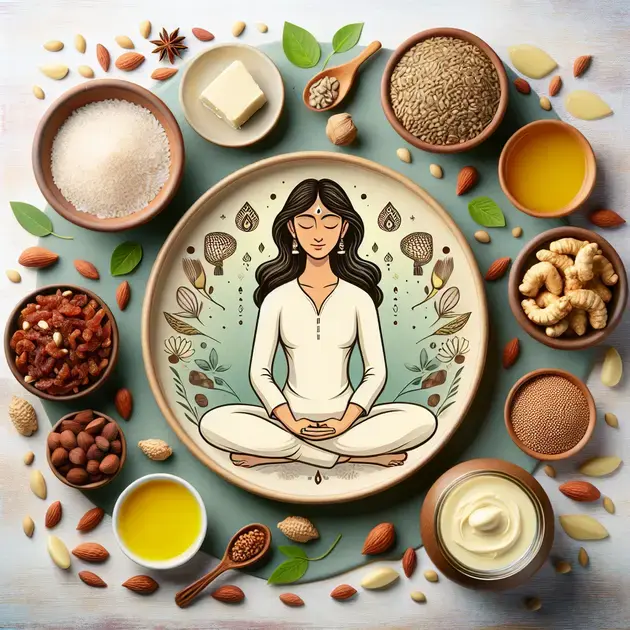
Chaitra Navratri special: Ghee, dry fruits and more superfoods for a balanced fast

Chaitra Navratri Special: Ghee, Dry Fruits, and More Superfoods for a Balanced Fast

Chaitra Navratri is a significant Hindu festival that is celebrated with devotion and cheerfulness. During this festive period, many people choose to fast as a way to show their dedication and seek blessings. If you are observing a fast during Chaitra Navratri, it is essential to focus on mindful eating to ensure you stay healthy and energized throughout.

When it comes to fasting, it is crucial to consume foods that are not only nutritious but also provide sustained energy. Incorporating superfoods into your fasting routine can aid in digestion, keep you active, and provide the essential nutrients your body needs. Let’s take a closer look at some must-have superfoods for a balanced fast during Chaitra Navratri.

1. Ghee

Ghee, or clarified butter, is a staple in Indian cuisine and is commonly used during fasting periods. It is a rich source of healthy fats that provide a slow and steady release of energy. Consuming a small amount of ghee can help satiate your appetite and keep you feeling full for longer periods.

2. Dry Fruits

Dry fruits such as almonds, walnuts, and raisins are packed with essential nutrients and are excellent sources of protein. They provide a good amount of energy and are easy to carry around as a quick snack during fasting. Incorporating a handful of dry fruits into your diet can provide you with the necessary nutrients and help curb hunger pangs.

3. Sabudana (Tapioca Pearls)

Sabudana is a popular ingredient used in Indian fasting recipes. It is a rich source of carbohydrates and provides instant energy. Sabudana khichdi or sabudana vada are delicious dishes that can be prepared using this superfood. Including sabudana in your fasting meals can help maintain your energy levels throughout the day.

4. Buckwheat Flour

Buckwheat flour, also known as kuttu atta, is commonly used during fasting as it is gluten-free and packed with nutrients. It is an excellent source of fiber, protein, and essential minerals. The versatile buckwheat flour can be used to make pancakes, rotis, and puris, providing you with a balanced and nutritious fasting meal.

5. Singhara Flour (Water Chestnut Flour)

Singhara flour is another commonly used ingredient during Chaitra Navratri fasting. It is gluten-free and high in nutrients such as potassium, magnesium, and fiber. Singhara flour is often used to prepare fasting delicacies like singhara atta halwa or singhara atta kachoris, providing you with a delectable and healthy fasting experience.

In conclusion, Chaitra Navratri is a time for devotion and celebration. If you are observing a fast during this period, incorporating superfoods like ghee, dry fruits, sabudana, buckwheat flour, and singhara flour can help you stay healthy and energized. Remember to practice mindful eating, stay hydrated, and consult with a healthcare professional or nutritionist for personalized dietary advice. Enjoy the festivities and have a blessed Chaitra Navratri!

4 ways how black pepper can help you lose weight


Title: 4 Ways How Black Pepper Can Help You Lose Weight

Introduction:

To lose weight effectively, it is crucial to combine a nutritious diet with appropriate exercises. While you may have already planned out your diet, did you know that incorporating various spices into your meals can provide additional support in accelerating your weight loss journey? One such spice is black pepper, commonly known as kali mirch, which possesses several properties that can aid in shedding those unwanted pounds.

1. Boosts Metabolism:

Black pepper contains a compound called piperine, which has been found to enhance the metabolism of fats and carbohydrates. By increasing the rate at which your body burns calories, black pepper can aid in weight loss by promoting an efficient metabolic process. Adding this spice to your meals can provide an extra metabolic boost, ultimately helping you to reach your weight loss goals.

2. Suppresses Appetite:

Another benefit of black pepper is its ability to suppress appetite. The strong aroma and flavor of this spice can stimulate the taste buds and signal to the brain that you are satisfied with your meal. By reducing your cravings and curbing overeating tendencies, black pepper can support portion control and prevent unnecessary calorie consumption, contributing to weight loss.

3. Enhances Nutrient Absorption:

Black pepper has been found to enhance the absorption of nutrients from the food we eat. It contains a compound called piperine, which aids in increasing the bioavailability of certain nutrients, including vitamins and minerals. By improving nutrient absorption, black pepper can optimize the utilization of essential nutrients that play a vital role in overall health and weight management.

4. Boosts Digestion:

One of the key factors in weight loss is efficient digestion. Black pepper stimulates the production of digestive enzymes, supporting the breakdown of food and aiding in proper digestion. By improving digestion, black pepper can prevent indigestion, bloating, and other digestive issues that may hinder weight loss progress.

Conclusion:

Incorporating black pepper into your meals can be a valuable addition to your weight loss journey. Its ability to boost metabolism, suppress appetite, enhance nutrient absorption, and improve digestion can contribute to more effective weight management. Remember to use this spice in moderation and consult with a healthcare professional if you have any underlying health conditions. Combine the power of black pepper with a balanced diet and regular exercise to achieve sustainable weight loss results.