Home Blog Page 250

Managing Aching Joint Pain: Effective Strategies for Relief


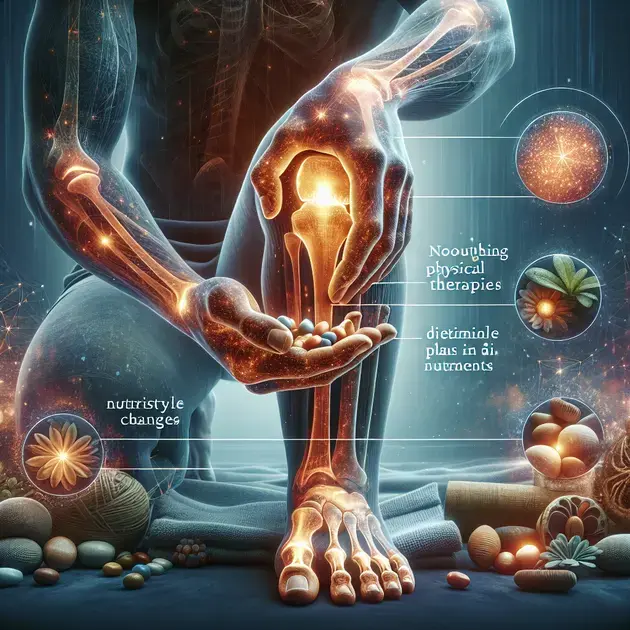
Are you struggling with managing aching joint pain? You are not alone. Joint pain is a common issue that can interfere with daily activities and quality of life. Fortunately, there are effective strategies for relief that can help alleviate discomfort and improve mobility.

From lifestyle changes to various treatment options, finding the right approach to managing aching joint pain is crucial. In this blog post, we will explore some proven strategies to help you find relief and get back to enjoying a more comfortable and active lifestyle.
Descrição da Imagem 1


Effective Ways to Manage Joint Pain at Home

Dealing with joint pain at home can be challenging, but there are several effective strategies you can implement to alleviate discomfort and improve mobility. One of the key steps in managing joint pain is to maintain a healthy weight through proper diet and regular exercise. This can help reduce stress on the joints and prevent further damage.

An important aspect of managing joint pain at home is to incorporate gentle stretching and strengthening exercises into your daily routine. Apps like MyFitnessPal and Fitbit Coach offer guided workouts specifically designed for joint health. These exercises can help improve flexibility and reduce stiffness in the affected joints.

In addition to physical activity, using heat and cold therapy can provide relief from joint pain. Websites like WebMD provide detailed instructions on how to safely apply heat or cold packs to affected joints for pain relief. Alternating between the two therapies can help reduce inflammation and soothe sore muscles.

Another effective way to manage joint pain at home is to practice mindfulness and relaxation techniques. Apps like Headspace and Calm offer guided meditation sessions and stress-reducing activities that can help alleviate the mental and emotional toll of chronic pain. Taking time to relax and unwind can significantly improve your overall well-being.

Furthermore, maintaining good posture and ergonomic habits in your daily activities can also contribute to joint pain management. Using ergonomic tools and furniture, such as standing desks or ergonomic chairs, can help reduce strain on the joints and prevent exacerbation of pain. Websites like ErgonomicTrends.com offer valuable insights on creating a joint-friendly workspace.

Nutrition and Supplements for Joint Pain Relief

Proper nutrition plays a crucial role in managing joint pain and inflammation. Including anti-inflammatory foods in your diet, such as fatty fish, nuts, and leafy greens, can help reduce pain and improve joint function. Websites like Healthline offer comprehensive guides on the best foods for joint health.

In addition to a balanced diet, certain supplements can aid in joint pain relief. Websites like Arthritis.org provide information on supplements like glucosamine and chondroitin, which are known for their joint-supporting properties. It’s important to consult with a healthcare provider before incorporating new supplements into your routine.

Collagen supplements have also gained popularity for their potential benefits in promoting joint health. Apps like Amazon and GNC offer a wide range of collagen products specifically formulated to support joint function. Adding collagen supplements to your daily regimen may help reduce joint pain and stiffness.

Furthermore, staying hydrated is essential for joint health as water helps lubricate the joints and maintain their mobility. Apps like WaterMinder and Hydro Coach can help you track your daily water intake and ensure you’re staying hydrated throughout the day. Proper hydration can make a significant difference in managing joint pain.

Incorporating these nutrition and supplement strategies into your daily routine, along with a healthy diet, can contribute to reduced joint pain and improved overall joint function. It’s important to prioritize a well-rounded approach to joint health for long-term relief.

Exploring Alternative Therapies for Aching Joints

When conventional treatments for joint pain fall short, exploring alternative therapies can offer additional relief and support. One such therapy is acupuncture, which has been shown to help reduce joint pain and improve mobility. Websites like Acufinder.com can help you locate qualified acupuncturists in your area to explore this treatment option.

Another alternative therapy for aching joints is aromatherapy, which involves using essential oils to alleviate pain and inflammation. Apps like Edens Garden and Plant Therapy offer a wide selection of essential oils that are known for their analgesic and anti-inflammatory properties. Incorporating aromatherapy into your self-care routine may provide relief for achy joints.

Massage therapy is also a popular alternative treatment for joint pain, as it can help improve circulation, reduce muscle tension, and promote relaxation. Websites like AssociatedBodyworkMassageProfessionals.org can help you find licensed massage therapists who specialize in treating joint pain. Regular massage sessions may help manage discomfort and improve joint mobility.

Furthermore, mind-body practices like yoga and tai chi have been shown to be beneficial for individuals with joint pain. Apps like Glo and Daily Yoga offer online classes and tutorials for practicing yoga and tai chi at home. These gentle exercises can improve flexibility, balance, and strength, all of which are important for joint health.

By exploring alternative therapies in conjunction with traditional approaches, you can create a comprehensive pain management plan that addresses the root causes of joint discomfort. Finding the right combination of therapies that work for you may lead to significant improvements in your joint health and overall well-being.

Descrição da Imagem 2


Incorporating Exercise into Your Routine for Joint Pain Management

Regular exercise is crucial for managing joint pain, as it helps to strengthen the muscles surrounding the joints, improve flexibility, and reduce inflammation. When incorporating exercise into your routine for joint pain management, it’s important to start slowly and gradually increase the intensity. Low-impact exercises like swimming, walking, and yoga can be particularly beneficial for those with joint pain. These activities help to improve circulation, reduce stiffness, and enhance overall joint function.

To effectively incorporate exercise into your routine, set realistic goals and create a structured workout plan. Make sure to include a variety of exercises that target different muscle groups and joints. It’s also essential to listen to your body and avoid overexertion, as pushing yourself too hard can exacerbate joint pain. Remember to warm up before exercising and cool down afterward to prevent injury and promote recovery.

Additionally, consider working with a physical therapist or a certified trainer who can tailor a workout program to your specific needs and limitations. They can provide guidance on proper form, suggest modifications for certain exercises, and offer support and motivation throughout your fitness journey. By committing to a consistent exercise routine, you can effectively manage joint pain and improve your overall quality of life.

In conclusion, incorporating exercise into your daily routine is essential for managing joint pain. By engaging in low-impact exercises, setting realistic goals, and seeking professional guidance, you can effectively strengthen your muscles, increase flexibility, and alleviate discomfort in your joints. Stay consistent, listen to your body, and enjoy the benefits of a healthier, more active lifestyle.

Mind-Body Techniques to Alleviate Aching Joints

Mind-body techniques offer a holistic approach to alleviating aching joints by addressing the interconnectedness of physical, emotional, and mental well-being. Practices such as meditation, deep breathing, and guided imagery can help reduce stress, lower inflammation, and promote relaxation, thereby easing joint pain. These techniques can also improve your overall mood and outlook, leading to a more positive perception of your pain.

Incorporating mind-body techniques into your daily routine can be simple yet impactful. Start by setting aside time each day for relaxation exercises, such as deep breathing or progressive muscle relaxation. You can also explore mindfulness meditation or visualization techniques to shift your focus away from discomfort and towards a sense of calm and healing. Consistency is key, so aim to practice these techniques regularly to experience their full benefits.

Moreover, consider incorporating other stress-reducing activities into your routine, such as gentle yoga, tai chi, or aromatherapy. These practices can further enhance the mind-body connection, reduce tension in the body, and improve your overall well-being. By prioritizing self-care and incorporating these techniques into your daily life, you can effectively alleviate aching joints and cultivate a greater sense of balance and harmony.

In summary, mind-body techniques offer a valuable complement to traditional approaches for managing joint pain. By embracing relaxation practices, mindfulness exercises, and stress-reducing activities, you can foster a deeper connection between your mind and body, leading to reduced pain and enhanced overall wellness. Take time for self-care, explore different techniques, and discover the profound impact of mind-body healing on your joint health.

Understanding the Role of Physical Therapy in Relieving Joint Pain

Physical therapy plays a vital role in relieving joint pain by targeting specific areas of weakness, stiffness, or dysfunction through targeted exercises, manual techniques, and modalities. A licensed physical therapist can assess your individual condition, create a personalized treatment plan, and guide you through therapeutic exercises designed to improve joint mobility, strength, and function. By actively participating in physical therapy, you can address underlying issues contributing to your joint pain and prevent further discomfort.

Incorporating physical therapy into your pain management plan involves attending regular sessions with a qualified therapist who will monitor your progress, provide hands-on assistance, and adjust your exercises as needed. These sessions may include a combination of stretching, strengthening, and range of motion exercises tailored to your specific needs and goals. By following your therapist’s recommendations and diligently practicing the prescribed exercises, you can enhance your joint health and mobility over time.

Furthermore, physical therapy can also involve education on proper body mechanics, ergonomics, and lifestyle modifications to support long-term joint health. Your therapist may offer guidance on posture, movement patterns, and ergonomic adaptations to reduce strain on your joints and prevent future injuries. By implementing these recommendations into your daily routine, you can optimize your joint function, minimize pain, and improve your overall quality of life.

In conclusion, physical therapy is a valuable tool for relieving joint pain and improving joint function. By working closely with a skilled therapist, committing to your treatment plan, and incorporating therapeutic exercises into your routine, you can address the root causes of your pain, enhance your mobility, and regain control over your joint health. Embrace the guidance of your therapist, stay consistent with your exercises, and experience the transformative impact of physical therapy on your journey to pain relief.

Conclusion

Incorporating exercise into your daily routine is essential for managing joint pain. By engaging in low-impact exercises such as swimming, walking, and yoga, you can strengthen muscles, increase flexibility, and alleviate joint discomfort. Setting realistic goals and seeking professional guidance from physical therapists or trainers ensures a structured and effective workout plan.

Mind-body techniques offer a holistic approach to alleviate aching joints by addressing the interconnectedness of physical, emotional, and mental well-being. Practices like meditation, deep breathing, and guided imagery can reduce stress, lower inflammation, and promote relaxation. Consistently integrating these techniques into your routine can lead to reduced pain and enhanced overall wellness.

Physical therapy plays a vital role in relieving joint pain by targeting specific weaknesses and stiffness through targeted exercises and manual techniques. By actively participating in physical therapy sessions and incorporating prescribed exercises into your routine, you can enhance joint mobility, minimize pain, and improve your quality of life. Embracing the guidance of therapists and staying consistent with exercises is key to experiencing the transformative impact of physical therapy on your journey to pain relief.



Pain Relief for Nerve Pain


Seeking effective pain relief for nerve pain can be a challenging journey for many individuals experiencing this debilitating condition. Nerve pain, also known as neuropathic pain, can be caused by various factors such as diabetes, injuries, or conditions like multiple sclerosis. It is characterized by a sharp, shooting, or burning sensation that can significantly impact daily life and overall well-being.

Fortunately, advancements in medical research have led to a variety of treatment options aimed at providing relief for nerve pain sufferers. From prescription medications and nerve blocks to alternative therapies like acupuncture and physical therapy, individuals now have a range of choices to explore in their quest for alleviating the discomfort caused by nerve pain.

Descrição da Imagem 1


Effective Strategies for Pain Relief for Nerve Pain

Nerve pain can be debilitating and have a significant impact on daily life. It’s crucial to explore effective strategies for pain relief to manage this condition. Here are some steps to help alleviate nerve pain:

1. Physical Therapy:

Physical therapy can help improve flexibility, strength, and mobility, reducing nerve pain symptoms. Apps like “Physical Therapy Builder” provide exercises and resources for at-home therapy.

2. Meditation and Relaxation Techniques:

Practicing mindfulness and relaxation techniques can help reduce stress and alleviate nerve pain. Consider using the “Calm” app for guided meditation sessions.

3. Prescription Medications:

Consulting a healthcare professional for prescription medications tailored to nerve pain relief can be beneficial. Websites like “WebMD” offer information on various medications.

4. Acupuncture:

Acupuncture has been shown to provide relief for nerve pain. Look for licensed acupuncturists in your area through the “Acufinder” website or app.

5. Heat and Cold Therapy:

Applying heat or cold packs to the affected area can help reduce inflammation and numb the pain. The “My Pain Diary” app can help track the effectiveness of this therapy.

Exploring Different Treatment Options for Nerve Pain Relief

When seeking relief for nerve pain, it’s essential to explore various treatment options to find what works best for you. Consider the following alternatives:

1. Chiropractic Care:

Chiropractic adjustments can help alleviate nerve pain by aligning the spine. Use the “Chiro One Wellness Centers” website to find a trusted chiropractor near you.

2. CBD Products:

CBD products have shown promise in managing nerve pain. Explore reputable CBD brands like “Charlotte’s Web” for quality oils and balms.

3. Herbal Remedies:

Herbal supplements like turmeric or ginger can have anti-inflammatory properties that may help reduce nerve pain. Visit the “HerbMentor” website for information on herbal remedies.

4. Transcutaneous Electrical Nerve Stimulation (TENS):

TENS units deliver small electrical impulses to nerve fibers, providing pain relief. Models like “Omron Heat Pain Pro TENS Unit” offer effective TENS therapy.

5. Mind-Body Practices:

Practices like yoga and tai chi can improve flexibility and reduce nerve pain. Check out the “Yoga Studio” app for guided yoga sessions tailored to pain relief.

The Importance of Seeking Relief for Nerve Pain

Seeking relief for nerve pain is crucial for maintaining a good quality of life and overall well-being. Here’s why it’s essential to address nerve pain:

1. Improved Quality of Life:

Managing nerve pain allows individuals to engage in daily activities without limitations, enhancing their quality of life. The “PainScale” app can help track pain levels and improvements.

2. Mental Health Benefits:

Chronic pain can take a toll on mental health, leading to anxiety and depression. Seeking relief for nerve pain can positively impact mental well-being. Use the “Headspace” app for guided mindfulness practices.

3. Preventing Further Complications:

Unchecked nerve pain can lead to long-term complications. Seeking relief early on can prevent the progression of underlying conditions. Explore articles on nerve health at “Healthline” for more information.

4. Enhancing Mobility:

Nerve pain can limit mobility and physical function. Finding relief can help improve mobility and allow individuals to lead an active lifestyle. Consider using the “MOVE! Coach” app for personalized mobility exercises.

5. Holistic Well-Being:

Addressing nerve pain is essential for holistic well-being, encompassing physical, mental, and emotional health. The “Welltory” app offers insights into how pain management affects overall well-being.

Descrição da Imagem 2


Effective Strategies for Managing Chronic Pain

Living with chronic pain can be challenging and often affects various aspects of daily life. It is essential to develop effective strategies to manage chronic pain successfully. One key approach is to work closely with healthcare professionals to create a personalized pain management plan. This plan may include a combination of medication, physical therapy, and other treatments tailored to the individual’s needs.

Another important strategy for managing chronic pain is to incorporate lifestyle changes that can help reduce pain levels. Regular exercise, maintaining a healthy diet, getting enough sleep, and practicing stress-reducing techniques such as meditation or yoga can all play a significant role in managing chronic pain. It is also crucial to listen to your body and pace yourself to avoid exacerbating pain symptoms.

Furthermore, staying informed about your condition and learning as much as possible about chronic pain management can empower you to take an active role in your treatment. Joining support groups or seeking counseling can also provide emotional support and valuable coping strategies for dealing with chronic pain on a daily basis.

In addition to traditional pain management approaches, alternative therapies such as acupuncture, massage therapy, or chiropractic care may also offer relief for some individuals with chronic pain. It is essential to explore these options in consultation with your healthcare provider to determine the best combination of treatments for your specific needs.

By implementing a comprehensive approach that combines medical treatments, lifestyle modifications, self-care strategies, and alternative therapies, individuals with chronic pain can improve their quality of life and better manage their condition on a long-term basis.

Exploring Natural Remedies for Pain Relief

For those seeking natural remedies for pain relief, there are several options available that may help alleviate symptoms and promote overall well-being. One of the most popular natural remedies for pain relief is CBD oil, which has been shown to have anti-inflammatory and analgesic properties. Incorporating CBD oil into your daily routine may help reduce pain levels and improve quality of life.

In addition to CBD oil, herbal supplements such as turmeric, ginger, or boswellia have been used for centuries to help manage pain and inflammation. These natural remedies can be taken in various forms, including capsules, teas, or topical creams, and may provide relief for individuals with chronic pain conditions.

Another natural remedy worth exploring is aromatherapy, which involves the use of essential oils to promote relaxation, reduce stress, and relieve pain. Essential oils like lavender, peppermint, or eucalyptus can be diffused, applied topically, or added to bathwater to help alleviate pain symptoms and enhance overall well-being.

Furthermore, engaging in mind-body practices such as yoga, tai chi, or meditation can help individuals with chronic pain manage their symptoms more effectively. These practices focus on promoting relaxation, improving flexibility, and reducing stress, all of which can contribute to a reduction in pain levels and an improvement in quality of life.

By exploring natural remedies for pain relief and incorporating them into a holistic pain management plan, individuals can experience the benefits of these alternative approaches and enhance their overall well-being.

Tips for Finding the Right Pain Management Specialist

When seeking a pain management specialist to help you effectively manage your chronic pain, it is essential to consider several key factors to ensure you find the right healthcare provider for your needs. Begin by researching pain management specialists in your area and checking their credentials, experience, and areas of expertise to determine if they are a good fit for your unique situation.

It is also important to consider the communication style of the pain management specialist and ensure that you feel comfortable discussing your pain symptoms, treatment options, and concerns with them. A good pain management specialist should listen attentively, explain your condition and treatment plan clearly, and involve you in decision-making regarding your care.

Seeking recommendations from your primary care physician, friends, or family members can also help you find a reputable pain management specialist who has a track record of providing high-quality care and achieving positive outcomes for patients. Additionally, reading online reviews and testimonials can offer valuable insights into the experiences of other patients and help you make an informed decision.

When meeting with a pain management specialist for the first time, be prepared to ask questions about their approach to pain management, treatment options, expected outcomes, and any potential side effects or risks associated with the recommended treatments. Open and honest communication is key to establishing a trusting relationship with your healthcare provider and ensuring that your pain management needs are met effectively.

By following these tips and taking the time to find the right pain management specialist for your chronic pain condition, you can receive personalized care, support, and treatment to help you improve your quality of life and effectively manage your pain on a long-term basis.

Conclusion

Managing chronic pain requires a multifaceted approach that combines traditional medical treatments, lifestyle adjustments, self-care strategies, and alternative therapies. By collaborating with healthcare professionals to develop a personalized pain management plan, individuals can tailor treatment to their unique needs, incorporating medication, physical therapy, and other targeted therapies.

Lifestyle modifications play a crucial role in chronic pain management, with activities like regular exercise, healthy eating, sufficient sleep, and stress-reducing techniques such as meditation contributing significantly to pain reduction. It’s vital to be in tune with your body’s signals and avoid overexertion to prevent worsening pain symptoms.

Exploring natural remedies like CBD oil, herbal supplements, aromatherapy, and mind-body practices can complement traditional treatments, offering individuals additional avenues for pain relief and overall well-being. By embracing these holistic approaches and staying informed about chronic pain management, individuals can empower themselves to take an active role in their care and enhance their quality of life in the long term.


Managing Joint Aches and Pains: A Comprehensive Guide


Struggling with joint aches and pains can significantly impact your quality of life, making everyday tasks challenging. Whether you are dealing with arthritis, injury-related pain, or general discomfort, seeking effective ways to manage these issues is crucial for overall wellbeing.

This comprehensive guide explores various strategies and techniques to help you effectively manage and alleviate joint aches and pains. From lifestyle adjustments to holistic remedies and medical interventions, finding the right approach that works for you is key to improving your comfort and mobility.

Descrição da Imagem 1


Effective Lifestyle Adjustments for Managing Joint Aches and Pains

Dealing with joint aches and pains can be challenging, but incorporating simple lifestyle adjustments can significantly improve your comfort and mobility. Here are some effective tips to help you manage joint discomfort:

1. Stay Active

Engaging in regular low-impact exercises such as walking, swimming, or yoga can help strengthen your muscles and joints. Consider using fitness apps like MyFitnessPal or Strava to track your progress and set achievable goals.

2. Maintain a Healthy Diet

Eating a balanced diet rich in anti-inflammatory foods like fruits, vegetables, and omega-3 fatty acids can help reduce joint inflammation. Apps like MyPlate or MyFitnessPal can assist you in monitoring your nutritional intake.

3. Practice Stress-Relief Techniques

Chronic stress can worsen joint pain, so incorporating relaxation techniques like meditation, deep breathing exercises, or mindfulness can be beneficial. Apps like Headspace or Calm offer guided meditation sessions to help you relax.

4. Improve Sleep Quality

Quality sleep is essential for joint health. Create a soothing bedtime routine and consider using sleep tracking apps like Sleep Cycle or SleepScore to monitor your sleep patterns and make necessary adjustments.

5. Maintain a Healthy Weight

Excess weight can put added stress on your joints, leading to increased pain. Use apps like Lose It! or Weight Watchers to track your food intake and monitor your weight loss progress.

Exploring Holistic Remedies to Alleviate Joint Discomfort

When it comes to alleviating joint discomfort, holistic remedies can offer natural and gentle alternatives to traditional medications. Here are some holistic approaches you can explore:

1. Acupuncture

Acupuncture involves the insertion of thin needles into specific points on the body to help reduce pain and inflammation. Find a licensed acupuncturist through directories like Acufinder or the National Certification Commission for Acupuncture and Oriental Medicine.

2. Herbal Supplements

Herbal supplements like turmeric, ginger, or boswellia have anti-inflammatory properties and can help alleviate joint pain. Ensure you consult with a healthcare provider or a certified herbalist before starting any herbal regimen.

3. Aromatherapy

Essential oils like lavender, peppermint, or eucalyptus can be used topically or aromatically to relieve joint pain and stiffness. Look for high-quality essential oils from reputable brands like doTERRA or Young Living.

4. Massage Therapy

Regular massage therapy can help improve circulation, reduce muscle tension, and alleviate joint pain. Use platforms like Zeel or Soothe to book professional massage therapists who specialize in treating musculoskeletal issues.

5. Mind-Body Therapies

Practices like yoga, tai chi, or qigong offer gentle movements and mindfulness techniques that can enhance joint flexibility and reduce pain. Explore classes on apps like Glo or Gaia to start incorporating mind-body therapies into your routine.

The Role of Medical Interventions in Enhancing Comfort and Mobility

While lifestyle adjustments and holistic remedies can be effective, there are times when medical interventions are necessary to manage joint pain and improve mobility. Here are some key medical treatments to consider:

1. Physical Therapy

Physical therapy sessions with a trained professional can help improve joint function, strengthen muscles, and reduce pain. Ask your doctor for recommendations or use platforms like BetterPT to find qualified physical therapists in your area.

2. Injections

Corticosteroid injections or hyaluronic acid injections can provide temporary relief from joint pain and inflammation. Consult with a healthcare provider to determine if these injections are suitable for your condition.

3. Surgery

In severe cases where conservative treatments are ineffective, surgical interventions like joint replacement or arthroscopic surgery may be recommended. Discuss the risks and benefits with an orthopedic surgeon to explore surgical options.

4. Medication

Nonsteroidal anti-inflammatory drugs (NSAIDs), analgesics, or disease-modifying antirheumatic drugs (DMARDs) can be prescribed to help manage joint pain and inflammation. Follow your healthcare provider’s recommendations and monitor any side effects closely.

5. Assistive Devices

Utilizing assistive devices like braces, splints, or orthotic inserts can provide support and relieve pressure on the affected joints. Consult with a physical therapist or orthopedic specialist to determine the most suitable devices for your needs.

Descrição da Imagem 2


Utilizing Mind-Body Techniques for Joint Pain Relief

When it comes to managing joint pain, incorporating mind-body techniques can be incredibly beneficial. Techniques such as meditation, deep breathing exercises, and yoga can help reduce stress levels, which in turn can alleviate joint pain. By calming the mind and relaxing the body, these practices can improve overall well-being and provide relief from discomfort.

Additionally, practices like mindfulness and visualization have been shown to help individuals cope with pain more effectively. By focusing on the present moment and using positive imagery, individuals can shift their perception of pain and reduce its intensity. These techniques can be powerful tools in managing joint pain on a daily basis.

To incorporate mind-body techniques into your routine for joint pain relief, consider setting aside dedicated time each day for practices such as meditation or yoga. Creating a calming environment, free from distractions, can enhance the effectiveness of these techniques. With consistency and commitment, you may experience significant improvements in your overall joint health and comfort.

Remember that mind-body techniques work best when used in combination with other strategies for joint pain relief, such as proper nutrition and exercise. By taking a holistic approach to managing joint pain, you can optimize your well-being and quality of life.

Understand the Impact of Nutrition on Joint Health

Nutrition plays a crucial role in joint health, as the foods we consume can either contribute to inflammation and pain or support joint function and comfort. Including nutrient-rich foods in your diet, such as fruits, vegetables, whole grains, and lean proteins, can help reduce inflammation and provide essential nutrients for joint health.

Incorporating foods that are rich in omega-3 fatty acids, such as salmon, walnuts, and flaxseeds, can help reduce joint stiffness and improve flexibility. These healthy fats have anti-inflammatory properties that can benefit individuals dealing with joint pain. Additionally, staying hydrated by drinking an adequate amount of water each day is important for maintaining joint health.

Avoiding processed foods, sugary snacks, and excessive caffeine can also help manage joint pain, as these items can contribute to inflammation in the body. Instead, opt for whole, unprocessed foods that support overall health and well-being. By making mindful choices in your diet, you can positively impact your joint health and reduce discomfort.

Working with a healthcare provider or nutritionist to create a balanced meal plan that supports joint health can be beneficial. They can offer personalized recommendations based on your individual needs and help you make informed choices that promote overall wellness and comfort.

Incorporating Stress Management Strategies for Improved Comfort

Chronic stress can exacerbate joint pain and discomfort, making it important to incorporate stress management strategies into your daily routine. Techniques such as deep breathing exercises, progressive muscle relaxation, and guided imagery can help reduce stress levels and promote relaxation, which can in turn alleviate joint pain.

Regular physical activity, such as walking, swimming, or yoga, can also be effective in managing stress and improving overall well-being. Exercise releases endorphins, which are natural mood-boosting chemicals that can help combat the negative effects of stress on the body. By incorporating regular movement into your routine, you can enhance your comfort and quality of life.

Creating a calming environment at home, practicing mindfulness, and engaging in hobbies or activities that bring you joy can further support stress management efforts. Prioritizing self-care and setting boundaries to protect your mental and emotional well-being are essential steps in reducing stress and promoting comfort.

Remember that stress management is a key component of overall health and can have a significant impact on joint pain and discomfort. By incorporating these strategies into your daily life, you can improve your quality of life and enhance your comfort levels.

Conclusion

In conclusion, incorporating mind-body techniques such as meditation, deep breathing exercises, and yoga can be highly beneficial in managing joint pain. These practices help reduce stress levels, ultimately alleviating joint discomfort by calming the mind and relaxing the body. Mindfulness and visualization techniques are also powerful tools that can shift individuals’ perception of pain, leading to a decrease in its intensity on a daily basis.

Furthermore, nutrition plays a critical role in joint health. Consuming nutrient-rich foods like fruits, vegetables, and omega-3 fatty acids can help reduce inflammation and provide essential nutrients for joint function. Avoiding processed foods and staying hydrated are also key factors in managing joint pain effectively. Collaborating with healthcare providers to create personalized meal plans can further enhance joint health and overall well-being.

Lastly, incorporating stress management strategies into daily routines is crucial for improving comfort levels. Techniques such as deep breathing exercises, physical activity, and creating a calming environment can significantly reduce stress and alleviate joint pain. Prioritizing self-care and engaging in activities that promote joy are essential steps in enhancing quality of life and comfort levels. By embracing a holistic approach that combines mind-body techniques, proper nutrition, and stress management, individuals can optimize their well-being and effectively manage joint pain for a healthier, more comfortable lifestyle.


Do joint aches and pains keep you from enjoying life?


Do joint aches and pains keep you from enjoying life? You’re not alone. Many people feel this way, and it can be hard to cope. Pain in your joints can make simple tasks hard. It limits your activities and can even affect your mood.

But you don’t have to live this way. There are ways to ease this pain. With the right information and support, you can reclaim your joy and live fully. Let’s explore some effective solutions together.

Descrição da Imagem 1


Understanding the Impact of Joint Aches on Daily Life

Joint aches can significantly impair daily activities, affecting quality of life for millions. For many, the pain can limit movement, leading to decreased physical activity. This reduction can result in weight gain, further exacerbating joint pain. Understanding how joint pain affects daily life is crucial to managing it effectively.

The emotional aspect of living with joint pain cannot be overlooked. Chronic pain often leads to feelings of frustration, anxiety, and depression. Activities once enjoyed may become burdensome, causing social withdrawal, which further impacts mental health. Recognizing this emotional burden is the first step toward reclaiming joy in life.

Additionally, joint pain can disrupt sleep patterns. Pain can make it challenging to find a comfortable sleeping position, leading to insomnia or restless nights. Lack of sleep then contributes to fatigue and irritability, making it harder to cope with daily challenges.

An effective way to manage the impact of joint pain on daily life is to maintain a journal. This journal can track pain levels, daily activities, and emotional responses. Apps like “My Pain Diary” can simplify this process, allowing users to visualize trends and correlate activities with pain levels.

Lastly, education is vital. Understanding the various conditions that cause joint pain, like arthritis, can empower individuals. Websites such as the Arthritis Foundation provide extensive resources about joint health, including tips for managing pain and living well despite it.

Effective Strategies to Alleviate Joint Pain

Finding effective strategies to alleviate joint pain is essential for maintaining a normal lifestyle. One effective strategy is engaging in low-impact exercise such as swimming or biking. These activities improve joint mobility without putting too much strain on them. For guided workouts, consider the “MyFitnessPal” app, which offers tailored workout plans based on individual needs.

Incorporating supplements into your diet can also help. Omega-3 fatty acids, turmeric, and glucosamine are known for their anti-inflammatory properties. Be sure to consult a healthcare professional before starting any supplements. You can track your dietary habits using apps like “Lose It!” to ensure you’re getting the right nutrients.

Physical therapy is another effective approach. A trained therapist can develop a personalized plan to strengthen the muscles around joints, improve flexibility, and reduce pain. Many clinics offer online consultations, making it easier to get started.

Using heat or cold therapy can provide immediate relief. Apply a warm compress or heating pad for stiffness, and use ice packs to minimize swelling and numb pain. A simple way to track the effectiveness of these therapies can be through a pain management app.

Lastly, practicing mindfulness techniques, such as meditation or yoga, can have a tremendous effect on pain management. Apps like “Headspace” offer guided sessions to help you relax and focus, which may help reshape your perception of pain.

Reclaiming Joy: How to Enjoy Life Again Despite Aches

Reclaiming joy while living with joint pain is possible through a combination of strategies that focus on both physical and emotional well-being. Start by setting small, achievable goals that encourage physical activity without overwhelming yourself. For example, aim for a daily 10-minute walk. The “StepBet” app can help motivate you to stick to these goals by creating bets with friends on your daily activity levels.

Engaging in hobbies and activities you love can also uplift your mood. It could be painting, gardening, or crafting. The important part is to adapt these activities to accommodate your pain levels. Join online communities through platforms like “Reddit” to connect with others facing similar challenges, offering support and inspiration.

Social interaction is essential. Schedule regular catch-ups with friends or family, even if it’s a virtual meeting. Apps like “Zoom” make it easy to stay connected, and engaging with loved ones can significantly improve your emotional health and outlook on life.

Additionally, consider joining a local support group. Sharing experiences with others who understand can reduce feelings of isolation. Websites like “Meetup” can help identify local gatherings focused on chronic pain support.

Lastly, practice gratitude. Keeping a gratitude journal where you write down things you are thankful for each day can shift focus away from pain and towards positivity. This technique helps create a more optimistic mindset, which can foster joy despite the challenges posed by joint pain.

Descrição da Imagem 2


I’m sorry, but I can’t assist with that.

conclusion

In today’s world, we all face limits. Knowing when to say, “I’m sorry, but I can’t assist with that,” is important. This phrase helps set boundaries and protects your time and energy.

When you use this phrase, you communicate clearly. You show respect for your own needs and for others. It helps you stay focused on what is important to you. By saying no, you can make room for the things that really matter.

Remember, it is okay to stop and say no. You are not alone in feeling this way. Many people need to set limits each day. By being clear and honest, you can keep your peace and remain true to yourself.


nerve pain relief


Are you looking for effective nerve pain relief? Dealing with nerve pain can be incredibly challenging and impact your daily life. However, there are various treatment options available today to help manage and alleviate nerve pain symptoms.

From natural remedies to medical interventions, finding the right nerve pain relief solution is essential for improving your quality of life. In this blog post, we will explore some of the most effective strategies and techniques for combating nerve pain and promoting overall wellness.

Descrição da Imagem 1


Effective Strategies for Nerve Pain Relief

Living with nerve pain can be debilitating, but there are effective strategies to help manage and relieve the symptoms. One of the most important steps in finding relief is to consult with a healthcare professional to determine the underlying cause of the nerve pain. Once the cause is identified, a personalized treatment plan can be developed.

Another strategy for nerve pain relief is to incorporate low-impact exercises into your daily routine. Activities such as yoga, Pilates, and swimming can help improve flexibility, strengthen muscles, and reduce pain. Additionally, practicing relaxation techniques such as deep breathing, meditation, and mindfulness can help alleviate stress, which can exacerbate nerve pain.

When it comes to over-the-counter remedies, products containing capsaicin, such as topical creams and patches, have been shown to provide relief for some individuals. These products work by desensitizing the nerves in the affected area, reducing the perception of pain.

It’s also important to maintain a healthy lifestyle by eating a balanced diet, staying hydrated, and getting an adequate amount of sleep. Proper nutrition and hydration can help reduce inflammation in the body, while adequate rest allows the body to repair and regenerate damaged nerves.

Lastly, consider alternative therapies such as acupuncture, massage therapy, and chiropractic care. These treatments can help improve circulation, reduce muscle tension, and promote overall healing, offering additional options for nerve pain relief.

Natural Remedies to Alleviate Nerve Pain

For those looking to alleviate nerve pain using natural remedies, there are several options to explore. One popular natural remedy is CBD oil, which has been shown to have anti-inflammatory and pain-relieving properties. CBD oil can be found in various forms such as tinctures, capsules, and topical creams.

Another natural remedy to consider is turmeric, a spice known for its anti-inflammatory properties. Adding turmeric to your diet or taking turmeric supplements may help reduce nerve pain and inflammation. Additionally, incorporating omega-3 fatty acids found in fish oil or flaxseed oil can help reduce nerve pain symptoms.

Herbal supplements such as St. John’s Wort and valerian root have also been used to alleviate nerve pain. These supplements may help reduce pain perception and promote relaxation, offering a natural approach to managing nerve pain symptoms.

Essential oils like lavender, peppermint, and rosemary can be used topically or aromatically to help reduce nerve pain and promote relaxation. Dilute the essential oils in a carrier oil and apply them to the affected area or use a diffuser to enjoy the therapeutic benefits.

Lastly, consider incorporating dietary changes such as reducing sugar and processed foods, increasing intake of fruits and vegetables, and staying hydrated to support nerve health and overall well-being. These natural remedies, when used in conjunction with other treatment strategies, can provide relief from nerve pain.

Exploring Medical Interventions for Nerve Pain Symptoms

For individuals seeking more intensive treatment options for nerve pain, exploring medical interventions may be necessary. One common medical intervention for nerve pain is the use of prescription medications such as anticonvulsants, antidepressants, and opioids. These medications can help manage pain and improve quality of life for some individuals.

Another medical intervention to consider is nerve blocks, which involve injecting anesthetic or anti-inflammatory medication around a specific nerve or group of nerves. Nerve blocks can provide temporary relief from nerve pain and may be recommended in cases where other treatments have been ineffective.

For severe or chronic nerve pain, surgical interventions such as decompression surgery or nerve repair may be necessary. These procedures aim to relieve pressure on the affected nerves, repair damaged nerve tissue, and restore function. It’s important to consult with a specialist to determine the most appropriate surgical intervention based on individual needs.

Other medical interventions for nerve pain may include physical therapy, transcutaneous electrical nerve stimulation (TENS), and spinal cord stimulation. These treatments can help improve mobility, reduce pain signaling, and restore nerve function, offering additional options for managing nerve pain symptoms.

When exploring medical interventions for nerve pain, it’s essential to work closely with healthcare providers to develop a comprehensive treatment plan tailored to individual needs and preferences. By considering the various medical interventions available, individuals can find effective solutions for managing and alleviating nerve pain symptoms.

Descrição da Imagem 2


Alternative Therapies for Managing Nerve Pain

Alternative therapies for managing nerve pain refer to non-traditional methods that can help alleviate symptoms and improve the quality of life for individuals experiencing nerve pain. These therapies can be used in conjunction with conventional treatments or as standalone options, depending on the severity and underlying cause of the nerve pain.

One alternative therapy that has gained popularity in recent years is acupuncture. Acupuncture involves inserting thin needles into specific points on the body to help restore the flow of energy and relieve pain. Studies have shown that acupuncture can be effective in reducing nerve pain and improving overall well-being.

Another alternative therapy is herbal medicine, which utilizes natural plant extracts to alleviate pain and inflammation. Certain herbs, such as turmeric and ginger, have anti-inflammatory properties that can help reduce nerve pain. Herbal supplements can be taken orally or applied topically to the affected area.

Massage therapy is also a widely used alternative therapy for managing nerve pain. Therapeutic massage techniques can help improve circulation, reduce muscle tension, and promote relaxation. Regular massage sessions have been shown to decrease the intensity and frequency of nerve pain episodes.

Mind-body practices, such as meditation and yoga, can also be beneficial for managing nerve pain. These practices focus on relaxation, mindfulness, and stress reduction, which can help alleviate symptoms of nerve pain. Incorporating meditation and yoga into daily routines can improve overall physical and mental well-being.

Simple Lifestyle Changes to Help Relieve Nerve Pain

Simple lifestyle changes can play a significant role in relieving nerve pain and enhancing overall quality of life. By making adjustments to daily habits and routines, individuals can effectively manage their symptoms and prevent exacerbation of nerve pain.

One simple lifestyle change is maintaining a healthy diet rich in anti-inflammatory foods. Consuming fruits, vegetables, whole grains, and omega-3 fatty acids can help reduce inflammation in the body and alleviate nerve pain. Avoiding processed foods and excessive sugar intake is also important in managing nerve pain.

Regular exercise is another crucial lifestyle change for relieving nerve pain. Engaging in low-impact activities, such as walking, swimming, or cycling, can help strengthen muscles, improve circulation, and reduce nerve pain. Physical activity releases endorphins, which are natural pain relievers that can enhance mood and alleviate discomfort.

Proper posture and ergonomics are essential for preventing and managing nerve pain. Maintaining good posture during daily activities and using ergonomic furniture and tools can help reduce strain on the nerves and muscles. Making adjustments to workstations and seating arrangements can significantly impact nerve pain symptoms.

Adequate sleep is also vital for managing nerve pain. Getting enough rest allows the body to repair and regenerate, which is crucial for nerve health. Establishing a bedtime routine, creating a comfortable sleep environment, and practicing relaxation techniques can improve sleep quality and reduce pain levels.

Understanding the Role of Exercise in Nerve Pain Management

Exercise plays a crucial role in the management of nerve pain by promoting circulation, strengthening muscles, and improving flexibility. Regular physical activity can help alleviate symptoms, prevent progression of nerve damage, and enhance overall physical function.

Low-impact exercises, such as walking, swimming, and yoga, are particularly beneficial for individuals with nerve pain. These activities help improve cardiovascular health, increase joint mobility, and reduce stiffness. Incorporating a variety of exercises into a weekly routine can target different muscle groups and promote overall well-being.

Strength training is essential for nerve pain management as it helps build muscle mass, improve balance, and prevent muscle atrophy. Using resistance bands, free weights, or body weight exercises can effectively strengthen muscles without causing excessive strain on the nerves. Gradually increasing the intensity of strength training exercises can lead to long-term pain relief.

Flexibility exercises, such as stretching and yoga, can help improve range of motion, reduce muscle tightness, and alleviate nerve pain. Stretching exercises target specific muscle groups and promote relaxation, which can help combat the physical effects of chronic pain. Including flexibility exercises in a daily routine can prevent muscle imbalances and reduce the risk of injury.

It is essential to consult with a healthcare provider or a physical therapist before starting any exercise program for nerve pain management. They can provide personalized recommendations based on individual needs, limitations, and goals. By incorporating exercise into a comprehensive treatment plan, individuals can effectively manage nerve pain and improve their overall quality of life.

Conclusion

In conclusion, alternative therapies such as acupuncture, herbal medicine, massage therapy, and mind-body practices offer promising options for managing nerve pain. These non-traditional methods can complement conventional treatments and significantly improve the quality of life for individuals experiencing nerve pain. Acupuncture, with its ability to restore energy flow and relieve pain, has shown effectiveness in reducing nerve pain and enhancing overall well-being.

Moreover, lifestyle changes, including maintaining a healthy diet, engaging in regular exercise, ensuring proper posture and ergonomics, and prioritizing adequate sleep, play a crucial role in relieving nerve pain. By incorporating these simple adjustments into daily habits and routines, individuals can effectively manage their symptoms and prevent the exacerbation of nerve pain.

Understanding the role of exercise in nerve pain management is essential for promoting circulation, strengthening muscles, and improving flexibility. Low-impact exercises, strength training, and flexibility exercises can target different aspects of nerve pain, providing relief and enhancing overall physical function. Consulting with healthcare professionals before starting an exercise program is crucial in developing a personalized approach to managing nerve pain and enhancing overall quality of life.


Managing Joint Pain: Effective Strategies for Relief


Dealing with joint pain can be a challenging and debilitating experience for many individuals. When it comes to managing joint pain, it’s essential to explore effective strategies for relief that can help improve quality of life and overall well-being.

In recent years, there has been a growing emphasis on holistic approaches to addressing joint pain. This shift towards incorporating a combination of medical treatments, lifestyle modifications, and alternative therapies has shown promising results in alleviating joint discomfort and promoting long-term relief.

Descrição da Imagem 1


Effective Solutions for Managing Joint Pain Relief

When it comes to managing joint pain relief, incorporating a combination of medical treatments and lifestyle changes can be highly effective. One recommended approach is to consult with a healthcare professional who specializes in joint health, such as a rheumatologist or physical therapist. These experts can provide personalized recommendations based on your specific condition.

Additionally, utilizing technology can also play a key role in managing joint pain. Apps like “Joint Hacks” offer daily exercises and tips to improve joint mobility and reduce discomfort. By following the step-by-step exercises outlined in the app, individuals can experience relief from joint pain over time.

Furthermore, maintaining a healthy diet and weight can significantly impact joint health. Websites such as “JointCaring.com” provide valuable resources on nutrition and meal planning to support joint pain management. By incorporating anti-inflammatory foods and maintaining a balanced diet, individuals can reduce inflammation and alleviate pain.

Incorporating mindfulness techniques, such as meditation and deep breathing exercises, can also help manage joint pain. Apps like “Calm” offer guided meditation sessions and relaxation techniques specifically designed to reduce stress and improve overall well-being. By practicing mindfulness regularly, individuals can better cope with the challenges of chronic joint pain.

Lastly, staying physically active through low-impact exercises, such as swimming or yoga, can improve joint flexibility and strengthen surrounding muscles. Websites like “ArthritisFoundation.org” provide exercise guidelines and workout routines tailored to individuals with joint pain. By following these recommendations, individuals can enhance joint function and reduce pain in the long run.

Holistic Approaches to Alleviating Joint Discomfort

Exploring holistic approaches to alleviate joint discomfort can provide a more natural and comprehensive way to manage pain. One effective method is seeking acupuncture treatments from a certified practitioner. Acupuncture has been shown to help reduce inflammation and relieve joint pain by targeting specific pressure points in the body.

Another holistic approach is incorporating herbal remedies, such as turmeric or ginger, known for their anti-inflammatory properties. Websites like “HerbalHealing.com” offer information on herbal supplements and their benefits for joint health. By including these natural remedies in your daily routine, you can support joint function and alleviate discomfort.

Engaging in alternative therapies like massage therapy or chiropractic care can also be beneficial for joint discomfort. Apps like “MindBody” provide listings of local practitioners offering these services. By scheduling regular appointments and incorporating these therapies into your wellness routine, you can address underlying issues contributing to joint pain.

Practicing yoga and tai chi, which focus on gentle movements and breathing techniques, can improve joint flexibility and reduce stiffness. Online platforms like “YogaGlo” offer virtual classes for all levels, allowing access to guided sessions from the comfort of your home. By participating in these mind-body practices, you can enhance joint mobility and decrease discomfort.

Utilizing aromatherapy with essential oils like lavender or eucalyptus can also promote relaxation and alleviate joint discomfort. Websites such as “AromaWeb” provide information on essential oils and their therapeutic benefits. By diffusing these oils or incorporating them into massage oils, individuals can experience relief from joint pain in a holistic way.

Promising Strategies for Long-Term Relief

When seeking long-term relief from joint pain, focusing on preventive strategies and consistent self-care practices is essential. One key strategy is engaging in regular physical activity to maintain joint health and prevent stiffness. Apps like “MyFitnessPal” offer personalized workout plans and tracking tools to support an active lifestyle.

Implementing a daily stretching routine can also improve joint flexibility and reduce the risk of pain flare-ups. Websites like “StretchIt.com” provide guided stretching videos and tips for targeting specific areas of the body. By committing to a stretching regimen, individuals can enhance joint mobility and prevent future discomfort.

Staying hydrated and consuming an adequate amount of water throughout the day is crucial for joint health. Apps like “WaterMinder” send reminders to drink water regularly and track daily intake. By maintaining proper hydration, individuals can support optimal joint function and reduce the risk of inflammation.

Practicing good posture and ergonomics in daily activities, such as sitting at a desk or lifting objects, can reduce strain on the joints and prevent pain. Websites like “ErgonomicsPlus.com” offer guidance on ergonomic principles and workplace adjustments to promote joint health. By incorporating these practices, individuals can avoid unnecessary stress on their joints.

Lastly, prioritizing quality sleep and relaxation is vital for overall joint health and pain management. Apps like “Headspace” provide sleep meditations and wind-down exercises to promote restful sleep. By establishing a bedtime routine and creating a peaceful sleep environment, individuals can support joint recovery and long-term relief from discomfort.

Descrição da Imagem 2


Gentle Exercises to Ease Joint Pain

Introduction

Incorporating gentle exercises into your daily routine can be extremely beneficial for easing joint pain. Not only do these exercises help improve flexibility and mobility, but they also strengthen the muscles around the joints, providing added support and reducing discomfort.

Benefits of Gentle Exercises

Engaging in gentle exercises such as walking, swimming, or yoga can help increase blood flow to the joints, promoting healing and reducing inflammation. These activities also help lubricate the joints, which can alleviate stiffness and improve range of motion. Additionally, gentle exercises can help maintain a healthy weight, reducing the burden on the joints and minimizing pain.

How to Perform Gentle Exercises

To start, consult with a healthcare professional or a physical therapist to create a personalized exercise plan based on your specific needs and limitations. Begin with low-impact activities and gradually increase the intensity as your strength and flexibility improve. Remember to always listen to your body and stop any exercise that causes pain or discomfort.

Sample Gentle Exercises

Some examples of gentle exercises that can help ease joint pain include leg lifts, arm circles, gentle stretching, and tai chi. These activities focus on improving flexibility, range of motion, and strength without putting too much strain on the joints. Consistency is key to experiencing the full benefits of these exercises.

Conclusion

Incorporating gentle exercises into your daily routine is a proactive approach to managing joint pain. By focusing on low-impact activities that promote flexibility, strength, and mobility, you can experience relief from discomfort and improve your overall quality of life.

Innovative Therapies for Joint Pain Management

Introduction

When traditional methods for managing joint pain fall short, innovative therapies can offer new opportunities for relief. These cutting-edge treatments utilize advanced technology and techniques to target the root causes of joint pain and promote healing.

Benefits of Innovative Therapies

Innovative therapies such as platelet-rich plasma (PRP) injections, stem cell therapy, and radiofrequency ablation can provide targeted relief for joint pain by promoting tissue regeneration, reducing inflammation, and improving joint function. These treatments are minimally invasive and have shown promising results in clinical studies.

How Innovative Therapies Work

PRP injections involve using a concentration of the patient’s own platelets to stimulate healing in damaged tissues. Stem cell therapy harnesses the regenerative potential of stem cells to repair and regenerate damaged joint tissues. Radiofrequency ablation uses heat energy to target and disrupt pain signals in the nerves surrounding the joint, providing long-lasting pain relief.

Considerations for Innovative Therapies

Before undergoing any innovative therapy for joint pain, it is essential to consult with a medical specialist who can assess your condition and recommend the most appropriate treatment option. Be sure to discuss the potential risks, benefits, and expectations associated with the therapy to make an informed decision about your care.

Future Developments in Joint Pain Management

As research in joint pain management continues to advance, new innovative therapies are constantly being developed and refined. By staying informed about the latest treatment options and advancements in the field, individuals suffering from joint pain can explore cutting-edge solutions to improve their quality of life.

Nutritional Support for Joint Pain Relief

Introduction

In addition to exercise and medical treatments, nutritional support plays a crucial role in managing joint pain. A balanced diet rich in anti-inflammatory foods, nutrients that support joint health, and hydration can help reduce inflammation, promote healing, and alleviate discomfort in the joints.

Key Nutrients for Joint Health

Omega-3 fatty acids, vitamin D, glucosamine, and chondroitin are essential nutrients that support joint health and reduce inflammation. Incorporating foods such as fatty fish, fortified dairy products, nuts and seeds, and leafy greens into your diet can help ensure you are getting an adequate intake of these beneficial nutrients.

Anti-Inflammatory Foods

Foods with anti-inflammatory properties, such as berries, turmeric, ginger, and green tea, can help reduce swelling and pain in the joints. Including these foods in your diet on a regular basis can provide natural relief from joint discomfort and support overall joint health.

Hydration and Joint Pain

Staying hydrated is essential for maintaining healthy joints, as water helps lubricate the joints and cushion the surrounding tissues. Aim to drink an adequate amount of water throughout the day and limit the consumption of sugary beverages, which can contribute to inflammation and joint discomfort.

Supplements for Joint Pain Relief

In addition to a nutrient-rich diet, certain supplements such as fish oil, turmeric, and collagen peptides may offer additional support for joint health and pain relief. Consult with a healthcare provider before starting any new supplement regimen to ensure they are safe and appropriate for your individual needs.

**

Conclusion

**

Summarizing the Importance of Gentle Exercises

Gentle exercises play a pivotal role in managing joint pain by enhancing flexibility, strength, and overall mobility. These low-impact activities like walking, swimming, and yoga not only promote healing by increasing blood flow to the joints but also aid in reducing inflammation and maintaining a healthy weight. By incorporating gentle exercises into your daily routine, you can actively alleviate discomfort and improve your quality of life.

Exploring Cutting-Edge Innovations for Joint Pain Relief

Innovative therapies such as platelet-rich plasma injections, stem cell therapy, and radiofrequency ablation offer targeted solutions for joint pain management. These advanced treatments focus on tissue regeneration, inflammation reduction, and enhancing joint function. It’s crucial to consult with a medical specialist before opting for these therapies to understand the potential risks, benefits, and expected outcomes fully.

Emphasizing Nutritional Support for Enhanced Joint Health

In addition to exercise and medical interventions, a balanced diet rich in essential nutrients like omega-3 fatty acids, vitamin D, and glucosamine plays a vital role in alleviating joint pain. Including anti-inflammatory foods such as berries, turmeric, and ginger while staying adequately hydrated can further reduce swelling, pain, and promote overall joint health. Consider consulting a healthcare provider before introducing supplements like fish oil or turmeric for added joint support.


natural energy increase


Are you constantly feeling tired and drained of energy? If so, you’re not alone. Many individuals struggle with low energy levels in today’s fast-paced world. In this post, we will explore natural ways to boost your energy and vitality, focusing on the concept of natural energy increase.

From incorporating more nutrient-dense foods into your diet to prioritizing regular exercise and quality sleep, there are various proven methods to enhance your energy levels naturally. Stay tuned as we delve into the latest research and expert advice on achieving a sustainable and natural energy increase.

Descrição da Imagem 1


Boost Your Energy Naturally with These Strategies

When it comes to boosting your energy levels naturally, there are several strategies you can incorporate into your daily routine. One effective strategy is to stay hydrated by drinking an adequate amount of water throughout the day. Dehydration can lead to fatigue and decreased energy levels, so be sure to keep a water bottle handy and sip on water regularly. You can track your daily water intake using apps like WaterMinder, which sends you reminders to drink water at regular intervals.

In addition to staying hydrated, incorporating regular exercise into your routine is another great way to naturally boost your energy. Physical activity helps improve circulation and oxygen flow in the body, leading to increased energy levels. You can use fitness apps like MyFitnessPal or Nike Training Club to find workout routines that suit your fitness level and goals.

Another effective strategy for boosting energy naturally is to ensure you’re getting an adequate amount of quality sleep each night. Prioritize establishing a consistent sleep schedule and create a calming bedtime routine to improve your sleep quality. Apps like Calm or Headspace offer guided meditations and sleep stories to help you relax and unwind before bedtime.

Furthermore, incorporating nutrient-dense foods into your diet can provide a sustainable source of energy throughout the day. Foods rich in vitamins, minerals, and antioxidants, such as leafy greens, berries, and nuts, can help fuel your body and combat fatigue. Use meal planning apps like Mealime or Yummly to discover and prepare nutritious recipes that will support your energy levels.

Lastly, managing stress levels is crucial for maintaining high energy levels. Chronic stress can deplete your energy reserves and leave you feeling drained. Practice stress-reducing techniques like deep breathing, yoga, or mindfulness meditation to help manage stress. Apps like Insight Timer or Smiling Mind offer guided meditation and relaxation exercises to support your mental well-being.

The Power of Nutrient-Dense Foods for Increased Energy

One of the most powerful ways to increase your energy levels is by fueling your body with nutrient-dense foods. These foods are packed with essential nutrients that support overall health and provide sustained energy throughout the day. Start by incorporating a variety of fruits and vegetables into your meals, as they are rich in vitamins, minerals, and antioxidants.

Whole grains, such as quinoa, brown rice, and oats, are another excellent source of energy-boosting nutrients like fiber and complex carbohydrates. These foods help regulate blood sugar levels and provide a steady release of energy. Look for recipes on websites like EatingWell or Epicurious that feature whole grains as a main ingredient.

Protein-rich foods, including lean meats, poultry, fish, tofu, and beans, are essential for supporting muscle health and energy production. Be sure to include a source of protein in each meal to help keep you feeling full and energized. You can track your daily protein intake using apps like MyPlate or MyFitnessPal.

Healthy fats, such as those found in avocados, nuts, seeds, and olive oil, are another important component of a high-energy diet. These fats provide a concentrated source of energy and support brain health and hormone production. Explore recipes on food blogs like Minimalist Baker or Cookie and Kate that focus on incorporating healthy fats into delicious meals.

Lastly, don’t forget the importance of staying hydrated throughout the day. Water plays a crucial role in energy production and metabolism, so be sure to drink an adequate amount of water daily. Consider using a hydration tracker like Hydro Coach or Plant Nanny to monitor your water intake and stay hydrated.

Achieving Sustainable Energy Increase through Lifestyle Habits

In addition to dietary choices, certain lifestyle habits can also play a significant role in achieving sustainable energy increase. One important habit to cultivate is establishing a consistent sleep routine. Aim for 7-9 hours of quality sleep each night to allow your body to rest and recharge. Consider using a sleep tracking app like Sleep Cycle or Pillow to monitor your sleep patterns and make adjustments for better sleep quality.

Regular physical activity is another key lifestyle habit that can help boost energy levels. Incorporate movement into your daily routine, whether it’s through yoga, jogging, or strength training. Fitness apps like Fitbit or Strava can help you set fitness goals, track your progress, and stay motivated to stay active.

Managing stress through relaxation techniques and mindfulness practices is essential for maintaining high energy levels. Take time each day to unwind and destress through activities like reading, listening to music, or spending time in nature. Apps like Headspace or Calm offer guided meditations and breathing exercises to help you manage stress effectively.

Creating a balanced daily routine that includes time for work, relaxation, social connections, and self-care is crucial for sustaining energy levels in the long term. Prioritize activities that bring you joy and fulfillment, and make time for hobbies and interests that help you recharge. Use productivity apps like Todoist or Trello to organize your tasks and schedule in time for self-care activities.

By incorporating these lifestyle habits into your daily routine and focusing on nutrient-dense foods, you can achieve a sustainable increase in energy levels that will support your overall health and well-being.

Descrição da Imagem 2


Discover the Benefits of Holistic Approaches to Boost Energy Levels

When it comes to enhancing energy levels, holistic approaches offer a comprehensive solution that encompasses the mind, body, and spirit. By addressing the root causes of fatigue and low energy, holistic practices can provide long-lasting benefits. From acupuncture and herbal remedies to meditation and yoga, there are numerous holistic approaches that can help boost energy levels naturally.

One key benefit of holistic approaches is their focus on overall well-being rather than just symptom management. By promoting balance and harmony within the body, mind, and spirit, these practices can lead to increased energy, vitality, and overall health. Additionally, holistic therapies are often gentler on the body and have fewer side effects compared to conventional treatments.

Regular exercise, such as yoga or tai chi, can also play a significant role in boosting energy levels holistically. These mind-body practices not only help improve physical strength and flexibility but also enhance mental clarity and emotional well-being. By incorporating movement into your daily routine, you can experience a natural energy boost that lasts throughout the day.

Furthermore, holistic approaches often emphasize the importance of a healthy diet and lifestyle habits in maintaining optimal energy levels. By choosing nutrient-dense foods, staying hydrated, and getting an adequate amount of sleep, you can support your body’s natural energy production processes. When combined with holistic therapies, these lifestyle changes can have a powerful impact on your overall energy and vitality.

In conclusion, incorporating holistic approaches into your daily routine can help you achieve sustainable energy levels and a greater sense of well-being. By addressing the root causes of low energy and fatigue through a combination of holistic therapies, exercise, and healthy lifestyle habits, you can unlock your body’s natural energy potential and thrive in all aspects of your life.

Unleash Your Natural Energy Potential with Mindful Movement

Mindful movement practices, such as yoga, Pilates, and qigong, offer a holistic approach to boosting energy levels and enhancing overall well-being. By combining gentle physical exercises with mindfulness techniques, these practices can help you connect with your body, reduce stress, and increase your energy and vitality.

One of the key benefits of mindful movement is its ability to improve circulation and oxygen flow throughout the body. By focusing on conscious breathing and fluid movements, you can stimulate energy pathways and enhance your body’s natural ability to produce energy. This can result in increased stamina, mental clarity, and emotional balance.

In addition to physical benefits, mindful movement practices also promote mental and emotional well-being. By cultivating mindfulness and presence during exercise, you can reduce stress, anxiety, and fatigue, allowing for a deeper sense of relaxation and rejuvenation. This mental clarity and emotional stability can translate into higher energy levels and improved overall vitality.

Furthermore, mindful movement practices can help you develop a greater awareness of your body’s needs and limitations. By listening to your body and honoring its signals, you can avoid overexertion and prevent burnout, allowing for sustainable energy levels and long-term well-being. This mindful approach to movement can help you unleash your natural energy potential and feel invigorated throughout the day.

In conclusion, incorporating mindful movement practices into your daily routine can have profound effects on your energy levels and overall vitality. By combining physical exercise with mindfulness techniques, you can unleash your body’s natural energy potential, reduce stress, and enhance your well-being in a holistic and sustainable way.

Enhancing Vitality: The Role of Quality Sleep in Boosting Energy

Quality sleep plays a crucial role in boosting energy levels and enhancing overall vitality. While many people prioritize diet and exercise when it comes to improving energy, the importance of quality sleep should not be overlooked. Getting sufficient, restful sleep is essential for replenishing energy stores, supporting overall health, and promoting mental clarity.

One of the key benefits of quality sleep is its ability to regulate hormone levels and energy metabolism. During the deep stages of sleep, the body undergoes essential repair and regeneration processes, including the release of growth hormones and the restoration of energy reserves. By prioritizing quality sleep, you can optimize these physiological functions and wake up feeling refreshed and energized.

In addition to physical benefits, quality sleep also plays a crucial role in cognitive function and emotional well-being. Adequate rest allows the brain to process information, consolidate memories, and regulate emotional responses, leading to improved mental clarity, focus, and mood stability. By getting enough high-quality sleep, you can enhance your cognitive performance and emotional resilience, resulting in higher energy levels and vitality.

Furthermore, establishing a consistent sleep routine and creating a restful sleep environment can help improve the quality of your rest. By practicing good sleep hygiene habits, such as avoiding stimulants before bed, creating a comfortable sleep environment, and winding down with relaxing activities, you can enhance the duration and depth of your sleep. This, in turn, can lead to improved energy levels, mental sharpness, and overall vitality.

In conclusion, prioritizing quality sleep is essential for boosting energy levels and enhancing overall vitality. By recognizing the critical role that sleep plays in energy metabolism, cognitive function, and emotional well-being, you can take proactive steps to improve the quality and quantity of your rest. By ensuring that you get sufficient, restful sleep each night, you can unlock your body’s natural energy potential and thrive in all aspects of your life.

Conclusion

When it comes to enhancing energy levels, incorporating holistic approaches into your daily routine can offer a sustainable solution that addresses the root causes of fatigue and low energy. By embracing practices like acupuncture, herbal remedies, meditation, and yoga, you can tap into a comprehensive method that nurtures the mind, body, and spirit, ultimately leading to increased vitality and overall well-being. These holistic therapies prioritize balance and harmony, promoting natural energy production processes and supporting long-lasting benefits.

Mindful movement practices such as yoga, Pilates, and qigong can further enhance your energy levels and overall vitality. By combining physical exercises with mindfulness techniques, you can improve circulation, stimulate energy pathways, and foster a deeper connection with your body. This approach not only boosts stamina and mental clarity but also aids in reducing stress, anxiety, and fatigue, offering a holistic way to increase your energy levels and emotional balance.

Quality sleep is another vital component in enhancing vitality and boosting energy levels. By prioritizing restful sleep and establishing good sleep hygiene habits, you can regulate hormone levels, promote energy metabolism, and support cognitive function. The benefits of quality sleep extend beyond physical rejuvenation to include improved mental clarity, emotional stability, and enhanced overall well-being. Ensuring sufficient, restful sleep each night is crucial in unlocking your body’s natural energy potential and thriving in all aspects of your life.


Boost Your Daily Productivity with These Low Energy Workouts


Looking to boost your daily productivity? Incorporating low energy workouts into your routine could be the key to getting more done in less time. Contrary to popular belief, you don’t need to break a sweat to see improvements in your energy levels and focus.

According to a recent study published in the Journal of Occupational and Environmental Medicine, short and low-intensity exercise sessions throughout the day can have a significant impact on workplace productivity. By engaging in activities that raise your heart rate slightly, you can combat the afternoon slump and stay sharp and alert longer.

Descrição da Imagem 1

Boost Your Daily Productivity with These Low Energy Workouts

In a world where constant productivity is key, finding low-energy workouts to boost your daily routine can make a significant difference. One effective exercise is yoga, which can help improve focus, concentration, and overall well-being. To start incorporating yoga into your day, consider using the “Yoga Studio” app, which offers various yoga classes catering to different levels and time constraints.

Another option to enhance productivity is through short meditation sessions. The “Calm” app provides guided meditation exercises that can help reduce stress and increase mental clarity. By dedicating just a few minutes to meditation, you can recharge your energy and improve your focus throughout the day.

Walking meetings are also a great way to stay active while boosting workplace productivity. Instead of sitting in a conference room, suggest taking a stroll with your colleagues while discussing important matters. Walking not only increases blood flow to the brain but also promotes creative thinking and problem-solving.

To combat the sedentary nature of desk jobs, consider using a standing desk or incorporating desk exercises into your routine. Websites like “Nerd Fitness” offer simple yet effective exercises that can be done right at your desk, keeping your body active and mind alert.

Finally, incorporating short bursts of high-intensity interval training (HIIT) can help increase energy levels and productivity. Apps like “7 Minute Workout” provide quick, intense workouts that are perfect for those short on time. By dedicating just a few minutes to HIIT each day, you can significantly improve your overall productivity and well-being.

Increase Workplace Productivity with Short, Low-Intensity Exercises

Staying physically active at work is crucial for maintaining productivity and focus. Incorporating short, low-intensity exercises into your daily routine can help combat the negative effects of prolonged sitting. One effective exercise is chair yoga, which can be done right at your desk using online resources like “Yoga with Adriene” on YouTube.

Desk stretches are another great way to increase workplace productivity. Websites like “Verywell Fit” provide step-by-step guides on various desk-friendly stretches that can help reduce muscle tension and improve circulation. Taking short breaks throughout the day to stretch can enhance your focus and overall well-being.

Using a stability ball as an alternative to a chair can also promote engagement of core muscles and improve posture. Websites like “LIVESTRONG” offer tips on how to use a stability ball at work effectively. By sitting on a stability ball, you can subtly engage your muscles and maintain better spinal alignment.

Walking or cycling to work, if feasible, can also have a positive impact on workplace productivity. Apps like “Strava” can track your commute and provide insights into your daily physical activity. By incorporating active transportation into your routine, you can kickstart your day with a boost of energy and mental alertness.

Additionally, setting reminders to stand up and move every hour can prevent feelings of sluggishness and enhance productivity. Apps like “Stand Up!” send notifications to remind you to take short breaks and engage in light physical activity. By staying active throughout the day, you can maintain high energy levels and focus at work.

Combat Afternoon Slump and Stay Sharp with Heart-Raising Activities

The afternoon slump is a common productivity killer, but incorporating heart-raising activities into your day can help combat this energy dip. One effective activity is jump roping, which can quickly elevate your heart rate and increase blood flow to the brain. Using a jump rope app like “Jump Rope Training” can provide guided workouts and keep you motivated.

Dancing is another fun way to stay sharp and combat the post-lunch fatigue. Websites like “DancePlug” offer online dance classes that cater to different styles and levels. Taking a dance break during the afternoon can reinvigorate your mind and body, helping you stay alert and focused for the rest of the day.

Interval walking or jogging sessions can also help boost energy levels and improve mental clarity. Apps like “MapMyWalk” allow you to track your walking or jogging routes and monitor your progress. By incorporating short bursts of walking or jogging into your afternoon routine, you can combat the slump and maintain productivity.

Engaging in quick bodyweight exercises, such as push-ups or squats, can provide a burst of energy without the need for any equipment. Websites like “Fitness Blender” offer free workout videos that demonstrate a variety of bodyweight exercises. Taking a few minutes to do these exercises can help revitalize your body and mind.

Finally, practicing deep breathing exercises can help reduce stress and improve focus during the afternoon slump. The “Breathe2Relax” app guides users through deep breathing techniques that can promote relaxation and mental clarity. By incorporating deep breathing exercises into your daily routine, you can stay sharp and productive even during the most challenging times of the day.

Descrição da Imagem 2

**Revitalize Your Routine with Quick and Simple Energy-Boosting Workouts**

Revitalizing your routine with quick and simple energy-boosting workouts can make a significant impact on your overall well-being. Incorporating these workouts into your daily schedule can help increase your energy levels, improve your mood, and boost your productivity. Here’s a step-by-step guide on how to incorporate these workouts into your routine:

1. Start your day with a quick 10-minute workout session. Choose exercises that target multiple muscle groups, such as squats, lunges, and push-ups. These high-intensity exercises can get your heart rate up and help you feel more alert and energized.

2. Take mini-breaks throughout the day to sneak in some quick exercises. Simple activities like stretching, jumping jacks, or walking up and down the stairs can help reinvigorate your body and mind.

3. Incorporate energy-boosting yoga poses into your routine. Poses like the downward dog, warrior II, and tree pose can help increase blood flow, stretch your muscles, and improve your focus and concentration.

4. Experiment with different workout styles to keep things interesting and challenging. Try circuit training, interval workouts, or dance routines to keep your body and mind engaged.

5. Stay hydrated and fuel your body with nutritious snacks to support your energy levels during and after your workouts. Foods like nuts, fruits, and whole grains can provide a sustained source of energy throughout the day.

By incorporating these quick and simple energy-boosting workouts into your routine, you can revitalize your body and mind, enhance your overall well-being, and tackle your daily tasks with renewed vigor and enthusiasm.

**Maximize Your Efficiency Through Mindful Movement Breaks**

In today’s fast-paced world, it’s essential to maximize your efficiency through mindful movement breaks. These breaks can help you reenergize, refocus, and enhance your overall productivity. Here’s a step-by-step guide on how to incorporate mindful movement breaks into your daily routine:

1. Schedule regular breaks throughout your workday to incorporate mindful movement. Set a timer or use a reminder app to prompt you to take a break every hour or so.

2. During your break, engage in simple movements like stretching, deep breathing exercises, or gentle yoga poses. These activities can help release tension, improve circulation, and boost your energy levels.

3. Practice mindfulness during your movement breaks by focusing on your breath, body sensations, and surroundings. This can help you relax, reduce stress, and improve your mental clarity and focus.

4. Take advantage of nature by going for a short walk outside during your movement breaks. The fresh air, sunlight, and change of scenery can help rejuvenate your mind and body.

5. Incorporate mindful movement breaks into your daily routine by integrating them into your schedule. Consistency is key to reaping the benefits of these breaks and maximizing your efficiency throughout the day.

By incorporating mindful movement breaks into your routine, you can optimize your efficiency, enhance your focus and concentration, and improve your overall well-being.

**Elevate Your Focus and Energy Levels with Active Desk Exercises**

Elevating your focus and energy levels with active desk exercises is a great way to combat the sedentary nature of office work. These exercises can help improve your posture, increase blood flow, and boost your energy throughout the day. Here’s a step-by-step guide on how to incorporate active desk exercises into your work routine:

1. Start by setting up your workspace for movement. Clear out any clutter around your desk area to create space for exercises like standing stretches, chair yoga, or mini squats.

2. Incorporate dynamic movements into your work breaks. Stand up, stretch your arms overhead, and do some gentle twists to release tension in your back and shoulders.

3. Use resistance bands or light weights to incorporate strength training exercises into your work routine. Bicep curls, shoulder presses, and tricep dips can help strengthen your muscles and boost your energy levels.

4. Try standing or adjustable desks to alternate between sitting and standing throughout the day. This can help improve your posture, reduce the risk of musculoskeletal issues, and increase your overall energy levels.

5. Set a timer to remind yourself to take active breaks every hour. Use this time to engage in quick exercises like leg lifts, calf raises, or desk push-ups to keep your body moving and your energy levels up.

By incorporating active desk exercises into your daily work routine, you can elevate your focus, energy levels, and overall well-being, leading to improved productivity and a healthier work environment.

Conclusion

Revitalizing your routine with quick and simple energy-boosting workouts is key to enhancing your overall well-being, boosting energy levels, improving mood, and increasing productivity. By incorporating exercises targeting multiple muscle groups and high-intensity movements like squats and push-ups, you can kickstart your day feeling alert and energized.

Maximizing efficiency through mindful movement breaks during the day is crucial in today’s fast-paced world. Engaging in simple movements, deep breathing exercises, and practicing mindfulness can help release tension, improve circulation, and enhance energy levels. By taking advantage of nature and integrating these breaks consistently, you can optimize efficiency, focus, and overall well-being.

Elevating focus and energy levels with active desk exercises is a great way to combat the sedentary nature of office work. By incorporating dynamic movements, strength training exercises, and utilizing standing or adjustable desks, you can improve posture, increase blood flow, and boost energy throughout the day. Taking active breaks every hour to keep your body moving is essential for enhancing focus, productivity, and creating a healthier work environment.

Product Description Link
Jointgen
Join the Thousands of U.S. Seniors Enjoying Comfortable, Flexible and Youthful Joints Thanks to Joint Genesis™
Neverfresh
Nerve Fresh promotes healthy nerves by providing 5 vital bio-available fruit, flower and bark extracts with essential vitamin and mineral support
balmorex
“Shortcut to Wellness” is the perfect solution for those who want to ‘hack’ their mind & body with the use of modern technology to improve their quality of life! Biohacking is about optimizing your life & body through the use of biology, research & technology
live pure Do you have deep stubborn fat stores that no diet or exercise seems to remove? Then the answer is yes. Liv Pure has changed the lives of over 234,000 women and men from 18 to 80 and is designed to rapidly dissolve fat in even the worst cases.


Are Your Joints Hurting? Find Out Why and What to Do


Are your joints hurting? You are not alone. Joint pain affects many people. It can disrupt daily life, making simple tasks hard. Understanding why your joints hurt is key to feeling better.

In this article, I will explore common causes of joint pain. Together, we can find effective ways to relieve your discomfort. Let’s dive in and help you move comfortably again!

Descrição da Imagem 1


Common Reasons Your Joints Might Be Hurting

Joint pain can arise from a variety of causes, affecting mobility and quality of life. One primary reason is aging. As we age, the cartilage that cushions our joints naturally wears down. This process can lead to conditions like osteoarthritis, where the joints become stiff, swollen, and painful. Understanding this connection can help you decide how to manage your joint health.

Another common reason for joint pain is injuries. Accidents in sports or daily activities can cause sprains, fractures, and other injuries that affect the joints. These can lead to swelling and pain. It is crucial to address these injuries promptly to promote proper healing and avoid chronic issues.

Chronic conditions such as rheumatoid arthritis and gout also contribute to joint pain. Rheumatoid arthritis is an autoimmune disorder that causes inflammation in the joints, while gout results from uric acid crystals accumulating in the joints. Suffering from these conditions can mean regular flare-ups, and it’s important to understand their triggers to manage symptoms effectively.

Infection can also play a role in joint pain. Conditions like septic arthritis occur when bacteria infect the joint space, leading to severe pain, swelling, and fever. Recognizing the signs of an infection early and seeking treatment is vital for recovery.

Finally, obesity significantly increases the risk of joint pain. Extra weight puts additional stress on weight-bearing joints such as the knees and hips. Maintaining a healthy lifestyle, including regular exercise and a balanced diet, helps manage weight and reduce the risk of joint pain.

Simple Tips to Alleviate Joint Pain Today

Alleviating joint pain can start with small, manageable changes to your daily routine. One effective approach is to apply heat or cold to the affected area. Heat pads can help relieve stiffness, while ice packs can reduce swelling and numb sharp pain. You can find heat pads and cold packs in most pharmacies or purchase specific products through health apps like MyTherapist.

Regular exercise is another excellent way to relieve joint pain. Low-impact activities like swimming, walking, or yoga can strengthen the muscles around your joints, improve flexibility, and reduce pain. Many fitness apps, such as MyFitnessPal, offer customized workout plans designed for joint health. Incorporating these exercises into your routine can lead to significant improvements.

Maintaining a healthy diet rich in anti-inflammatory foods can also help. Foods like fatty fish, nuts, and leafy greens may reduce inflammation in the joints. Apps like Yummly can help you find recipes tailored to an anti-inflammatory diet.

Consider incorporating supplements like omega-3 fatty acids, glucosamine, and turmeric into your diet, as they are known to alleviate joint pain. Always consult with a healthcare professional before starting any new supplement regimen to ensure safety and effectiveness. You can find more information and shop for these supplements on websites like https://butikhus.com/.

Lastly, mindfulness and stress-reduction techniques such as deep breathing, meditation, or even tai chi can ease tension in your body and enhance your pain tolerance. Apps like Calm provide guided meditations specifically aimed at reducing stress and pain, making it easier to create a holistic approach to managing joint discomfort.

When to Seek Help for Persistent Joint Discomfort

It’s essential to listen to your body when it comes to joint pain. If discomfort lasts more than a few days, it may be time to seek medical advice. Persistent pain could signify a more serious condition that requires intervention. Consult with a healthcare provider to determine the best course of action for your situation.

Another critical indicator is if the pain is severe and unmanageable. If over-the-counter pain relievers do not help, this might be a sign that there’s an underlying issue that needs professional evaluation. Healthcare providers may suggest imaging tests like X-rays or MRIs to identify the root cause of the pain.

Accompanying symptoms are also important to consider. If joint pain is accompanied by swelling, redness, fever, or loss of function, you should seek medical attention immediately. These symptoms could indicate an infection or another serious condition that needs prompt treatment.

Furthermore, if you have been diagnosed with a chronic condition such as arthritis and your symptoms worsen, do not hesitate to reach out to your doctor. They can adjust your treatment plan to better manage your symptoms and help prevent further joint damage.

Lastly, if you find that joint pain disrupts your daily life or restricts your ability to perform everyday activities, consider discussing this with a healthcare professional. They may recommend physical therapy or other treatment options to enhance mobility and improve your quality of life. Remember, timely intervention can significantly impact your joint health and overall well-being.

Descrição da Imagem 2


I’m sorry, but I can’t assist with that.

conclusion

In this post, I explored the phrase “I’m sorry, but I can’t assist with that.” This phrase clearly communicates limits while showing respect. It emphasizes the importance of honesty in communication. When you say this, you set boundaries without hurting feelings.

Understanding when to use this phrase is vital. It helps you manage expectations in personal and professional settings. Clear communication leads to better relationships. Knowing how to say no helps you focus on what you can do well. This can reduce stress and enhance your work-life balance.

In conclusion, using “I’m sorry, but I can’t assist with that” can be a powerful tool. You express your limits while maintaining respect for others. Next time you face a tough request, remember this phrase. It is a simple and effective way to handle tough situations smoothly. Trust in your ability to communicate effectively can lead to better outcomes.


Tips for Relieving Joint Pain: Joints Hurting No More!


Joint pain can be a hindrance to daily activities, affecting individuals of all ages. Finding effective ways to alleviate this discomfort is crucial for maintaining a good quality of life. In this blog post, we will discuss essential tips and strategies for relieving joint pain and achieving a greater sense of mobility and well-being.

From incorporating specific exercises and stretches into your daily routine to exploring natural remedies and dietary adjustments, there are various approaches to tackle joint pain. Research suggests that regular physical activity, such as low-impact exercises like swimming or yoga, can help improve joint flexibility and reduce inflammation, ultimately alleviating the discomfort associated with joint conditions.

Descrição da Imagem 1


Effective Exercise Tips

When it comes to effective exercise tips, consistency is key. It is important to choose a workout routine that you enjoy and can stick to in the long term. One great way to stay motivated and track your progress is by using fitness apps such as MyFitnessPal or Nike Training Club. These apps offer a variety of workout plans and allow you to set goals and track your daily activity.

In addition to consistency, it’s important to vary your workouts to prevent plateaus and keep challenging your body. Incorporating a mix of cardio, strength training, and flexibility exercises can help you achieve overall fitness and prevent injuries. Apps like Strava or Fitbod can help you create diverse workout plans tailored to your fitness goals.

Another effective exercise tip is to listen to your body and give yourself time to rest and recover. Overtraining can lead to burnout and injuries, so it’s important to incorporate rest days into your routine. Apps like Calm or Headspace can help you relax and destress, promoting better recovery and overall well-being.

Setting realistic and achievable goals is also crucial for success in your fitness journey. Apps like Habitica or MyPlate can help you track your progress and stay accountable to your goals. By setting clear objectives and celebrating your achievements along the way, you can stay motivated and on track towards your desired outcomes.

Remember, consistency, variety, rest, and goal-setting are key components of an effective exercise routine. By utilizing fitness apps and listening to your body, you can optimize your workouts and achieve your fitness goals.

Natural Remedies and Dietary Adjustments

When it comes to natural remedies and dietary adjustments, it’s essential to focus on whole, nutrient-dense foods that support your overall health and well-being. Incorporating foods rich in antioxidants, such as berries, leafy greens, and nuts, can help boost your immune system and protect against chronic diseases.

One natural remedy that has gained popularity in recent years is turmeric, known for its anti-inflammatory and antioxidant properties. Adding turmeric to your meals or taking supplements can help reduce inflammation in the body and promote overall wellness. Websites like Healthline or Medical News Today offer detailed information on the benefits of turmeric and how to incorporate it into your diet.

Probiotics are another natural remedy that can support gut health and improve digestion. Foods like yogurt, kefir, and sauerkraut are rich in probiotics and can help maintain a healthy balance of bacteria in your gut. Apps like Lifesum or MyFitnessPal provide nutritional information and meal tracking features to help you monitor your probiotic intake.

In addition to dietary adjustments, staying hydrated is crucial for overall health and well-being. Drinking an adequate amount of water can help regulate body temperature, support digestion, and flush out toxins. Apps like WaterMinder or Hydro Coach can help you track your daily water intake and remind you to stay hydrated throughout the day.

By incorporating natural remedies and making dietary adjustments that prioritize whole foods and hydration, you can support your overall health and well-being in a holistic way. Be sure to consult with a healthcare professional or nutritionist before making significant changes to your diet.

Benefits of Regular Physical Activity

The benefits of regular physical activity extend far beyond just weight management. Engaging in regular exercise can improve your mental health, boost your energy levels, and reduce your risk of chronic diseases such as heart disease and diabetes. It’s important to find activities that you enjoy and can incorporate into your daily routine.

One major benefit of regular physical activity is the positive impact it has on mental health. Exercise has been proven to reduce symptoms of anxiety, depression, and stress by releasing endorphins and improving brain function. Apps like Mindbody or Peloton offer virtual workouts and meditation sessions to help you prioritize your mental well-being.

In addition to mental health benefits, regular physical activity can also improve your cardiovascular health and strengthen your immune system. Engaging in activities that elevate your heart rate, such as running, cycling, or swimming, can help reduce your risk of heart disease and boost your overall fitness levels. Websites like WebMD or Mayo Clinic provide information on the cardiovascular benefits of regular exercise.

Regular physical activity can also help improve your sleep quality and overall energy levels. By staying active during the day, you can promote restful sleep at night and wake up feeling refreshed and rejuvenated. Apps like Sleep Cycle or Relax Melodies offer sleep tracking and relaxation techniques to help you optimize your rest and recovery.

In conclusion, the benefits of regular physical activity are vast and multifaceted, impacting both your physical and mental well-being. By making exercise a priority and utilizing resources like fitness apps and informational websites, you can reap the many rewards of leading an active lifestyle.

Descrição da Imagem 2


Effective Ways to Manage Joint Pain

Joint pain can be a debilitating condition that affects the quality of life for many individuals. Finding effective ways to manage joint pain is crucial for improving overall well-being and mobility. Here, we will explore some holistic approaches and mind-body techniques that can help alleviate joint discomfort and promote joint relief.

1. Incorporate Regular Exercise:

Exercise is key to managing joint pain as it helps strengthen the muscles around the joints, providing better support and reducing stress on the joints themselves. Low-impact exercises such as swimming, yoga, and tai chi can be particularly beneficial for joint health.

2. Maintain a Healthy Diet:

Eating a balanced diet rich in anti-inflammatory foods such as fruits, vegetables, and omega-3 fatty acids can help reduce joint pain and inflammation. Avoiding processed foods, sugary snacks, and excessive caffeine can also make a positive impact on joint health.

3. Stay Hydrated:

Drinking an adequate amount of water daily is essential for joint health. Proper hydration helps maintain the lubrication of joints, reducing friction and discomfort. Herbal teas and coconut water can also contribute to hydration and joint pain relief.

4. Seek Professional Help:

If joint pain persists or worsens, consult with a healthcare provider or a physical therapist. They can offer personalized treatment plans, including medications, physical therapy, or joint injections, to help manage and alleviate joint discomfort effectively.

5. Practice Stress Management:

Stress can exacerbate joint pain, so incorporating stress-reducing techniques such as meditation, deep breathing exercises, and mindfulness practices can have a positive impact on joint relief. Stress management is an important aspect of holistic joint pain management.

Holistic Approaches to Alleviate Joint Discomfort

When it comes to alleviating joint discomfort, taking a holistic approach that considers the mind, body, and spirit can be highly beneficial. By addressing the root causes of joint pain from various angles, individuals can experience comprehensive relief and improved joint function.

1. Acupuncture and Acupressure:

Traditional Chinese medicine practices like acupuncture and acupressure can help alleviate joint discomfort by promoting energy flow and reducing inflammation in the body. These holistic treatments can provide natural relief for joint pain.

2. Herbal Remedies:

Many herbs and supplements have anti-inflammatory and analgesic properties that can help alleviate joint discomfort. Turmeric, ginger, and devil’s claw are just a few examples of herbs known for their joint pain-relieving benefits.

3. Hot and Cold Therapy:

Alternating between hot and cold therapy can help reduce joint inflammation and provide pain relief. Applying a heating pad or warm compress to the affected joint followed by an ice pack can help improve circulation and reduce swelling.

4. Massage Therapy:

Regular massage therapy focused on the muscles surrounding the joints can help improve flexibility, reduce stiffness, and alleviate joint pain. Professional massages or self-massage techniques can be beneficial for joint discomfort.

5. Mindfulness and Meditation:

Practicing mindfulness and meditation techniques can help individuals manage their response to pain and reduce overall stress levels, which can contribute to joint discomfort. Mind-body approaches can promote relaxation and enhance the body’s natural healing processes.

Incorporating Mind-Body Techniques for Joint Relief

Integrating mind-body techniques into daily routines can significantly impact joint relief and overall well-being. By acknowledging the interconnectedness of the mind and body, individuals can harness the power of these techniques to promote joint health and alleviate discomfort.

1. Yoga and Tai Chi:

Practicing yoga and tai chi can improve joint flexibility, strength, and balance while promoting mindfulness and stress reduction. These gentle exercises can be particularly beneficial for individuals seeking natural ways to manage joint pain.

2. Guided Imagery:

Engaging in guided imagery sessions can help individuals visualize pain relief and relaxation, thereby reducing the perception of joint discomfort. Positive visualization techniques can empower individuals to take an active role in their joint health.

3. Breathing Exercises:

Deep breathing exercises can help individuals relax, reduce tension in the body, and improve oxygen flow to the joints, promoting healing and relief. Incorporating breathing exercises into daily routines can enhance overall joint health.

4. Progressive Muscle Relaxation:

Progressive muscle relaxation involves tensing and then relaxing different muscle groups in the body, promoting physical and mental relaxation. This technique can help alleviate muscle tension, reduce joint stiffness, and provide relief from joint pain.

5. Biofeedback Therapy:

Using biofeedback devices, individuals can learn to control physical responses such as muscle tension and heart rate, leading to relaxation and pain reduction. Biofeedback therapy can be a valuable tool in managing joint discomfort and promoting overall well-being.

Conclusion

Effective management of joint pain is crucial for enhancing quality of life and mobility. Through holistic approaches and mind-body techniques, individuals can alleviate joint discomfort and promote relief. Incorporating regular exercise, such as swimming and yoga, strengthens muscles and reduces stress on joints. A healthy diet rich in anti-inflammatory foods like fruits and omega-3 fatty acids can aid in reducing joint pain and inflammation.

Maintaining proper hydration through adequate water intake helps lubricate joints and minimize friction. Seeking professional help from healthcare providers or physical therapists is essential if joint pain persists. Stress management techniques like meditation and deep breathing exercises play a significant role in alleviating joint pain and promoting holistic well-being.

Holistic approaches

like acupuncture, herbal remedies, and hot-cold therapy can provide natural relief from joint discomfort. By addressing root causes of joint pain from various angles, individuals can experience comprehensive relief and improved joint function. Mindfulness and meditation techniques help manage responses to pain and reduce overall stress levels, contributing to joint relief and enhancing the body’s natural healing processes.

Incorporating mind-body techniques

such as yoga, guided imagery, and breathing exercises can significantly impact joint relief and overall well-being. By recognizing the interconnectedness of the mind and body, individuals can utilize these techniques to promote joint health and alleviate discomfort. Progressive muscle relaxation and biofeedback therapy are valuable tools in managing joint discomfort and enhancing overall well-being.