Home Blog Page 25

From Fluffy Muffin Bowls to Cheesecake Dreams: Fueling Fat Loss With Delicious High-Protein Meals


High-Protein Meals for Fat Loss

A delightful culinary adventure awaits as we delve into the world of high-protein, low-calorie meals designed to tantalize your taste buds while supporting your weight loss journey. From the cozy warmth of a chocolate chip cookie muffin bowl to the tangy-sweet allure of a cherry cheesecake dessert, this blog explores how flavorful, satisfying dishes can be part of a successful fat-loss plan. Discover the power of making meals that are both nutritious and delicious, proving that a calorie deficit doesn’t have to feel like a sacrifice. Join us as we uncover the secrets to crafting meals that not only fuel your body but also satisfy your cravings, helping you achieve your fitness goals without compromising on taste.

The Chocolate Chip Cookie Muffin Bowl: A Morning Delight

The journey to achieving a leaner physique can often feel daunting, especially when it involves reducing calorie intake. However, having a well-structured meal plan filled with delicious, high-protein, low-calorie foods can make this journey not just achievable but enjoyable. By utilizing creative combinations of ingredients, you can craft meals that are both satisfying and conducive to fat loss.

Let’s start with a breakfast treat that doesn’t feel like a compromise. The Chocolate Chip Cookie Muffin Bowl is a wonderful fusion of flavors and textures that make mornings something to look forward to. Here’s how you can whip up this morning delight:

  • Chocolate Syrup: A teaspoon of Smuckers low-fat chocolate sundae syrup adds a touch of sweetness.
  • Protein Shake: A one-third cup of Premier Protein shake, cookies and cream flavor, lends a decadent creaminess reminiscent of Oreos and milk.
  • Greek Yogurt: A one-third cup of fat-free Greek Yogurt, packed with 18 grams of protein, adds creaminess and tang.
  • Applesauce: A quarter cup of unsweetened applesauce keeps the muffin moist without adding unnecessary fats.
  • Chocolate Chips: A teaspoon of Nestle Toll House milk chocolate chips for a hint of chocolate goodness.
  • Protein Pancake Mix: Half a cup of Kodiak Cakes chocolate chip pancake mix to form the muffin’s base.

Mix these ingredients, sprinkle some chocolate chips on top, and microwave in 30-second increments until cooked (usually about 2 minutes and 30 seconds), ensuring you stop occasionally to allow the batter to rise and settle.

High-Protein, Low-Calorie Meal Planning

Following a structured meal plan that incorporates high-protein, low-calorie recipes is vital to achieving a caloric deficit without feeling deprived. Here are a few reasons why this approach works:

  • Satiety: High-protein meals, like the muffin bowl, keep you full longer, reducing the temptation to snack on less nutritious options.
  • Metabolism Boost: Protein requires more energy to digest, potentially boosting metabolism and aiding in fat loss.
  • Muscle Preservation: Adequate protein intake helps preserve muscle mass during weight loss, promoting a toned appearance.

A Balanced Lunch: Tuna and Pickles

A simple yet satisfying lunch can consist of a high-protein, low-calorie tuna salad. Combine half a can of chunk light tuna, a tablespoon of low-fat mayo, a chopped dill pickle, cucumber spears, and whole-grain crackers. This meal is nutrient-dense yet light, clocking in at around 170 calories and 15 grams of protein.

Snack Box for Dinner

For dinner, a protein snack box can be both convenient and pleasing. It includes:

  • Baby carrots and chopped celery for fiber.
  • A light ranch dressing for dipping.
  • A cheese string for dairy protein.
  • Deli meats like salami and ham.
  • Quest protein chips for a crunchy finish.

Totaling 350 calories and 27 grams of protein, this meal is both filling and flavorful.

Sweet Dreams With a Cherry Cheesecake Bowl

End your day on a sweet note with a Cherry Cheesecake Bowl. This dessert alternative combines Greek yogurt, vanilla protein powder, sugar-free cheesecake pudding mix, light cherry pie filling, and crushed graham crackers. It’s a guilt-free indulgence with only 314 calories and 29 grams of protein.

Snacking Smart With Popcorn

Finally, enjoy a bowl of Orville Redenbacher’s Smart Pop popcorn as a nighttime snack. It’s low in calories but high in volume, allowing you to munch without overindulging. Pair this with a zero-calorie sparkling drink to keep your taste buds entertained.

Making It Work: Consistency and Enjoyment

The secret lies in enjoying the process. By creating meals you love, sticking to a caloric deficit becomes less of a chore and more of a culinary adventure. Remember, weight loss is not just a physical journey but a mental one. By nurturing your love for food and making mindful choices, you can reach your fitness goals and enjoy every step along the way.

Whether you’re starting your day with a chocolatey muffin bowl or ending it with a luscious cheesecake bowl, each meal is an opportunity to nourish your body and soul. So, get creative in the kitchen and relish the journey to a healthier, happier you!
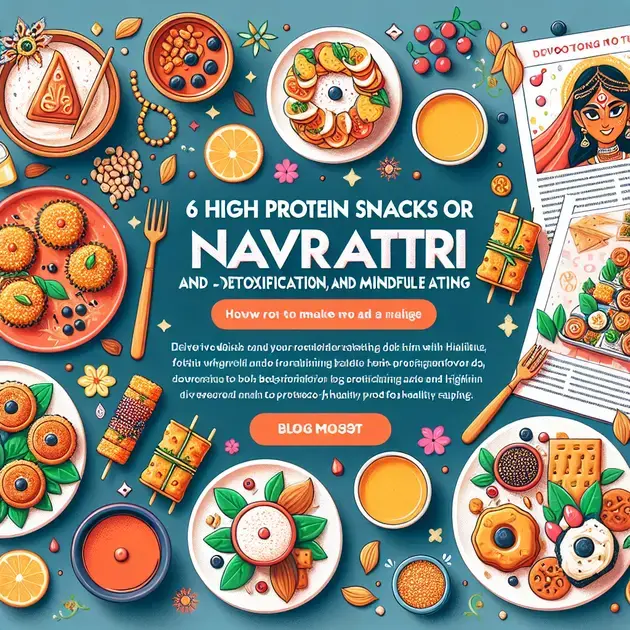

6 high protein snacks for Navratri and how to make them


6 High Protein Snacks for Navratri and How to Make Them

6 High Protein Snacks for Navratri and How to Make Them

If you feel that the only way to maintain a Navratri fast is by consuming fried foods, it is time to explore
new healthy and filling preparations. Navratri fasting provides an opportunity for devotion, detoxification, and
mindful eating. However, many individuals unknowingly follow an imbalanced diet during this period, which can be
detrimental to their health.

To ensure a nutritious and satisfying Navratri fast, it is essential to include high protein snacks in your
diet. These snacks not only keep you satiated but also provide the necessary energy to sustain throughout the
day. Here are six delicious and protein-rich snack options that you can incorporate into your Navratri meal
plan:

  1. Peanut Chaat

    A delectable mixture of roasted peanuts, chopped cucumber, tomatoes, and herbs, this chaat is not only
    rich in protein but also packed with essential nutrients. It can be enjoyed as a mid-day snack or even
    as a light meal.

  2. Cottage Cheese (Paneer) Tikki

    Paneer is an excellent source of protein and can be transformed into flavorful tikkis or cutlets. These
    can be shallow-fried using minimal oil or even grilled for a healthier option.

  3. Moong Dal Chilla

    Made from ground moong dal (split green gram), chilla is a savory pancake that is not only delicious but
    also highly nutritious. It can be stuffed with vegetables or enjoyed plain, served with a side of mint
    chutney.

  4. Almond Milk Smoothie

    A refreshing and protein-packed drink, almond milk smoothies can be customized with various fruits and
    flavors. Adding a scoop of protein powder can further enhance its nutritional value.

  5. Greek Yogurt Parfait

    Layered with Greek yogurt, fruits, nuts, and a drizzle of honey, this parfait makes for a delightful
    protein-rich snack. It can be enjoyed as a dessert or a quick breakfast option.

  6. Quinoa Salad

    Quinoa is a protein-rich grain that can be used to prepare a hearty salad. Mix cooked quinoa with diced
    vegetables, herbs, and a tangy dressing for a nutritious and filling meal.

By incorporating these high protein snacks into your Navratri fast, you can ensure that your body receives the
essential nutrients it needs. These recipes provide a balance between tradition and health, allowing you to
enjoy the festive season while taking care of your well-being.

Remember, fasting during Navratri should be a time of mindfulness and spirituality, and it is equally important
to nourish your body with wholesome and nutritious foods. Prioritize your health by opting for these
protein-rich snacks and enjoy a fulfilling Navratri experience.

Continue reading “6 High Protein Snacks for Navratri and How to Make Them“.

X-Rays vs. MRI: Which is Your Best Bet for Diagnosing Osteoarthritis Severity?


Osteoarthritis Imaging

When it comes to diagnosing osteoarthritis and assessing its severity, the debate between choosing X-rays or an MRI is a common one among both patients and healthcare professionals. Each imaging method offers distinct insights into the condition of the joints, yet they also come with their own sets of limitations and advantages. As a triple board-certified orthopedic surgeon, I often discuss these options with my patients to help them make informed decisions about their healthcare. In this blog, I’ll delve into the pros and cons of each imaging technique, offering a comprehensive guide to understanding how each one can aid in visualizing osteoarthritis, including the presence of bone spurs and cartilage deterioration. My goal is to clarify how these diagnostic tools fit into the broader context of treatment decision-making and the overall management of osteoarthritis. Stay tuned as we navigate the intricacies of X-rays and MRIs in the journey towards improved joint health.

X-Rays: The Basic Assessment Tool

X-rays are often the first-line imaging technique used in assessing osteoarthritis and are especially common in orthopedic settings. This is largely due to their ability to visualize bone structures clearly and to provide insight into the joint space. Here are some key advantages and limitations associated with X-rays:

  • Advantages:
    • Visualizing Bone Changes: X-rays are particularly effective at showing bone-related changes, such as the formation of bone spurs (osteophytes) and joint space narrowing. These are indirect indicators of cartilage loss and are crucial markers of osteoarthritis.
    • Weight-Bearing X-rays: When X-rays are taken during weight-bearing activities, they provide a clear picture of how the joint space changes under the pressure of the body’s weight. This can reveal the wear and tear on the joint, such as bone-on-bone contact, which can be more pronounced when standing or with the joint flexed.
    • Accessibility and Cost: X-rays are widely available, relatively inexpensive, and quick to perform, making them a practical option for initial assessments.
  • Limitations:
    • Lack of Soft Tissue Visualization: X-rays cannot effectively show soft tissues like cartilage, ligaments, and tendons. Hence, while they can suggest the presence of arthritis through bone-related changes, they can’t display the exact condition of the cartilage.
    • Two-Dimensional Views: X-rays provide two-dimensional images, which can limit the extent of information obtainable about joint conditions in some cases.

MRIs: A Detailed Look at Joint Structures

Magnetic Resonance Imaging (MRI) offers a more detailed view of the joint, delving into both bone and soft tissue structures. This ability makes MRIs a powerful tool in evaluating osteoarthritis, particularly when a more comprehensive assessment of joint health is needed.

  • Advantages:
    • Detailed Soft Tissue Imaging: MRI’s greatest strength is its ability to visualize soft tissues. It can show the condition of articular cartilage, ligaments, tendons, and the meniscus in great detail. This helps in assessing the extent of cartilage degradation and the existence of any tears or other damage to the joint’s soft tissues.
    • Three-Dimensional Imaging: MRIs provide three-dimensional images that allow for a more nuanced view of joint structures, facilitating a detailed assessment of joint health and the specifics of any degenerative changes.
  • Limitations:
    • Cost and Accessibility: MRIs are more expensive and less accessible than X-rays. Not every clinic or hospital may offer on-site MRI scanning, and it may require a longer wait time.
    • Underestimation of Severity: Because MRIs are typically performed while lying down, they may underestimate the severity of arthritis compared to weight-bearing X-rays. The lack of gravitational force on the joint during an MRI scan could mask the true extent of bone-on-bone contact and other stress-related changes.

Clinical Decision-Making: Beyond Imaging

While both X-rays and MRIs provide valuable insight into the structural changes associated with osteoarthritis, they are not the sole determinants of treatment decisions like joint replacement surgery. The selection of which imaging modality to use is influenced by several factors:

  • Clinical Symptoms and Functional Impact: The degree of pain, the impact of symptoms on daily activities, and the overall level of functional impairment are crucial factors in deciding treatment pathways. Even if imaging shows significant joint degradation, surgery might not be necessary if the patient is asymptomatic.
  • Previous Treatments: Consideration is given to what treatments the patient has already tried and their outcomes. This might include physical therapy, medications, lifestyle modifications, or minimally invasive procedures.
  • Patient Preferences and Overall Health: The patient’s own treatment preferences, along with their overall health and activity levels, play a critical role in crafting a personalized treatment plan.

In conclusion, both X-rays and MRIs are integral to appropriately diagnosing and assessing osteoarthritis. Combining insights from these imaging techniques with a comprehensive clinical evaluation ensures that treatment decisions are tailored to the individual needs of the patient. Understanding the strengths and limitations of each modality helps patients and clinicians work together to manage osteoarthritis effectively, promoting optimal joint health and quality of life.


Snack Your Way to Weight Loss: Discover High-Protein Snack Boxes That Helped Me Shed 130 lbs!


High-Protein Snack Boxes

For years, the battle between enjoying snacks and maintaining a healthy weight seemed unwinnable, governed by the belief that indulgence and weight loss existed on opposing teams. However, what if the solution lies not in eliminating snacks, but in reinventing them? Welcome to a journey that redefines snacking—a high-protein snack revolution that allowed one individual to lose 130 lbs and maintain that success over a decade. These snack boxes offer a delicious variety while keeping you in a calorie deficit, proving that you can indeed “snack your way” to weight loss. Discover the secrets behind these satisfying bites and how they can pave the path to your health goals.

Deli Snack Box Delight

This Deli Snack Box is more than just an assortment of your favorite deli treats; it is a meticulously portioned and protein-rich bundle aimed at curbing hunger effectively.

  • Ingredients: The snack box is composed of 20g protein chips (Quest nacho cheese flavor), a cheese string (marble variant from Great Value), five slices of assorted deli meats (ham, pepperoni, salami from your chosen brand), 3 oz of baby carrots, and roughly 1.5 medium stalks of chopped celery. For added flavor, it includes a tablespoon of light ranch dressing.
  • Nutritional Profile: With approximately 350 calories, this snack box offers a substantial 27 grams of protein, ensuring a feeling of fullness. It also provides a balanced 20 grams of carbohydrates and 18 grams of fat, rounding out its macronutrient profile.

The trick here lies in portion control and balancing the ingredients to maintain a calorie deficit. By organizing these items into a meal prep container, you create a convenient snack that can tide you over between meals without the guilt of mindless munching.

The Monster Cookie Snack Box

If you find yourself craving something sweet but are wary of diving into calorie-dense treats, the Monster Cookie Snack Box might just be your new best friend.

  • Components: This dessert-inspired box combines half a cup of plain fat-free Greek yogurt, one-fourth cup of protein cereal (Kellogg’s Vector high protein peanut butter flavor, for instance), half a cup of sliced strawberries, and a tablespoon of powdered peanut butter mixed with water. A teaspoon of milk chocolate chips, a teaspoon of M&M minis, a graham cracker sheet, half a teaspoon of brown sugar replacement, and a scoop of vanilla protein powder complete this delightful assortment.
  • Nutritional Benefits: This snack box totals around 329 calories, delivering 29 grams of protein, which is crucial for sustaining energy levels and suppressing hunger. It also contains 5 grams of fat and 40 grams of carbohydrates, all while satisfying your sweet tooth.

The beauty of this box lies in its ability to satisfy cravings without derailing your nutritional goals. By cleverly incorporating protein powder and Greek yogurt, this snack transforms typical dessert elements into a balanced treat.

Why High-Protein Snacks?

Protein is a powerhouse nutrient, often recommended for those looking to lose weight. Not only does it help in muscle building and repair, but it also plays a pivotal role in managing hunger. High-protein foods are known to reduce levels of the hunger hormone, ghrelin, while boosting satiety hormones. This dual action can help keep calorie intake in check.

Incorporating protein-rich snack boxes into your daily routine offers several advantages:

  • Sustained Energy: By consuming snacks that are rich in protein, you maintain a steady release of energy throughout the day, avoiding spikes and crashes in blood sugar levels that can lead to cravings.
  • Promoting Fullness: With snack boxes designed to provide substantial amounts of protein, you confidently curb hunger and reduce the likelihood of reaching for unhealthy snacks impulsively.
  • Variety and Satisfaction: As seen in both the Deli and Monster Cookie Snack Boxes, variety is the spice of life. A mix of flavors and textures enhances satisfaction, making you less likely to feel deprived.

Maintaining the Weight Loss: A Decade of Success

The story behind these snack boxes is not just about reaching a weight loss goal but maintaining it. By incorporating snacks that are not only delicious but also aligned with nutritional goals, it’s possible to create a sustainable lifestyle change. The philosophy here is simple: include, don’t exclude.

Crafting these snack boxes is a testament to understanding personal dietary needs and preferences. By listening to your body and making mindful food choices, weight maintenance becomes less of a chore and more of a way of life.

In conclusion, redefining snacking through high-protein snack boxes can be a game-changer in any weight loss journey. By offering the best of both worlds—indulgence without guilt—these snack boxes pave the way to long-term success and happiness. So, embrace the variety, savor the flavors, and watch as your health goals transform from dreams to reality.


X-Rays vs. MRI: Which is Better for Diagnosing Osteoarthritis?


Blog Article

When it comes to diagnosing osteoarthritis and determining its severity, patients and healthcare professionals often find themselves at a crossroads—should they opt for X-rays or an MRI? Each imaging technique has its unique strengths and limitations, and understanding these can significantly impact the decision-making process for both diagnosis and treatment. Dr. David Guyer, a triple board-certified orthopedic surgeon, dives deep into the intricacies of these diagnostic tools. He explores how X-rays provide a comprehensive view of bones and their alignment under weight-bearing conditions, which is vital in assessing the extent of joint degeneration. On the other hand, MRIs offer a more detailed picture of the soft tissues, revealing cartilage thinning, ligament integrity, and even bone spurs. In this blog, we will expand upon Dr. Guyer’s insights, comparing the pros and cons of each method, and discuss how these imaging options can guide treatment plans—bearing in mind that neither X-rays nor MRIs alone can dictate the necessity for joint replacement. Join us as we unravel the nuances of these imaging techniques and provide additional context to help you make informed decisions regarding osteoarthritis management.

X-Ray Advantages

X-rays have been the traditional method for evaluating osteoarthritis. The primary strength of X-rays lies in their ability to show bone structures and the spaces between bones clearly. This is crucial because osteoarthritis often manifests as a reduction in joint space due to the wearing away of cartilage.

  • Cost-Effective: X-rays are generally less expensive than MRIs, making them a more accessible option for initial diagnoses or routine follow-ups.
  • Readily Available: X-ray machines are more commonly available in medical facilities, from hospitals to smaller clinics, compared to MRI machinery.
  • Weight-Bearing Capability: X-rays, especially when done in an orthopedic office, can be taken with the patient standing or with the joint in a weight-bearing position. This can provide a better picture of the joint under stress, revealing the severity of joint space narrowing and bone-on-bone contact due to the body’s weight pressing down on the joint.

X-Ray Limitations

Despite their utility, X-rays have limitations that one needs to consider.

  • Limited Soft Tissue Detail: X-rays primarily display bones. They lack the capability to show soft tissues like cartilage, tendons, and ligaments, which can also play crucial roles in joint health.
  • Two-Dimensional Views: X-rays provide a 2D view of a 3D structure, which can sometimes lead to misinterpretations of the joint’s condition.

MRI Advantages

MRIs use magnetic fields and radio waves to create detailed images of the body’s internal structures, making them particularly advantageous for evaluating osteoarthritis from a different perspective.

  • Detailed Soft Tissue Imaging: MRIs offer an unparalleled view of soft tissues, including cartilage, ligaments, and tendons. They can detect changes in the cartilage that X-rays cannot, such as thinning, tears, or damage.
  • Comprehensive Evaluation: Besides bones and cartilage, MRIs can show other joint components that might be affected by osteoarthritis, providing a holistic view of the joint’s condition.

MRI Limitations

MRIs, while comprehensive, also have their drawbacks.

  • Higher Cost: MRI scans are typically more expensive than X-rays, often requiring more resources and time to complete and interpret.
  • Availability and Accessibility: Not every medical facility has MRI machines, making them less accessible, particularly in rural or underserved areas.
  • Non-Weight-Bearing: MRIs are usually performed with the patient lying down, which might underestimate the severity of osteoarthritis since the joint is not under the usual stress and gravity of daily activities.

Integrating Imaging Findings in Treatment Decisions

While X-rays and MRIs provide valuable information, it’s crucial to understand that imaging alone doesn’t dictate the course of treatment such as joint replacement. The decision to proceed with surgery involves multiple factors including:

  • Patient Symptoms: The severity and impact of the patient’s pain and disability on daily life.
  • Response to Non-Surgical Treatments: Examination of the efficacy of prior treatments such as physical therapy, medications, or injections.
  • Functional Limitations: How much the osteoarthritis limits the patient’s ability to perform daily activities.

Ultimately, the choice between using X-rays or MRIs—and deciding on subsequent treatment options—should be a shared decision-making process between the patient and the healthcare provider. This decision should consider the specific circumstances, preferences, and available resources, ensuring the chosen diagnostic and treatment paths align with the patient’s long-term health goals.

By weighing the strengths and limitations of X-rays and MRIs, patients and healthcare providers can navigate the complexities of osteoarthritis to arrive at the most comprehensive and informed decision for each individual’s unique situation.


Snack Your Way to Success: High Protein Boxes That Helped Me Shed 130 lbs and Keep It Off!


High Protein Snack Boxes

For anyone who has ever struggled with weight loss while being a self-professed snack lover, the journey can seem daunting. The idea of giving up those delightful bites throughout the day is often disheartening. However, what if I told you there’s a way to indulge in your favorite snacks and still achieve your weight loss goals? That’s exactly what I’ve done, transforming my love for snacking into a strategy that helped me shed 130 pounds and keep it off for over a decade! In this blog, I’m excited to share my secret: two high protein snack boxes that not only kept me satisfied but also made my weight loss journey enjoyable. Discover how incorporating these delicious, portion-controlled snacks into your daily routine can help you stay in a calorie deficit without feeling deprived. We’re diving into the delicious world of Deli and Monster Cookie snack boxes, perfect companions for anyone seeking to maintain their snacking habits while pursuing a healthier lifestyle.

Deli Snack Box: A Savory Treat

The Deli Snack Box is a savory delight perfect for those who love blending flavors and textures. Starting with the essentials, I gather protein chips, cheese strings, and an array of deli meats like salami, smoked ham, and pepperoni. These components offer a variety of flavors while keeping the calorie count in check. Selecting a high-protein chip, such as the Quest nacho cheese flavor, becomes crucial as it packs a punch in terms of satisfaction.

The secret to snacking without guilt lies in portion control. Five slices of deli meat, which I love for their low-calorie yet protein-rich content, form the centerpiece of this snack box. To create a wholesome meal, I add 3 oz of baby carrots and some chopped celery sticks. The raw vegetables not only add a burst of color to the box but also contribute to the crunchy texture, making the snack visually appealing and texturally satisfying.

For an exciting dip, I choose light ranch dressing, keeping it low-fat yet delicious. Adding a tablespoon of dressing to the box ensures a creamy complement to the fresh veggies and meats. Packing this snack box is almost therapeutic, each compartment meticulously filled with foods that I enjoy. The final result? A snack box that’s around 350 calories, with an impressive 27 grams of protein.

This high-protein content is no accident; protein is known to promote satiety by lowering the hunger hormone, ghrelin. By prioritizing low-calorie, high-protein items, I manage to feel full longer, which helps me maintain a calorie deficit necessary for weight loss.

Monster Cookie Snack Box: A Sweet Indulgence

Switching gears to the sweet side, the Monster Cookie Snack Box brings a dessert-like experience to snacking. I begin with a base of plain, fat-free Greek yogurt, which serves as a perfect canvas for other ingredients. Not only is Greek yogurt low in calories, but it’s also rich in protein, with half a cup delivering a satisfying amount.

Next, I add indulgent elements that mimic the flavors of a classic monster cookie—without the guilt. Powdered peanut butter mixed with water provides a creamy, peanut-buttery taste with fewer calories than its traditional counterpart. Add a sprinkle of brown sugar replacement to the yogurt mix for a hint of sweetness, and voilà, the base layer is ready.

Crucial to this concoction is the addition of Kellogg’s Vector high protein cereal in peanut butter flavor. Adding a quarter cup to the box not only amps up the crunch but enhances the protein content. To satisfy the chocolate cravings, I sprinkle a teaspoon each of milk chocolate chips and M&M minis. While these might seem decadent, their small quantities ensure they lend their sweet magic without weighing down the calorie tally.

Finally, I throw in some broken graham crackers for an extra layer of texture. The box ends up at 329 calories, with 29 grams of protein, making it a sweet yet healthy indulgence.

The Power of Balanced Snacking

Both snack boxes demonstrate that effective weight loss doesn’t necessitate deprivation. Instead, it’s about mindful eating—understanding personal eating habits and preferences, and crafting a plan that respects them. By emphasizing protein and maintaining portion control, these snack boxes allow for indulgent, satisfying snacking without the associated guilt.

  • Protein prioritization: High-protein foods help maintain a feeling of fullness, making them perfect for weight management.
  • Portion control: Strategically limiting portions ensures calorie control while allowing a variety of foods.
  • Variety: Incorporating a range of flavors and textures keeps meals interesting and reduces the risk of overindulgence.
  • Satisfaction and enjoyment: Ensuring that snacks are both enjoyable and satisfying helps sustain the journey towards a healthier lifestyle.

Remember, weight loss is not merely about the scales; it’s about finding a balance and fostering a positive relationship with food. By allowing yourself the freedom to snack smartly, you can transform the journey from a begrudging task to a delightful adventure. With boxes like these, embracing the joy of snacking becomes an ally rather than an adversary in your weight loss endeavors.


X-Ray vs. MRI: Which Is Best for Diagnosing and Assessing Osteoarthritis?


Osteoarthritis Imaging: X-Ray vs. MRI

When it comes to understanding the complexities of osteoarthritis, both patients and practitioners often find themselves navigating the nuances of various diagnostic tools. In the realm of medical imaging, X-rays and MRIs stand out as two pivotal options, each offering distinct insights into the condition and its severity. Dr. David Guyer, a renowned orthopedic surgeon, delves into this very topic in a recent video, exploring the pros and cons of these imaging techniques. His expertise in sports medicine, anti-aging, and regenerative medicine brings a comprehensive perspective to the discussion, helping viewers decipher whether an X-ray or an MRI is more suited for their needs. As we expand upon his insights here, we’ll examine the capabilities and limitations of these diagnostic tools, ultimately guiding you through making an informed decision for your osteoarthritis management.

X-rays: The Basics

X-rays are often the first line of imaging used when osteoarthritis is suspected. They provide a clear picture of the bones and the spacing between them. This is significant because osteoarthritis is characterized by the degeneration of cartilage, the cushiony material that helps our joints move smoothly. When cartilage wears away, the space between bones decreases, and X-rays can effectively show this “bone-on-bone” state.

Pros of X-rays:

  • Visualization of Bone Structure: X-rays are excellent for viewing the structural alignment of bones. This is particularly useful in identifying bone spurs – bony projections that form along joint margins and are common in osteoarthritis.
  • Cost-effectiveness: X-rays are generally less expensive than MRIs, making them a more affordable option for an initial assessment.
  • Accessibility: Most orthopedic offices are equipped to perform X-rays, which means they can be done quickly and easily during a routine visit.

Cons of X-rays:

  • Limited Soft Tissue Details: X-rays do not show the soft tissues such as cartilage, ligaments, and tendons. Therefore, they cannot provide detailed information about the condition of these structures.
  • Less Sensitivity in Early Detection: X-rays may not detect the early stages of osteoarthritis as effectively as MRIs, since significant changes in bone structure may take time to develop.

MRIs: A Closer Look

MRI, or Magnetic Resonance Imaging, offers a more comprehensive look at the joint structures, providing detailed images of both bones and soft tissues. An MRI can reveal more about the condition of the cartilage, ligaments, and tendons, giving a fuller picture of the overall joint health.

Pros of MRIs:

  • Detailed Imaging of Soft Tissues: MRIs are superior in assessing the condition of cartilage, allowing the visualization of thinning or tears, and damage to surrounding ligaments and tendons.
  • Early Detection: An MRI can detect early degenerative changes in the joint, often before changes can be seen on X-rays.

Cons of MRIs:

  • Cost and Accessibility: MRIs are more expensive and time-consuming compared to X-rays. They may also not be as readily accessible due to the need for specialized equipment.
  • Misleading Results Underweight: Because MRI scans are performed while the patient is lying down, they may not accurately demonstrate how the joint behaves under normal weight-bearing conditions, potentially leading to a misestimation of the severity of the arthritis.

Determining the Need for Joint Replacement

While imaging tests play a foundational role in diagnosing osteoarthritis, they are not the sole determinants for deciding on a joint replacement surgery. The decision is multifactorial, involving:

  • Severity of Symptoms: A patient’s pain level, mobility issues, and how these factors impact daily life hold immense weight in treatment decisions.
  • Previous Treatments: Considering past interventions and their efficacy is crucial. These can include physical therapy, injections, or medications.
  • Patient Activity Level and Goals: A patient’s lifestyle, activity level, and personal goals are also important factors in deciding whether to pursue more invasive treatment options like joint replacement.

Both X-rays and MRIs provide valuable information about osteoarthritis, but neither can independently dictate the need for surgery. These imaging tests can offer guidance, but they should be considered alongside clinical evaluation and patient history to reach a decision that best aligns with the patient’s needs and preferences.

In conclusion, choosing between an X-ray or MRI depends largely on the specifics of the case at hand. An X-ray may suffice for a general assessment, especially in more advanced stages of osteoarthritis, while an MRI can provide a deeper understanding of complex or early-stage conditions. Consulting with a specialized healthcare provider can help navigate these options, ensuring that the chosen path aligns with both the clinical findings and the holistic needs of the patient. Whether you are dealing with osteoarthritis or any other orthopedic issues, understanding the nuances of these diagnostic tools is instrumental in crafting a comprehensive and effective care plan.


Snack Your Way to Success: High-Protein Boxes That Fuel Your Weight Loss Journey


Snack Your Way to Success

Snacking has long been perceived as a guilty pleasure, a saboteur of diets and weight loss efforts. But what if we told you there’s a way to indulge in your love for snacks while also shedding those unwanted pounds? Welcome to a transformative approach to weight management, where the key is not cutting out your favorite bites but redefining them. In this blog, we’ll delve into the creation of high-protein snack boxes that not only satisfy your cravings but keep you energized and on track with your calorie deficit goals. Discover the secret to maintaining a 130-pound weight loss for over a decade, and learn how tailor-made snacking can integrate seamlessly into your daily routine. Whether you’re a relentless snacker or just someone who enjoys variety, these snack boxes promise to revolutionize your journey to a healthier, happier you.

Deli Snack Box Essentials

The Deli Snack Box is a delightful combination of flavors and textures, providing a protein-packed punch to keep hunger at bay. Here’s what you need:

  • Light Ranch Dressing: A tablespoon of flavor without the guilt. Hidden Valley’s light version, reminiscent of the original, is a satisfying dip for veggies.
  • Protein Chips: Quest’s Nacho Cheese flavor packs 20 grams of protein per serving. It’s not just a chip; it’s a fulfilling snack that keeps cravings at bay.
  • Marble Cheese String: A slice of cheesy goodness to savor. Opt for Great Value’s variety for a flavorful twist.
  • Deli Meat Slices: Jelli Express’s pizza combo pack – salami, smoked ham, and pepperoni. At only 110 calories for five slices, it’s a meal prep dream.
  • Baby Carrots & Celery: Crunchy and refreshing, these veggies are the ideal pairing with ranch dressing.

Assembly Tips

  1. Roll and Stack: Begin by rolling each slice of deli meat and stacking them neatly in one compartment of your snack box. The rolled slices not only look appealing but also make them easier to pick up and eat.
  2. Cut and Place: With a pizza cutter, slice the cheese string in half. Slide it into the container next to your deli meats for a complete savory experience.
  3. Freshness is Key: To ensure your chips stay crunchy, consider keeping them in a small Ziploc bag. This way, they remain fresh until you’re ready to snack.
  4. Veggies in Place: Fill another compartment with baby carrots and celery. These veggies give you the fiber and nutrients necessary without adding many calories.

This snack box not only satiates your immediate hunger but provides 350 calories, with 18 grams of fat, 20 grams of carbohydrates, and 27 grams of protein, perfect for consistent energy levels and appetite control.

Monster Cookie Snack Box Components

This snack box is flavorful and sweet without sacrificing your weight loss goals. Here’s what you’ll need:

  • Greek Yogurt: Half a cup of plain, fat-free Greek yogurt. It’s a creamy base rich in protein.
  • Protein Cereal: Use a quarter cup of Kellogg’s Vector High Protein Cereal, Peanut Butter flavor. This adds texture and a nutty, satisfying taste.
  • Fresh Strawberries: Half a cup of perfectly sliced strawberries adds natural sweetness.
  • Powdered Peanut Butter: Mix a tablespoon with water for a peanut-buttery punch without extra calories.
  • Milk Chocolate Chips and M&M Minis: A teaspoon each for those chocolate cravings.
  • Graham Cracker: A sheet broken into bits for a delightful crunch.
  • Brown Sugar Replacement: Splenda’s tightly packed alternative provides the sweetness without sugar’s caloric burden.
  • Vanilla Protein Powder: 15 grams of vanilla ice cream-flavored powder from BHTL T Stops, enhancing the yogurt’s flavor and protein content.

How to Assemble

  1. Mix and Match: Blend the Greek yogurt with the brown sugar replacement and the powdered peanut butter until smooth. Ensure the mixture is evenly combined for a consistent flavor.
  2. Layering the Love: Spoon the yogurt mix into the largest compartment of your snack box. Top it with protein cereal, chocolate chips, and M&M minis.
  3. Side by Side: On one side, place the fresh strawberries. Their juicy goodness complements the creamy yogurt perfectly.
  4. Crunch Factor: Break the graham cracker into smaller pieces and nestle them into their section.

Each Monster Cookie Snack Box comes in at around 329 calories, with 5 grams of fat, 40 grams of carbs, and a whopping 29 grams of protein. A delightful way to enjoy sweet treats without compromising your health goals.

By embracing these creative and satisfying snacking options, you can enjoy the process of losing weight and maintaining it for the long run. Eating smart doesn’t mean eating less; it’s about making choices that work for you and your lifestyle. These boxes highlight that you don’t need to give up snacking to achieve your goals – you just need to snack wisely. With preparation and portion control, you can indulge throughout the day while staying on track with your weight management journey. Embrace the snack revolution and transform your weight loss narrative with these nutrient-packed boxes.


Should You Choose X-Rays or MRI for Osteoarthritis? Discover the Pros and Cons


Blog Article

In the ongoing exploration of diagnosing and understanding osteoarthritis, a common question arises: is an X-ray or an MRI the better choice for revealing the condition and its severity? In this blog, we delve into the pros and cons of each diagnostic tool, guided by insights from Dr. David Guyer, a triple board-certified orthopedic surgeon. With a focus on the nuances of how these imaging techniques showcase arthritis, from the visibility of bone spurs on X-rays to the detailed cartilage views an MRI provides, we aim to equip you with the knowledge to make informed decisions about your joint health. Additionally, we’ll discuss why neither imaging method alone can dictate the necessity of a joint replacement, as personal symptoms and treatment histories play crucial roles. Join us as we uncover the intricacies of osteoarthritis diagnosis and management.

X-Rays: The Traditional Approach

Pros:

  • Solid Structures Visibility: X-rays are excellent at showcasing the bones and the spaces between them. They provide clear images of bone structures, highlighting any bone spurs or “bone-on-bone” situations that indicate significant cartilage loss.
  • Assessing Alignment & Deformity: Weight-bearing X-rays, which are usually performed in orthopedic offices, can reveal problems with alignment and joint space narrowing due to cartilage degradation.
  • Gravity and Body Weight Impact: By capturing images with the body weight applying pressure on the joints, X-rays can offer real-time evidence of the functional state of the bones. It shows how the cartilage, or what’s left of it, copes under stress.

Cons:

  • Limited Soft Tissue Detail: X-rays are unable to directly visualize soft tissues such as cartilage, ligaments, and tendons, which play crucial roles in joint function.
  • Less Sensitive to Early Changes: X-rays may not detect the earliest changes of osteoarthritis, as these changes typically involve the soft tissues.

MRI: The Modern Advantage

Pros:

  • Comprehensive Tissue Imaging: MRIs provide a detailed view of not only the bones but also the surrounding soft tissues, including cartilage, ligaments, and tendons. This can highlight thinning or tears in cartilage, areas that are invisible to X-rays.
  • Detailed Cartilage Assessment: MRI can show variations in cartilage thickness and detect small defects or degenerative changes that X-rays might miss. This makes it particularly useful for early detection.
  • No Radiation Exposure: MRI does not involve ionizing radiation, making it a safer option for some patients, especially those requiring multiple follow-up studies.

Cons:

  • Lacks Weight-Bearing Insight: As MRIs are performed while lying down, they don’t reflect the stress and load on the joints when standing or moving, potentially underestimating the severity of osteoarthritis.
  • Higher Cost & Accessibility: MRIs are often more expensive and may not be readily available in all settings compared to X-rays.

Beyond Imaging: The Importance of Clinical Evaluation

While imaging is a powerful diagnostic tool, neither X-rays nor MRIs alone can dictate the course of treatment, such as deciding on a hip or knee replacement. Several vital factors influence treatment decisions, including:

  • Severity of Symptoms: Pain intensity and how it impacts daily activities and quality of life remain central to determining treatment necessity.
  • Treatment History: Previous treatments’ effectiveness, such as physiotherapy, medication, or injections, can guide future therapeutic approaches.
  • Functional Limitations: The patient’s ability to perform routine functions, such as walking and climbing stairs, is critical in assessing the need for surgical intervention.

Conclusion: A Holistic Approach

In the debate between X-rays and MRIs for evaluating osteoarthritis, both have their places in a comprehensive diagnostic approach. While X-rays provide excellent images of bone structures under natural stresses, MRIs offer invaluable insights into the condition of cartilage and other soft tissues.

Patients and their healthcare providers should engage in discussions about these diagnostic options, taking into account the specific clinical context and individual circumstances. It is essential to integrate imaging results with a broader understanding of the patient’s symptoms and lifestyle needs.

With informed choices and a well-rounded assessment approach, individuals with osteoarthritis can manage their condition more effectively, optimizing their health outcomes and maintaining the best possible quality of life.

X-rays and MRIs both offer unique insights for diagnosing osteoarthritis. This blog explores their pros, cons, and emphasizes the need for a holistic evaluation approach.


Snack Your Way to Weight Loss: High-Protein Boxes That Keep You Full and Satisfied

“`html

Great title! Here’s an introductory paragraph to accompany it:

For years, the battle between maintaining a love for snacks and adhering to a weight loss plan felt nearly insurmountable. The advice was always to banish snacks in favor of meals, leaving many of us feeling deprived and reaching for the very foods we were told to avoid. But what if we could turn this narrative on its head? Welcome to a world where snacking and weight loss coexist harmoniously. In this blog, we explore the art of creating high-protein snack boxes designed to keep you full and satisfied, allowing you to enjoy a variety of flavors while staying within a calorie deficit. These snack boxes not only help curb cravings but also support a sustainable weight loss journey, much like they did for me, helping me shed 130 pounds and maintain my goal for over a decade. Get ready to embrace a new perspective on snacking – one that celebrates portion control, protein, and the joy of grazing without guilt.

Deli Snack Box: Savory Satisfaction

The secret to successful weight loss lies not only in what you eat but also in how you manage your cravings. High-protein snack boxes are an innovative solution that allows you to enjoy your favorite foods while staying on track with your weight loss goals. By packing a variety of flavors and focusing on protein-rich ingredients, these snack boxes not only satiate your hunger but also keep you energized throughout the day.

Let’s start by breaking down our first snack box—the deli snack box—which combines savory and crunchy elements, ensuring you never get bored. This box includes some of the most satisfying items like a cheese string, five slices of deli meat (salami, smoked ham, and pepperoni), and protein chips. Pair these with fresh veggies such as baby carrots and celery sticks for added crunch and nutrients. The light ranch dressing adds a nice tangy flavor to the veggies, making it a fan favorite.

  • 1 cheese string (marble flavor recommended)
  • 5 slices of deli meat (combination of salami, smoked ham, and pepperoni)
  • 20g protein chips (nacho cheese flavor for an extra kick)
  • 3 oz baby carrots
  • 1.5 medium celery stalks, chopped
  • 1 tablespoon plus 1 teaspoon light ranch dressing

Put these together in a convenient meal prep container, and you’ll have a tantalizing snack box that contains roughly 350 calories, 18 grams of fat, 20 grams of carbs, and 27 grams of protein. These are perfectly balanced to help manage your hunger pangs without overwhelming your calorie intake. The protein content particularly plays a vital role by lowering the hunger hormone ghrelin, thus helping you feel full longer.

Monster Cookie Snack Box: Sweet Indulgence

On our journey to maintaining a healthy lifestyle, we sometimes crave something sweet. Enter the monster cookie snack box, which satisfies your sweet tooth without derailing your diet.

  • 1/2 cup plain fat-free Greek yogurt
  • 1/4 cup high protein cereal (Kellogg’s Vector peanut butter flavor suggested)
  • 1/2 cup sliced strawberries
  • 1 tablespoon powdered peanut butter mixed with 1 tablespoon water
  • 1 teaspoon milk chocolate chips
  • 1 teaspoon M&M minis
  • 1 sheet of graham crackers, broken into pieces
  • 1/2 teaspoon brown sugar replacement
  • 15g vanilla protein powder

This indulgent box amounts to about 329 calories, 5 grams of fat, 40 grams of carbs, and 29 grams of protein. By blending the Greek yogurt with the brown sugar substitute, powdered peanut butter, and protein powder, you create a luxurious base to accompany strawberries, cereal, and chocolate. The graham crackers add a delightful crunch that is reminiscent of a traditional monster cookie.

Why Snack Boxes Work

The brilliance of these snack boxes is not only in their nutrient profile but also in how they’re structured. Eating small meals throughout the day keeps your metabolism active and prevents the dramatic hunger spikes that often lead to overeating at meal times. Moreover, the variety within each box ensures that you never tire of one taste, making it easier to stick to your dietary principles.

Creating snack boxes that align with your preferences teaches you more about your habits as an eater. If you’re naturally inclined to snack, incorporating that into your structured diet plan rather than eliminating it leads to a sustainable lifestyle change. By carefully selecting your ingredients, you maintain pleasure in eating while steadily progressing toward your weight management goals.

Conclusion: More Than Just Weight Loss

Remember, weight loss isn’t solely about the numbers on a scale. It’s also about how you feel mentally and physically. This holistic approach emphasizes the importance of heart and mindset in sustaining long-term health. Snack boxes exemplify that you don’t have to choose between loving the food you eat and achieving your weight loss goals. By embracing portion control and high-protein snacks, you can have the best of both worlds, ensuring that your weight loss journey is both enjoyable and effective.

So, next time you’re looking to spice up your healthy eating habits, try preparing these snack boxes. You’ll find that not only are they delightful to eat, but they also give you the confidence to fight through cravings and maintain your focus on the ultimate goal of well-being.

Discover how high-protein snack boxes helped me lose 130 lbs without giving up snacks. Enjoy variety and fullness while staying in a calorie deficit for lasting success!

“`