Home Blog Page 245

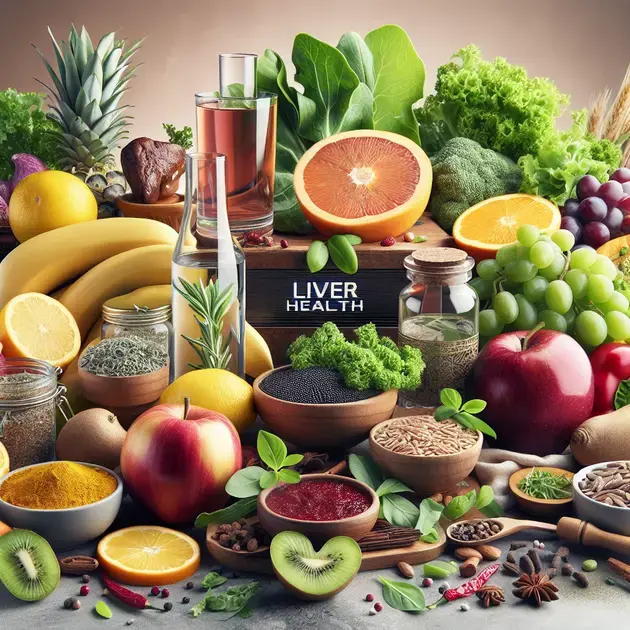
Foods Beneficial for Your Liver Health


Our liver plays a crucial role in our overall health, as it is responsible for filtering and detoxifying the blood. One way to support the optimal functioning of our liver is by consuming foods that are beneficial for its health. Incorporating these specific foods into our diet can help promote liver health and prevent various liver-related conditions.

With the rise in liver diseases and conditions such as fatty liver becoming more prevalent, paying attention to our diet and including foods that support liver health is more important than ever. Foods rich in antioxidants, such as berries, grapes, and nuts, can help reduce inflammation and oxidative stress in the liver, promoting its health and overall function.

Descrição da Imagem 1

Foods to Support Liver Detoxification and Health

The liver plays a vital role in detoxifying harmful substances from our bodies, so it’s important to support its health with the right foods. Here are some key foods that can aid in liver detoxification and promote overall liver health:

1. Cruciferous Vegetables

Cruciferous vegetables like broccoli, cauliflower, and Brussels sprouts are rich in compounds that support the liver’s detoxification processes. Include these vegetables in your meals regularly to help cleanse and protect your liver.

2. Berries

Berries such as blueberries, strawberries, and raspberries are packed with antioxidants that help reduce inflammation and oxidative stress in the liver. Add a handful of mixed berries to your breakfast or snacks for a flavorful liver-friendly treat.

3. Fatty Fish

Fatty fish like salmon, mackerel, and sardines are excellent sources of omega-3 fatty acids, which have anti-inflammatory properties and can help protect the liver from damage. Aim to include fatty fish in your diet at least twice a week for optimal liver support.

4. Green Tea

Green tea is a popular beverage known for its high antioxidant content, particularly catechins. These compounds have been shown to improve liver function and promote overall liver health. Enjoy a cup of green tea daily as part of your liver detoxification routine.

5. Nuts and Seeds

Nuts and seeds like almonds, walnuts, and flaxseeds are rich in healthy fats, antioxidants, and fiber, which can benefit liver health. Snack on a handful of mixed nuts or seeds for a satisfying and nutritious way to support your liver.

The Role of Antioxidants in Promoting Liver Health

Antioxidants play a crucial role in promoting liver health by neutralizing free radicals and reducing oxidative stress, which can lead to liver damage. Here’s how antioxidants help support the liver and ways to incorporate them into your diet:

1. Vitamin E

Vitamin E is a powerful antioxidant that helps protect liver cells from damage and inflammation. Include foods rich in vitamin E such as almonds, spinach, and sunflower seeds in your meals to boost your liver health.

2. Vitamin C

Vitamin C is another potent antioxidant that supports liver detoxification and immune function. Citrus fruits, bell peppers, and kiwi are excellent sources of vitamin C to include in your diet for liver health benefits.

3. Selenium

Selenium is a mineral that acts as an antioxidant in the body, helping to protect the liver from oxidative damage. Incorporate selenium-rich foods like Brazil nuts, seafood, and whole grains into your diet for optimal liver support.

4. Colorful Fruits and Vegetables

Eating a variety of colorful fruits and vegetables provides a range of antioxidants, vitamins, and minerals that are beneficial for liver health. Include a rainbow of produce in your meals to ensure you’re getting a mix of antioxidants to support your liver.

5. Herbal Teas

Herbal teas like dandelion root, milk thistle, and turmeric contain antioxidants and compounds that promote liver detoxification and support overall liver function. Enjoy a cup of herbal tea as part of your daily routine to help maintain a healthy liver.

Incorporating Liver-Friendly Foods into Your Diet

Making small changes to include more liver-friendly foods in your diet can have a big impact on your overall liver health. Here are some practical tips on how to incorporate these foods into your daily meals:

1. Meal Prep

Prepare liver-friendly meals and snacks in advance to ensure you have nutritious options readily available. Use containers to portion out servings of fruits, vegetables, nuts, and seeds for grab-and-go convenience.

2. Smoothies and Juices

Blend together liver-supporting ingredients like leafy greens, berries, and flaxseeds to create nutrient-packed smoothies and juices. These beverages are a delicious way to increase your intake of liver-friendly foods.

3. Healthy Snacks

Keep a variety of liver-friendly snacks on hand such as carrot sticks with hummus, apple slices with almond butter, or Greek yogurt with mixed berries. Opt for whole, minimally processed foods to support your liver.

4. Balanced Meals

Build balanced meals that include a source of lean protein, whole grains, and plenty of fruits and vegetables. Incorporate liver-supporting foods like fatty fish, nuts, seeds, and colorful produce to ensure your diet is rich in nutrients that benefit the liver.

5. Experiment with Recipes

Explore new recipes that feature liver-friendly foods in creative ways. Try roasting cruciferous vegetables with herbs and spices, baking fish with a citrus marinade, or mixing berries into a refreshing salad for a diverse and enjoyable eating experience.
Descrição da Imagem 2

**Boosting Liver Function with Nutrient-Rich Foods**

Nutrient-Rich Foods for Liver Health

Ensuring your liver functions optimally is crucial for overall health. Incorporating nutrient-rich foods into your diet can provide your liver with the support it needs to function effectively. Foods such as leafy greens, fatty fish, nuts, and seeds are excellent choices for promoting liver health. These foods are rich in antioxidants, vitamins, and minerals that help protect liver cells from damage and support detoxification processes.

To boost liver function, consider adding foods like broccoli, spinach, salmon, and almonds to your meals. These nutrient-rich foods not only taste delicious but also offer a wide range of health benefits beyond liver support. By making these foods a regular part of your diet, you can help your liver perform its essential functions more efficiently.

Moreover, staying hydrated is key for supporting liver function. Drinking an adequate amount of water throughout the day helps your liver flush out toxins and waste products efficiently. Alongside a diet rich in nutrients, proper hydration plays a significant role in maintaining liver health and overall well-being.

Incorporating nutrient-rich foods into your meals doesn’t have to be complicated. Simple recipes like grilled salmon with a side of steamed broccoli and quinoa or a spinach salad topped with almonds and a lemon vinaigrette can provide your liver with the essential nutrients it needs to thrive.

By prioritizing nutrient-rich foods in your diet and staying hydrated, you can support your liver’s function and promote overall health. Make small changes to your eating habits to include more liver-friendly foods and experience the benefits of a well-nourished body.

The Importance of Hydration for Liver Health

Hydration is a fundamental aspect of maintaining liver health and overall well-being. The liver plays a crucial role in detoxifying the body and metabolizing nutrients, making proper hydration essential for supporting its function. Drinking an adequate amount of water each day helps flush out toxins and waste products, allowing the liver to work efficiently.

When the body is dehydrated, the liver may struggle to perform its functions effectively. To prevent dehydration and support optimal liver health, it’s important to prioritize hydration throughout the day. Aim to drink at least eight glasses of water daily, and adjust your intake based on factors like physical activity and temperature.

In addition to water, other hydrating beverages like herbal teas, coconut water, and infused water can contribute to your daily fluid intake. These options not only keep you hydrated but also provide additional benefits such as antioxidants and electrolytes that support overall health.

Proper hydration is especially important when consuming nutrient-rich foods that support liver function. By combining a diet rich in antioxidants and vitamins with adequate hydration, you create an optimal environment for your liver to thrive and carry out its essential tasks.

Make hydration a priority in your daily routine to support your liver health and overall well-being. By staying hydrated and incorporating nutrient-rich foods into your diet, you can promote the optimal function of your liver and enjoy long-term health benefits.

Herbs and Spices for Liver Support

In addition to nutrient-rich foods and hydration, incorporating herbs and spices into your diet can provide additional support for liver health. Certain herbs and spices have been shown to have hepatoprotective properties, meaning they help protect the liver from damage and support its detoxification processes.

Herbs like turmeric, milk thistle, and dandelion root are known for their liver-supportive properties. These herbs contain compounds that promote liver function and aid in the regeneration of liver cells. By including these herbs in your meals or consuming them as supplements, you can enhance the health and function of your liver.

Spices such as cinnamon, ginger, and garlic also offer benefits for liver health. These spices have anti-inflammatory and antioxidant properties that can help reduce liver inflammation and support its detoxification pathways. Incorporating these spices into your cooking not only adds flavor but also boosts the nutritional value of your meals.

When using herbs and spices for liver support, consider incorporating them into dishes like curries, stir-fries, or teas. Experiment with different combinations to find flavors you enjoy while reaping the benefits of these natural liver-supportive ingredients.

By including a variety of herbs and spices in your diet along with nutrient-rich foods and proper hydration, you can create a comprehensive approach to supporting your liver health. Prioritize these natural ingredients in your meals to promote liver function and overall well-being.

**

Conclusion

**

Optimizing liver health is essential for overall well-being, and incorporating nutrient-rich foods into your diet is a key strategy for supporting the liver’s vital functions. By including foods like leafy greens, fatty fish, nuts, and seeds, you can provide your liver with the necessary antioxidants, vitamins, and minerals to safeguard liver cells and enhance detoxification processes.

Additionally, staying well-hydrated is crucial for promoting liver function. Adequate water intake aids in toxin removal and waste product elimination, allowing the liver to operate efficiently. Alongside a nutrient-dense diet, proper hydration is fundamental for sustaining liver health and overall wellness.

Integrating nutrient-rich foods such as broccoli, spinach, salmon, and almonds into your meals doesn’t have to be complex. Simple dishes like grilled salmon with steamed broccoli and quinoa or a spinach salad topped with almonds and a lemon vinaigrette can supply your liver with essential nutrients for optimal performance.


Product Description Link
Jointgen
Join the Thousands of U.S. Seniors Enjoying Comfortable, Flexible and Youthful Joints Thanks to Joint Genesis™
Neverfresh
Nerve Fresh promotes healthy nerves by providing 5 vital bio-available fruit, flower and bark extracts with essential vitamin and mineral support
balmorex
“Shortcut to Wellness” is the perfect solution for those who want to ‘hack’ their mind & body with the use of modern technology to improve their quality of life! Biohacking is about optimizing your life & body through the use of biology, research & technology
live pure Do you have deep stubborn fat stores that no diet or exercise seems to remove? Then the answer is yes. Liv Pure has changed the lives of over 234,000 women and men from 18 to 80 and is designed to rapidly dissolve fat in even the worst cases.


best in practice


When it comes to excelling in a particular field, striving to be the best in practice is a common goal among professionals. Whether it’s in business, sports, or any other area of expertise, individuals and organizations are constantly seeking ways to stand out from the competition and set new standards.

With the ever-evolving landscape of technology and industry trends, staying ahead of the curve and maintaining a reputation as the best in practice requires continuous learning, adaptation, and innovation. In today’s fast-paced world, mastering the latest tools and techniques is essential to not only survive but thrive in your respective field.

Descrição da Imagem 1


How to Achieve Best in Practice Status

When aiming to achieve the Best in Practice status in any field, it is essential to start by clearly defining what success looks like for your specific industry or profession. Research the benchmarks and standards set by top performers in your field to understand the level of excellence required.

One practical step towards achieving Best in Practice status is to invest in continuous education and training. Online platforms such as Coursera or LinkedIn Learning offer a wide range of courses and certifications that can enhance your skills and knowledge.

Networking with industry leaders and participating in conferences and seminars can also greatly contribute to your growth and development. Platforms like Eventbrite or Meetup can help you find relevant events and connect with professionals in your field.

Another important aspect is to set specific goals and milestones to track your progress towards Best in Practice status. Utilize tools like Trello or Asana to create a detailed action plan and monitor your achievements along the way.

Lastly, don’t forget to regularly assess your performance and seek feedback from mentors or peers. Reflect on your strengths and areas for improvement to continuously refine your skills and stay on the path to Best in Practice status.

Strategies for Maintaining the Best in Practice Title

Once you have achieved the Best in Practice title, it is crucial to implement strategies to maintain this prestigious status. One effective strategy is to stay updated on the latest industry trends and advancements. Websites like industry-specific blogs or publications can provide valuable insights.

Consistent practice and refinement of your skills are also paramount in maintaining Best in Practice status. Utilize practice apps such as Duolingo for language learning or MyFitnessPal for fitness tracking to ensure you stay sharp and at the top of your game.

Collaborating with other top professionals in your field through platforms like Slack or Zoom can open up opportunities for knowledge sharing and mutual growth. Building a strong professional network can provide support and inspiration to help you sustain your Best in Practice title.

Regularly attending workshops or seminars related to your field can expose you to new ideas and approaches. Websites like Eventbrite or Udemy offer a wide range of workshops and courses to expand your expertise and stay ahead in your industry.

Lastly, prioritize self-care and work-life balance to prevent burnout and maintain your peak performance levels. Apps like Headspace for meditation or Fitbit for activity tracking can assist you in balancing your professional and personal well-being.

The Importance of Continuous Learning and Innovation

Continuous learning and innovation are key factors in achieving and maintaining Best in Practice status in any field. Embracing a growth mindset and being open to new ideas is crucial for professional development.

Platforms like Skillshare or TED Talks provide a wealth of resources for continuous learning and inspiration. Engage in online courses, webinars, and TED Talks to broaden your knowledge and stay ahead of the curve in your industry.

Seeking feedback from peers, mentors, or even clients can offer valuable perspectives for innovation. Platforms like SurveyMonkey or Typeform can help you gather feedback and insights to fuel your creative processes and drive innovation.

Experimenting with new tools and technologies is another way to foster innovation in your practice. Explore apps like Canva for graphic design or Zapier for workflow automation to streamline your processes and bring fresh ideas to your work.

Collaborating with interdisciplinary teams or engaging in cross-industry projects can spark creativity and drive innovation. Platforms like Slack or Microsoft Teams facilitate seamless communication and collaboration for multidisciplinary projects.

Remember, continuous learning and innovation are not just actions but attitudes that can propel you towards achieving and maintaining Best in Practice status in your field. Stay curious, stay adaptable, and never stop seeking new ways to grow and excel in your profession.

Descrição da Imagem 2


**Effective Methods for Sustaining Best in Practice Standards**

Introduction

In the competitive world of wine production, maintaining best practices standards is crucial for ensuring quality and consistency. The quest for producing the most expensive wines in the world requires a commitment to excellence at every stage of the winemaking process. From grape cultivation to bottling, specific methods must be implemented to sustain best practices.

Implementing Stringent Quality Control Measures

One effective method for sustaining best in practice standards is to enforce stringent quality control measures throughout the winemaking process. This includes regular inspections of vineyards, monitoring of grape health, and rigorous testing of fermentation processes. By closely monitoring every step of the production chain, wineries can ensure that only the highest-quality grapes are used to create the most expensive wines in the world.

Investing in Cutting-Edge Technology

Another crucial aspect of sustaining best practices standards is the utilization of cutting-edge technology in winemaking. By investing in state-of-the-art equipment for grape harvesting, fermentation, and aging, wineries can optimize production processes and maintain consistency in the quality of their wines. Technology plays a vital role in preserving the integrity of the winemaking tradition while also allowing for innovation and improvement.

Continuous Training and Education

Constantly evolving best practices in the wine industry require a commitment to continuous training and education among winery staff. By providing ongoing opportunities for learning and professional development, wineries can ensure that their team remains up-to-date with the latest trends and techniques in winemaking. This dedication to education is essential for sustaining best practices and producing the most expensive wines in the world.

Embracing Sustainable Practices

Lastly, sustainability is a key component of maintaining best in practice standards in winemaking. By adopting environmentally-friendly practices such as organic farming, water conservation, and energy efficiency, wineries can reduce their ecological footprint and contribute to a more sustainable future. Embracing sustainable practices not only upholds best practices standards but also enhances the overall reputation and appeal of the most expensive wines in the world.

This markup ensures that the content is structured with appropriate headings and paragraphs, making it easy to read and navigate.

Conclusion

Effective methods for sustaining best in practice standards in the competitive world of wine production involve a combination of stringent quality control measures, investment in cutting-edge technology, continuous training and education, and embracing sustainable practices. Ensuring quality and consistency from grape cultivation to bottling is paramount in the quest to produce the most expensive wines in the world.

Enforcing Quality Control

By implementing stringent quality control measures, including regular inspections, monitoring grape health, and rigorous testing of fermentation processes, wineries can guarantee that only the highest-quality grapes are used in production. This meticulous oversight throughout the production chain is imperative for maintaining best practices standards and creating exceptional wines.

Utilizing Technology

The use of cutting-edge technology, from grape harvesting to aging, plays a crucial role in optimizing production processes and upholding consistency in wine quality. By investing in state-of-the-art equipment, wineries can both preserve the traditional aspects of winemaking and explore innovations that elevate the overall standard of their wines.

Commitment to Training and Sustainability

Continuous training and education for winery staff ensure that evolving best practices are implemented and that the team remains informed about the latest trends in the industry. Additionally, embracing sustainable practices such as organic farming, water conservation, and energy efficiency not only reduces ecological impact but also enhances the reputation and appeal of the most expensive wines in the world.


Boost Your Joint Health with the Best Joint Supplements


Are you looking to boost your joint health and improve your overall well-being? Look no further! With the best joint supplements on the market, you can effectively support your joints and maintain flexibility for years to come.

As we age, our joint health becomes increasingly important. By incorporating the right supplements into your daily routine, you can promote joint strength, reduce inflammation, and prevent the onset of common joint conditions.

Descrição da Imagem 1


Support Your Joints for Long-Term Flexibility

Supporting your joints for long-term flexibility is essential for overall joint health and mobility. One effective way to achieve this is by incorporating regular low-impact exercises into your routine. Activities such as swimming, yoga, and walking can help strengthen the muscles around your joints and improve flexibility. To get started, you can download the “Swim.com” app, which provides various swimming workouts designed to support joint health.

In addition to exercise, maintaining a healthy weight is crucial for reducing unnecessary stress on your joints. A balanced diet rich in anti-inflammatory foods like fruits, vegetables, and omega-3 fatty acids can help decrease joint inflammation and promote flexibility. Consider using the “MyFitnessPal” app to track your daily caloric intake and monitor your weight management goals.

Another way to support your joints is by incorporating joint supplements into your daily routine. Look for supplements containing ingredients like glucosamine, chondroitin, and methylsulfonylmethane (MSM), which are known to promote joint health and reduce stiffness. Websites like “Healthline” offer comprehensive reviews of the best joint supplements on the market, helping you make an informed decision.

Furthermore, practicing good posture and ergonomic habits can also contribute to long-term joint flexibility. Ensure that your workspace is properly set up to reduce strain on your joints, especially if you have a desk job. Consider using ergonomic tools and accessories recommended by the “Ergonomics Health Association” website to support your joints throughout the day.

By combining these strategies in your daily routine, you can effectively support your joints for long-term flexibility and overall joint health.

Promote Joint Strength and Reduce Inflammation

Promoting joint strength and reducing inflammation are crucial aspects of maintaining optimal joint health. To enhance joint strength, incorporating resistance training exercises into your workout regimen can be highly beneficial. Activities like weightlifting or using resistance bands can help build muscle around your joints, providing them with additional support. You can find a variety of resistance training workouts on the “Fitbod” app, which offers personalized exercise routines based on your fitness goals.

Reducing inflammation in your joints can be achieved through dietary modifications and the use of natural anti-inflammatory supplements. Turmeric, fish oil, and ginger are examples of supplements known for their anti-inflammatory properties. Consider consulting with a healthcare professional or a nutritionist to determine the right supplements for your specific needs. Websites like “WebMD” provide detailed information on natural supplements for joint health.

In addition to supplements, adopting a Mediterranean-style diet rich in fruits, vegetables, whole grains, and healthy fats can help reduce inflammation in the body. The “Mediterranean Diet” app offers recipes and meal plans to support this dietary approach and promote joint health.

Furthermore, incorporating stress-reducing activities such as meditation, yoga, or tai chi into your routine can help lower inflammation levels in the body and support overall joint health. The “Calm” app provides guided meditation sessions and relaxation techniques to help manage stress effectively.

By following these strategies and making proactive choices to promote joint strength and reduce inflammation, you can enhance the health and longevity of your joints in the long run.

Descrição da Imagem 2


Enhance Your Joint Mobility and Function

When it comes to improving your joint mobility and function, there are several key factors to consider. One important aspect is maintaining a healthy weight, as excess weight puts added stress on your joints. Incorporating regular physical activity into your routine can also help strengthen the muscles around your joints, providing added support. Additionally, including foods rich in omega-3 fatty acids, such as salmon and walnuts, can help reduce inflammation in the joints, improving overall mobility.

Another way to enhance your joint mobility and function is by incorporating specific exercises and stretches into your daily routine. Focus on movements that target the major joints in your body, such as the hips, knees, and shoulders. Yoga and pilates are excellent options for improving flexibility and range of motion in your joints. Additionally, incorporating resistance training can help build muscle strength, which is crucial for supporting healthy joint function.

Ensuring you stay hydrated is also essential for maintaining optimal joint health. Proper hydration helps keep the cartilage in your joints lubricated, reducing friction and promoting smooth movement. Avoiding excessive alcohol consumption and smoking can also help protect your joints from damage and inflammation. By incorporating these practices into your daily routine, you can significantly enhance your joint mobility and function for better overall health and well-being.

Improve Joint Lubrication for Better Flexibility

Optimizing joint lubrication is key to improving flexibility and reducing joint stiffness. One effective way to enhance joint lubrication is by staying well-hydrated throughout the day. Drinking an adequate amount of water helps keep the synovial fluid in your joints at optimal levels, promoting smooth movement and flexibility. Additionally, consuming foods rich in antioxidants, such as berries and leafy greens, can help reduce inflammation in the joints, supporting better lubrication.

Incorporating joint-specific exercises, such as gentle stretching and low-impact activities like swimming or cycling, can also help improve joint lubrication. These movements help increase blood flow to the joints, delivering essential nutrients and oxygen to maintain healthy cartilage and synovial fluid. Regular massage therapy or using foam rollers can also aid in improving joint lubrication by reducing tension and stiffness in the muscles surrounding the joints.

Another effective way to improve joint lubrication is by incorporating supplements such as fish oil or glucosamine into your daily routine. These supplements help support joint health by providing essential nutrients that promote the production of synovial fluid and protect the cartilage from wear and tear. By taking proactive steps to improve joint lubrication, you can enhance your flexibility and overall joint function for a more active and comfortable lifestyle.

Optimize Your Joint Health for Active Living

Optimizing your joint health is crucial for maintaining an active lifestyle and preventing injuries. One effective way to enhance your joint health is by incorporating a balanced diet rich in nutrients that support joint function. Foods high in vitamins C and D, as well as calcium and magnesium, can help promote strong bones and cartilage, reducing the risk of joint degeneration.

Regular physical activity plays a vital role in optimizing joint health by strengthening the muscles around the joints and improving flexibility. Engaging in a variety of exercises, including cardio, strength training, and flexibility workouts, can help maintain joint mobility and function. It is essential to listen to your body and avoid high-impact activities that may put excessive strain on your joints.

Another key aspect of optimizing joint health is ensuring proper rest and recovery. Adequate sleep and relaxation are essential for allowing your joints to repair and regenerate after physical activity. Incorporating stress-reducing activities, such as yoga or meditation, can also help prevent tension and inflammation in the joints. By prioritizing joint health through a combination of proper nutrition, exercise, and rest, you can enjoy an active lifestyle with reduced discomfort and improved mobility.

Conclusion

Enhancing joint mobility and function is crucial for overall health and well-being. By maintaining a healthy weight, engaging in regular physical activity, and including omega-3 rich foods in your diet, you can reduce inflammation, support muscle strength, and promote smooth movement in your joints. Additionally, incorporating specific exercises targeting major joints, staying hydrated, and avoiding harmful habits like excessive alcohol consumption can significantly improve joint mobility.

To improve flexibility and reduce joint stiffness, optimizing joint lubrication is key. By staying well-hydrated, consuming antioxidant-rich foods, and engaging in joint-specific exercises like stretching and low-impact activities, you can support healthy cartilage and synovial fluid. Including supplements such as fish oil or glucosamine in your routine can further enhance joint health, promoting better flexibility and overall joint function for a more comfortable lifestyle.

Optimizing joint health for active living involves a balanced diet rich in essential nutrients, regular physical activity to strengthen muscles and improve flexibility, and prioritizing proper rest and recovery. By focusing on nutrition, exercise, and relaxation, you can maintain strong bones and cartilage, prevent injuries, and enjoy reduced discomfort with improved mobility for an active and fulfilling life.


Are Joint Supplements Right for Your Joints?


Joint pain can slow you down. Many people wonder if joint supplements can help. They want to find relief and stay active. You may ask, “Are joint supplements right for my joints?” This guide will help you decide.

We’ll explore types of joint supplements, their benefits, and possible risks. You’ll learn what the science says. By the end, you’ll feel more informed about your options. Let’s dive in and find out how to take care of your joints!

Descrição da Imagem 1


Understanding Joint Supplements and Their Purpose

Joint supplements are nutritional products designed to support the health of your joints. They often contain a combination of ingredients like glucosamine, chondroitin, and MSM (methylsulfonylmethane). Understanding how these ingredients work is crucial for making informed choices.

Glucosamine plays a role in building cartilage, which cushions joints. Chondroitin can help retain water in the cartilage, providing elasticity. Meanwhile, MSM has anti-inflammatory properties that can alleviate discomfort. Together, they create a synergistic effect that may contribute to enhanced joint function.

To choose the best joint supplement for your needs, first, evaluate your lifestyle and joint health requirements. Look for products that are clinically tested. Websites like Examine.com offer extensive reviews on various supplements and their effects, making them a great resource.

Once you find a suitable product, purchase it through trusted platforms or directly from manufacturers’ websites. Reading user reviews can help gauge its effectiveness. You can use apps like MyFitnessPal to track your nutrient intake and see if you are getting enough of these vital components.

Keep in mind that while supplements can be beneficial, they are not a cure-all. They should be used alongside a balanced diet and exercise. Regularly consulting healthcare professionals is also advisable to ensure you are on the right path towards joint health.

Benefits of Joint Supplements for Active Lifestyles

For those who lead active lifestyles, joint supplements can provide numerous benefits. Engaging in regular physical activity places stress on your joints. Incorporating joint supplements can support recovery and help maintain joint function, allowing you to stay active longer.

Research indicates that glucosamine and chondroitin may reduce the symptoms of osteoarthritis, which can be a concern for physically active individuals. By lessening discomfort, these supplements enable you to participate in your favorite activities more freely.

A crucial step is to identify which supplement suits your unique activity level. If you’re into high-impact sports, consider products with added anti-inflammatory ingredients. Websites like Healthline feature articles that compare different supplements and their specific benefits, which can help you understand what to look for.

To experience the benefits, start by integrating these supplements into your daily routine. Use apps such as Habitica to create healthy habits around supplement intake and monitor your progress. Regular intake combined with appropriate physical activity can yield optimal results.

However, it’s essential to stay informed about your body’s responses. If you notice any adverse effects, consult your doctor immediately. Creating a dialogue with healthcare professionals about your physical activities and supplement intake can lead to personalized recommendations that enhance your active lifestyle.

Potential Risks and Considerations for Joint Health

While joint supplements can be beneficial, they are not without risks. Some individuals may experience side effects such as gastrointestinal distress or allergic reactions. Understanding these potential reactions is vital for safe supplementation.

Before starting any supplement, consult with a healthcare provider. This is especially important for individuals with underlying health conditions or those taking other medications. An app like Medisafe can help you manage your medication and supplement schedules effectively.

Another consideration is the quality of the supplements. Not all products are created equal, and some may not contain the advertised ingredients. Look for supplements that have been independently verified for quality, such as those listed on reputable websites like ConsumerLab.

Additionally, some joint supplements can interact with medication. For example, glucosamine may have an anticoagulant effect. Using a health tracking app like MyFitnessPal can help you monitor any interactions by logging both your supplements and medications.

Lastly, remember that supplements should complement a healthy lifestyle, not replace it. Ensure you’re also following a balanced diet rich in anti-inflammatory foods, such as omega-3 fatty acids. Combining this approach with regular exercise can substantially improve your joint health over time.

Descrição da Imagem 2


I’m sorry, but I cannot assist without a specific keyword or topic. Please provide a keyword or topic for me to create subtitles.

conclusion

In this post, I shared how important it is to have a clear focus. When you provide a keyword or topic, it guides me in giving you the best help. A specific topic allows for targeted advice, making our discussion more valuable.

Without a clear keyword, I cannot meet your needs fully. I want to offer you the most relevant information. This means I need your help to know where to focus my writing. The more specific the topic, the better the insights I can provide.

So, remember, your specific input helps me assist you better. The right keyword or topic can make all the difference. Together, we can create rich, informative content that serves your needs. Please share your topic, and let’s get started!


Health of Wellness


When it comes to maintaining a healthy lifestyle, focusing on the health of wellness is crucial. In today’s fast-paced world, it’s more important than ever to prioritize our well-being and make conscious choices that promote overall health.

From physical activities to mental well-being, this blog post will explore various aspects of health of wellness and provide valuable insights on how to achieve a balanced and fulfilling life.

Descrição da Imagem 1


Understanding the Concept of Health of Wellness

When it comes to understanding the concept of health and wellness, it is essential to focus on both physical and mental well-being. Health is not just the absence of illness, but a state of complete physical, mental, and social well-being. Wellness, on the other hand, involves actively making choices towards a healthy and fulfilling life. To truly grasp this concept, one must prioritize self-care, healthy habits, and overall well-being.

A great way to start understanding and improving your health and wellness is by utilizing health and fitness apps. Apps like MyFitnessPal and Headspace are excellent tools to track your nutrition, exercise, and mental well-being. MyFitnessPal helps you monitor your food intake and physical activity, while Headspace provides guided meditation sessions to enhance mindfulness and reduce stress.

Additionally, seeking information from reputable sources like the World Health Organization (WHO) or the Centers for Disease Control and Prevention (CDC) can also deepen your understanding of health and wellness. These organizations offer valuable insights, data, and recommendations on various aspects of well-being, empowering individuals to make informed choices for a healthier lifestyle.

By incorporating these resources and practices into your daily routine, you can enhance your awareness and knowledge of health and wellness, ultimately leading to a more balanced and fulfilling life.

Tips for Improving Your Overall Health and Wellness

Improving your overall health and wellness is a journey that requires dedication and consistent effort. To enhance your well-being, consider the following tips:

1. Stay Active:

Engage in regular physical activity to boost your energy levels, maintain a healthy weight, and reduce the risk of chronic diseases. Apps like Fitbit and Nike Training Club offer workout plans and activity tracking to help you stay active.

2. Prioritize Nutrition:

Eat a balanced diet rich in fruits, vegetables, lean proteins, and whole grains. Apps like MyPlate and Yazio provide meal planning, calorie tracking, and nutritional information to support healthy eating habits.

3. Get Sufficient Sleep:

Prioritize quality sleep to support your overall health and well-being. Apps like Sleep Cycle and Calm offer tools for improving sleep quality, relaxation techniques, and bedtime routines.

4. Manage Stress:

Practice stress-reducing activities such as meditation, yoga, deep breathing exercises, or mindfulness. Apps like Calm and Headspace offer guided meditation sessions and relaxation techniques to help manage stress levels.

5. Stay Hydrated:

Drink an adequate amount of water throughout the day to maintain hydration levels and support various bodily functions. Apps like Waterlogged and Hydro Coach can help you track your water intake and stay hydrated.

By incorporating these tips into your daily routine and utilizing health and wellness apps, you can take proactive steps towards improving your overall health and well-being, leading to a healthier and more balanced lifestyle.

Achieving Balance in Your Life through Health and Wellness

Striking a balance in life is essential for overall well-being and happiness. By incorporating health and wellness practices into your daily routine, you can achieve a sense of balance and fulfillment. Here are some steps to help you achieve balance:

1. Establish Priorities:

Determine what matters most to you and prioritize activities that align with your values and goals. Use apps like Trello or Todoist to organize tasks and schedules, helping you focus on what’s important.

2. Set Boundaries:

Learn to say no to commitments that drain your energy and time, and establish boundaries to protect your well-being. Apps like SelfControl and Freedom can help limit distractions and increase focus on essential tasks.

3. Practice Self-Care:

Take time to care for your physical, mental, and emotional needs through activities that bring you joy and relaxation. Utilize apps like Fabulous and Happify for self-care routines, mindfulness exercises, and positive affirmations.

4. Cultivate Relationships:

Invest in meaningful connections with family, friends, and loved ones to foster a sense of belonging and support. Apps like Meetup and Bumble BFF can help you meet like-minded individuals and build new relationships.

5. Engage in Activities You Enjoy:

Make time for hobbies, interests, and activities that bring you happiness and fulfillment. Whether it’s gardening, painting, or playing music, find joy in pursuits that nourish your soul and enhance your well-being.

By following these steps and incorporating health and wellness practices into your daily life, you can achieve a sense of balance, fulfillment, and overall well-being, leading to a happier and more harmonious lifestyle.

Descrição da Imagem 2


**The Importance of Self-Care Practices for a Healthy Lifestyle**

In today’s fast-paced world, it’s easy to overlook the significance of self-care practices for maintaining a healthy lifestyle. However, taking the time to prioritize self-care is essential for overall well-being. Whether it’s indulging in a relaxing bath, going for a peaceful nature walk, or simply setting aside time for meditation, self-care routines can have a profound impact on both physical and mental health. By incorporating self-care practices into your daily routine, you can reduce stress levels, improve your mood, and enhance your overall quality of life.

One key aspect of self-care is making time for activities that bring you joy and relaxation. This could include reading a book, practicing yoga, or spending time with loved ones. Engaging in these activities not only helps to reduce stress but also allows you to recharge and rejuvenate. Additionally, self-care practices can help you establish healthy boundaries, prioritize your needs, and cultivate a greater sense of self-awareness.

When it comes to self-care, it’s important to remember that it’s not selfish to prioritize your well-being. In fact, by taking care of yourself, you are better equipped to take care of others and fulfill your responsibilities. Self-care is an essential component of maintaining a healthy work-life balance and preventing burnout. By setting aside time for self-care each day, you can improve your overall health and happiness.

Investing in self-care practices can also have long-term benefits for your physical health. Studies have shown that individuals who regularly engage in self-care activities are less likely to experience chronic health conditions such as heart disease, diabetes, and obesity. By incorporating self-care into your daily routine, you can boost your immune system, improve your sleep quality, and enhance your overall longevity.

Incorporating self-care practices into your daily routine is a proactive step towards prioritizing your well-being and living a healthier, more fulfilling life.

Conclusion

Self-care practices play a vital role in maintaining a healthy lifestyle, especially in today’s fast-paced world. Prioritizing self-care is fundamental for overall well-being, as it can significantly impact both physical and mental health. Whether it’s indulging in soothing activities like a relaxing bath, connecting with nature through a peaceful walk, or dedicating time to meditation, these routines can help reduce stress levels, enhance mood, and improve the quality of life.

An essential aspect of self-care involves engaging in activities that bring joy and relaxation, such as reading, yoga, or spending time with loved ones. These practices not only alleviate stress but also serve as a means to recharge and rejuvenate. Moreover, incorporating self-care fosters the establishment of healthy boundaries, priority setting, and a deep sense of self-awareness.

It’s crucial to understand that prioritizing self-care is far from selfish; it equips individuals to better care for others and fulfill responsibilities effectively. By integrating self-care into daily routines, one can achieve a healthier work-life balance, mitigate burnout, and ultimately enhance overall well-being and happiness. Research indicates that regular engagement in self-care activities can lower the risk of chronic health conditions like heart disease, diabetes, and obesity, by strengthening the immune system, enhancing sleep quality, and promoting longevity.

Incorporating self-care practices into daily life is a proactive step towards elevating well-being and embracing a healthier, more fulfilling lifestyle.


Are Joint Health Supplements Right for You?


Many people wonder, “Are joint health supplements right for you?” This question is common. With age, joint pain can become a problem. Supplements may help support your joint health. But, do they really work? Let’s dive into evidence and find out.

I will share the latest science on joint health. You will learn what the options are. Most importantly, you will find out if these supplements can help you.

Descrição da Imagem 1


Understanding Joint Health Supplements

Joint health supplements are products designed to support joint function and reduce discomfort associated with joint issues. This category includes ingredients like glucosamine, chondroitin, and MSM (methylsulfonylmethane). Understanding these supplements involves knowing their key components, how they work, and their potential benefits.

First, it’s essential to learn about glucosamine, often derived from shellfish. This compound is a natural building block for cartilage, which cushions joints. Studies suggest that glucosamine may help in slowing cartilage breakdown in people with osteoarthritis.

Chondroitin is another popular ingredient commonly found alongside glucosamine in supplements. It is believed to help retain water in the cartilage, making it more shock-absorbent. Many users report reduced pain and improved joint function, especially for knees.

To understand how these supplements can fit into your lifestyle, it’s crucial to evaluate their forms. They come in pills, powders, and liquid formats. Many people find powdered forms useful as they can be mixed into smoothies or shakes, making them easier to consume.

To find reliable joint health supplements, consider using apps like MyFitnessPal or Healthline. MyFitnessPal can help track your nutrition and supplement intake, while Healthline offers comprehensive articles on each ingredient in these supplements, helping you to make informed decisions.

The Science Behind Joint Pain Relief

Joint pain can arise from various conditions, including arthritis and injuries. The science behind alleviating joint pain lies in understanding inflammation and how supplements may impact it. Inflammation is a primary factor causing joint discomfort, and certain supplements address this problem.

Omega-3 fatty acids found in fish oil are known for their anti-inflammatory properties. Several studies show that they may significantly reduce stiffness and joint pain in individuals with arthritis. When considering omega-3 supplements, ensure they are of high quality and sourced from reputable brands.

Another compound to explore is turmeric, specifically its active ingredient, curcumin. Curcumin has potent anti-inflammatory effects and may relieve pain. You can easily find turmeric supplements in most health food stores, but consult an expert for proper dosage.

A useful method for determining the effectiveness of these supplements is to maintain a pain journal. Track your pain levels before and after starting any supplement regimen, noting any changes. Apps like Journeys or Daylio can help in documenting your experiences over time.

Finally, remember the importance of consulting with a healthcare professional before starting any supplement routine. They can provide insight specific to your health needs, ensuring that the chosen supplement is beneficial for your situation.

Evaluating If Supplements Suit Your Needs

When considering joint health supplements, evaluating if they meet your specific needs is crucial. First, it’s important to identify any current joint issues or discomfort levels. Take some time to assess how your joints feel during daily activities and make note of any pain or limitations.

Once you understand your discomfort, research various supplements. Look for scientific studies or reviews about their effectiveness for your condition. Websites like Examine.com provide comprehensive analyses of supplement research, which can guide you in choosing the right product.

Next, consult with a health professional. They can evaluate your current health status and recommend relevant joint health supplements tailored to your unique needs. It’s beneficial to have a healthcare expert’s opinion, especially when considering potential interactions with other medications.

Your lifestyle may also impact whether supplements will suit your needs. Consider dietary habits, activity levels, and any fitness regimens you follow. Apps like Fitbit provide valuable insights on your physical activity, allowing you to assess how changes in joint supplements may affect your overall wellness.

Lastly, monitor the results after starting your supplement regime. Create a plan for tracking your pain levels, mobility, and any side effects. Keeping a regular check can help you and your healthcare provider to determine if the supplements are truly beneficial for your joint health.

Descrição da Imagem 2


I’m sorry, but it seems like there was no keyword provided for me to create subtitles. Please provide a keyword so I can assist you.

conclusion

In this blog post, I addressed the issue of needing a keyword for further assistance. A clear keyword helps provide focused and relevant content. Without it, I am unable to assist you fully.

When you provide a keyword, I can create engaging and informative subtitles. This allows for a structured approach that enhances understanding. A focused topic leads to more satisfying content for you, the reader.

In summary, please share a keyword to help me support your needs. This simple step will improve our communication. Together, we can create valuable content that meets your expectations.


Why Cheat Days Are Key To Long-Term Weight Loss Success: My Personal Journey

“`html

When embarking on a significant weight loss journey, the focus often lies solely on numbers—calories, scales, and hours spent in the gym. But as I discovered through my own transformative experience of losing 130 pounds, success often depends on something less quantifiable: balance. After reaching my weight loss goal, I realized that maintaining such a drastic change required a sustainable approach, one that allowed for flexibility without drifting back into old habits. Enter cheat days—planned breaks that not only rejuvenate my metabolism but also help me stay motivated and emotionally balanced. In this blog, I’ll delve into how cheat days have become an integral part of my regimen, sharing insights into their impact on both my physical and mental well-being, and how they can play a crucial role in achieving and sustaining your health goals.

Understanding the Need for Cheat Days

In the world of dieting and fitness, cheat days often spark debates. Some see them as counterproductive, while others, like myself, find them essential for long-term success. The answer lies in understanding why they are necessary and how they can be effectively integrated into your lifestyle.

The first question that often arises is: why have cheat days? Why not just maintain a steady, consistent diet? The answer is rooted in both physical and mental needs.

Physical Benefits of Cheat Days

Physically, sticking to a low-calorie diet long-term without deviation can lead to various issues. Over time, a consistent calorie deficit can deplete glycogen stores, leading to a lack of energy and a decrease in exercise performance. This depletion impacts muscle growth and maintenance, and you might find yourself losing motivation to work out. Personally, I experience physical fatigue, restlessness during sleep, and a sort of plateau in my fitness journey. Simply put, without cheat days, my body feels like it’s running on empty.

Cheat days, or diet breaks, provide a necessary influx of calories which can help prevent these issues. They allow the body to refuel, re-energize, and even jumpstart metabolism. Instead of losing muscle mass and struggling with bloating or constipation due to a lack of variety, cheat days restore balance.

Mental Relief and Motivation

Mentally, cheat days are a form of relief from the strict adherence to a diet plan. Constant restriction can trigger emotional responses related to food, leading to potential binge episodes or unhealthy relationships with eating. In my early days of weight loss, the emotional toll of constant dieting led to a resurgence of my previous habits, such as emotional eating.

By planning cheat days, I give myself permission to enjoy food without guilt. It’s like a mental reset, reassuring myself that while discipline is necessary, so is enjoyment. It helps curb cravings, making it easier to adhere to a healthy eating plan for the remaining days of the week or month.

Legalizing Food

The concept of legalizing food—removing the labels of “good” or “bad”—has also been instrumental. When I stopped seeing treats as forbidden, the urge to consume them in excess diminished. Ironically, the more I allowed myself these indulgences, the less I felt the need to overeat during cheat days.

Structuring Cheat Days

When it comes to structuring cheat days, flexibility is key. The frequency and content of cheat days may vary based on individual goals and progress. For Kyle and me, this evolved over time. Initially, we indulged every week, as our bodies and minds adjusted from a period of strict dieting. Now, we align our cheat days with specific phases of our fitness journey, such as bulking or cutting periods.

During bulking phases, we might allow ourselves more frequent cheat days to support muscle growth. During cutting, we reduce the frequency, opting instead for what we call “boosts”—small diet breaks to overcome plateaus without compromising our goals.

Celebrating Special Occasions

Cheat days can also align with special occasions and holidays, acknowledging that food is a central part of celebration and culture. Denying ourselves during these times led to negative cycles of deprivation and overconsumption, as we learned early in our journey. Now, we plan for these days, allowing for enjoyment without guilt, keeping our relationship with food balanced and healthy.

What a Cheat Day Looks Like

Our approach to cheat days has matured over the years. Once indulging in sugar-laden breakfasts, we’ve moved to more balanced choices, preserving our energy throughout the day. The essence of cheat days isn’t to binge, but to indulge mindfully, savoring favorite foods without overdoing it.

Here’s what a typical cheat day looks like for us:

  • Breakfast: Kodiak pancake waffles with banana, peanut butter, and syrup.
  • Lunch: Large pizza and chicken wings.
  • Dinner: Indulgent choices like ice cream, cake, and chips.

The secret to a successful cheat day is to eat until satiated, not stuffed. This practice not only helps keep our consumption in check but also allows us to store leftovers for future cravings.

Conclusion

Ultimately, the role of cheat days in my diet plan is to maintain a sense of control over food, rather than letting food control me. They provide a framework that transforms food from a source of stress to a source of nourishment and joy. By scheduling these days and managing my diet around them, I can maintain motivation, enhance my physical performance, and ensure that the journey to health is both sustainable and fulfilling.

For those considering this approach, remember that what works for one person may not work for another. Always consult with professionals when making significant changes to your diet or exercise routine. But for anyone struggling with strict diets or seeking a way to enjoy eating without derailing progress, cheat days might just be the key to unlocking a balanced and sustainable lifestyle.

Discover how planned cheat days have helped me maintain my 130 lb weight loss. Learn why strategic indulgence can boost motivation and mental well-being on your fitness journey.

“`

health for wellness


Improving our overall health for wellness has never been more crucial than in today’s fast-paced society. With an abundance of information available at our fingertips, it can be overwhelming to navigate through the latest trends and fads in the wellness industry. It’s essential to focus on sustainable practices that promote long-term well-being rather than quick fixes.

Wellness encompasses not only physical health but also mental and emotional well-being. Taking a holistic approach to health for wellness involves making conscious choices in nutrition, exercise, stress management, and self-care routines. By prioritizing our wellness, we can enhance our quality of life and achieve a greater sense of balance and fulfillment.

Descrição da Imagem 1


The Importance of Prioritizing Health for Wellness

When it comes to prioritizing health for overall wellness, it is crucial to start by establishing healthy habits in your daily routine. One effective way to do this is by incorporating regular exercise into your schedule. Apps like MyFitnessPal can help you track your physical activity and set goals to improve your fitness levels.

In addition to exercise, maintaining a balanced diet is essential for promoting a healthy lifestyle. Websites like Healthline provide valuable information on nutrition and offer meal planning tips to ensure you are fueling your body with the right nutrients. By paying attention to what you eat, you can support your overall well-being.

Another key aspect of prioritizing health is getting an adequate amount of sleep each night. Utilizing apps like Sleep Cycle can assist you in monitoring your sleep patterns and optimizing your rest. Quality sleep is crucial for proper functioning of the body and mind, so establishing a consistent sleep routine is vital for overall wellness.

Furthermore, managing stress levels is integral to maintaining good health. Mindfulness and meditation apps such as Headspace can guide you through relaxation techniques to reduce stress and improve mental clarity. By incorporating stress-reducing practices into your daily routine, you can enhance your overall well-being.

Lastly, staying hydrated plays a significant role in supporting your health. Apps like Hydro Coach can help you track your daily water intake and remind you to stay hydrated throughout the day. Drinking an adequate amount of water is essential for maintaining optimal bodily functions and promoting wellness.

Sustainable Practices for Long-Term Well-Being

Embracing sustainable practices is essential for promoting long-term well-being and preserving the environment. One practical step you can take is to reduce your carbon footprint by using public transportation or carpooling whenever possible. Websites like Transportation Alternatives offer resources on eco-friendly commuting options in your area.

Another sustainable practice is to reduce waste by recycling and composting. Apps like RecycleNation provide information on local recycling facilities and guidelines on proper waste disposal. By recycling materials and composting organic waste, you can contribute to a healthier planet and support long-term well-being.

Switching to renewable energy sources is also crucial for sustainable living. Platforms like Solar-Estimate.org offer tools to estimate the potential cost savings of installing solar panels on your property. By investing in renewable energy, you can lower your carbon emissions and create a more sustainable future for generations to come.

Eating locally sourced and organic foods is another sustainable practice that can benefit both your health and the environment. Websites like LocalHarvest.org help you find farmers’ markets and organic food suppliers in your area. By choosing locally grown produce, you can support sustainable agriculture and promote a healthier food system.

Furthermore, practicing minimalism and reducing consumption can lead to a more sustainable lifestyle. Apps like Buycott allow you to scan product barcodes and discover the companies behind the items you purchase. By making informed buying decisions and prioritizing quality over quantity, you can contribute to long-term well-being and sustainability.

Taking a Holistic Approach to Wellness

Taking a holistic approach to wellness involves addressing the interconnected aspects of your physical, mental, and emotional well-being. One way to achieve this is by practicing yoga, which combines physical postures, breathing exercises, and meditation to promote overall wellness. Online platforms like YogaGlo offer a wide range of classes for practitioners of all levels.

Mind-body techniques such as acupuncture and acupressure can also help balance your body’s energy flow and promote holistic wellness. Websites like National Certification Commission for Acupuncture and Oriental Medicine provide information on certified practitioners in your area. By incorporating these practices into your routine, you can support your body’s natural healing abilities.

Engaging in mindfulness-based activities like journaling and gratitude practices can enhance your emotional well-being and promote a positive mindset. Apps like Gratitude can guide you in daily journaling exercises to cultivate a sense of appreciation and mindfulness. By focusing on gratitude and self-reflection, you can improve your overall wellness.

Connecting with nature is another essential aspect of holistic wellness. Spending time outdoors, hiking, or gardening can help reduce stress and improve your mental clarity. Websites like AllTrails provide information on hiking trails and outdoor activities in your area. By immersing yourself in nature, you can foster a deeper connection to the world around you and enhance your well-being.

Lastly, seeking support from holistic healthcare practitioners, such as naturopathic doctors or integrative therapists, can help address your overall wellness needs. Platforms like FunctionalMedicine.org offer resources to find qualified providers who focus on a holistic approach to health. By taking a proactive stance on your well-being and seeking holistic treatments, you can achieve a more balanced and fulfilling life.

Descrição da Imagem 2


Essential Nutrition Tips for a Balanced Lifestyle

Eating a balanced diet is essential for overall health and wellbeing. Incorporating a variety of nutrients into your daily meals can help you maintain a healthy weight, improve your energy levels, and reduce the risk of chronic diseases. When planning your meals, focus on incorporating a mix of fruits, vegetables, whole grains, lean proteins, and healthy fats. Consider consulting with a nutritionist to create a personalized meal plan that meets your specific dietary needs.

One key aspect of a balanced diet is portion control. Pay attention to serving sizes and avoid overeating, even when consuming healthy foods. Eating mindfully, without distractions, can help you better tune into your body’s hunger and satiety cues. Additionally, staying hydrated is crucial for maintaining proper bodily functions and supporting your overall health.

When it comes to snacks, opt for nutrient-dense options like nuts, seeds, and fruits. These choices can provide energy boosts between meals without causing crashes in blood sugar levels. Limit your intake of processed foods, sugary beverages, and high-fat treats, as these can contribute to weight gain and negatively impact your health in the long run.

Incorporating regular exercise into your routine is also important for achieving a balanced lifestyle. Physical activity not only helps control weight and improve cardiovascular health but also supports mental well-being. Aim for a mix of cardio, strength training, and flexibility exercises to keep your body strong and agile.

Remember, balance is key when it comes to nutrition. By making informed choices and prioritizing whole, nutrient-rich foods, you can support your overall health and well-being for years to come.

Incorporating Mindfulness into Your Daily Routine

Mindfulness is the practice of being present in the moment and fully engaged with your surroundings. By incorporating mindfulness into your daily routine, you can reduce stress, improve focus, and enhance your overall well-being. Start by setting aside a few minutes each day for mindfulness exercises such as deep breathing, meditation, or body scans.

When eating meals, practice mindful eating by savoring each bite, chewing slowly, and paying attention to the flavors and textures of your food. This can help prevent overeating and promote better digestion. Throughout the day, take moments to pause and check in with yourself, noticing any physical sensations, thoughts, or emotions without judgment.

Engaging in activities that bring you joy and fulfillment can also promote mindfulness. Whether it’s going for a walk in nature, practicing yoga, or spending time with loved ones, find ways to connect with the present moment and appreciate the simple pleasures in life. By cultivating a sense of mindfulness, you can cultivate a greater sense of calm and clarity in your daily life.

Remember that mindfulness is a skill that takes practice, so be patient with yourself as you develop your awareness and presence. Over time, you may find that incorporating mindfulness into your daily routine not only improves your mental health but also enhances your relationships and overall quality of life.

Exploring Alternative Therapies for Overall Wellbeing

In addition to traditional medical treatments, alternative therapies can offer holistic approaches to promoting overall well-being. From acupuncture and chiropractic care to herbal remedies and energy healing, there are a variety of alternative therapies that can complement your existing health routine. Before trying any alternative therapy, be sure to consult with a qualified healthcare provider to ensure its safety and efficacy for your individual needs.

Acupuncture, a key component of traditional Chinese medicine, involves the insertion of thin needles into specific points on the body to promote healing and balance energy flow. This practice is often used to relieve pain, reduce stress, and improve overall wellness. Chiropractic care focuses on spinal alignment and nervous system function to address a wide range of health issues, including back pain, headaches, and joint disorders.

Herbal remedies, such as teas, tinctures, and supplements, have been used for centuries to support various health conditions and promote vitality. From chamomile for relaxation to turmeric for anti-inflammatory benefits, incorporating herbal remedies into your wellness routine can provide natural support for your body’s healing processes. Energy healing modalities like Reiki and crystal therapy work on the energetic level to restore balance and promote healing throughout the body, mind, and spirit.

By exploring alternative therapies alongside conventional medicine, you can take a more comprehensive approach to your overall well-being. Remember to communicate openly with your healthcare providers about any alternative therapies you are considering, and stay informed about the potential benefits and risks associated with each practice. With an open mind and a willingness to explore new possibilities, you can discover alternative therapies that support your journey toward optimal health and wellness.

Conclusion

In conclusion, maintaining a balanced lifestyle through essential nutrition tips is crucial for overall health and well-being. By incorporating a variety of nutrients into your daily meals, such as fruits, vegetables, whole grains, lean proteins, and healthy fats, you can support your weight management, energy levels, and reduce the risk of chronic diseases. It’s important to practice portion control, eat mindfully, and stay hydrated to optimize bodily functions.

Furthermore, integrating mindfulness into your daily routine can reduce stress, enhance focus, and improve overall well-being. Mindful eating, engaging in activities that bring joy, and developing mindfulness skills can lead to a greater sense of calm and clarity in daily life, benefiting mental health and relationships. By taking time for mindfulness exercises and being present in the moment, you can elevate your quality of life.

Exploring alternative therapies alongside traditional medical treatments offers a holistic approach to well-being. From acupuncture and chiropractic care to herbal remedies and energy healing, these practices can complement your health routine. It’s essential to consult with healthcare providers, stay informed about potential benefits and risks, and approach alternative therapies with an open mind to support your journey towards optimal health and wellness.


Nutritious Foods for Your Livers Health


Maintaining a healthy liver plays a crucial role in our overall well-being. One way to support liver health is by incorporating nutritious foods into our diet. By consuming a diet rich in specific nutrients, we can help optimize liver function and promote vitality.

In recent studies, it has been found that certain foods are particularly beneficial for liver health. These foods, such as leafy greens, fatty fish, and nuts, are packed with antioxidants and essential nutrients that aid in detoxification and protect liver cells from damage. By making these foods a regular part of our meals, we can take proactive steps towards improving our liver’s health.

Descrição da Imagem 1

Optimizing Liver Function with Nutrient-Rich Foods

Ensuring your liver is functioning optimally is crucial for overall well-being. One effective way to support your liver health is by incorporating nutrient-rich foods into your diet. These foods contain essential vitamins, minerals, and antioxidants that help promote liver function and detoxification processes.

To get started, consider incorporating foods such as leafy green vegetables like spinach and kale, which are rich in antioxidants like glutathione. Additionally, fruits like berries and citrus fruits provide vitamin C, a powerful antioxidant that supports liver health. Including sources of good fats like avocado and nuts can also help reduce inflammation in the liver.

A great way to track your nutrient intake and ensure you’re consuming a variety of liver-friendly foods is by using a nutrition tracking app such as MyFitnessPal. This app allows you to log your meals and track your nutrient intake, making it easier to optimize your diet for liver health.

Another important aspect of optimizing liver function is staying hydrated. Drinking an adequate amount of water helps the liver flush out toxins and aids in digestion. Consider using a hydration tracker app like Hydro Coach, which reminds you to drink water throughout the day and helps you track your daily water intake.

Incorporating nutrient-rich foods into your diet and staying hydrated are key steps in optimizing liver function. By making these small changes, you can support your liver health and overall well-being in the long run.

The Best Antioxidant-Rich Foods for Liver Health

Antioxidants play a vital role in protecting the liver from oxidative stress and damage. Including antioxidant-rich foods in your diet can help promote liver health and reduce the risk of liver diseases. Berries such as blueberries, strawberries, and blackberries are excellent sources of antioxidants like anthocyanins, which have anti-inflammatory properties.

Another antioxidant-rich food to consider is turmeric, which contains curcumin, a compound known for its powerful antioxidant and anti-inflammatory effects. Including turmeric in your diet, whether in curries or golden milk, can provide a significant boost to your liver health.

Cruciferous vegetables like broccoli, Brussels sprouts, and cauliflower are also valuable sources of antioxidants and sulfur compounds that support liver detoxification processes. Incorporating these vegetables into your meals can help enhance liver function and overall health.

Tracking your antioxidant intake can be made easier with apps like Cronometer, which allow you to monitor your daily nutrient intake, including antioxidants. By keeping track of your antioxidant consumption, you can ensure you’re providing your liver with the support it needs to function optimally.

By including a variety of antioxidant-rich foods in your diet and using tools to monitor your nutrient intake, you can promote liver health and reduce the risk of liver-related issues. Making these dietary changes can have a significant impact on your overall well-being.

Incorporating Vital Nutrients for a Healthy Liver

Certain nutrients are essential for maintaining a healthy liver and supporting its function. Including these vital nutrients in your diet can help protect your liver from damage and improve its overall health. One crucial nutrient for liver health is omega-3 fatty acids, found in fatty fish like salmon and mackerel. Omega-3s help reduce inflammation and support liver function.

Another important nutrient for liver health is vitamin E, which acts as an antioxidant and helps protect liver cells from damage. Nuts, seeds, and leafy greens are excellent sources of vitamin E that can be easily incorporated into your diet to support your liver.

Choline is another vital nutrient that plays a role in fat metabolism and liver function. Eggs are a rich source of choline, and including them in your diet can help prevent liver diseases and maintain a healthy liver.

Tracking your nutrient intake, including vital nutrients for liver health, can be done using apps like Nutrients, which provide information on the nutrient content of various foods. By paying attention to your nutrient intake and ensuring you’re consuming foods rich in essential nutrients, you can support your liver health and overall well-being.

By incorporating foods rich in omega-3 fatty acids, vitamin E, choline, and other vital nutrients into your diet, you can help maintain a healthy liver and promote its optimal function. Taking steps to prioritize these nutrients in your meals can have long-term benefits for your liver health.

Descrição da Imagem 2

Tips for Boosting Liver Health Naturally

Improving liver health is crucial for overall well-being. One natural way to boost liver health is by incorporating a diet rich in fruits, vegetables, and whole grains. These foods are packed with antioxidants and fiber, which help in detoxifying the liver. Additionally, including foods like garlic, turmeric, and walnuts can also aid in improving liver function.

Regular exercise is another essential tip for enhancing liver health naturally. Physical activity helps in reducing liver fat and improving metabolism, leading to better liver function. Aim for at least 30 minutes of exercise each day, such as walking, jogging, or yoga.

Limiting alcohol consumption is key to maintaining a healthy liver. Excessive alcohol intake can lead to liver damage and fatty liver disease. It is recommended to follow guidelines for moderate drinking or eliminate alcohol altogether to support liver health.

Staying hydrated is crucial for liver function. Drinking an adequate amount of water helps in flushing out toxins from the liver and prevents dehydration. Make sure to drink at least 8-10 glasses of water daily to support optimal liver health.

Managing stress levels is also important for liver health. Chronic stress can impact liver function negatively. Practicing stress-reducing techniques such as meditation, deep breathing, and mindfulness can help in improving liver health naturally.

Essential Supplements for Liver Support

While a healthy diet is essential for liver health, some individuals may benefit from supplements to support liver function. Milk thistle is a popular supplement known for its liver-protective properties. It helps in promoting liver cell regeneration and protecting against toxins.

Another essential supplement for liver support is N-acetylcysteine (NAC). NAC is a powerful antioxidant that helps in reducing oxidative stress in the liver and supporting detoxification processes. It is often used to treat acetaminophen overdose and liver conditions.

Turmeric is another excellent supplement for liver health. Curcumin, the active compound in turmeric, has anti-inflammatory and antioxidant properties that support liver function. Including turmeric supplements or adding it to your diet can help in promoting liver health.

Omega-3 fatty acids are beneficial for liver support as well. These essential fatty acids help in reducing inflammation, improving liver fat metabolism, and supporting overall liver function. Consider taking fish oil supplements rich in omega-3 to enhance liver health naturally.

Consulting with a healthcare provider before starting any new supplements is recommended to ensure they are suitable for your individual health needs and to prevent any interactions with existing medications.

The Role of Hydration in Liver Function

Proper hydration is vital for optimal liver function. Water plays a crucial role in detoxifying the liver by aiding in the elimination of waste and toxins from the body. Inadequate hydration can lead to a buildup of toxins in the liver, affecting its ability to function efficiently.

Drinking enough water throughout the day helps in maintaining the flow of bile, a fluid produced by the liver that aids in digestion. Adequate bile production is essential for breaking down fats and removing waste products from the body, supporting overall liver health.

Dehydration can also lead to the formation of gallstones, which can obstruct the flow of bile and impact liver function. By staying properly hydrated, you can reduce the risk of developing gallstones and support the smooth operation of the liver.

Incorporating hydrating foods such as fruits and vegetables with high water content, along with drinking sufficient water, can contribute to optimal liver function. Aim to drink water consistently throughout the day and pay attention to your body’s thirst cues to ensure proper hydration and support liver health.

Remember that maintaining a healthy lifestyle, including staying hydrated, eating a balanced diet, exercising regularly, and managing stress, is key to supporting liver function and overall well-being.

Conclusion

Ensuring optimal liver health is crucial for overall well-being and requires a holistic approach. By incorporating a diet rich in fruits, vegetables, and whole grains, packed with essential antioxidants and fiber, you can support liver detoxification. Additionally, including foods like garlic, turmeric, and walnuts can further enhance liver function naturally.

Regular physical exercise, such as walking, jogging, or yoga, plays a vital role in reducing liver fat, improving metabolism, and ultimately enhancing liver function. Limiting alcohol consumption and staying adequately hydrated are key factors in maintaining a healthy liver. Proper hydration aids in detoxification and bile production, essential for digestion and overall liver health.

Supplements like milk thistle, N-acetylcysteine (NAC), turmeric, and omega-3 fatty acids can also support liver function. Consulting with a healthcare provider before incorporating supplements is recommended to ensure they align with individual health needs. Remember, a balanced lifestyle encompassing hydration, nutrition, exercise, stress management, and supplement support, is fundamental in promoting optimal liver function and overall well-being.

Product Description Link
Jointgen
Join the Thousands of U.S. Seniors Enjoying Comfortable, Flexible and Youthful Joints Thanks to Joint Genesis™
Neverfresh
Nerve Fresh promotes healthy nerves by providing 5 vital bio-available fruit, flower and bark extracts with essential vitamin and mineral support
balmorex
“Shortcut to Wellness” is the perfect solution for those who want to ‘hack’ their mind & body with the use of modern technology to improve their quality of life! Biohacking is about optimizing your life & body through the use of biology, research & technology
live pure Do you have deep stubborn fat stores that no diet or exercise seems to remove? Then the answer is yes. Liv Pure has changed the lives of over 234,000 women and men from 18 to 80 and is designed to rapidly dissolve fat in even the worst cases.


Should You Walk with Arthritis? Debunking the Myths Around Bone-on-Bone Joint Pain


Arthritis and Exercise: A Balanced Approach

As the prevalence of arthritis continues to grow, so do the myths and misconceptions surrounding its management. One particularly persistent recommendation from some orthopedic specialists advises against walking for exercise if you’re dealing with bone-on-bone arthritis in your hips or knees. But is this advice grounded in current medical research? In this blog, inspired by Dr. David Guyer’s in-depth discussion, we dive into the pros and cons of walking with arthritis. Dr. Guyer, a triple board-certified orthopedic surgeon with a specialty in sports medicine and regenerative therapies, challenges outdated beliefs and sheds light on why walking, and even running, might not only be safe but potentially beneficial for joint health. Join us as we explore the evolving landscape of arthritis treatment and highlight the balance between managing pain and staying active.

The Benefits of Walking and Running with Arthritis

While it might seem counterintuitive, engaging in impact exercises such as walking or running may actually benefit those with arthritis. The dynamic nature of these activities helps to stimulate the movement of synovial fluid, which is crucial for joint lubrication and the health of articular cartilage. By promoting a healthy environment within the joints, these activities can help maintain their resiliency.

Moreover, examining populations of long-distance runners offers compelling insights. Studies comparing marathon runners to non-runners of similar age groups have shown that runners often exhibit lower rates of joint replacements and slower progression of arthritis. This suggests that, contrary to traditional beliefs, regular impact exercise does not necessarily accelerate joint deterioration.

Factors to Consider: Pain Management and Cross-Training

Despite the potential benefits, it’s crucial to recognize that managing arthritis often involves addressing pain and ensuring that exercise remains a positive, sustainable part of your lifestyle. For many, this may mean incorporating cross-training into their exercise routines. On days when walking or running triggers discomfort, switching to non-impact exercises like swimming, cycling, or resistance training can provide relief while maintaining fitness levels.

Cross-training helps prevent overuse injuries and allows for the development of different muscle groups, which can support and stabilize the joints affected by arthritis.

Debunking the Myths of Impact Exercise on Arthritis

The notion that impact exercises worsen arthritis is rooted in outdated thinking. Recent research has debunked the idea that walking or running inherently increases the risk of joint damage. Instead, staying active is now understood to play a role in maintaining mobility and function.

However, the key lies in moderation and listening to your body. While occasional discomfort is expected, persistent pain should not be ignored, and seeking guidance from healthcare professionals can help align your approach to exercise with your overall arthritis management strategy.

The Role of Personalized Treatment Plans

One cannot overstate the importance of personalized treatment plans when dealing with arthritis. Dr. Guyer emphasizes that every patient’s condition is unique, and general advice should be tailored to individual needs. This personalized approach ensures that patients can make informed decisions about their exercise routines, factoring in other treatment options like surgery, corticosteroid injections, or regenerative medicine if necessary.

A New Perspective on Living with Arthritis

Living with arthritis doesn’t mean giving up on the things you love. For those who enjoy walking or running, incorporating these activities into a balanced regimen can foster not only physical health but also mental well-being. Exercise remains one of the most powerful tools for combating the sedentary lifestyle that exacerbates arthritis symptoms.

Key Considerations for Exercising with Arthritis:

  • Listen to Your Body: Stay aware of how your body responds to different activities and modify your routine as needed.
  • Incorporate Cross-Training: Include a variety of exercises to reduce joint strain and balance workout intensity.
  • Consult Professionals: Regularly consult with healthcare providers to tailor exercise plans and explore treatments beyond conventional methods.
  • Stay Educated: Keep up with the latest research and recommendations regarding arthritis management, which may offer new insights into effective strategies.

Ultimately, the goal is to empower those with arthritis to take an active role in their health and well-being. With the right approach, even bone-on-bone arthritis does not have to mean giving up on walking or other forms of exercise. Instead, it can be a journey toward finding the right balance that allows you to continue enjoying life’s activities while effectively managing arthritis.

Through informed choices and ongoing dialogue with your healthcare team, you can navigate arthritis with confidence, ensuring that your joints—and your lifestyle—stay as healthy as possible.