The study, conducted by a team of neurologists and sports medicine experts, aimed to examine the effects of concussions on the Resting-State Functional Connectivity (RSFC) in the brain. RSFC refers to the synchronized activity between different brain regions while an individual is at rest, and it plays a crucial role in cognitive abilities, emotional regulation, and overall brain health.
For the study, the researchers recruited high school football players who had suffered concussions during their sports careers. Using functional MRI scans, they compared the RSFC patterns of these players to a control group of healthy individuals with no history of concussions.
The results of the study revealed a significant decrease in RSFC among the football players who had experienced multiple concussions. This decrease was particularly noticeable in brain regions associated with memory, attention, and executive function. The researchers believe that if left unaddressed and not properly managed, this reduced connectivity could lead to long-term cognitive impairments.
The study highlights the urgent need for improved concussion prevention and management strategies in high school football. By shedding light on the impact of concussions on RSFC, the researchers hope to encourage further investigations into interventions that can protect the brain health of athletes.
It’s important to note that the implications of this study extend beyond football and apply to all contact sports where concussions are common, such as rugby, soccer, and hockey. Coaches, parents, and players need to be aware of the potential consequences of head injuries and take proactive measures to reduce the risks.
In conclusion, this new study focusing on high school football players emphasizes the impact of concussions on the often-overlooked brain signal, RSFC. The findings underline the need for comprehensive concussion management protocols and continued research to better understand and mitigate the long-term effects of head injuries in athletes. It is only through collective efforts that we can ensure the safety and well-being of athletes participating in contact sports.
Are you experiencing discomfort that causes pain in the joints? You are not alone. Joint pain can be a debilitating condition that affects people of all ages, from various backgrounds. Understanding the underlying causes of this discomfort is crucial in finding effective ways to manage and alleviate the symptoms.
Recent studies have shown that factors such as age, weight, inflammation, and genetics can contribute to the development of joint pain. Maintaining a healthy lifestyle, including regular exercise and a balanced diet, can help reduce the risk of experiencing chronic joint discomfort. In this blog post, we will explore the common causes of joint pain in more detail and provide insights on how to address this issue proactively.
Understanding the Factors Behind Joint Pain
Joint pain can be caused by a variety of factors, including age, overuse, injury, or underlying medical conditions such as arthritis or inflammation. Understanding the root cause of your joint pain is crucial in developing an effective treatment plan. One key factor behind joint pain is inflammation, which can be exacerbated by poor diet, lack of exercise, or autoimmune disorders. By addressing the underlying inflammation, you can help alleviate joint pain and improve overall joint health.
Tracking your symptoms and triggers can also help identify specific factors contributing to your joint pain. Utilizing a health tracking app like MySymptoms or Symple can help you monitor your pain levels, activities, and dietary choices to pinpoint potential causes. By keeping a detailed record of your joint pain patterns, you can work with your healthcare provider to develop a personalized treatment plan tailored to your needs.
Additionally, lifestyle factors such as stress, smoking, and poor posture can also play a role in joint pain. Incorporating stress-reducing practices like mindfulness meditation or yoga can help alleviate tension in the body and reduce joint discomfort. Quitting smoking and maintaining good posture can also support joint health and minimize pain.
Consulting with a healthcare professional, such as a rheumatologist or orthopedic specialist, can provide valuable insights into the specific factors contributing to your joint pain. Through diagnostic tests, imaging studies, and physical examinations, your healthcare provider can help identify the underlying causes of your joint discomfort and recommend appropriate treatment options.
Overall, gaining a comprehensive understanding of the factors behind your joint pain is essential in managing and alleviating your symptoms. By addressing inflammation, tracking your symptoms, modifying your lifestyle, and seeking expert medical advice, you can take proactive steps towards improving your joint health and quality of life.
Effective Ways to Manage Joint Discomfort
Managing joint discomfort requires a multifaceted approach that addresses both the physical and emotional aspects of pain. One effective way to manage joint discomfort is through regular exercise and physical therapy. Low-impact activities like swimming, cycling, or yoga can help improve joint flexibility, strengthen supporting muscles, and reduce pain levels. Utilizing fitness apps such as MyFitnessPal or Fitbit can help you track your exercise routine and set achievable fitness goals to manage joint discomfort.
In addition to exercise, maintaining a healthy diet rich in anti-inflammatory foods can also play a key role in managing joint discomfort. Foods high in omega-3 fatty acids, such as salmon, walnuts, and flaxseeds, can help reduce inflammation and alleviate joint pain. Using meal planning apps like Mealime or Yummly can assist you in creating nutritious and anti-inflammatory meals to support joint health.
Another effective way to manage joint discomfort is through the use of heat or cold therapy. Applying heat packs or cold compresses to affected joints can help reduce pain and inflammation, providing temporary relief. Utilizing apps like WebMD or Healthline can provide guidance on the proper use of heat and cold therapy for managing joint discomfort.
Furthermore, incorporating relaxation techniques such as deep breathing exercises, guided imagery, or progressive muscle relaxation can help reduce stress and tension in the body, leading to decreased joint discomfort. Mindfulness apps like Headspace or Calm can guide you through relaxation exercises to promote mental and physical well-being.
By combining exercise, nutrition, heat/cold therapy, and relaxation techniques, you can effectively manage joint discomfort and improve your overall quality of life. It’s important to consult with your healthcare provider to develop a comprehensive treatment plan that addresses your specific needs and enhances your joint health.
Proactive Strategies for Alleviating Joint Pain
Alleviating joint pain requires a proactive approach that focuses on prevention, early intervention, and holistic management strategies. One proactive strategy for alleviating joint pain is to prioritize joint protection in daily activities. Using assistive devices such as ergonomic tools, joint braces, or proper footwear can help reduce joint stress and prevent pain flare-ups. Websites like Arthritis Foundation or JointHealth can offer valuable tips on joint protection techniques and adaptive devices.
Engaging in regular physical activity and maintaining a healthy weight are essential proactive strategies for alleviating joint pain. Exercise programs that focus on strength training, flexibility, and aerobic conditioning can help improve joint function, reduce inflammation, and minimize discomfort. Fitness apps like Nike Training Club or 7 Minute Workout can provide guided workouts tailored to joint health and overall fitness goals.
Incorporating alternative therapies such as acupuncture, massage therapy, or herbal supplements can also be beneficial in alleviating joint pain. These holistic approaches can help reduce inflammation, improve circulation, and promote relaxation, leading to decreased pain levels. Websites like Mayo Clinic or National Center for Complementary and Integrative Health can offer information on alternative therapies for joint pain relief.
Furthermore, staying informed about advancements in joint health research and treatment options can empower you to make proactive decisions about your care. Subscribing to reputable health websites or newsletters such as Harvard Health Publishing or Healthline can provide up-to-date information on joint pain management strategies, emerging therapies, and lifestyle recommendations.
By adopting proactive strategies that prioritize joint protection, physical activity, alternative therapies, and education, you can effectively alleviate joint pain, improve mobility, and enhance your overall well-being. It’s important to work closely with your healthcare team to customize a comprehensive treatment plan that aligns with your individual needs and goals.
Identifying Common Triggers of Joint Pain
Identifying common triggers of joint pain is crucial in managing and preventing discomfort. One common trigger is inflammation, which can be caused by various factors such as injury, overuse, or underlying health conditions. Another common trigger is arthritis, a condition that leads to joint inflammation and pain. Additionally, lifestyle factors like poor diet, lack of exercise, and carrying excess weight can also contribute to joint pain.
To identify these triggers, it’s important to pay attention to your body and any patterns of pain. Keep a journal of activities, foods, and environmental factors that may be associated with increased joint discomfort. Consulting with a healthcare provider can also help pinpoint specific triggers through diagnostic tests and evaluations.
Furthermore, certain foods and drinks can trigger joint pain. For example, consuming high amounts of sugar, processed foods, and trans fats may exacerbate inflammation in the body. Additionally, alcohol and caffeine intake can also contribute to joint pain in some individuals. By identifying and avoiding these triggers, you can better manage your joint discomfort.
Incorporating stress management techniques can also help identify triggers of joint pain. Stress can worsen inflammation and pain levels in the body, leading to increased joint discomfort. Mind-body practices such as meditation, yoga, and deep breathing exercises can help reduce stress levels and alleviate joint pain triggers.
Overall, being mindful of your body, lifestyle choices, and dietary habits is essential in identifying common triggers of joint pain. By maintaining a holistic approach to wellness and seeking guidance from healthcare professionals, you can effectively manage and prevent joint discomfort.
Holistic Approaches to Relieving Joint Discomfort
When it comes to relieving joint discomfort, holistic approaches focus on addressing the root causes of pain and promoting overall wellness. One holistic approach is incorporating anti-inflammatory foods into your diet, such as fruits, vegetables, whole grains, and omega-3 fatty acids. These foods can help reduce inflammation in the body and alleviate joint pain.
Physical therapy and regular exercise are also key components of holistic joint pain relief. Strengthening the muscles around the joints can help improve stability and reduce pain. Low-impact activities like swimming, yoga, and walking can be beneficial in managing joint discomfort without causing further stress on the joints.
In addition to dietary changes and exercise, alternative therapies like acupuncture, massage therapy, and herbal supplements can also provide relief from joint pain. These holistic approaches focus on restoring balance in the body and promoting natural healing processes to reduce discomfort and improve mobility.
Furthermore, stress management techniques play a crucial role in holistic joint pain relief. Chronic stress can exacerbate inflammation and pain levels, leading to increased joint discomfort. Practicing mindfulness, meditation, and relaxation techniques can help mitigate stress and improve overall well-being, ultimately reducing joint pain.
Overall, integrating holistic approaches into your daily routine can effectively relieve joint discomfort by addressing the underlying causes of pain and promoting overall wellness. By combining dietary modifications, physical therapy, alternative therapies, and stress management techniques, you can experience significant improvement in joint pain relief.
Preventive Measures for Minimizing Joint Pain
Preventive measures are essential in minimizing joint pain and maintaining joint health in the long term. One preventive measure is maintaining a healthy weight through a balanced diet and regular exercise. Excess weight puts added stress on the joints, leading to increased discomfort and potential damage over time.
Another key preventive measure is staying active and incorporating regular physical activity into your routine. Exercise helps strengthen the muscles around the joints, improve flexibility, and reduce stiffness, ultimately decreasing the risk of joint pain and injury. Focus on low-impact exercises that are gentle on the joints, such as cycling, Pilates, or tai chi.
Proper posture and body mechanics are also important preventive measures for minimizing joint pain. Maintaining good posture and practicing ergonomic techniques when lifting or performing daily activities can help prevent strain on the joints and reduce the risk of pain and injury. Avoiding repetitive movements and taking breaks during prolonged periods of sitting or standing can also help protect joint health.
Furthermore, protecting your joints during physical activities and sports is crucial in preventing unnecessary strain and injury. Using supportive gear, such as knee braces or wrist splints, can help stabilize the joints and reduce the risk of overuse injuries. Incorporating proper warm-up and cool-down routines before and after exercise can also help prepare the joints for activity and prevent discomfort.
Lastly, regular check-ups with a healthcare provider and proactive monitoring of joint health can aid in early detection and prevention of potential issues. By staying informed about joint health and implementing preventive measures in your daily life, you can effectively minimize joint pain and maintain optimal joint function for years to come.
Conclusion
In conclusion, identifying common triggers of joint pain is essential for effectively managing and preventing discomfort. Factors such as inflammation, arthritis, poor lifestyle choices, and dietary habits can contribute to joint pain. By staying mindful of these triggers and consulting healthcare professionals, individuals can better understand and address the root causes of joint discomfort.
Moreover, holistic approaches focusing on anti-inflammatory foods, physical therapy, alternative therapies, and stress management techniques play a crucial role in relieving joint discomfort. By incorporating these methods into daily routines, individuals can promote overall wellness, reduce inflammation, and improve mobility, thus experiencing significant relief from joint pain.
Furthermore, implementing preventive measures like maintaining a healthy weight, staying active, practicing proper body mechanics, and protecting joints during physical activities can help minimize joint pain in the long term. Regular check-ups and proactive monitoring of joint health are also vital for early detection and prevention of potential issues, ensuring optimal joint function for years to come.
Joint soreness can be a common issue affecting many individuals, especially as they age. Understanding the causes of joint soreness is crucial in order to find relief and improve quality of life.
One of the primary causes of joint soreness is inflammation, which can be triggered by various factors such as overuse, injury, or underlying medical conditions. Identifying the root cause of inflammation is essential in developing an effective treatment plan to alleviate joint pain and discomfort.
Identifying the Root Causes of Joint Soreness
Joint soreness can be caused by a variety of factors, including injury, arthritis, overuse, or underlying medical conditions. To identify the root causes of joint soreness, it is essential to pay attention to the following steps:
Step 1: Keep a Pain Journal
Start by keeping a pain journal where you can track when the joint soreness occurs, what activities you were doing at the time, and any other symptoms you may be experiencing. This can help you identify patterns and potential triggers for your joint discomfort.
Step 2: Consult with a Healthcare Professional
Schedule an appointment with your healthcare provider to discuss your joint soreness. They may recommend imaging tests, such as X-rays or MRIs, to assess the condition of your joints and identify any underlying issues.
Step 3: Consider Blood Tests
Some joint soreness may be related to inflammatory conditions like rheumatoid arthritis or lupus. Blood tests can help identify markers of inflammation in your body and provide insights into potential causes of your joint pain.
Step 4: Evaluate Your Lifestyle Habits
Assess your lifestyle habits, including your diet, exercise routine, and stress levels. Making healthy changes, such as incorporating anti-inflammatory foods into your diet and practicing stress-reducing activities like yoga or meditation, can help alleviate joint soreness.
Step 5: Review Medications and Supplements
If you are taking any medications or supplements, review them with your healthcare provider to determine if they could be contributing to your joint discomfort. Adjusting your medication regimen as needed can help address the root cause of your joint soreness.
Exploring the Role of Inflammation in Joint Pain
Inflammation plays a significant role in joint pain and can be a contributing factor to discomfort and swelling. Understanding how inflammation affects joint pain can help in managing and addressing this issue effectively. Explore the following aspects related to the role of inflammation in joint pain:
Step 1: Learn About Inflammatory Conditions
Educate yourself about inflammatory conditions that can affect the joints, such as rheumatoid arthritis, gout, or bursitis. Understanding the characteristics of these conditions can help in identifying if inflammation is the root cause of your joint pain.
Step 2: Incorporate Anti-Inflammatory Foods
Include foods rich in anti-inflammatory properties, such as fatty fish, berries, leafy greens, and nuts, in your diet. These foods can help reduce inflammation in the body and alleviate joint pain.
Step 3: Try Anti-Inflammatory Supplements
Consider incorporating supplements like turmeric, fish oil, or glucosamine, known for their anti-inflammatory effects, into your daily routine. These supplements can help reduce inflammation and support joint health.
Step 4: Manage Stress Levels
Stress can trigger inflammation in the body, leading to increased joint pain. Practice stress-reducing techniques like deep breathing exercises, mindfulness, or gentle yoga to help manage stress levels and reduce inflammation.
Step 5: Consult with a Rheumatologist
If you suspect that inflammation is the primary cause of your joint pain, consider seeking a consultation with a rheumatologist. A rheumatologist specializes in inflammatory conditions and can provide insights and treatment options tailored to your specific needs.
Addressing Underlying Factors for Joint Discomfort
When addressing joint discomfort, it is crucial to identify and tackle the underlying factors contributing to the pain. By addressing these root causes, you can effectively manage and reduce joint discomfort. Follow these steps to address underlying factors for joint discomfort:
Step 1: Improve Joint Strength and Flexibility
Engage in exercises that focus on improving joint strength and flexibility, such as yoga, Pilates, or tai chi. These activities can help support joint health and reduce discomfort caused by stiffness or limited range of motion.
Step 2: Maintain a Healthy Weight
Excess weight can put additional stress on the joints, leading to discomfort and pain. Maintain a healthy weight through a balanced diet and regular exercise to reduce strain on your joints and alleviate discomfort.
Step 3: Ensure Proper Posture and Body Mechanics
Poor posture and incorrect body mechanics can contribute to joint discomfort, especially in weight-bearing joints like the knees and hips. Pay attention to your posture and movement patterns to reduce strain on your joints and prevent discomfort.
Step 4: Stay Hydrated
Proper hydration is essential for joint health, as water helps maintain the lubrication and shock-absorbing properties of synovial fluid. Drink an adequate amount of water throughout the day to keep your joints well-hydrated and reduce discomfort.
Step 5: Consider Physical Therapy
If you are experiencing chronic joint discomfort, consider seeking the help of a physical therapist. A physical therapist can create a tailored exercise program to address your specific needs and strengthen the muscles supporting your joints, reducing discomfort and improving mobility.
Common Dietary Triggers for Joint Pain
Joint pain can be a debilitating condition that affects many individuals, impacting their quality of life and daily activities. One common factor that plays a significant role in joint pain is diet. Certain dietary triggers can exacerbate joint pain symptoms and inflammation. Foods high in refined sugars, such as pastries and candies, have been linked to increased inflammation in the body, which can worsen joint pain.
Another dietary trigger for joint pain is the consumption of processed foods that are high in trans fats and saturated fats. These fats can contribute to systemic inflammation in the body, leading to joint discomfort and stiffness. Additionally, foods high in gluten, such as wheat and barley, may trigger joint pain in individuals with gluten sensitivity or intolerance.
On the other hand, incorporating an anti-inflammatory diet rich in fruits, vegetables, and omega-3 fatty acids can help alleviate joint pain symptoms. Berries, leafy greens, and fatty fish like salmon are excellent choices for promoting joint health and reducing inflammation. By making conscious dietary choices, individuals can better manage their joint pain and improve their overall well-being.
It is essential for individuals experiencing joint pain to pay attention to their dietary habits and identify any potential triggers. Keeping a food journal can help track the correlation between certain foods and joint pain symptoms, allowing for personalized dietary adjustments to support joint health.
By understanding the impact of dietary triggers on joint pain, individuals can take proactive steps towards managing their symptoms and promoting long-term joint health.
The Impact of Exercise Habits on Joint Health
Regular exercise plays a crucial role in maintaining joint health and preventing issues like stiffness and pain. Physical activity helps to strengthen the muscles surrounding the joints, providing support and stability. Engaging in exercises that focus on flexibility, such as yoga or Pilates, can improve joint mobility and reduce the risk of injury.
However, it is essential to strike a balance with exercise intensity to prevent overloading the joints. High-impact activities like running or jumping may put excessive strain on the joints, leading to discomfort and potential injury. Low-impact exercises, such as swimming or cycling, offer gentler options that can still promote joint health without causing additional stress.
Incorporating strength training exercises into a workout routine can also benefit joint health by enhancing muscle strength and joint stability. Building strong muscles can alleviate pressure on the joints and improve overall joint function. Additionally, maintaining a healthy weight through regular exercise can reduce the burden on the joints and decrease the risk of joint pain.
Listening to your body and adjusting your exercise routine based on any joint pain or discomfort is crucial for long-term joint health. It is important to consult with a healthcare provider or a fitness professional to develop a personalized exercise plan that supports joint health and overall well-being.
By establishing healthy exercise habits and incorporating a variety of activities that support joint health, individuals can effectively manage joint pain and promote optimal joint function for years to come.
Understanding the Connection Between Stress and Joint Soreness
Stress is a common factor that can exacerbate joint soreness and discomfort in individuals. When the body is under stress, it releases hormones like cortisol, which can increase inflammation and contribute to joint pain. Chronic stress can weaken the immune system and elevate inflammation levels, leading to heightened joint soreness and stiffness.
In addition, stress can impact muscle tension and posture, putting extra strain on the joints and exacerbating existing discomfort. Stress-related behaviors like clenching the jaw or tensing the muscles can contribute to joint pain by placing additional pressure on the joints. Poor stress management techniques can further worsen joint soreness and lead to a cycle of increased pain and stress.
Practicing stress-reducing activities like mindfulness meditation, deep breathing exercises, or yoga can help alleviate stress levels and minimize the impact on joint health. These relaxation techniques can lower cortisol levels, reduce inflammation, and promote overall well-being, which can positively impact joint soreness.
Creating a healthy work-life balance and implementing stress management strategies into daily routines are essential for supporting joint health and reducing discomfort. Prioritizing self-care, engaging in regular exercise, and seeking professional support if needed can all contribute to better stress management and improved joint health.
By recognizing the connection between stress and joint soreness, individuals can take proactive steps to address stress levels and minimize its impact on joint health, ultimately leading to reduced discomfort and improved overall well-being.
**
Conclusion
**
In conclusion, understanding the impact of dietary triggers on joint pain is paramount for individuals looking to manage their symptoms effectively. Certain foods high in refined sugars, trans fats, and gluten can exacerbate inflammation in the body, leading to increased joint discomfort and stiffness. By adopting an anti-inflammatory diet rich in fruits, vegetables, and omega-3 fatty acids, individuals can alleviate joint pain symptoms and promote long-term joint health. It is crucial for those experiencing joint pain to pay attention to their dietary habits, keep a food journal, and make personalized adjustments to support their joint health.
Moving on to the impact of exercise habits on joint health, regular physical activity plays a vital role in maintaining joint health and preventing stiffness and pain. Balancing exercise intensity to avoid overloading the joints is key, with a focus on low-impact activities like swimming or cycling that promote joint health without causing excessive stress. Strength training exercises can further benefit joint health by enhancing muscle strength and stability, reducing pressure on the joints, and improving overall joint function. Listening to your body, adjusting your exercise routine accordingly, and seeking guidance from healthcare providers are essential steps for long-term joint health.
Finally, recognizing the connection between stress and joint soreness is crucial for addressing discomfort and promoting overall well-being. Chronic stress can exacerbate inflammation, leading to heightened joint soreness and stiffness. Practicing stress-reducing activities such as mindfulness meditation, deep breathing exercises, and yoga can lower cortisol levels, reduce inflammation, and positively impact joint soreness. Establishing a healthy work-life balance, implementing stress management strategies, prioritizing self-care, and engaging in regular exercise all contribute to better stress management and improved joint health.
By integrating dietary changes, exercise routines, and stress management techniques, individuals can effectively manage joint pain, reduce discomfort, and promote optimal joint function for a healthier and more vibrant life. **Remember, your joint health is a reflection of the choices you make daily – nurture your body, and your joints will thank you in the long run!**
Embarking on a weight loss journey doesn’t have to mean sacrificing taste or dining enjoyment. In fact, it can be quite the opposite! Join us as we dive into a day filled with delectable meals that not only satisfy your taste buds but also align with your health goals. From a mouth-watering French toast breakfast to a savory sandwich for lunch, and a delightful yogurt bowl to cap off the day, we’ll explore how you can indulge in a variety of foods without straying from your calorie targets. Discover how to transform your weight loss journey into a culinary adventure, making every meal feel like a cheat day while steadily reaching your fitness goals. Let’s reshape the way you think about dieting and make healthy eating something to look forward to!
Start Your Day Right with Delicious French Toast
Starting the day with a breakfast as delightful as French toast is a great way to fuel your body while keeping it light and healthy. The ingredients for this dish are straightforward yet effective for someone engaging in a calorie-conscious lifestyle. With two slices of whole wheat bread, egg whites, a large egg, and a hint of sweetness from a teaspoon of sweetener, you’re not only preparing a nutritious breakfast but also setting a positive tone for the day. Add a splash of vanilla and half a teaspoon of ground cinnamon to ramp up the flavor without unnecessary calories. By using low-calorie syrup and yogurt as toppings, this meal is packed with protein and fiber, keeping you full for longer and boosting your energy for the day ahead.
Lunch: A Balanced and Savory Affair
Lunch doesn’t fall short either when it comes to flavor and nutrition. A loaded sandwich built on whole wheat bread provides a foundation of fiber critical for digestion and satiety. Layered with deli meats such as pepperoni, salami, and smoked ham, tempered with slices of tomato and shredded lettuce, and complemented by cheddar cheese, this meal is as satisfying as it is balanced. Condiments like mustard and calorie-wise Miracle Whip offer zing without the caloric bulk. The side of cucumber spears contributes a fresh crunch along with essential hydration due to their high water content.
Evening Delight with a Revamped Pizza
The evening meal keeps the pattern of delicious, nutritious eating on track with a beef taco thin crust pizza. This revelation in calorie-smart eating proves that even pizza lovers can enjoy their favorite dish while losing weight. With thin crust and toppings such as seasoned beef, cheese, and jalapeños, this pizza delivers all the pleasures of a classic taco pizza with fewer calories. Pairing it with baby carrots adds a layer of nutrition and ensures you’re getting a well-rounded meal.
End the Day with a Sweet Yogurt Dessert
As the day winds down, an innovative dessert idea like the caramel apple yogurt bowl blends sweetness and health in perfect harmony. The bowl uses the same yogurt from breakfast, adding apple slices and a hint of caramel sauce for that extra bit of dessert decadence without loading up on sugar. Special K vanilla almond cereal adds a crunch that turns this dish into a treat rather than a dietary concession.
Smart Eating for Sustainable Weight Loss
The secret lies in mindful eating—not through deprivation but through thoughtful inclusion of favorite foods. By exploring the aisles of stores like Walmart, you can discover lower-calorie options that fit seamlessly into your diet plan. By swapping regular high-calorie items with their lower-calorie counterparts, such as the Honey Nut Cheerios alternative, you can maintain the same great taste with fewer calories. This approach extends to drinks, as seen with the choice of caffeine-free Coke Zero, which complements meals without adding extra calories.
Conclusion: A Balanced Approach to Weight Loss
Weight loss isn’t just about cutting calories; it’s also about enjoying life along the way. Leaning out and achieving fitness goals becomes more feasible by integrating a variety of foods that make eating a pleasurable experience. Comprehensive meal plans, like the one detailed, exemplify how structured eating can fit into daily life, offering flexibility and freedom while still guiding you towards your goals.
A consistent calorie intake of around 1,619, when balanced with protein, fat, and carbs, fuels your body adequately, supports physical activities like light cardio, and ensures that the weight loss journey isn’t a monotonous or rigid one. This methodology shows that with the right foods and mindset, weight loss can be about abundance rather than restriction. Each meal can be an opportunity to nourish your body and soul, making every day feel like a step towards the best version of yourself, without sacrificing the joy of eating.
By taking the time to plan meals, choose wisely from available options, and not shy away from delicious foods, you’re not just losing weight—you’re gaining a healthier, happier relationship with food. Let this inspire your journey toward achieving your health goals while loving what you eat every single day.
Walking with bone-on-bone arthritis has long been a contentious topic in the medical community. The traditional viewpoint discourages patients with this condition from engaging in walking or high-impact exercises. However, recent evidence suggests that this perspective might be outdated. In this article, we’ll delve deeper into why walking could be more beneficial than harmful for those suffering from hip or knee arthritis, as explained by Dr. David Guyer, a triple board-certified orthopedic surgeon. We’ll explore the impact of walking on joint health, discuss alternatives when needed, and highlight the importance of personalized medical advice.
The Changing Perspective on Walking with Arthritis
For many years, orthopedic surgeons advised patients with severe arthritis to avoid walking as a form of exercise. The rationale was that excessive walking could lead to further deterioration of the already damaged joint surfaces. However, Dr. Guyer challenges this conventional wisdom, pointing out that substantial new research suggests otherwise.
Bone-on-Bone Misconception: The term “bone-on-bone” might make it seem as though any additional pressure could lead to joint collapse. However, by the time arthritis reaches this stage, the risk of further structural damage from walking is minimal. Instead, the focus should be on managing pain and maintaining functionality.
Synovial Fluid Movement: Walking promotes the circulation of synovial fluid, which lubricates joints and provides essential nutrients to the cartilage. Regular movement helps to maintain cartilage health and resilience, suggesting that walking could actually support joint health rather than harm it.
Understanding the Benefits of Walking
Engaging in regular walking, even with arthritis, can offer numerous benefits, emphasizing the body’s ability to adapt to conditions with the right approach:
Improved Circulation and Lubrication: Walking enhances blood flow and helps distribute synovial fluid, nourishing the cartilage. This process can maintain the joint’s health and reduce stiffness.
Pain Management: Regular walking can help manage pain levels by keeping muscles around the joints strong and improving flexibility and endurance. This can lead to a reduction in overall pain and discomfort.
Mental Health Benefits: Exercise, including walking, is a known mood booster. For individuals coping with chronic pain from arthritis, the mental health benefits of staying active can be as crucial as physical benefits.
Integrating Walking into Your Routine
While walking can be beneficial, it’s important to approach exercise thoughtfully, especially when dealing with arthritis. Dr. Guyer emphasizes the need for a balanced exercise regimen that includes both impact and non-impact activities:
Cross-Training: On days when walking may be more painful, consider integrating other non-impact exercises like swimming or cycling to maintain cardiovascular health without stress on the joints.
Strength Training: Incorporate resistance exercises to strengthen the muscles around the joints. This support can alleviate pressure on the joints during walking, enhancing mobility and reducing the risk of injury.
Consultation with a Specialist: Before making any changes to your exercise routine, it’s crucial to consult with your healthcare provider. An individualized plan can help you address specific needs and limitations.
Addressing Pain and Challenges
Despite the benefits, walking can become challenging when pain flares. It’s crucial to find a balance that works personally and to avoid pushing beyond comfortable limits:
Listen to Your Body: Gauge pain levels and adjust activity accordingly. Incorporate rest days when necessary and assess the intensity and duration of walks regularly.
Consider Assistive Devices: Tools like canes or walking poles can alleviate weight load on joints and provide additional support during walks.
Pain Management Techniques: Use heat or cold packs, over-the-counter pain relievers, or prescribed treatments to manage discomfort. Discuss appropriate pain management strategies with your doctor.
The Myth-Busting Evidence
Dr. Guyer highlights that comparisons between marathon runners and non-runners have shown that the former often have lower rates of requiring joint replacements. This suggests that regular, structured movement does not necessarily exacerbate arthritis but might be protective:
Research on Impact Exercise: Studies indicate that regular impact exercises do not accelerate the progression of arthritis. Instead, they may contribute to better joint health outcomes when combined with appropriate pain management strategies.
Lower Joint Replacement Rates: Among active individuals, joint health seems to be preserved longer, showcasing the potential long-term benefits of staying active even with arthritis.
Conclusion: Encouraging Mobility
The idea that walking should be avoided with bone-on-bone arthritis is an outdated myth. While each individual’s situation is unique, walking can be a valuable component of managing arthritis. Dr. Guyer’s approach reinforces the importance of keeping active, not only for physical health but also for overall well-being.
Remember to always discuss your exercise plans with a healthcare professional, adapt activities to your comfort level, and listen to your body. Embracing an active lifestyle, even with arthritis, can lead to improved health outcomes and a more fulfilling life.
Causes of pain in the joints can vary from person to person, with several factors playing a role in this common health issue. Joints are complex structures that can be affected by various conditions, leading to discomfort and limited mobility.
Understanding the underlying reasons for joint pain is crucial for effective treatment and management. In this blog post, we will delve into some of the most common causes of pain in the joints, as well as explore potential solutions to alleviate this discomfort.
Causes of Joint Pain Explained
Joint pain can be caused by a variety of factors, including arthritis, injuries, overuse, or underlying medical conditions. Arthritis, such as osteoarthritis or rheumatoid arthritis, is a common cause of joint pain as it leads to inflammation and deterioration of the joints over time. Injuries, such as sprains or fractures, can also result in acute joint pain. Additionally, overuse of joints through repetitive motions or strenuous activities can cause strain and discomfort. Understanding the specific cause of joint pain is crucial in determining the appropriate treatment and management strategies.
One helpful resource for learning more about the causes of joint pain is the website of the Arthritis Foundation (www.arthritis.org). The Arthritis Foundation provides detailed information on different types of arthritis, their symptoms, and potential causes. By exploring their website, individuals can gain insights into the specific factors that may be contributing to their joint pain.
When experiencing joint pain, it is important to consult with a healthcare professional for an accurate diagnosis. A doctor can perform a physical examination, review medical history, and conduct diagnostic tests to identify the underlying cause of joint pain. Based on the diagnosis, a treatment plan can be developed to address the root cause of the discomfort and improve joint health.
By educating oneself about the potential causes of joint pain and seeking appropriate medical guidance, individuals can take proactive steps towards managing and alleviating their discomfort. Addressing the underlying factors contributing to joint pain is essential for promoting long-term joint health and overall well-being.
Common Factors Impacting Joint Health
Maintaining good joint health is influenced by various factors, including diet, exercise, weight management, and overall lifestyle choices. A balanced diet rich in nutrients, such as omega-3 fatty acids, vitamin D, and antioxidants, can support joint function and reduce inflammation. Regular exercise that includes strength training and flexibility exercises helps to improve joint stability and range of motion.
The MyFitnessPal app is a valuable tool for tracking food intake and monitoring nutritional content to support joint health. By logging meals and analyzing nutrient intake, individuals can ensure they are consuming the necessary vitamins and minerals for optimal joint function. Additionally, the app offers workout tracking features to help users establish an exercise routine that benefits joint health.
Weight management is another critical factor in joint health, as excess weight puts strain on the joints and can lead to increased pain and discomfort. By maintaining a healthy weight through a balanced diet and regular physical activity, individuals can reduce the impact on their joints and lower the risk of joint problems in the future.
Overall, making positive lifestyle choices, such as eating a nutritious diet, staying active, and managing weight effectively, plays a significant role in promoting joint health and reducing the likelihood of joint pain and stiffness. By incorporating these factors into daily routines, individuals can support their joints and enhance overall quality of life.
Effective Solutions for Joint Discomfort
When experiencing joint discomfort, there are several effective solutions that can help alleviate pain and improve mobility. One common treatment approach is the use of over-the-counter pain relievers, such as ibuprofen or acetaminophen, to reduce inflammation and discomfort. These medications can provide temporary relief from joint pain and allow individuals to engage in daily activities with greater ease.
Another beneficial solution for joint discomfort is the application of hot or cold packs to the affected area. Heat therapy can help relax muscles and increase blood flow to the joints, while cold therapy can reduce inflammation and numb the area to reduce pain. Alternating between hot and cold packs can provide relief from joint discomfort and promote healing.
Physical therapy is a valuable option for addressing joint discomfort and improving range of motion. A physical therapist can design a personalized exercise program to strengthen the muscles supporting the joints, enhance flexibility, and reduce pain. By participating in regular physical therapy sessions, individuals can experience long-term benefits in joint function and comfort.
For individuals seeking natural remedies for joint discomfort, supplements such as glucosamine and chondroitin have been shown to support joint health and reduce pain. These supplements can help lubricate the joints, reduce inflammation, and protect cartilage from damage. Incorporating these supplements into a daily routine can contribute to improved joint comfort and overall well-being.
Understanding the Source of Joint Pain
Joint pain can be caused by various factors, including arthritis, injuries, overuse, or chronic conditions. Arthritis is one of the most common reasons for joint pain, with different types such as osteoarthritis and rheumatoid arthritis affecting the joints. Injuries from sports or accidents can also lead to joint pain, as well as overuse of the joints from repetitive motions. Additionally, chronic conditions like fibromyalgia or lupus can contribute to joint discomfort.
To understand the source of joint pain, it is essential to consider factors such as age, genetics, lifestyle, and overall health. Aging can wear down the cartilage in the joints, leading to pain and stiffness. Genetics may predispose individuals to certain joint conditions, while lifestyle choices like diet and exercise can also impact joint health. Overall health plays a significant role in joint pain, as conditions like obesity or diabetes can exacerbate joint issues.
In some cases, joint pain may be a result of inflammation in the body. Inflammatory foods, stress, and environmental factors can trigger inflammation, causing pain and swelling in the joints. Understanding the source of joint pain involves looking at the individual’s holistic health and identifying any underlying conditions or triggers that may be contributing to the discomfort.
Preventive Measures to Support Joint Function
Taking preventive measures to support joint function is crucial in maintaining overall joint health and reducing the risk of joint pain. One of the key steps in preventing joint issues is staying active and engaging in regular exercise. Physical activity helps strengthen the muscles around the joints, improving stability and reducing the risk of injuries.
Maintaining a healthy weight is also essential in supporting joint function. Excess weight puts added stress on the joints, especially weight-bearing joints like the knees and hips. By following a balanced diet and staying within a healthy weight range, individuals can reduce the strain on their joints and prevent pain and discomfort.
Incorporating joint-friendly foods and supplements into the diet can also aid in supporting joint function. Foods rich in omega-3 fatty acids, such as salmon and flaxseeds, have anti-inflammatory properties that can help reduce joint pain. Additionally, glucosamine and chondroitin supplements have been shown to support joint health and reduce inflammation in the joints.
Improving Joint Mobility through Lifestyle Changes
Improving joint mobility is essential for maintaining flexibility, reducing stiffness, and preventing joint pain. One way to enhance joint mobility is through regular stretching exercises that target the muscles around the joints. Stretching helps improve flexibility, increase range of motion, and reduce the risk of injuries that can lead to joint pain.
Incorporating low-impact exercises such as swimming or cycling into your routine can also help improve joint mobility without putting excessive stress on the joints. These activities provide a cardiovascular workout while being gentle on the joints, promoting overall joint health and mobility.
Making lifestyle changes such as quitting smoking and reducing alcohol consumption can also benefit joint mobility. Smoking can impair circulation and hinder tissue repair, which can affect joint health. Excessive alcohol intake can contribute to inflammation in the body, worsening joint pain and stiffness. By adopting healthier habits, individuals can support joint function and mobility for long-term joint health.
Conclusion
Understanding the source of joint pain is essential in addressing and managing discomfort effectively. Factors such as arthritis, injuries, overuse, and chronic conditions can all contribute to joint pain. By considering variables like age, genetics, lifestyle, and overall health, individuals can pinpoint potential triggers for their joint issues. Inflammatory processes within the body can also play a significant role in joint discomfort, emphasizing the importance of holistic health assessments.
Implementing preventive measures to support joint function is key to maintaining optimal joint health and reducing the risk of pain. Engaging in regular exercise to strengthen muscles around the joints, maintaining a healthy weight to lessen stress on weight-bearing joints, and incorporating joint-friendly foods and supplements into one’s diet are effective strategies. These practices can help enhance joint mobility, flexibility, and stability, promoting overall joint health and well-being.
Improving joint mobility through lifestyle changes, such as regular stretching exercises and low-impact activities like swimming or cycling, can significantly benefit joint flexibility and reduce the likelihood of stiffness and pain. Lifestyle adjustments like quitting smoking and moderating alcohol intake can also support joint function and mobility in the long run. By adopting these practices, individuals can empower themselves to proactively manage their joint health and enhance their quality of life.
When it comes to understanding the causes of joint aches and pains, it is important to recognize that several factors can contribute to these uncomfortable sensations. From underlying medical conditions to lifestyle habits, various elements play a role in affecting our joints and causing discomfort.
An increasingly common cause of joint aches and pains is the sedentary lifestyle that many people lead today. With the rise of desk jobs and increased screen time, lack of physical activity can lead to stiffness and discomfort in the joints. It is crucial to prioritize movement and regular exercise to keep joints healthy and reduce the risk of aches and pains.
Understanding potential contributors to joint aches and pains
Joint aches and pains can be caused by a variety of factors, including age, injury, overuse, and underlying medical conditions. To understand the potential contributors to joint discomfort, it is important to consider each of these factors individually.
Age is a common contributor to joint pain, as the natural wear and tear on the joints over time can lead to discomfort. Additionally, previous injuries or trauma to the joints can result in ongoing pain and inflammation. Overuse of the joints, often seen in athletes or individuals with physically demanding jobs, can also contribute to joint aches and pains.
Furthermore, underlying medical conditions such as arthritis, bursitis, or tendonitis can cause chronic joint discomfort. By identifying and addressing these potential contributors, individuals can better manage their joint pain and improve their quality of life.
The impact of a sedentary lifestyle on joint discomfort
A sedentary lifestyle, characterized by prolonged periods of sitting or inactivity, can have a significant impact on joint health and contribute to discomfort. When we sit for extended periods, our joints can become stiff and less flexible, leading to pain and discomfort when we eventually move.
One way to combat the negative effects of a sedentary lifestyle on joint health is to incorporate regular movement and exercise into our daily routine. This can include activities such as walking, stretching, or yoga, all of which help to keep the joints lubricated and mobile.
An excellent resource for finding low-impact exercises to improve joint health is the “Fitness Buddy” app, which offers a wide range of workout routines specifically designed to target joint discomfort and improve mobility.
By prioritizing movement and exercise, individuals can reduce the impact of a sedentary lifestyle on their joints and experience less discomfort overall.
Prioritizing movement and exercise for joint health
When it comes to joint health, movement and exercise are key components of maintaining flexibility, strength, and overall function. By prioritizing regular physical activity, individuals can help prevent joint discomfort and reduce the risk of developing conditions such as arthritis or osteoporosis.
One effective way to prioritize movement and exercise for joint health is to set specific goals and create a structured workout plan. This can involve a combination of cardiovascular exercise, strength training, and flexibility exercises to target different aspects of joint health.
The “MyFitnessPal” app is a valuable tool for tracking physical activity and setting fitness goals related to joint health. By logging workouts and monitoring progress, individuals can stay motivated and accountable in their pursuit of better joint health.
In addition to formal exercise routines, simple lifestyle changes such as taking the stairs instead of the elevator or going for a daily walk can also contribute to improved joint health and reduced discomfort.
“`html
Identifying common triggers for joint pain
Joint pain can be a debilitating condition that affects many individuals worldwide. Finding the common triggers for joint pain is essential in managing and preventing this discomfort. One potential trigger for joint pain is overuse or repetitive movements that put stress on the joints. This can lead to inflammation and discomfort over time.
Another common trigger for joint pain is arthritis, a condition characterized by inflammation in the joints. Arthritis can be caused by a variety of factors, including genetics, age, and lifestyle choices. Identifying if arthritis is the underlying cause of joint pain is crucial for developing an effective treatment plan.
Nutritional deficiencies can also play a role in triggering joint pain. For example, a lack of essential vitamins and minerals, such as vitamin D or calcium, can contribute to joint discomfort. It is important to address any nutritional deficiencies through a balanced diet or supplementation to support joint health.
Furthermore, injury or trauma to the joints can be a common trigger for joint pain. Accidents or sports-related injuries can damage the joints, leading to pain and discomfort. Proper treatment and rehabilitation are essential in these cases to prevent long-term joint issues.
In conclusion, identifying common triggers for joint pain, such as overuse, arthritis, nutritional deficiencies, and injury, is crucial for effectively managing this condition. By understanding the root cause of joint pain, individuals can take proactive steps to alleviate discomfort and improve overall joint health.
Nutritional deficiencies and their link to joint discomfort
Nutritional deficiencies play a significant role in joint discomfort and can exacerbate the symptoms of joint pain. One key nutrient that is essential for joint health is omega-3 fatty acids, found in foods like fatty fish and flaxseeds. Omega-3s have anti-inflammatory properties and can help reduce joint pain and stiffness.
Vitamin C is another important nutrient that plays a role in joint health. It is essential for collagen formation, which is a key component of cartilage and connective tissue in the joints. A deficiency in vitamin C can lead to weakened cartilage and increased joint discomfort.
In addition, vitamin D deficiency has been linked to joint pain and stiffness. Vitamin D plays a crucial role in calcium absorption and bone health, which are essential for maintaining strong and healthy joints. Ensuring an adequate intake of vitamin D through sunlight exposure or supplementation can help alleviate joint discomfort.
Magnesium is another nutrient that is essential for muscle and nerve function, which can impact joint health. A deficiency in magnesium can lead to muscle cramps and spasms, contributing to joint pain. Including magnesium-rich foods like nuts, seeds, and leafy green vegetables in the diet can help support overall joint health.
Overall, addressing nutritional deficiencies and ensuring a balanced diet rich in essential nutrients is key to managing joint discomfort and promoting optimal joint health. By incorporating nutrient-dense foods and, when necessary, supplements, individuals can support their joints and reduce the risk of joint pain.
Exploring the role of inflammation in joint aches
Inflammation plays a critical role in joint aches and can be a significant contributor to chronic joint pain. When the body’s immune system responds to injury or infection, it releases inflammatory chemicals that can lead to swelling and pain in the joints. Chronic inflammation in the joints is often seen in conditions like rheumatoid arthritis and can cause persistent discomfort.
Diet can also play a role in inflammation and joint aches. Consuming a diet high in processed foods, sugars, and unhealthy fats can promote inflammation in the body, including the joints. On the other hand, following an anti-inflammatory diet rich in fruits, vegetables, whole grains, and lean proteins can help reduce inflammation and alleviate joint pain.
Stress is another factor that can contribute to inflammation and joint aches. Chronic stress can trigger the release of cortisol, a hormone that can increase inflammation in the body. Finding effective stress management techniques, such as meditation, exercise, or counseling, can help reduce inflammation and minimize joint discomfort.
In some cases, underlying medical conditions, such as autoimmune disorders, can lead to persistent inflammation in the joints. Seeking medical treatment and working with healthcare professionals to manage these conditions is essential in reducing inflammation and addressing joint aches. Additionally, incorporating anti-inflammatory supplements like turmeric or fish oil may help alleviate joint pain associated with inflammation.
By exploring the role of inflammation in joint aches and taking steps to reduce inflammation through diet, stress management, and appropriate medical care, individuals can better manage chronic joint pain and improve their overall joint health.
“`
**
Conclusion
**
Understanding the common triggers for joint pain is crucial for effective management. Factors such as overuse, arthritis, nutritional deficiencies, and injuries can all contribute to joint discomfort. By identifying these triggers, individuals can take proactive steps towards alleviating pain and improving overall joint health.
Addressing nutritional deficiencies, such as omega-3 fatty acids, vitamin C, vitamin D, and magnesium, is essential for supporting joint health. These nutrients play key roles in reducing inflammation, supporting collagen formation, aiding in calcium absorption, and maintaining muscle and nerve function. Ensuring a well-rounded diet rich in these essential nutrients or considering supplementation can help manage joint discomfort effectively.
Moreover, exploring the role of inflammation in joint aches is crucial. Chronic inflammation, whether triggered by diet, stress, or underlying medical conditions, can significantly impact joint health. Following an anti-inflammatory diet, managing stress effectively, and seeking appropriate medical care are vital steps in reducing inflammation and addressing persistent joint pain.
Joint aches can be a common issue that many people face, especially as they get older. There are several potential causes for joint aches, ranging from natural wear and tear on the joints to underlying health conditions. Understanding the root causes of joint aches is crucial in order to find the most effective treatment and management strategies.
One of the primary causes of joint aches is inflammation. Inflammation can occur in the joints due to a variety of reasons, such as overuse, injury, or underlying conditions like arthritis. When the joints become inflamed, it can lead to pain, stiffness, and reduced range of motion. Identifying the specific cause of inflammation in the joints is key to developing an appropriate plan for relief.
Common Causes of Joint Aches
Joints aches can be caused by a variety of factors, from age-related wear and tear to underlying medical conditions. One common cause of joint aches is osteoarthritis, a degenerative joint disease that affects millions of people worldwide. Osteoarthritis occurs when the protective cartilage that cushions the ends of your bones wears down over time, leading to pain, swelling, and stiffness in the affected joints.
To help alleviate joint aches caused by osteoarthritis, you can try using the app “MyRA” which provides personalized exercises and stretches to improve joint mobility and reduce pain. This app also allows you to track your symptoms and progress over time, giving you valuable insights into your joint health.
Another common cause of joint aches is rheumatoid arthritis, an autoimmune disease that causes inflammation in the joints. In addition to joint pain, rheumatoid arthritis can also lead to fatigue, fever, and weight loss. Treatment for rheumatoid arthritis often involves a combination of medication, physical therapy, and lifestyle changes.
If you suspect that your joint aches may be caused by rheumatoid arthritis, it’s important to consult with a healthcare professional for a proper diagnosis. The app “Zocdoc” can help you find a rheumatologist in your area and schedule an appointment quickly and easily.
Other common causes of joint aches include overuse injuries, such as strains and sprains, as well as inflammatory conditions like gout and lupus. By identifying the underlying cause of your joint aches, you can take the necessary steps to manage your symptoms and improve your overall joint health.
The Role of Inflammation in Joint Pain
Inflammation plays a crucial role in the development of joint pain. When a joint becomes inflamed, the surrounding tissues may become red, swollen, and painful. Chronic inflammation in the joints can lead to conditions like arthritis, bursitis, and tendinitis, all of which can cause significant discomfort and mobility issues.
To reduce inflammation and alleviate joint pain, you can try incorporating anti-inflammatory foods into your diet, such as fatty fish, berries, and leafy greens. The app “MyFitnessPal” can help you track your daily food intake and make healthier choices to support joint health and reduce inflammation.
In addition to dietary changes, regular exercise can also help reduce inflammation and improve joint pain. Low-impact activities like swimming, yoga, and cycling can help strengthen the muscles around your joints and increase flexibility, reducing the risk of inflammation and pain.
If you’re experiencing persistent joint pain due to inflammation, it’s important to seek medical advice from a healthcare professional. The app “HealthTap” offers virtual consultations with rheumatologists and orthopedic specialists, allowing you to receive expert advice and personalized treatment recommendations from the comfort of your home.
By understanding the role of inflammation in joint pain and taking proactive steps to manage it, you can improve your joint health and quality of life in the long run. Don’t ignore persistent joint pain – seek help and support to address the underlying causes and find effective solutions.
Identifying the Underlying Causes of Joint Inflammation
Joint inflammation can be caused by a variety of factors, including autoimmune diseases, infections, and injuries. Identifying the underlying cause of joint inflammation is crucial for determining the most effective treatment approach and managing your symptoms effectively.
If you’re experiencing joint inflammation, keeping a symptom journal can help you track when the inflammation occurs, what triggers it, and how long it lasts. The app “Symple” is a great tool for recording your symptoms and sharing them with your healthcare provider for a more accurate diagnosis.
Common underlying causes of joint inflammation include rheumatoid arthritis, psoriatic arthritis, and reactive arthritis. These conditions can lead to persistent inflammation in the joints, as well as other symptoms like fatigue, fever, and skin rashes.
To diagnose the underlying cause of joint inflammation, your healthcare provider may perform a physical examination, order blood tests, and imaging studies like X-rays or MRIs. The app “Ada” can help you understand your symptoms, provide potential causes of joint inflammation, and suggest when to seek medical attention based on your individual health profile.
Treating joint inflammation often involves a combination of medication, physical therapy, and lifestyle modifications. By working closely with your healthcare team and addressing the root cause of your joint inflammation, you can find relief from pain and improve your overall joint health and well-being.
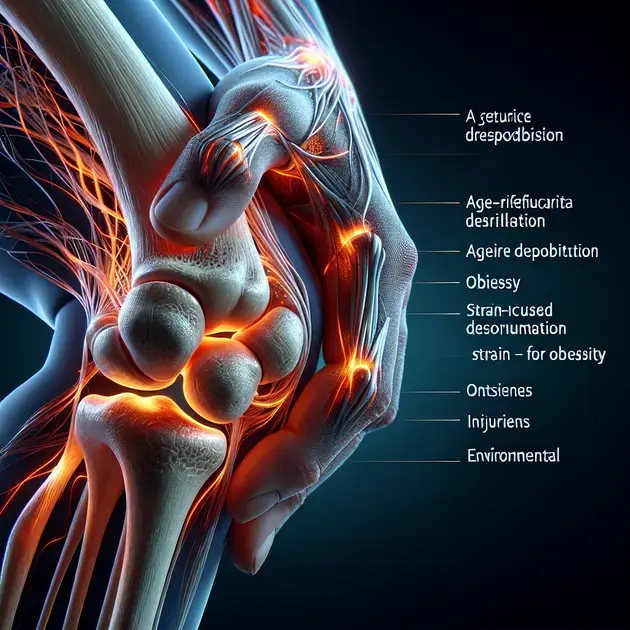
**Factors Contributing to Joint Ache Development**
Role of Genetics
Genetics play a significant role in the development of joint ache. Studies have shown that certain genetic markers can increase the susceptibility to conditions such as arthritis, which can lead to joint discomfort. Individuals with a family history of arthritis or other joint-related issues may have a higher risk of experiencing joint pain due to their genetic makeup.
Impact of Age
Another factor contributing to joint ache development is age. As we grow older, the cartilage in our joints tends to deteriorate, leading to joint pain and stiffness. This degenerative process is a natural part of aging and can be exacerbated by factors such as obesity, lack of exercise, and poor diet. Older individuals are more likely to experience joint discomfort due to the wear and tear on their joints over time.
Obesity and Joint Strain
Being overweight or obese can put excess strain on the joints, particularly weight-bearing joints such as the knees and hips. The added pressure can lead to inflammation, pain, and eventually damage to the joint tissues. Maintaining a healthy weight through proper diet and exercise is essential in reducing the risk of joint ache associated with obesity.
Injury and Overuse
Joint pain can also be caused by acute injuries or chronic overuse of the joints. Athletes and individuals who engage in repetitive motions or high-impact activities are at a higher risk of developing joint discomfort. Accidents, falls, and sports-related injuries can damage the joints and surrounding tissues, leading to pain and restricted mobility.
Environmental Factors
Environmental factors such as pollution, exposure to toxins, and lifestyle habits can also contribute to joint ache development. Studies have shown that air pollution and certain chemicals can trigger inflammation in the joints, worsening conditions such as arthritis. Making conscious choices to reduce exposure to harmful substances can help minimize the impact of environmental factors on joint health.
**
Conclusion
**
Joint ache development is influenced by multiple factors, with genetics playing a crucial role. Studies have shown that certain genetic markers can increase susceptibility to conditions like arthritis, leading to discomfort in the joints. Individuals with a family history of joint-related issues may be at a higher risk due to their genetic makeup.
The impact of age on joint health cannot be overlooked. As we age, the natural deterioration of cartilage in our joints can cause pain and stiffness. This process is accelerated by factors such as obesity, lack of exercise, and poor diet, making older individuals more prone to experiencing joint discomfort from wear and tear over time.
Moreover, obesity contributes significantly to joint strain. Excess weight puts pressure on weight-bearing joints like the knees and hips, resulting in inflammation, pain, and potential damage to joint tissues. Maintaining a healthy weight through proper diet and exercise is vital in reducing the risk of joint ache associated with obesity and promoting overall joint health.
Living with arthritis pain can be a challenging and debilitating experience. With over 100 different types of arthritis identified, the condition affects millions of people worldwide. The chronic inflammation and joint stiffness associated with arthritis pain can significantly impact daily activities and quality of life.
Recent studies have shown that incorporating regular low-impact exercises, such as swimming or yoga, can help reduce arthritis pain and improve joint flexibility. Additionally, maintaining a healthy weight and following an anti-inflammatory diet rich in fruits, vegetables, and omega-3 fatty acids may also provide relief from arthritis symptoms.
Managing Arthritis Pain Through Low-Impact Exercises
Arthritis pain can be debilitating, but low-impact exercises can help manage the symptoms and improve mobility. One effective low-impact exercise is swimming. Swimming allows for a full-body workout without putting too much stress on the joints. You can find swimming exercises specifically designed for arthritis pain relief on websites like Arthritis.org.
Another low-impact exercise to consider is yoga. Yoga helps improve flexibility and strength while also promoting relaxation. Apps like Daily Yoga offer guided yoga sessions tailored for arthritis patients. Following these sessions regularly can help alleviate pain and stiffness.
In addition to swimming and yoga, walking is a simple low-impact exercise that can be done anywhere. Websites like Arthritis Foundation provide walking plans that focus on gradual progression to ensure safety and effectiveness. Walking regularly can help maintain joint function and reduce arthritis pain.
To get started with managing arthritis pain through low-impact exercises, it’s essential to consult with a healthcare professional or a physical therapist. They can provide personalized recommendations based on your specific condition and fitness level. Remember to start gradually and listen to your body to avoid overexertion.
Overall, incorporating low-impact exercises like swimming, yoga, and walking into your routine can significantly improve arthritis pain management and enhance overall quality of life.
The Importance of Exercise and Nutrition for Arthritis Pain Relief
Exercise and nutrition play crucial roles in relieving arthritis pain and maintaining joint health. When it comes to exercise, strength training exercises are particularly beneficial for strengthening the muscles around the joints. Websites like Arthritis-health.com offer detailed guides on strength training exercises for arthritis pain relief.
In addition to strength training, incorporating cardiovascular exercises such as cycling or using a stationary bike can help improve joint flexibility and reduce stiffness. Apps like Peloton offer a variety of cycling classes suitable for arthritis patients, allowing them to exercise at their own pace.
Alongside exercise, maintaining a healthy and balanced diet is essential for managing arthritis pain. Foods rich in omega-3 fatty acids, such as salmon and chia seeds, have anti-inflammatory properties that can help reduce joint pain. Websites like Healthline.com provide lists of arthritis-friendly foods to include in your diet.
Consulting with a nutritionist can also help develop a personalized nutrition plan that supports arthritis pain relief. They can recommend specific dietary changes and supplements to improve joint health and overall well-being. By combining exercise and nutrition strategies, individuals can effectively alleviate arthritis pain and enhance their quality of life.
Natural Ways to Alleviate Arthritis Pain Symptoms
Managing arthritis pain through natural remedies can provide relief without relying heavily on medications. One natural approach is using hot and cold therapy to reduce inflammation and alleviate pain. Applying a warm compress or taking a warm bath can help relax muscles and joints. Conversely, using cold packs can numb the area and reduce swelling. Websites like WebMD offer guidelines on the proper application of hot and cold therapy for arthritis pain.
Incorporating herbal supplements like turmeric or ginger can also help alleviate arthritis symptoms. These herbs have anti-inflammatory properties that can reduce pain and stiffness in the joints. Websites like MedicalNewsToday provide information on the benefits and proper dosage of these natural supplements.
Low-impact exercises such as tai chi and Pilates can also aid in alleviating arthritis pain symptoms naturally. These gentle forms of exercise focus on improving balance, flexibility, and strength, which are essential for managing arthritis. Apps like Glo offer tai chi and Pilates classes suitable for individuals with arthritis, providing step-by-step instructions for each movement.
When exploring natural ways to alleviate arthritis pain symptoms, it’s essential to consult with a healthcare provider to ensure compatibility with existing treatments. By incorporating these natural remedies into your daily routine, you can effectively reduce arthritis pain and improve your quality of life in a holistic manner.
**Strengthening Your Joints with Gentle Workouts**
Gentle Workouts for Joint Health
When it comes to strengthening your joints, incorporating gentle workouts into your routine can make a significant difference. Low-impact exercises such as swimming, yoga, or tai chi can help improve flexibility, range of motion, and overall joint stability. These activities not only benefit your physical health but also contribute to reducing joint pain and stiffness associated with arthritis.
How to Incorporate Gentle Workouts into Your Routine
1. Start Slow: Begin with short sessions of gentle exercises and gradually increase the duration and intensity as your joints become stronger.
2. Listen to Your Body: Pay attention to any discomfort or pain during the workouts and adjust the intensity or type of exercise accordingly.
3. Mix It Up: Incorporate a variety of gentle workouts to target different muscle groups and keep your routine interesting.
4. Stay Consistent: Consistency is key to seeing improvements in joint strength and flexibility, so make sure to maintain a regular exercise schedule.
5. Seek Professional Guidance: Consult a physical therapist or fitness expert to create a workout plan tailored to your specific needs and abilities.
Benefits of Gentle Workouts for Joint Health
Engaging in gentle workouts not only helps in strengthening your joints but also improves circulation, reduces inflammation, and enhances overall well-being. These exercises can boost your mood, increase energy levels, and promote better quality of sleep. By committing to a regular routine of gentle workouts, you can effectively manage arthritis symptoms and maintain joint health for the long term.
**Exploring Holistic Approaches to Easing Arthritis Discomfort**
Understanding Holistic Remedies for Arthritis
When traditional treatments fall short, exploring holistic approaches to easing arthritis discomfort can provide alternative solutions. Holistic remedies focus on treating the body as a whole and may include practices such as acupuncture, herbal supplements, meditation, or dietary changes. These methods aim to address the underlying causes of arthritis pain and promote overall wellness.
Implementing Holistic Approaches in Your Routine
1. Acupuncture: Consider trying acupuncture sessions to stimulate specific points in the body and alleviate joint pain associated with arthritis.
2. Herbal Supplements: Incorporate natural supplements like turmeric, ginger, or omega-3 fatty acids known for their anti-inflammatory properties to support joint health.
3. Meditation and Mindfulness: Practice mindfulness techniques and meditation to reduce stress, which can exacerbate arthritis symptoms and discomfort.
4. Dietary Changes: Adopt an anti-inflammatory diet rich in fruits, vegetables, whole grains, and lean proteins to help manage arthritis pain and inflammation.
5. Consult Holistic Practitioners: Seek guidance from holistic health practitioners or integrative medicine specialists to create a personalized treatment plan that addresses your arthritis discomfort holistically.
Benefits of Holistic Approaches for Arthritis Relief
Embracing holistic approaches to easing arthritis discomfort can provide natural and sustainable relief without relying solely on medication. These methods not only target physical symptoms but also address mental and emotional well-being, leading to a more comprehensive approach to managing arthritis pain and improving overall quality of life.
**Mindful Lifestyle Changes to Manage Arthritis Pain**
Adopting a Mindful Approach to Arthritis Pain Management
When dealing with arthritis pain, making mindful lifestyle changes can significantly impact your overall well-being and quality of life. By incorporating practices that promote relaxation, stress reduction, and physical activity, you can effectively manage arthritis pain and improve joint function. These mindful changes can enhance your body’s natural ability to heal and cope with the challenges of arthritis.
Practical Tips for Implementing Mindful Lifestyle Changes
1. Practice Gentle Exercise: Engage in low-impact activities like walking, swimming, or yoga to maintain joint flexibility and strengthen surrounding muscles.
2. Prioritize Stress Management: Explore relaxation techniques such as deep breathing, meditation, or mindfulness to reduce stress levels that can worsen arthritis symptoms.
3. Maintain a Healthy Diet: Focus on a balanced diet rich in anti-inflammatory foods and essential nutrients to support joint health and reduce inflammation.
4. Get Adequate Rest: Ensure you get enough sleep and rest to allow your body to repair and recover, promoting optimal joint function and pain management.
5. Connect with Support Systems: Build a network of support through friends, family, or arthritis support groups to share experiences, seek advice, and stay motivated on your journey to managing arthritis pain.
Benefits of Mindful Lifestyle Changes for Arthritis Management
By embracing a mindful approach to arthritis pain management, you can experience improved pain control, better mobility, and enhanced overall quality of life. These lifestyle changes not only address the physical aspects of arthritis but also focus on mental and emotional well-being, empowering you to take control of your health and well-being.
**
Conclusion
**
Embracing gentle workouts, holistic remedies, and mindful lifestyle changes are essential steps in effectively managing arthritis discomfort and promoting joint health. By incorporating low-impact exercises like swimming and yoga, individuals can strengthen their joints, improve flexibility, and reduce pain associated with arthritis. Exploring holistic approaches such as acupuncture, herbal supplements, and meditation offers natural relief and addresses the underlying causes of arthritis.
Implementing a mindful approach through practices like gentle exercise, stress management, and a balanced diet can enhance overall well-being and quality of life for those dealing with arthritis pain. By focusing on both the physical and emotional aspects of arthritis, individuals can experience improved pain control, better mobility, and a sense of empowerment in managing their health.
By combining these gentle workouts, holistic remedies, and mindful lifestyle changes, individuals can take proactive steps towards improving joint health, reducing inflammation, and enhancing their overall quality of life. It’s vital to listen to your body, seek professional guidance when needed, and stay consistent in your efforts to effectively manage arthritis discomfort and maintain optimal joint function in the long term.
Boost Your Immune Support with These Essential Tips is more important now than ever, given the current global health crisis. Taking care of our immune system is crucial to staying healthy and preventing illness.
With the right combination of lifestyle habits, dietary choices, and immune-boosting supplements, you can strengthen your body’s natural defenses and improve your overall well-being. In this blog post, we will explore some practical tips to help you enhance your immune support and protect your health.
Boost Your Immune System Naturally
Boosting your immune system naturally is essential for overall health and well-being. One of the best ways to do this is by maintaining a healthy diet and lifestyle. Incorporating immune-boosting foods into your daily meals can make a significant difference in your immune system’s strength. Some of the best immune-boosting foods include citrus fruits, red bell peppers, broccoli, garlic, ginger, spinach, yogurt, almonds, and turmeric.
To further enhance your immune system, regular exercise is crucial. Physical activity helps to improve circulation and promote good heart health, which in turn boosts the immune system. Aim for at least 30 minutes of moderate exercise most days of the week for optimal immune support.
Another excellent way to boost your immune system naturally is by managing stress. High levels of stress can weaken the immune system, making you more susceptible to illness. Practicing stress-reducing techniques such as meditation, deep breathing exercises, and yoga can help strengthen your immune response.
Additionally, getting an adequate amount of quality sleep is essential for immune function. During sleep, the body repairs and regenerates cells, including those of the immune system. Aim for 7-9 hours of sleep per night to support a healthy immune system.
Finally, staying hydrated is key to maintaining a strong immune system. Drinking plenty of water helps the body flush out toxins and ensures that your cells are functioning optimally. Aim to drink at least 8-10 glasses of water per day to support immune health.
Essential Diet Tips for Immune Support
When it comes to supporting your immune system through diet, there are several essential tips to keep in mind. One of the most important aspects is to consume a variety of nutrient-dense foods that are rich in vitamins, minerals, and antioxidants. These include fruits, vegetables, whole grains, lean proteins, and healthy fats.
Probiotics are another crucial component of a diet that supports immune function. Foods like yogurt, kefir, sauerkraut, and kimchi contain beneficial probiotics that help maintain a healthy gut microbiome. A well-balanced gut microbiome is essential for a strong immune system.
Avoiding excessive sugar and processed foods is also key to supporting your immune system. These foods can cause inflammation in the body and weaken immune function. Instead, focus on whole, unprocessed foods to provide your body with the nutrients it needs to stay healthy.
Including immune-boosting herbs and spices in your diet can also help strengthen your immune system. Turmeric, ginger, garlic, and echinacea are all known for their immune-boosting properties and can easily be incorporated into various dishes and beverages.
Lastly, staying mindful of portion sizes and eating balanced meals throughout the day can help support overall immune function. Avoiding large, heavy meals and instead focusing on smaller, nutrient-dense meals can help keep your immune system functioning optimally.
The Best Supplements to Boost Your Immunity
While a healthy diet is crucial for immune support, sometimes we may need an extra boost from supplements. There are several key supplements that can help strengthen the immune system and enhance overall health.
Vitamin C is one of the most well-known immune-boosting supplements. It is a powerful antioxidant that helps protect cells from damage and supports the immune system’s function. Taking a daily vitamin C supplement can help reduce the duration and severity of colds and other illnesses.
Another essential immune-boosting supplement is vitamin D. Many people are deficient in vitamin D, especially during the winter months when sunlight exposure is limited. Vitamin D plays a crucial role in immune function and can help reduce the risk of respiratory infections.
Probiotics are another beneficial supplement for immune support. They help maintain a healthy balance of gut bacteria, which is essential for a strong immune system. Look for a high-quality probiotic supplement that contains a variety of strains for optimal benefits.
Zinc is a mineral that is essential for immune function and overall health. It helps support the activity of white blood cells and plays a role in inflammatory response. Taking a zinc supplement can help boost your immune system and reduce the severity of colds and infections.
Always consult with a healthcare provider before starting any new supplements to ensure they are appropriate for your individual needs and health status.
Boost Your Immune System Naturally
Boosting your immune system naturally is essential for maintaining overall health and well-being. One of the most effective ways to enhance your body’s defenses against illnesses is by following a healthy and balanced diet. Including a variety of nutrient-rich foods in your meals can provide your immune system with the necessary vitamins and minerals to function optimally.
Additionally, regular exercise plays a crucial role in improving immune function. Engaging in physical activity helps to reduce stress levels, promote good circulation, and boost the production of white blood cells. Aim for at least 30 minutes of moderate exercise each day to support your immune system.
Getting an adequate amount of sleep is another key factor in strengthening your body’s natural defenses. Lack of sleep can compromise your immune function and make you more susceptible to infections. Aim for 7-8 hours of quality sleep each night to allow your body to rest and rejuvenate.
Reducing stress levels through relaxation techniques such as meditation, deep breathing, or yoga can also help boost your immune system. Chronic stress can suppress immune function, so finding ways to unwind and de-stress is crucial for overall health.
Incorporating immune-boosting supplements such as vitamin C, zinc, and probiotics into your daily routine can further support your body’s defenses. These supplements can help fill any nutritional gaps in your diet and provide additional immune support.
Essential Diet Tips for Immune Support
Your diet plays a significant role in supporting your immune system and keeping you healthy. Including foods that are rich in essential nutrients such as vitamin C, vitamin D, zinc, and antioxidants can help strengthen your body’s natural defenses.
Eating a variety of fruits and vegetables can provide you with a wide range of vitamins and minerals that are essential for immune function. Citrus fruits, berries, leafy greens, and bell peppers are all excellent choices for boosting your immune system.
Including lean proteins such as chicken, fish, and legumes in your diet can also help support immune function. Protein is necessary for the production of antibodies, which are crucial for fighting off infections and diseases.
Avoiding processed foods, sugary snacks, and excessive alcohol consumption is important for maintaining a healthy immune system. These unhealthy choices can weaken your immune response and make you more vulnerable to illness.
Staying hydrated by drinking plenty of water throughout the day is essential for immune support. Water helps flush toxins from your body and keeps your cells hydrated and functioning properly, which is vital for overall health.
The Best Supplements to Boost Your Immunity
While a balanced diet is the foundation of a strong immune system, supplementing with certain vitamins and minerals can provide added support. Vitamin C is one of the most well-known immune-boosting supplements, as it helps stimulate the production of white blood cells and antibodies.
Zinc is another essential mineral for immune function, as it plays a key role in the development and function of immune cells. Taking a zinc supplement can help prevent infections and reduce the duration of colds or flu.
Probiotics are beneficial bacteria that support gut health, which is closely linked to immune function. Taking a probiotic supplement can help maintain a healthy balance of gut bacteria and strengthen your immune response.
Elderberry supplements have also gained popularity for their immune-boosting properties. Elderberries are rich in antioxidants and have been shown to reduce the severity and duration of cold and flu symptoms.
It’s important to consult with a healthcare provider before starting any new supplement regimen to ensure that they are safe and appropriate for your individual needs.
Conclusion
Boosting your immune system naturally is vital for overall health and well-being. A balanced diet rich in nutrients, regular exercise, adequate sleep, and stress reduction techniques are key factors in strengthening your body’s natural defenses. Including immune-boosting supplements like vitamin C, zinc, and probiotics can further enhance your immune system’s resilience.
Essential Diet Tips for Immune Support
Your diet plays a crucial role in supporting your immune system. Consuming foods high in essential nutrients such as vitamin C, D, zinc, and antioxidants can bolster your body’s defenses. Fruits, vegetables, lean proteins, and hydration are essential components for optimal immune function.
The Best Supplements to Boost Your Immunity
While a balanced diet forms the foundation of a robust immune system, supplementing with vitamins and minerals like vitamin C, zinc, probiotics, and elderberry can provide additional support. These supplements help strengthen immune responses and combat infections effectively.
Product
Description
Link
Jointgen
Join the Thousands of U.S. Seniors Enjoying Comfortable, Flexible and Youthful Joints Thanks to Joint Genesis™
Neverfresh
Nerve Fresh promotes healthy nerves by providing 5 vital bio-available fruit, flower and bark extracts with essential vitamin and mineral support
balmorex
“Shortcut to Wellness” is the perfect solution for those who want to ‘hack’ their mind & body with the use of modern technology to improve their quality of life! Biohacking is about optimizing your life & body through the use of biology, research & technology
live pure
Do you have deep stubborn fat stores that no diet or exercise seems to remove? Then the answer is yes. Liv Pure has changed the lives of over 234,000 women and men from 18 to 80 and is designed to rapidly dissolve fat in even the worst cases.
To provide the best experiences, we use technologies like cookies to store and/or access device information. Consenting to these technologies will allow us to process data such as browsing behavior or unique IDs on this site. Not consenting or withdrawing consent, may adversely affect certain features and functions.
Functional
Always active
The technical storage or access is strictly necessary for the legitimate purpose of enabling the use of a specific service explicitly requested by the subscriber or user, or for the sole purpose of carrying out the transmission of a communication over an electronic communications network.
Preferences
The technical storage or access is necessary for the legitimate purpose of storing preferences that are not requested by the subscriber or user.
Statistics
The technical storage or access that is used exclusively for statistical purposes.The technical storage or access that is used exclusively for anonymous statistical purposes. Without a subpoena, voluntary compliance on the part of your Internet Service Provider, or additional records from a third party, information stored or retrieved for this purpose alone cannot usually be used to identify you.
Marketing
The technical storage or access is required to create user profiles to send advertising, or to track the user on a website or across several websites for similar marketing purposes.