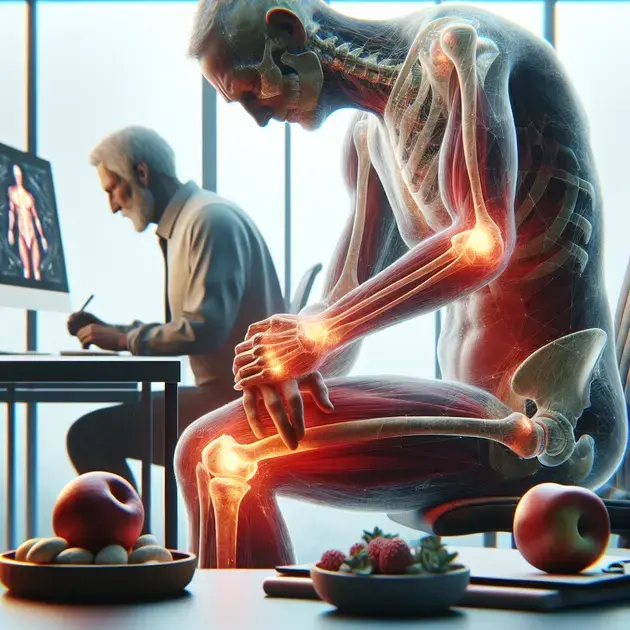
Aumento dos Níveis de Atividade Física Pode Aumentar sua Vida em Até 11 Anos
Aumento dos Níveis de Atividade Física Pode Aumentar sua Vida em Até 11 Anos: Insights dos Dados de Acelometria
Pesquisas recentes destacaram os notáveis benefícios da atividade física, sugerindo que níveis mais altos de movimento diário poderiam aumentar significativamente a expectativa de vida—até 11 anos, de acordo com novas descobertas derivadas de dados de acelometria. Este estudo destaca o papel crítico da atividade física regular na melhoria da saúde geral e da longevidade, particularmente para aqueles que atualmente são os menos ativos.
As descobertas sublinham a importância mesmo de aumentos modestos na atividade. Para indivíduos considerados os menos ativos da população, engajar-se em apenas uma caminhada de uma hora pode gerar benefícios impressionantes para a saúde, traduzindo-se em um aumento esperado de seis horas adicionais de vida. Esta estatística ilustra como pequenas mudanças no estilo de vida podem ter impactos profundos na longevidade.
O uso de dados de acelometria permite que os pesquisadores acompanhem e analisem padrões de movimento em tempo real, fornecendo insights mais precisos sobre como diferentes níveis de atividade física contribuem para os resultados de saúde. Essa tecnologia ajuda a eliminar a incerteza que muitas vezes está associada aos níveis de atividade autorrelatados, garantindo que as descobertas estejam enraizadas em dados comportamentais reais.
Com essas descobertas em mente, a mensagem é clara: incorporar atividade física nas rotinas diárias é crucial. Seja através de caminhadas, ciclismo ou envolvimento em esportes recreativos, cada minuto gasto em movimento contribui para a melhoria da saúde e da qualidade de vida. Para aqueles que têm sido sedentários, iniciar uma rotina que inclua até mesmo breves períodos de atividade física pode ser um caminho para uma vida mais longa e saudável.
Além disso, esta pesquisa serve como um lembrete convincente para iniciativas de saúde pública promoverem estilos de vida ativos. Encorajar comunidades e indivíduos a abraçar os benefícios da atividade física poderia levar a uma diminuição significativa nas disparidades de saúde e a uma melhoria geral dos métricas de saúde populacional.
Em conclusão, conforme os dados sugerem, aumentar os níveis de atividade física não apenas desempenha um papel vital na saúde pessoal, mas também tem o potencial de estender a expectativa de vida em anos. Ao adotar um estilo de vida mais ativo, especialmente para aqueles que são menos ativos, os indivíduos podem acessar benefícios de saúde notáveis, transformando não apenas suas próprias vidas, mas potencialmente influenciando gerações futuras. O caminho para a longevidade pode estar a apenas uma caminhada de distância.
The Importance of Hydration: Debunking the “Eight Cups a Day” Myth
The Importance of Hydration: Debunking the “Eight Cups a Day” Myth
Public health recommendations frequently advise individuals to drink eight cups of water a day, a guideline that has become ingrained in popular health folklore. Many people accept this mantra, believing that consuming large amounts of water is inherently healthy. However, while adequate hydration is crucial for maintaining overall health, the notion that everyone needs to drink exactly eight cups every day is not as straightforward as it seems.
Understanding Hydration Needs
Hydration needs can vary significantly from person to person. Factors such as age, sex, weight, activity level, and environmental conditions all play a critical role in determining individual water requirements. For instance, someone who is very active or lives in a hot climate may need more water than someone who is sedentary or resides in a cooler area. Additionally, certain health conditions and medications can influence hydration needs, making a one-size-fits-all recommendation problematic.
The Role of Diet in Hydration
It’s essential to recognize that hydration doesn’t solely come from drinking water. Many fruits, vegetables, and other foods have high water content and contribute to overall fluid intake. For example, cucumbers, oranges, and watermelons are not only nutritious but also help keep the body hydrated. Therefore, when calculating daily hydration, one should consider all sources of fluids consumed throughout the day.
Signs of Hydration
Rather than strictly adhering to the “eight cups a day” guideline, individuals should listen to their bodies. Thirst is a natural signal indicating that it’s time to drink. Additionally, the color of one’s urine can serve as a good indicator of hydration status; pale yellow urine often suggests adequate hydration, while darker urine may indicate the need for more fluids.
Health Benefits of Proper Hydration
Staying well-hydrated has numerous health benefits. It aids in digestion, helps regulate body temperature, and supports joint lubrication. Moreover, adequate hydration is crucial for cognitive function, energy levels, and overall physical performance. Yet, it’s equally important to avoid overhydration, which can lead to a rare but serious condition known as hyponatremia, characterized by dangerously low sodium levels in the blood.
Conclusion
While drinking sufficient water is vital for health, the specific amount needed varies from one person to another. Instead of fixating on the eight-cup benchmark, individuals should focus on understanding their own hydration needs, recognizing the signs of their body, and incorporating fluid-rich foods into their diets. By taking a more personalized approach to hydration, individuals can maintain optimal well-being without the pressure of adhering to generalized guidelines. In conclusion, hydration is essential, but flexibility and awareness of personal needs are key to truly effective hydration strategies.
Are you experiencing uncomfortable sensations in your joints and seeking relief from articulations pain? You’re not alone. In today’s fast-paced world, many individuals struggle with joint discomfort due to various reasons such as age, injury, or underlying health conditions.
Understanding the causes of articulations pain is crucial in finding the appropriate treatment and management strategies. Recent studies have shown a correlation between certain lifestyle factors and the prevalence of joint pain, emphasizing the importance of holistic approaches to alleviate discomfort and improve overall joint health.
Effective Remedies for Articulations Pain
Articulations pain can be debilitating, but there are several effective remedies that can help alleviate the discomfort. One popular remedy is the use of turmeric, a natural anti-inflammatory that can reduce swelling and pain in the joints. You can easily incorporate turmeric into your diet by adding it to curries, smoothies, or teas. Another effective remedy is the application of hot and cold therapy to the affected joints. Alternating between hot and cold packs can help reduce inflammation and provide relief from the pain.
If you prefer natural remedies, essential oils such as lavender, peppermint, and eucalyptus can also be beneficial for relieving articulations pain. You can mix a few drops of these oils with a carrier oil like coconut or almond oil and massage them into the affected area. Additionally, regular exercise, specifically low-impact activities like swimming or yoga, can help strengthen the muscles around the joints and improve flexibility, reducing pain in the long run.
For a more immediate relief, you can try over-the-counter pain relievers like ibuprofen or acetaminophen. However, it is important to consult with a healthcare professional before starting any new medication regimen. Remember, what works for one person may not work for another, so it may take some trial and error to find the most effective remedy for your articulations pain.
Managing Articulations Pain through Lifestyle Changes
Managing articulations pain often involves making lifestyle changes that can help reduce inflammation and improve joint health. One of the most effective lifestyle changes is maintaining a healthy weight through proper diet and exercise. Excess weight puts added stress on the joints, especially the knees and hips, so losing weight can significantly reduce articulations pain.
In addition to weight management, staying active is crucial for managing articulations pain. Regular exercise helps keep the joints flexible and strengthens the muscles around them, providing better support and reducing pain. Low-impact exercises like walking, cycling, or water aerobics are gentle on the joints while still providing a good workout.
Another important lifestyle change for managing articulations pain is incorporating anti-inflammatory foods into your diet. Foods rich in omega-3 fatty acids, such as salmon, walnuts, and flaxseeds, can help reduce inflammation in the body and alleviate joint pain. Avoiding processed foods and excessive sugar can also help decrease inflammation and improve overall joint health.
Lastly, proper posture and ergonomics are essential for managing articulations pain. Maintaining good posture while sitting, standing, and performing daily activities can help reduce strain on the joints and prevent further pain. Using ergonomic tools and furniture, such as ergonomic chairs and keyboards, can also help support joint health and minimize discomfort.
Holistic Approaches to Alleviate Articulations Pain
Alleviating articulations pain through holistic approaches involves treating the body as a whole and addressing the root causes of the pain. One holistic approach is acupuncture, a traditional Chinese medicine practice that involves inserting thin needles into specific points on the body to promote healing and relieve pain. Acupuncture has been shown to be effective in reducing articulations pain and improving joint function.
Another holistic approach is chiropractic care, which focuses on aligning the spine and joints to improve overall health and function. Chiropractors use manual adjustments and other techniques to correct misalignments in the body, reducing pain and inflammation in the joints. Massage therapy is also a popular holistic approach for alleviating articulations pain, as it can help relax tight muscles, improve circulation, and reduce stiffness in the joints.
For a more mind-body approach to alleviating articulations pain, practices like yoga and meditation can be beneficial. These practices help reduce stress and tension in the body, which can contribute to articulations pain. By incorporating relaxation techniques into your daily routine, you can improve your overall well-being and reduce pain in the joints.
Lastly, dietary supplements such as glucosamine, chondroitin, and omega-3 fatty acids have been found to be effective in reducing articulations pain and improving joint function. Before starting any new supplement regimen, it is important to consult with a healthcare professional to ensure it is safe and appropriate for your individual needs.
**Natural Remedies for Joint Pain Relief**
Herbal Supplements and Teas
Herbal supplements and teas have long been used as natural remedies for joint pain relief. Ingredients such as ginger, turmeric, and boswellia have anti-inflammatory properties that can help reduce swelling and discomfort in the joints. These supplements and teas can be easily incorporated into your daily routine by adding them to your meals or enjoying them as a soothing beverage.
How to Use Herbal Supplements and Teas:
1. Consult with a healthcare provider to ensure the supplements are safe for you to consume.
2. Follow the recommended dosage instructions on the product packaging.
3. Incorporate herbal teas into your daily routine by enjoying a cup in the morning or before bed.
4. Be consistent with your use to experience the full benefits of these natural remedies.
Hot and Cold Therapy
Hot and cold therapy is a simple yet effective natural remedy for joint pain relief. Applying a heat pack or soaking in a warm bath can help relax tense muscles and increase blood flow to the affected joints. Conversely, cold therapy with ice packs can reduce inflammation and numb the area, providing temporary pain relief.
How to Use Hot and Cold Therapy:
1. Apply a heat pack or take a warm bath for 15-20 minutes to soothe joint pain.
2. Use an ice pack wrapped in a towel for 10-15 minutes to reduce swelling and numb the area.
3. Alternate between hot and cold therapy for best results, starting and ending with cold therapy.
4. Avoid applying extreme temperatures directly to the skin to prevent burns or frostbite.
**Exercise Tips for Relieving Joint Pain**
Low-Impact Exercises
Engaging in low-impact exercises can help relieve joint pain by strengthening the muscles around the affected joints and improving flexibility. Activities such as swimming, cycling, and yoga are gentle on the joints while providing a great workout. These exercises can help reduce stiffness and increase mobility in the joints.
How to Incorporate Low-Impact Exercises:
1. Start with a gradual warm-up to prepare your body for exercise.
2. Choose activities that do not put excessive strain on the joints, such as swimming or using an elliptical machine.
3. Listen to your body and modify exercises as needed to avoid exacerbating joint pain.
4. Consistency is key—aim for at least 30 minutes of low-impact exercise most days of the week.
Strength Training
Strength training exercises can help improve joint stability and reduce the risk of injury by strengthening the muscles that support the joints. Focus on exercises that target the muscles around the affected joints, such as leg lifts, bicep curls, and squats. Building muscle can help alleviate joint pain and improve overall joint health.
How to Start a Strength Training Routine:
1. Begin with light weights or resistance bands to avoid straining the joints.
2. Work with a fitness professional to ensure proper form and technique for each exercise.
3. Gradually increase the intensity and weight of your strength training routine as you build strength.
4. Allow for rest days between sessions to allow your muscles to recover and prevent overexertion.
**Nutrition Strategies to Reduce Joint Pain**
Anti-Inflammatory Foods
Incorporating anti-inflammatory foods into your diet can help reduce joint pain and inflammation. Foods rich in omega-3 fatty acids, such as salmon, walnuts, and flaxseeds, have been shown to have anti-inflammatory properties. Additionally, colorful fruits and vegetables, turmeric, and green tea can also help combat inflammation and promote joint health.
How to Include Anti-Inflammatory Foods:
1. Plan meals that include a variety of colorful fruits and vegetables to maximize the intake of anti-inflammatory compounds.
2. Incorporate omega-3 rich foods into your diet, such as fatty fish like salmon or mackerel.
3. Add turmeric to dishes or beverages for its potent anti-inflammatory effects.
4. Limit processed foods and sugar, as they can contribute to inflammation in the body.
Hydration and Joint Health
Staying hydrated is essential for joint health, as water helps lubricate and cushion the joints, reducing friction and improving mobility. Dehydration can lead to joint stiffness and discomfort, so it is important to drink an adequate amount of water throughout the day. Additionally, consuming hydrating foods such as cucumbers, watermelon, and celery can also support joint health.
How to Stay Hydrated for Joint Health:
1. Aim to drink at least 8-10 cups of water per day, more if you are active or in a hot climate.
2. Carry a reusable water bottle with you to make hydration easily accessible throughout the day.
3. Eat hydrating foods like soups, smoothies, and fruits with high water content to boost your fluid intake.
4. Monitor your urine color—pale yellow generally indicates proper hydration levels.
Conclusion
In conclusion, natural remedies for joint pain relief offer a holistic approach to managing discomfort and improving joint health. Herbal supplements and teas containing anti-inflammatory ingredients like ginger and turmeric can help reduce swelling and provide relief when incorporated into daily routines. Hot and cold therapy serves as a simple yet effective method to relax muscles and reduce inflammation in affected joints, offering both immediate and long-term benefits.
When considering exercise, focusing on low-impact activities such as swimming and yoga can strengthen muscles, increase flexibility, and alleviate stiffness, contributing to better joint mobility. Additionally, engaging in strength training exercises, under proper guidance, can enhance joint stability and overall health by targeting specific muscle groups that support joint function.
Moreover, nutrition plays a crucial role in joint health. Including anti-inflammatory foods like omega-3 rich sources, colorful fruits and vegetables, and turmeric can help combat inflammation and promote overall well-being. Staying hydrated is equally vital, as water lubricates joints and maintains mobility, while hydrating foods like cucumbers and watermelon provide additional support for joint health.
Joint hurt can be a debilitating and frustrating experience for many individuals. Whether it’s caused by injury, arthritis, or overuse, dealing with joint pain can significantly impact a person’s quality of life.
Fortunately, there are various treatment options available to help alleviate joint hurt and improve mobility. From physical therapy and medications to lifestyle changes and surgical interventions, individuals suffering from joint pain have a range of choices to explore in their journey towards better joint health.
Managing Joint Hurt with Physical Therapy
Physical therapy is a crucial aspect of managing joint pain and promoting overall joint health. One popular app that can help you find a qualified physical therapist is Butikhus. With the help of a professional therapist, you can create a personalized treatment plan to address your specific joint issues.
The first step in physical therapy for joint pain is typically an assessment of your range of motion and strength. This evaluation will help the therapist identify areas of weakness or imbalance that may be contributing to your joint pain. Using this information, they will design a series of exercises and stretches to target these problem areas.
During your physical therapy sessions, the therapist will guide you through these exercises and ensure you are using the correct form to prevent further injury. They may also use techniques such as manual manipulation or modalities like heat or ice to help reduce pain and inflammation in the affected joints.
Consistency is key when it comes to physical therapy. It’s important to follow your therapist’s recommendations and complete your exercises regularly to see improvements in your joint health. By prioritizing your physical therapy sessions and following through with your at-home exercises, you can effectively manage joint pain and prevent future issues.
Exploring Medication Options for Joint Hurt Relief
Medication can be a helpful tool in managing joint pain when used appropriately. However, it’s important to consult with a healthcare professional before starting any new medication regimen. Websites like Butikhus provide valuable information on different medication options for joint pain relief.
Nonsteroidal anti-inflammatory drugs (NSAIDs) are commonly used to reduce inflammation and alleviate joint pain. These medications can be effective for short-term relief, but they should be used cautiously to avoid potential side effects. Your healthcare provider can recommend the right NSAID and dosage for your specific condition.
In some cases, stronger pain medications may be necessary to manage severe joint pain. Opioids are one option for dealing with intense pain, but they come with a risk of addiction and other serious side effects. Your doctor will carefully weigh the benefits and risks of opioid therapy before prescribing them for joint pain.
Topical medications, such as creams or patches, can also provide localized relief for joint pain. These products can be applied directly to the affected area to help reduce pain and inflammation. Discuss with your healthcare provider about using topical medications as part of your pain management strategy.
Improving Joint Health through Lifestyle Changes
Making positive lifestyle changes can have a significant impact on improving joint health and reducing pain. Apps like Butikhus offer resources and guidance on how to adopt healthier habits for better joint function.
Regular exercise is essential for maintaining strong and flexible joints. Activities like walking, swimming, or yoga can help improve joint mobility and strengthen the muscles that support them. Aim for at least 30 minutes of moderate exercise most days of the week to promote joint health.
A well-balanced diet rich in nutrients like omega-3 fatty acids, antioxidants, and vitamin D can also support joint health. Foods like salmon, berries, and leafy greens can help reduce inflammation and provide essential building blocks for healthy joints. Consider consulting with a nutritionist for personalized dietary recommendations.
Maintaining a healthy weight is crucial for reducing stress on the joints, especially weight-bearing joints like the knees and hips. By adopting a nutritious diet and staying active, you can achieve and maintain a healthy weight to prevent joint pain and protect against degenerative conditions like osteoarthritis.
Effective Exercises for Joint Hurt Relief
Introduction
When it comes to managing joint pain, incorporating effective exercises into your routine can be highly beneficial. These exercises can help improve joint flexibility, strengthen muscles around the joints, and reduce discomfort. Whether you are dealing with arthritis, an injury, or general joint pain, certain exercises can provide relief and improve your overall quality of life.
Types of Effective Exercises
1. Low-impact exercises such as swimming, cycling, and walking can help improve joint mobility without putting too much stress on them.
2. Strength training exercises focusing on the muscles around the joints, such as leg lifts, bicep curls, and shoulder presses, can help provide support and stability to the joints.
3. Stretching exercises like yoga and Pilates can help increase flexibility and range of motion in the joints, reducing stiffness and discomfort.
4. Cardiovascular exercises like aerobics or dance classes can help improve overall joint health and promote weight management, which can alleviate pressure on the joints.
5. Balance exercises such as tai chi or standing on one leg can help prevent falls and improve joint stability.
Benefits of Regular Exercise
Incorporating regular exercise into your routine can lead to significant improvements in joint pain management. Exercise can help reduce inflammation, improve circulation, and release endorphins that act as natural painkillers. Additionally, exercising regularly can help maintain a healthy weight, which is crucial for managing joint pain and preventing further damage.
By consistently engaging in effective exercises for joint pain relief, you can experience better joint function, increased mobility, and a higher quality of life overall.
Remember to consult with a healthcare professional or a physical therapist before starting any new exercise routine, especially if you have existing joint issues or injuries.
Conclusion
In conclusion, incorporating effective exercises for joint pain relief into your routine can bring about significant improvements in managing joint discomfort and enhancing overall quality of life. Whether you are dealing with arthritis, injury, or general joint pain, various types of exercises such as low-impact exercises, strength training, stretching, cardiovascular workouts, and balance exercises can play a crucial role in alleviating pain and improving joint function.
Regular Exercise Benefits
Regular exercise not only helps in reducing inflammation, improving circulation, and releasing natural painkillers but also aids in weight management, which is essential for joint health. By consistently engaging in these exercises, you can experience increased joint flexibility, improved mobility, and a better quality of life. Moreover, consult with a healthcare professional or physical therapist before embarking on any new exercise regimen, especially if you have existing joint issues or injuries.
Takeaway Message
Remember that by dedicating time to effective exercises tailored for joint pain relief, you are investing in your well-being and long-term joint health. These exercises can strengthen muscles, increase flexibility, and provide the necessary support and stability for your joints. Prioritize your joint health, seek professional guidance, and commit to a regular exercise routine to experience the positive impact on your overall joint function and quality of life.
In the realm of orthopedic advice, a prevalent recommendation suggests steering clear from walking exercises if you suffer from hip or knee arthritis. This notion, however, is challenged by Dr. David Guyer, a triple board-certified orthopedic surgeon, sports medicine specialist, and expert in anti-aging and regenerative medicine. In his engaging ‘Ask the Doctor’ video series, Dr. Guyer delves into the pros and cons of walking with bone-on-bone arthritis, advocating for a more nuanced understanding. Despite common misconceptions, Dr. Guyer emphasizes that activities like walking or even running might not necessarily exacerbate joint issues—in fact, they might offer unexpected benefits. With a focus on encouraging movement and debunking outdated myths, Dr. Guyer extends an invitation to rethink exercise’s role in managing arthritis and highlights alternative options for those seeking relief beyond traditional medical advice.
The Role of Walking in Joint Health
Walking, often overlooked as a valid form of exercise for those battling arthritis, is presented by Dr. David Guyer as not only a viable option but potentially beneficial for overall joint health. The traditional view that those with arthritis should refrain from any impactful exercise is questioned, as emerging evidence suggests that such activities might actually contribute positively to joint health.
At its core, walking promotes the circulation of synovial fluid, which is essential for maintaining healthy cartilage. Synovial fluid acts as a lubricant and a shock absorber within the joints, and its movement is crucial for cartilage resiliency. When you walk, the natural pressure and release mechanism effectively pumps the fluid throughout the joint, nourishing and maintaining the cartilage. This simple act of walking thus supports the fundamental mechanics of joint health.
Debunking Myths About Walking and Arthritis
The fear of exacerbating arthritis through walking stems from outdated beliefs that have been debunked through modern research. For instance, studies comparing marathon runners with non-runners of the same age demographic show lower rates of joint replacements and slower progression of arthritis among the runners. This challenges the notion that high-impact exercise inherently worsens joint health.
Moreover, exercise, including walking, plays a critical role in weight management—a key factor in alleviating arthritis symptoms. Maintaining a healthy weight reduces stress on joints, diminishing pain and decelerating the progression of arthritis. Walking is a low-intensity exercise that can be integrated into daily routines, assisting individuals in achieving weight loss goals without putting undue stress on their bodies.
Finding Balance with Cross-Training
Despite its many advantages, it’s important to acknowledge that walking can be painful for some people with arthritis, especially during flare-ups. Dr. Guyer suggests a balanced approach, encouraging patients to listen to their bodies and modify their walking routines as needed. Alternating between high-impact and low-impact exercises, such as swimming, cycling, or strength training, can alleviate some of the strain and provide comprehensive benefits to overall health and longevity.
For those experiencing persistent discomfort or seeking variety in their exercise routines, cross-training offers a solution. Engaging in different types of physical activity not only mitigates pain but also promotes muscle strength and flexibility, which are essential for joint stability and protection. Cross-training reduces the risk of injury and overuse by distributing the physical demands evenly across different muscle groups.
Exploring Alternative Therapies
Dr. Guyer’s holistic approach extends beyond simple exercise recommendations. For patients exploring alternatives to conventional treatments like surgery and cortisone injections, regenerative medicine offers hope. Therapies such as platelet-rich plasma (PRP) injections and stem cell therapy focus on harnessing the body’s healing capabilities to repair joint damage naturally. These options are a testament to the evolving landscape of orthopedic care, challenging the status quo and providing patients with broader choices.
The Power of Shared Experiences
In addition to professional guidance, Dr. Guyer emphasizes the importance of community and shared experiences. He invites individuals to share their personal journeys with arthritis in the comments of his videos, fostering a supportive environment where patients can learn from one another.
While Dr. Guyer cannot offer personalized medical advice in this forum, the stories and questions shared by viewers contribute to the ongoing dialogue about arthritis management, shaping future content and helping patients navigate their conditions with confidence.
Empowering Choices for Better Joint Health
Ultimately, the decision to walk with arthritis should be individualized, taking into account personal pain thresholds, lifestyle preferences, and medical advice. By presenting walking as a feasible and potentially rewarding exercise option, Dr. Guyer empowers patients to reconsider their relationship with movement. Through informed choices and a willingness to adapt, individuals with arthritis can enhance their quality of life and take proactive steps towards achieving better joint health.
In conclusion, walking is far from the enemy for those with arthritis—it’s an ally in maintaining mobility, supporting joint health, and enhancing well-being. Dr. Guyer’s expert insights challenge misconceptions and invite a renewed perspective on exercise, encouraging patients to explore the myriad benefits of movement. Whether you’re a long-time runner or someone just beginning a walking routine, remember that the journey to better joint health is a marathon, not a sprint, with each step bringing you closer to your goals.
Joint soreness is a common issue that many people experience, especially as they age. Whether it’s caused by arthritis, injury, or overuse, dealing with joint pain can significantly impact quality of life.
With advancements in medical research and technology, there are now various treatment options available to help manage joint soreness and improve mobility. From simple lifestyle changes to innovative therapies, individuals suffering from joint pain have more choices than ever before.
Managing Joint Soreness Through Lifestyle Changes
Managing joint soreness through lifestyle changes is essential for improving overall joint health and mobility. Making simple adjustments to your daily routine can have a significant impact on reducing discomfort and stiffness. Here are some effective lifestyle changes you can incorporate:
Regular Exercise
Engaging in low-impact exercises like swimming, yoga, or walking can help strengthen the muscles around your joints and improve flexibility. Apps like MyFitnessPal or Fitbit can assist in creating personalized workout plans tailored to your needs.
Healthy Diet
Eating a balanced diet rich in fruits, vegetables, whole grains, and lean proteins can help reduce inflammation in the joints. Apps such as MyPlate or Yazio provide tools to track your nutrition and set dietary goals.
Weight Management
Maintaining a healthy weight is crucial for reducing stress on your joints. Apps like Lose It! or Weight Watchers offer support and resources for weight loss through calorie tracking and meal planning.
Stress Management
Practicing relaxation techniques such as meditation or deep breathing can help alleviate joint pain caused by stress. Apps like Headspace or Calm provide guided meditation sessions and stress-relief exercises.
Quality Sleep
Ensuring you get enough restful sleep is vital for joint health. Using apps like Sleep Cycle or Relax Melodies can help improve your sleep quality by tracking your sleep patterns and providing relaxing sounds for a better night’s rest.
Exploring Innovative Therapies for Joint Discomfort
Exploring innovative therapies for joint discomfort can offer new and effective ways to manage pain and improve mobility. Here are some cutting-edge treatment options to consider:
Platelet-Rich Plasma (PRP) Therapy
PRP therapy involves injecting a concentration of platelets from your blood into the affected joint to promote healing and reduce pain. Clinics like Regenexx offer PRP therapy as a non-surgical option for joint pain relief.
Stem Cell Therapy
Stem cell therapy uses stem cells to repair damaged tissues in the joints and stimulate regeneration. Companies like BioXcellerator provide advanced stem cell treatments for joint conditions to enhance healing and improve function.
Acupuncture
Acupuncture is a traditional Chinese medicine practice that involves inserting thin needles into specific points on the body to alleviate pain and improve joint function. Finding a licensed acupuncturist through websites like Acufinder can help you explore this alternative therapy.
Cryotherapy
Cryotherapy uses freezing temperatures to reduce inflammation and pain in the joints. Cryo clinics like Cryo Nation offer whole-body cryotherapy sessions that can help manage joint discomfort and promote faster recovery.
Virtual Reality Therapy
Virtual reality therapy uses immersive technology to distract patients from pain and improve mobility through interactive exercises. Apps like EaseVRx or XRHealth offer virtual reality solutions for joint pain management and rehabilitation.
Improving Mobility: Treatment Options for Joint Soreness
Improving mobility is essential for individuals experiencing joint soreness as it can enhance independence and quality of life. Consider the following treatment options to help increase mobility:
Physical Therapy
Physical therapy focuses on improving strength, flexibility, and range of motion in the joints through tailored exercises and techniques. Websites like BetterPT or Physitrack can help you find a licensed physical therapist and schedule online sessions for joint mobility improvement.
Orthotic Devices
Orthotic devices such as braces, splints, or shoe inserts can provide support and relieve pressure on the joints, enhancing mobility. Platforms like BraceAbility or TheInsoleStore offer a wide range of orthotic products for various joint conditions.
Injections
Injections like corticosteroids or hyaluronic acid can help reduce inflammation, lubricate the joints, and alleviate pain, improving mobility. Clinics like Arthritis & Sports offer injections as part of a comprehensive treatment plan for joint soreness.
Surgical Interventions
In severe cases where conservative treatments fail, surgical interventions such as arthroscopy or joint replacement surgery may be considered to restore mobility and alleviate joint discomfort. Websites like Healthgrades or Zocdoc can help you find a qualified orthopedic surgeon for joint-related procedures.
Aquatic Therapy
Aquatic therapy involves exercises in a pool environment, reducing joint stress while improving strength and mobility. Local aquatic centers or physical therapy clinics may offer aquatic therapy sessions for individuals with joint soreness seeking to enhance their mobility.
Understanding the Link Between Diet and Joint Soreness
When it comes to joint soreness, many people overlook the potential impact of diet on their symptoms. However, research has shown a clear link between certain foods and joint pain. One of the key culprits is inflammation, which can exacerbate joint discomfort. Foods high in refined sugars, saturated fats, and processed ingredients can all contribute to inflammation in the body, leading to increased joint pain.
On the other hand, a diet rich in anti-inflammatory foods can help alleviate joint soreness. Incorporating foods like fatty fish, leafy greens, berries, and nuts can help reduce inflammation and support joint health. Additionally, staying hydrated by drinking plenty of water can help keep joints lubricated and functioning properly.
For those looking to manage joint soreness through dietary changes, working with a healthcare provider or nutritionist can be beneficial. They can help create a personalized meal plan that targets inflammation and supports overall joint health. By making small but impactful changes to your diet, you may notice a reduction in joint pain and an improvement in mobility.
In conclusion, the link between diet and joint soreness is significant. By being mindful of the foods you consume and focusing on anti-inflammatory options, you can support your joint health and potentially reduce discomfort. Remember, making gradual changes and seeking professional guidance can lead to long-term benefits for your joints.
The Role of Physical Therapy in Alleviating Joint Discomfort
Physical therapy plays a crucial role in alleviating joint discomfort for many individuals. Whether it’s due to injury, chronic conditions, or aging, physical therapy can help improve joint function, reduce pain, and enhance overall quality of life. Through targeted exercises, stretches, and manual techniques, physical therapists work to strengthen the muscles around the joints, improve flexibility, and promote proper alignment.
One of the key benefits of physical therapy is its ability to address the root cause of joint discomfort. By pinpointing areas of weakness or imbalance, physical therapists can create tailored treatment plans that target specific joint issues. This personalized approach can lead to more effective outcomes and better long-term joint health.
Furthermore, physical therapy can empower individuals to take an active role in their recovery and joint care. By learning proper techniques and exercises, patients can continue their progress at home, ultimately reducing the need for ongoing interventions. This collaborative approach fosters independence and self-management of joint discomfort.
In summary, physical therapy is a valuable tool in alleviating joint discomfort. By addressing the underlying causes of pain and improving joint function, physical therapists play a critical role in helping individuals regain mobility and lead a more comfortable life. If you’re experiencing joint soreness, consider consulting with a physical therapist to explore how their expertise can benefit your joint health.
Holistic Approaches to Managing Joint Pain
When it comes to managing joint pain, holistic approaches that consider the mind, body, and spirit can offer comprehensive benefits. Holistic practices focus on addressing the root causes of discomfort, rather than just the symptoms. By incorporating techniques such as acupuncture, yoga, meditation, and nutrition, individuals can support their joint health from multiple angles.
Acupuncture, for example, is known for its ability to reduce pain and inflammation in the body. By targeting specific points along energy meridians, acupuncture can help alleviate joint soreness and promote overall well-being. Similarly, yoga and meditation can enhance flexibility, reduce stress, and improve joint mobility.
In addition to these practices, nutrition plays a pivotal role in holistic joint pain management. Consuming a balanced diet rich in vitamins, minerals, and antioxidants can support joint health and reduce inflammation. Foods like turmeric, ginger, and green tea have anti-inflammatory properties that can benefit individuals dealing with joint discomfort.
Overall, holistic approaches offer a multifaceted strategy for managing joint pain. By embracing a combination of complementary therapies and lifestyle modifications, individuals can address joint issues from a holistic perspective and improve their overall quality of life. Consider incorporating holistic practices into your routine to support your joint health and well-being.
Conclusion
Understanding the link between diet and joint soreness is crucial for alleviating discomfort and improving overall joint health. Research has highlighted the impact of certain foods on inflammation, a key contributor to joint pain. By focusing on an anti-inflammatory diet rich in foods like fatty fish, leafy greens, berries, and nuts, individuals can reduce inflammation and support joint function. Hydration also plays a vital role in keeping joints lubricated and functioning well.
Physical therapy, with its targeted exercises and personalized treatment plans, addresses the root causes of joint discomfort. By strengthening muscles, improving flexibility, and promoting proper alignment, physical therapists help individuals regain mobility and lead a more comfortable life. Empowering patients to take an active role in their recovery fosters independence and self-management of joint issues.
Holistic approaches provide a comprehensive strategy for managing joint pain by considering the mind, body, and spirit. Techniques such as acupuncture, yoga, meditation, and nutrition offer multifaceted benefits for joint health. Acupuncture targets pain and inflammation, while yoga and meditation enhance flexibility and reduce stress. A balanced diet rich in anti-inflammatory foods like turmeric, ginger, and green tea further supports joint health and overall well-being.
Embracing a holistic approach to joint pain management can lead to long-term benefits and improved quality of life. By integrating dietary changes, physical therapy, and holistic practices, individuals can address joint discomfort from various angles and enhance their overall well-being. Remember, consulting with healthcare professionals and experts in each field can provide personalized guidance and support on the journey to better joint health.
Are you constantly dealing with aching joints that just won’t let you live your life to the fullest? You’re not alone. Many people around the world suffer from joint pain, whether it’s due to aging, injury, or underlying health conditions.
Fortunately, there are various ways to manage and alleviate the discomfort caused by aching joints. From lifestyle changes to medical treatments, finding the right approach for your specific situation can make a significant difference in your quality of life.
Natural Remedies for Aching Joints
Dealing with aching joints can be challenging, but there are natural remedies that may help alleviate the discomfort. One of the most effective natural remedies is turmeric, which contains a compound called curcumin known for its anti-inflammatory properties. You can incorporate turmeric into your diet by adding it to your meals or taking supplements.
Another natural remedy for aching joints is regular exercise, particularly low-impact activities like swimming or yoga. Exercise helps to improve flexibility and strengthen the muscles around the joints, reducing pain and stiffness. Apps like MyFitnessPal or Fitbit can help you track your exercise routine and set goals for staying active.
In addition to turmeric and exercise, you can also try using essential oils to ease joint pain. Oils like peppermint, eucalyptus, and lavender have analgesic and anti-inflammatory properties that can provide relief when applied topically. Websites like Rocky Mountain Oils offer a variety of essential oil blends specifically designed for joint pain.
Acupuncture is another natural remedy that many people find effective for aching joints. This traditional Chinese therapy involves inserting thin needles into specific points on the body to promote healing and alleviate pain. You can find licensed acupuncturists in your area through the website Acufinder.com.
Lastly, maintaining a healthy weight is crucial for reducing joint pain. Excess weight puts added stress on the joints, leading to increased discomfort. Apps like Lose It! or MyPlate Calorie Tracker can help you monitor your calorie intake and make healthy eating choices to support weight loss and joint health.
Tips for Easing Joint Pain
When it comes to easing joint pain, there are several tips and strategies that can make a significant difference in your comfort levels. One of the most important tips is to practice good posture throughout the day. Poor posture can put added strain on the joints, leading to increased pain and stiffness. Websites like Spine-health.com offer guides on how to improve your posture.
Another helpful tip for easing joint pain is to use hot and cold therapy. Applying a heating pad or warm towel to the affected joints can help relax muscles and improve circulation, while cold therapy can help reduce inflammation and numb the area. The website Healthline.com provides detailed instructions on how to use hot and cold therapy effectively.
Incorporating anti-inflammatory foods into your diet, such as fatty fish, nuts, and leafy greens, can also help reduce joint pain. These foods contain omega-3 fatty acids and antioxidants that can help combat inflammation in the body. Apps like Yummly or Allrecipes can provide you with healthy recipes featuring these anti-inflammatory ingredients.
Staying hydrated is another essential tip for easing joint pain, as water helps lubricate the joints and keep them mobile. It’s recommended to drink at least eight glasses of water a day to maintain proper hydration levels. Apps like My Water Balance or Hydro Coach can help you track your daily water intake and stay hydrated throughout the day.
Lastly, practicing stress-reducing techniques such as meditation, deep breathing, or gentle yoga can also help ease joint pain. Stress can exacerbate inflammation and pain in the body, so it’s important to find ways to relax and unwind. The Calm app or Headspace offer guided meditation and relaxation exercises to help manage stress and promote overall well-being.
Managing Aching Joints: Lifestyle and Treatment Options
When it comes to managing aching joints, adopting certain lifestyle habits and considering treatment options can make a significant difference in your overall joint health. One important lifestyle habit is to prioritize sleep and ensure you’re getting enough rest each night. Quality sleep is essential for the body to repair and regenerate, especially for joint tissue. Apps like Sleep Cycle or Relax Melodies can help you improve your sleep quality and establish a bedtime routine.
Regularly engaging in low-impact exercises like walking, cycling, or swimming can also help manage aching joints by keeping them flexible and strong. It’s important to listen to your body and not push yourself too hard, especially if you’re experiencing joint pain. Websites like Arthritis.org provide exercise guidelines and resources for individuals with joint issues.
Exploring alternative treatment options like chiropractic care or massage therapy can also be beneficial for managing aching joints. Chiropractic adjustments can help improve joint alignment and mobility, while massage therapy can reduce muscle tension and promote relaxation. Websites like The Joint Chiropractic or Elements Massage allow you to find reputable practitioners in your area.
For individuals with severe joint pain, consulting with a healthcare provider about potential medical treatments or interventions may be necessary. Options such as physical therapy, corticosteroid injections, or surgery can help alleviate pain and improve joint function. Websites like WebMD or Healthgrades provide information on different treatment options and specialists who can assist with joint pain management.
Incorporating stress-management techniques into your daily routine, such as mindfulness practices or relaxation exercises, can also play a crucial role in managing aching joints. Chronic stress can exacerbate pain and inflammation in the body, so finding healthy ways to cope with stress is essential. The Insight Timer app or Breethe offer a variety of mindfulness and relaxation resources to support your emotional well-being and joint health.
Effective Exercises for Aching Joints
When dealing with aching joints, it’s essential to incorporate effective exercises into your routine to help alleviate discomfort and improve mobility. Here are some exercises that can be beneficial:
1. Low-Impact Cardio
Engaging in low-impact cardio exercises such as walking, swimming, or cycling can help strengthen the muscles surrounding the joints without putting too much pressure on them. Aim for at least 30 minutes of cardio activity most days of the week.
2. Strength Training
Incorporating strength training exercises that focus on the affected joints can help improve stability and reduce pain. Exercises like leg presses, bicep curls, and squats can be beneficial, but be sure to start with light weights and gradually increase as tolerated.
3. Stretching and Range of Motion Exercises
Stretching exercises help improve flexibility and range of motion in the joints, reducing stiffness and discomfort. Consider incorporating yoga or tai chi into your routine for gentle stretching and relaxation.
4. Balance Exercises
Balance exercises, such as standing on one leg or using a balance board, can help improve stability and prevent falls, which can be especially important for individuals with joint issues. Incorporate these exercises a few times a week for best results.
5. Water Aerobics
Water aerobics is a great low-impact exercise option that provides resistance without putting stress on the joints. The buoyancy of water helps support the body, making it easier to move and exercise comfortably.
Nutrition Tips to Relieve Joint Discomfort
Proper nutrition plays a crucial role in managing joint discomfort and promoting overall joint health. Consider incorporating the following tips into your diet to help alleviate joint pain:
1. Omega-3 Fatty Acids
Include sources of omega-3 fatty acids in your diet, such as fatty fish like salmon, walnuts, and flaxseeds. Omega-3s have anti-inflammatory properties that can help reduce joint pain and stiffness.
2. Turmeric
Turmeric, a spice known for its anti-inflammatory properties, can be beneficial for reducing joint pain. Consider adding turmeric to your dishes or taking a turmeric supplement to help alleviate discomfort.
3. Vitamin D
Ensure you’re getting an adequate amount of vitamin D, either through sunlight exposure or supplementation. Vitamin D plays a role in bone health and may help reduce joint pain associated with conditions like arthritis.
4. Antioxidant-Rich Foods
Incorporate foods rich in antioxidants, such as berries, leafy greens, and nuts, into your diet. Antioxidants help reduce inflammation in the body, which can benefit joint health and alleviate discomfort.
5. Hydration
Stay hydrated by drinking plenty of water throughout the day. Proper hydration is essential for joint lubrication and can help reduce stiffness and discomfort. Aim to drink at least 8-10 glasses of water daily.
Holistic Approaches to Alleviate Joint Pain
In addition to exercises and nutrition, holistic approaches can also be beneficial in alleviating joint pain and improving overall well-being. Consider the following holistic approaches:
1. Acupuncture
Acupuncture, a traditional Chinese medicine practice, involves inserting thin needles into specific points on the body to help relieve pain and promote healing. Many individuals find acupuncture beneficial for managing joint pain.
2. Massage Therapy
Regular massage therapy can help reduce muscle tension, improve circulation, and alleviate joint stiffness. Consider incorporating regular massages into your self-care routine to help manage joint discomfort.
3. Mind-Body Practices
Practices such as meditation, mindfulness, and deep breathing exercises can help reduce stress, which is often associated with increased joint pain. Engaging in these mind-body practices regularly can support overall joint health.
4. Aromatherapy
Essential oils used in aromatherapy, such as lavender, peppermint, or eucalyptus, can help relieve pain and inflammation associated with joint issues. Consider diffusing essential oils or using them topically with a carrier oil for relief.
5. Herbal Supplements
Incorporating herbal supplements like ginger, boswellia, or devil’s claw can help reduce inflammation and alleviate joint pain. Consult with a healthcare provider or herbalist before adding these supplements to your routine to ensure safety and effectiveness.
Conclusion
In conclusion, when it comes to managing aching joints, a holistic approach combining effective exercises, proper nutrition, and alternative therapies can significantly alleviate discomfort and improve overall joint health. Incorporating low-impact cardio, strength training, stretching, balance exercises, and water aerobics into your routine can help strengthen muscles, improve stability, and reduce pain without putting excessive pressure on the joints.
Nutrition-wise, focusing on omega-3 fatty acids, turmeric, vitamin D, antioxidant-rich foods, and adequate hydration can combat inflammation, reduce stiffness, and promote joint lubrication. These dietary adjustments play a crucial role in managing joint pain and supporting bone health, especially for individuals with conditions like arthritis.
Additionally, exploring holistic approaches such as acupuncture, massage therapy, mind-body practices, aromatherapy, and herbal supplements can further enhance joint pain management and overall well-being. These alternative therapies offer natural ways to relieve pain, reduce stress, and improve joint mobility, providing a comprehensive care regimen beyond traditional exercises and diet.
Joint discomfort is a common issue that many individuals face on a daily basis. From minor aches to debilitating pain, there are various causes that can contribute to this condition. Understanding the underlying factors behind joint discomfort is crucial in finding effective treatment and relief.
From aging and overuse to inflammatory conditions and underlying health issues, there are a multitude of reasons why joint discomfort occurs. By identifying the specific causes of joint pain, individuals can take the necessary steps to manage their symptoms and improve their overall quality of life.
Identifying Common Joint Discomfort Causes
When experiencing joint discomfort, it’s essential to identify the root cause to effectively address the issue. One common cause of joint pain is osteoarthritis, which is a degenerative joint disease that typically affects older adults. Another possible cause is rheumatoid arthritis, an autoimmune disorder that can affect people of all ages. Injuries, such as strains and sprains, can also lead to joint pain.
To identify the specific cause of your joint discomfort, it is recommended to consult with a healthcare professional. They can perform a physical examination, review your medical history, and may order imaging tests such as X-rays or MRIs. Additionally, keeping a journal of your symptoms, activities, and any potential triggers can help pinpoint the cause of your joint pain.
If you prefer to use online resources to gather information about common joint discomfort causes, websites like WebMD and Healthline offer comprehensive articles on various joint conditions. These platforms provide detailed explanations of symptoms, risk factors, and treatment options for different joint issues.
By being proactive in identifying the common causes of joint discomfort, you can work towards finding the most suitable treatment plan to alleviate your pain and improve your quality of life.
The Role of Aging and Overuse
Aging and overuse are significant factors that contribute to joint discomfort, especially in the older population. As we age, the cartilage in our joints naturally wears down, leading to conditions like osteoarthritis. Similarly, overuse of joints through repetitive motions or excessive physical activity can strain the joints and cause pain.
To manage joint discomfort associated with aging and overuse, it is essential to maintain a healthy lifestyle. This includes engaging in regular low-impact exercises to strengthen the muscles supporting the joints, such as swimming or yoga. Additionally, incorporating joint-friendly supplements like glucosamine and chondroitin can help support joint health.
For individuals looking to learn more about the role of aging and overuse in joint discomfort, reputable resources like Arthritis Foundation and Mayo Clinic offer insights into how these factors impact joint health. These websites provide valuable tips on preventing joint injuries, managing pain, and improving joint function through lifestyle modifications.
By understanding the role of aging and overuse in joint discomfort, individuals can take proactive steps to preserve joint health and enhance overall well-being.
Addressing Inflammatory Conditions and Health Issues
Inflammation is a common underlying factor in many joint conditions, contributing to pain and swelling in the affected areas. Health issues such as autoimmune disorders, diabetes, and obesity can also exacerbate inflammation and lead to joint discomfort. Addressing these inflammatory conditions is crucial in managing joint pain effectively.
To address joint discomfort associated with inflammation and underlying health issues, it is advisable to consult with a healthcare provider for proper diagnosis and treatment. They may recommend anti-inflammatory medications, physical therapy, or lifestyle changes to reduce inflammation and alleviate joint pain.
For those seeking reliable information on addressing inflammatory conditions and health issues related to joint discomfort, platforms like the National Institute of Arthritis and Musculoskeletal and Skin Diseases (NIAMS) and Centers for Disease Control and Prevention (CDC) offer resources on managing inflammation, optimizing health, and preventing further joint damage.
By taking proactive steps to address inflammatory conditions and underlying health issues, individuals can effectively manage joint discomfort and improve their overall quality of life.
Joint Discomfort Causes Exacerbated by Poor Posture
Having poor posture can be a major contributing factor to joint discomfort. When we slouch or sit in awkward positions for extended periods, it puts strain on our joints, leading to pain and discomfort. This is especially true for the spine, knees, and hips, which bear the brunt of poor posture habits.
Additionally, poor posture can cause misalignment in the joints, leading to increased wear and tear over time. This can result in conditions such as osteoarthritis or degenerative joint disease. It is essential to be mindful of our posture and make efforts to improve it to prevent exacerbating joint discomfort.
Furthermore, poor posture can also affect the surrounding muscles and ligaments, leading to muscle imbalances and increased tension. This can further contribute to joint discomfort and make movement more challenging. Stretching, strengthening exercises, and ergonomic adjustments can help correct poor posture and alleviate joint pain.
Incorporating regular breaks to stretch and move throughout the day can also help reduce the impact of poor posture on joint health. Making conscious efforts to maintain good posture while sitting, standing, and moving can go a long way in preventing and addressing joint discomfort exacerbated by poor posture.
Lastly, seeking guidance from a healthcare professional or physical therapist can provide personalized recommendations and exercises to improve posture and alleviate joint discomfort. By addressing the root cause of poor posture, individuals can take proactive steps towards better joint health and overall well-being.
Nutritional Deficiencies and their Impact on Joint Health
Nutritional deficiencies can play a significant role in impacting joint health and exacerbating joint discomfort. Inadequate intake of essential nutrients such as vitamin D, calcium, magnesium, and omega-3 fatty acids can contribute to inflammation, weakened bones, and compromised joint function.
Vitamin D deficiency, for example, is closely linked to conditions like osteoporosis and osteoarthritis, which can cause joint pain and discomfort. Calcium and magnesium are essential for bone health and muscle function, and their deficiency can lead to joint stiffness and pain.
Omega-3 fatty acids have anti-inflammatory properties that can help reduce joint inflammation and improve mobility. A lack of these essential fats in the diet can worsen joint discomfort and hinder the body’s natural ability to repair damaged tissues.
It is crucial to maintain a balanced and nutrient-rich diet to support joint health and prevent deficiencies that can exacerbate joint discomfort. Including foods rich in the aforementioned nutrients, such as dairy products, leafy greens, fatty fish, nuts, and seeds, can help promote healthy joints and reduce the risk of pain and inflammation.
Supplementation may also be recommended for individuals at risk of or experiencing nutritional deficiencies that impact joint health. Consulting with a healthcare provider or nutritionist can help determine the appropriate supplements and dietary changes needed to support optimal joint function and alleviate discomfort.
The Link between Stress and Joint Discomfort
Stress is often overlooked as a contributing factor to joint discomfort, but its impact on joint health should not be underestimated. Chronic stress can lead to muscle tension, inflammation, and a compromised immune system, all of which can manifest as joint pain and stiffness.
When we experience stress, our bodies release cortisol, known as the stress hormone, which can increase inflammation in the joints and exacerbate existing discomfort. This heightened inflammatory response can worsen conditions like rheumatoid arthritis and fibromyalgia, leading to increased joint symptoms.
Furthermore, stress can affect our sleep patterns and quality, which are essential for joint repair and overall health. Lack of restorative sleep can disrupt the body’s natural healing processes and make individuals more susceptible to joint pain and discomfort.
Learning stress management techniques such as mindfulness, deep breathing, yoga, and meditation can help reduce the impact of stress on joint health. Engaging in regular physical activity, maintaining a healthy diet, and prioritizing self-care can also support overall well-being and alleviate joint discomfort associated with stress.
Seeking support from a mental health professional or counselor can be beneficial for addressing underlying stressors and developing coping strategies to better manage stress and its effects on joint health. By recognizing the link between stress and joint discomfort, individuals can take proactive steps to improve their mental and physical well-being.
Conclusion
In conclusion, poor posture can significantly exacerbate joint discomfort by putting strain on the spine, knees, and hips, leading to pain and misalignment in the joints. To prevent worsening joint health, it is crucial to be mindful of posture habits and incorporate stretching, strengthening exercises, and ergonomic adjustments into daily routines. Seeking guidance from healthcare professionals can provide personalized recommendations for improving posture and alleviating joint discomfort, ultimately promoting better overall well-being.
Nutritional deficiencies, especially in essential nutrients like vitamin D, calcium, magnesium, and omega-3 fatty acids, can also impact joint health. Maintaining a balanced and nutrient-rich diet that includes foods rich in these nutrients is key to supporting healthy joints and reducing inflammation. Consideration of supplementation and consultation with healthcare providers or nutritionists can help address deficiencies and optimize joint function, ultimately alleviating discomfort and promoting joint health.
Additionally, the link between stress and joint discomfort should not be overlooked. Chronic stress can lead to muscle tension, inflammation, and disrupted sleep patterns, all of which can manifest as joint pain and stiffness. Practicing stress management techniques, engaging in physical activity, maintaining a healthy diet, and seeking support from mental health professionals are crucial steps in reducing stress-related joint discomfort and improving mental and physical well-being.
A Recent Population Study Reveals the Potential Link Between Insulin Resistance and Aortic Stenosis
A recent population study conducted on a large group of men over the age of 45 has shed new light on the potential link between insulin resistance and aortic stenosis (AS), the most prevalent heart valve disease worldwide. This study suggests that insulin resistance may play a significant role in the development of AS, highlighting the need for further research and awareness surrounding this risk factor.
Understanding Aortic Stenosis
Aortic stenosis is a condition characterized by the narrowing of the aortic valve, which controls the blood flow from the heart’s main pumping chamber (left ventricle) to the main artery (aorta). Typically, this narrowing occurs due to the accumulation of calcium deposits on the valve, resulting in reduced blood flow and increased strain on the heart.
The Relationship Between Insulin Resistance and Aortic Stenosis
Insulin resistance, on the other hand, is a condition in which the body’s cells become less responsive to the hormone insulin. This resistance leads to elevated blood sugar levels and often precedes the onset of type 2 diabetes. It is widely known that insulin resistance is associated with various cardiovascular risk factors, such as obesity, high blood pressure, and dyslipidemia. However, its potential role in the development of AS has remained relatively understudied until now.
The recently conducted population study involved a diverse group of men, aged 45 and above, who were followed for a significant period. The researchers examined multiple health markers, including insulin resistance levels, through blood tests and medical evaluations. The findings of the study revealed a noteworthy association between insulin resistance and the development of AS.
The Importance of Recognizing Insulin Resistance in Aortic Stenosis
These results emphasize the importance of recognizing insulin resistance as a potential risk factor in the development of aortic stenosis. Furthermore, they underscore the significance of early detection and management of insulin resistance, not only for the prevention of diabetes but also for maintaining cardiovascular health.
It is important to note that further studies are required to establish a causal relationship between insulin resistance and aortic stenosis. Additionally, the population study focused solely on men over the age of 45, and further research involving a more diverse population, including women and different age groups, would be beneficial.
Conclusion
In conclusion, this large population study provides valuable insights into the potential role of insulin resistance in the development of aortic stenosis. By identifying this risk factor, healthcare professionals can now better understand the complex interplay between metabolic health and cardiovascular diseases. Further research in this area will undoubtedly contribute to the development of improved preventive strategies and treatment options for AS and related conditions.
Impaired Cognitive Function Linked to Lower Pulmonary Gas Exchange in Long COVID Patients
Impaired Cognitive Function Linked to Lower Pulmonary Gas Exchange in Long COVID Patients
In patients with long COVID, lower pulmonary gas exchange may be associated with impaired cognitive function, according to a new study.
A recent study suggests a potential link between impaired cognitive function and lower pulmonary gas exchange in patients affected by long COVID. As the global population continues to battle against the ongoing COVID-19 pandemic, it has become increasingly evident that some individuals experience persistent symptoms, even after recovering from the acute phase of the illness. This condition, often referred to as long COVID, can cause long-lasting symptoms that significantly impact the quality of life for these individuals.
The study, conducted by a team of researchers, aimed to explore the relationship between pulmonary gas exchange and cognitive function in patients with long COVID. Pulmonary gas exchange refers to the process by which oxygen is taken up by the lungs and carbon dioxide is released. Impairments in this process can lead to reduced oxygen supply to the body’s tissues, potentially affecting vital organs such as the brain.
The research team collected data from a group of long COVID patients and compared their pulmonary gas exchange parameters to their cognitive function using standardized cognitive tests. The results revealed a significant correlation between lower pulmonary gas exchange and impaired cognitive function in these patients. It suggests that the reduced oxygen supply to the brain resulting from impaired pulmonary gas exchange may be contributing to the cognitive difficulties experienced by individuals with long COVID.
This finding is particularly important as it sheds light on a potential mechanism for the cognitive impairment observed in long COVID patients. By understanding the underlying factors that contribute to cognitive dysfunction, healthcare professionals can develop targeted interventions to improve the quality of life for these individuals.
While this study provides valuable insights into the association between lower pulmonary gas exchange and impaired cognitive function in long COVID patients, further research is needed to establish causality and identify potential treatment strategies. Additionally, it is important to consider other factors that may contribute to cognitive dysfunction in long COVID, including inflammation, neurological damage, and psychological factors.
In conclusion, the recent study highlights a potential link between impaired pulmonary gas exchange and cognitive dysfunction in patients with long COVID. By identifying this association, healthcare professionals can better understand the complexities of long COVID and develop effective interventions to alleviate the cognitive impairments experienced by these individuals. Further research is warranted to gain a comprehensive understanding of the underlying mechanisms and potential treatment options for long COVID-related cognitive dysfunction.
A new study suggests that individuals with long COVID may experience decreased pulmonary gas exchange, which could be linked to cognitive impairment.
To provide the best experiences, we use technologies like cookies to store and/or access device information. Consenting to these technologies will allow us to process data such as browsing behavior or unique IDs on this site. Not consenting or withdrawing consent, may adversely affect certain features and functions.
Functional
Always active
The technical storage or access is strictly necessary for the legitimate purpose of enabling the use of a specific service explicitly requested by the subscriber or user, or for the sole purpose of carrying out the transmission of a communication over an electronic communications network.
Preferences
The technical storage or access is necessary for the legitimate purpose of storing preferences that are not requested by the subscriber or user.
Statistics
The technical storage or access that is used exclusively for statistical purposes.The technical storage or access that is used exclusively for anonymous statistical purposes. Without a subpoena, voluntary compliance on the part of your Internet Service Provider, or additional records from a third party, information stored or retrieved for this purpose alone cannot usually be used to identify you.
Marketing
The technical storage or access is required to create user profiles to send advertising, or to track the user on a website or across several websites for similar marketing purposes.