Understanding Alzheimer’s Disease: A Breakthrough Study on Protein Interaction
Understanding Alzheimer’s Disease: A Breakthrough Study on Protein Interaction
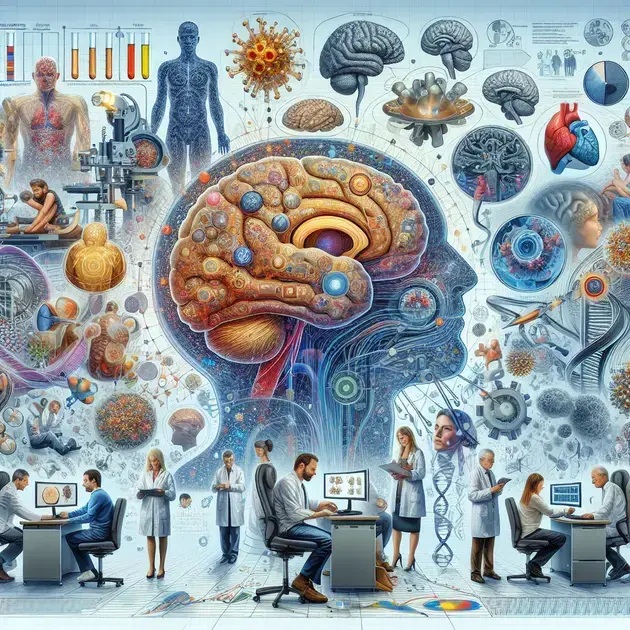
A recent study marks a crucial advancement in the scientific community’s comprehension of Alzheimer’s disease, a condition that affects millions worldwide and poses significant challenges to individuals and caregivers alike. Researchers have delved into the intricate relationships between proteins in the brain, revealing that the stability of these interactions is essential for both memory formation and its ongoing maintenance.
The investigation focused on two specific proteins, which had previously been associated with cognitive functions but whose interconnected roles were not well understood. This new research suggests that disruptions in the signaling pathways between these proteins could serve as a precursor to the onset of Alzheimer’s disease. In other words, when the relationship between these proteins is destabilized, it may impact the brain’s ability to form and retain memories, propelling the progression of cognitive decline.
What makes this study particularly groundbreaking is that it is the first to identify this specific connection between protein interactions and Alzheimer’s. This insight could lead to innovative therapeutic interventions aimed at restoring or stabilizing these protein relationships, potentially slowing down or even preventing the onset of the disease.
As the scientific community continues to explore the complexities of Alzheimer’s disease, findings like these are vital. They not only deepen our understanding of the biological mechanisms underlying memory and cognition but also help to inform the development of new strategies for treatment. If future research can build on these findings, it may open the door to novel approaches that could significantly improve the quality of life for those affected by Alzheimer’s disease.
In conclusion, this study highlights a promising avenue of research that has the potential to reshape the landscape of Alzheimer’s treatment. By focusing on the interactions between crucial proteins, scientists are taking significant steps toward unraveling the mysteries of this debilitating disease and finding effective ways to combat its effects. A recent study marks a significant advancement in scientists’ comprehension of Alzheimer’s disease. A group of researchers has explored the role of two proteins present in the brain, proposing that the stability of their relationship is vital for both the formation and preservation of memory. Any disruptions in this mechanical signaling pathway may result in the onset of the disease. This is the first instance in which this connection has been recognized, potentially opening avenues for therapeutic interventions.
The Detrimental Effects of Manmade Noise on the Benefits of Nature Soundscapes
The Detrimental Effects of Manmade Noise on the Benefits of Nature Soundscapes
In recent years, there has been growing interest in the impact that natural soundscapes have on human well-being, particularly in alleviating stress and anxiety. Nature sounds—such as birds chirping, water flowing, and leaves rustling—are known to create a calming atmosphere that can significantly enhance our emotional and mental health. However, a new study underscores a critical issue: manmade sounds, particularly those generated by vehicle traffic, can overshadow or mask these beneficial effects.
The study highlights the pervasive nature of urban noise pollution, which includes the incessant hum of cars, buses, and trucks. This cacophony can intrude upon natural environments, transforming serene landscapes into stressful soundscapes. As a result, individuals seeking solace in nature may find their escape compromised; the soothing sounds of the wilderness are drowned out by the harsh realities of modern life.
The findings suggest that the mere presence of vehicular noise can diminish the positive psychological impacts typically associated with experiencing natural soundscapes. While nature sounds have been shown to lower cortisol levels (a hormone associated with stress), enhance mood, and promote relaxation, the intensity of manmade noise can negate these benefits. For those who live in urban settings, this is particularly concerning, as they may be deprived of the restorative qualities of nature.
Furthermore, the study opens up an important dialogue about urban planning and public health. It raises awareness of the need to create green spaces that are more insulated from manmade noise, allowing individuals to experience the true potential of nature’s sounds. Research indicates that design strategies, such as noise barriers, landscaping, and the strategic placement of trees, can help mitigate the impact of traffic noise and restore the tranquility of natural environments.
In conclusion, while the therapeutic effects of nature soundscapes are well-documented, the intrusion of manmade noises, particularly from vehicle traffic, poses a significant threat to these positive outcomes. As urban areas continue to expand, it becomes increasingly important for city planners and health professionals to recognize and address the implications of noise pollution on mental health. Prioritizing access to quiet natural settings may be vital for fostering emotional well-being and reducing stress in a noise-heavy world.
For many, the diagnosis of arthritis, especially the harrowing bone-on-bone variety, feels like a life sentence to limited mobility and endless pain. However, contrary to widespread beliefs often echoed by orthopedic experts, exercising through walking might not be harmful. In fact, it could potentially be beneficial for joint health. In this blog, we delve into the insights shared by Dr. David Guyer, a seasoned orthopedic surgeon and sports medicine specialist, as he challenges the conventional wisdom surrounding arthritis and exercise. Through a balanced examination of current research and expert recommendations, we explore why walking should not be dismissed prematurely and how it might fit into a broader regimen of maintaining joint health despite arthritis. Join us as we uncover the pros and cons of walking with arthritis, and find out how to tailor an exercise routine that aligns with your health goals and personal preferences.
Challenging Conventional Beliefs
Traditionally, many orthopedic surgeons have advised against walking as an exercise for those with severe arthritis, particularly when it involves bone-on-bone contact. The thought process behind this recommendation is largely about avoiding further degeneration of the joint, which could ostensibly accelerate the need for surgical interventions such as joint replacements.
However, Dr. Guyer points to recent research that disputes this old-school notion. The belief that impact exercises like walking or running are inherently harmful to joints with arthritis has been largely debunked. Studies have shown that controlled, moderate-impact activities may not worsen arthritis symptoms or expedite the breakdown of cartilage.
The Benefits of Walking
Walking is more than just a means of transportation or a casual form of exercise; it offers numerous benefits that may be particularly valuable to individuals with arthritis:
Improved Synovial Fluid Circulation: Impact exercises like walking help in moving synovial fluid around in the joint. This fluid is essential for lubricating the joint surfaces, reducing friction, and potentially improving the cartilage’s resilience.
Lower Risk of Joint Replacement: Some studies have demonstrated that regular walkers and even marathon runners exhibit lower rates of needing joint replacements compared to those who lead more sedentary lives. This suggests that regular movement might protect against rapid progression of arthritis.
Pain Management and Mobility: Walking can help maintain joint function and may assist in keeping pain levels manageable without resorting to more invasive treatments right away. Movement keeps the muscles around the joints strong, which can reduce the burden on the joints themselves.
Walking Despite the Pain
While walking can be beneficial, it’s essential to recognize the role pain plays in arthritis. Chronic pain can deter individuals from walking. Therefore, a balance between activity and rest is critical:
Some days might be better suited for non-impact exercises such as swimming, cycling, or using an elliptical machine. These activities offer cardiovascular benefits without the same level of joint stress.
Incorporating strength training can also be advantageous. Building muscle strength supports joint stability and alleviates some of the pressures on the problematic joints.
Holistic Approach to Joint Health
A comprehensive approach to managing arthritis should involve a variety of exercises and therapies:
Cross-training: Mixing different forms of exercise can prevent overuse injuries and provide a well-rounded fitness regimen. Alternating activities also helps in maintaining motivation.
Consultation with Professionals: Before starting any new exercise routine, it’s advisable to consult with healthcare providers or physical therapists who specialize in joint health. They can offer personalized advice and modifications tailored to individual conditions.
Alternative Options: For those seeking non-surgical alternatives, consulting with regenerative medicine experts can open doors to innovative treatments that might aid in joint preservation and pain management.
Personal Experience and Community
Dr. Guyer encourages sharing experiences with arthritis, noting that community support and shared insights can be invaluable. Engaging in forums, participating in group exercises, or even contributing to discussions on platforms like YouTube can offer moral support and practical advice.
For those interested in learning more or sharing their personal journeys, Dr. Guyer’s outreach provides an avenue for connection. His practice offers consultations and advice on a range of treatment options beyond the traditional surgical or pharmacological approaches.
Ultimately, the decision to walk or engage in any exercise should be based on individual comfort, professional advice, and a clear understanding of one’s personal health goals. With sensible exercise choices and a willingness to explore both traditional and modern therapeutic avenues, individuals with arthritis can maintain a life of activity and vitality.
Manmade Sounds Mask the Beneficial Effects of Nature Soundscapes on Stress and Anxiety, Study Finds
Manmade Sounds Mask the Beneficial Effects of Nature Soundscapes on Stress and Anxiety, Study Finds
Nature has long been known to have a positive impact on our well-being, with many studies emphasizing the benefits of spending time in natural environments. However, a new study highlights a potential obstacle in fully harnessing these natural benefits: manmade sounds, such as vehicle traffic, which can mask the positive impact of nature soundscapes on our stress and anxiety levels.
The study, conducted by a team of researchers, aimed to investigate how the presence of manmade sounds affects our perception of nature soundscapes and their ability to alleviate stress. Participants were exposed to a series of audio recordings that included both nature sounds and manmade sounds, while their physiological responses, such as heart rate and blood pressure, were monitored. Additionally, participants were asked to rate their stress and anxiety levels before and after each audio session.
The findings revealed that participants reported lower stress and anxiety levels after listening to nature soundscapes alone. These sounds, which included calming natural elements like birdsong, running water, and rustling leaves, were found to have a restorative effect on participants’ well-being. However, when manmade sounds were introduced into the mix, the benefits of the nature soundscapes were significantly reduced. The presence of vehicle traffic, in particular, had a detrimental effect on participants’ stress levels, overshadowing the positive impact of the nature sounds.
These findings are concerning, considering the ubiquity of manmade sounds in our everyday lives. Whether we are aware of it or not, manmade sounds constantly surround us, even in supposedly natural spaces such as parks and gardens. These sounds not only disrupt our ability to fully appreciate the tranquility and therapeutic effects of nature but also contribute to the growing levels of stress and anxiety in modern society.
So, what can be done to mitigate the negative impact of manmade sounds on our well-being? The study suggests that efforts should be made to minimize manmade sounds in natural environments, such as implementing noise reduction measures in parks and green spaces. Additionally, creating designated quiet areas where visitors can escape the hustle and bustle of urban life and fully immerse themselves in the healing sounds of nature could also be beneficial.
Furthermore, individuals can take proactive steps to incorporate nature soundscapes into their daily lives. Listening to recordings of nature sounds or using smartphone apps that simulate natural environments can provide a respite from the relentless noise of our surroundings. These simple practices can help us reconnect with nature and reap the countless benefits it offers for our mental well-being.
In conclusion, while nature soundscapes have been proven to have a positive impact on our stress and anxiety levels, the presence of manmade sounds, especially vehicle traffic, can considerably diminish these benefits. Addressing the issue of manmade sounds in natural environments and finding ways to minimize their impact is crucial to fully harnessing the therapeutic effects of nature on our well-being. By taking steps to reduce manmade sounds and actively incorporating nature soundscapes into our lives, we can create a more serene and peaceful environment that supports our mental health.
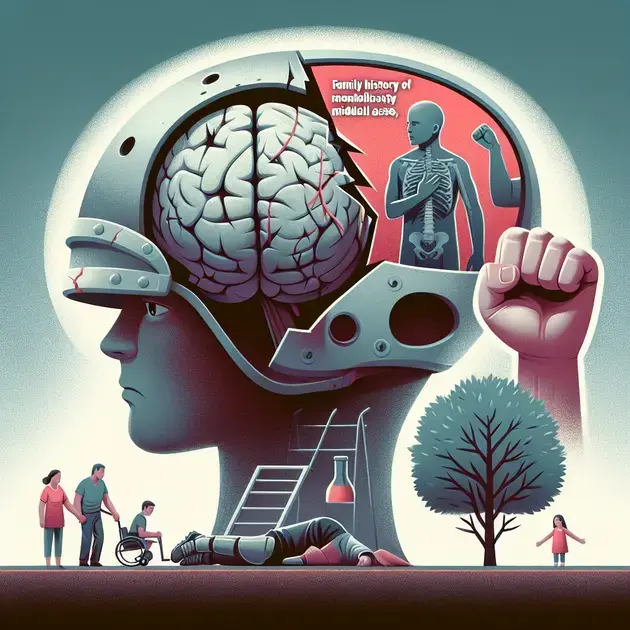
Title: Increased Risk of Aggression in Middle Age for Individuals with Chronic Traumatic Encephalopathy (CTE) and Family History of Mental Illness
Introduction:
A recent study has shed light on a potential link between chronic traumatic encephalopathy (CTE), a neurodegenerative disease commonly found in athletes and individuals with a history of brain trauma, and a higher risk of aggression in middle age. Researchers have discovered that individuals with CTE who also have a family history of mental illness face an increased susceptibility to aggression during this particular phase of life. This article aims to provide an overview of the study’s findings and their potential implications.
CTE and its Association with Mental Health:
Chronic traumatic encephalopathy is a progressive brain condition characterized by the accumulation of abnormal proteins in the brain. It is primarily associated with repetitive head injuries, such as those sustained in contact sports or military combat. While the exact mechanisms of CTE remain unclear, studies indicate that it can lead to a range of cognitive, behavioral, and mood-related symptoms.
The Study:
Researchers conducted a comprehensive investigation involving individuals diagnosed with CTE, with a specific focus on their family history of mental illness and the manifestation of aggression in middle age. Participants were assessed using various psychological and neurological tests, allowing researchers to link their CTE diagnosis, family history, and aggression levels.
Findings:
The study revealed a notable association between individuals with CTE and a family history of mental illness exhibiting heightened aggression during middle age. This suggests that genetic factors related to mental health may interact with CTE-associated brain changes, potentiating the risk of aggressive behavior during this particular phase of life.
Implications and Future Research:
Understanding the interplay between CTE, family history of mental illness, and aggression can have significant implications for targeted interventions and support for affected individuals. Further investigation is warranted to explore the underlying mechanisms and factors contributing to the observed correlation, which could ultimately inform the development of preventive measures or treatment strategies.
Conclusion:
The study demonstrates that individuals with CTE and a family history of mental illness may face an increased risk of aggression during middle age. This novel finding highlights the importance of comprehensive screening and support systems for individuals at risk, allowing for early intervention and effective management of associated symptoms. Continued research in this field is crucial to better understand the complex relationship between CTE, mental health, and aggression, ultimately improving overall outcomes for affected individuals and their families.
A new study suggests that individuals with a family history of mental illness and a diagnosis of chronic traumatic encephalopathy (CTE) may exhibit an increased risk of aggression during middle age.
Articulation pain can be a debilitating condition that affects individuals of all ages. Whether it stems from an injury, arthritis, or overuse, the discomfort and limited range of motion can significantly impact daily activities and overall quality of life.
Understanding the causes, symptoms, and treatment options for articulation pain is crucial for effectively managing the condition and promoting recovery. In this blog post, we will explore the latest research and insights to help you alleviate pain and improve joint health.
Understanding Articulation Pain: Causes and Symptoms
Articulation pain can be caused by various conditions such as arthritis, bursitis, or injury. Symptoms may include joint stiffness, swelling, and tenderness. It is essential to understand the causes and symptoms to effectively manage and treat articulation pain.
One way to identify the underlying cause of articulation pain is to consult with a healthcare professional. They can perform a physical exam, order imaging tests, and review your medical history to pinpoint the root cause of your pain.
To learn more about the specific causes and symptoms of articulation pain, you can visit reputable medical websites such as Mayo Clinic (www.mayoclinic.org). They provide detailed information on various joint conditions and their associated symptoms.
Keeping a journal of your symptoms can also help you and your healthcare provider better understand the triggers of your articulation pain. Note down when the pain occurs, the intensity, and any activities that worsen or alleviate the discomfort.
Learning about the causes and symptoms of articulation pain empowers you to make informed decisions about your health. By educating yourself, you can work collaboratively with your healthcare provider to develop a personalized treatment plan.
Effective Treatment Options for Articulation Pain
Treating articulation pain often involves a combination of lifestyle changes, medication, physical therapy, and in some cases, surgery. Understanding the treatment options available can help you find relief and improve your joint health.
Start by discussing your treatment preferences and goals with your healthcare provider. They can recommend specific medications, such as nonsteroidal anti-inflammatory drugs (NSAIDs), to manage pain and reduce inflammation.
Physical therapy is a valuable treatment option for articulation pain, as it can help improve joint mobility and strengthen the surrounding muscles. Apps like PhysiApp (www.physiapp.com) offer guided exercises and rehabilitation programs tailored to your specific needs.
In some cases, joint injections or surgeries may be necessary to alleviate severe articulation pain. Consult with an orthopedic surgeon to explore these options and determine the best course of action for your condition.
Regularly monitoring your progress and adjusting your treatment plan as needed is crucial for effectively managing articulation pain. Stay in communication with your healthcare provider to ensure you are on the right path to recovery.
Improving Joint Health: Key Insights for Managing Articulation Pain
Maintaining good joint health is essential for preventing articulation pain and minimizing its impact on your daily life. By incorporating certain habits and strategies into your routine, you can enhance the health of your joints and reduce the risk of pain and discomfort.
Exercise plays a key role in improving joint health, as it helps strengthen the muscles around the joints and increases flexibility. Utilize fitness apps like MyFitnessPal (www.myfitnesspal.com) to track your exercise routine and ensure you are engaging in activities that benefit your joint health.
Follow a balanced diet rich in nutrients that support joint health, such as omega-3 fatty acids, vitamin D, and antioxidants. Platforms like the American Heart Association website (www.heart.org) offer dietary guidelines and resources to help you make informed food choices.
Avoid habits that can contribute to joint damage, such as smoking and excessive alcohol consumption. These habits can exacerbate inflammation and weaken the structures of the joints, leading to increased pain and discomfort.
Engage in regular stretching exercises and relaxation techniques to promote joint flexibility and reduce stress on the joints. Consider using mindfulness apps like Headspace (www.headspace.com) to incorporate relaxation practices into your daily routine.
By implementing these key insights for managing articulation pain, you can take proactive steps towards improving your joint health and enhancing your overall quality of life.
**Causes and Risk Factors Associated with Articulation Pain**
Causes of Articulation Pain
Articulation pain can be caused by a variety of factors, including injuries, overuse of the joints, autoimmune conditions, and degenerative diseases such as arthritis. Injuries like fractures or dislocations can lead to acute pain, while chronic pain may result from conditions like osteoarthritis or rheumatoid arthritis. Additionally, poor posture, repetitive movements, and obesity can contribute to joint pain.
Risk Factors for Articulation Pain
Several risk factors can increase the likelihood of experiencing articulation pain. Age is a significant factor, as joint pain tends to become more common with advancing age due to wear and tear on the joints over time. Genetics can also play a role in predisposing individuals to certain conditions like arthritis. Other risk factors include obesity, lack of physical activity, and occupational hazards that involve repetitive movements or joint strain.
**Holistic Approaches to Alleviate Articulation Discomfort**
Natural Remedies for Articulation Pain
There are several holistic approaches to alleviate articulation discomfort that focus on natural remedies and lifestyle adjustments. Incorporating anti-inflammatory foods like turmeric, ginger, and fatty fish rich in omega-3 fatty acids can help reduce inflammation and pain in the joints. Herbal supplements such as boswellia and Devil’s claw may also provide relief from articulation discomfort.
Mind-Body Techniques for Joint Pain Relief
Practicing mind-body techniques like yoga, tai chi, and meditation can help manage articulation discomfort by promoting relaxation, reducing stress, and improving flexibility and joint mobility. These practices can also enhance body awareness and mindfulness, which may contribute to a better overall sense of well-being and reduce the perception of pain.
**Preventative Measures for Long-Term Articulation Pain Relief**
Regular Exercise and Physical Activity
Engaging in regular exercise and physical activity is essential for preventing long-term articulation pain. Low-impact activities like swimming, cycling, and walking can help strengthen the muscles around the joints, improve flexibility, and support joint health. It is important to include a combination of cardiovascular, strength training, and flexibility exercises in your routine to maintain overall joint function.
Joint Protection Strategies
Implementing joint protection strategies in daily activities can help prevent long-term articulation pain. This may include maintaining proper posture, using assistive devices or ergonomic tools to reduce joint stress, and avoiding repetitive movements that can strain the joints. Taking breaks during activities that involve prolonged sitting or standing can also help prevent joint stiffness and discomfort.
**
Conclusion
**
In conclusion, articulation pain can stem from various causes such as injuries, autoimmune conditions, and degenerative diseases like arthritis. Acute pain may arise from fractures or dislocations, while chronic pain is often associated with conditions such as osteoarthritis. Factors like poor posture, repetitive movements, and obesity can also contribute to joint discomfort.
When it comes to risk factors, age plays a significant role in the likelihood of experiencing articulation pain, with wear and tear on the joints becoming more common over time. Genetics can predispose individuals to conditions like arthritis, while obesity, lack of physical activity, and certain occupational hazards can also increase the risk of joint pain.
To alleviate articulation discomfort and promote long-term relief, holistic approaches focusing on natural remedies and lifestyle adjustments can be beneficial. Incorporating anti-inflammatory foods, herbal supplements, and practicing mind-body techniques like yoga and meditation can help reduce inflammation, improve flexibility, and manage pain effectively. Additionally, engaging in regular exercise, including low-impact activities and joint protection strategies in daily routines, can strengthen muscles, support joint health, and prevent long-term articulation pain.
A new study identifies research strategies for tying brain function and structure to behavior and health
A new study identifies research strategies for tying brain function and structure to behavior and health
Understanding the complex relationship between brain function, structure, behavior, and health has been a longstanding goal in neuroscience. A recent study has shed light on new research strategies that can help bridge this gap and provide valuable insights into the workings of the human brain.
The study, titled “Tying brain function and structure to behavior and health: A new approach,” was conducted by a team of researchers at a leading neuroscience institute. This groundbreaking research aimed to uncover novel methodologies that can enable scientists to better understand the intricate interplay between brain function, structure, behavior, and overall health.
The researchers began by reviewing existing literature and identifying gaps in current research approaches. They found that while there has been significant progress in unraveling the mysteries of brain structure and function, there is still a need for more comprehensive investigations that take into account the impact of these factors on behavior and health outcomes.
To address this gap, the study proposed several key research strategies. Firstly, the researchers emphasized the importance of integrating multiple levels of analysis, including molecular, cellular, and systemic approaches. By examining brain function and structure from various perspectives, scientists can gain a more complete understanding of how these aspects influence behavior and health.
In addition, the study highlighted the significance of longitudinal studies that follow individuals over an extended period. By tracking changes in brain function and structure alongside behavioral patterns and health outcomes, researchers can establish causal relationships and identify potential mechanisms underlying these connections.
Furthermore, the researchers advocated for the incorporation of advanced imaging techniques, such as functional magnetic resonance imaging (fMRI) and diffusion tensor imaging (DTI), which can provide detailed insights into brain function and structure. These non-invasive methods allow for the visualization and mapping of brain activity and the connectivity of neural pathways, contributing to a more nuanced understanding of behavior and health.
The study also stressed the importance of interdisciplinary collaborations in tackling the complex interplay between brain function, structure, behavior, and health. By bringing together experts from various fields, such as neuroscience, psychology, genetics, and epidemiology, researchers can leverage diverse perspectives and expertise to gain a more comprehensive understanding of the subject matter.
While this study provides valuable insights and research strategies for tying brain function and structure to behavior and health, it is important to acknowledge that there is still much to uncover in this field. However, with advancements in technology and interdisciplinary collaborations, we are moving closer to unraveling the intricate workings of the human brain and its impact on behavior and health.
In conclusion, the recent study highlights the need for comprehensive research strategies that can connect brain function, structure, behavior, and health. By integrating multiple levels of analysis, conducting longitudinal studies, utilizing advanced imaging techniques, and fostering interdisciplinary collaborations, scientists can make significant strides in our understanding of the brain’s influence on behavior and health. These findings contribute to the ever-expanding field of neuroscience and hold promise for improving human well-being in the future.
A recent study has been conducted with the aim of discerning research strategies that can establish connections between brain function and structure, as well as behavior and health.
This study focuses on uncovering innovative approaches that can effectively bridge the gap between the mind and body. By understanding how brain function and structure influence human behavior and overall well-being, significant advancements can be made in various fields such as medicine, psychology, and neuroscience.
To achieve these objectives, researchers propose a multi-disciplinary and collaborative approach. Integration of various scientific disciplines, including neuroscience, genetics, psychology, and medicine, can provide a more comprehensive understanding of the complex relationship between brain and behavior.
One strategy suggested by the study is the utilization of advanced neuroimaging techniques, such as functional magnetic resonance imaging (fMRI), to map and analyze brain activity in relation to certain behaviors or health conditions. By observing the neural pathways and networks involved in specific behaviors or health outcomes, researchers can gain insights into the underlying mechanisms that drive these phenomena.
Another important strategy involves investigating the role of genetics in brain function and behavior. By studying the genetic variations that can impact brain structure and function, researchers can uncover molecular pathways and genetic markers that may be associated with specific behaviors or health conditions.
Additionally, the study emphasizes the importance of longitudinal studies in unraveling the complex relationships between brain, behavior, and health. By following individuals over an extended period of time, researchers can better understand how changes in brain structure and function correspond to changes in behavior and health outcomes.
Overall, this study presents promising research strategies that can further our understanding of the intricate connections between brain function and structure, human behavior, and health. By applying these approaches, advancements in various fields can be made, ultimately leading to improved health outcomes and quality of life for individuals worldwide.
By understanding and addressing this phenomenon, researchers hope to develop new therapeutic approaches for effectively managing chronic diseases.
Proteolethargy refers to the impairment of protein mobility, which occurs due to increased oxidative stress in the body. Oxidative stress is known to contribute to the development and progression of chronic diseases such as diabetes, cardiovascular diseases, and neurodegenerative disorders. It is characterized by an imbalance between the production of reactive oxygen species (ROS) and the body’s ability to effectively neutralize them.
Researchers have found a strong correlation between proteolethargy and the development of chronic diseases. Reduced protein mobility can lead to impaired cellular function, disrupted signaling pathways, and impaired cellular repair mechanisms. This can contribute to the development of chronic conditions such as insulin resistance, inflammation, and tissue damage.
Additionally, proteolethargy can cause proteins to become more prone to aggregation, resulting in the formation of toxic protein aggregates. These aggregates have been linked to the progression of neurodegenerative diseases like Alzheimer’s and Parkinson’s.
The discovery of proteolethargy as a potential therapeutic target is encouraging, as it opens up new possibilities for the development of treatments for chronic diseases. Researchers are exploring various strategies to enhance protein mobility and counteract oxidative stress.
One approach involves the development of antioxidant therapies to reduce oxidative stress and preserve protein mobility. Antioxidants, whether naturally produced by the body or obtained from external sources, can help neutralize ROS and prevent protein damage. Modulating cellular pathways responsible for protein quality control and clearance is another promising avenue for intervention.
Furthermore, researchers are working on identifying small molecules or drugs that can specifically target proteolethargy and enhance protein mobility. This could potentially restore cellular function and alleviate the burden of chronic diseases.
In conclusion, recognizing proteolethargy as a common feature in chronic diseases brings hope for improved understanding and management of these conditions. Developing targeted interventions to enhance protein mobility and counteract oxidative stress could revolutionize the treatment of chronic diseases like diabetes. Continued research in this field holds the promise of novel therapeutic strategies, ultimately leading to better outcomes for patients worldwide affected by chronic diseases.
A fascinating connection between genetic variants, rhythm impairments, and dyslexia
A recent study has uncovered a fascinating connection between genetic variants associated with rhythm impairments and dyslexia. It turns out that individuals who are more likely to have difficulties with rhythm also tend to have a higher likelihood of experiencing dyslexia. Conversely, individuals who possess genetic variants linked to accurate musical rhythm skills also demonstrate genes associated with better performance on language and reading tests, as well as improved language-related educational outcomes.
These findings shed light on the complex interplay between genetics, rhythm, and language processing. Previous studies have hinted at a potential link between dyslexia and rhythm impairments, but this research provides further evidence to support this connection.
Understanding the genetic basis of rhythm impairments and dyslexia is crucial for developing targeted interventions and support strategies. By identifying specific genetic variants, scientists can gain insights into the underlying mechanisms that contribute to these conditions. This knowledge can inform the development of personalized treatments and educational approaches.
Although the full article was not accessible, the title alone speaks volumes about the importance of exploring the relationship between genetics, rhythm, and language. Further research is needed to delve deeper into this fascinating connection and uncover potential therapeutic avenues.
In conclusion, this study highlights the significant overlap between genetic variants associated with rhythm impairments and dyslexia. Conversely, genetic variants linked to accurate musical rhythm skills are also associated with improved language and reading abilities. These findings provide valuable insights into the underlying mechanisms behind rhythm impairments and dyslexia and have implications for the development of targeted interventions and educational strategies. Future research in this area promises to unlock even more revelations about the intricate link between genetics, rhythm, and language processing.
A recent research study has uncovered a significant connection between genetic variations and two distinct cognitive abilities: musical rhythm skills and dyslexia. The study found that individuals with genetic variants that increased the risk of rhythm impairments were also more likely to exhibit dyslexia symptoms. Conversely, individuals with genetic variations that enhanced their musical rhythm skills were found to have genes associated with better language and reading abilities, as well as improved educational outcomes in language-related subjects. This study highlights the interplay between genetics and cognitive abilities, shedding light on the complex relationship between rhythm skills, dyslexia, language, and reading proficiency.
The Interconnection Between Genetic Variants, Rhythm Skills, and Dyslexia: Insights from Recent Research
The Interconnection Between Genetic Variants, Rhythm Skills, and Dyslexia: Insights from Recent Research
A recent study has uncovered intriguing connections between genetic variants associated with rhythm impairments and those linked to dyslexia. This study highlights the complex interplay of genetics in both musical and linguistic capacities, suggesting that our abilities in rhythm may be closely tied to our language skills and educational outcomes.
Research has increasingly focused on the role of genetics in various cognitive functions and learning disabilities. The findings of this study build on existing literature that indicates a link between rhythm and language processing. Specifically, it was observed that genetic variants associated with a heightened likelihood of rhythm impairments correspond with a greater chance of experiencing dyslexia – a learning disorder that primarily affects reading and language processing abilities.
Moreover, the investigation revealed a bidirectional relationship. Just as certain genetic markers that suggest difficulties with rhythm correlate with a higher risk of dyslexia, those linked to enhanced musical rhythm skills appeared to align with genes associated with superior performance in language and reading assessments. This correlation underscores the importance of rhythm not only in musical contexts but also as a foundational element of language acquisition and literacy.
The implications of these findings are significant. They suggest that musical training may have the potential to bolster language skills, particularly for individuals who struggle with dyslexia. Engaging with rhythm through music could provide an alternative pathway to enhance linguistic abilities, potentially leading to improved educational outcomes for those affected.
Furthermore, the study opens up avenues for further research into targeted interventions. If genetic predispositions influence both musical and linguistic skills, educational strategies that integrate rhythm and music might prove beneficial in addressing literacy challenges, particularly for students diagnosed with dyslexia.
In conclusion, the relationship between rhythm, genetics, and language abilities is a captivating area of study with profound educational implications. As researchers continue to unravel the complexities of how our genes influence our cognitive capabilities, it will be crucial to consider how these insights can inform teaching methods and support systems for learners facing challenges in reading and language processing. The intertwining of rhythm and language, as suggested by this research, may lead to innovative approaches that harness the power of music to foster literacy and learning.
This study not only contributes to our understanding of dyslexia but also emphasizes the vital role of rhythm in our cognitive development, highlighting a fascinating intersection between music, language, and genetics. A study has shown that genetic variants linked to an increased likelihood of rhythm impairments are also associated with a higher likelihood of dyslexia. Conversely, genetic variants associated with enhanced musical rhythm skills were found to co-occur with genes related to better performance on language and reading assessments, as well as positive language-related educational outcomes.
To provide the best experiences, we use technologies like cookies to store and/or access device information. Consenting to these technologies will allow us to process data such as browsing behavior or unique IDs on this site. Not consenting or withdrawing consent, may adversely affect certain features and functions.
Functional
Always active
The technical storage or access is strictly necessary for the legitimate purpose of enabling the use of a specific service explicitly requested by the subscriber or user, or for the sole purpose of carrying out the transmission of a communication over an electronic communications network.
Preferences
The technical storage or access is necessary for the legitimate purpose of storing preferences that are not requested by the subscriber or user.
Statistics
The technical storage or access that is used exclusively for statistical purposes.The technical storage or access that is used exclusively for anonymous statistical purposes. Without a subpoena, voluntary compliance on the part of your Internet Service Provider, or additional records from a third party, information stored or retrieved for this purpose alone cannot usually be used to identify you.
Marketing
The technical storage or access is required to create user profiles to send advertising, or to track the user on a website or across several websites for similar marketing purposes.