Home Blog Page 22

Craving McDonald’s? Here’s How to Enjoy a Quarter Pounder and Oreo McFlurry Without the Guilt!


Copycat McDonald’s Recipes for Weight Loss


Craving fast food during a weight loss journey can be a real challenge. No one understands this better than someone who’s successfully navigated the path of shedding 130 lbs and maintaining that weight loss for over a decade. While McDonald’s might be calling your name, indulging in calorie-laden meals can throw you off track. That’s why this blog is dedicated to showcasing how you can enjoy a satisfying copycat version of your favorite McDonald’s meals—like the Quarter Pounder with Cheese, fries, and an Oreo McFlurry—without compromising your nutritional goals. By recreating these fast-food delights at home, you can stay in a calorie deficit while still enjoying the flavors you crave. Join us as we dive into these delicious, budget-friendly, and guilt-free alternatives that are sure to keep you motivated and on the path to success.

Crafting the Perfect Copycat Quarter Pounder with Cheese

Let’s face it: cravings are an inevitable part of any weight loss journey. It’s only natural to yearn for something indulgent, like a McDonald’s Quarter Pounder or a creamy Oreo McFlurry. However, resisting these cravings by altogether denying them can often lead to overeating later. The key is to find balance by creating healthier versions of these beloved fast-food favorites. This approach not only satisfies your cravings but helps maintain a sustainable calorie deficit. Here’s how you can enjoy guilt-free, homemade alternatives that taste amazing and support your weight loss journey:

Bun and Patties:

  • Low-Calorie Bun: Choose a Lefor bio sesame bun with approximately 160 calories. This will help significantly cut down on calorie intake.
  • Protein Swap: Replace regular beef with a 4 oz extra lean ground turkey patty. Not only is this version lighter on calories and fat, but it also provides a substantial protein boost.

Condiments and Toppings:

  • Cheese: Use two slices of light Black Diamond cheddar cheese. This retains creaminess while reducing fat and calorie content.
  • Condiments: Incorporate no-sugar-added ketchup and regular mustard for that classic taste without the extra sugars.
  • Veggie Toppings: Add sliced baby dill pickles and onions. These provide crunch and flavor while being virtually calorie-free.

Cooking Instructions:

  1. Preheat a frying pan with cooking spray on medium-high heat to achieve a beautiful crust on your turkey patty.
  2. Flatten the turkey into a thin patty ensuring even cooking and maximum crisp.
  3. Season with salt and pepper to taste.
  4. Cook for 4-5 minutes on each side, ensuring the turkey is fully cooked.
  5. Assemble your burger: layer the cheese slices, turkey patty, pickles, onions, and condiments on the bun.

Crispy Copycat Fries

McDonald’s fries are iconic, but you can recreate them with fewer calories:

  • Shoestring Fries: Use 85 grams of Cavendish restaurant-style drive-thru fries. These replicate the texture and taste when cooked in an air fryer.
  • Air Frying: Preheat your air fryer to 400°F and cook fries for 3-5 minutes, flipping halfway through.

By following these steps, you’re saving over 300 calories compared to the traditional McDonald’s meal.

Decadent Copycat Oreo McFlurry

To complete your meal, a creamy, homemade Oreo McFlurry awaits. Here’s how to make one that’s both satisfying and calorie-smart:

Ingredients:

  • Milk Base: Use 2/3 cup of 0% Fairlife protein milk to form the creamy base.
  • Flavor Enhancers: Include 2 teaspoons of vanilla extract and 3/4 cup of egg whites.
  • Sweetener and Protein: Mix in 2 tablespoons of low-calorie sweetener and 20 grams of high-quality vanilla protein powder.
  • Oreos: Crush four mini Oreos for a classic mix-in.

Preparation:

  1. Use a milk frother to blend all the ingredients until smooth. Freeze in a Ninja Creamy pint for 24 hours.
  2. Before serving, let sit for 20 minutes, then process in a Ninja Creamy for a light ice cream texture.
  3. Re-spin with a splash of milk for a creamier consistency, then mix in the crushed Oreos.

This version cuts over 270 calories from the traditional McFlurry, bringing the grand total for your homemade fast-food meal to 876 calories—saving you a whopping 574 calories compared to eating out.

Final Reflections

Creating these copycat recipes at home allows for the satisfaction of cravings without derailing your progress. Not only do these alternatives reduce caloric intake, but they also increase your daily protein percentage, essential for muscle maintenance and satiety. Beyond the nutritional benefits, these recipes are budget-friendly, offering significant savings compared to fast-food prices.

Maintaining weight loss is not just a number game but a balance of heart and mindset. It’s about making informed choices that lead to sustainable, lifelong habits. Embrace these homemade delights as part of your arsenal to fight cravings without guilt. Remember, the journey is just as important as the destination—enjoy every bite along the way!


DIY Delight: Cut Calories and Cost with These Homemade McDonald’s Dupes


Blog Article

When the irresistible craving for a McDonald’s Quarter Pounder with Cheese, fries, and an Oreo McFlurry hits, it
can feel like an uphill battle, especially if you’re on a mission to shed pounds and transform your body. But
what if you could enjoy these fast food favorites while still staying within your calorie goals? Welcome to a
world where you can have your cake and eat it too—figuratively speaking! In this blog, we’re diving into
delicious DIY versions of these classic dishes that don’t just mimic the taste of McDonald’s treasures, but also
slash the calorie count and cost, helping you stick to your diet without sacrificing satisfaction. Whether you’re
aiming for a calorie deficit or simply looking to indulge mindfully, these recipes promise the best of both
worlds, making your journey to better health a flavorful adventure.

Quarter Pounder with Cheese, Revamped

Let’s start with the star of the show, the Quarter Pounder with Cheese. McDonald’s version packs 880 calories
with a medium fries serving, but this homemade variety comes in at only 579 calories. You’ll be using 4 ounces
of extra lean ground turkey instead of the traditional beef, reducing the fat content significantly. The choice
of a low-calorie sesame bun ensures you’re still getting that classic flavor without the extra calories.

The real magic lies in the toppings. With two slices of light cheddar cheese, no-sugar-added ketchup, regular
yellow mustard, sliced baby dill pickles, and fresh onion slices, your burger won’t lack any of the delectable
layers of taste. This carefully curated combination not only saves calories but also provides a source of lean
protein, clocking in at 40 grams, helping you maintain your muscle mass while you trim down.

Crispy Shoestring Fries

Companion to the burger, the fries are usually where diets go to die, but not when you air-fry your own at home.
Using 85 grams of Cavendish shoestring fries gives you that coveted crispy texture. By air frying, you minimize
the oil content, making it a healthier alternative to the deep-fried original. Pair these with a tablespoon of
Heinz no-sugar-added ketchup, and you’re all set for a guilt-free indulgence.

Oreo McFlurry: The Sweet Finale

A fast food meal isn’t complete without dessert, and this copycat Oreo McFlurry proves you can have a sweet treat
without the guilt. The homemade version is significantly lighter at 297 calories while providing a whopping 42
grams of protein, thanks to the base of Fairlife 0% protein milk and a blend of whey and casein vanilla protein
powder.

The secret to the creamy texture is in the preparation. After mixing all the ingredients, including egg whites
and a low-calorie sweetener, you freeze the mixture for 24 hours, then let it sit at room temperature before
using a Ninja Creami to whip it to perfection. The addition of four crushed mini Oreos provides just enough of
the classic cookie flavor without overwhelming the calorie budget.

Why These DIY Versions Work

The success of these dishes is twofold: they provide the taste profile of the original without the high calorie
count, and they offer a high protein content to keep you fuller for longer. The combination of lean meats,
reduced sugar, and whole ingredients ensures that you’re sustaining your energy levels throughout the day without
succumbing to sugar crashes often associated with fast food.

  • Savings in Calories and Costs:
  • McDonald’s: 1,450 calories for the meal
  • DIY Versions: 876 calories
  • Calories saved: 574

These recipes are not only lighter on the scale but also easier on the wallet. With ingredients like ground
turkey, light cheese, and homemade fries, you can create multiple servings, perfect for budget-conscious
families.

The Mindset Shift

Transitioning to these healthier options doesn’t happen overnight. It’s a journey of self-discovery and
discipline. The key is to recognize that cravings are a natural part of dieting. Instead of denying yourself the
foods you love, find ways to incorporate them into your routine in a healthier manner, as shown by these
McDonald’s dupes.

Remember, this lifestyle change is not just about reducing numbers on the scale; it’s about improving your heart
and mindset. By embracing these homemade alternatives, you are not only working towards a healthier body but
also nurturing a healthy relationship with food.

Final Thoughts

It’s easy to see how these homemade versions of fast food classics can help you achieve your dietary goals
without feeling deprived. They prove that a little creativity and preparation can satisfy cravings and reduce
your caloric intake, making them a sustainable choice for anyone looking to maintain a healthy lifestyle. These
recipes are not just a means to an end, but a celebration of flavors that support your journey to a healthier,
happier you.

Explore Effective Solutions for Recurrent Patella Dislocations: From Braces to Surgery


Effective Solutions for Recurrent Patella Dislocations

Injuries can be a frustrating roadblock for athletes, especially when it involves something as crucial as the knee. Patella dislocations, or kneecap dislocations, can be particularly troublesome due to their tendency to recur. This repetitive nature often leaves athletes searching for effective solutions to return to their sports with confidence. In this blog, we’ll delve into the various options available to manage and prevent recurrent patella dislocations, guided by insights from Dr. David Guyer, a triple board-certified orthopedic surgeon and sports medicine specialist. From non-invasive interventions like physical therapy and stabilization braces to more invasive surgical options, we’ll explore each approach in detail, providing a comprehensive overview for those facing this challenging injury. Whether you’re dealing with your first dislocation or your third, this blog aims to equip you with the knowledge and options to make informed decisions on your road to recovery.

Understanding the Mechanism

When the kneecap dislocates, it can be a traumatic experience. The first time it happens, it may be due to a direct impact, a sudden twist, or an awkward landing during sports activities. Although the first occurrence doesn’t usually warrant surgery, repeated instances suggest underlying issues that need attention.

Non-Surgical Interventions

Physical Therapy

This is often the first line of defense against recurrent dislocations. Physical therapy aims to:

  • Strengthen the quadriceps and hamstring muscles, which play a critical role in stabilizing the knee.
  • Enhance proprioception and balance, reducing the risk of further dislocations.
  • Focus on flexibility exercises to improve the overall range of motion.

A consistent and structured rehabilitation program can significantly reduce the likelihood of future dislocations.

Patellar Stabilization Braces

These braces are specifically designed to support the knee and prevent lateral displacement of the kneecap. Here’s what they offer:

  • Extra support during high-impact activities.
  • Maintenance of correct alignment of the patella within the femoral groove.
  • Some athletes find comfort and a sense of security wearing the brace even during regular activities.

Surgical Options: When Non-Surgical Interventions Fail

If conservative measures fail, surgery may become a necessary consideration, particularly after multiple dislocations. Surgical procedures vary in complexity and are often tailored to the specific needs of the patient:

Medial Patellofemoral Ligament (MPFL) Reconstruction

This is the most common surgical procedure for recurrent dislocations. It involves:

  • Reconstructing the MPFL using a graft to restore stability to the knee.
  • A combination of soft tissue repair and, if necessary, bony realignment to correct tracking issues.

This procedure addresses the significant underlying causes of patella dislocations and has a high success rate in preventing future occurrences.

Realignment Surgery

In cases where anatomical factors contribute significantly to dislocations, a more extensive surgical approach might be needed, such as:

  • Tibial Tubercle Transfer: This surgery realigns the extensor mechanism by repositioning the patellar tendon’s attachment point on the tibia to improve patella tracking.
  • Trochleoplasty: This procedure reshapes a shallow femoral groove to better accommodate the patella.

These surgical interventions are more invasive and require a longer rehabilitation period, but they address the root causes of dislocations more thoroughly.

Preventive Measures Post-Recovery

Post-recovery, it’s crucial for athletes to engage in maintenance programs that prolong the success of the treatment. These include:

  • Continued strengthening exercises to maintain muscle support.
  • Sport-specific training to prepare for the demands of sports and reduce re-injury risk.
  • Regular monitoring by an orthopedic specialist for early detection of any issues.

A Holistic Approach to Healing

Recovery from recurrent patella dislocations is not solely about immediate solutions but also about incorporating long-term preventive measures. Athletes should aim to integrate these practices into their regular training routines:

  • Balance training to improve stability essential for knee health.
  • Flexibility routines to maintain range of motion and prevent stiffness.
  • Listening to your body to recognize warning signs and prevent further dislocations.

Conclusion: Customizing Your Treatment Plan

The path to recovery from recurrent patella dislocations is multifaceted and should be tailored to each individual’s needs. Factors like the frequency of dislocations, the presence of any anatomical anomalies, and the athlete’s particular sports demands all play a critical role in determining the right course of treatment.

Consulting with a specialist like Dr. Guyer can provide personalized insights and recommendations that align with one’s specific condition and athletic goals. Whether opting for non-surgical methods or exploring surgical options, the ultimate aim remains the same: achieving a stable knee joint that allows a return to peak athletic performance without fear of recurrence.

Through understanding and applying these strategies, athletes can navigate their way back to their sports and maintain both performance and knee health in the long term.


Satisfy Fast Food Cravings with These 1,450-Calorie Swapping Copycat Recipes!


Blog Article

Fast food cravings can hit hard, especially when you’re on a mission to lose body fat and achieve your fitness goals. But what if I told you that you could still enjoy the flavors of your favorite fast food items without compromising your calorie deficit? Welcome to a world of healthy copycat recipes that bring the delicious taste of fast food classics to your home kitchen while keeping your nutrition in check. In this blog, we’ll explore the art of recreating a classic Quarter Pounder with Cheese, Fries, and an Oreo McFlurry with a healthy twist. These recipes not only help curb cravings but also support your weight loss journey without sacrificing satisfaction. Whether you’re on a 10-week transformation plan or simply looking to make smarter food choices, these low-calorie, high-protein alternatives will keep your taste buds and fitness goals aligned. Let’s dive into the delicious world of guilt-free fast food swaps!

Copycat Quarter Pounder with Cheese

The traditional McDonald’s Quarter Pounder with Cheese is a delicious staple, but its calorie count can be daunting. By using a few strategic ingredient swaps, you can enjoy this classic without the guilt:

  • Ground Turkey Patty: Replace the usual beef patty with 4 ounces of extra lean ground turkey. Not only is turkey lower in fat, but it also provides a substantial amount of protein, promoting muscle retention during a calorie deficit.
  • Bun and Cheese: Opt for low-calorie sesame seed buns and light cheese slices. This not only reduces the calorie count but also allows you to enjoy the flavors without excess fat.
  • Condiments and Toppings: Use no-sugar-added ketchup and regular yellow mustard. A thin slice of a baby dill pickle and a couple of onion slices add crunch and tanginess.
  • Seasoning and Cooking: To achieve that iconic crust, cook your patty on medium-high heat until the juices run clear. The key to mimic the McDonald’s taste is the perfect sear on the patty.

Air-Fried Fries

No McDonald’s meal is complete without fries. By using an air fryer, you can significantly reduce the amount of oil needed to achieve crispy, golden goodness:

  • Shoestring Fries: Use 85 grams of shoestring fries, preferably those similar to restaurant-style for an authentic feel. The air fryer gives them a satisfying crunch without the extra calories from deep frying.

Healthier Oreo McFlurry

The sweet finish to your meal can still be dessert-like without being dessert-level calorie-dense:

  • Protein-Packed Base: Create a creamy base using 2/3 cup of Fair Life 0% protein milk, vanilla extract, and egg whites. These ingredients keep the dessert voluminous and filling.
  • Sweeteners and Flavor: Incorporate a low-calorie sweetener and a high-quality vanilla protein powder, such as whey casein blend, to replicate the silky texture and rich flavor.
  • Mix-Ins: To stay true to the original, include crushed mini Oreos, but in moderation, ensuring you keep the calorie count in check.

The Benefits of Homemade Versions

What sets these homemade versions apart is their ability to fit into a structured diet plan without feeling like you’re sacrificing joy for health. Replating these dishes in your diet offers numerous benefits:

  • Calorie Control: The homemade Quarter Pounder with Cheese and Fries comes to 579 calories compared to McDonald’s 880 calories, saving you 301 calories in one meal alone.
  • Macro-Optimization: This meal includes 21 grams of fat, 58 grams of carbs, and a whopping 40 grams of protein, supporting both body composition and satiety.
  • Cost-Effective & Customizable: Preparing these at home is budget-friendly. You can make several servings of each item with a single grocery trip, offering flexibility and savings beyond your health goals.

More Than Just Numbers

Aside from the numerical victories, these recipes underscore the importance of balance and joy in eating. By finding ways to incorporate your favorite foods into your diet, you nourish both your body and your mind. This kind of mindful eating is essential for sustainable weight management and overall well-being.

Practical Tips and Mindset

When trying to lose weight, it’s easy to get caught up in restrictive eating, often leading to binging and diet backlash. These recipes serve as an example of how you don’t have to cut out your favorite foods entirely. Instead, transform them:

  • Listen to Your Body: It’s crucial to honor cravings instead of ignoring them. Cravings are natural, and when addressed thoughtfully, they can be managed without derailing your progress.
  • Balanced Living: Allow yourself to occasionally indulge in the real thing. Balance is key to preventing feelings of deprivation that can lead to overconsumption.
  • On-Going Motivation: Keeping your meals exciting and delicious will keep you motivated and aligned with your health goals.

By incorporating these strategies and recipes, you can reshape the way you perceive dietary restrictions and love the journey you are on. Enjoy these delicious, calorie-conscious versions of your favorite fast food items and take pride in your commitment to health and happiness. Remember, it’s about embracing the process, creating healthier habits, and enjoying every flavorful, nutritious bite along the way.


How to Prevent Recurrent Patella Dislocation and Stay Active: Exploring Surgery and Other Options


Blog Article

If you’ve ever experienced the painful and inconvenient injury of a dislocated patella, you’re not alone. As an athlete or an active individual, repeated dislocations can keep you sidelined from the sports and activities you love. In this blog, we’re diving into the insights shared by Dr. David Guyer, a triple board-certified orthopedic surgeon and sports medicine specialist, as he addresses this common concern. With a focus on both surgical and non-surgical treatment options, Dr. Guyer explores methods to help prevent recurrent kneecap dislocations, allowing you to return to peak performance safely and confidently. From physical therapy to innovative surgical techniques, discover the pathways to not only healing but enhancing your athletic resilience. Join us as we unpack strategies to safeguard your knees and keep you at the top of your game.

Understanding Recurrent Patella Dislocation

Recurrent patella dislocation is more than just a nuisance; it’s a significant setback that can hinder your athletic potential. The kneecap, or patella, plays a crucial role in the biomechanics of your knee, and when it dislocates, it can lead to instability and pain. For athletes, especially those who have experienced multiple dislocations, understanding and exploring treatment options becomes essential.

Non-Surgical Approaches: Physical Therapy and Bracing

Initially, after a first-time patella dislocation, the approach is often conservative. Surgery typically isn’t the first line of treatment. Instead, physical therapy is highly recommended. Physical therapy focuses on strengthening the muscles around the knee, particularly the quadriceps and hamstrings. A robust musculature can help stabilize the patella, ensuring it tracks correctly within the femoral groove. Moreover, exercises aimed at improving proprioception, or your body’s ability to sense movement within joints, can aid in preventing further dislocations.

Patellar stabilization braces are another non-surgical option that can be explored. These braces are specifically designed to provide support and prevent the kneecap from slipping out of place. They are particularly beneficial during sports and physical activities. However, while many athletes find these braces helpful, they are not foolproof. The effectiveness largely depends on individual factors such as the shape of the patellar groove and whether there has been significant ligament damage.

When to Consider Surgery

When conservative treatments fail and dislocations become recurrent, it may be time to consider surgical options. Surgical intervention generally focuses on reconstructing or repairing the medial patellofemoral ligament (MPFL), a key player in patella stabilization. The MPFL is located on the inner side of the knee and is responsible for preventing the kneecap from dislocating laterally.

Surgery to reconstruct the MPFL involves using a graft, which might be taken from the patient’s own body or a donor, to replace or reinforce the damaged ligament. This procedure aims to restore the normal alignment and function of the patella. In some cases, a more complex surgery might be necessary, involving the realignment of bone structures to correct the positioning of the extensor mechanism of the knee. While these surgical options can be more invasive, they often provide a long-term solution to patellar instability.

Post-Surgery Rehabilitation and Holistic Joint Health

For athletes, returning to sports post-surgery requires a carefully devised rehabilitation plan. Recovery is a gradual process, emphasizing a return to full strength and mobility. A structured rehabilitation program post-surgery is non-negotiable for regaining confidence and ensuring the operated knee can withstand the demands of high-impact activities.

Aside from the immediate mechanical fixes, Dr. Guyer emphasizes a holistic view towards joint health, particularly for athletes prone to injuries. His work in anti-aging and regenerative medicine spotlights the importance of maintaining joint integrity as one ages. Lifestyle modifications, including nutrition, supplements, and potentially regenerative therapies like platelet-rich plasma (PRP) injections, could play a supportive role in long-term joint health.

Your Pathway to Prevention and Performance

Athletes dealing with recurrent patellar dislocation are encouraged to stay proactive about their joint health and consult with specialists who can tailor a treatment plan that suits their specific needs. While surgery is a viable option, it’s often considered when all other interventions have been exhausted or if the recurrence of dislocations severely affects the quality of life or performance level.

In summary, whether through strengthening exercises, bracing, or surgical intervention, there are numerous pathways to preventing recurrent dislocations. The key is to seek professional guidance and implement a comprehensive treatment program that aligns with individual circumstances. Taking the right steps now can lead to a safer and more sustainable return to the sports you love, allowing you to perform at your best without the constant threat of injury.


Transform Your Breakfast with This Delicious Chocolate Chip Cookie Muffin Bowl!


Chocolate Chip Cookie Muffin Bowl

Welcome to a culinary journey where breakfast meets indulgence without compromising your health goals! Imagine waking up to the aroma of freshly made Chocolate Chip Cookie Muffin Bowls that not only satisfy your sweet tooth but also fuel your body with the right nutrients. This blog dives into the delightful world of high-protein, low-calorie breakfast options that keep you on track with your fitness journey. With ingredients like protein shakes reminiscent of Oreos and milk, fat-free Greek yogurt, and luscious chocolate syrup, this recipe ensures your mornings are both delicious and energizing. Join us as we explore this mouthwatering creation that fits seamlessly into a 1,400-calorie meal plan designed for fat loss and muscle preservation. Get ready to transform your mornings with flavors that will keep you motivated on your health journey!

Essential Ingredients:

  • Chocolate Syrup: A teaspoon of Smuckers low-fat chocolate sundae syrup adds a rich, sweet essence to your muffin bowl, enhancing its cookie flavor.
  • Protein Shake: Use 3/4 cup of Premier Protein’s cookies and cream flavor shake. Rich in protein and reminiscent of Oreos and milk, this shake provides a smooth base that complements the muffin’s texture.
  • Fat-Free Greek Yogurt: 3/4 cup of Oikos Pro vanilla yogurt, with an impressive 18 grams of protein, boosts the bowl’s nutritional content while maintaining a creamy consistency.
  • Applesauce: A quarter cup of Great Value unsweetened applesauce adds a natural sweetness and moist texture, binding the ingredients together without adding excess sugar.
  • Milk Chocolate Chips: A teaspoon of Nestle Toll House milk chocolate chips sprinkles joy onto each bite, ensuring every spoonful feels like a treat.
  • Protein Pancake Mix: A half-cup of Kodiak Cakes chocolate chip protein pancake mix is the star of the show, providing the structure and the delightful pancake flavor that ties the bowl together.
  • Strawberries: Served on the side, these provide a fresh, fruity contrast to the rich, chocolatey muffin bowl.

Preparation Steps:

  1. Mix the Ingredients: In a microwave-safe bowl, combine the protein pancake mix, protein shake, and applesauce. Stir until just combined; overmixing could lead to a dense texture.
  2. Microwaving: Cook the mixture in the microwave, starting with 30-second intervals. This method allows the batter to rise and settle, forming a perfect muffin-like structure. Your total cook time should be around 2 to 2.5 minutes, depending on the temperature of your ingredients and microwave power.
  3. Garnish: Once cooked, clean the bowl’s edges for presentation and sprinkle the chocolate chips over the top. For an additional twist, you can drizzle a teaspoon of chocolate syrup over the yogurt layer to enhance the cookie flavor profile.
  4. Serving: Serve with a side of fresh strawberries. Their vibrant color and freshness make a perfect pairing with the rich, chocolatey muffin bowl.

Navigating the Meal Plan:

This muffin bowl is not only delightful but is also an integral part of a lean and healthy meal plan. Transitioning into the rest of the day, it’s important to maintain a balanced approach to meals to meet the 1,400-calorie target while ensuring proper nutritional intake.

Tailored Exercise Regimen:

Complementing this meal plan with a targeted workout routine is essential for reaching your weight loss and muscle preservation goals. A mix of cardio and resistance training can maximize your results, maintaining muscle while cutting fat.

Success Story and Motivation:

Through strategic meal planning and consistent exercise, significant weight loss and body reshaping are possible. This journey isn’t just about the scale—it’s about feeling good in your skin and sustaining a lifestyle that aligns with your personal health goals.

Conclusion:

The Chocolate Chip Cookie Muffin Bowl is more than just breakfast; it’s a testament to finding joy in healthy eating. By carefully choosing ingredients and structuring meals, you can indulge in flavors you love while staying on track with your health ambitions. Enjoy this culinary adventure, and let it motivate you towards achieving lasting fitness success.


Patella Dislocation: Exploring Non-Surgical and Surgical Solutions for Athletes


Blog Article

For athletes, repeated patella dislocations can be a frustrating setback, hindering their ability to perform at their best. In this blog, we’ll dive deep into a range of treatment options available for patellar instability, expanding on the insights shared by Dr. David Guyer, a renowned orthopedic surgeon and sports medicine expert. Whether you’re curious about non-surgical approaches like physical therapy and patellar stabilization braces or eager to understand when surgical intervention becomes necessary, we’ve got you covered. Join us as we explore how you can regain control, prevent future dislocations, and return to the sports you love with confidence.

Non-Surgical Treatment Options

The initial approach to managing recurrent patella dislocations typically involves non-invasive methods aimed at strengthening and stabilizing the knee.

Physical Therapy:

  • Engaging in a structured physical therapy program can be highly beneficial. Therapists focus on strengthening the quadriceps and surrounding muscles, which help maintain proper kneecap alignment.
  • Exercises often target the vastus medialis oblique (VMO) muscle, crucial for stabilizing the patella and preventing future dislocations.

Patellar Stabilization Braces:

  • These are specifically designed to provide support during high-impact activities, such as sports, reducing the risk of further dislocations.
  • While braces can offer substantial support, they are not a foolproof solution and may not be suitable for all types of patellar instability.

Factors Influencing Treatment Efficacy

The success of non-surgical methods largely hinges on several factors:

  • Anatomical Considerations: The depth of the trochlear groove can influence the likelihood of dislocations. A shallow groove may not hold the patella securely, increasing dislocation risks.
  • Ligamentous Integrity: Injury to the medial patellofemoral ligament (MPFL), which stabilizes the kneecap, can compromise knee stability and may necessitate surgical intervention if healing is inadequate.
  • Bone Structure: Fractures or bone fragments resulting from dislocations can exacerbate instability, making non-surgical methods less effective.

Surgical Intervention

When non-surgical treatments fall short, or when dislocations become recurrent and lead to complications, surgical options are considered.

Medial Patellofemoral Ligament Reconstruction:

  • This is the most common surgical procedure for addressing recurrent dislocations. It involves reconstructing the MPFL using a graft, often taken from the patient’s hamstring, to restore stability.
  • The procedure aims to prevent lateral displacement of the patella, significantly reducing the risk of further dislocations.

Tibial Tubercle Osteotomy:

  • In some cases, the alignment of the patellar tendon might need adjustment. This procedure repositions the tibial tubercle, the bony prominence below the kneecap, to optimize kneecap tracking and reduce lateral pull.

Trochleoplasty:

  • Reserved for severe cases, this involves reshaping the trochlear groove to better accommodate and stabilize the patella.

Post-Surgical Recovery and Rehabilitation

The recovery process post-surgery is as critical as the procedure itself. A comprehensive rehabilitation program is essential:

  • Initial Immobilization: Post-surgery, the knee may be immobilized temporarily to facilitate initial healing.
  • Gradual Mobilization: Physical therapy is reintroduced gradually to regain strength and motion. The pace of rehabilitation varies depending on the individual’s progress and the specific procedure performed.
  • Return to Sport: A carefully monitored program ensures a safe and effective return to sports. It’s crucial to achieve full strength, range of motion, and confidence in knee stability.

When to Consider Surgery

Deciding to undergo surgery is a significant choice and should be considered when:

  • Dislocations occur frequently despite conservative measures.
  • There is notable ligament or bone damage that cannot be addressed with non-surgical methods.
  • The instability severely impacts sports participation and quality of life.

Conclusion

Managing patella dislocations involves a careful blend of understanding the underlying anatomy and addressing stability through both non-surgical and surgical avenues. By working closely with healthcare professionals, athletes can make informed choices, optimize their recovery, and return to their sports with minimized risk of future dislocations. Whether through strengthened muscle support, the use of braces, or surgical reconstruction, athletes can find hope in the diverse treatment strategies available, ensuring they can continue to pursue their athletic passions safely.


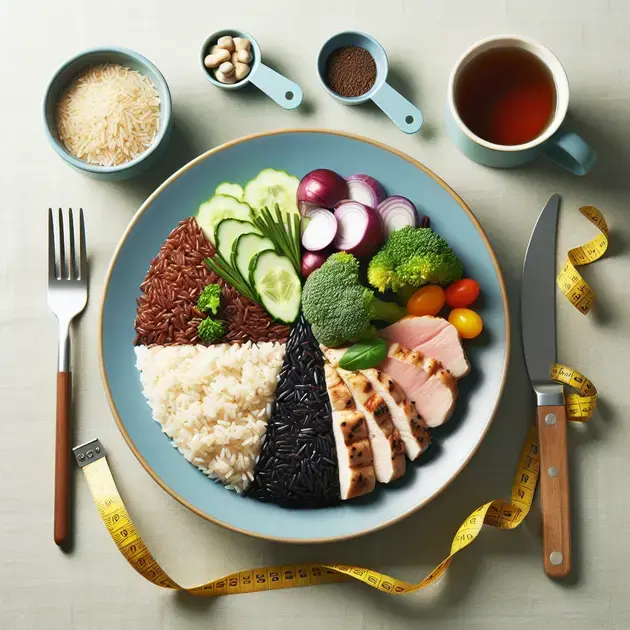
Which is the best rice for weight loss?

When it comes to weight loss diets, one of the first foods that often gets cut out is rice.

Many believe that rice is a major culprit in weight gain. However, scientific evidence suggests otherwise. It is indeed possible to include rice in your weight loss journey and still achieve your goals.

The key to incorporating rice into a weight loss diet lies in choosing the right type of rice and practicing portion control.

Not all types of rice are created equal in terms of their impact on weight loss. Brown rice, for example, is a healthier choice compared to white rice as it contains more fiber and nutrients. The high fiber content in brown rice helps to keep you feeling full for longer, reducing the chances of overeating.

Another important factor is the portion size. It’s essential to be mindful of the quantity of rice you consume. While rice can be a part of a balanced meal, it’s crucial not to go overboard. A typical serving of rice is around half a cup, which can vary depending on your specific dietary needs and goals.

In addition to portion control, it’s also vital to pay attention to the way rice is prepared and cooked. Opting for healthier cooking methods such as boiling or steaming instead of deep frying can significantly reduce the calorie content of your rice-based meals. Adding vegetables, lean protein, and healthy fats to your rice dishes can also enhance their nutritional value without compromising weight loss efforts.

Furthermore, incorporating exercise and maintaining an overall healthy lifestyle are equally important when it comes to weight loss. While rice can be included in a weight loss diet, it should be paired with regular physical activity and a well-rounded approach to nutrition.

To conclude, rice does not necessarily make you put on weight. With the right type of rice, portion control, and mindful preparation, it can be a part of a healthy weight loss diet. As always, it’s essential to listen to your body and consult a healthcare professional or registered dietitian for personalized advice based on your individual needs and preferences.

Healthy deals alert: Up to 60% off on the best ghee brands during Amazon Super Value Days


Healthy Deals Alert: Up to 60% off on the Best Ghee Brands during Amazon Super Value Days

Healthy Deals Alert: Up to 60% off on the Best Ghee Brands during Amazon Super Value Days

Introduction:

Welcome to the festive season of Chaitra Navratri, where no celebratory meal is complete without the richness of pure ghee. The culinary traditions during this time call for the use of the finest desi ghee in India, as it not only enhances the flavor of the food but also adds essential nutrition. If you’re looking to stock up on this wholesome ingredient, now is the perfect time with Amazon Super Value Days offering incredible discounts on the best ghee brands until April 7th, 2025.

Exploring the Versatility of Ghee:

Ghee, also known as clarified butter, has been an integral part of Indian cuisine for centuries. Besides being cherished for its distinct taste, ghee is also revered for its numerous health benefits. Unlike other cooking oils, ghee contains essential fatty acids that promote heart health, aids digestion, and boosts the overall immune system. It is also believed to have anti-inflammatory properties and plays a crucial role in Ayurvedic medicine.

Pure Ghee and Festive Preparations:

During Chaitra Navratri, devotees prepare scrumptious prasad and vrat-friendly dishes to offer to deities. Pure ghee is a vital ingredient in these delicacies as it elevates the taste and aroma of the food. Whether it’s the heavenly aroma of hot puris or the richness of halwa, ghee adds a distinct flavor that cannot be matched by any other cooking medium.

Benefits of Stocking Up on Ghee during Amazon Super Value Days:

As the leading online retailer, Amazon brings you an exciting opportunity to stock up on your favorite ghee brands during the Super Value Days sale. This limited-time offer allows you to avail discounts of up to 60% on the best ghee brands available in the market. By taking advantage of this sale, you can not only fulfill your festive requirements but also save money on your grocery expenses in the long run.

Choosing the Best Ghee Brands:

When it comes to selecting the best ghee brands, it is essential to prioritize quality and authenticity. Look for reputed brands that adhere to traditional manufacturing methods and source their ingredients from trusted dairy farms. The key factors to consider while making your purchase include the purity of the ghee, its shelf life, and the packaging to ensure its freshness.

Conclusion:

Embrace the essence of Chaitra Navratri with authentic and pure ghee, as it enhances the taste and nutritional value of your festive meals. Take advantage of the ongoing Amazon Super Value Days sale, offering unbeatable discounts on the best ghee brands in India. Stocking up on this delightful ingredient not only elevates your cooking but also ensures that you have a steady supply of ghee for all your culinary needs. Don’t miss out on this opportunity to make your meals truly memorable and nutritious. Happy festive cooking!


Navigating Recurrent Patella Dislocations: Treatment Options and When to Consider Surgery for Athletes


Exploring Patella Dislocation Treatments

Recurrent patella dislocations can be a frustrating and painful experience for athletes, often hindering their ability to perform at their best. In this blog, we delve into the various treatment options available to address this issue, exploring both conservative approaches like physical therapy and patellar stabilization braces, as well as surgical interventions such as medial patellofemoral ligament reconstruction. Led by Dr. David Guyer, a triple board-certified orthopedic surgeon and sports medicine specialist, we aim to provide you with a comprehensive understanding of how to manage and ultimately stop recurrent patella dislocations, enabling you to return to the sports you love. Whether you’re dealing with your first dislocation or faced with multiple occurrences, this blog is your resource for making informed decisions about your knee health and getting back to peak performance.

Understanding the Problem

The patella, or kneecap, plays an essential role in knee function by facilitating smooth movement as the leg bends and straightens. However, when this vital component goes off track, often popping out of its groove on the femur, it results in a dislocation. For athletes, this can be especially problematic, impacting performance and causing considerable discomfort. It’s not uncommon for athletes to experience dislocations multiple times, leading to the need for a thorough exploration of treatment options to prevent recurrence and enable a safe return to sports.

Non-Surgical Interventions

Initially, non-surgical options are the most recommended to manage patella dislocations, aiming to prevent further injuries and stabilize the knee.

  • Physical Therapy: A customized physical therapy regimen focuses on strengthening the quadriceps and other supportive muscles around the knee. This can enhance joint stability and help realign the kneecap, minimizing the chances of future dislocations. Exercises might include leg presses, hamstring curls, and specific movements designed to improve coordination and proprioception.
  • Patellar Stabilization Braces: These are specially designed braces worn to prevent the kneecap from moving out of place. They are particularly useful during high-risk activities like sports. Such braces provide external support to the knee, aiding in the maintenance of proper alignment during movement.
  • Lifestyle Adjustments: Modifying activity levels or movements that trigger dislocations can be crucial. Athletes might need guidance on alternative techniques or work closely with coaches to adapt their training regimens, focusing on sports that reduce knee strain.

Despite these measures, some individuals find their knee continues to dislocate, indicating that further intervention may be necessary.

When Surgery Becomes Necessary

For chronic cases where non-surgical options fail, surgical intervention might be needed to realign the kneecap and secure its position.

  1. Medial Patellofemoral Ligament (MPFL) Reconstruction: The MPFL is crucial for keeping the kneecap in place. Recurrent dislocations often damage this ligament, necessitating reconstruction. The procedure involves creating a new ligament using a graft from the patient’s own tissue or a donor, stabilizing the kneecap.
  2. Osteotomy: In more severe cases, surgeons may perform an osteotomy to realign the kneecap. This involves cutting and realigning parts of the bone to correct the kneecap’s pathway and relieve pressure on the patella.
  3. Soft Tissue Realignment: Sometimes, the surrounding tissues need adjustment to maintain balance. This approach is less invasive and focuses on repairing or tightening loose structures without altering bone.

Post-Surgical Recovery and Considerations

After surgery, rehabilitation is crucial for a successful outcome. A structured physical therapy program tailored to post-surgical needs helps regain strength and mobility. Recovery timelines can vary, but most athletes can expect several months before resuming high-level activities.

  • Commitment to Rehab: Consistent participation in rehabilitation programs is vital. This might include gradual weight-bearing exercises, range-of-motion activities, and strengthening routines tailored to individual progress and surgical type.
  • Monitoring for Pain or Complications: While post-surgical discomfort is normal, persistent pain or unusual symptoms should prompt a consultation with a healthcare provider to rule out complications like infection or improper healing.
  • Gradual Return to Play: Patience is key. Athletes are encouraged to return to sports slowly, adhering to their therapist’s guidelines, to minimize re-injury risk.

Looking Ahead

Navigating a patella dislocation is often challenging, especially for athletes eager to return to their passion. With the right blend of non-surgical and surgical interventions, along with dedicated rehabilitation, a sustainable resolution is achievable. A stepwise approach, starting with conservative methods, ensures that surgery is reserved for cases that truly need it, maximizing outcomes and preserving knee health.

Whether opting for conservative measures or surgical treatment, the ultimate goal is to restore functionality, alleviate pain, and empower athletes to jump back into action with confidence. With thorough management and the expertise of specialists like Dr. David Guyer, athletes can look forward to regaining their stride and excelling in their sports.