Home Blog Page 20

Baller High Protein Grocery Haul: Discover the Goodies That Helped Me Lose 130 lbs and Keep It Off for 10 Years!


Baller High Protein Grocery Haul

Embarking on a journey to health and wellness often starts with a simple trip to the grocery store. Whether you’re looking to lose weight, maintain your current physique, or just enjoy nutritious and delicious meals, a well-thought-out grocery haul can make all the difference. In this blog, we’ll dive deep into my recent high-protein grocery haul from Walmart and Costco, showcasing not just the fantastic products that have fueled my weight loss and maintenance journey, but also the mouthwatering variety that makes every meal something to look forward to. With the right combination of proteins, snacks, and pantry staples, I’ve managed to lose 130 pounds and keep it off for the past decade. Join me as we explore how these foods can make a significant impact on your health goals while keeping your taste buds satisfied and your motivation in full swing.

Costco Finds

When aiming for a high-protein diet, selecting the right products is crucial. On my recent shopping trip, Costco was my first stop, and it did not disappoint. Among my treasures, I picked up Kirkland Signature Smoked Black Forest Ham. With a remarkable 12 grams of protein and only 70 calories per two slices, it’s a lean choice perfect for breakfast sandwiches or lunch wraps. The lean turkey pepperoni sticks from Grimm’s are another stellar choice. Despite being made from turkey, they have an authentic pepperoni taste, making them perfect for on-the-go snacking or delightful pizza toppings.

A cornerstone of any high-protein diet is a good protein powder, and the HTLT Sups Vanilla Ice Cream Flavor Protein Powder is one I highly recommend. It has a creamy texture and a delightful vanilla flavor, making it a versatile base for smoothies or protein shakes. Eggs also feature prominently in my diet; the 30-pack of large eggs from Costco ensures I have enough supply for breakfasts and baking needs throughout the week.

For a sweet, protein-packed treat, I opted for Healthy Choice Greek yogurt bars. These bars are a delightful blend of blueberry or strawberry with vanilla yogurt, packing five grams of protein into each 100-calorie bar. They’re a fantastic alternative to ice cream and help keep hunger at bay with their combination of protein and probiotics.

Walmart Wonders

Complementing my finds from Costco, Walmart supplies additional essentials. Rotel with diced green chilies is a pantry staple that adds zest to my meal preps. Moreover, Walmart’s selection of Taco Bell sauces means I can enjoy the bold flavors of fire and mild sauces without resorting to their sachets.

Low-sodium taco seasoning and Orville Redenbacher Smart Pop popcorn are two more pantry favorites. The seasoning provides a healthier way to add flavor to tacos without the extra sodium, while the popcorn serves as a high-volume, low-calorie snack that’s high in fiber – perfect for keeping the munchies at bay during late-night cravings.

As for sauces and condiments, no-sugar-added ketchup is a must-have for controlling sugar intake. Fair Life 0% protein milk further enriches my diet with its 14 grams of protein per cup – far surpassing traditional milk. It provides an easy way to increase protein intake without altering the taste or texture of recipes.

Conclusion

Ultimately, this grocery haul serves not just to fulfill dietary needs but to enrich them with variety and taste. Each product plays an essential role in a balanced, high-protein diet that has helped me sustain my weight loss journey and can be a great asset to those on a similar path. By incorporating these foods into your daily routine, you can achieve similar dietary goals while savoring every meal.

Discover my high-protein grocery haul from Walmart and Costco, packed with delicious items that fueled my 130 lbs weight loss and helped maintain it for 10 years.

5 Effective Solutions for Recurrent Patella Dislocations to Get You Back in the Game

“`html

If you’re an athlete dealing with recurrent patella dislocations, the frustration of being sidelined from your favorite sports can be overwhelming. However, hope is not lost. Understanding the intricacies of this injury and exploring various treatment options can pave the way for your triumphant return to the field. In this blog, we’ll delve into the common issue of patellar instability, breaking down the anatomy of the injury, examining non-surgical approaches like physical therapy and patellar stabilization braces, and discussing when it might be time to consider surgical intervention. Drawing upon expert insights from Dr. David Guyer, a triple board-certified orthopedic surgeon with a specialty in sports medicine, we’ll guide you through the options available to stabilize your kneecap and prevent future dislocations. Whether you’re a seasoned athlete or a weekend warrior, discover the pathways to recovery and get ready to feel, look, and perform your best once again.

Anatomy and Cause of Patellar Instability

The stability of your kneecap is primarily maintained by the shape of the trochlear groove and the strength of surrounding ligaments and muscles. Dislocations can occur due to:

  • Shallow trochlear groove
  • Weak or injured medial patellofemoral ligament (MPFL)
  • Previous injuries or trauma to the knee
  • Genetic predispositions to joint laxity

Athletes may experience patellar instability due to the dynamic and sometimes abrupt movements required by their sports, which places additional stress on the knee joint.

Non-Surgical Interventions

Before considering surgery, several non-invasive treatments might be recommended to help stabilize the patella and prevent future dislocations:

Physical Therapy

  • A structured physical therapy program is typically the first line of defense. It focuses on strengthening the quadriceps muscles, especially the VMO (vastus medialis oblique), which helps in aligning the patella.
  • Flexibility exercises for the iliotibial band and hamstrings are also incorporated to alleviate abnormal stresses on the knee.
  • Balance and proprioceptive training can enhance knee function and prevent dislocations.

Patellar Stabilization Braces

  • These specialized braces are designed to keep the kneecap in place during movement, reducing the risk of another dislocation.
  • They can be worn during sports and other physical activities as a preventive measure.

Factors Influencing the Effectiveness of Non-Surgical Options

The success of non-surgical treatments depends on several factors, including:

  • The severity of the trochlear groove’s shallow nature
  • The presence of bone fragments or significant ligament damage
  • Adherence to and regularity of a physical therapy regimen

When these conservative approaches do not yield satisfactory results, or if the dislocations become more frequent and debilitating, surgical options may be discussed.

Surgical Interventions

Surgery is usually considered in cases of recurrent patellar dislocations, particularly when non-surgical methods fail. The common surgical procedures include:

Medial Patellofemoral Ligament (MPFL) Reconstruction

This operation involves reconstructing the ligament on the inside of the knee, often using a graft from the patient’s own hamstring. It is the most commonly performed surgery for patellar instability and helps provide additional support to keep the patella track properly.

Bony Realignment Procedures

In complex cases, a more aggressive approach might be needed. This could include osteotomy procedures like the tibial tubercle transfer, which realigns the patellar tendon to enhance knee stability. These surgeries are more involved and are tailored to the individual’s specific anatomical challenges.

Trochleoplasty

In rare instances where the trochlear groove is excessively shallow, reshaping the groove might be necessary to accommodate the patella more securely.

Post-Surgical Rehabilitation

After surgery, a comprehensive rehabilitation program is crucial for a successful recovery and to regain knee function. The rehabilitation focuses on:

  • Gradual weight-bearing progression
  • Strengthening the quadriceps and improving knee stability
  • Restoring full range of motion
  • Ensuring proper alignment during movement

Moving Forward

While the prospect of knee surgery can be daunting, it’s essential to weigh the potential benefits against the continued risk and discomfort of recurrent dislocations. Seeking the expertise of a knowledgeable orthopedic surgeon, like Dr. David Guyer, can provide clarity and guidance through this decision-making process.

With the right approach, whether non-surgical or surgical, athletes can overcome patellar instability and return to their sports with renewed confidence and performance. The journey might require patience and determination, but the ultimate goal of resuming athletic pursuits and an active lifestyle is certainly achievable.

No matter the chosen path, staying informed and proactive about your knee health is the key to preventing future dislocations and ensuring long-term success on and off the field.

“`

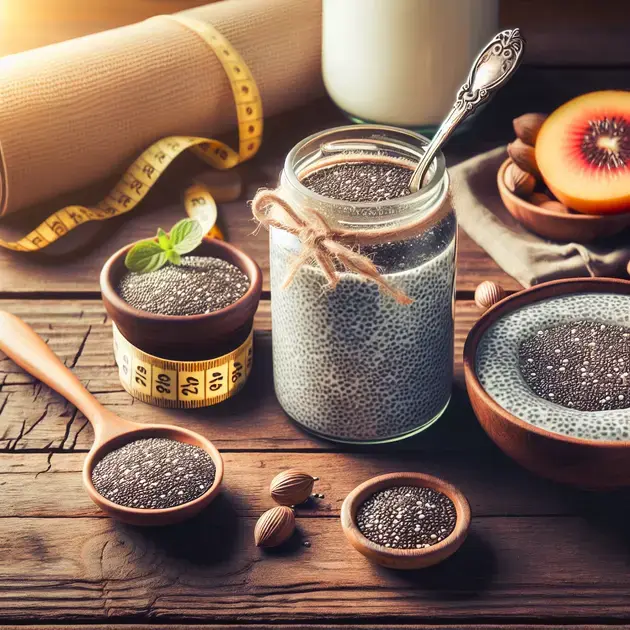
Can chia seed water reduce belly fat?


Can Chia Seed Water Help Reduce Belly Fat?

Title: Can Chia Seed Water Help Reduce Belly Fat?

Introduction:

Chia seeds, despite being tiny, are often considered a key component of fitness diets due to their numerous benefits for weight loss.
Chia seed water, in particular, has gained popularity for its potential role in reducing belly fat.
This article aims to explore the potential benefits of consuming chia seed water for weight loss and belly fat reduction.

Benefits of Chia Seed Water:

  1. High in Fiber:

    Chia seeds are known for their high fiber content, which aids in promoting feelings of fullness and reducing calorie intake.
    Consuming chia seed water can help control your appetite, preventing overeating and promoting weight loss.

  2. Rich in Omega-3 Fatty Acids:

    Chia seeds are an excellent plant-based source of omega-3 fatty acids,
    which have been associated with reducing inflammation and improving metabolism.
    Omega-3 fatty acids may contribute to reducing belly fat and promoting overall weight loss.

  3. Increased Hydration:

    Staying hydrated is crucial for effective weight loss.
    Chia seed water provides an additional source of hydration, as the seeds absorb liquid and create a gel-like consistency.
    This can help you stay fuller for longer and prevent unnecessary snacking or overeating.

  4. Boosts Metabolism:

    Chia seeds contain essential minerals, such as magnesium, calcium, and phosphorus,
    which play a vital role in supporting metabolic functions.
    A faster metabolism can aid in burning calories and reducing overall body fat, including belly fat.

How to Prepare Chia Seed Water:

To make chia seed water, follow these simple steps:

  1. Take two tablespoons of chia seeds and add them to a glass of water or any preferred liquid (such as coconut water or fruit juice).
  2. Stir the mixture well to ensure the seeds are evenly distributed.
  3. Let the mixture sit for 10-15 minutes to allow the chia seeds to absorb the liquid and form a gel consistency.
  4. Stir once more before drinking to avoid clumping of the seeds.

Incorporating Chia Seed Water Into Your Diet:

To maximize the potential benefits of chia seed water for belly fat reduction, consider the following tips:

  1. Consume chia seed water as part of a balanced diet and overall healthy lifestyle.
  2. Use chia seed water as a replacement for sugary or calorie-dense beverages to reduce overall calorie intake.
  3. Experiment with different flavors by adding lemon or lime juice, a dash of honey or maple syrup, or fresh fruits to enhance taste.

Conclusion:

While chia seed water alone may not be a magic solution for belly fat reduction,
it can be a valuable addition to a well-rounded weight loss plan.
Its high fiber and omega-3 fatty acid content, along with increased hydration and metabolism-boosting properties,
make chia seed water a promising choice for individuals looking to reduce belly fat.
Remember to consult with a healthcare professional or nutritionist for personalized advice and ensure it aligns with your specific dietary needs and health goals.


Epic Protein-Packed Costco and Walmart Haul: The Secret to Losing 130 lbs and Keeping it Off for 10 Years!


High Protein Grocery Haul

Embarking on a weight loss journey can be a daunting task, but finding the right foods to keep you motivated and satiated is a game-changer. Imagine shedding 130 lbs and maintaining it for a decade! In this blog, we dive into a fantastic protein-packed grocery haul from Costco and Walmart, showcasing an array of delicious products that helped achieve such a remarkable transformation. From high-protein deli selections to scrumptious Greek yogurt bars, we’ll explore how these foods became staples in a sustainable and enjoyable eating plan. Whether you’re looking to kick-start your own health journey or simply seeking tasty, nutritious options, this guide has you covered with insights and tips to boost your meals and keep your hunger at bay. Let’s unravel the secrets behind this life-changing haul and discover the best protein choices to fuel your goals!

Protein Essentials from Costco and Walmart

When it comes to sustaining a healthy lifestyle and managing weight, protein takes the spotlight as one of the most essential macronutrients. Protein helps build and repair muscle, keeps you feeling full, and provides the energy needed to tackle daily activities. In this protein-packed grocery haul from Costco and Walmart, we’ve gathered a variety of high-quality protein sources that make healthy eating not only possible but enjoyable. Let’s dive into the standout products from this haul and discover how they contribute to a balanced diet while helping maintain long-term weight loss.

Kirkland Signature Smoked Black Forest Ham

Packed with 12 grams of protein per two slices and just 70 calories, this deli meat is a versatile option for any meal. Enjoy it in sandwiches, breakfast omelets, or simply on its own as a quick snack. Its flavor profile ensures you never get bored while still hitting your protein goals.

Grim’s Lean Turkey Pepperoni

Finding tasty snack alternatives that provide a protein boost can be challenging, but this turkey pepperoni is the perfect solution. With a taste reminiscent of traditional pork pepperoni, it makes an excellent addition to pizzas and serves as a convenient on-the-go snack.

HTLT Sups Vanilla Ice Cream Flavor Protein Powder

Protein powders are a staple in many fitness enthusiasts’ diets because they’re an easy way to increase protein intake. This vanilla ice cream-flavored option stands out due to its rich flavor and smooth texture. It’s perfect for shakes, smoothies, or even baking.

Healthy Choice Greek Yogurt Bars

When a sweet craving hits, these Greek yogurt bars come to the rescue with 5 grams of protein per bar. Available in blueberry vanilla and strawberry vanilla flavors, they offer the creamy delight of ice cream with the added benefit of protein, making them an ideal dessert or snack.

Eggs and Egg Whites

Eggs are a classic protein source, and buying them in bulk from Costco ensures you always have them on hand. Versatile and nutritious, eggs can be prepared in numerous ways to suit any meal of the day. Pair them with egg whites to amplify your protein intake without significantly increasing calorie consumption.

Kirkland Signature Rotisserie Chicken

This ready-made protein is not only budget-friendly but also incredibly tasty. Use it in meal preps like casseroles, pasta dishes, pizza wraps, and salads. By portioning the chicken, you extend its use throughout the week, making meal planning more efficient and effective.

Fairlife 0% Protein Milk

For those seeking to sneak more protein into their diet discreetly, this milk variant is a game-changer. With 14 grams of protein per cup, it easily surpasses regular milk, allowing you to boost the protein content of everything from cereals to pancake mixes.

Kodiak Power Cakes Protein Pancake Mix

The chocolate chip flavor of this pancake mix makes it a breakfast favorite. It seamlessly integrates into both everyday meals and special cheat days, offering a protein-packed start to your morning.

OOS Pro Flavored Greek Yogurt

When flavored Greek yogurts typically feature more sugar and calories, OOS Pro defies expectations by maintaining the same calorie content as plain options while providing an extra gram of protein. Offered in appealing flavors like strawberry and vanilla, it’s an irresistible part of your daily protein intake.

Quest Chips

These chips transform the guilty pleasure of snacking into a protein-rich experience, featuring 19 grams of protein per bag. Designs such as the loaded taco flavor help satisfy cravings while contributing to your nutritional goals.

Through a thoughtful selection of high-protein foods like these, it’s possible to maintain fullness and satisfaction while on a calorie deficit. Including a range of options from deli meats to flavored yogurts helps to reduce hunger hormones, allowing for a successful weight loss journey.

This grocery haul showcases just how diverse and enjoyable eating healthy can be. By incorporating these delicious and practical products, you can embark on or continue your own path to a healthier lifestyle, confident in the knowledge that you have the tools on hand to succeed. Whether you’re losing weight or simply seeking nutritious choices, this guide delivers convenience, flavor, and most importantly, nutritional success.


Effective Solutions to Stop Recurrent Patella Dislocations and Get Back to Sports


Effective Solutions to Stop Recurrent Patella Dislocations and Get Back to Sports

Recurrently dislocating your patella can be a frustrating and painful experience, especially for athletes eager to get back to the sports they love. Understanding the available options for treating this condition is crucial, whether you aim to avoid surgery or are considering it as a last resort. In this blog, we will delve into the insights shared by Dr. David Guyer, a renowned orthopedic surgeon and sports medicine specialist, exploring both non-surgical methods like physical therapy and patellar stabilization braces, as well as surgical interventions that have advanced over the years. This comprehensive guide seeks to equip you with knowledge and practical steps you can take to effectively manage patella dislocations, empowering you to return to your active lifestyle with confidence.

Understanding the Dislocation

Dealing with a recurrent patellar dislocation is more than just facing the physical discomfort; it’s about addressing the root cause and finding the best treatment to prevent further occurrences. The kneecap, or patella, dislocates when it shifts out of its groove on the femur’s front, known as the trochlea. This condition can severely impact an athlete’s ability to perform and enjoy sports. Fortunately, several treatment options range from conservative methods to more advanced surgical techniques.

Non-Surgical Treatment Options

Physical Therapy

  • Physical therapy is often the first line of defense against recurrent dislocations. It aims to strengthen the muscles around the knee, particularly the quadriceps and hip muscles, to provide better support to the patella.
  • The physical therapist may design a tailored exercise program that emphasizes improving flexibility, strength, and proprioception.

Patellar Stabilization Braces

  • For many patients, wearing a patellar stabilization brace can help manage dislocations. These braces are designed to keep the kneecap in place, providing additional support during sports and physical activity.
  • The effectiveness of braces can vary depending on individual anatomy and the specific cause of the dislocation.

The Role of Structural Anatomy

The recurrence of patellar dislocations can sometimes be attributed to anatomical variances:

  • Shallow Trochlear Groove: A shallow groove can prevent the patella from sitting securely, making it more prone to dislocation.
  • Ligament Damage: Damage to the medial patellofemoral ligament (MPFL), which helps stabilize the kneecap, can also increase the risk of dislocation.
  • Bone Fragments: Dislocated knees can occasionally chip bone fragments off the patella or femur, complicating the condition.

Surgical Interventions

When conservative treatments fail, surgery might be considered. The approach largely depends on the specific anatomical issues contributing to the dislocations.

MPFL Reconstruction

  • This common surgical procedure involves reconstructing the MPFL to stabilize the kneecap. Often, a graft is used to replace the damaged ligament, enhancing the ability to keep the patella in its groove.
  • MPFL reconstruction usually requires extensive rehabilitation post-surgery to restore full function and strength.

Realignment Surgery

  • In cases involving significant malalignment or bone abnormalities, realignment surgery might be necessary. This involves repositioning parts of the tibia or femur to improve the alignment of the knee joint.
  • Although this surgery can be more invasive, it may provide a long-term solution for chronic dislocators by effectively correcting underlying anatomical issues.

Post-Surgery and Rehabilitation

Surgery is not the endpoint but rather a step toward recovery. After surgery, a comprehensive rehabilitation program is critical to regain mobility, strength, and confidence in using the knee:

  • Initial phases focus on reducing swelling and maintaining joint mobility.
  • Gradually, exercises are introduced to build strength and stability, with a focus on protecting the repaired structures.
  • Return to sports is typically considered when full knee function and strength are restored, often taking several months.

Empowering Yourself with Knowledge

Understanding your condition and treatment options is key to making informed decisions. Consulting with orthopedic specialists like Dr. Guyer can provide personalized insights based on your specific circumstances. Keep in mind that each case is unique, and treatment must be tailored to address individual needs. By exploring both non-surgical and surgical options, you enhance your ability to return to an active lifestyle safely and effectively.


Best vitamin supplement in India (2025): 10 picks for health benefits


Best Vitamin Supplements in India (2025): 10 Picks for Health Benefits

Title: Best Vitamin Supplements in India (2025): 10 Picks for Health Benefits

Introduction:

In today’s fast-paced world, women often find themselves facing various health challenges such as low energy levels, hair fall, and dull skin. These could be indicators of a deficiency in essential nutrients that our body requires. Modern lifestyles, digital fatigue, inadequate diets, and hormonal changes have altered women’s vitamin requirements. To address these issues and improve overall well-being, it is crucial to choose the best vitamin supplements that cater specifically to women’s needs.

1. Multivitamins for Immunity Boost:

A high-quality multivitamin supplement can help fortify the immune system, which becomes weakened due to stress and poor nutrition. Look for products that contain vitamins A, C, D, and E, along with zinc, selenium, and probiotics to support your immune health.

2. Vitamin B Complex for Energy:

Many women struggle with low energy levels, which can be improved by incorporating a vitamin B complex supplement into their daily routine. B vitamins play a key role in converting food into energy and help combat fatigue.

3. Vitamin D for Strong Bones:

Maintaining adequate levels of vitamin D is essential for maintaining strong bones and teeth. Since sunlight exposure might be limited, especially in urban spaces, opting for a vitamin D supplement can fill this gap.

4. Omega-3 Fatty Acids for Heart Health:

Omega-3 fatty acids are vital for optimal heart health. These healthy fats help reduce inflammation, improve cholesterol levels, and support cardiovascular function. Consider adding a fish oil or plant-based omega-3 supplement to your list.

5. Collagen for Skin and Hair:

Collagen is the most abundant protein in our bodies and crucial for maintaining the health and elasticity of our skin, hair, and nails. Supplementing with collagen can help combat signs of aging, improve skin hydration, and promote hair growth.

6. Iron for Preventing Anemia:

Iron deficiency is common in women and can lead to anemia, resulting in fatigue, weakness, and hair loss. Iron supplements can help replenish iron stores and prevent these symptoms.

7. Calcium for Bone Density:

Women are more prone to developing osteoporosis, a condition characterized by weak and brittle bones. Adequate calcium intake, either through diet or supplements, can help maintain bone density and reduce the risk of fractures.

8. Magnesium for Relaxation:

Stress and hormonal changes can disrupt sleep patterns and contribute to anxiety. Magnesium supplements promote relaxation, aid in better sleep, and help reduce symptoms of PMS.

9. Vitamin E for Skin Health:

Vitamin E is a potent antioxidant that protects skin cells from oxidative damage and promotes healthy skin. Including a vitamin E supplement in your routine can help maintain youthful and radiant skin.

10. Probiotics for Gut Health:

A healthy gut is crucial for overall well-being as it plays a significant role in digestion, nutrient absorption, and immune function. Probiotic supplements assist in maintaining a healthy gut flora and improving digestive health.

Conclusion:

To combat the challenges faced by modern women, finding the right vitamin and mineral supplements is imperative. Combining a balanced diet with these top 10 vitamin supplements in India can help meet the specific nutritional needs of women and promote overall health and vitality. However, it is essential to consult with healthcare professionals before incorporating any new supplement into your routine to ensure it complements your unique health requirements. Are you experiencing a lack of energy, hair loss, or dull skin? These symptoms could be indicators of your body’s need for essential nutrients. With modern lifestyles, digital exhaustion, nutritional deficiencies, and hormonal changes, the requirements for women’s daily vitamins have evolved. From weakened immune systems to energy slumps and premature signs of aging, the article “Best vitamin supplement in India (2025): 10 picks for health benefits” discusses the top 10 vitamin supplements that offer numerous health advantages.


Can you lose weight on the Blue Zone diet?

The Blue Zone diet draws inspiration from the lifestyles and eating habits of individuals living in regions known as Blue Zones, where people tend to live longer and healthier lives compared to the global average. These regions include Ikaria in Greece, Sardinia in Italy, Okinawa in Japan, Nicoya Peninsula in Costa Rica, and Loma Linda in California.

The key principles of the Blue Zone diet revolve around consuming plant-based foods, incorporating whole grains, legumes, nuts, and plenty of fruits and vegetables into meals. These foods are packed with essential vitamins, minerals, antioxidants, and phytochemicals, all of which contribute to good health.

A major component of the Blue Zone diet is the emphasis on fiber-rich foods. Fiber aids digestion, helps regulate blood sugar levels, and promotes satiety, thus reducing overeating and supporting weight management. Including whole grains, legumes, and plenty of vegetables in your diet ensures an adequate intake of fiber.

Healthy fats, such as those found in olive oil and nuts, play a vital role in the Blue Zone diet as well. These fats are known to promote heart health and can help lower the risk of heart disease. Adding these healthy fats to your meals adds flavor and satiety, making it easier to maintain a healthy eating routine.

In addition to prioritizing plant-based foods and healthy fats, the Blue Zone diet recommends limiting the consumption of processed foods, refined sugars, and red meat. Reducing the intake of these foods has been associated with lower rates of obesity, heart disease, and certain cancers.

Although the primary focus of the Blue Zone diet is not solely on weight loss, following its principles can lead to gradual and sustainable weight loss. By adopting this diet, you not only nourish your body but also reduce the risk of chronic diseases and improve overall health.

In conclusion, the Blue Zone diet offers a comprehensive approach to weight loss, centered around nourishing plant-based foods and healthy fats. By following this diet, you can not only shed extra pounds but also enhance your overall health and well-being. So, why not give the Blue Zone diet a try and experience the positive effects it can have on your life?

Stop Patella Dislocations: Effective Treatments & When Surgery’s the Answer


Blog on Patella Dislocation Treatments

When a dislocated patella becomes a recurrent issue, it can disrupt not only your performance in sports but also your daily life. Understanding the spectrum of treatment options—from proactive physical therapy and protective bracing to more invasive surgical interventions—is crucial for managing this condition effectively. In this blog, we delve into the strategies to prevent repeated patella dislocations and explore when it might be time to consider surgery. Led by the insights of Dr. David Guyer, a renowned orthopedic surgeon specializing in sports medicine and regenerative techniques, you’ll gain a comprehensive understanding of how to address this common yet challenging injury. Whether you’re an athlete grappling with repeated knee issues or simply seeking to maintain optimum joint health, this guide will equip you with the information needed to make informed decisions about your treatment plan.

Understanding Patella Dislocation

A patella dislocation occurs when the kneecap moves out of its groove on the femur, often to the outside of the knee. This can happen partially (subluxation) or fully. The severity of dislocation can vary, with full dislocations often requiring medical intervention to reposition. Multiple dislocations can indicate underlying issues, such as ligament damage or anatomical variations, which might necessitate more aggressive treatment.

Non-Surgical Treatment Options

Before considering surgery, several non-invasive methods can often succeed in managing and preventing patella dislocations:

  • Physical Therapy: A structured physical therapy program can be incredibly beneficial. The goal here is to strengthen the quadriceps, hamstrings, and other supporting muscles around the knee to improve stability. Exercises that enhance the knee’s range of motion and promote muscle balance are generally prioritized.
  • Patellar Stabilization Braces: These braces are designed to prevent lateral movement of the kneecap and can be worn during sports activities. While they are not a guaranteed solution for everyone, they can provide additional support and minimize the risk of further dislocations.

Factors Influencing Treatment Success

The success of non-surgical treatments depends on several factors, such as:

  • Depth of the Trochlear Groove: A shallow groove can predispose the kneecap to dislocate more easily.
  • Ligament Integrity: Damage to the medial patellofemoral ligament (MPFL) can compromise knee stability, making dislocations more frequent.
  • Bone Structure: In some cases, a fragment of bone may be displaced during dislocation, complicating treatment.

When Surgery Becomes Necessary

If physical therapy and bracing fail, and dislocations continue, surgical options might be the next course of action. Surgery can address the underlying anatomy or reconstruct damaged structures:

  • MPFL Reconstruction: This is the most common surgical procedure for recurrent patella dislocations. It involves reconstructing the MPFL, which acts as a key stabilizer for the kneecap. Surgeons may use a graft (often from a tendon) to restore the ligament’s function and stability.
  • Tibial Tubercle Transfer (TTT): In some instances, realigning the extensor mechanism involves moving a portion of the tibial tubercle. This helps correct the tracking of the kneecap, ensuring it stays within the femoral groove during movement.
  • Osteotomy: This procedure involves cutting and reshaping bones to correct malalignment and improve joint function.

Post-Surgical Recovery and Rehabilitation

Post-operative care is crucial to ensure a successful recovery. A comprehensive rehabilitation program targets restoring full range of motion, strength, and function. The timeline for returning to sports varies; however, most patients can expect to resume activities approximately 6-12 months post-surgery, depending on the procedure and individual recovery rates.

  • Phase 1: Early Recovery: Focuses on reducing swelling, managing pain, and initiating gentle range-of-motion exercises.
  • Phase 2: Strengthening: Involves progressive resistance exercises to improve muscle strength around the knee.
  • Phase 3: Advanced Functional Training: Prepares the knee for sports-specific movements through dynamic and agility drills.

Conclusion

Recurrent patella dislocations require a comprehensive management approach. While surgery is a viable option for chronic cases, non-surgical interventions should always be attempted first. Partnering with a skilled orthopedic surgeon, like Dr. David Guyer, can open up discussions about all possible routes of treatment. Patella dislocations can be complex, but with tailored care and dedication to rehabilitation, athletes and individuals alike can reclaim their mobility and confidence. Always consult with a healthcare provider to explore the best options for your specific condition.


“Epic Protein-Packed Grocery Haul: Discover My Secrets to Losing 130 lbs and Keeping It Off!”


Epic Protein-Packed Grocery Haul

Embarking on a transformative journey of health and wellness often begins with the everyday choices we make at the grocery store. After a successful trip to Walmart and Costco, I’m thrilled to share an impressive, high-protein grocery haul with you all—a pivotal element that has helped me not only lose 130 lbs but maintain that loss for over a decade. From top-tier protein-packed staples like Kirkland Signature smoked Black Forest ham to delightful treats like Healthy Choice Greek yogurt bars, these selections have been integral to my sustainable weight loss and hunger management strategies. In this blog, I’ll delve into each of these exciting finds and provide insights into meal prepping and the wisdom gained through years of experience. Let’s dive into this protein-rich journey and unlock the secrets to a healthier, happier lifestyle!

Costco Finds

Starting with the protein-centric items from Costco, the Kirkland Signature smoked Black Forest ham immediately stands out. It provides 12 grams of protein per serving and only contains 70 calories for two slices, making it an indispensable part of our daily meals. Its versatility allows it to be used in sandwiches, breakfast dishes, and as a quick protein boost when time is of the essence.

Next up is the Grims lean turkey pepperoni. A favorite at our table, these pepperoni sticks are a perfect balance of taste and nutrition. Despite being turkey-based, they don’t sacrifice flavor. This makes them ideal for adding to various dishes like pizzas or simply enjoying on the go. Their portability is a significant advantage for travel or quick snacks.

Eggs are another staple, with our haul including 30 large eggs. As an easily prepared and versatile protein source, eggs have been a mainstay in our breakfasts. When combined with the ham or incorporated into various meal preps, they can keep you satisfied well into the day.

Greek yogurt bars from Healthy Choice are a delightful find specifically for dessert lovers. With only 100 calories and five grams of protein per bar, they are a great way to satisfy a sweet tooth while still contributing to daily protein intake. Available in blueberry vanilla and strawberry vanilla flavors, they mimic the experience of eating ice cream but without the calorie overload.

Peanut butter, a surprising protein source, finds its place in our kitchen for its practical use. With three grams of protein in a tablespoon, it’s perfect for quick snacks or to enhance the flavor and nutrition of numerous meals.

A true hero in convenience and taste is the Kirkland Signature Rotisserie Chicken. Not only is it affordable and delicious, but it also provides ready-to-eat protein that can be stretched over several meals. Whether it’s for casseroles, salads, or pizza wraps, this chicken adds protein to any dish effortlessly.

Frozen blueberries are another essential part of our diet. Perfect for adding to protein ice creams or simply enjoying with breakfast, these berries provide not only a sweet, natural taste but also beneficial antioxidants.

When it comes to grains, we favor the Dempsters whole wheat bread, sold in a convenient three-pack. It offers the fiber needed to help keep hunger at bay, especially when paired with protein-rich toppings.

In the fresh produce section, blueberries and strawberries not only accompany yogurt bars but also serve as standalone snacks or meal accompaniments. Fresh fruits are essential for a balanced diet and are a source of vitamins and fiber.

Walmart and Zars Finds

Moving onto Walmart, we also explored a mini haul from Zars for items Walmart lacked. Diced tomatoes with green chilies, specifically Rotel with diced chilies, are packed to enhance our meals with both flavor and nutrition. This find will play a crucial role in upcoming meal preps.

A delightful surprise was discovering Taco Bell sauces, both mild and fire, which are ideal for spicing up dishes. These are newly available in Canada, offering a nostalgic touch to our meals without the need to hoard fast-food sauce packets.

Popcorn, a staple snack, was restocked with Orville Redenbacher’s Smart Pop. At 240 calories per large bowl, it satisfies the desire for a crunchy snack while its fiber content contributes to satiety.

Fairlife’s 0% protein milk is a versatile ingredient, offering both a low-calorie and high-protein option for anything that calls for milk. At only 80 calories per cup and 14 grams of protein, it easily integrates into our cooking and baking routines.

Not to be overlooked is the Kodiak Power Cakes chocolate chip protein pancake mix. This product ensures breakfast isn’t just a quick meal but a high-protein start to the day, crucial for sustaining energy.

As someone with a penchant for chocolate, the Hershey’s Chippets milk chocolate chips found their way into our cart. Just a teaspoon can sweeten Greek yogurt bowls, satisfying chocolate cravings without compromising on nutrition.

The cream of chicken soup, chosen for its low-fat variety, enriches meal preps without excess calories, proving no flavor needs to be sacrificed for health.

Finally, a standout item from this haul is the OOS Pro Greek yogurt, recently introduced to Canada. Unlike typical flavored yogurts, this offers 18 grams of protein per serving while matching the caloric content of plain yogurt, making it an exceptional find for those seeking both taste and nutrition.

Small conveniences like pre-shredded lettuce streamline meal prep and maintain focus on the nutritional goals.

Whole wheat English muffins and Quest chips round out our selections, with the chips offering a high-protein alternative to traditional nachos.

Concluding Thoughts

In conclusion, the journey through these grocery stores reveals that a strategic approach to food selection is vital in a weight loss journey. From convenience to taste, each choice reflects an understanding of nutrition that bridges the gap between a healthier lifestyle and enjoyment of food. By incorporating these protein-rich foods into our meals, we set a foundation for sustained weight loss and overall well-being, reminding ourselves that health starts with what we put into our carts.

Check out my high-protein grocery haul from Walmart and Costco that helped me lose 130 lbs and keep it off! Discover tasty picks like smoked ham and Greek yogurt bars.


How to Stop Patella Dislocations and Get Back in the Game: Expert Tips from Dr. David Guyer


Blog Article

When you’re an athlete, dealing with recurrent patella dislocations can be both frustrating and painful, often hindering your ability to perform at your best. But fear not! In this blog, Dr. David Guyer, a triple board-certified orthopedic surgeon and sports medicine specialist, delves into the latest surgical and non-surgical approaches to help those suffering from repeated kneecap dislocations return to their favorite sports activities. Drawing from his extensive expertise in anti-aging and regenerative medicine, Dr. Guyer explores the effectiveness of physical therapy, patellar stabilization braces, and advanced surgical options as solutions to this challenging problem. Whether you’re seeking to stabilize your knee without surgery or considering a more invasive procedure, this insightful blog offers educational resources to guide you towards making informed decisions about your knee health. Join us as we explore pathways back to a fully active lifestyle!

Understanding Patellar Dislocations

Repeated patellar dislocations can be debilitating, especially for athletes striving to maintain peak performance. To address this issue effectively, it’s crucial to understand both the anatomy involved and the treatment options available. The patella, or kneecap, sits snugly within the trochlear groove at the front of the femur. A dislocation occurs when the kneecap pops out of this groove, often to the outside. While a first-time dislocation is usually managed conservatively, recurrent incidents necessitate a more strategic approach.

Non-Surgical Approaches

Physical Therapy

Physical therapy remains the cornerstone of non-surgical management for recurrent patellar dislocations. It focuses on:

  • Strengthening the quadriceps and other stabilizing muscles around the knee to improve overall joint stability.
  • Enhancing proprioception and neuromuscular control to reduce the risk of future dislocations.
  • Flexibility exercises to ensure a full range of motion and decrease susceptibility to injury.

These exercises are tailored by physical therapists to cater to individual needs, taking into account the specific mechanics of each patient’s knee.

Patellar Stabilization Braces

  • Patellar stabilization braces are designed to keep the kneecap aligned within the trochlear groove during activity. They provide:
    • Lateral support to prevent the kneecap from drifting sideways.
    • Increased proprioceptive feedback, which aids muscle control around the knee.

These braces can be worn during sports and daily activities, potentially reducing the risk of dislocations. However, they are not foolproof and may not work for everyone, especially if there are anatomical aberrations that predispose the knee to dislocation.

Surgical Options

When non-surgical interventions fail to prevent recurrent dislocations, surgical options are considered to restore stability.

Medial Patellofemoral Ligament (MPFL) Reconstruction

This is the most common surgical procedure for addressing recurrent patellar dislocations. The MPFL, which stabilizes the kneecap, is reconstructed using a tendon graft. This surgery aims to reconstruct the ligament’s natural function and improve patellar tracking.

Trochleoplasty

In cases where the trochlear groove is shallow, a trochleoplasty may be performed. This involves reshaping the groove to better accommodate the kneecap, reducing the likelihood of future dislocations.

Tibial Tuberosity Transfer

For individuals with significant malalignment, a tibial tuberosity transfer can be performed. This involves repositioning the bony prominence where the patellar tendon attaches to the tibia, thereby improving the alignment of the kneecap.

Post-Surgical Rehabilitation

Rehabilitation after surgery is just as critical as the procedure itself. A structured rehabilitation program focuses on:

  • Gradual weight-bearing and mobility exercises to ensure proper healing.
  • Strength training to reinforce the surgical repair.
  • Return-to-play protocols that allow athletes to safely resume their sports activities.

Rehabilitation is usually personalized, and recovery times may vary based on individual circumstances and the extent of the surgery performed.

Making an Informed Decision

The decision to undergo surgery should not be taken lightly. It is vital to consider factors such as:

  • The frequency of dislocations and the impact on daily activities or sports.
  • The presence of structural abnormalities that may predispose the knee to instability.
  • Long-term goals, including quality of life and athletic aspirations.

Consultation with a board-certified orthopedic specialist is essential to evaluate the situation comprehensively. A specialist can provide insights into both the risks and the possible outcomes of various treatment options.

Additional Resources

Dr. David Guyer offers further resources, such as his eBook “The Arthritis Solution,” which provides insights into joint health. For personalized advice and advanced treatment options, seeking an appointment with an orthopedic expert can be immensely beneficial.

Empowering yourself with knowledge and understanding the available treatments for recurrent patellar dislocations is the first step towards reclaiming an active lifestyle. With the right approach and guidance, overcoming these challenges is well within reach, allowing athletes and active individuals alike to return to their passion with confidence.