Home Blog Page 175

Existing EV batteries may last up to 40% longer than expected

“`html


The Impact of Real-World Driving Conditions on Electric Vehicle Battery Performance

The Impact of Real-World Driving Conditions on Electric Vehicle Battery Performance

A recent study has revealed that the real-world stop-and-go driving experienced by consumers significantly benefits the performance of electric vehicle (EV) batteries, outperforming the steady use typically simulated in laboratory tests of new battery designs. This finding challenges the conventional approach to battery testing and highlights the importance of considering actual driving conditions when evaluating battery health and longevity.

Traditionally, laboratory tests have focused on assessing battery performance under controlled, steady-state conditions. These experiments often fail to replicate the variable and dynamic nature of real-world driving, which includes frequent acceleration, deceleration, and idle periods. The study’s authors suggest that such stop-and-go driving patterns can improve battery efficiency by allowing for optimal thermal management and charging cycles.

One key takeaway from this research is that the active engagement of the battery during varying driving conditions can mitigate the stress placed on its components. For instance, frequent regenerative braking, a feature of many EVs that allows for energy recovery, can enhance battery life by recycling energy that would otherwise be lost during braking. This process keeps the battery active and contributes positively to its overall health.

Additionally, the study indicates that the battery’s chemistry may benefit from these real-world driving patterns, as the constant cycling between charge and discharge can help in maintaining an optimal balance of ions within the cells. Such balancing acts contribute to improved performance and potentially prolong the life of the battery.

As automakers continue to innovate and release new electric vehicle models, the implications of this study are profound. It suggests that manufacturers should take into account the findings from real-world driving scenarios when designing and testing battery systems. By doing so, they can create batteries that not only show promise in laboratory settings but also deliver superior performance for consumers on actual roads.

The broader implications of this research also extend to consumer education and expectations. Understanding that their driving habits can positively affect battery performance may encourage EV owners to adopt more energy-efficient practices on the road. Furthermore, it may spark additional discussions about how future battery technologies can be tailored to enhance performance under diverse driving conditions.

In conclusion, as the electric vehicle market continues to grow, the insights provided by this study emphasize the need for a nuanced approach to battery testing. Recognizing the advantages of real-world stop-and-go driving, rather than relying solely on traditional laboratory simulations, could lead to significant advancements in EV battery technology, ultimately resulting in better performance, longer lifespans, and a more sustainable automotive future.

A new study reveals that consumers’ actual stop-and-go driving patterns in electric vehicles are more beneficial for batteries than the continuous use typically simulated in most laboratory tests of new battery designs.


“`

Loneliness and isolation: Back to pre-pandemic levels, but still high, for older adults

“`html


Loneliness and Isolation Among Older Americans: A Persistent Challenge

Loneliness and Isolation Among Older Americans: A Persistent Challenge

Loneliness and isolation have long been recognized as significant issues affecting the well-being of older adults. A recent national study reveals that, while rates of loneliness and isolation among older Americans have mostly returned to pre-pandemic levels, the findings remain concerning. More than one-third of individuals aged 50 to 80 experience feelings of loneliness, and a similarly alarming number report feelings of isolation.

The COVID-19 pandemic highlighted and exacerbated existing social issues, leading to increased loneliness among older adults. Social distancing measures, lockdowns, and the overall disruption of normal life intensified feelings of detachment for many. As the nation moves towards recovery from the pandemic, the data indicates that a substantial segment of the older population continues to grapple with these deep-seated feelings.

The study’s revelations serve as a stark reminder that loneliness is not just a temporary condition. Even as some aspects of daily life stabilize, a significant portion of older adults continue to report feelings of disconnection. This phenomenon poses a multitude of risks, including heightened anxiety, depression, and negative impacts on physical health.

Several factors contribute to this ongoing issue. Aging often comes with the loss of family members or friends, which can lead to increased solitude. Additionally, mobility challenges and health concerns can limit social interactions, further contributing to the sense of isolation. The transition to digital communication tools during the pandemic provided some relief, but not all older adults are comfortable or proficient with such technology, leading to disparities in social connection.

Addressing the loneliness and isolation that many older Americans face requires a multifaceted approach. Community initiatives aimed at fostering connection—such as organized social activities, support groups, and outreach programs—could play a crucial role in mitigating feelings of loneliness. Furthermore, healthcare providers and caregivers should be aware of the signs of loneliness in older patients and consider intervention strategies that promote social engagement.

In summary, while loneliness and isolation among older Americans have shown signs of recovery since the pandemic’s peak, the statistics remain troubling. With over one-third of older adults still feeling lonely and isolated, it is imperative that society takes action to support this vulnerable population. By promoting community connections and providing resources tailored to the needs of older individuals, we can help combat loneliness and enhance the overall quality of life for older Americans.

Loneliness and isolation among older Americans have largely reverted to pre-pandemic levels. However, this still translates to over one-third of individuals aged 50 to 80 experiencing feelings of loneliness, with a nearly equal number reporting feelings of isolation, according to a new national study.


“`

Loneliness and isolation: Back to pre-pandemic levels, but still high, for older adults

These emotions can have a profound impact on mental and emotional well-being, leading to negative effects on overall health. Loneliness, characterized by a lack of meaningful social connections, can result in sadness, depression, and despair. It can also contribute to cognitive decline and physical health issues. Isolation involves being physically separated from others, leading to limited social interactions and support systems. This can intensify feelings of loneliness and worsen the negative consequences.

To promote the well-being of older Americans, it is crucial to address this issue. Community organizations, healthcare providers, and families all have a role to play in combating loneliness and isolation among this population. Efforts should be made to create social connections and provide opportunities for older adults to engage with others. This can include organizing community events, support groups, and technology training to bridge the digital divide that may contribute to isolation.

Additionally, accessible mental health support services should be available to help older individuals manage and cope with their feelings of loneliness and isolation. Therapy, counseling, and peer support programs can all be effective in allowing individuals to share their experiences and provide mutual support.

In conclusion, although there has been improvement in loneliness and isolation among older Americans since the pandemic, it is important to recognize that a significant portion of this population still experiences these emotions. Addressing this issue requires collective efforts from various sectors of society. By promoting social connections, providing support services, and fostering engagement, we can work towards reducing loneliness and isolation among older Americans and improving their overall well-being.

Is Your Knee Swelling Only In The Back? Discover Possible Causes And Solutions


Knee Swelling: Causes and Solutions

Knee injuries can be a daunting experience, leaving you with a suite of questions and uncertainties, especially when you notice unusual symptoms like localized swelling in the back of the knee. While significant knee trauma often causes swelling across the entire knee, specific injuries or conditions can result in swelling only at the back, presenting a diagnostic challenge for many. In this blog, we delve into the possible causes of this peculiar type of swelling, drawing insights from orthopedic expertise to help you understand what these symptoms might indicate. From meniscus tears to Baker’s cysts, we explore the various conditions that might underlie your discomfort, offering you a clearer perspective on what might be going on with your knee. Though this isn’t a substitute for professional medical advice, it aims to inform and guide you toward more informed conversations with your healthcare provider. Let’s take a closer look at what your body might be telling you.

Understanding Posterior Knee Swelling

Swelling at the back of the knee, also known as posterior knee swelling, can be perplexing, especially when the rest of the knee appears unaffected. It’s crucial to understand that this type of swelling isn’t a condition itself but a symptom that could point to several underlying issues. Being aware of these potential causes can help in seeking the right treatment and prevent further complications.

Baker’s Cyst

One common culprit for swelling at the back of the knee is a Baker’s cyst, also referred to as a popliteal cyst. This occurs when excess joint fluid accumulates in the popliteal bursa, which is located at the back of the knee. A Baker’s cyst often develops as a result of underlying arthritis or a cartilage tear that leads to increased production of the joint fluid. People with a Baker’s cyst may experience symptoms such as a bulge behind the knee, tightness, and restricted range of motion.

Arthritis

Arthritis, particularly osteoarthritis, is another potential cause of posterior knee swelling. It involves the degeneration of cartilage, the smooth tissue at the end of bones. As cartilage wears down, the joint might produce more fluid to try to compensate for the increased friction, leading to swelling. Although arthritis typically causes pain and swelling throughout the knee joint, it can sometimes result in localized swelling at the back, especially if a Baker’s cyst develops as a complication of arthritis.

Meniscus Tears

The meniscus is a C-shaped piece of cartilage that acts as a cushion between your thigh bone (femur) and shinbone (tibia). Tears most commonly occur in the posterior horn of the meniscus, the part located towards the back of your knee. This type of tear can lead to swelling and discomfort localized at the back of the knee. While the swelling may not be as pronounced as with larger joint injuries, it can still be noticeable and can affect knee movement.

Injury and Overuse

Activities that over-strain the knee, such as repetitive squatting, kneeling, or high-impact sports, can lead to overuse injuries that cause irritation and inflammation. Swelling might not only be in the center of the knee but can extend toward the back if the injury affects structures like the meniscus.

Infections or Inflammation

Rarely, infections within the knee joint or adjacent tissues can lead to swelling behind the knee. Conditions such as bursitis, where the small fluid-filled sacs (bursae) that cushion the bones in the knee become inflamed, can cause localized swelling.

Treatment Options

Identifying the exact cause of the swelling is crucial for appropriate treatment. If you notice swelling at the back of your knee, consulting with an orthopedic specialist is a prudent first step. They will likely perform a physical examination, inquire about your symptoms, and may suggest imaging tests such as an MRI or ultrasound to get a clearer picture of what’s happening inside your knee.

Rest and Ice

For swelling related to minor injuries or overuse, rest and applying ice to the area can help reduce swelling and alleviate discomfort.

Physical Therapy

For arthritis and some meniscus tears, physical therapy can help strengthen the muscles around the knee, improve flexibility, and reduce swelling.

Medication

Non-steroidal anti-inflammatory drugs (NSAIDs) can be effective in managing pain and reducing inflammation associated with arthritis or injuries.

Aspiration or Surgery

In cases of a large Baker’s cyst or significant meniscal tears, draining the cyst (aspiration) or surgical intervention might be necessary.

Regenerative Medicine

Advanced options like platelet-rich plasma (PRP) injections or stem cell therapy can be considered, especially for those seeking non-surgical options.

Remember, while these treatments can be effective, addressing the root cause is essential to prevent recurrence. Regular follow-ups with your healthcare provider can ensure that your knee remains healthy and functional.

In conclusion, swelling at the back of the knee is a symptom that shouldn’t be ignored, especially if it persists or is accompanied by pain and limited mobility. Understanding its potential causes allows for better communication with healthcare providers and more effective management of your knee health. Always consult a medical professional to determine the appropriate course of action tailored to your specific condition.


A Festive Day of Cardio, Christmas Shopping for Dog Nephews, and DIY Holiday Snacks


Festive Holiday Activities


A Day of Festive Fun

The holiday season is upon us, and with it comes the whirlwind activities that make this time of year so special. For many, it’s a blend of staying active, shopping for loved ones, and maintaining that festive spirit through creativity and organization. Follow along as we dive into a day filled with holiday cardio routines, a fun and thoughtful shopping trip for our beloved dog nephews, and crafting the perfect low-calorie holiday snack mix to savor the festive flavors while staying on track with our health goals. Whether it’s finding the perfect dog toys or wrapping up thoughtful gifts for co-workers and family, there’s something enchanting about keeping the joy alive through each carefully planned activity. So, let’s unwrap the magic of the season together, one festive task at a time!

Embracing the Holiday Spirit

As the crisp winter air nips at our noses, the spirit of the holidays energizes my every step. This particular day, we kicked things off with a vigorous cardio session, which always keeps my spirits high and sets a productive tone for the rest of the day. There’s something invigorating about feeling the icy breeze as you power through your workout, knowing that a day of festive fun awaits.

Shopping for Our Dog Nephews

Post-cardio, it was time for a quick pit stop at the pet store. Shopping for our dog nephews, Walty and Morris, is a tradition I look forward to every Christmas. I love finding gifts that perfectly suit their personalities. For Morris, a fancy triple ball set – he adores anything he can fetch, chew, and squeak to his heart’s content. And for Walter, who can never resist a tasty treat, a selection of freeze-dried minnows and chicken hearts was sure to delight him.

The Joy of Gift Wrapping

Having fun with gift shopping isn’t just reserved for the dogs. Wrapping presents is another joy of mine. I remember a time when I’d spend hours perfecting the art of gift wrapping, complete with bows and ribbons. These days, I’ve streamlined my process, using cute bags and tissue paper to save time while still achieving a festive, thoughtful presentation.

Crafting a Low-Calorie Holiday Chex Mix

But no holiday season would be complete without some delicious treats. This year, I’m sticking to my health goals with a homemade low-calorie holiday Chex mix. It’s the perfect solution to satisfy my holiday cravings without overindulging. Here’s what you’ll need to create your own guilt-free snack:

  • 8 grams of rolled gold tiny twists pretzels, broken up for volume
  • 1 cup of Honey Nut Chex for that sweet crunch
  • 1 and 3/4 cups of Boom Chicka Pop sweet and salty kettle corn
  • 1 tablespoon of festive red and green M&Ms
  • 2 teaspoons of milk chocolate chips (GV is my go-to for recipes)

The mixture of sweet and salty, accented by the occasional hint of chocolate, provides a satisfying crunch that feels indulgent yet fits within my calorie goals. Each container of this festive mix is just 216 calories, making it an excellent choice for a mindful holiday treat.

Staying Organized During the Holidays

Organization is key during this busy season. To manage the chaos, my new planner is an indispensable tool. With stickers for paydays, bill reminders, and important dates, I’m set to stay on top of everything the holidays throw at me. This planner not only helps with my daily tasks but serves as a fun, creative outlet.

Thoughtful Gifting for Family and Friends

The festive spirit doesn’t end with snacks and organization. Crafting thoughtful gifts for friends and family is another cherished tradition. Each package is a little slice of holiday cheer, from Bath and Body Works soaps paired with a favorite snack for co-workers to cozy lip balms and sweet treats for loved ones.

Reflection on a Day Well Spent

Wrapping up the day, it’s time to reflect on the beauty of keeping traditions alive while adapting them to fit my lifestyle. Balancing festivities with mindfulness helps maintain the joy of the season without the stress. Whether it’s through handpicked gifts, a meticulously planned snack mix, or a well-organized planner, I find joy in the details.

Conclusion

This holiday season, let’s embrace the spirit of giving, the warmth of shared moments, and the satisfaction of staying true to ourselves. Here’s to making merry memories that linger in our hearts long after the last gift is unwrapped.


A healthy diet helps the weighty battle with chronic pain


New Research Highlights Diet’s Impact on Alleviating Chronic Pain

Title: New Research Highlights Diet’s Impact on Alleviating Chronic Pain

Introduction:

Recent research has shed light on an intriguing link between adopting a healthy diet and its potential to mitigate the severity of chronic pain. This groundbreaking finding offers sufferers a remarkably simple and accessible method to better manage their condition. While the complete article details the findings comprehensively, this article provides an overview based on the title alone.

Body:

Chronic pain, a debilitating condition affecting millions worldwide, often requires long-term treatment that may involve medications and therapies. However, mounting evidence suggests that a healthy diet can play a significant role in reducing the intensity and impact of chronic pain.

The research presented in the article suggests that individuals who adopt a nutrient-rich, balanced diet experience a noticeable reduction in chronic pain symptoms. It emphasizes the importance of incorporating essential nutrients, such as omega-3 fatty acids, vitamins, minerals, and antioxidants, into one’s daily meals.

Omega-3 fatty acids, found in fatty fish, flaxseeds, and walnuts, for instance, possess anti-inflammatory properties that can alleviate pain caused by inflammation in the body. Incorporating these sources of omega-3s into one’s diet may reduce the severity of chronic pain.

Moreover, the article points out that consuming a variety of fruits and vegetables rich in vitamins and antioxidants can contribute to the management of chronic pain. These natural compounds have been found to possess anti-inflammatory abilities and can lower oxidative stress, effectively reducing pain intensity.

Additionally, the study highlights the significance of maintaining a healthy body weight through a proper diet. Excess body weight can strain joints and exacerbate chronic pain conditions, while adopting a balanced diet can help individuals achieve a healthy weight, reducing the burden on their bodies and minimizing pain.

Conclusion:

Overall, the research offers promising evidence that adopting a healthy diet can lead to a reduction in the severity of chronic pain. By incorporating nutrient-rich foods, focusing on omega-3 fatty acids, vitamins, minerals, and antioxidants, individuals may discover an accessible and effective way to manage their condition. While further research is necessary to fully comprehend the mechanisms behind this association, the findings suggest that dietary modifications can play a significant role in improving the well-being of chronic pain sufferers.

New research has revealed that following a healthy diet can potentially lessen the intensity of chronic pain. This provides those who suffer from this ailment with a simple and easily accessible method to effectively manage their condition.


A healthy diet helps the weighty battle with chronic pain

The study suggests that a well-balanced and nutritious diet can positively impact chronic pain. While the specifics of the recommended diet are not mentioned, it is reasonable to assume that it would emphasize whole foods, fruits, vegetables, lean proteins, and healthy fats.

Inflammation is believed to play a crucial role in chronic pain conditions, and certain foods can aggravate inflammation while others possess anti-inflammatory properties. By focusing on an anti-inflammatory diet, individuals with chronic pain may be able to alleviate symptoms and improve their daily functioning.

Using diet as a tool for managing chronic pain is not entirely new, but this recent study strengthens the notion that dietary changes can have a substantial impact on pain severity. It presents a holistic and non-invasive approach that can complement existing treatments and potentially reduce the need for medication or invasive procedures.

Implementing a healthy diet for pain management not only benefits physical well-being but also supports mental and emotional health. Chronic pain often leads to frustration, depression, and anxiety, and adopting a nutritious diet may improve mood, energy levels, and overall outlook on life.

While further research is needed to fully understand the relationship between diet and chronic pain, the potential benefits are undeniable. For individuals suffering from chronic pain, exploring dietary changes and consulting with a healthcare professional or registered dietitian could offer new hope and improved pain management strategies.

In conclusion, adopting a healthy diet appears to be a promising avenue for reducing chronic pain severity. Although specific details are lacking in the article, it emphasizes the potential benefits of dietary changes in managing pain conditions. By incorporating a well-balanced and anti-inflammatory diet, individuals with chronic pain may experience relief from symptoms, improved overall well-being, and reduced reliance on traditional pain management approaches.

Chia seeds for gastritis: A solution for stomach pain, indigestion


Chia Seeds for Gastritis: A Solution for Stomach Pain, Indigestion

Chia Seeds for Gastritis: A Solution for Stomach Pain, Indigestion

Chia seeds have gained popularity in recent years due to their numerous health benefits, including potential weight loss support and improved gut health. With their high fiber content, these tiny, black, oval-shaped seeds can help provide a feeling of fullness and satiety when consumed, making them a potential aid in weight management.

One particular health condition that chia seeds may offer relief for is gastritis. Gastritis is characterized by inflammation of the stomach lining, leading to symptoms such as stomach pain, indigestion, and discomfort. While there are various potential causes of gastritis, such as bacterial infections, dietary factors, and stress, incorporating chia seeds into your diet may help alleviate these symptoms.

The fiber found in chia seeds can assist in soothing the inflamed stomach lining by forming a protective barrier, reducing irritation and promoting healing. Additionally, chia seeds are packed with omega-3 fatty acids, antioxidants, and other nutrients that support overall gut health. Omega-3 fatty acids have anti-inflammatory properties and can help reduce inflammation in the stomach, further aiding in the management of gastritis.

To include chia seeds in your diet for gastritis relief, you can add them to various dishes. They can be sprinkled over salads, mixed into smoothies or yogurt, or used as an egg substitute in baking recipes. Chia seeds are versatile and easy to incorporate into your daily meals.

However, it is important to note that while chia seeds may offer potential benefits for gastritis, they should not be used as a substitute for medical treatment. If you are experiencing severe or persistent stomach pain, it is essential to consult a healthcare professional for an accurate diagnosis and appropriate treatment plan.

In conclusion, chia seeds are not only beneficial for weight loss and overall gut health but may also provide relief for individuals suffering from gastritis. By incorporating these nutrient powerhouses into your diet, you may experience reduced stomach pain, improved digestion, and overall gastrointestinal comfort. Remember to consult a healthcare professional for personalized advice and guidance on managing gastritis and any other health conditions.

Chia seeds, small, black, oval-shaped superfoods, are frequently linked with weight loss. This advantage might be attributed to their high fiber content, which adds volume and helps promote a feeling of fullness for an extended period. Additionally, these edible seeds from the Salvia hispanica flowering plant may offer benefits for gut health. Discover how chia seeds can be a solution for stomach pain and indigestion in the article “Chia seeds for gastritis: A solution for stomach pain, indigestion.”


Kimchi for weight loss: How it helps to shed extra kilos


Kimchi for Weight Loss: How it Helps Shed Extra Kilos

Title: Kimchi for Weight Loss: How it Helps Shed Extra Kilos

Introduction:

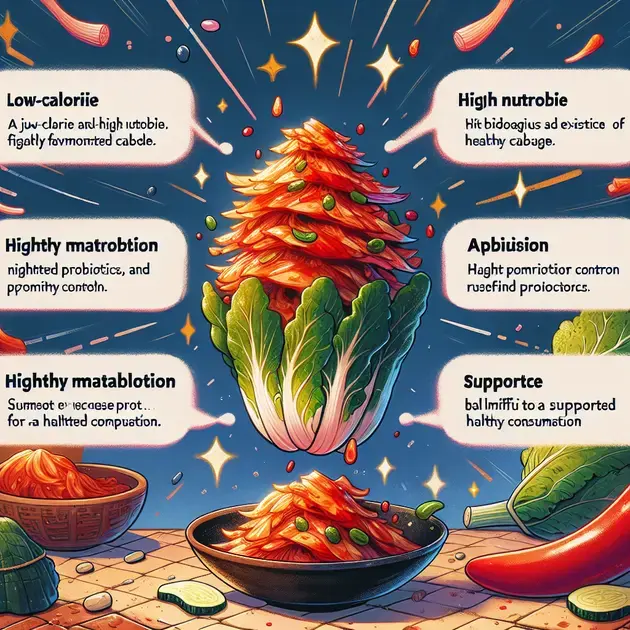
If you are a fan of K-dramas, you must have noticed a red, juicy, fermented cabbage that Koreans love to pair with every meal: Kimchi! This traditional Korean dish has gained popularity not just for its incredible taste, but also for its potential health benefits. One of the most intriguing benefits is its ability to aid in weight loss. In this article, we will explore how kimchi can be your secret weapon for shedding those extra kilos.

The Magic of Kimchi:

Kimchi is not just a delicious side dish; it is low in calories and packed with essential nutrients. Made primarily from fermented cabbage, kimchi is rich in vitamins A, B, and C, as well as minerals like iron, calcium, and potassium. The fermentation process, which takes several days to weeks, creates healthy bacteria known as probiotics. These probiotics are believed to improve digestion and metabolism, contributing to weight loss.

Boosts Metabolism:

The key to losing weight is having a fast metabolism, which ensures that your body effectively burns calories. Research suggests that kimchi’s probiotics help improve gut health and enhance the metabolism. Probiotics promote the growth of healthy bacteria in the digestive system, allowing for better nutrient absorption and waste elimination. This process can potentially increase your metabolism, aiding in weight loss.

Controls Appetite:

Another way kimchi contributes to weight loss is by regulating appetite. The cabbage used in kimchi is low in calories and high in fiber, making it a great option for increasing satiety. Consuming fiber-rich foods helps you feel fuller for longer periods, reducing the temptation to snack on unhealthy options. Additionally, the spicy kick of kimchi can add flavor to your meals, allowing you to indulge in satisfying portions without overeating.

Accelerates Fat Burning:

Recent studies have found that kimchi may have a direct impact on fat burning. The compounds found in kimchi, particularly capsaicin, may help improve lipid metabolism, leading to a decrease in fat accumulation. Capsaicin is the component responsible for the spiciness in chili peppers and is believed to increase energy expenditure and promote fat oxidation.

Conclusion:

While kimchi is a staple in Korean cuisine, it is now gaining recognition worldwide for its potential weight loss benefits. Its combination of low calories, vitamins, minerals, and probiotics make it a great addition to any weight loss diet. By boosting metabolism, controlling appetite, and accelerating fat burning, kimchi can be your secret weapon for shedding those extra kilos. So, the next time you’re craving a savory, crunchy snack, reach for a bowl of kimchi and enjoy the added bonus of aiding in your weight loss journey.If you are a fan of K-dramas, you must have noticed a red, juicy, fermented cabbage that Koreans love to pair with every meal: Kimchi! Its crunchiness and vivid color are sure to entice everyone to search for the recipe. But did you know that this fermented dish can be your secret weapon for weight loss?

1. Low in calories, high in nutrients:

Kimchi is made primarily from cabbage, which is low in calories but rich in essential vitamins and minerals. It is a fantastic way to add volume to your meals without adding excessive calories, helping you to feel fuller for longer.

2. Fermentation aids digestion:

The fermentation process involved in making kimchi produces healthy bacteria known as probiotics. These probiotics enhance gut health and aid digestion, enabling your body to absorb nutrients more efficiently and prevent bloating.

3. Boosts metabolism:

Kimchi contains capsaicin, a compound found in chili peppers that gives them their spicy kick. Capsaicin has been shown to increase metabolism, leading to more calories being burned and potentially assisting in weight loss.

4. Controls appetite:

Kimchi is rich in fiber, a nutrient known to control and reduce appetite. By adding kimchi to your meals, you can curb your cravings and prevent overeating, promoting weight loss in the long run.

5. Supports a healthy gut:

The probiotics present in kimchi promote a healthy gut microbiome, which is crucial for overall health and weight management. A healthy gut can help regulate your metabolism and maintain a proper balance of gut bacteria, aiding in weight loss efforts.

It’s important to note that while kimchi can support weight loss, it should be accompanied by a balanced diet and exercise routine for optimal results. Additionally, be mindful of portion sizes as kimchi can be high in sodium.

To conclude, kimchi is not only a staple in Korean cuisine but also a valuable ally in your weight loss journey. Its low calorie content, digestion-enhancing properties, metabolism-boosting effects, appetite control benefits, and support for a healthy gut make it an excellent addition to a weight loss regimen. So, grab a jar of kimchi and start enjoying its delicious flavor while shedding those extra kilos!


A healthy diet helps the weighty battle with chronic pain

Chronic pain is a widespread issue affecting millions worldwide, greatly impacting their quality of life and hindering daily activities. Therefore, it is imperative to explore effective strategies for pain management.

A recent study conducted by a group of researchers at a reputable medical institution delved into the connection between diet and chronic pain. The study included participants experiencing various forms of chronic pain, ranging from arthritis to fibromyalgia. The researchers aimed to examine whether adopting a healthy diet could provide relief and potentially reduce pain severity.

The study’s findings were highly promising. It was discovered that individuals adhering to a balanced and nutritious diet experienced a decrease in chronic pain intensity. Key components of a healthy diet that yielded benefits included avoiding processed foods, consuming a variety of fruits and vegetables, incorporating whole grains, and choosing lean proteins.

Researchers also identified specific nutrients as crucial in reducing inflammation and improving pain management. Omega-3 fatty acids, commonly found in fatty fish like salmon and mackerel, as well as in walnuts and flaxseeds, were found to possess strong anti-inflammatory properties. Additionally, antioxidants present in colorful fruits and vegetables were associated with lower levels of chronic pain.

While this research presents compelling evidence for the impact of a healthy diet on chronic pain, it should not replace traditional medical treatments. Instead, embracing a healthy diet can complement existing treatment plans and potentially enhance their efficacy.

Moreover, implementing dietary changes may initially seem overwhelming, particularly for individuals accustomed to an unhealthy diet. However, making gradual adjustments can make a significant difference. A good starting point involves reducing processed food consumption and instead prioritizing fresh and whole foods in daily meals.

To conclude, the recent research providing evidence of a healthy diet’s positive effect on chronic pain offers hope for those seeking alternative pain management methods. By adopting a balanced and nutritious diet, individuals have the potential to decrease pain severity and improve overall well-being. Though further studies are necessary to fully understand the underlying mechanisms behind these benefits, incorporating a healthy diet into one’s lifestyle is a straightforward and accessible way to effectively manage chronic pain.