Home Blog Page 174

Researchers ‘see’ vulnerability to gaming addiction in the adolescent brain


Adolescent Gaming Addiction and its Relationship with Reduced Sensitivity to Rewards

Article Title: Adolescent Gaming Addiction and its Relationship with Reduced Sensitivity to Rewards

Introduction:

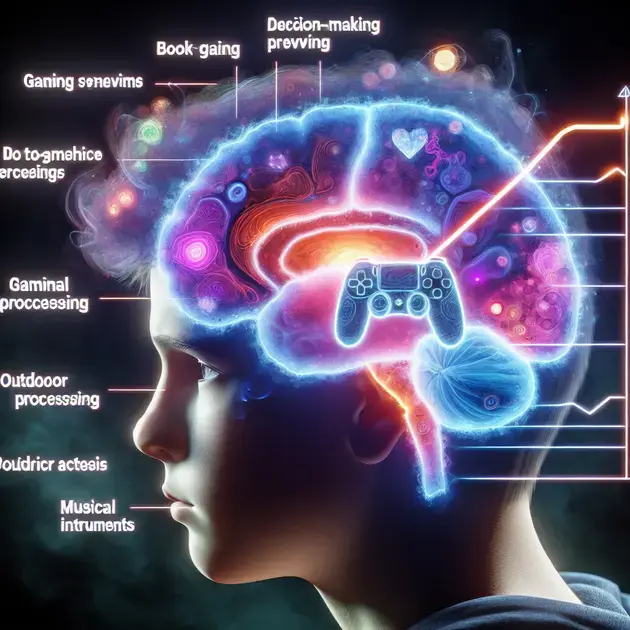
In recent years, the prevalence of gaming addiction among adolescents has received increasing attention from researchers. The detrimental effects of excessive gaming on mental health and cognitive functions have been widely discussed. A new study has found a significant association between symptoms of gaming addiction and lower brain activity in the decision-making and reward-processing regions of the brain. This diminished response to reward anticipation can potentially contribute to the development and persistence of gaming addiction. In particular, the reduced sensitivity to non-gaming rewards may play a crucial role in the problematic gaming behavior observed among adolescents.

Understanding Gaming Addiction:

Gaming addiction refers to the excessive and compulsive use of video games, leading to significant negative consequences in various areas of an individual’s life. This addictive behavior can disrupt academic, social, and occupational functioning, as well as contribute to emotional distress. Adolescents, in particular, are vulnerable to gaming addiction due to their still-developing brain and increased susceptibility to the rewarding aspects of gaming.

The Study:

Researchers conducted a study to investigate the neurobiological underpinnings of gaming addiction among adolescents. They recruited a sample of adolescents exhibiting varying degrees of symptoms related to gaming addiction. The participants underwent brain imaging scans while engaging in reward anticipation tasks. The level of brain activity in regions associated with decision-making and reward processing was measured and correlated with the severity of gaming addiction symptoms.

Findings:

The study findings revealed a significant correlation between symptoms of gaming addiction and lower brain activity in the decision-making and reward-processing region of the brain. Adolescents with more pronounced symptoms of gaming addiction exhibited a blunted response to reward anticipation. This reduced sensitivity to rewards, specifically non-gaming rewards, was found to be associated with higher levels of gaming addiction symptoms over time.

Implications and Future Directions:

The results of this study shed light on the potential mechanisms underlying the development and maintenance of gaming addiction among adolescents. The reduced brain activity in the decision-making and reward-processing region suggests that individuals with gaming addiction may have difficulties in experiencing pleasure and making rational choices outside of the gaming context. This blunted response to reward anticipation may explain why some individuals are more prone to persistent problematic gaming behaviors.

Moving forward, further research is needed to explore the causal relationship between reduced sensitivity to non-gaming rewards and the development of gaming addiction. Understanding these underlying mechanisms can inform the development of targeted interventions and preventive strategies to address gaming addiction among adolescents. Additionally, raising awareness among parents, educators, and mental health professionals about the potential risks and signs of gaming addiction is crucial to ensuring early recognition and intervention.

Conclusion:

In conclusion, the study provides valuable insights into the relationship between symptoms of gaming addiction and reduced sensitivity to rewards among adolescents. The findings highlight the importance of addressing non-gaming reward deficits when designing interventions for gaming addiction. By recognizing the role of reward processing in problematic gaming behaviors, we can work towards effectively supporting adolescents and mitigating the negative consequences associated with excessive gaming.

Toxoplasma gondii parasite uses unconventional method to make proteins for evasion of drug treatment

A Study Reveals Insights into Toxoplasma gondii Parasites’ Mechanism for Entering Dormant Stage, Evading Drug Treatment

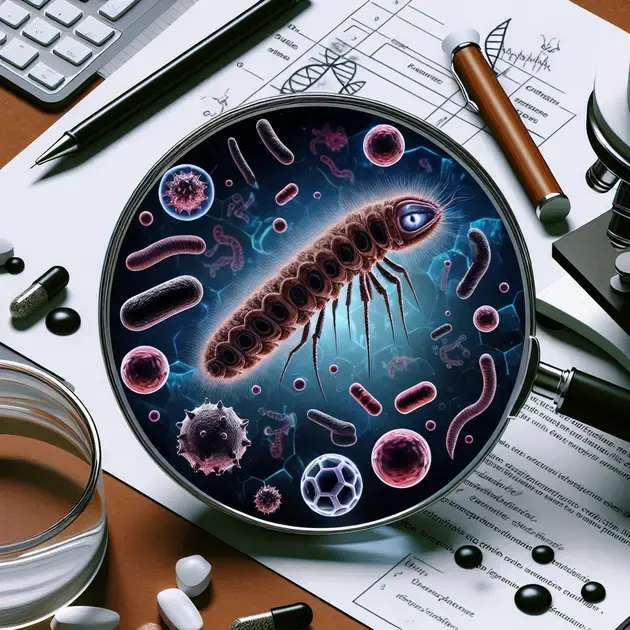
Toxoplasma gondii is a protozoan parasite that causes toxoplasmosis, an infectious disease that affects humans and animals. This microscopic parasite is known for its ability to enter a dormant stage, called bradyzoites, which allows it to evade the host’s immune system and become resistant to drug treatment. Understanding the molecular mechanisms behind this process is crucial for developing effective strategies to combat and prevent toxoplasmosis.

In a groundbreaking study, researchers have shed new light on how Toxoplasma gondii parasites make the proteins necessary to enter the dormant stage. The study, published in the journal Nature Communications, unravels the intricate molecular machinery used by these parasites to adapt and survive within their hosts.

The researchers used advanced genetic and proteomic techniques to analyze the parasite’s protein production during different stages of its life cycle. They discovered a unique set of proteins that are specifically expressed during the transition to the bradyzoite stage. These proteins play a crucial role in modifying the parasite’s metabolism and altering its cell structure, enabling it to become dormant.

Furthermore, the study revealed that the parasite employs a sophisticated regulatory mechanism to control the expression of these proteins. It was found that a specific protein called AP2IX-9 acts as a master regulator, orchestrating the activation of genes involved in bradyzoite formation. Disrupting the function of AP2IX-9 was shown to inhibit the parasite’s ability to enter the dormant stage, making it susceptible to drug treatment.

The findings from this study have significant implications for the development of new therapeutic approaches to combat toxoplasmosis. By understanding the molecular mechanisms that allow the parasite to enter a dormant stage, researchers can potentially identify drug targets that can interfere with this process. By disrupting the parasite’s ability to become dormant, it will be possible to render it vulnerable to existing drugs, making treatment more effective.

Moreover, this study provides a framework for further exploration of Toxoplasma gondii’s biology and pathogenesis. By uncovering the intricate molecular mechanisms that govern the parasite’s behavior, researchers can gain insights into how it manipulates the host’s immune system and establishes chronic infections.

In conclusion, this groundbreaking study has shed new light on the molecular mechanisms used by Toxoplasma gondii parasites to enter a dormant stage, allowing them to evade drug treatment. The findings offer promising avenues for the development of novel therapeutic strategies and deepen our understanding of the intricate relationship between the parasite and its host. Continued research in this field holds great potential for improving the prevention and treatment of toxoplasmosis.

A recent study has unveiled novel insights into the manner in which Toxoplasma gondii parasites generate the proteins necessary for entering a dormant phase to avoid drug interventions.

What’s Causing That Swelling in the Back of Your Knee? Discover the Possible Culprits!


Knee Swelling Insights

The knee is a complex joint that often bears the brunt of our many physical activities, and when something goes wrong, it can manifest in various ways. While some injuries lead to an entire knee swelling up like a balloon, others present in a more subtle manner, such as swelling merely in the back of the knee. This particular symptom can be puzzling and concerning for many. In our upcoming discussions, inspired by a question from a curious viewer of Dr. David Guyer’s Ask the Doctor series, we aim to unravel the mysteries surrounding localized knee swelling. Join us as we delve into potential causes such as meniscus tears, arthritis, or even the formation of a Baker’s cyst, and explore non-surgical solutions to manage these conditions effectively. Whether you’re dealing with knee pain or simply eager to know more about knee health, this blog is your guide to understanding and addressing those nagging knee concerns.

1. Meniscus Tears

Meniscus tears are a common cause of localized swelling in the knee. The meniscus is a C-shaped piece of cartilage that acts as a shock absorber between your thigh bone and shinbone. Tears can occur on either the medial (inside) or lateral (outside) aspects.

  • Posterior Horn Tears: These tears often result in swelling towards the back of the knee. They may not cause the entire knee to swell, but you may notice pain, stiffness, and swelling when bending the knee.
  • Causes: They can be caused by acute trauma, such as twisting the knee, or degenerative changes as we age.

2. Arthritis

Arthritis in the knee can lead to a breakdown of cartilage and cause swelling and pain, particularly in the back of the knee.

  • Osteoarthritis: The most common form, happens due to wear and tear over time, resulting in cartilage breakdown.
  • Rheumatoid Arthritis: An autoimmune condition can also result in knee inflammation.

3. Baker’s Cyst

Also known as a popliteal cyst, a Baker’s cyst is a fluid-filled sac that forms at the back of the knee.

  • Formation: This occurs when excess synovial fluid (which lubricates the knee joint) is pushed into a small sac behind the knee, often due to knee joint conditions like arthritis or meniscus tears.
  • Symptoms: While it can be painless, a Baker’s cyst may cause a bulge and tightness behind the knee, particularly when the knee is fully extended or flexed.

4. Ligament Injuries

Although less frequently localized solely to the back of the knee, certain ligament injuries can also cause swelling there.

  • Posterior Cruciate Ligament (PCL) Injury: This can occur from a blow to the front of the knee when it’s bent, often during a fall or car accident.

Diagnostic Approach

If you notice persistent swelling at the back of your knee, it’s important to consult with a healthcare professional. They might employ several diagnostic strategies:

  • Physical Examination: Checking for pain points, range of motion, and stability.
  • Imaging Tests: MRI or X-ray to assess any joint or bone involvement.
  • Ultrasound: Useful in identifying fluid accumulation like a Baker’s cyst.

Treatment Options

Based on the diagnosis, treatment options can vary significantly:

  • RICE Method: Rest, Ice, Compression, and Elevation are often first-line treatments for reducing initial swelling.
  • Physical Therapy: Strengthening exercises can help restore mobility and prevent further injury.
  • Medications: Nonsteroidal anti-inflammatory drugs (NSAIDs) for pain and inflammation.
  • Aspiration or Drainage: If a Baker’s cyst is present, draining the fluid might be necessary.
  • Surgery: In cases of severe arthritis or a significant meniscus tear, surgical intervention might be required.

Non-Surgical Interventions

For those who are exploring alternatives to surgery, several non-invasive options could be beneficial:

  • Injections: Corticosteroid injections can reduce inflammation, while hyaluronic acid injections can augment lubrication within the joint.
  • Regenerative Techniques: Platelet-rich plasma (PRP) and stem cell injections are advanced techniques that can potentially aid in healing and regeneration of knee tissues.
  • Lifestyle Modifications: Weight management and a proper diet can alleviate strain on the knee, improving symptoms.

Conclusion

While swelling at the back of the knee can be alarming, understanding its potential causes can empower you to seek the right treatment. From less invasive approaches to surgical options, managing knee health is about recognizing symptoms early and collaborating with your healthcare provider to craft an effective treatment plan.

Ultimately, taking proactive steps towards knee health by maintaining an active lifestyle, wearing appropriate footwear, and listening to your body’s signals can aid in keeping your knees stronger for longer. As always, consult your physician before embarking on any new treatment or exercise regimen. Your knees are vital to mobility, so ensure they get the care and attention they deserve.


A Day in the Life: From Christmas Shopping for Fur-Nephews to DIY Haircuts and Snack Preps!


Festive Preparations and Personal Care


Morning Cardio and a Trip to the Pet Store

Our day started with an invigorating cardio session, setting the tone for a day filled with energy and excitement. After our morning workout, we headed to the pet store to find the perfect gifts for our dog nephews, Walty and Morris. As any dog lover knows, each furry friend has their own unique personality and preferences, and our nephews are no exception. Morris is fond of balls, so we picked up a fancy triple ball set variety pack for him, while Walty, with his love for food, was treated to freeze-dried chicken hearts and minnows.

DIY Haircut and Organization Overhaul

Returning home, I was ready to take on personal grooming with a DIY haircut. Cutting my own hair has become a skill I’ve honed since 2020, saving money and ensuring my hairstyle is just as I like it. Armed with a hair cape, scissors, and a bit of creativity, I achieved a refreshed look, trimming my bangs and the ends of my hair.

But the day didn’t stop at grooming. Organization was next on the agenda. Our shelves, which house everything from meal prep containers to camera equipment, needed an overhaul. Clutter was eliminated, items we use daily were made easily accessible, and the space was cleaned and tidied. As someone who prides themselves on organization, I found this task immensely satisfying, setting up for a more streamlined daily routine.

Creating a Holiday-Themed Snack Mix

Next was one of the most anticipated activities of the day—creating a holiday-themed snack mix that aligns with our dietary goals. With 216 calories designated for this treat, I crafted a sweet and salty mix using Honey Nut Chex, Boom Chicka Pop popcorn, pretzels, and festive M&Ms. Portion control is key, and by carefully measuring out each ingredient, we can enjoy this seasonal snack guilt-free. The blend of flavors in the holiday Chex Mix is a reminder that indulging in holiday treats can be balanced with mindful eating.

Gift Wrapping and Thoughtful Presents

With snacks prepared, it was time to dive into gift-wrapping. Each gift was carefully wrapped in colorful tissue paper and nestled into festive bags, topped with ribbons and personalized tags. From our furry nephews to our co-workers and family, each gift was chosen with thoughtfulness and wrapped to reflect the joy of giving. A little tip I shared was pinching tissue paper in the middle to create a fluffed-up appearance, adding a touch of flair to our presentation.

Embracing Organization with a New Planner

Additionally, I tackled a bit of organizational planning with the arrival of a new 2025 planner. Filled with space for scheduling and notes, this planner also came with an array of stickers to mark important dates, paydays, and bills, adding to the efficiency of my planning process. Keeping track of our schedules, expenses, and goals has never been easier, and setting up my planner for the new year has me excited for the months ahead.

Conclusion

In conclusion, our day was a harmonious blend of preparation, care, and celebration. As we approach the end of the year, it’s heartwarming to reflect on the many ways we can express love and gratitude—whether through thoughtful gifts, personal care routines, or a bit of holiday indulgence. Embracing the festive spirit while remaining true to our goals and values is what makes this season truly magical. Here’s to cozy days filled with love, laughter, and just the right amount of sweetness!


Swelling Behind the Knee: What Could It Mean and Should You Be Concerned?


Swelling Behind the Knee

When you hear about knee injuries, it’s common to imagine the entire knee blown up like a balloon, swollen to alarming proportions. But what if it’s not the whole knee that’s swollen? What if it’s just the back of the knee that feels puffy and uncomfortable? This localized swelling can be bewildering and worrying, especially if you’re unsure about what it might signify. In this blog, we’ll delve into the potential causes of swelling at the back of the knee, from common culprits like arthritis and meniscus tears to the less talked about Baker’s cyst. Drawing on insights from Dr. David Guyer, a triple board-certified orthopedic surgeon and sports medicine specialist, we aim to shed light on these possibilities and help you understand what might be happening inside your knee. Whether you’re an athlete nursing an injury or someone dealing with the wear and tear of daily life, knowing what causes such swelling can be the first step toward effective treatment and recovery.

Understanding Meniscus Tears

Swelling localized to the back of the knee can be an indicator of specific knee injuries that might not affect the entire joint. Several conditions can cause this type of swelling, each with unique characteristics and implications for treatment. Understanding these conditions is crucial for determining the best course of action and preventing further damage.

Firstly, one potential cause of swelling behind the knee is a meniscus tear. The meniscus is a piece of cartilage that cushions and stabilizes the knee joint. It can be torn due to acute injury or degenerative changes. Specifically, tears in the posterior horn, the back part of the meniscus, can lead to swelling mainly at the back of the knee. Such tears can occur on either the medial side (inside) or the lateral side (outside) of the knee, depending on the nature of the injury.

Common symptoms accompanying a meniscus tear are:

  • Pain localized to the knee joint, which can increase with movement or pressure.
  • Stiffness and reduced range of motion.
  • A sensation of the knee catching or locking.

It’s vital to consult a healthcare provider for an accurate diagnosis, which typically involves a physical examination and imaging tests like an MRI.

Arthritis and Its Effects

Another possible cause is arthritis, particularly when it affects the posterior (back) aspects of the knee joint. Arthritis leads to the breakdown of cartilage, causing inflammation that can result in swelling. This swelling may be more prominent in the back of the knee due to the structure and mechanics of the joint.

Symptoms consistent with arthritis include:

  • Gradual onset of pain, often worse with activity and relieved by rest.
  • Swelling and warmth around the joint.
  • Morning stiffness or stiffness after sitting for long periods.

Management of arthritis often involves lifestyle modifications, physical therapy, medication, and in severe cases, surgical interventions.

The Baker’s Cyst Phenomenon

A Baker’s cyst is another common reason for swelling at the back of the knee. This condition occurs when excess joint fluid is pushed into the bursa, a small sac behind the knee, forming a fluid-filled cyst. A Baker’s cyst is usually associated with other knee problems like a meniscus tear or arthritis.

Symptoms of a Baker’s cyst can include:

  • Noticeable swelling behind the knee.
  • Tightness and restricted movement.
  • Pain that may worsen with full flexion or extension of the knee.

Treating a Baker’s cyst often involves addressing the underlying condition causing excess fluid production. Options can include aspiration (removal of fluid), corticosteroid injections, or, in rare cases, surgery.

Other Potential Causes

In some cases, less common conditions might be responsible for the swelling. These include:

  • Deep vein thrombosis (DVT), a blood clot that can present with swelling and tenderness behind the knee.
  • Popliteal artery aneurysm, an abnormal bulging in the artery behind the knee, can cause swelling.

Such conditions require immediate medical evaluation due to potential complications.

Seek Medical Evaluation

If you experience swelling at the back of the knee, seek medical evaluation to determine the cause. Early diagnosis and treatment are essential in preventing further damage and promoting recovery. Your healthcare provider will consider your symptoms, medical history, and diagnostic test results to prescribe a tailored treatment plan.

It’s also worth noting that besides medical treatments, there are holistic and regenerative approaches that can aid in your recovery. These might include physical therapy, regenerative therapies like platelet-rich plasma (PRP) injections, and other non-invasive modalities that focus on restoring function and reducing symptoms.

Conclusion

In conclusion, while swelling at the back of the knee can be alarming, understanding the potential causes and seeking timely medical advice can greatly improve outcomes. Whether due to a meniscus tear, arthritis, or a Baker’s cyst, addressing the underlying issue is crucial. Exploring both traditional and alternative treatment options will help you regain function and alleviate discomfort, paving the way to better knee health and performance.


A Whirlwind Day of Cardio, Canine Christmas Shopping, and DIY Haircuts!


Blog Article

As the festive season approaches, many of us find ourselves juggling a myriad of activities, trying to keep up with the holiday cheer while maintaining our daily routines. Today, we dive into a day filled with excitement, creativity, and a touch of nostalgia as we accompany a lively couple on their bustling journey. From a heart-pumping cardio session to a delightful trip to the pet store for the perfect gifts for their beloved dog nephews, Walter and Morris, this day is anything but ordinary. Along the way, there’s a DIY haircut to master, showcasing self-confidence and ingenuity, and an organizational spree that brings order to their busy lives. With their unique charm and enthusiasm, this couple reminds us of the joys of companionship, thoughtful gift-giving, and the satisfaction of a day well-spent. Join us as we explore the heartwarming and humorous adventures that embody the true spirit of the holidays and everyday life.

A Day Filled with Holiday Preparations

The morning kicks off with an invigorating cardio session, setting the tone for a day packed with holiday activities and organizational undertakings. As they finish up their workout, the anticipation of visiting the pet store to pick up Christmas gifts for their dog nephews, Walter and Morris, adds an extra bounce to their step. With a shared love for their furry family members, the couple is excited to indulge Morris’ love for balls and Walter’s fondness for tasty treats.

Upon arrival at the pet store, the joy of selecting the perfect gifts for their pups sets in. They choose a variety pack of chuck-it balls for Morris, knowing it will keep him entertained for hours. For Walter, a selection of freeze-dried treats ranging from chicken hearts to fish snacks promises to satisfy his adventurous palate. The moment captures the essence of thoughtful gift-giving, even for their four-legged relatives.

Organizing and Culinary Creativity

Once home, it’s time to transform their living space into a hub of organization and creativity. The focus shifts to meal prep and maintaining their fitness goals even amidst holiday temptations. A big batch of low-calorie holiday Chex Mix is on the agenda, offering a balance of indulgence and mindfulness as they navigate festive cravings. The preparation process includes a carefully calculated portion that aligns with their dietary goals, proving that holiday treats can coexist with healthy eating.

DIY Self-Care and Household Organization

But the day isn’t just about fitness and food; it’s also about self-expression and embracing change. With a can-do attitude, there’s a DIY haircut session to tackle. The determination to perfect the art of a self-cut hairstyle, adjusting bangs and trimming layers, is emblematic of their approach to life: hands-on, fearless, and always learning. It’s a moment of self-care and confidence, turning a potentially daunting task into a rewarding personal achievement.

After the salon session at home, organizing their space becomes the next challenge. Sorting through meal prep containers and camera equipment, they create a more streamlined setup, making everyday tasks easier and more efficient. The sense of accomplishment from this reorganization reflects the importance of a well-ordered space in supporting a balanced lifestyle.

The Joy of Gift Wrapping

As the day progresses, attention turns to wrapping presents, ensuring every gift bears a personal touch. The duo selects festive bags and tissue paper, meticulously arranging each package with love and creativity. It’s a simple yet significant ritual that enhances the joy of giving, reminding everyone of the thoughtfulness and care embedded in each gift.

A Day of Companionship and Reflection

Amidst the hustle and bustle, there’s also time to appreciate the simplicity and warmth of companionship. A heartwarming exchange between the couple, full of inside jokes and shared memories, underscores the beauty of their long-term partnership. Their ability to find humor in everyday situations exemplifies a relationship built on friendship, mutual respect, and endless affection.

Planning for the Future

Finally, the arrival of a new planner and stickers marks a moment to plan ahead, setting intentions for the upcoming year. It’s a small but significant act of preparing for future endeavors, demonstrating a commitment to maintaining organization and clarity in their lives. The extensive selection of stickers adds a playful element to planning, making the process not only productive but also enjoyable.

As the day draws to a close, the couple reflects on their accomplishments—from the fun of pet shopping to the satisfaction of a DIY haircut—and eagerly looks forward to the cozy holiday evenings ahead. Their ability to seamlessly integrate joy, productivity, and affection into a single day serves as a reminder of the little things that make life meaningful.

In the end, this whirlwind day isn’t just about completing tasks or crossing items off a list; it’s about cherishing moments, whether big or small, and embracing the spirit of togetherness. Through laughter, creativity, and a shared vision for the future, this couple exemplifies the magic of an ordinary day filled with extraordinary love.


Study helps solve mystery between repeated head impacts in sports and location of brain degeneration in CTE


Unveiling the Mystery Behind Brain Atrophy in Chronic Traumatic Encephalopathy

Title: Unveiling the Mystery Behind Brain Atrophy in Chronic Traumatic Encephalopathy

Introduction:

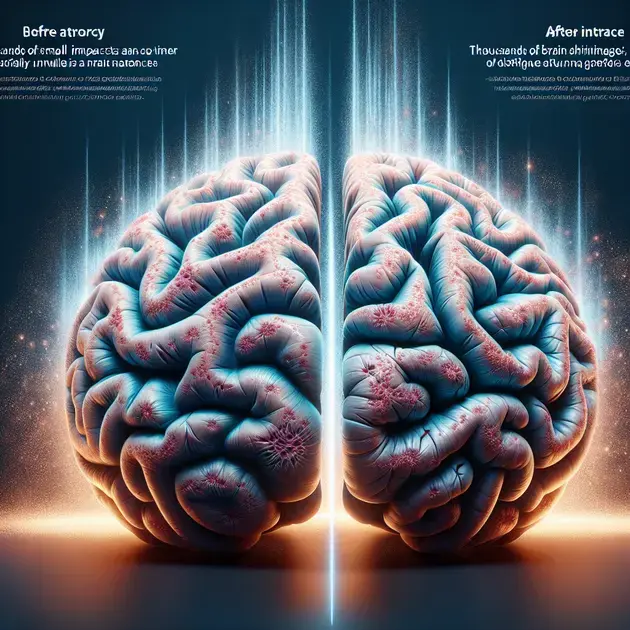
Chronic Traumatic Encephalopathy (CTE) has long perplexed researchers and medical professionals due to its distinct pattern of brain shrinkage, also known as atrophy. However, a recent study has shed new light on this enigma by linking cumulative repetitive head impacts to the specific degradation of brain regions located at the base of the brain’s folding called cortical sulcus. This article will discuss the implications of this groundbreaking research in understanding CTE and its long-term effects on individuals.

Body:

CTE is a progressive neurodegenerative disorder that primarily affects athletes, veterans, and individuals exposed to repeated head trauma. Previously, the distinct pattern of brain atrophy in CTE remained an unsolved mystery. However, a recent study conducted by a team of researchers has revealed a significant breakthrough in unraveling this mystery.

According to the study, cumulative repetitive head impacts play a pivotal role in driving the specific patterns of brain degeneration found in the cortical sulcus region. This region, situated at the base of the brain’s folds, is responsible for numerous critical functions, including cognition, memory, and processing sensory information.

The researchers used advanced imaging techniques to analyze the brains of individuals diagnosed with CTE. By comparing these scans with those of control subjects without CTE, they identified a consistent pattern of atrophy at the cortical sulcus. This finding suggests that the repetitive head impacts incurred by individuals with CTE are directly responsible for this unique brain degeneration.

Furthermore, the researchers discovered that the cortical sulcus’s degeneration was associated with the accumulation of abnormal tau protein, a hallmark characteristic of CTE. The abnormal tau protein forms tangles within the brain, leading to cellular dysfunction and neuronal death.

The novel evidence provided by this study offers a significant advancement in our understanding of CTE. By identifying the specific brain regions affected by cumulative repetitive head impacts, researchers can focus on developing targeted interventions and treatments to slow down or halt the progression of the disease.

Moreover, this research could also have broader implications for detecting and diagnosing CTE earlier in individuals who are at higher risk due to their professions or activities. Early detection would enable healthcare professionals to provide timely interventions, potentially preventing or minimizing the long-term consequences of head trauma.

Conclusion:

The recent study provides invaluable evidence linking cumulative repetitive head impacts to the distinct brain atrophy pattern observed in chronic traumatic encephalopathy. By identifying the cortical sulcus as a key site affected by these impacts, researchers can pave the way for targeted interventions and earlier detection of the disease. This breakthrough has the potential to revolutionize our understanding of CTE and enhance the care available to affected individuals.


What Swelling at the Back of Your Knee Could Mean – Expert Insights from a Triple Board-Certified Orthopedic Surgeon


Understanding Swelling at the Back of the Knee

Injuries and ailments affecting the knee can be both uncomfortable and concerning, particularly when you notice unusual symptoms like swelling localized to the back of the knee. This type of swelling doesn’t always indicate a major injury—such as an ACL tear which typically causes uniform swelling—but could nonetheless be a sign of underlying issues that warrant attention. In this blog, I delve into possible causes for this specific symptom, including meniscus tears, arthritis, and Baker’s cysts, offering insights from my experience as a triple board-certified orthopedic surgeon. Whether you’re dealing with knee pain yourself or simply seeking to learn more about common knee injuries, this post aims to provide valuable information and guidance on potential conditions that might explain swelling behind the knee.

Understanding Swelling at the Back of Your Knee

When you notice swelling localized to the back of your knee rather than throughout, it can signal a number of different underlying issues. Understanding the cause of this swelling is crucial, as it can lead to more effective treatment and management of the condition. In this post, we’ll explore some of the potential reasons for this type of swelling and what they might mean for your knee health.

Meniscus Tears

One of the most common causes associated with swelling at the back of the knee is a meniscus tear. The knee’s meniscus is a C-shaped piece of cartilage that cushions and stabilizes the joint. It’s located between the femur (thigh bone) and tibia (shin bone). Tears can occur due to sudden twists or overuse, especially in athletes and older adults. When the posterior horn of the medial or lateral meniscus is torn, swelling often becomes more pronounced at the back of the knee. This is because the posterior horn is located towards the back of the knee joint, and damage there can leak inflammatory fluids into the area, leading to localized swelling.

Arthritis

Another prevalent condition that could cause swelling at the back of the knee is arthritis. This degenerative disease involves the breakdown of cartilage, which can cause the knee joint to swell with inflammation. The type of swelling seen with arthritis often depends on the specific area where the cartilage is wearing away. If it occurs in the back part of the joint (posterior aspect), it could lead to noticeable swelling in that region. Osteoarthritis, the “wear and tear” arthritis, is the most common type and can lead to chronic swelling and discomfort.

Baker’s Cysts

Additionally, a Baker’s cyst, also known as a popliteal cyst, can result in swelling at the back of the knee. This cyst forms when excess joint fluid is pushed into the popliteal bursa—a small sac of fluid that helps lubricate the knee joint. This can occur as a result of both meniscus tears and arthritis, as these conditions can increase the production of joint fluid. In some cases, a Baker’s cyst might not cause any symptoms, but when it does, it often presents as a bulge behind the knee, accompanied by tightness and restricted movement.

Addressing Localized Knee Swelling

While injuries like an ACL tear tend to result in more generalized swelling around the entire knee, localized swelling at the back of the knee is often indicative of the conditions described above. Therefore, identifying and understanding the specific nature of your knee swelling can provide significant insight into the underlying problem.

When dealing with these symptoms, it’s crucial to approach treatment options with a full understanding of the issue at hand. Meniscus tears, for instance, might be managed with rest, physical therapy, or in some cases, surgical intervention. Arthritis management often involves medications, lifestyle modifications, and possibly joint injections to reduce inflammation and pain. Baker’s cysts typically resolve on their own, but persistent cases may require medical drainage or addressing the underlying cause, such as a meniscus tear or arthritis.

It’s also important to explore alternative and regenerative medicine approaches for treating knee injuries. For those seeking options beyond surgery or cortisone shots, treatments such as platelet-rich plasma (PRP) therapy or stem cell therapy might be worth considering. These therapies focus on using the body’s own healing mechanisms to repair damage naturally and can be particularly beneficial for certain types of knee injuries.

Remember, any persistent swelling or pain in the knee should be evaluated by a healthcare professional to determine the exact cause and appropriate treatment. While general information like this can guide you, it’s not a substitute for personalized medical advice.

Understanding these common causes of back-of-knee swelling empowers you to make informed decisions about your knee health. Whether through traditional treatments or exploring alternative therapies, addressing the root cause can help you regain comfort and mobility. Be proactive in seeking the information and care you need to protect your knees and maintain an active, healthy lifestyle.


A Day Filled with Holiday Cheer, DIY Haircuts, and Tasty Treats! 🎄✨


Holiday Cheer and Festive Activities

In the midst of the holiday hustle and bustle, there’s a day that stands out not just for its festive cheer but for the contagious enthusiasm and joy that fills it. From an energizing cardio session to thoughtful Christmas shopping for our beloved dog nephews, this day was nothing short of heartwarming. As we wrap presents, indulge in a creative low-calorie holiday snack mix, and even take a daring leap into DIY haircuts, there’s a spirit of spontaneity and love that ties it all together. Join us as we navigate through the joys of planning, organizing, and celebrating the little moments that make the holiday season truly magical. Whether it’s a new planner’s arrival or wrapping a perfect gift for furry friends, the day is all about embracing joy, creativity, and the essence of togetherness.

Starting the Day with Cardio and Pet Store Adventures

The day started with a brisk cardio workout, pumping our spirits high and setting the tone for an energetic day ahead. Cardiovascular exercises are not just a way to stay fit but also an effective mood booster. As we wrapped up, the excitement of the planned activities started bubbling inside us, especially with a trip to the pet store on the horizon.

Shopping for our dog nephews, Walty and Morris, at the pet store was a delightful endeavor. It’s always special to watch people’s faces light up when they receive gifts that perfectly match their personality, and our furry friends are no exception. We carefully selected a variety pack of balls for Morris, who has an insatiable love for them, and a selection of delectable treats like freeze-dried minnows and chicken hearts for Walty, who shares the terrier trait of loving food.

Wrapping Gifts and DIY Haircuts

Returning home, the next task was to wrap these gifts with the utmost care and affection. There’s something inherently satisfying in crafting the perfect presentation, wrapping each gift in festive paper and envisioning the joy on the recipient’s face. This activity not only reflected the spirit of giving but also allowed us to spend quality time together, chuckling over small details and sharing stories about past gift-giving experiences.

In between the wrapping and organizing, I took a moment for personal care—a quick haircut at home. As someone who learned the art of self-haircuts during the lockdown, it’s a fulfilling process every time. Armed with a cape, scissors, and a keen eye from my partner, I snipped and shaped until my hair felt fresh and lively. The process of doing something for oneself, even if it’s a simple haircut, is empowering. It’s a reminder that self-care can be fun and rewarding, adding a sprinkle of confidence to the day’s adventures.

A Sweet and Salty Holiday Snack Mix

The holiday cheer wouldn’t be complete without some scrumptious treats. Craving a holiday classic without straying from dietary goals led to the creation of a low-calorie Chex Mix. Assembling the mix was a colorful task. With honey nut Chex, sweet and salty popcorn, pretzels, chocolate chips, and festive M&M’s, it was a feast for the eyes and taste buds. The mix not only satisfied the holiday craving but also adhered to our calorie goals, proving that festive eating can indeed be part of a balanced diet.

Organizing for the Holidays

Organization was another star of the day. Clearing and reorganizing the shelving area brought a sense of order, making everyday tasks smoother. Each item, whether it was meal prep containers or protein products, found its designated place, allowing for efficient reach and use. Such organization is crucial, especially during busy holiday months, as it helps maintain focus and ensures no task is overlooked amid the festivities.

Gifting and Community Cheer

The day also involved preparing small gifts for coworkers—a simple gesture to spread holiday cheer beyond immediate family. Picking out lip balms, cozy socks, and chocolates tailored to each coworker’s tastes fostered a spirit of gratitude and appreciation. These little acts of kindness ripple outward, reinforcing community spirit and connection.

New Planner and Looking Ahead

As the sun began to set, signaling the close of a bustling day, there was still one more moment of excitement—receiving a new planner and a set of stickers. For someone who thrives on organization, planners are indispensable. The joy of opening a crisp, untouched planner, ready to map out the coming year’s adventures and responsibilities, is invigorating. The accompanying stickers promise to add flair and fun, transforming the mundane task of scheduling into an artsy endeavor.

Ultimately, the day encapsulated the essence of the holiday spirit—filled with preparation, thoughtfulness, and care, whether it was through gifting, personal grooming, or planning for the future. It underscored the importance of balancing indulgence and responsibility, celebrating the present moment while keeping an eye on the path ahead. As we embark on more such days, the focus remains on nurturing relationships, spreading love, and cherishing the joyous simplicity of life’s festive moments.


Dogs use two-word button combos to communicate

“`html


Cães Aprendem a ‘Falar’: Novo Estudo Revela Comunicação Avançada com Painéis de Som

Cães Aprendem a ‘Falar’: Novo Estudo Revela Comunicação Avançada com Painéis de Som

Em um estudo inovador, os pesquisadores descobriram que cães treinados para usar painéis de som para comunicação são capazes de formar combinações de duas palavras que vão muito além de meros comportamentos aleatórios ou imitação simples de seus donos. Essa descoberta desafia as compreensões tradicionais da comunicação canina e abre novas avenidas para explorar as habilidades cognitivas de nossos companheiros de quatro patas.

O estudo focou em cães que haviam sido ensinados a associar botões de som específicos a ações ou objetos particulares. Por exemplo, um cão pode pressionar um botão que diz “fora” quando quer sair para passear, ou “brincar” quando deseja participar de um jogo. Ao analisar as maneiras como esses cães combinavam botões, os pesquisadores observaram padrões e contextos que sugeriam um nível mais profundo de entendimento, em vez de simples comportamento imitativo.

Uma das descobertas mais notáveis foi que os cães foram capazes de criar combinações significativas de palavras com base em suas próprias necessidades e desejos. Por exemplo, um cão pode pressionar “brincar” e, em seguida, “bola”, indicando um interesse específico em brincar com uma bola, em vez de apenas pressionar botões aleatoriamente. Esse nível de comunicação sutil implica que esses cães não estão apenas respondendo a sinais de seus donos, mas também são capazes de expressar pensamentos e emoções complexas.

As implicações deste estudo são significativas. Sugere que os cães possuem uma sofisticação cognitiva maior do que se acreditava anteriormente, permitindo-lhes envolver-se em uma forma de comunicação que reflete a nossa. Isso pode levar a abordagens inovadoras no treinamento e na compreensão do comportamento canino, fornecendo aos donos de animais as ferramentas para entender melhor as necessidades de seus pets.

Além disso, as descobertas levantam questões interessantes sobre o potencial para a comunicação entre espécies. Se os cães podem transmitir seus desejos através de painéis de som, isso abre caminho para uma exploração adicional de como outros animais podem comunicar suas necessidades e sentimentos. O estudo também destaca a importância de ambientes enriquecidos para os pets, onde eles possam aprender e se expressar de novas maneiras.

À medida que os pesquisadores continuam a se aprofundar nessa fascinante área da cognição animal, é provável que vejamos novos desenvolvimentos e metodologias que aprimoram nossos relacionamentos com os cães. Essa nova evidência de que os cães podem formar combinações de duas palavras revela o incrível potencial de comunicação entre humanos e animais, enriquecendo, em última análise, nossa compreensão sobre o que significa compartilhar nossas vidas com esses leais companheiros.

Em conclusão, o estudo não apenas demonstra a inteligência dos cães, mas também encoraja os donos e treinadores a abraçar métodos inovadores de comunicação. À medida que aprendemos mais sobre as capacidades desses animais, damos passos significativos em direção à redução da distância entre as espécies, criando uma melhor compreensão do vínculo único que compartilhamos com nossos amigos caninos.


“`